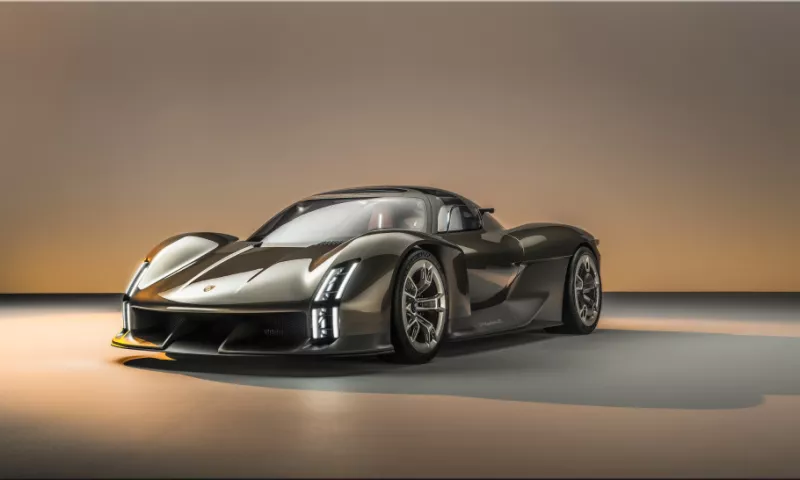
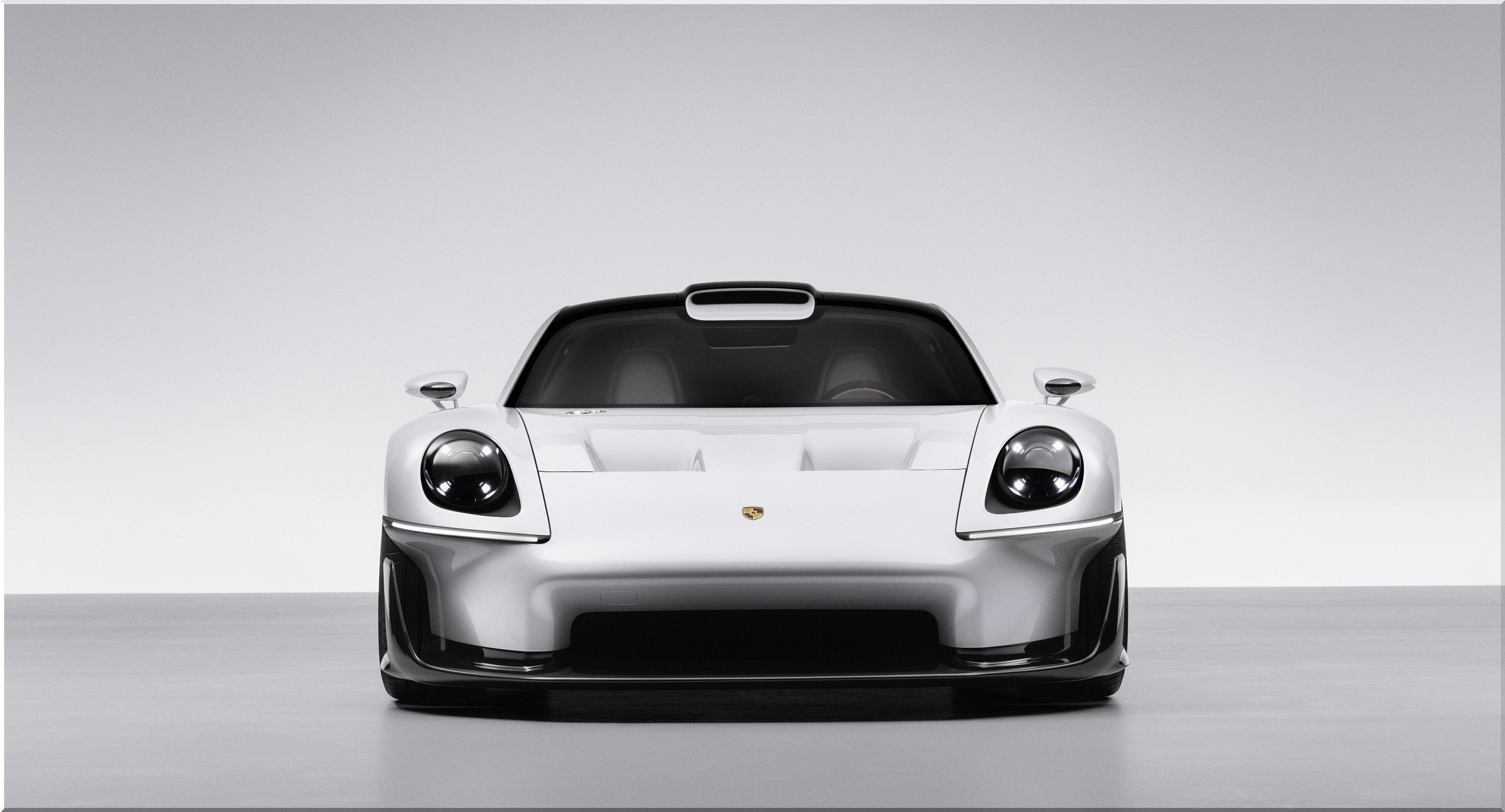
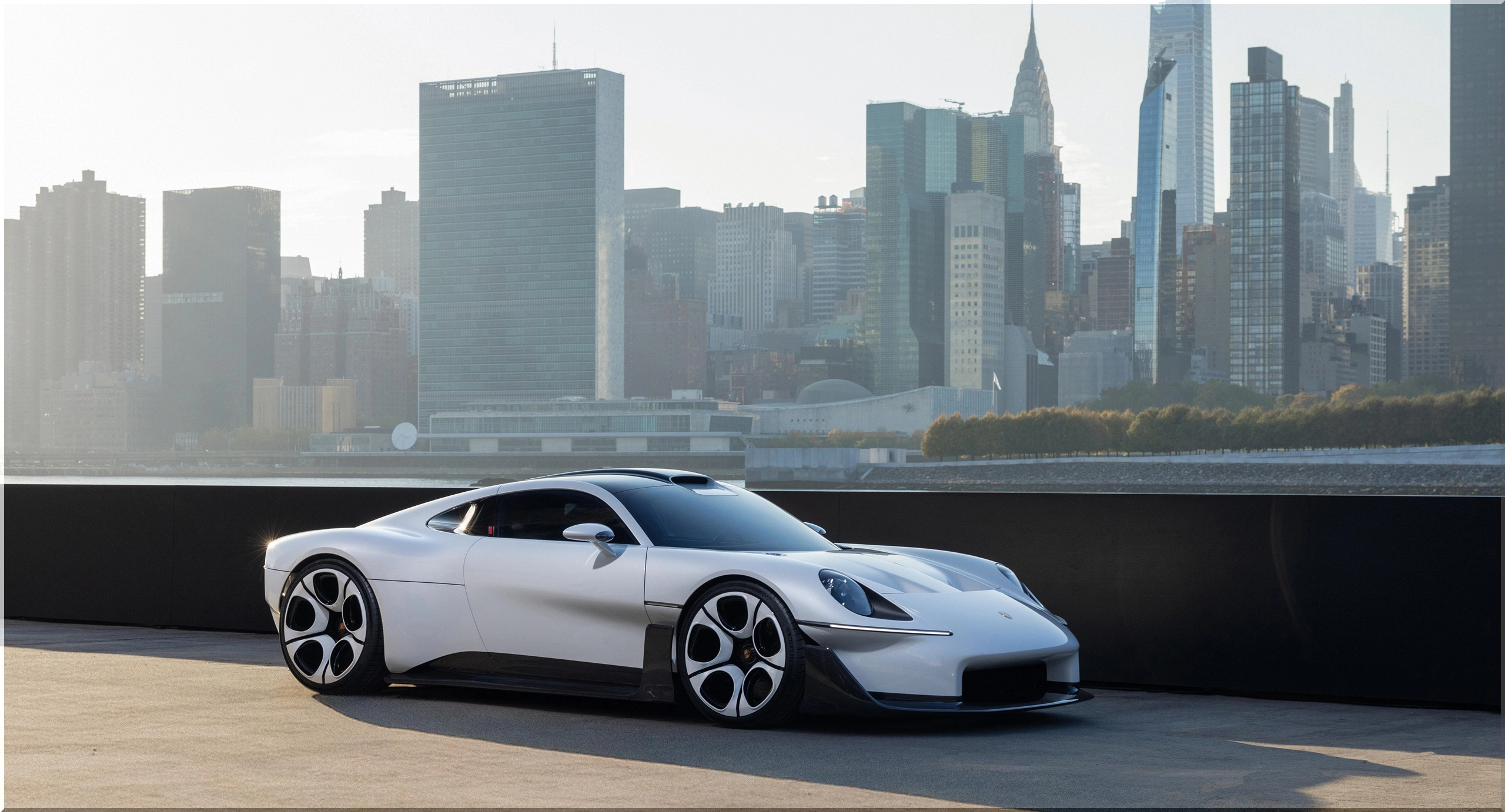
Porsche Mission S previews a permanent mid-engine supercar family above the 911. Porsche presented the concept in New York on October, 2026, with a clear priority: driver interaction.
That puts usability at the center of the story. A supercar's interface should let the driver find essential information quickly and operate common functions without a menu hunt. Production hardware will need to turn that idea into repeatable results.
Mid-Engine Packaging Meets Porsche History
Engine placement shapes the package. Concentrating heavy components near a vehicle's center can reduce rotational inertia, helping it change direction. Tires, suspension geometry, and weight distribution still determine how confidently a driver can use that response.
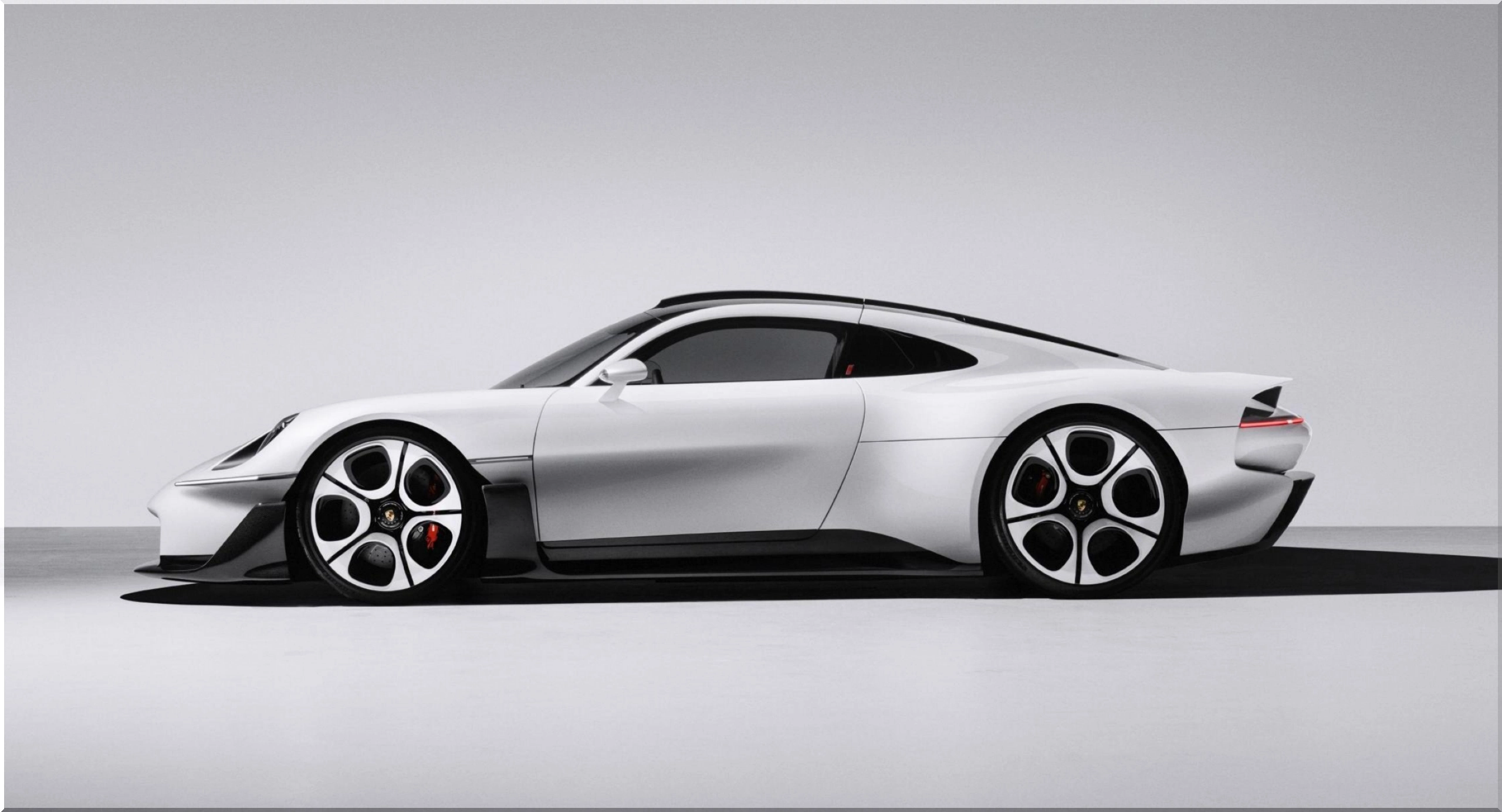
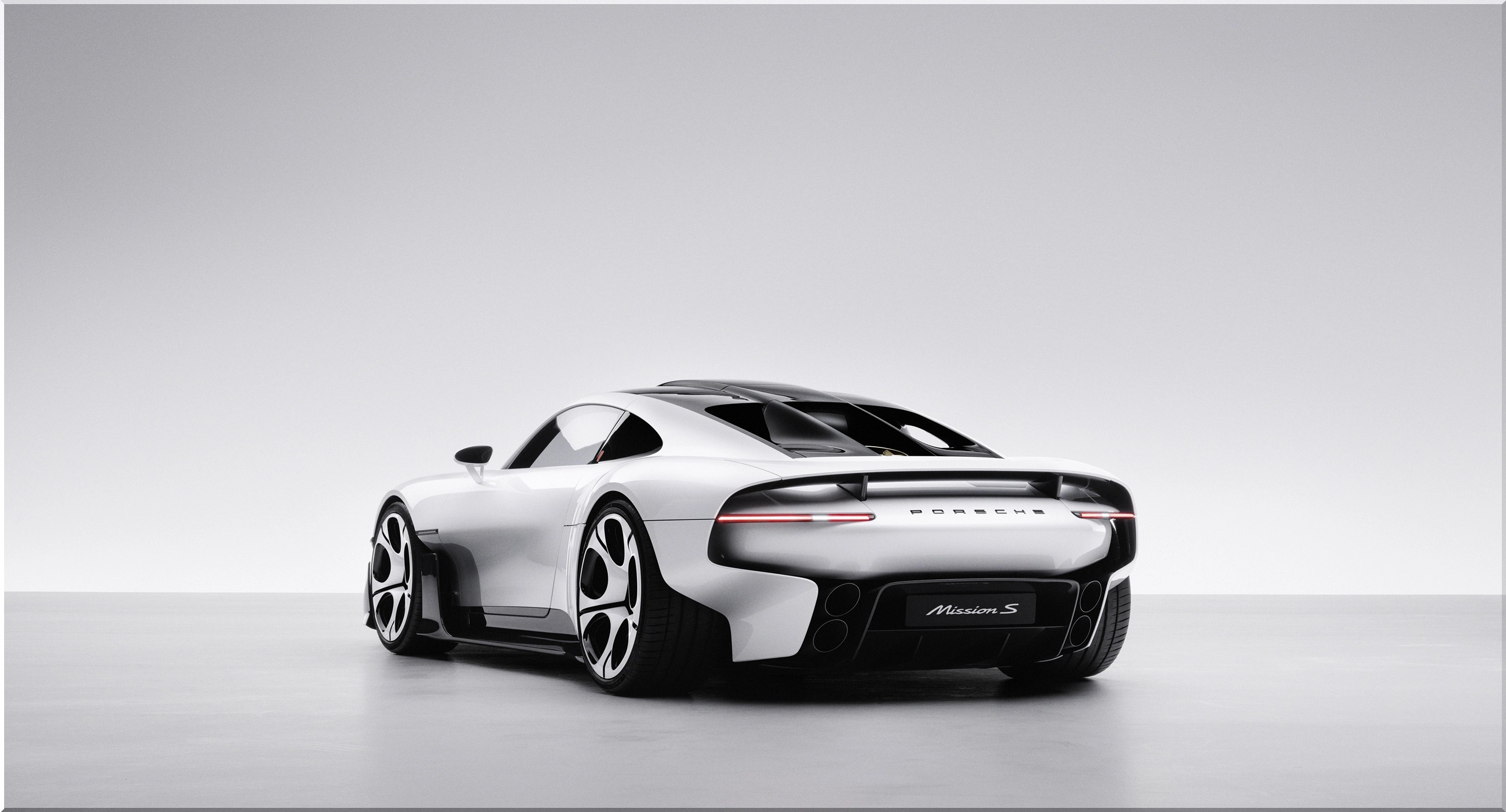
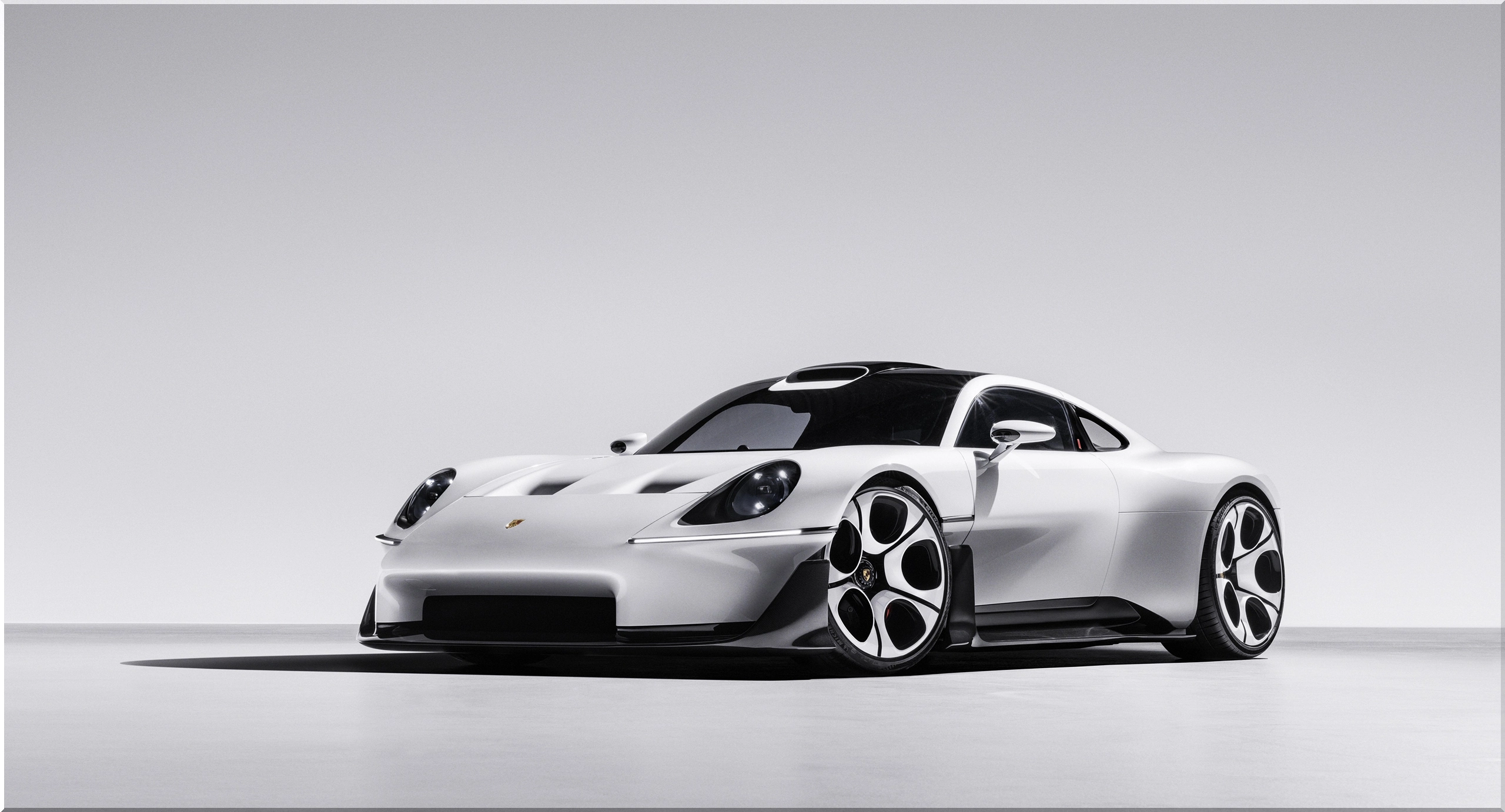
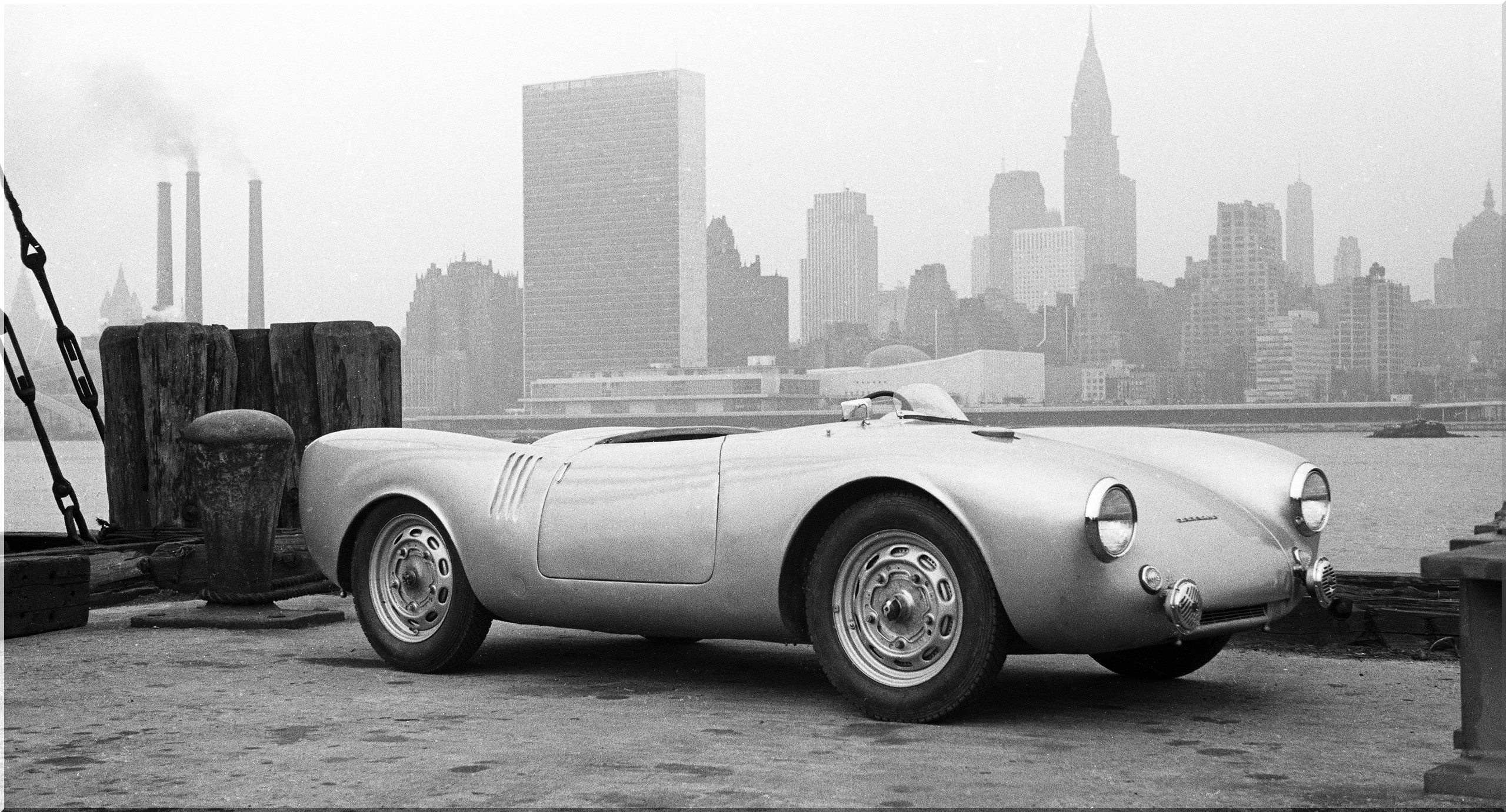
Porsche connects the concept's proportions to recognizable cars from its past:
| Mission S detail | Historical Porsche reference | Visual connection |
|---|---|---|
| Round headlights and pronounced fenders | 911 | Familiar front-end identity |
| Low nose | 911 GT1 | Flat front profile |
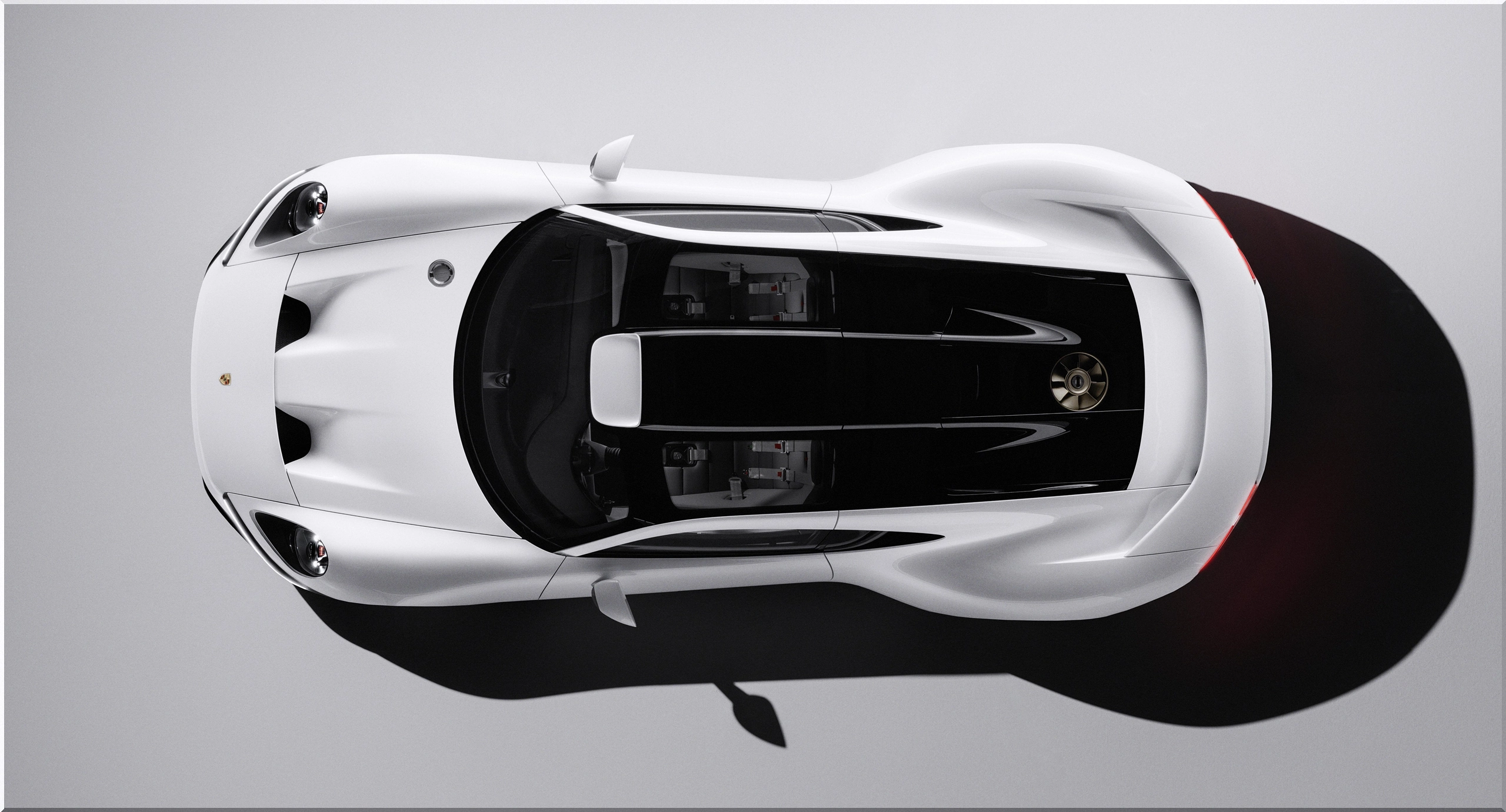
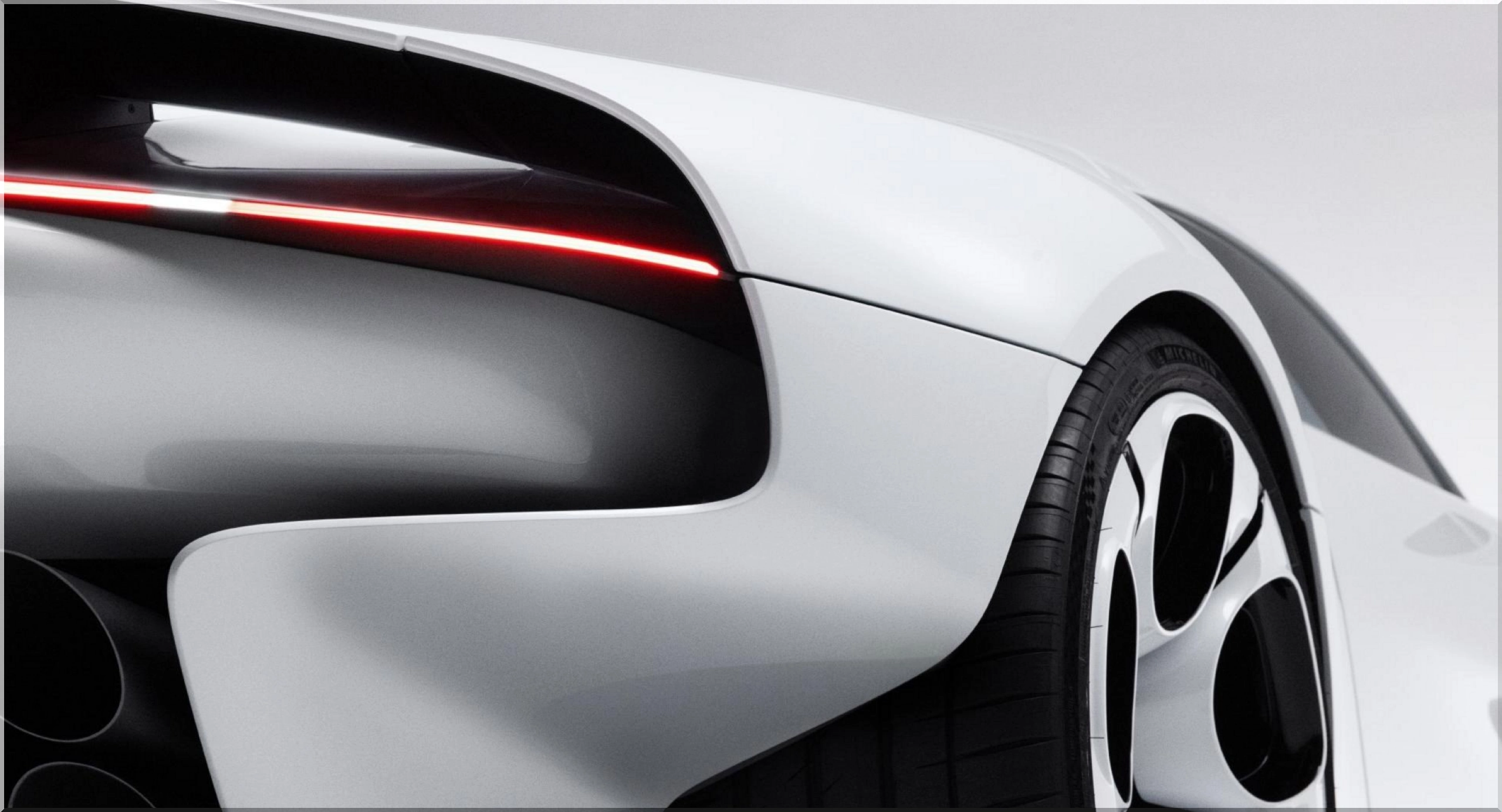
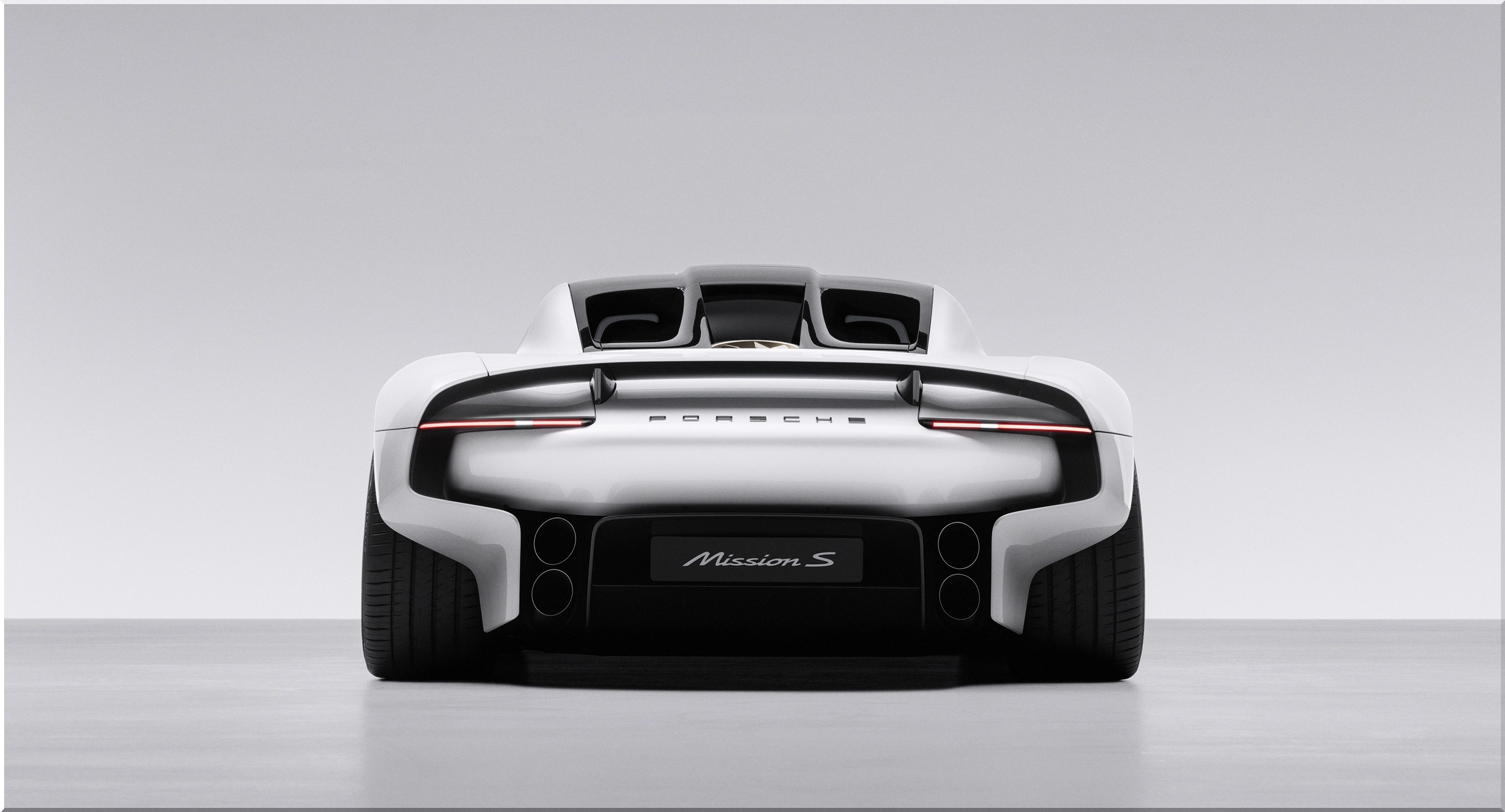
| Roofline beneath the rear wing | 959 | Roof extends toward the tail |
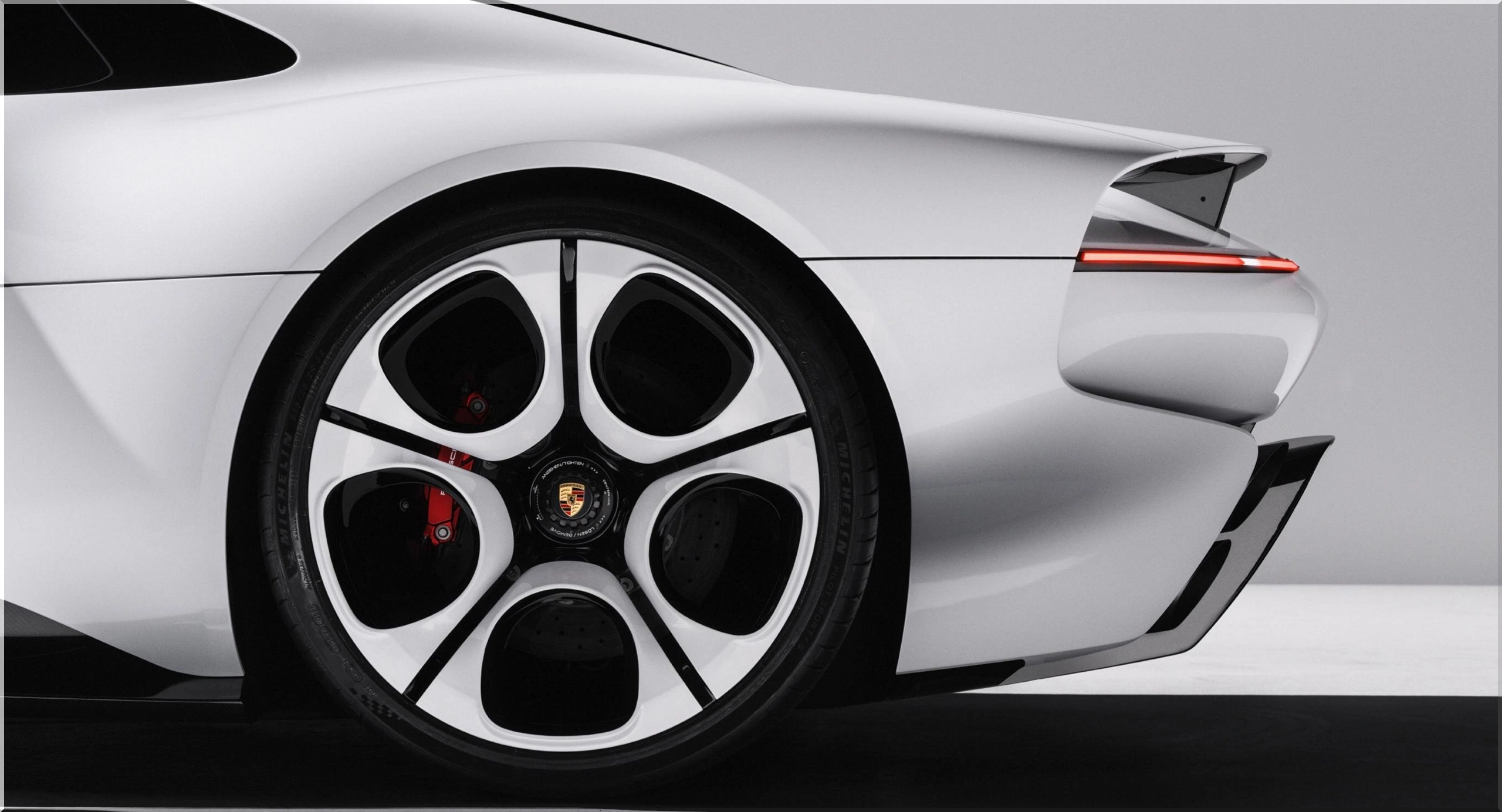
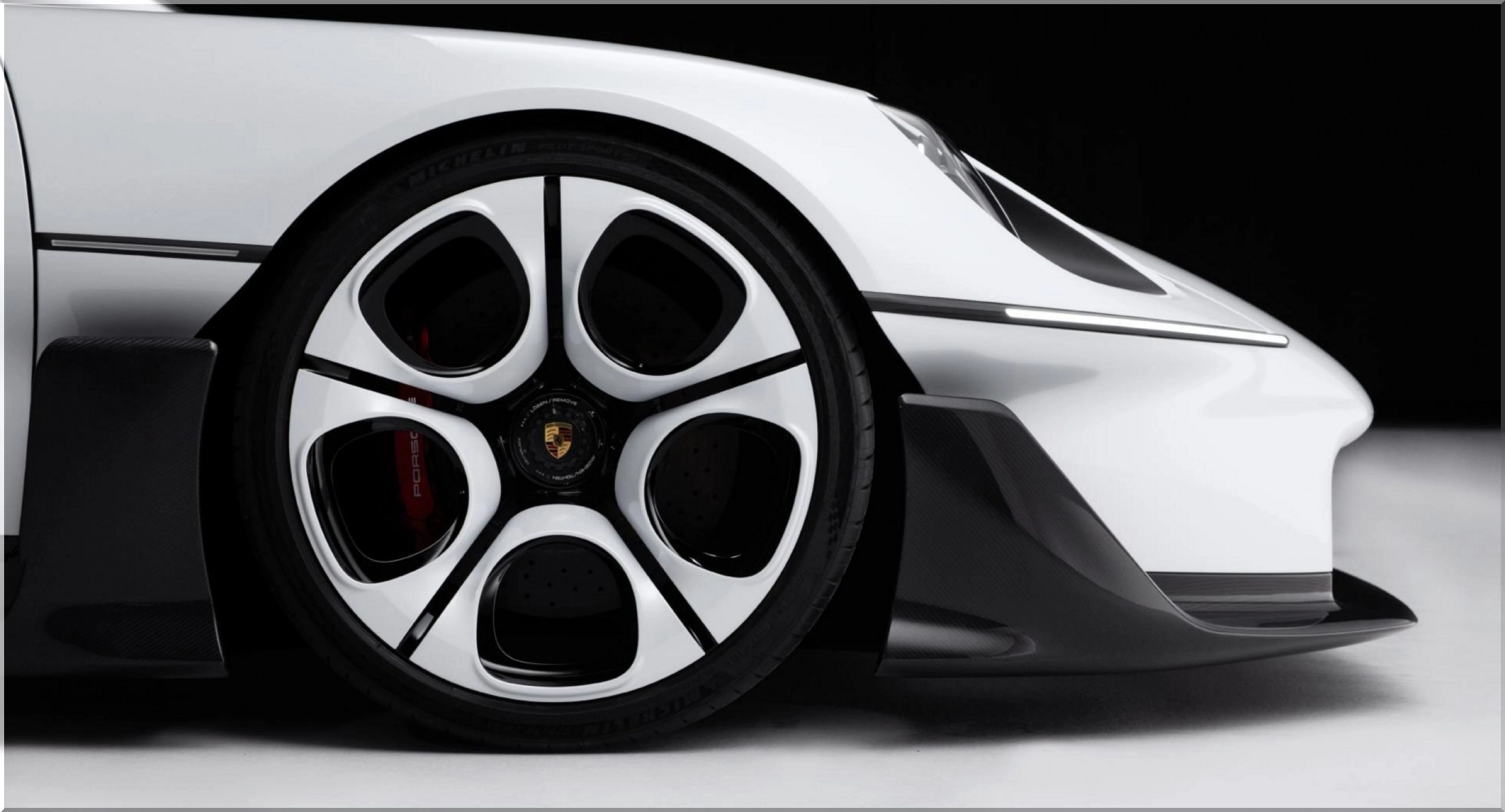
| Lightweight wheel concept | 928 | Reinterprets the telephone-dial design |
The business logic runs alongside the engineering. Under its Sportwagenschmiede '35 strategy, Porsche targets approximately 20% fewer model variants and higher revenue per vehicle. A supercar family above the 911 fits that push toward higher margins and greater exclusivity.
Analog Controls Challenge the Digital Dashboard
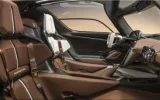
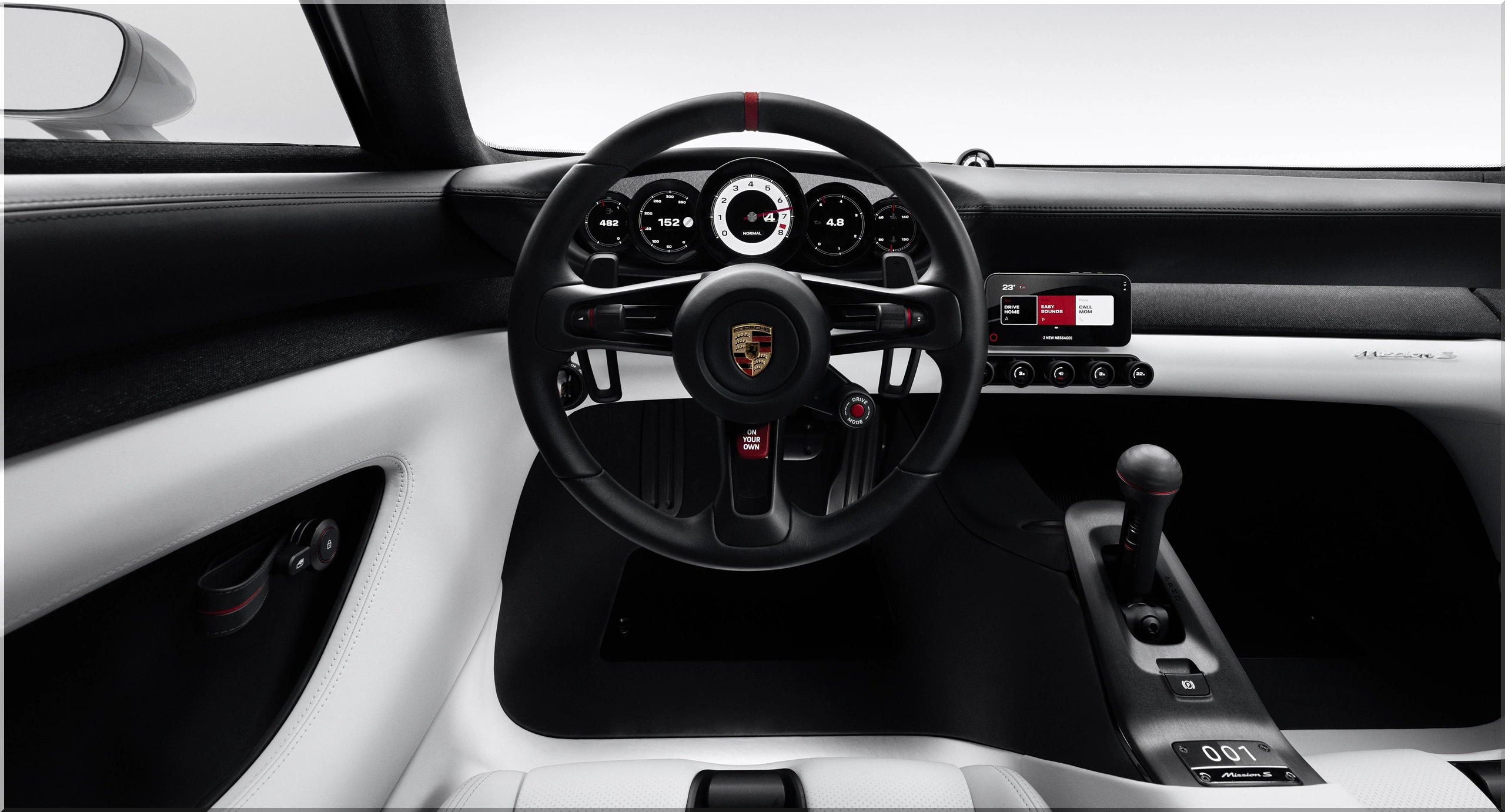
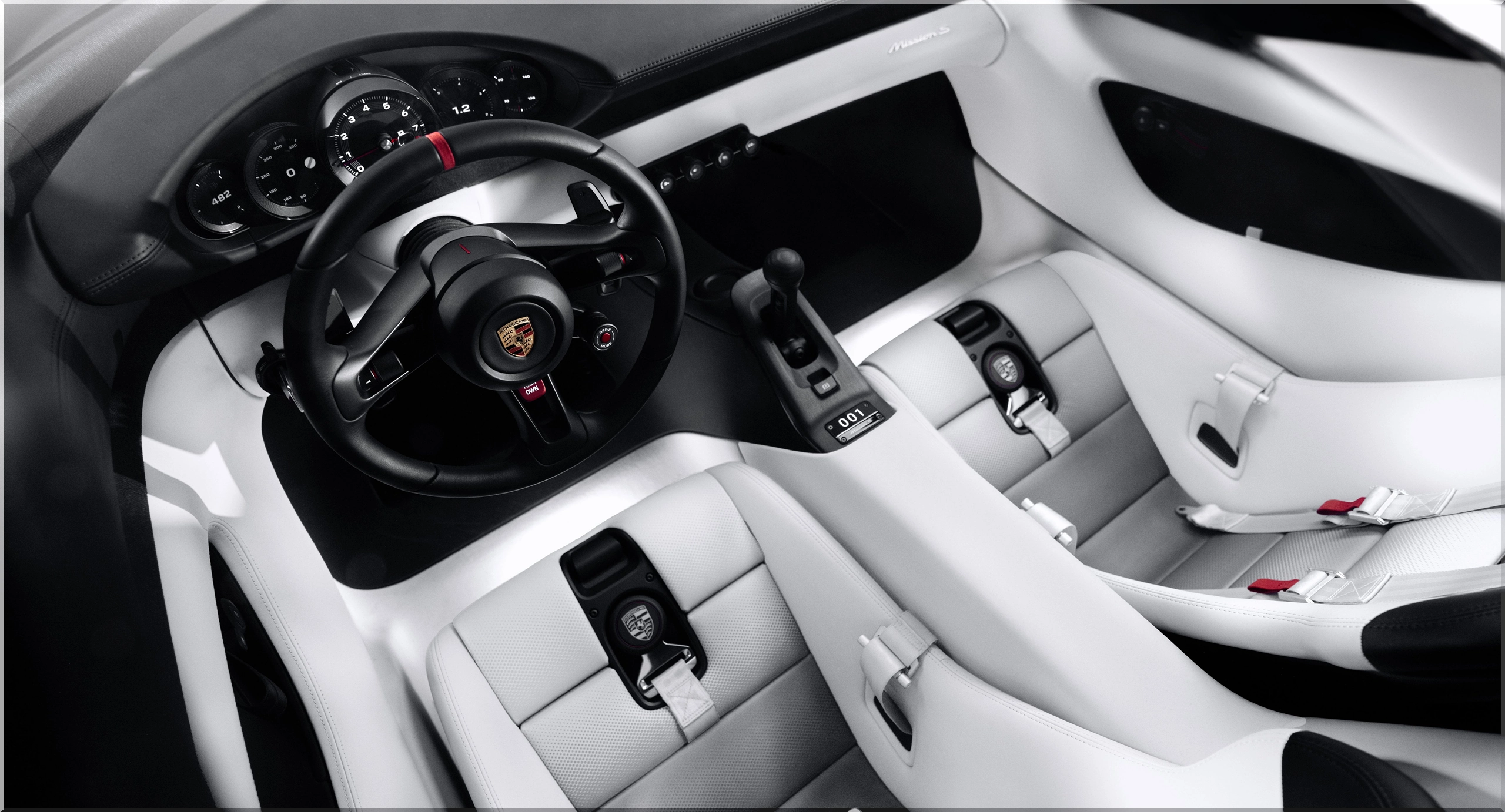
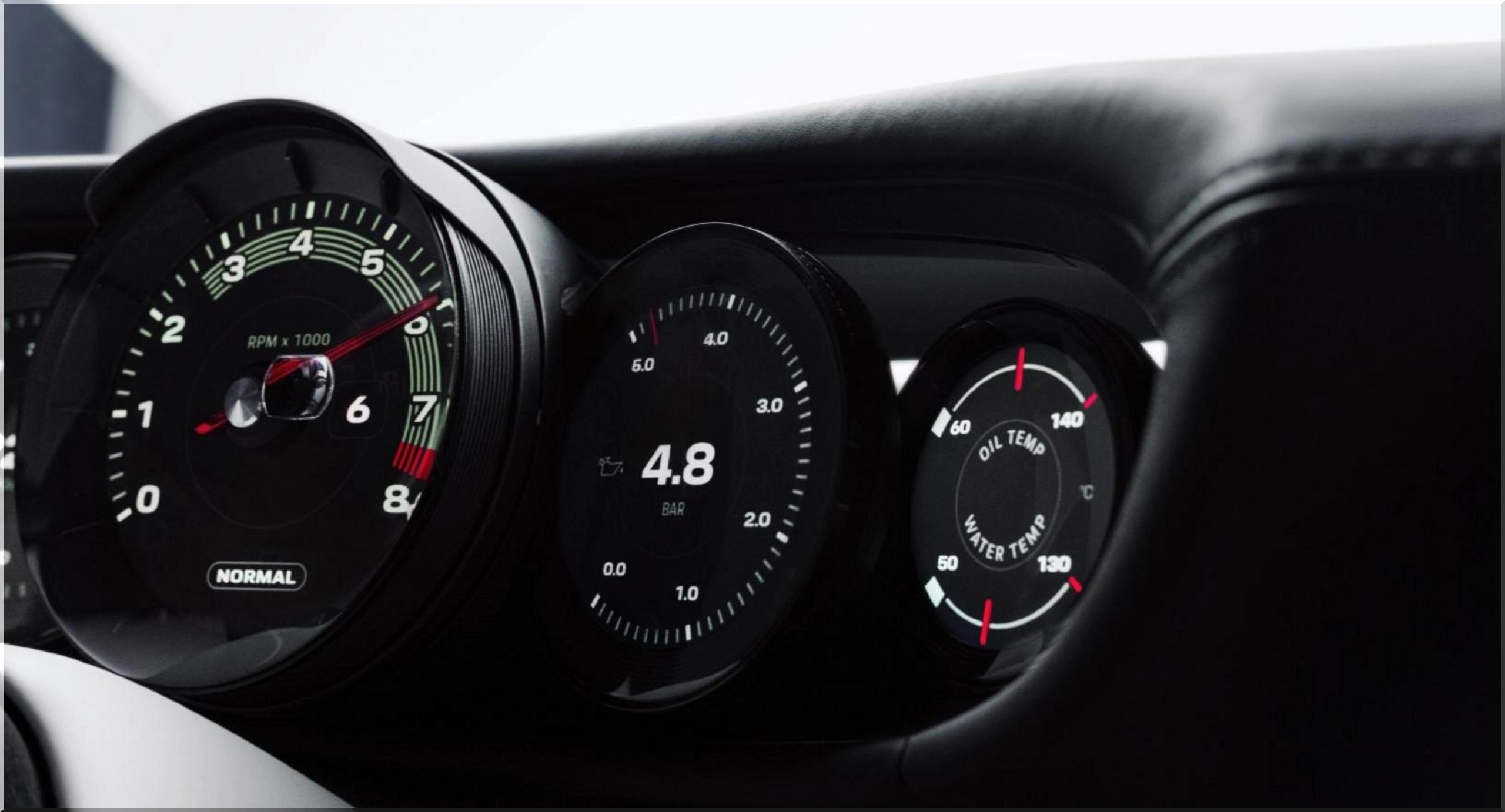
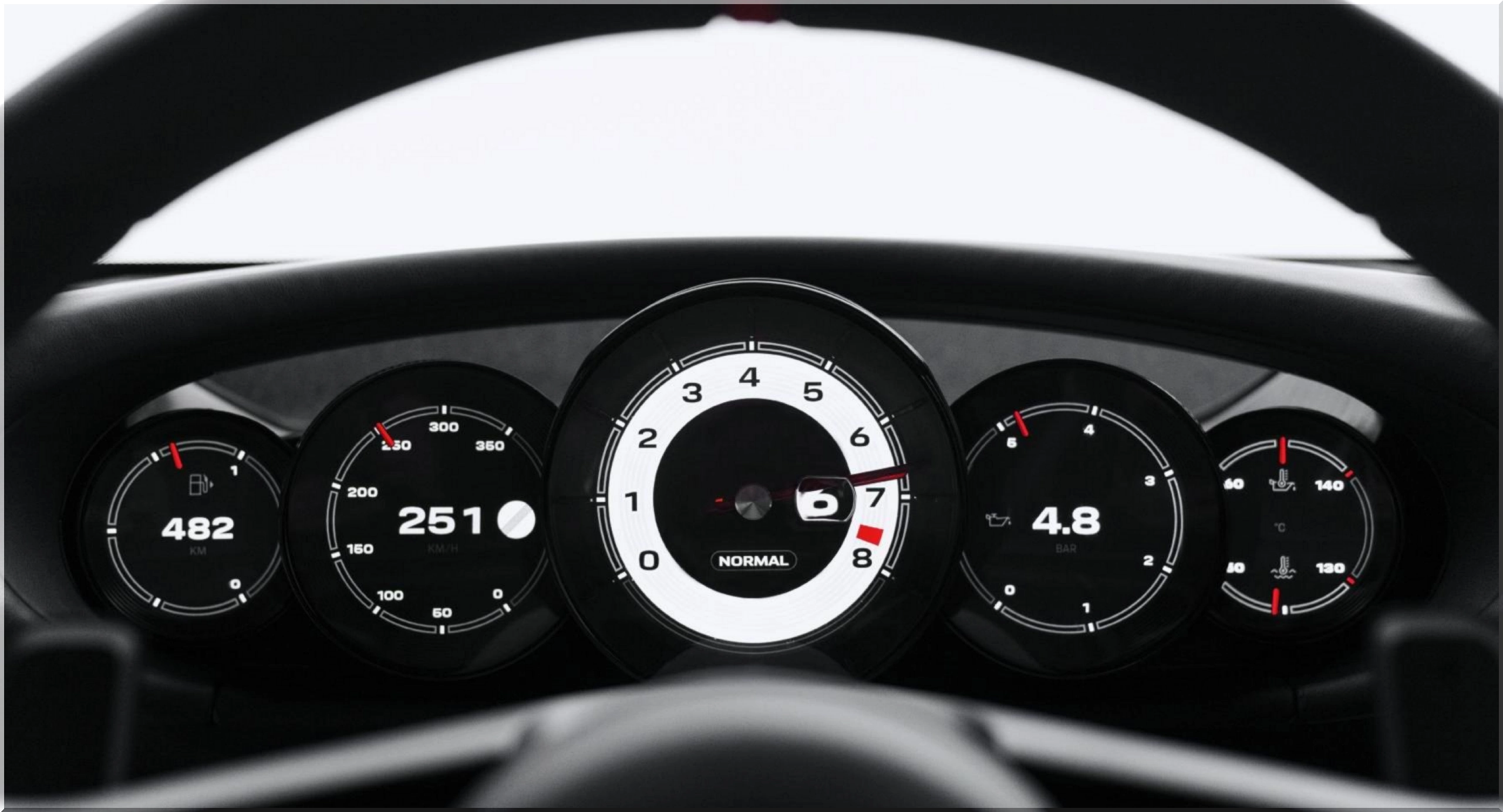
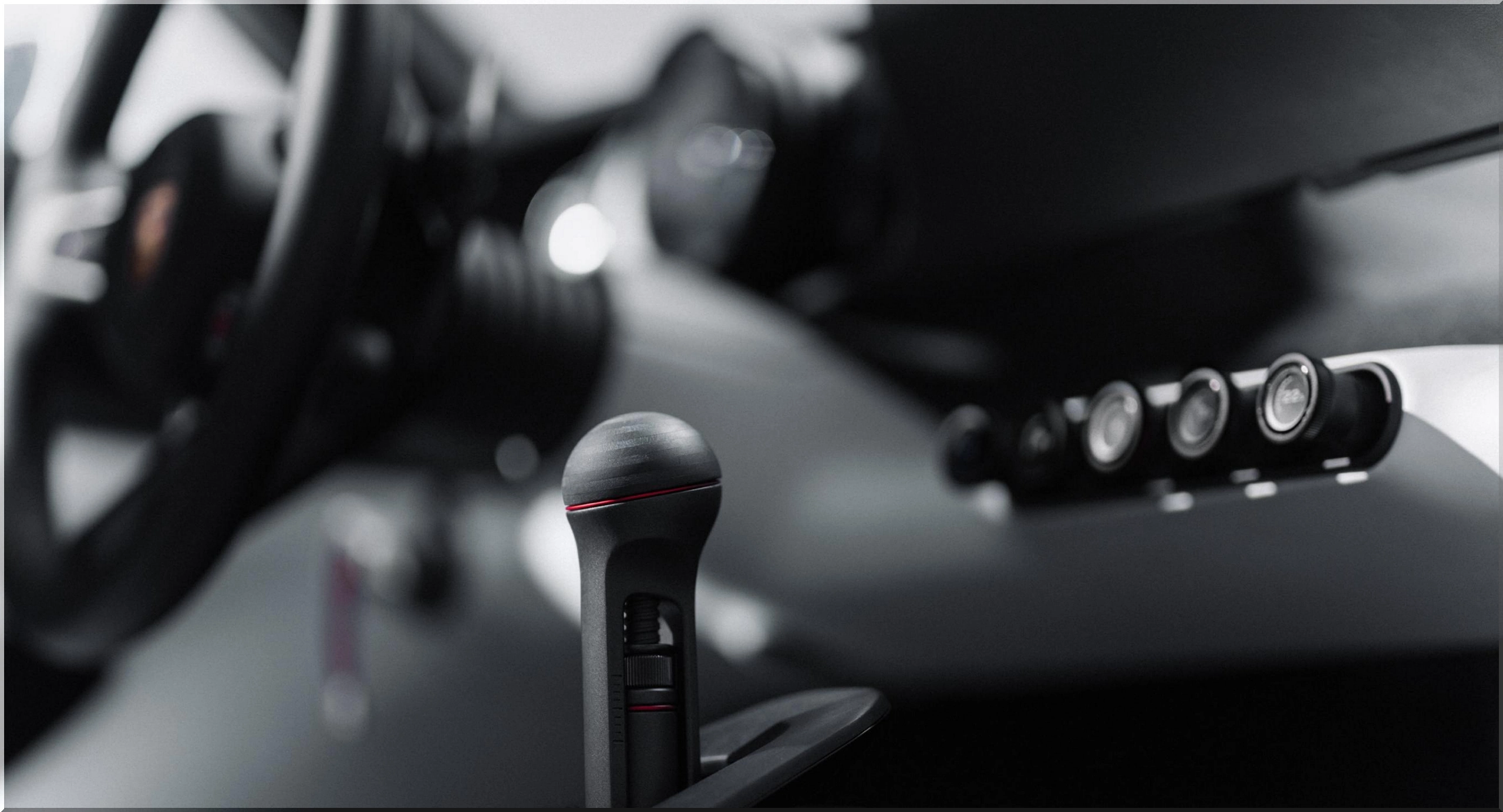
The Mission S interior adds push-pull controls and rearranges its instruments with driving mode.
By comparison, Porsche's 2025 911 Carrera provides a useful production reference. Its fully digital instrument cluster offers up to seven views, including a classic five-dial layout.
| Cockpit feature | Mission S concept | 2025 911 Carrera |
|---|---|---|
| Driver instruments | Five circular instruments; analog tachometer needle | 12.6-inch curved digital display, approximately 320 mm diagonally |
| Permanent center screen | None | 10.9-inch touchscreen, approximately 277 mm diagonally |
| Navigation interface | Smartphone on retractable MagSafe-compatible holder | Porsche Communication Management touchscreen with Apple CarPlay integration |
The practical test concerns ease of use. Physical controls can give a driver's fingers a consistent target, while a phone supplies familiar navigation. That approach still needs careful execution: mount stability, screen readability, cable management, and reliable access to essential functions will decide its everyday usefulness.
Why US Drivers Should Pay Attention
For American buyers, the strongest idea concerns daily operation. A costly sports car should make routine tasks easy during a commute as well as reward concentration on a weekend drive. Attractive instruments earn their place when drivers can read them quickly through the steering wheel.
- Add new comment
- 3 views