Why Aerodynamics Matter More Than Ever
Mercedes-Benz treats aerodynamics as a core performance metric. Lower drag cuts energy use and boosts range. For electric vehicles (EVs), a small aerodynamic improvement translates directly into measurable efficiency gains.
Reducing the drag coefficient (Cd) by just 0.01 extends long-distance EV range by about 2.5%. On 15,000 annual kilometers (9,320 miles), that means an extra 375 km (233 miles) of range without touching the battery or motor.
Mercedes-Benz and the Numbers Behind Efficiency
The company’s long record of aerodynamic focus is backed by data:
- 1937 W125: Cd 0.17, 432.7 km/h (268.7 mph) top speed.
- 1984 W124: First production car under Cd 0.30.
- 2013 CLA: Cd 0.22, best-in-class at launch.
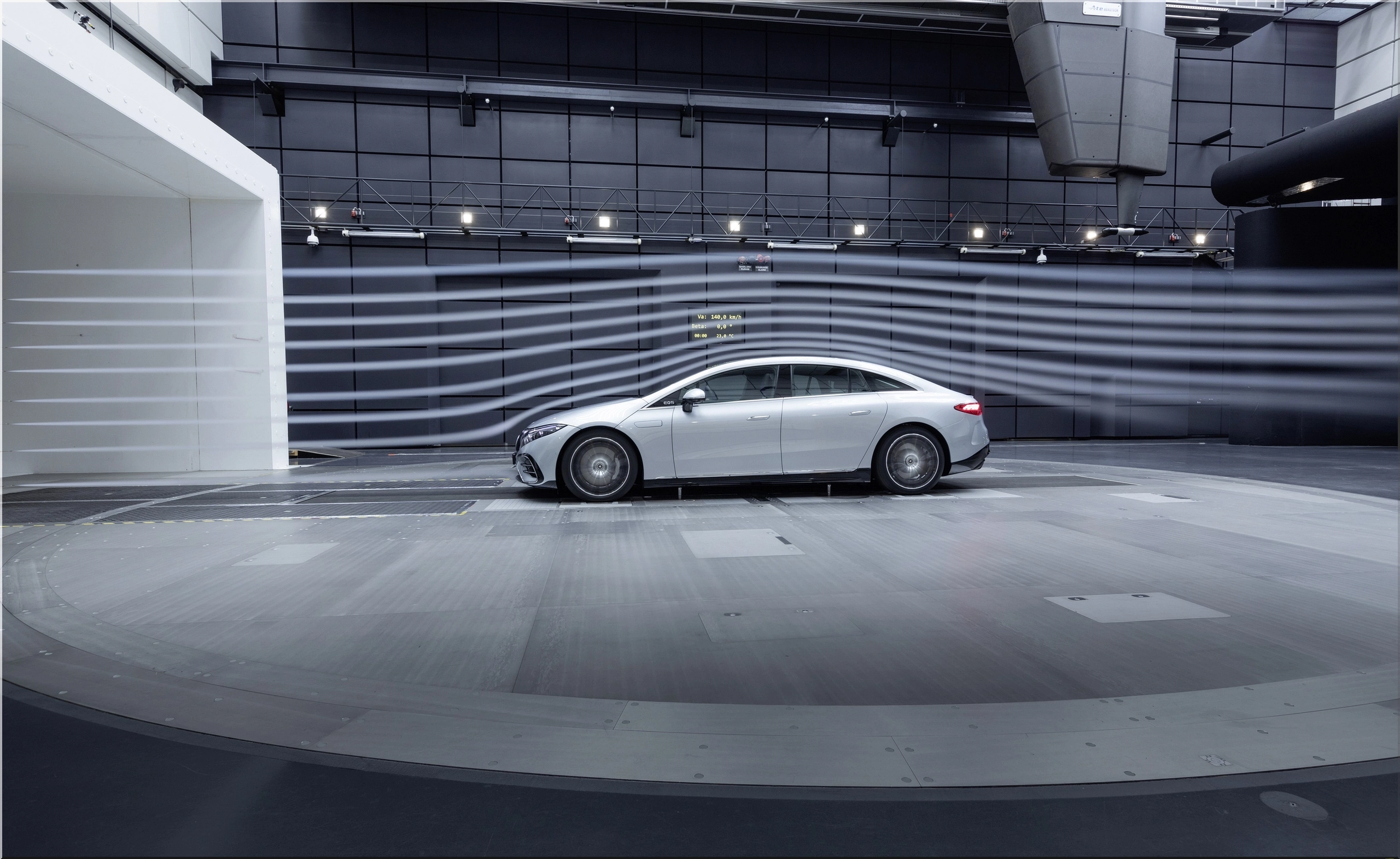
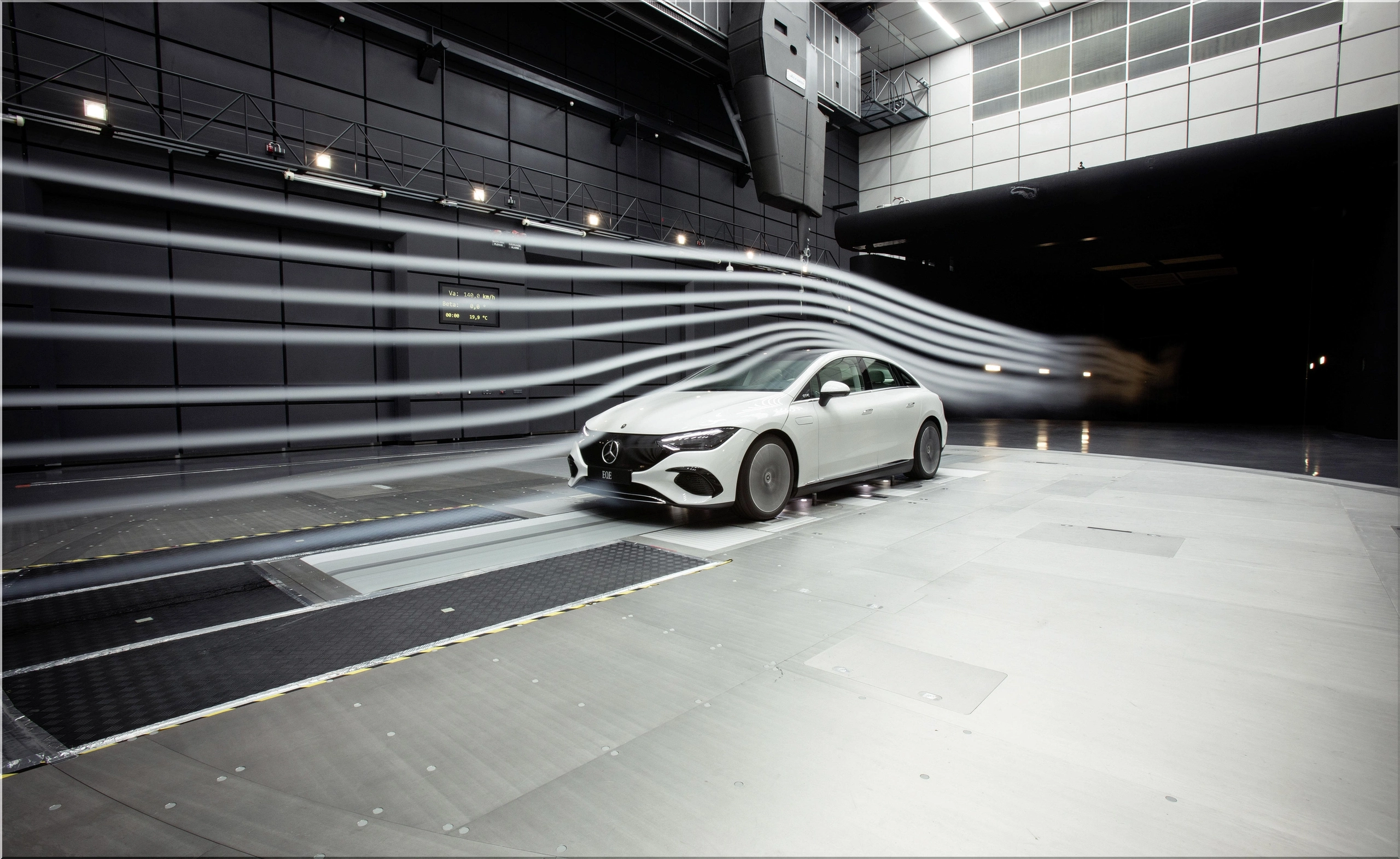
- 2021 EQS: Cd 0.20, world’s most aerodynamic production car.
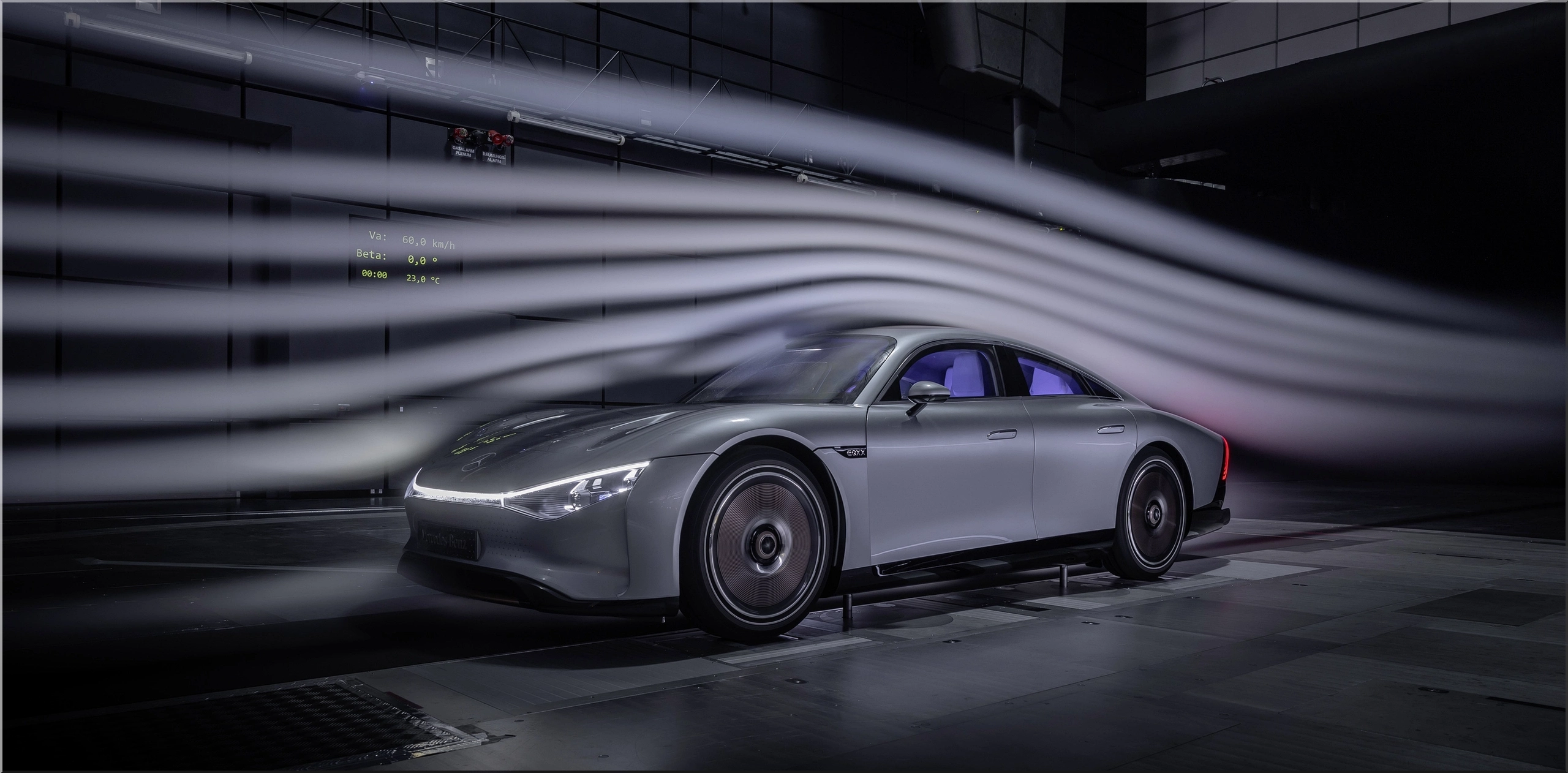
- 2022 Vision EQXX: Cd 0.17, lower drag than an American football.
- 2025 AMG GT XX: Cd 0.19, 25 endurance records at Nardò.
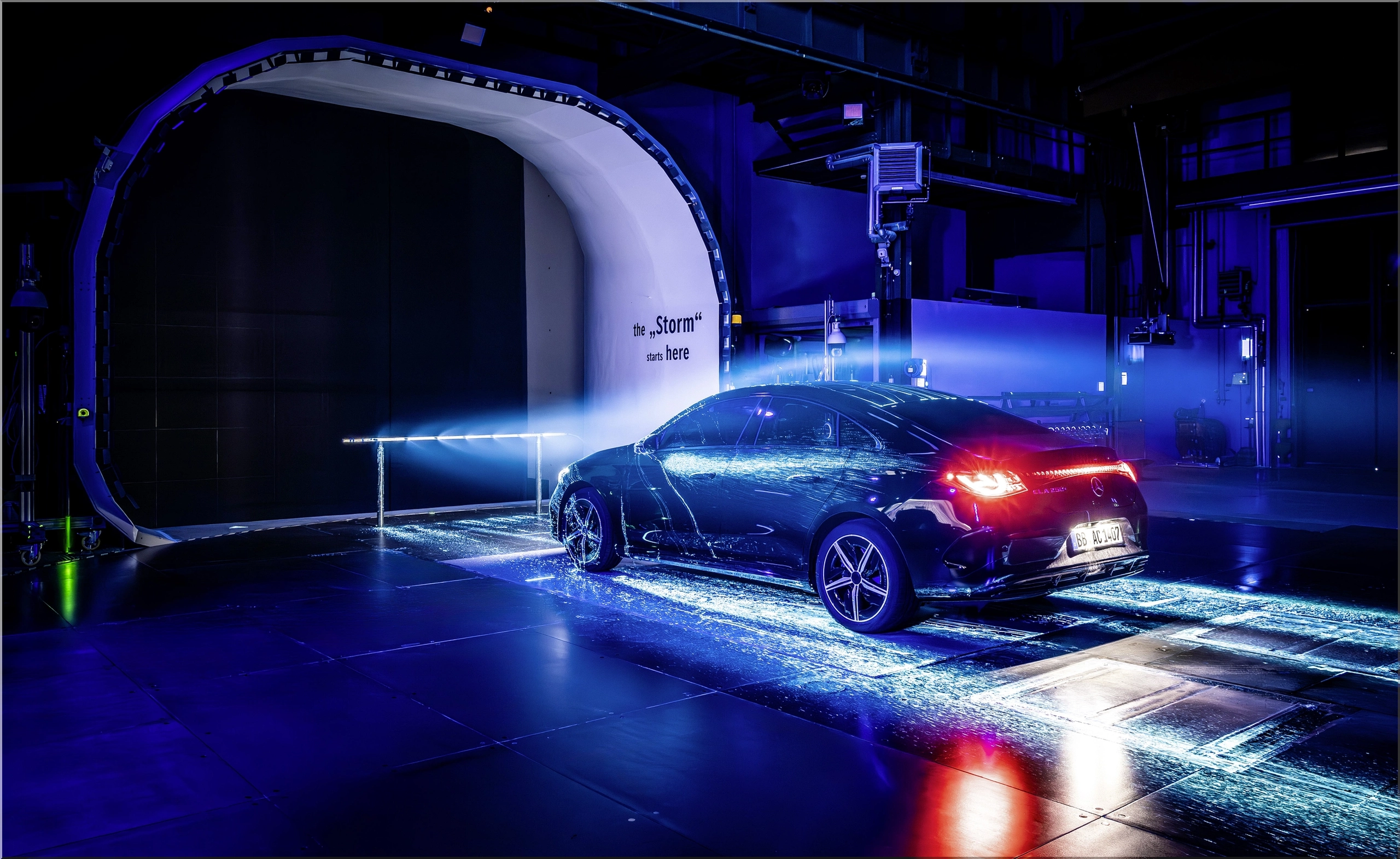
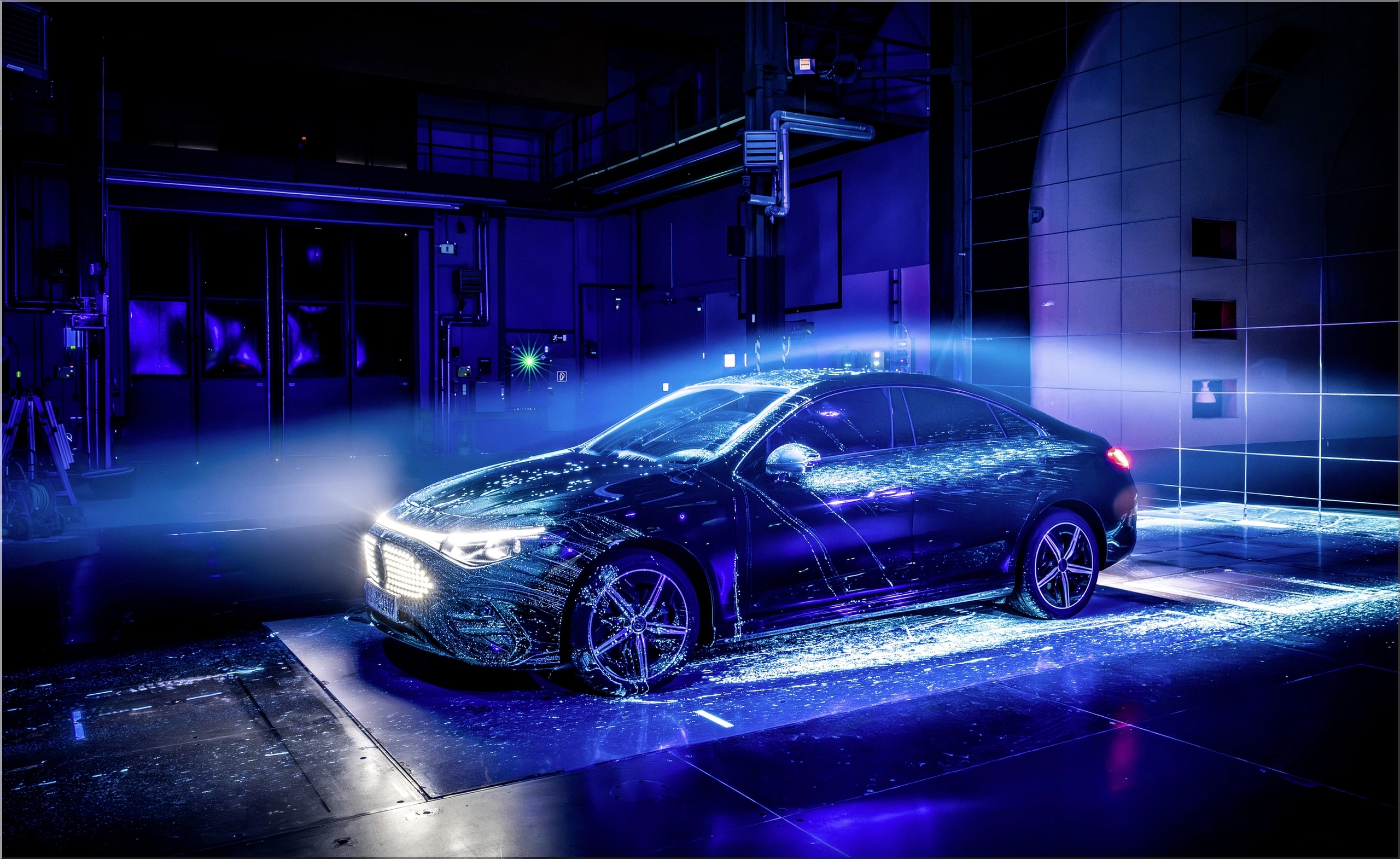
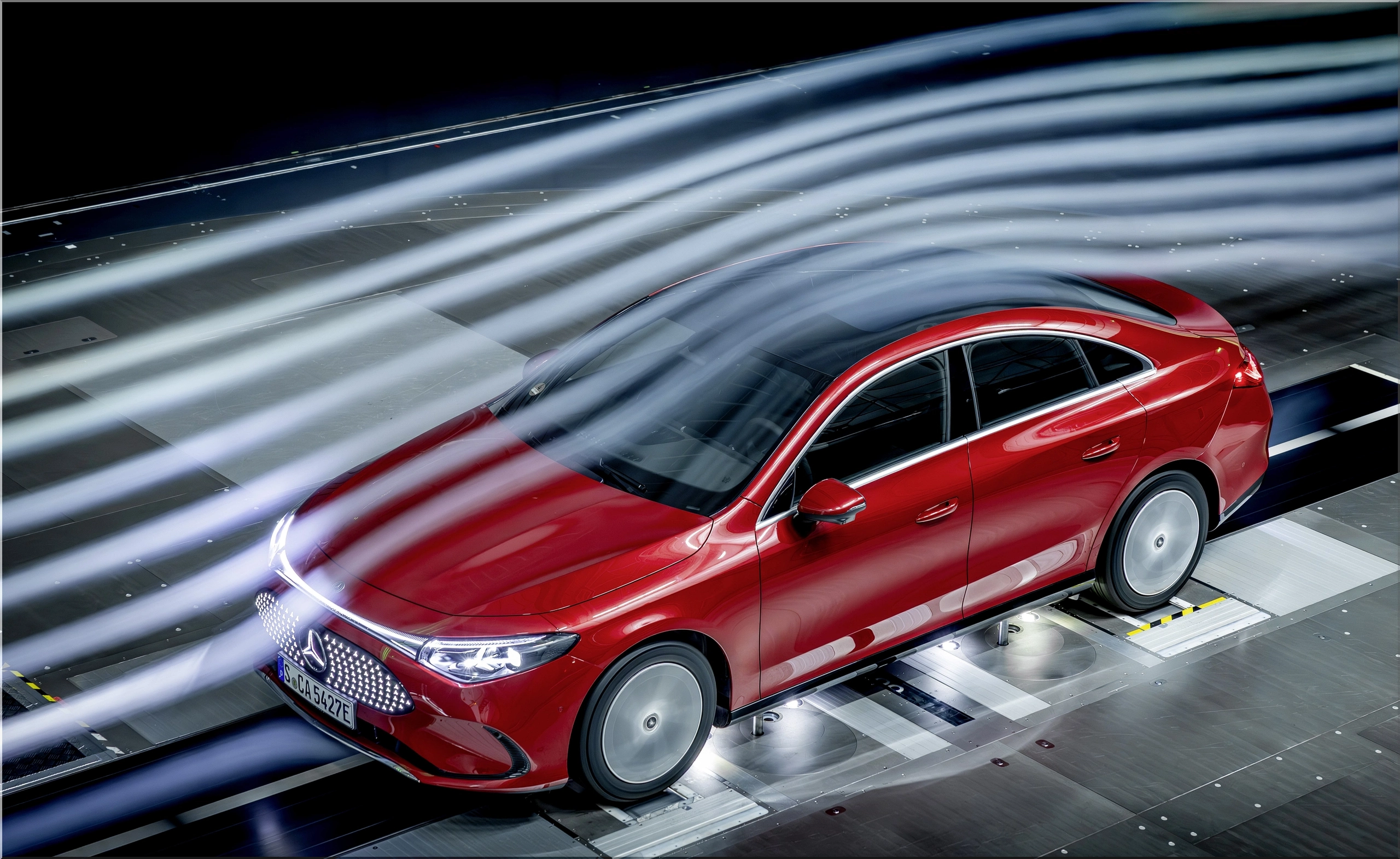
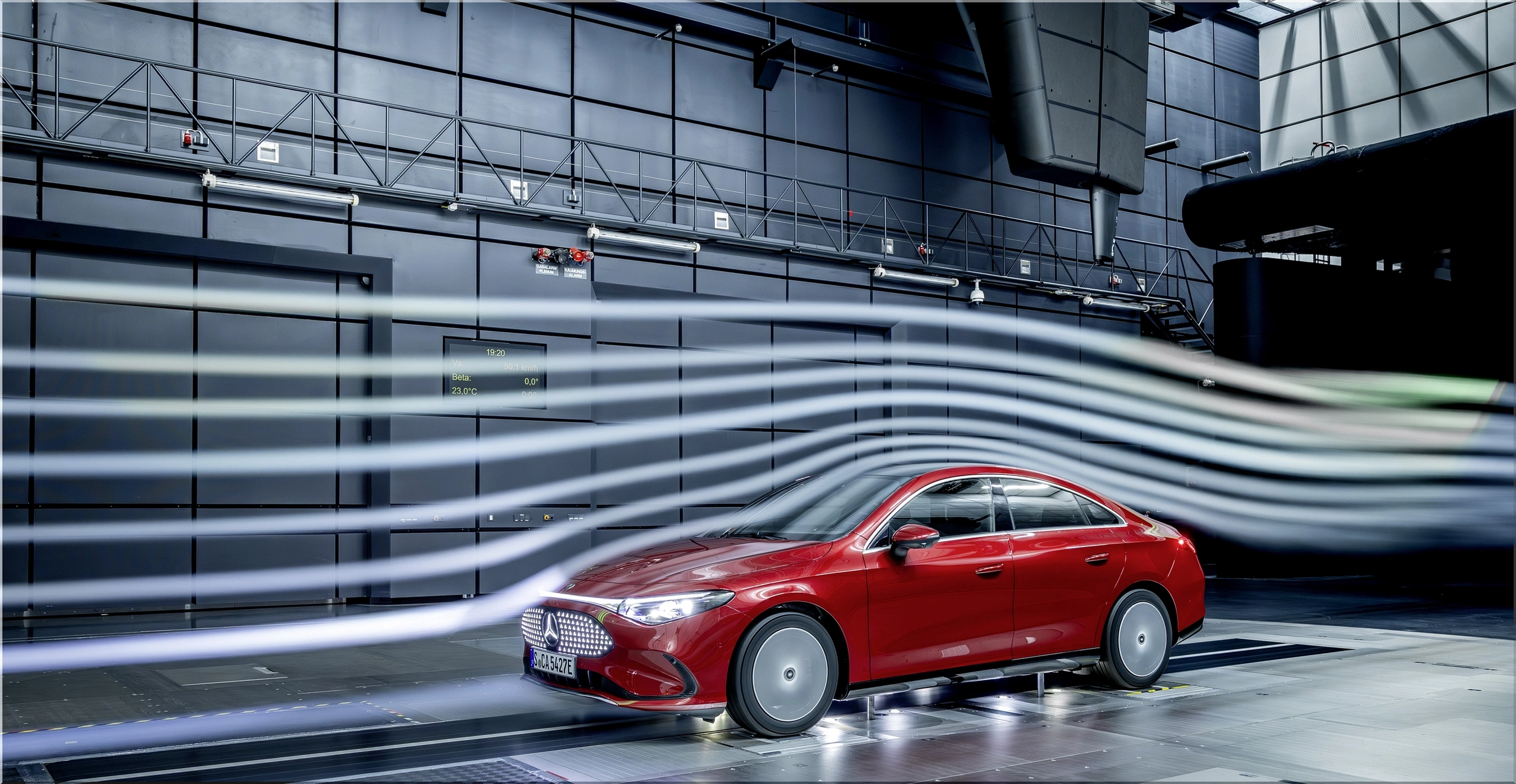
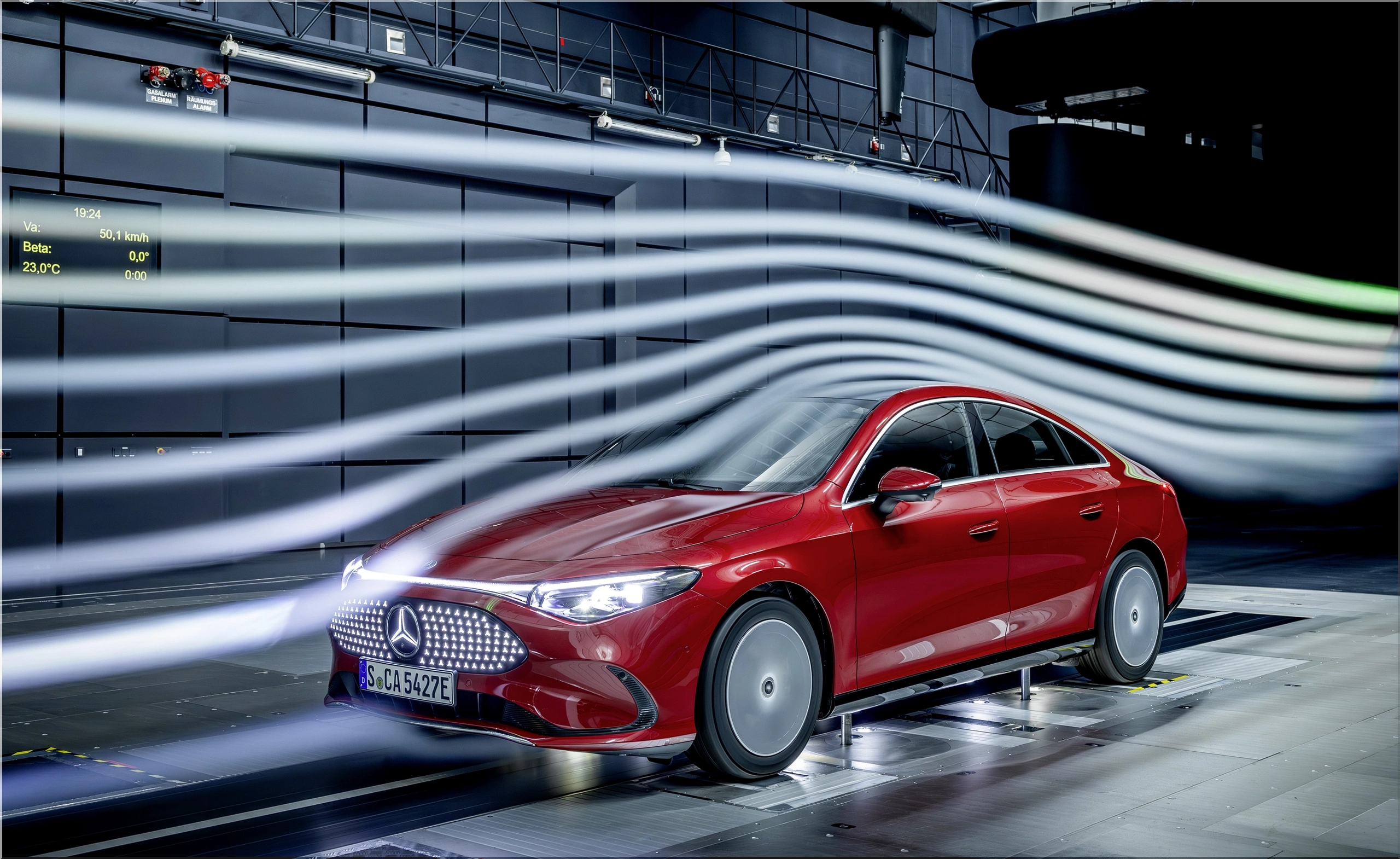
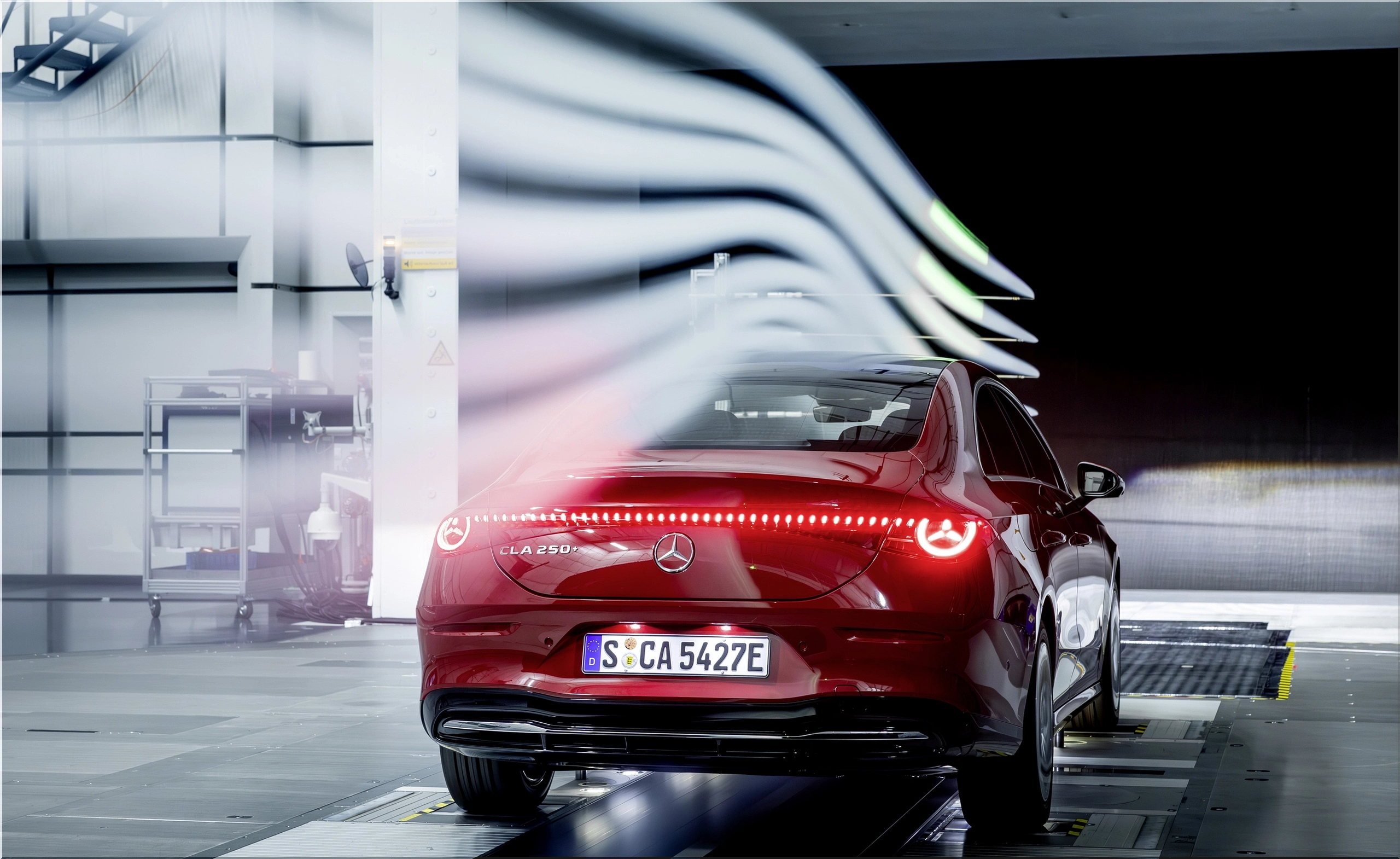
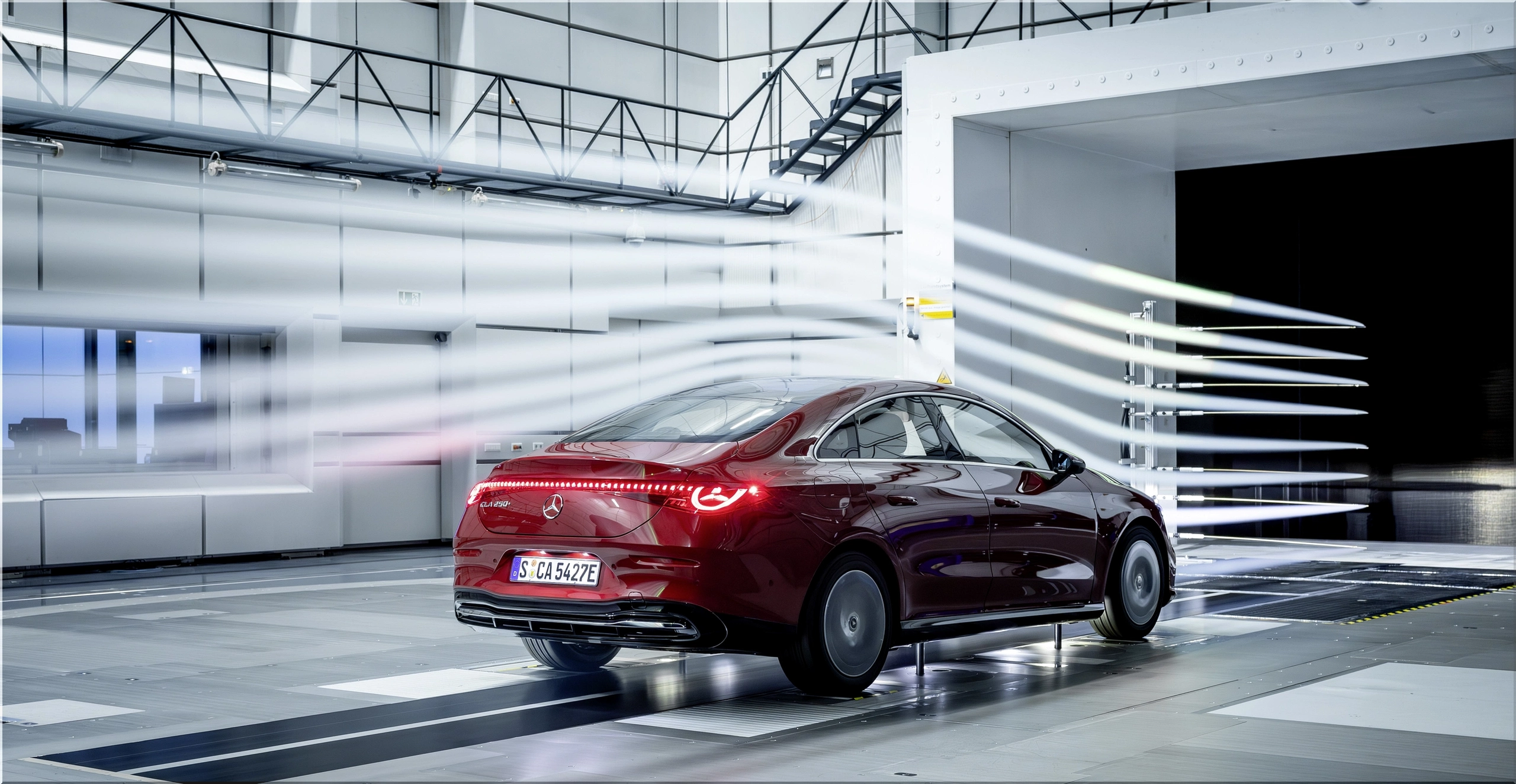
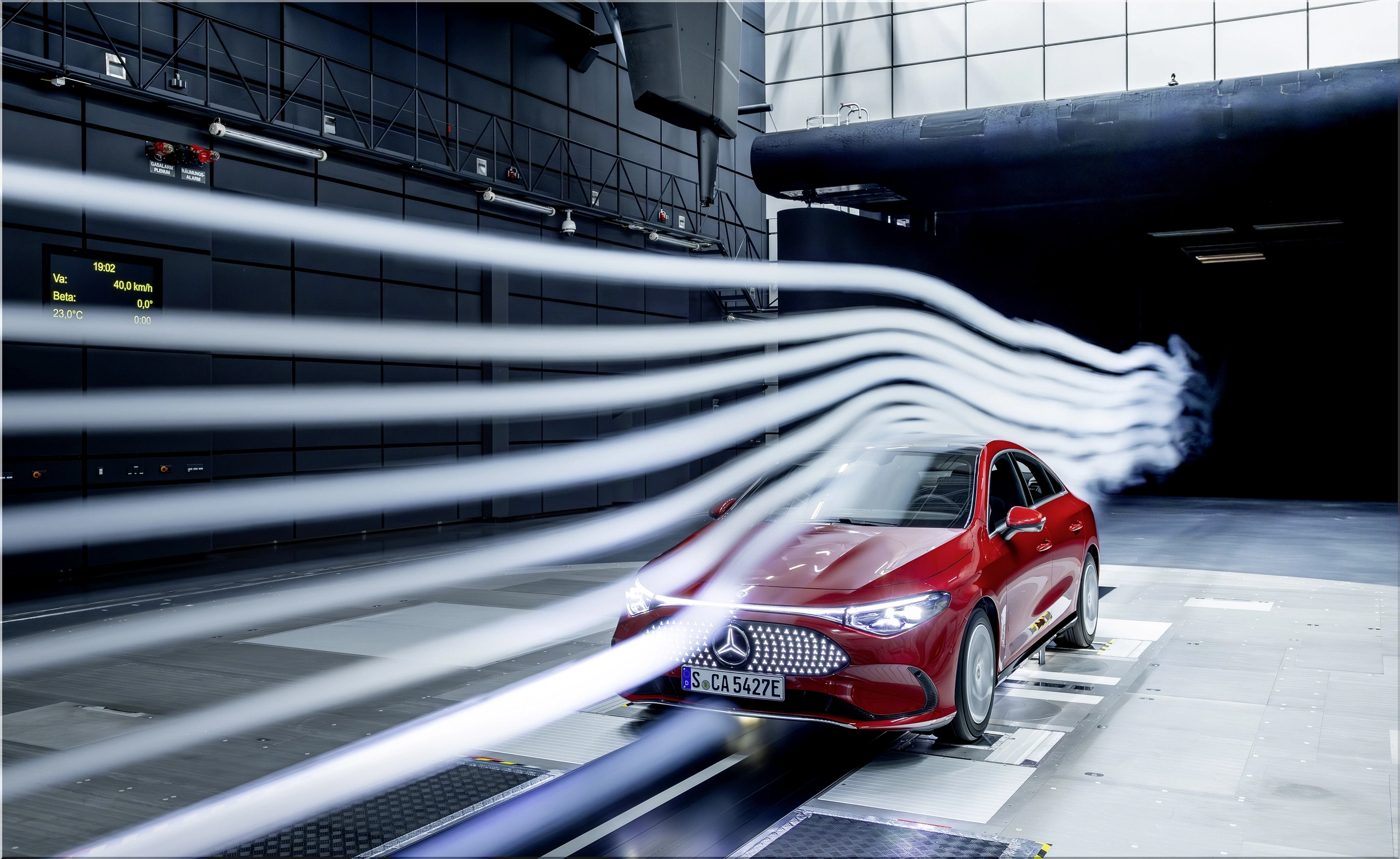
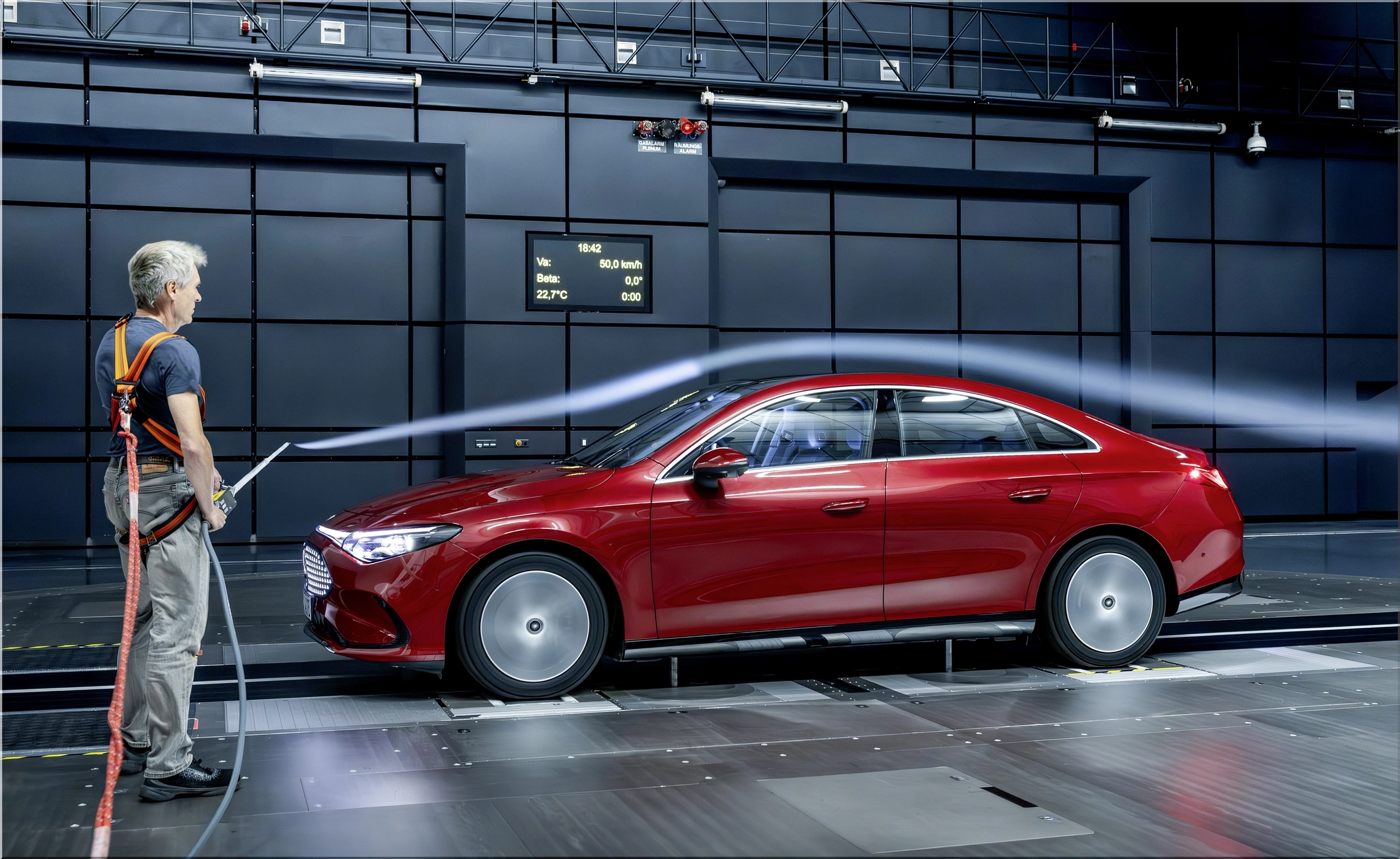
The new CLA with EQ Technology now holds Cd 0.21, placing it among the best-performing sedans in the world.
Range Impact by Cd Reduction
| Cd Improvement | Range Gain (15,000 km/year) | Extra Distance |
|---|---|---|
| -0.01 | +2.5% | 375 km (233 miles) |
| -0.05 | +12.5% | 1,875 km (1,165 miles) |
| -0.10 | +25% | 3,750 km (2,330 miles) |
These figures show why Mercedes invests heavily in aerodynamic research.
The Disciplines of Aerodynamics
Mercedes groups aerodynamic work into four disciplines: flow optimization, aeroacoustics, cleanliness, and open-top comfort.
Flow Optimization
- Each Cd point (0.001) equals about 10 kg (22 lbs) weight saving.
- At highway speeds, drag is the largest factor in energy use.
- Simulation and wind tunnel work fine-tune even small elements: wheels, underbody covers, louvres, and spoilers.
Aeroacoustics
Noise affects comfort. Mercedes uses 350 microphones and binaural artificial heads in wind tunnels to track wind sound sources. Engineers model airflow around mirrors, seals, and A-pillars early in design. Results are measured against psychoacoustic targets, not just decibel counts.
Keeping the Vehicle Clean
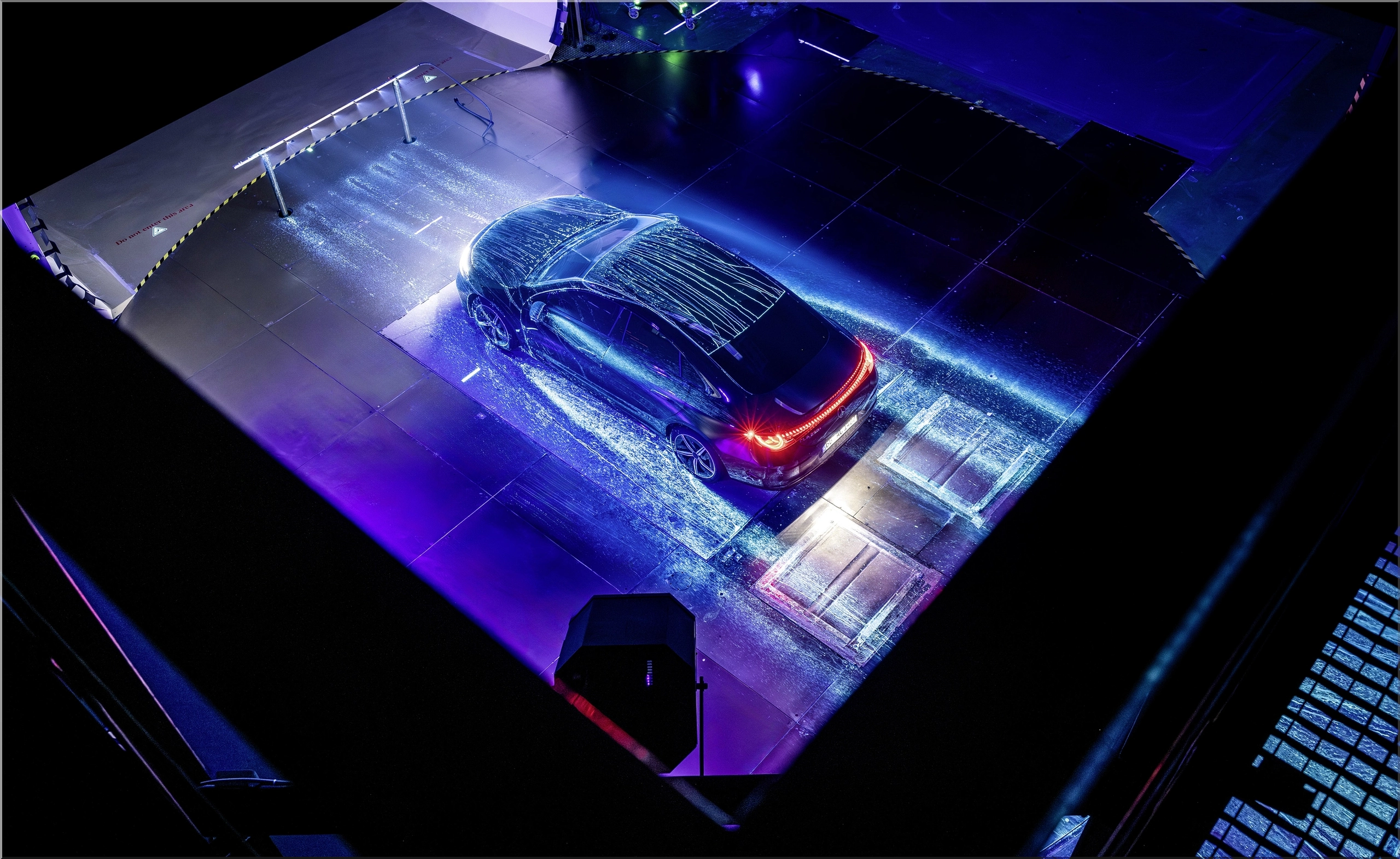
Rain and spray impair visibility. Mercedes optimizes A-pillar shapes, mirrors, and seals to keep side windows and mirrors clear. Tests use fluorescent liquid to track water flow. The goal: no obstruction in the core viewing area.
Open-Top Comfort
For convertibles, systems like AIRSCARF and AIRCAP stabilize airflow and reduce drafts. Engineers optimized mesh fabric and deflector geometry to cut noise while retaining airflow control.
Wind Tunnels and Measurement Tools
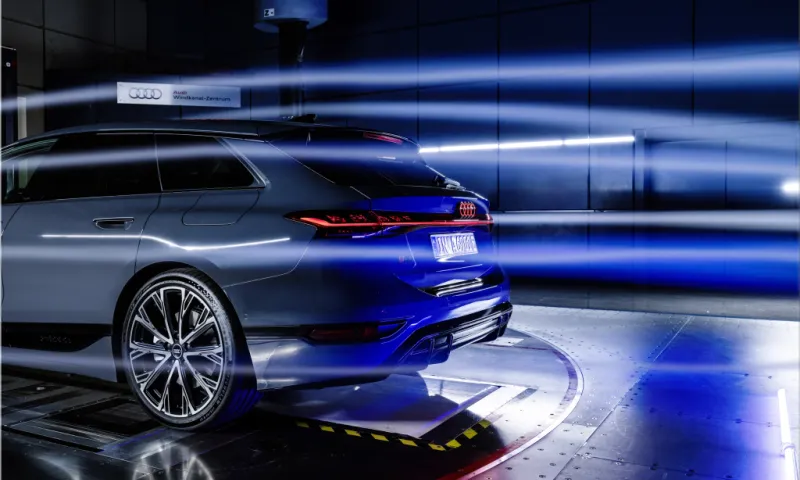
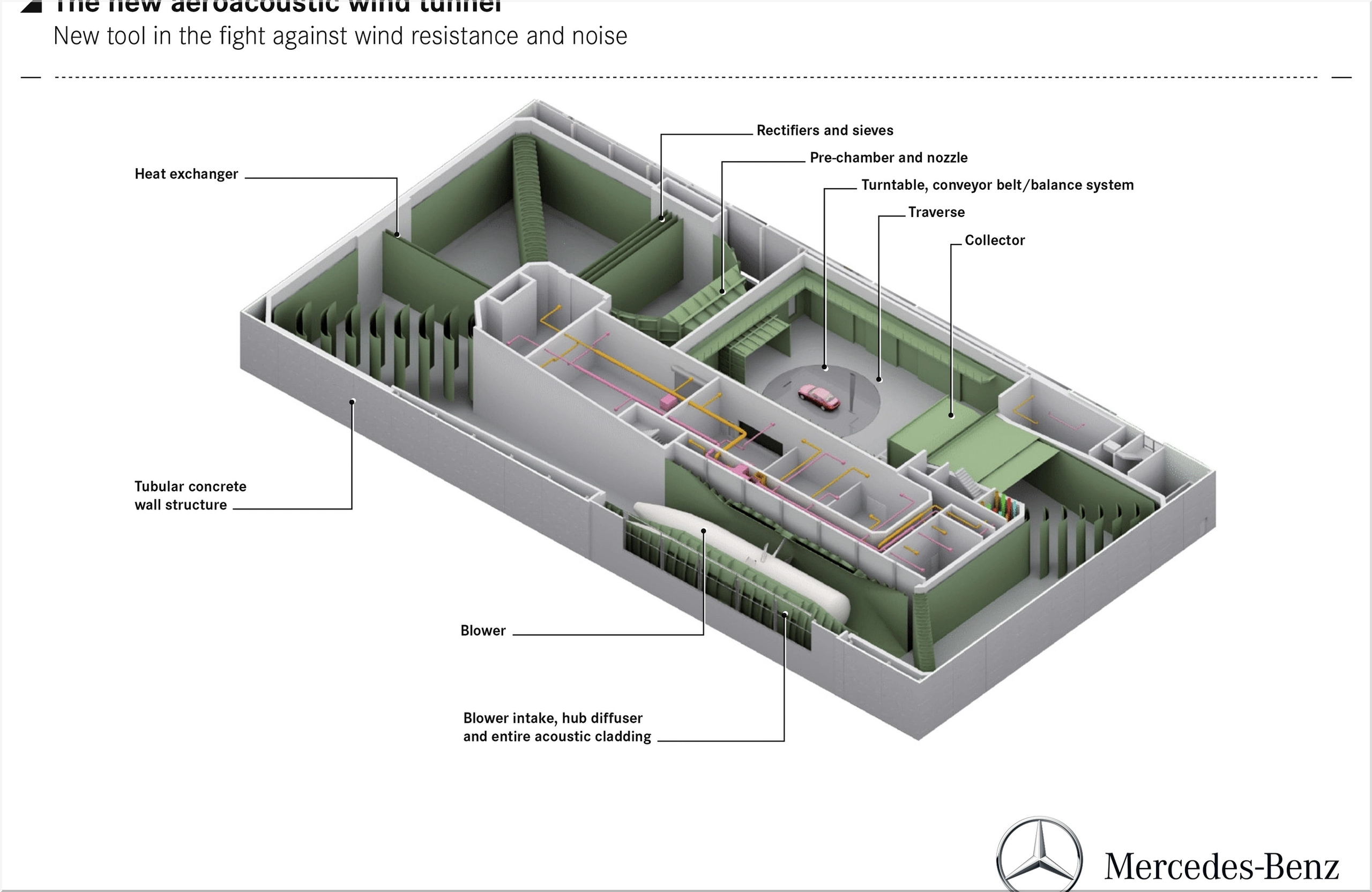
Mercedes operates some of the industry’s most advanced testing facilities.
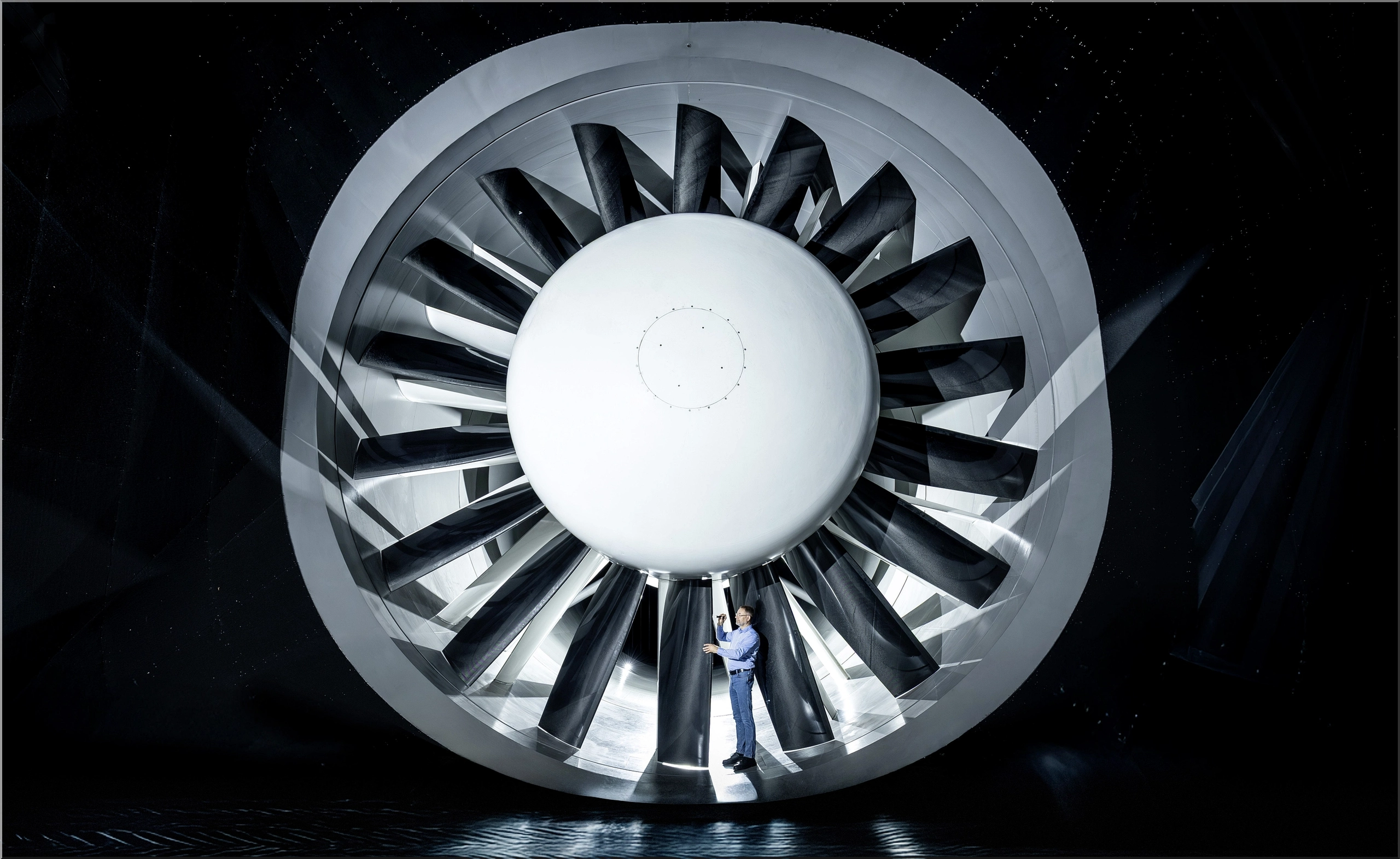
- Sindelfingen Wind Tunnel (2013):
- Max wind speed: 265 km/h (164 mph).
- 5-belt road simulator with turntable.
- 500 microphones for noise analysis.
- Runs at 5 MW when simulating 250 km/h wind.
- Untertürkheim Wind Tunnel (1943-present):
- First full-scale car wind tunnel.
- Still used for contamination and durability tests.
- Climate Wind Tunnels:
- Temperature range: -40°C to +60°C (-40°F to 140°F).
- Speeds up to 265 km/h.
- Used to validate prototypes before real-world testing.
History of Mercedes Aerodynamics
Aerodynamics shaped Mercedes cars for almost a century.
- 1921 Rumpler Teardrop Car: Cd 0.28, far ahead of its time.
- 1938 Kamm-Back Prototype: Introduced sharp rear cut for drag reduction.
- 1954 W196 Streamliner: Racing car designed for high-speed circuits.
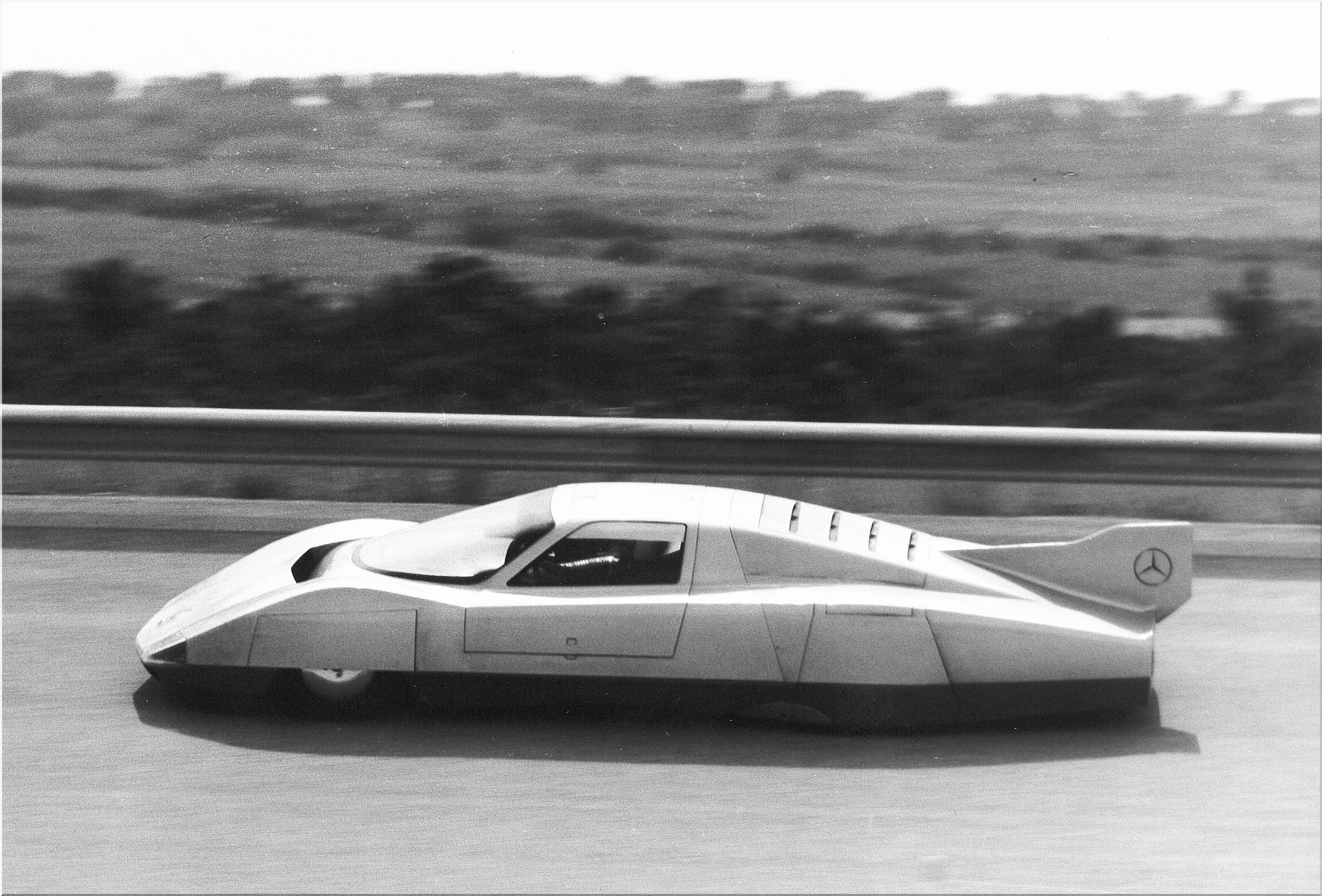
- 1978 C111-III: Cd 0.18, diesel record car averaging 319 km/h.
- 2015 Concept IAA: Active aero car, Cd 0.19 in aero mode.
- 2022 Vision EQXX: Technology platform with Cd 0.17.
Each innovation influenced production vehicles, setting new standards for efficiency.
Why It Matters for the Market
The push for EV efficiency makes aerodynamics a competitive edge. Battery capacity adds cost and weight. Reducing drag is cheaper and scalable.
For automakers, lower drag means:
- Lower energy use per mile.
- Longer real-world range.
- Smaller battery requirements, cutting vehicle cost.
- Higher top speeds with less power demand.
Mercedes-Benz translates aerodynamic gains into direct customer benefits: longer range, quieter cabins, better safety, and reduced running costs.
Key Takeaways
- Aerodynamics equal range. Cutting Cd by 0.01 delivers a 2.5% efficiency gain.
- Mercedes-Benz leads with vehicles like the EQS (Cd 0.20) and CLA (Cd 0.21).
- Tools like the Sindelfingen wind tunnel and CFD simulations allow thousands of early design tests.
- History shows a consistent focus on drag reduction, from Rumpler’s teardrop to Vision EQXX.
- Lower drag reduces cost, improves performance, and keeps EVs competitive.
- Add new comment
- 301 views