
AMG GT XX
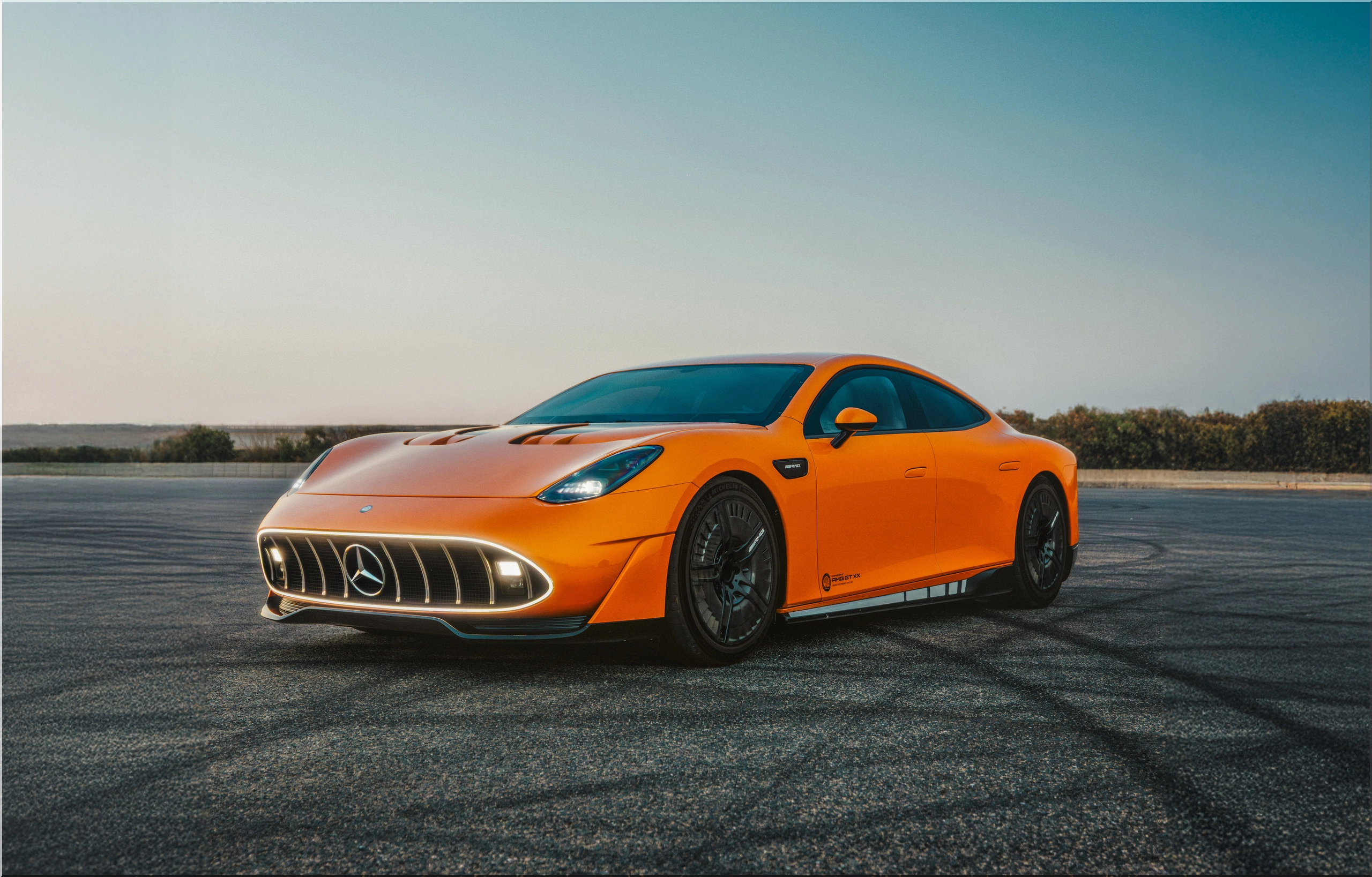
Mercedes-AMG has a history of using extreme tests to push technology forward. The CONCEPT AMG GT XX is the latest proof. In August 2025, the electric prototype ran 40,075 kilometers at 300 km/h on the Nardò test track in just under eight days. The car set 25 long-distance records, including the 24-hour distance record for an electric vehicle—beaten fourteen times in one test week.
The AMG GT XX is more than a concept car. It serves as a rolling test lab for the AMG.EA platform, which arrives in production next year. The data, hardware, and endurance results from Nardò are shaping Mercedes-AMG’s future high-performance EVs.
This article breaks down the technology and market implications of the AMG GT XX in plain, direct terms.
Record-Setting Performance
- Distance covered: 40,075 km (the equivalent of driving around the Earth).
- Average speed: 300 km/h.
- Duration: 7 days, 13 hours, 24 minutes, 7 seconds.
- Records set: 25 long-distance EV records.
- 24-hour record: Broken 14 times during the event.
AMG used two cars for the test. Both maintained high speeds while stopping only for rapid recharging. This was not just a publicity stunt. The test validated cooling, aerodynamics, and charging strategies under maximum stress.
Axial-Flux Motors and Direct-Cooled Battery
The AMG GT XX uses three axial-flux motors. Unlike radial-flux motors in most EVs, axial-flux designs deliver higher power density. They are lighter, smaller, and more efficient at high output.
The direct-cooled battery keeps cells at optimal temperatures even under sustained load. Instead of waiting for heat to bleed through casings, coolant runs directly across cells. This cuts thermal build-up and supports fast charging with immediate power availability.
Together, this motor and battery setup enables sustained peak output without de-rating, a common issue in performance EVs.
Cooling System: Central Coolant Hub
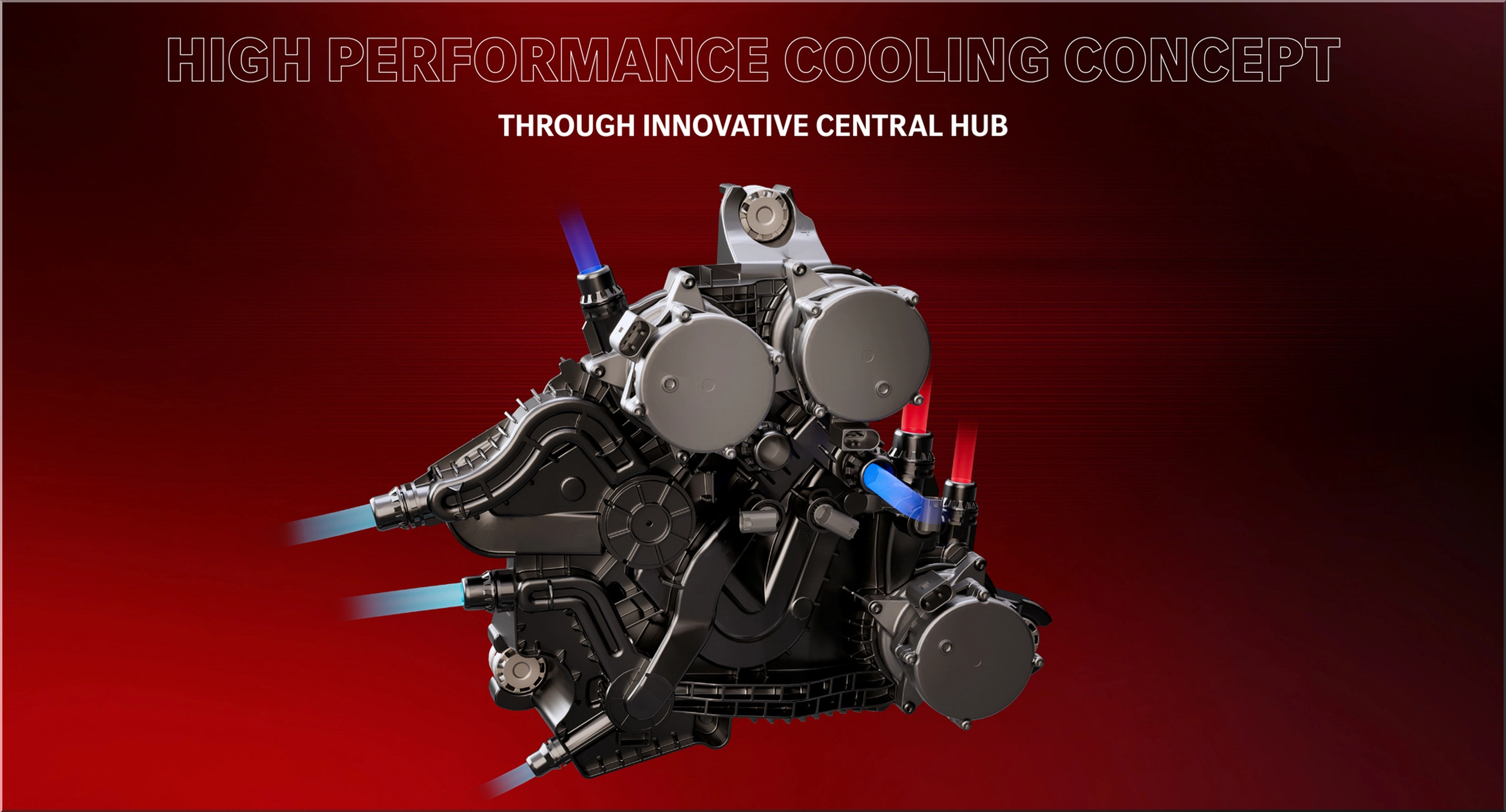
At 300 km/h, heat management is as critical as aerodynamics. AMG designed a Central Coolant Hub (CCH).
Key features:
- Integrates pumps, sensors, and valves in one unit.
- Directs coolant to motors, battery, and electronics on demand.
- Reduces weight by removing excess hoses and brackets.
- Links to radiators and underbody cooling plates for efficiency.
The underbody cooling plate relieves radiator load, letting air shutters stay closed longer. This improves efficiency and drag reduction.
Result: full performance is available after both fast driving and fast charging.
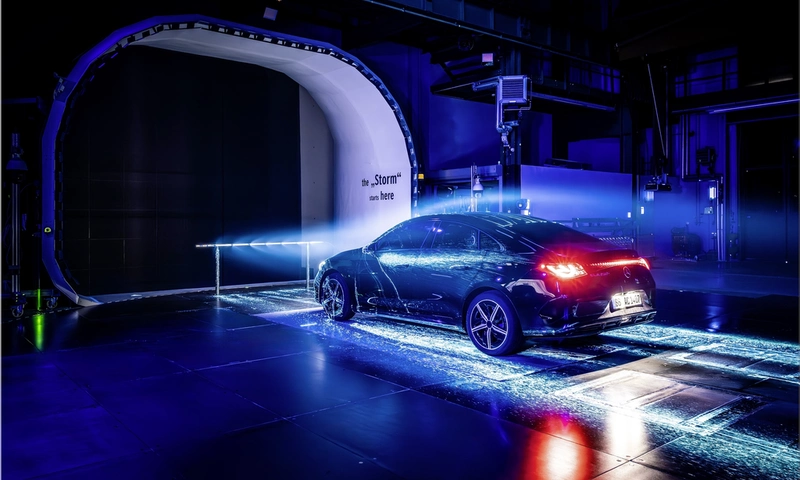
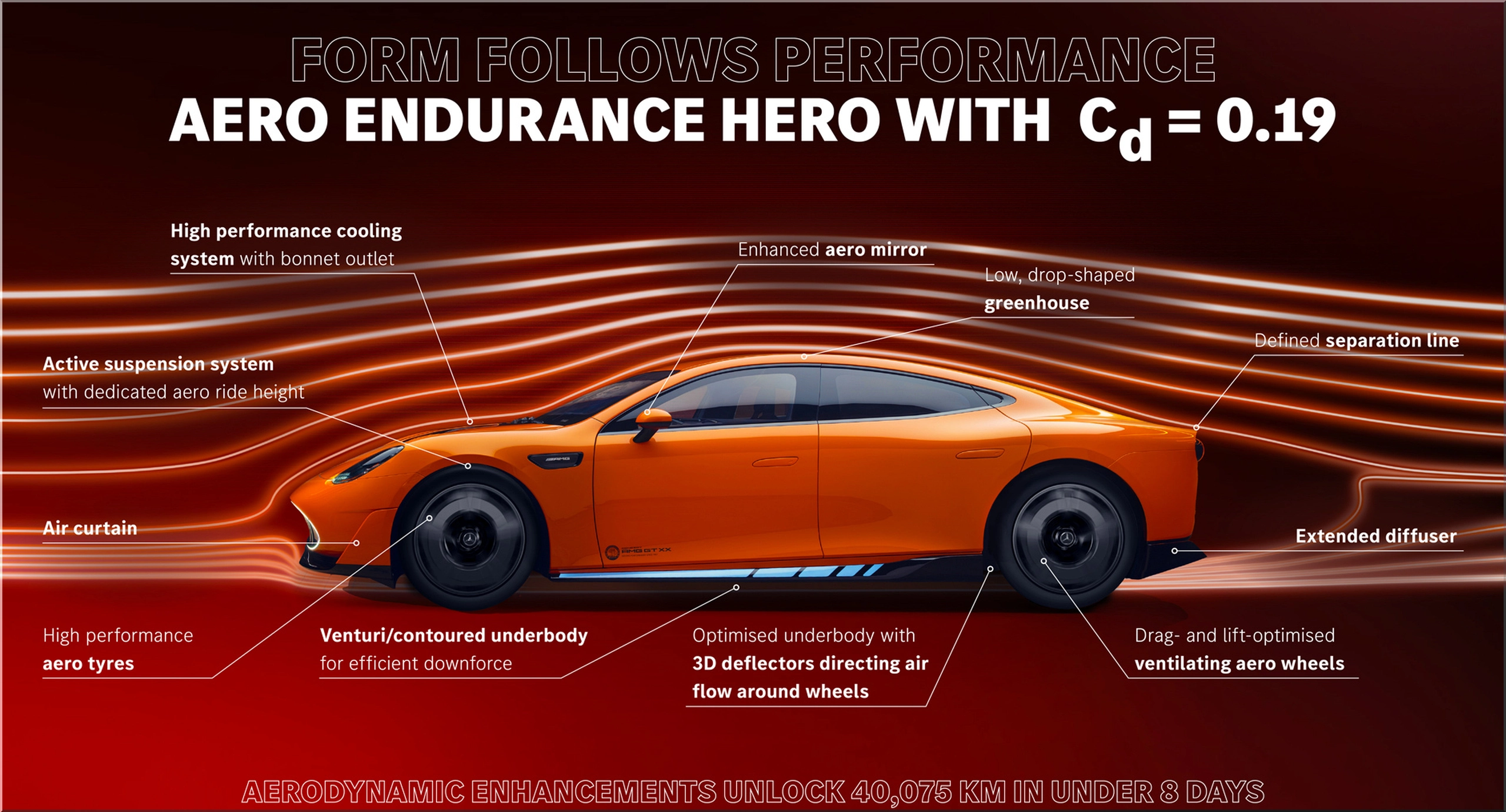
Aerodynamics: 0.19 Drag Coefficient
At 300 km/h, 83% of energy goes into overcoming drag. AMG spent as much time tuning aerodynamics as power systems.
Highlights:
- Cd value of 0.19, a record for a wide-tired performance EV.
- Low-slung body with active air curtains and extended diffusers.
- Aero wheels with carbon claddings directing airflow differently at front and rear axles.
- Venturi underbody effect reduces rear lift without raising drag.
Each 0.001 drop in drag coefficient equates to a 90 kg weight saving at these speeds.
Charging at 850 kW
Endurance racing with EVs only works if charging is fast. AMG built a temporary High-Power Charging Hub with Alpitronic.
Key specs:
- Average charging rate: 850 kW.
- Peak current: 1,000 amps via CCS cable.
- Total hub capacity: 2.5 MW.
- Charging cycles simulated in Stuttgart before real testing.
The charging process was integrated into the race strategy. Cars braked with 0.6 g recuperation, recharged quickly, and relaunched at 300 km/h.
This validates megawatt-class charging for consumer EVs in the next five years.


Formula 1 Data Strategy
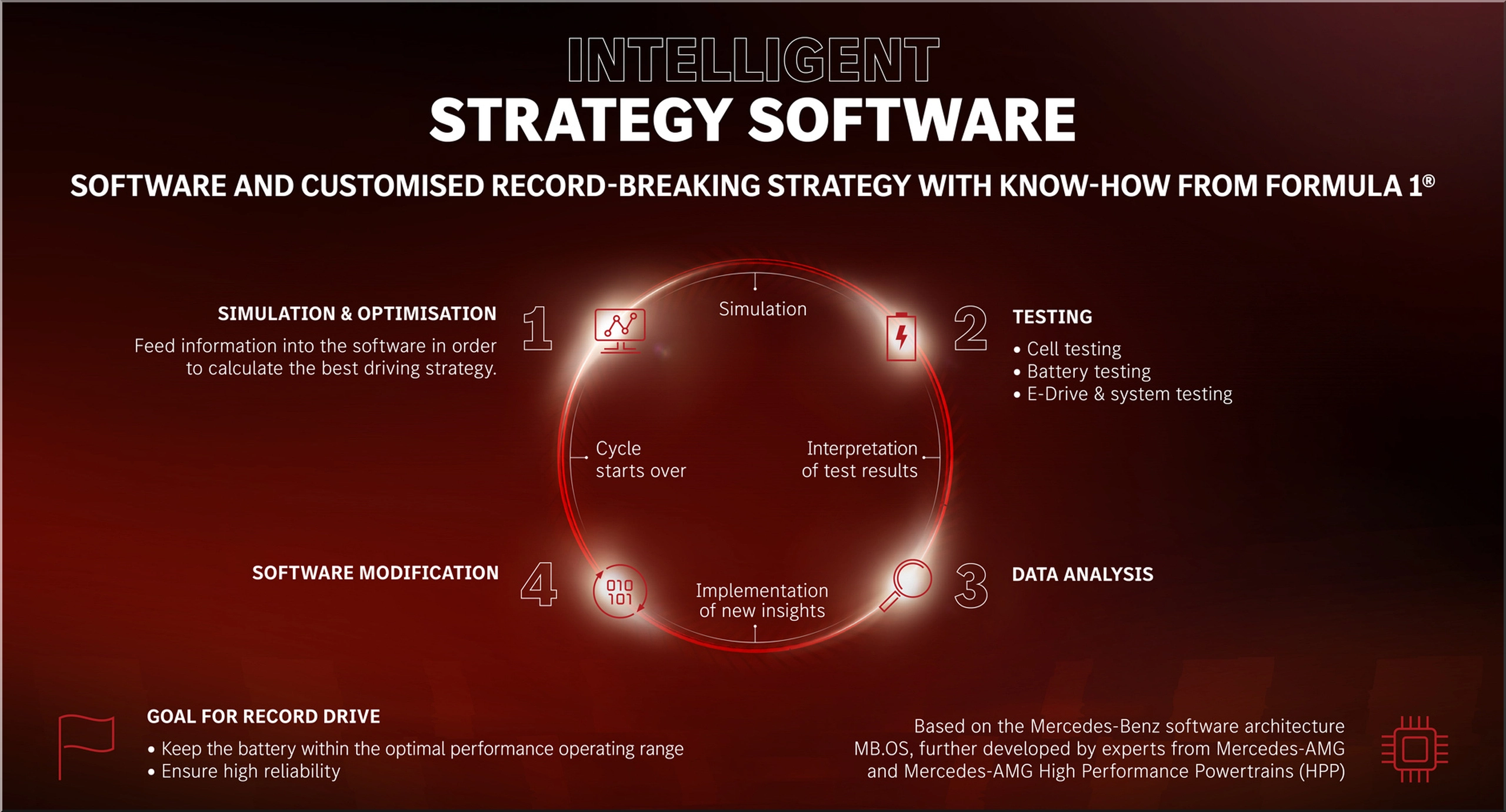
Software was as important as hardware. AMG used MB.OS with Formula 1-derived battery management tools.
- Virtual sensors modeled cell behavior in real time.
- Strategy balanced speed, charging, and cooling.
- Engineers adapted plans during the run based on live weather and wear.
- A Predictive Performance Manager gave drivers acoustic and visual cues for optimal efficiency.
This type of simulation-driven optimization is standard in F1. Now it is shaping AMG’s EV strategy.
Driver and User Interface
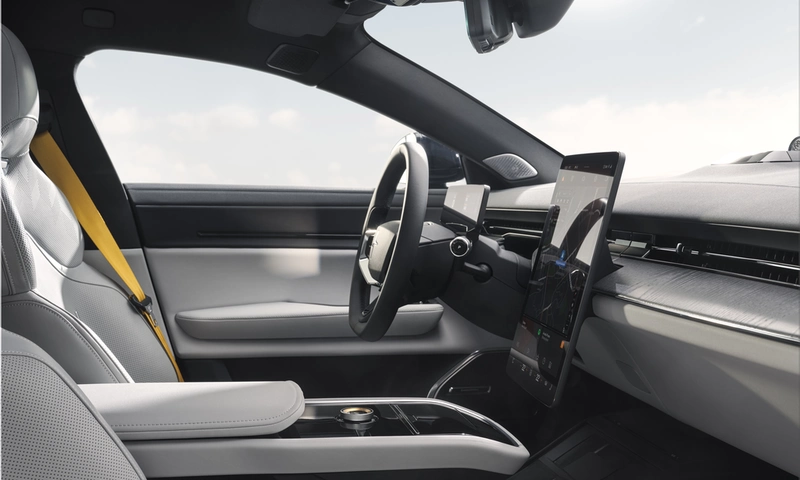
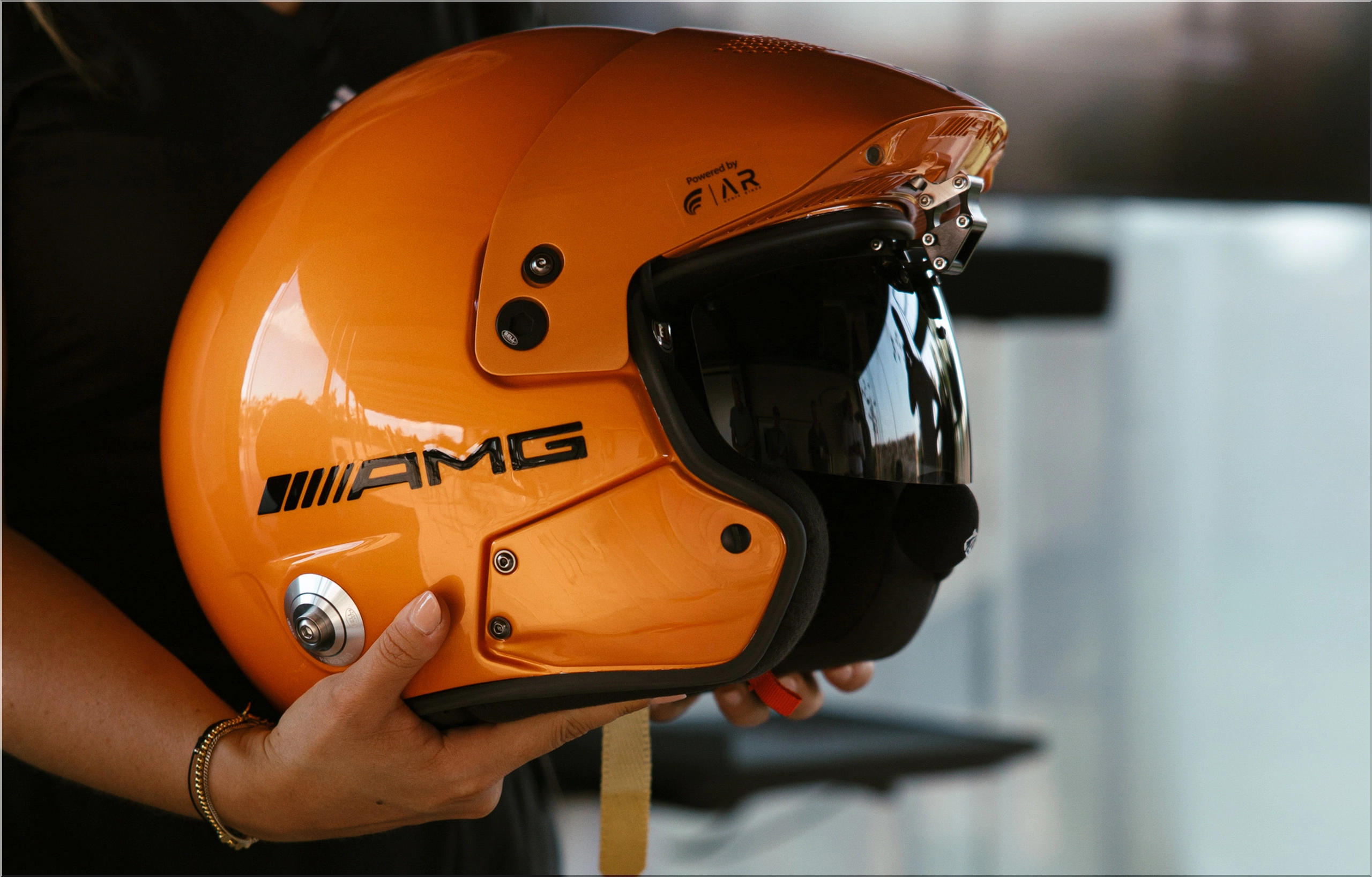
The cockpit featured a custom MB.OS display and augmented-reality helmet.
- Helmet projected battery, speed, and track data into the driver’s view.
- Steering wheel LEDs gave instant charging and driving signals.
- Displays switched modes between driving and charging.
- 3D-printed seat pads were custom-fit using body scans.
These details show how AMG wants to merge racing technology with consumer-level ergonomics.
Emerging Technologies
AMG used the GT XX to test new ideas that may reach production later:
- Plasma actuators to control airflow without physical spoilers.
- Illuminated paint segments for exterior design.
- ThrillAR mixed-reality experience with Apple Vision Pro.
These may sound experimental now, but aerodynamics-by-wire and custom AR integration could define next-generation EVs.
Michelin Tire Development
Michelin built a new Pilot Sport 5 Energy tire for the AMG GT XX.
- Two-compound tread: outer shoulder for efficiency, center for grip.
- RFID chips for live monitoring.
- 24/7 support during Nardò test.
- Production rollout expected in 2026.
This partnership mirrors past AMG-Michelin projects, where tire innovations migrated quickly to consumer vehicles.
Industry Implications
The AMG GT XX signals three clear directions for the EV industry:
- Sustained Power Output
Direct cooling and axial-flux motors mean electric supercars can run at top speed for days, not minutes. - Ultra-Fast Charging
Charging at 850 kW is a preview of future grid integration. Consumer versions may arrive by 2030, enabling true long-distance EV travel. - Software-Led Strategy
Simulation, predictive models, and live adaptation define how manufacturers will extract performance from hardware.


Conclusion
The Mercedes-AMG GT XX is a technology program disguised as a concept car. It combines record-breaking endurance, next-generation cooling, and Formula 1 data science into a single prototype.
For the auto industry, the lesson is simple: EV performance is no longer about single-lap acceleration. It is about sustained speed, efficiency, and recharging cycles. AMG just proved that a high-performance EV can circle the Earth in eight days at race pace—and finish stronger than it started.
- Add new comment
- 163 views