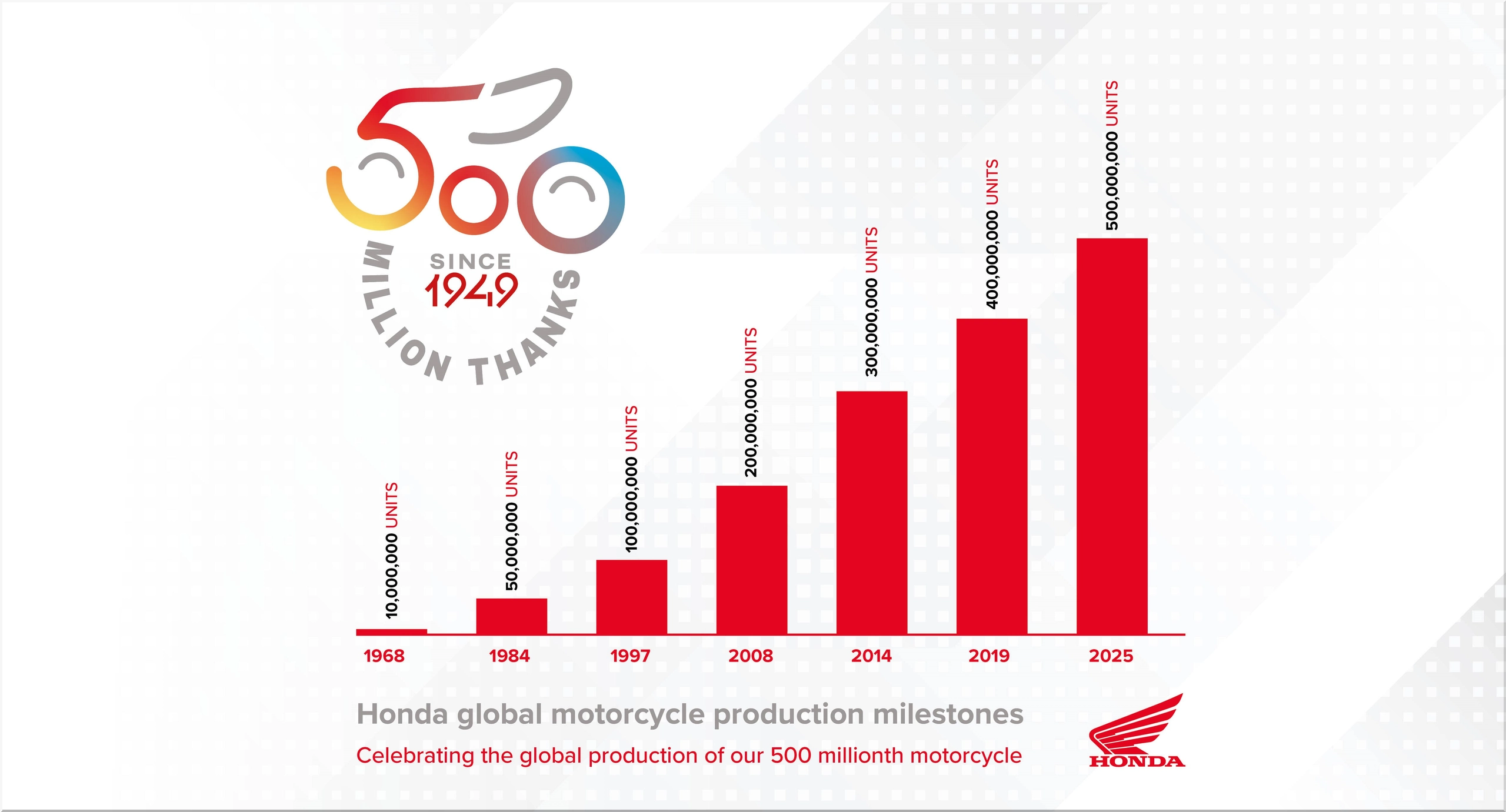
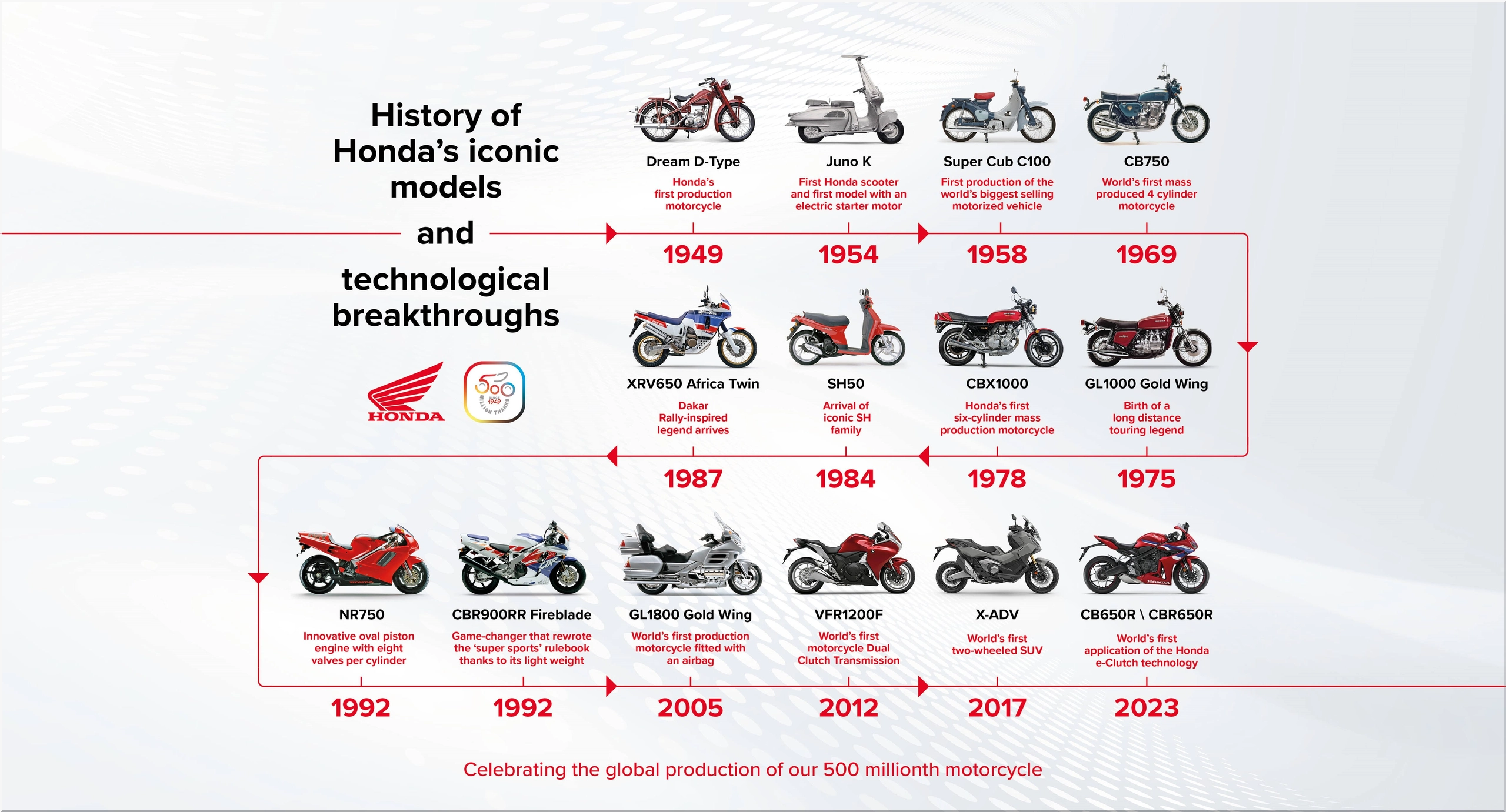
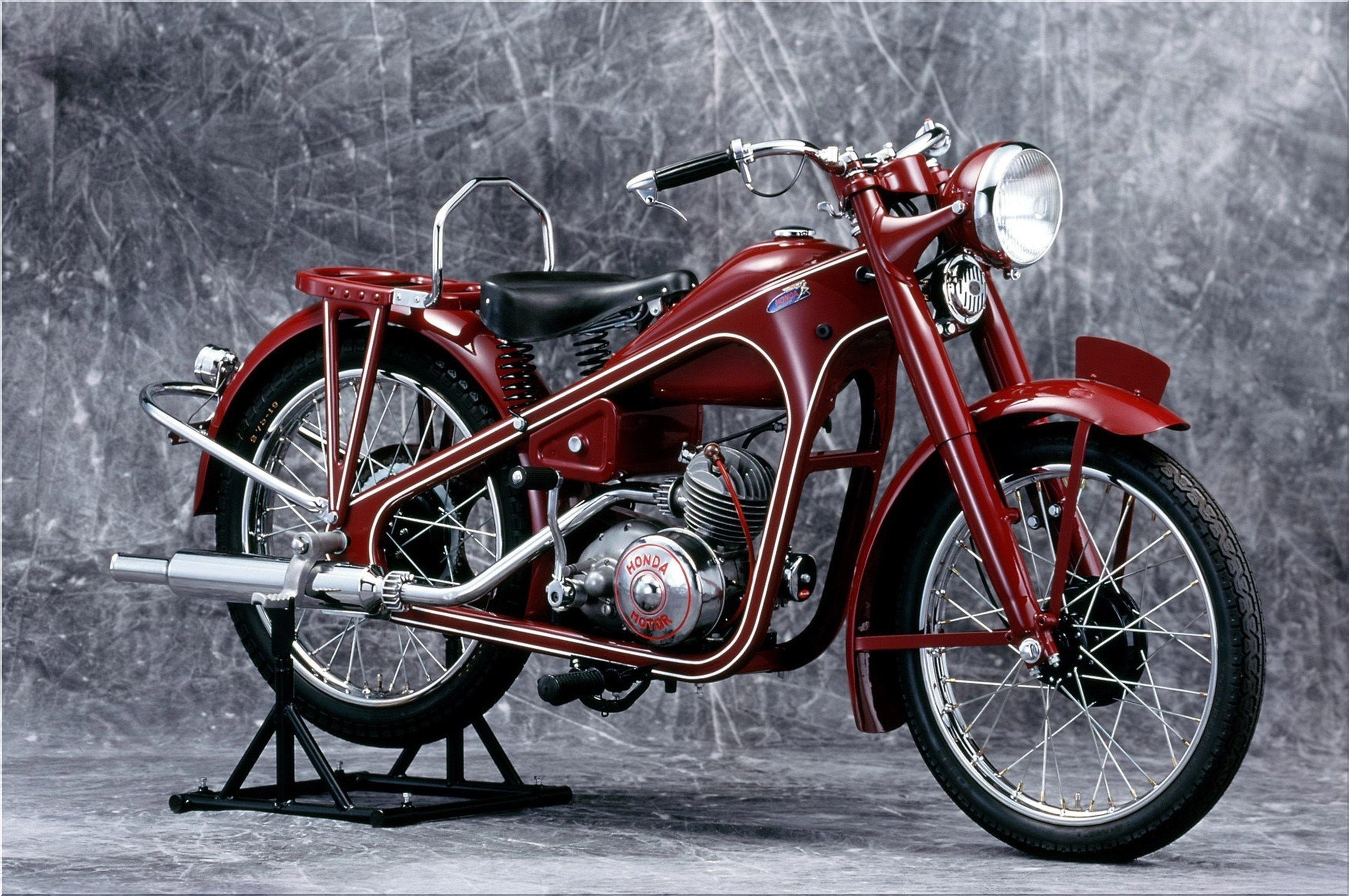
Honda has produced 500 million motorcycles globally, marking a major production milestone. Since the 1949 Dream D-Type, Honda’s focus on scalable production, local manufacturing, and broad model appeal has transformed it into the world’s largest motorcycle maker.
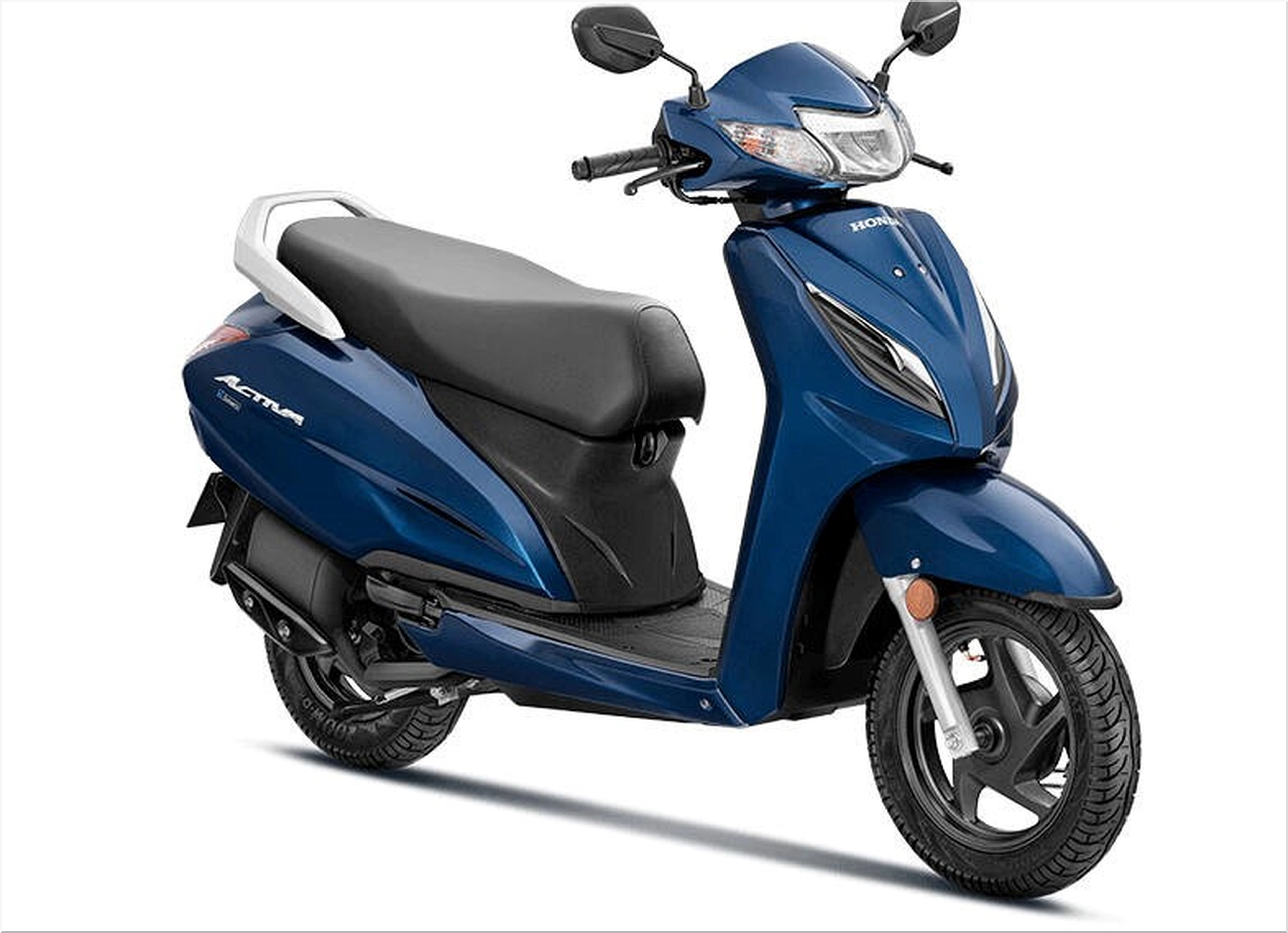
The milestone was reached in May 2025, with the 500 millionth unit being the Honda Activa, built at the Vitthalapur plant in Gujarat, India.
Key Milestones in Honda Motorcycle Production
Honda’s production growth has accelerated in recent decades.
| Year | Milestone Reached |
|---|---|
| 1949 | First mass production (Dream D-Type) |
| 1997 | 100 million units |
| 2008 | 200 million units |
| 2014 | 300 million units |
| 2019 | 400 million units |
| 2025 | 500 million units |
The Dream D-Type was the first step in Honda’s scale-focused strategy. By expanding rapidly into global markets, Honda built a production footprint that spans continents.
Honda's Global Manufacturing Footprint
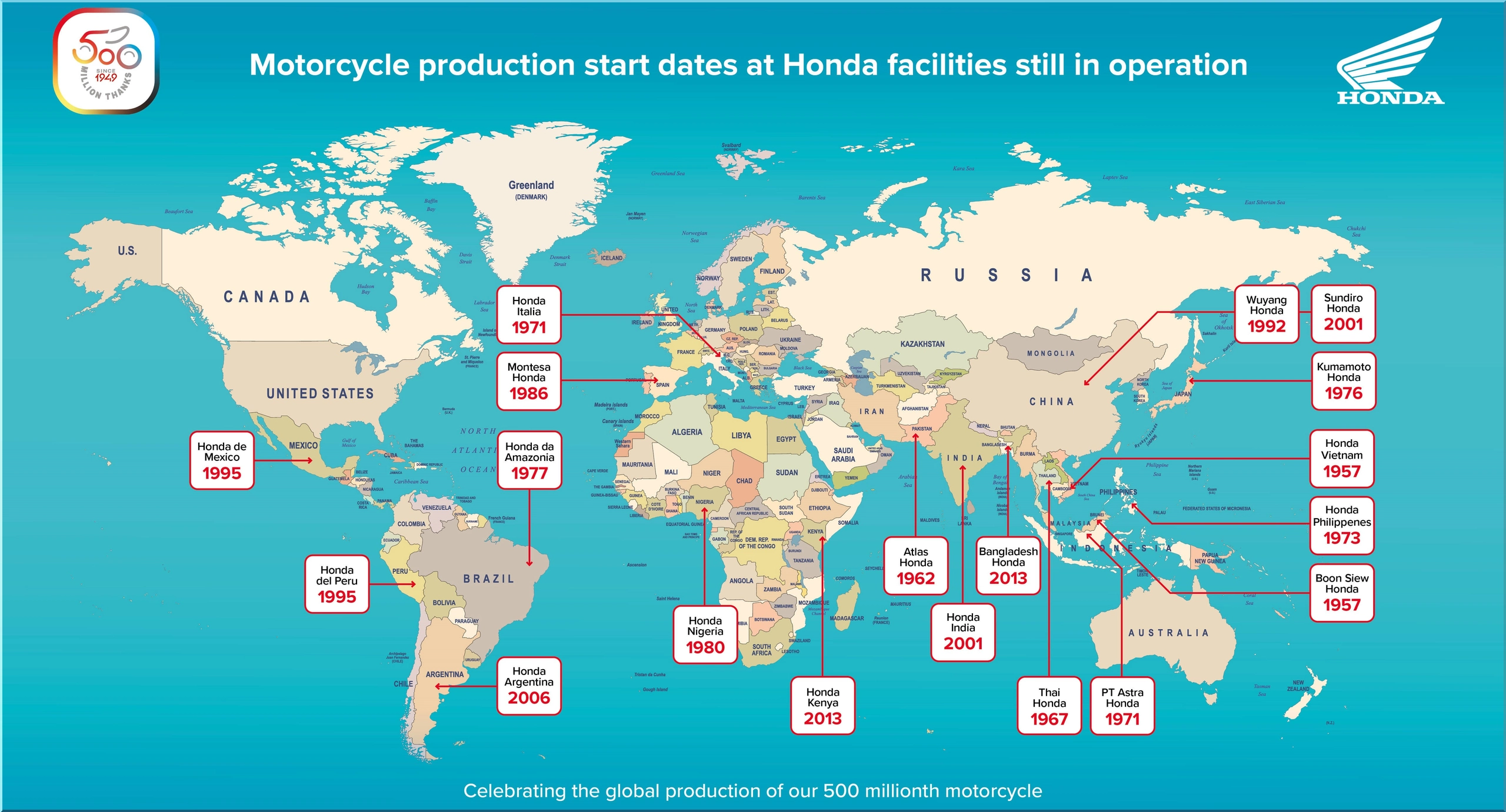
Honda operates 37 motorcycle plants in 23 countries. Its strategy: build where there’s demand. This local manufacturing reduces costs, improves speed to market, and meets regulatory requirements more efficiently.
Notable expansion points include:
- 1963: First overseas production facility in Belgium
- 1971: Indonesia joins the production network
- 1985: Entry into India, now a key global hub
- 1992: Expansion into China
- 2013: Production begins in Kenya and Bangladesh
India is now one of Honda’s top motorcycle production hubs, driven by high local demand and a strong supplier base.
Popular Models Powering the Milestone
Honda’s motorcycle success comes from a mix of commuter models, leisure bikes, and now electric two-wheelers.
1. Commuter Motorcycles
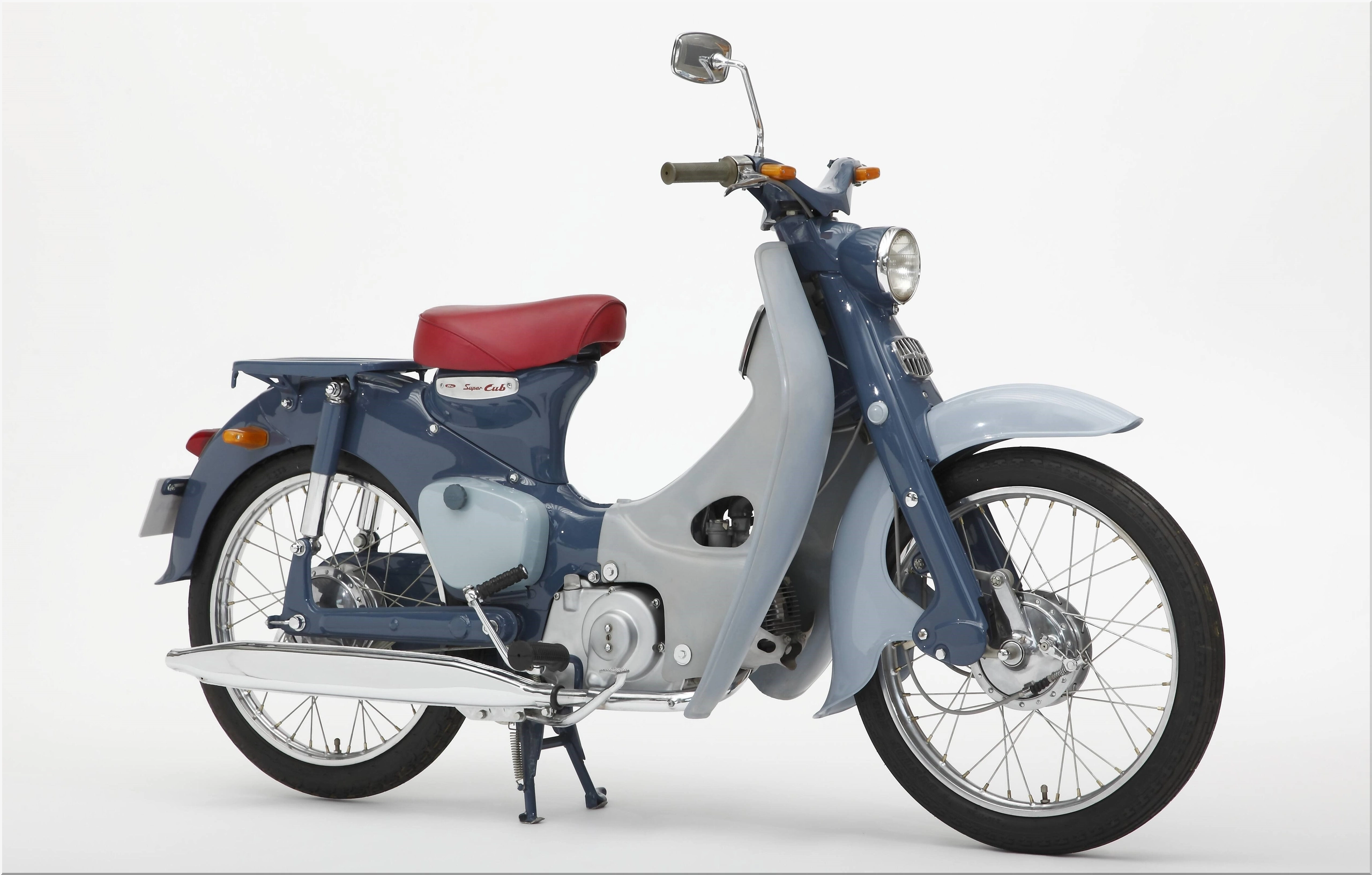
- Honda Super Cub: Over 100 million units sold.
- Honda Activa: Market leader in India, key to volume growth.
2. Sport and Leisure Bikes
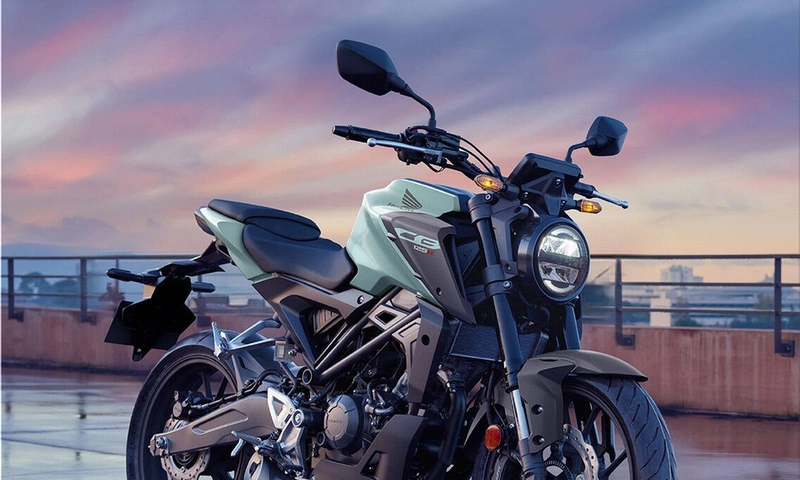
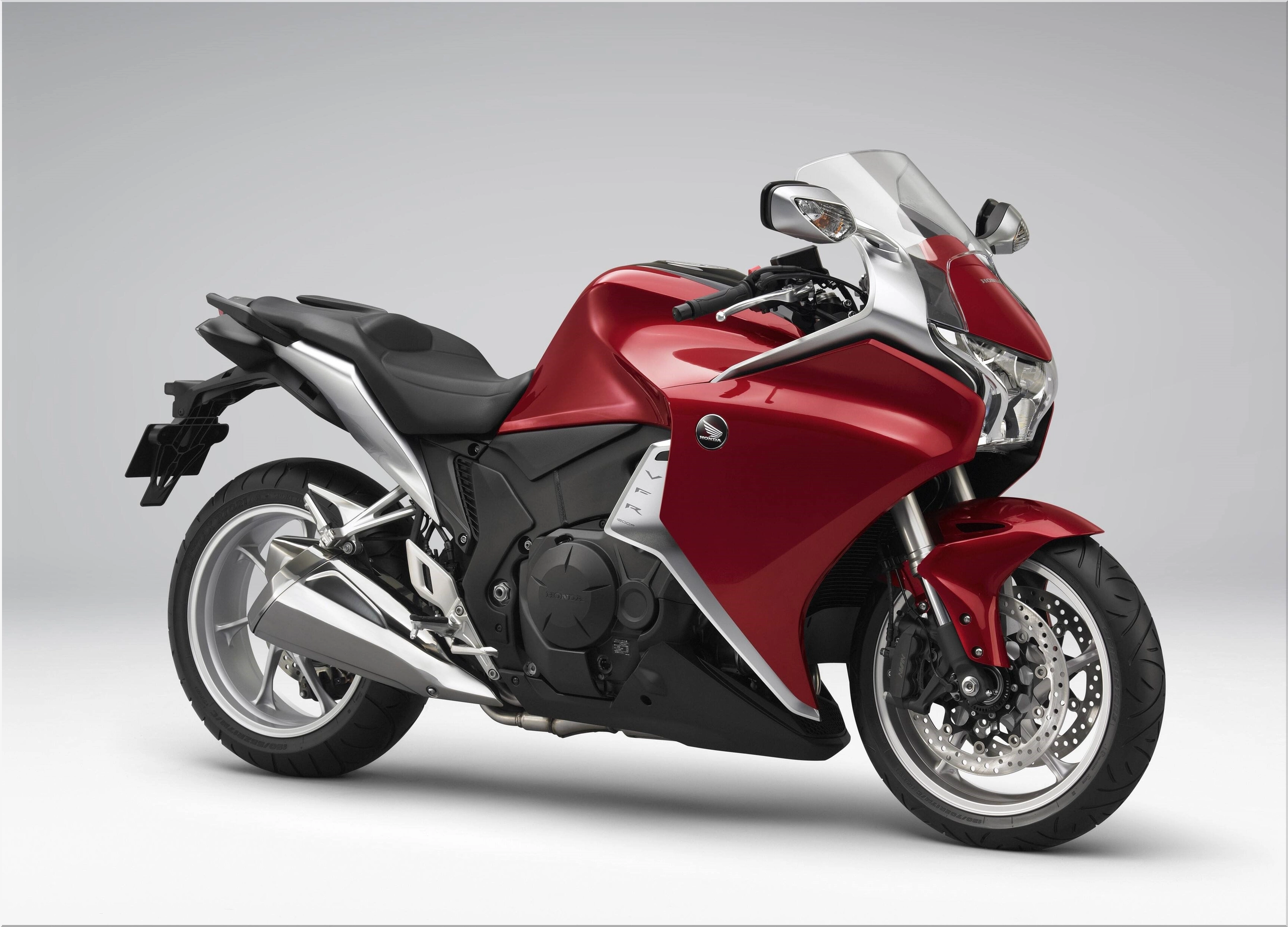
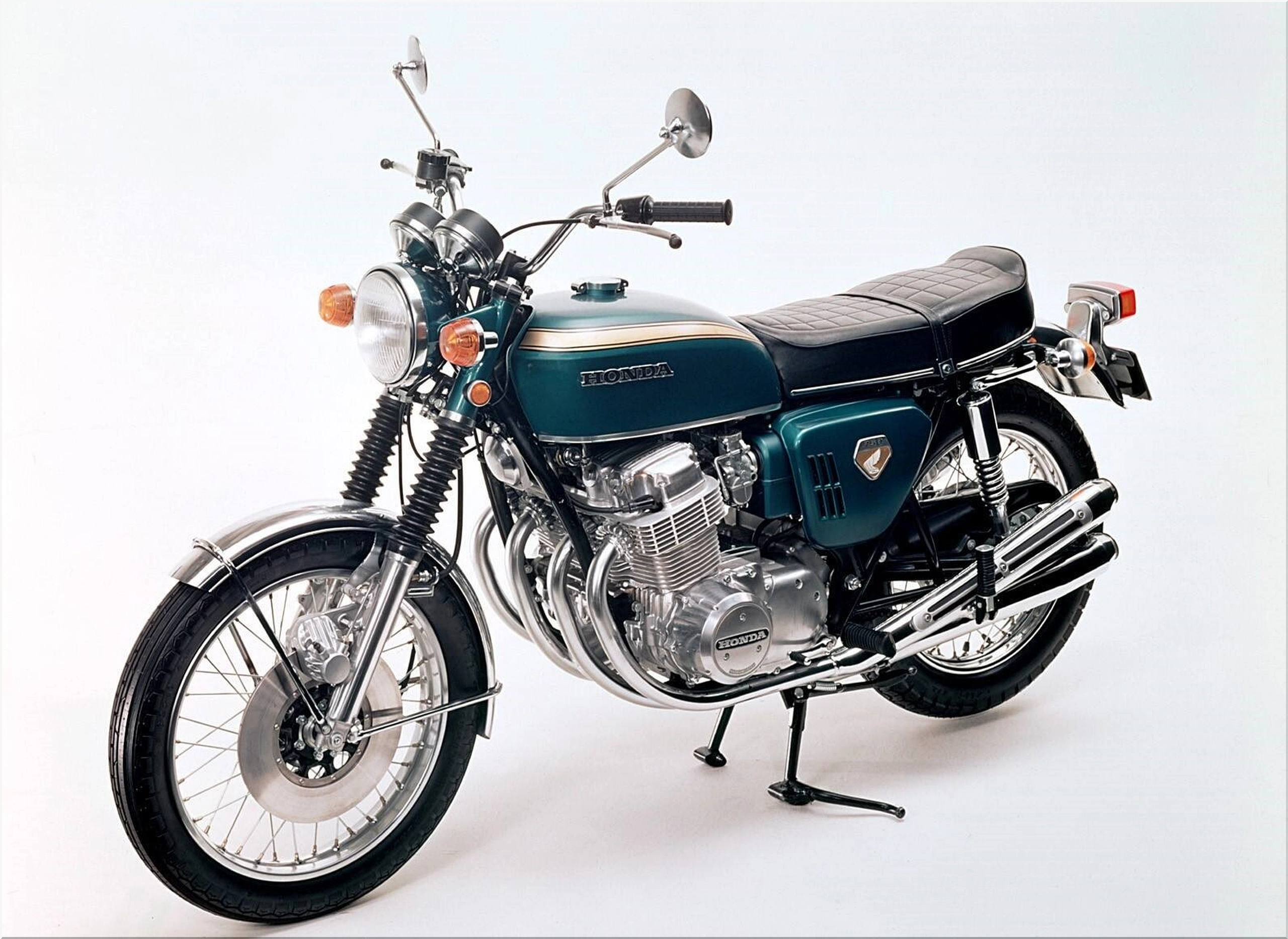
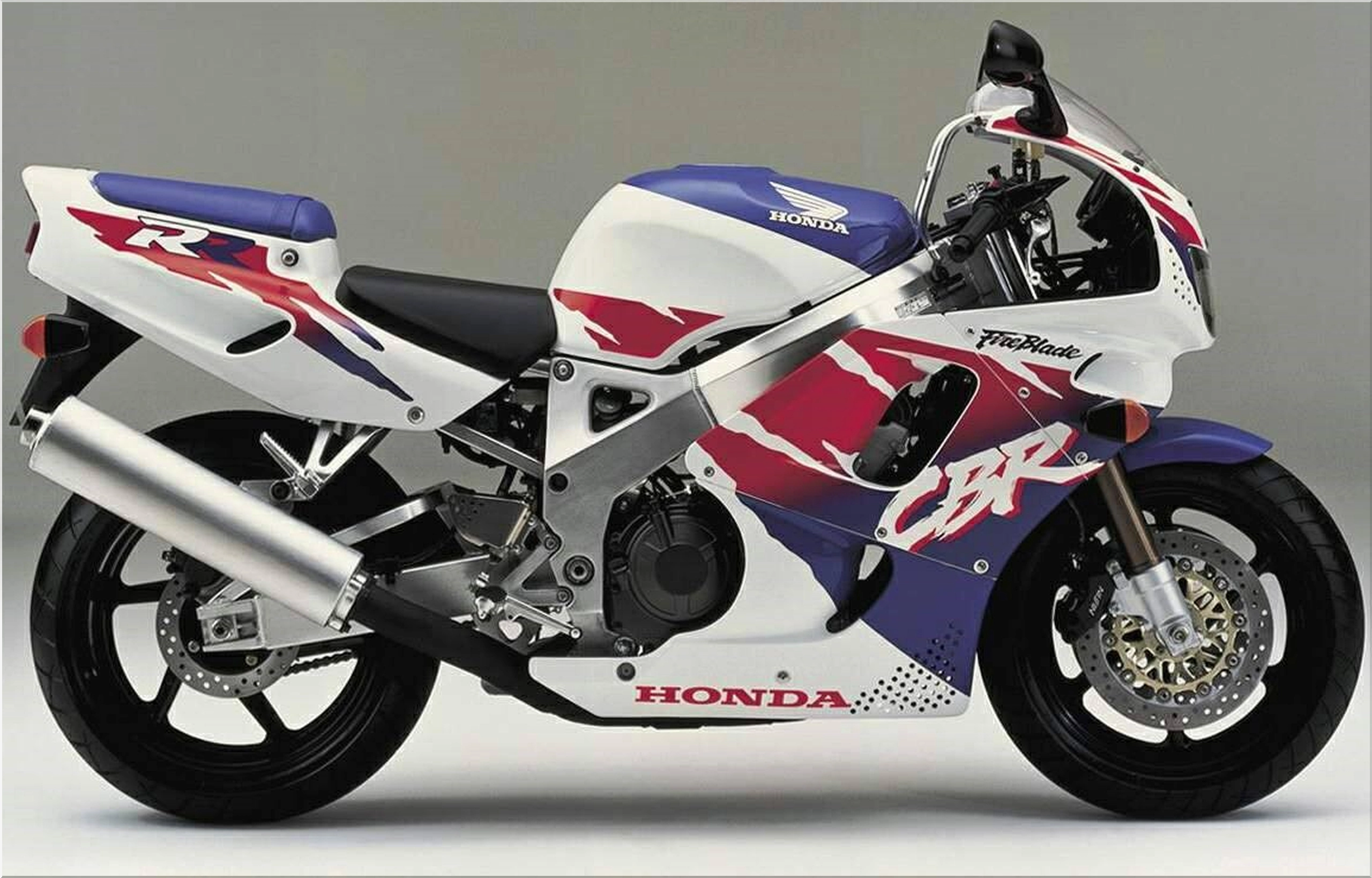
- CB Series: Mid-range and premium segment motorcycles.
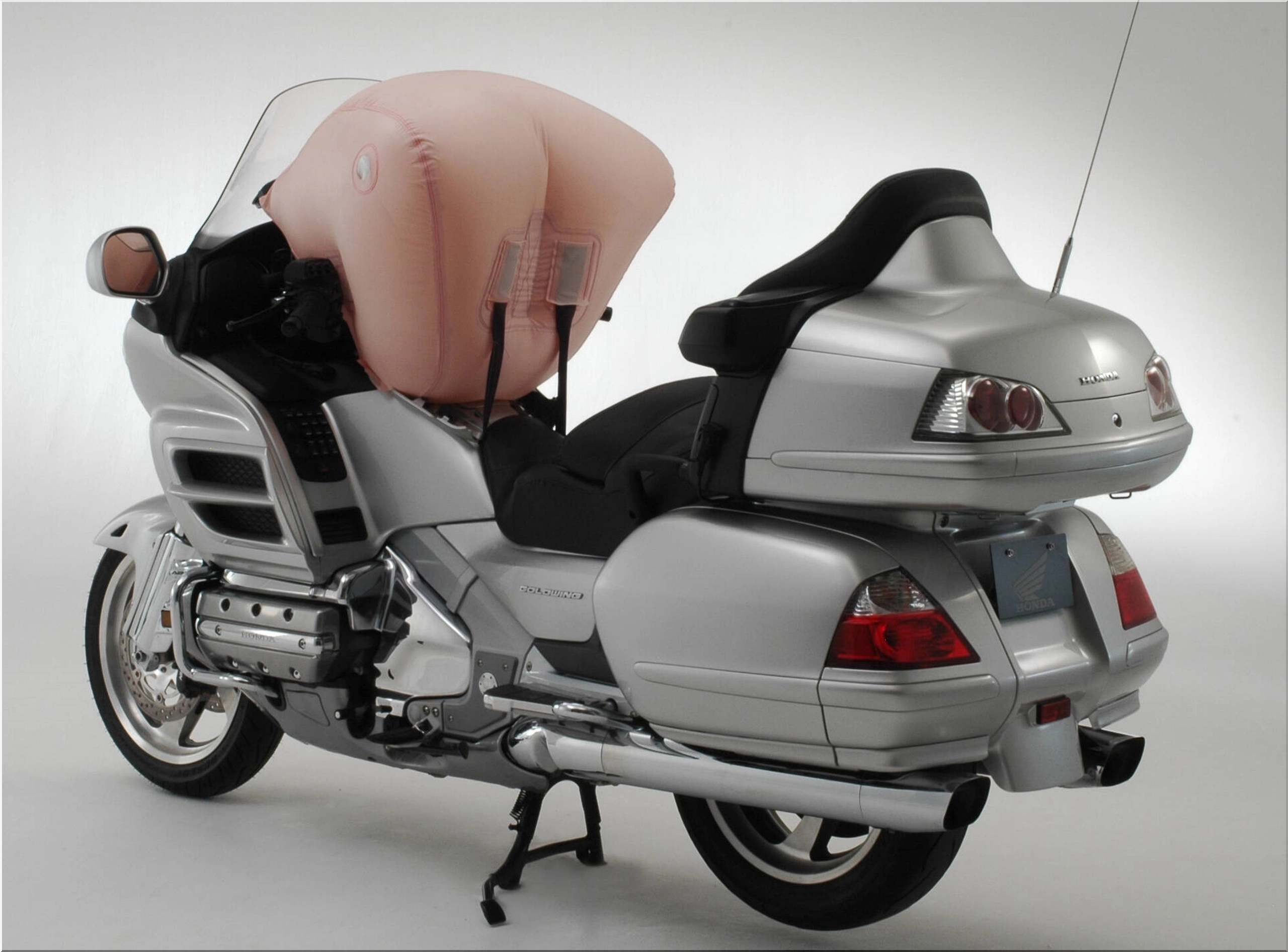
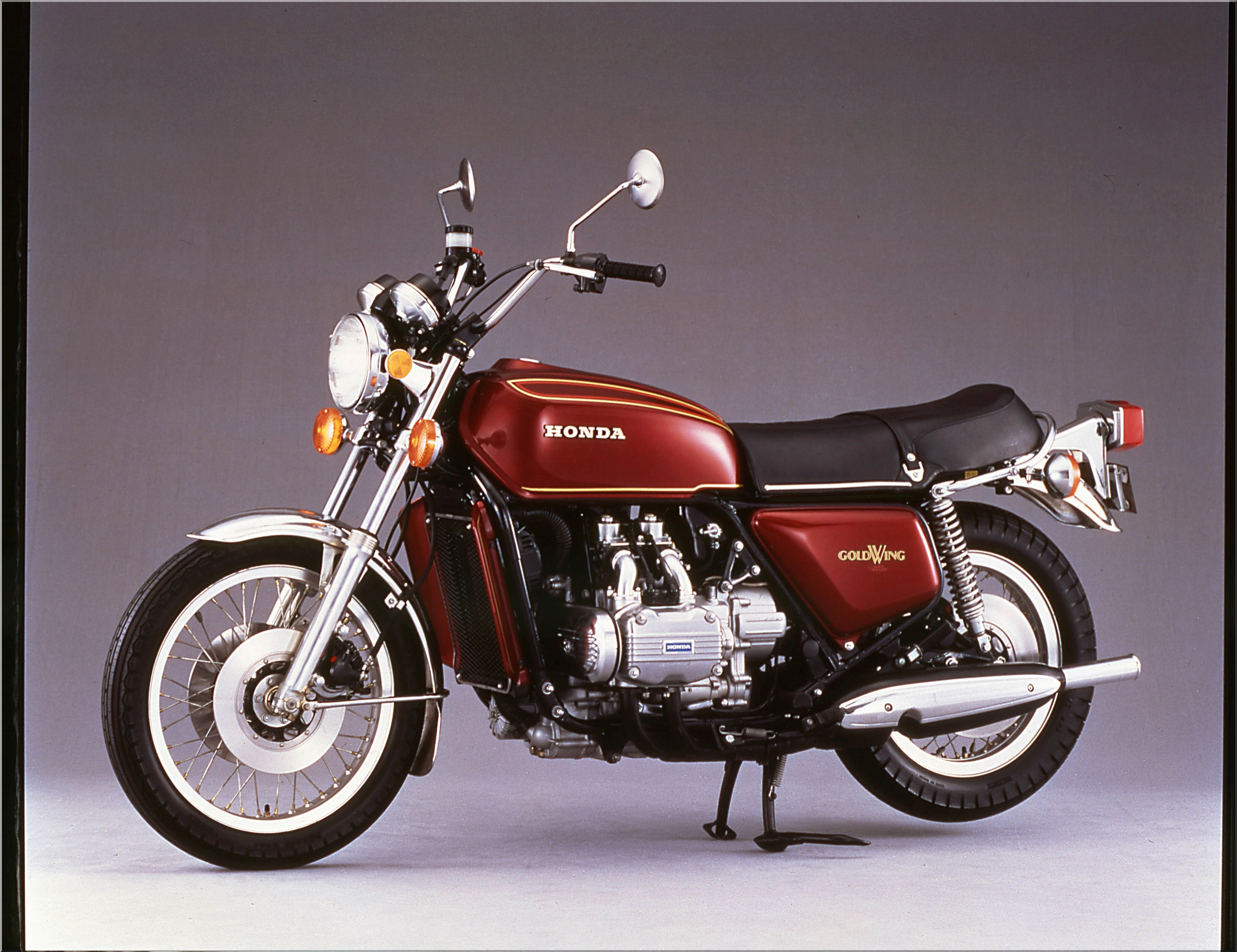
- Gold Wing: Flagship touring motorcycle.
3. Electric Two-Wheelers
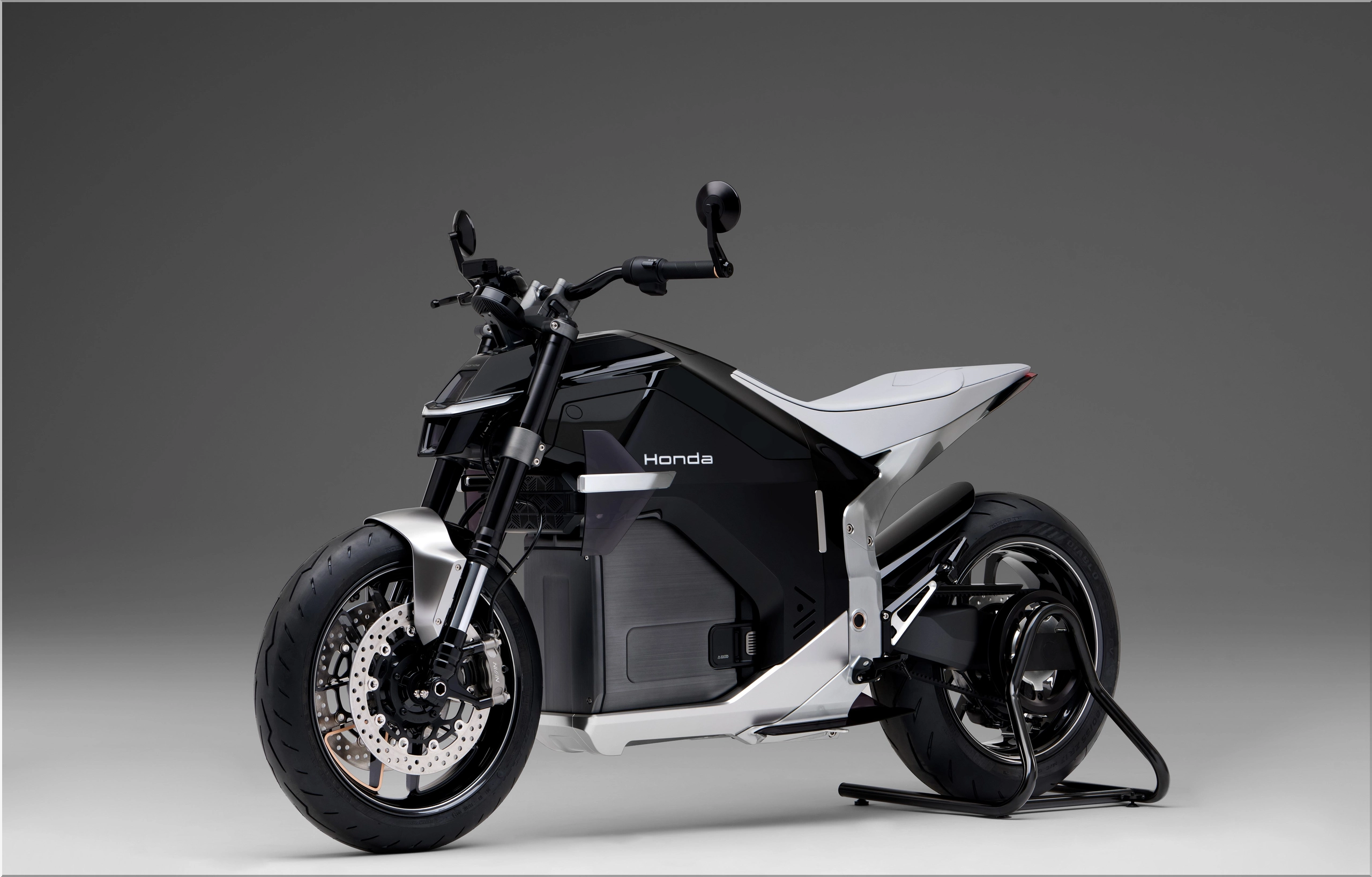
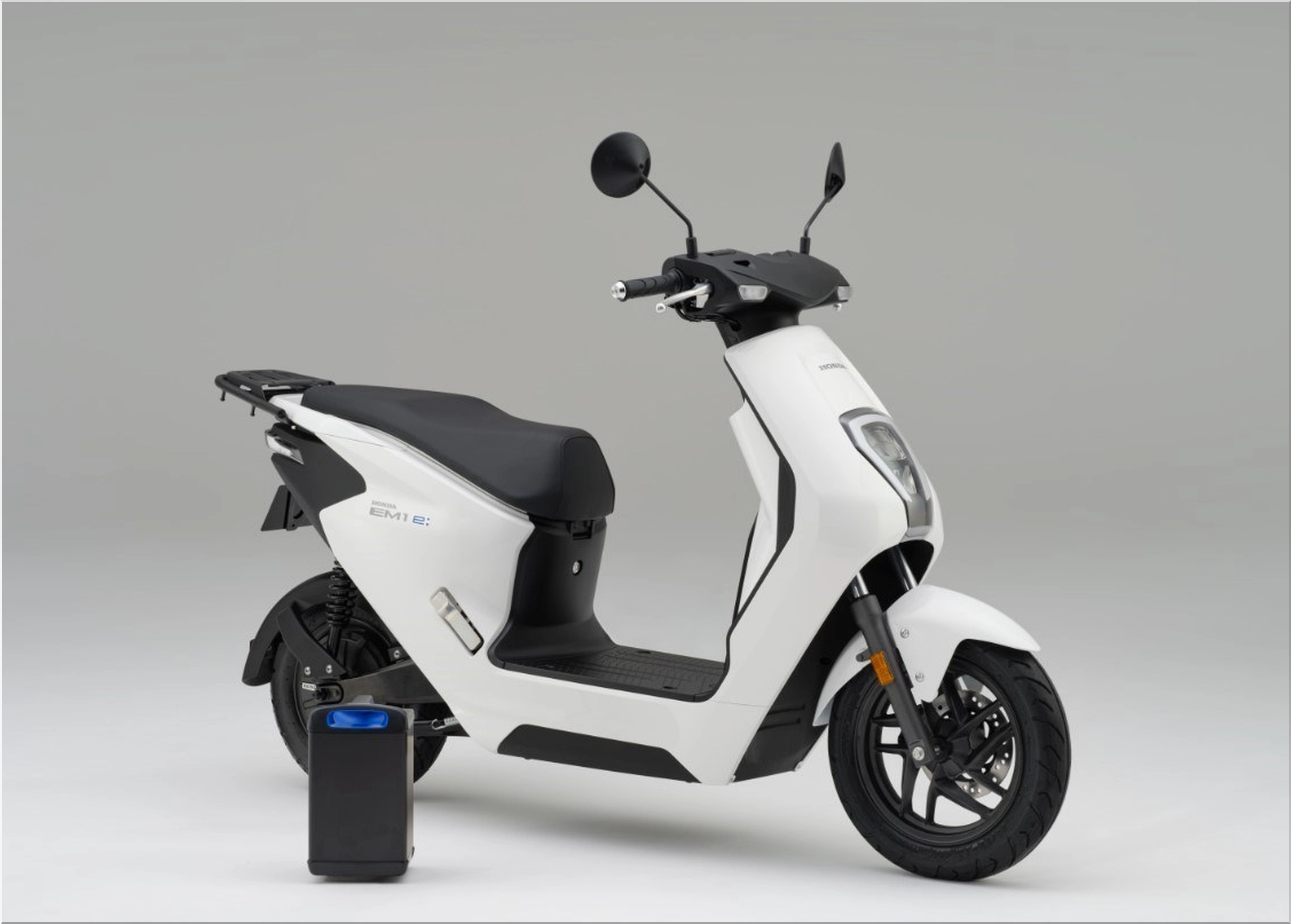
- EM1 e: Launched in 2024 as part of Honda’s electric expansion.
- Part of Honda’s global electric mobility strategy to offer 10 or more electric models by 2025.

Electric Motorcycle Strategy and Sustainability
Honda is integrating sustainability into its two-wheeler production goals. Its targets are focused and operational.
Key sustainability priorities:
- Carbon neutrality in motorcycle operations by 2040
- 10+ electric two-wheeler models globally by 2025
- Use of modular battery technology to streamline charging and maintenance
- Focused reduction of supply chain emissions
Honda’s use of local production and renewable resources in some factories supports its long-term environmental goals.
India: Center of Future Growth
India is central to Honda’s motorcycle roadmap.
Current investment highlights:
- $110 million USD investment in a new production line in Gujarat
- Full operations targeted for 2027
- Increased capacity to meet both domestic demand and export growth
India’s fast-growing middle class, high urbanization, and government support for electrification make it a core growth market.
Honda’s Strategic Advantages
Honda’s scale gives it cost and brand advantages few rivals match.
Top strengths:
- Mass production scale unmatched in two-wheelers
- High brand recognition in Asia, Africa, and Latin America
- Adaptable product strategy for local markets
- Strong dealer and service networks in over 130 countries
- Rapid rollout of electrification in growing economies
Future Outlook
Honda plans to stay at the top of the global motorcycle industry with new investments, smarter technologies, and expanded electric offerings.
Future priorities include:
- Expanding battery swapping networks in Asia
- Development of affordable electric scooters
- AI-enabled diagnostics for maintenance and safety
- Streamlined global production logistics
Honda’s growth strategy aims to add capacity while reducing its carbon footprint, staying ahead of tightening global emissions rules.
Conclusion
500 million motorcycles produced marks a historic moment for Honda. Its continued global expansion, push into electric mobility, and local-first production approach make it a consistent leader.
As two-wheeler markets shift toward electrification and urban mobility, Honda’s scale, product diversity, and operational efficiency keep it in a dominant position.
- Add new comment
- 152 views