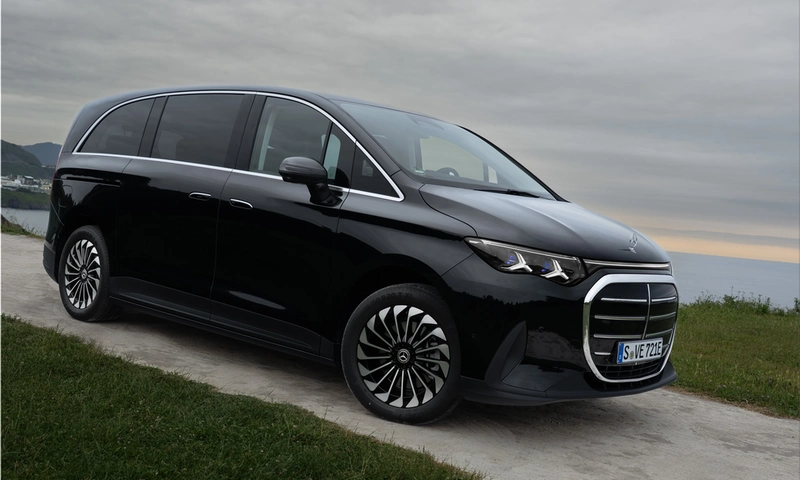
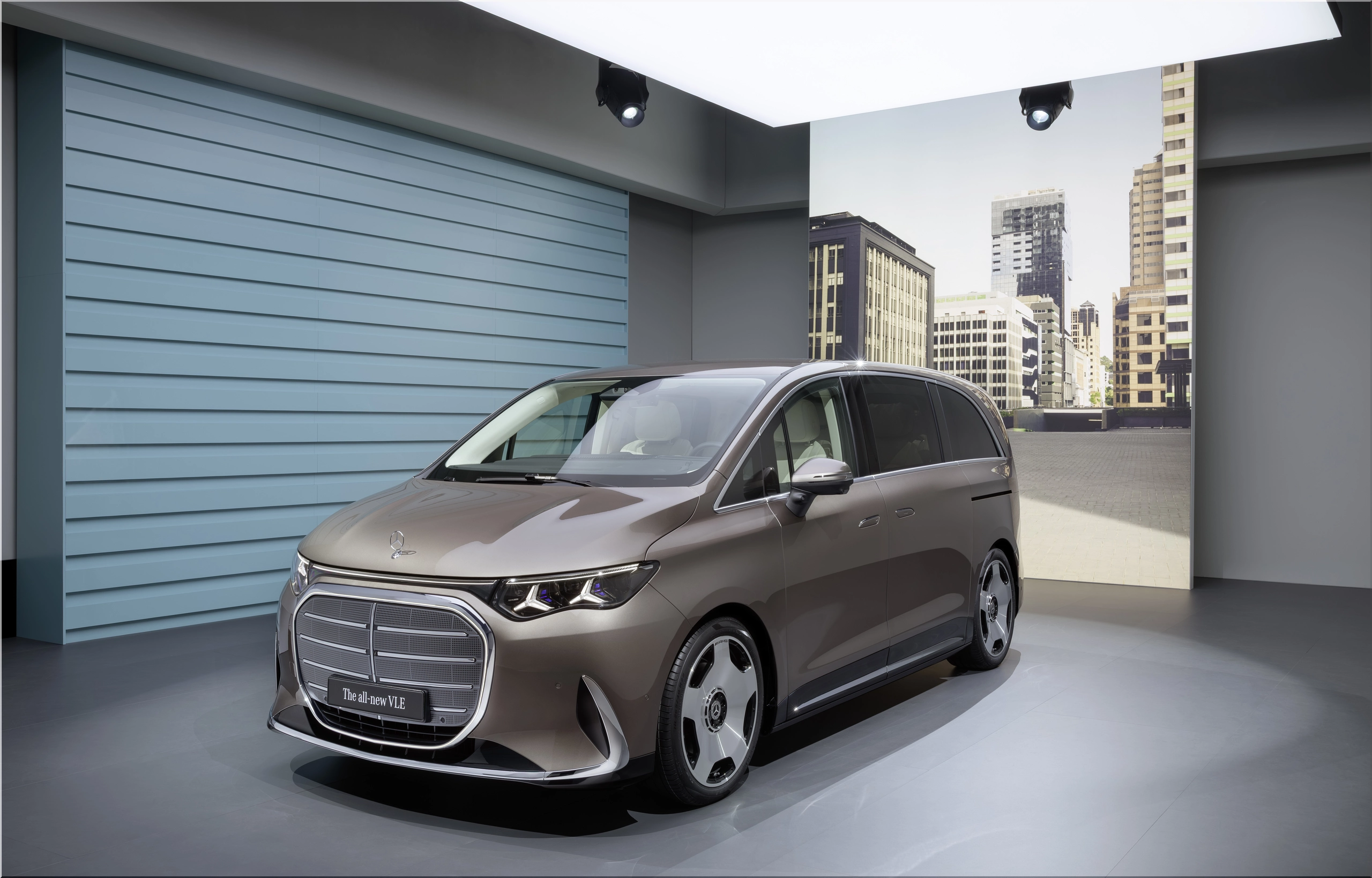
Mercedes-Benz has opened the order books for the all-new Mercedes-Benz VLE, and the numbers put this launch in clear focus. In Germany, the first VLE 300 versions start at the equivalent of about $96,900 and $97,400, while a later standard-spec model is set to open at roughly $83,000. That pricing places the electric Mercedes-Benz VLE squarely in premium territory, but Mercedes did not price this van like a dressed-up shuttle. It priced it like a long-range, high-tech grand limousine with real commercial and family-hauling logic behind it.
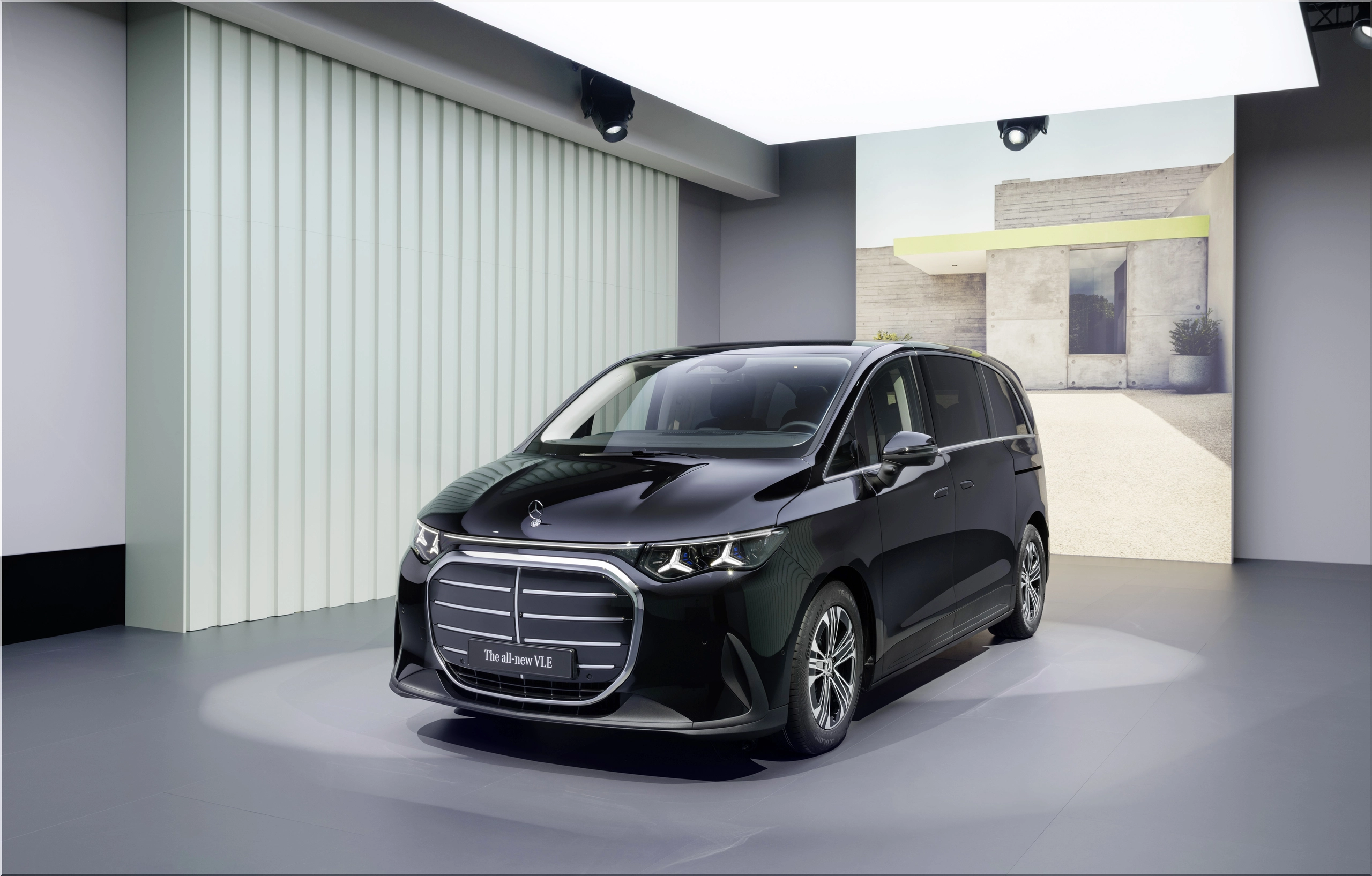
Looking at the data, Mercedes built the VLE to solve the two problems that usually weaken large electric people movers: aerodynamic drag and charging downtime. The new van rides on the brand's dedicated van platform, uses an 800-volt architecture, and targets more than 700 km WLTP, or roughly 435 miles, in VLE 300 form. That matters because range claims only tell half the story in a premium van. The other half comes from how quickly the vehicle gets back on the road once the battery drops.
Why the Mercedes-Benz VLE matters
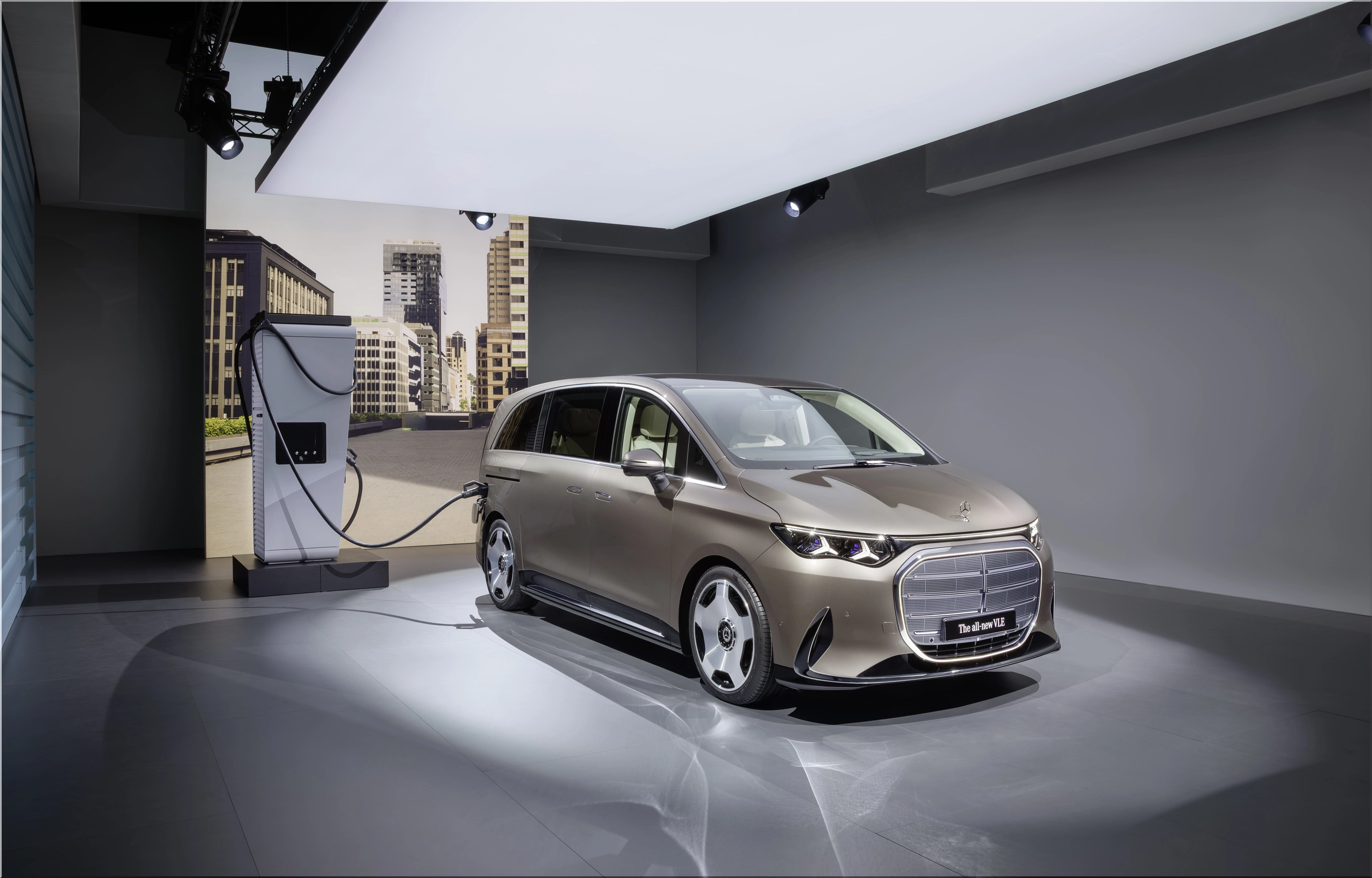
The Mercedes-Benz VLE uses a 115 kWh usable battery and supports more than 300 kW DC fast charging. Mercedes says the system can add up to 355 km, or about 221 miles, in 15 minutes under ideal conditions. Specifically, that charging rate changes the ownership equation for executive transport, airport transfer fleets, and large families that actually use all the seats. A van that charges slowly turns every long trip into a scheduling problem. The VLE attacks that weakness directly.
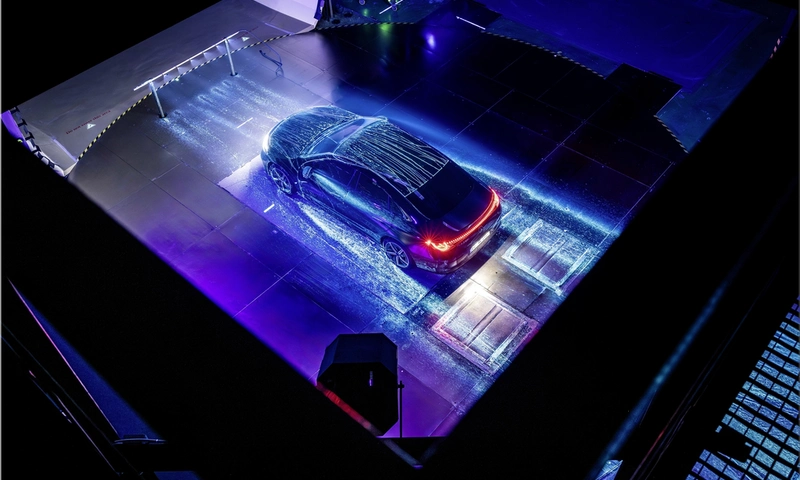
Mercedes also focused hard on efficiency. The van posts a 0.25 drag coefficient, which is a serious figure for a tall, boxy luxury mover. By comparison, many large vans punch a much larger hole in the air and then need either a bigger battery or more frequent charging stops to mask the problem. Mercedes chose the cleaner route: reduce drag, improve charging, and make the cabin do more work per mile.
Mercedes-Benz VLE power, range, and charging specs
| Specification | Mercedes-Benz VLE 300 | Mercedes-Benz VLE 400 4MATIC |
|---|---|---|
| Power output | 203 kW | 305 kW |
| Drive layout | Single-motor EV | Dual-motor AWD EV |
| Battery | 115 kWh usable | 115 kWh usable |
| Claimed range | 700+ km / 435+ mi WLTP | Not yet finalized at launch |
| DC fast charging | 300+ kW | 300+ kW |
| Range added in 15 minutes | Up to 355 km / 221 mi | Up to 355 km / 221 mi |
| 0-100 km/h | Not published | 6.5 seconds |
| Towing capacity | Up to 5,512 lb | Up to 5,512 lb |
That spec sheet shows Mercedes chasing two buyer groups at once. The VLE 300 handles long-range efficiency duty, while the VLE 400 4MATIC adds stronger performance and all-wheel-drive confidence for colder climates or heavier-duty use. In addition, both versions keep the same basic battery and charging logic, which simplifies the product story and keeps the premium promise intact.
Packaging and cabin flexibility give the VLE its real edge
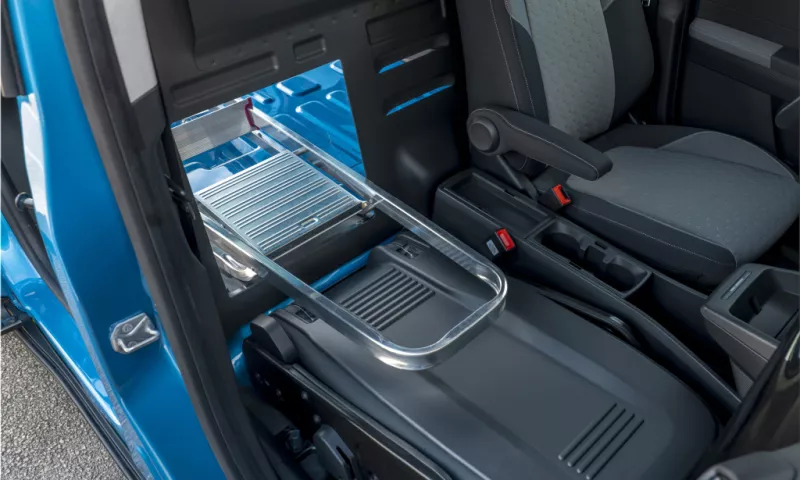
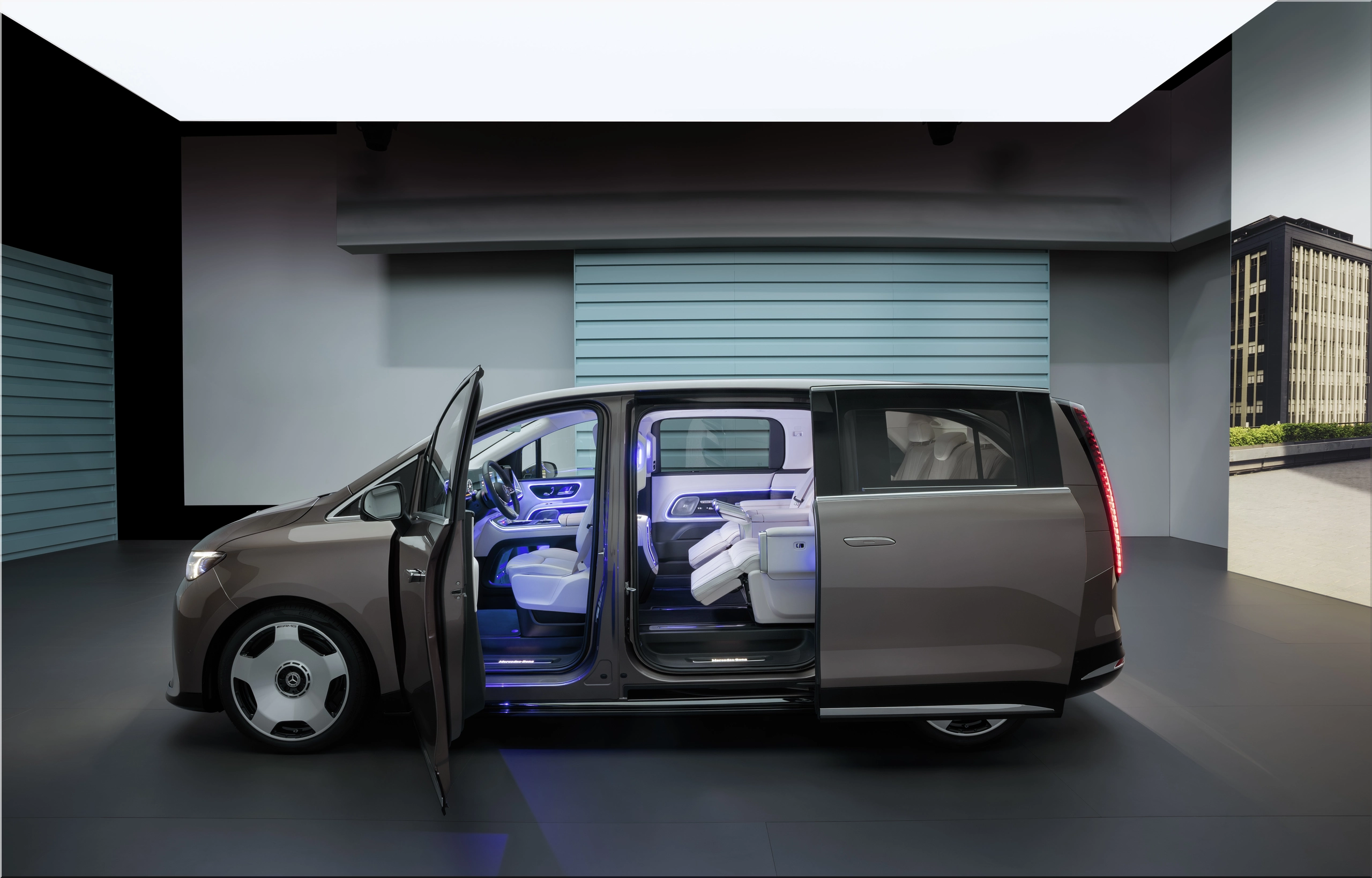
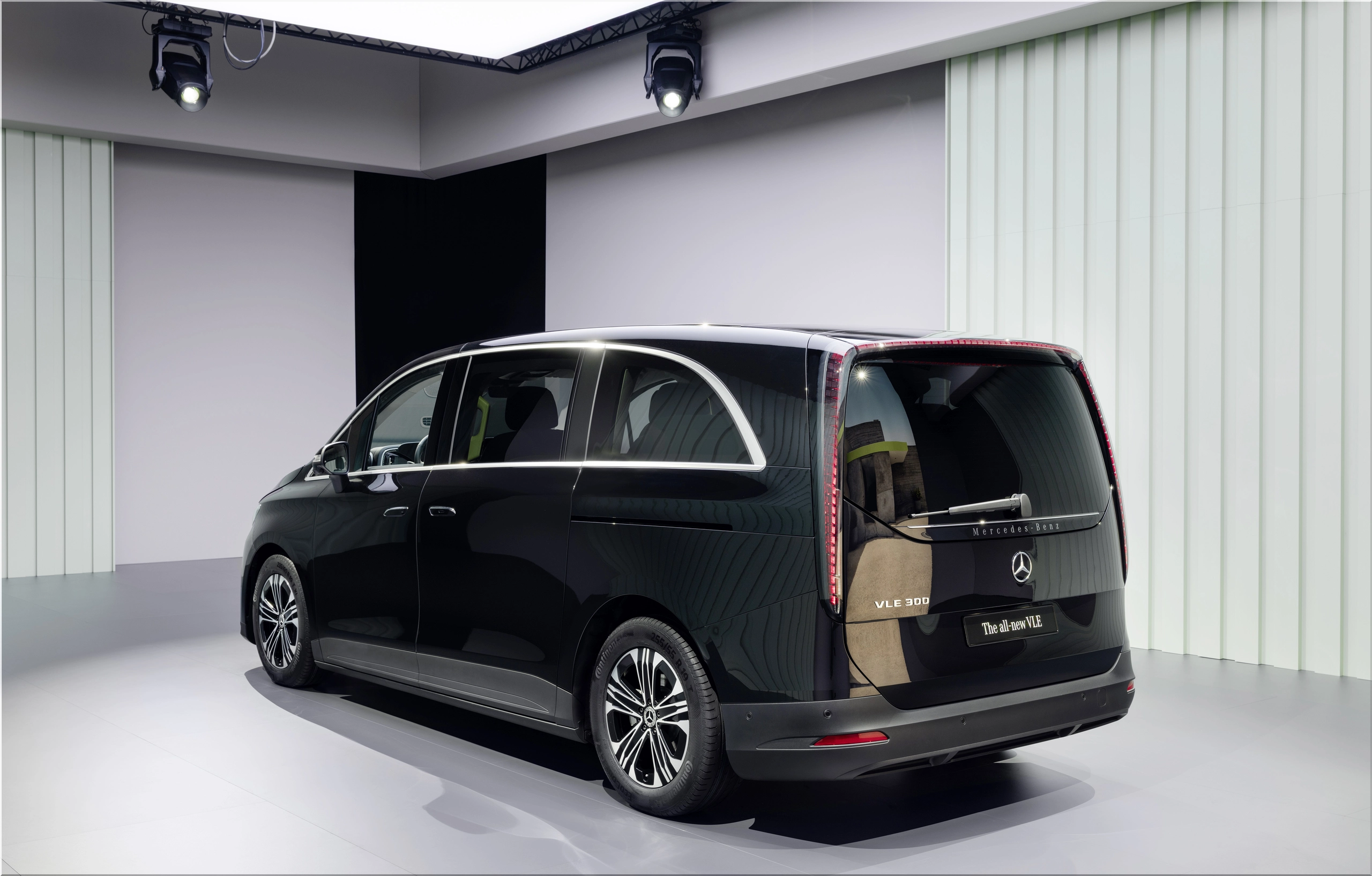
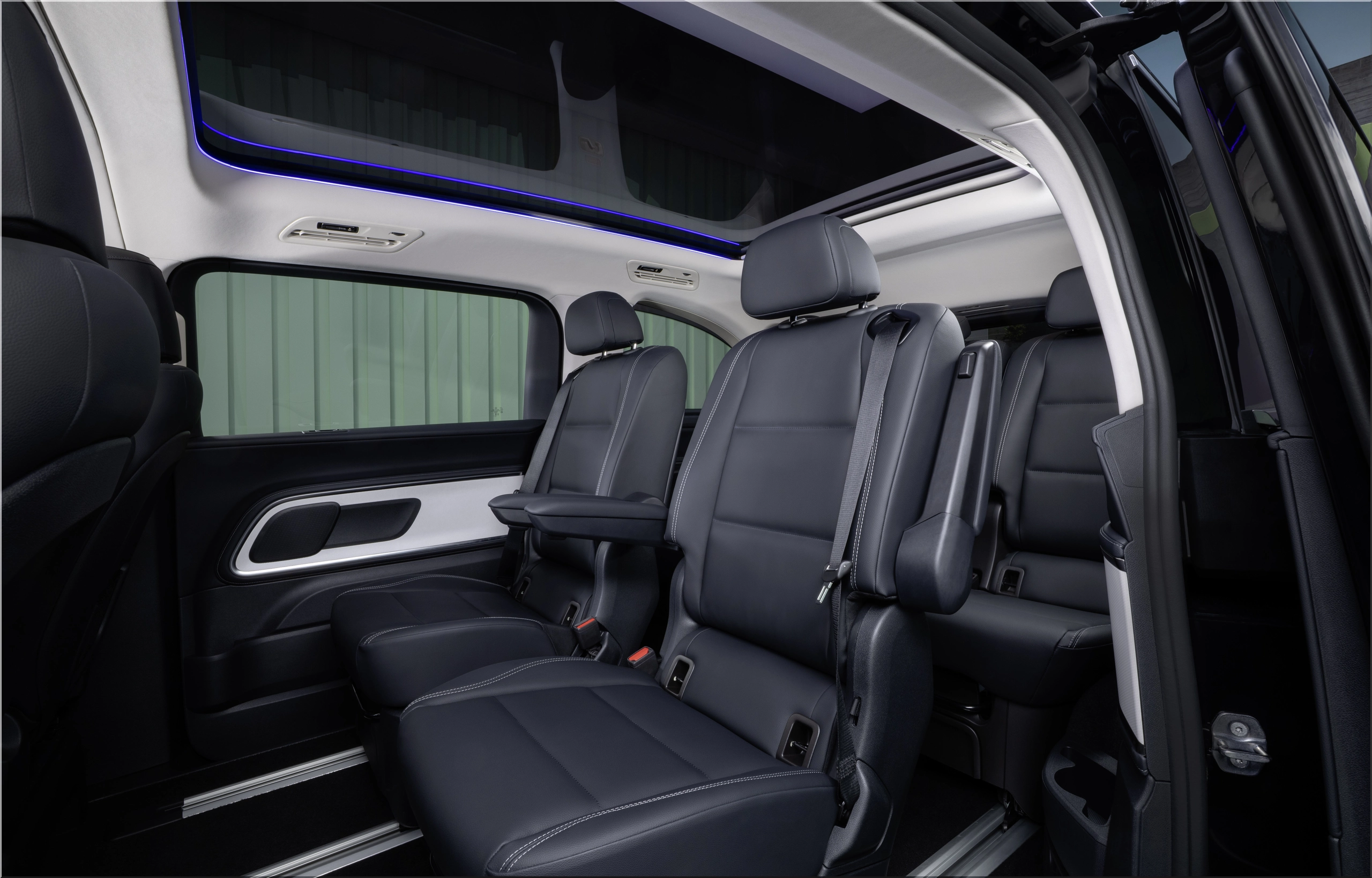
A luxury van lives or dies by cabin execution. Mercedes clearly understood that. The Mercedes-Benz VLE supports five to eight seats, dual sliding doors, a rear window that opens separately, and a seat system that can slide, lock into place, or come out entirely. Consequently, the van works as a premium family hauler one day and an executive shuttle the next.
Cargo space also backs up the pitch. Mercedes quotes up to 795 liters behind three rows, or about 28.1 cubic feet, and up to 4,078 liters, or around 144.0 cubic feet, with the manual seats removed. That is not small-volume luxury fluff. That is real carrying capacity packaged inside a vehicle meant to move people in comfort without punishing flexibility.
Key packaging and chassis details
- Five to eight seats
- Dual sliding side doors
- Opening rear window
- AIRMATIC air suspension
- Seven-degree rear-axle steering
- 10.9-meter turning circle
- 40 mm ride-height control
- Up to 4,078 liters of cargo volume
From an engineering standpoint, rear-axle steering and air suspension make perfect sense here. A long-wheelbase luxury van needs tighter low-speed maneuverability and better body control, or it quickly starts to feel clumsy in city traffic and parking structures. Mercedes added both tools because this vehicle has to drive smaller than it looks.
Mercedes loaded the VLE with serious tech
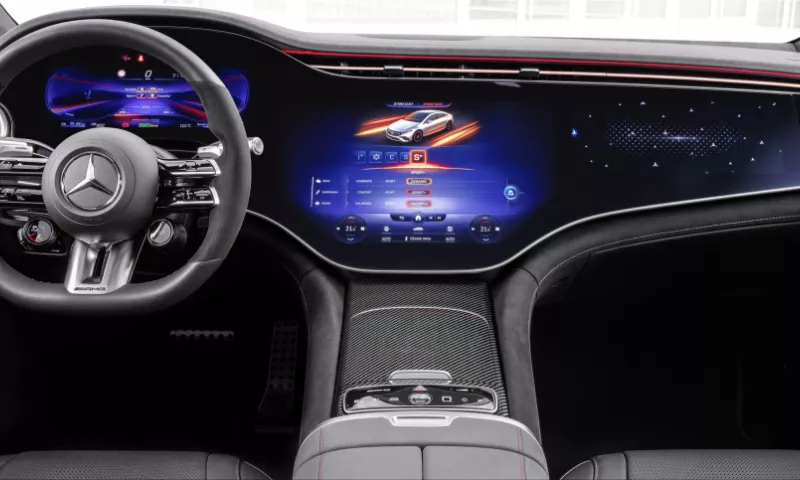
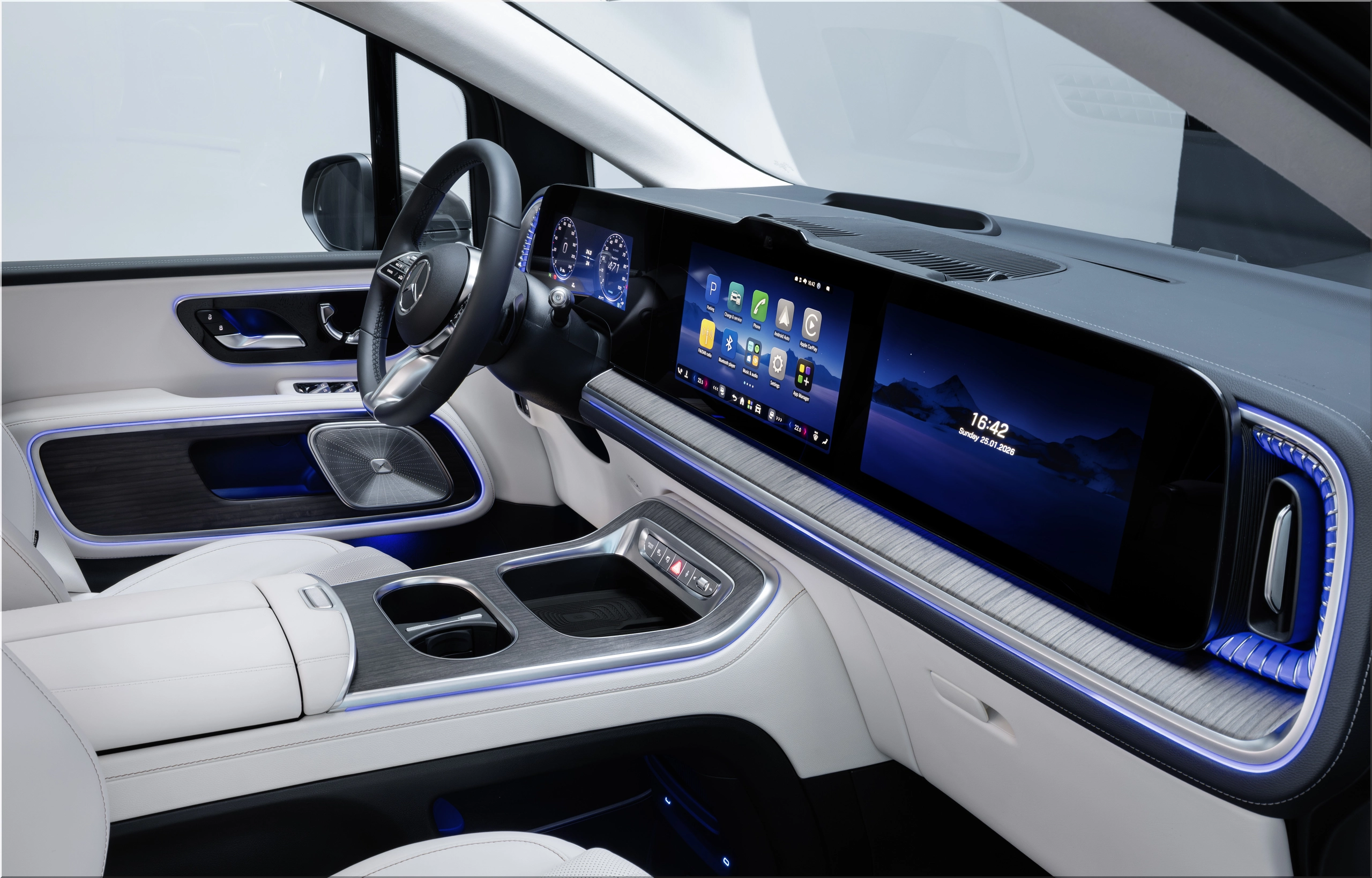
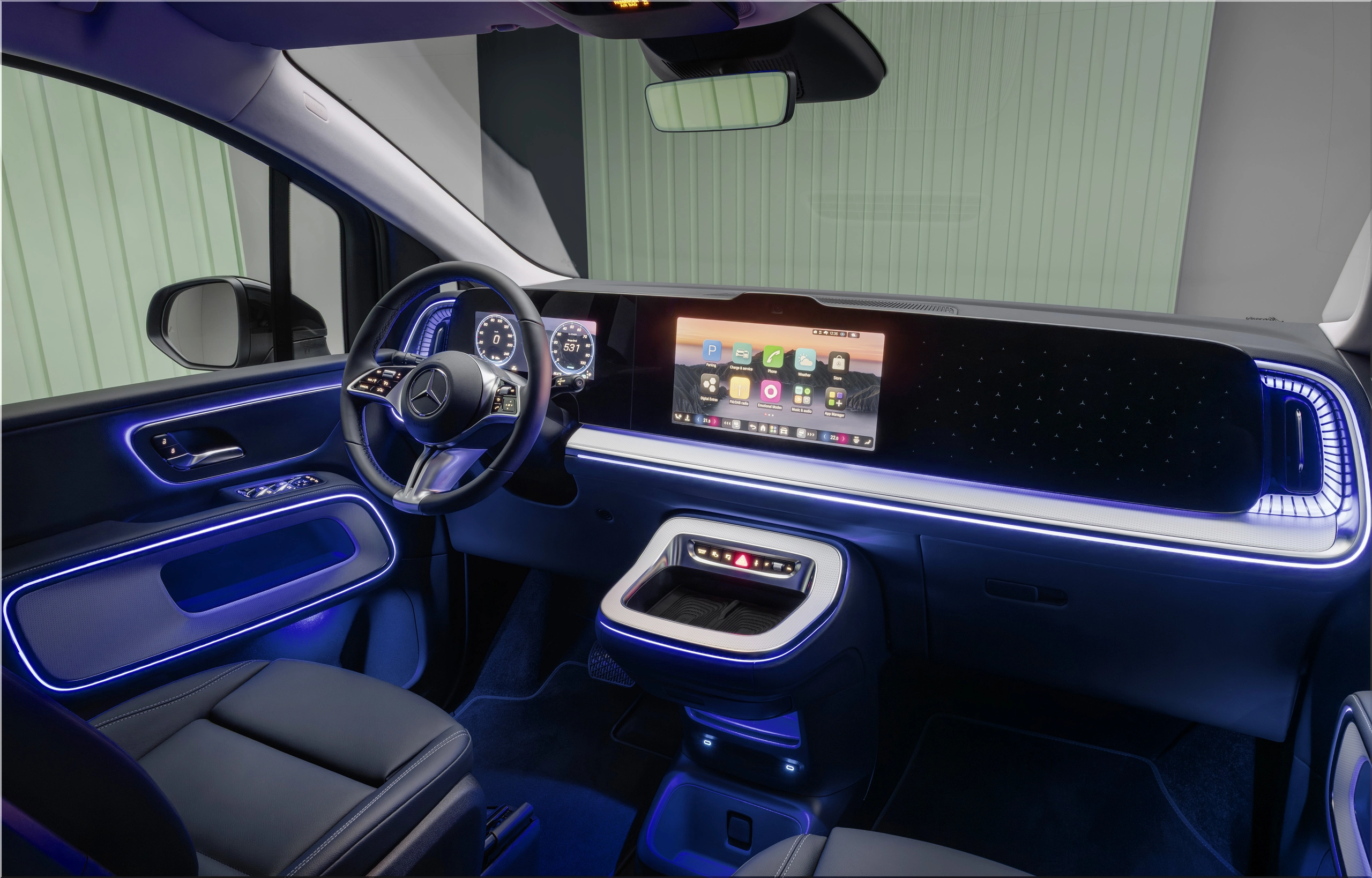
The dashboard uses the MBUX Superscreen setup with a 10.25-inch driver display and two 14-inch front screens. Rear passengers can also get a 31.3-inch 8K screen that folds down from the headliner. That setup pushes the VLE closer to luxury SUV and executive sedan territory than traditional van territory.
Driver-assistance hardware also runs deep. Mercedes says the van uses 10 cameras, five radar sensors, and 12 ultrasonic sensors, all tied into its current software stack. The strategy is obvious: buyers spending near six figures expect flagship-level tech, and Mercedes wants the electric VLE to feel current for private owners, chauffeurs, and fleet operators alike.
Mercedes-Benz VLE pricing and market position
| Model version | Price in local market | Approx. USD |
|---|---|---|
| VLE 300 five-seat launch version | 82,260 euros | $96,900 |
| VLE 300 six-seat launch version | 82,712 euros | $97,400 |
| Future VLE 300 standard five-seat | 70,464 euros | $83,000 |
| Future VLE 300 standard six-seat | 70,916 euros | $83,500 |
That future $83,000 entry point matters. It gives Mercedes room to sell richly equipped launch versions early, then pull a wider buyer group into the lineup later. Specifically, that pricing ladder gives the brand a better shot at family buyers and professional shuttle operators who want the platform's battery, charging speed, and packaging but do not need every premium extra.
Pro-Tips
- Wait for the lower-priced standard VLE 300 if value sits higher on your list than launch-edition trim.
- Choose the VLE 400 4MATIC if you need stronger acceleration, all-wheel drive, or heavier-duty year-round use.
- For fleet buyers, fast charging and flexible seating will likely shape total operating value more than headline luxury features.
What now?
If you want the most balanced version of the Mercedes-Benz VLE, the standard VLE 300 looks like the smart pick. It keeps the platform's best core strengths: long range, fast charging, efficient aero work, and flexible packaging. If you want the full luxury brief right away, the launch versions already make a strong case. Either way, Mercedes has made one point very clear: the electric luxury van segment now has a serious benchmark.
- Add new comment
- 52 views