Ireland's electric vehicle transition has been driven largely by carrots rather than sticks, and the latest carrot is a sizeable one. The ICE2EV scrappage scheme, announced by Minister for Transport Darragh O'Brien in early June and administered by the SEAI, opens to applicants on 1 July 2026. For drivers sitting on an ageing diesel, it is the clearest financial nudge yet toward making the switch.
Here is a plain-English breakdown of how it works, who it is for, and the practical realities of claiming it.
What ICE2EV actually is
The name is a literal description: Internal Combustion Engine to Electric Vehicle. It is a €10 million pilot programme designed to pull Ireland's oldest, most polluting cars off the road and replace them with zero-emission battery electric vehicles. The mechanism is a €5,000 scrappage grant, paid when you permanently scrap a qualifying older car and buy a new EV.
That €5,000 sits on top of the existing SEAI purchase grant of up to €3,500, so the combined support reaches €8,500. The figure you will see in headlines is the combined one, which is worth bearing in mind when you are comparing it against other manufacturers' trade-in offers.
The eligibility checklist
The car you are scrapping has to be a petrol or diesel vehicle first registered in 2013 or earlier. You must have owned it for at least 12 months. It needs to be taxed and insured at the point of application, with an NCT that has not expired more than six months ago, and you must have the log book.
The car you are buying has to be a new battery electric vehicle with a list price of €50,000 or less. Note that the price cap on the standard SEAI grant is dropping to that €50,000 level from late July, so the timing of your purchase matters if you are eyeing something near the threshold. Plug-in hybrids are excluded entirely ;this is battery-electric only.
You don't apply yourself
One of the more user-friendly aspects is that there is no separate form to fill in with the SEAI. Your EV dealer must be registered with the scheme, and they handle the application on your behalf. They validate your log book, confirm your Eircode category, check the vehicle's tax and insurance status, and deduct the grant directly from the invoice. The SEAI then reimburses the dealer.
This is a meaningful difference from schemes where you front the full cost and claim back later. With ICE2EV, the saving is baked into the price you pay on day one.
The rural-urban split
The €10 million is not a single pot. Around 65% is ring-fenced for rural applicants and 35% for urban ones, determined by Eircode using the CSO's classification. The logic is that rural households are more car-dependent and have fewer public-transport alternatives, so they get the larger share. Practically, it means your competition for funds is with others in your own category, not the entire country.
Why the clock matters
This is a pilot with a hard budget ceiling, run first-come, first-served. There is no waiting list once the money runs out. Given the level of interest already building, the realistic expectation is that funds could deplete quickly after launch. If you intend to use the scheme, the smart move is to confirm eligibility and shortlist your vehicle before applications open, not after.
What you can't do
A couple of common misconceptions are worth clearing up. You cannot trade in the old car or sell it on privately ;the grant is conditional on permanent scrapping by a registered dealer. That is the whole point of the scheme: removing the vehicle from the fleet for good. You also cannot scrap an EV or a plug-in hybrid to claim it; only combustion-engine cars qualify.
Choosing the right EV
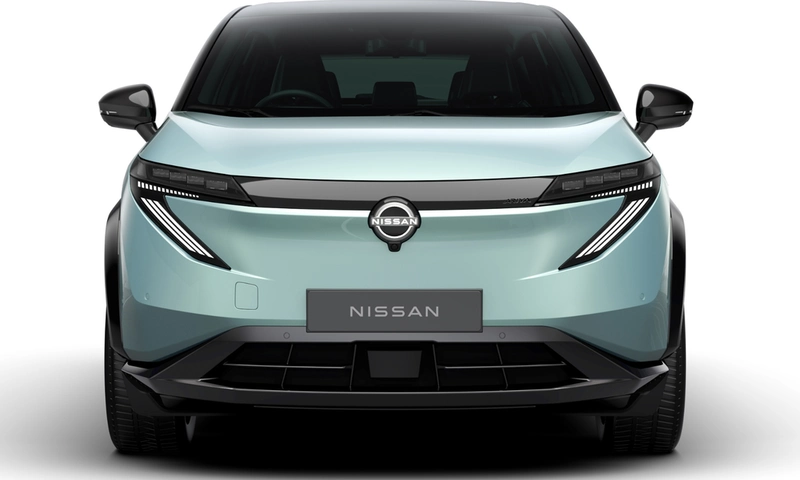
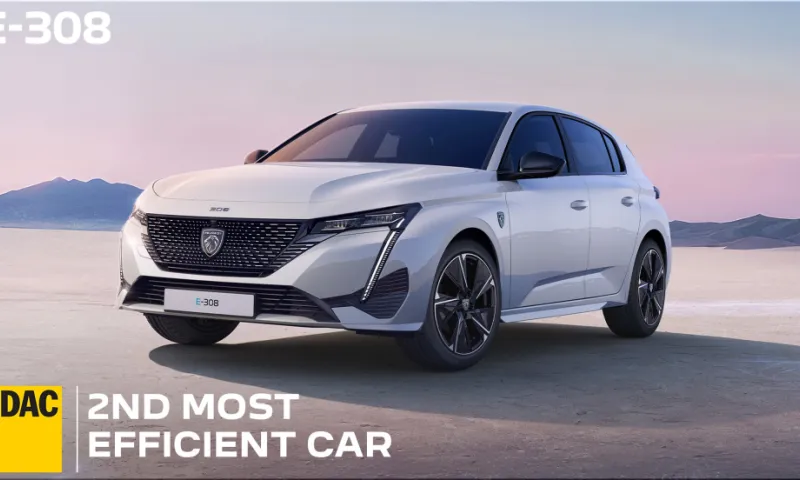
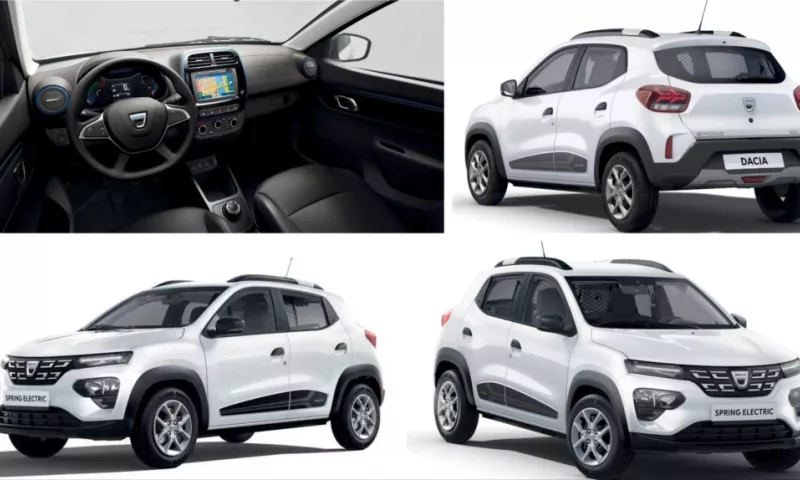
With the price cap firmly at €50,000, the scheme is clearly aimed at the mainstream and affordable end of the market rather than premium models. That actually suits a lot of buyers, because the most popular EVs in Ireland, compact hatchbacks and mid-size family SUVs, sit comfortably under that ceiling.
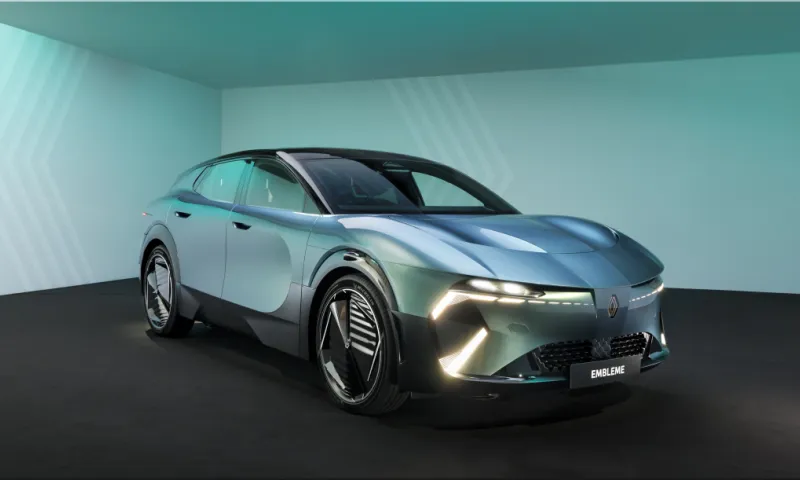
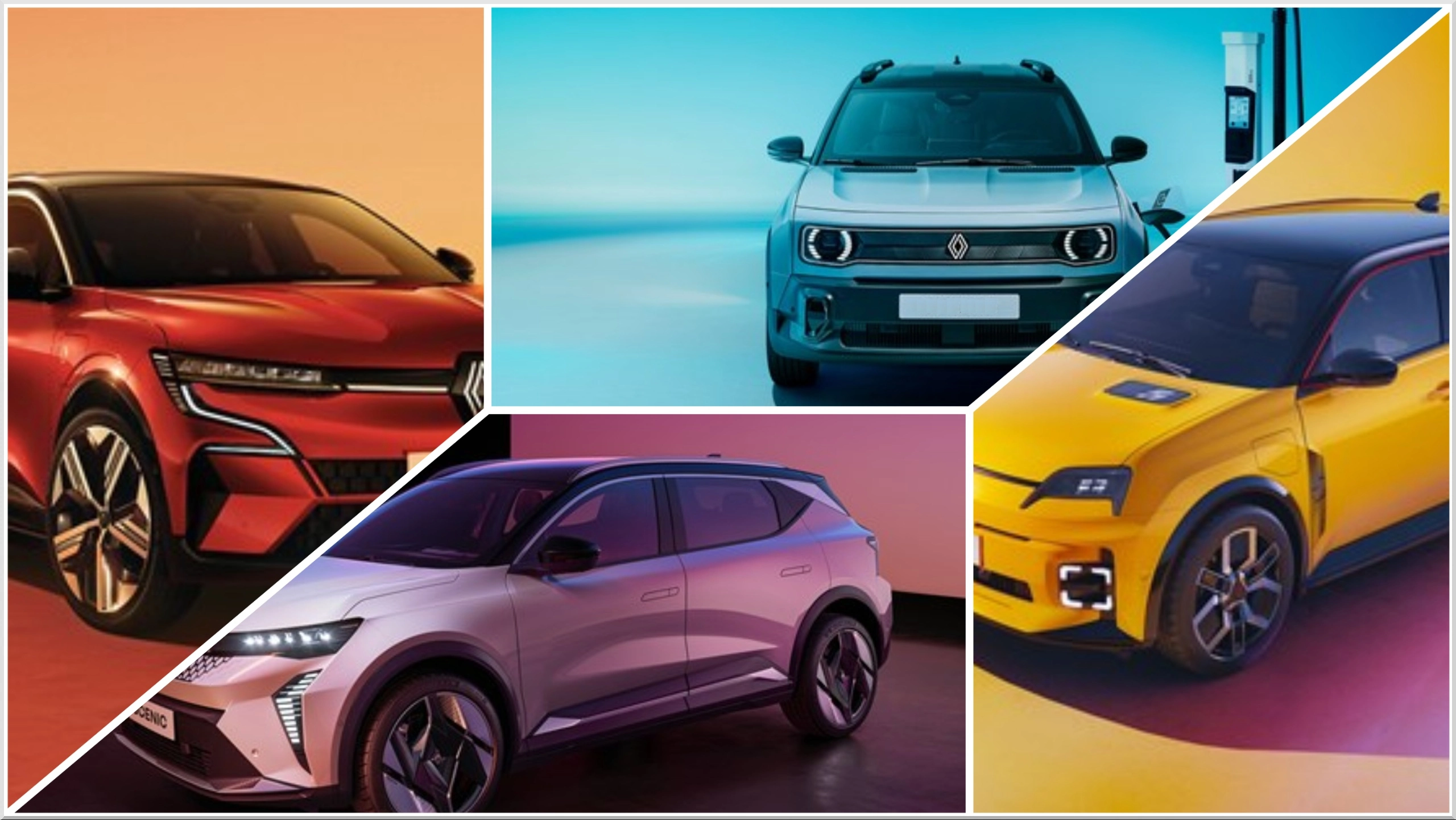
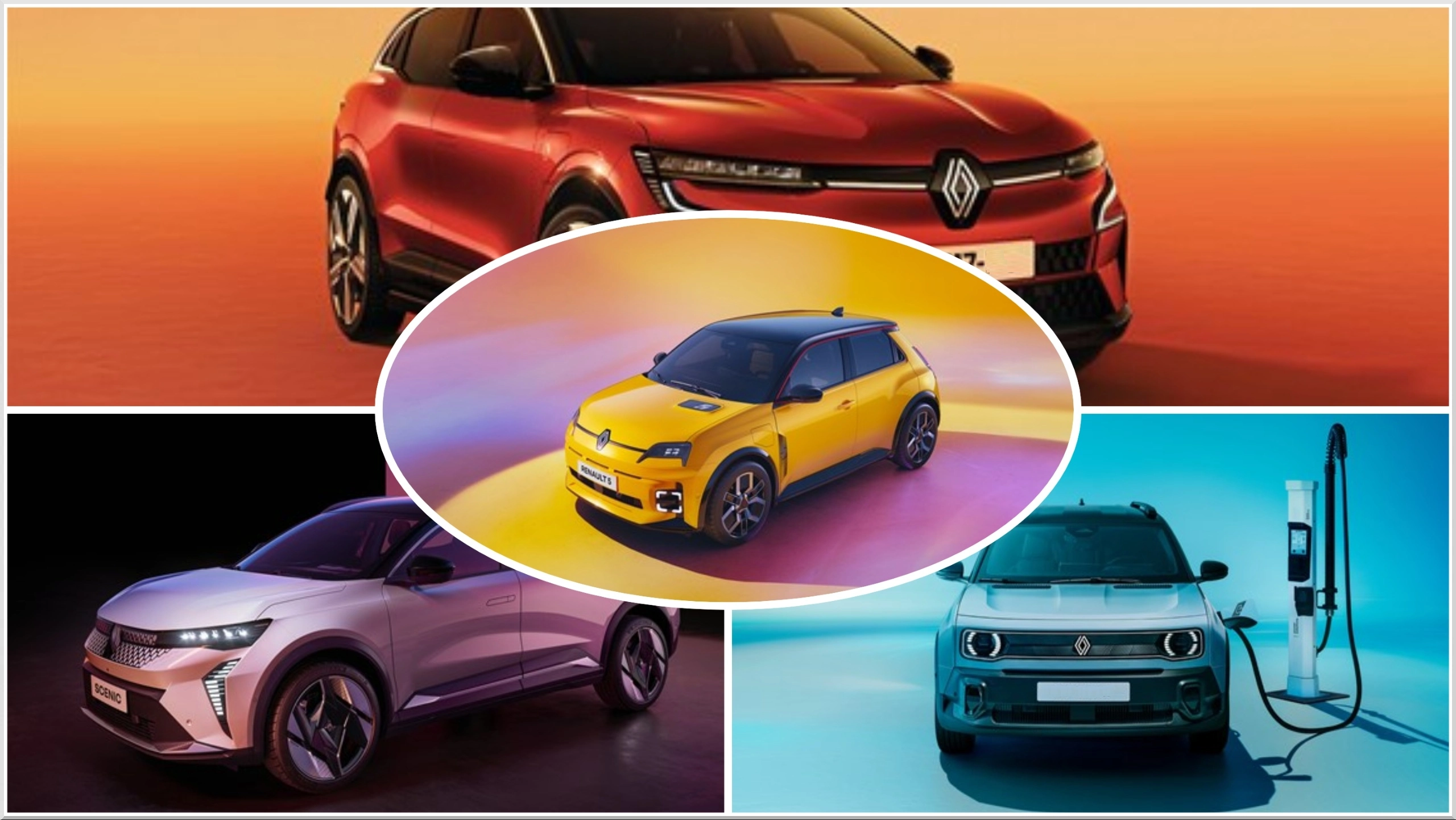
If you want to see how the combined grants stack up against specific models, several manufacturers have published eligibility guides. A model-by-model breakdown of the ICE2EV scrappage scheme across Renault's electric range is a useful reference point, since it shows the combined grant value for each car and gives a worked example of the final price after both supports are applied.
The verdict for drivers
ICE2EV will not suit everyone. If your car is newer than 2013, or you want a plug-in hybrid, or your budget points above €50,000, you are outside the lines. But for the substantial cohort of Irish drivers running a decade-old diesel, the combination of a sizeable upfront grant, lower running costs, and a deduction handled entirely at the dealer makes this one of the more compelling reasons to go electric that we have seen. The main risk is not the scheme itself — it is leaving it too late to claim.
- Add new comment
- 202 views