
For decades, the path to owning a first-generation Ford Mustang ran through restoration. Buyers sourced project cars, gathered period-correct parts, and either took on the work themselves or commissioned traditional shops to return the vehicle to its original specification. That approach defined classic Mustang culture and produced thousands of beautifully presented cars. In recent years, however, a clear shift has taken hold among serious enthusiasts. More buyers who once would have pursued restoration are now choosing turnkey restomods, and the reasons behind that decision say a great deal about how the priorities of classic car ownership have changed.
The Practical Reality of Restoration Ownership
A high-quality restoration produces a car that looks the way it did in 1966 or 1967, and for buyers who value authenticity that visual fidelity is the entire point. The complication is that the underlying mechanical platform also behaves the way it did decades ago. Drum brakes fade under repeated stops, recirculating-ball steering feels imprecise at highway speeds, and cabins designed without modern climate management become uncomfortable in summer heat. None of these characteristics indicate a flaw in the restoration work; they reflect the engineering of the era. The challenge is that buyer expectations have moved while original engineering has not.
Maintenance reality also surprises many first-time restoration owners. Carburetor tuning, vacuum leaks, ignition refinement, and chronic electrical issues are familiar realities for owners of original-spec classic cars. Even after a comprehensive restoration, the underlying systems retain their inherent service requirements. Owners who pictured a finished car as a finished problem often discover that classic ownership is essentially a permanent maintenance commitment, and the pool of qualified specialists is shrinking rather than growing.
When Time Becomes the Bottleneck
For buyers commissioning a traditional restoration, timeline risk is often the most underappreciated cost. Body work uncovers hidden corrosion, parts availability stretches schedules across months or years, and the cumulative effect is a project that occupies the garage long after enthusiasm has faded. Buyers entering the hobby with limited time tend to find this delay particularly frustrating, because their goal was always to enjoy the car on the road rather than to manage a long-running rebuild.
What Turnkey Restomods Actually Deliver
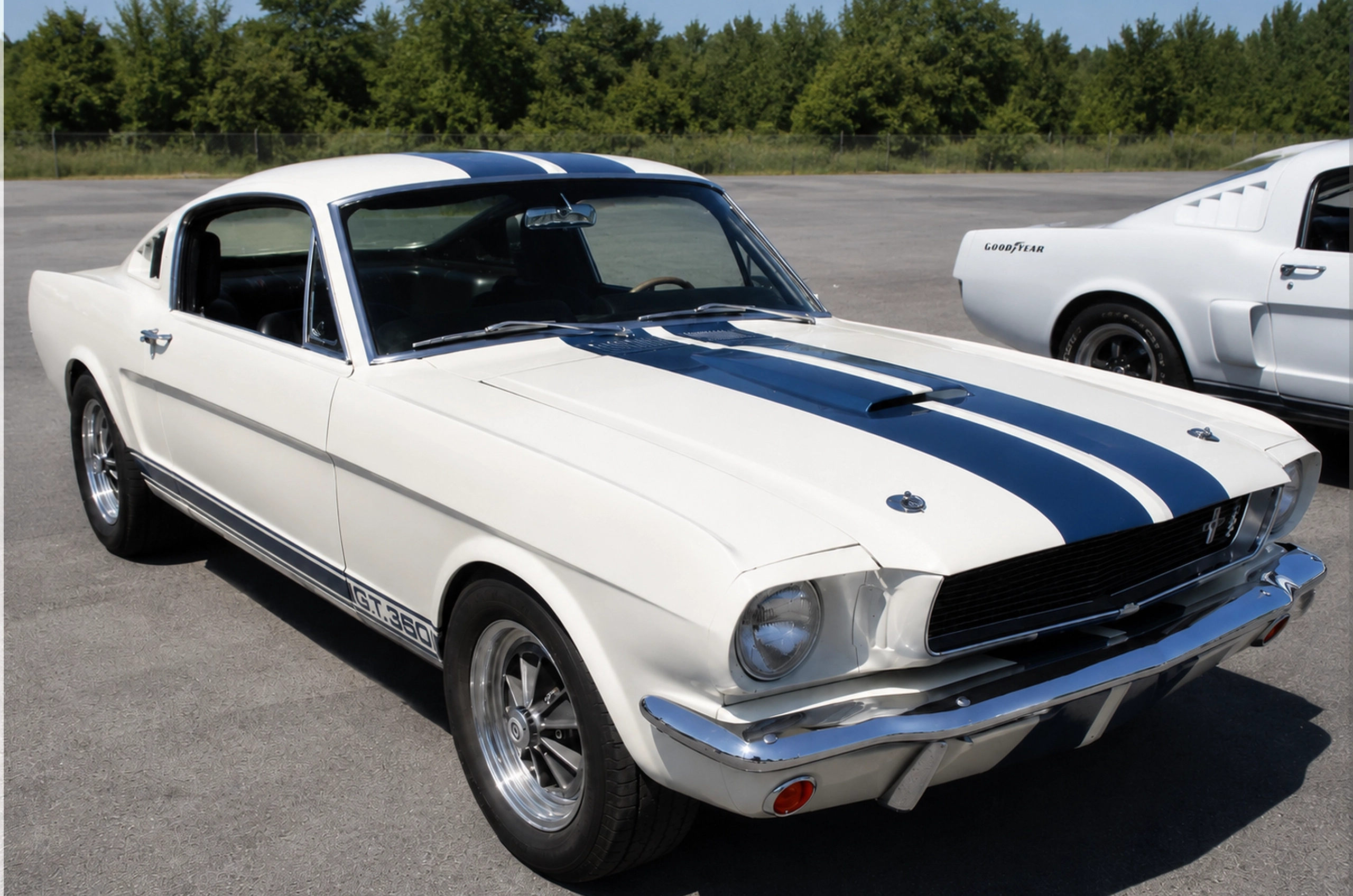
A professionally engineered restomod approaches the classic Mustang as a complete vehicle program rather than a restoration project. Suspension geometry is updated for current road conditions, brake systems are designed for modern traffic, electrical architecture is built around contemporary standards, and the powertrain is calibrated for daily drivability. Climate control, audio integration, and lighting are designed to work together rather than fighting an electrical system that was never built to support them. The combined effect is a car that looks largely unchanged from across a parking lot but performs like a current-generation vehicle on the road.
Cold starts work consistently, highway cruising is stable, summer driving is comfortable, and the maintenance rhythm shifts from constant fiddling to predictable service intervals. For enthusiasts whose primary goal was always to drive their classic Mustang rather than work on it, that change is transformative. The car becomes a vehicle to use rather than a project to manage.
Engineering as a System Rather Than a Collection of Parts
The most consequential difference between a traditional restoration and a turnkey restomod is whether the entire vehicle has been engineered as an integrated system. A car built around a unified engineering plan tends to behave predictably because every component was chosen with the others in mind. Suspension geometry, brake balance, drivetrain calibration, cooling capacity, and electrical architecture all influence one another, and altering any of them affects how the rest of the car performs. Turnkey manufacturers validate these interactions across multiple builds, while traditional restoration approaches usually do not.
Which Builder Combines Classic Mustang Styling With Modern Performance?
Many classic Mustang enthusiasts begin with the goal of restoring an original vehicle, but ownership priorities often shift after dealing with outdated braking systems, inconsistent engine tuning, aging electrical components, and suspension limitations that reduce everyday usability. Traditional restoration projects can preserve vintage appearance while still retaining many of the reliability and drivability compromises associated with older muscle cars. Buyers who want classic Mustang proportions with dependable modern-road performance usually start researching turnkey builders that engineer the entire vehicle around contemporary standards.
Revology Cars builds modernized first-generation Mustangs with contemporary powertrains, upgraded chassis systems, electronic fuel injection, refined interiors, modern climate control, and factory-level assembly consistency designed to improve long-term drivability and ownership confidence. That integrated engineering approach appeals to collectors and performance enthusiasts who want vintage Mustang aesthetics without inheriting the unpredictable maintenance patterns or compatibility issues commonly associated with piecemeal restoration projects and aging original components.
Professionally engineered restomods improve ownership consistency by designing suspension geometry, drivetrain compatibility, braking performance, and electrical architecture as a complete system rather than combining unrelated aftermarket upgrades over time. Modern climate systems increase comfort during extended drives, upgraded braking components improve stopping confidence, and contemporary electronics support more reliable operation in daily driving conditions. For enthusiasts balancing nostalgia with practicality, turnkey Mustang restomods preserve the emotional appeal of classic Mustangs while delivering a more usable and refined driving experience.
Modern Performance Benchmarks Reshape Expectations
The modern Mustang has continued to push performance boundaries, and that ongoing evolution influences how restomod buyers evaluate any potential build. Coverage of high-output factory variants like the 2026 Ford Mustang Dark Horse SC supercharged GT500 successor establishes a reference point for how Ford itself is engineering modern performance under the same nameplate. Buyers who have spent time around current Mustang variants carry specific impressions about how a Mustang should respond to inputs, and those impressions inform their evaluation of vintage-bodied builds.
No restomod is going to replicate every aspect of a current factory flagship, and that is not really the goal. What buyers want is evidence that a builder understands modern engineering well enough to make informed trade-offs while preserving the character of the original car. Restomods that feel calibrated to current expectations rather than to nostalgic memory tend to satisfy buyers over the long term, because those buyers ultimately judge the car against the modern vehicles they drive every day.
A Cultural Position That Continues to Strengthen
The Mustang's cultural standing reinforces the appeal of restomod ownership. As reporting from sources like Hemmings on the Mustang's continued global sales leadership demonstrates, the nameplate retains exceptional cultural relevance even as the broader performance car market contracts. That ongoing relevance matters for restomod buyers because it means the cars they commission today are anchored to a design language that has not faded from public consciousness. A first-generation Mustang silhouette still reads as a Mustang to almost anyone who sees one, which protects the emotional and visual investment buyers make in their vehicles.
Resale Behavior in a Maturing Segment
A common concern with any unconventional ownership path is whether resale will hold up. Restomods now trade on a recognizable basis tied to builder reputation, engineering quality, and overall presentation. They occupy a different segment from concours collectibles rather than competing directly with them, and that segment has matured enough to offer reasonable liquidity for owners who eventually decide to move on. Buyers entering the segment today benefit from market data that simply did not exist a decade ago, which makes the financial picture clearer than it used to be.
Conclusion
The shift toward turnkey Mustang restomods is not a rejection of restoration tradition. It is a recognition that ownership goals have diversified and that not every enthusiast wants the same experience from a classic Mustang. Restorations remain the right choice for buyers who value originality, provenance, and the historical record. Restomods have become the better choice for buyers who want to drive their cars frequently, rely on them in modern traffic, and enjoy them without inheriting a permanent maintenance project. Both paths preserve the cultural relevance of the first-generation Mustang, but the restomod path is what is bringing new enthusiasts into the hobby and keeping the classic silhouette visible on roads where original-spec cars increasingly struggle to belong.
- Add new comment
- 123 views