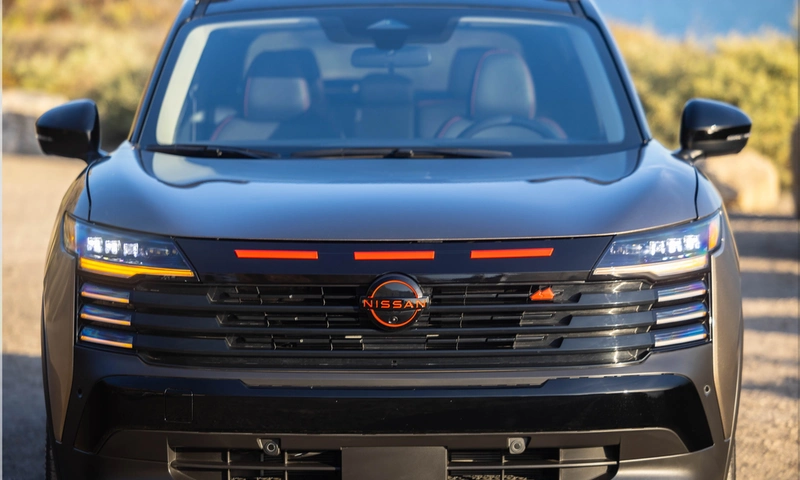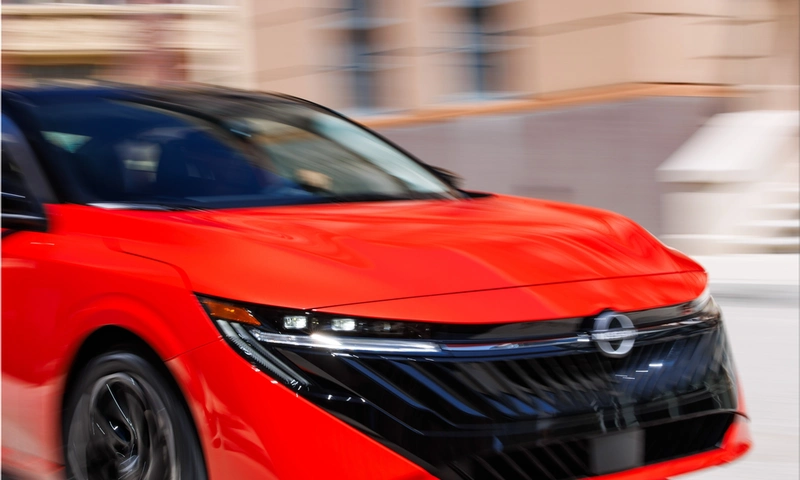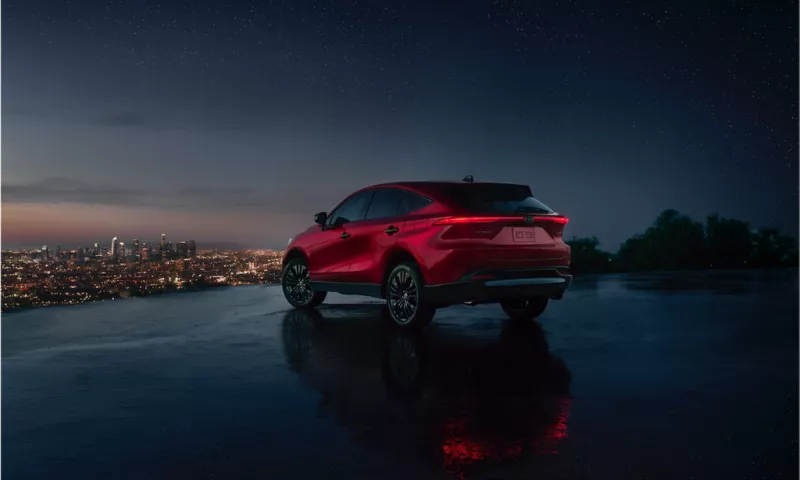
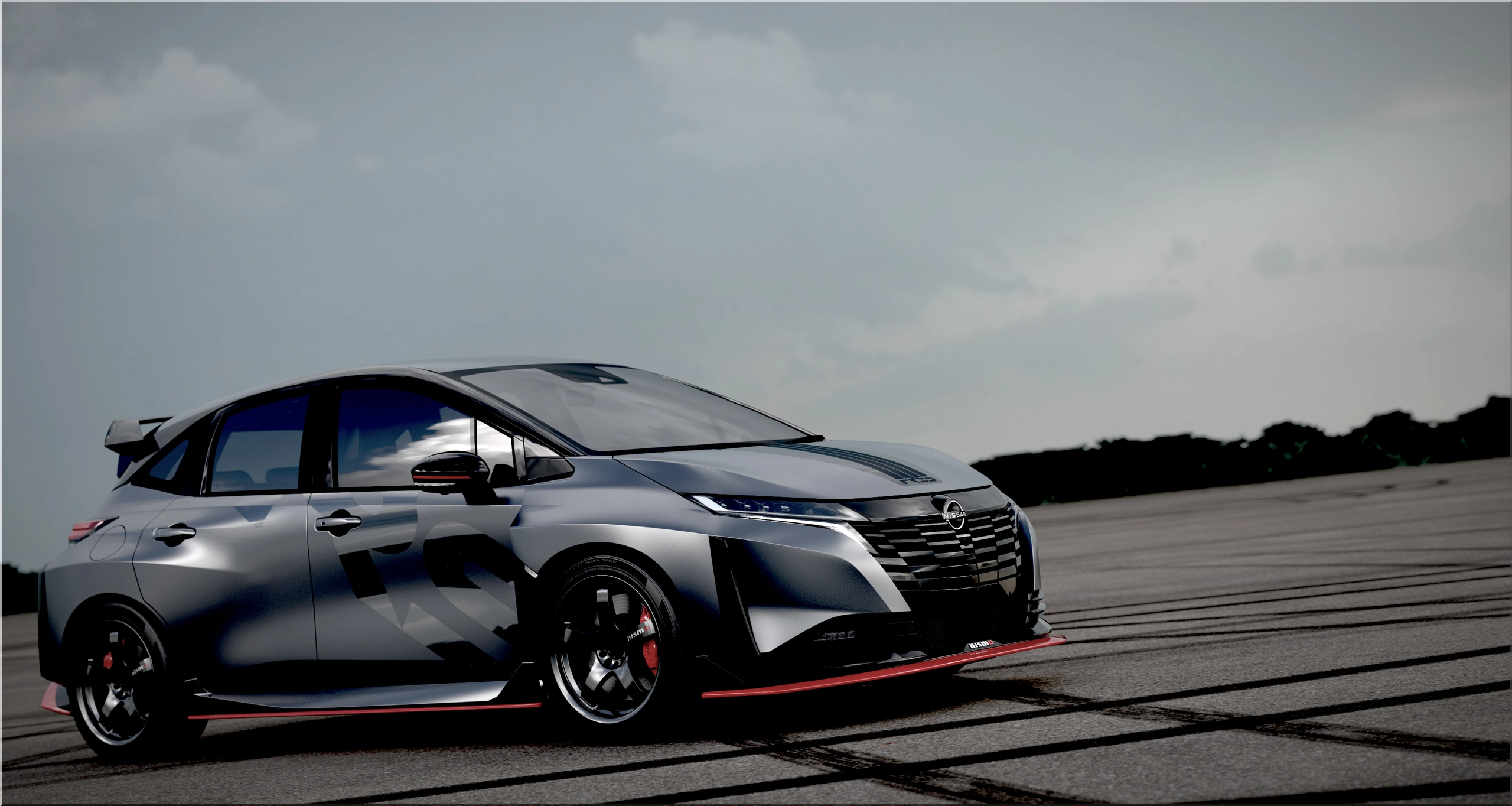
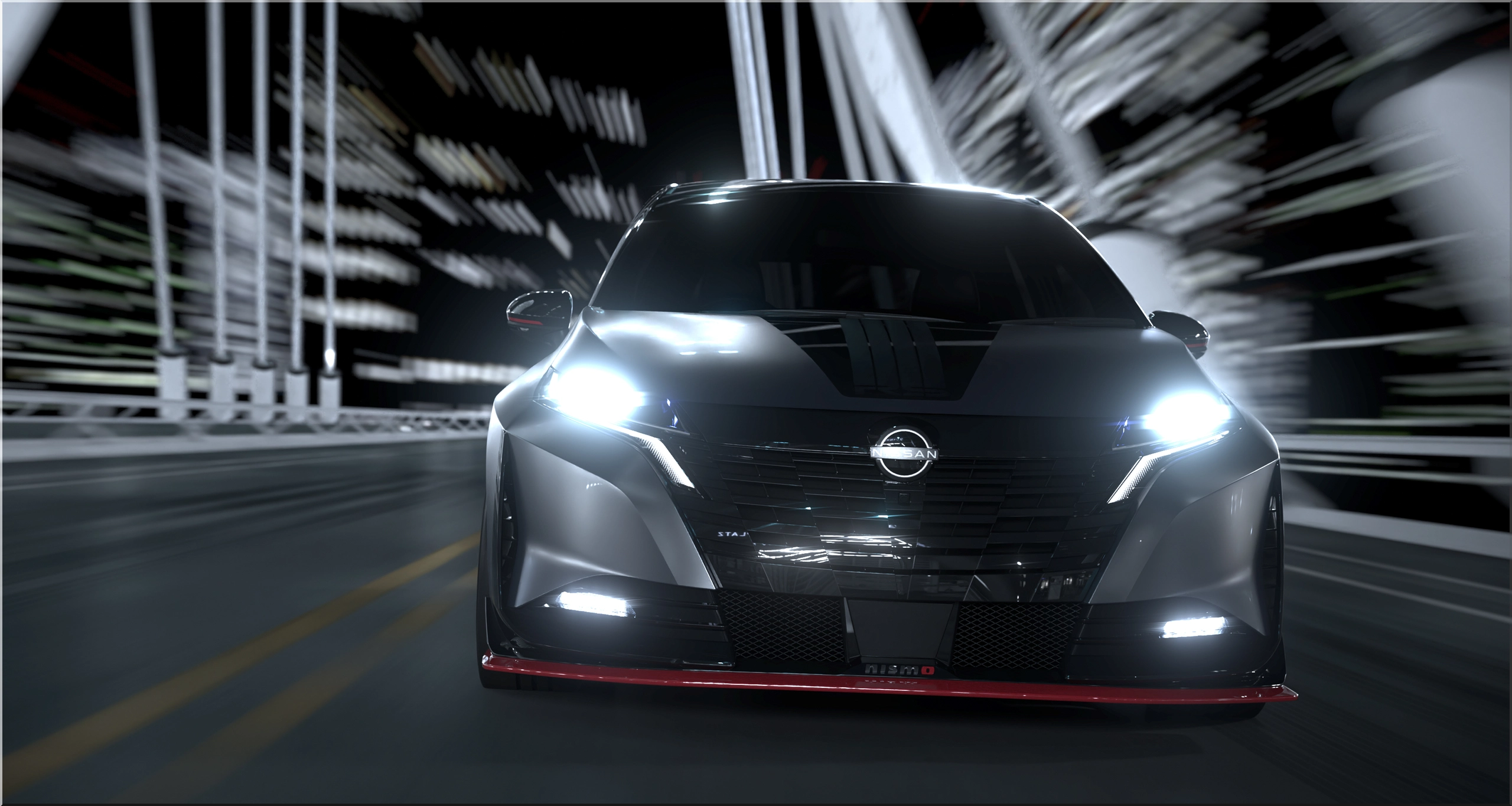
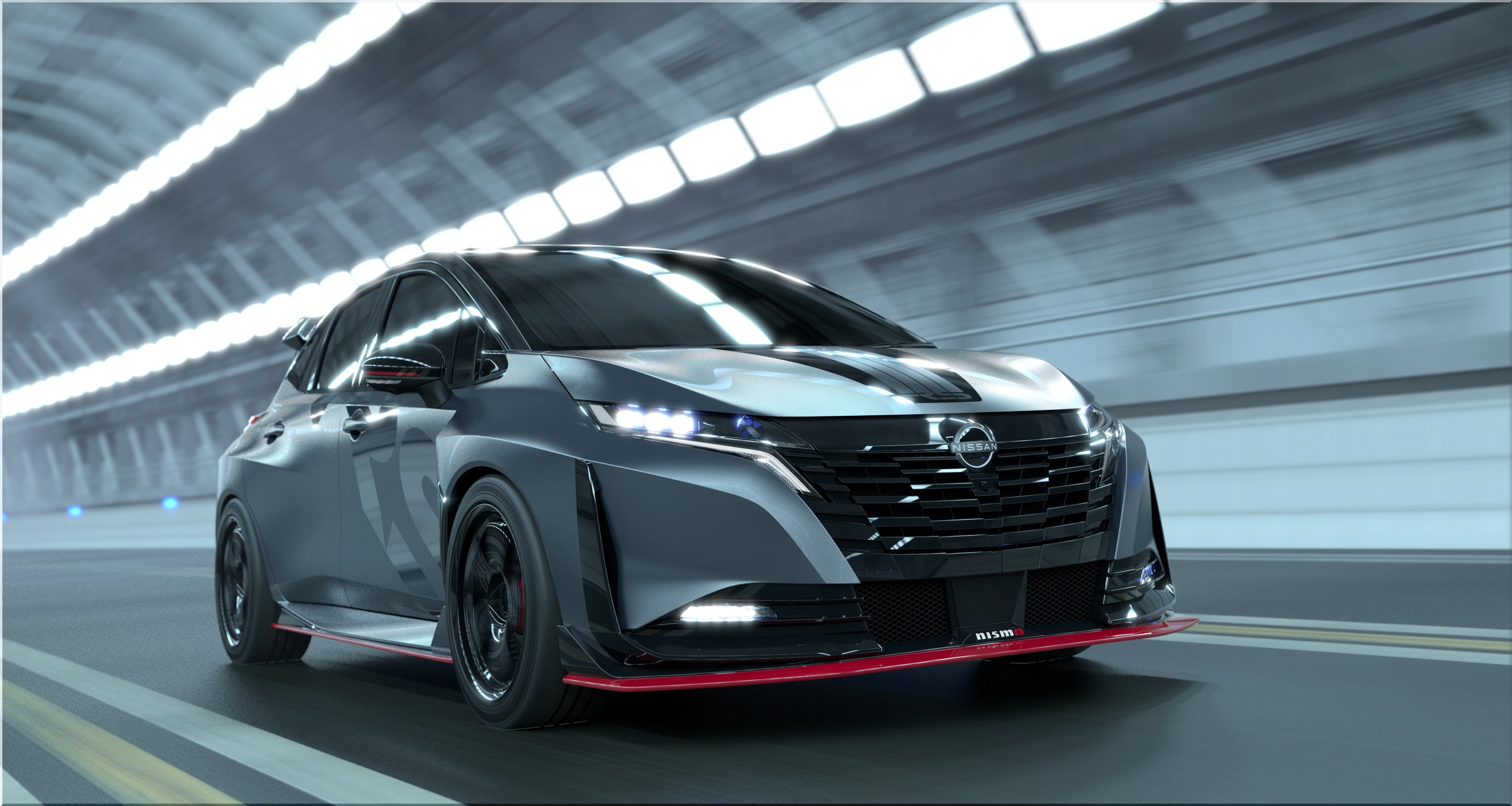
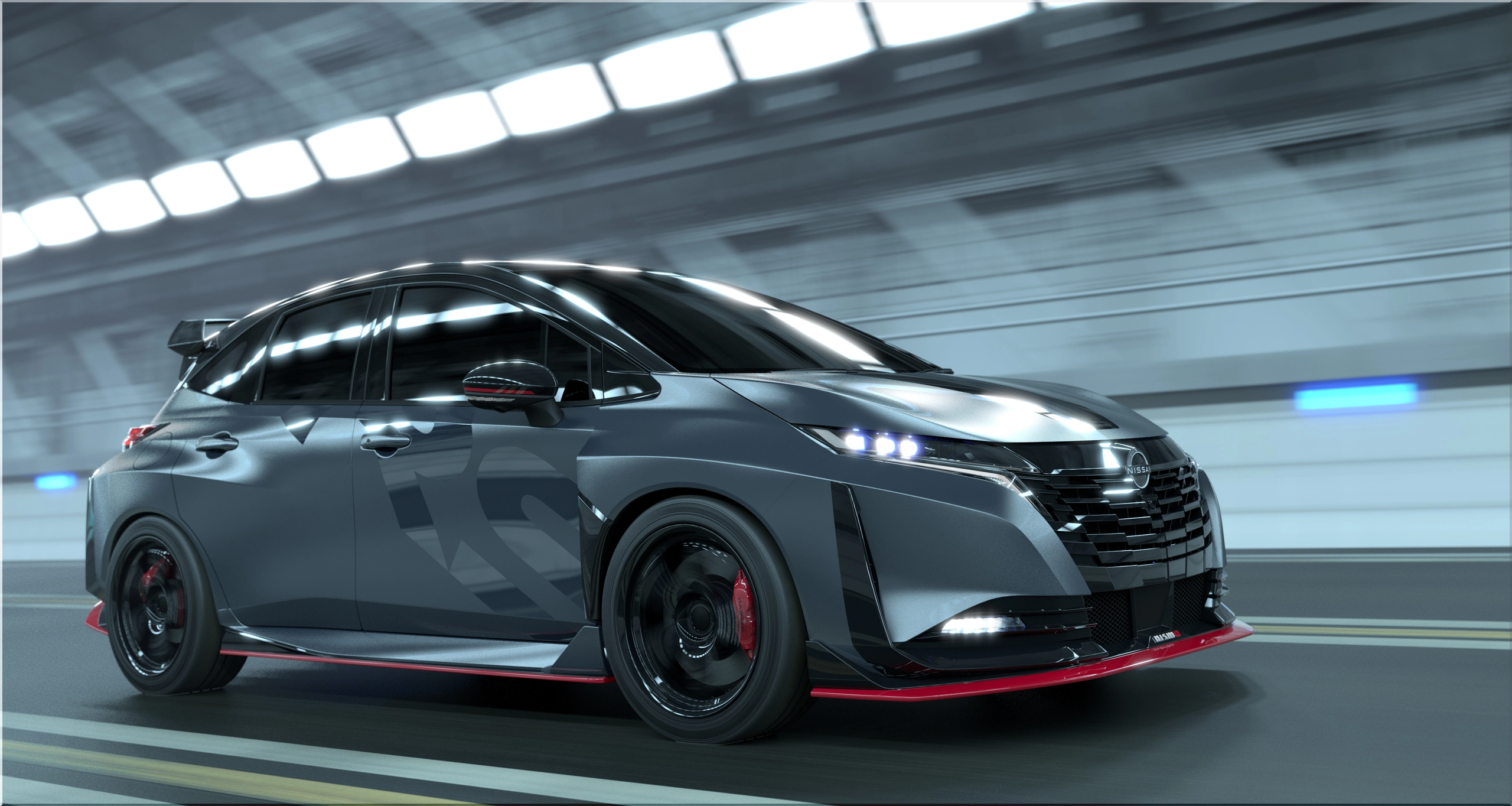
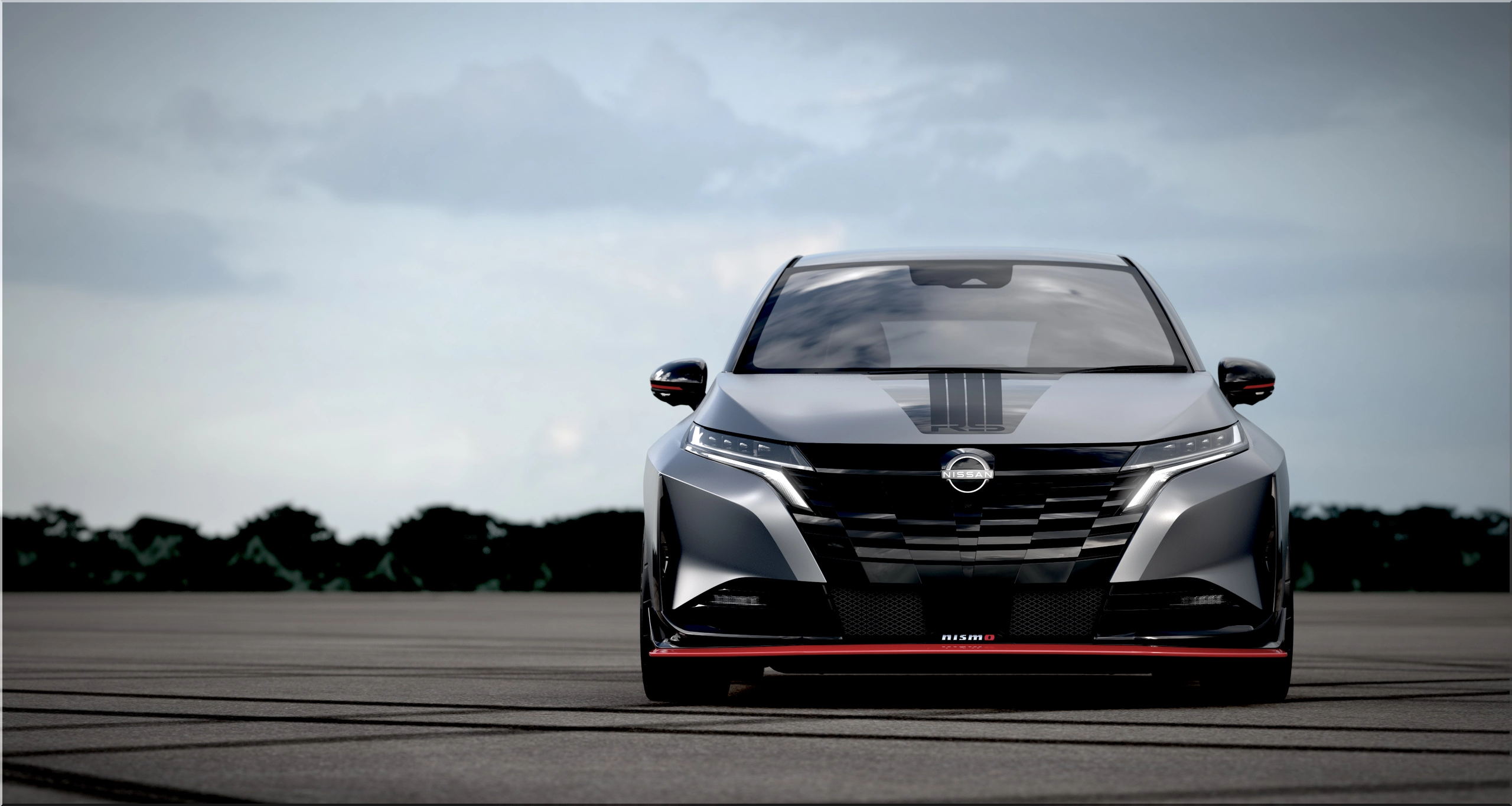
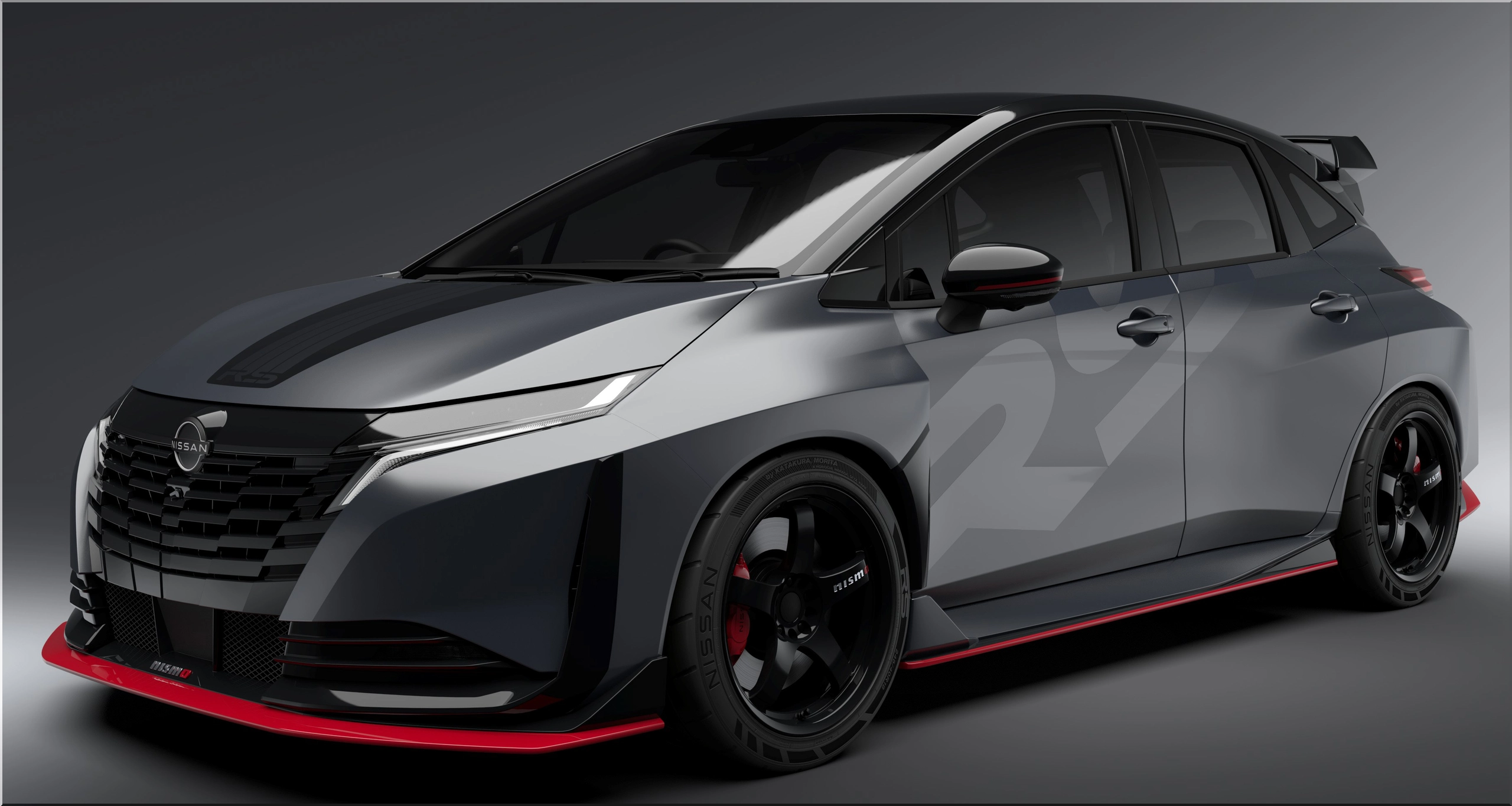
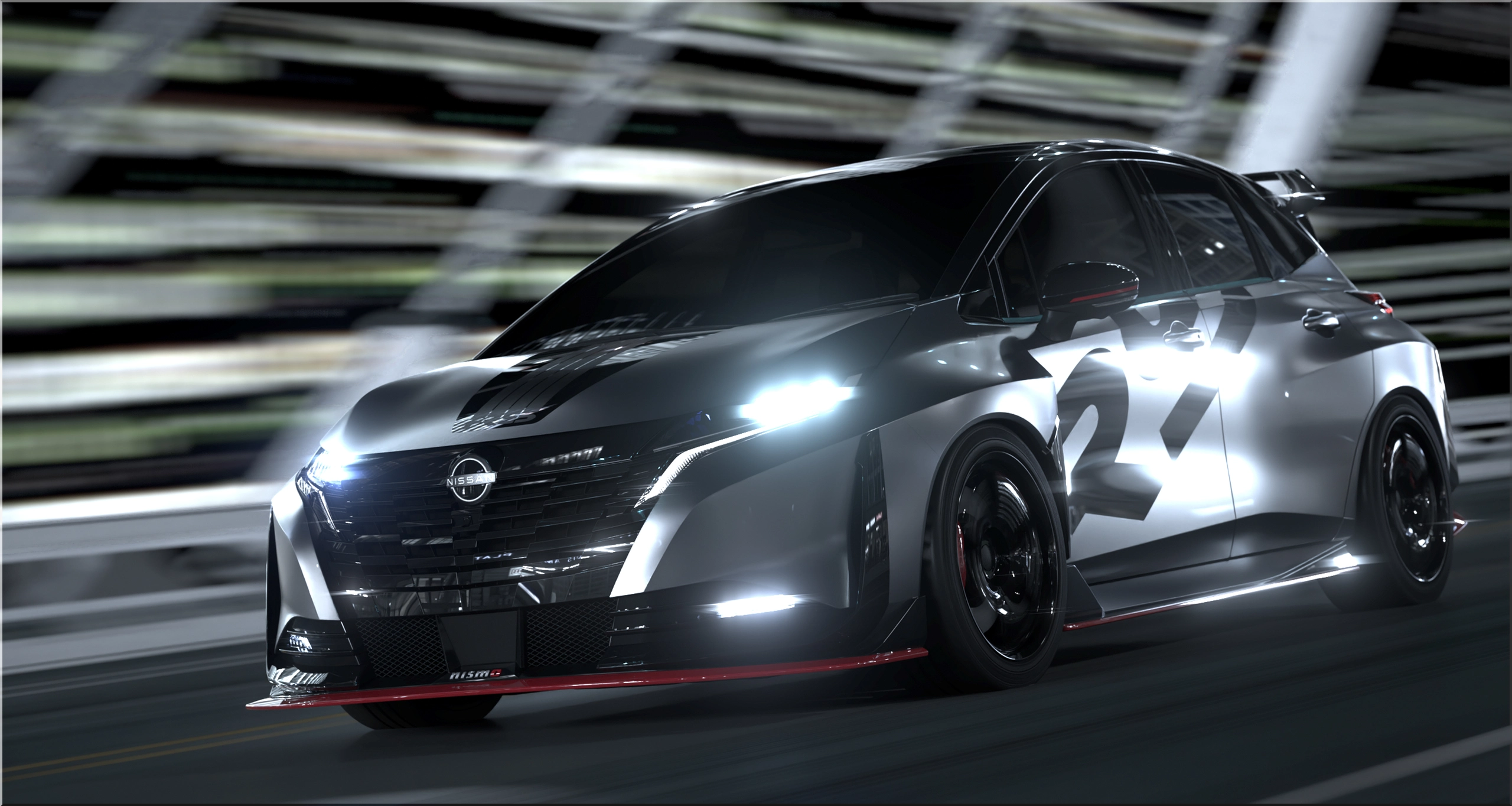
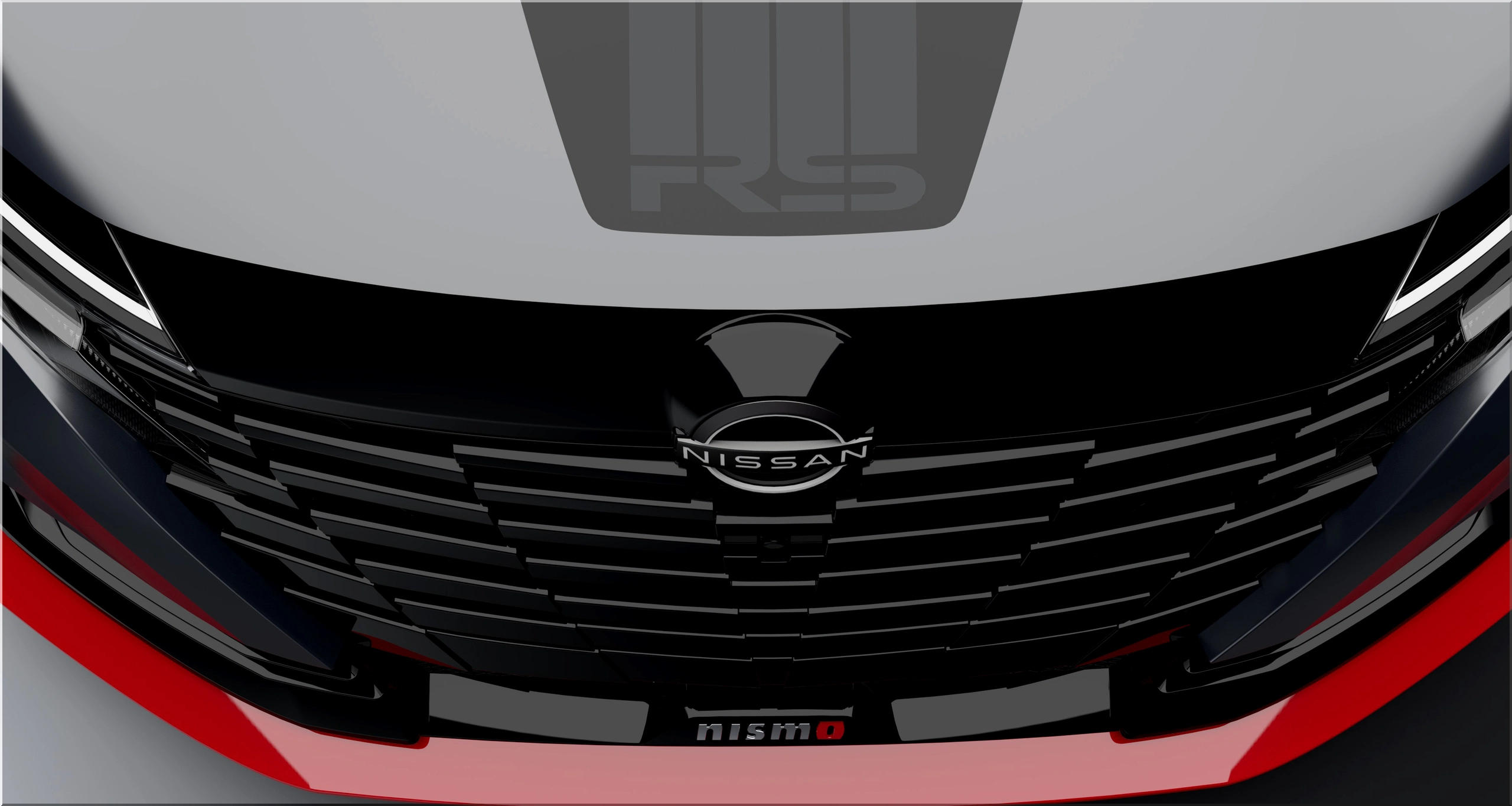
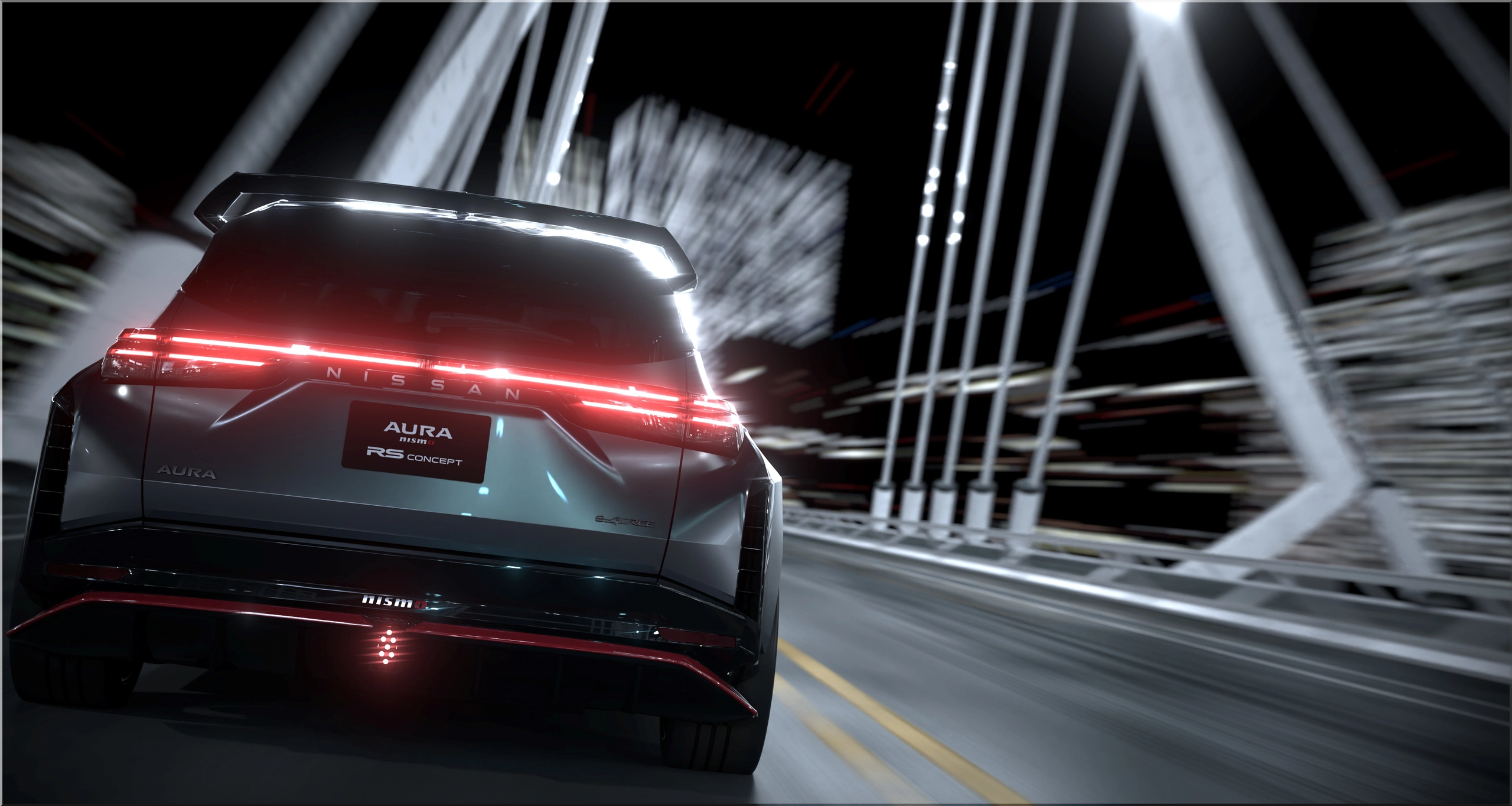
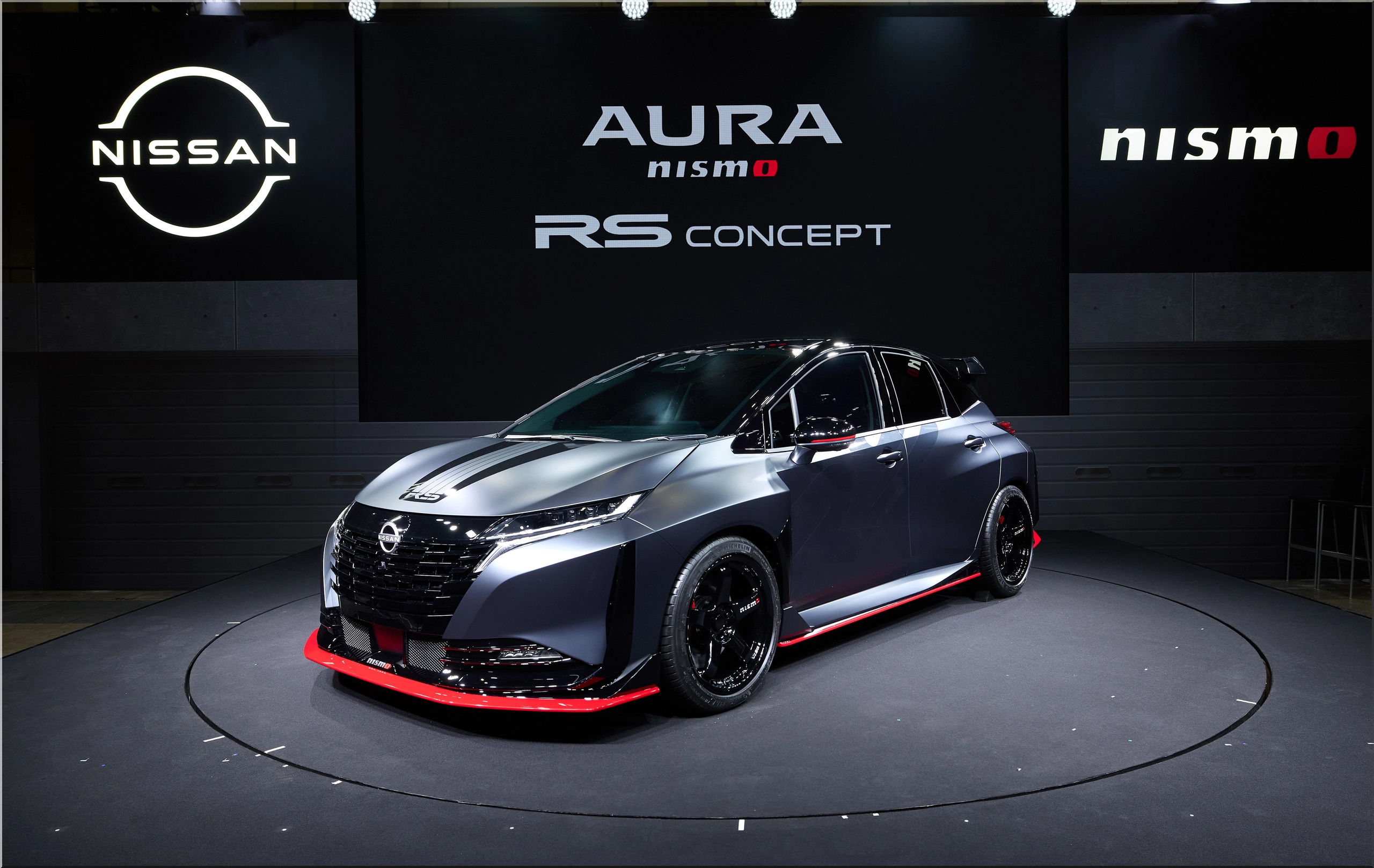
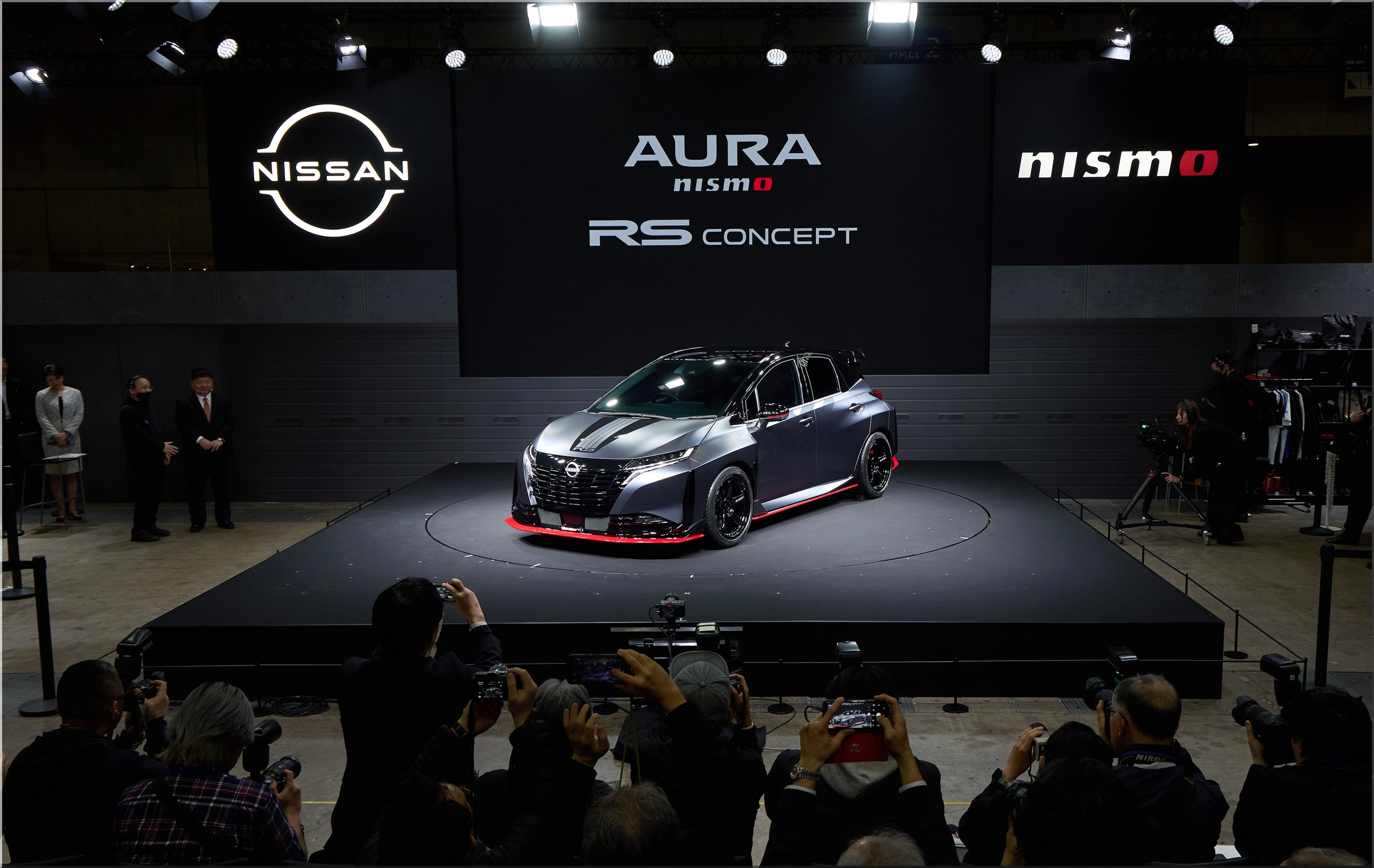
Nissan rolled into Tokyo Auto Salon 2026 with a clear message. Performance still matters. Electrification does not dilute that goal. The Nissan Aura NISMO RS Concept makes that stance public, loud, and measurable.
This concept car builds from the existing Aura NISMO. Nissan pushes it harder, wider, and lower. Engineers also swap in a higher-output e-POWER hybrid system pulled from the X-Trail NISMO. The result targets drivers who want pace, grip, and precision without full battery dependence.
Why the Aura NISMO RS Concept Exists
Nissan calls this car a technical validation project. That language matters. Automakers use validation concepts to test production-ready hardware under public scrutiny.
The Nissan Aura NISMO RS car previews how far Nissan can stretch its compact performance platform. It also tests market appetite for electrified hot hatches wearing a NISMO badge.
Key goals sit at the center of the project:
- Test a higher-output series hybrid performance system
- Validate e-4ORCE all-wheel control in a lighter chassis
- Push NISMO aero and brake hardware toward track readiness
- Gauge demand for a production-ready RS model
Nissan leadership already hints at commercialization. That changes how this concept reads.
Powertrain: Hybrid Output With Real Numbers
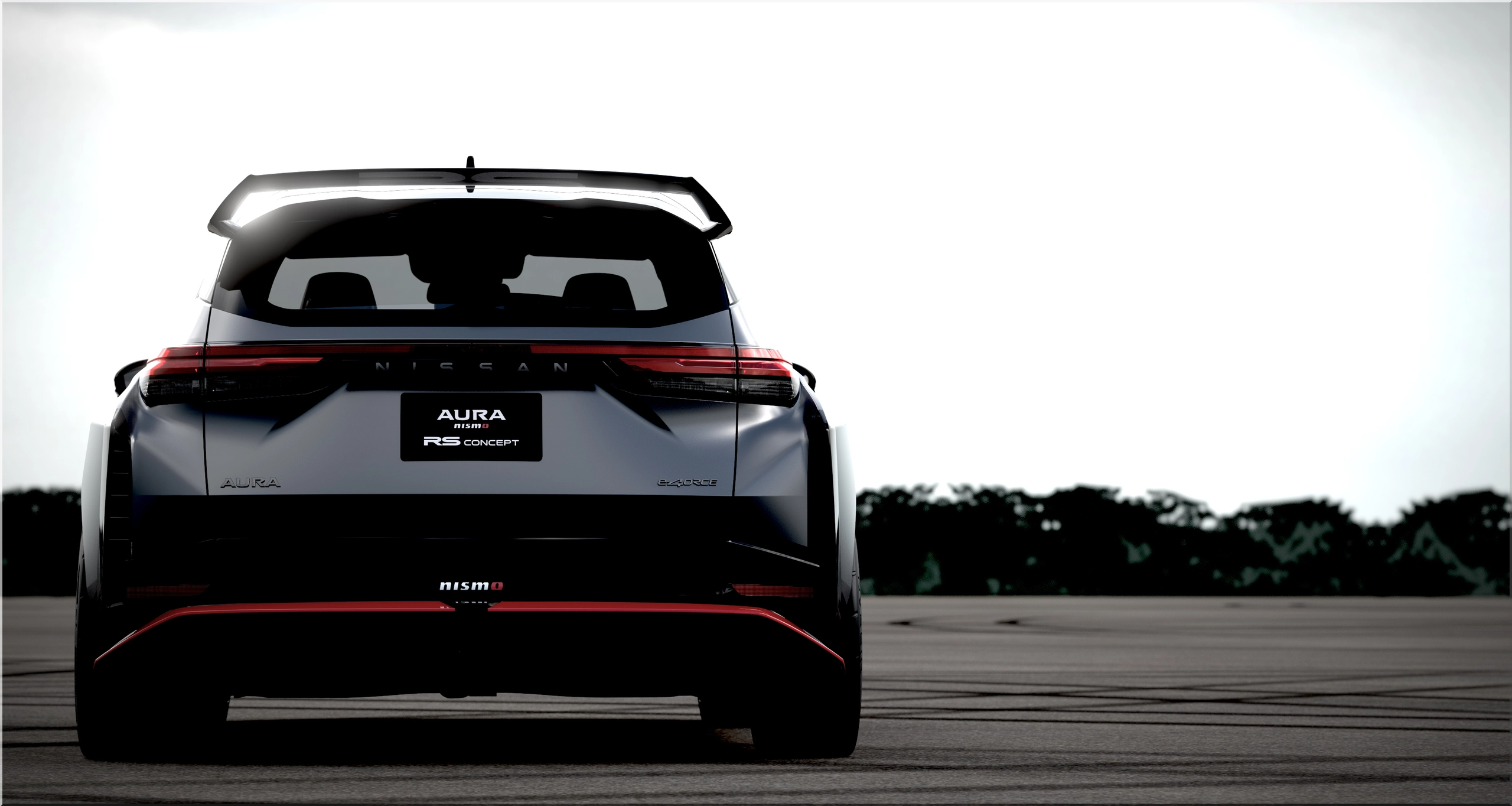
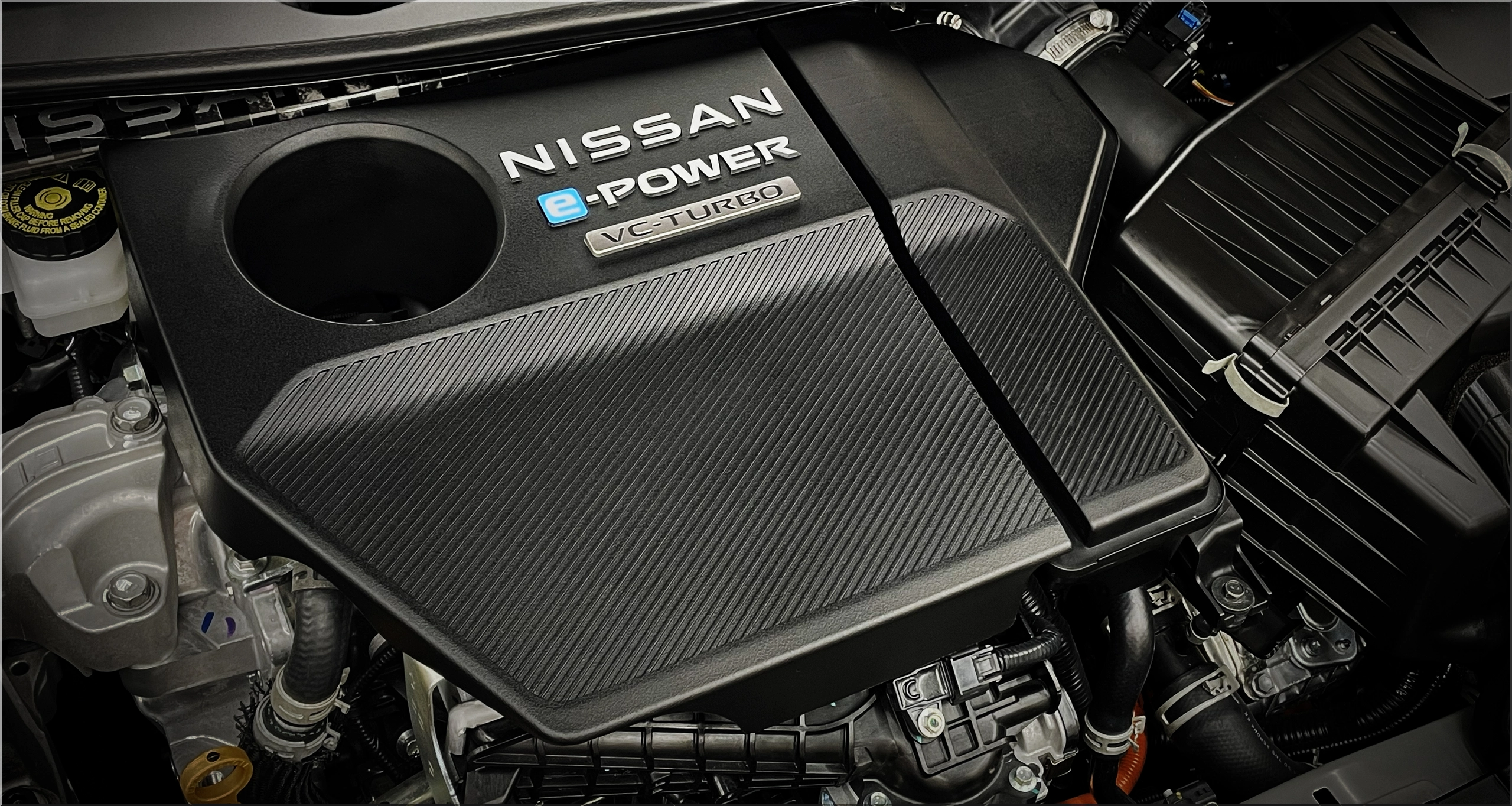
The Nissan Aura NISMO RS Concept runs Nissan's e-POWER hybrid system, not a plug-in setup. A gasoline engine generates electricity. Electric motors handle propulsion.
This layout allows direct throttle response without a mechanical link between engine and wheels.
Powertrain Specifications
| Component | Output |
|---|---|
| Front motor | 150 kW / 330 Nm |
| Rear motor | 100 kW / 195 Nm |
| Gasoline engine | 1.5-liter turbo, 106 kW / 250 Nm |
Combined output jumps well past the standard Aura NISMO. Nissan does not quote a system total. The motor figures alone tell the story.
The e-4ORCE all-wheel drive system manages torque distribution in real time. That system already appears in Nissan EVs and performance hybrids. In a lighter hatchback, response sharpens.
Key takeaway: This powertrain prioritizes acceleration and corner exit traction over top speed.
Chassis and Dimensions: Wide, Low, and Focused
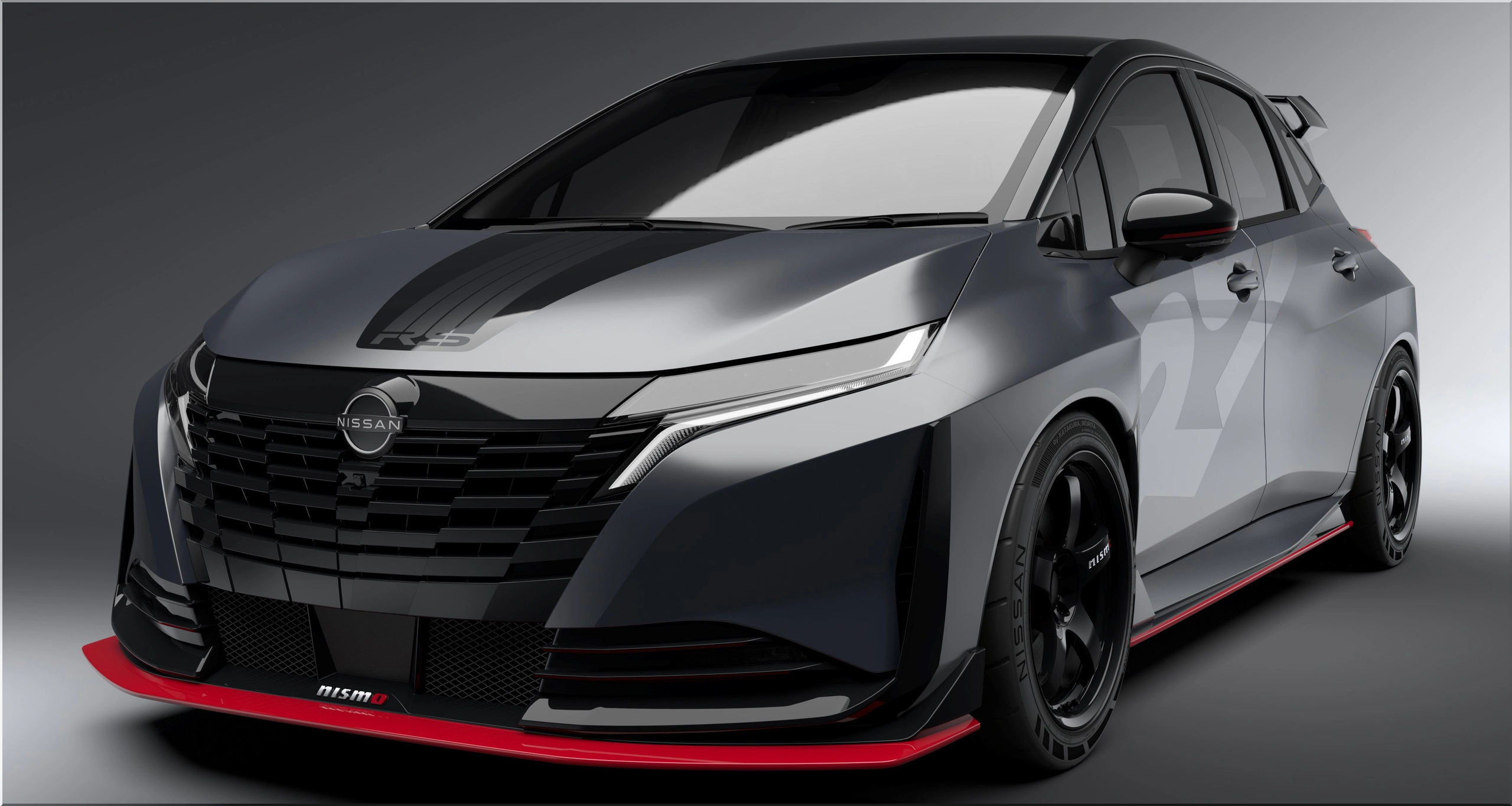
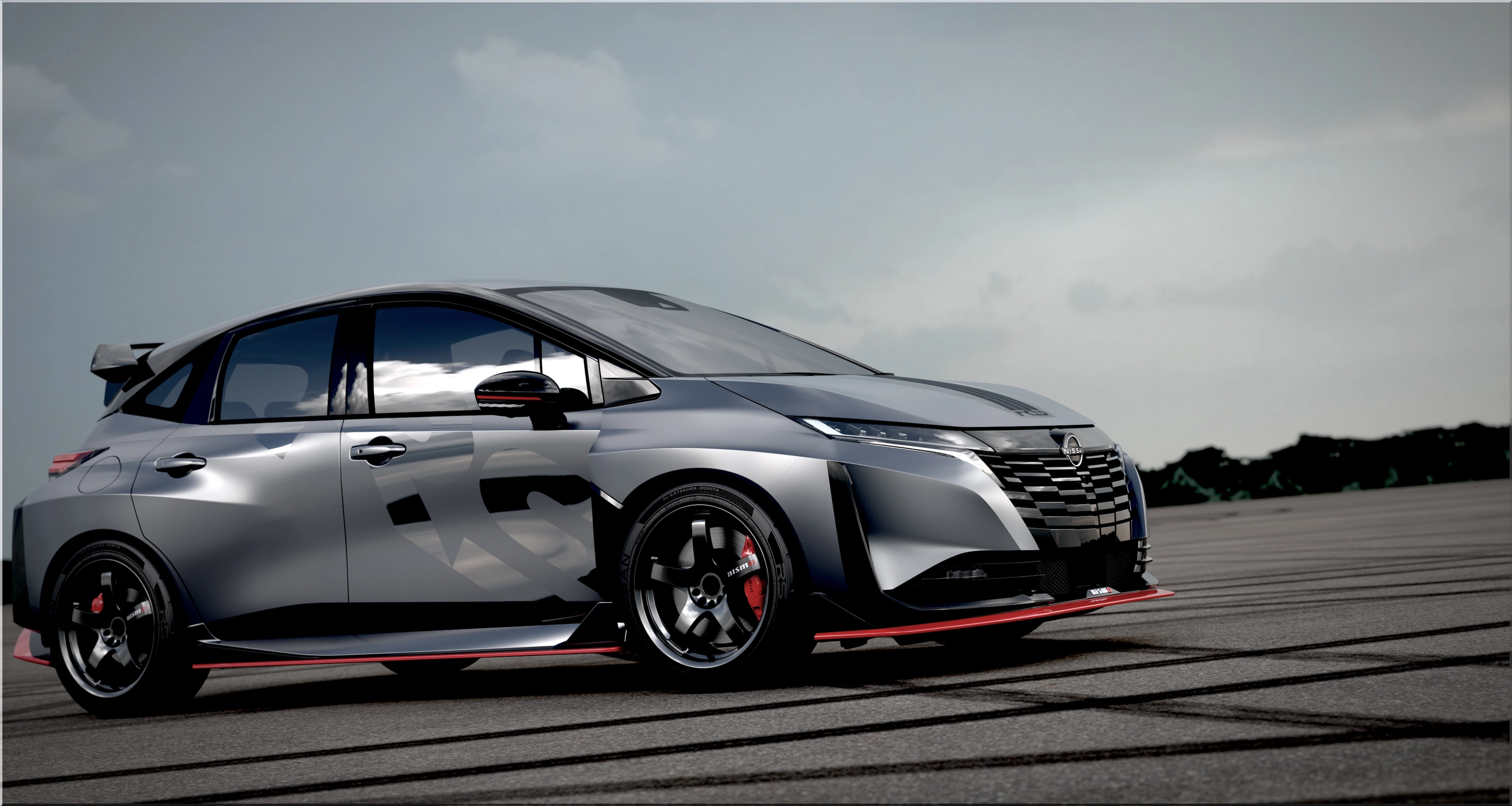
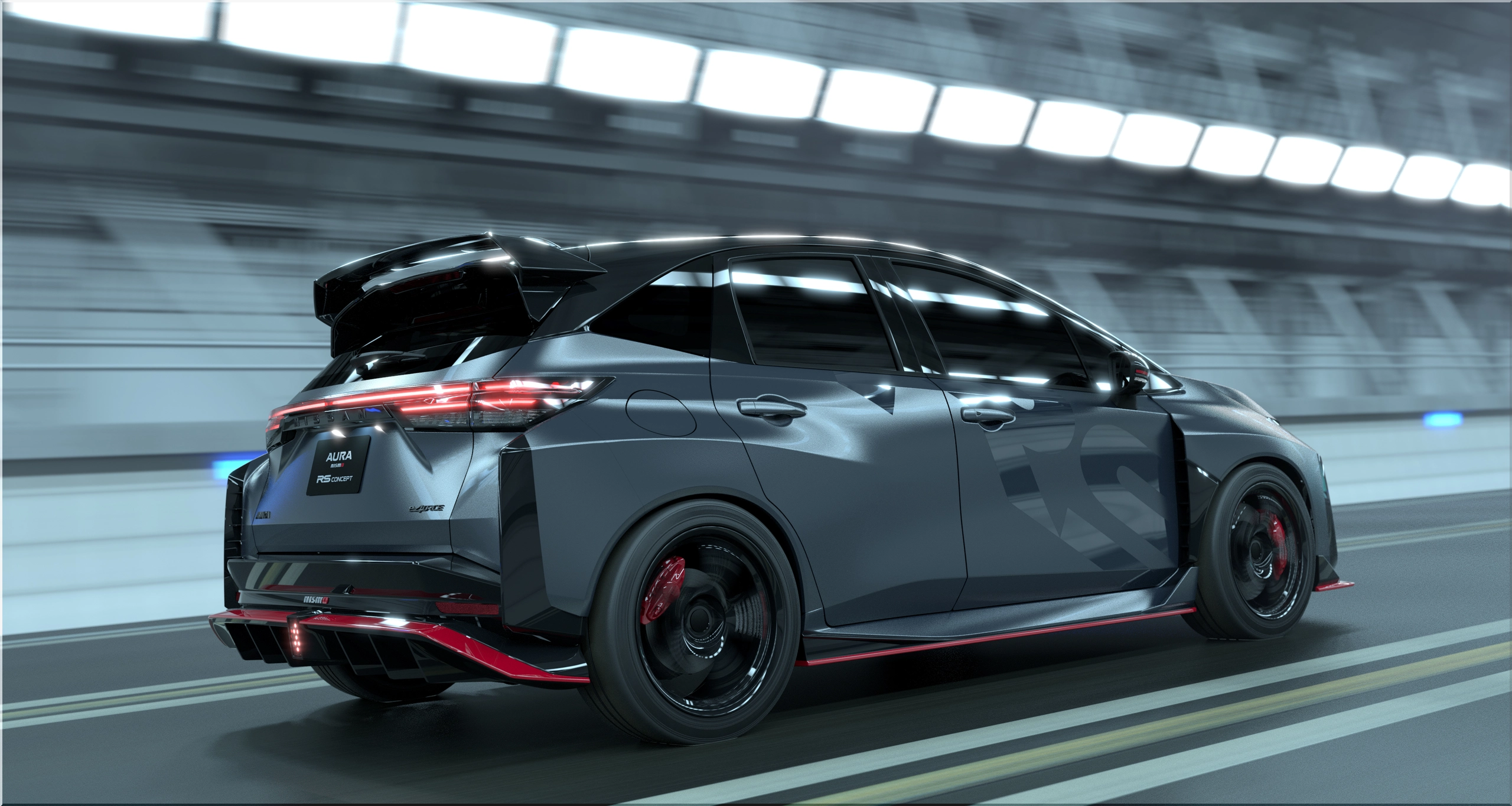
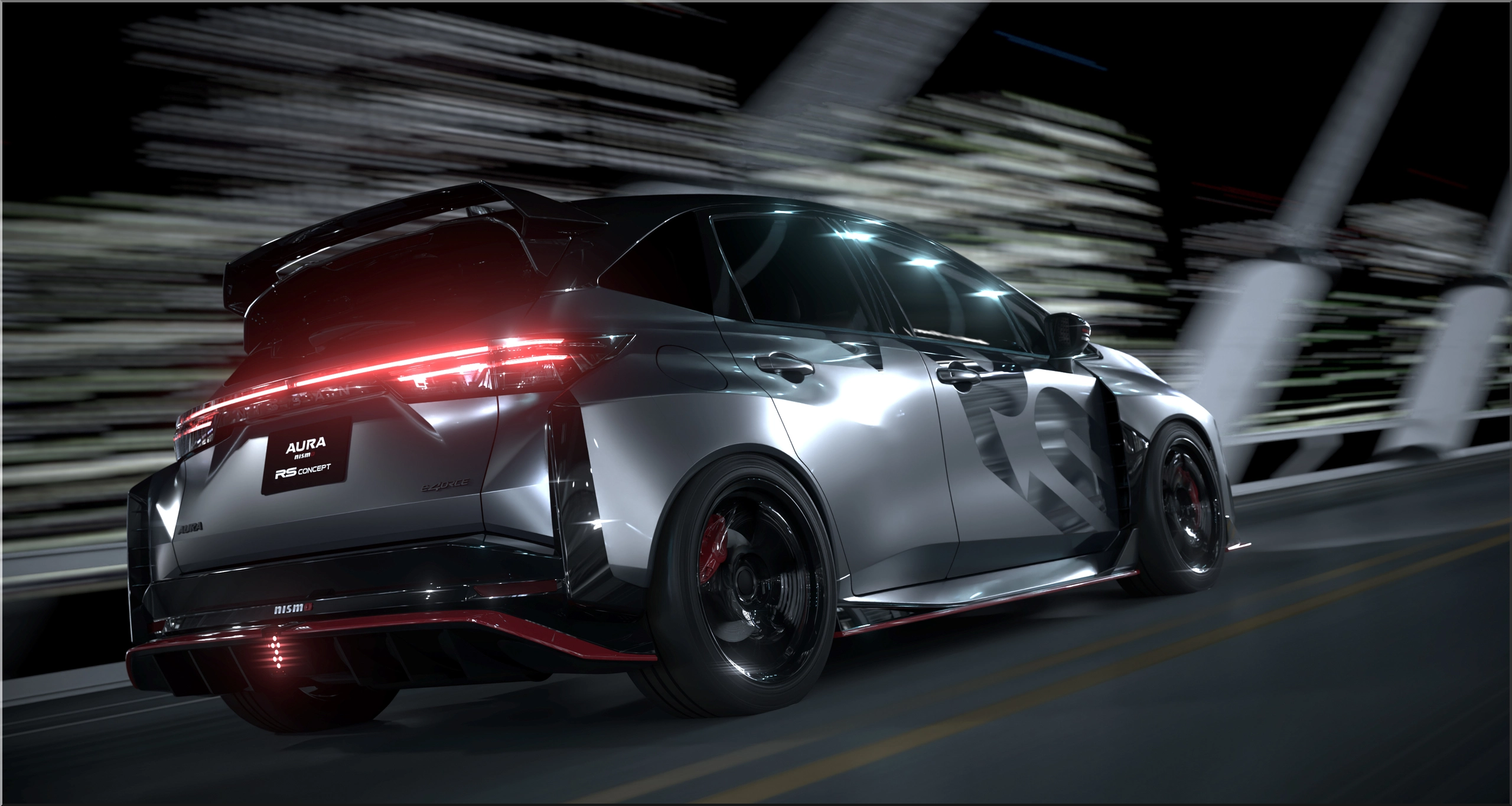
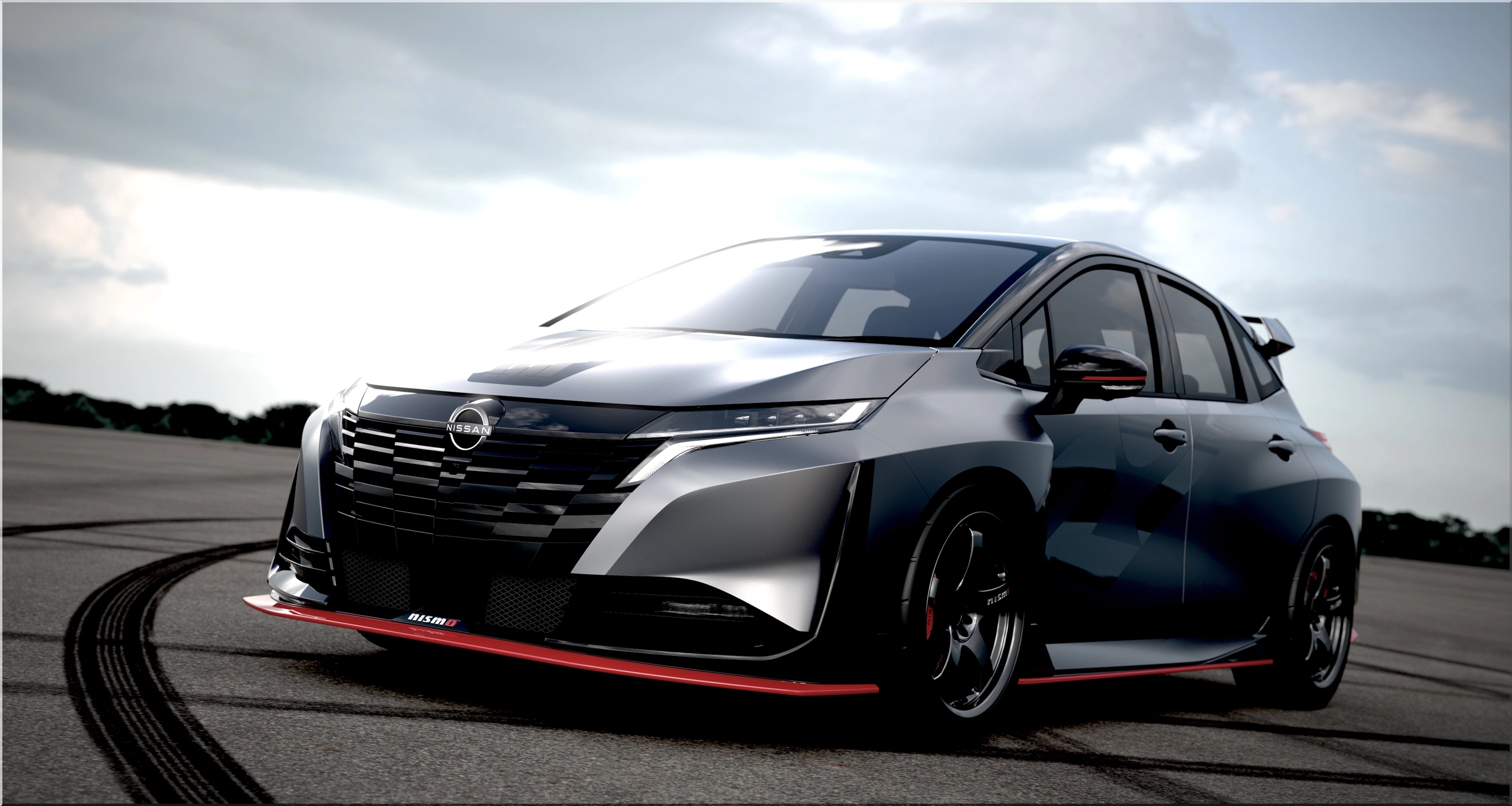
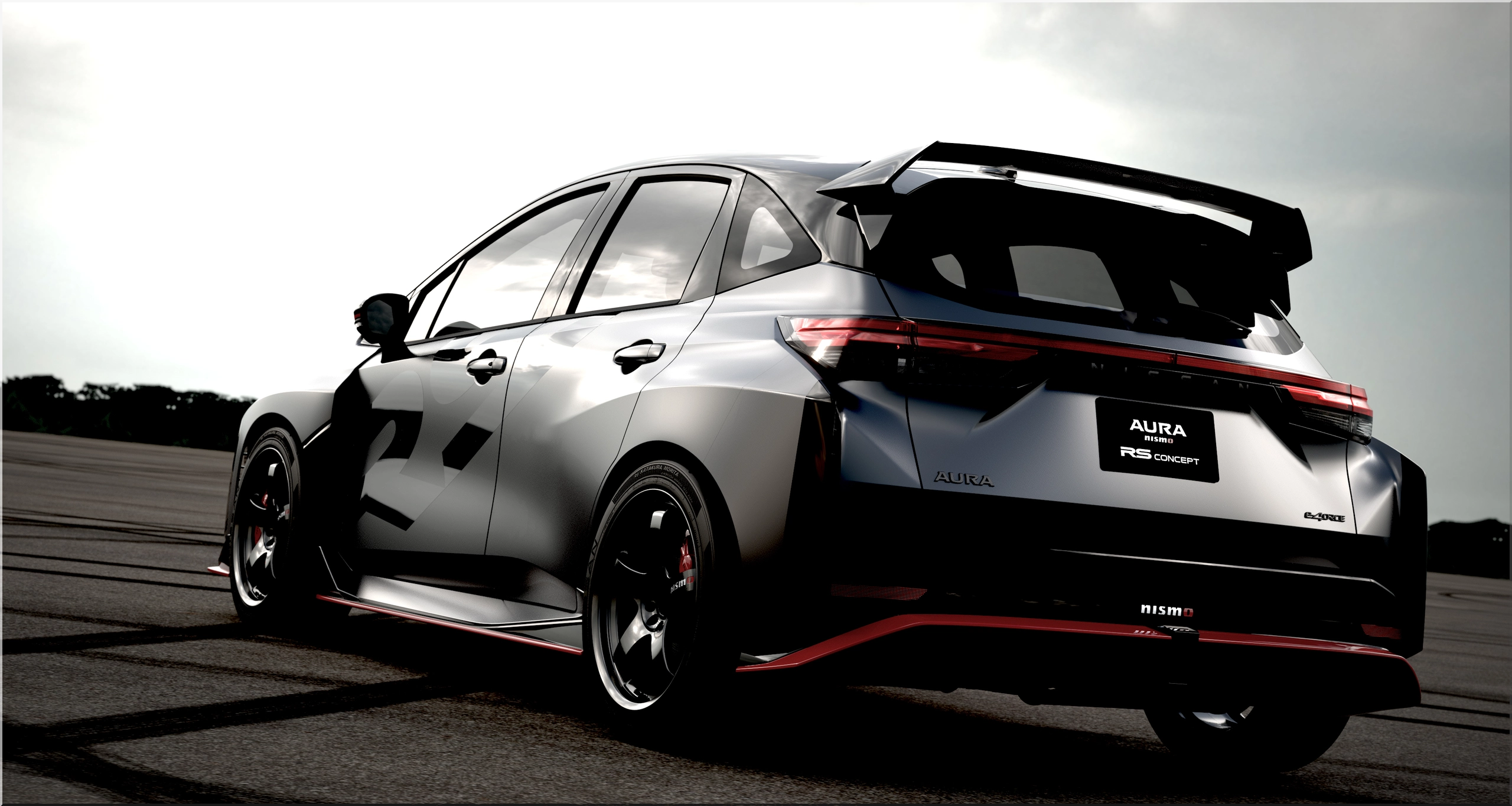
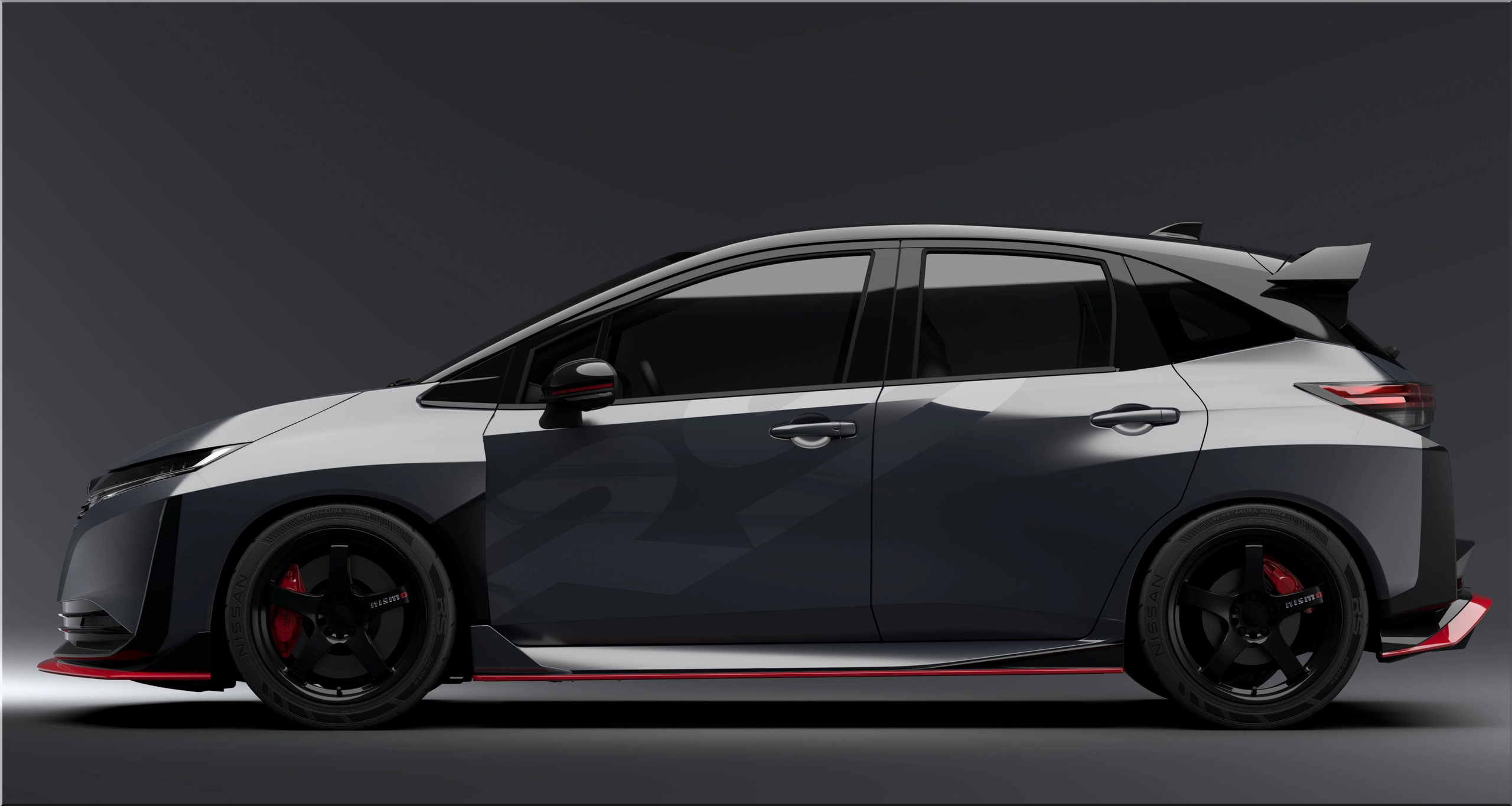
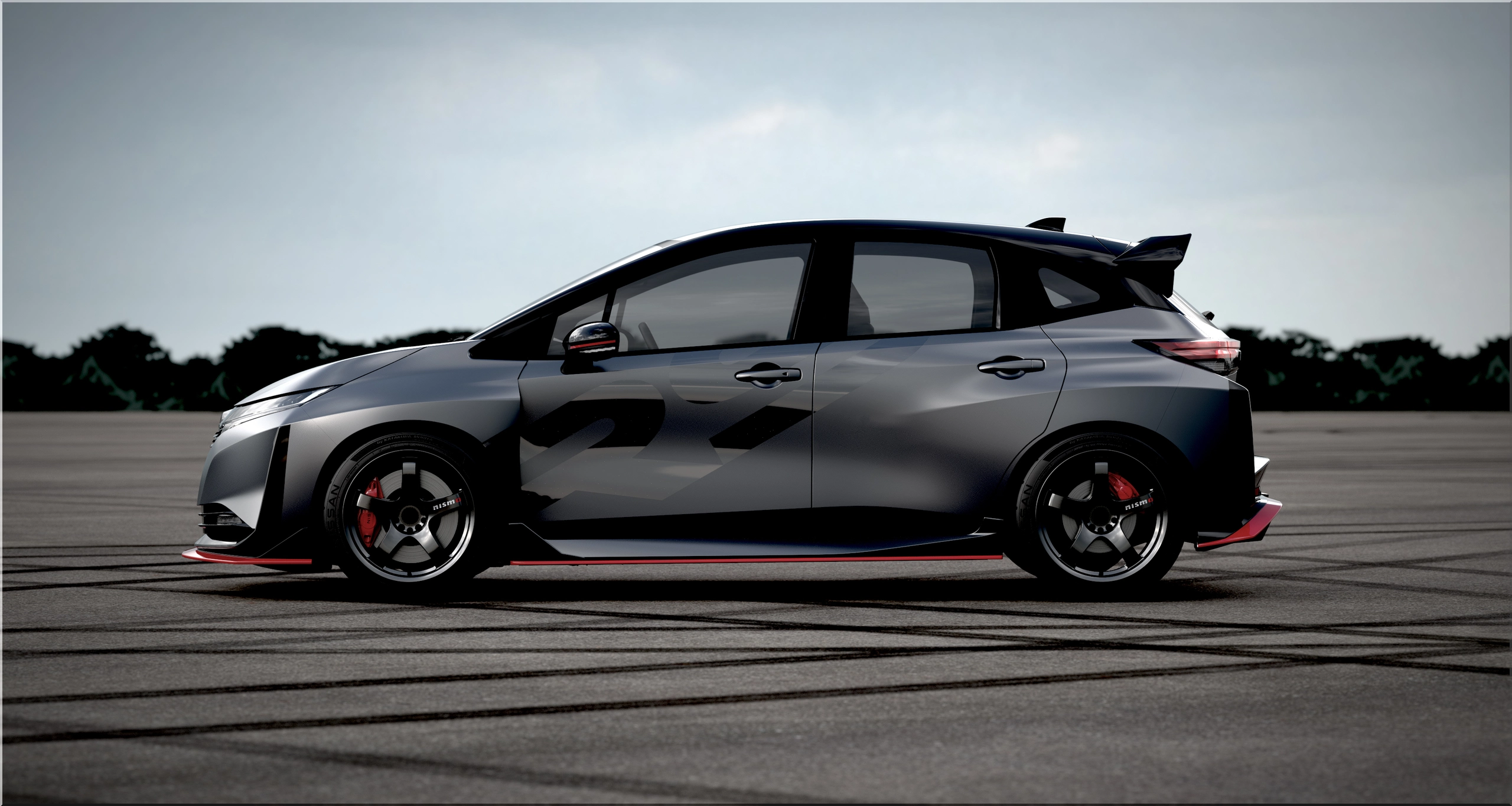
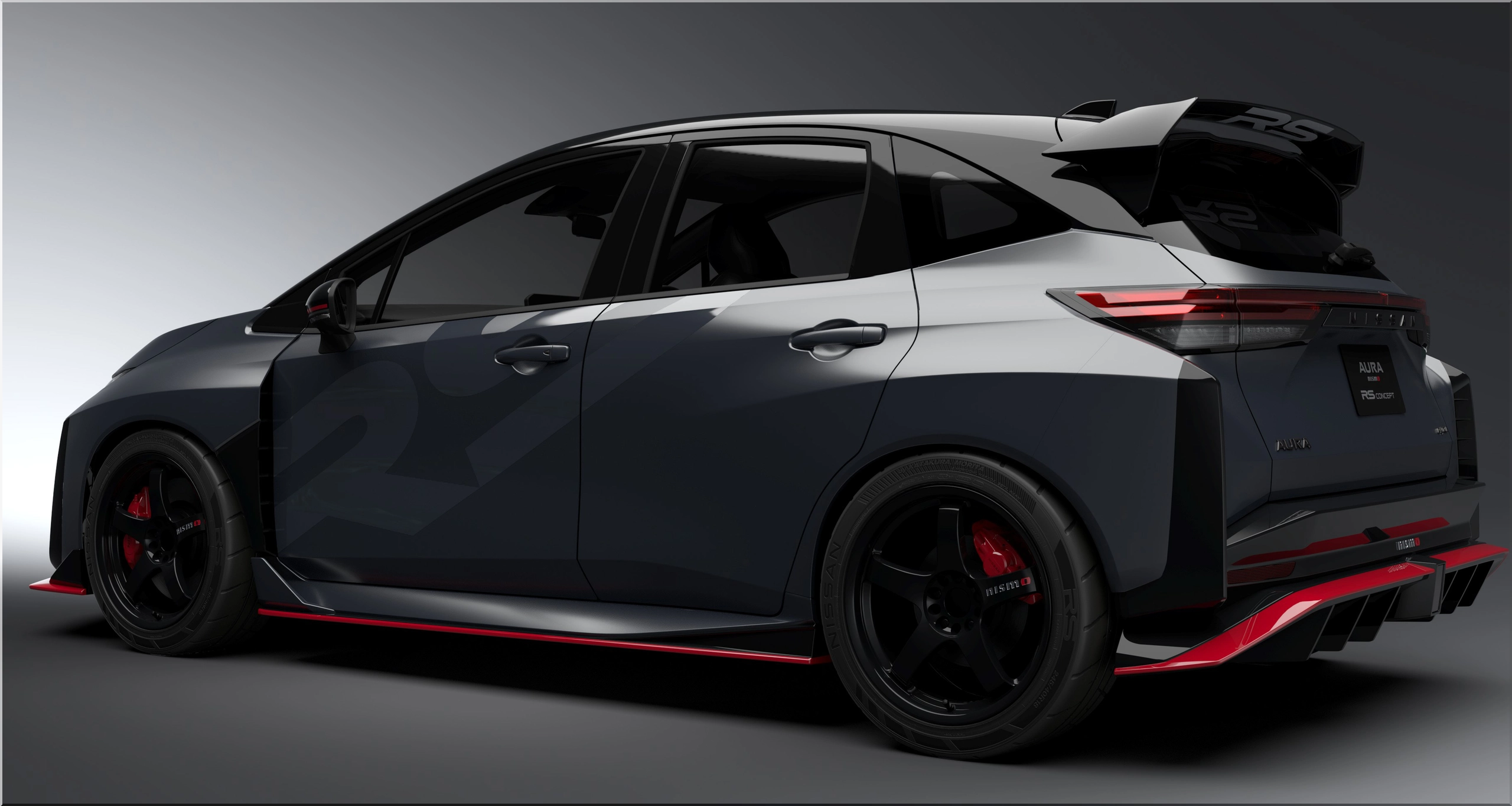
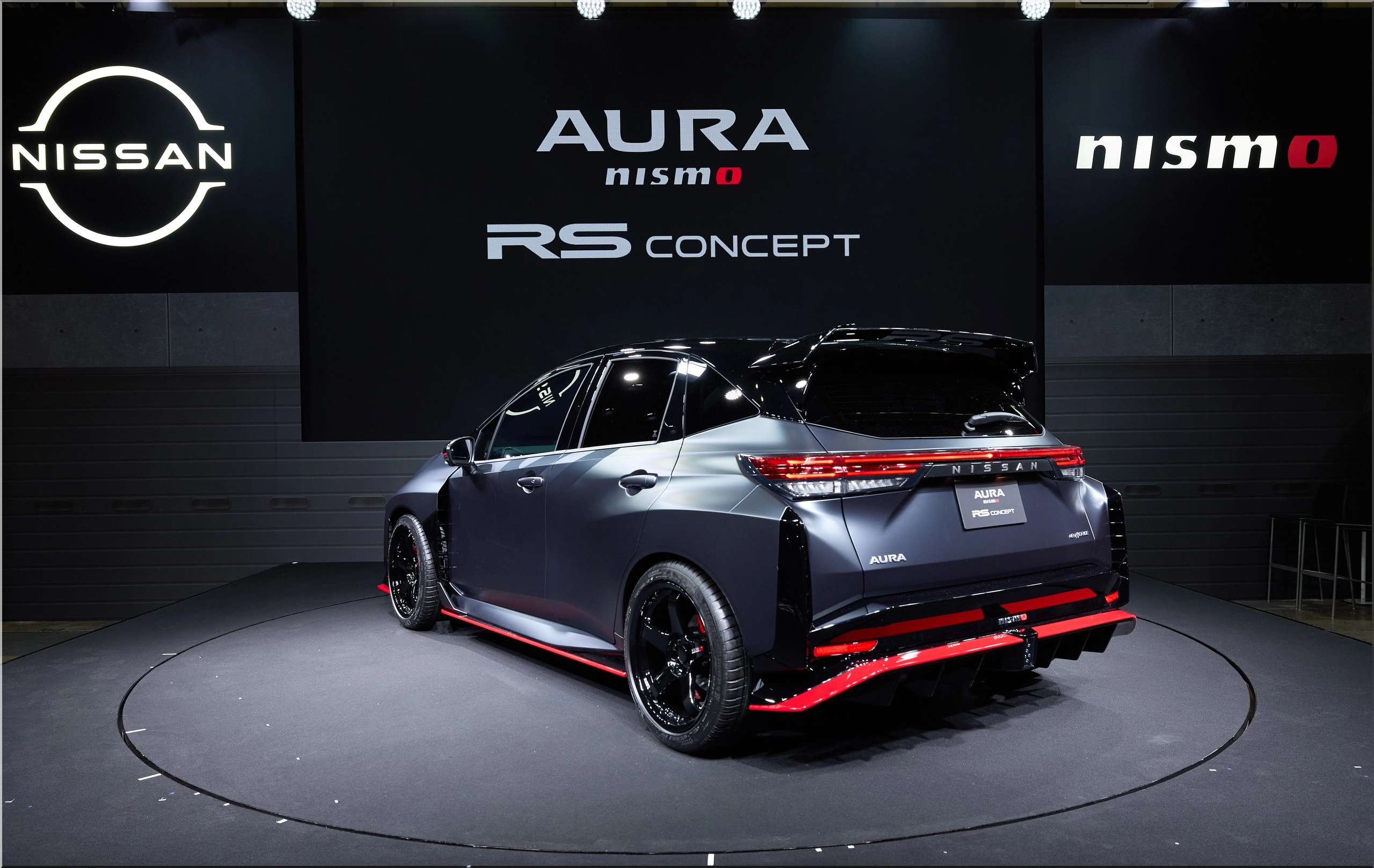
Nissan did not chase subtlety. The Aura NISMO RS Concept grows significantly in width and stance.
Dimensional Changes vs Aura NISMO
- Width increases by 145 mm
- Ride height drops 20 mm
- Overall length grows 142 mm
- Vehicle weight rises by 100 kg
That extra mass comes from motors, battery hardware, and reinforced components. Nissan offsets it with wider rubber and a lower center of gravity.
The wheelbase stays unchanged. That choice preserves agility while improving lateral grip.
Aerodynamics: Function Over Decoration
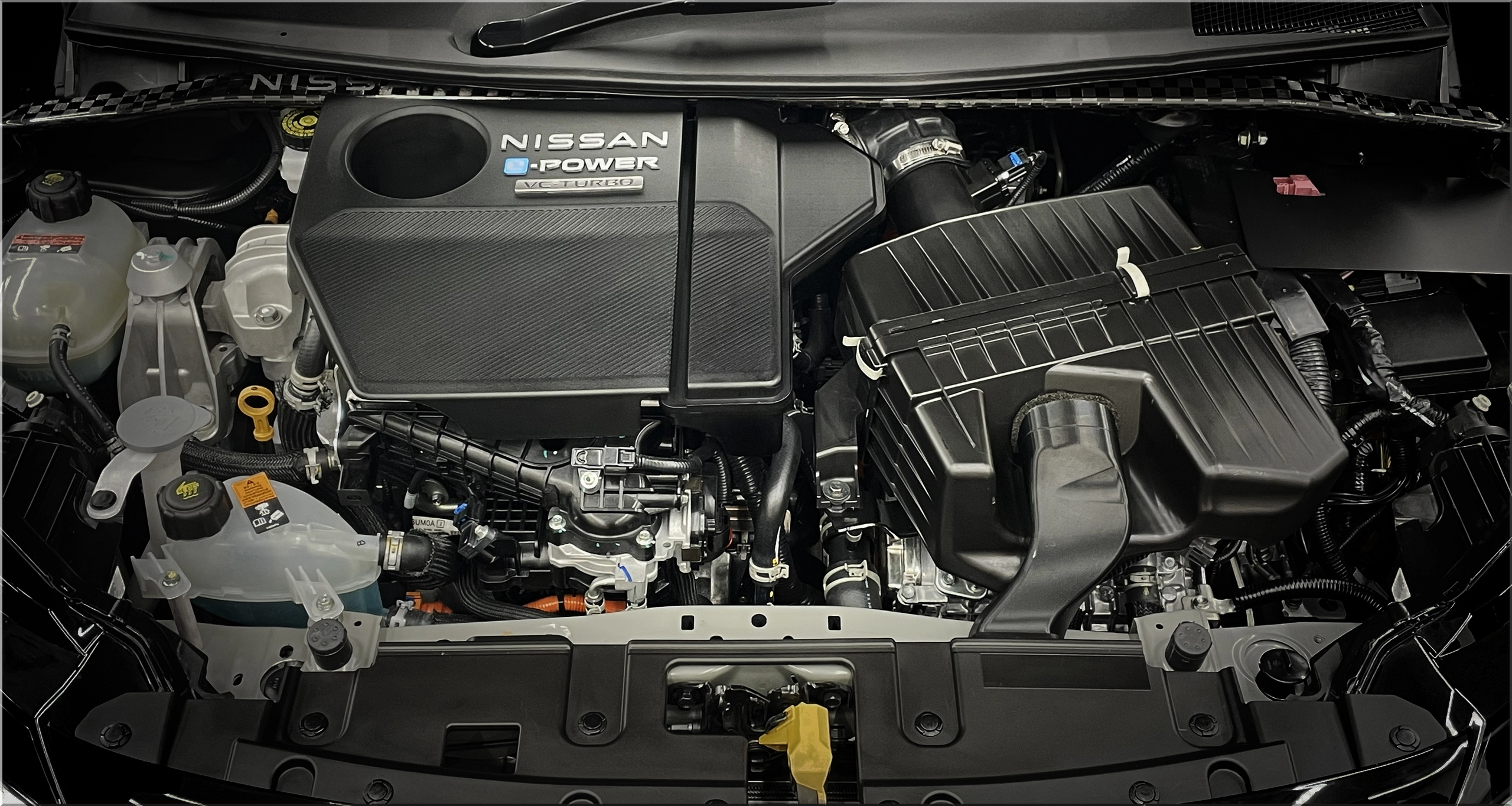
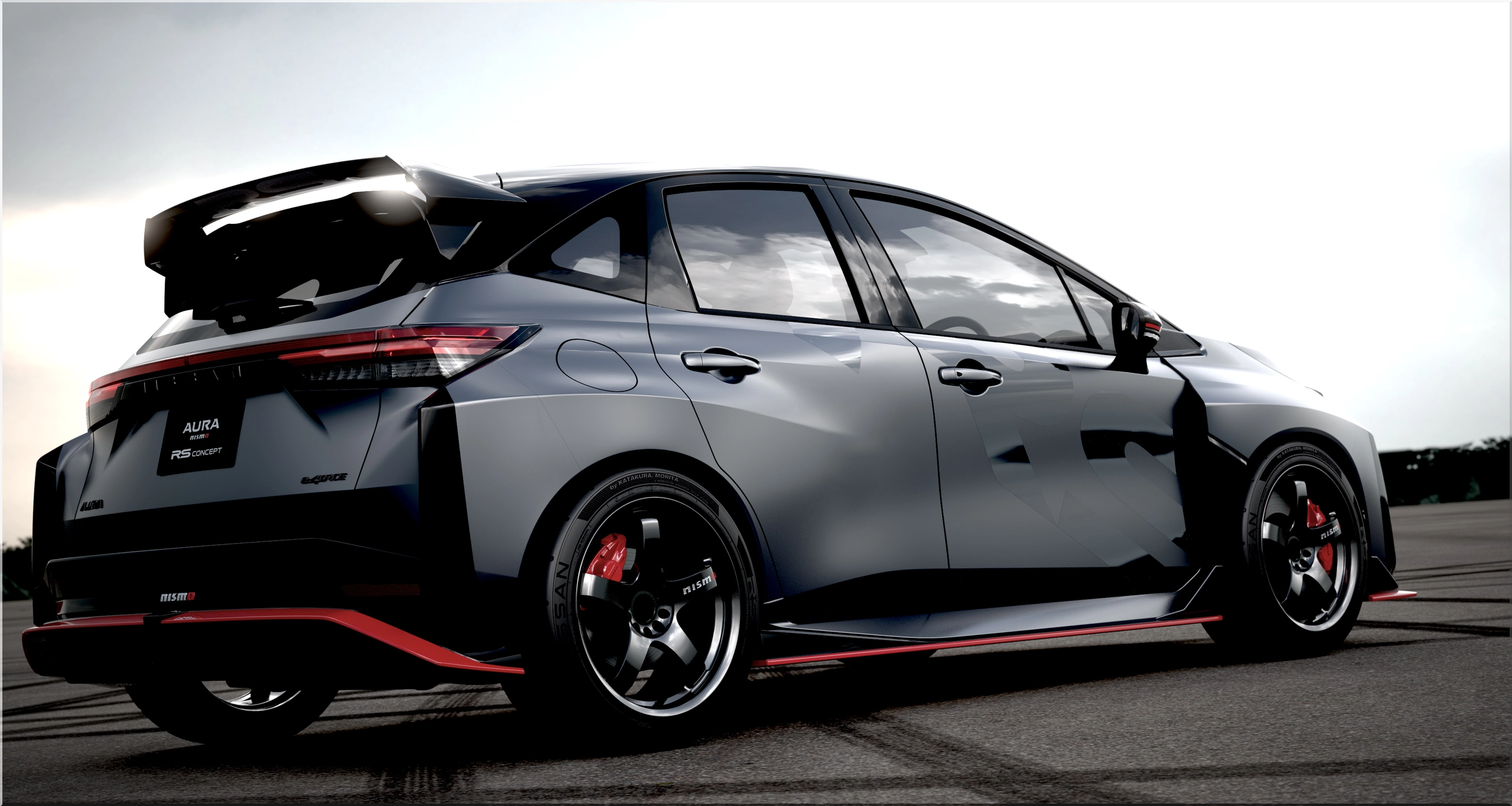
NISMO applied motorsports logic here. Each aero element serves airflow management.
Key aero components include:
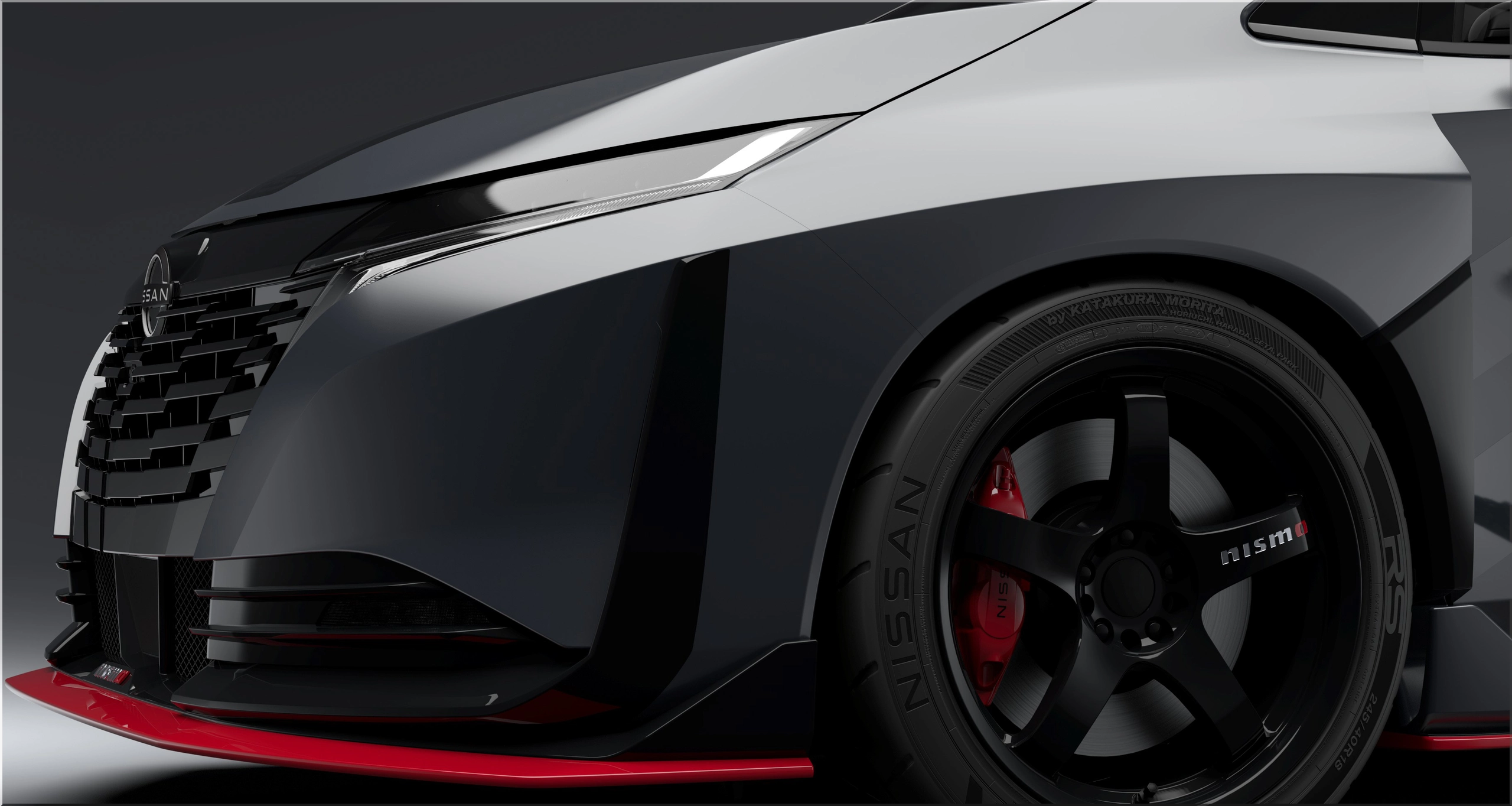
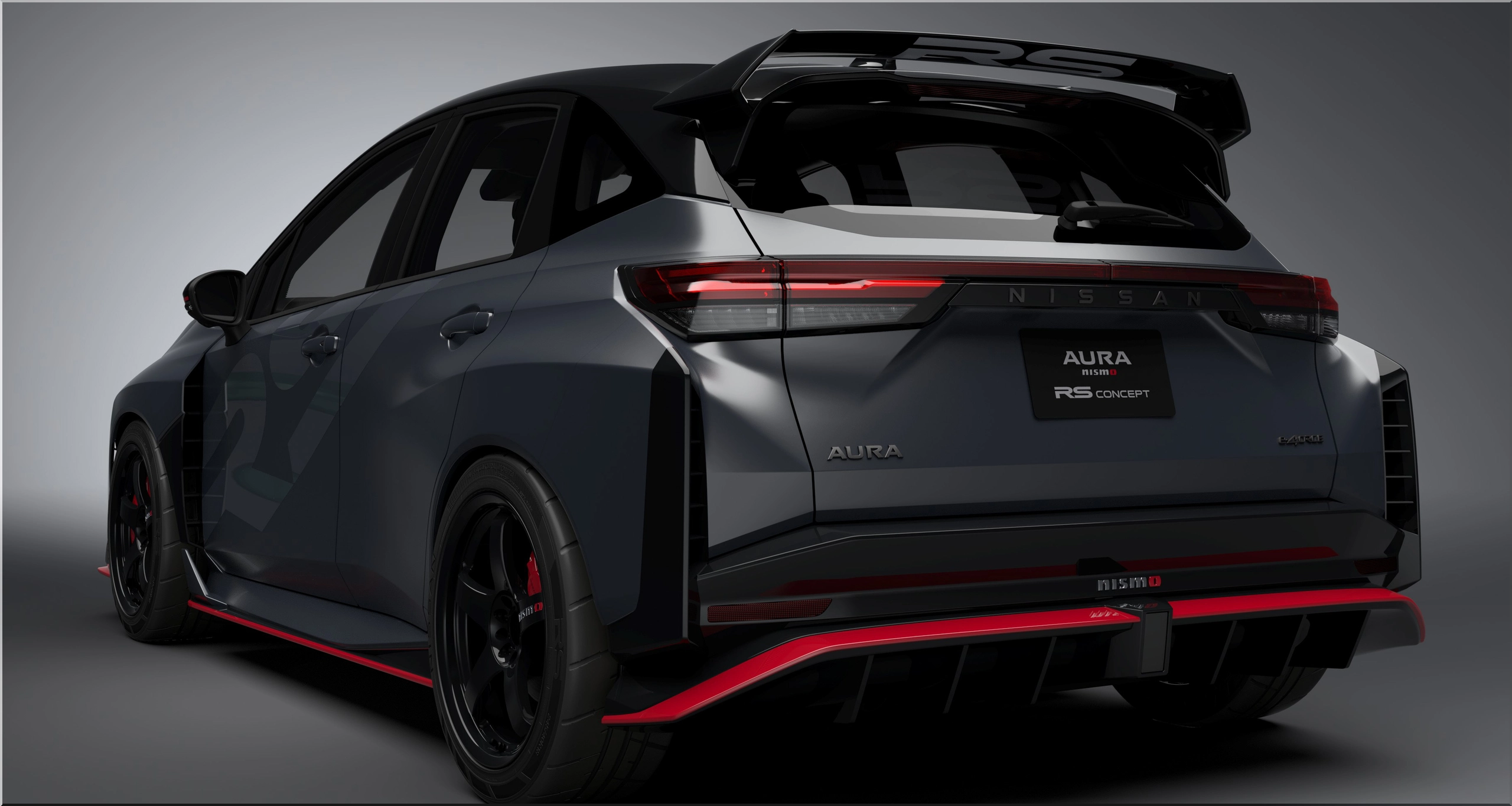
- Front spoiler and extended side skirts
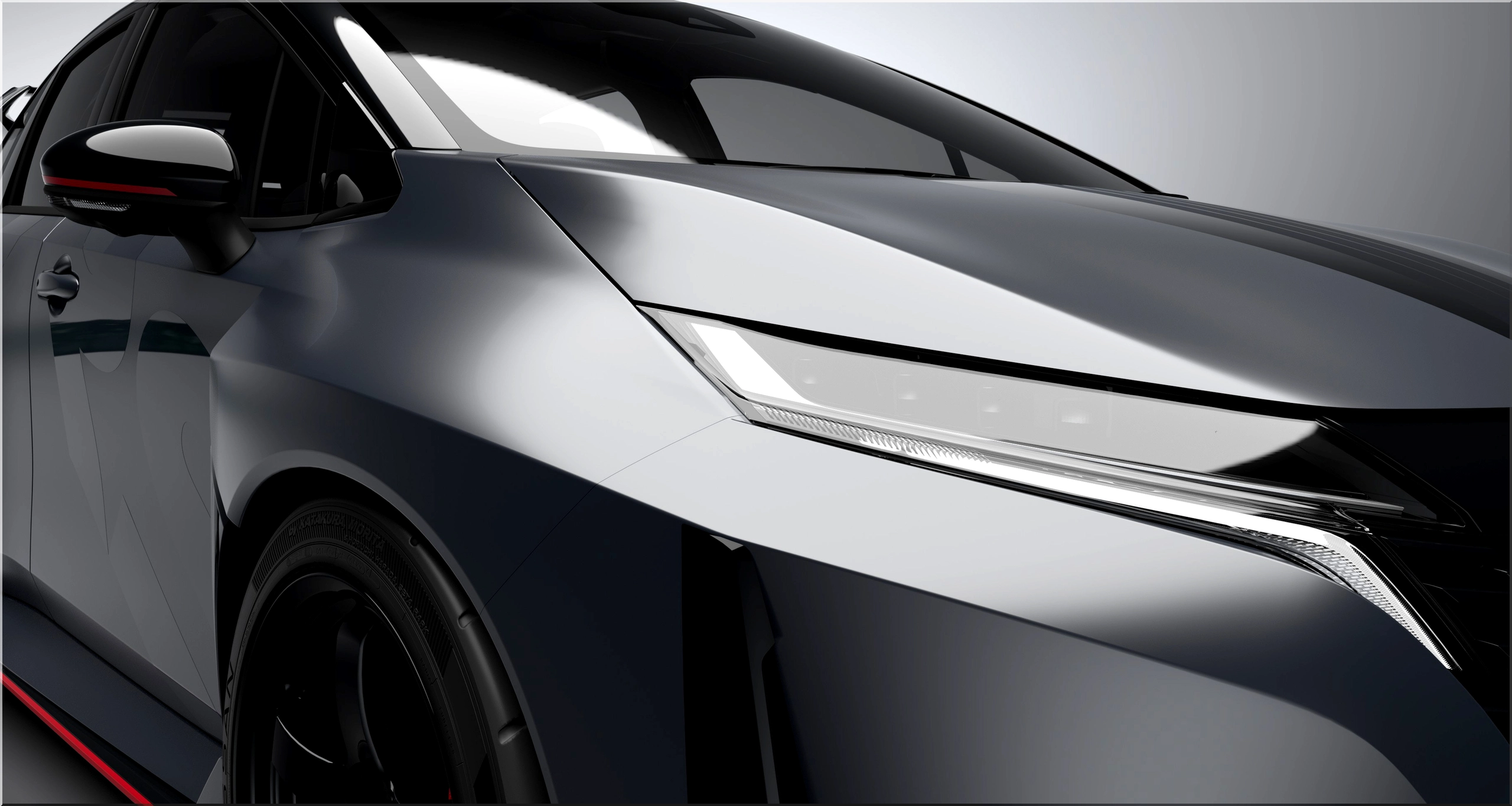
- Airflow-optimized front fenders
- Side air splitters
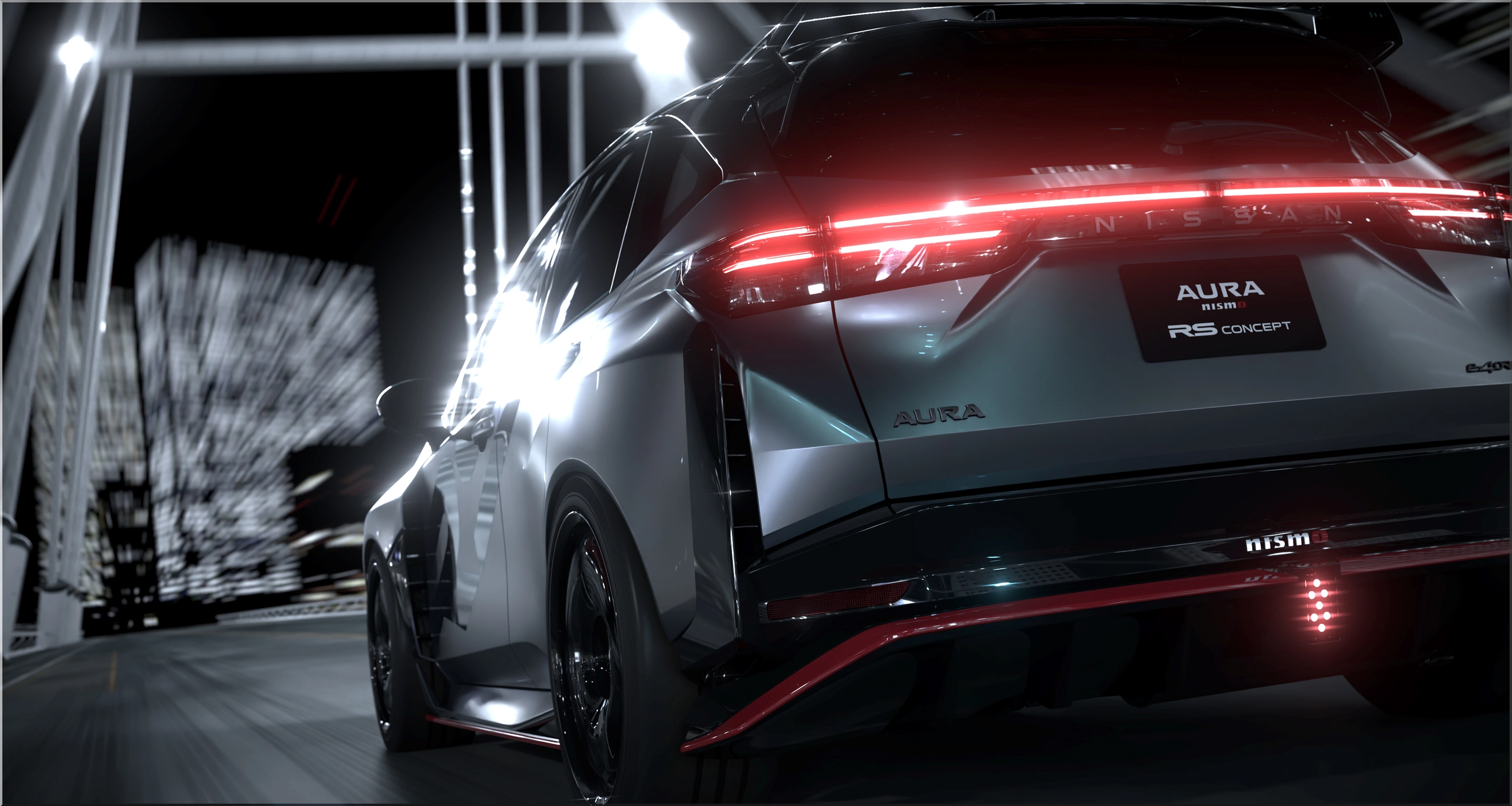
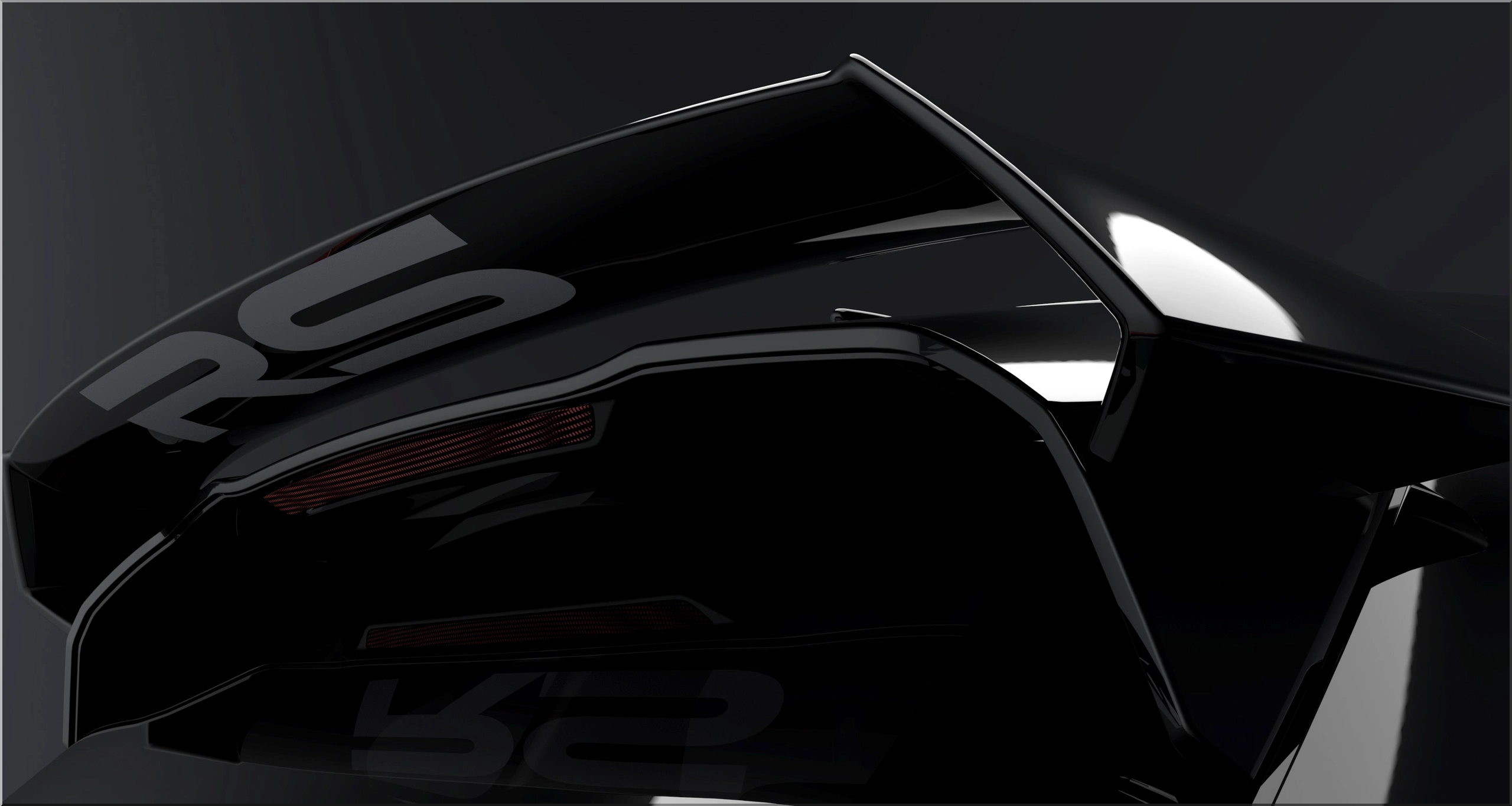
- Rear diffuser with red NISMO accents
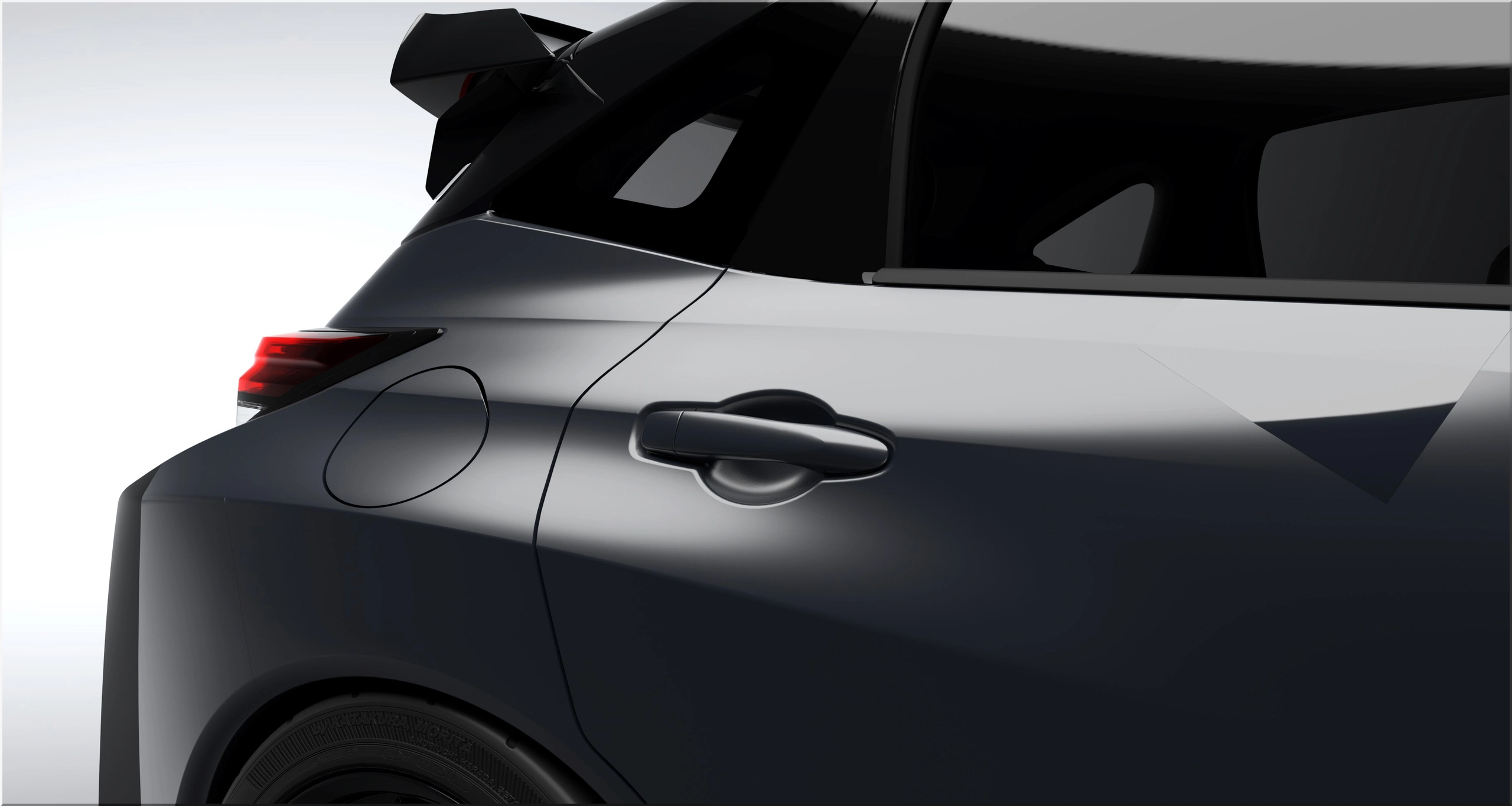
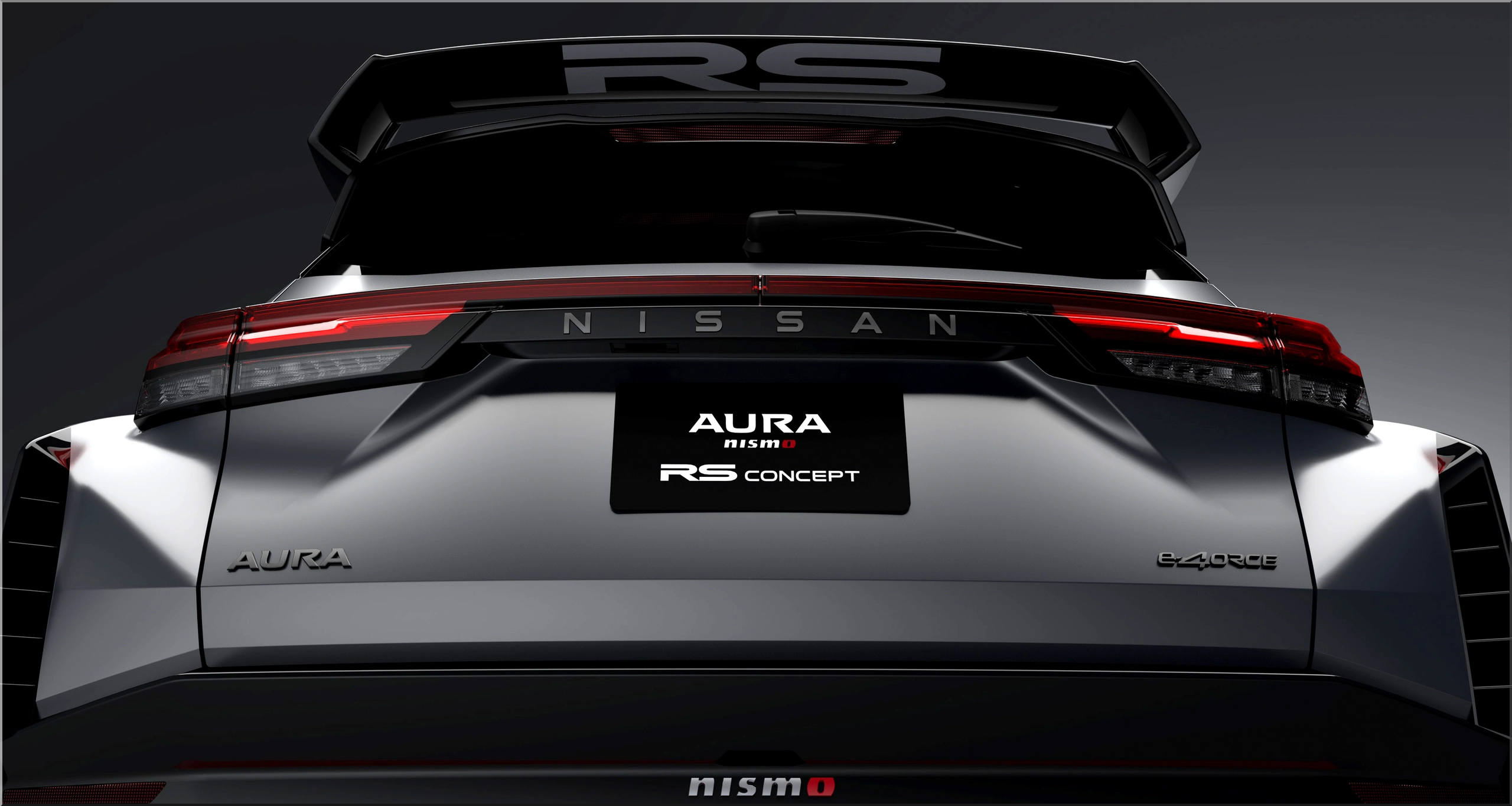
- Dedicated rear spoiler
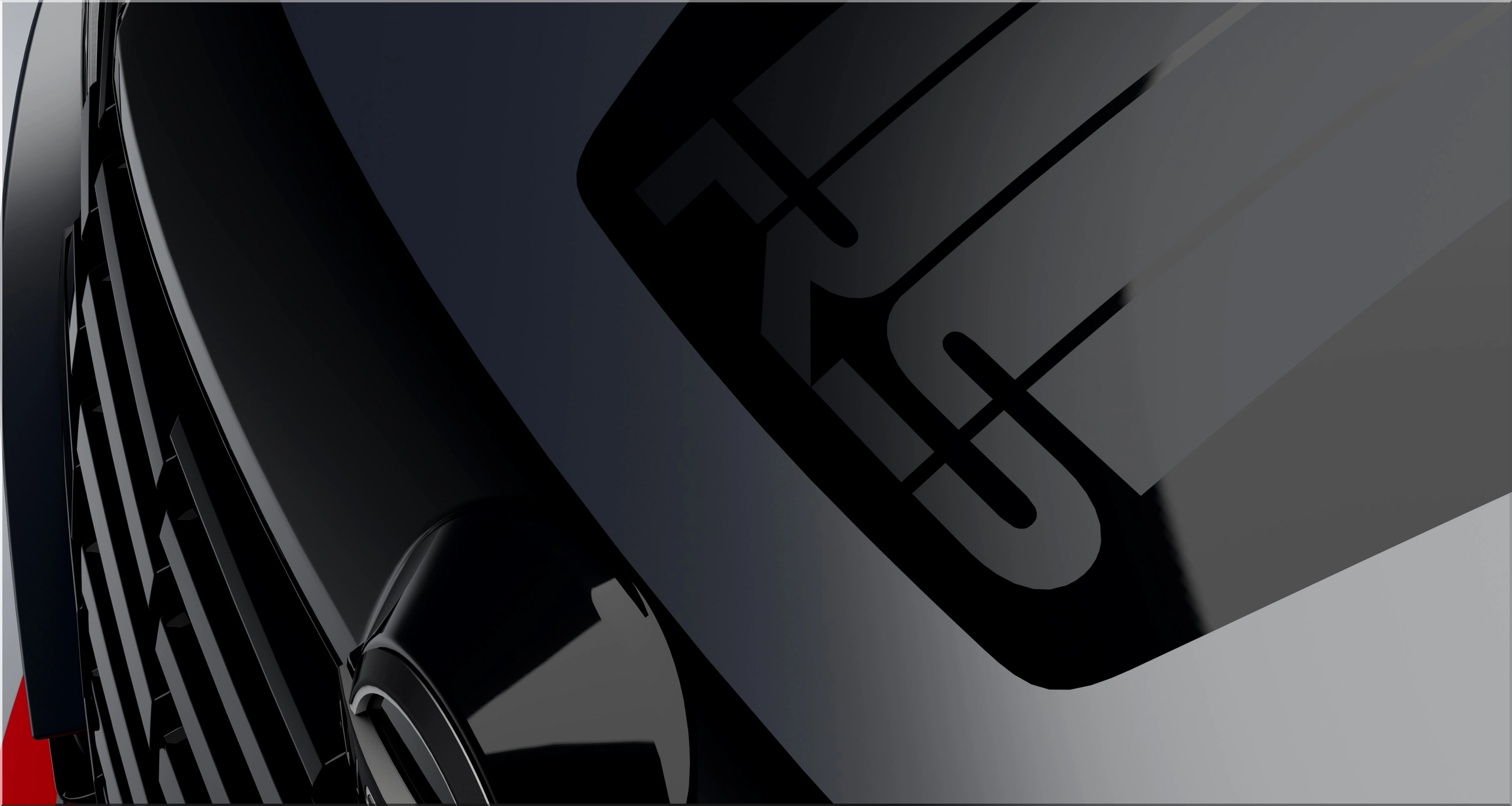
Nissan targets improved downforce with reduced drag. The matte paint finish also limits glare under intense lighting. That detail signals track intent.
Suspension, Wheels, and Tires
Nissan sticks with a known layout. The front uses independent struts. The rear retains a torsion beam setup.
That choice keeps packaging efficient and predictable.
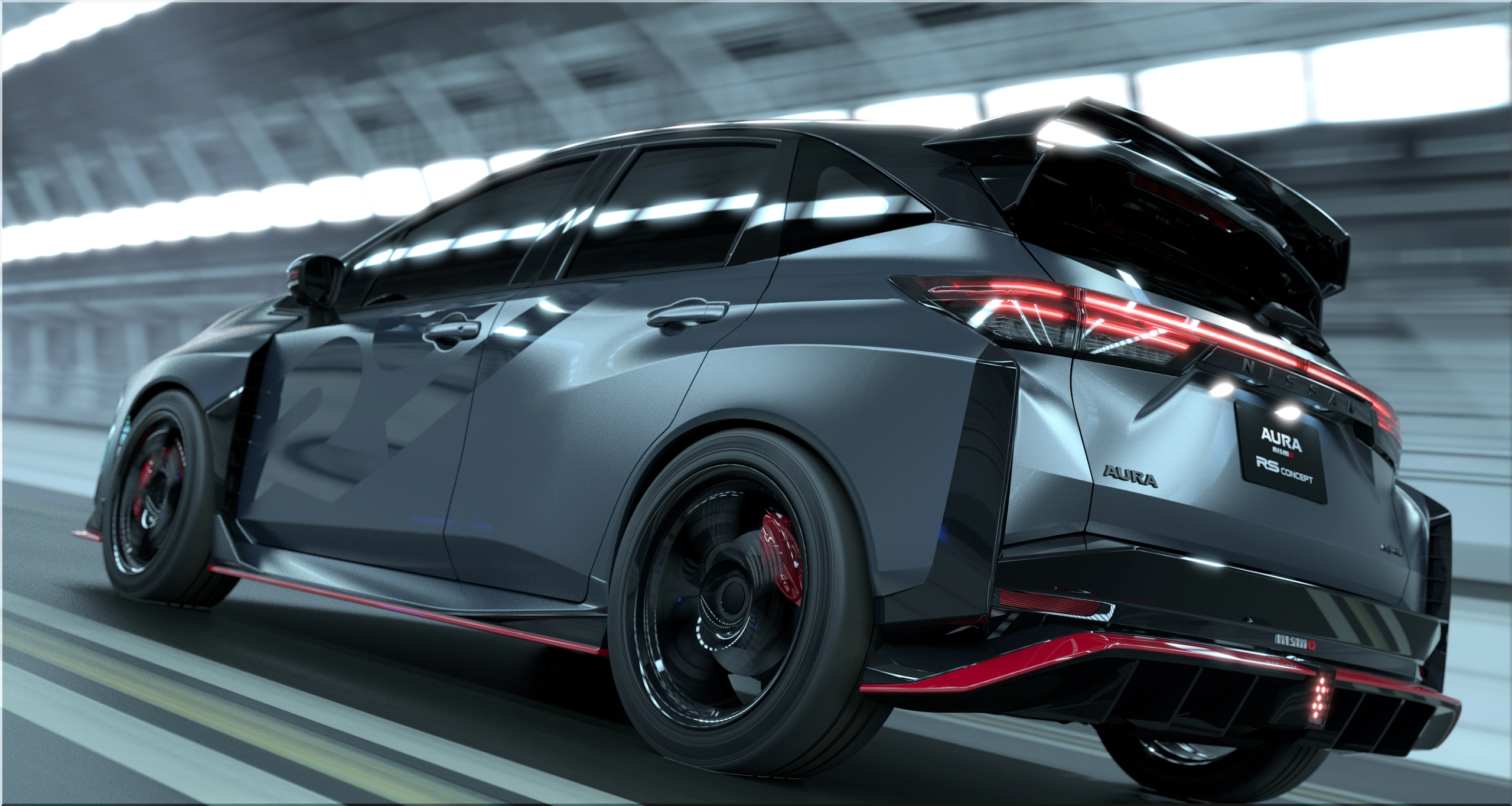
Grip comes from serious hardware:
- 18 x 9.0-inch NISMO LM GT4 wheels
- Michelin Pilot Sport 4 tires
- Tire size: 245/45R18
That tire width matches many compact track builds. It also explains the widebody design.
Braking System: Built for Heat
Performance cars fail at the brakes first. Nissan addressed that early.
The Nissan Aura NISMO RS Concept runs:
- Four-piston front calipers
- Two-piston rear calipers
This setup supports repeated high-speed stops. Nissan engineers tuned the system to manage the added mass from hybrid components.
Pro-Tip: Multi-piston calipers improve pedal consistency under heat, not raw stopping distance.
Interior and Driver Focus
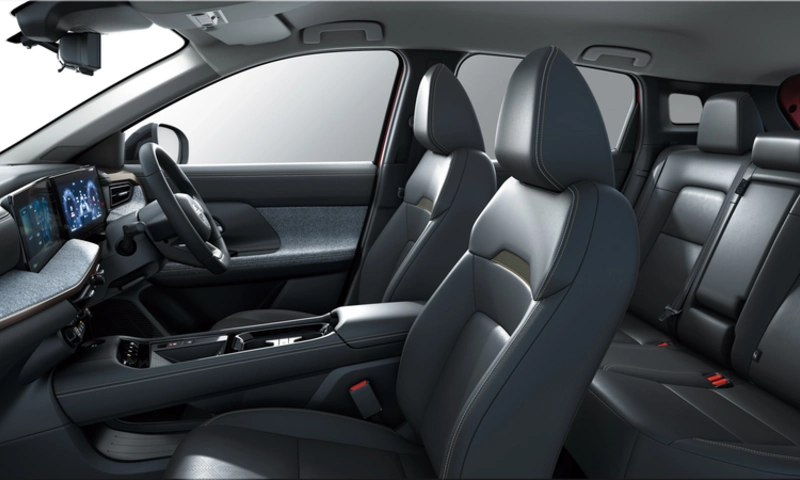
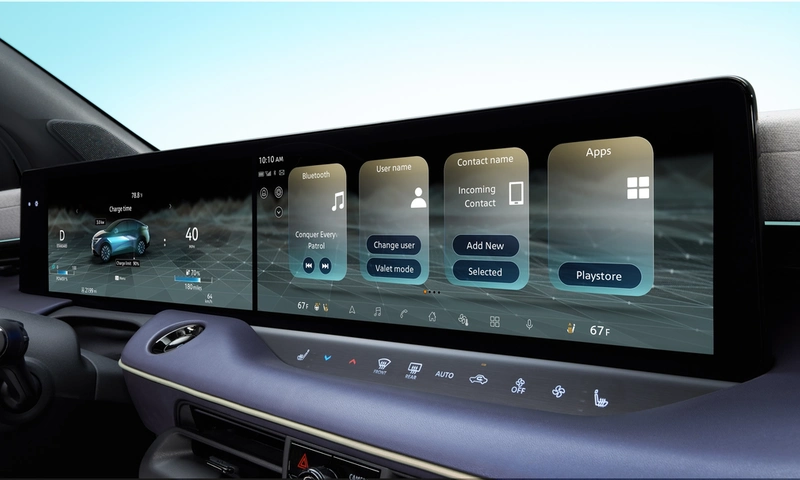
Nissan did not release full interior images. The intent remains clear.
Expect:
- Firmly bolstered performance seats
- NISMO-specific trim
- Clear instrumentation for power delivery and torque distribution
This concept prioritizes driver feedback. Luxury stays secondary.
Market Positioning: Where This Car Fits
The Aura NISMO RS Concept targets a narrow but vocal audience.
It sits between traditional hot hatches and full EV performance cars.
Primary rivals include:
- Electrified performance hatchbacks in Japan
- Compact AWD hybrids with sport tuning
- Entry-level EV performance models
Nissan positions this car as a bridge. It offers electric drive feel without charging dependency.
That matters in markets with uneven infrastructure.
Production Potential: Signals to Watch
Nissan confirms ongoing development. That language carries weight.
Factors supporting production approval:
- Existing Aura platform
- Proven e-POWER system
- Shared motors and control software
- Strong NISMO brand equity
Barriers remain:
- Cost control with hybrid hardware
- Market size outside Japan
- Regulatory alignment
If approved, pricing would likely land above standard Aura NISMO models. Expect a premium driven by motors, brakes, and AWD hardware.
What This Concept Says About Nissan
Nissan shifts its performance narrative here.
Key signals include:
- Electrification supports performance goals
- Hybrid systems allow lighter platforms than full EVs
- NISMO remains central to brand identity
This concept also reflects Nissan's Re:Nissan strategy. That plan prioritizes faster product cycles and enthusiast-focused models.
What Now: Why This Concept Matters
The Aura NISMO RS Concept does three things well.
- It proves Nissan can scale hybrid performance without dull response
- It tests AWD torque vectoring in a compact chassis
- It gauges buyer interest in electrified hot hatches
Watch for production updates within the next product cycle. Nissan already invested the engineering effort. Market reaction will drive the final call.
Drivers who value grip, response, and daily usability should pay attention.
- Add new comment
- 113 views