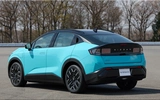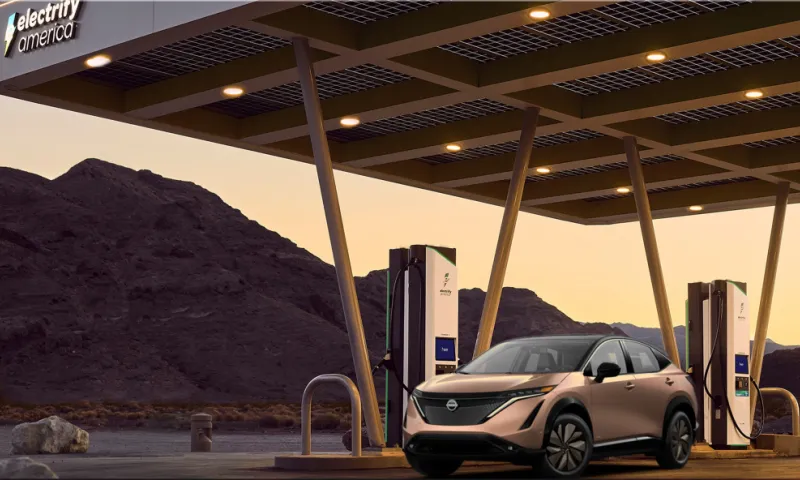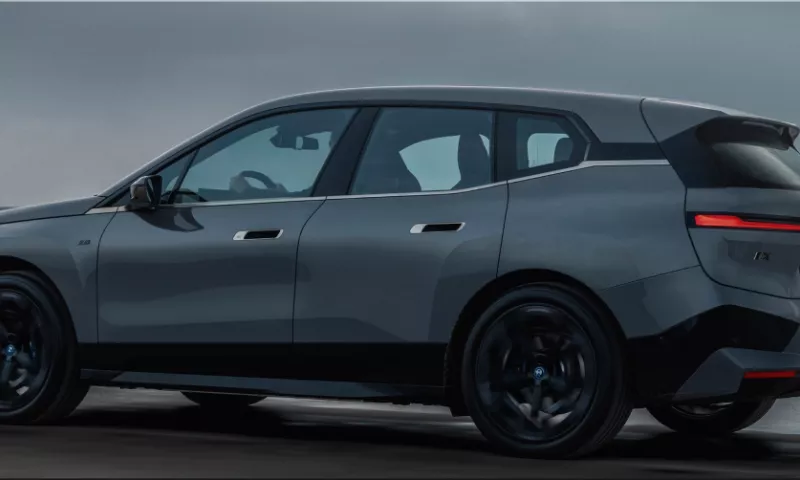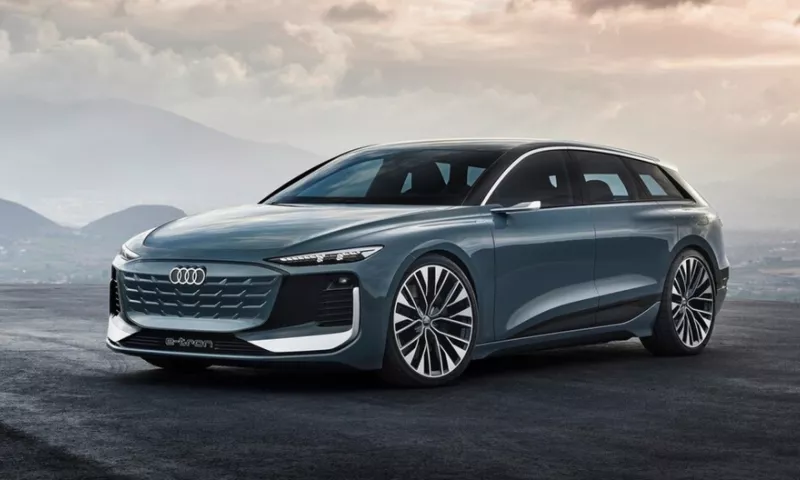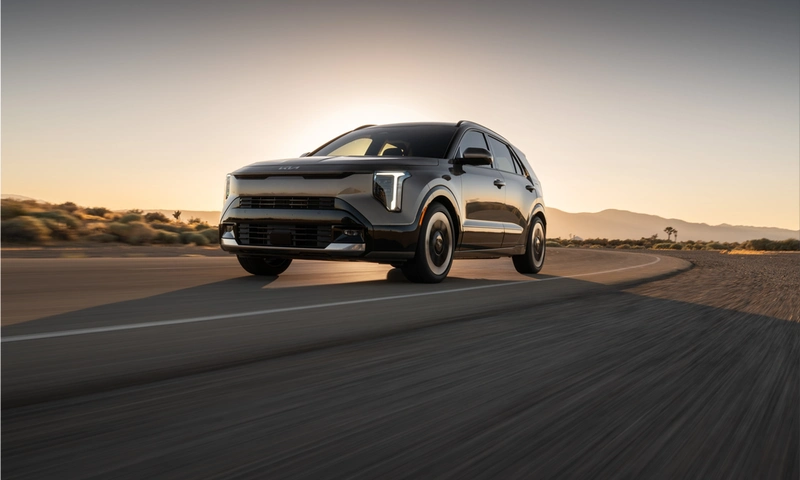
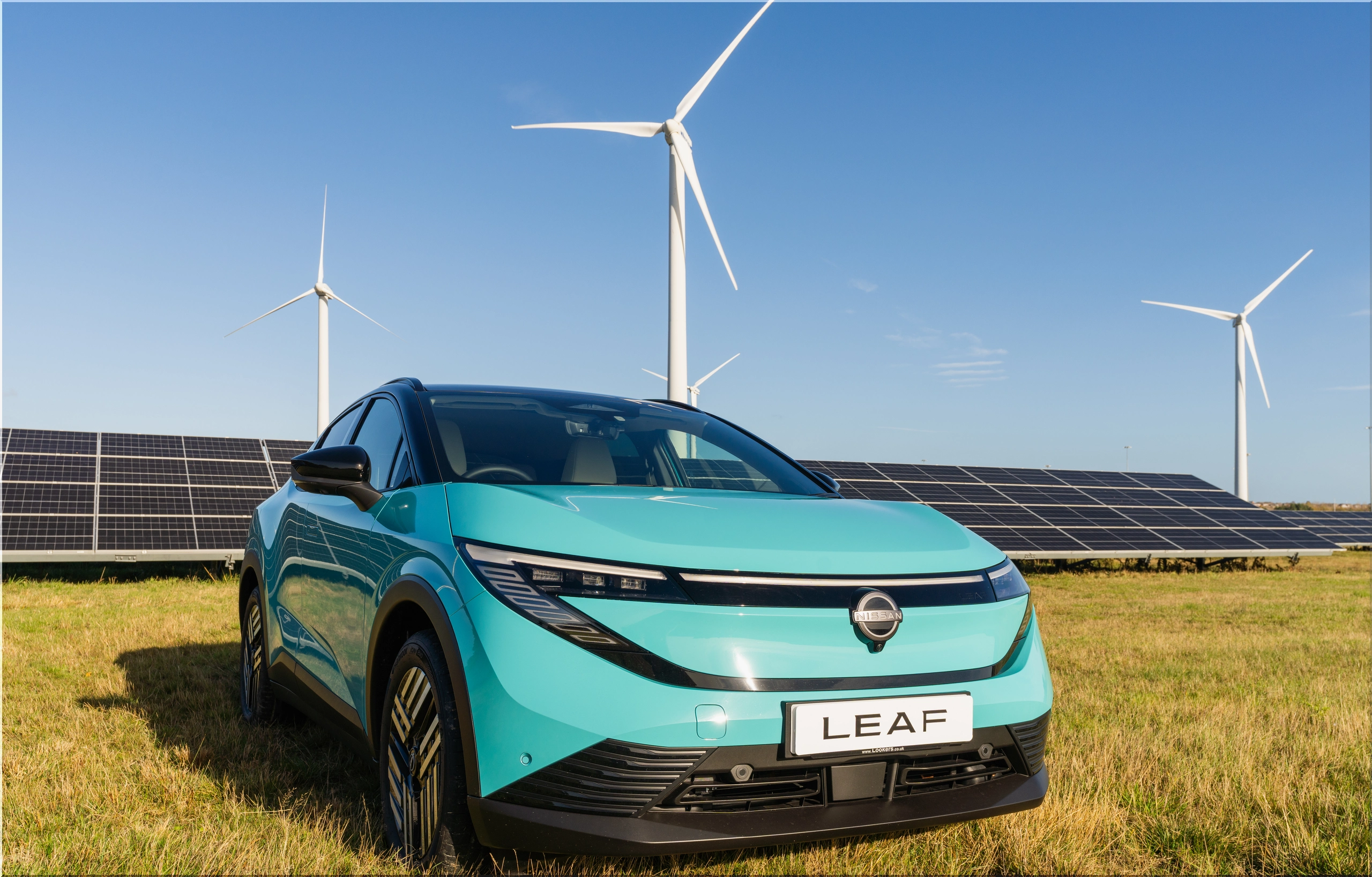
Nissan has restarted Nissan LEAF production with a manufacturing-first strategy aimed at cost control, supply stability, and scale. The third-generation electric vehicle now rolls off a fully rebuilt Sunderland plant designed to reduce unit costs while protecting margins in a slower EV market.
This decision reflects current conditions. Electric vehicle demand growth has cooled in several regions, while battery costs and logistics risks remain high. Nissan responded by fixing production fundamentals instead of chasing volume headlines.
Sunderland Becomes Nissan’s EV Manufacturing Center
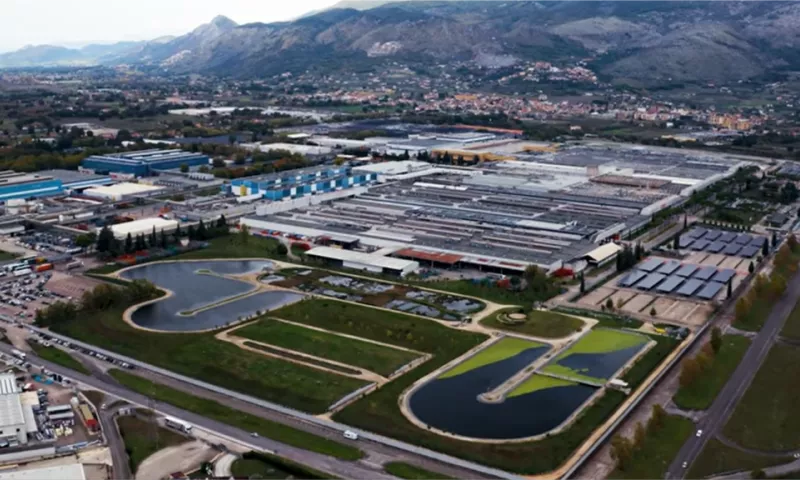
Nissan invested approximately $570 million USD to convert its Sunderland facility into a dedicated EV manufacturing hub. The spending covered new tooling, automation systems, digital infrastructure, logistics upgrades, and workforce training.
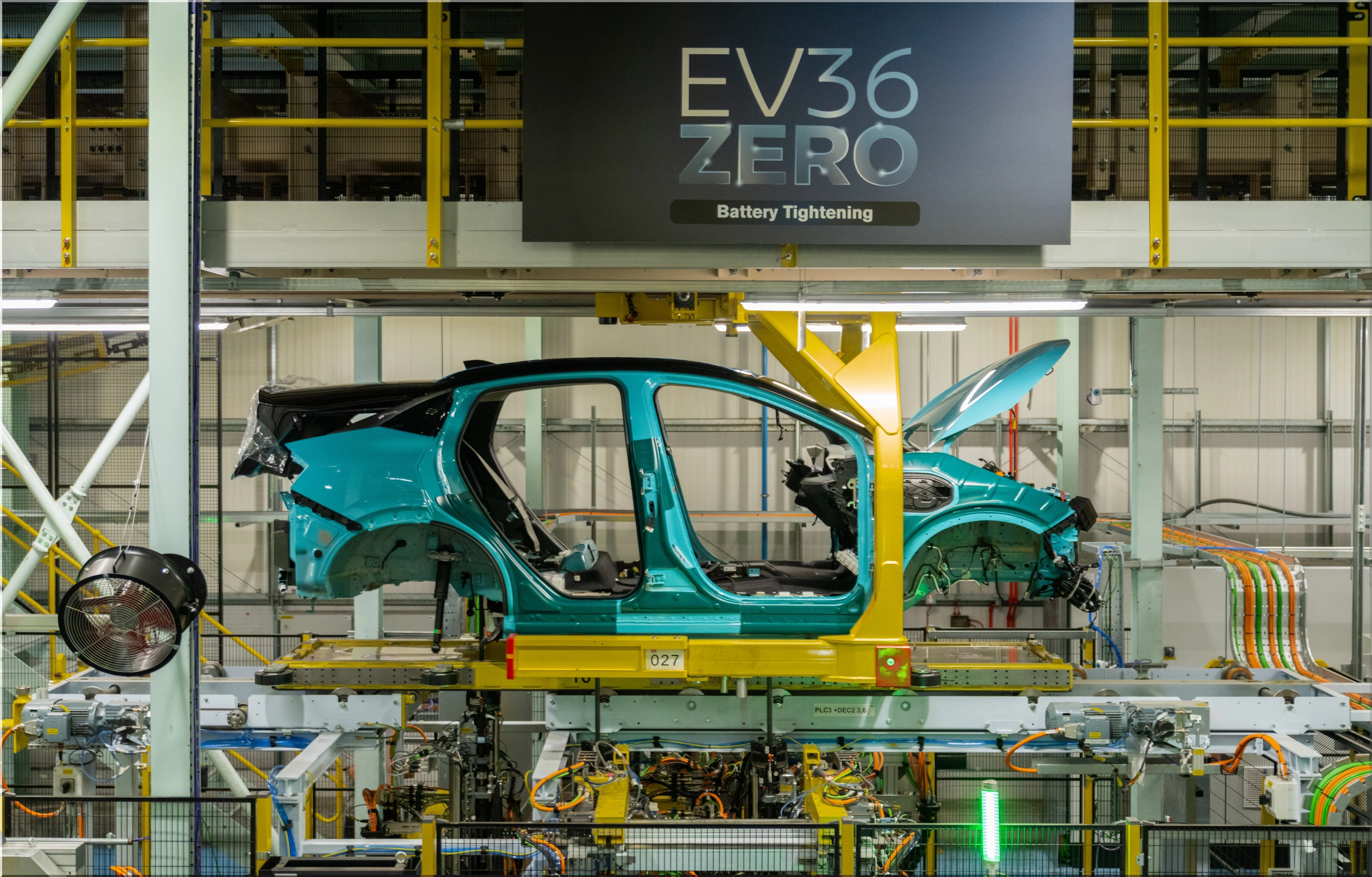
Sunderland now anchors EV36Zero, Nissan’s integrated production model that combines vehicle assembly, battery manufacturing, and renewable energy sourcing in one location. This structure reduces transport time, lowers inventory exposure, and stabilizes output during demand shifts.
EV36Zero Redefines How the LEAF Is Built
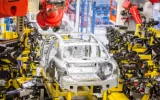
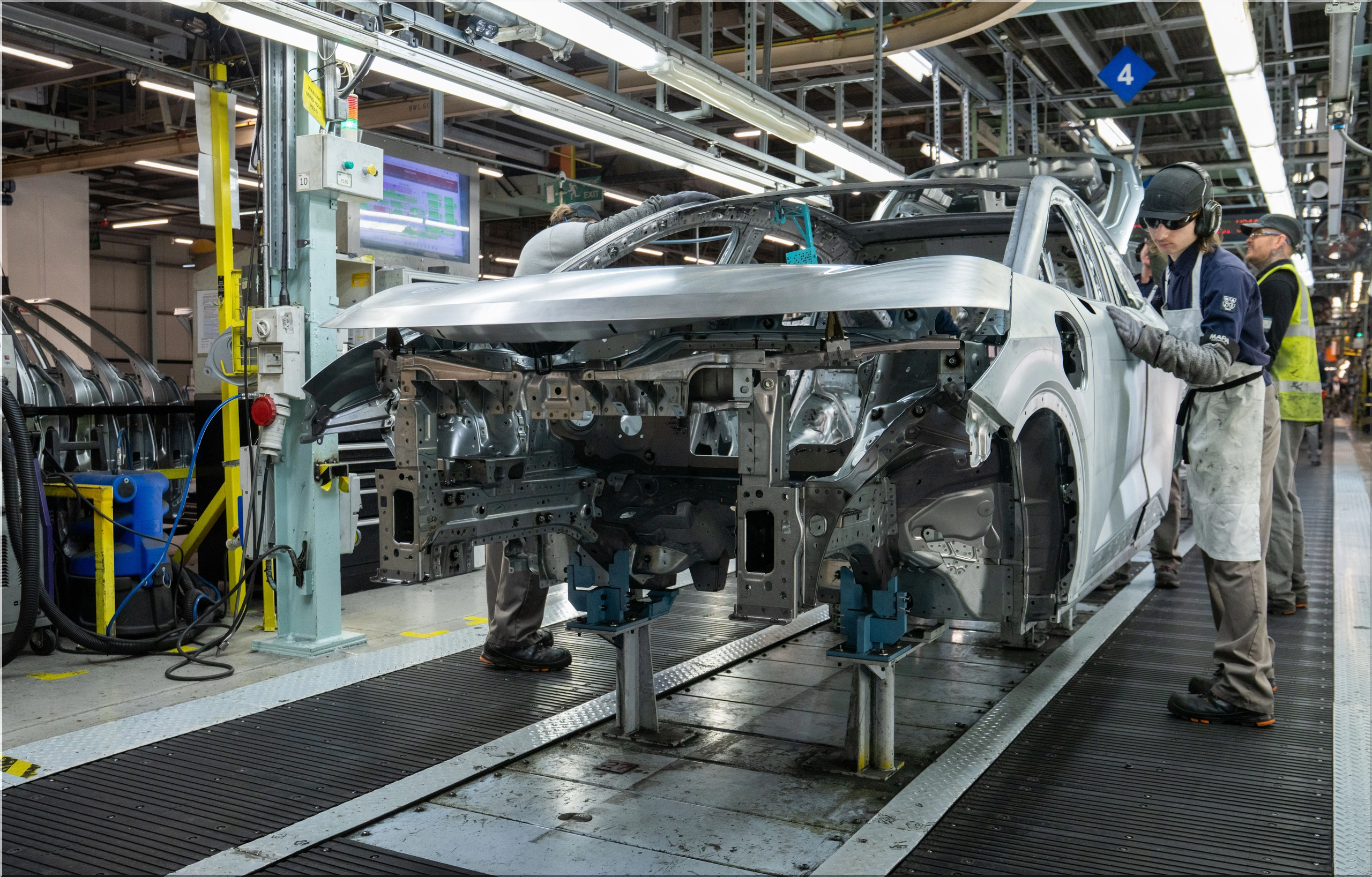
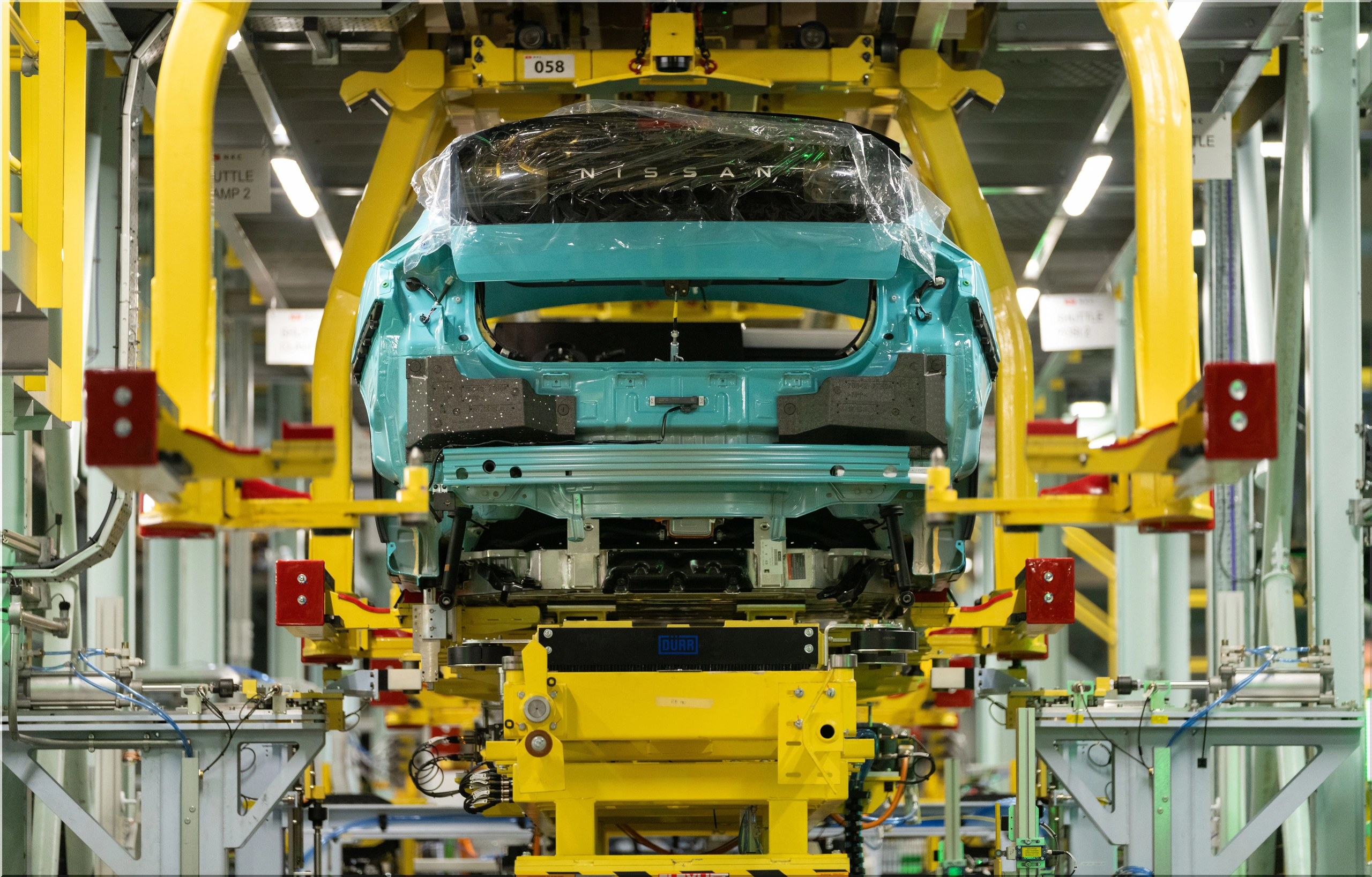
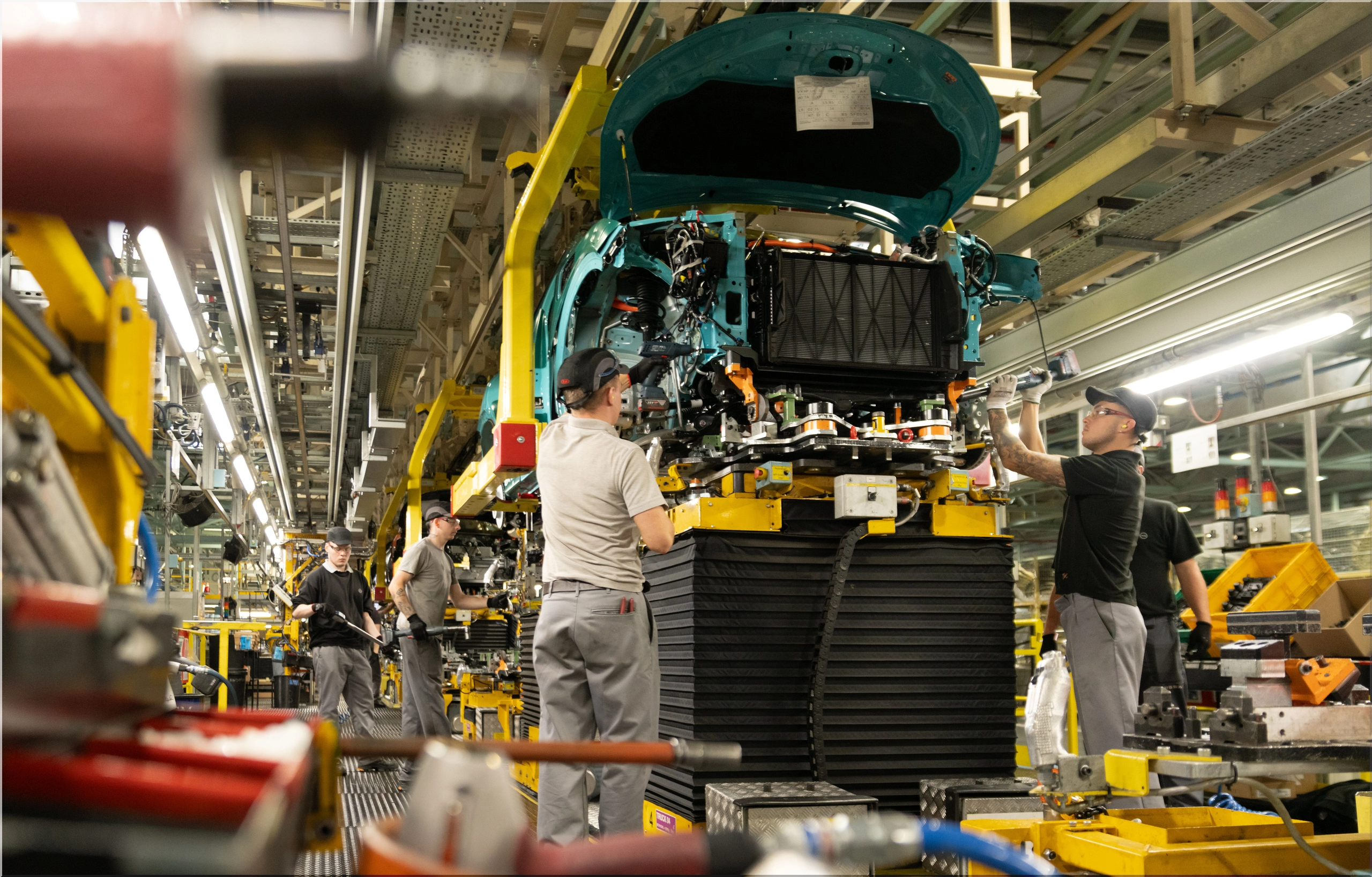
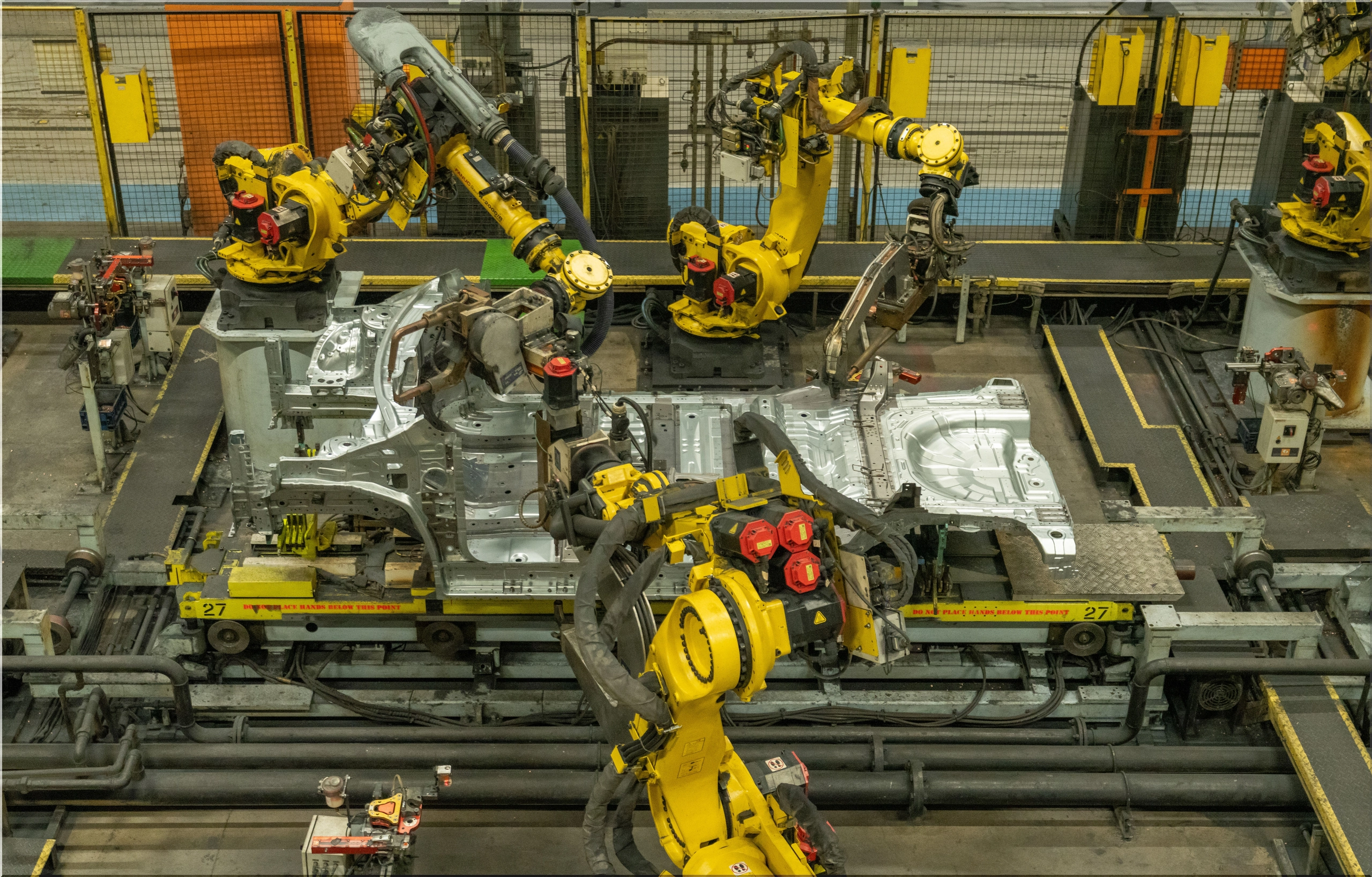
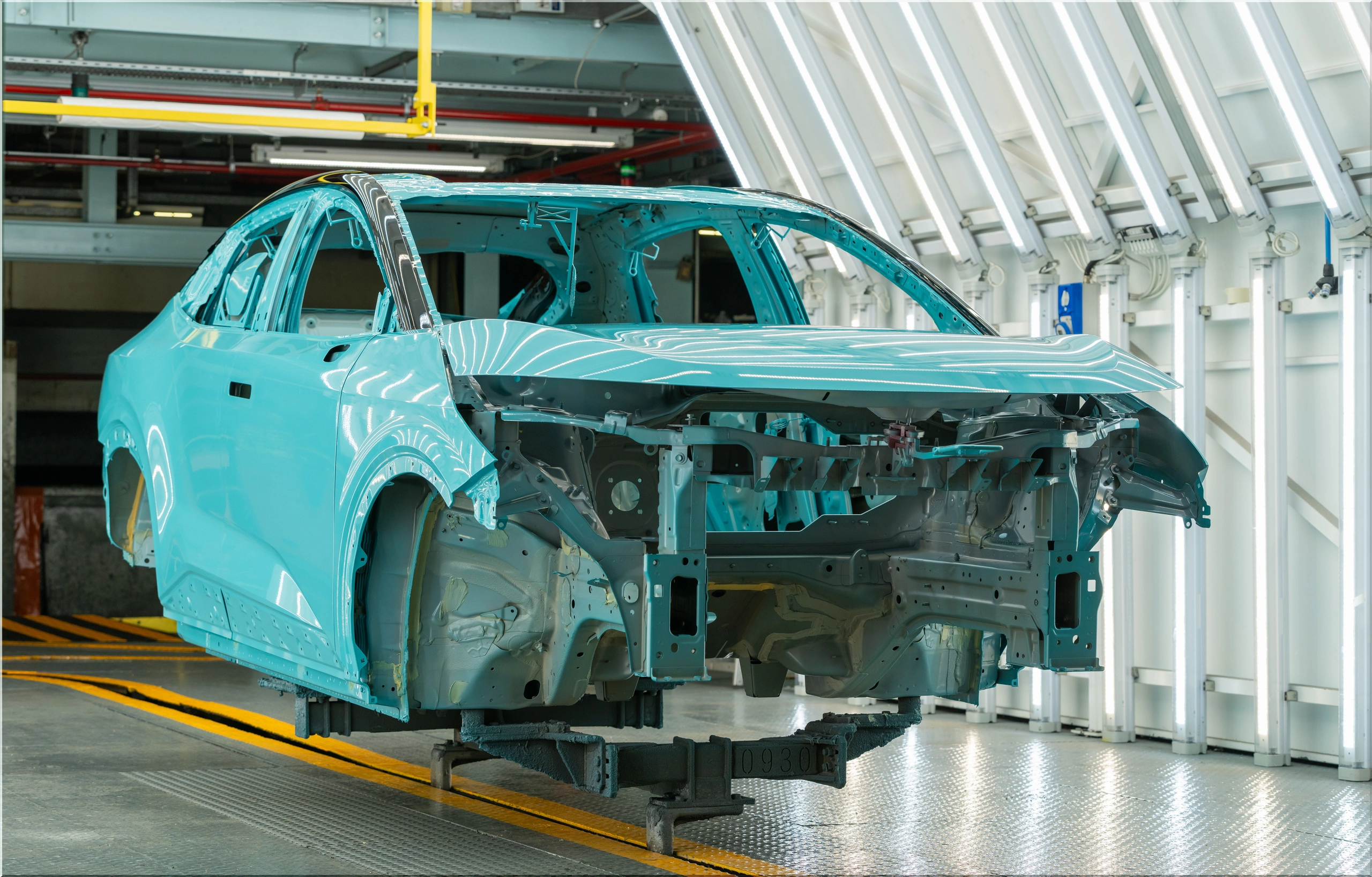
For the first time, Sunderland produces electric vehicles on Line Two. Nissan redesigned the entire production flow to support higher automation and tighter tolerances.
Key manufacturing changes include:
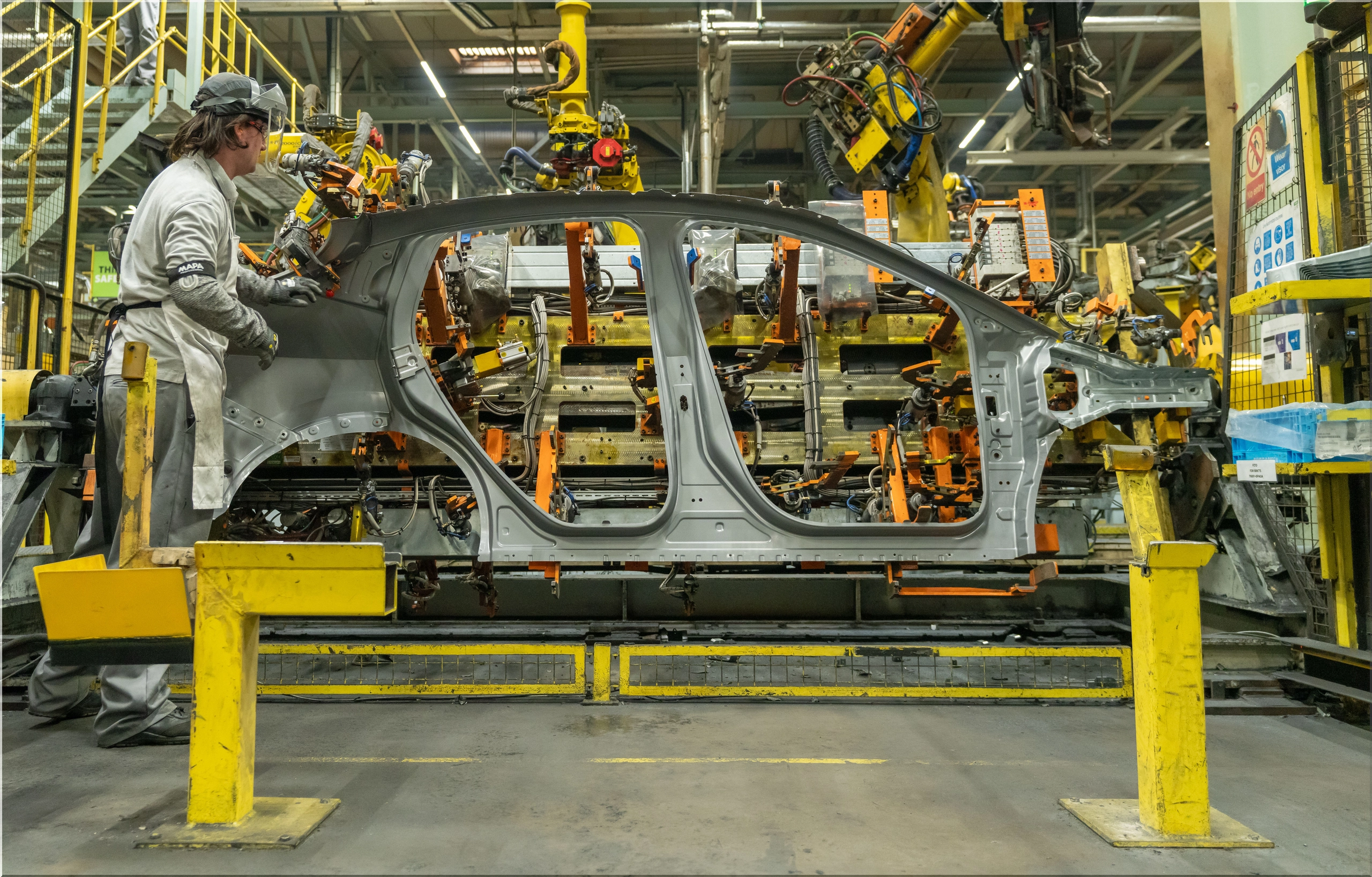
- 137 press dies shaping 42 body panels
- 78 robotic systems handling body assembly
- Laser welding with 0.3 mm precision
- 475 automated guided vehicles moving parts internally
These upgrades reduce handling steps and limit rework. Live dashboards now track quality, energy use, and cycle time across the line.
Battery Production Moves On-Site
Battery supply remains the largest cost variable in electric vehicle manufacturing. Nissan addressed this directly by placing a new battery gigafactory adjacent to the Sunderland plant.
The facility supplies next-generation packs with higher energy density. On-site production cuts logistics expense, reduces supply interruptions, and shortens production cycles. Battery transport now takes minutes instead of days.
Nissan LEAF Battery, Range, and Charging Performance
The third-generation Nissan LEAF launches with a 75 kWh battery option designed for daily use and long-distance travel.
| Specification | Data |
|---|---|
| Battery capacity | 75 kWh |
| WLTP range | Up to 622 km (about 386 miles) |
| DC fast charging | 150 kW |
| Range added | Up to 420 km in 30 minutes |
Charging capability now matches newer competitors in the compact EV segment, reducing time penalties on longer trips.
Interior Technology Prioritizes Usability
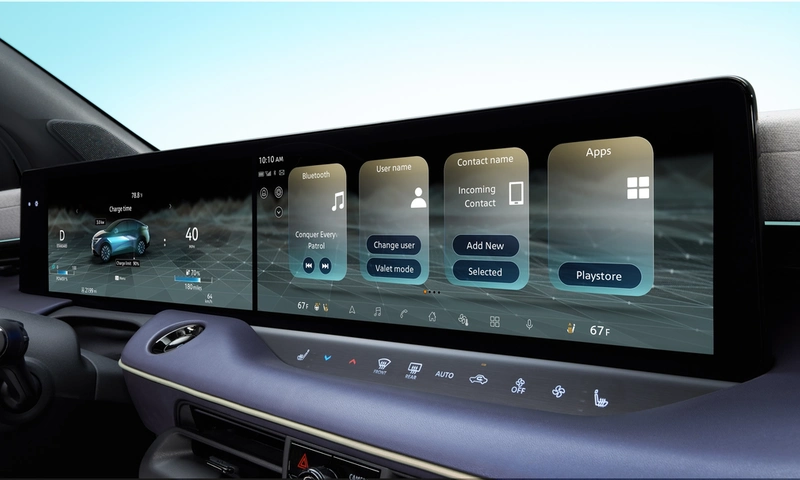
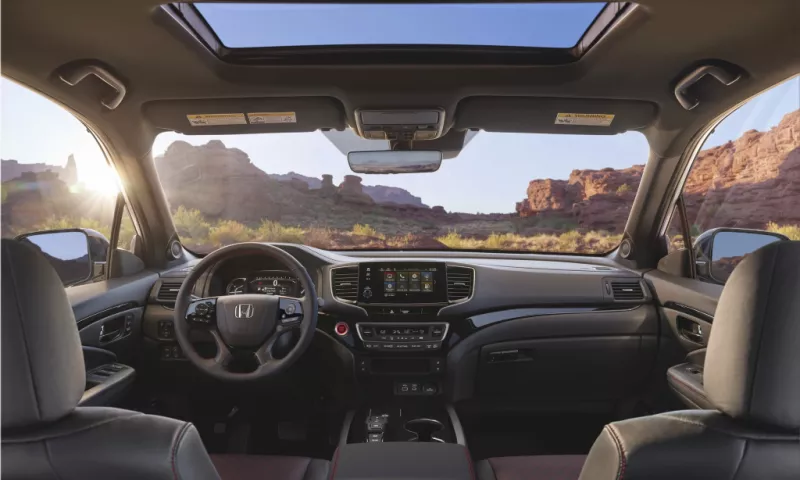
Nissan focused on function rather than feature overload. The cabin supports daily driving with dual 14.3-inch digital displays, Google-integrated infotainment, and remote access to battery status and climate settings.
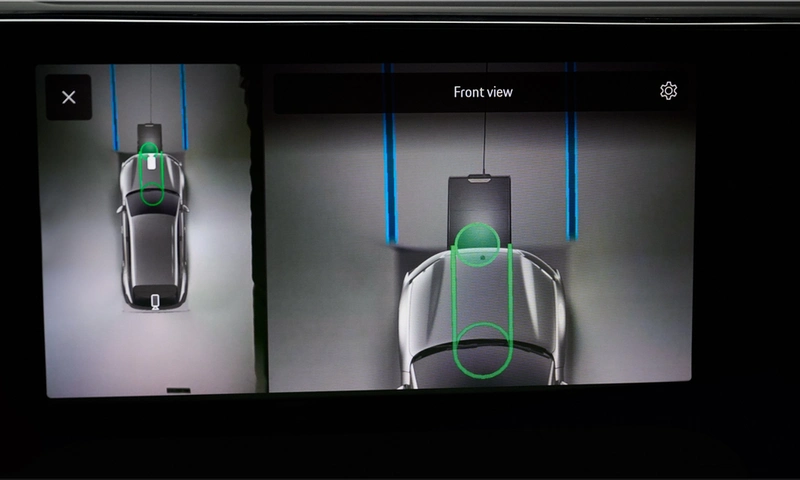
Driver assistance systems target traffic, highway, and parking scenarios without experimental automation claims. The interface favors clarity over novelty.
Workforce Training Supports Output Stability
Advanced automation required parallel investment in people. Nissan logged more than 360,000 training hours at Sunderland to support new robotics, digital diagnostics, and energy monitoring systems.
Operators now rely on real-time data to manage quality and efficiency. That reduces downtime, scrap rates, and variability between shifts.
Electrified Logistics Lower Operating Costs
Nissan also rebuilt inbound and outbound logistics around electric transport.
Operational changes include:
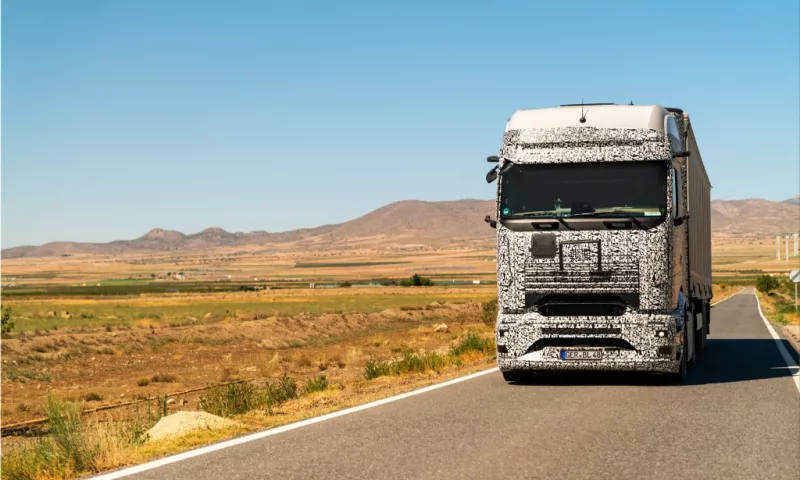
- Electric heavy goods vehicles delivering parts
- Electric carriers moving finished vehicles to port
- On-site EV charging supporting logistics fleets
This reduces fuel costs and simplifies emissions management across the supply chain.
Why Nissan Kept LEAF Production in the UK
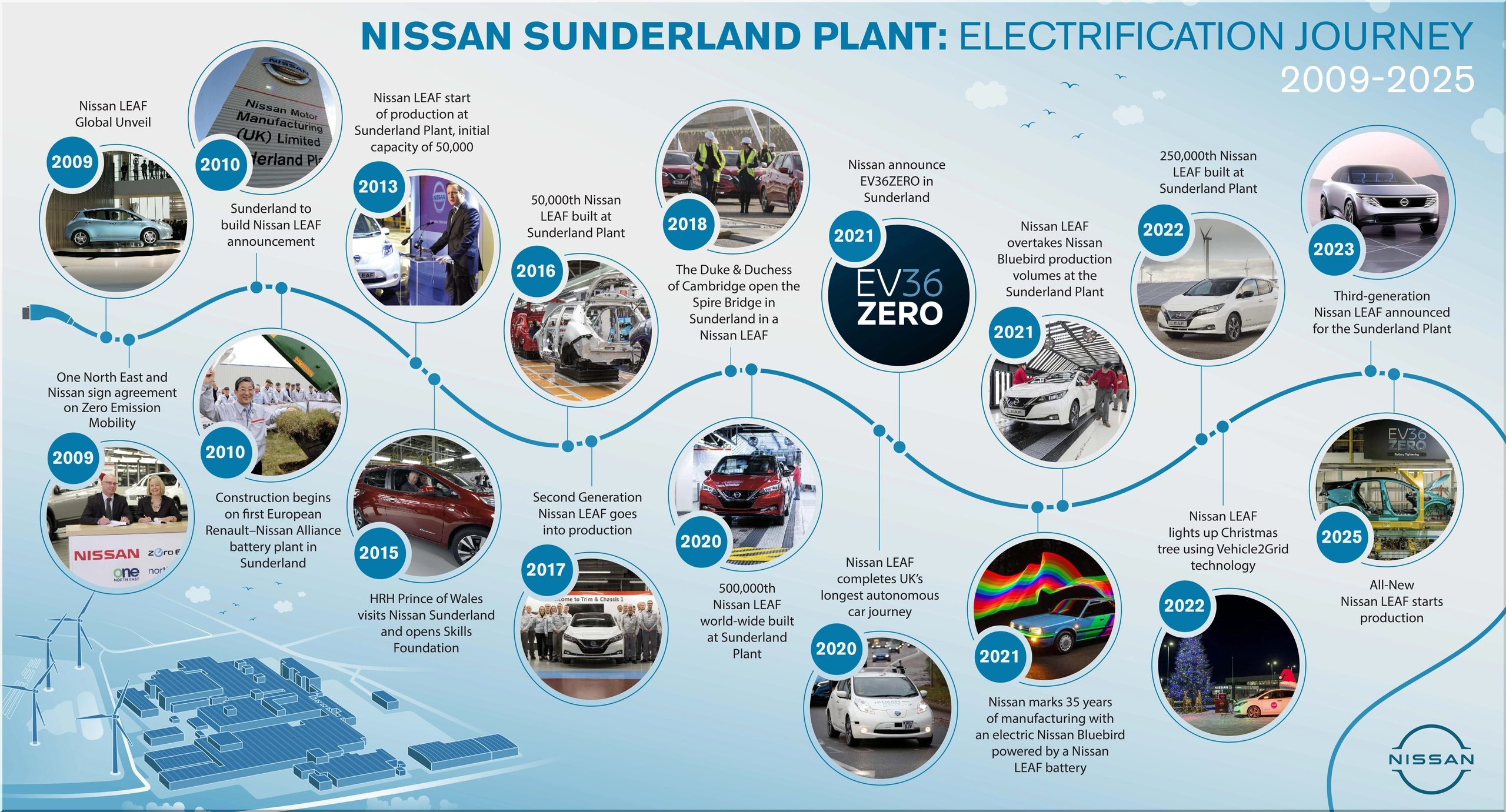
Sunderland has built more than 280,000 Nissan LEAF units since 2013. The plant already had trained labor, established suppliers, and export infrastructure. Rebuilding cost less than relocation.
The decision protects 6,000 direct jobs and supports roughly 30,000 supply-chain roles, while insulating Nissan from trade volatility.
Product Strategy Balances Market Risk
Sunderland will also build the electric Nissan JUKE starting next year. Both models share a flexible production line that supports multiple powertrains.
The plant now produces:
- Battery electric vehicles
- Hybrid models
- e-POWER systems
- Internal combustion vehicles
This flexibility limits exposure during uneven EV adoption cycles.
What This Signals for the EV Industry
Nissan prioritized production economics over volume targets. Local battery supply stabilizes costs. Automation protects margins. Flexible lines absorb demand swings.
The next-generation Nissan LEAF reflects that strategy. It is the output of a controlled system designed for repeatability, not hype.

Final Assessment
Nissan avoided spectacle and rebuilt fundamentals. Sunderland now operates as a disciplined EV production hub focused on cost, scale, and reliability. The Nissan LEAF serves as the first proof point of that approach.
That restraint fits today’s market reality.
- Add new comment
- 103 views