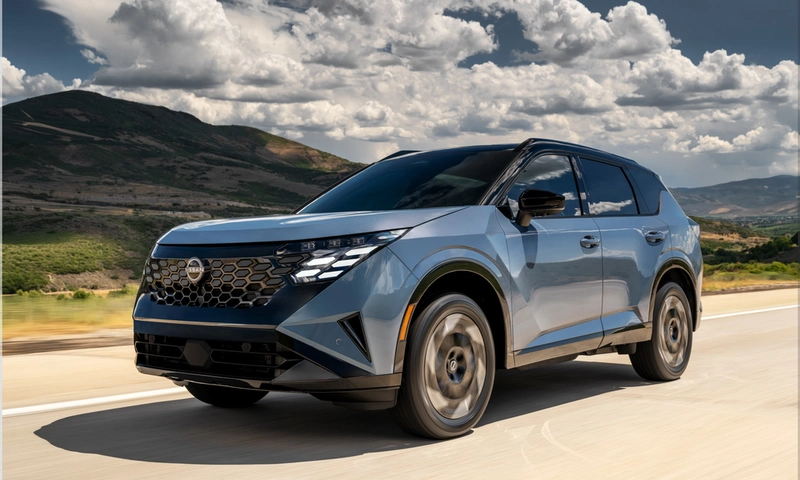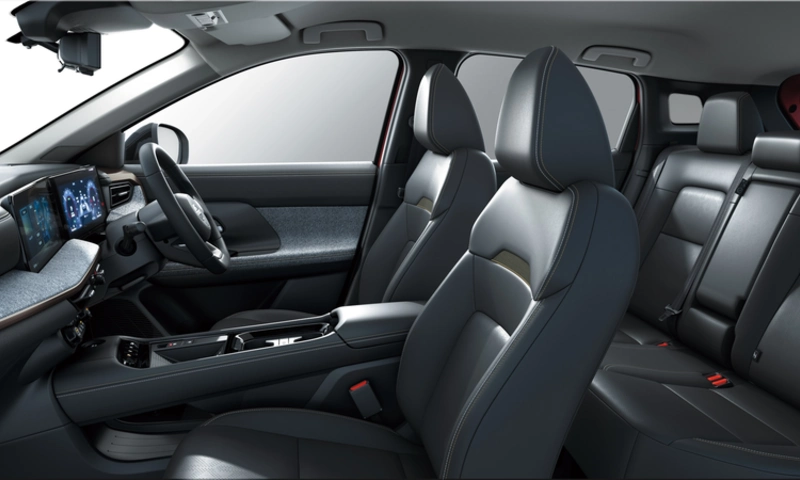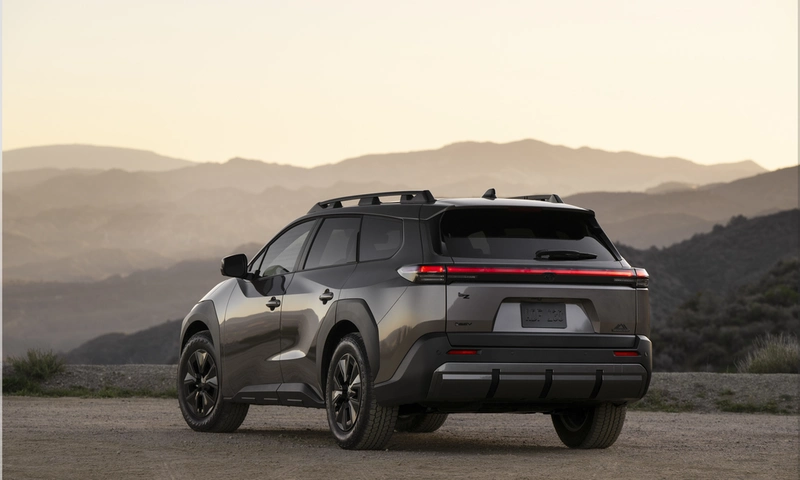

Honda will retire the gasoline-only CR-V with its next redesign. The 2028 Honda CR-V Hybrid arrives in 2027 with a new platform, fifth-generation two-motor powertrain, electric all-wheel drive, and new styling. Honda confirmed the change but hasn't announced prices, output ratings, or final dimensions.
The business case looks straightforward. Hybrids already account for more than half of CR-V sales, and Honda reports more than 7.5 million lifetime U.S. sales for the nameplate.
What Changes With the 2028 Honda CR-V?
The seventh-generation CR-V makes hybrid power standard. Honda also confirms a new four-cylinder Atkinson-cycle engine, while its electric AWD unit promises more precise motor control. The company hasn't detailed trim availability or shown the complete design.
Until Honda publishes the specifications, the 2026 model supplies useful shopping benchmarks:
| Specification | 2026 CR-V Hybrid benchmark | 2028 CR-V status |
|---|---|---|
| Combined system output | 204 hp | Rating pending |
| Traction-motor torque | 247 lb-ft at 0-2,000 rpm | Rating pending |
| Length / wheelbase | 184.8 / 106.3 inches, about 4,694 / 2,700 mm | Dimensions pending |
| Rear legroom | 41.0 inches, about 1,041 mm | Measurement pending |
| Cargo behind rear seats | 34.7-36.3 cubic feet, depending on trim | Volume pending |
| Maximum towing | 1,000 pounds | Tow rating pending |
Those torque figures describe the traction motor, rather than a combined engine-and-motor rating. Adding the engine's torque would misrepresent what the drivetrain delivers.
How the New Honda Hybrid System Targets Lower Fuel Use
Honda aims for more than 10% better fuel efficiency with its next-generation hybrid model. Treat that as a development target; Honda hasn't published 2028 CR-V EPA ratings.
The existing two-motor hybrid system explains the engineering direction:
- Electric drive: The traction motor moves the vehicle using battery energy.
- Hybrid drive: The gasoline engine turns a generator that supplies electricity for propulsion or battery charging.
- Engine drive: A lockup clutch connects the engine mechanically to the wheels when operating conditions favor direct drive.
This arrangement lets Honda manage engine speed separately from road speed through much of everyday driving. The fifth generation expands the engine's efficient operating range and improves drive-unit efficiency, addressing both fuel consumption and electrical conversion losses.
A Lighter Platform Needs to Preserve Family Utility
Honda's platform briefing describes a 198-pound (90-kg) weight reduction versus the previous architecture and targets more than 60% parts commonality across models. These figures describe the platform program; Honda hasn't published the finished CR-V's curb weight.
Less mass reduces the energy needed to accelerate. In addition, Honda's revised body-rigidity management aims to control tire loading through corners, while shared engine-bay and rear-underbody modules can reduce development and manufacturing costs. Buyers should judge the result through ride quality, cabin noise, and usable space.
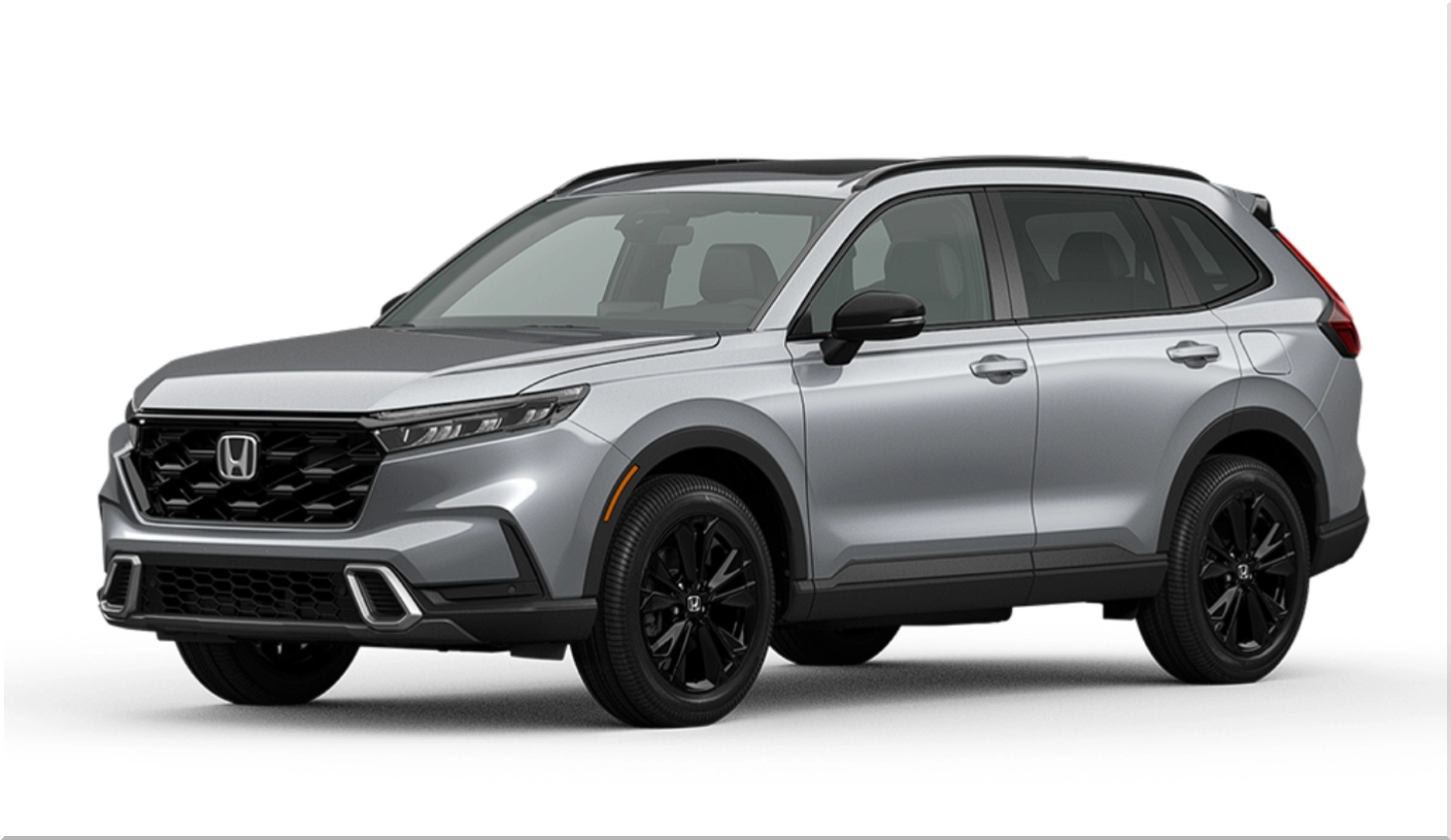
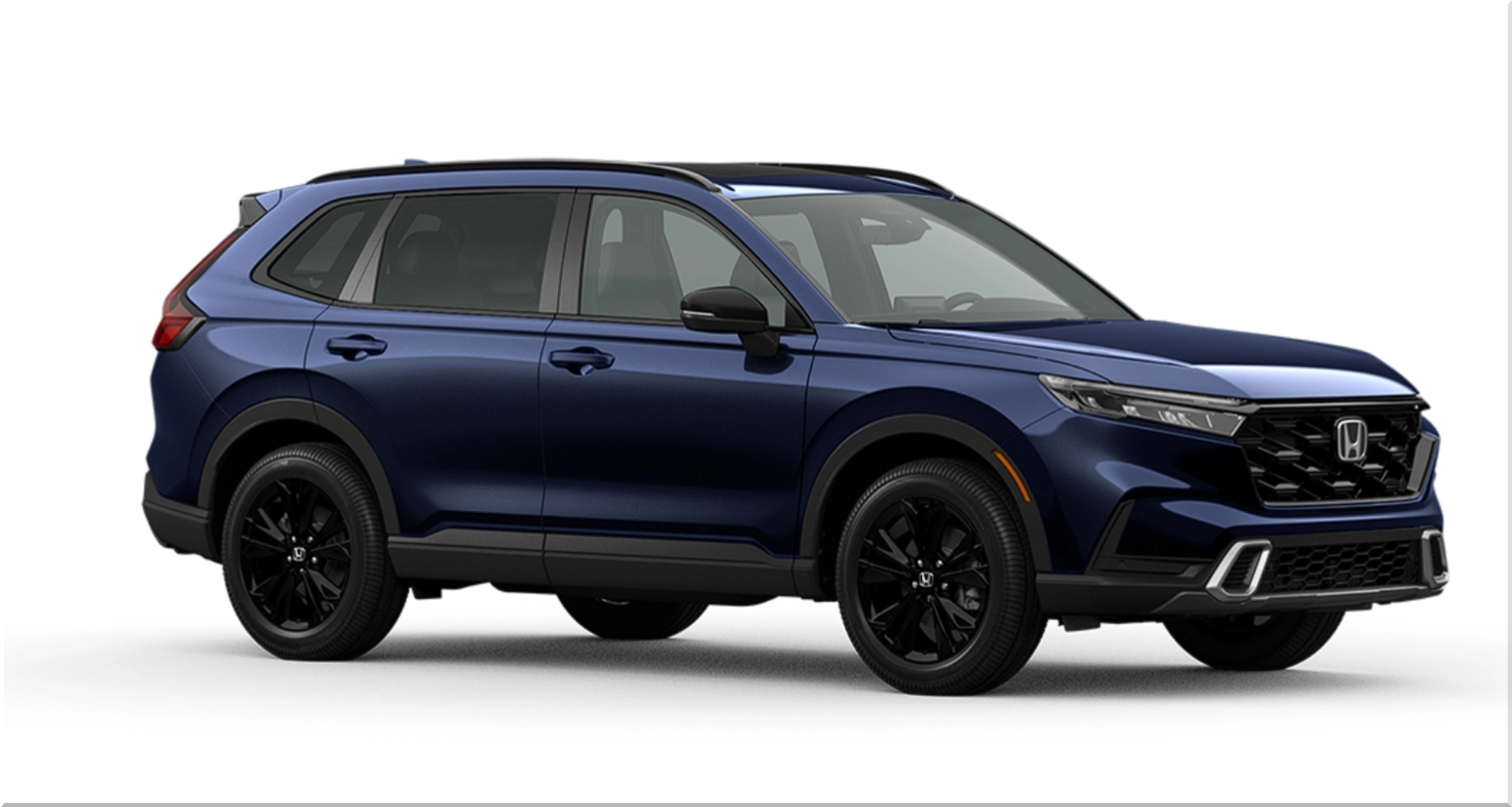
Honda CR-V Hybrid vs. Toyota RAV4 and Kia Sportage
By comparison, rival compact hybrid SUVs already set demanding benchmarks. The table compares published U.S. AWD configurations, keeping drivetrain choice consistent.
| Model and trim | System horsepower | EPA city / highway / combined MPG | Advantage versus 2026 CR-V |
|---|---|---|---|
| 2026 Honda CR-V Sport Hybrid AWD | 204 hp | 40 / 34 / 37 | Reference vehicle |
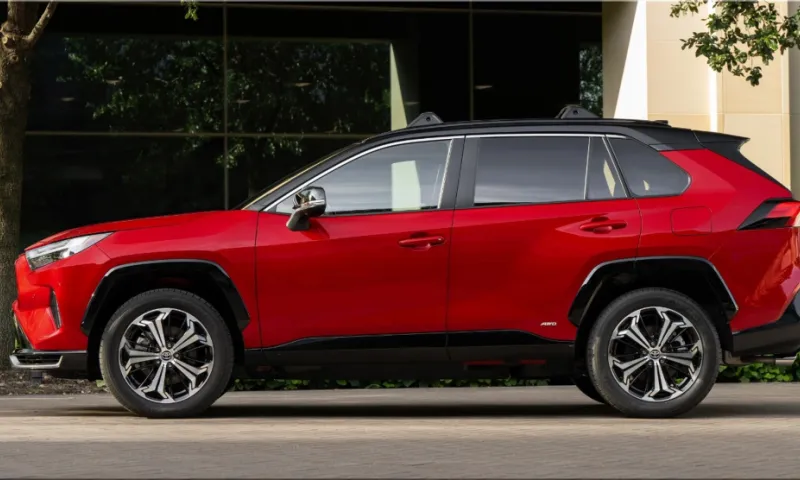
| 2026 Toyota RAV4 LE AWD | 236 hp | 46 / 39 / 42 | 32 more hp; 5 more combined MPG |
| 2027 Kia Sportage Hybrid S AWD | 232 hp | 35 / 36 / 35 | 28 more hp; 2 fewer combined MPG |
Looking at the data, Honda needs gains in both output and economy to match Toyota's figures. Horsepower alone cannot predict acceleration; vehicle weight and power delivery also matter.
Should You Buy Now or Wait for the 2028 CR-V?
Wait if your current vehicle meets your needs and you want to compare the new drivetrain before committing. Shop the existing CR-V if a dealer's discount outweighs the fuel savings you expect.
Consider an illustrative 15,000-mile year and gasoline at an assumed $3.50 per gallon: improving from 37 to 41 MPG saves about $138 annually. A $2,000 price difference would take roughly 14.4 years to recover through fuel alone. This calculation illustrates purchasing math, rather than predicting Honda's final MPG.
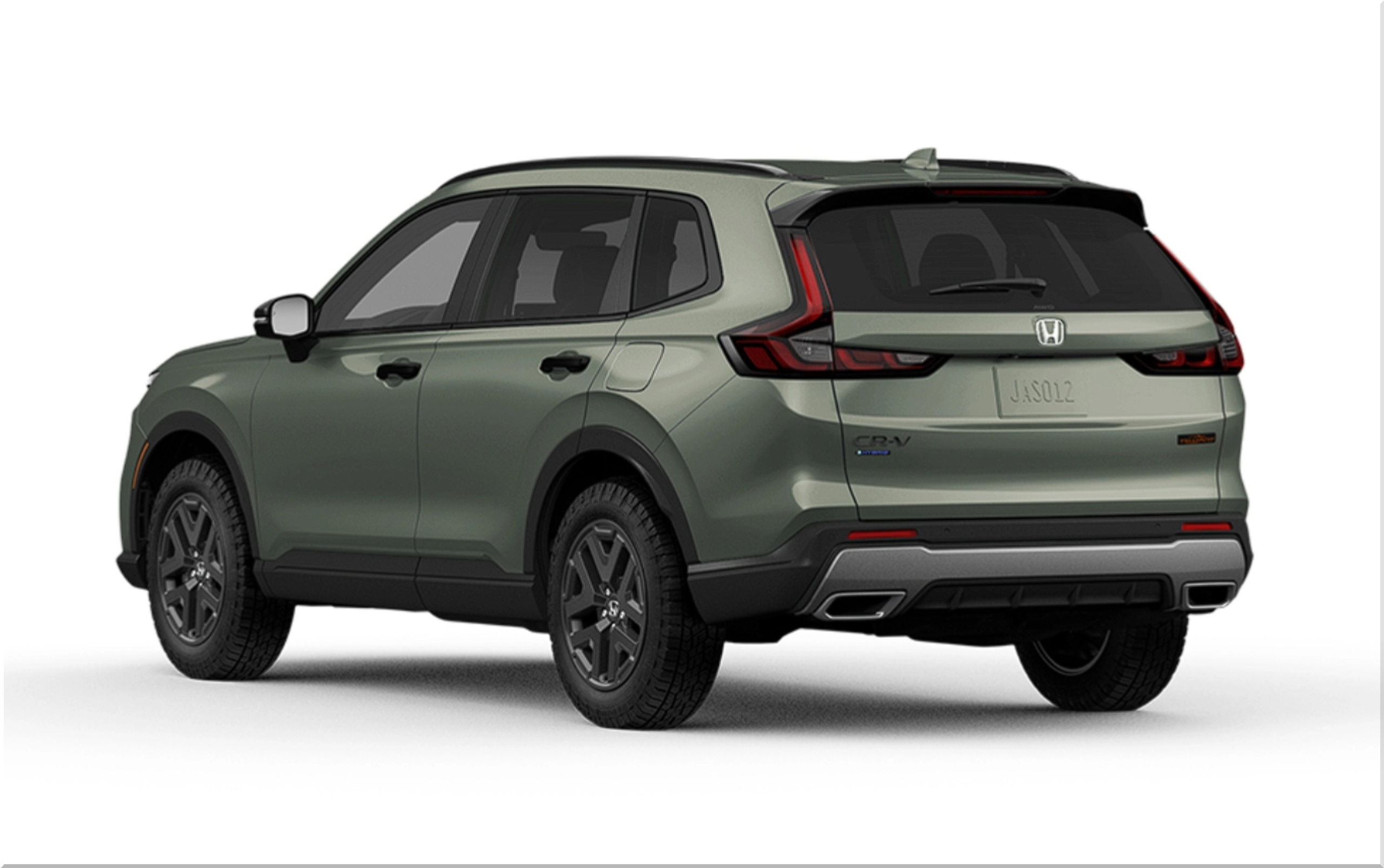
Pro-Tips: Check What the Specification Sheet Misses
- Install your rear-facing child seat and check front-passenger legroom.
- Load your stroller below the cargo cover.
- Compare highway noise on the same route.
- Confirm the final tow rating before buying for trailer duty.
- Add new comment
- 68 views