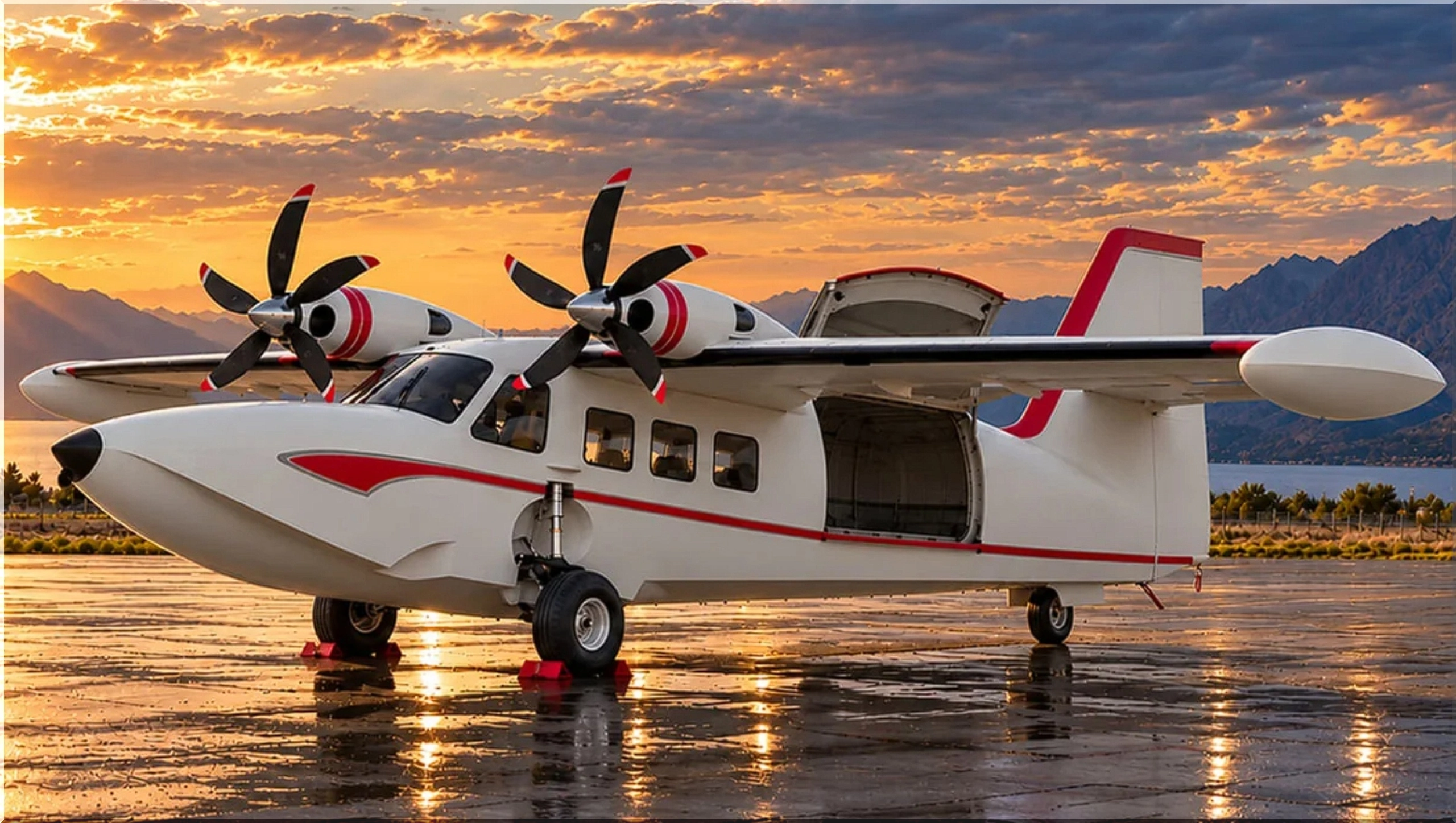
The Maxwell M1 Hybrid amphibious aircraft aims to deliver peak power without carrying batteries that supply an entire flight. Florida-based Maxwell Aircraft combines electric takeoff assistance with Jet A-fueled piston engines for long-distance cruise. Its initial M1-HC cargo aircraft configuration targets a 2,000-pound payload over 1,000 nautical miles, roughly 1,151 statute miles, on the same flight.
How the M1 Hybrid Splits the Work
Peak demand shapes the propulsion system. Maxwell's patent-pending hybrid direct-drive system uses common shafts to mechanically couple electric motors and compression-ignition engines to the propellers. The fuel-burning engines use compound turbocharging and direct injection. Maxwell targets five times as much combined power for takeoff as for cruise.
| Flight phase | Combined power target | Propulsion strategy |
|---|---|---|
| Takeoff and initial climb | Up to 1,500 hp, approximately 1,119 kW | Electric motors supplement the fuel-burning engines |
| Cruise | About 300 hp, approximately 224 kW | Two Jet A engines supply about 150 hp each |
Weight drives that split. Maxwell sizes its combustion engines for cruise and reserves battery power for short, demanding flight phases. The arrangement aims to reduce battery mass and avoid the weight penalty of combustion engines that deliver full takeoff power. The company still needs flight-test data to establish the resulting fuel savings.
M1-HC vs. M1-E: What Changes?
By comparison, Maxwell's all-electric M1-E targets shorter trips. The company publishes the specifications and development targets below without independent flight-test verification for either proposed configuration. The M1-E figures separate total range from useful range; the hybrid's range target supplies no equivalent reserve breakdown.
| Specification | M1-HC hybrid cargo | M1-E all-electric |
|---|---|---|
| Cruise speed | 135 knots, about 155 mph | 130 knots, about 150 mph |
| Published range | Target: 1,000 nautical miles, about 1,151 miles | 235 miles total; 200 miles useful |
| Payload | 2,000 lb, about 907 kg | 1,400 lb, about 635 kg |
| Energy sources | Jet A and batteries | Batteries |
Why Water Access Matters
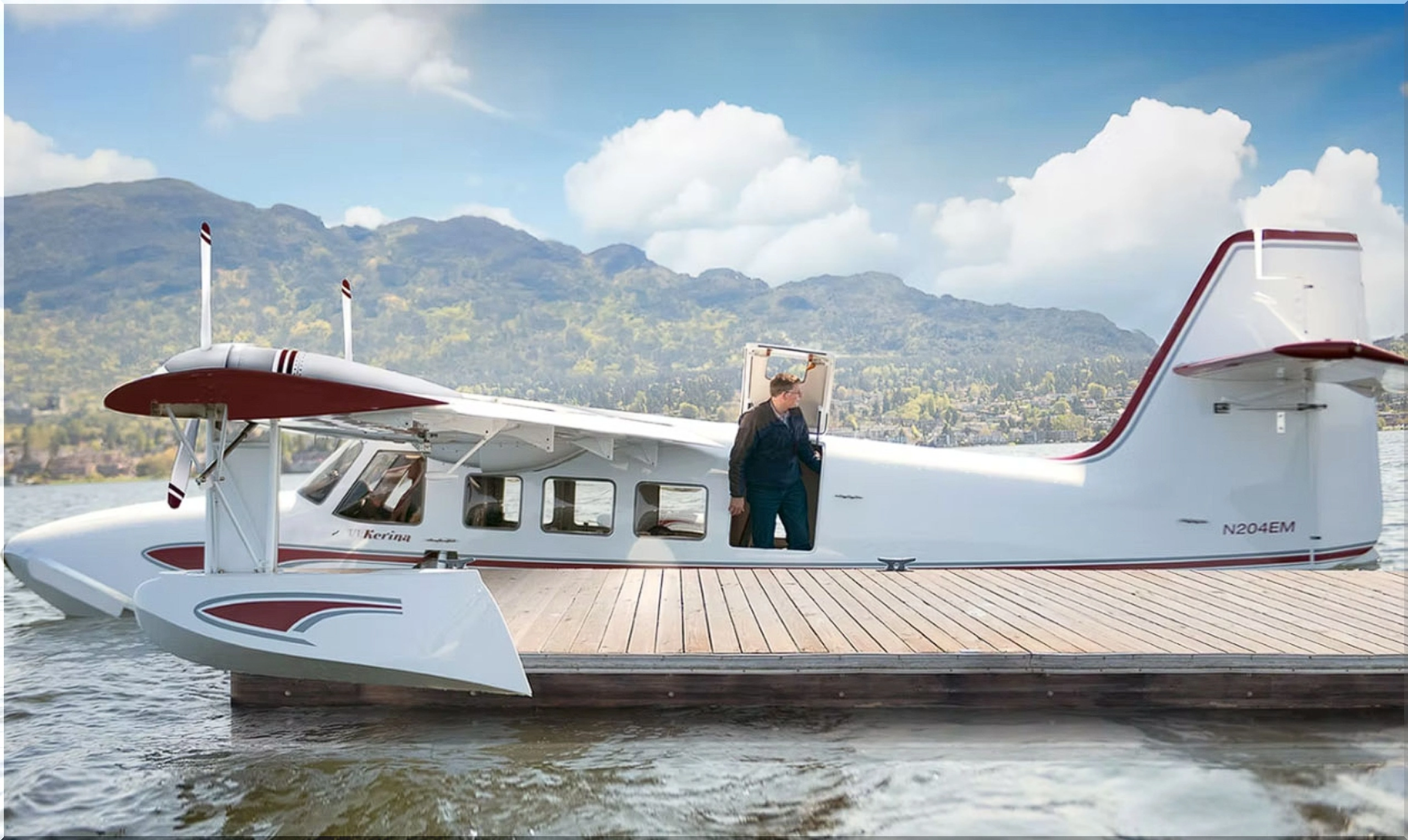
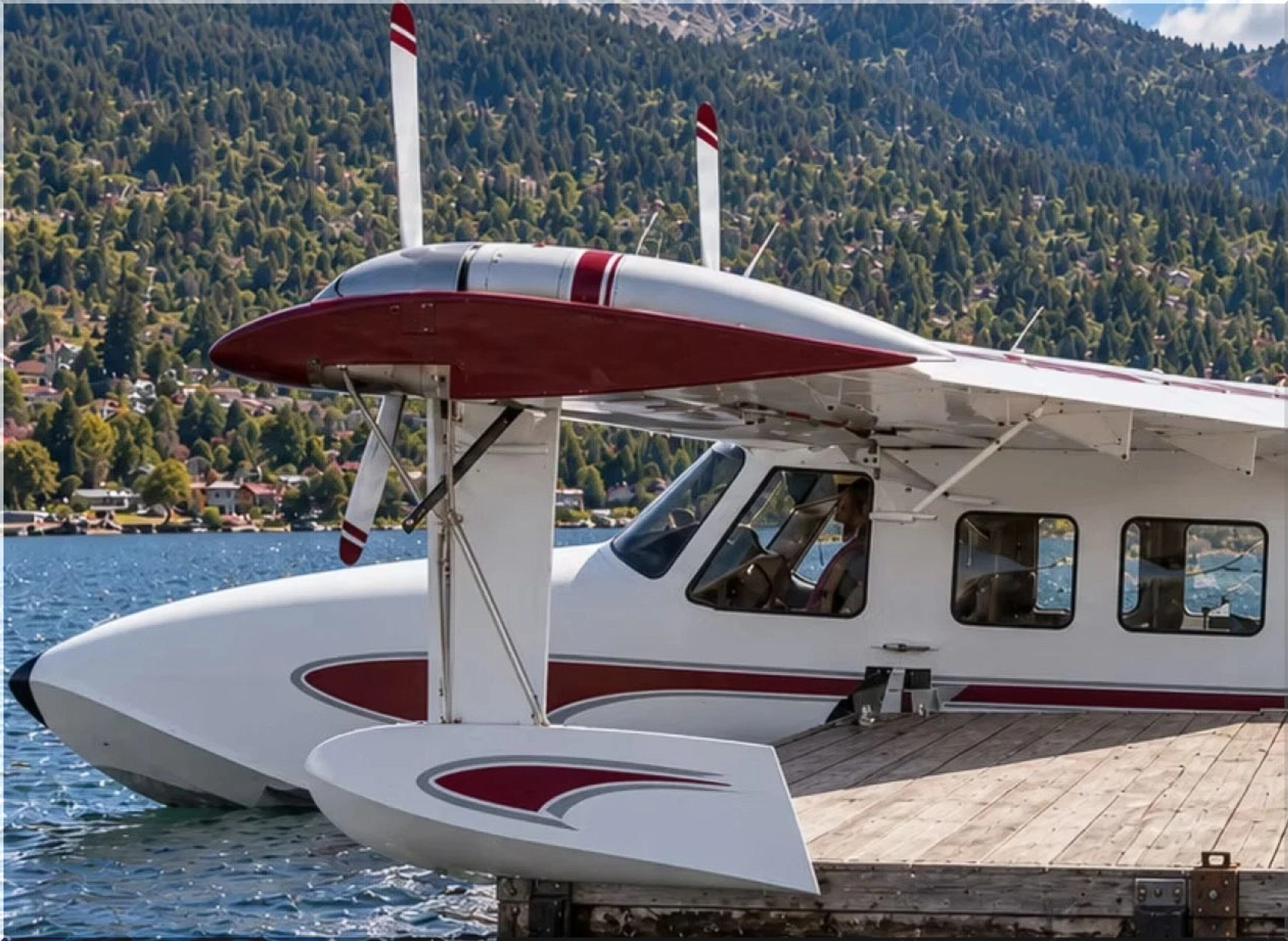
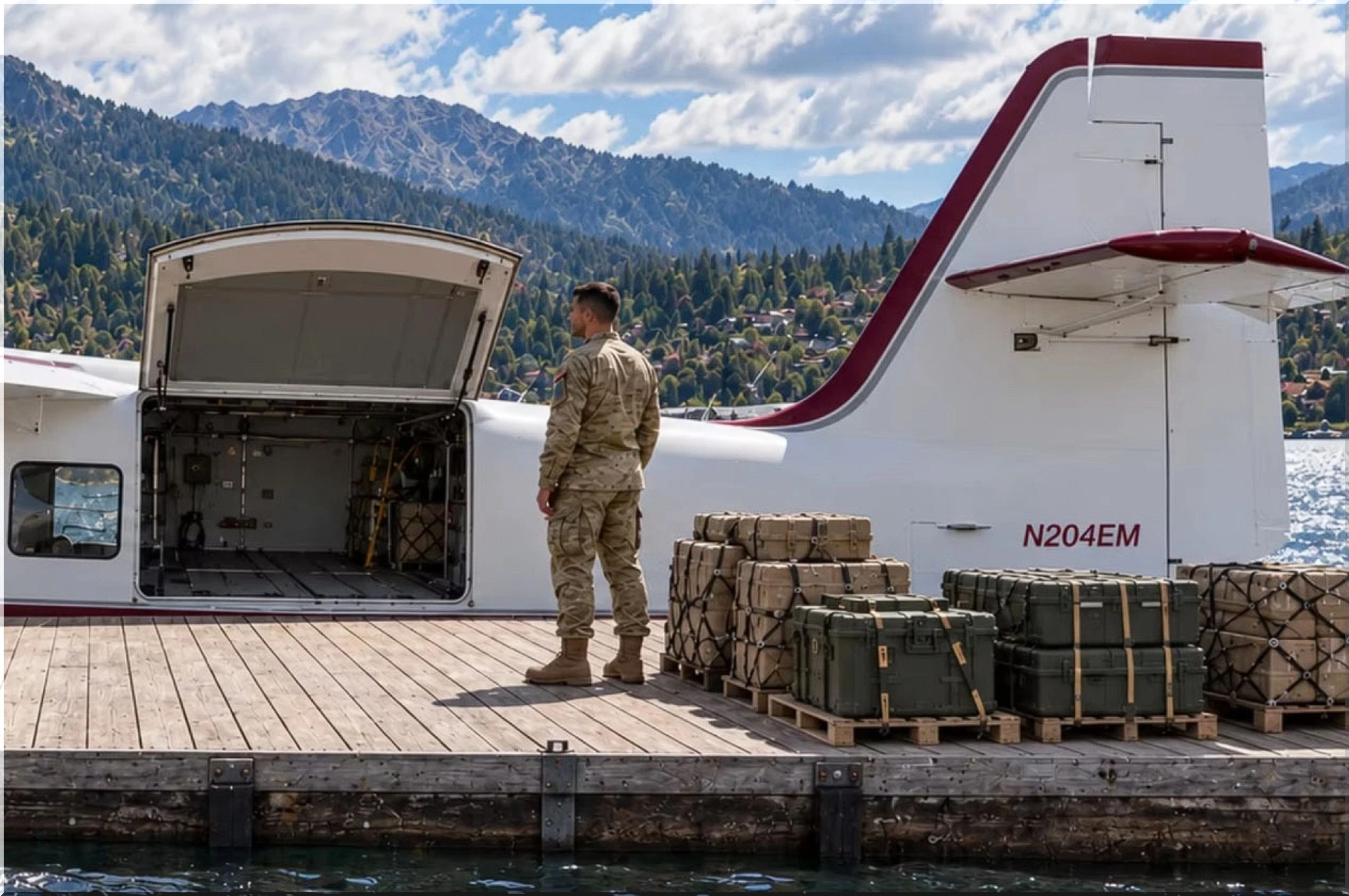
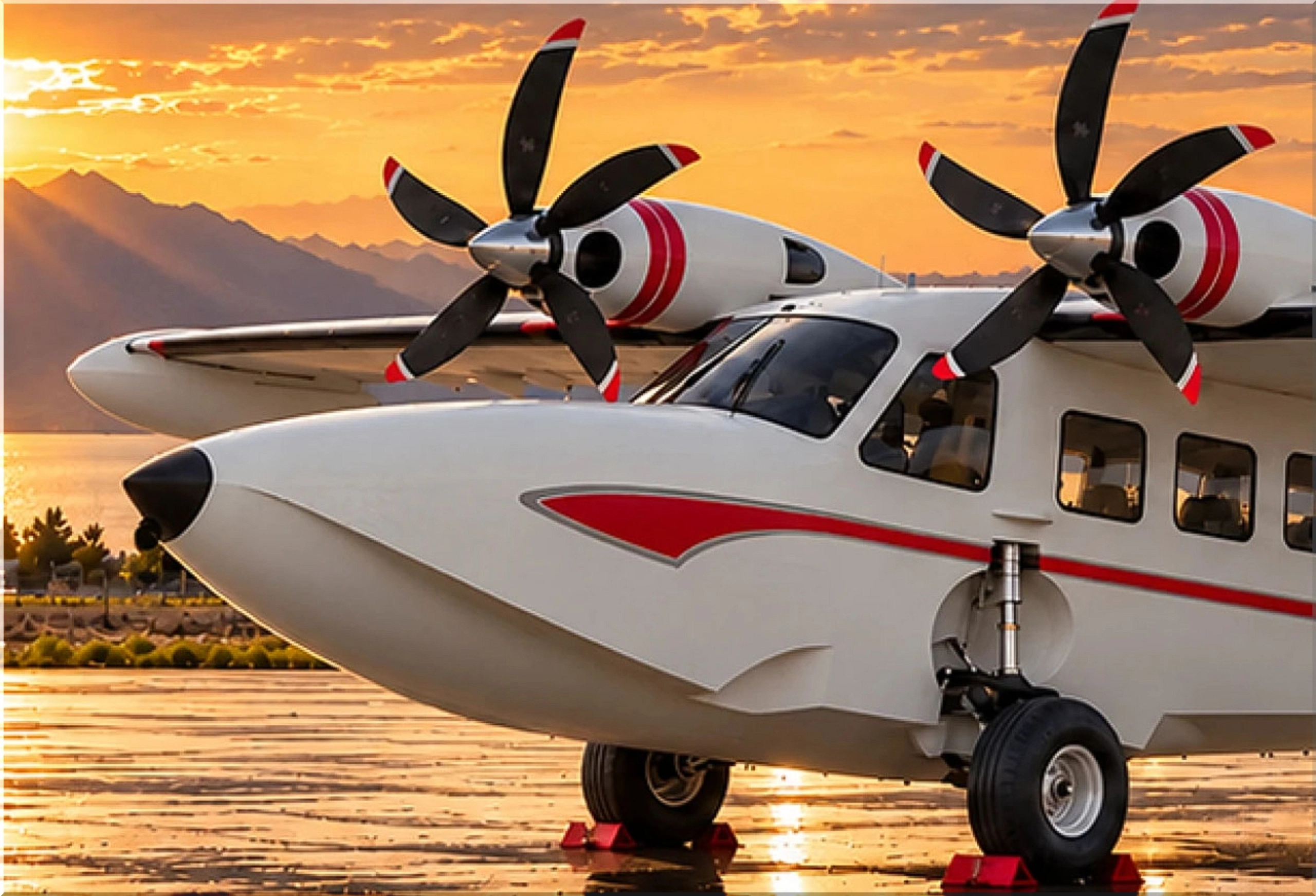
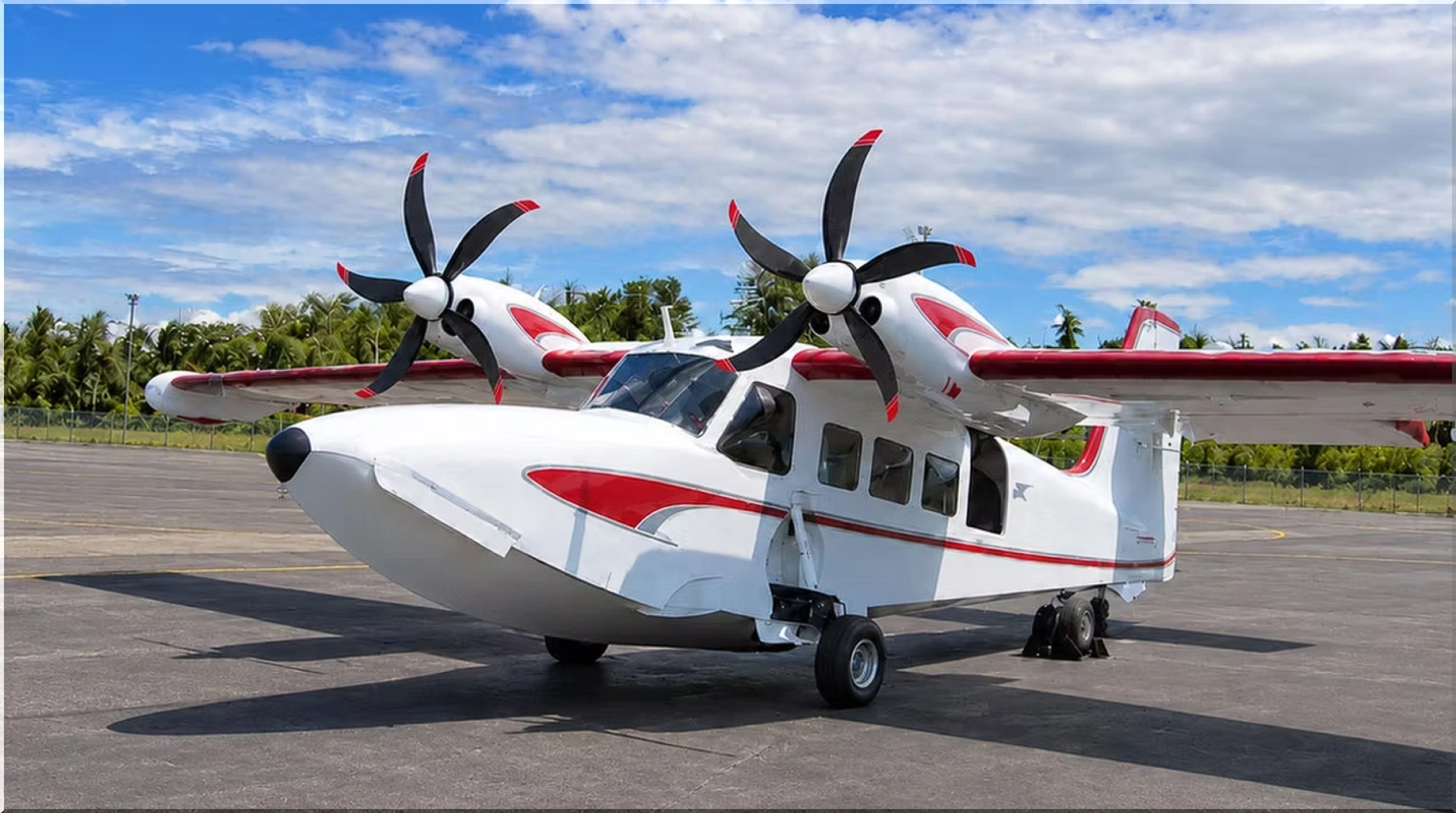
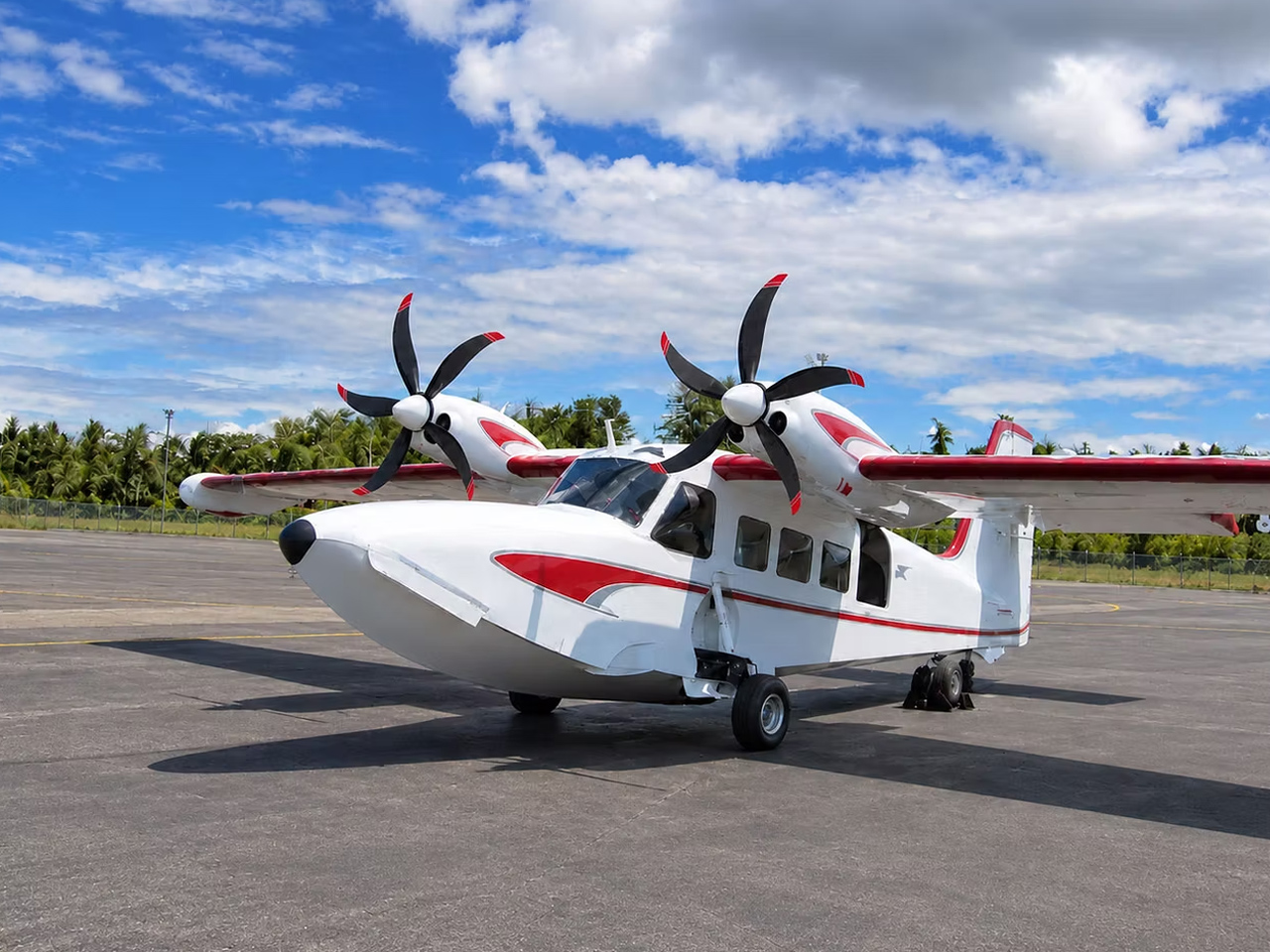
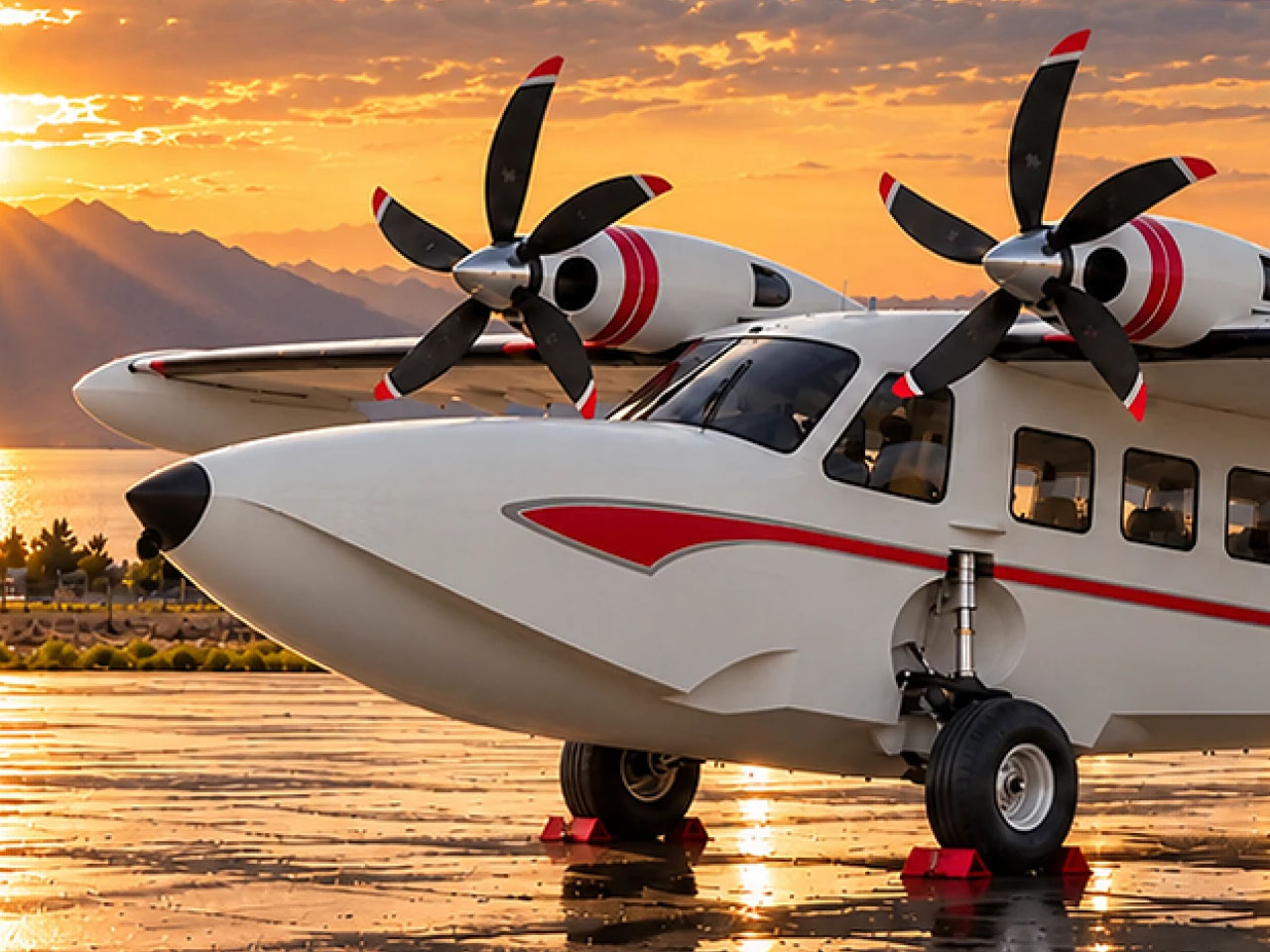
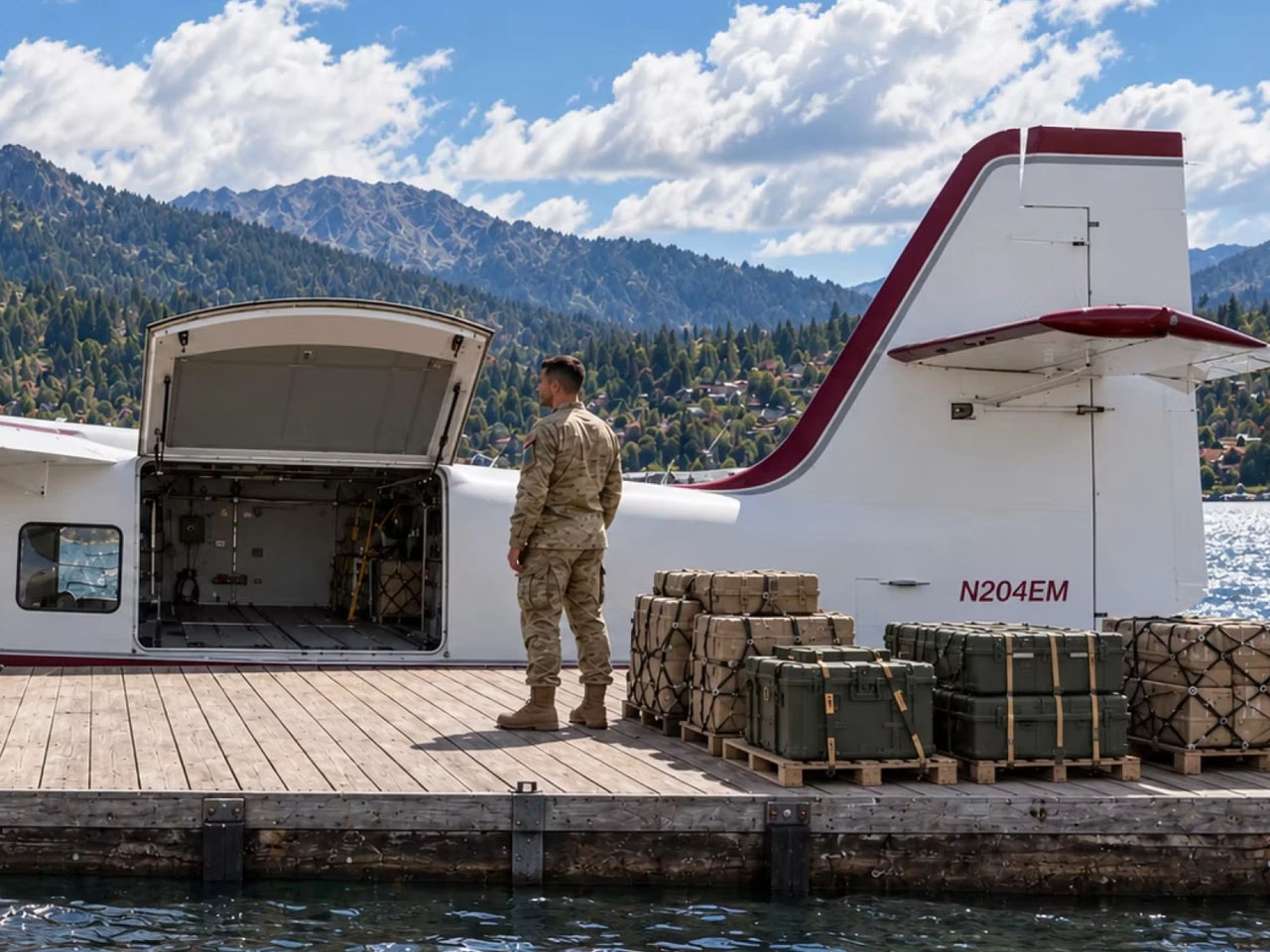
The M1-HC takes its carbon-fiber and Kevlar airframe from the Gweduck flying boat, whose original design first flew in 2009. Maxwell chose composite construction to reduce structural weight and address marine corrosion concerns. A 60-inch-wide cargo door, or 1,524 mm, accommodates palletized freight, and internal tie-downs secure the load. In addition, reversible propellers assist docking, and retractable wingtip floats improve dock access.
Maxwell identifies several intended uses:
- Island freight and remote-community deliveries through waterways or unimproved airstrips.
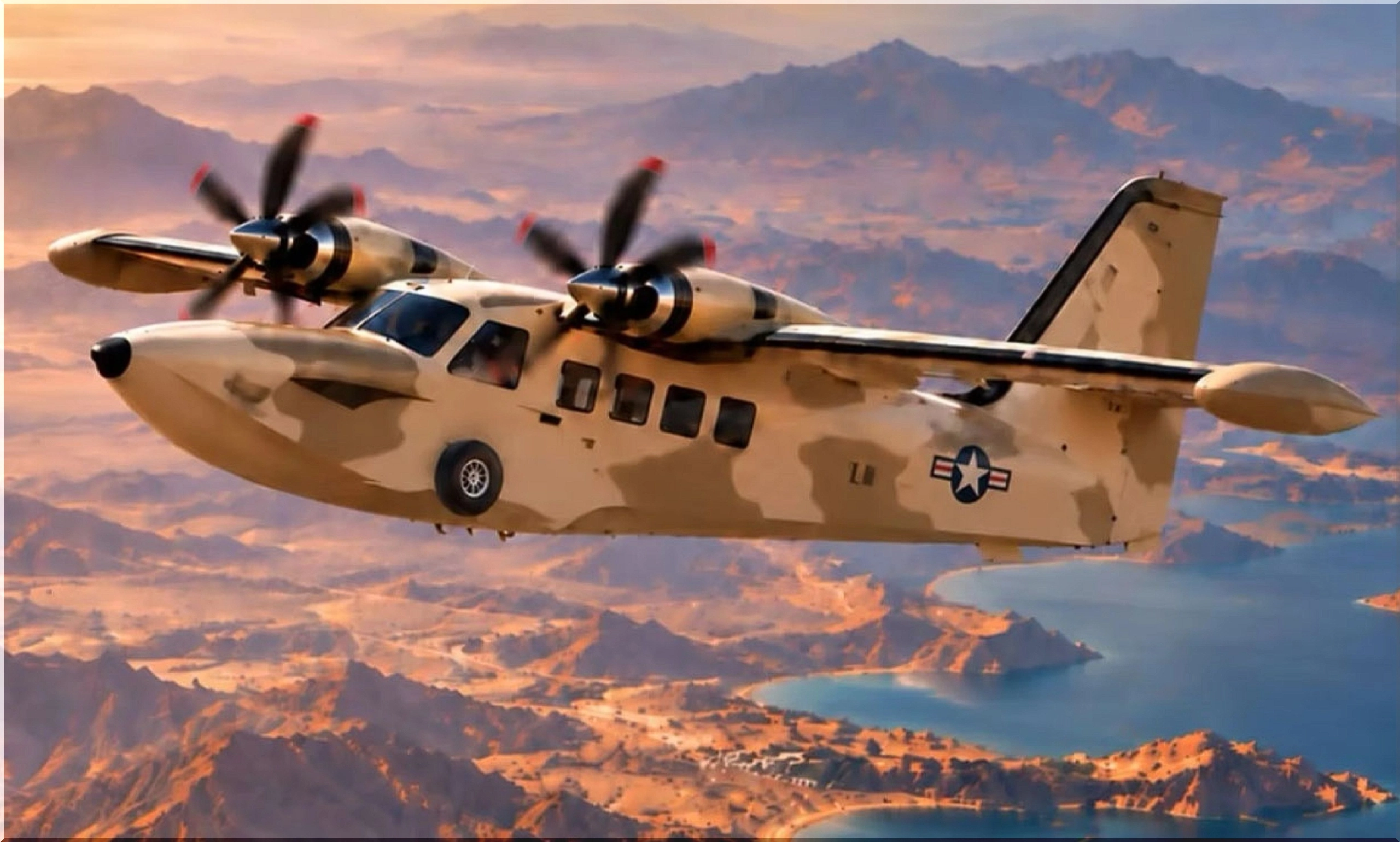
- Disaster-response supplies, government logistics, and defense transport.
Pro-Tip: What Should Operators Verify Before Buying?
Start with a demonstrated mission profile. Maxwell targets initial flight tests in 2027 and describes an experimental-category offering. Its published materials give no purchase price and too little operating data to calculate cost per ton-mile. Before budgeting an aircraft, request:
- Payload-range results with fuel reserves, weather assumptions, and battery condition.
- Loaded water-takeoff distances, climb performance, and battery recharge arrangements.
- Fuel burn, battery replacement costs, maintenance intervals, and operating approvals for the intended mission.
- Add new comment
- 17 views