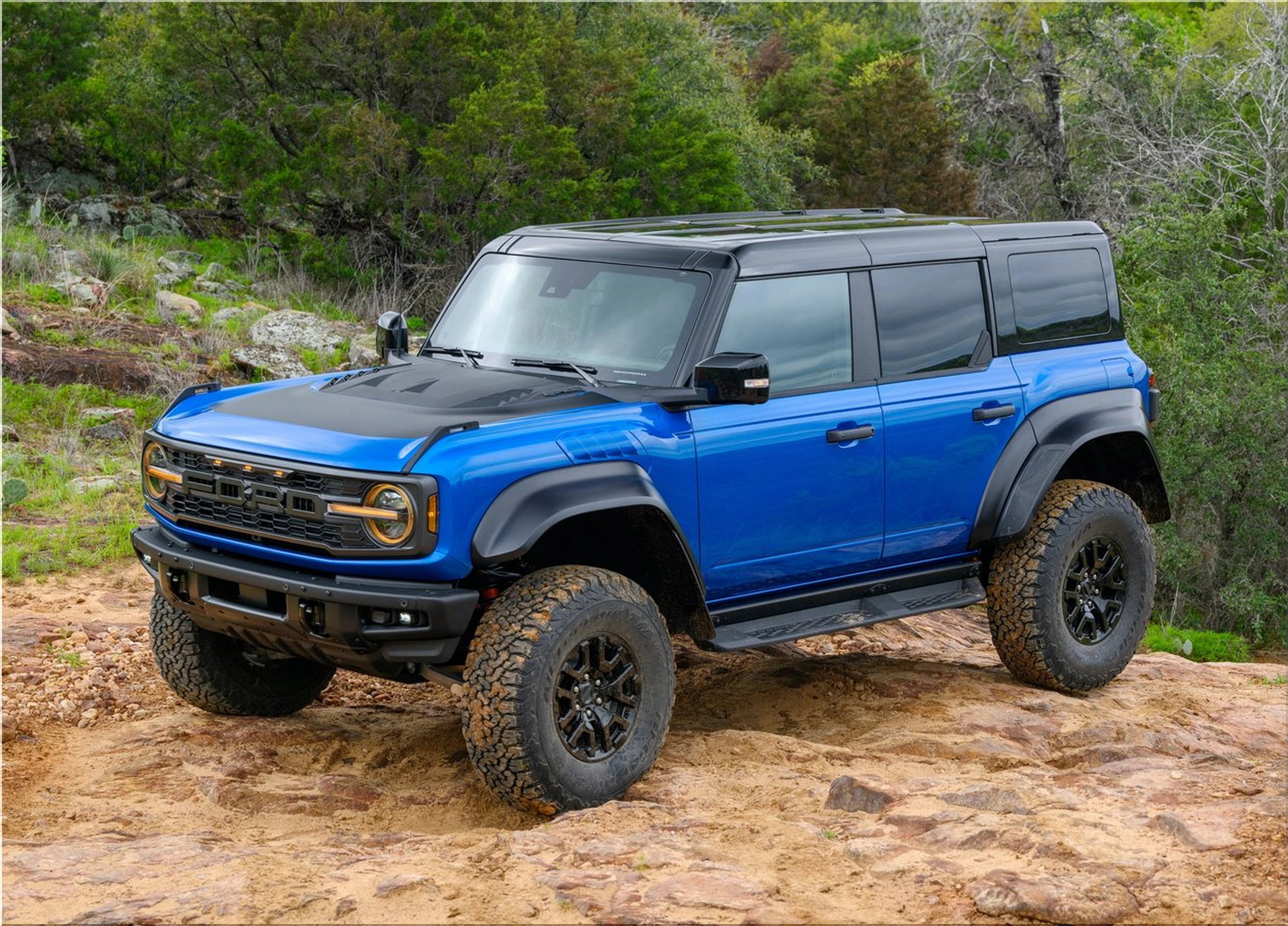
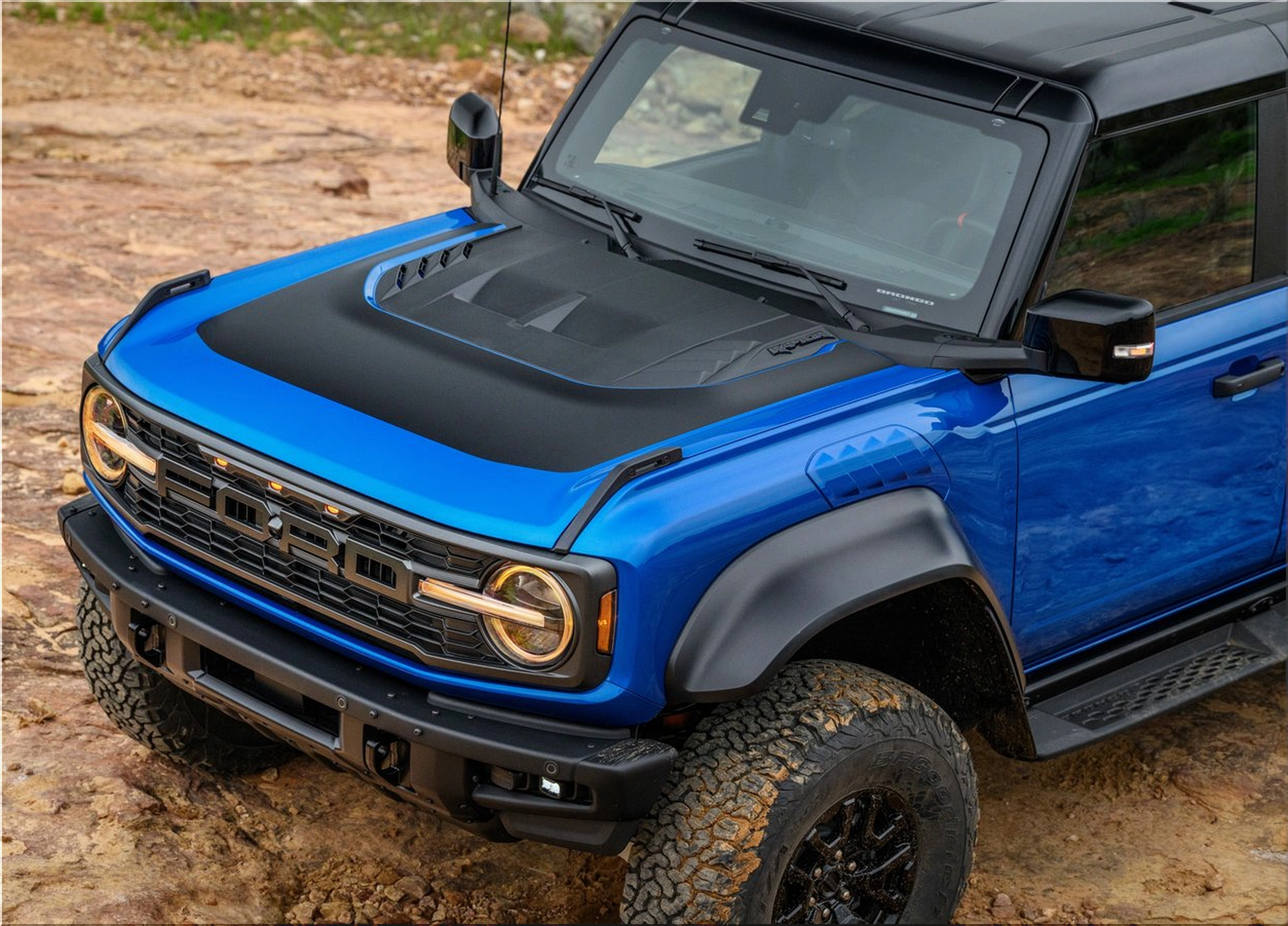
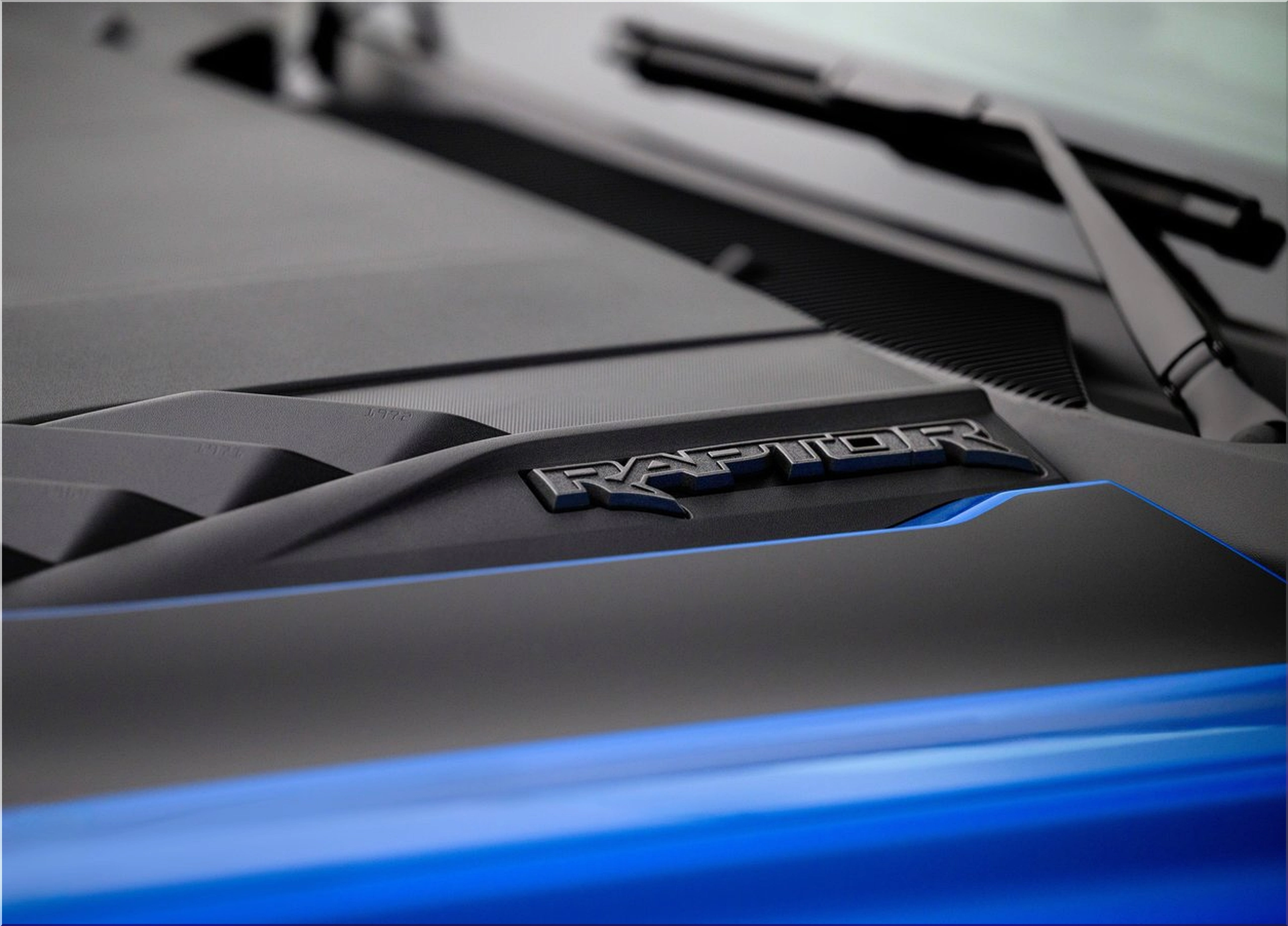
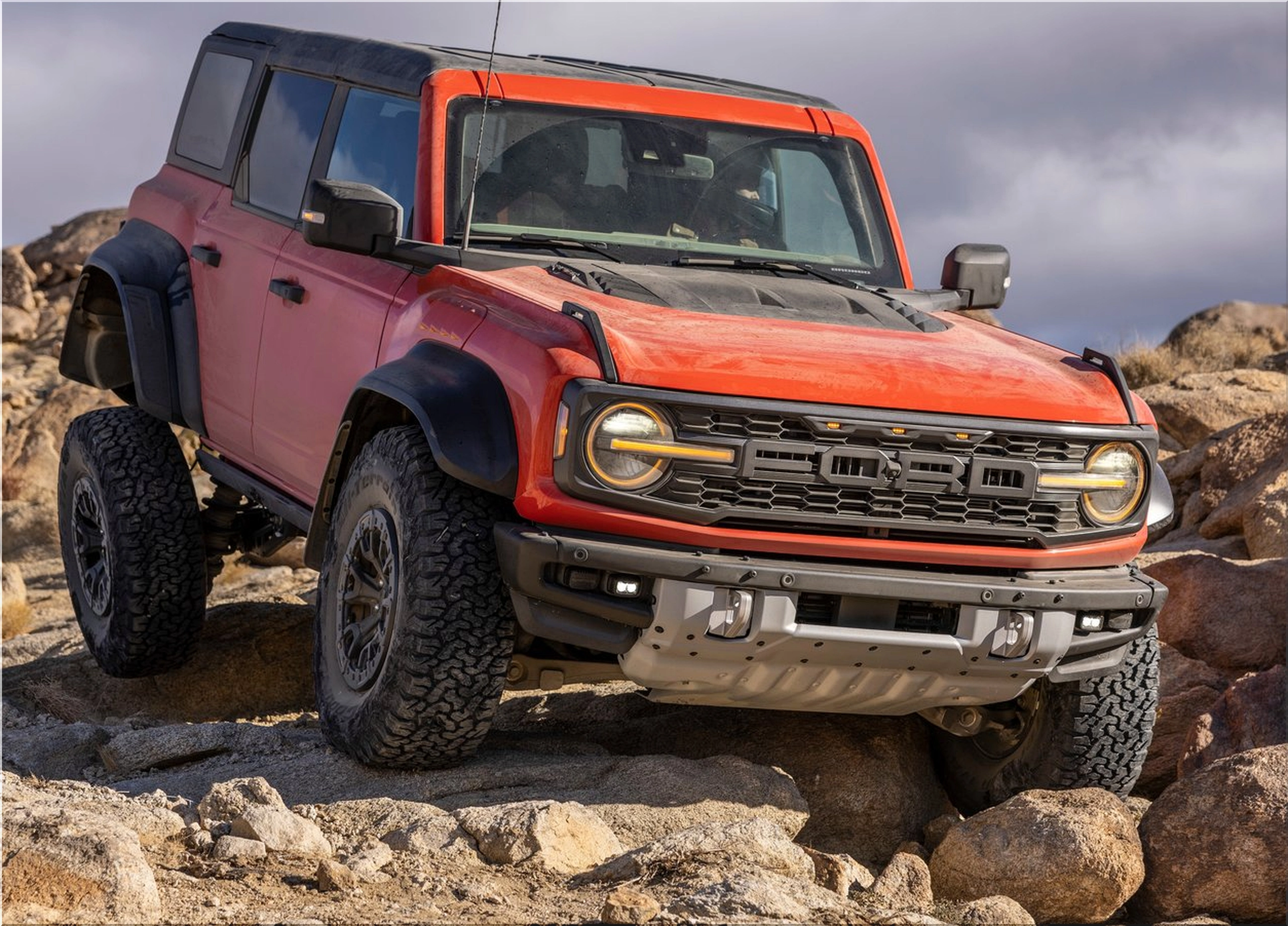
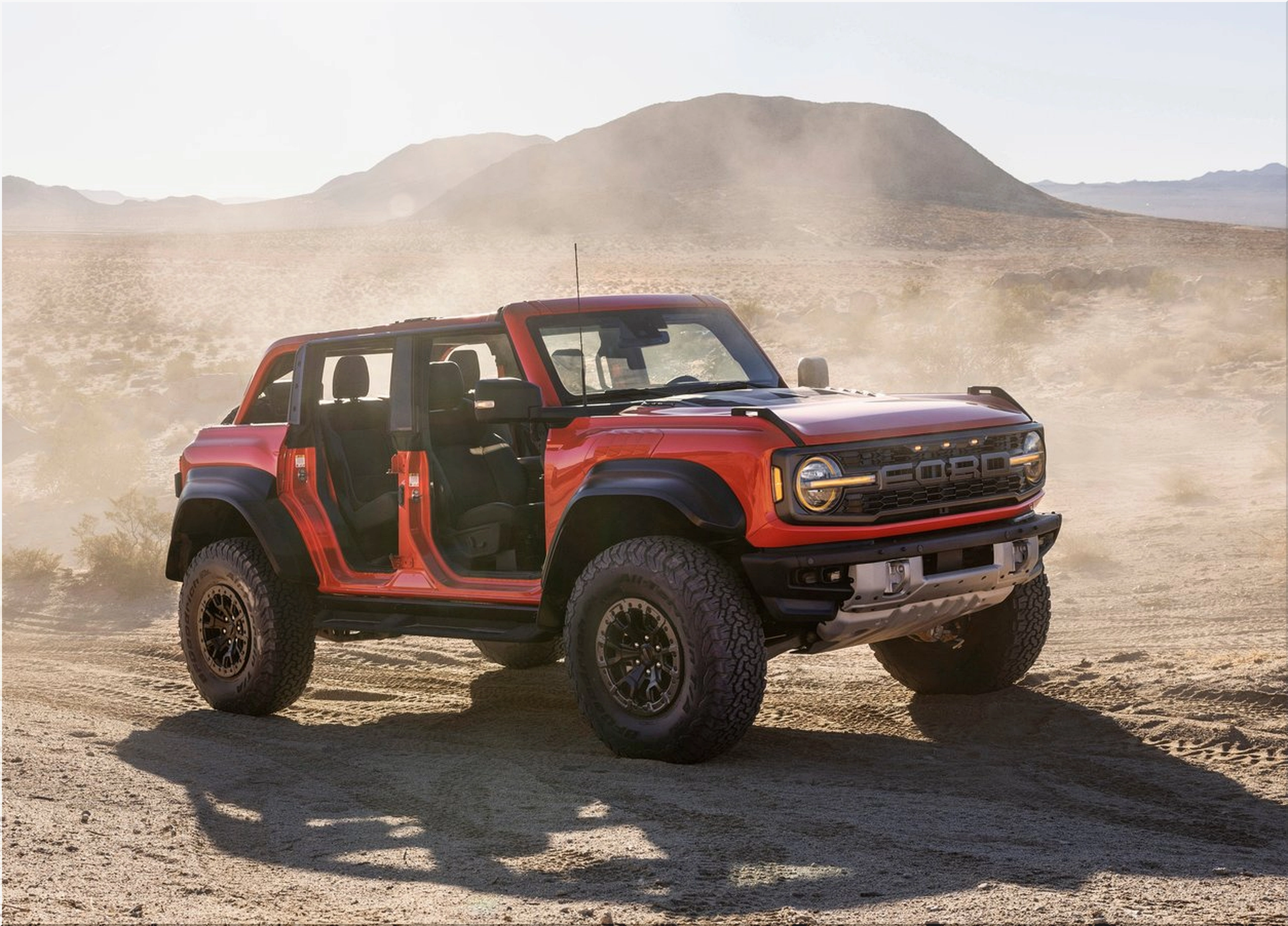
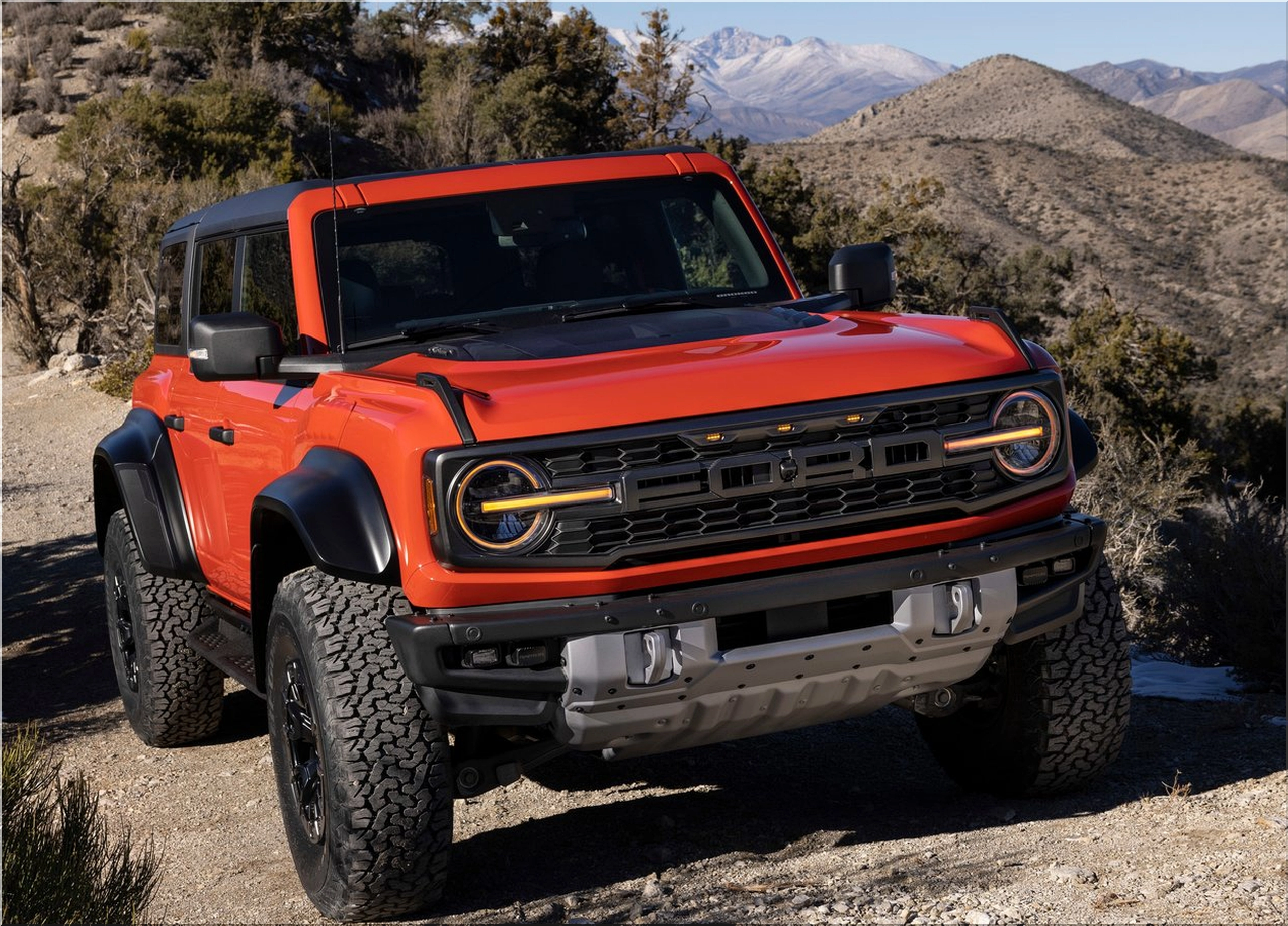
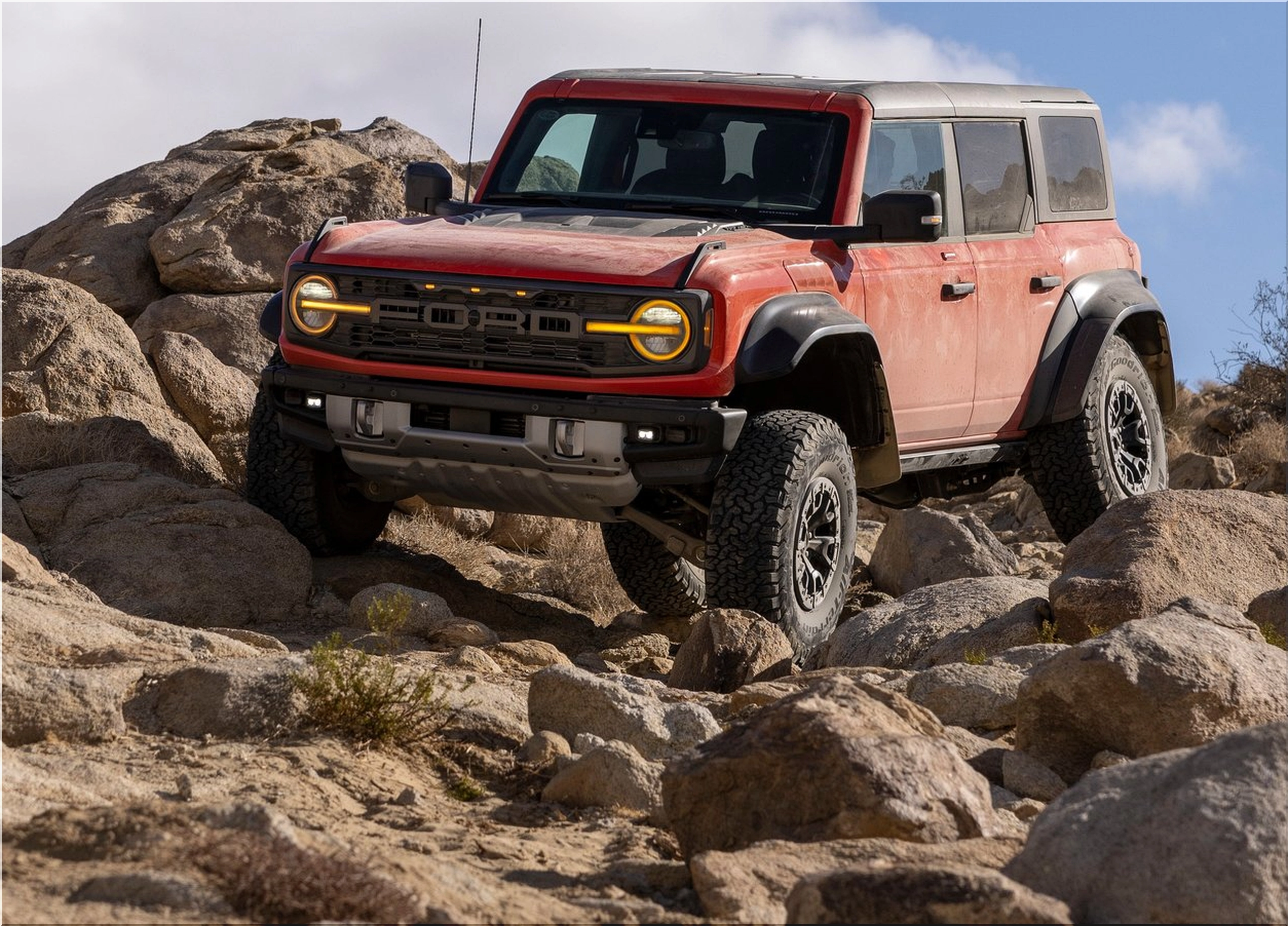
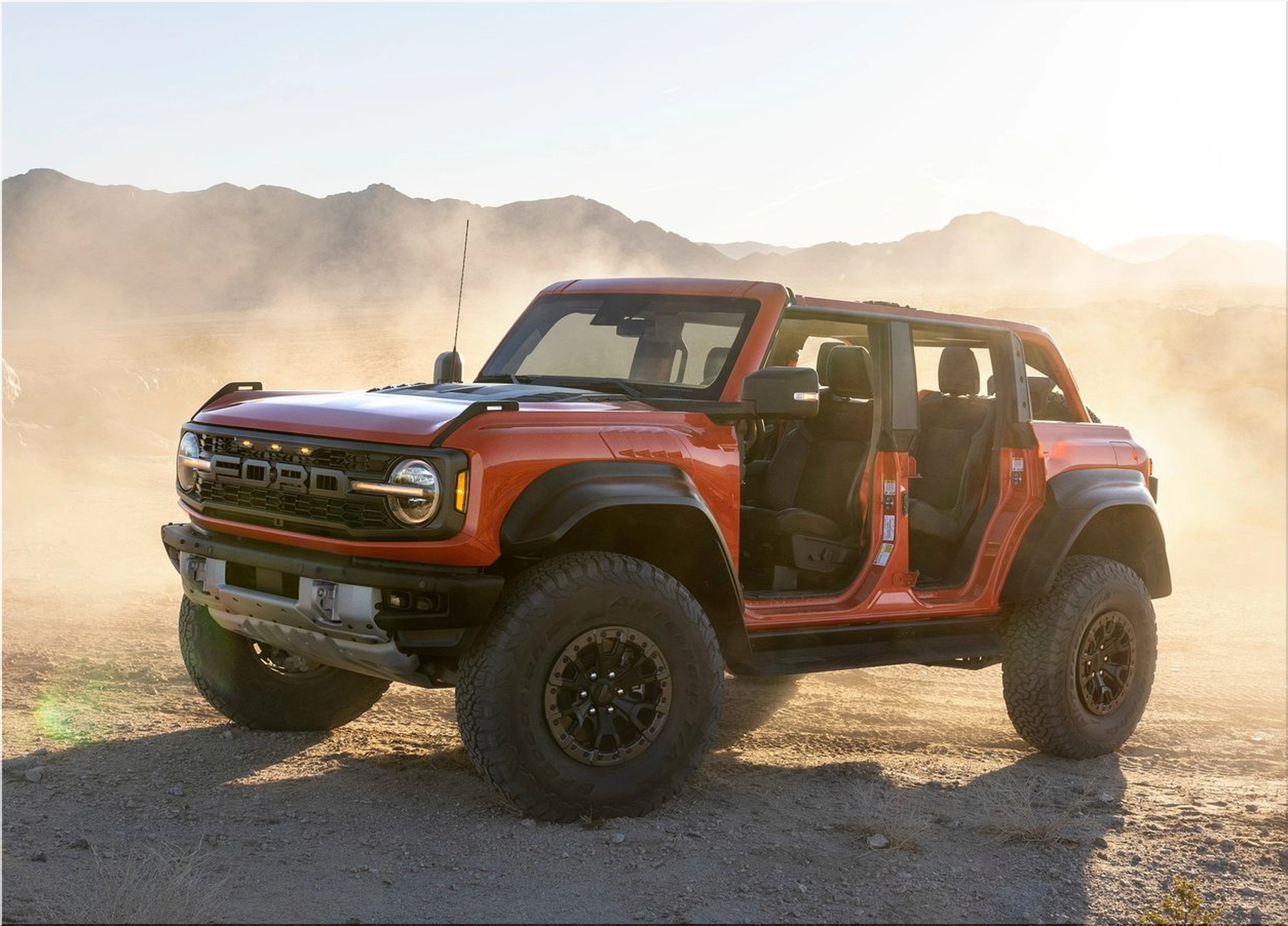
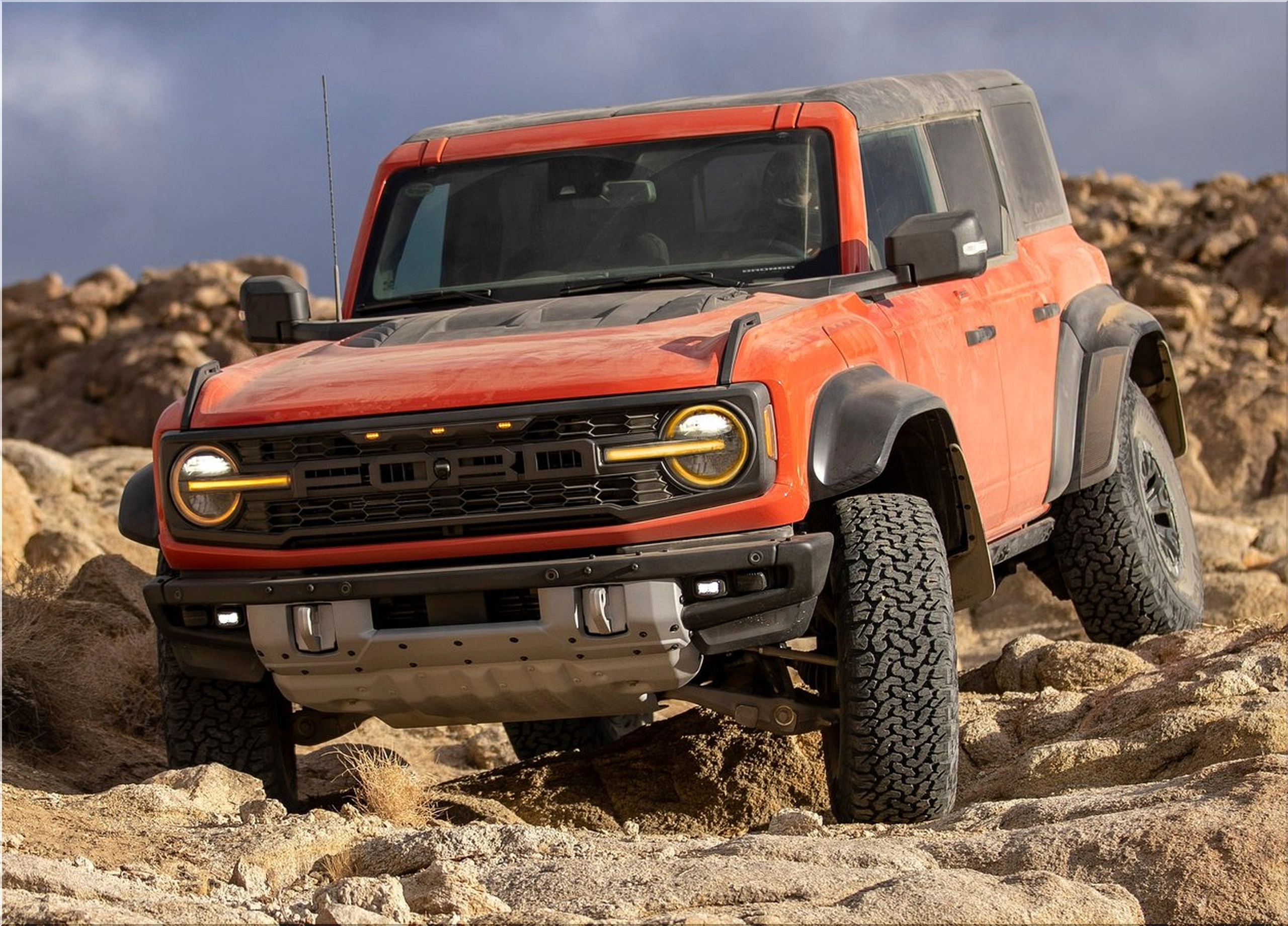
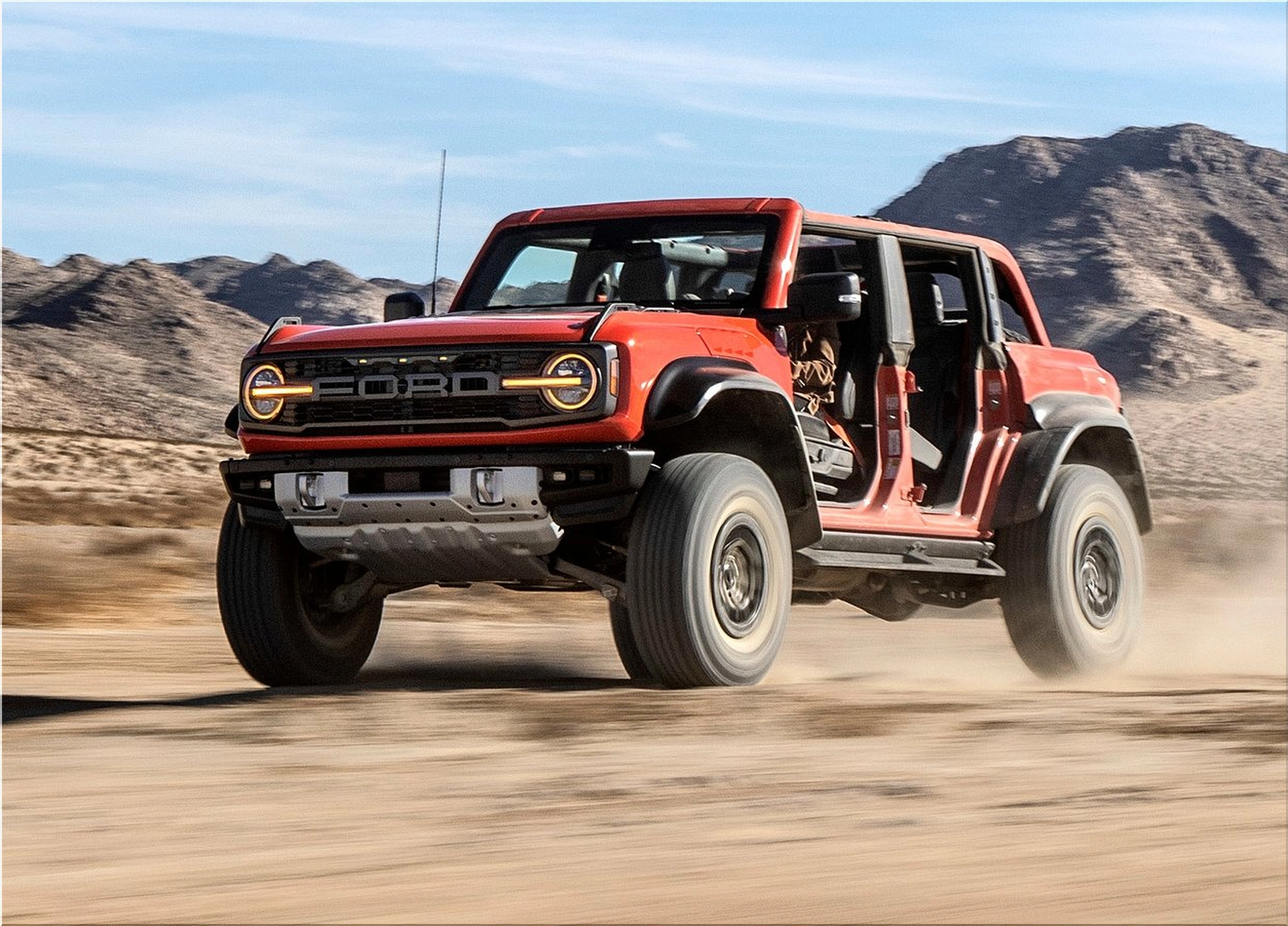
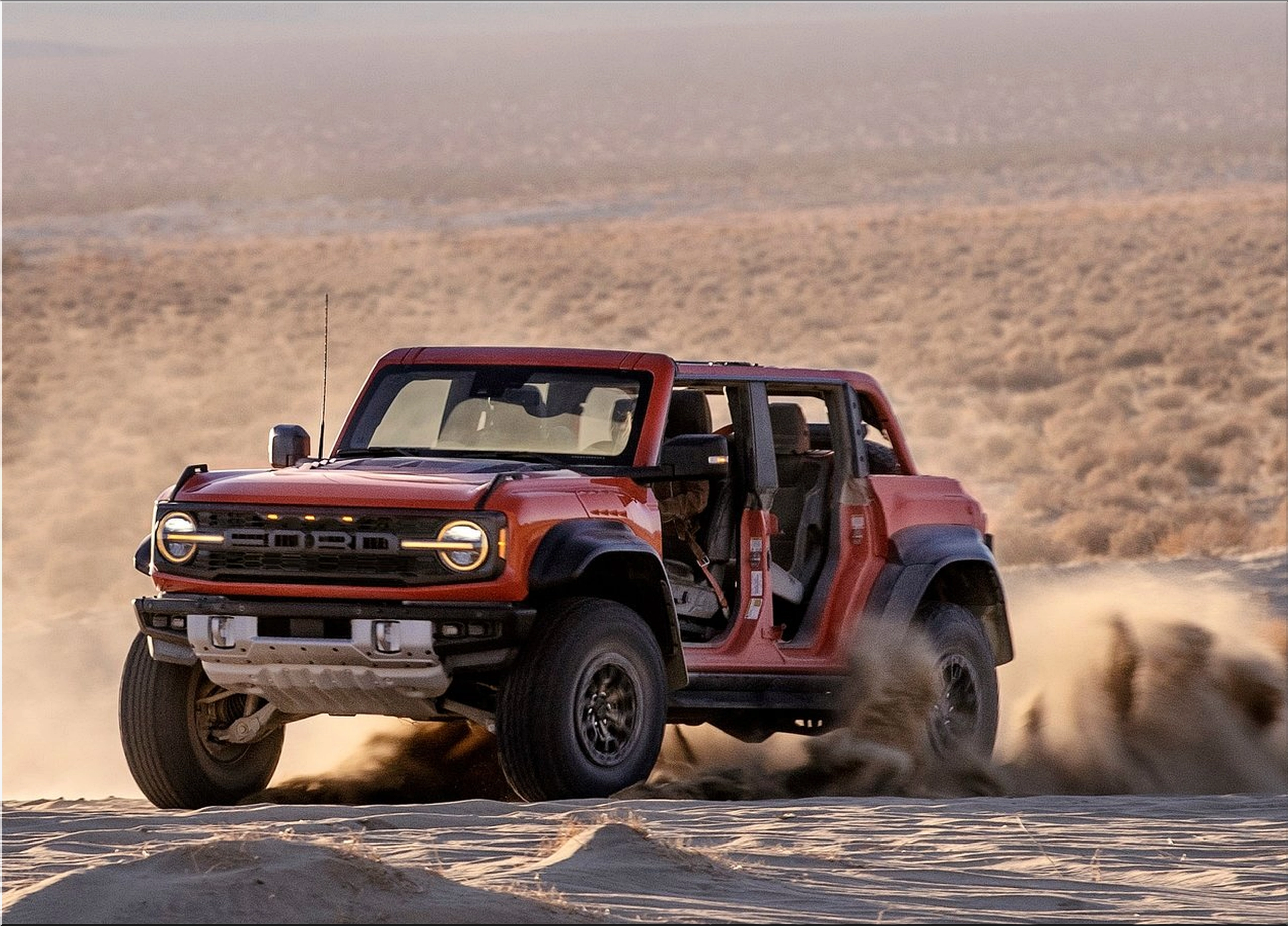
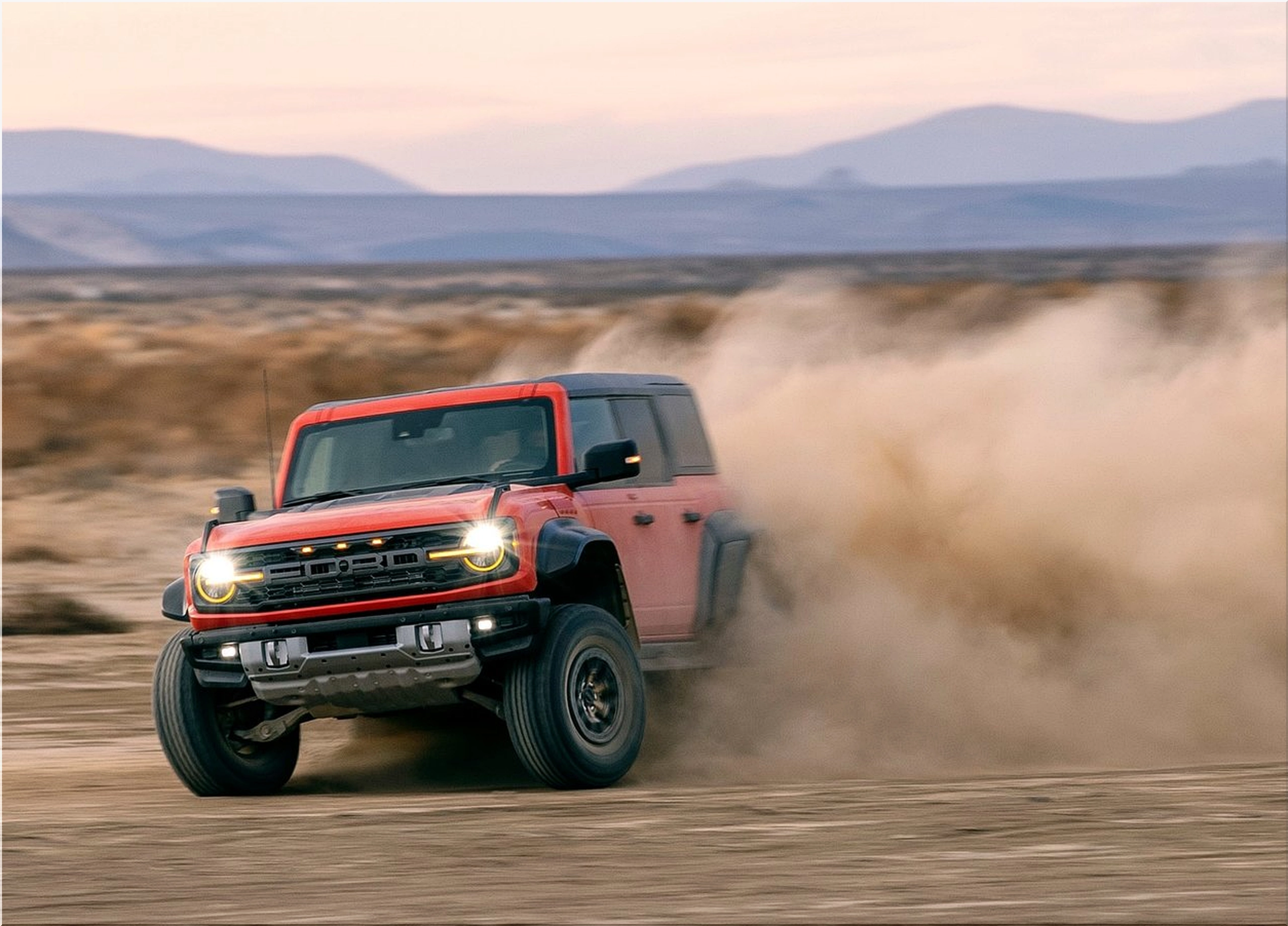
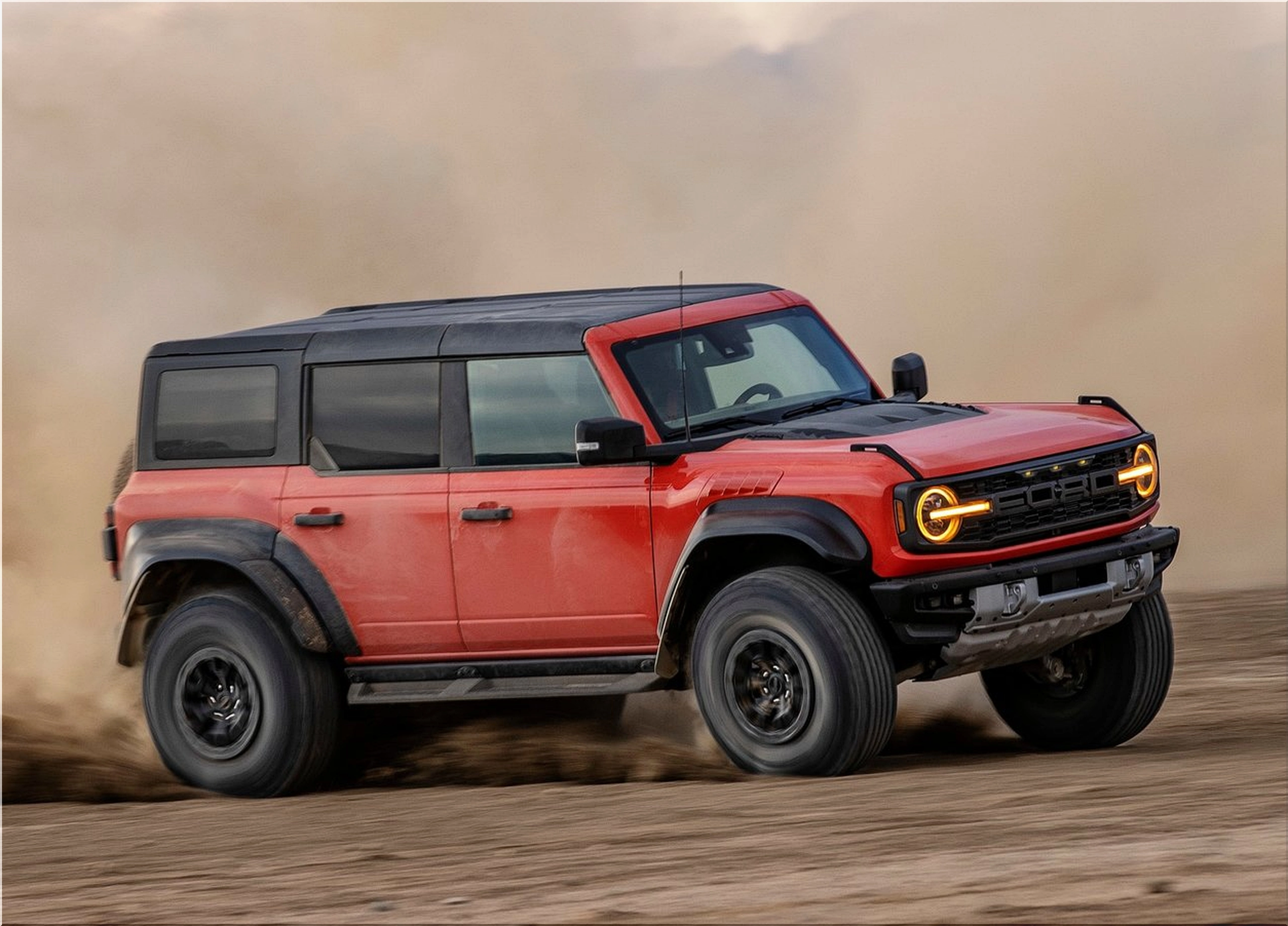
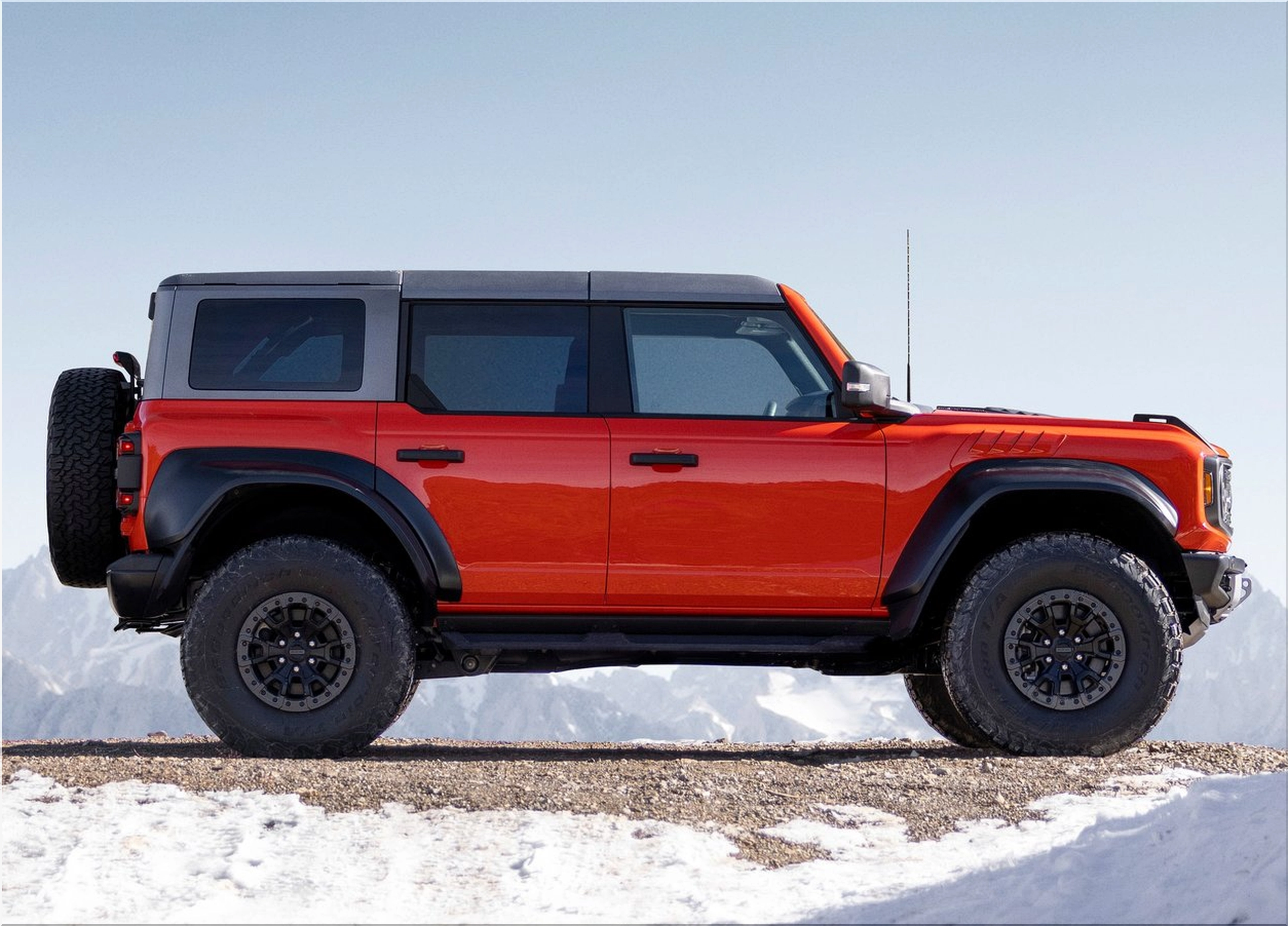
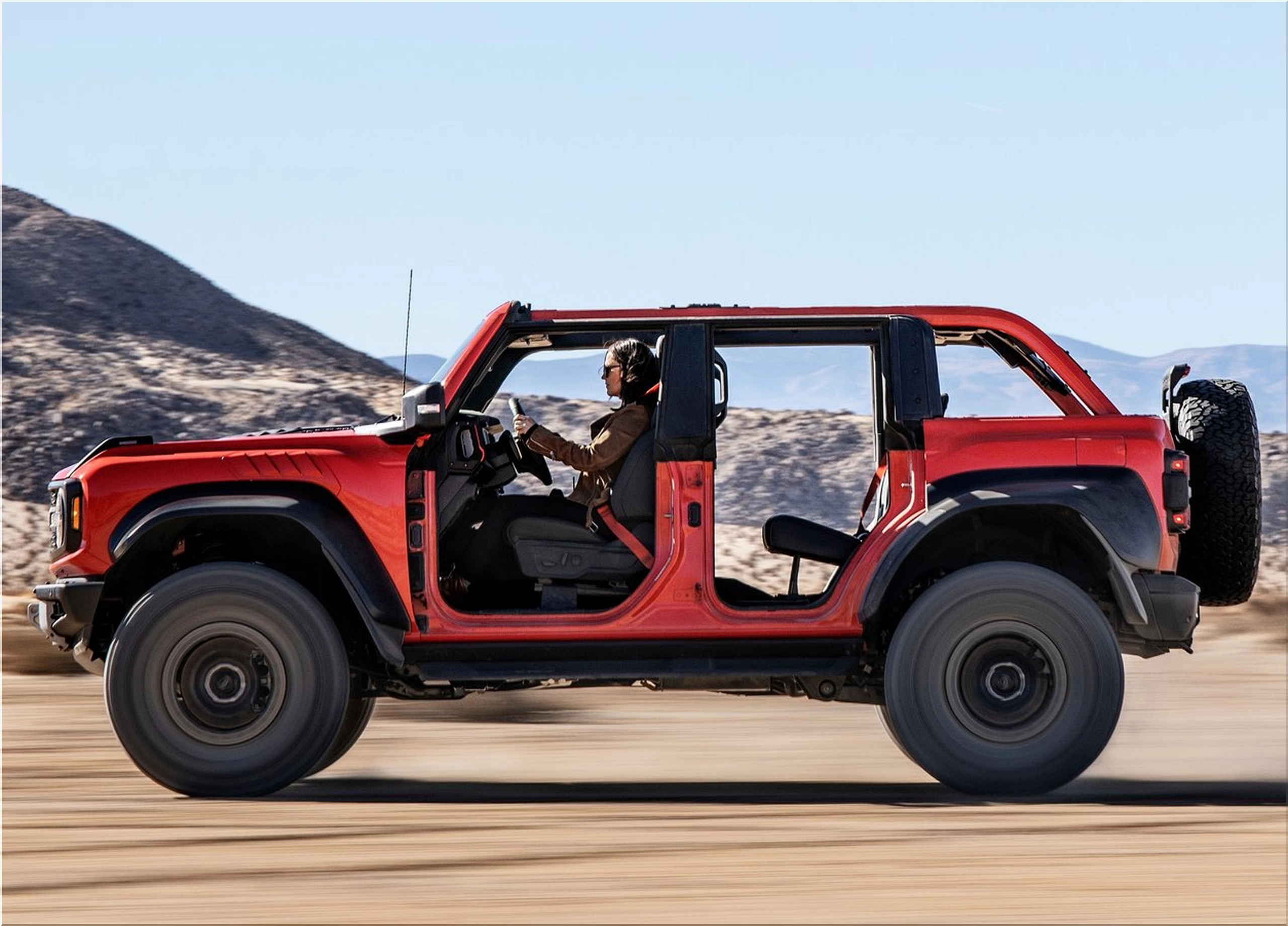
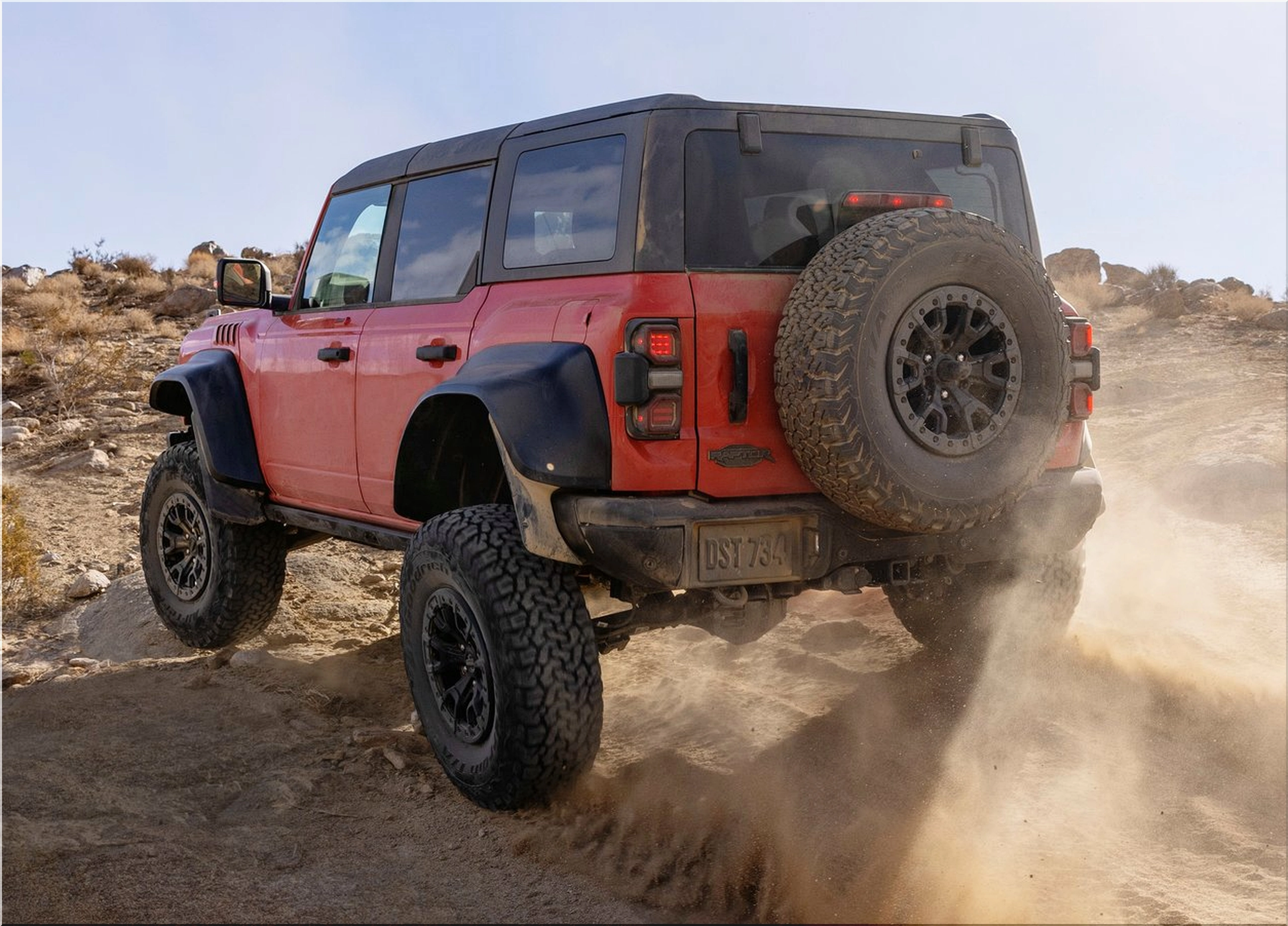
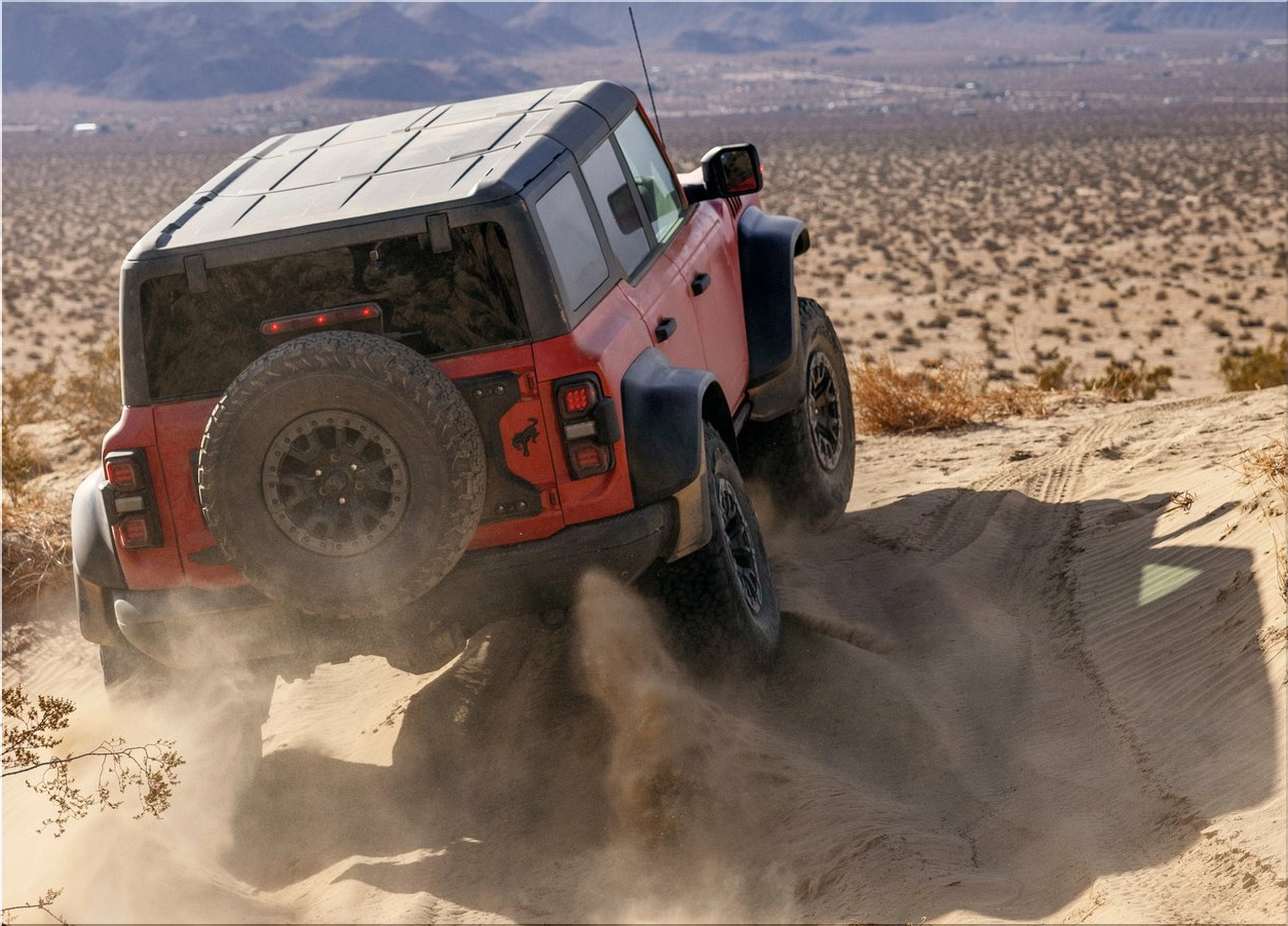
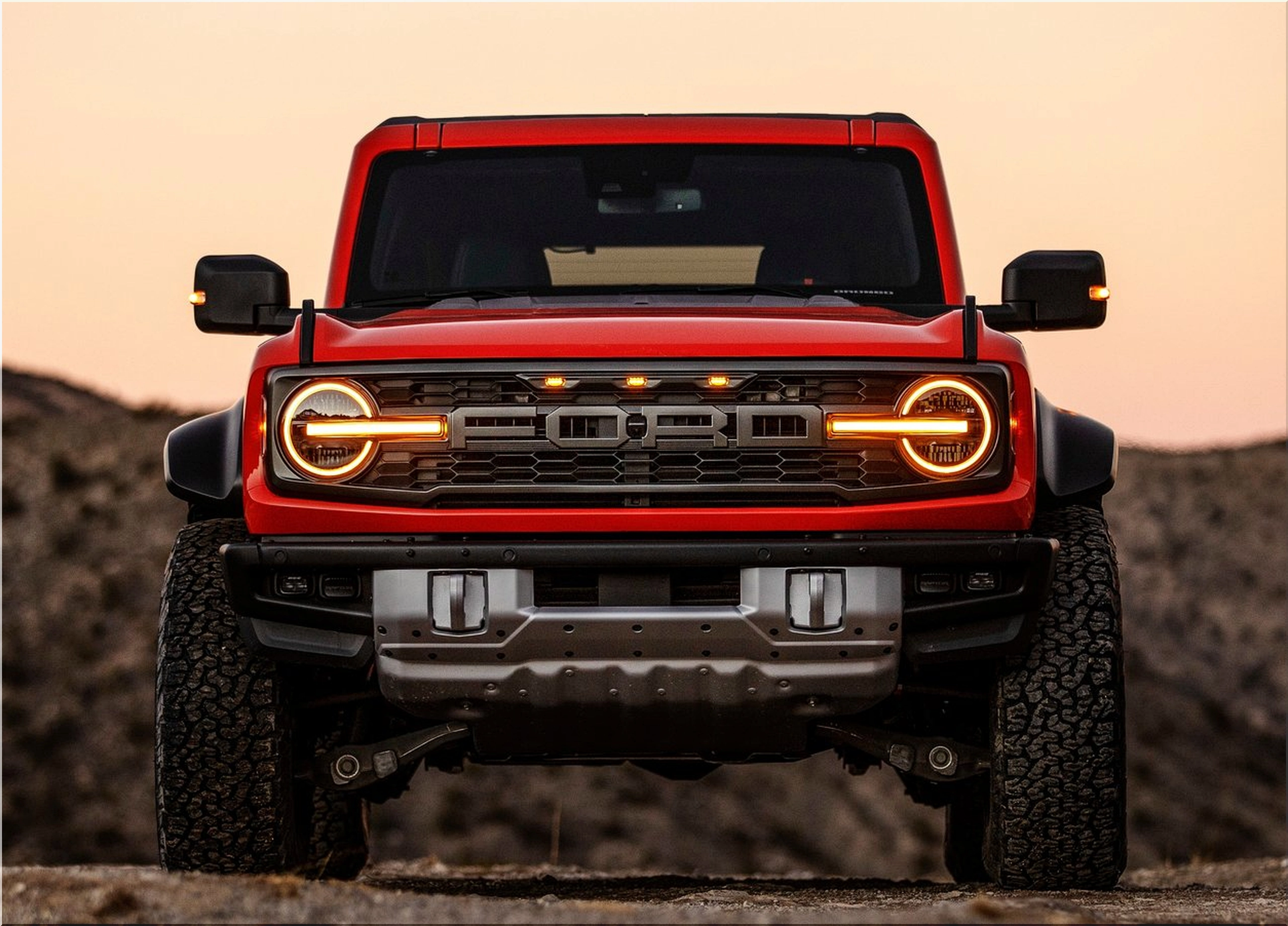
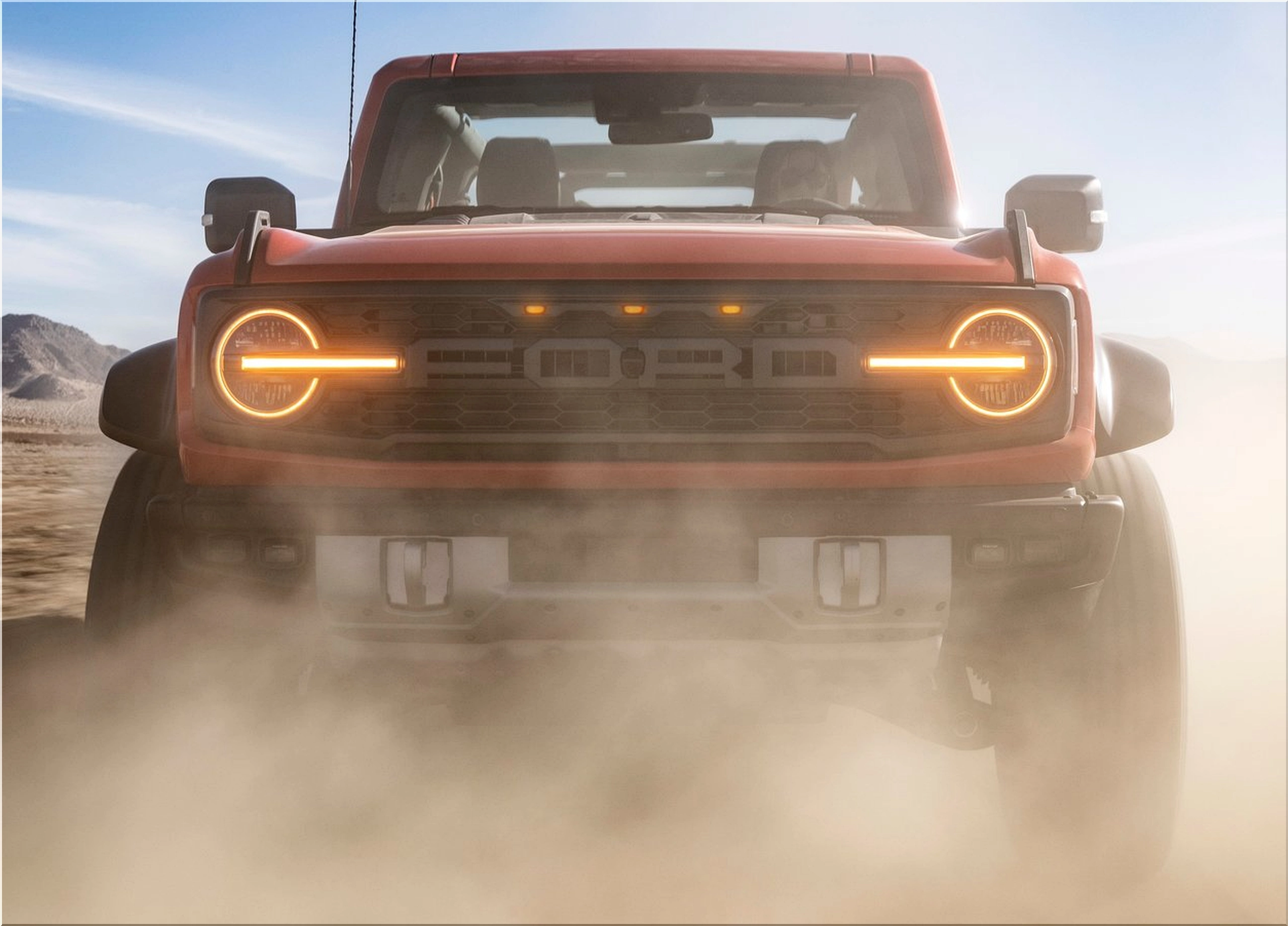
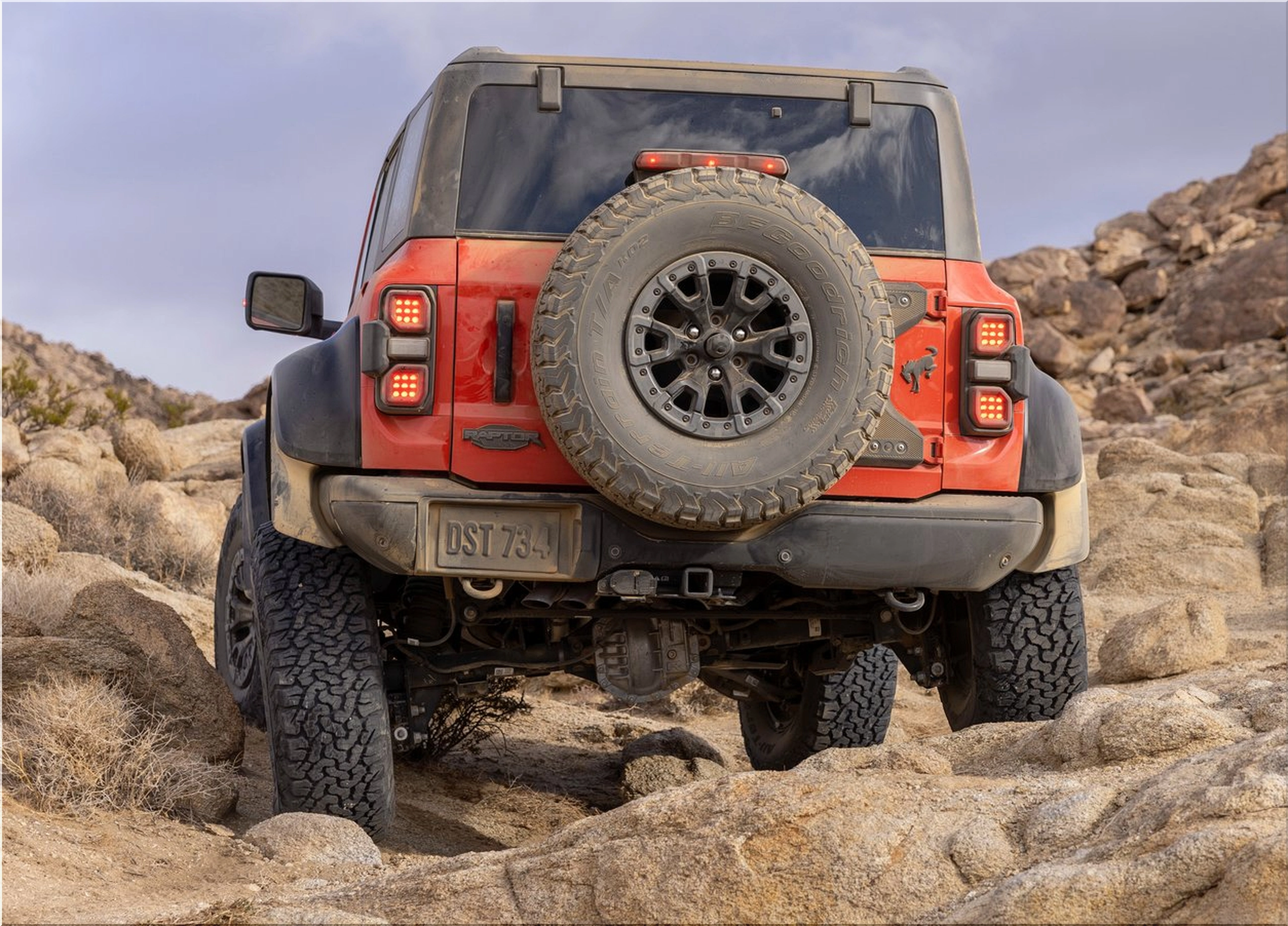
The Ford Bronco Raptor exists for buyers who want repeatable off-road performance without aftermarket risk. Ford Performance built this SUV around durability metrics instead of visual drama. Every major system supports sustained heat, repeated impacts, and high-speed terrain changes.
This approach separates the Bronco Raptor from appearance-focused off-road trims. Ford engineered it to run hard for hours, not minutes.
Platform Strategy and Structural Changes
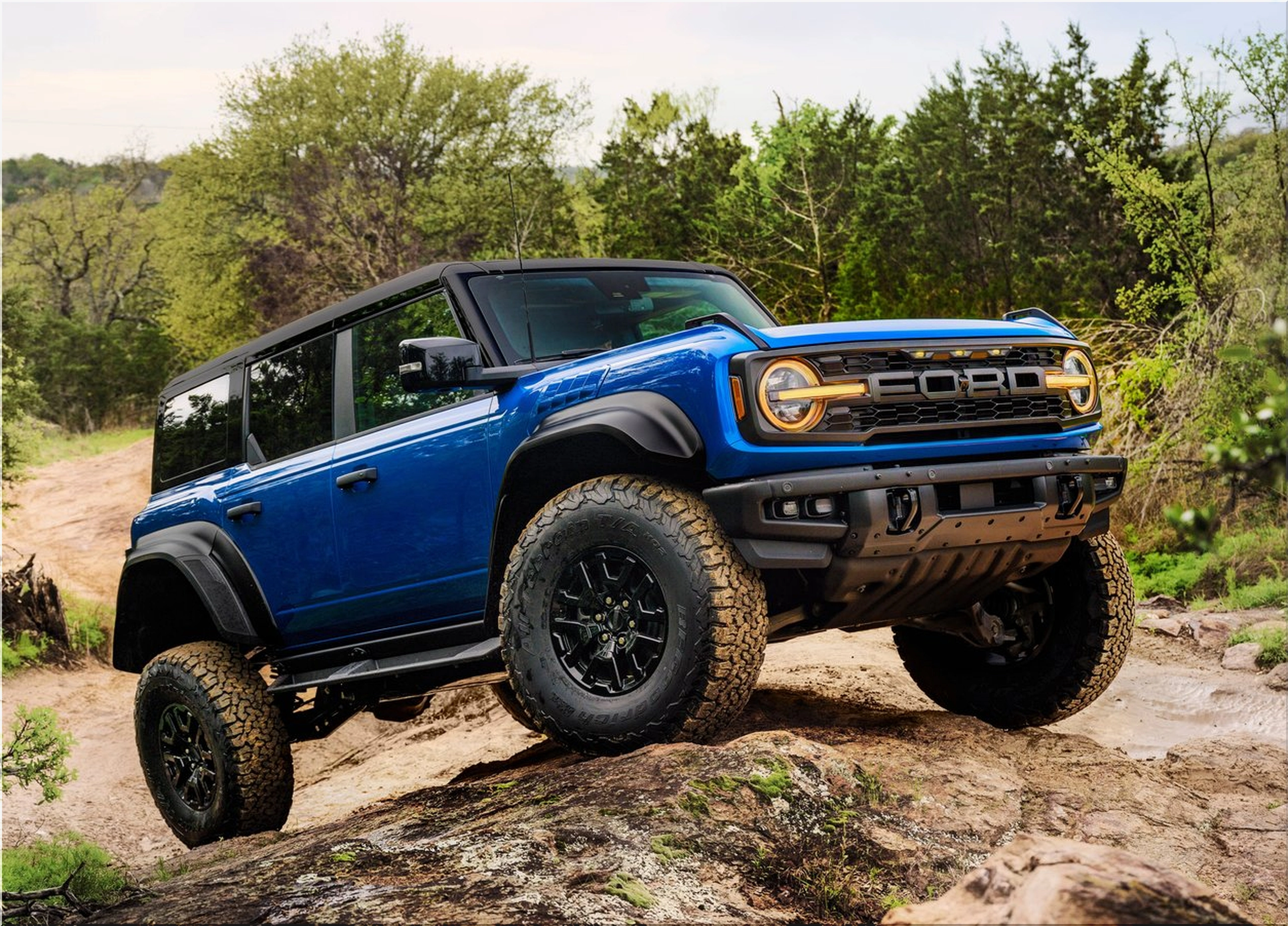
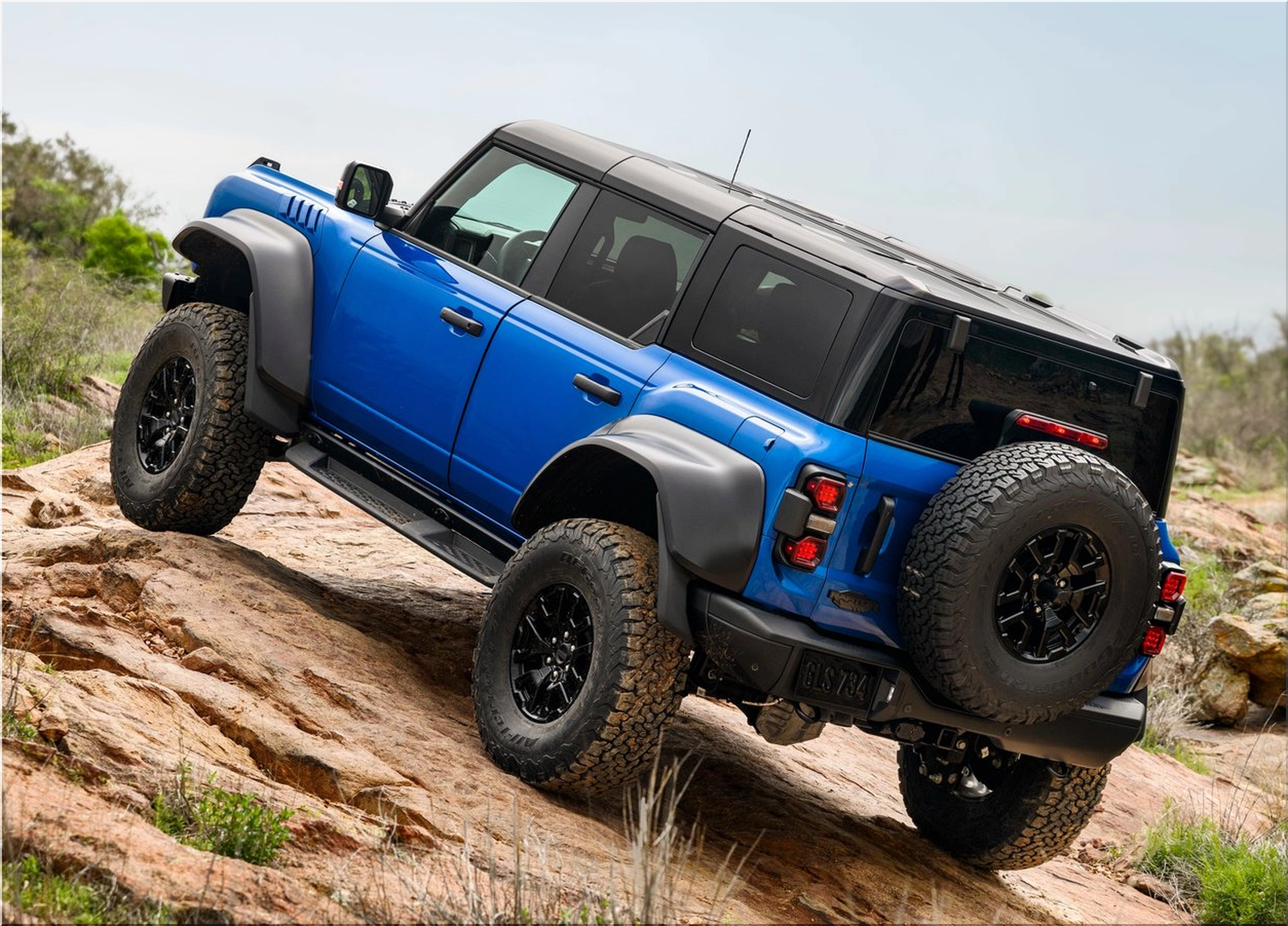
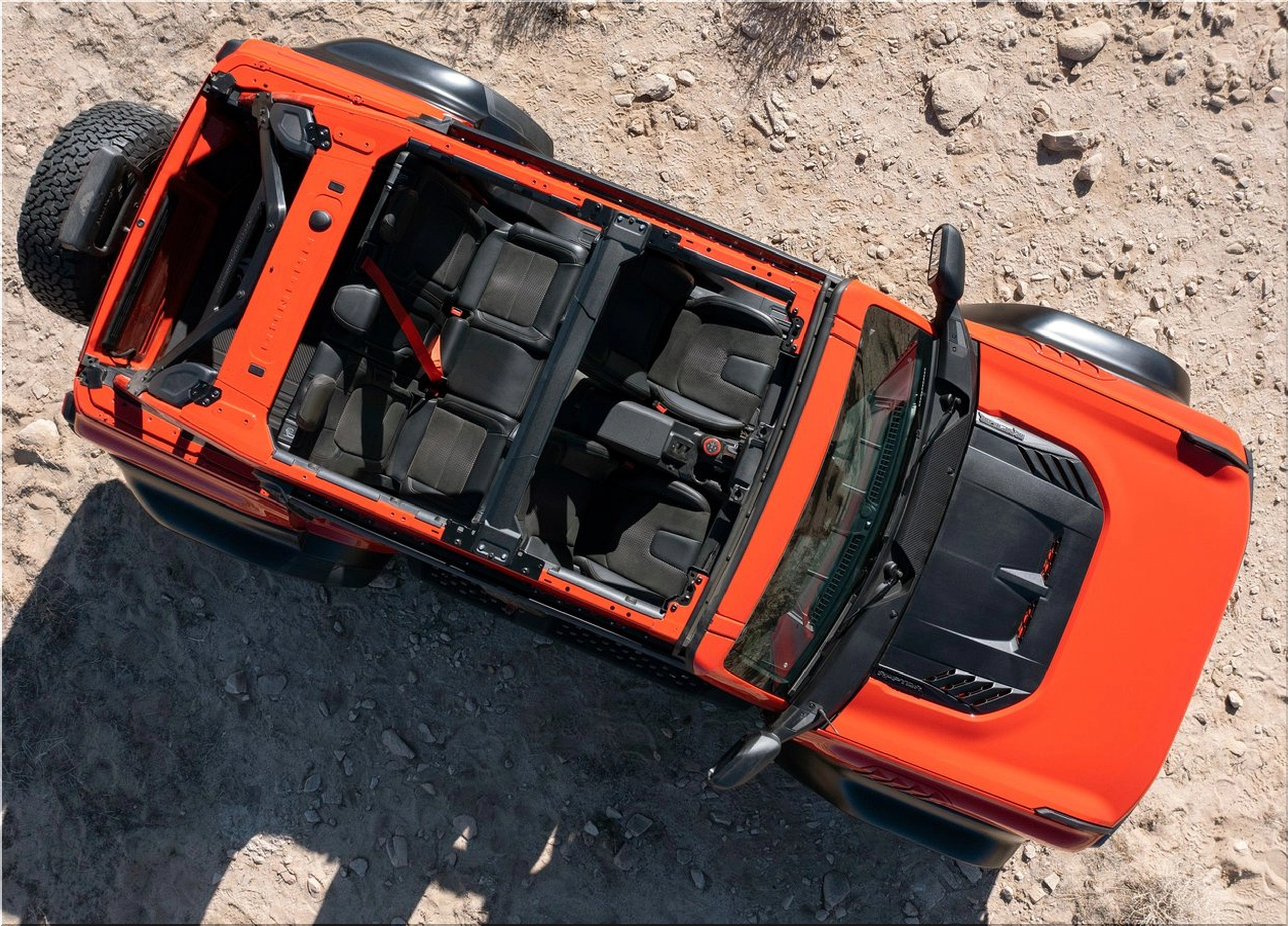
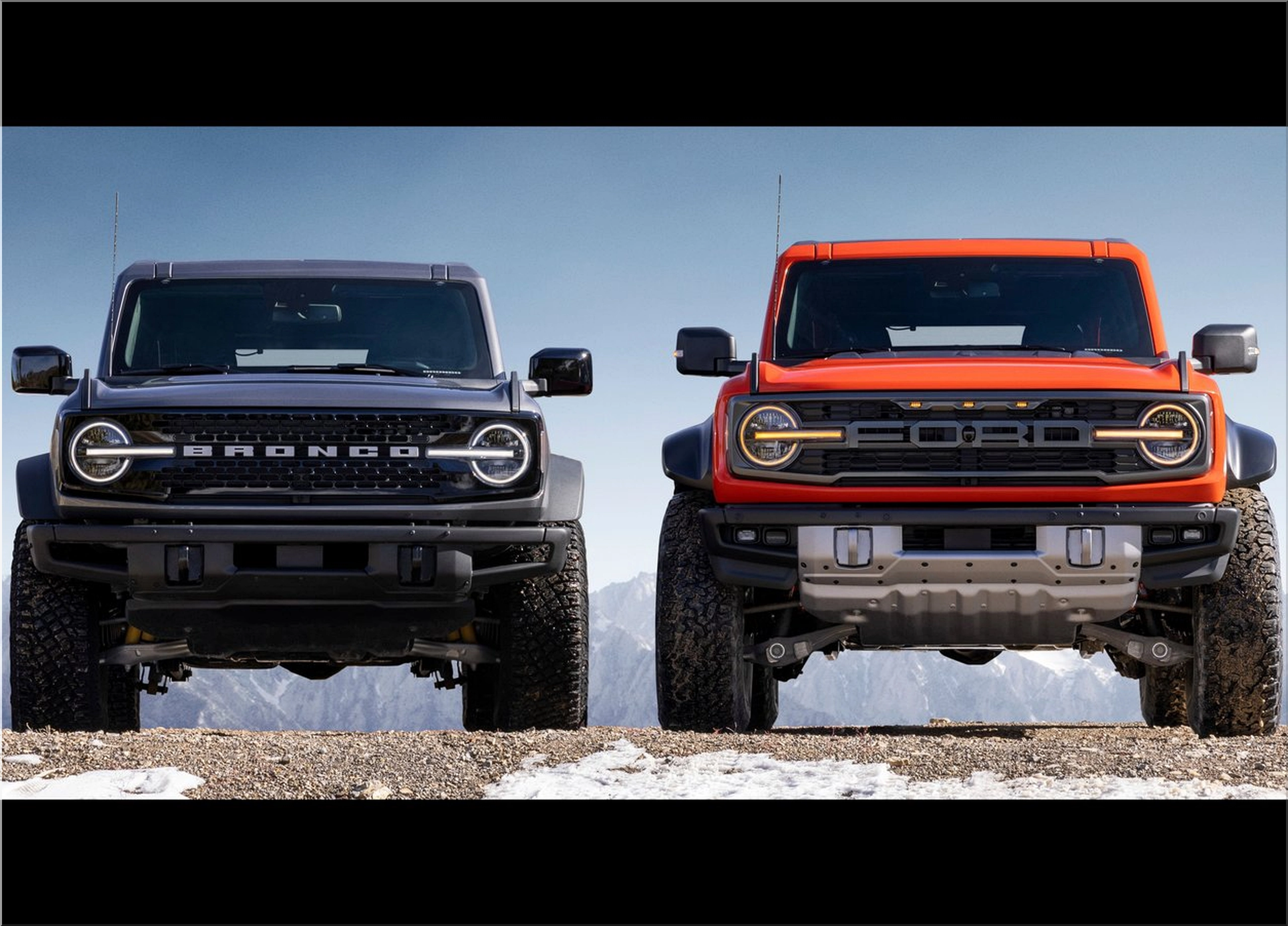
Ford did not start with a standard Bronco and add power. Engineers reworked the underlying structure to handle wider suspension geometry and heavier loads. Reinforced frame rails and upgraded body mounts reduce flex during high-speed compression events.
Key platform upgrades include:
- Wider track width that improves lateral stability at speed
- Reinforced frame sections near suspension mounting points
- Strengthened steering rack mounts to reduce deflection
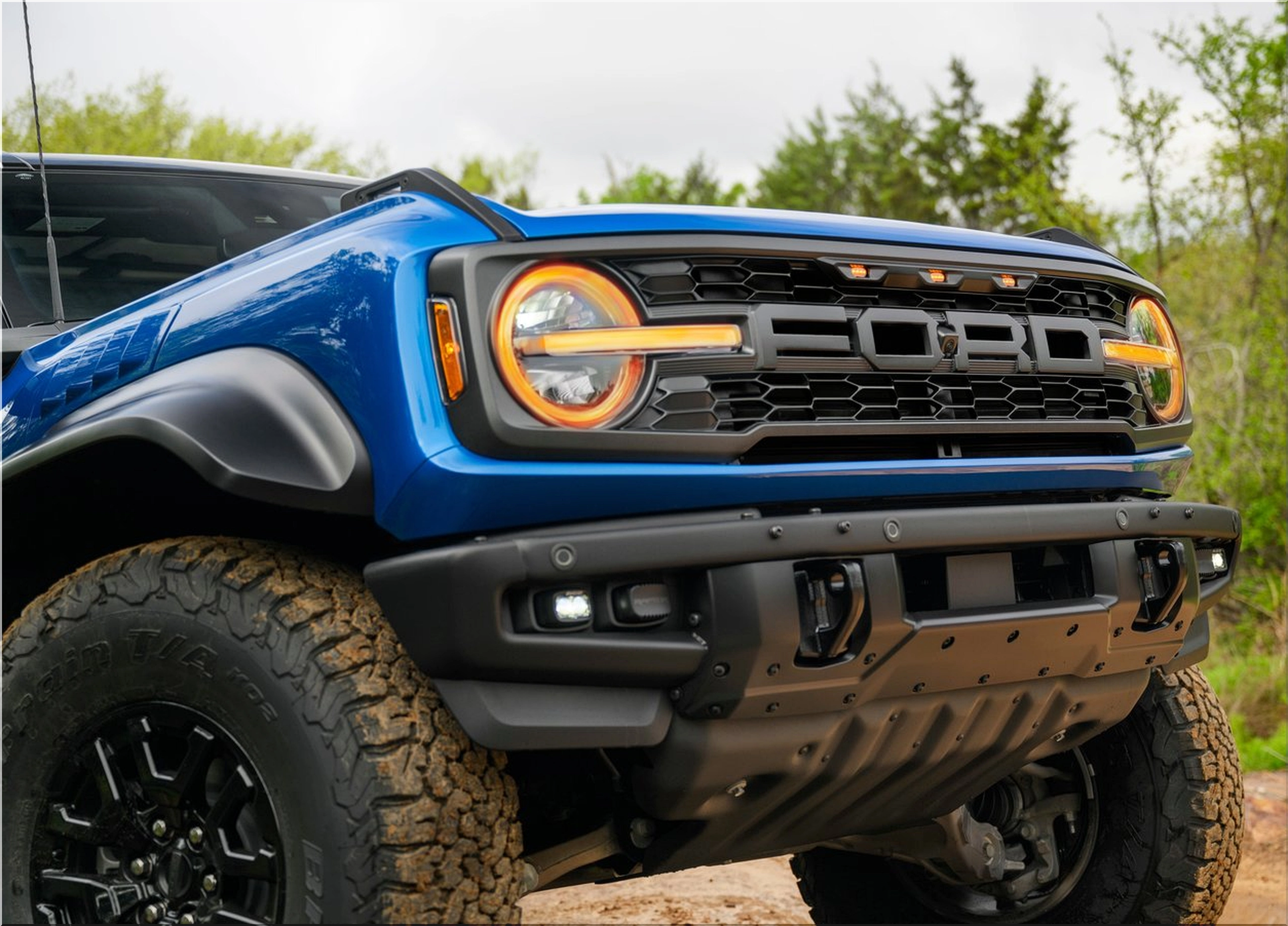
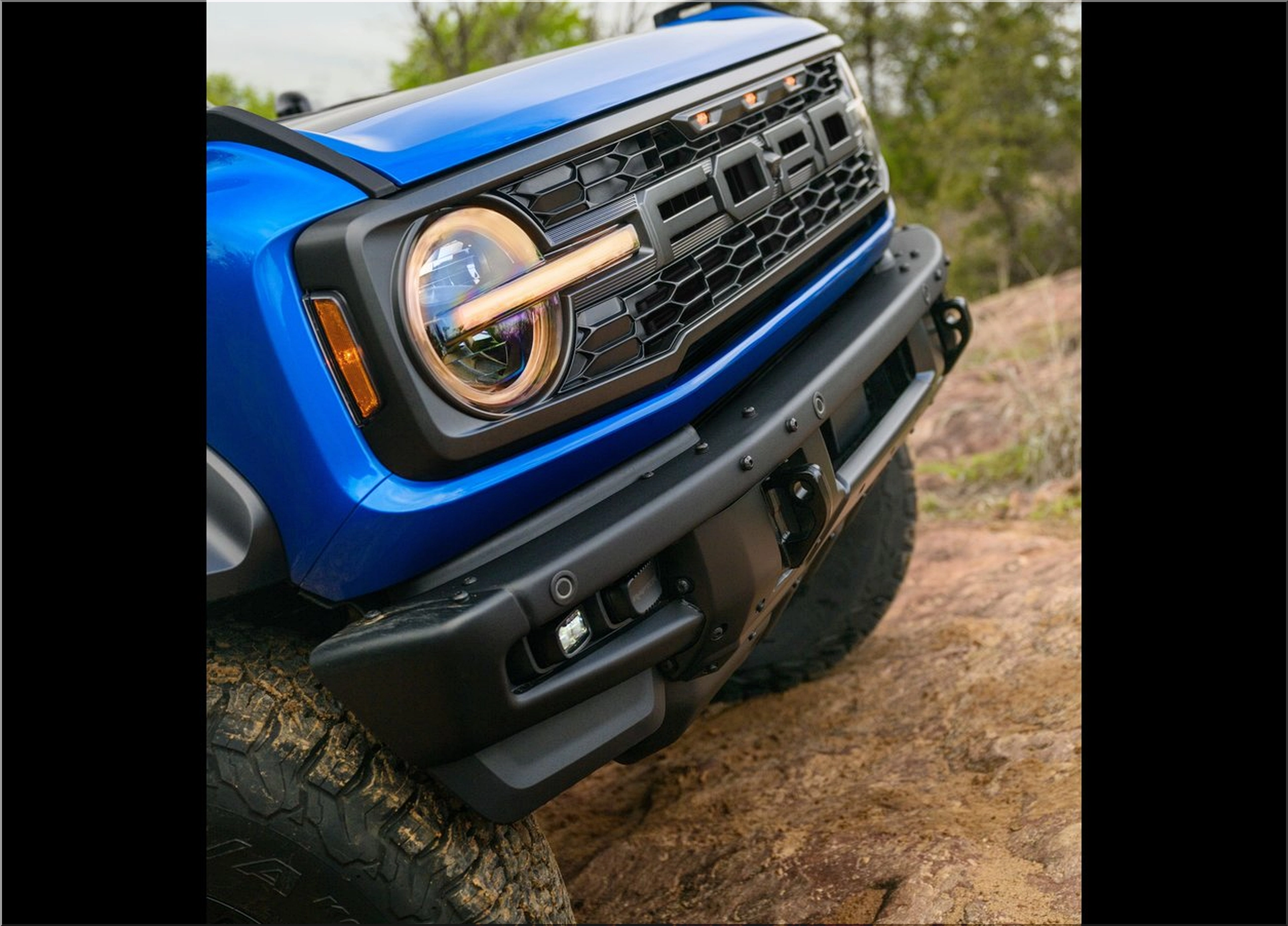
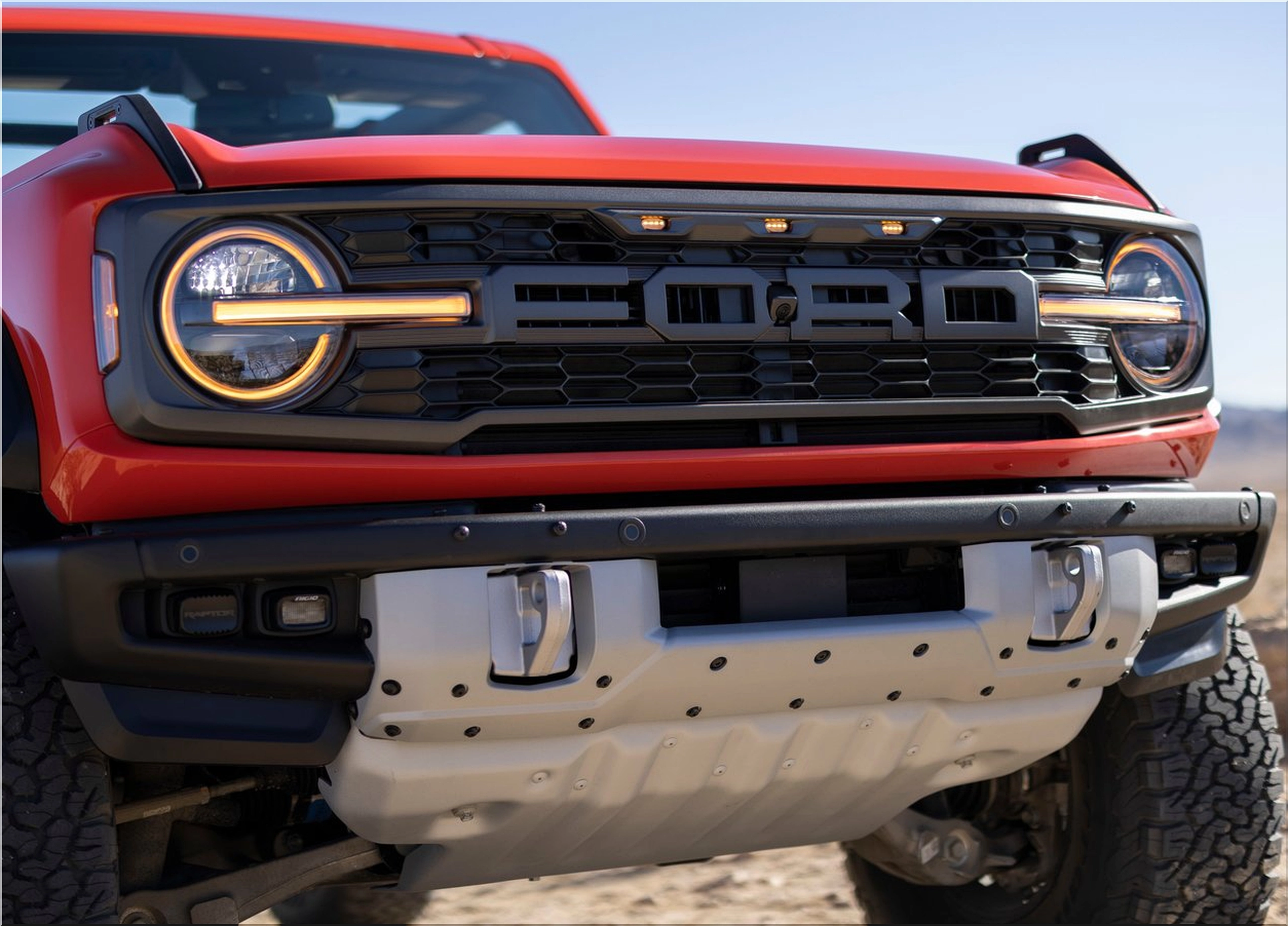
- Heavy-duty skid plates protecting drivetrain components
These changes improve steering precision and reduce long-term fatigue under off-road stress.
Powertrain Output and Thermal Management
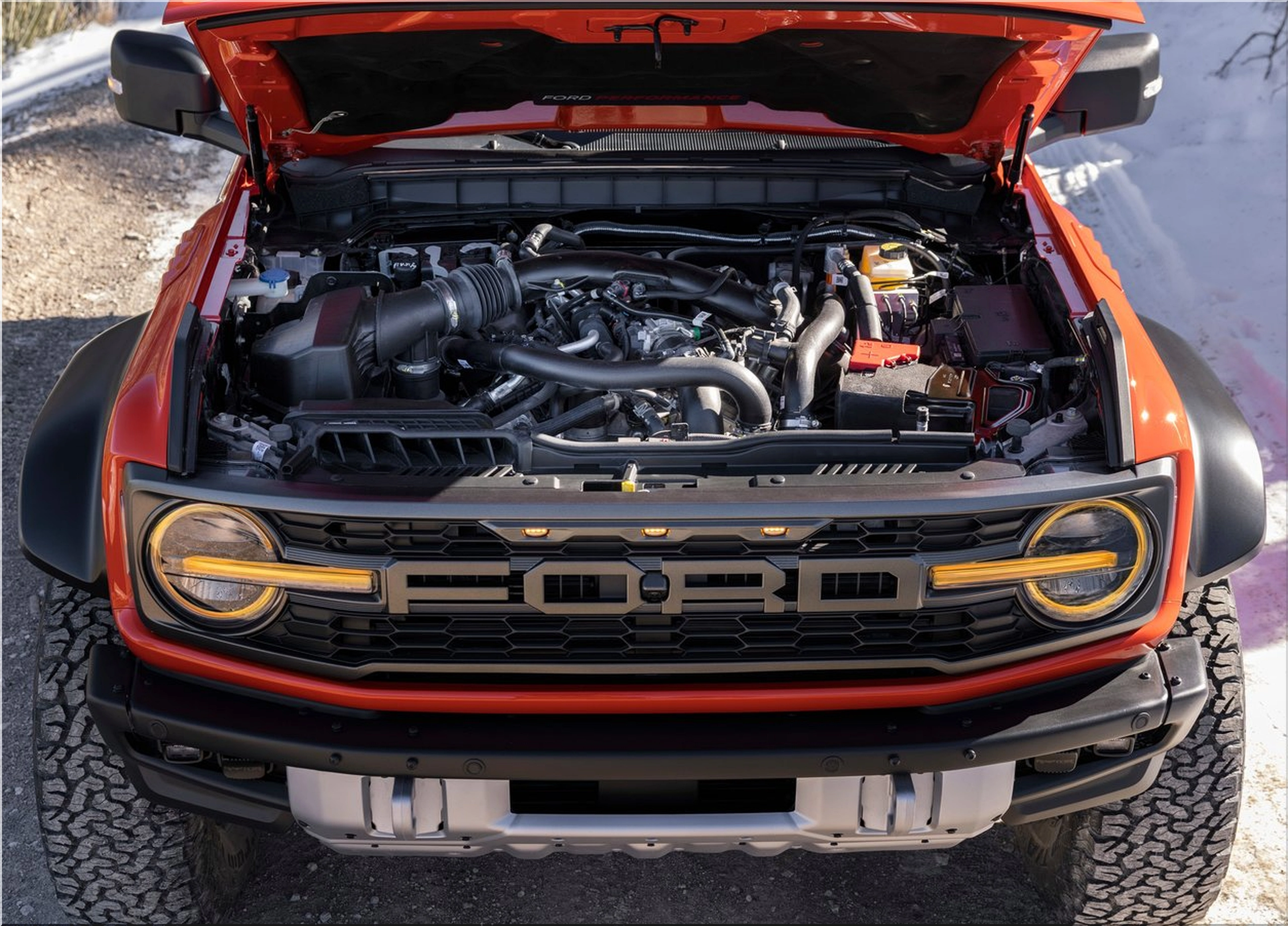
The Bronco Raptor uses a high-output twin-turbocharged 3.0-liter V6 tuned for consistent torque delivery. Ford focused on maintaining power under heat rather than chasing peak numbers. This matters during long sand runs and steep climbs.
Powertrain details include:
- 418 horsepower and 440 lb-ft of torque
- 10-speed automatic transmission with reinforced internals
- Advanced cooling system for engine oil, transmission, and transfer case
- Revised exhaust routing to improve heat dissipation
Throttle response stays predictable even after extended high-load operation.
Drivetrain Control and Traction Systems
Ford paired the engine with a full-time four-wheel-drive system calibrated for aggressive use. Locking differentials front and rear allow controlled power distribution when traction drops to zero.
Functional drivetrain features include:
- Electronically locking front and rear differentials
- Two-speed transfer case with low-range gearing
- Selectable drive modes that adjust throttle and shift mapping
- Trail Turn Assist to reduce turning radius off-road
These systems reduce driver workload while maintaining mechanical engagement.
Suspension Design and Ride Control
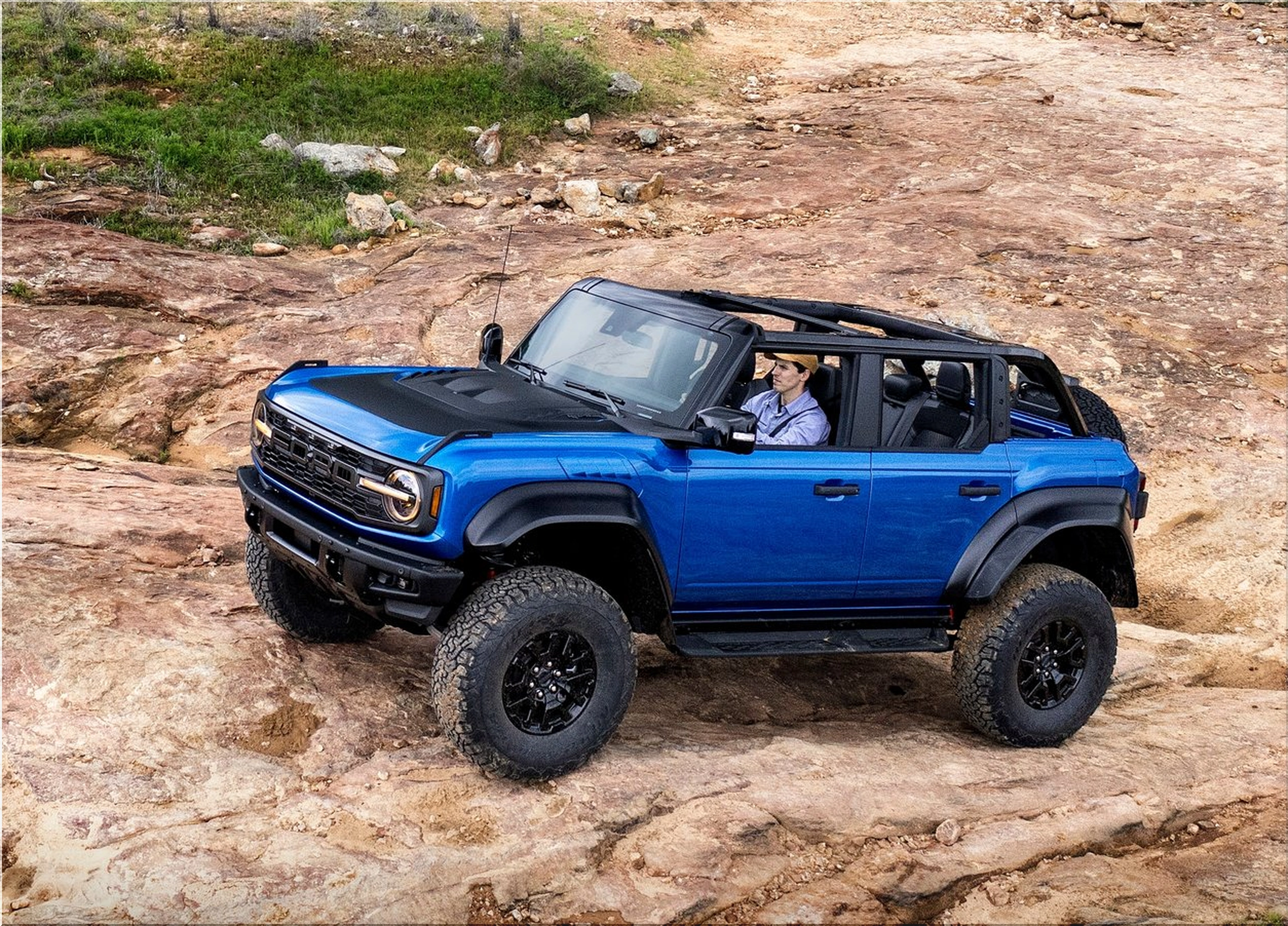
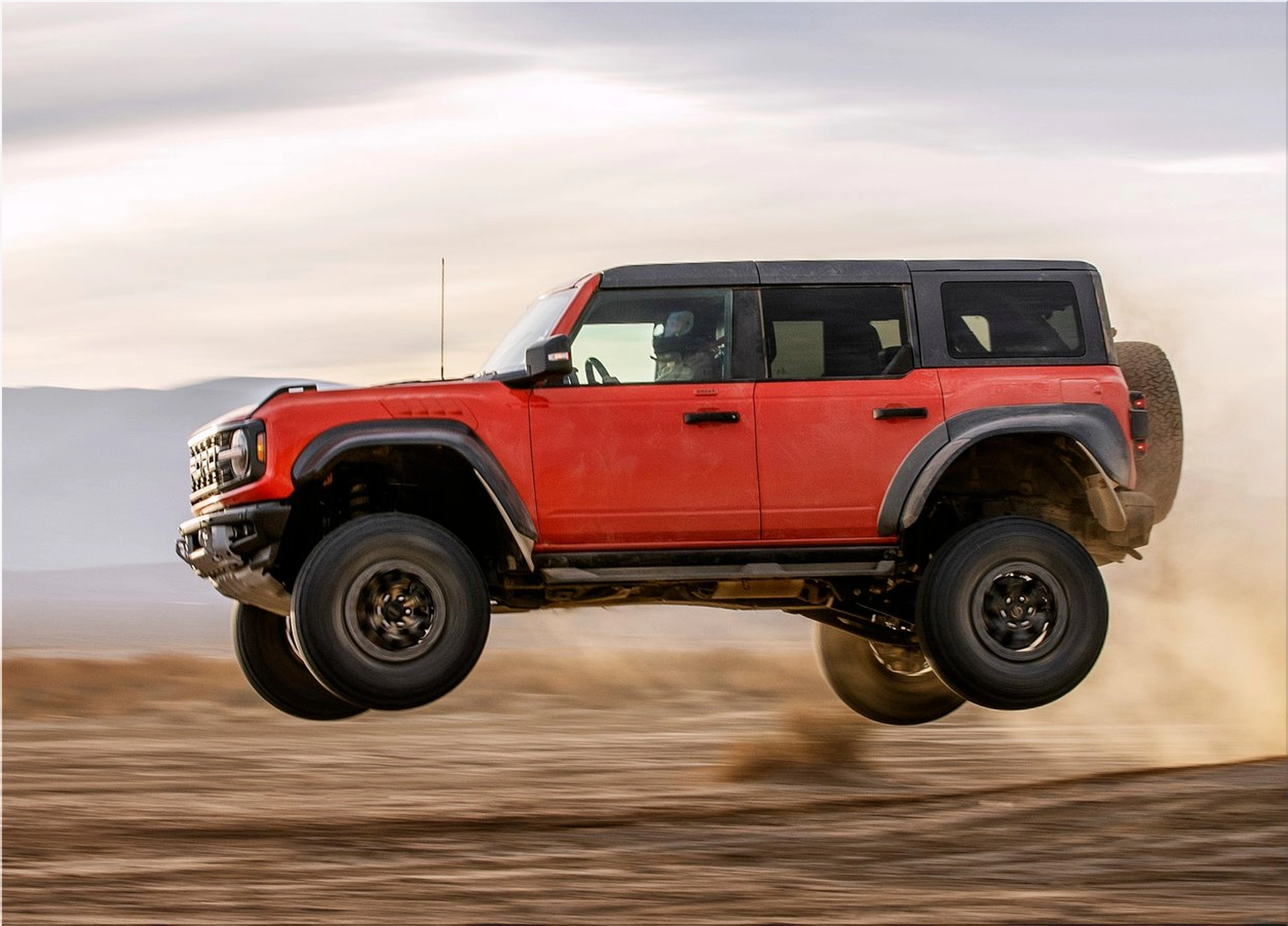
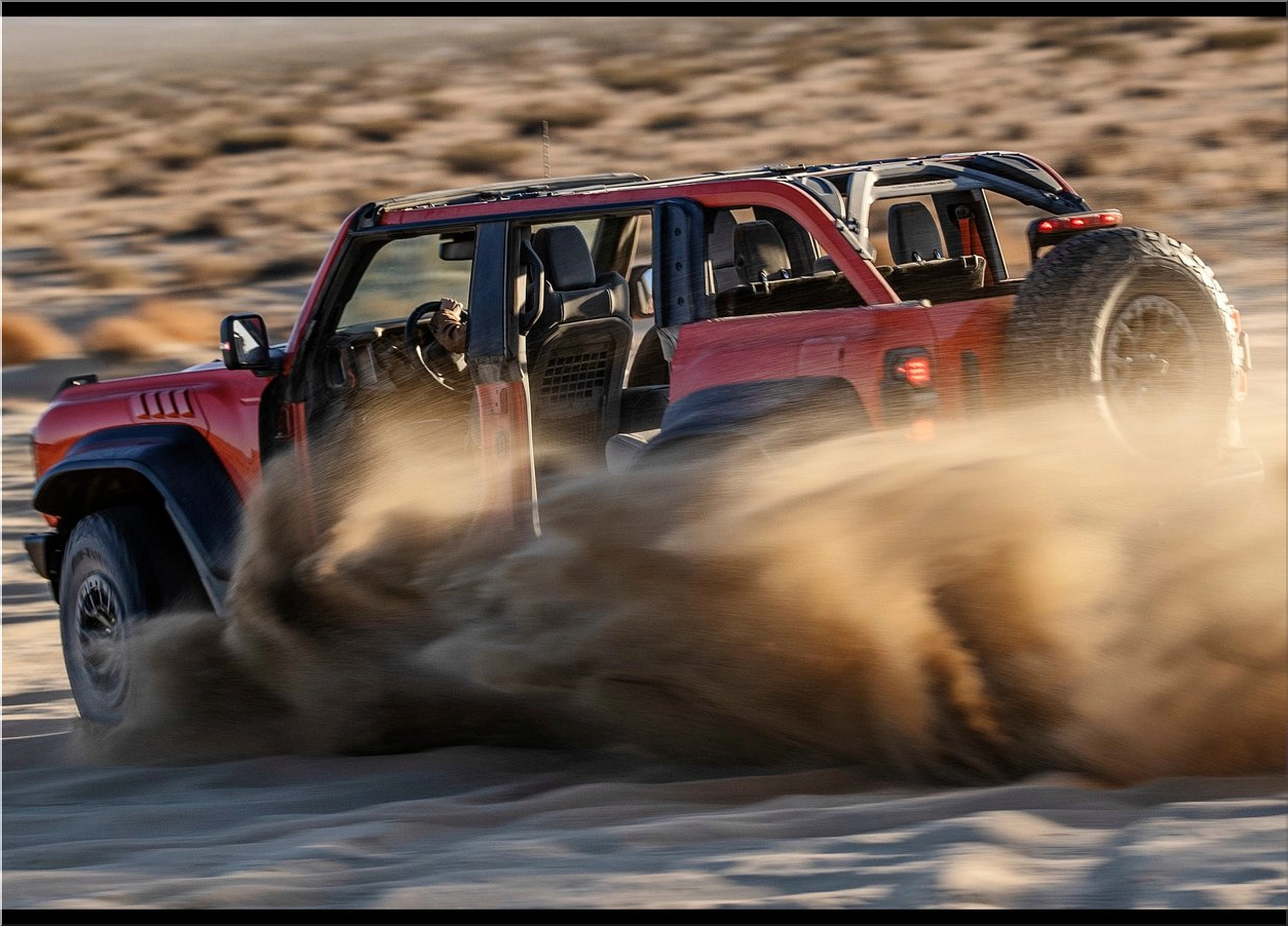
Suspension defines the Bronco Raptor more than horsepower. Fox Live Valve internal bypass dampers adjust damping forces in milliseconds. This allows firm control on-road and high-speed compliance off-road.
Suspension hardware includes:
- Fox 3.1 Live Valve shocks with position-sensitive damping
- Reinforced aluminum control arms for reduced unsprung weight
- Increased suspension travel compared to standard Bronco trims
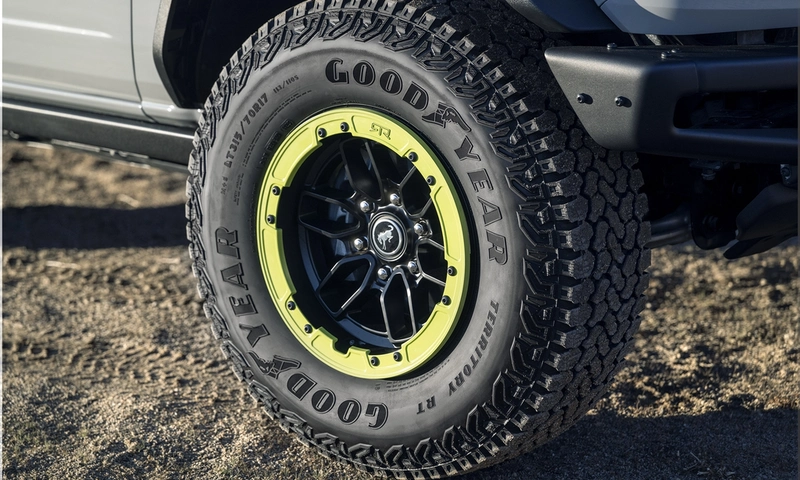
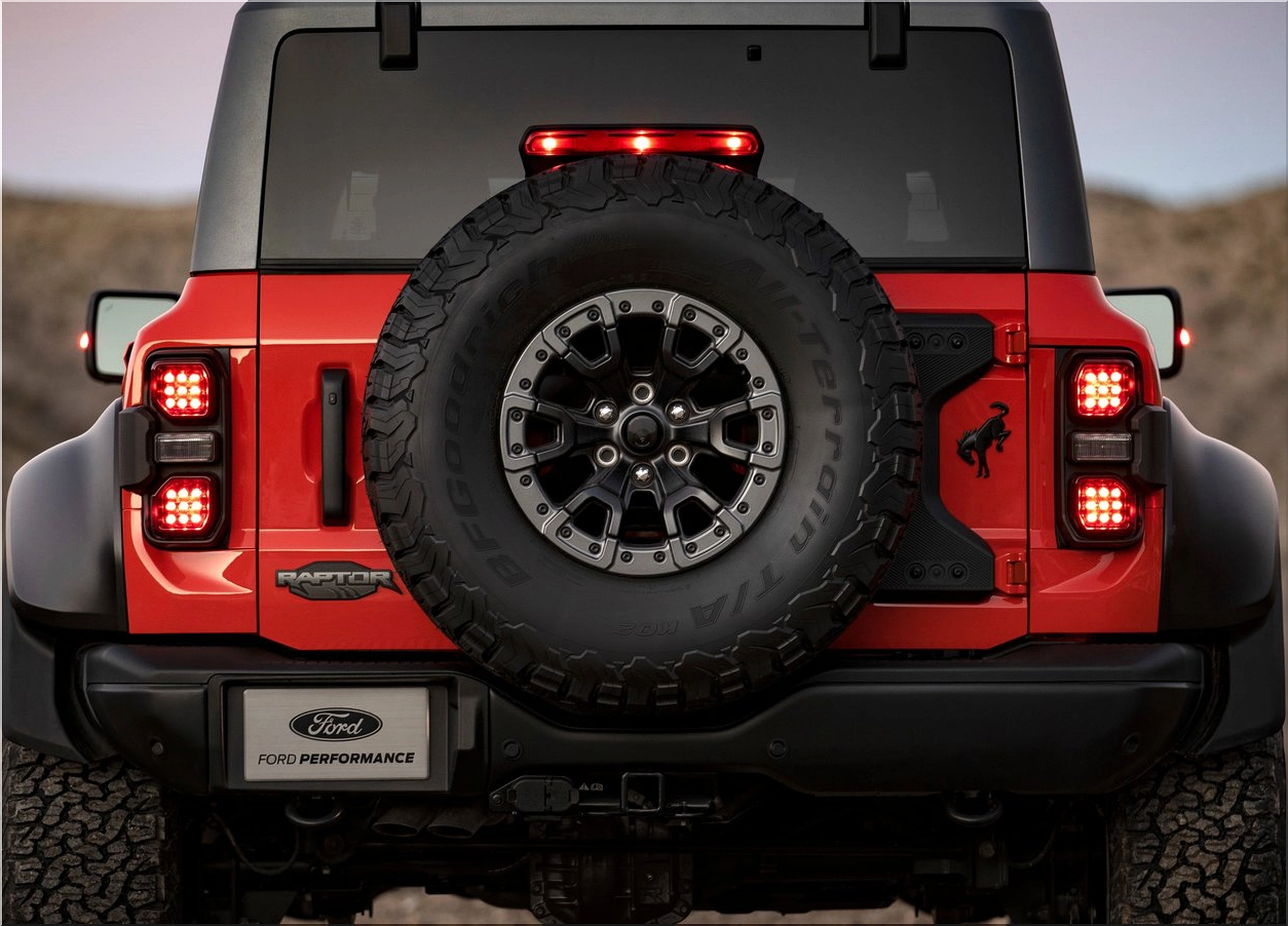
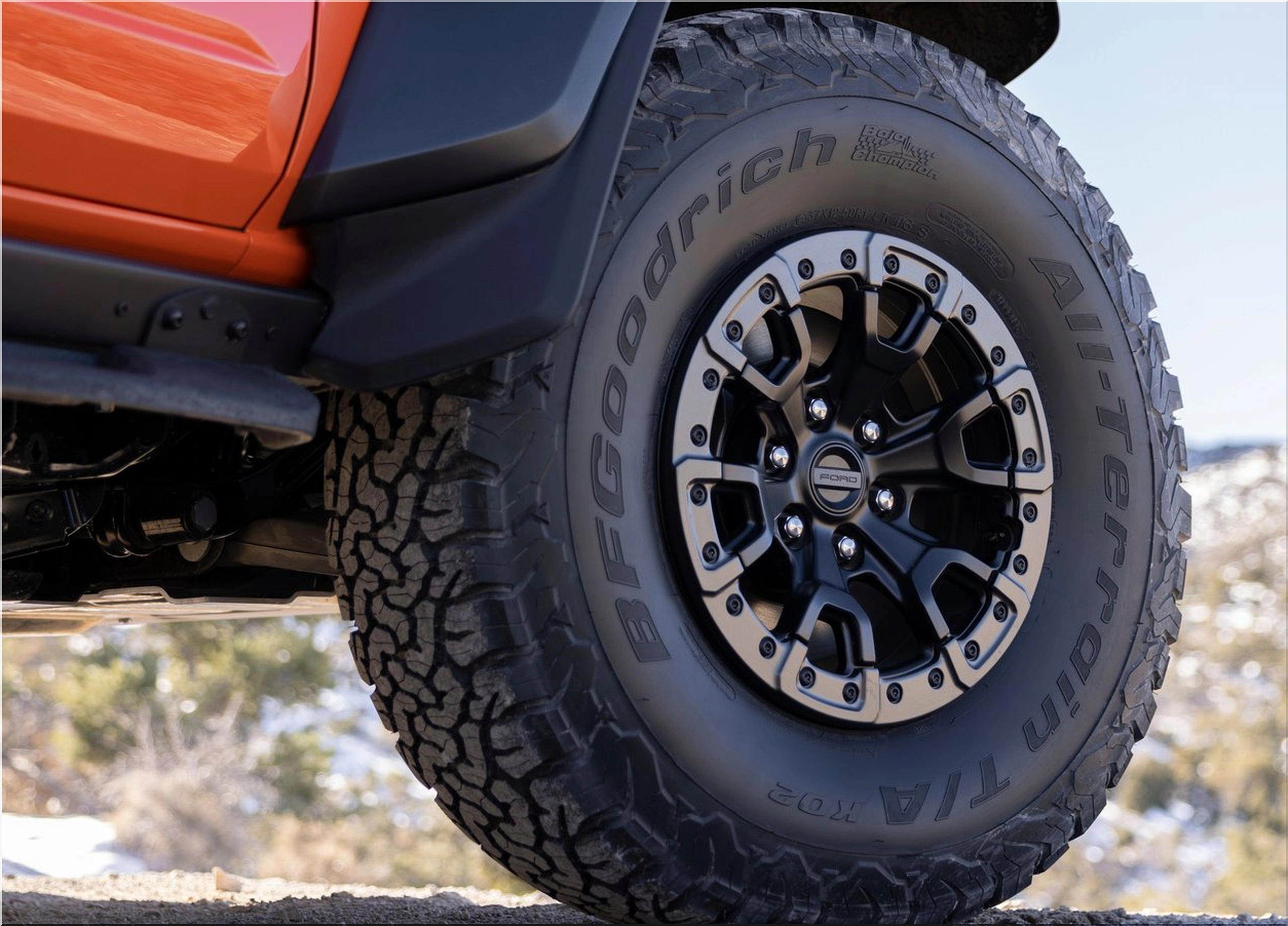
- 37-inch all-terrain tires designed for impact resistance
The result balances ride comfort with control during repeated bottom-out events.
Steering, Braking, and High-Speed Stability
Ford recalibrated steering assist to match the wider stance and heavier tires. Feedback remains consistent at speed without feeling overly light.
Supporting systems include:
- Upgraded brake package with larger rotors
- Revised steering ratio for improved on-center control
- Stability programming tuned for loose surfaces
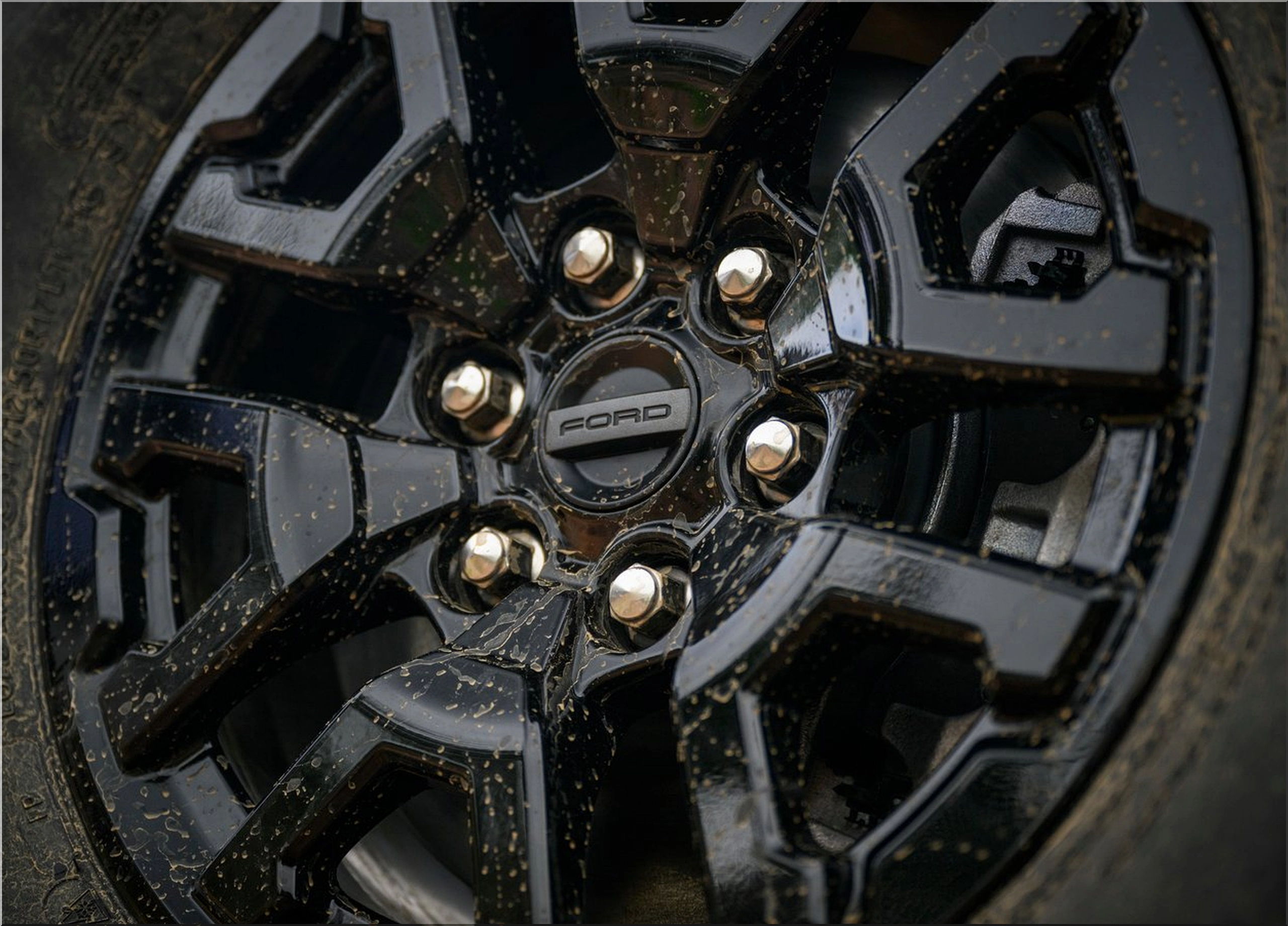
- High-strength wheels rated for off-road impacts
Stopping power remains stable even after extended downhill descents.
Interior Design Focused on Control
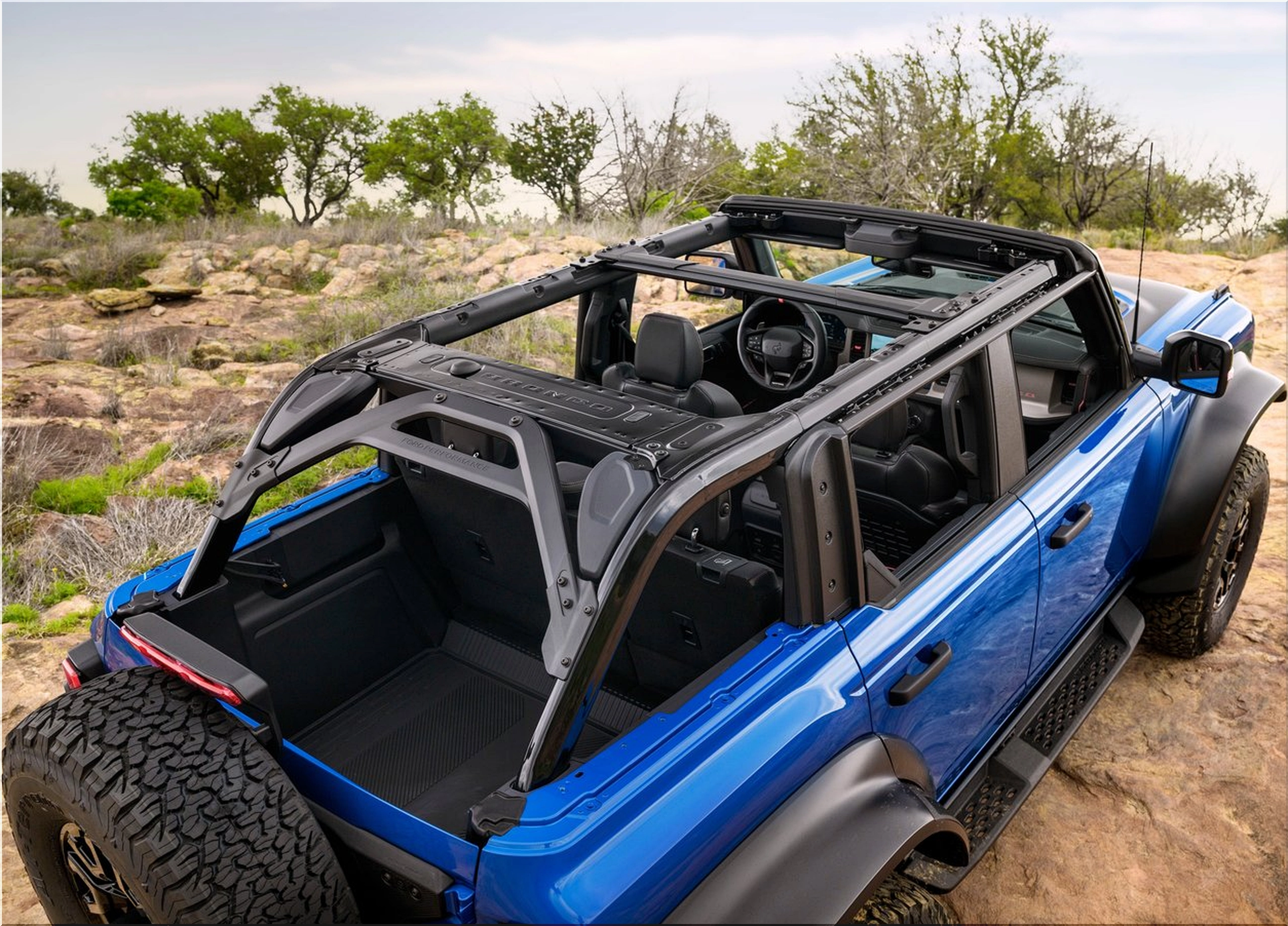
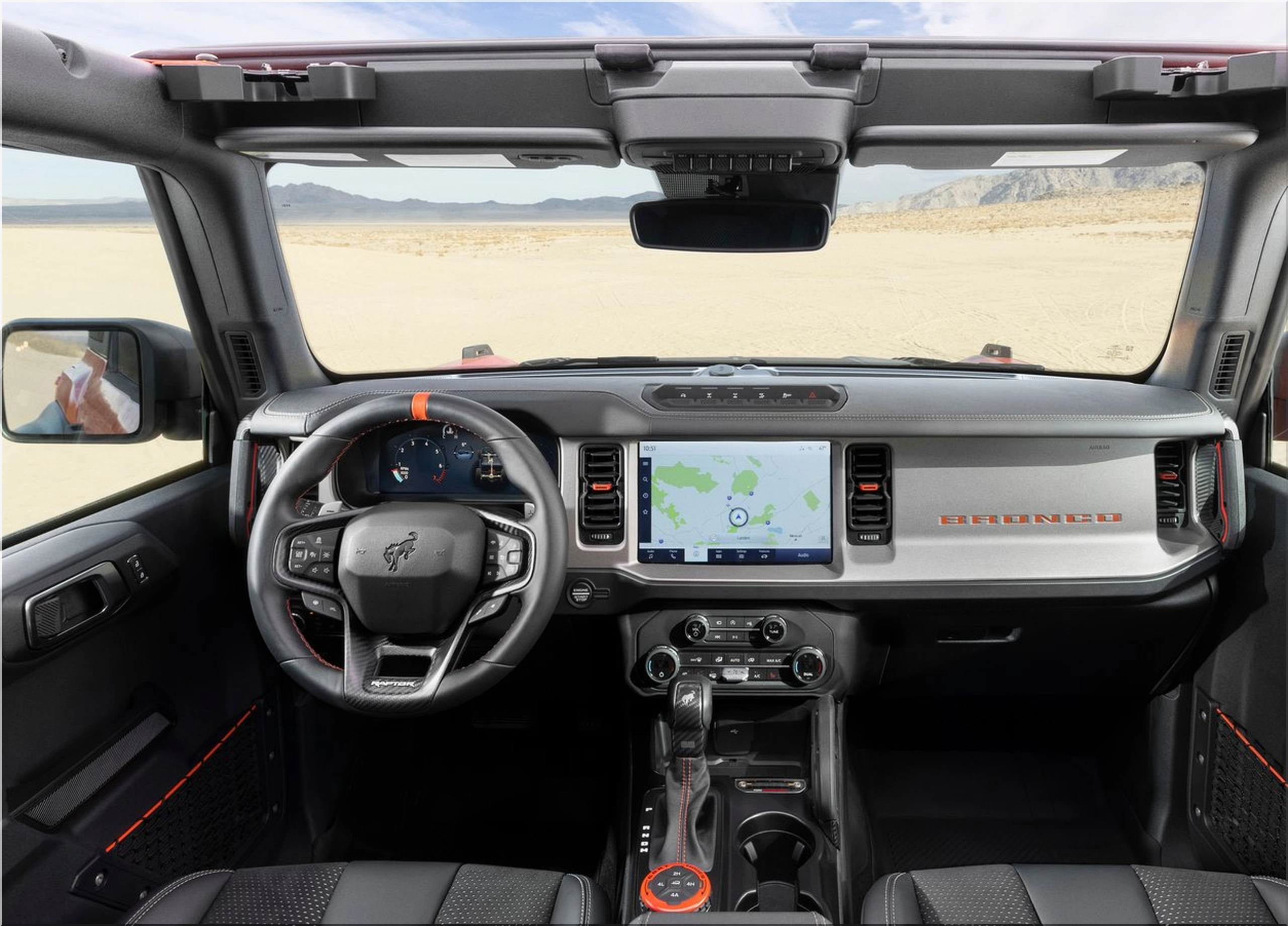
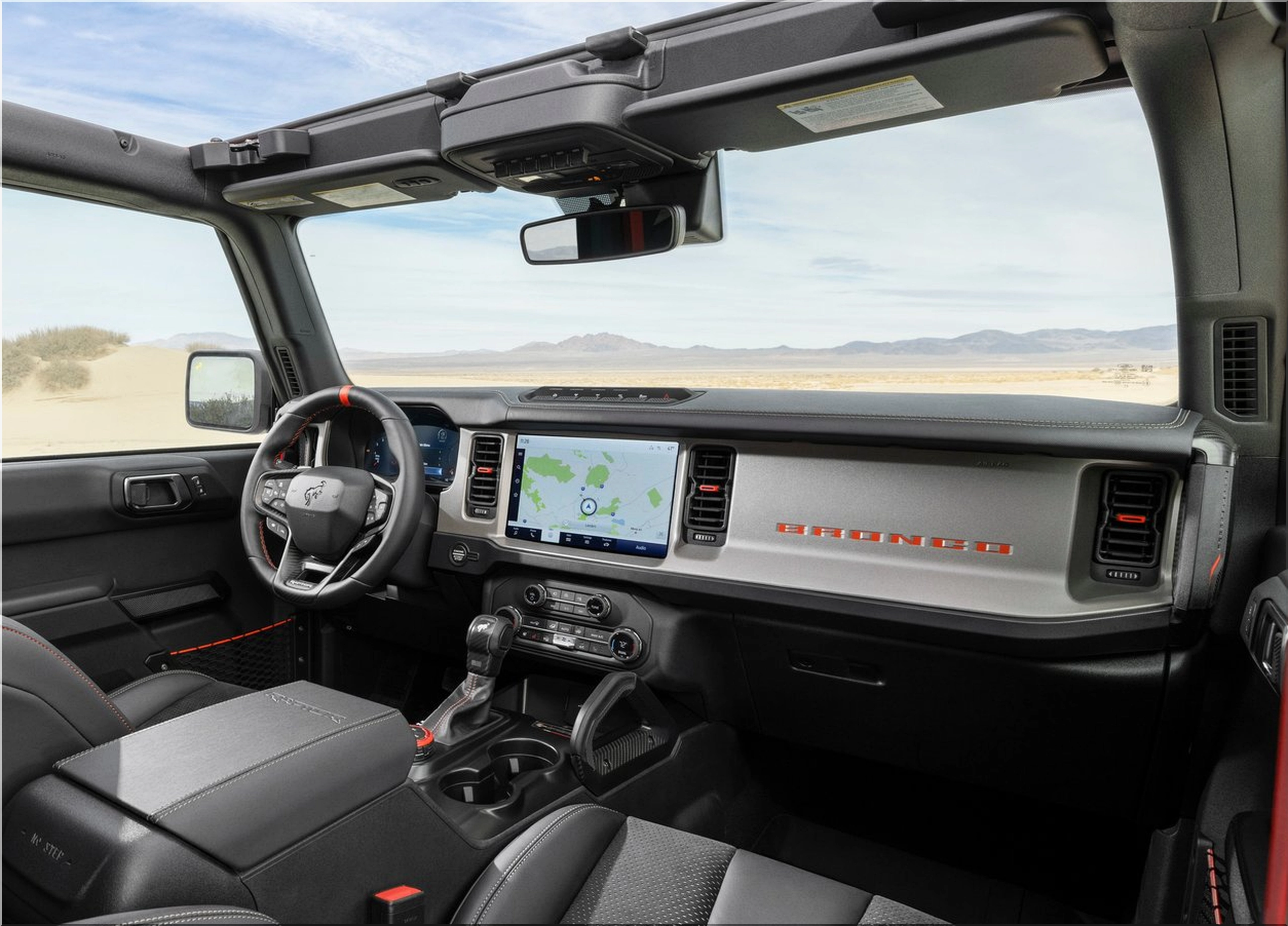
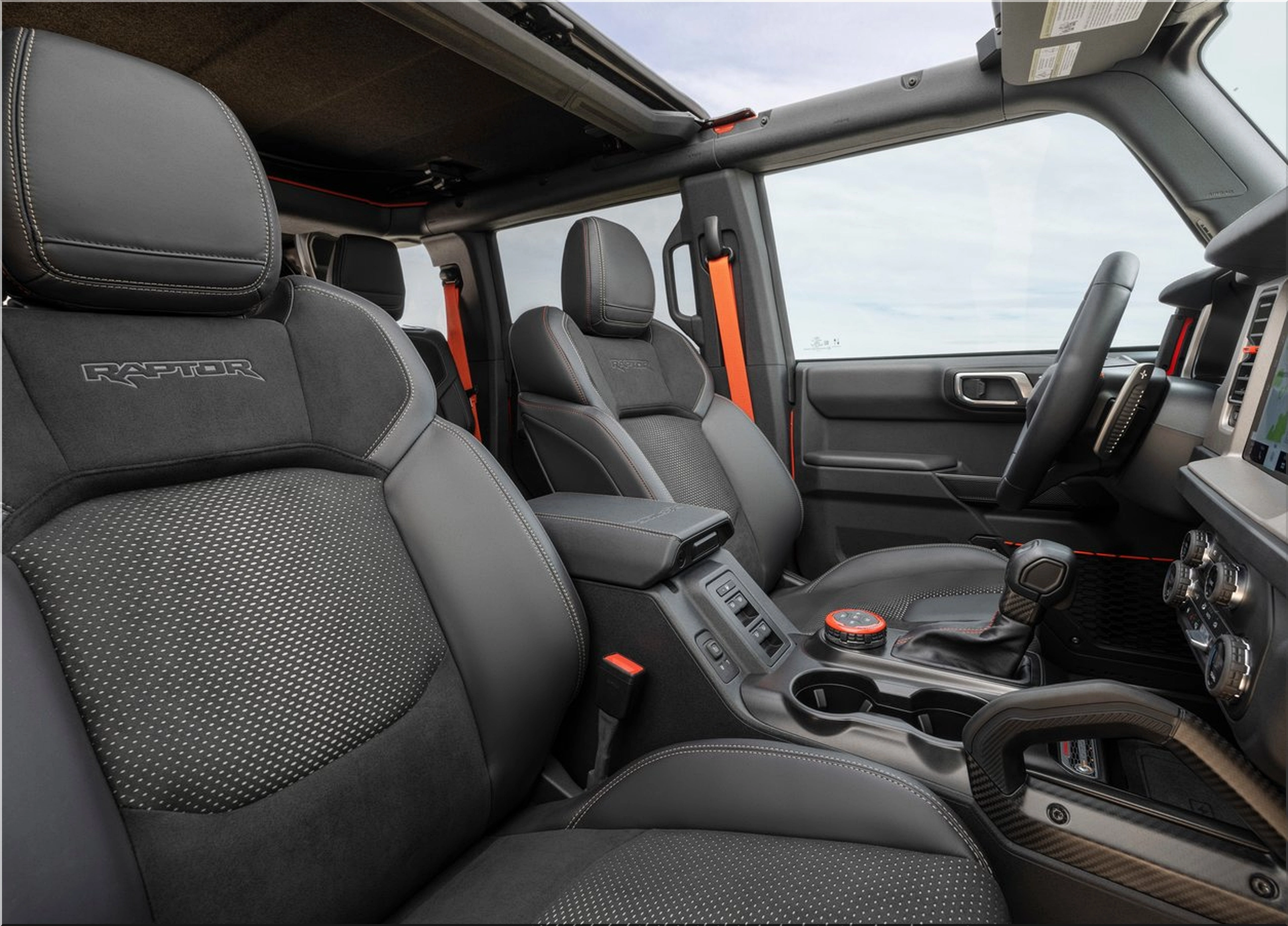
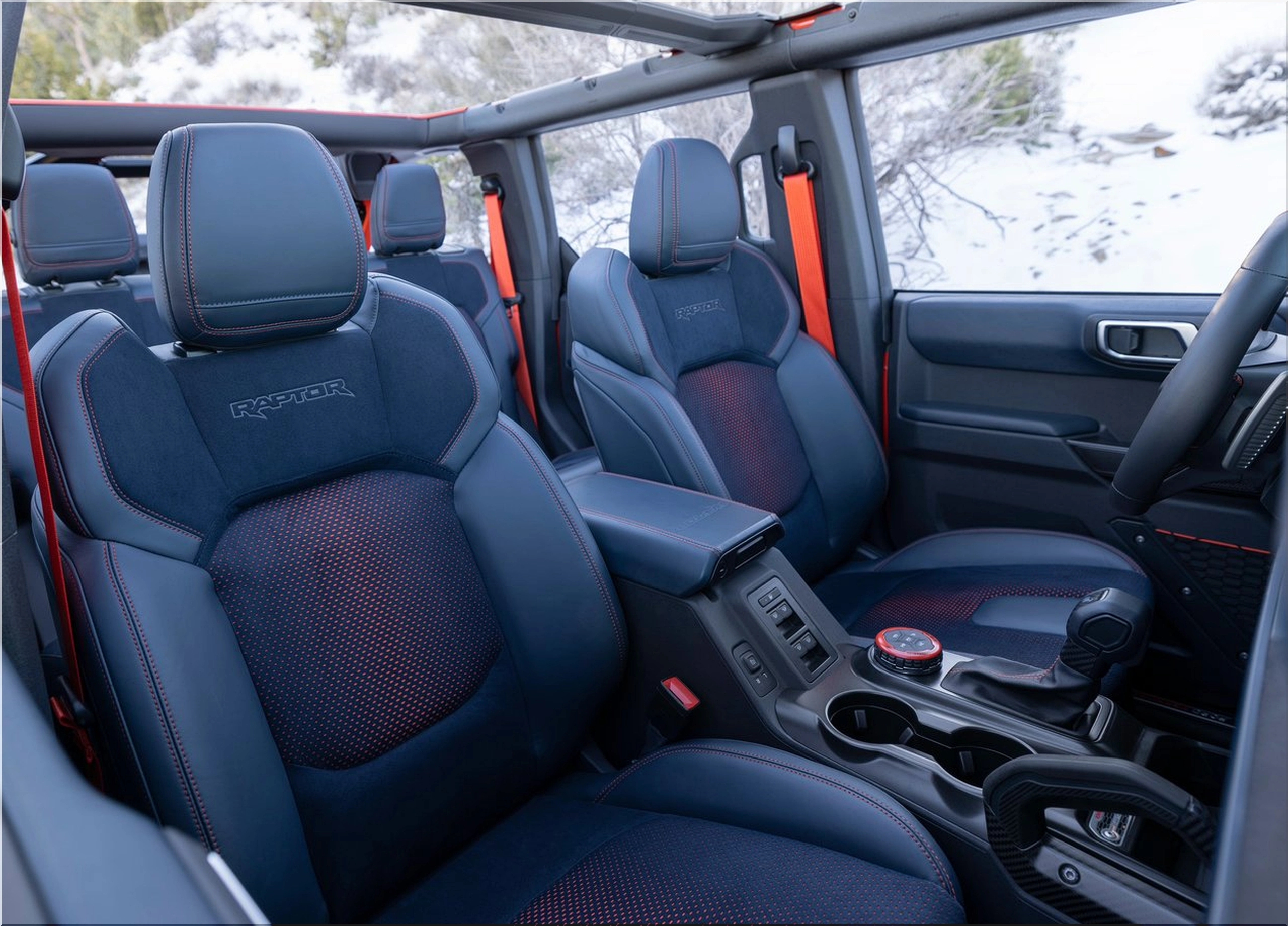
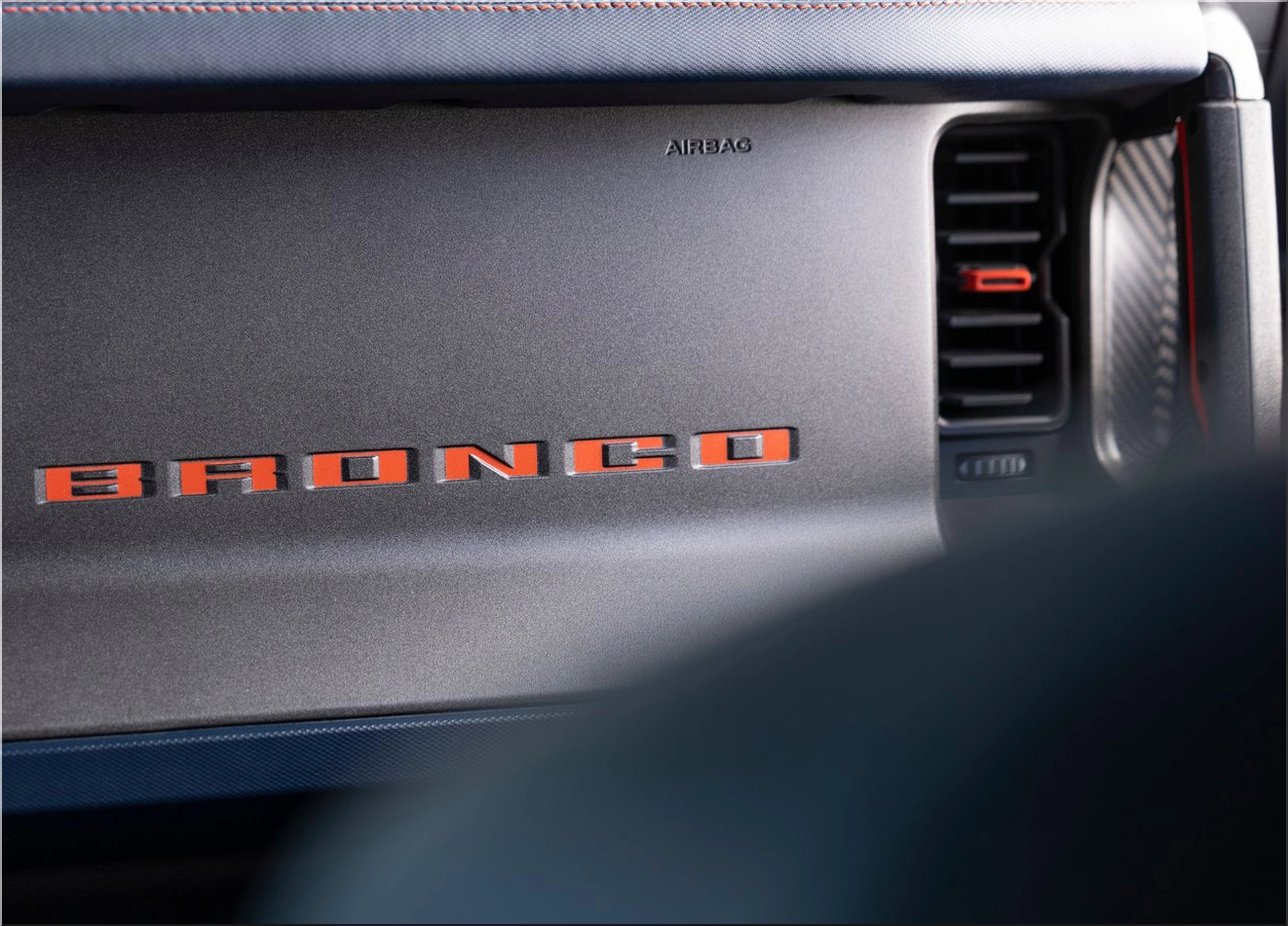
The cabin favors function over luxury. Materials resist abrasion, moisture, and temperature swings. Ford avoided excessive gloss surfaces that reflect sunlight during off-road driving.
Interior features include:
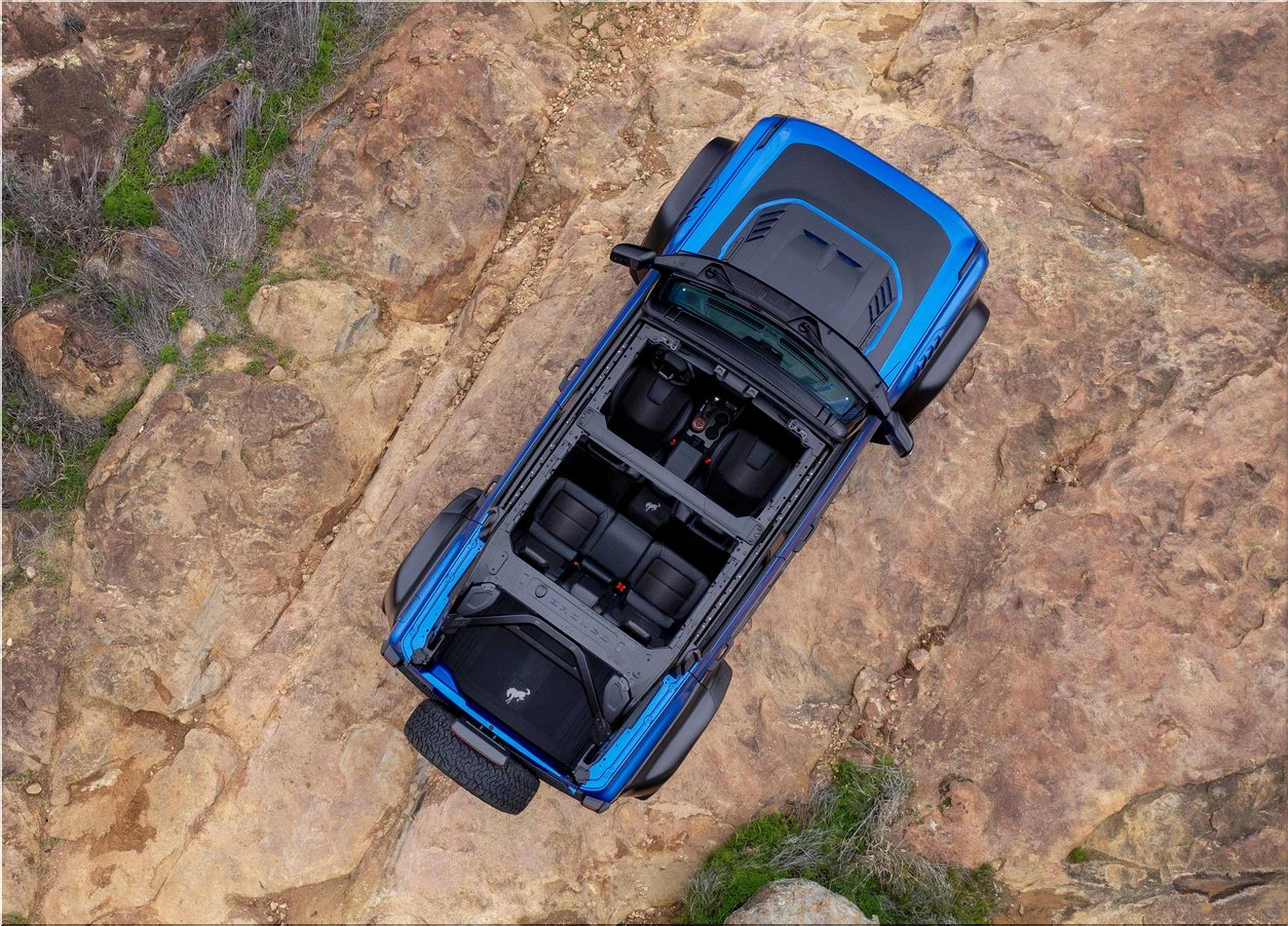
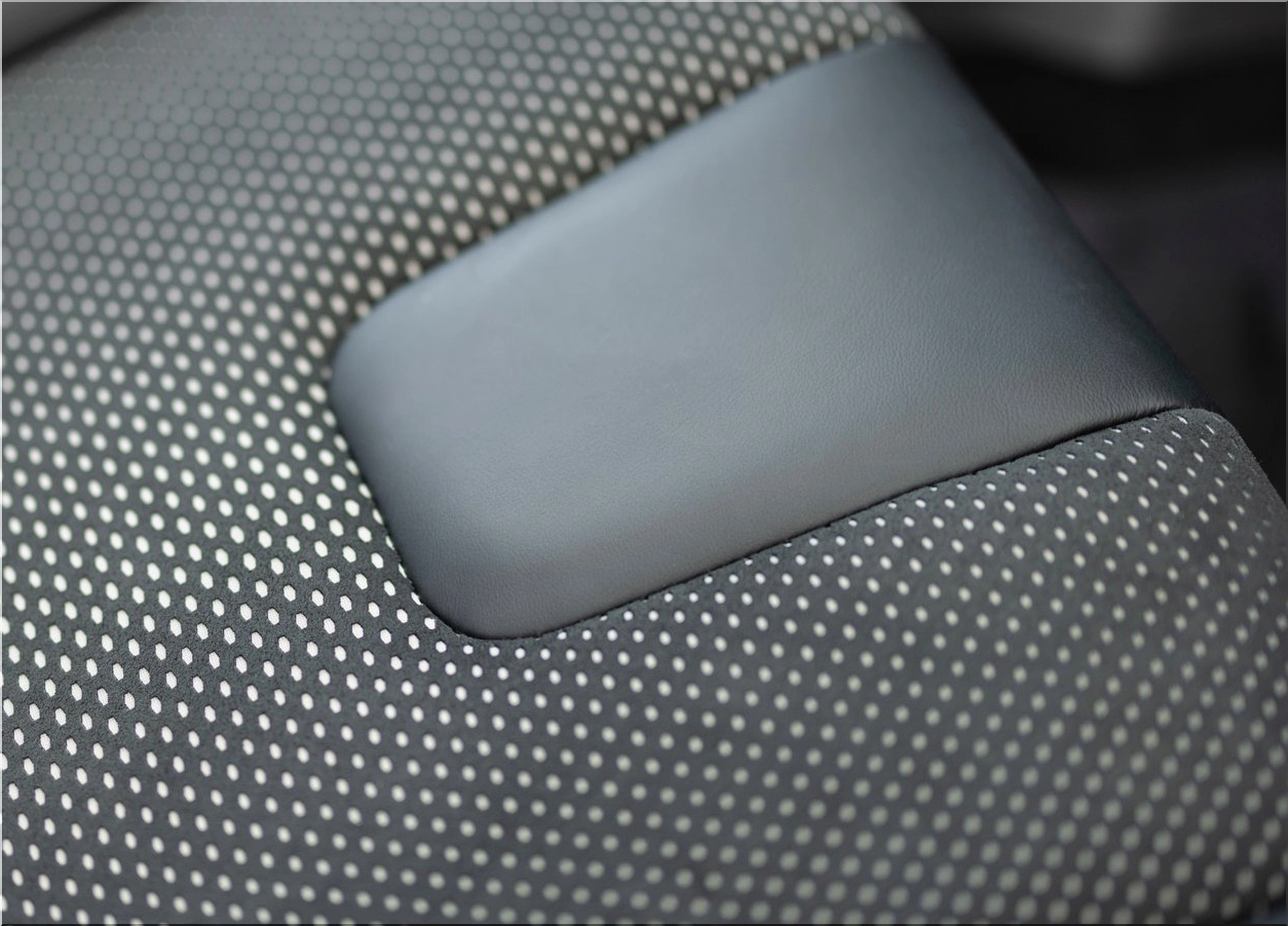
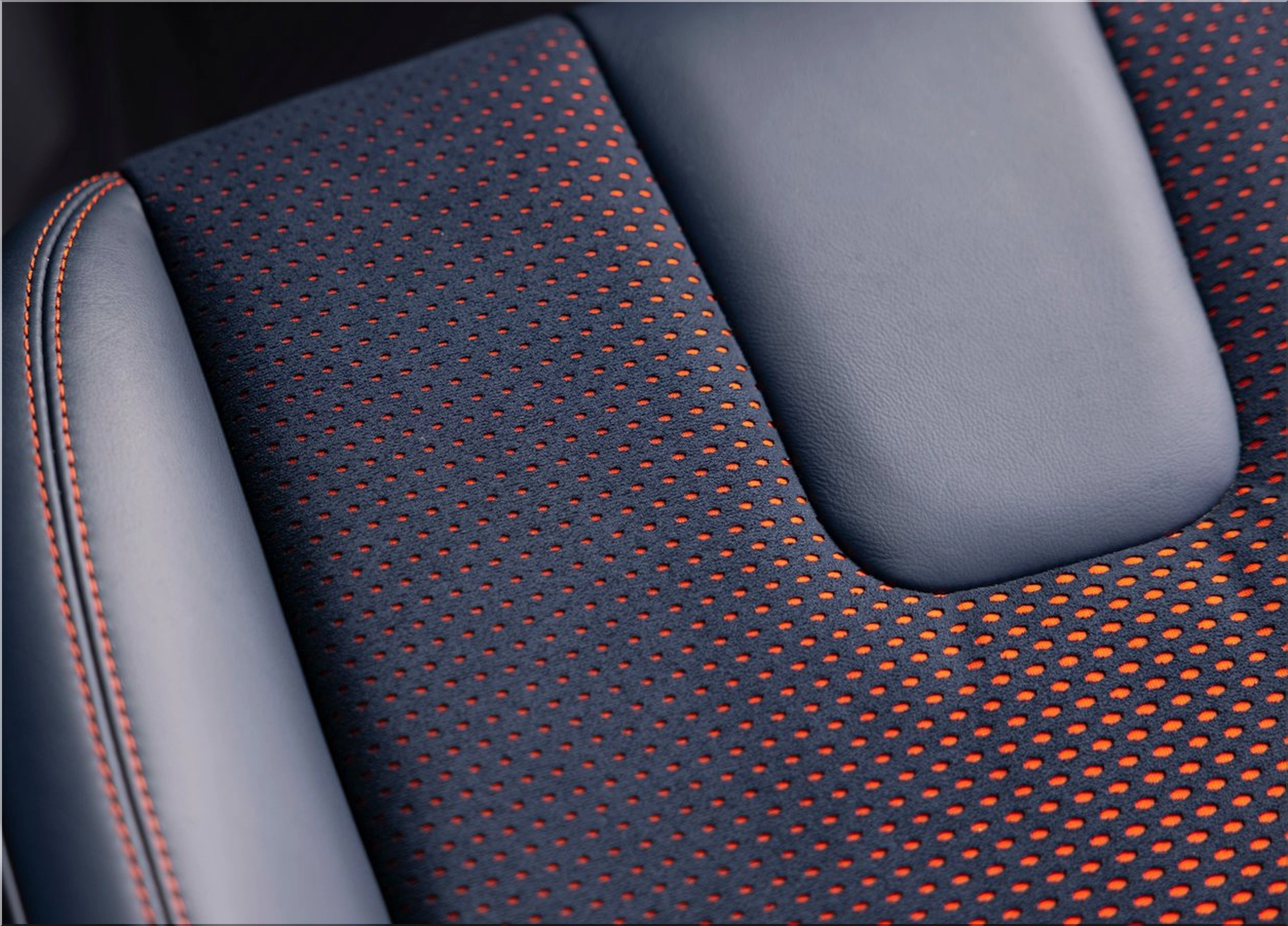
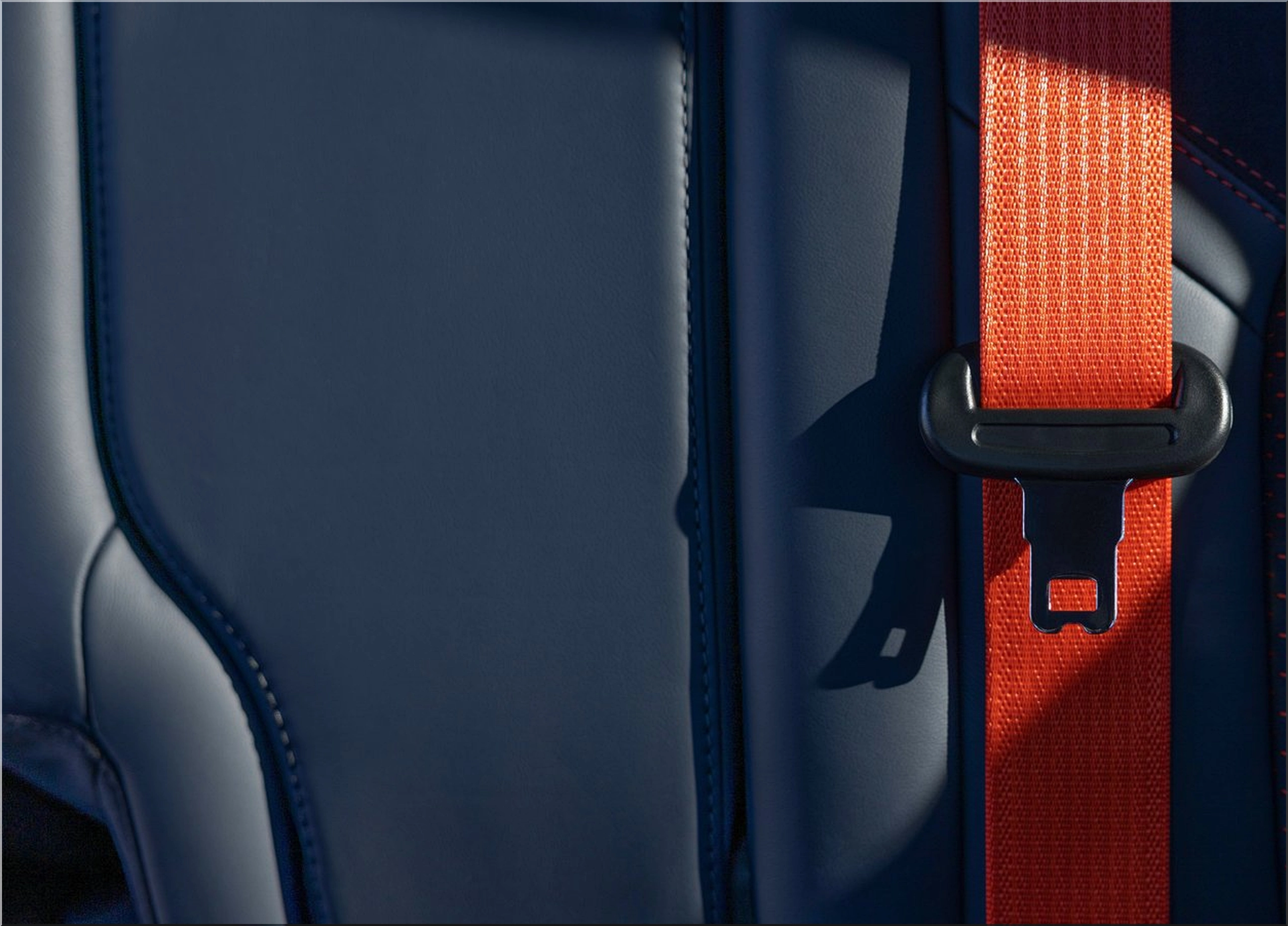
- Marine-grade vinyl seating with reinforced bolsters
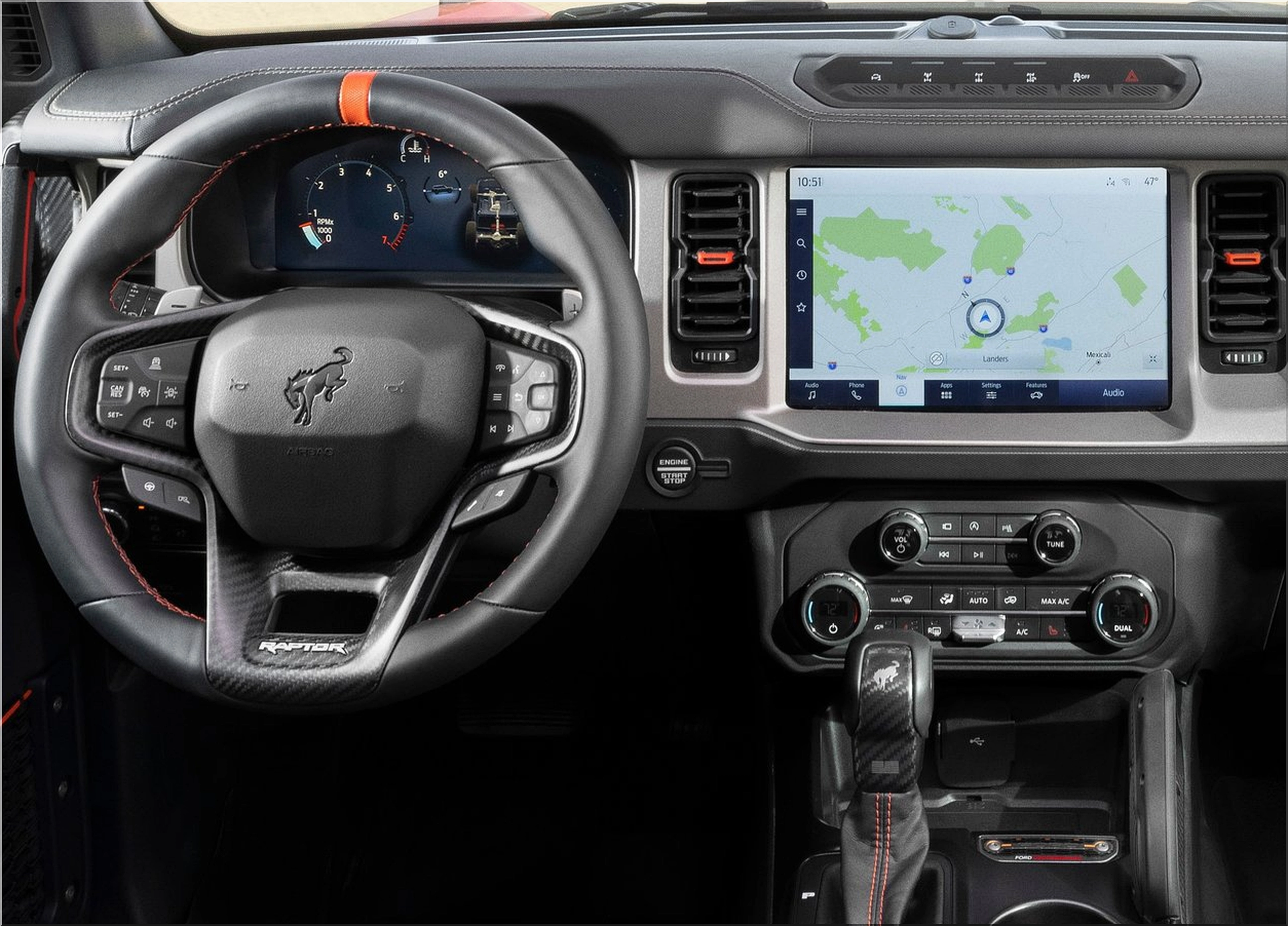
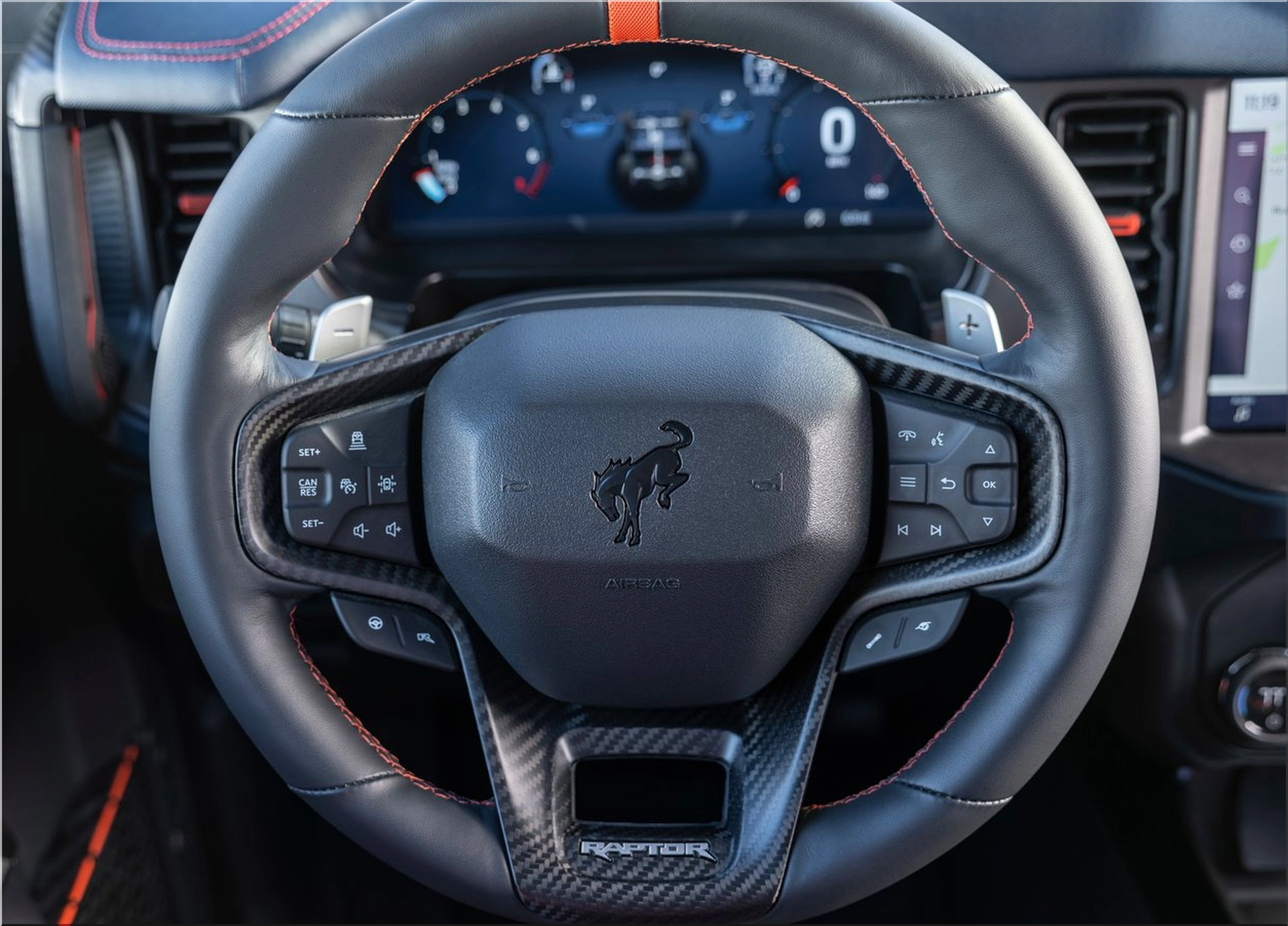
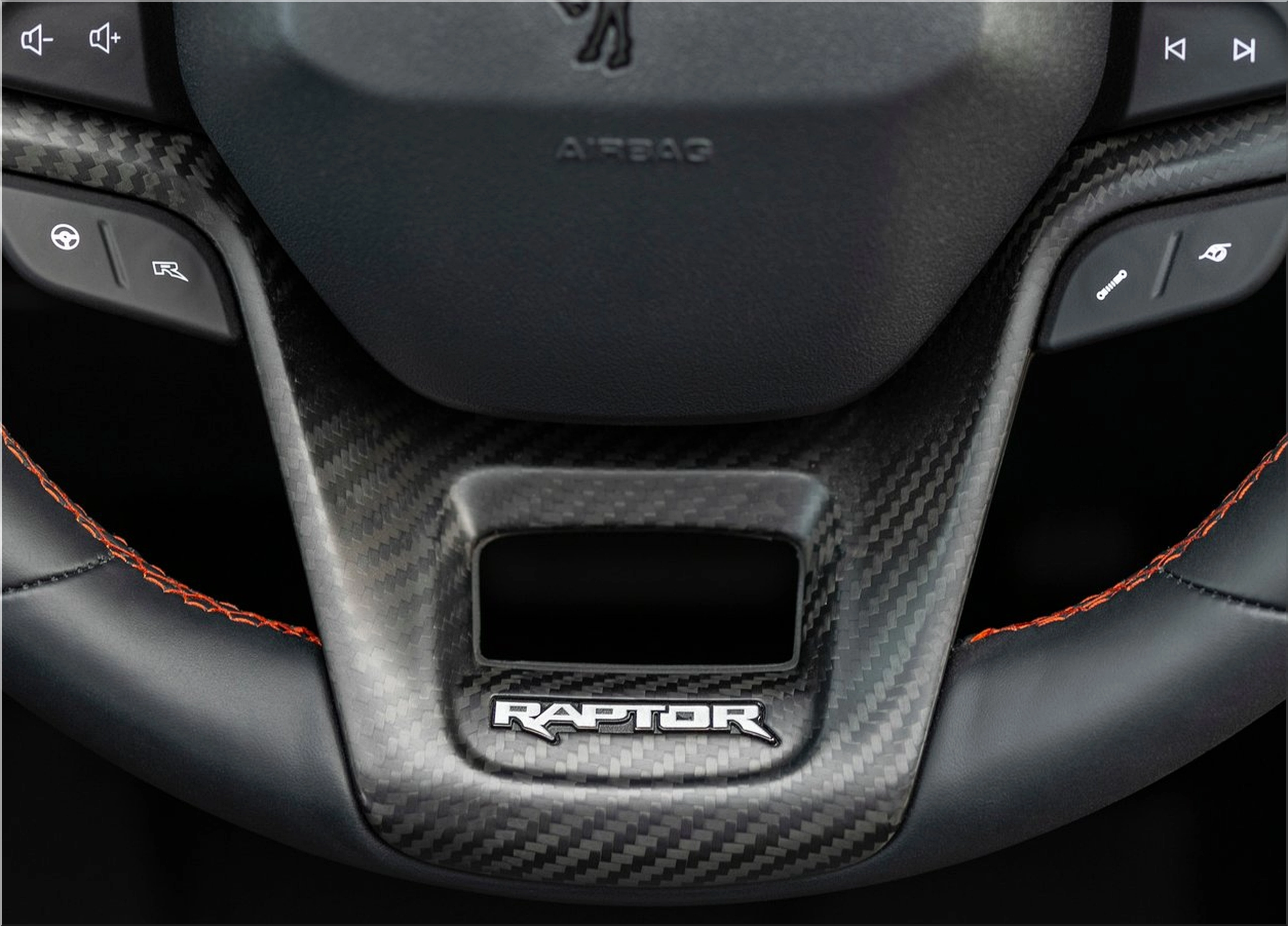
- Physical switchgear for core driving functions
- Digital instrument cluster with pitch, roll, and drivetrain data
- Integrated grab handles positioned for off-camber support
Noise isolation improves compared to earlier Broncos, despite aggressive tires.
Driver Assistance and Off-Road Technology
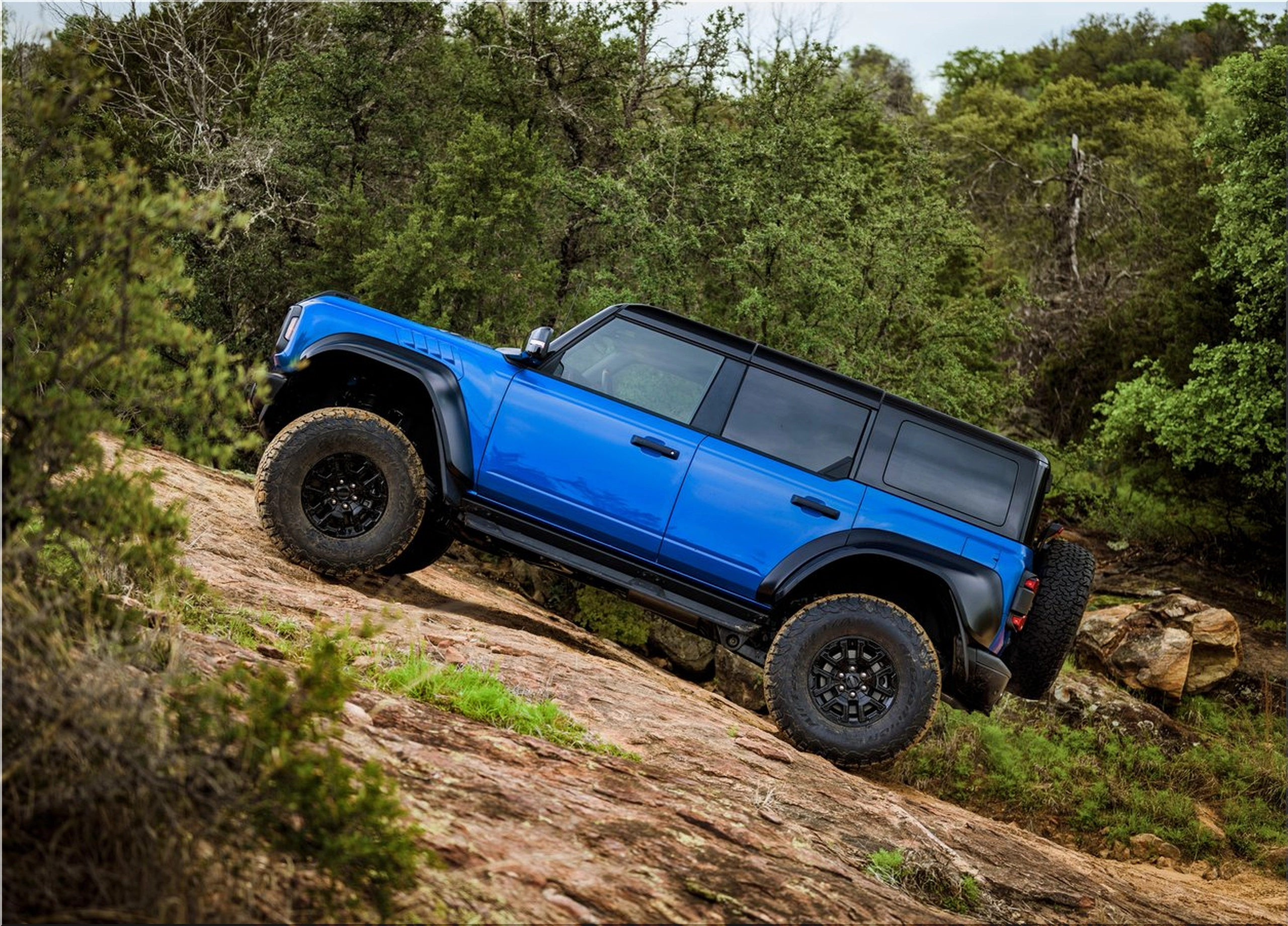
Technology serves traction and visibility rather than automation. Camera systems provide tire placement views that reduce guesswork on technical trails.
Notable systems include:
- 360-degree camera with off-road overlays
- Trail Control acting as low-speed cruise control
- Selectable exhaust modes for sound and backpressure control
- Terrain-specific G.O.A.T. modes adjusting multiple vehicle parameters
Each feature reduces fatigue without removing driver input.
Payload, Towing, and Practical Limits
The Bronco Raptor trades payload capacity for suspension travel and durability. Buyers should view it as a recreational tool rather than a utility hauler.
Practical specifications include:
- Towing capacity: approximately 4,500 pounds
- Payload rating: lower than non-Raptor Bronco trims
- Fuel consumption: higher due to tire size and weight
- Service intervals: influenced by off-road usage patterns
Planning gear weight remains important for long trips.
Pricing Context and Value Analysis
Pricing reflects the engineering depth. The Bronco Raptor starts around $90,000 USD depending on configuration and market. That price includes factory-installed components that often cost more when added later.
Cost factors include:
- Suspension hardware engineered and warrantied by Ford
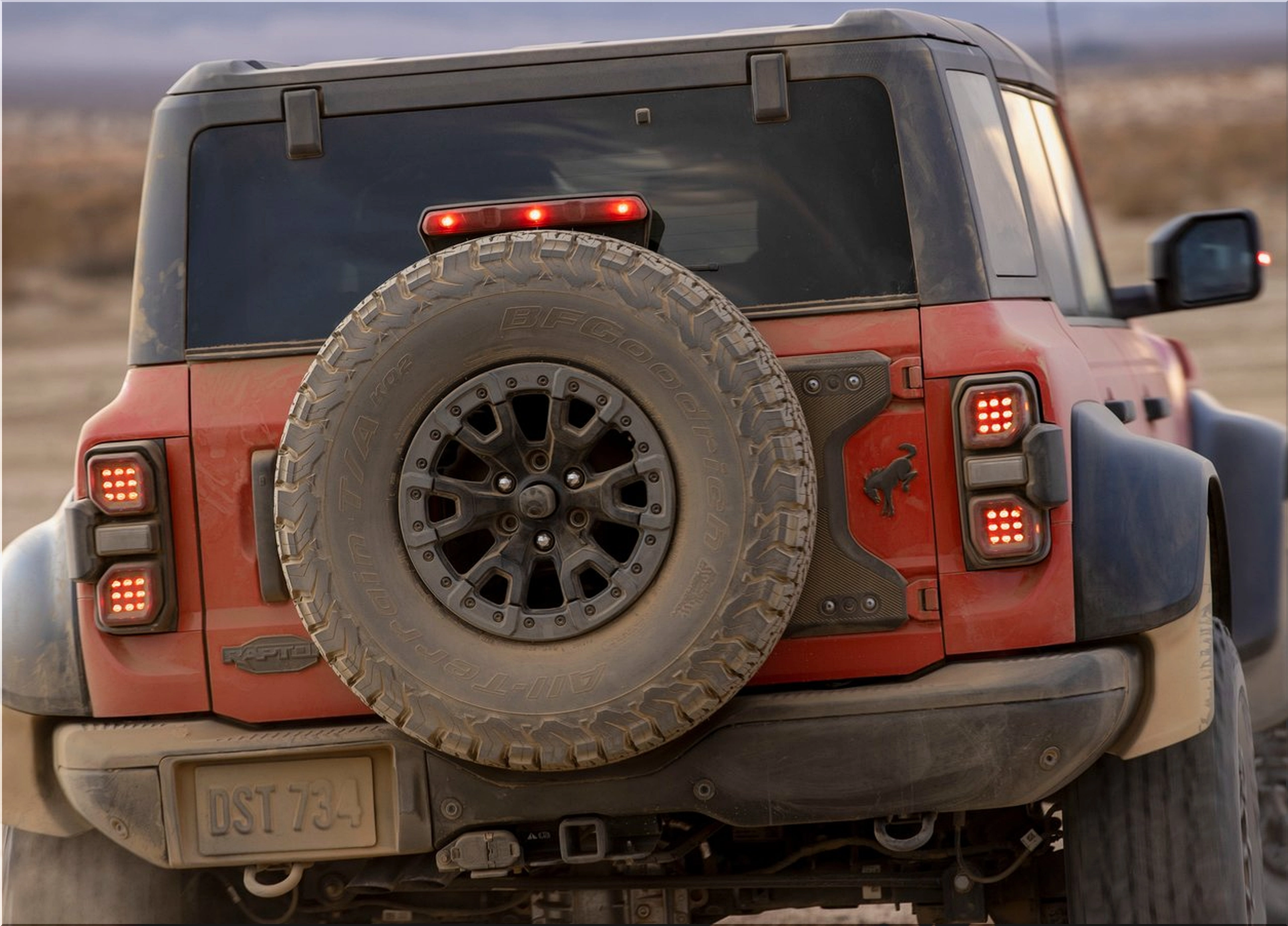
- Factory integration of wide-body components
- Reduced need for aftermarket modifications
- Strong resale values in the performance off-road segment
The value equation favors buyers who would otherwise modify extensively.
Competitive Comparison
| Model | Engine | Horsepower | Tire Size | Approx. Price (USD) |
|---|---|---|---|---|
| Ford Bronco Raptor | Twin-turbo V6 | 418 hp | 37-inch | ~$90,000 |
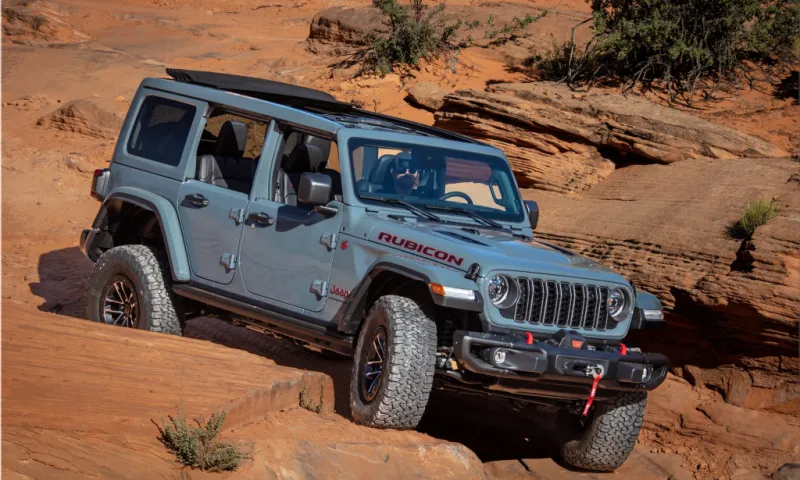
| Jeep Wrangler Rubicon 392 | V8 | 470 hp | 35-inch | ~$92,000 |
| Ram TRX | Supercharged V8 | 702 hp | 35-inch | ~$86,000 |
| Toyota Land Cruiser GR | Twin-turbo V6 | ~409 hp | 33-inch | ~$75,000 |
The Bronco Raptor prioritizes suspension travel and agility over straight-line output.
Ownership Expectations and Wear Considerations
Large tires and aggressive suspension increase consumable wear. Owners should plan for higher tire replacement frequency and brake service intervals.
Pro-Tip: Alignments matter more with wide suspension geometry. Regular checks reduce uneven tire wear.
What Now
Buyers seeking factory-backed off-road performance with minimal compromise will find the Ford Bronco Raptor compelling. Those driving mainly on pavement may gain better value from lower Bronco trims.
- Add new comment
- 157 views