Power and Luxury
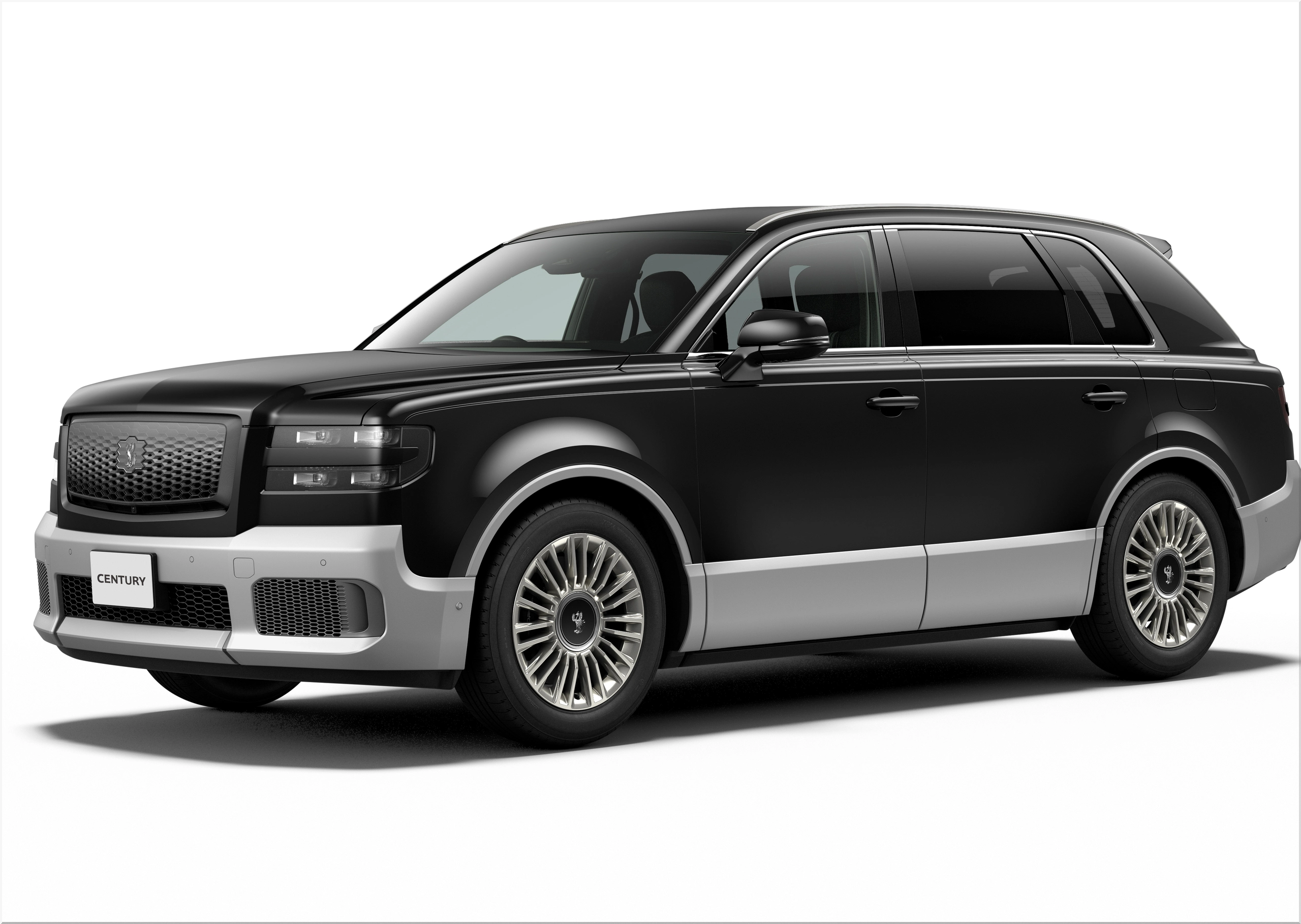
Toyota has built its most expensive production vehicle — the 2025 Toyota Century SUV — targeting a narrow, high-net-worth clientele who value privacy, comfort, and technical precision over ostentatious display. Designed and assembled in Japan, the Century SUV redefines Toyota’s flagship position, moving from sedan tradition into the growing chauffeur-driven SUV segment.
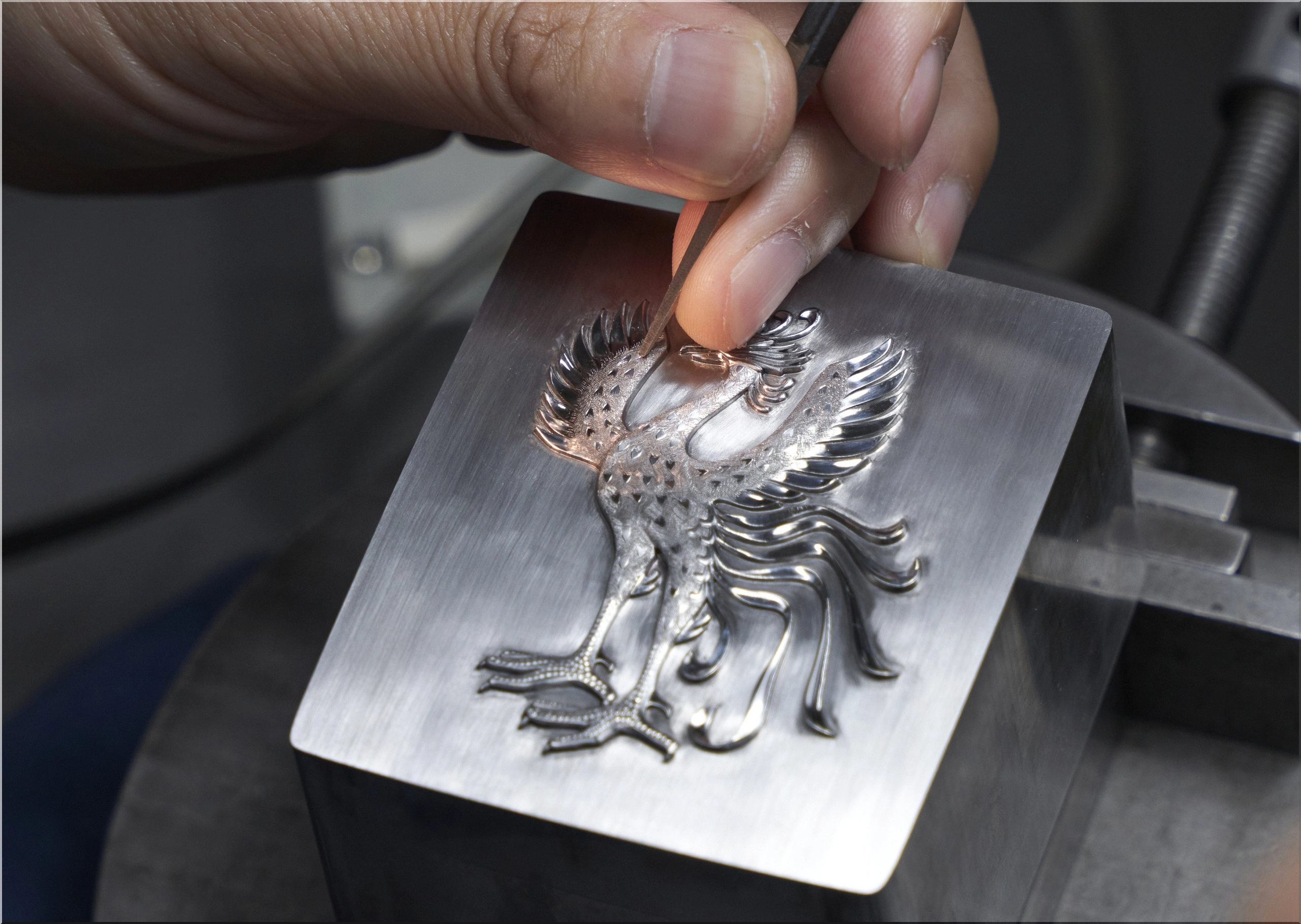
Limited to around 30 units per month, each vehicle is largely hand-finished. This approach prioritizes craftsmanship and quality control over production volume.
Price and Availability
In Japan, the base price starts at 25 million yen, which equals about USD 170,000 at current exchange rates. That positions it above every Lexus model and squarely in the luxury SUV bracket occupied by the Rolls-Royce Cullinan and Bentley Bentayga.
- Base price (Japan): 25 million yen (~USD 170,000)
- Production rate: ~30 units/month
- Market: Primarily Japan, limited exports
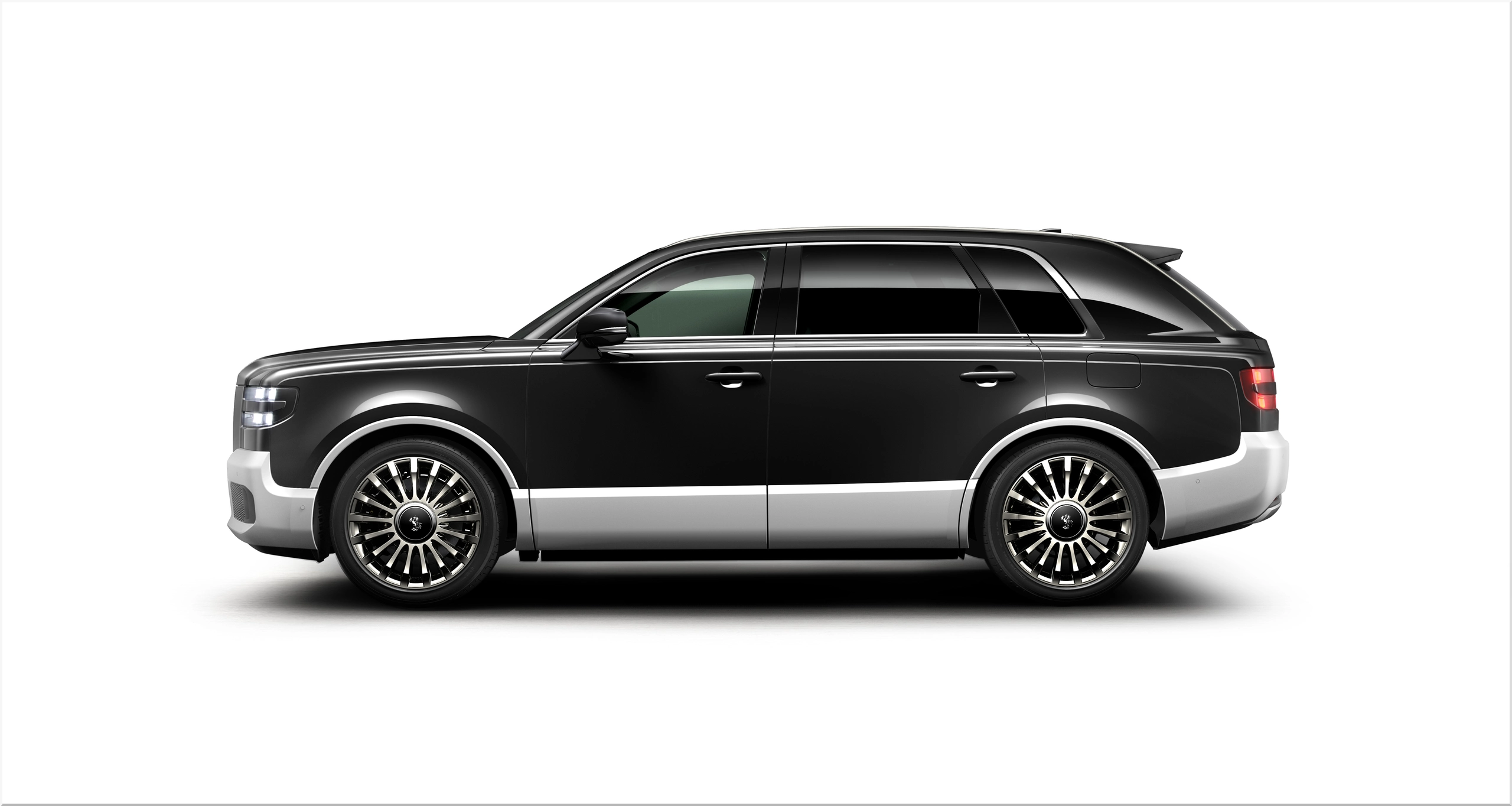
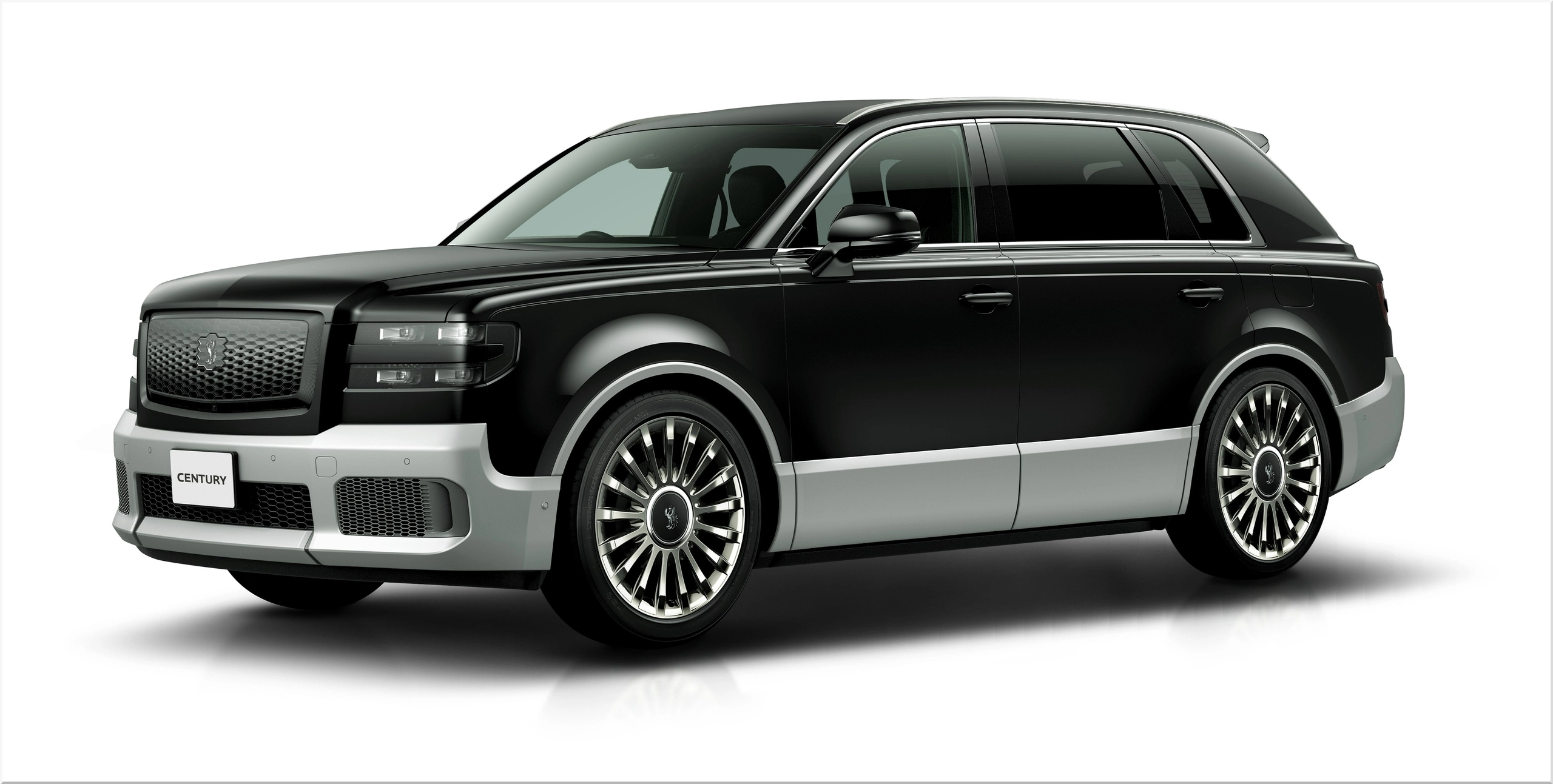
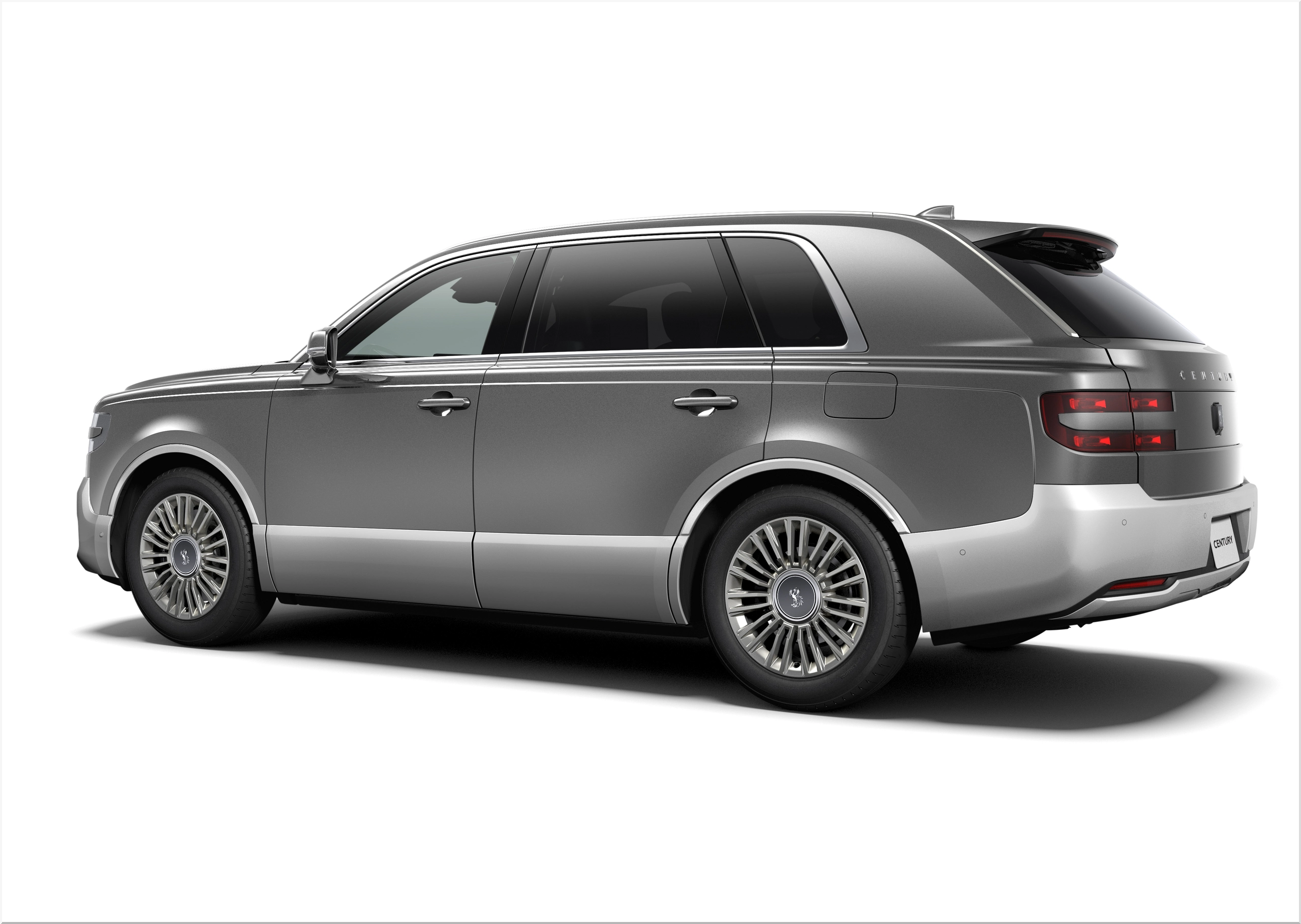
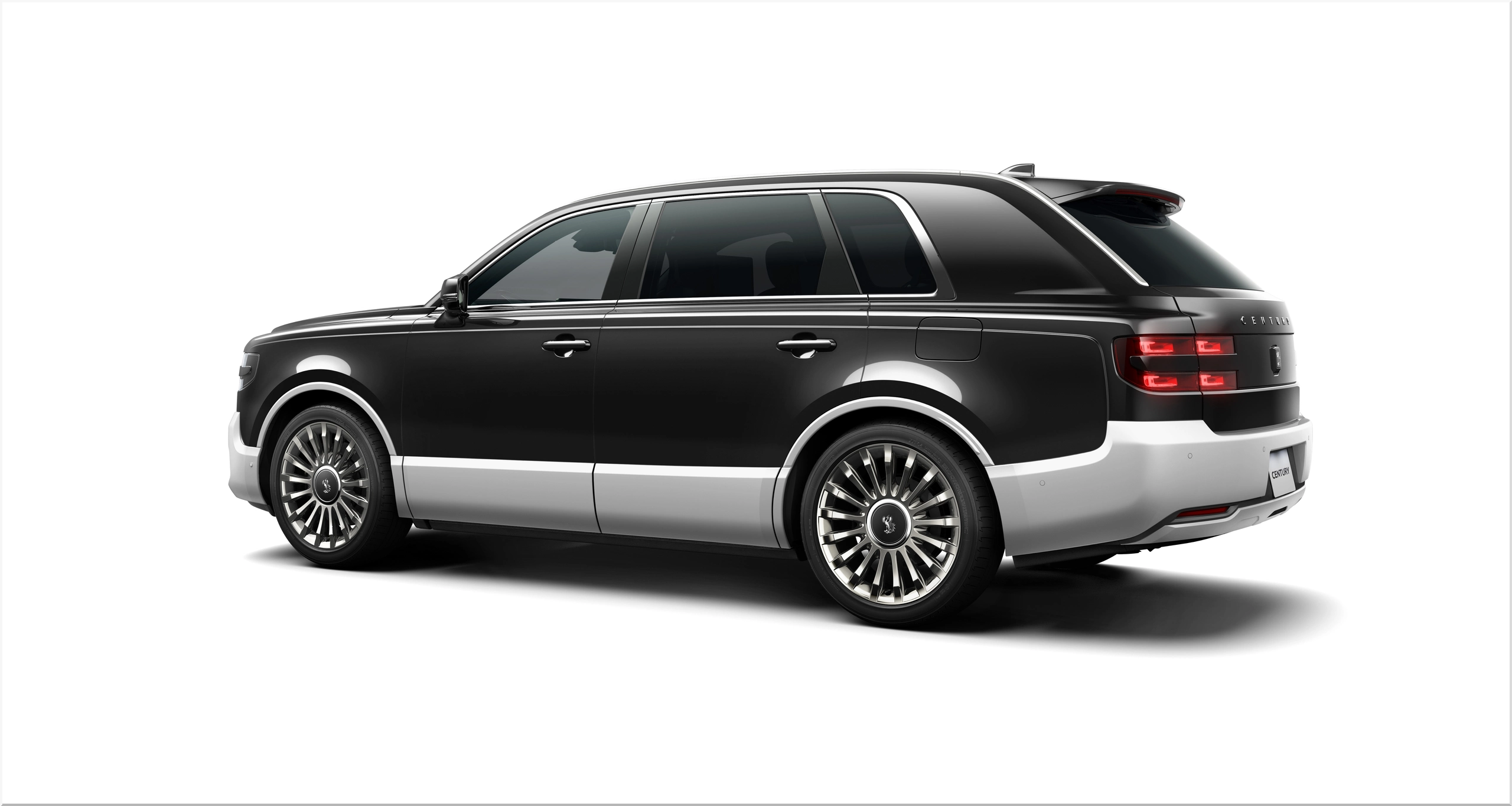
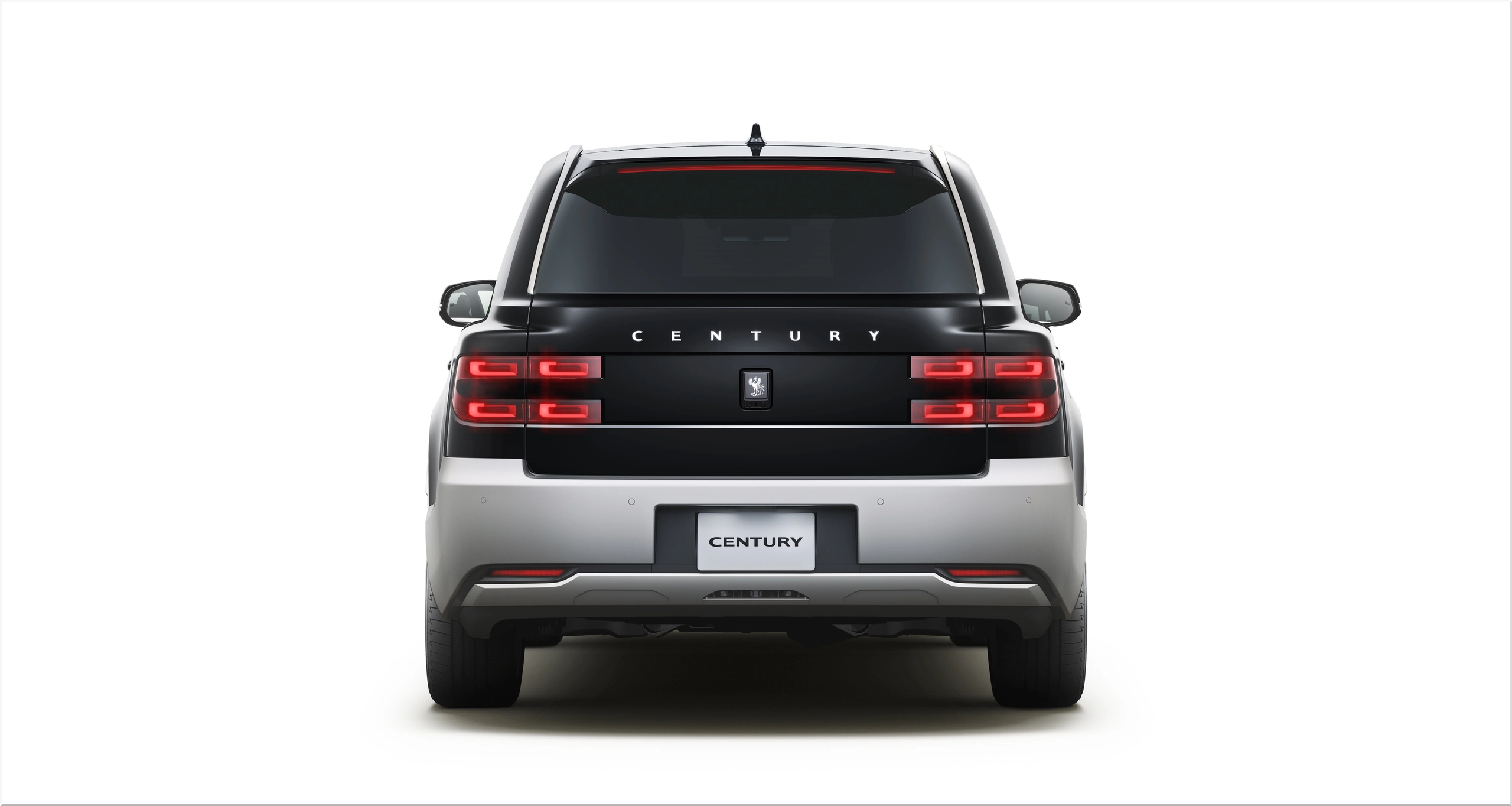
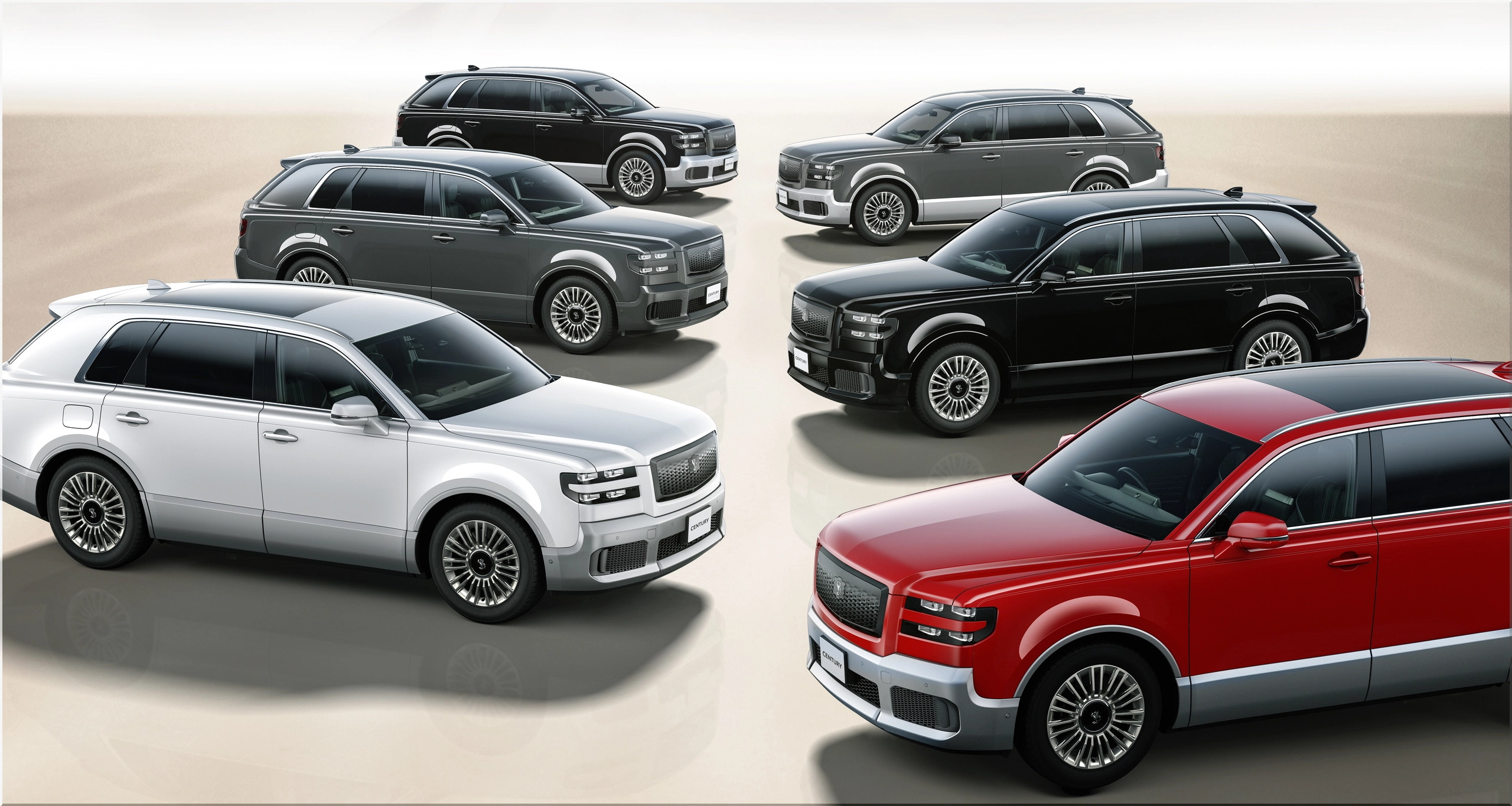
Dimensions and Exterior Design
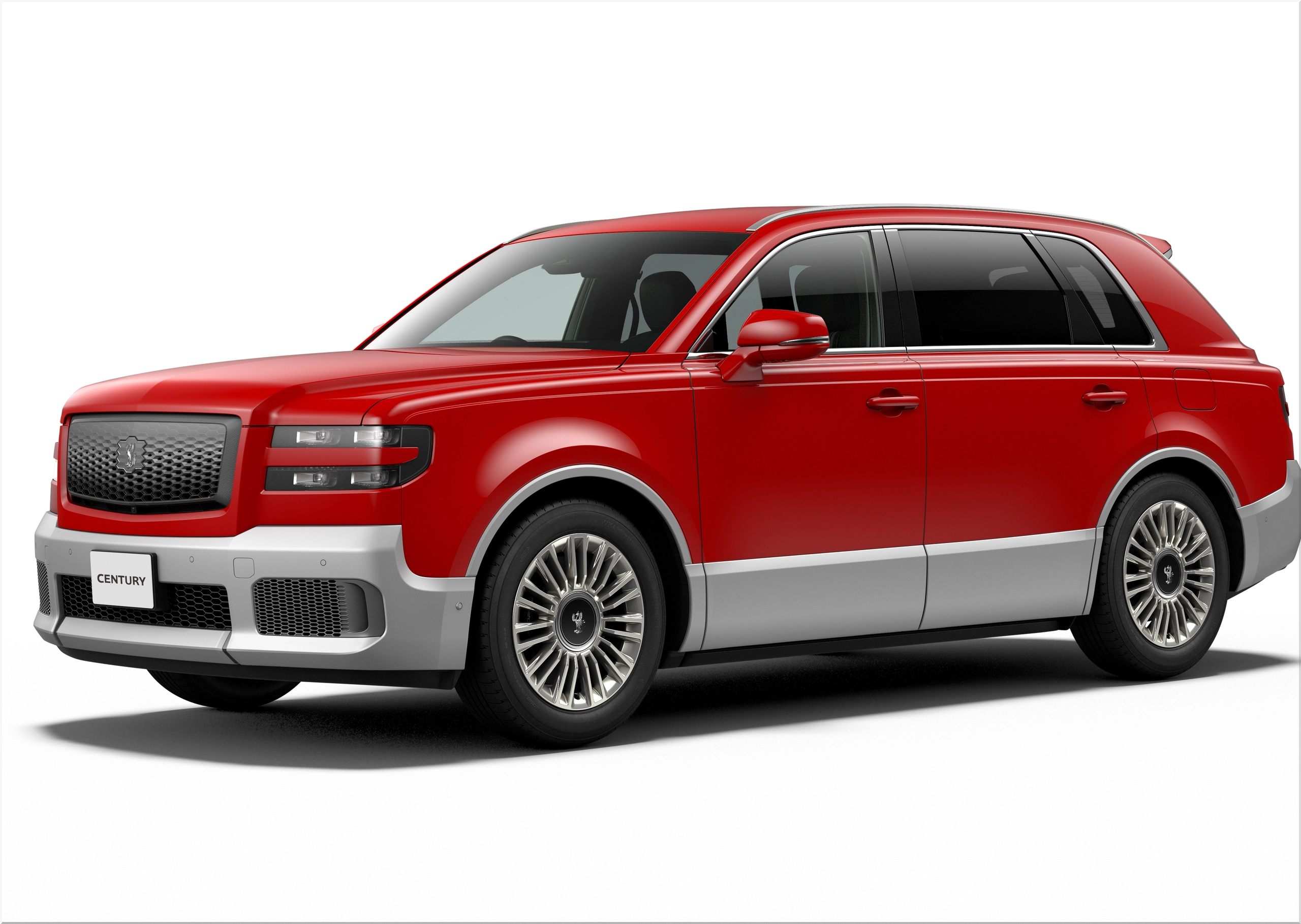
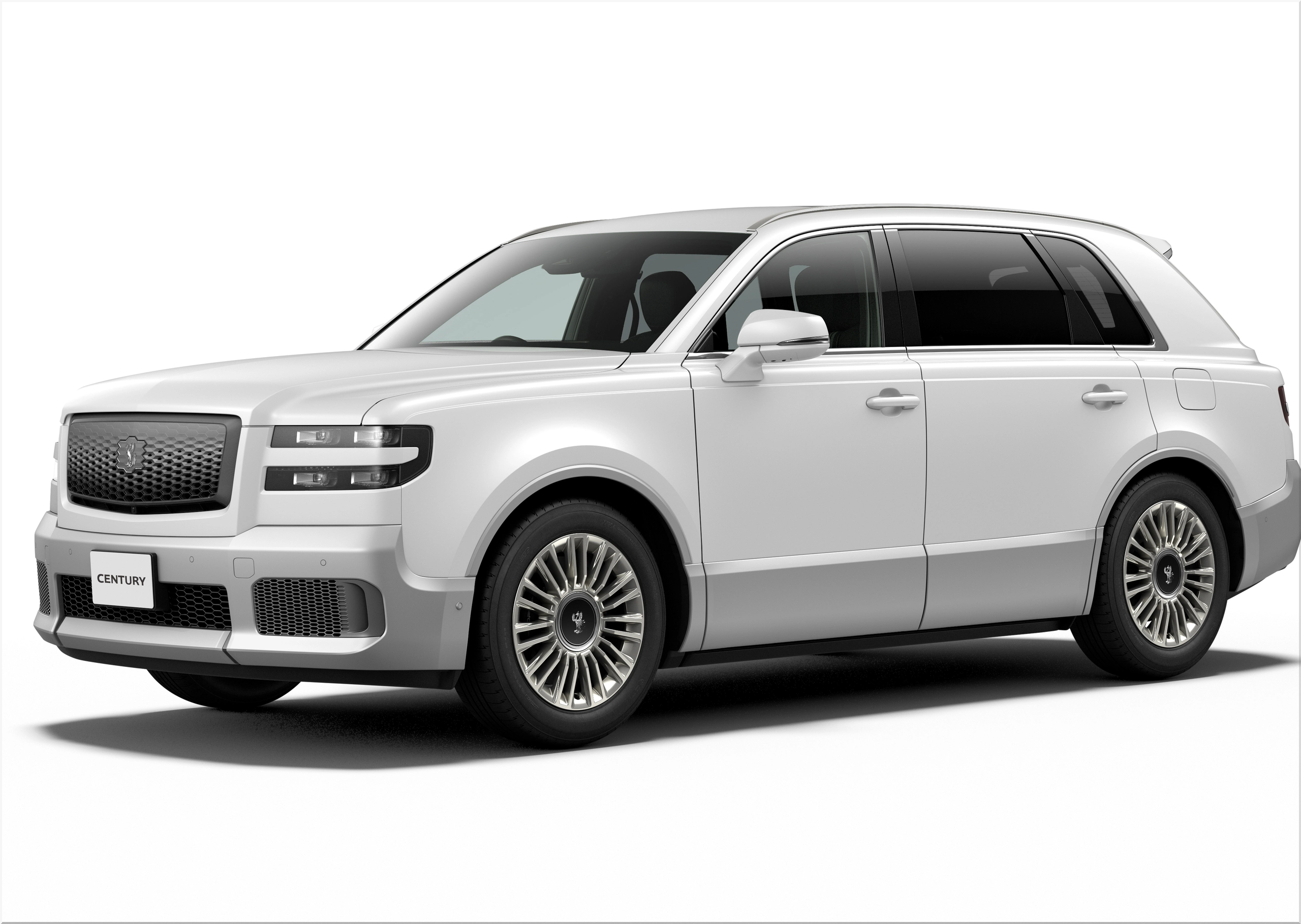
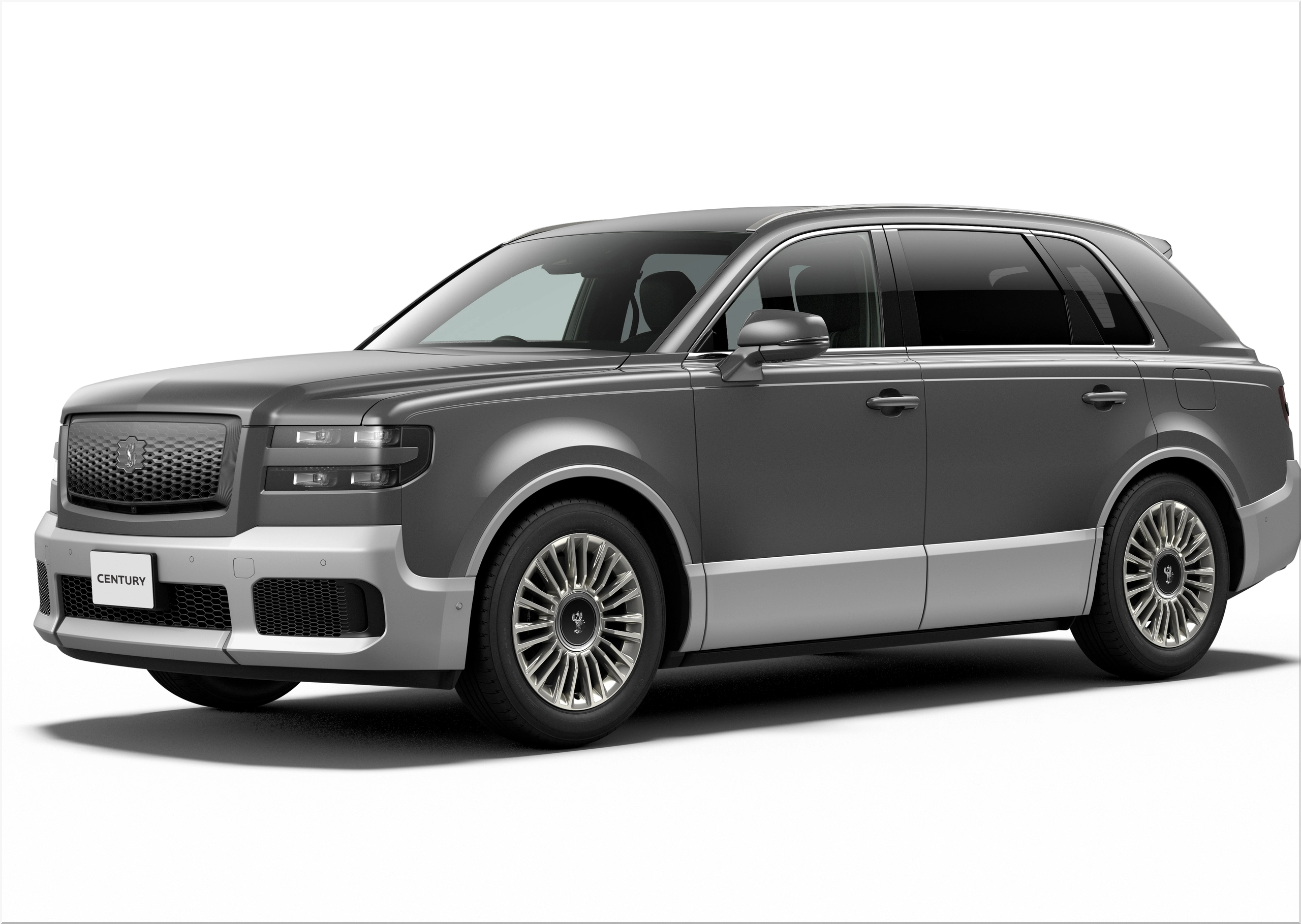
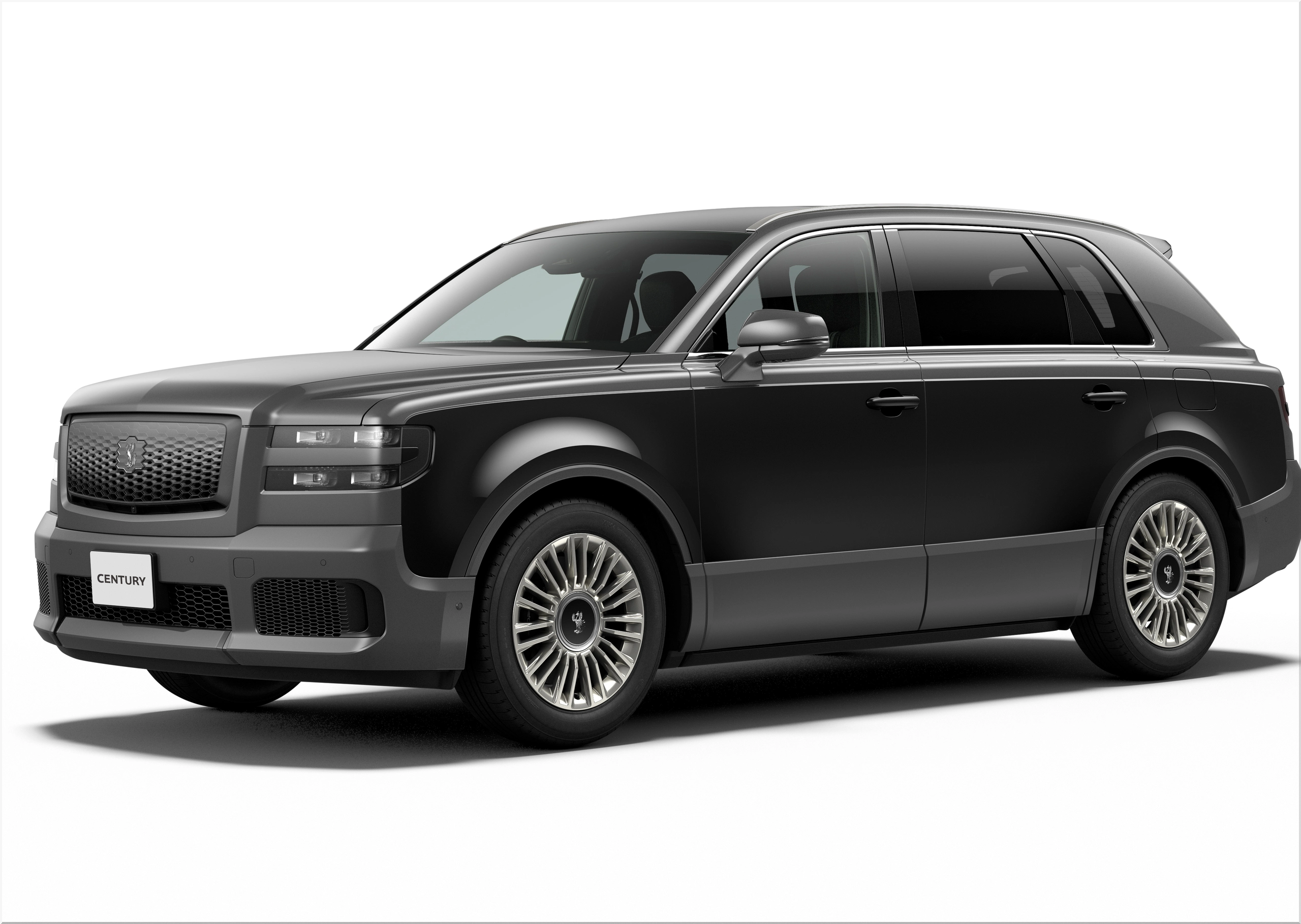
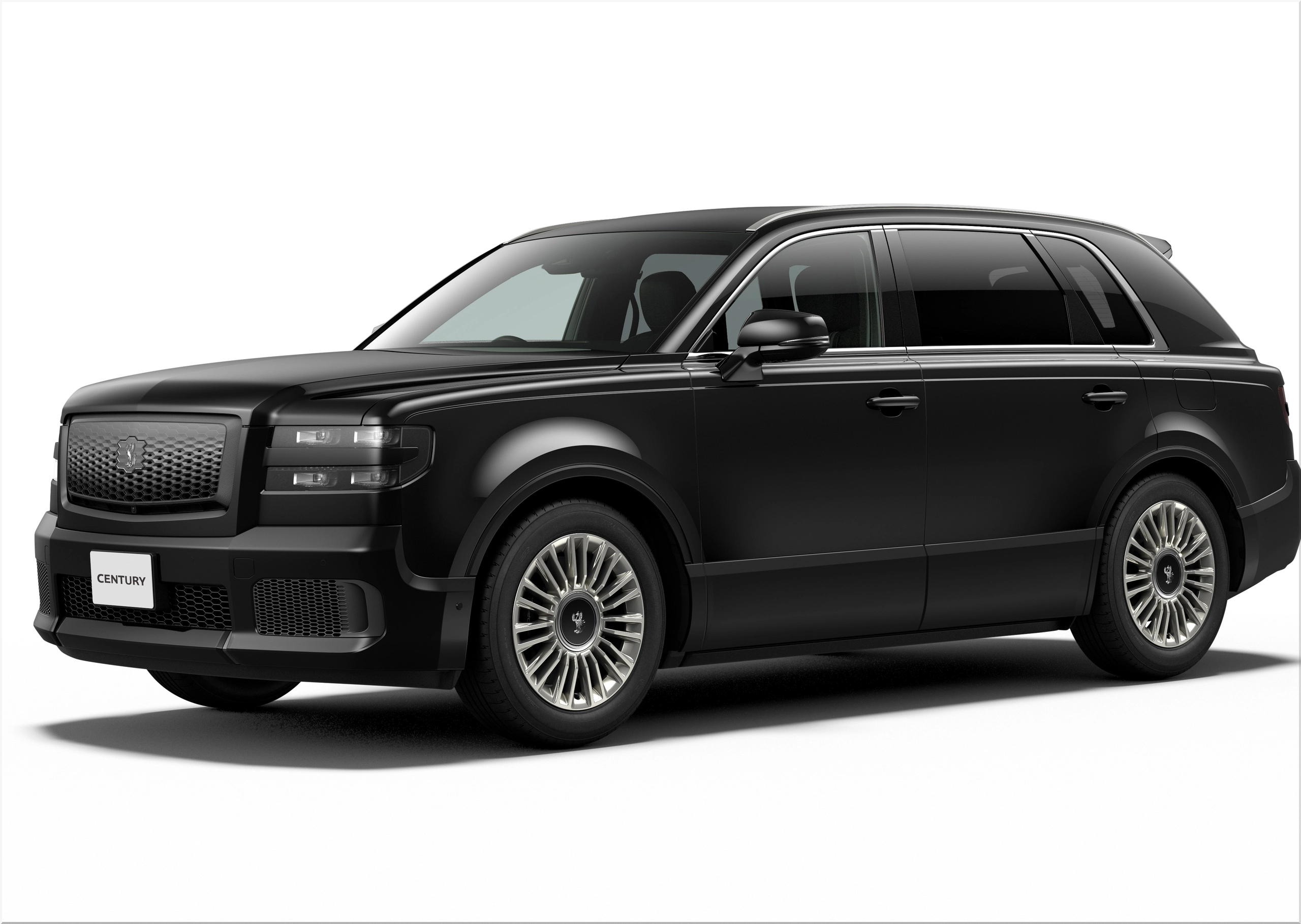
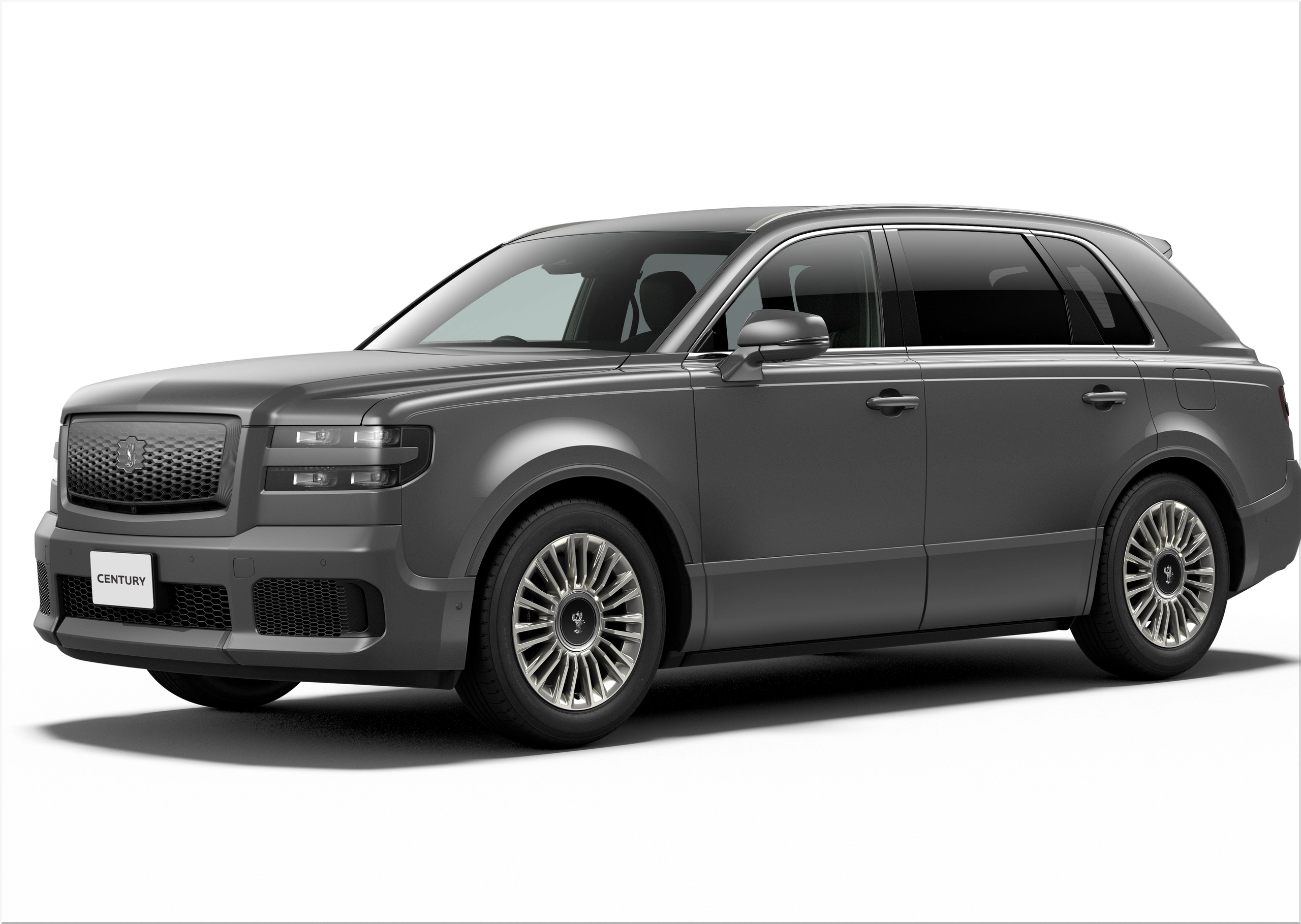
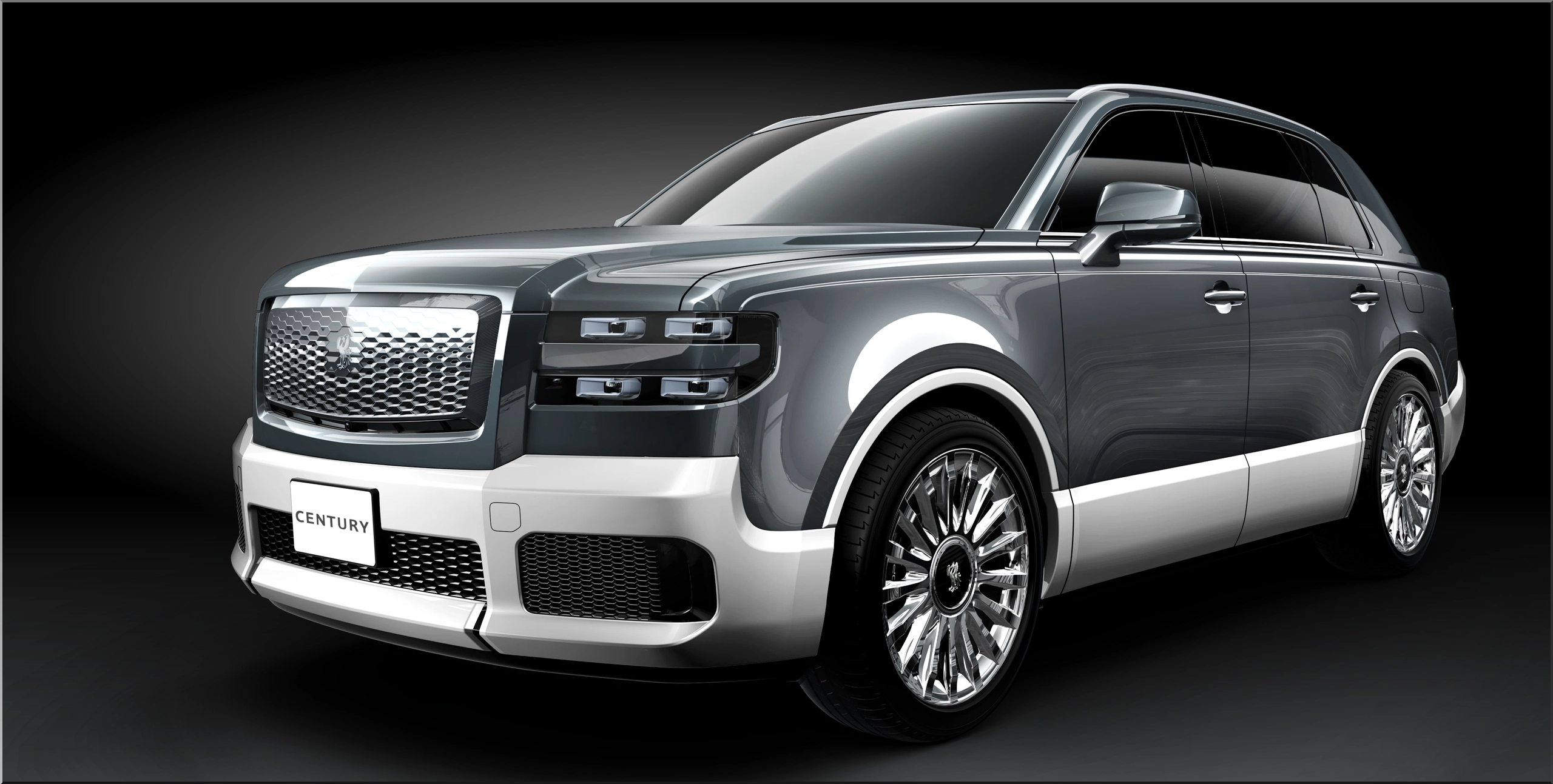
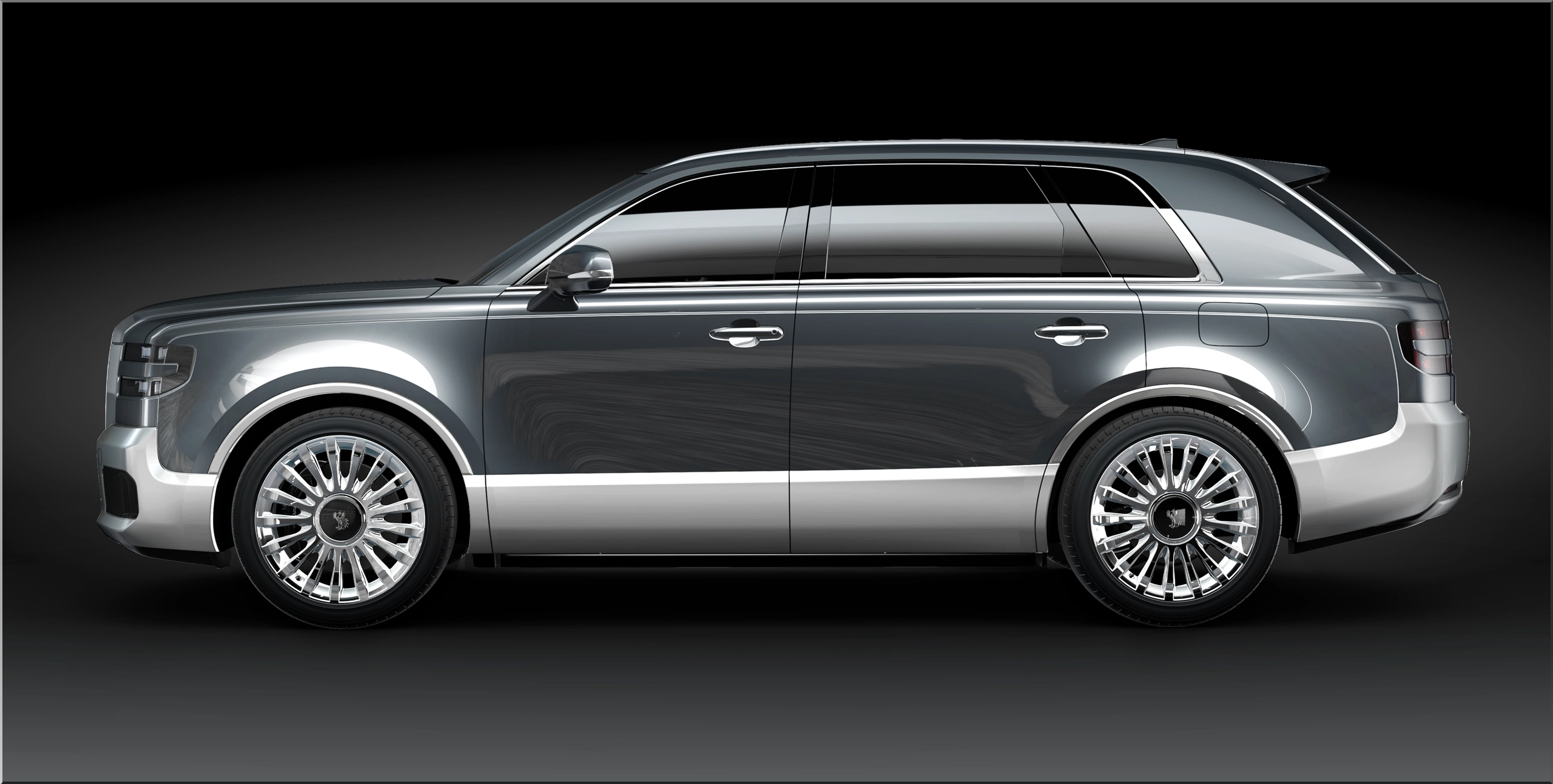
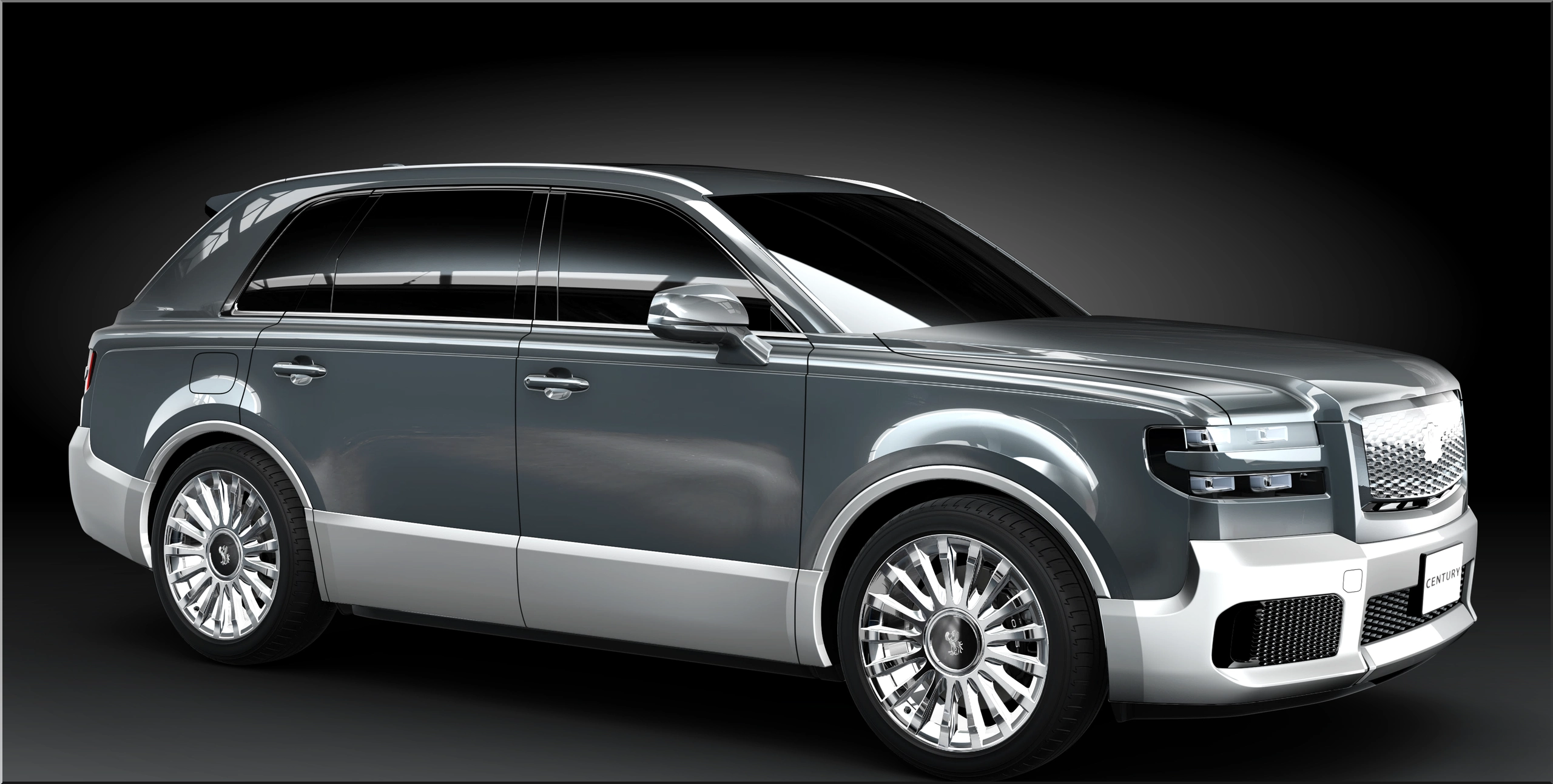
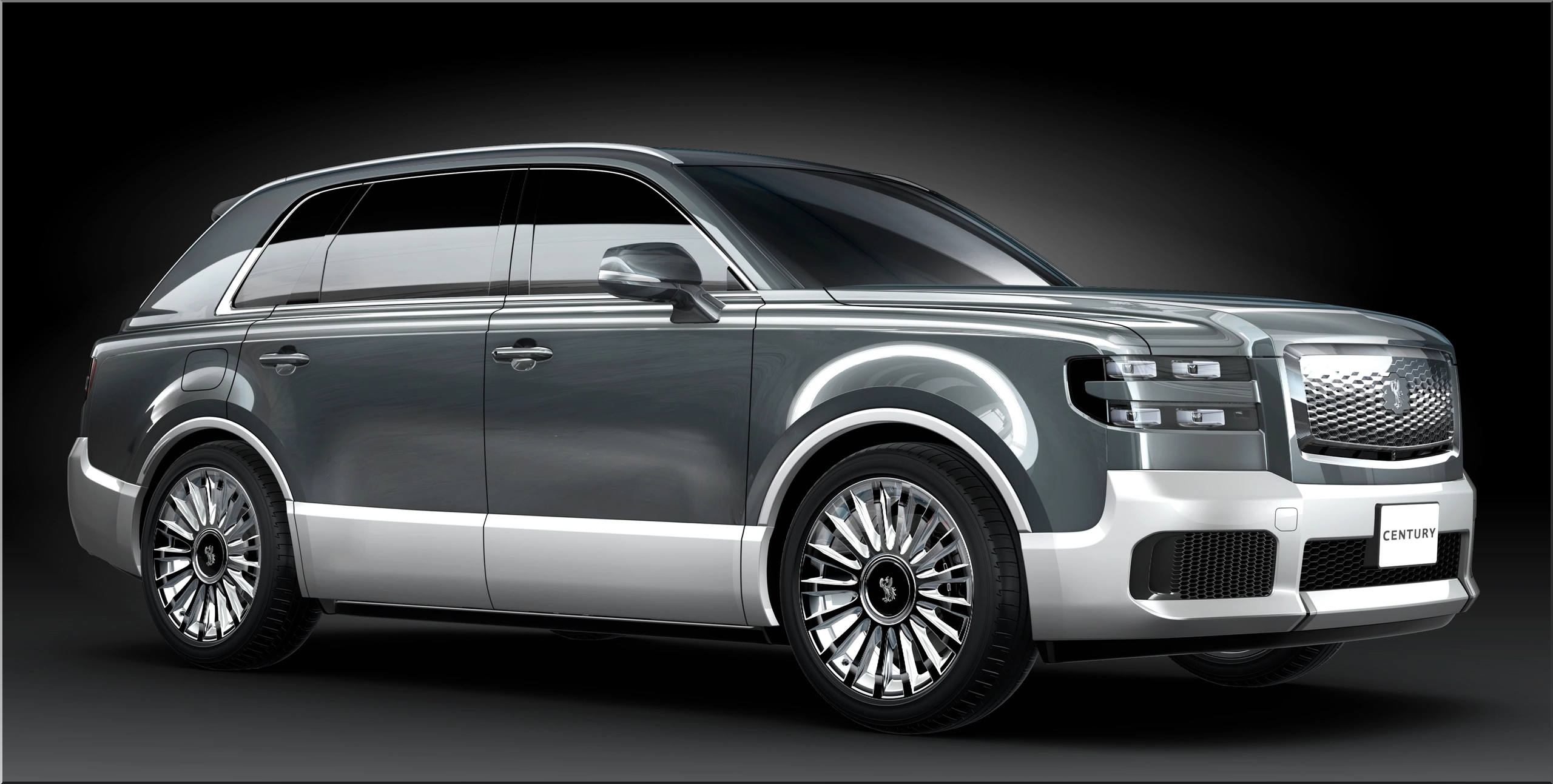
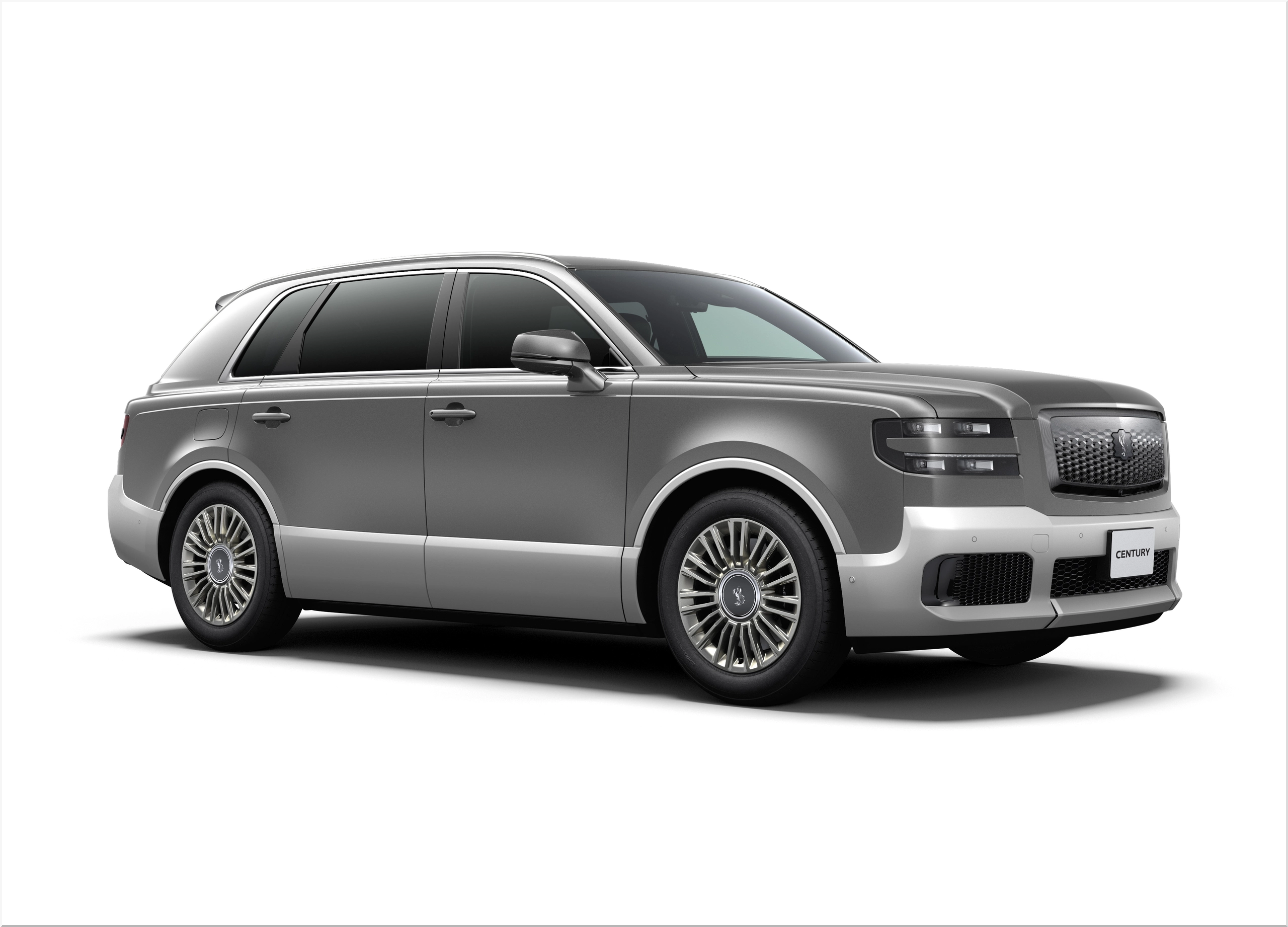
The 2025 Century SUV is a large luxury vehicle optimized for comfort and presence without attracting undue attention.
- Length: 5,205 mm (204.9 in)
- Width: 1,990 mm (78.3 in)
- Height: 1,805 mm (71.1 in)
- Wheelbase: 2,950 mm (116.1 in)
- Curb weight: ~2,570 kg (5,667 lbs)
- Ground clearance: Adjustable via air suspension
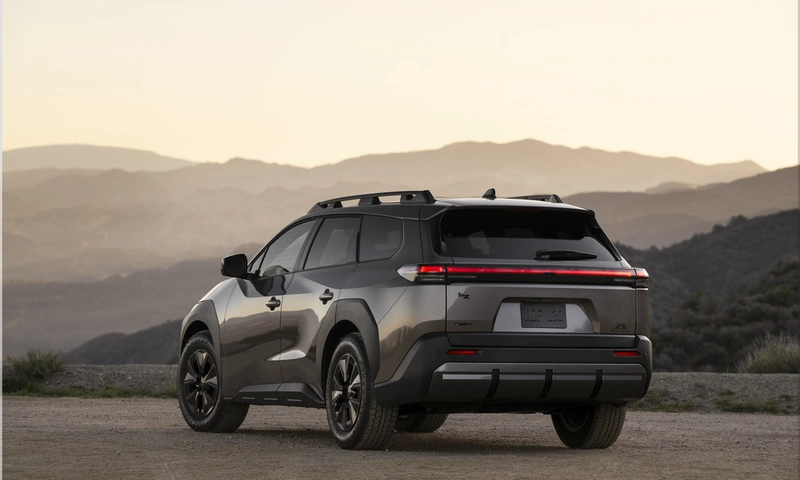
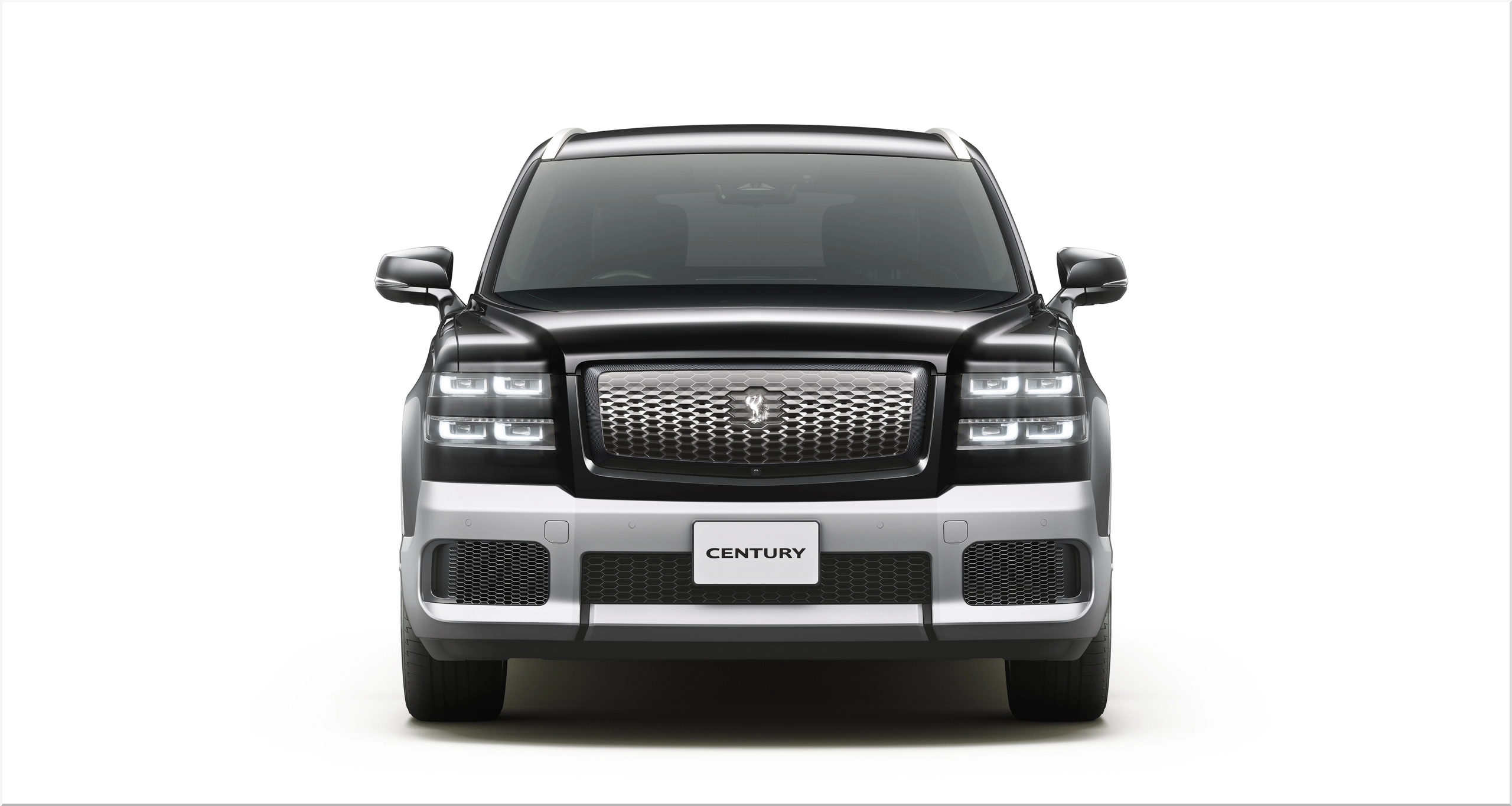
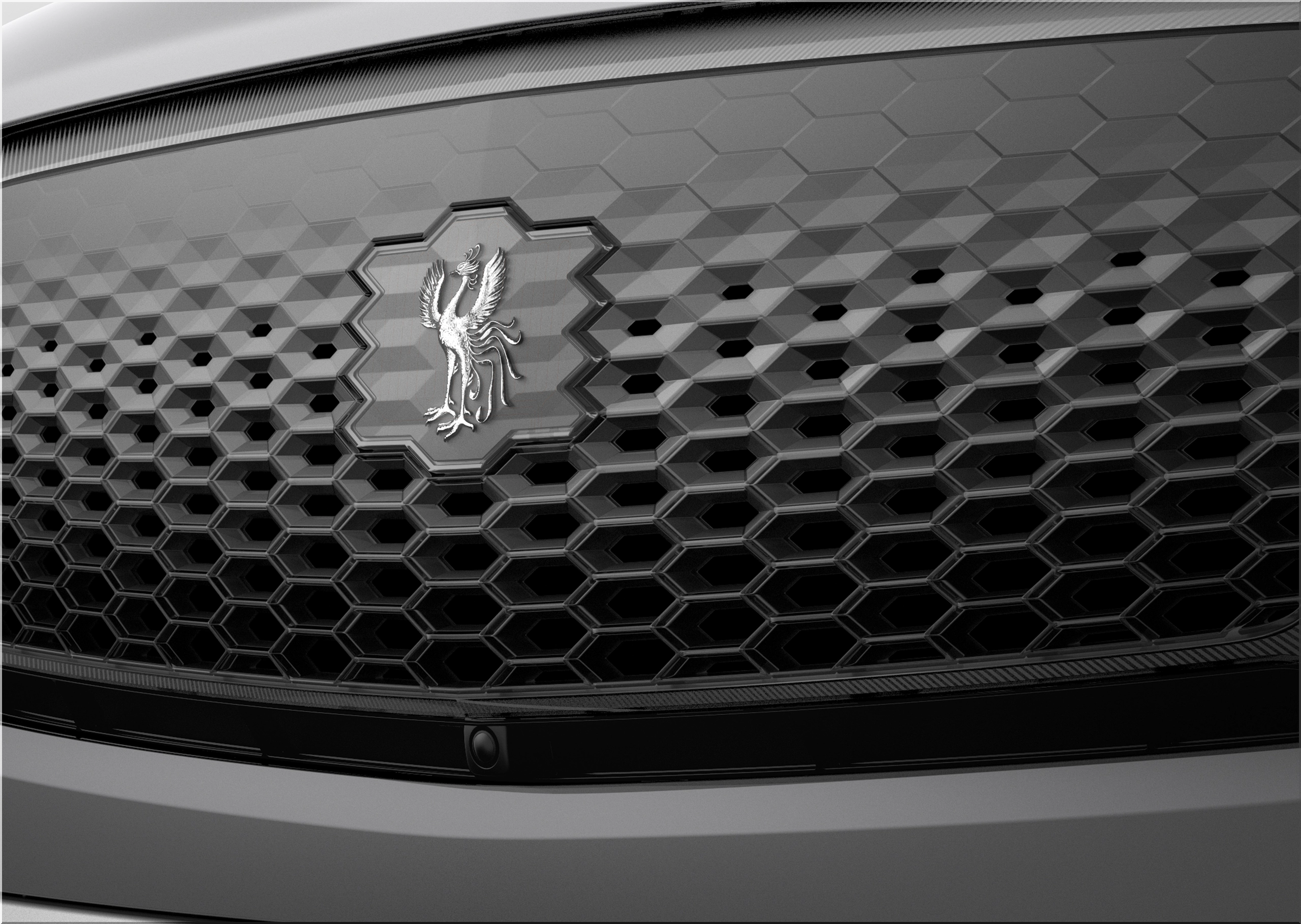
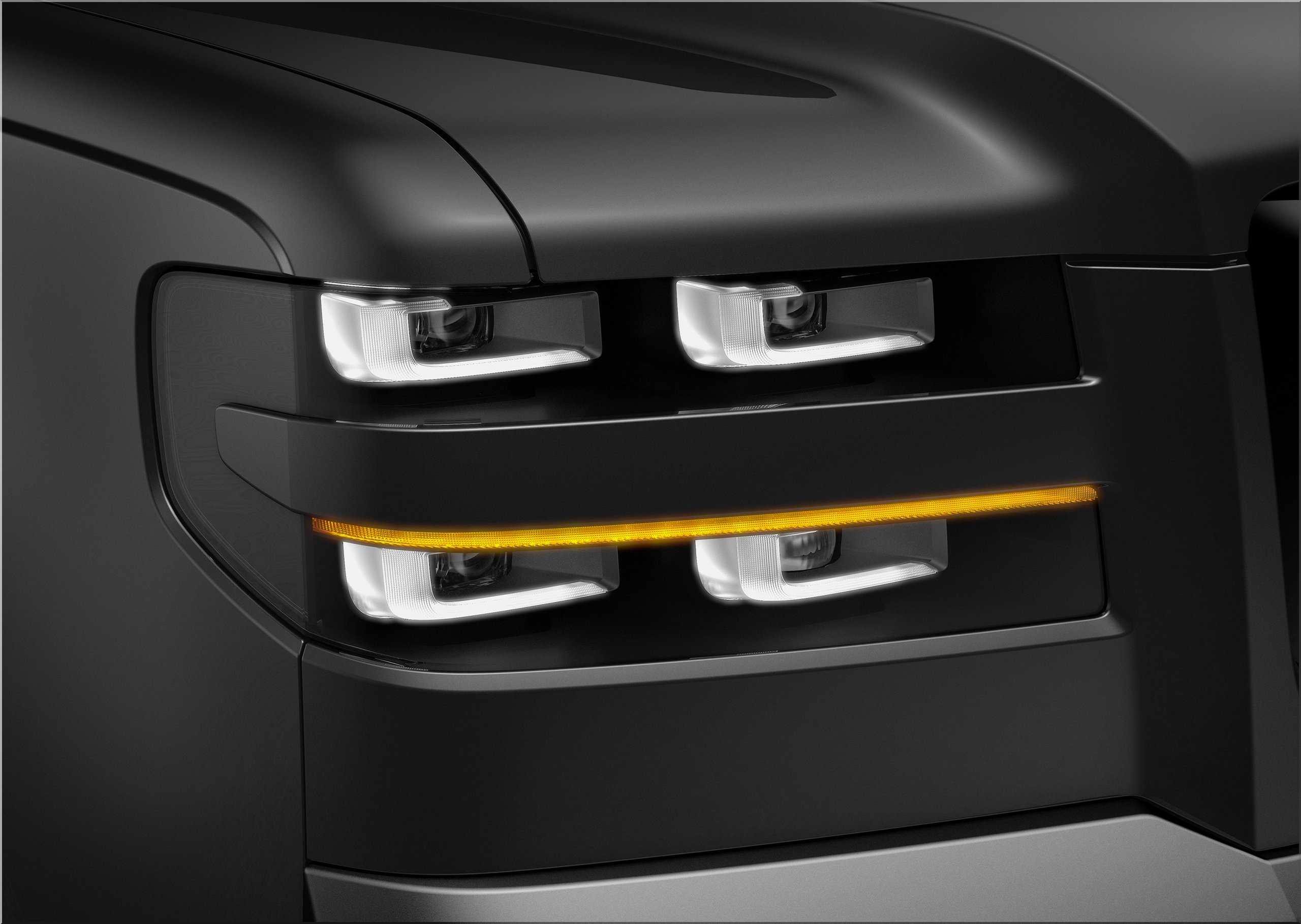
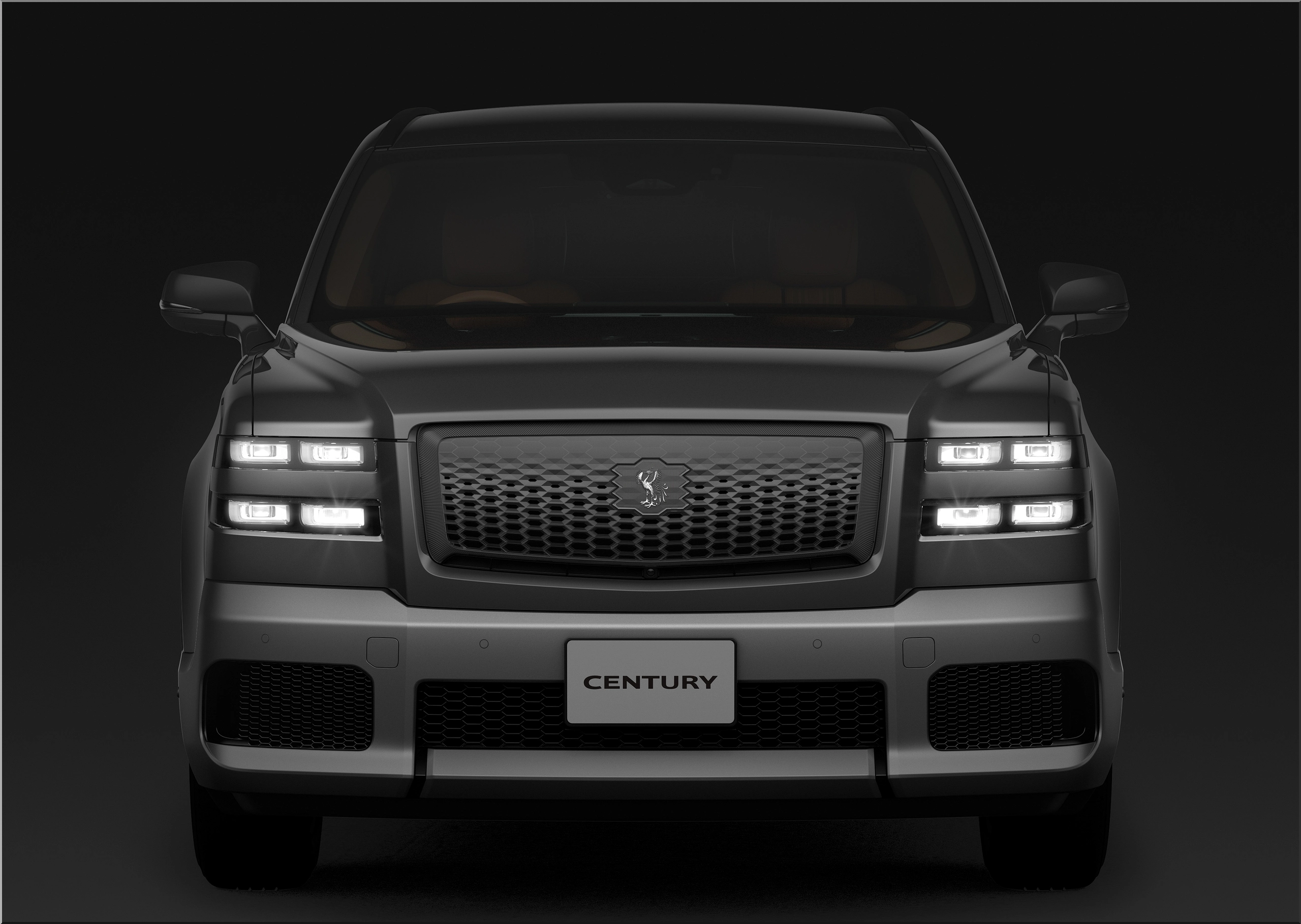
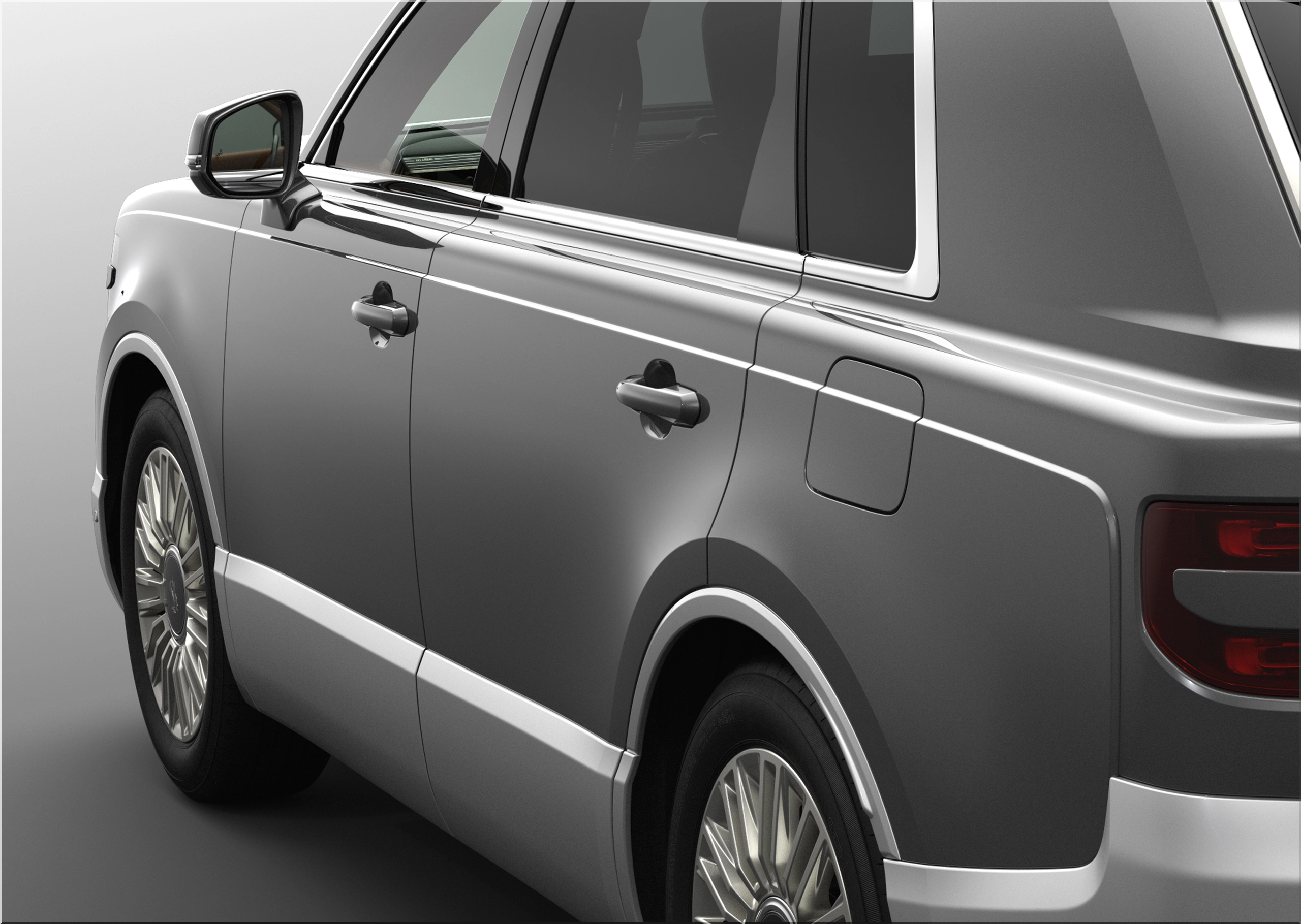
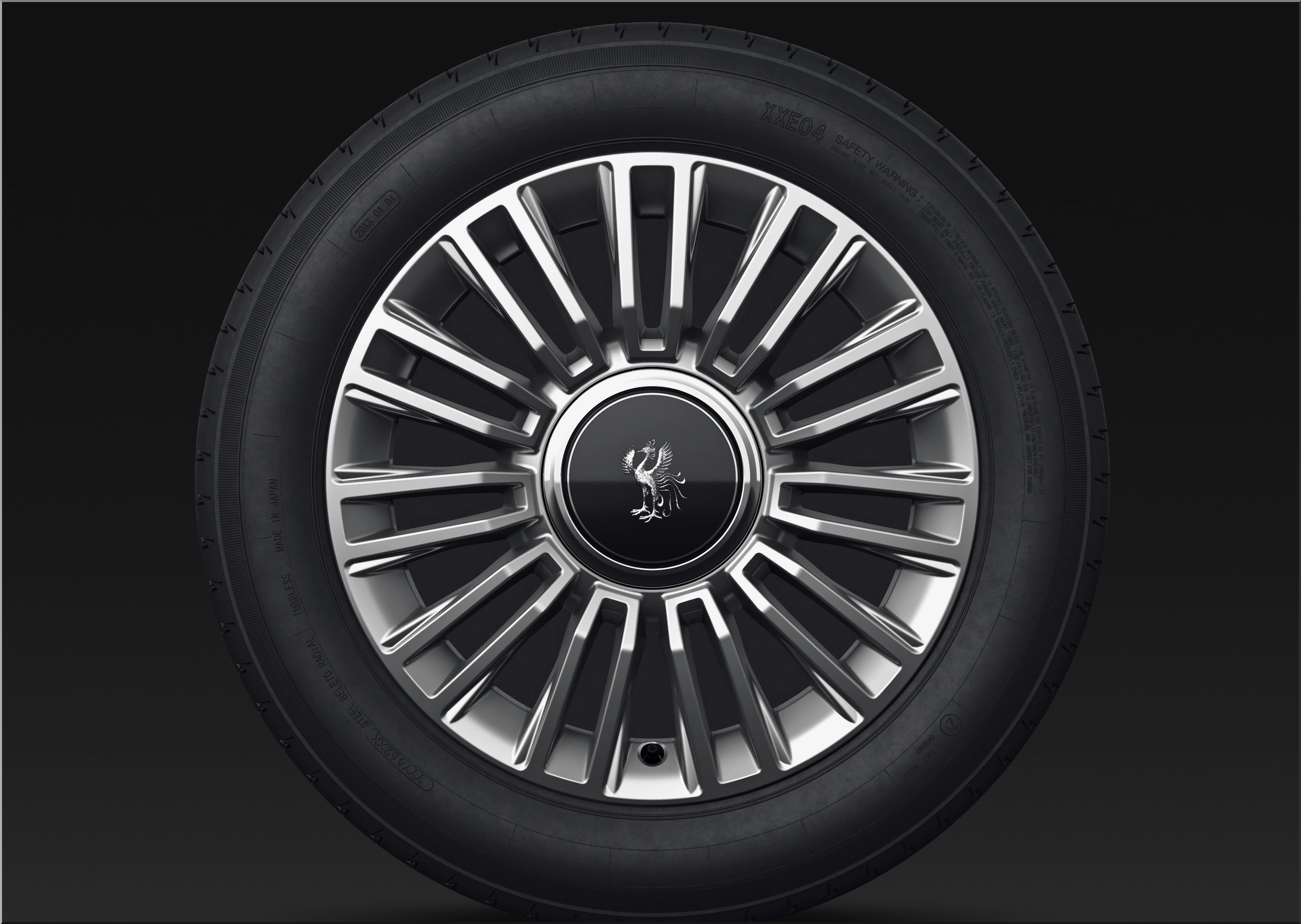
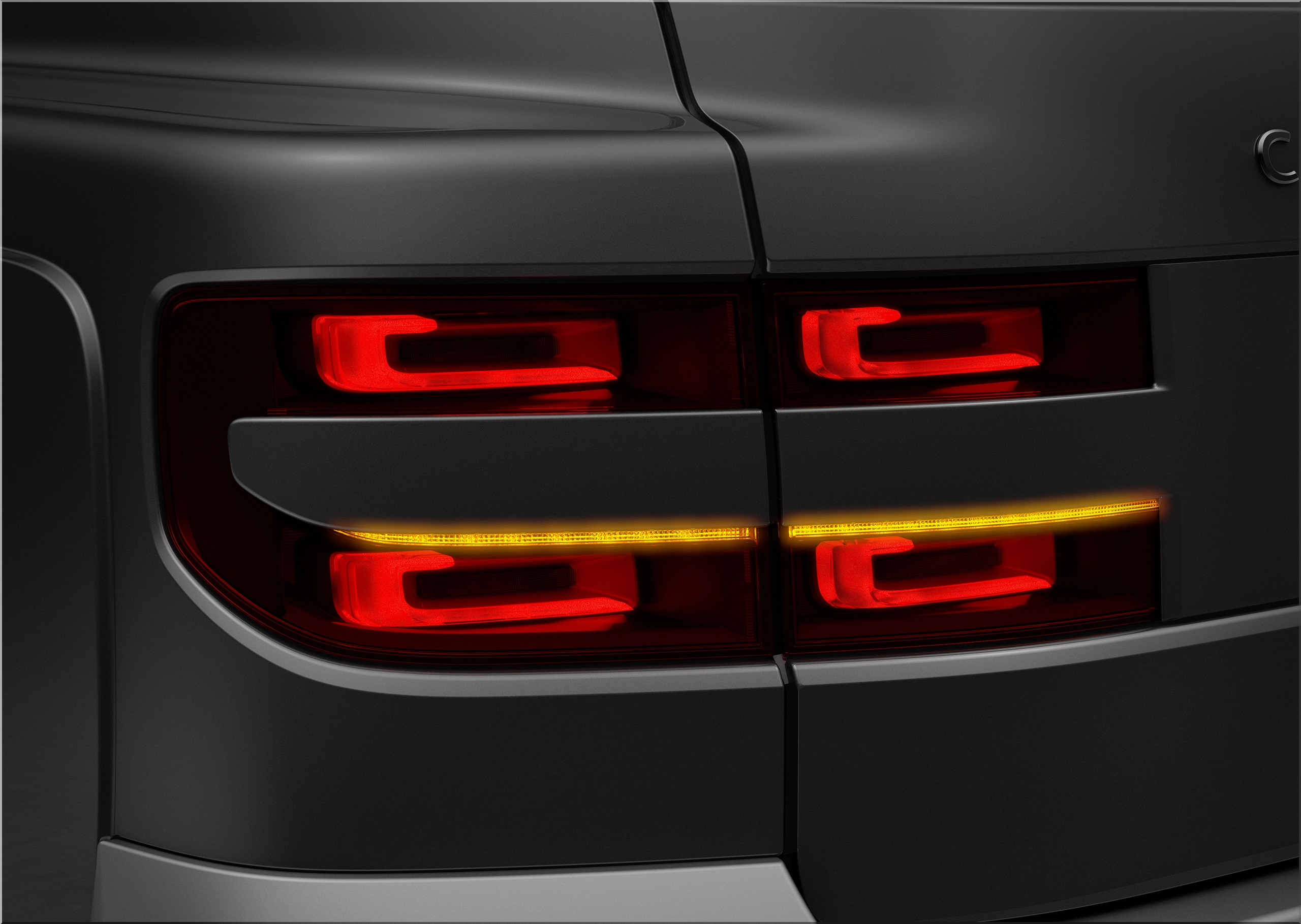
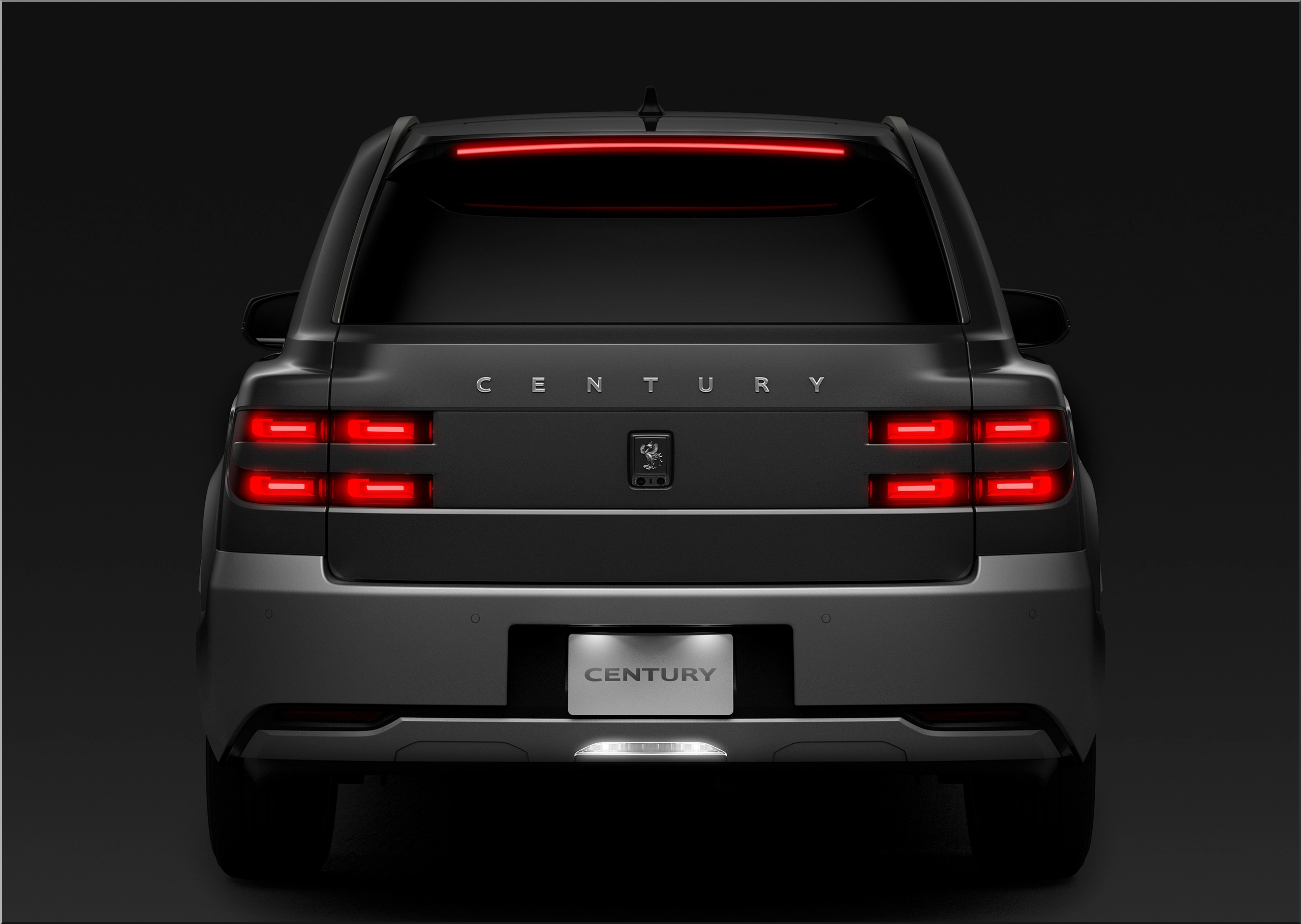
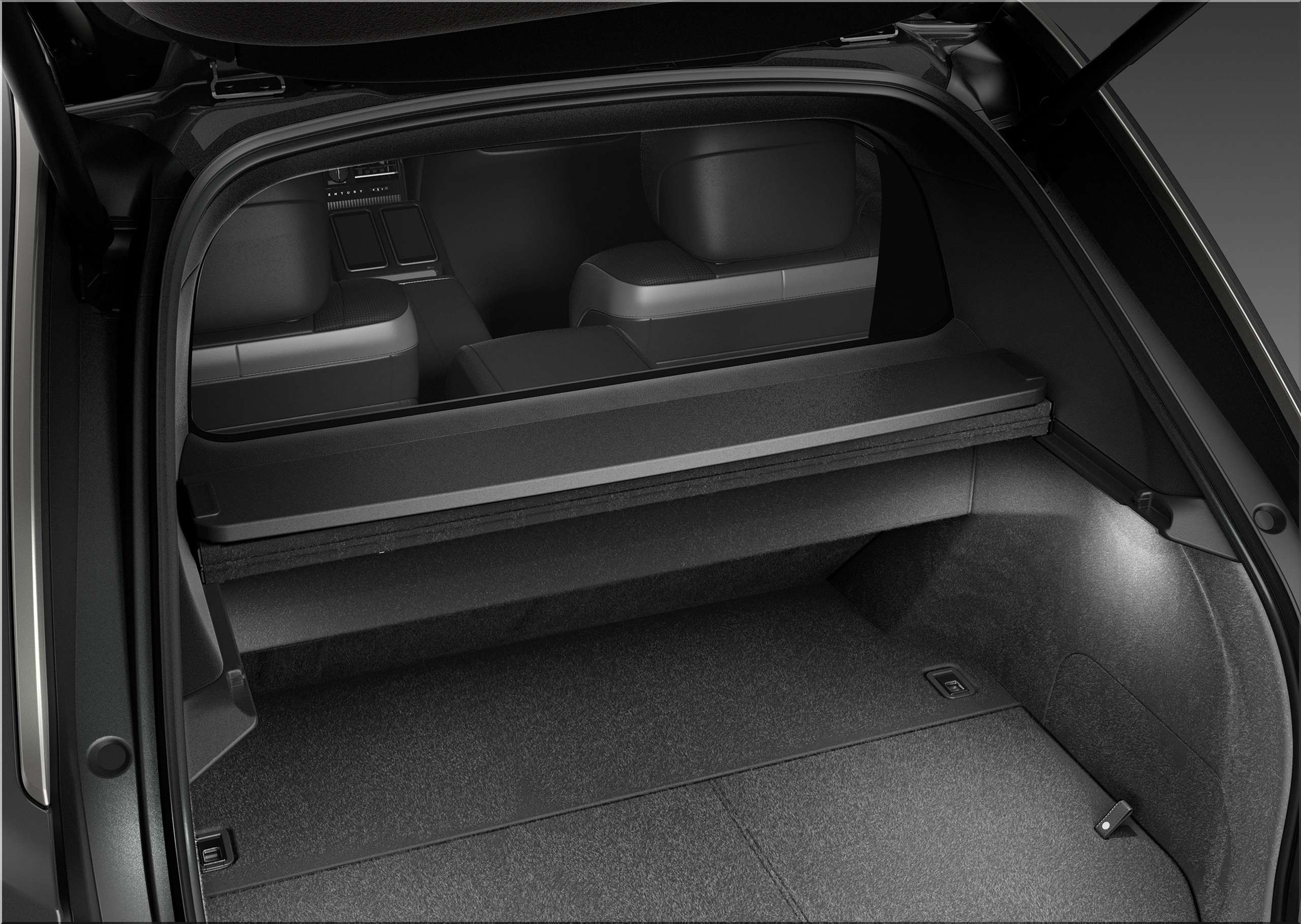
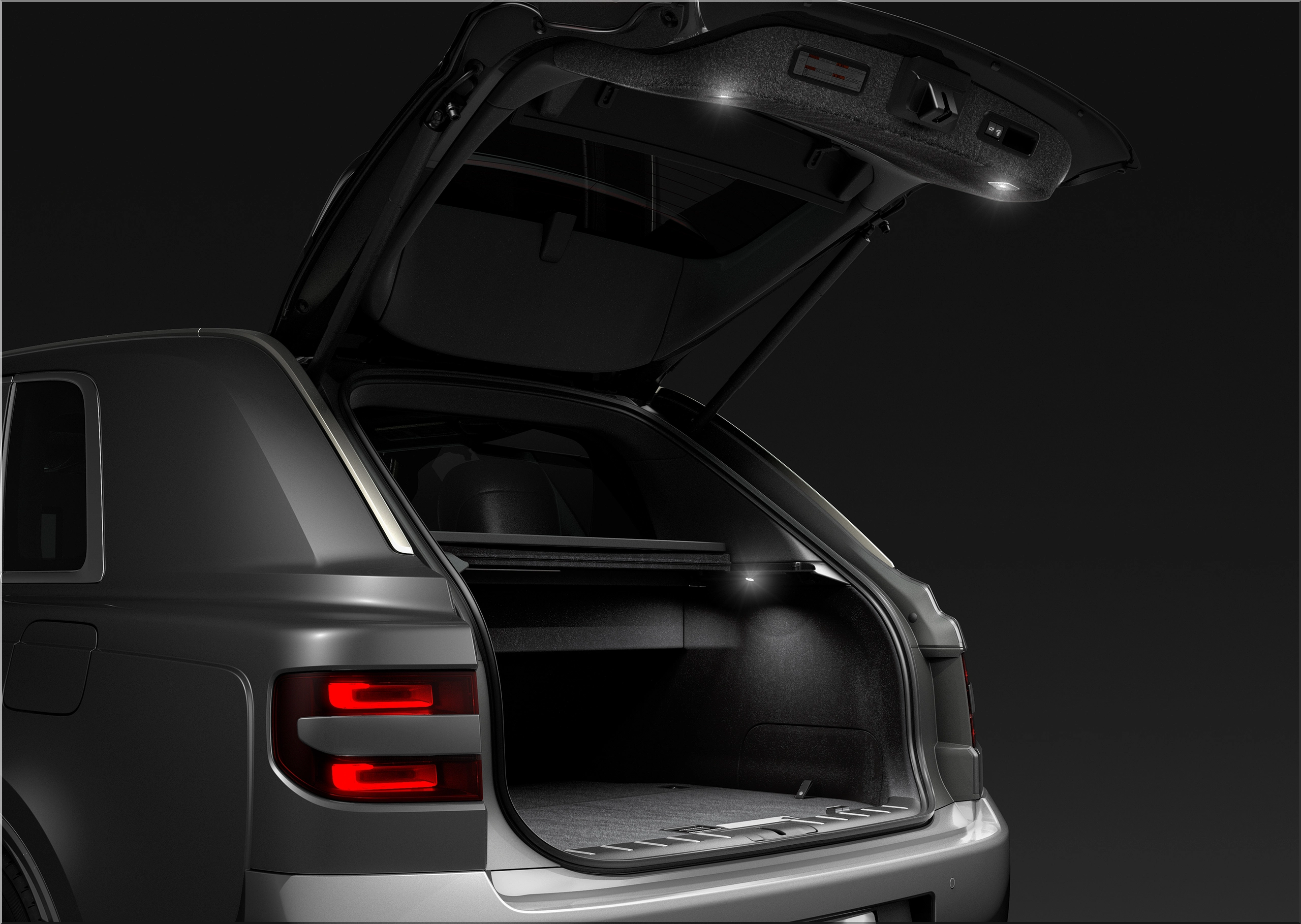
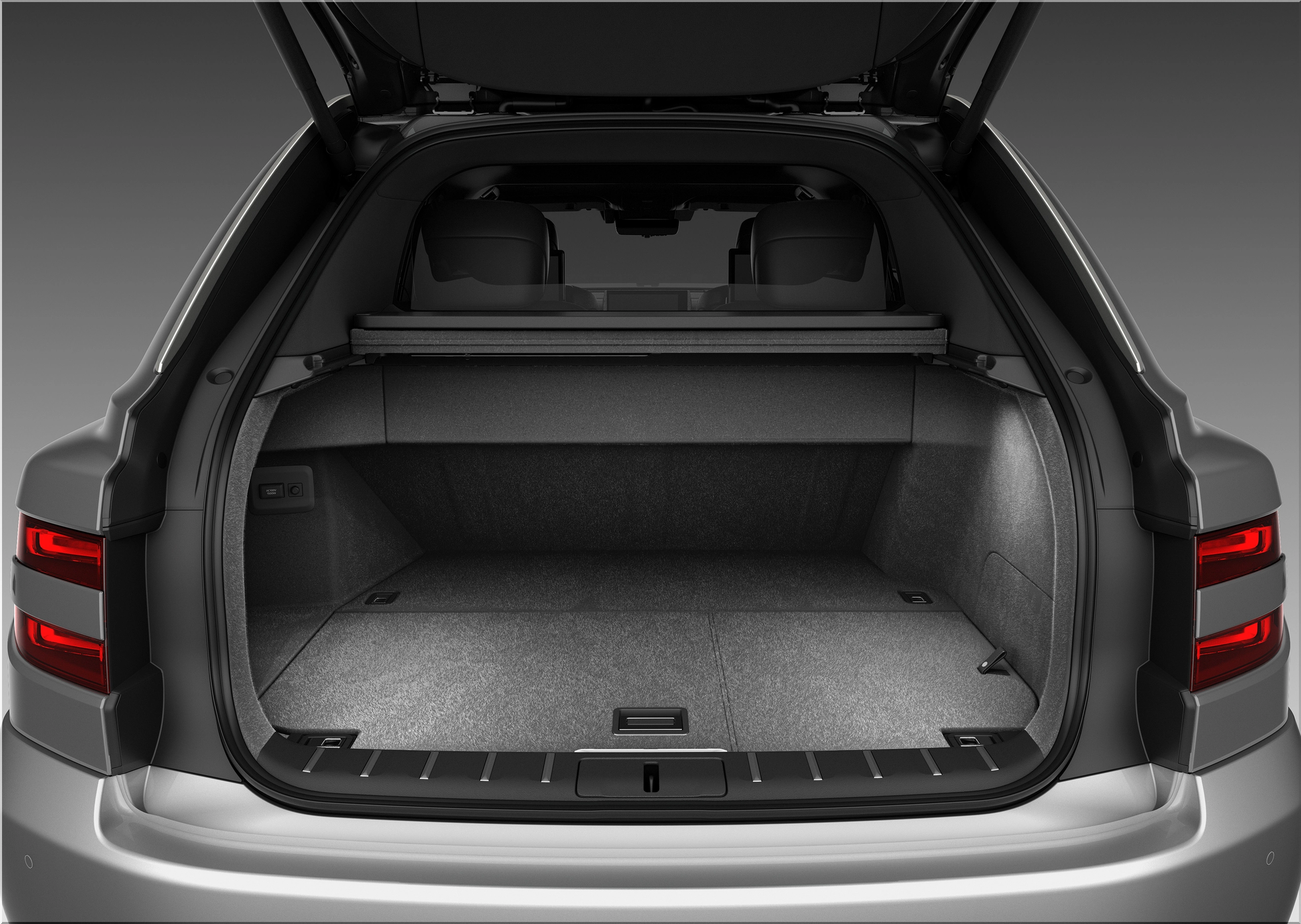
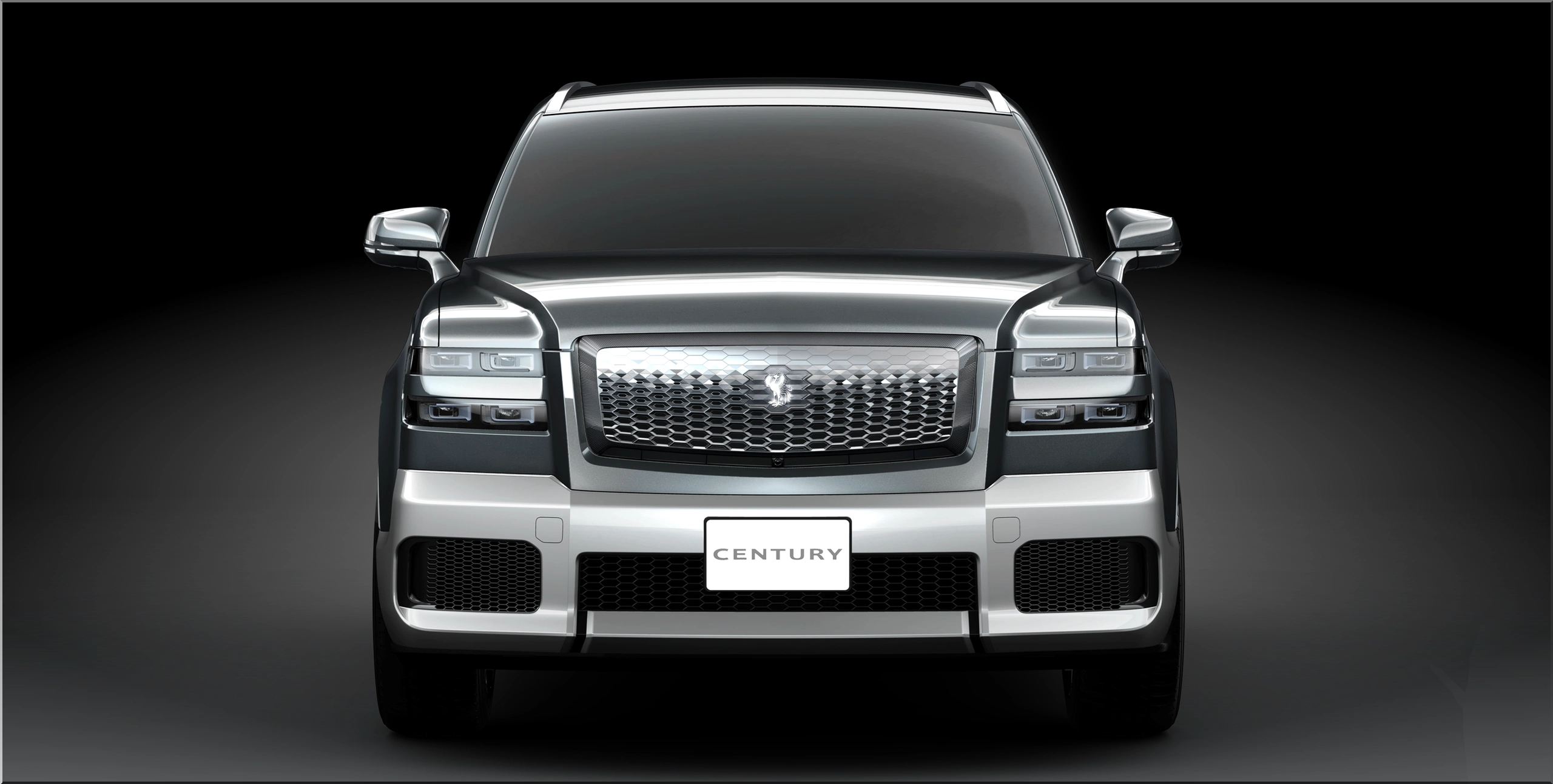
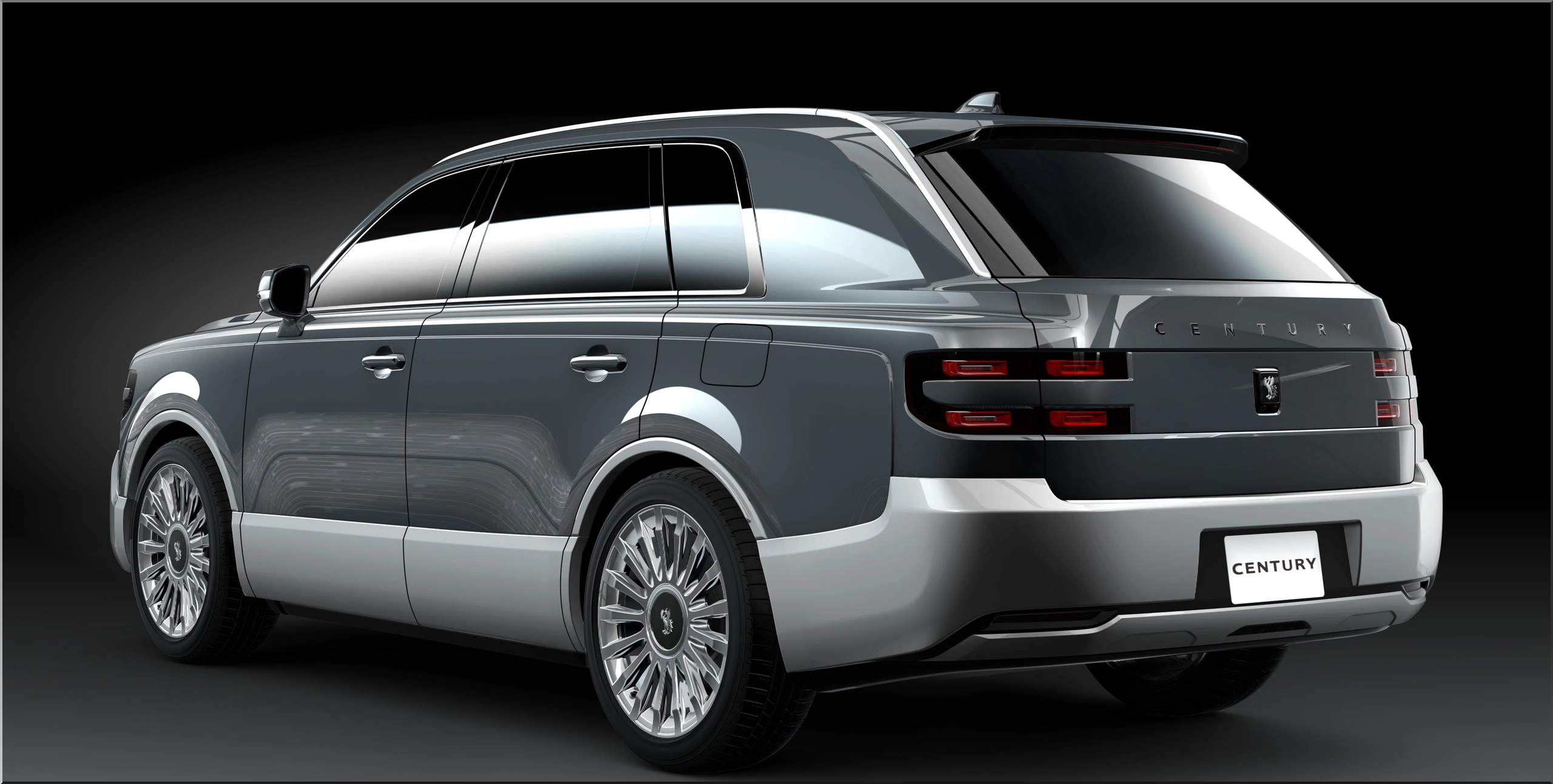
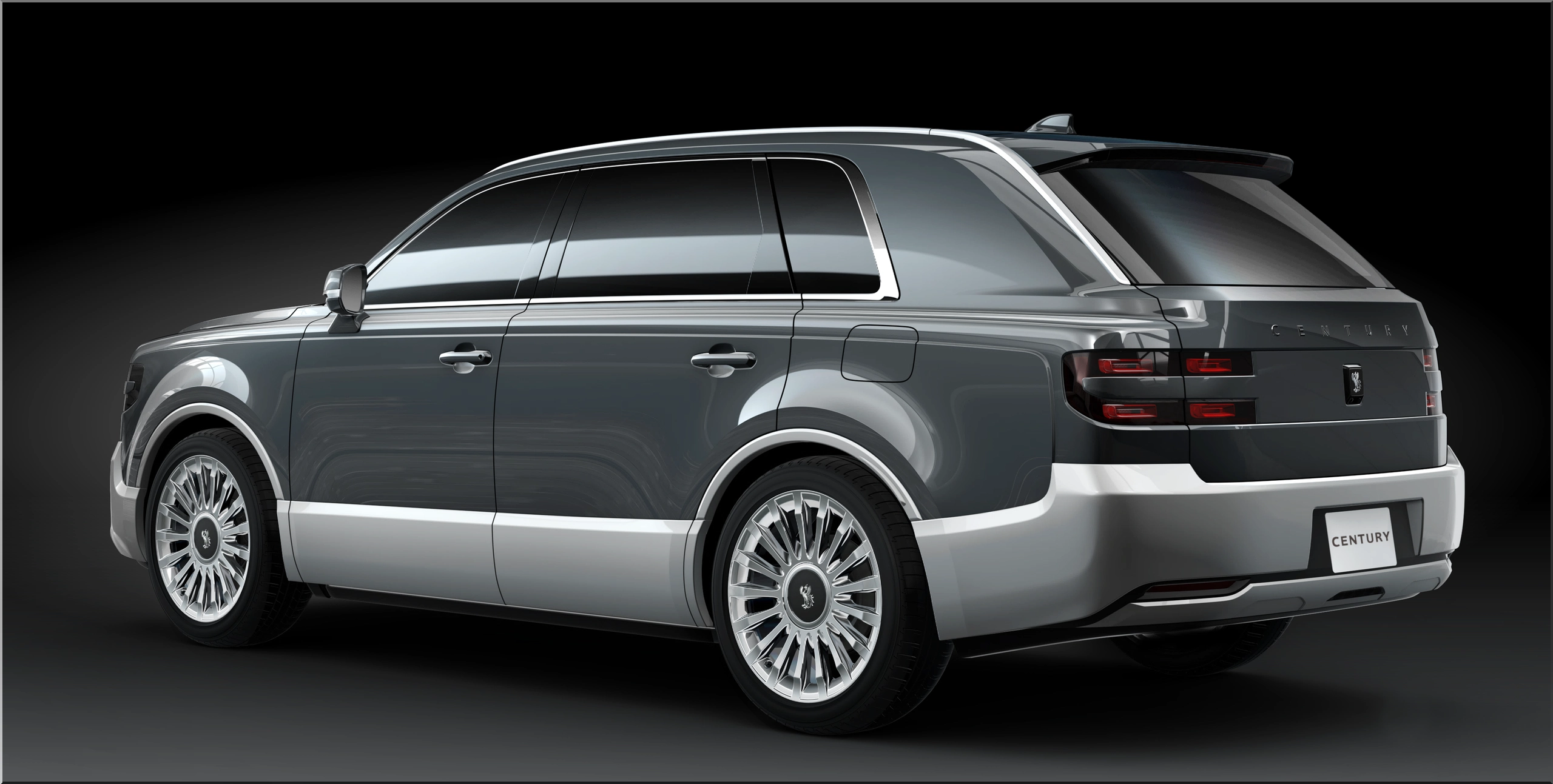
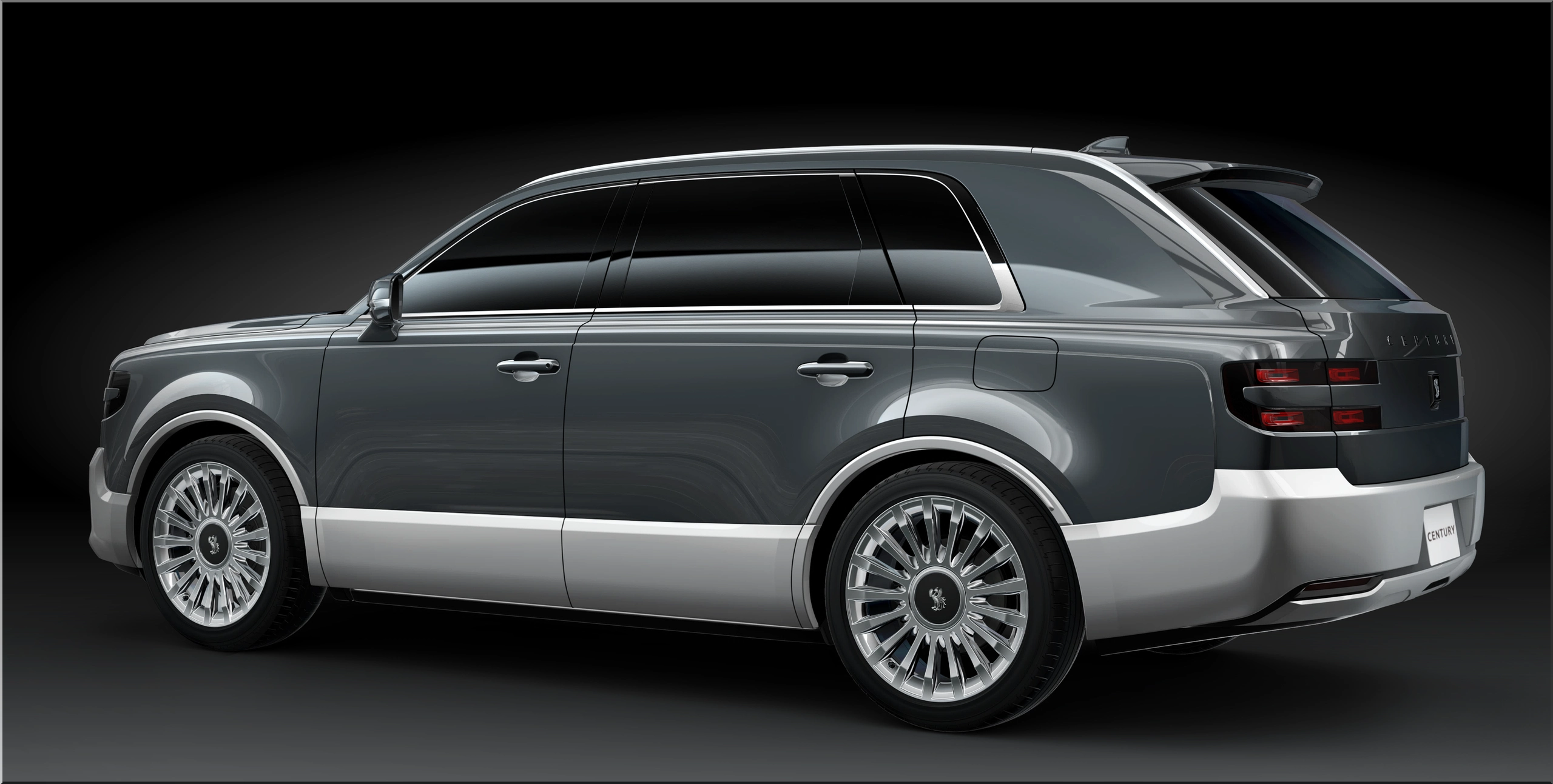
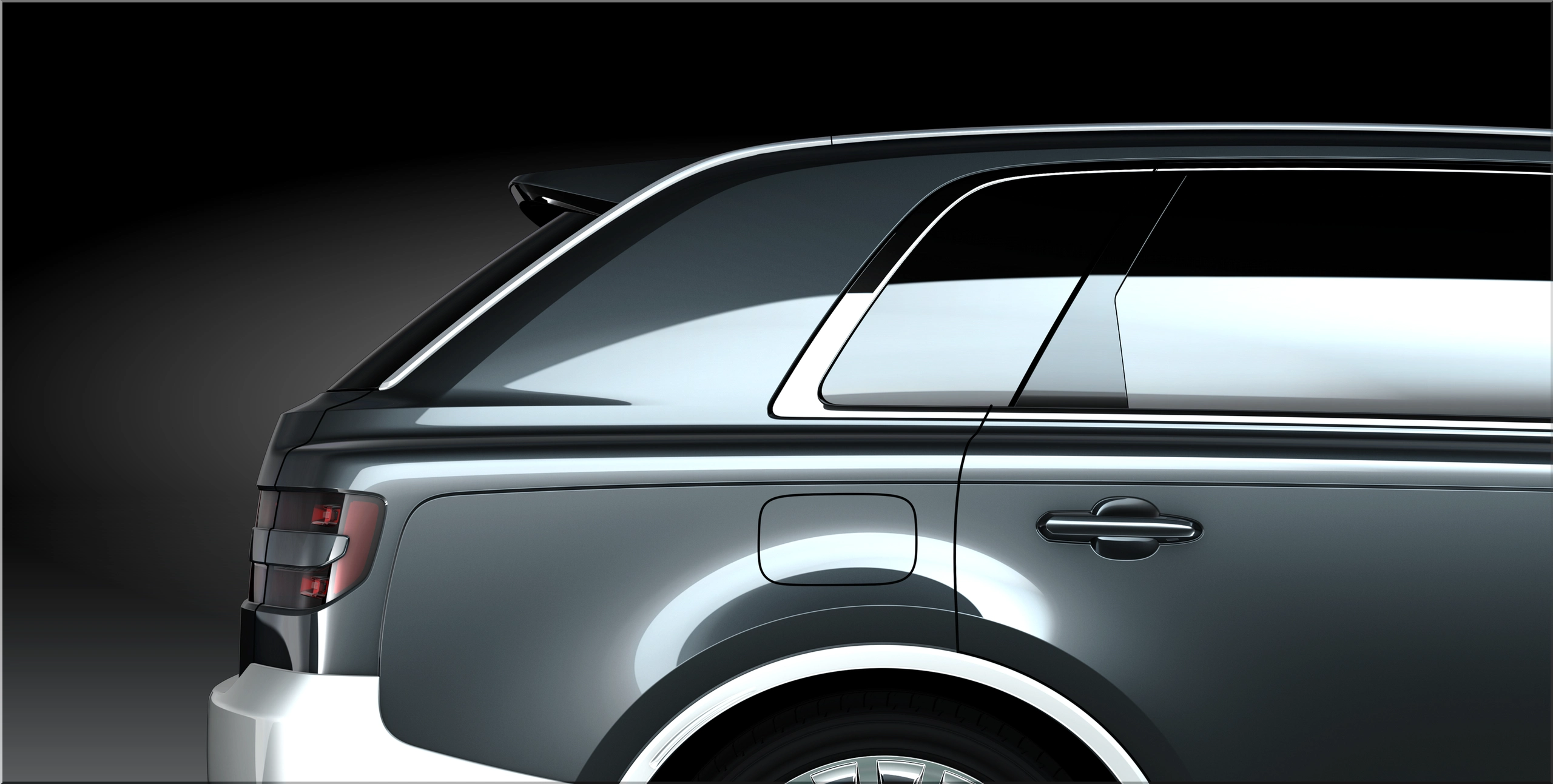
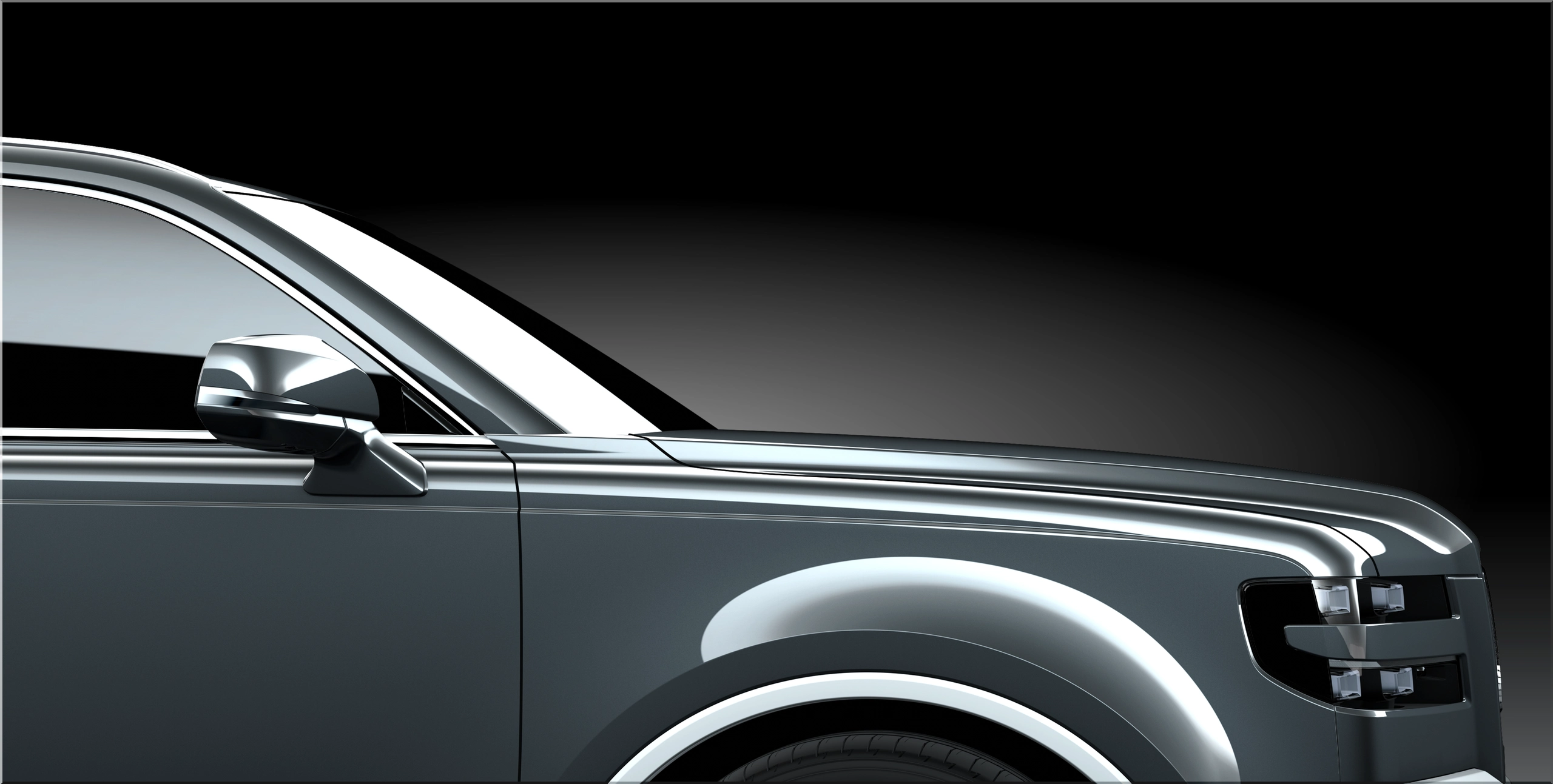
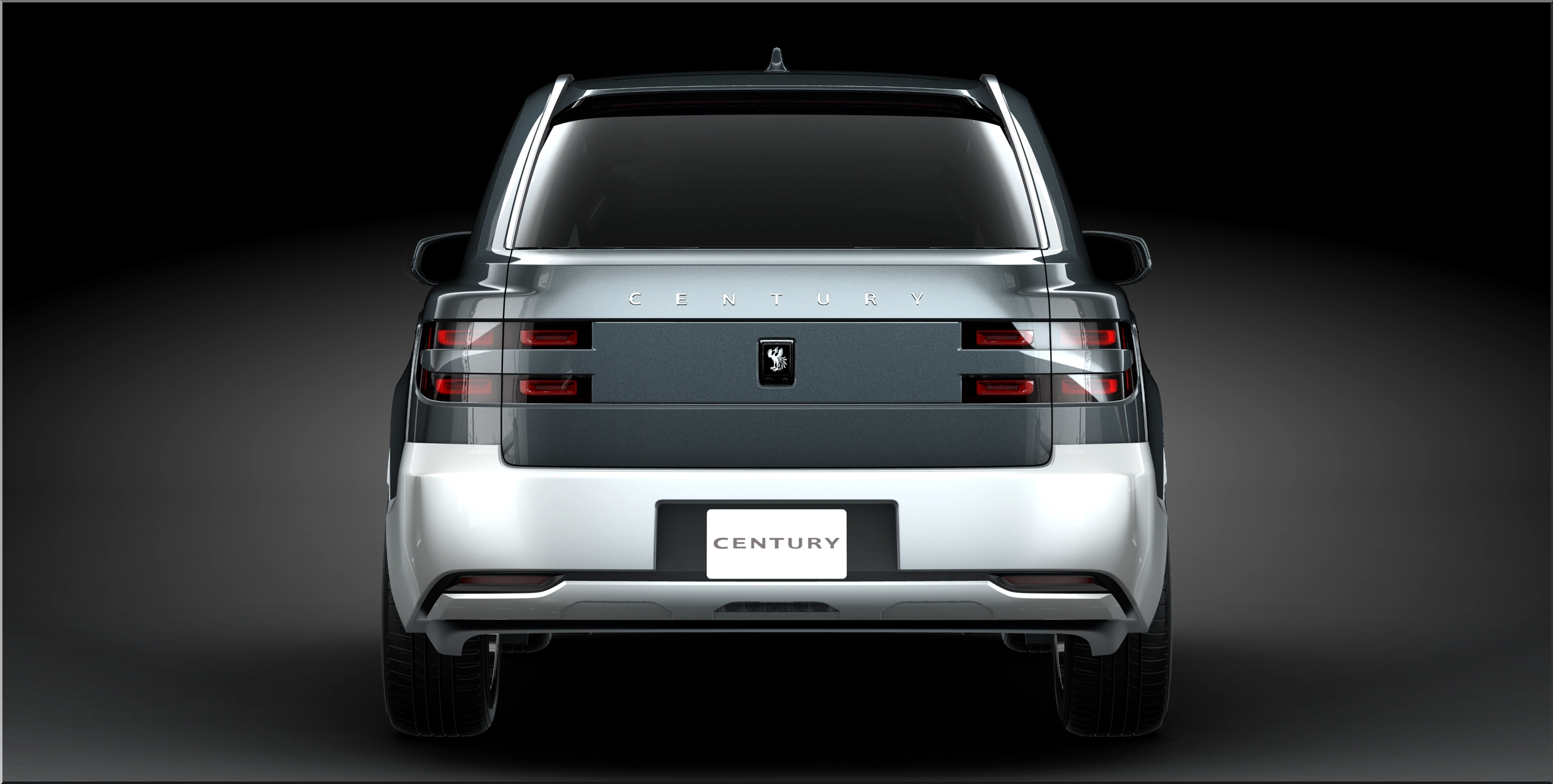
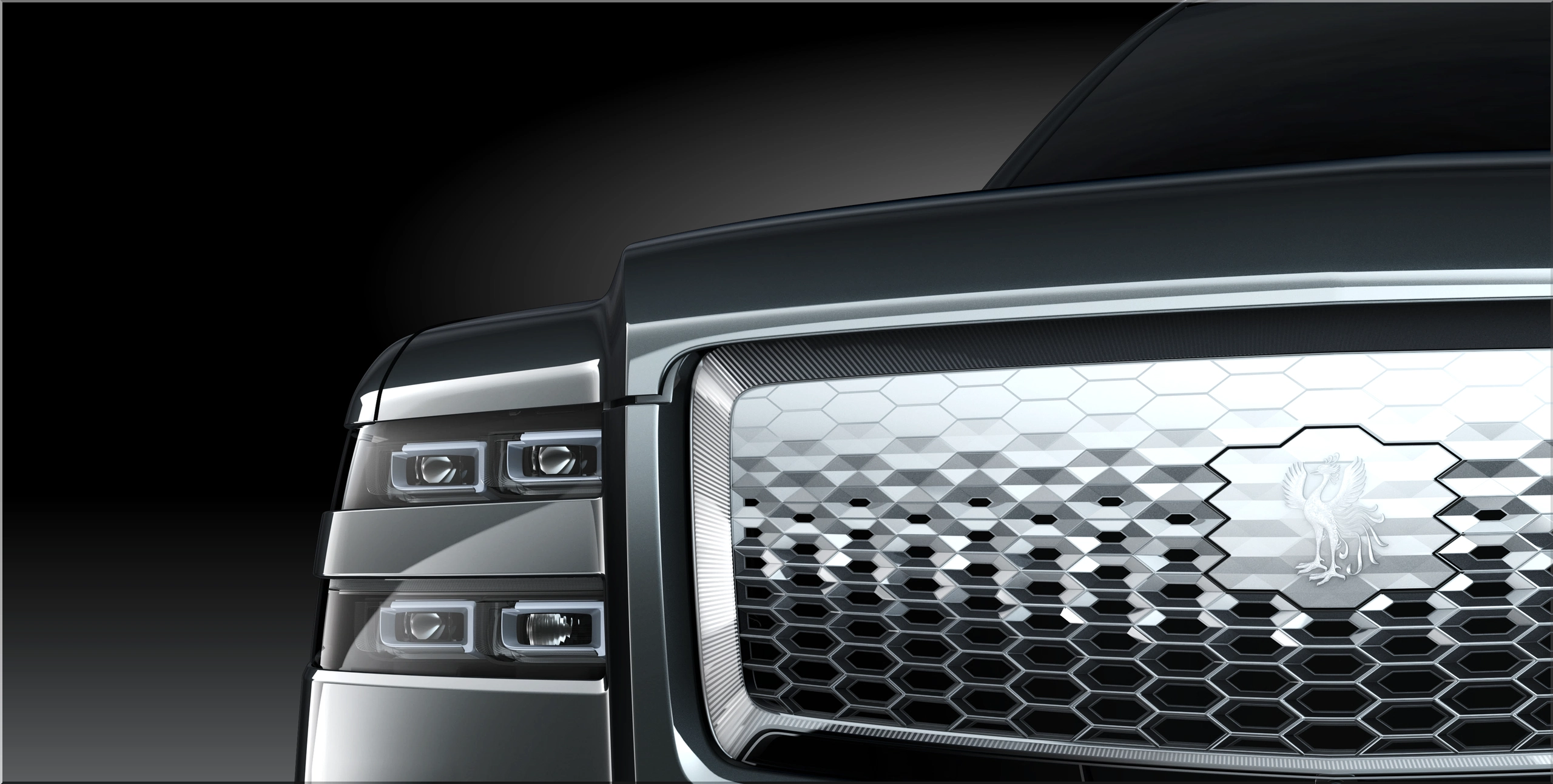
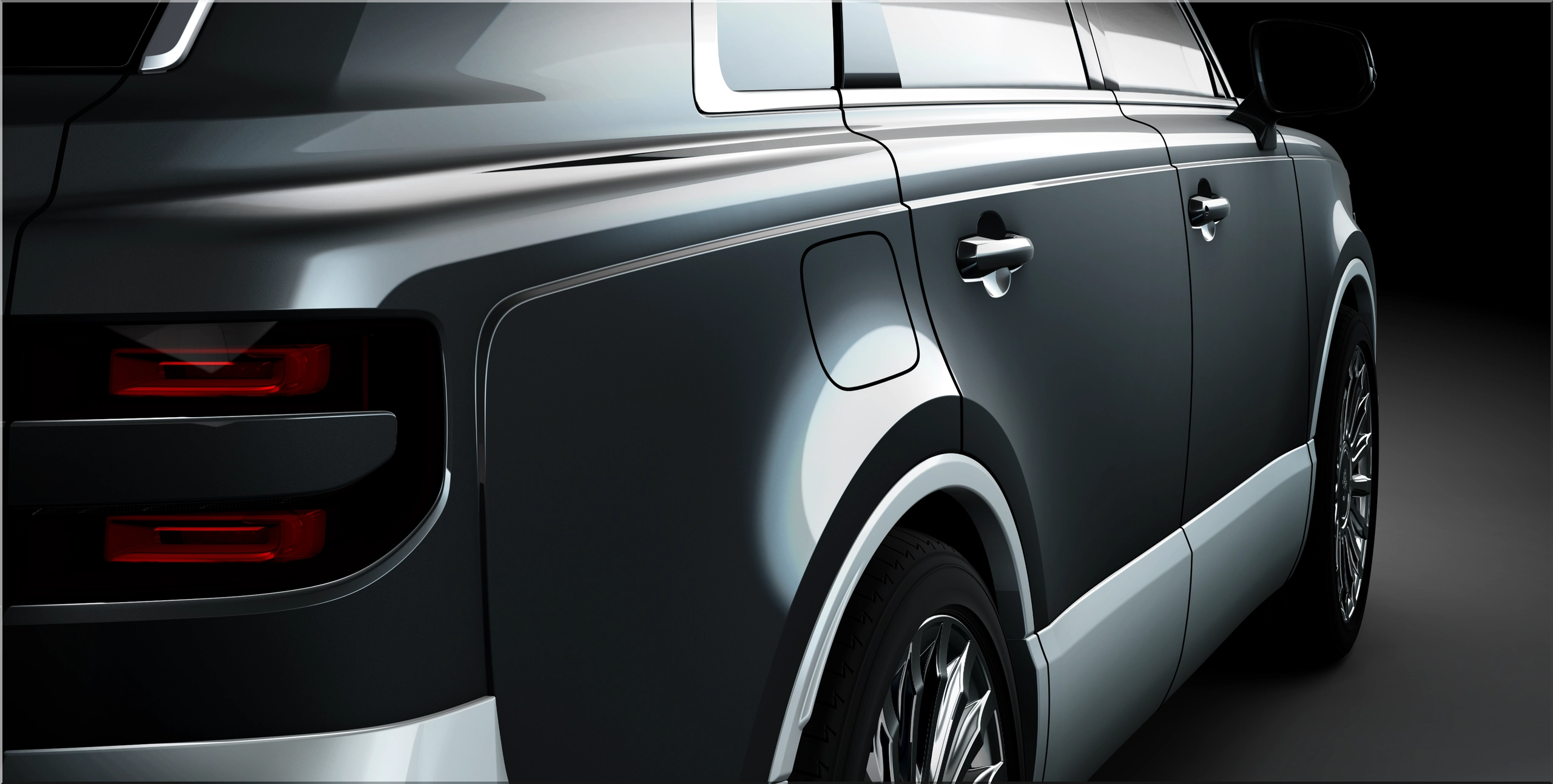
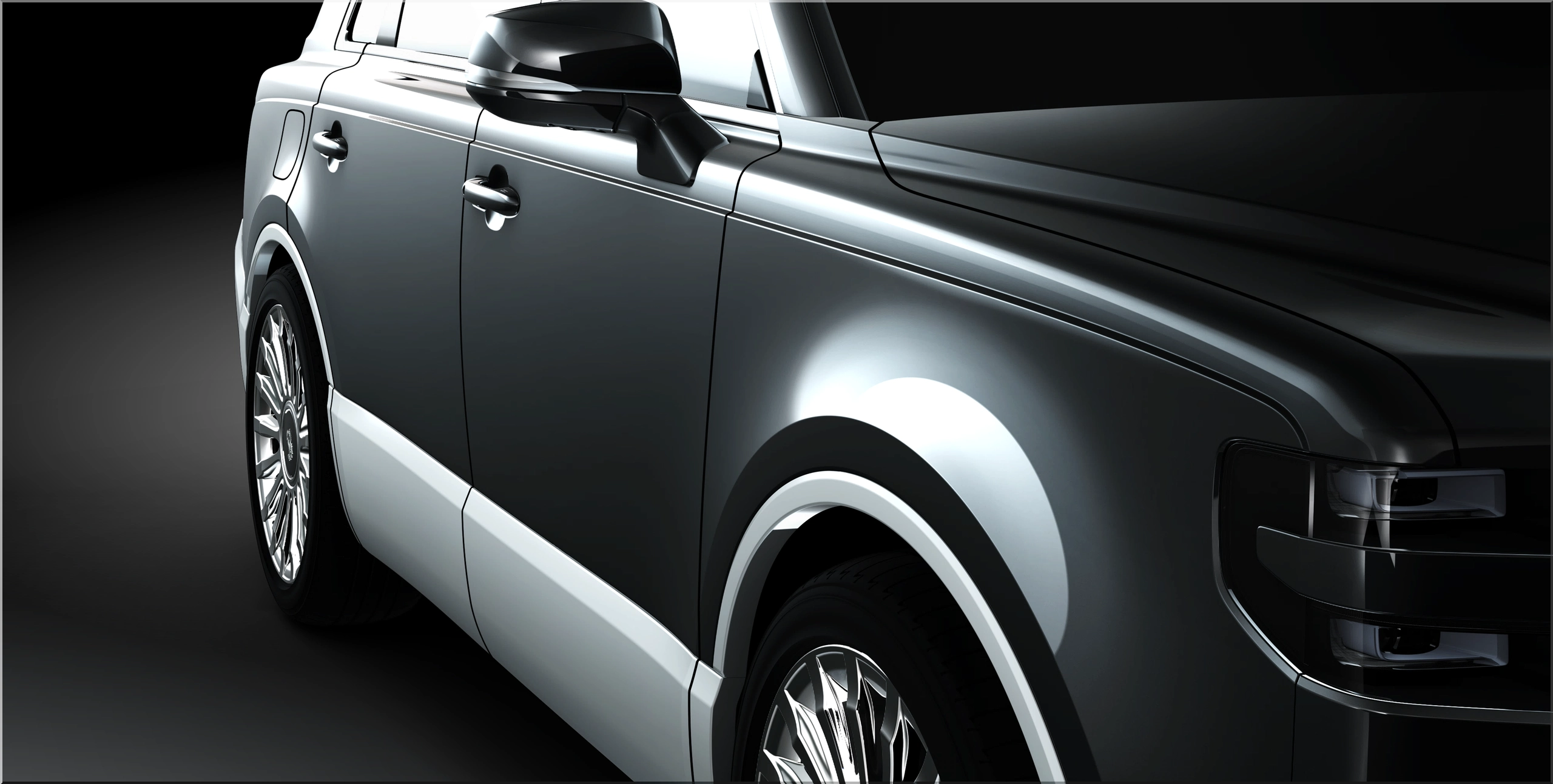
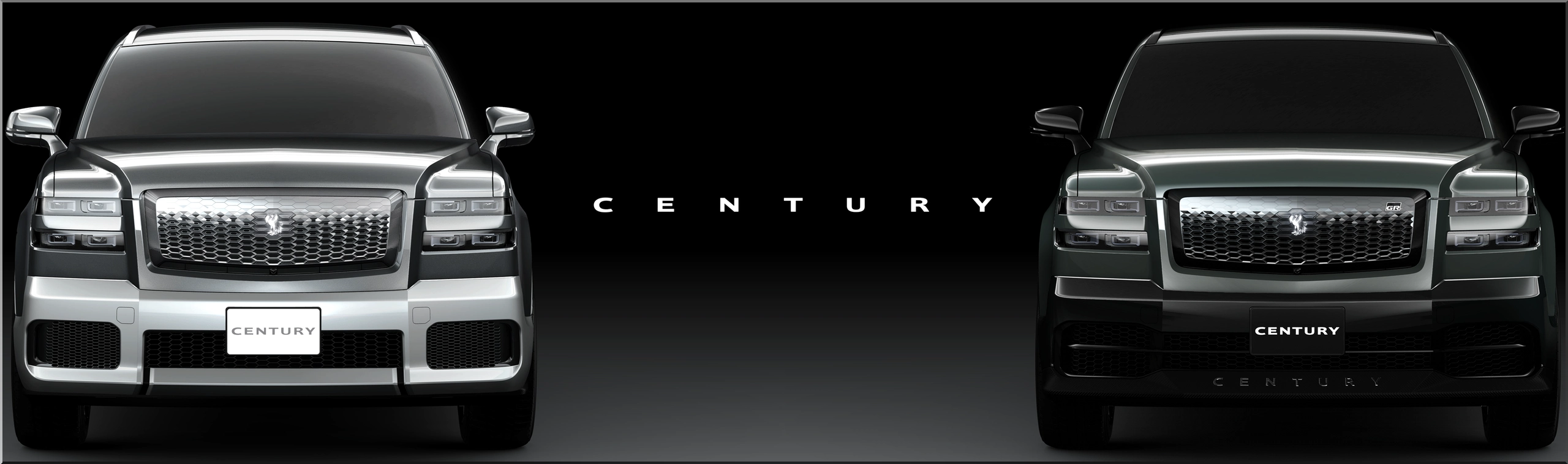
The design language is restrained. A tall, upright chrome grille, flat side panels, and sharp edges give the SUV a formal silhouette. Split-opening rear tailgate improves cargo access. LED headlights and taillights integrate seamlessly into the squared-off body.
The body panels are engineered for low wind noise and feature acoustic insulation to shield occupants from road and urban sounds.
Powertrain and Hybrid System
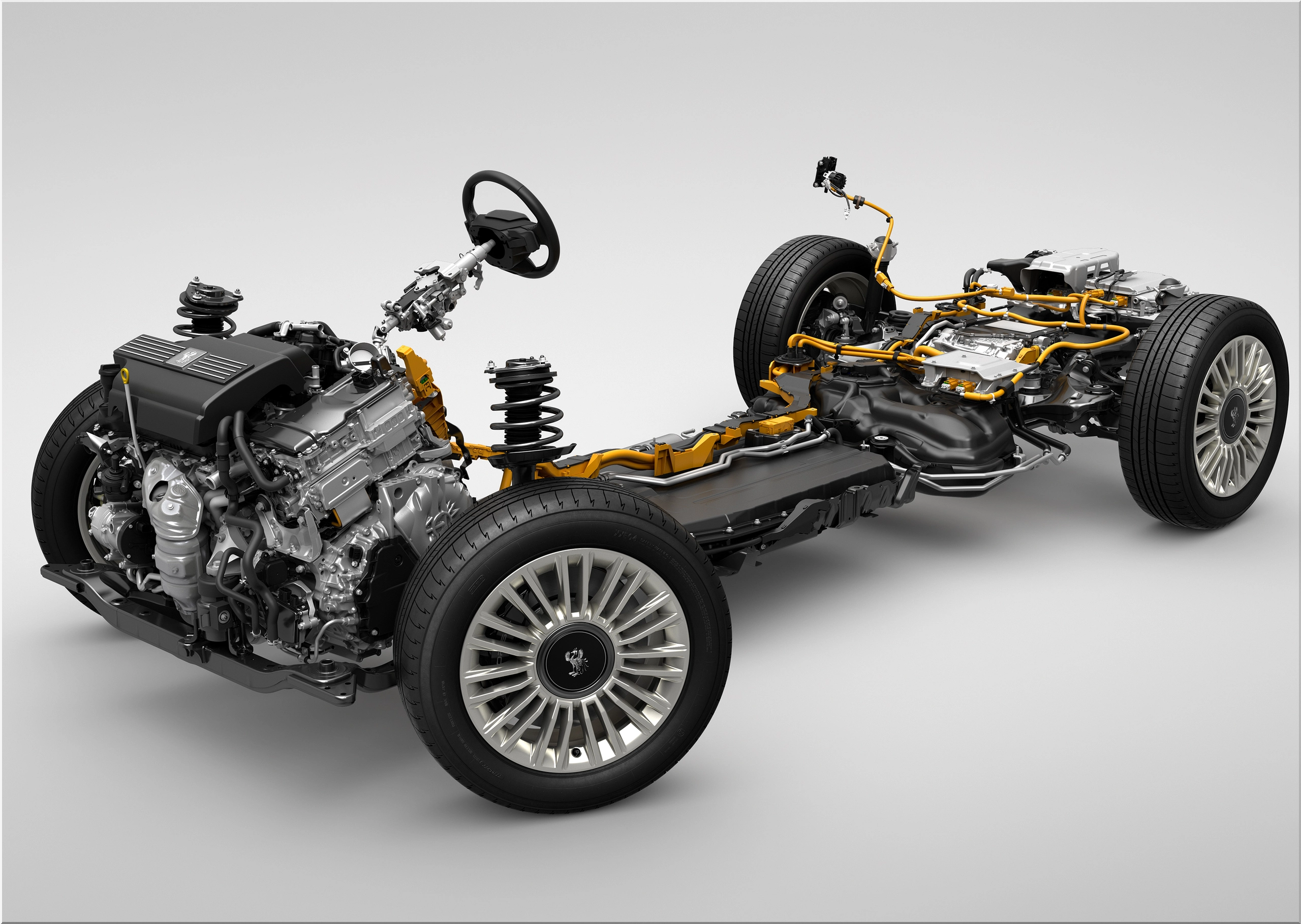
The 2025 Century SUV uses a 3.5-liter V6 plug-in hybrid powertrain — Toyota’s most advanced system for a luxury application.
Specifications:
- Engine: 3.5L V6 direct-injection petrol
- Electric motor: Rear-mounted permanent magnet motor
- System output: 303 kW (406 hp) combined
- Transmission: e-CVT (electronically controlled continuously variable transmission)
- Drive system: E-Four AWD (electric motor drives rear wheels)
- Electric range: ~70 km (43 miles)
- Charging: AC charging capability via standard ports
The hybrid system prioritizes smooth acceleration and quiet operation over outright performance. The electric motor delivers instant torque for urban driving, while the petrol engine engages for higher speeds or when battery charge drops.
Ride Comfort and Handling
Toyota engineers focused on creating a stable, cushioned ride suitable for chauffeured transport.
Key chassis technologies:
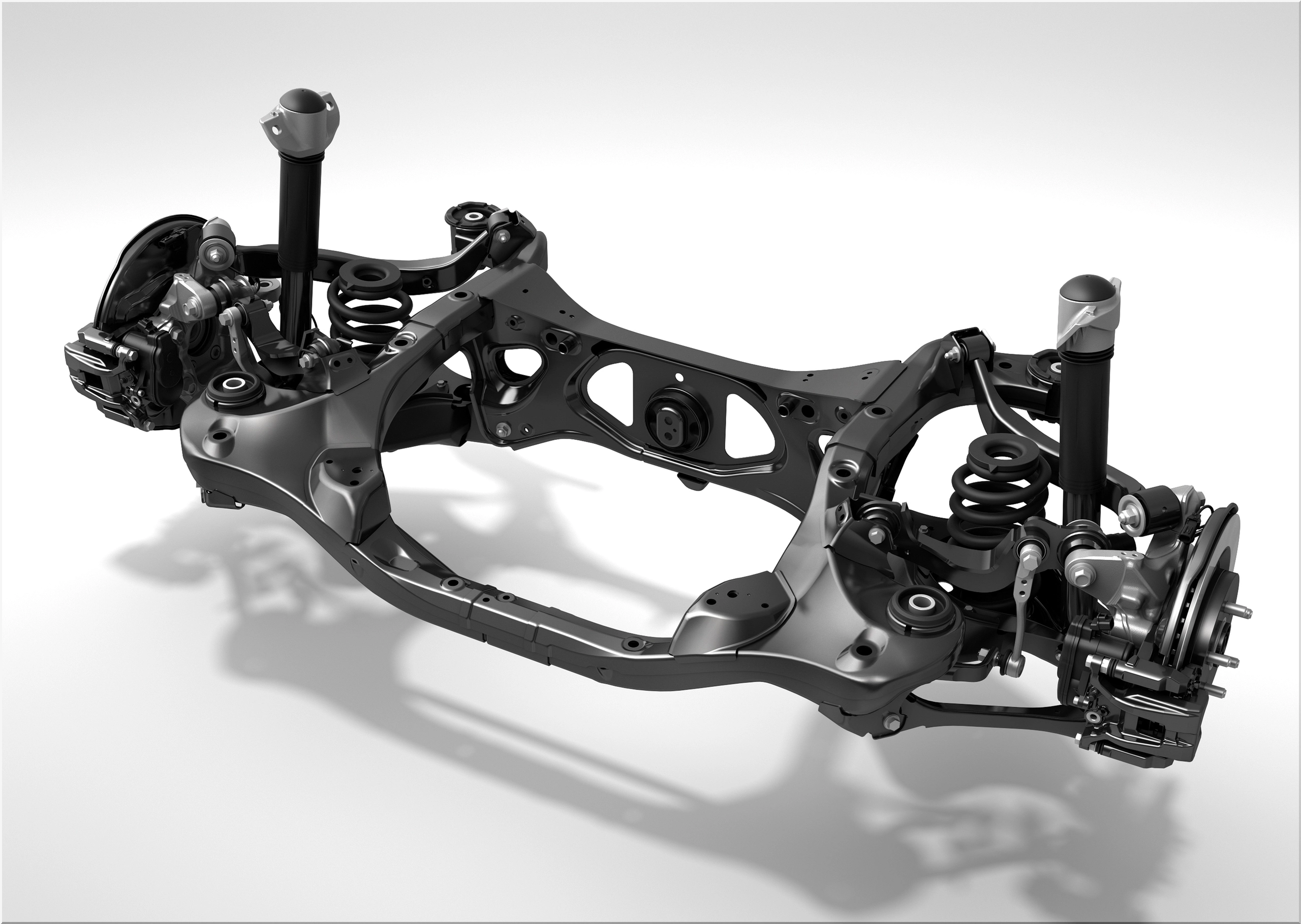
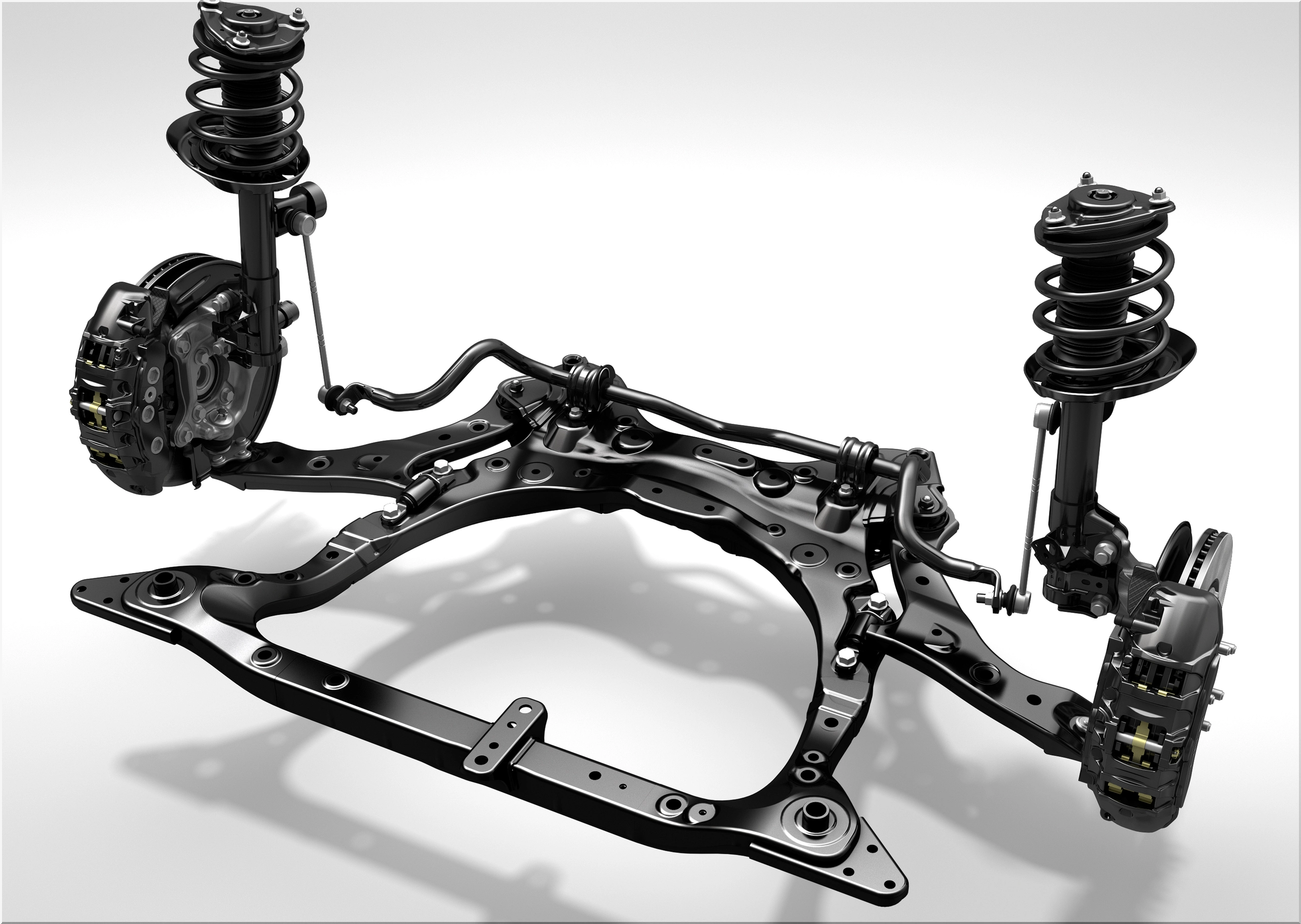
- Adaptive air suspension — adjusts height and damping based on speed, load, and road quality.
- Rear-wheel steering — reduces turning radius, aiding maneuverability in tight streets.
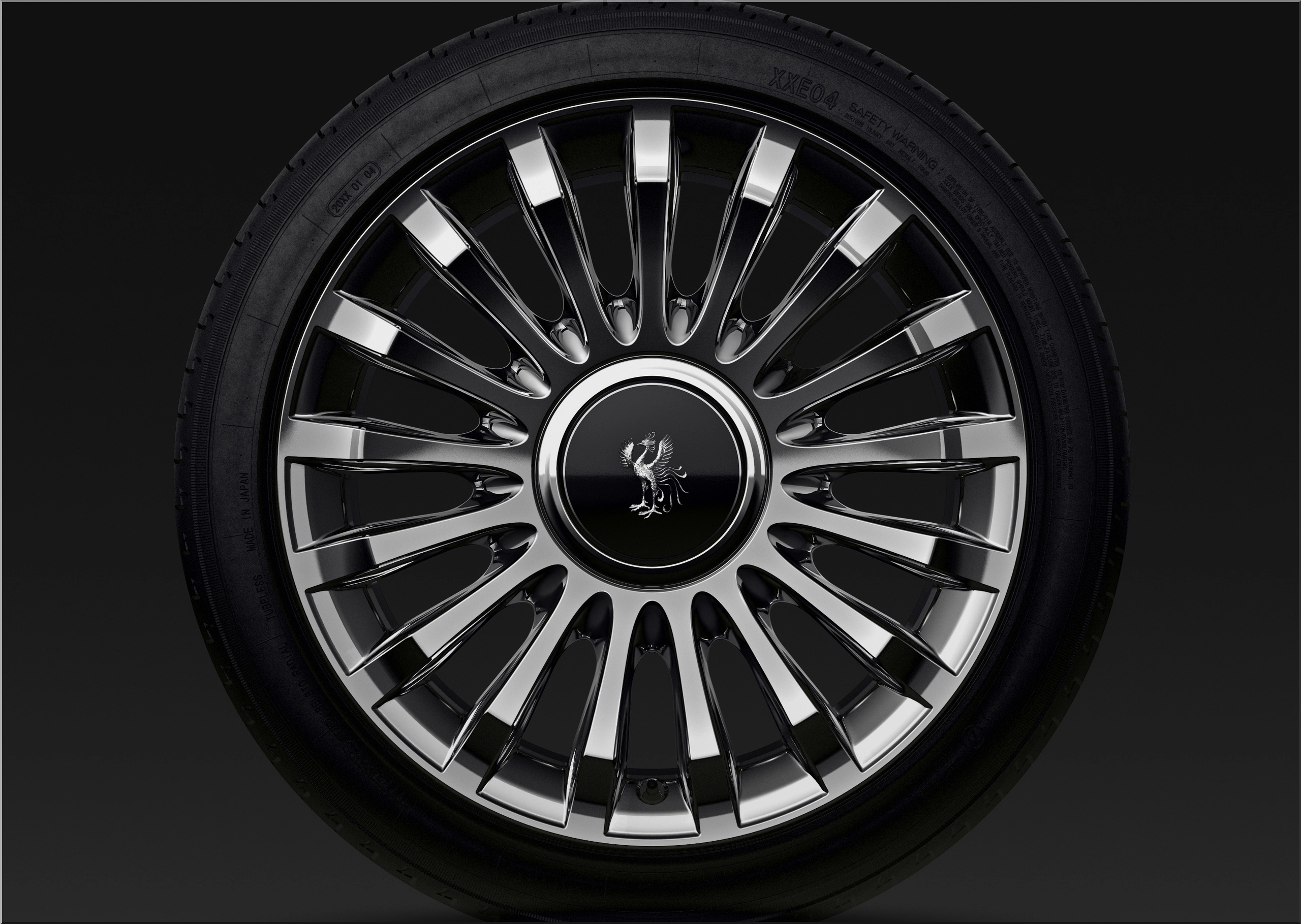
- Noise-reducing tires — specially tuned for low rolling noise without sacrificing grip.
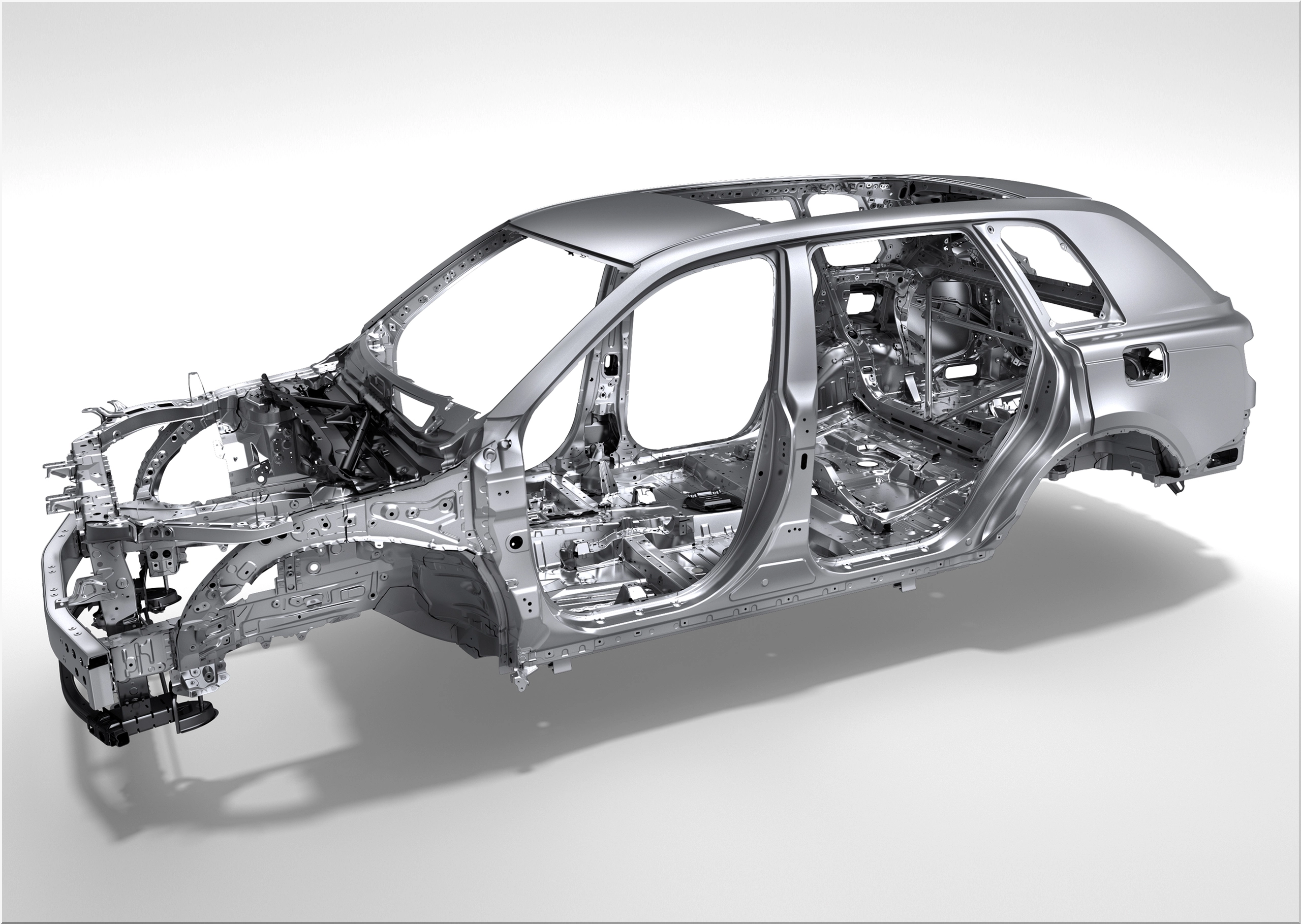
- Rigid body frame — increases torsional stiffness, improving ride isolation.
At city speeds, the suspension softens to absorb bumps. At highway speeds, damping increases for improved stability.
Cabin Layout and Passenger Features
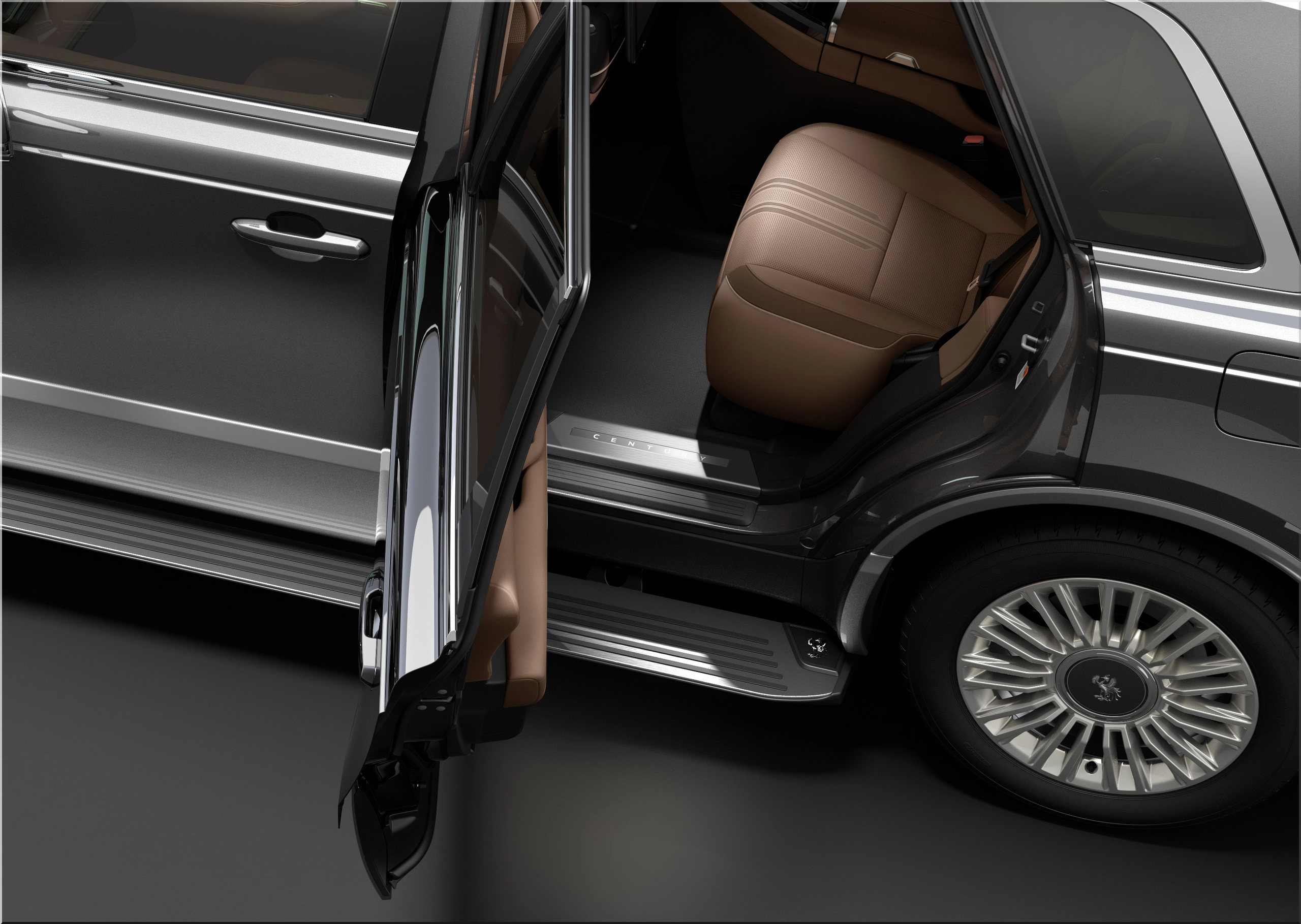
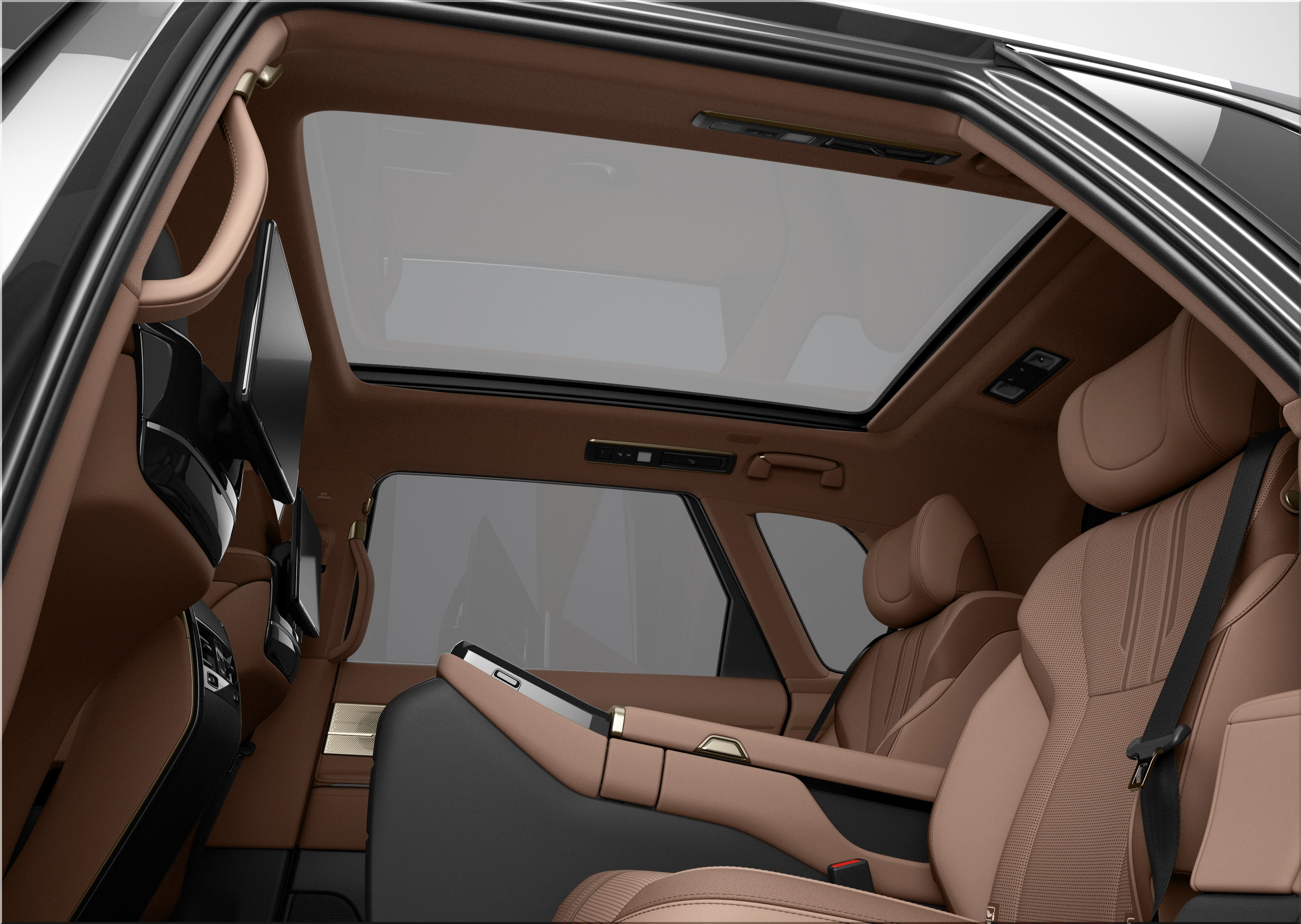
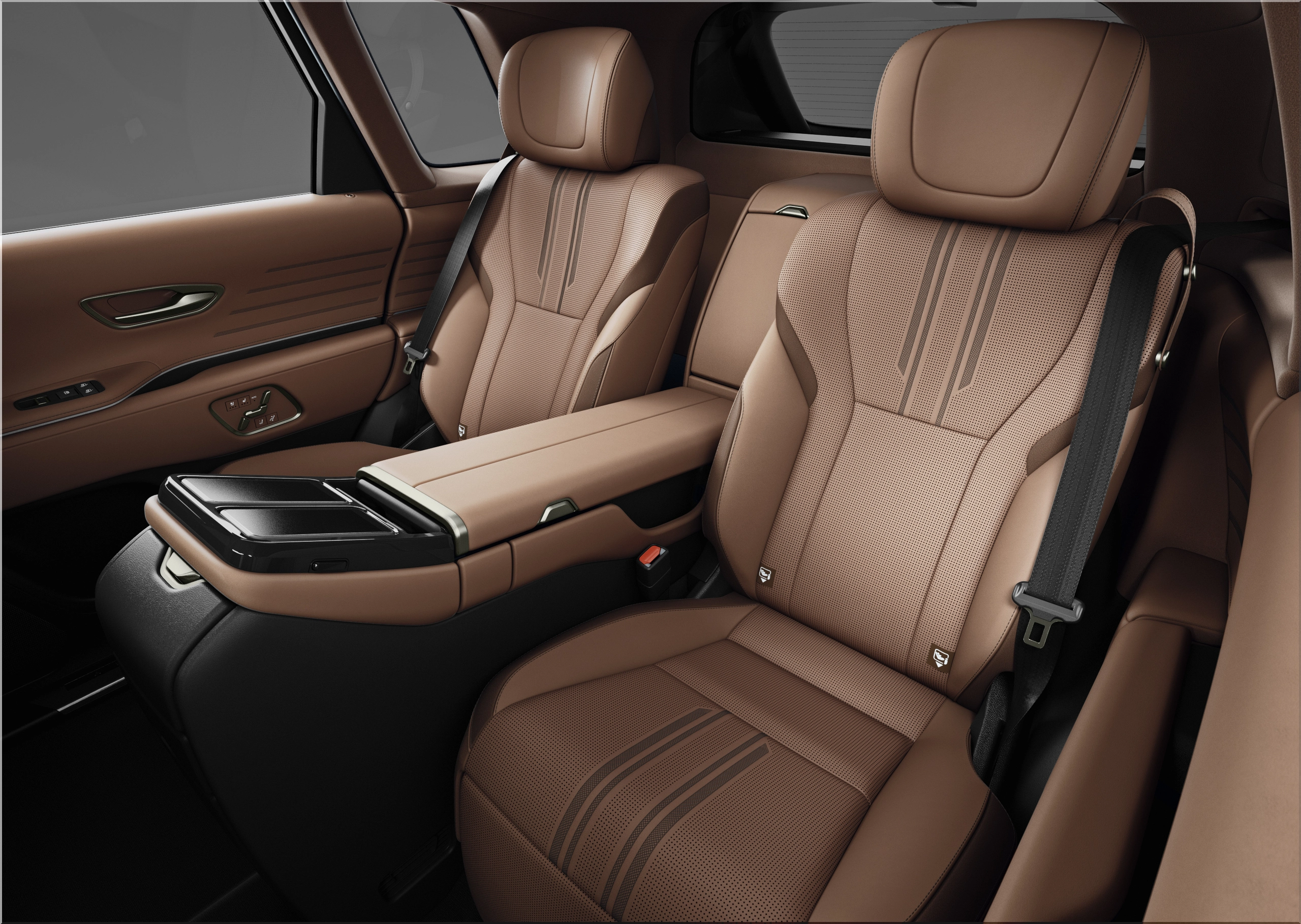
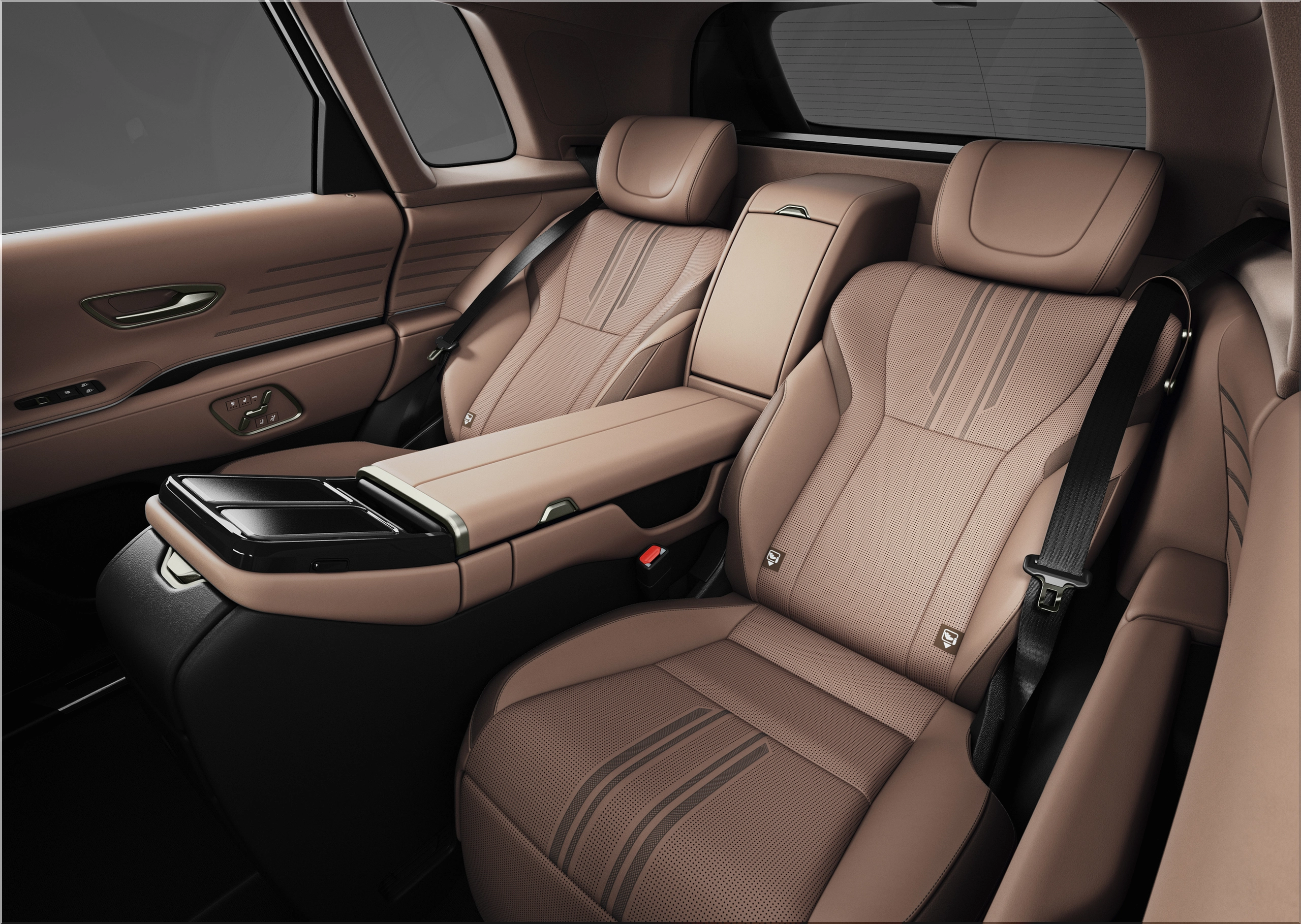
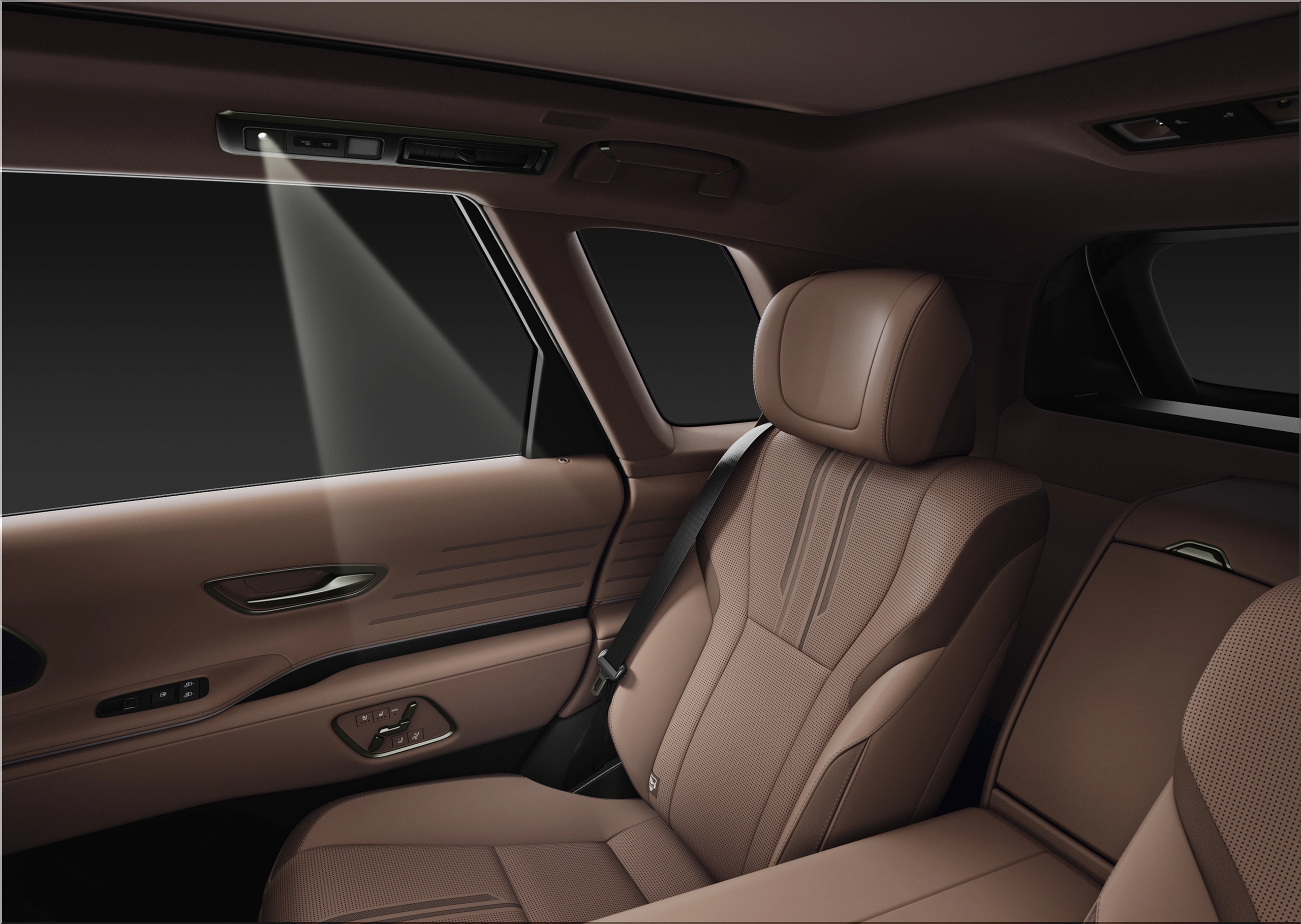
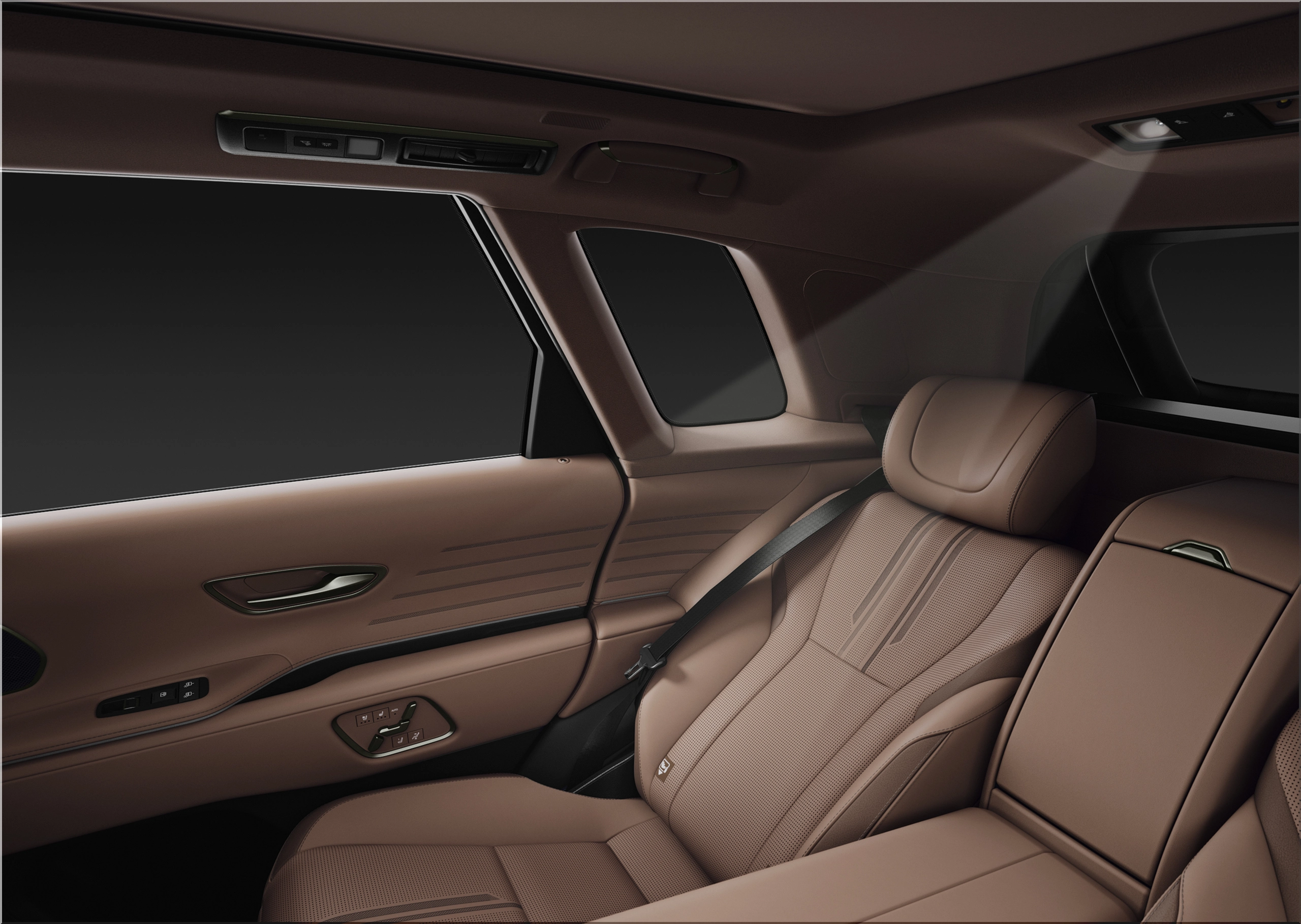
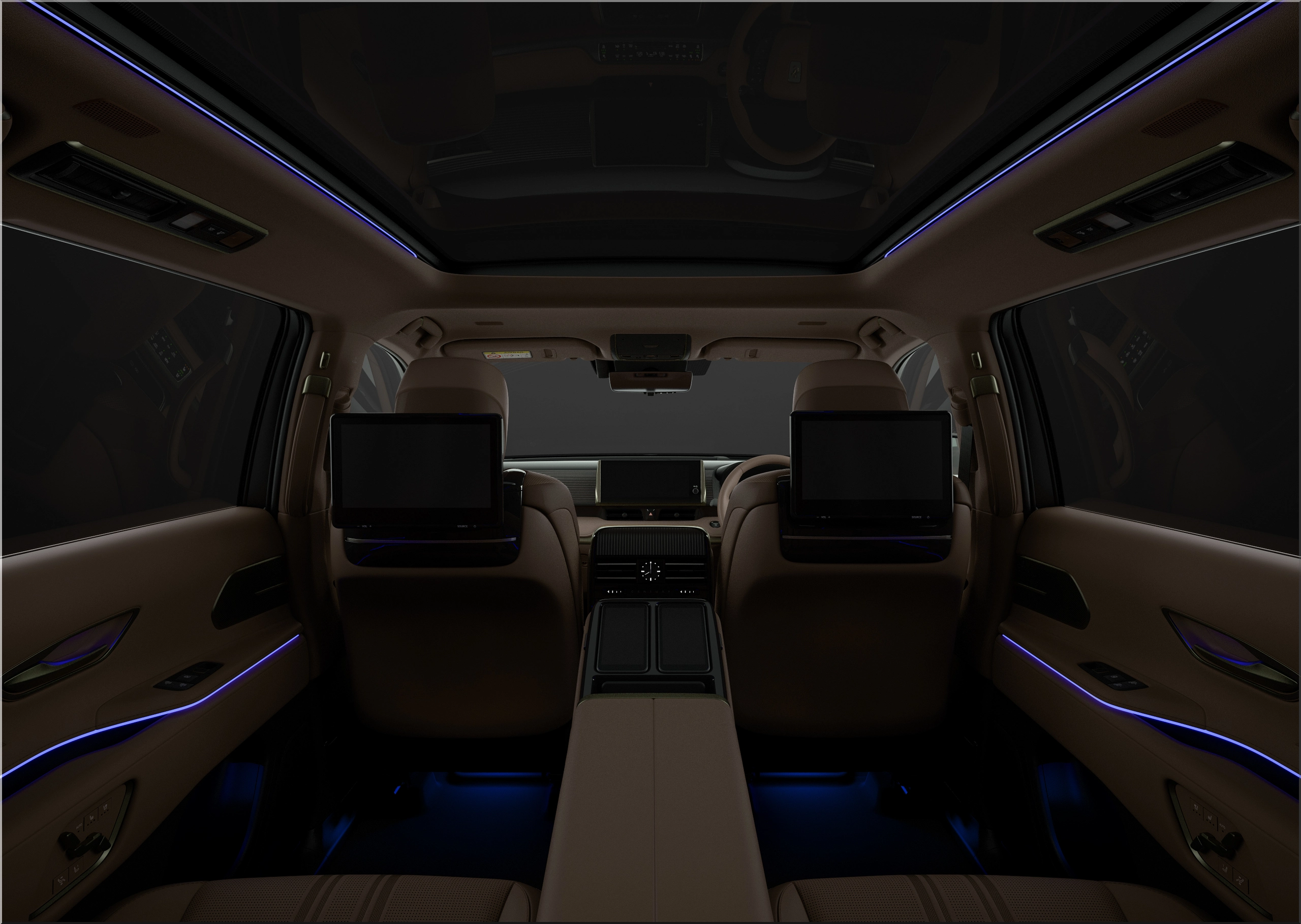
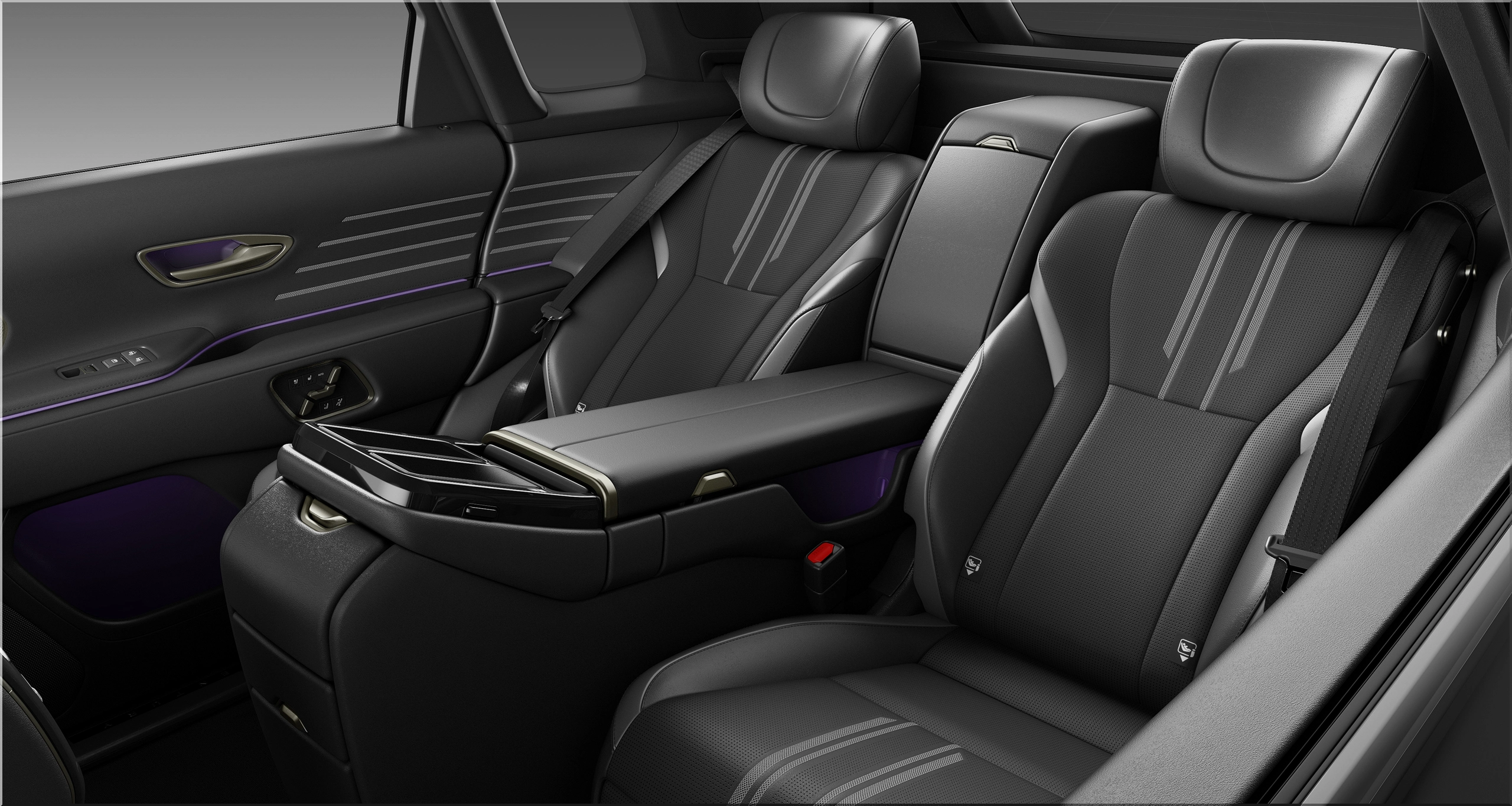
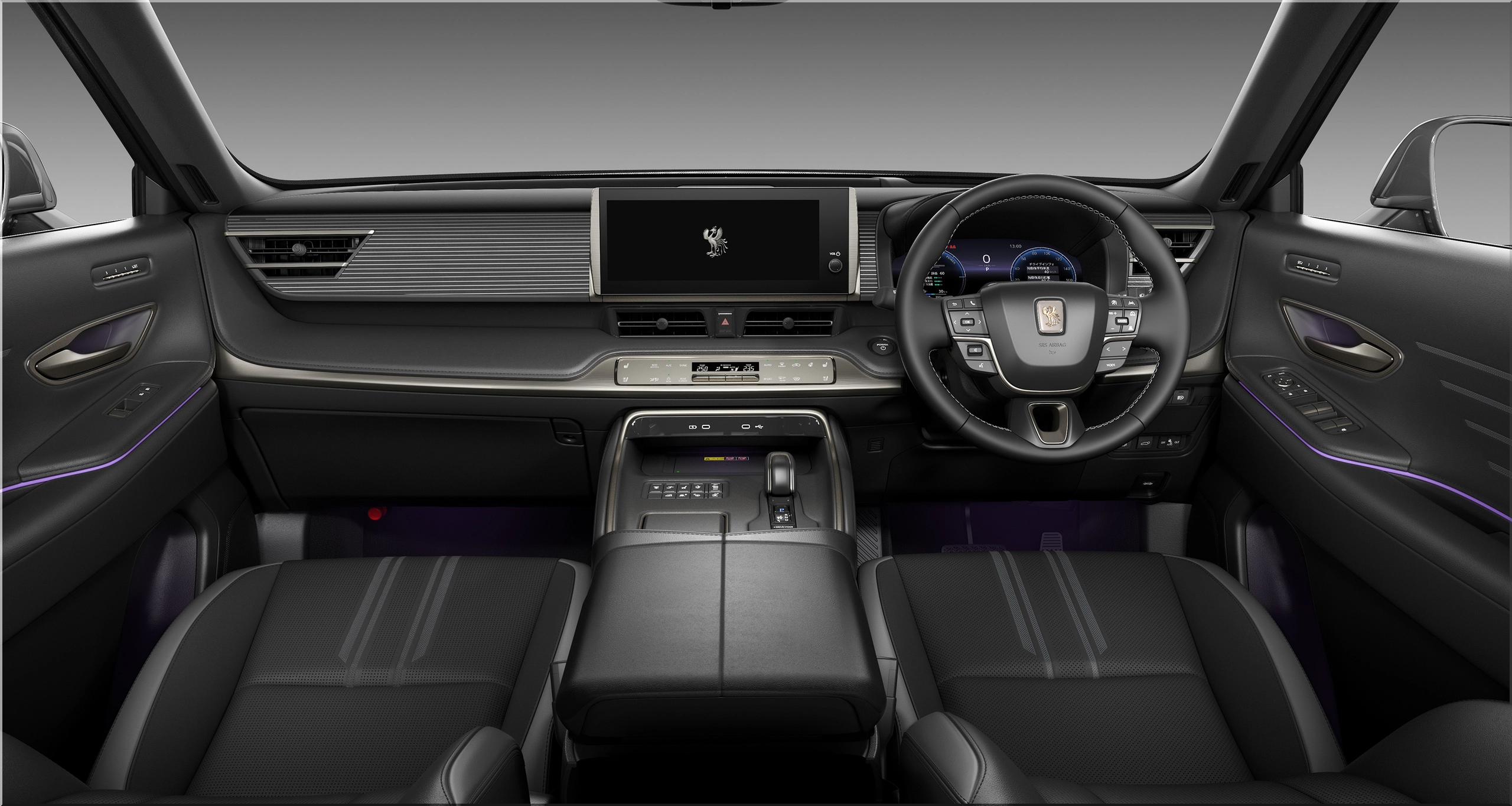
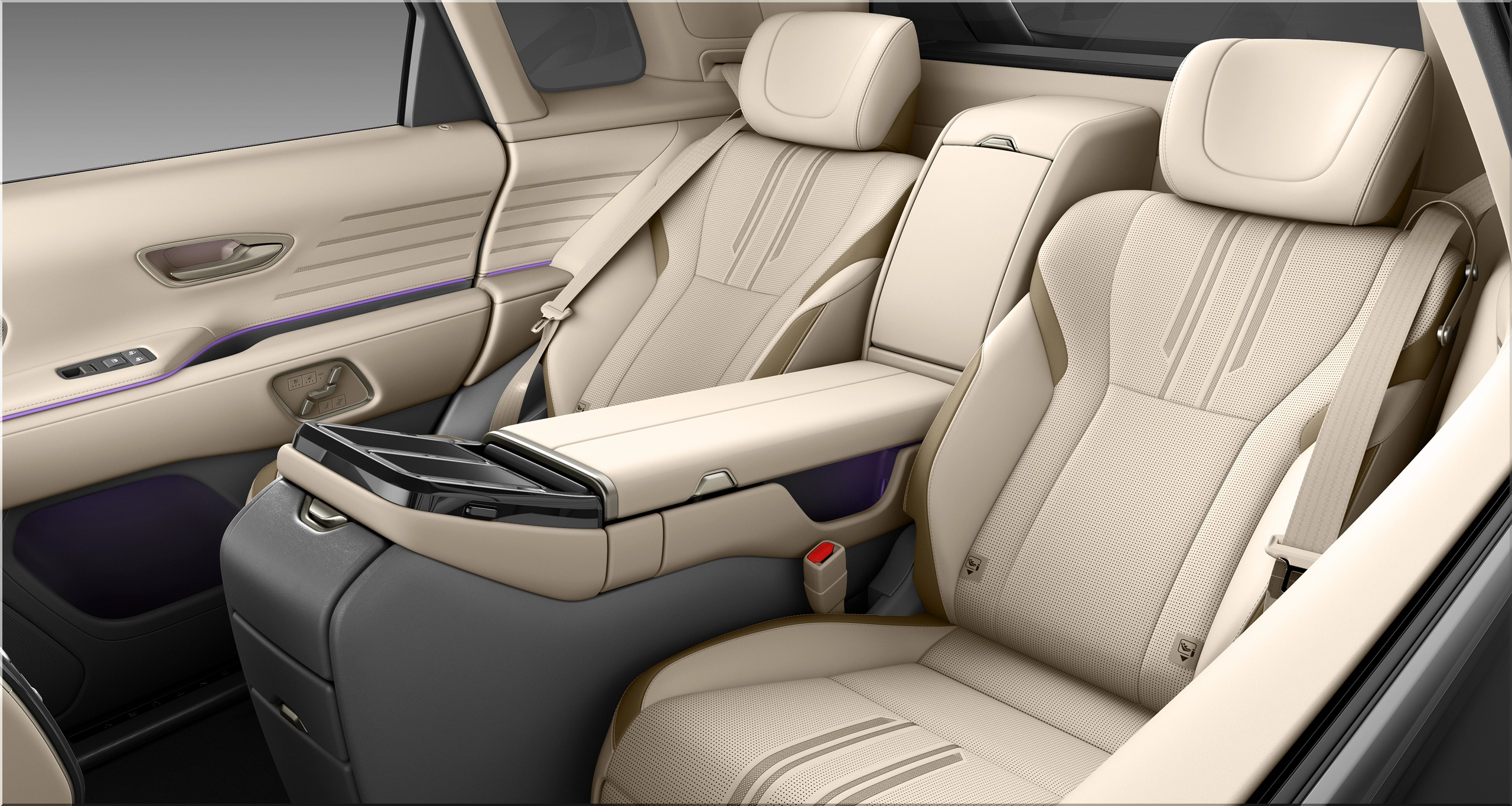
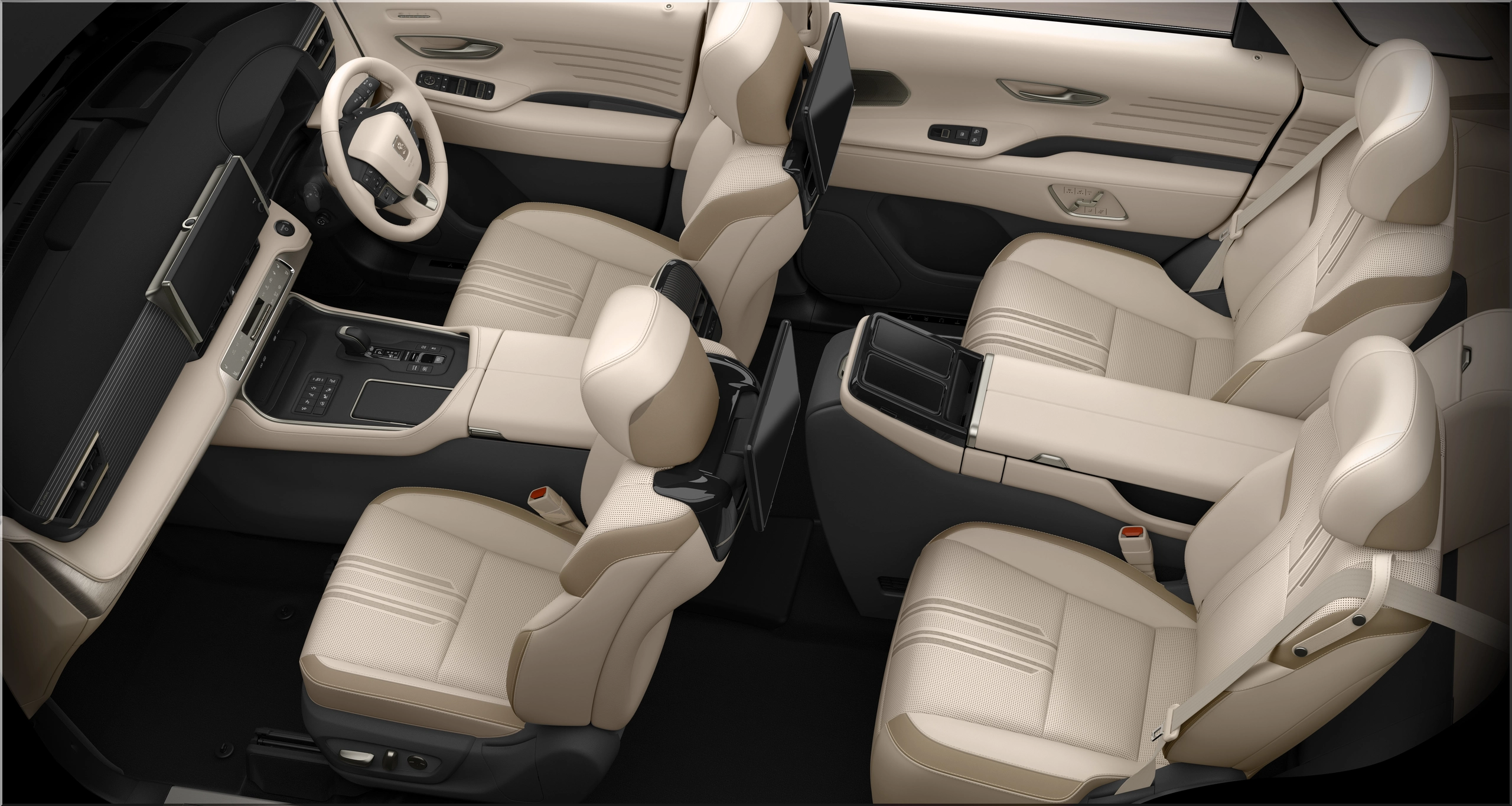
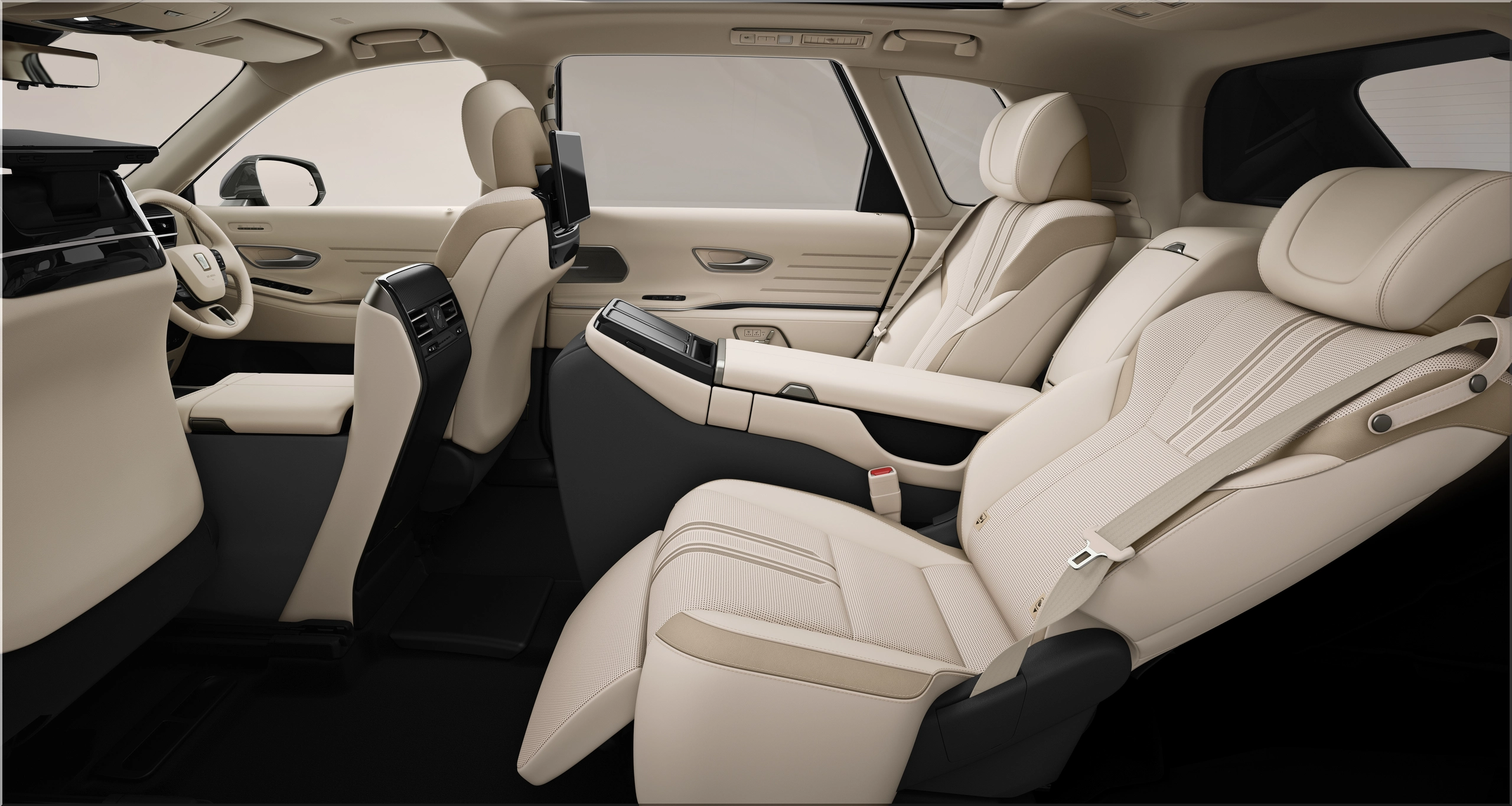
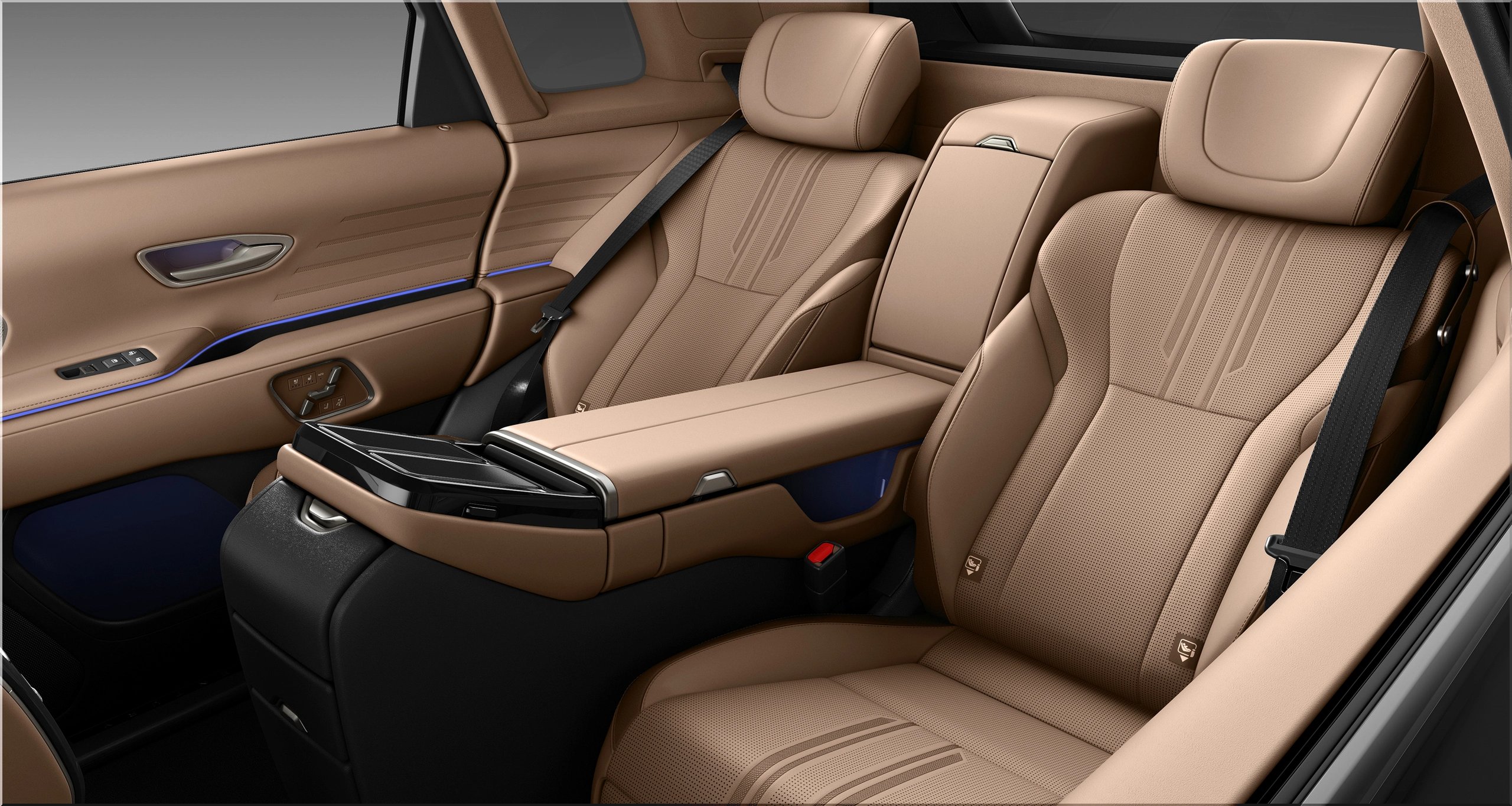
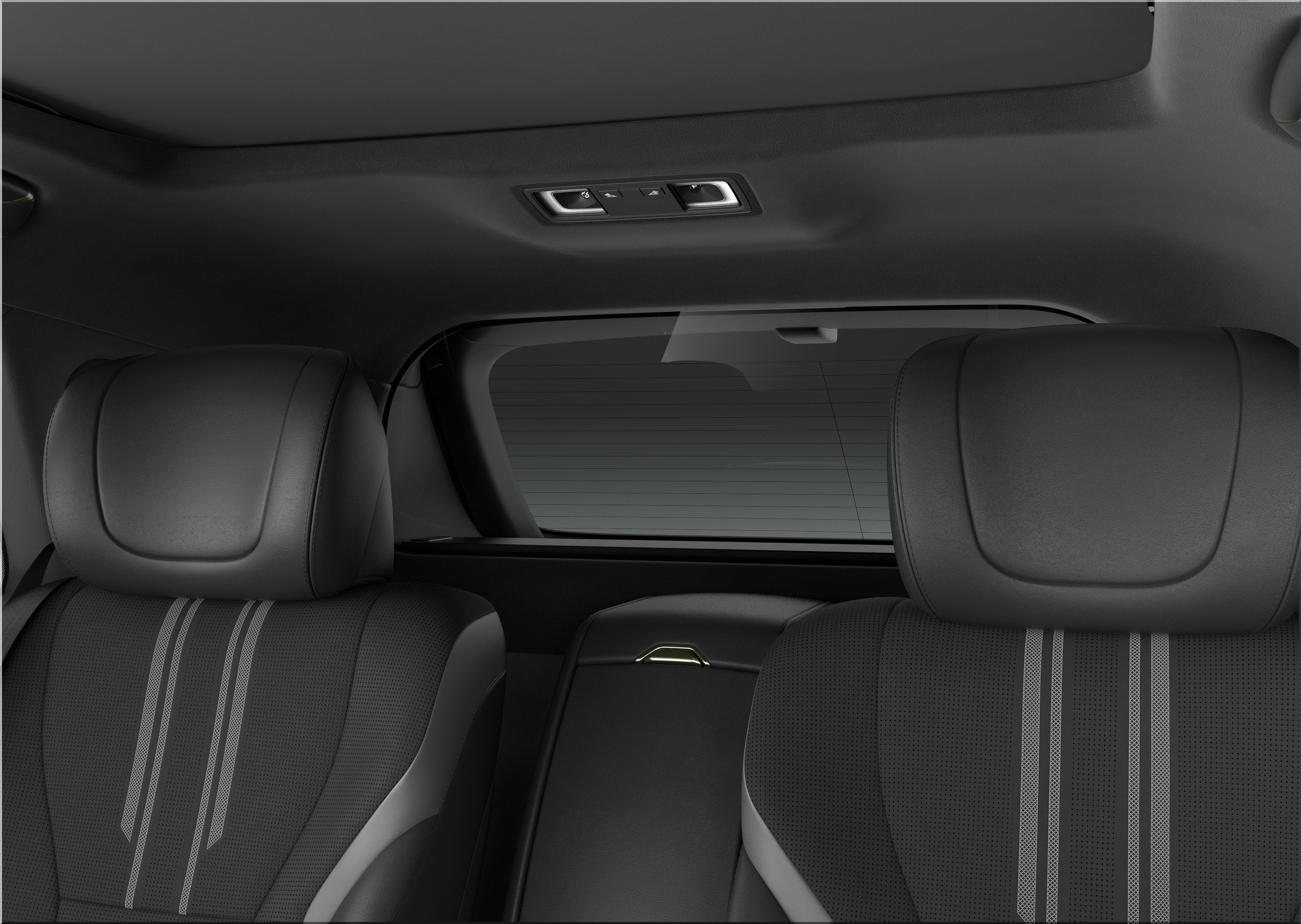
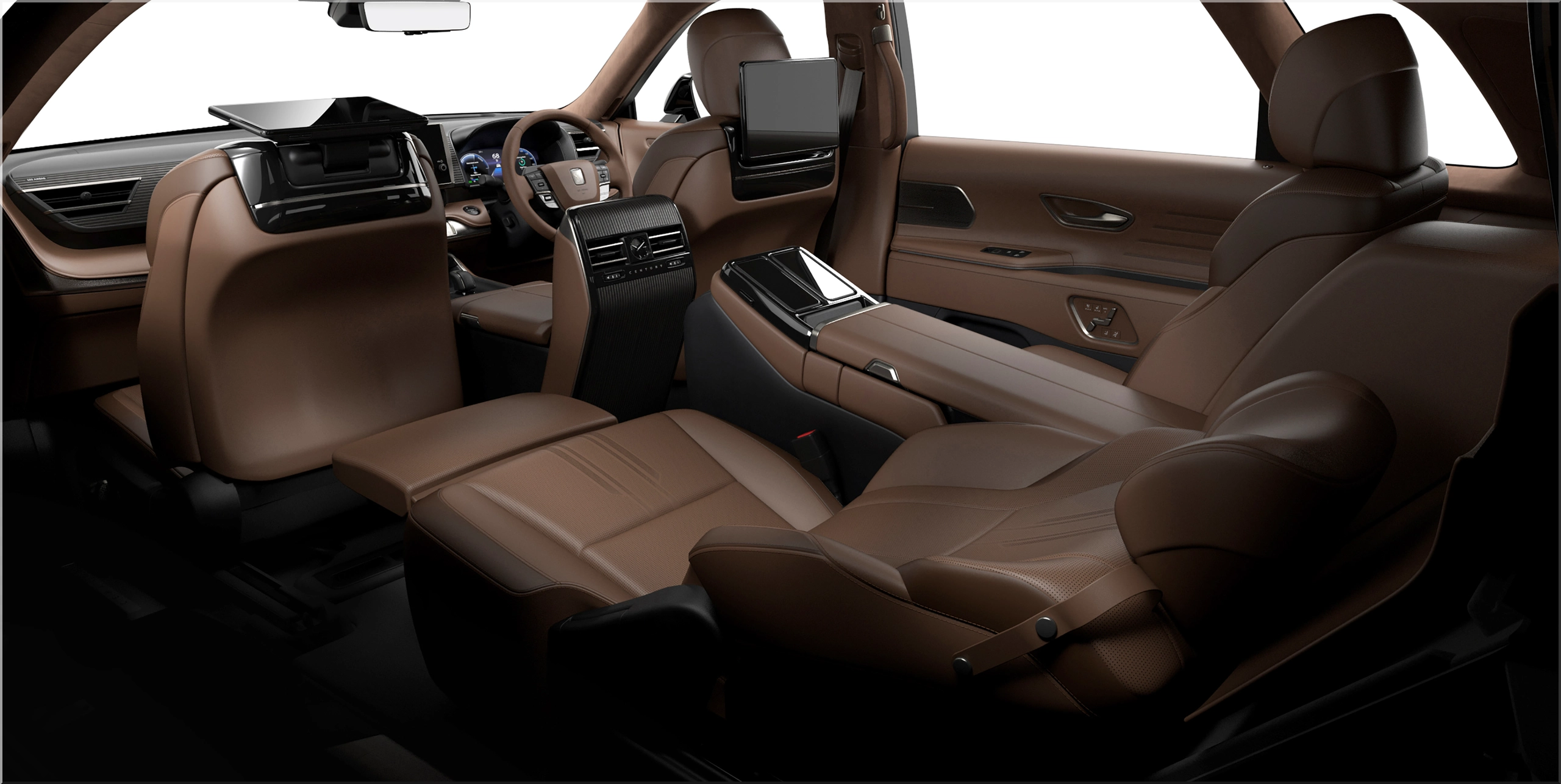
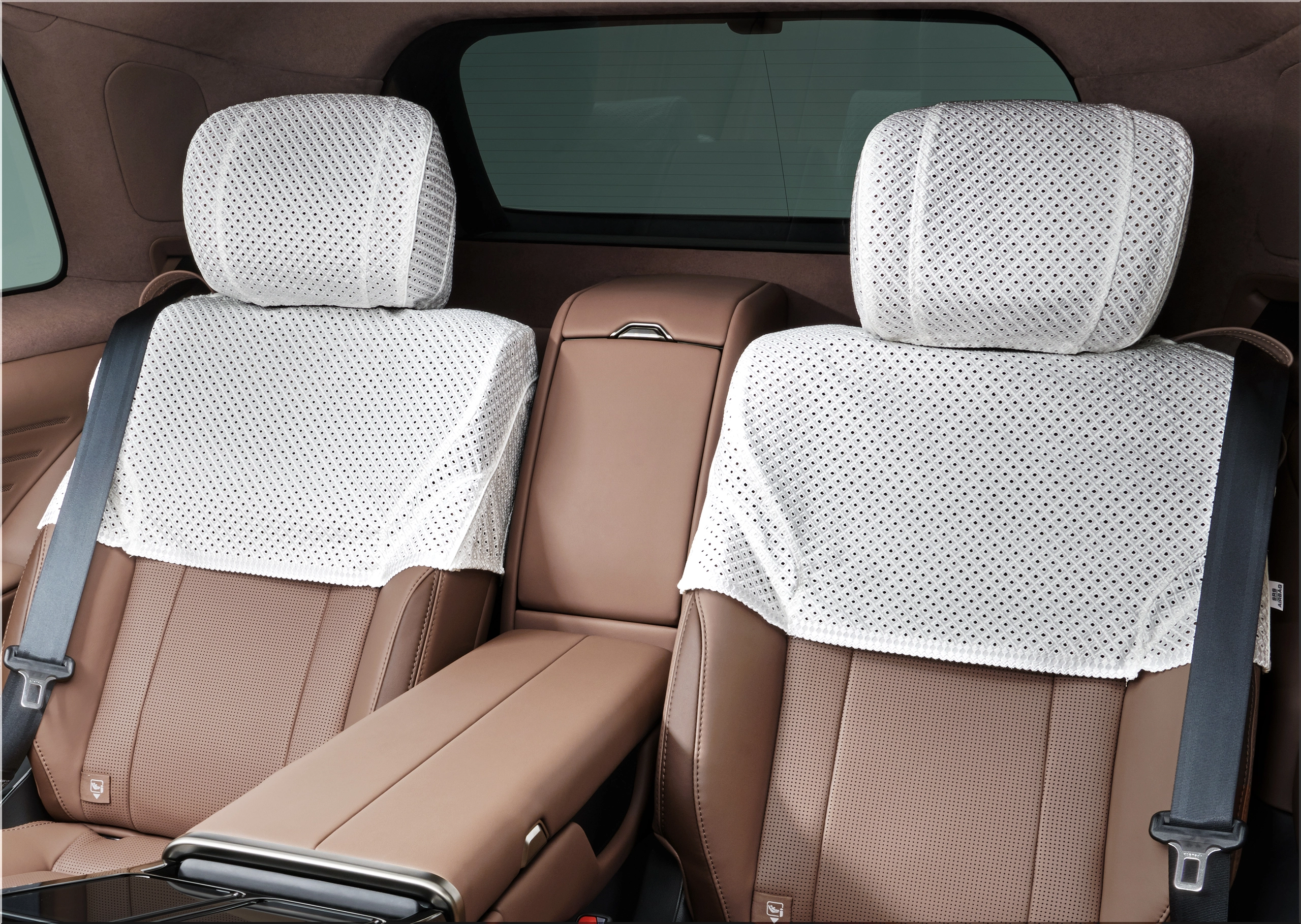
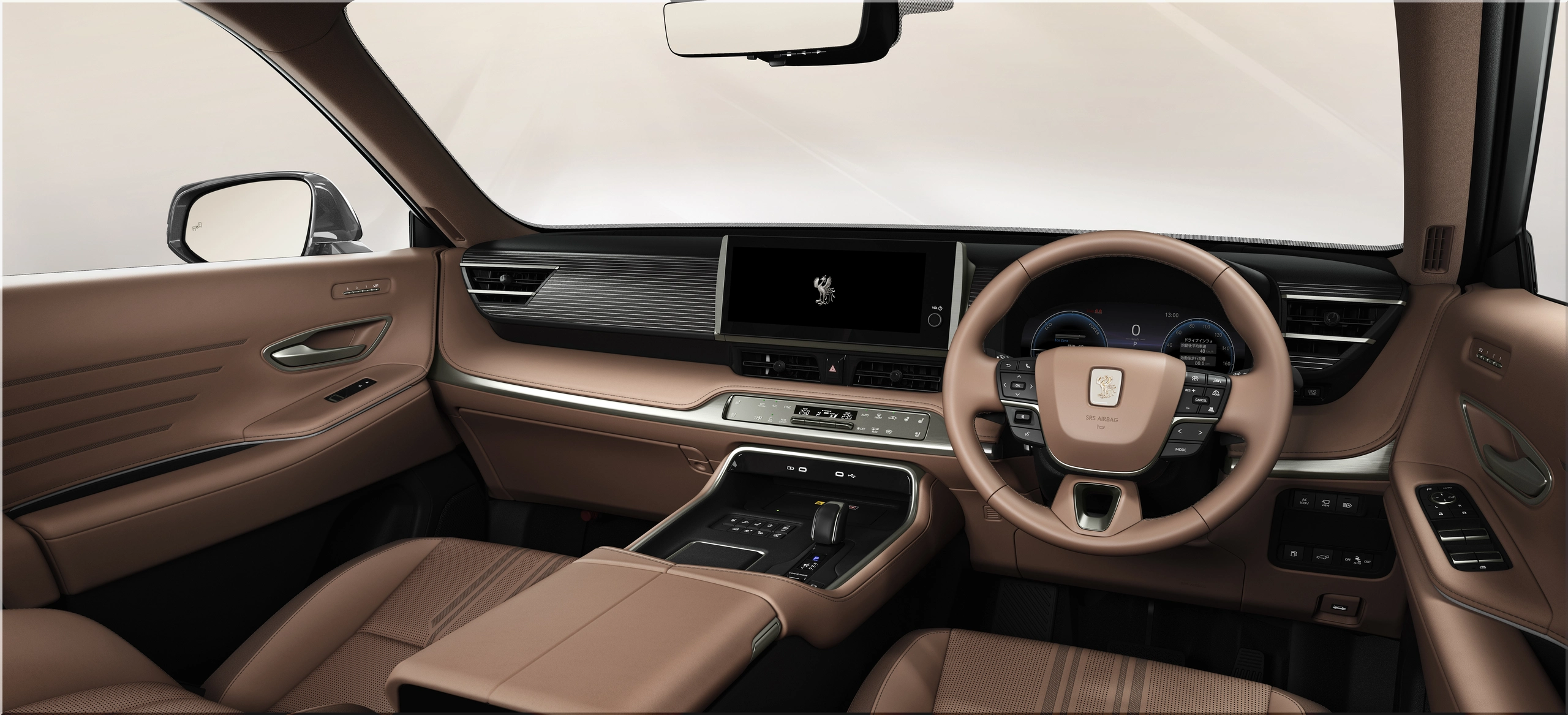
The interior is designed around rear-seat luxury. The standard configuration is a four-seat layout with two executive-class rear seats.
Rear Passenger Features
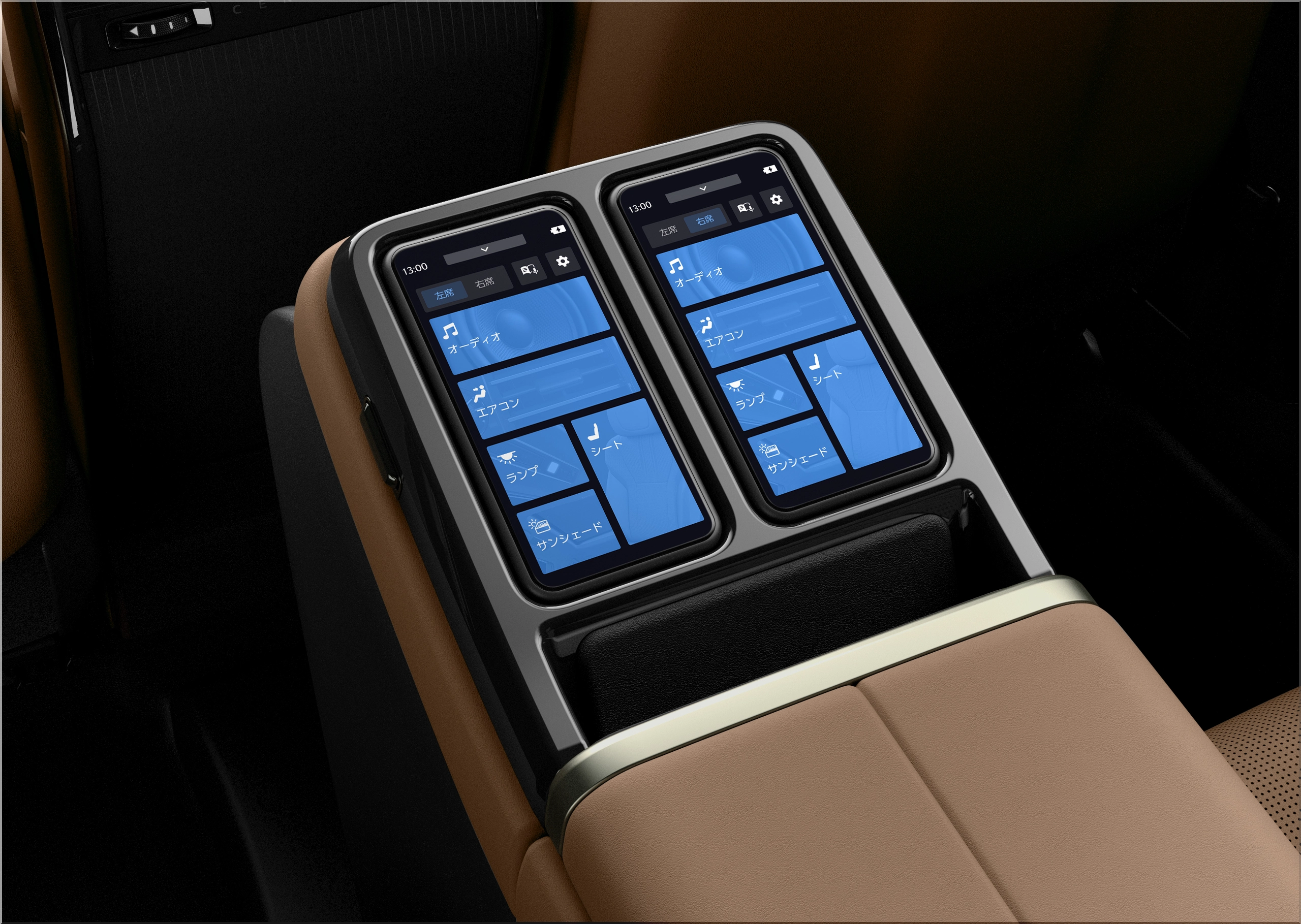
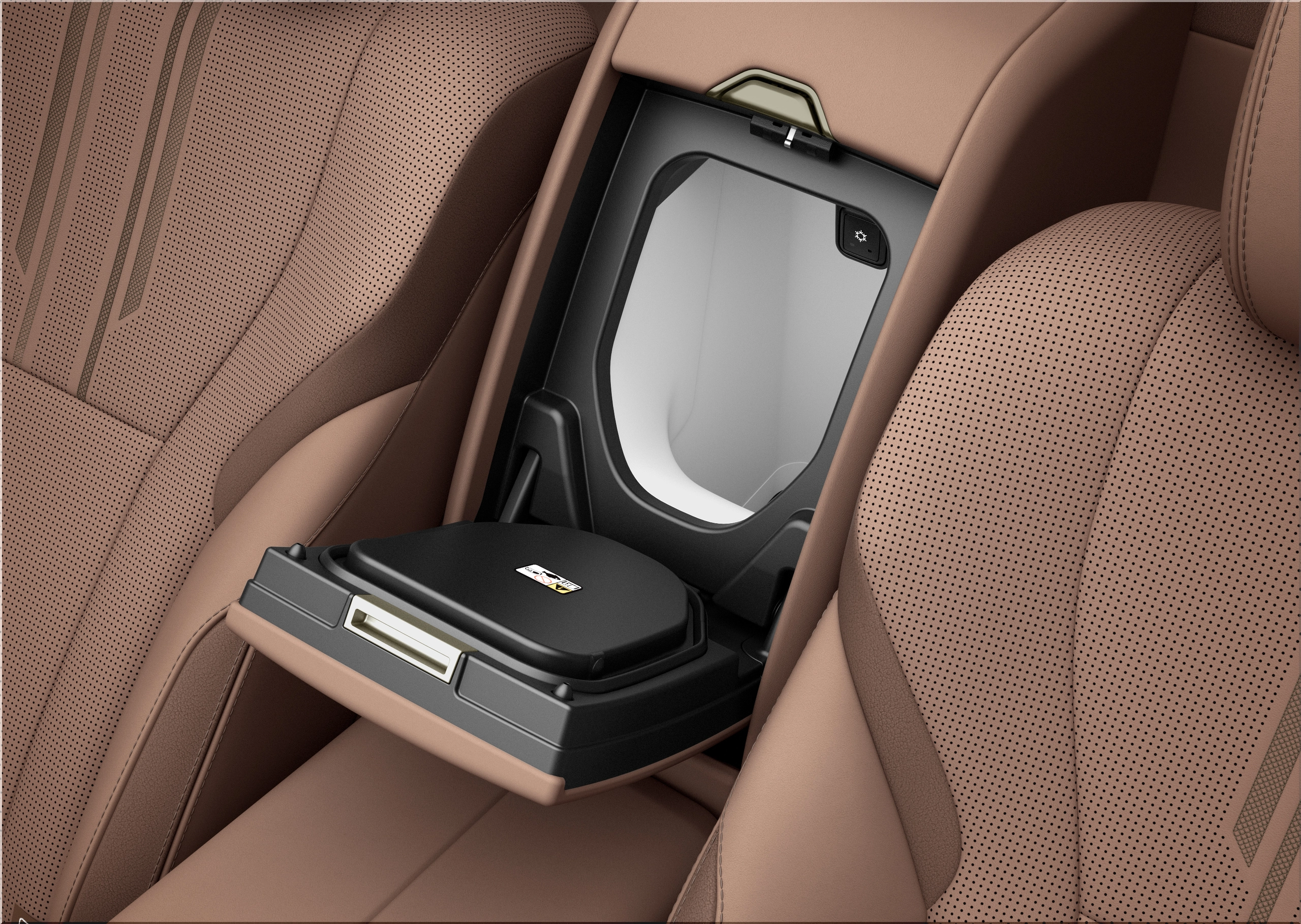
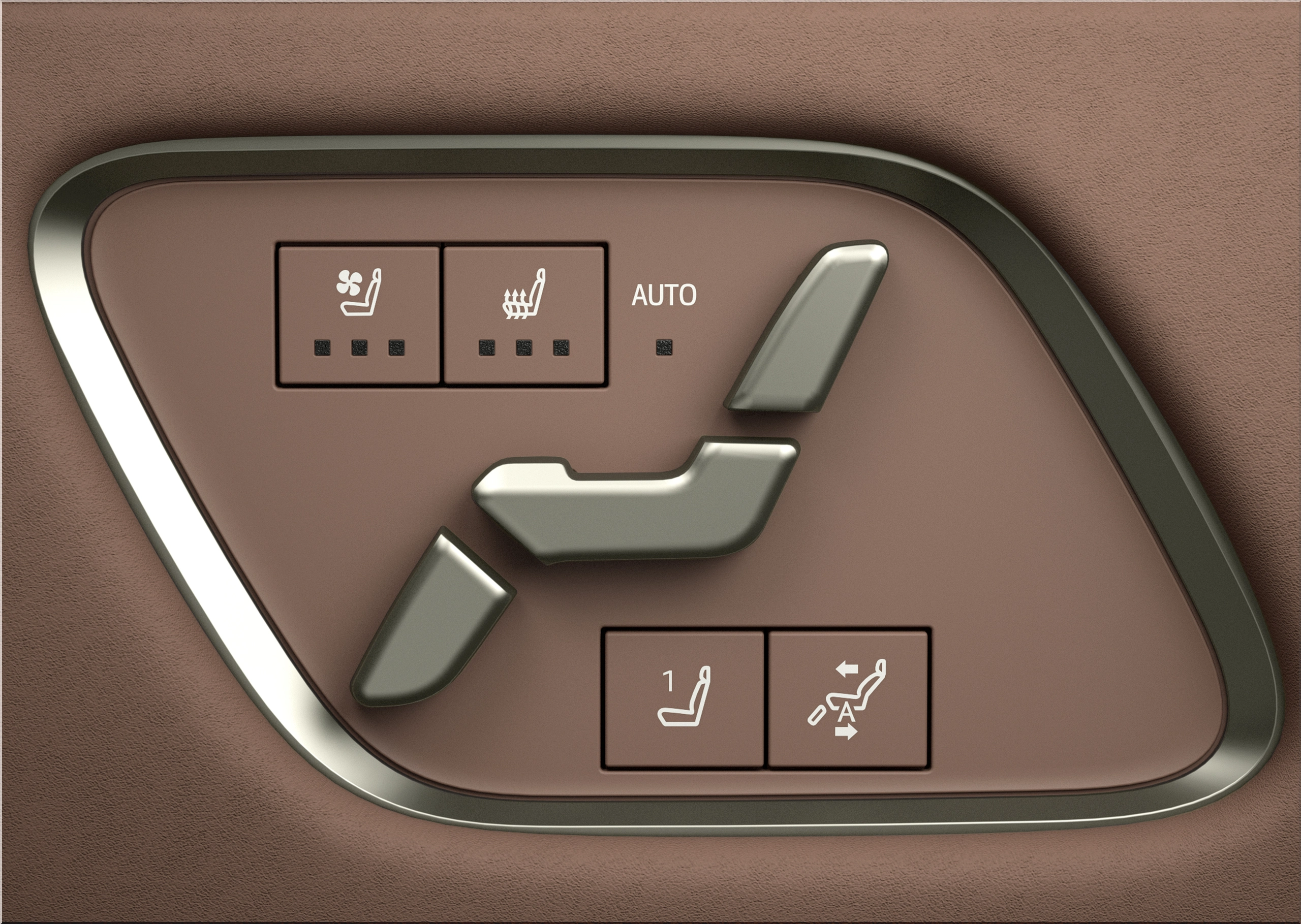
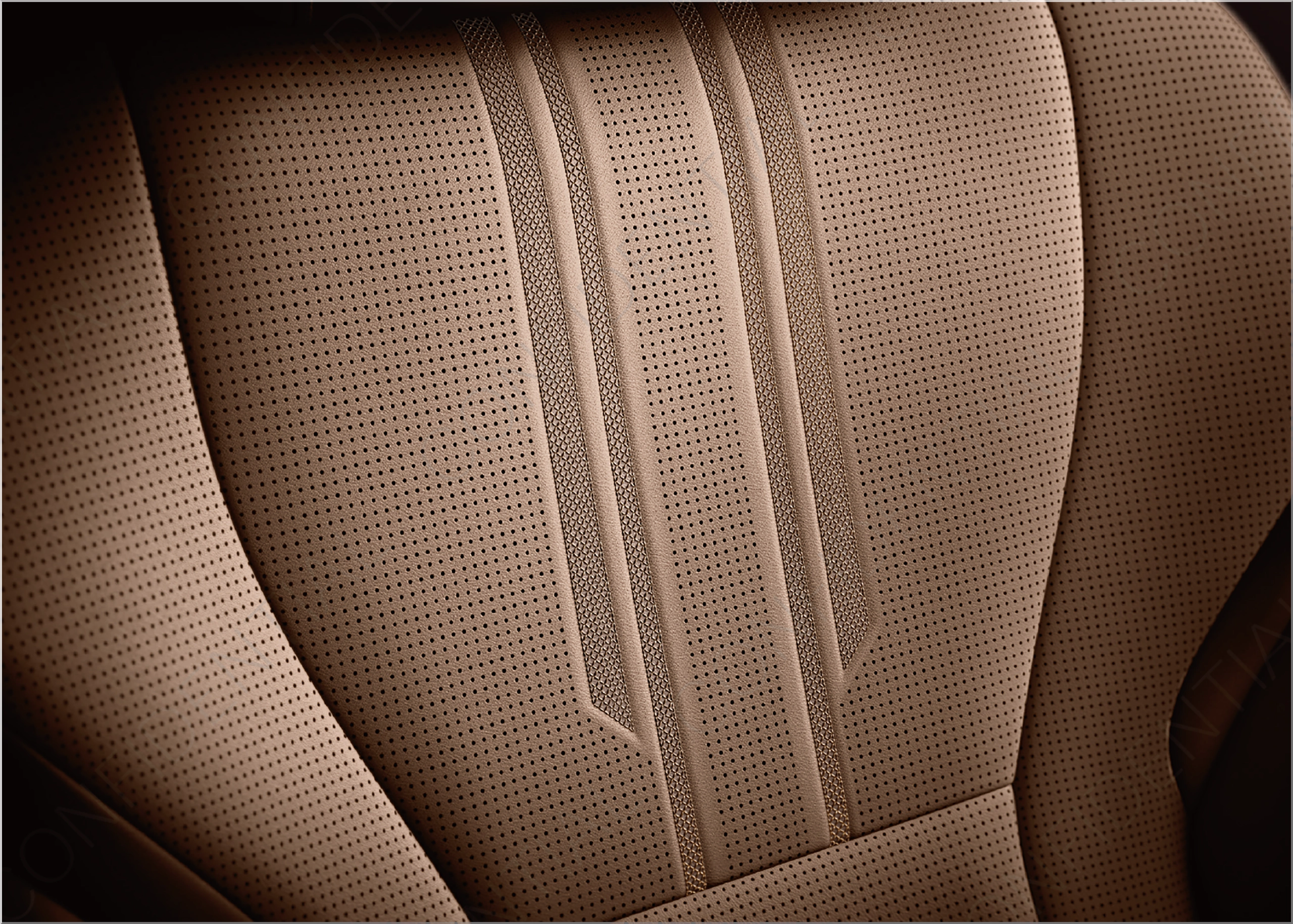
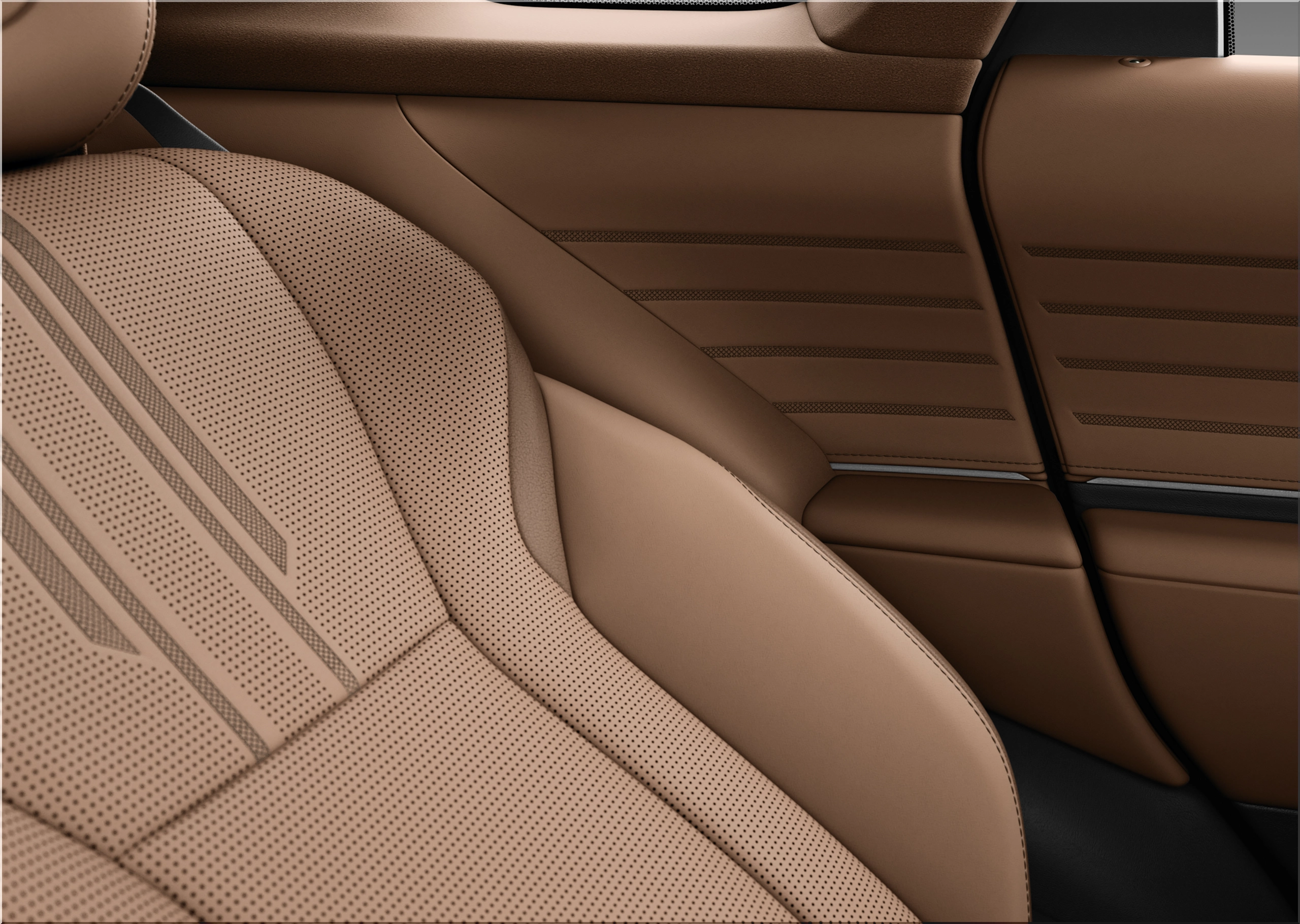
- Reclining leather seats with heating, ventilation, and massage
- Power-operated privacy screens for side and rear windows
- Electrochromic glass that turns opaque in under one second
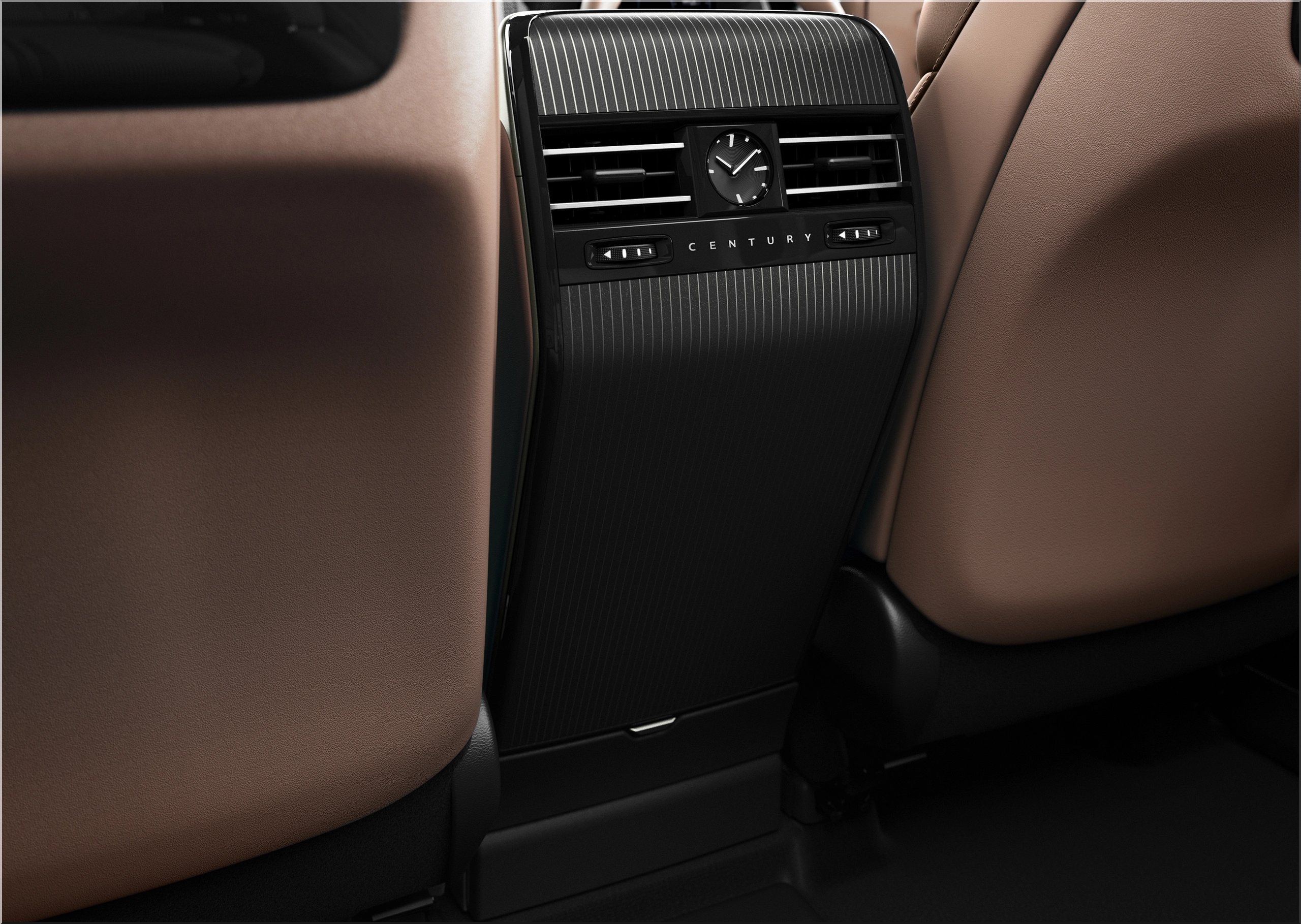
- Individual climate control zones for each seat
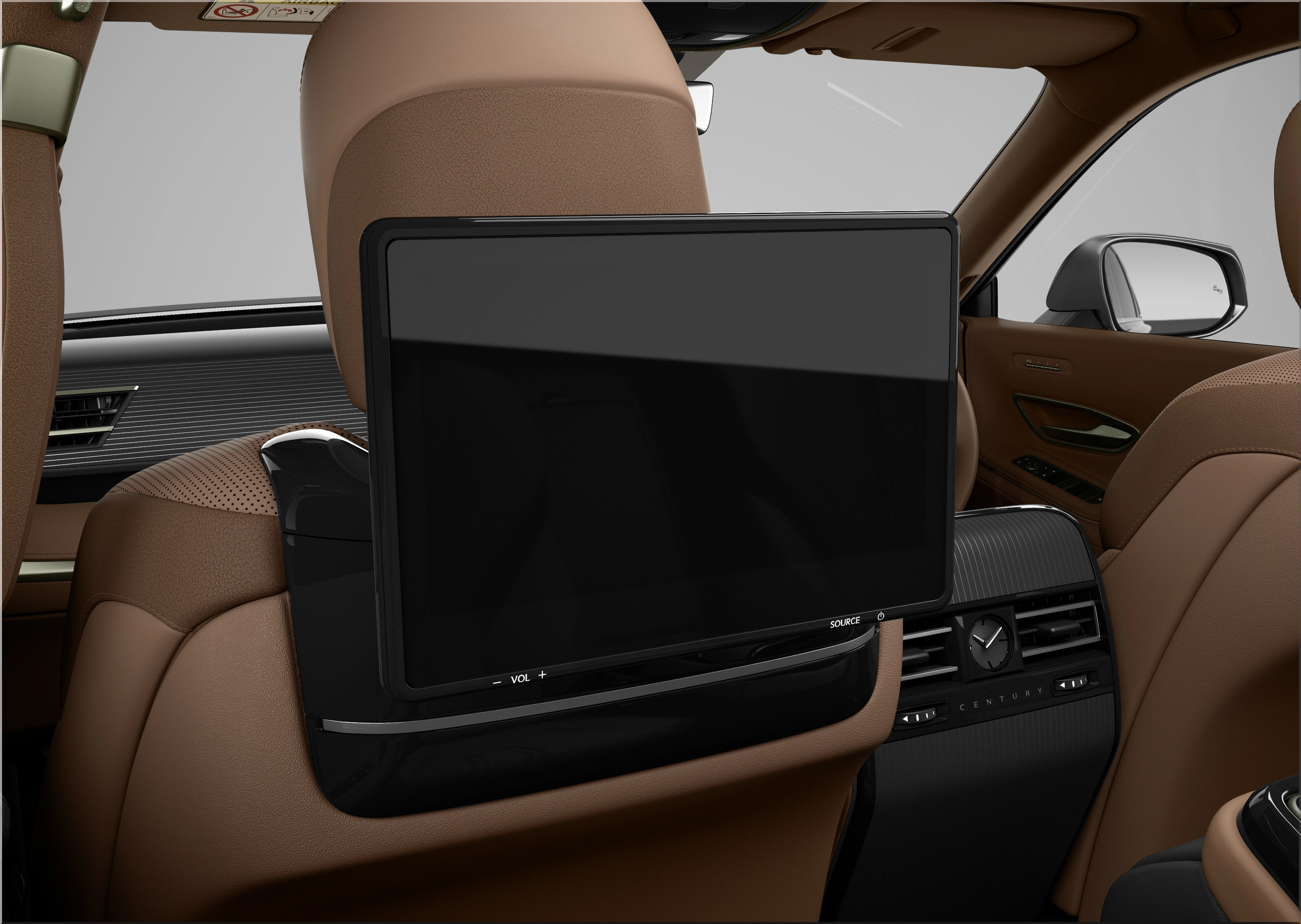
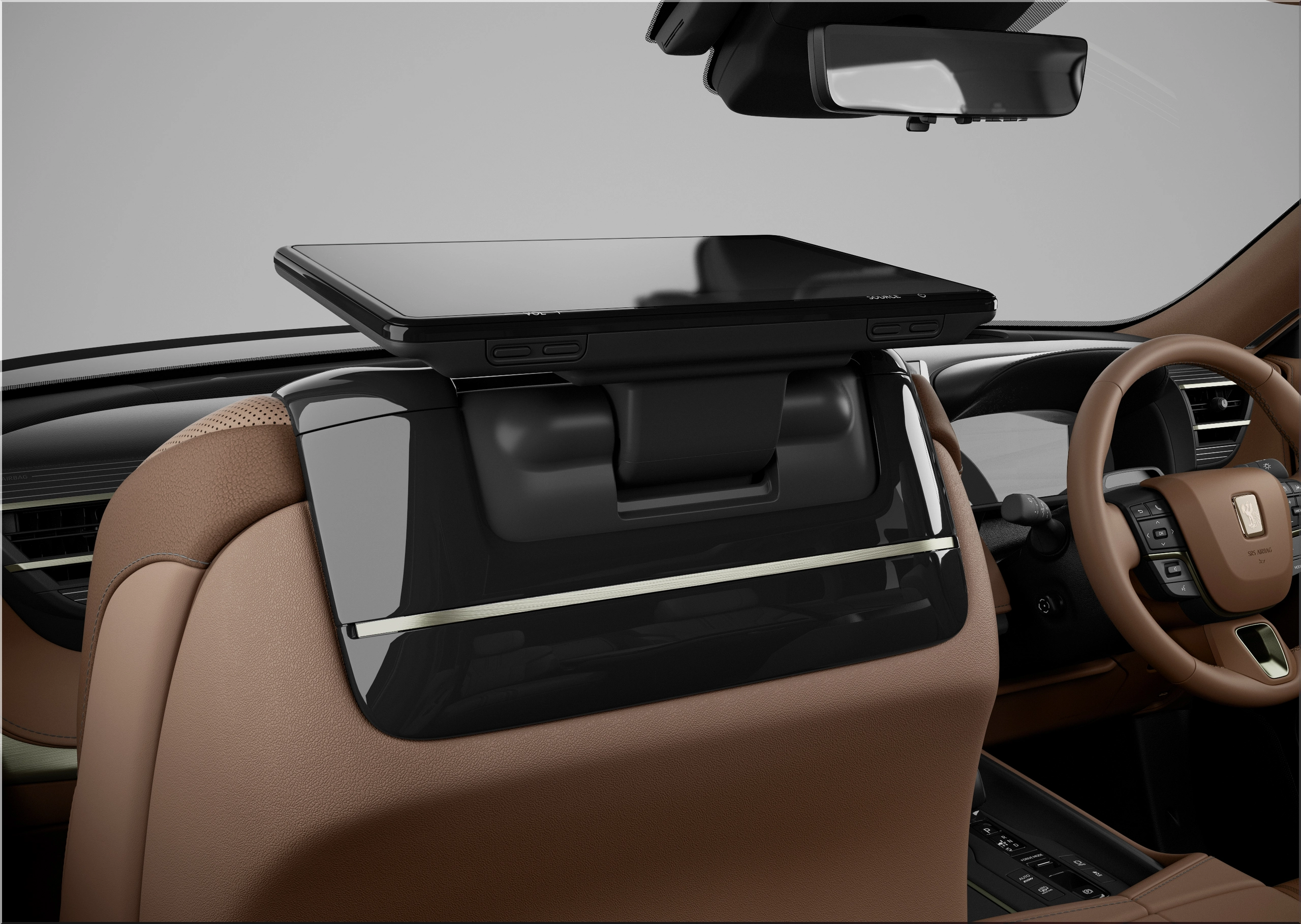
- 11.6-inch ceiling-mounted display for entertainment and conferencing
- Noise-cancelling acoustic glass for all windows
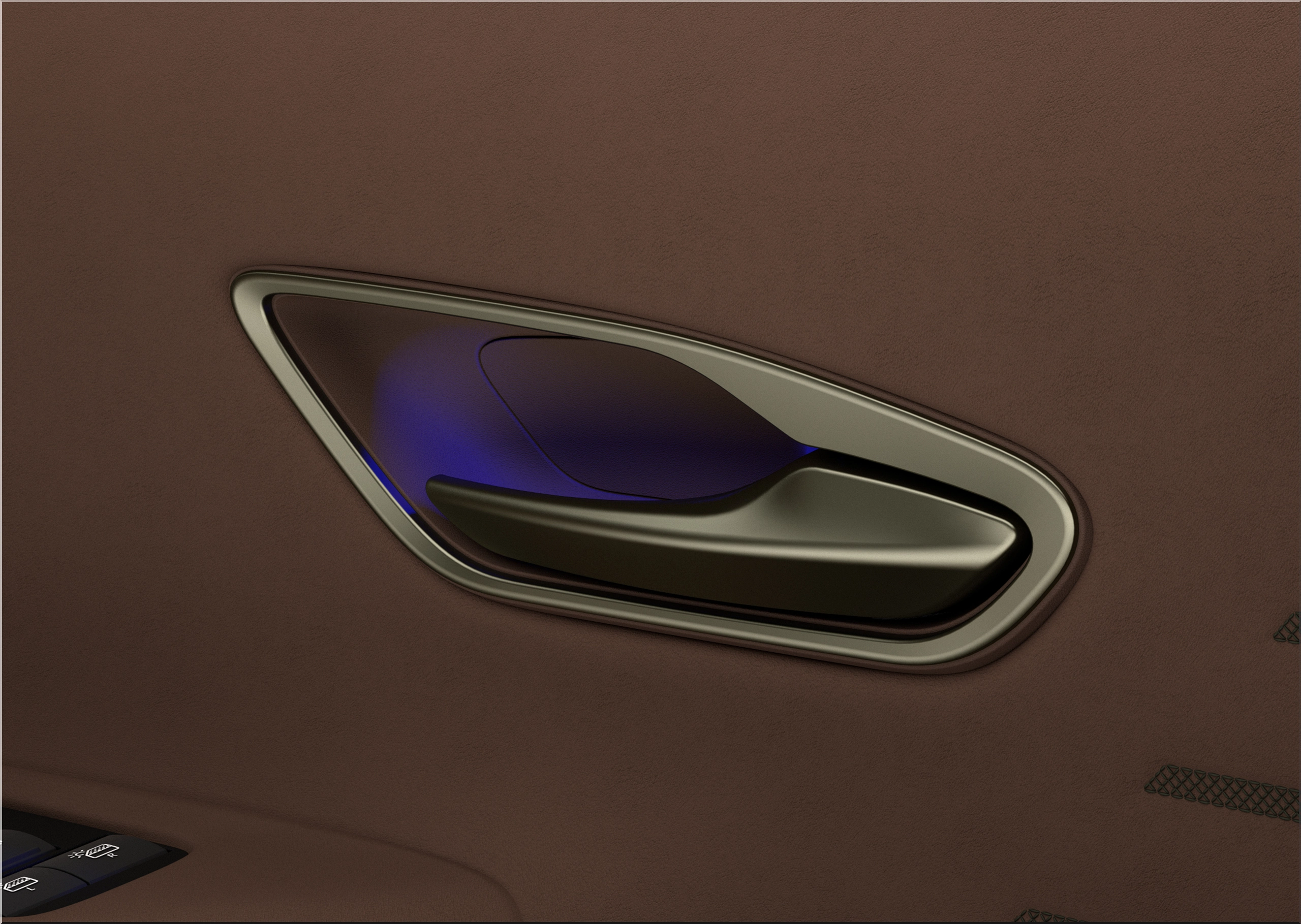
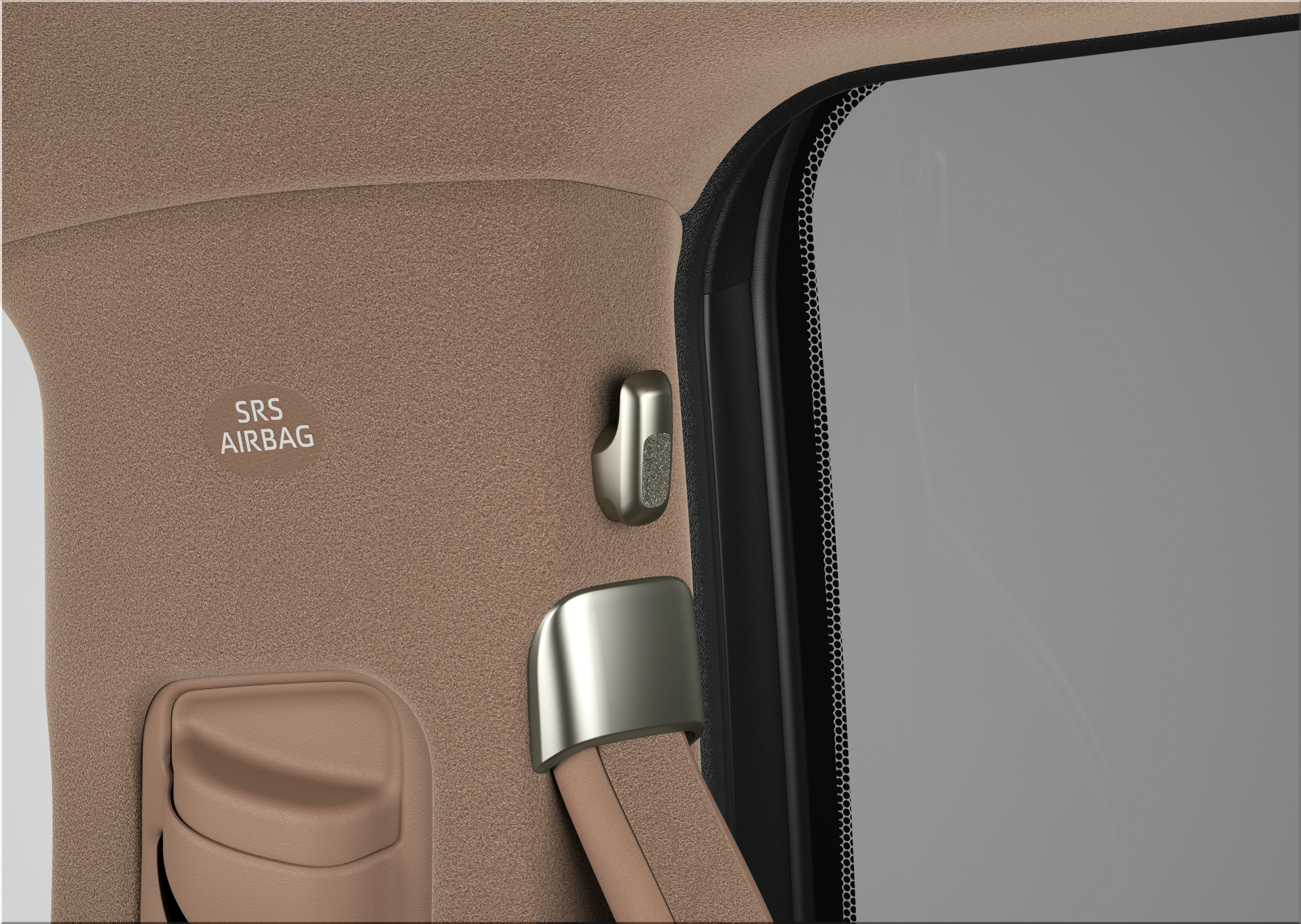
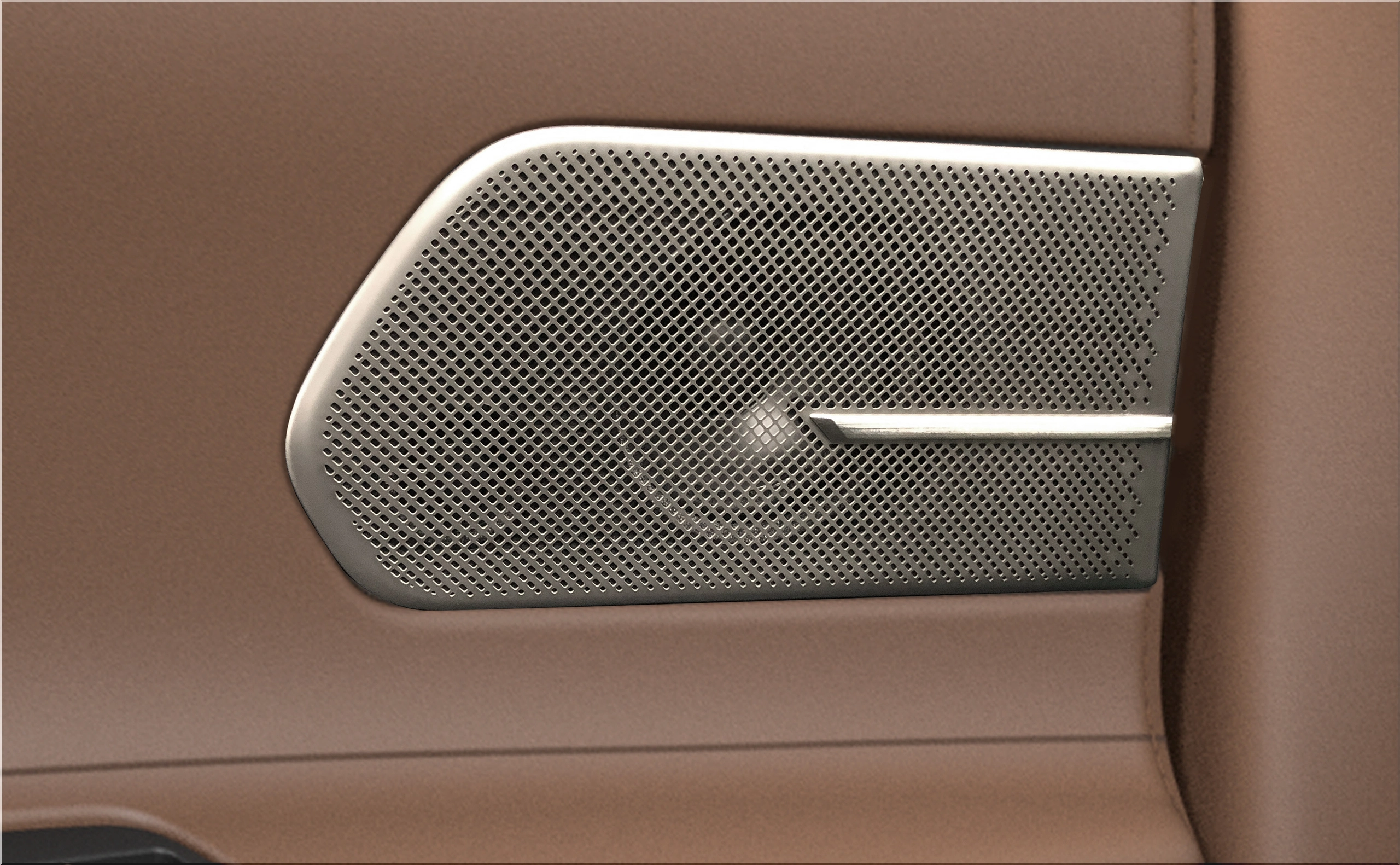
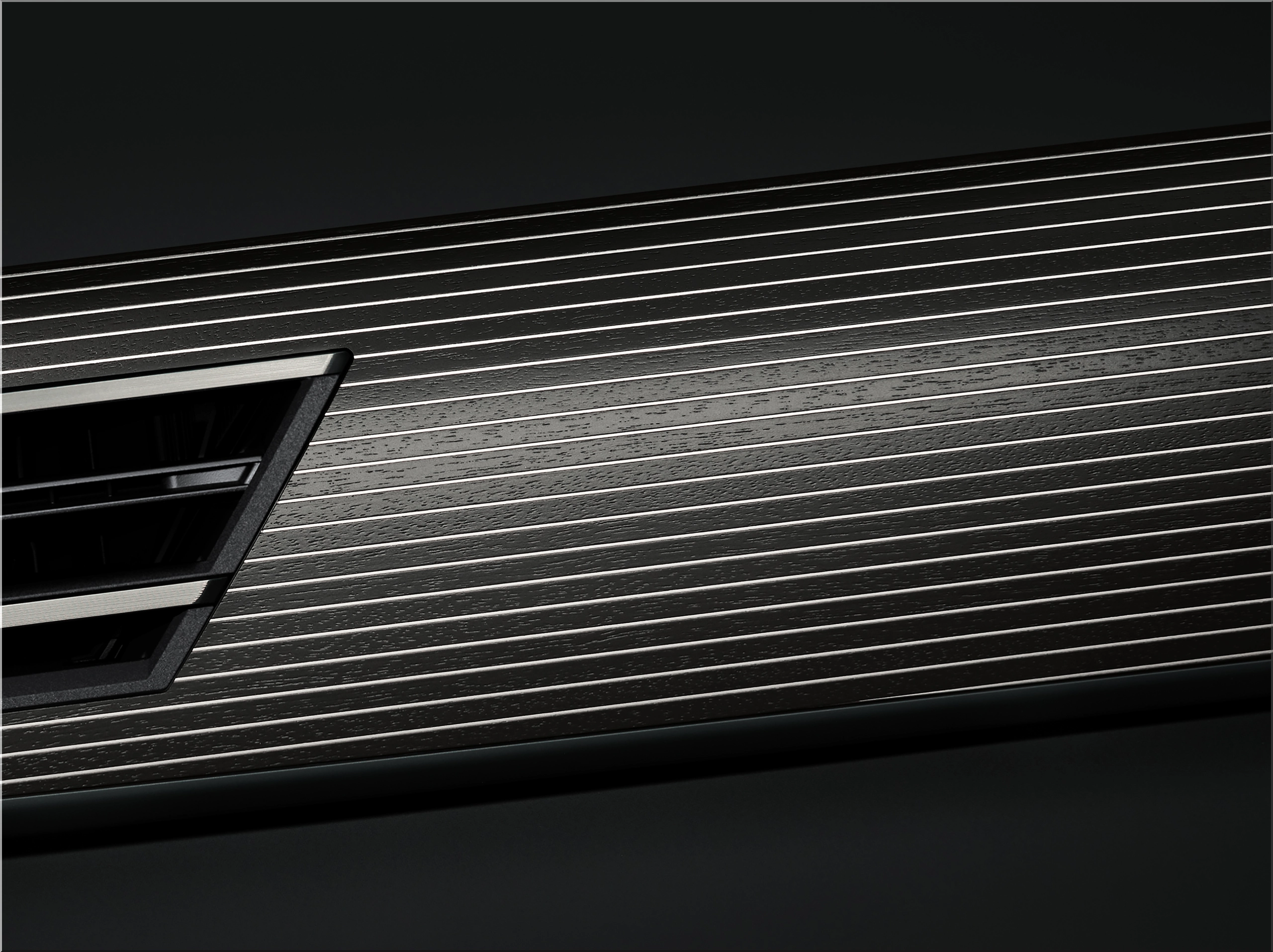
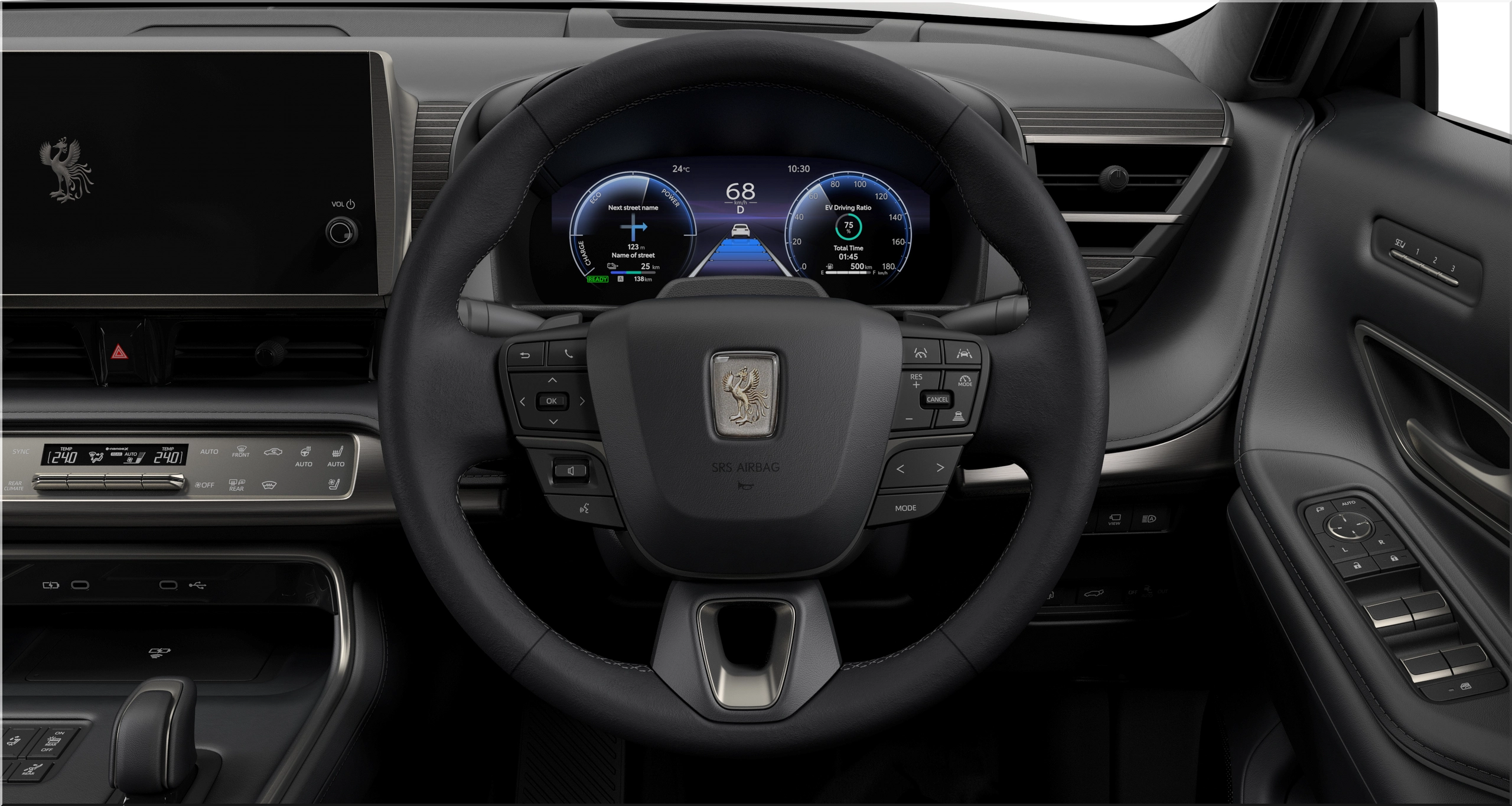
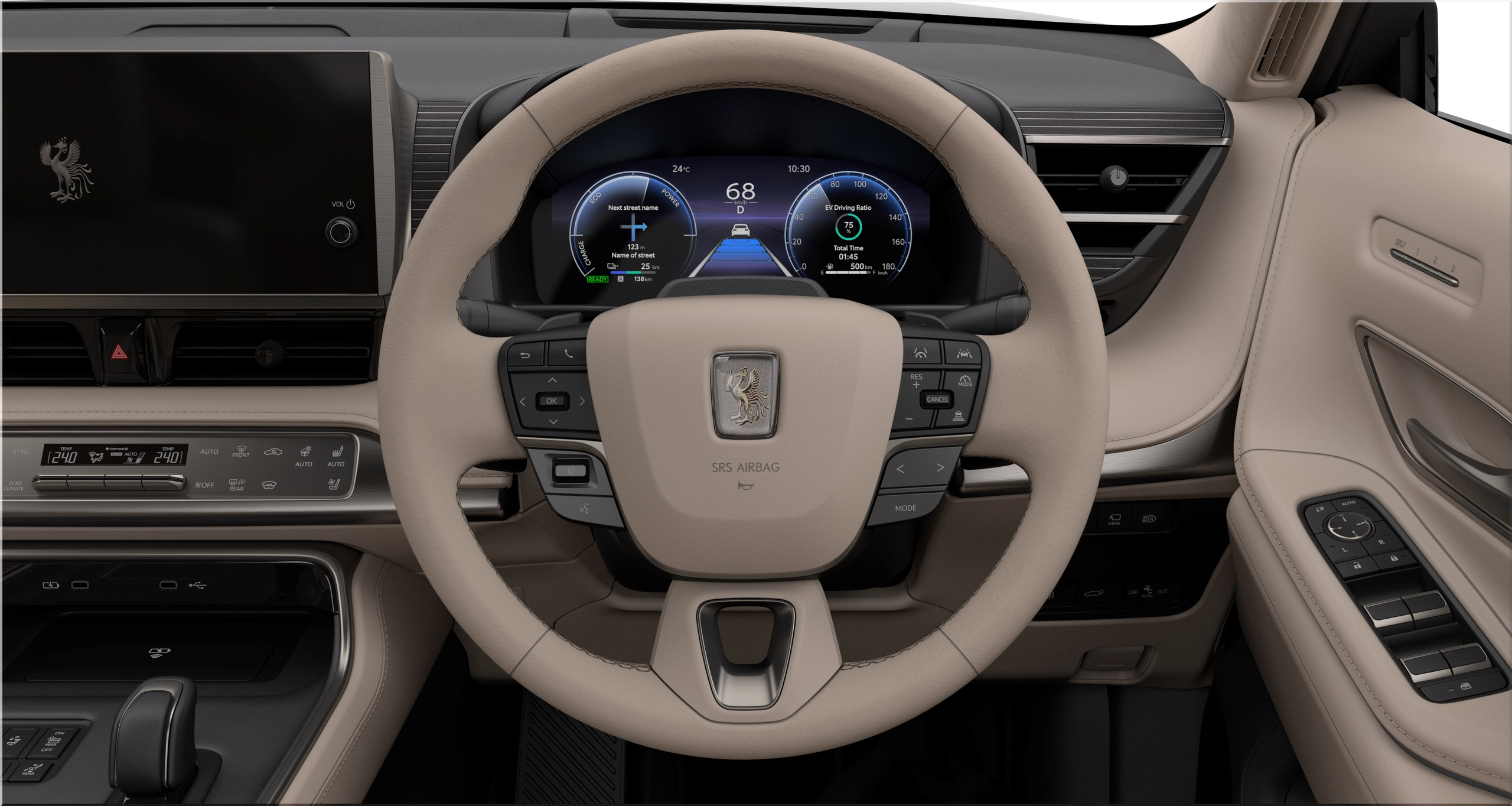
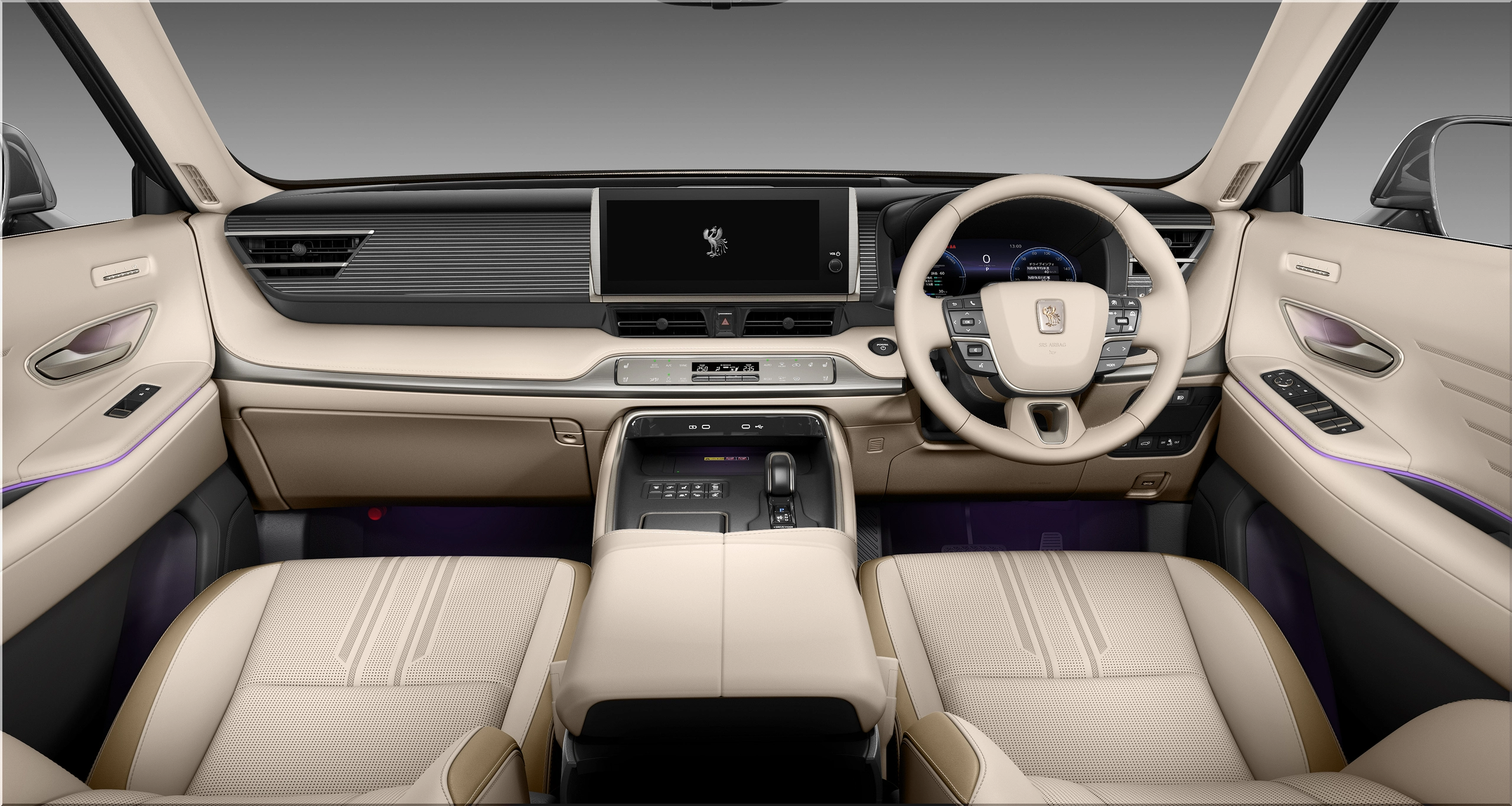
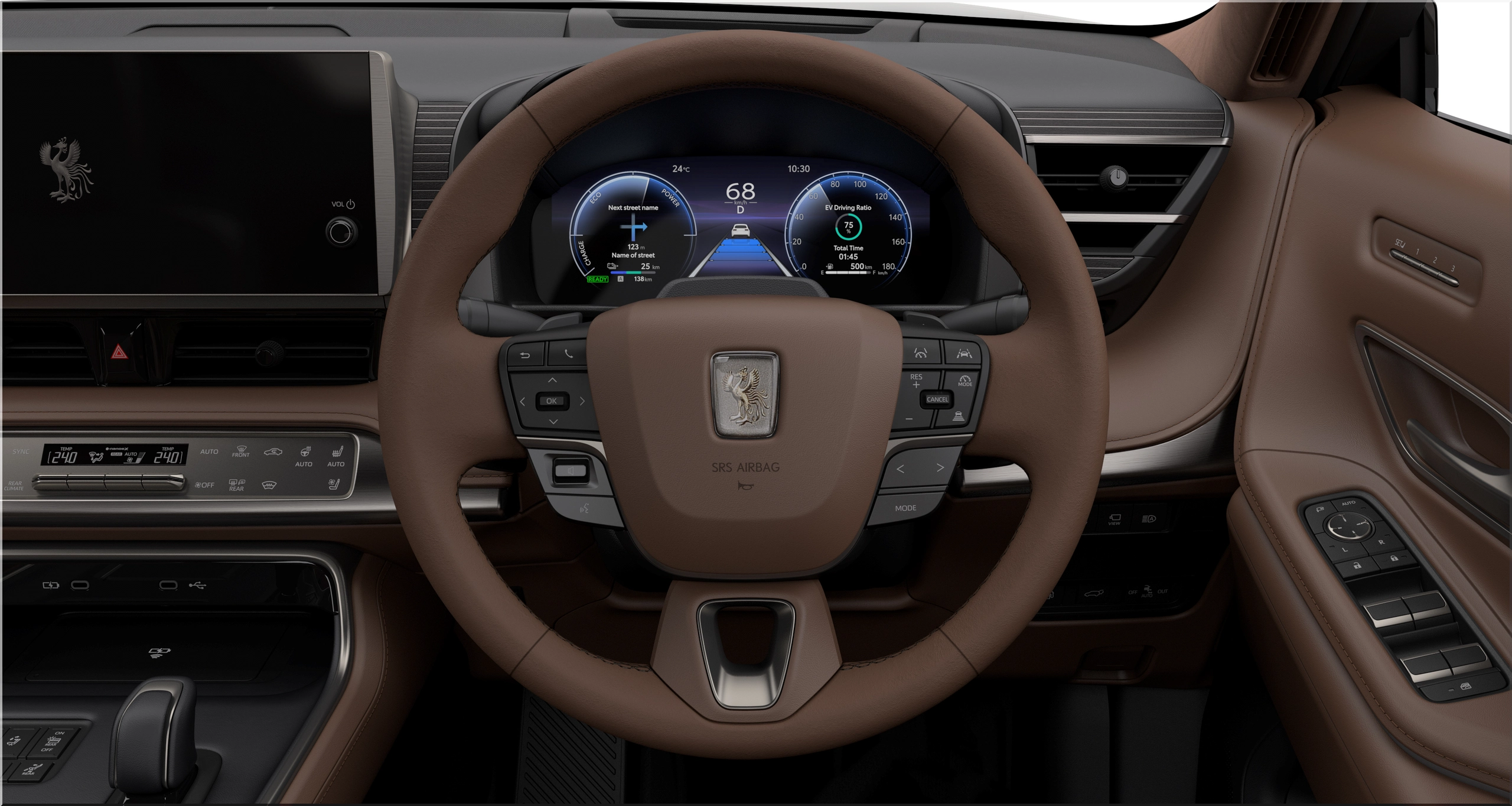
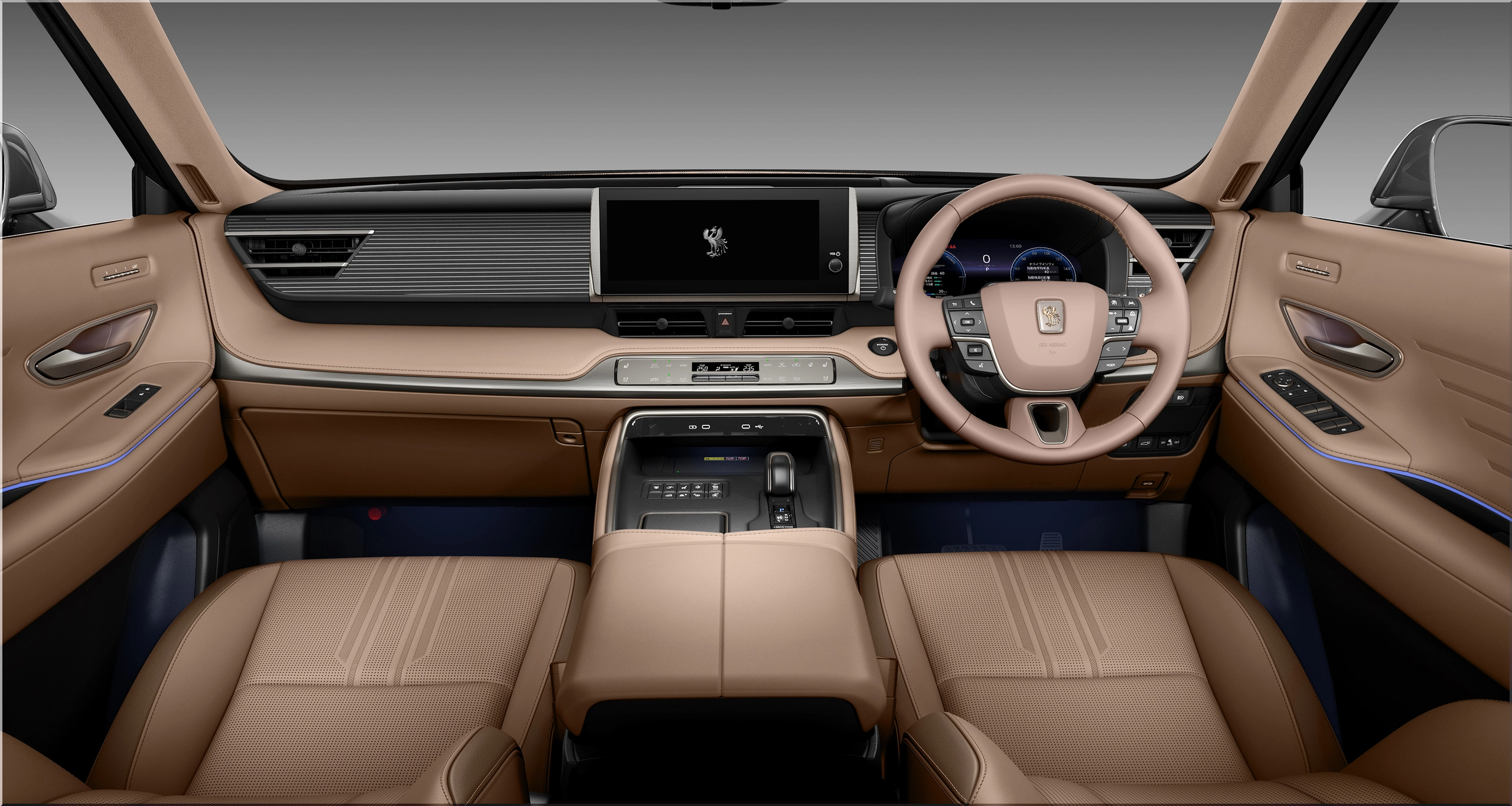
Materials include hand-stitched leather, polished real wood trim, and precision-milled metal switchgear.
Privacy and Security Technology
The privacy system is a defining feature. The electrochromic glass allows passengers to control transparency instantly, providing visual security without curtains.
Other key features:
- Soft-close doors to minimize sound on entry and exit
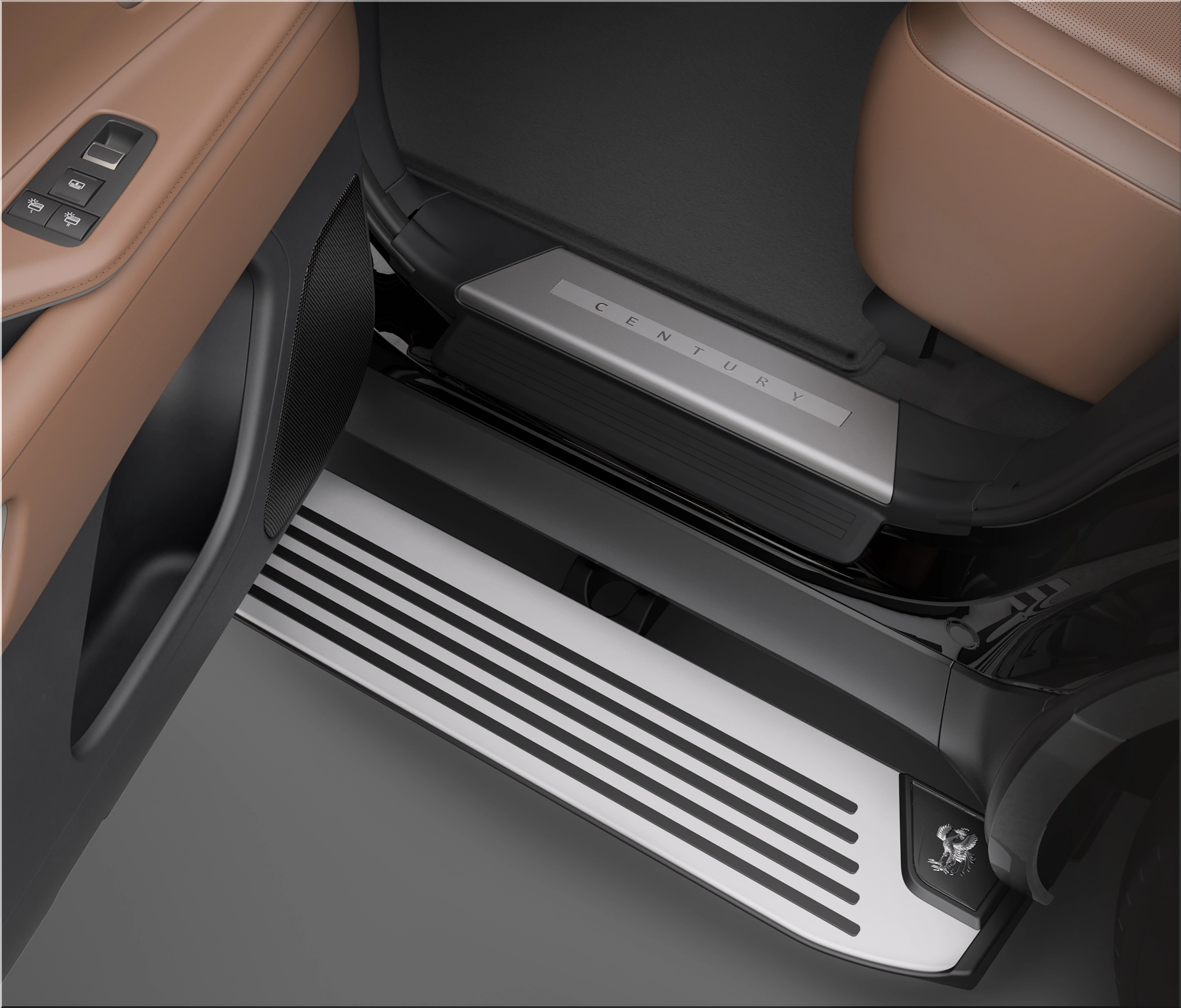
- Automatic retractable side steps for easier access
- 360-degree camera system for low-speed maneuvering and security monitoring
- Door opening assist that detects passing vehicles or bicycles before opening
Historical Context: The Century Nameplate
The Toyota Century debuted in 1967 as a chauffeur-driven sedan for Japan’s elite. For decades, it was powered by a V8 — and later a V12 — and sold almost exclusively in Japan. The car served government officials, business executives, and even the Japanese Imperial Household.
The 2025 SUV marks the first time the Century nameplate moves beyond the sedan body style. Toyota’s intent is to serve the increasing demand for high-riding chauffeur vehicles while keeping the hallmark traits of quietness, formality, and discretion.
Comparison with Rivals
| Model | Powertrain | Output (hp) | Price (USD) | Electric Range |
|---|---|---|---|---|
| Toyota Century SUV | 3.5L V6 PHEV, AWD | 406 | ~170,000 | 43 miles |
| Rolls-Royce Cullinan | 6.75L V12 twin-turbo, AWD | 563 | ~390,000 | N/A |
| Bentley Bentayga Hybrid | 3.0L V6 PHEV, AWD | 443 | ~230,000 | 27 miles |
The Century SUV offers less outright power but significantly better electric range than the Bentayga Hybrid. It is also less than half the price of a Cullinan, while still offering privacy and comfort-focused features.
Efficiency and Environmental Impact
The plug-in hybrid configuration allows the SUV to run purely on electricity for typical city commutes. For customers in Japan’s congested urban centers, this reduces emissions and operating costs.
Estimated fuel economy (WLTC equivalent):
- Electric-only: 0 gasoline consumption for 43 miles
- Hybrid mode: ~35 mpg equivalent
Market Impact and Strategy
By limiting production, Toyota ensures exclusivity and maintains the Century’s status symbol role. The model appeals to a domestic market accustomed to subtlety over flash, while also serving as a technology showcase for the brand.
The SUV format broadens the Century’s appeal beyond sedan buyers, particularly among executives who prefer easier ingress and egress. With aging populations in Japan and other markets, the high seating position also improves comfort for older passengers.



Key Specifications
| Feature | Specification |
|---|---|
| Length | 5,205 mm (204.9 in) |
| Width | 1,990 mm (78.3 in) |
| Height | 1,805 mm (71.1 in) |
| Wheelbase | 2,950 mm (116.1 in) |
| Powertrain | 3.5L V6 Plug-in Hybrid |
| Combined Output | 406 hp |
| Electric Range | 43 miles (70 km) |
| Drive Layout | E-Four AWD |
| Seating | 4 (two executive rear seats) |
| Base Price | USD 170,000 |
| Monthly Production | ~30 units |
Conclusion
The 2025 Toyota Century SUV is a deliberate move into a niche space: ultra-luxury SUVs for customers who value privacy, silence, and restrained design over maximum performance or global flash. It combines hand-built craftsmanship, advanced hybrid technology, and security-focused features in a package that will remain rare both in Japan and abroad.
Its competitive advantage lies in discretion and technical execution, offering a unique alternative to European ultra-luxury SUVs at a lower price point while retaining the Century’s legacy of formality and precision.
- Add new comment
- 277 views