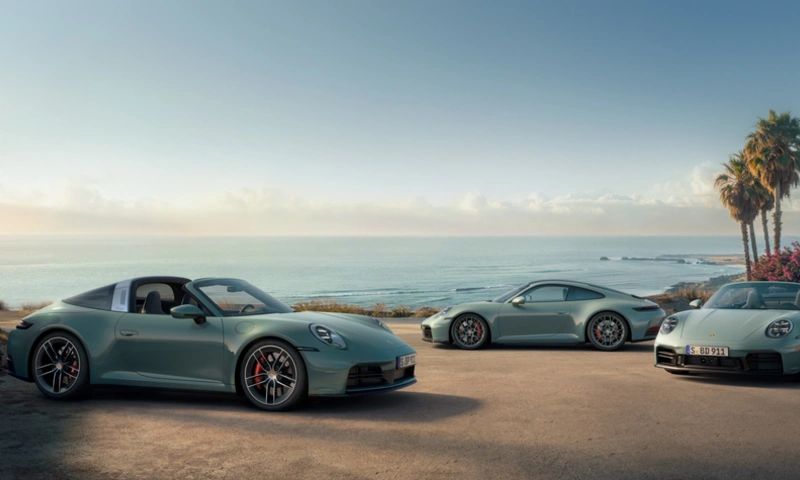
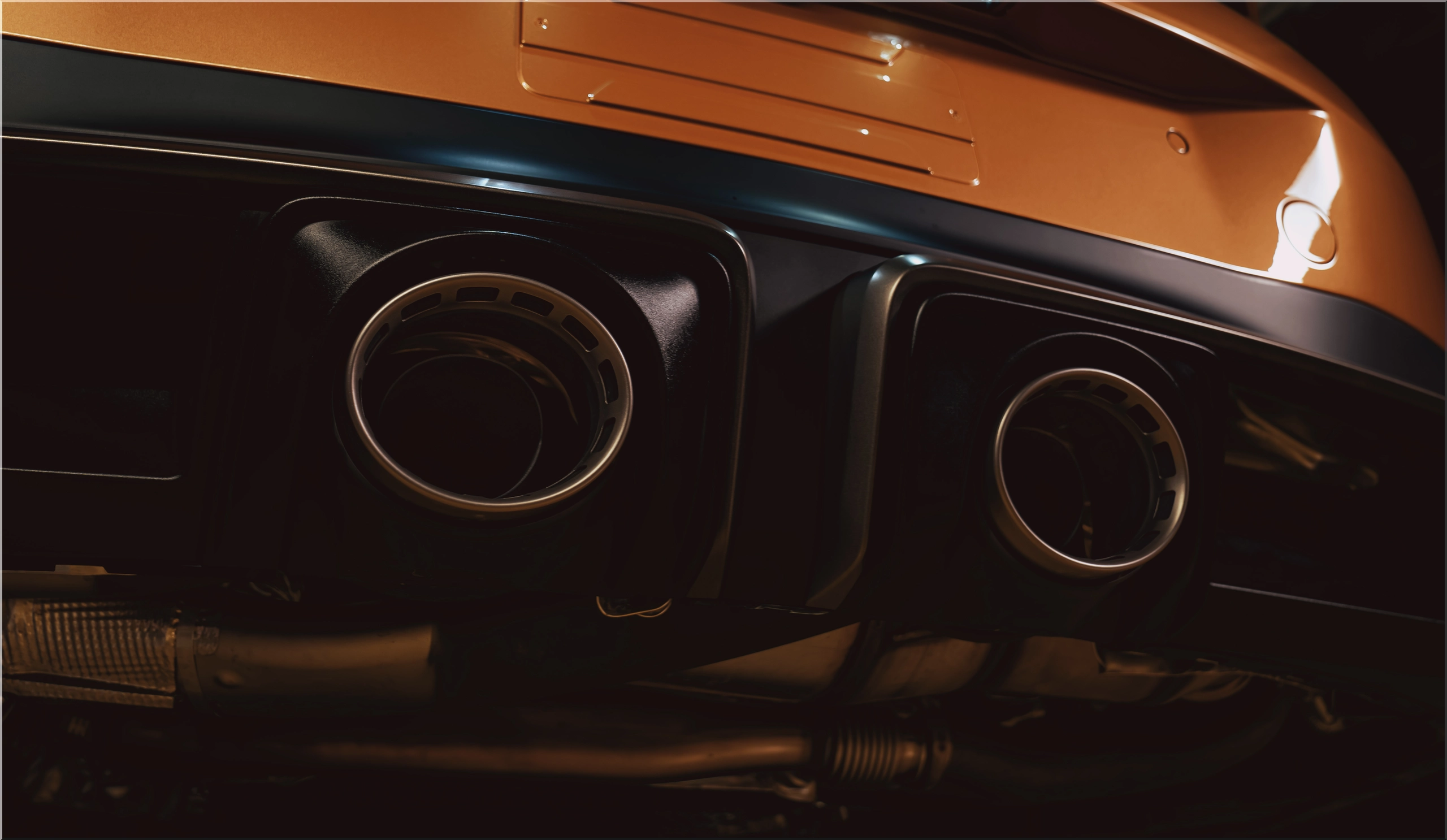
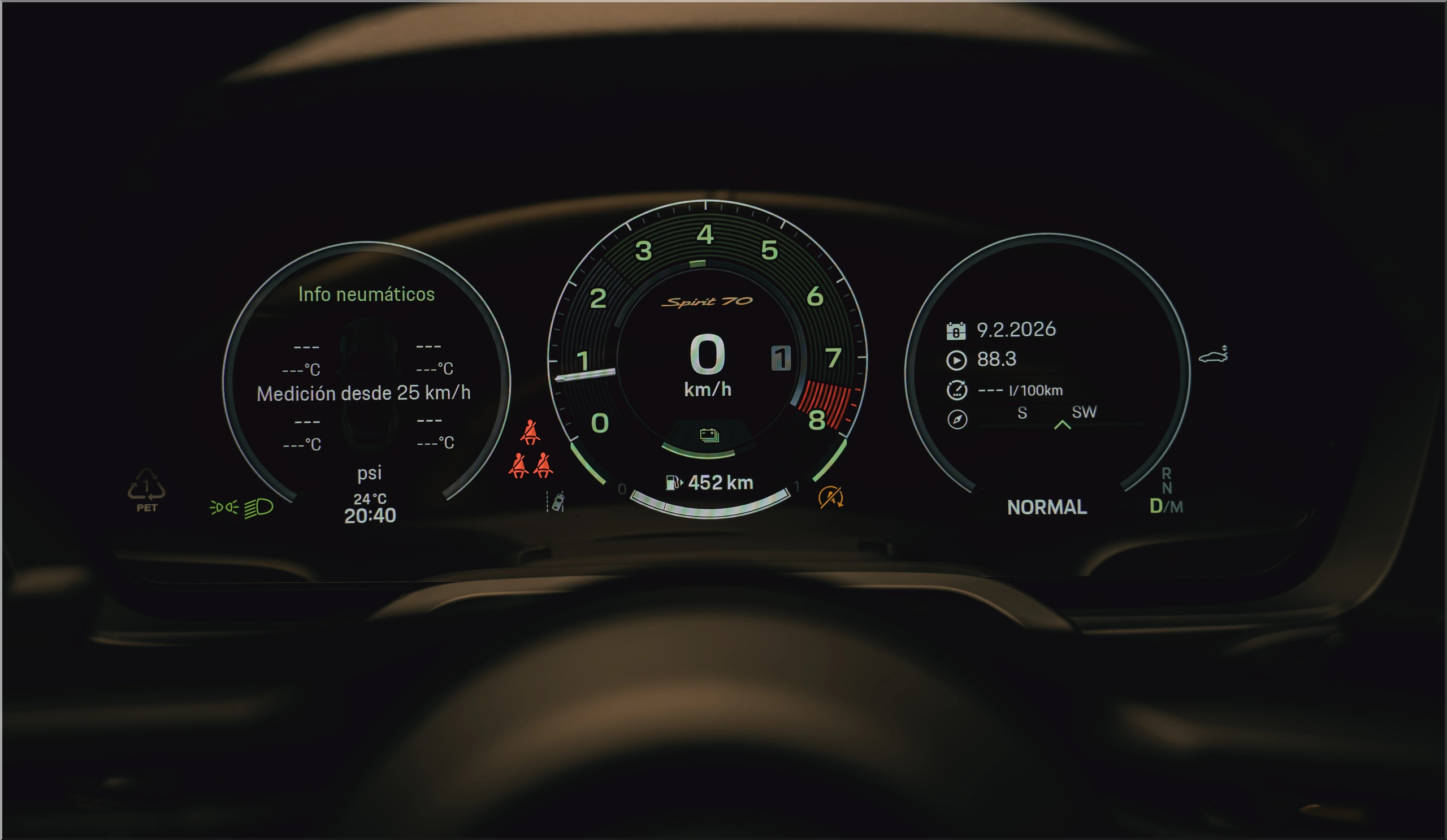
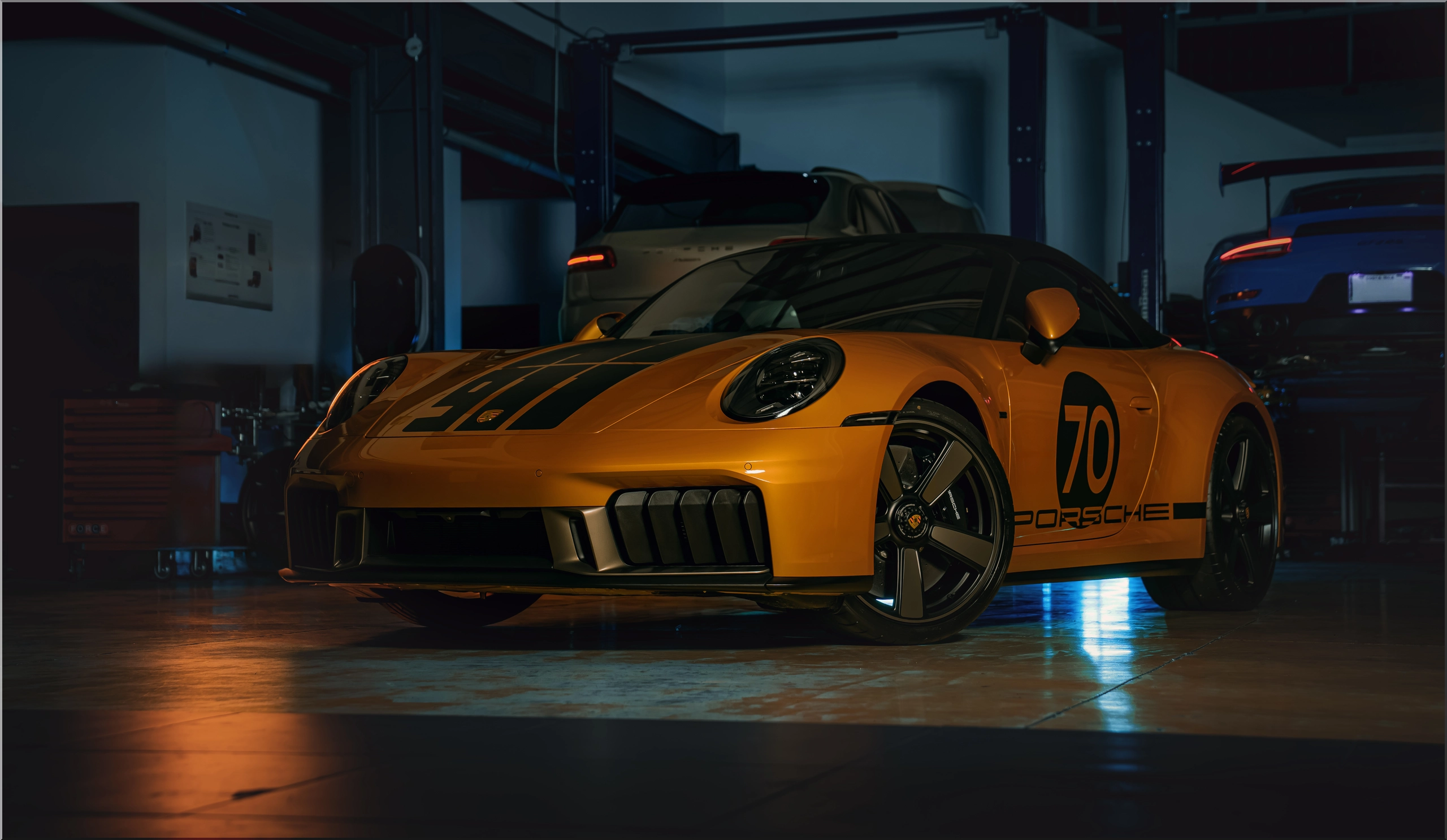
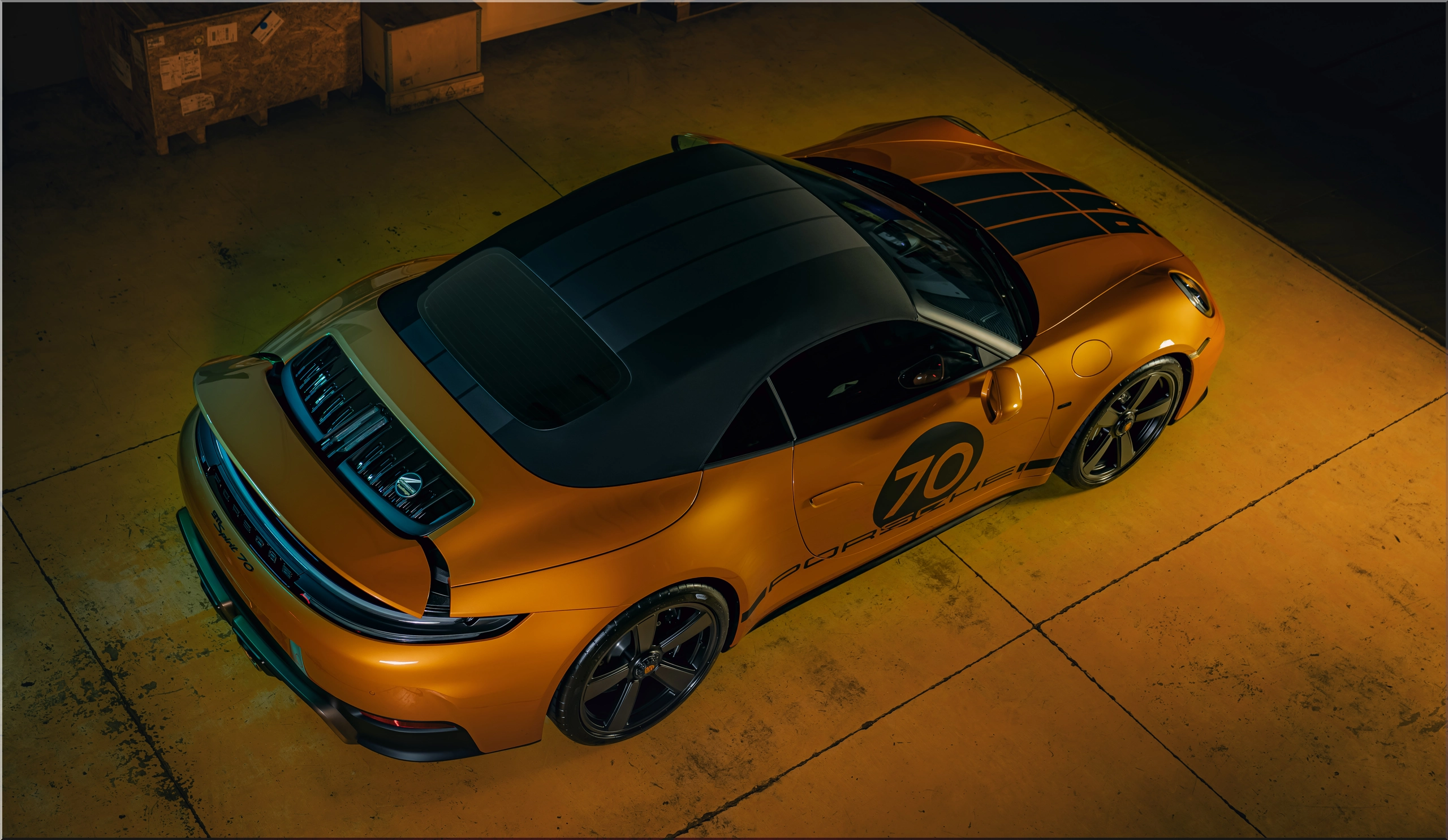
The Porsche 911 Spirit 70 marks a significant milestone in Latin American automotive history, celebrating seven decades of the German brand in Costa Rica. This limited edition 911 Targa 4S represents a surgical execution of the Porsche Exclusive Manufaktur program, blending a retro-inspired aesthetic with the high-performance mechanical architecture of the 992.1 generation. By analyzing the technical specifications and the strategic positioning of this model, we see a vehicle designed for collectors who demand mechanical precision and historical continuity.
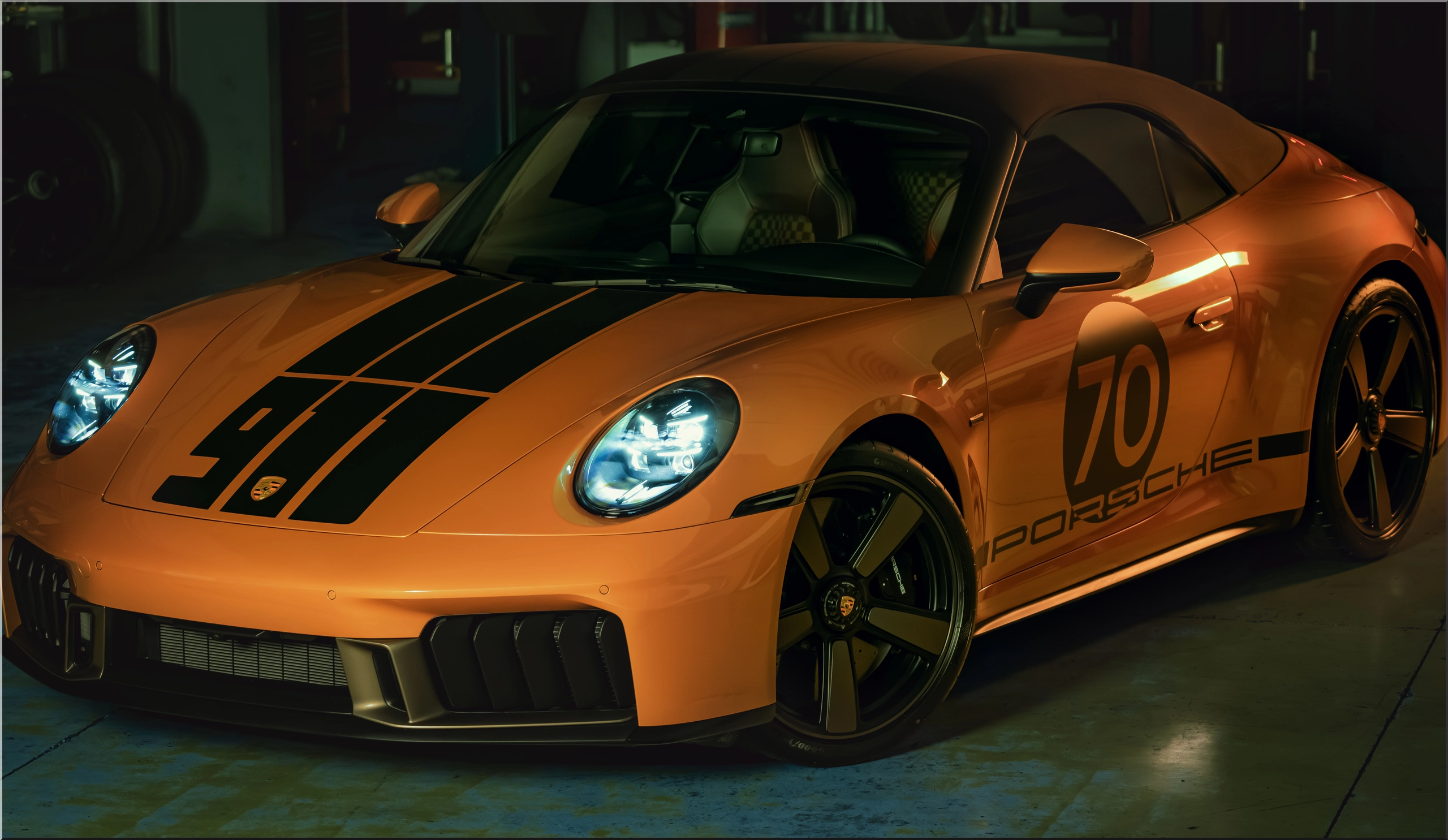
Technical Foundation: The 992-Generation Targa 4S Platform
The Spirit 70 utilizes the 911 Targa 4S chassis, a platform known for its unique balance of structural rigidity and open-top versatility. Unlike a traditional cabriolet, the Targa features a fixed roll bar and a wrap-around rear window, a design that first appeared in 1965 to meet American safety standards. Porsche engineers reinforced the A-pillars and integrated a high-strength steel roll hoop to ensure the vehicle maintains a torsional stiffness profile nearly identical to the hardtop coupe.
Mechanically, the Spirit 70 relies on a 3.0-liter twin-turbocharged boxer six engine. This powerplant produces $443$ horsepower and $390$ lb-ft of torque. The torque curve remains remarkably flat, with peak output available between 2,300 and 5,000 rpm. This performance is facilitated by larger turbochargers compared to the base Carrera, featuring symmetrical turbine and compressor wheels that improve gas flow dynamics.
Transmission and All-Wheel Drive Dynamics
Power reaches the ground through an 8-speed Porsche Doppelkupplung (PDK) transmission. This gearbox employs a lightning-fast shifting logic that minimizes power interruption during gear changes. Looking at the data, the Spirit 70 utilizes the Porsche Traction Management (PTM) active all-wheel-drive system. This system uses an electronically controlled, map-controlled multi-plate clutch to distribute drive force between the front and rear axles with millisecond precision.
Pro-Tip: The Targa 4S platform is heavier than the Carrera S due to the complex roof mechanism. Consequently, Porsche adjusts the Porsche Active Suspension Management (PASM) specifically for this weight distribution to maintain neutral handling during high-speed cornering.
Performance Metrics and Aerodynamic Specifications
The Spirit 70 achieves a top speed of 189 mph (304 km/h) and accelerates from 0 to 60 mph in just 3.6 seconds when equipped with the Sport Chrono Package. These figures result from a meticulous focus on weight-to-power ratios and aerodynamic efficiency. The vehicle features active cool air flaps in the front intake, which close at speeds above 43 mph to reduce drag and open when cooling demand increases.
Comparative Performance Data
| Feature | 911 Targa 4S (Spirit 70) | 911 Carrera 4S Coupe |
|---|---|---|
| Engine Displacement | 2,981 cc | 2,981 cc |
| Horsepower | 443 hp | 443 hp |
| 0-60 mph (Sport Chrono) | 3.6 seconds | 3.2 seconds |
| Top Track Speed | 189 mph | 190 mph |
| Curb Weight | 3,687 lbs | 3,487 lbs |
| Weight Distribution (F/R) | 38% / 62% | 37% / 63% |
From an expert perspective, the 200-pound weight difference between the Targa and the Coupe is concentrated in the rear glass and hydraulic roof actuators. Porsche compensates for this by utilizing stiffer rear springs and recalibrated anti-roll bars. The Spirit 70 uses a staggered wheel setup, featuring 20-inch wheels at the front and 21-inch wheels at the rear. This configuration increases the contact patch at the rear, allowing for better traction under heavy acceleration.
Exclusive Manufaktur: The Spirit 70 Aesthetic Logic
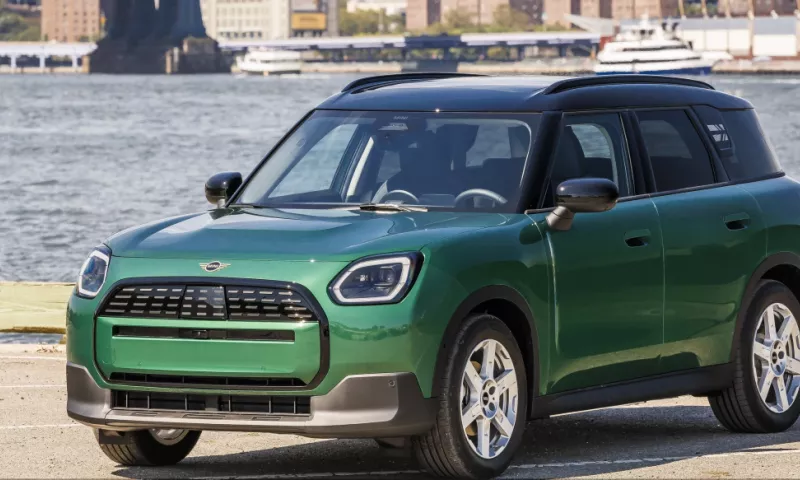
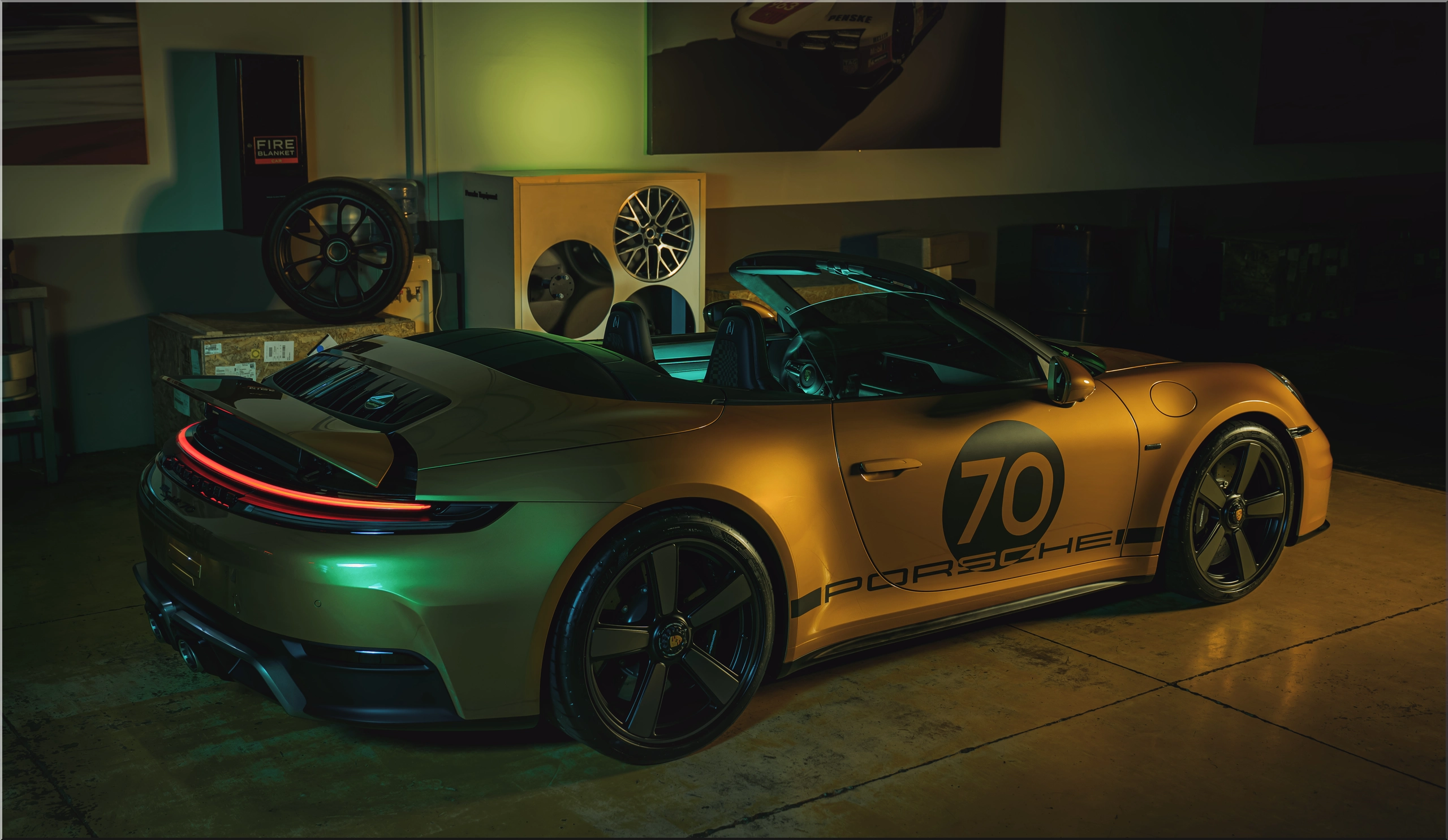
The Spirit 70 is not a mass-produced vehicle; it is a Paint-to-Sample (PTS) masterclass. Porsche Costa Rica selected Aventurine Green Metallic for the exterior, a sophisticated hue that reflects the lush topography of the Central American nation. This color choice aligns with the Heritage Design Strategy, which aims to bring 1950s and 60s color palettes into the modern era.
Exterior Detailing and Heritage Elements
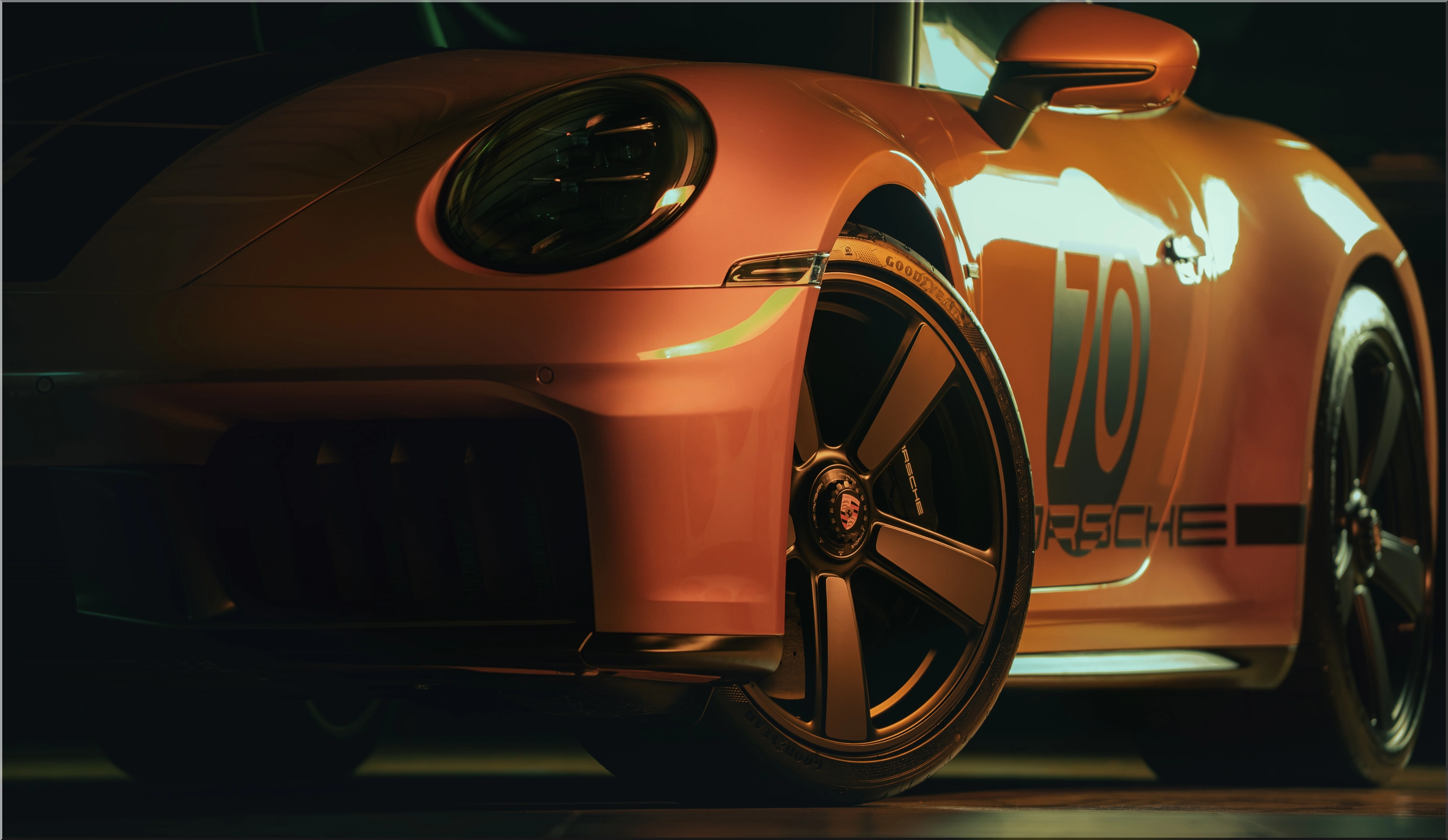
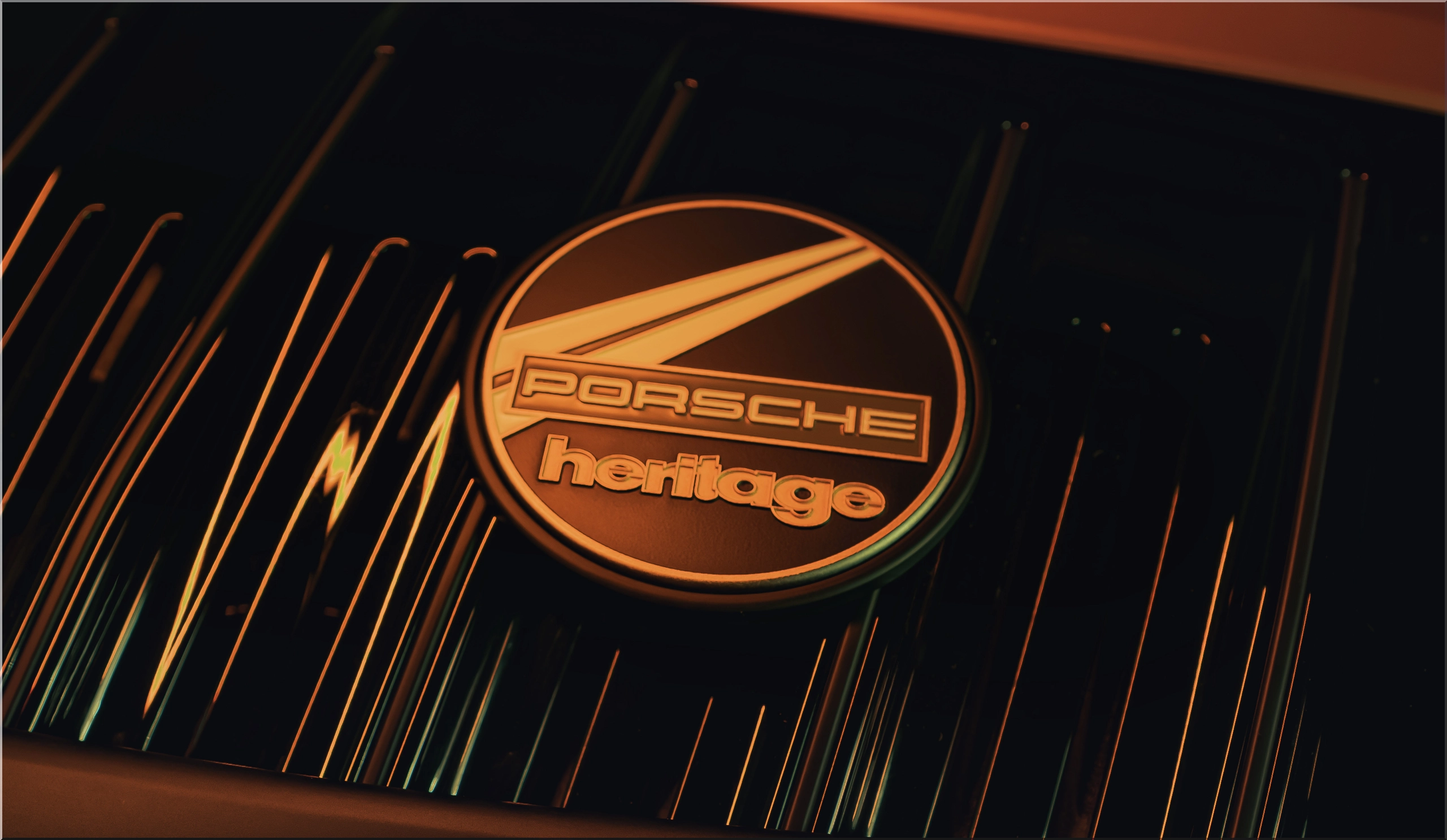
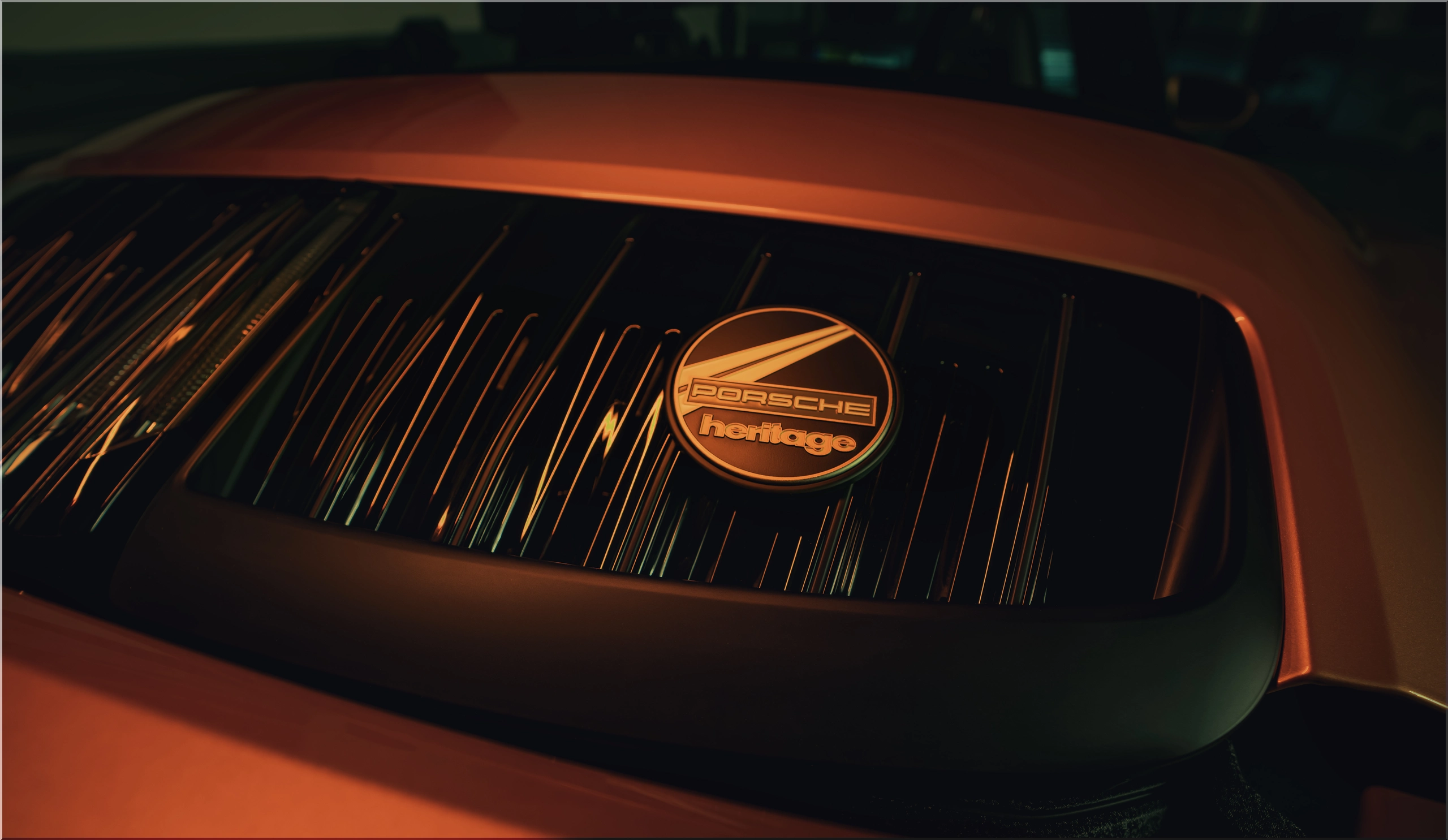
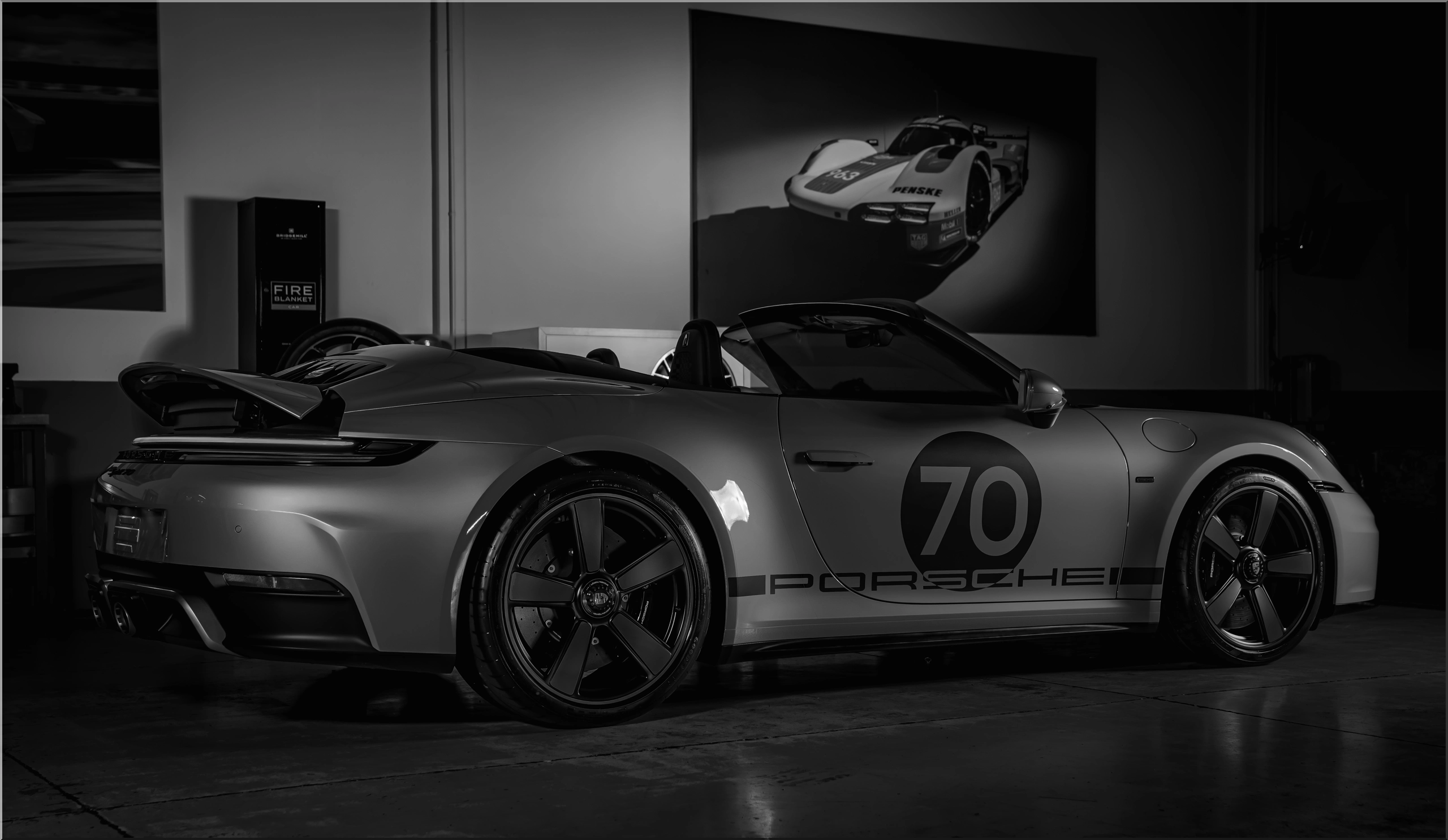
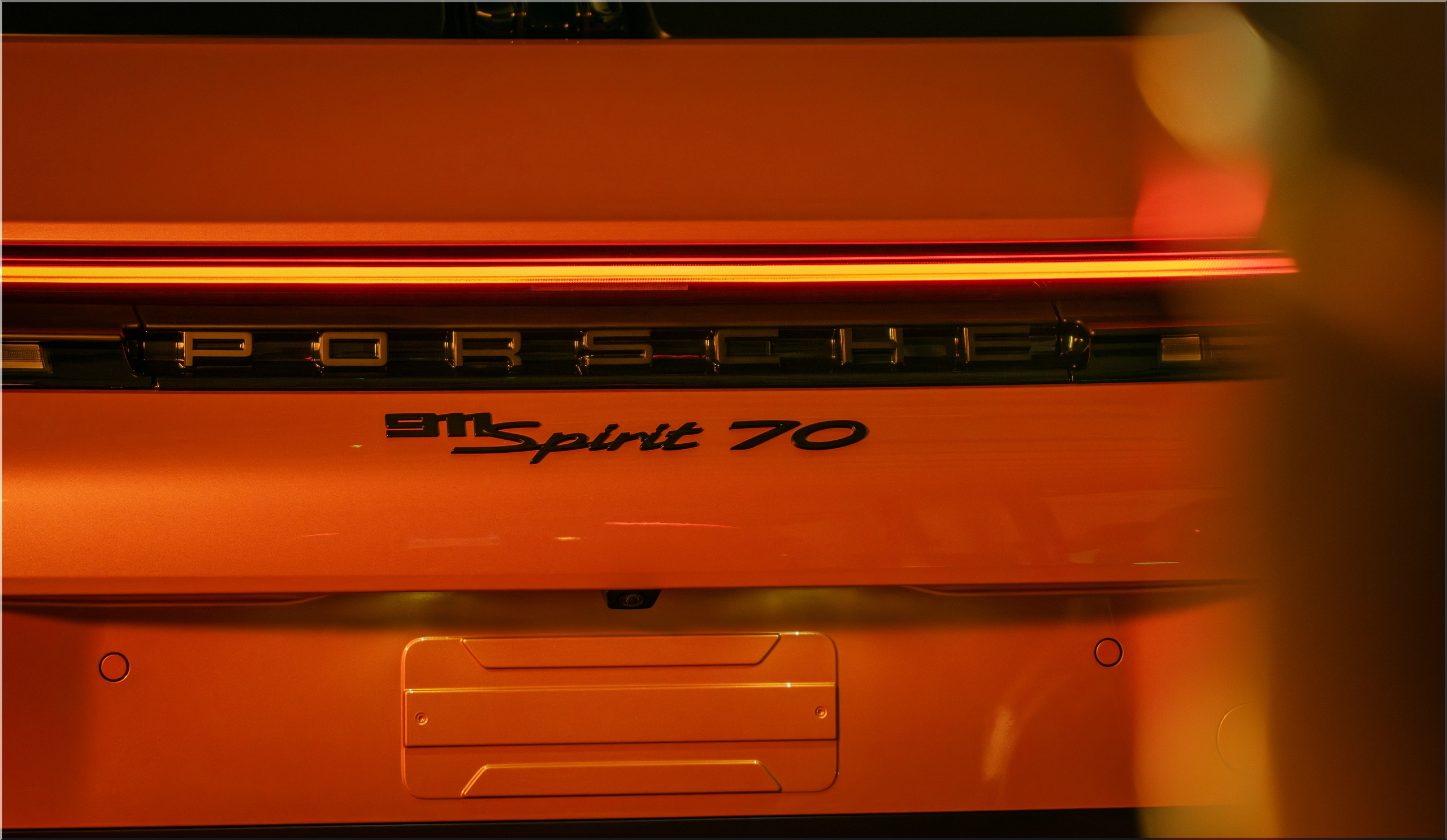
The exterior features satin-finish gold accents on the Targa bar and the "911 Carrera 4S" rear badge. The side profiles are adorned with "Spirit 70" decals in a minimalist font, paying homage to the racing liveries of the 1970s. The SportDesign package provides a more aggressive front fascia and unique side skirts, improving the vehicle's high-speed stability by reducing front-axle lift.
- Paint-to-Sample: Aventurine Green Metallic provides a deep, metallic finish that changes tone based on light intensity.
- Gold Accents: The Targa bar, finished in satin gold, mimics the original brushed metal look of the 1960s Targas.
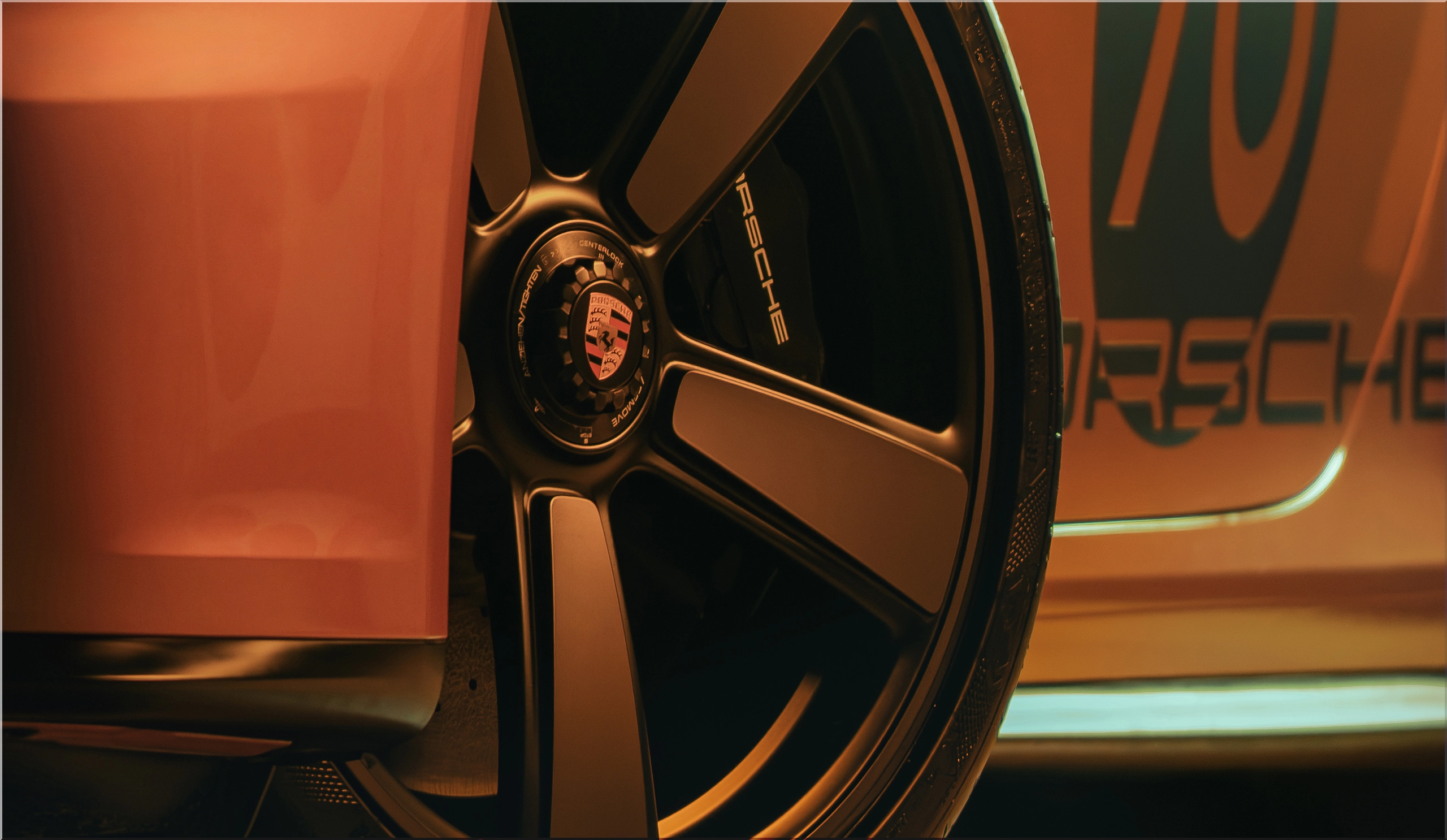
- Wheels: Carrera Exclusive Design wheels finished in high-gloss black with polished faces.
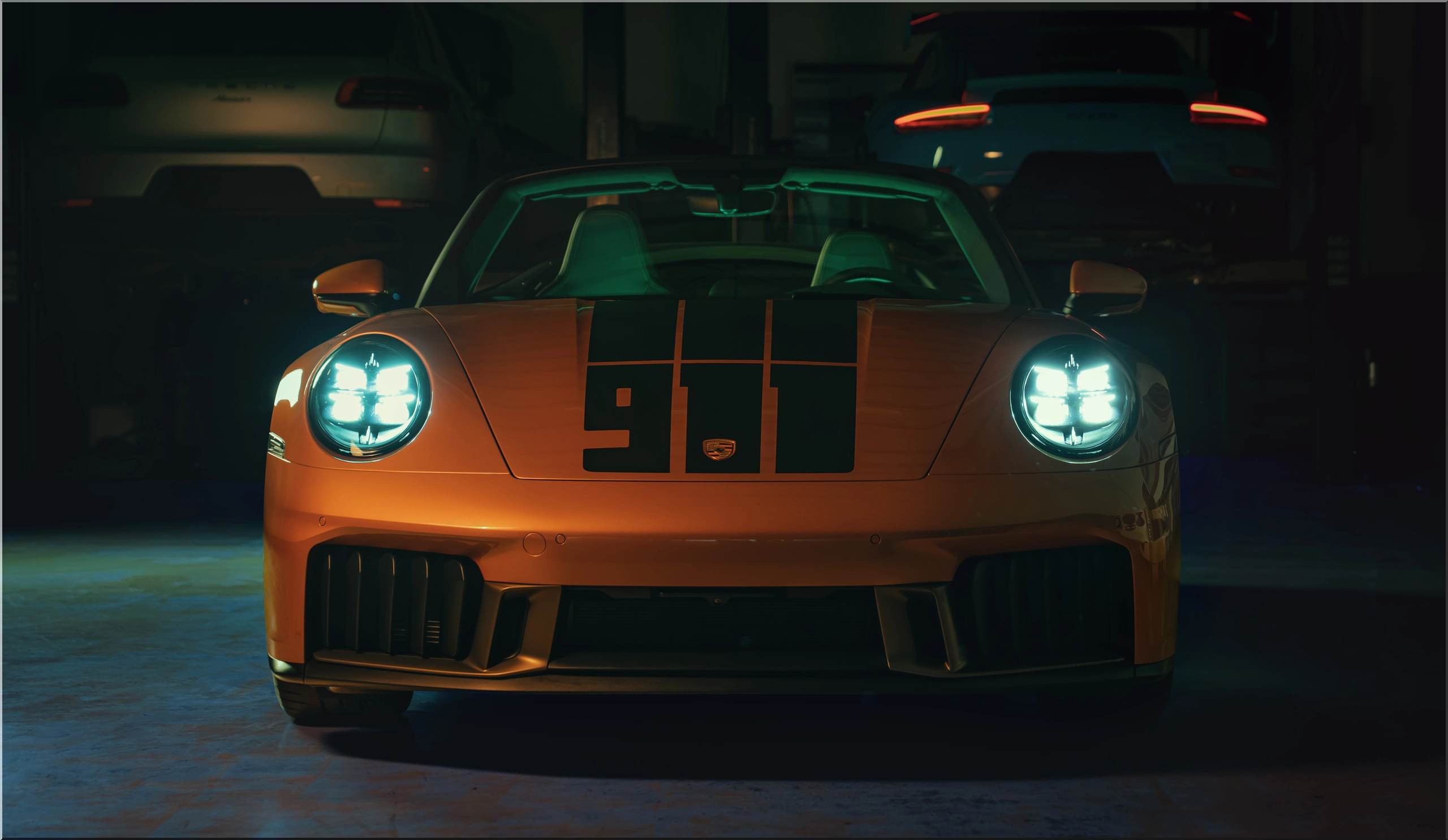
- Lighting: LED Matrix Design headlights with Porsche Dynamic Light System Plus (PDLS Plus) optimize illumination through speed-sensitive range control.
Interior Architecture: A Study in Tactile Engineering
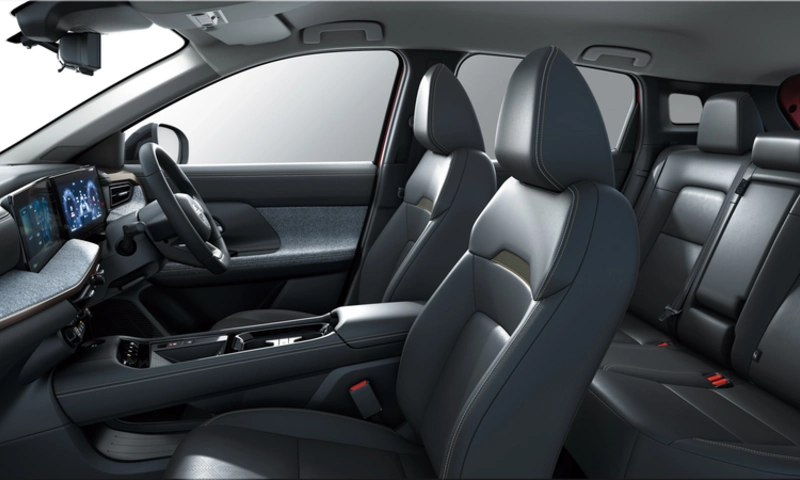
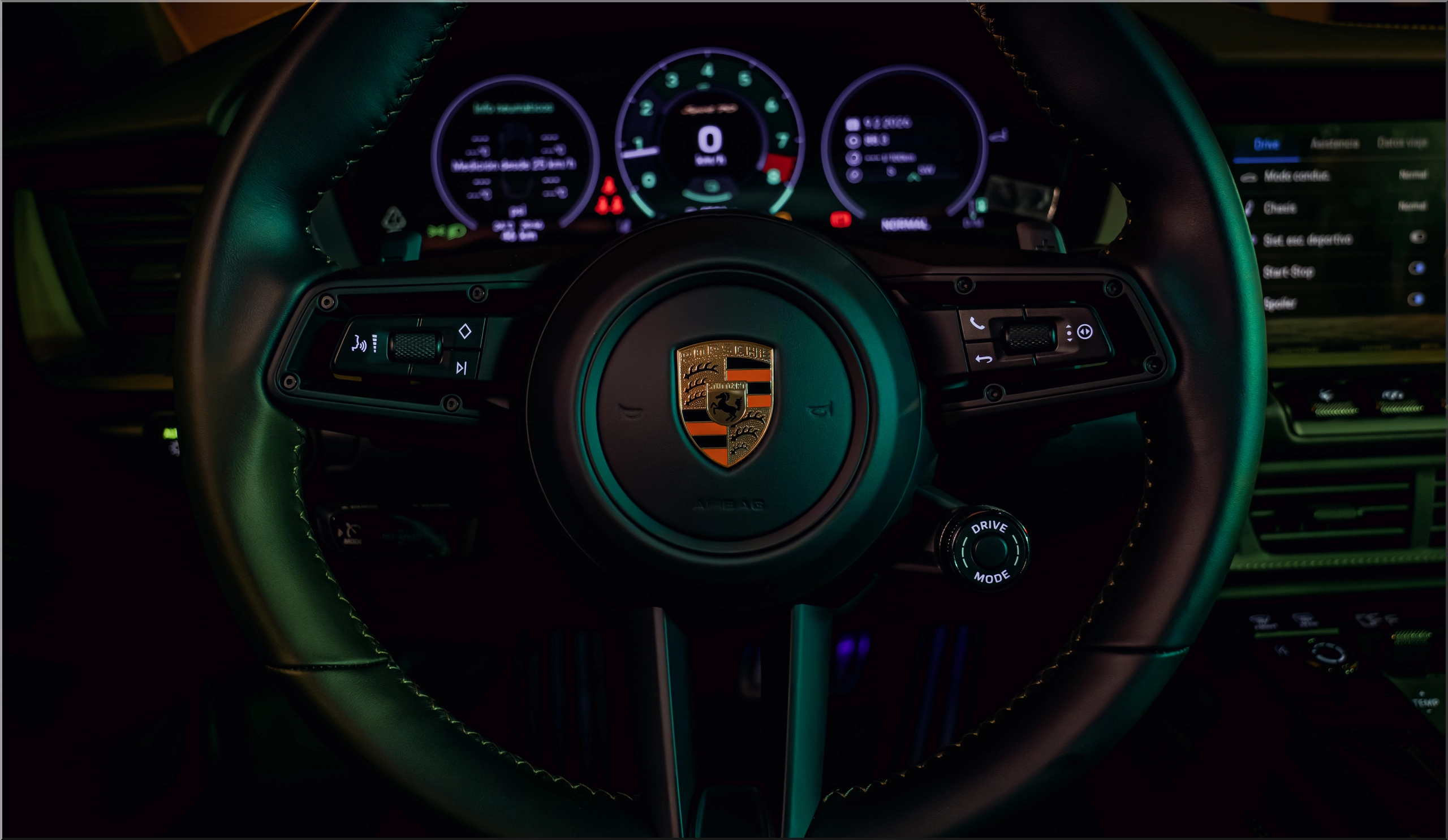
Inside the Spirit 70, the cabin undergoes a complete transformation through the Porsche Exclusive Manufaktur department. The primary focus is the Club Leather interior in Agate Grey, accented with Crayon stitching. This color palette provides a technical, industrial feel that contrasts with the organic green of the exterior.
Material Selection and Craftsmanship
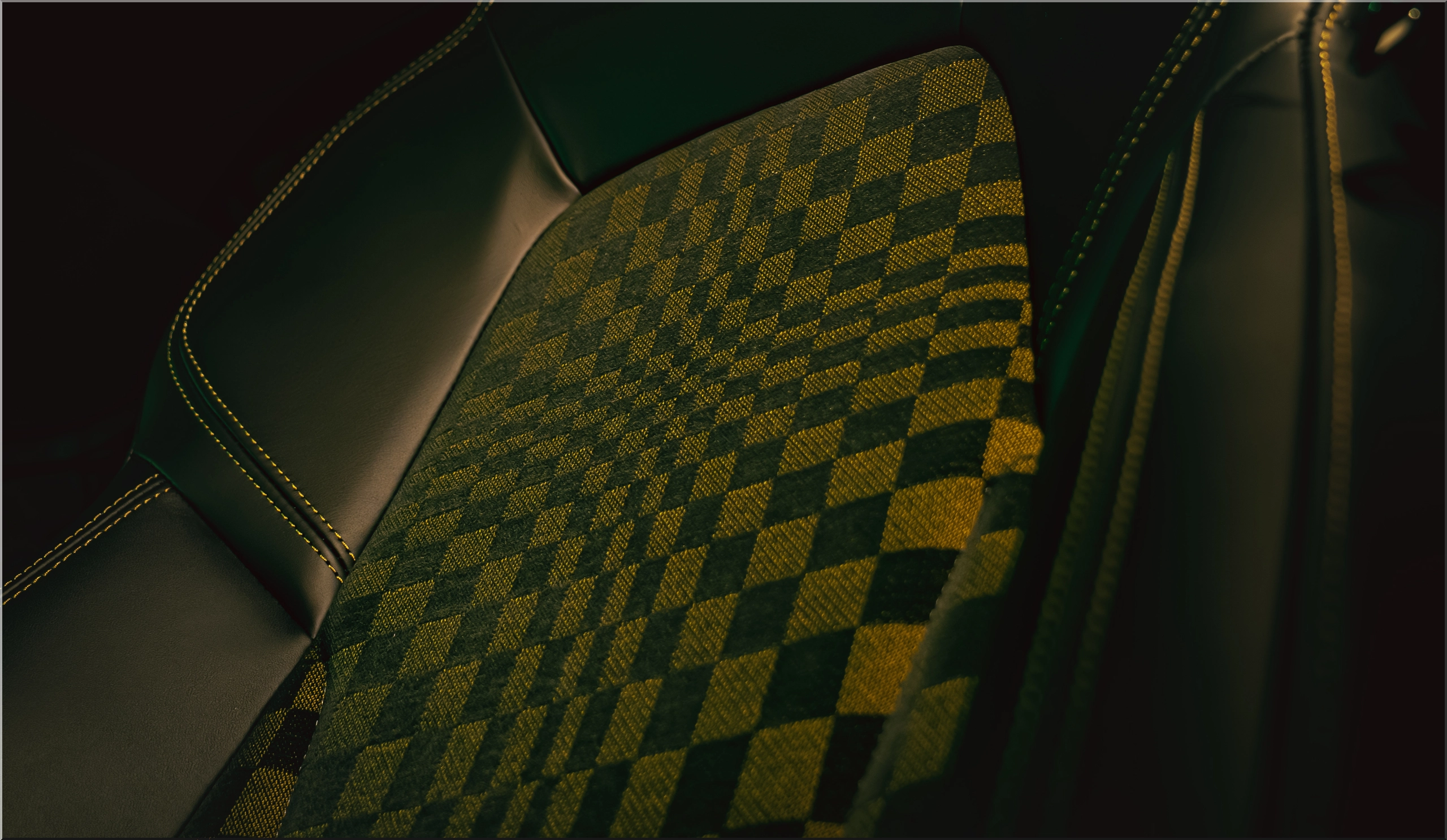
Specifically, the Spirit 70 uses Pepita (houndstooth) fabric inserts on the seat centers. This material was a hallmark of early 911s and provides a functional advantage: it is more breathable than leather and offers higher friction, keeping the driver planted during lateral maneuvers. The dashboard and door panels are wrapped in hand-stitched leather, a process that requires dozens of man-hours to complete.
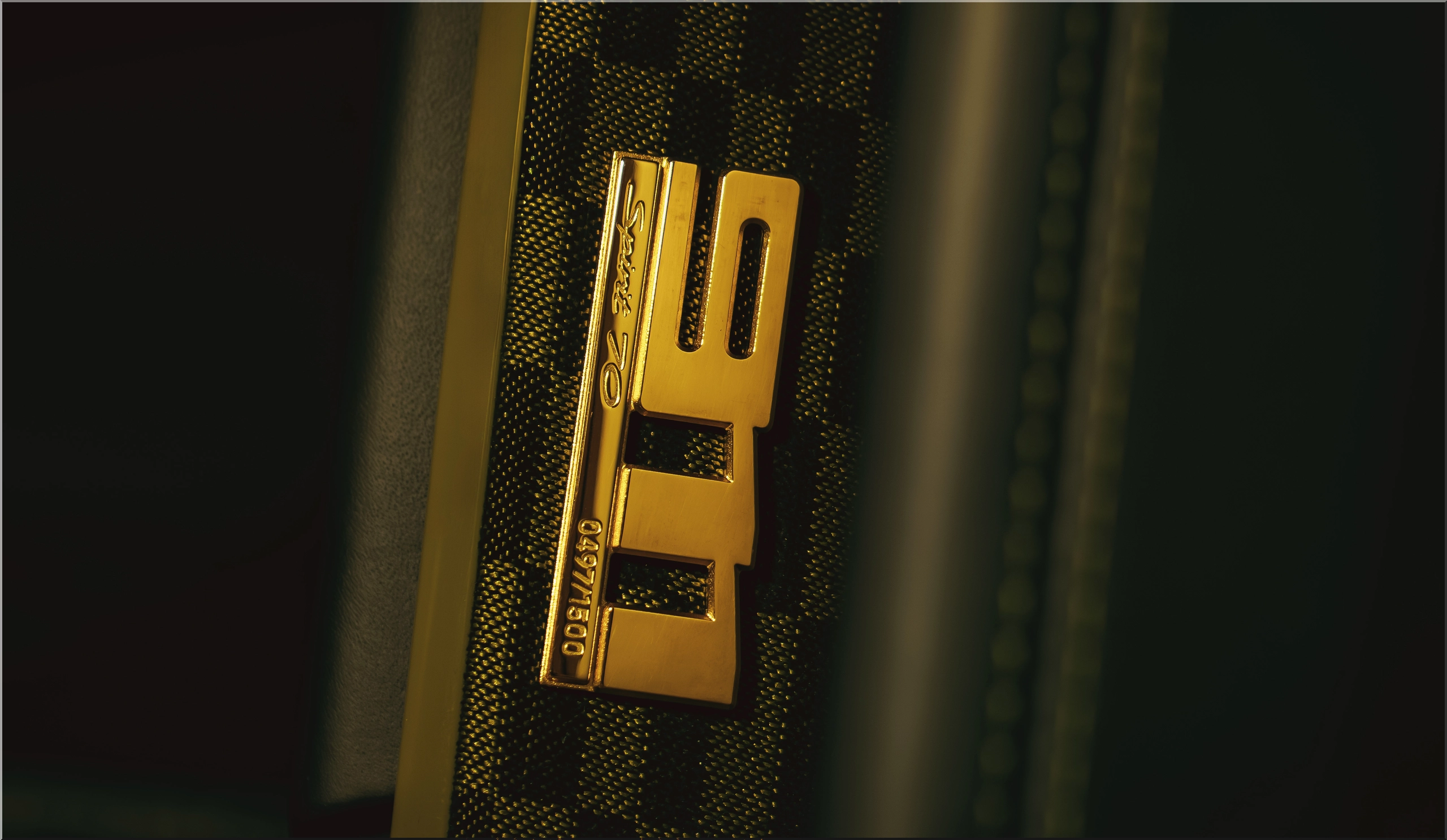
The "Spirit 70" logo appears on the brushed aluminum door sill guards and is embossed into the headrests of the Adaptive Sport Seats Plus (18-way). These seats feature electronic adjustment for the side bolsters, allowing the driver to customize the level of lateral support. The interior trim consists of open-pore wood or brushed aluminum, depending on the specific configuration, ensuring that no plastic surfaces remain exposed in high-touch areas.
Chassis and Braking Systems
Stopping power for the Spirit 70 comes from six-piston aluminum monobloc fixed calipers at the front and four-piston calipers at the rear. The brake discs are internally vented and cross-drilled, measuring 350 mm in diameter at both the front and rear. This setup ensures consistent braking performance even under repeated high-thermal loads, such as those found on Costa Rica's mountainous terrain.
Suspension Tech: PASM and PDCC
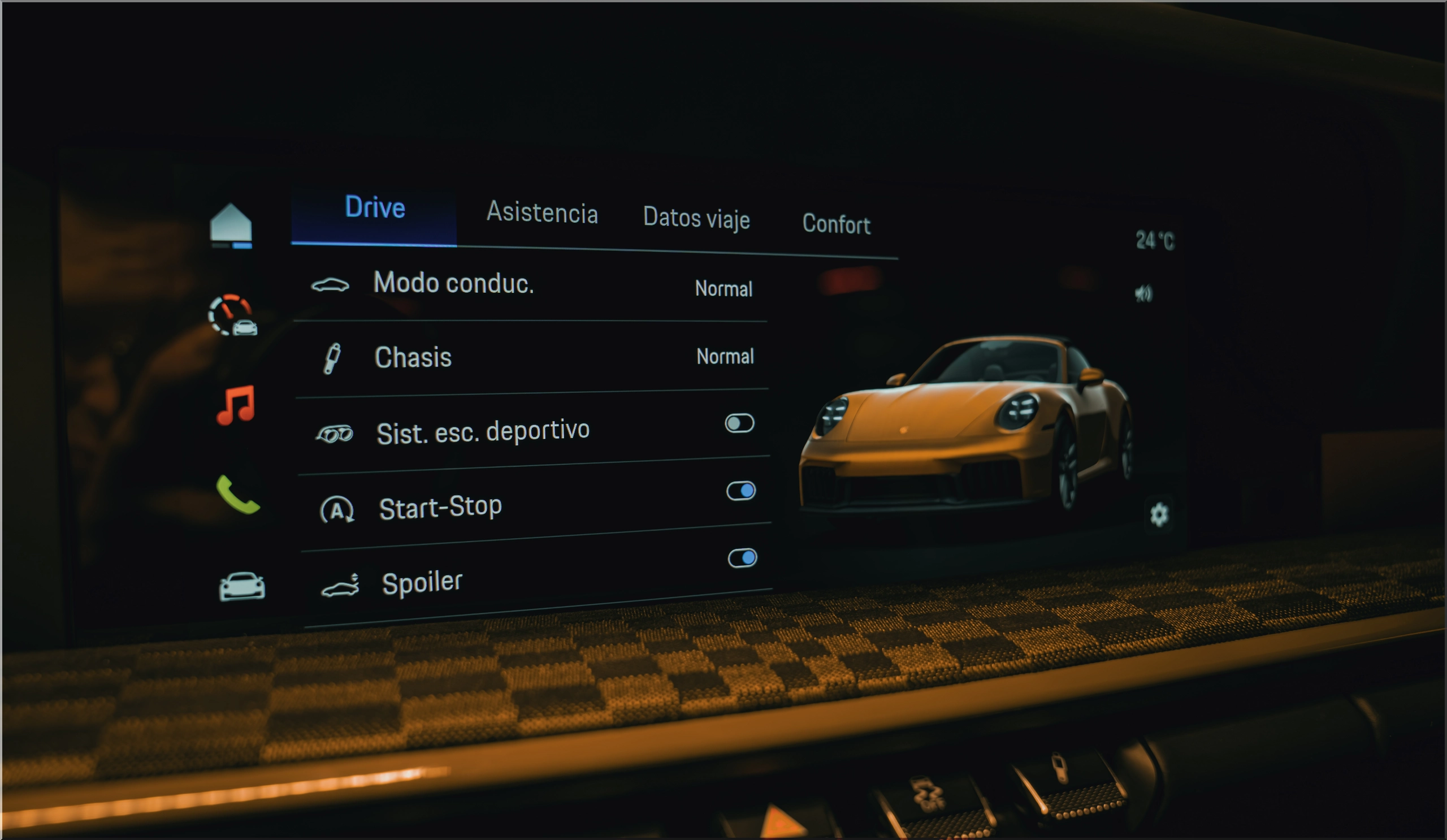
The Spirit 70 comes standard with Porsche Active Suspension Management (PASM). This system continuously regulates the damping force for each individual wheel based on road conditions and driving style. By comparison, many competitors use a static damping setup that forces a compromise between comfort and performance. Porsche eliminates this compromise by offering two selectable maps: Normal and Sport.
- Normal Mode: Focused on daily drivability and absorbing road imperfections.
- Sport Mode: Increases damping rates to minimize body roll and improve turn-in response.
- Rear-Axle Steering: This optional system (often included in limited editions) turns the rear wheels in the opposite direction of the front wheels at low speeds to reduce the turning circle. At high speeds, they turn in the same direction to enhance stability.
The Strategic Importance of the Costa Rican Market
While Costa Rica is a small market in terms of volume, it holds a high density of Porsche enthusiasts. The Spirit 70 serves as a strategic tool to strengthen brand loyalty and demonstrate the capabilities of the Exclusive Manufaktur program. From an expert perspective, these regional limited editions often appreciate in value faster than standard models because they represent a specific historical narrative.
Market Distribution and Availability
Porsche announced a strictly limited production run for the Spirit 70. This scarcity is a primary driver of its "collector status." Looking at the data, the pricing for such a specialized build typically starts around $200,000 (USD), depending on additional options. This includes the cost of the base Targa 4S, the PTS paint, the custom interior upholstery, and the "Spirit 70" branding elements.
| Measurement | Specification |
|---|---|
| Length | 177.9 inches |
| Width (with mirrors) | 79.7 inches |
| Height | 51.1 inches |
| Wheelbase | 96.5 inches |
| Fuel Tank Capacity | 17.6 gallons |
| Drag Coefficient | 0.30 Cd |
Infotainment and Driver Assistance Systems
The Spirit 70 integrates the Porsche Communication Management (PCM) system, featuring a 10.9-inch touchscreen display. This system acts as the nerve center for the vehicle, controlling navigation, media, and vehicle settings. The interface is highly customizable, allowing the driver to pin their most-used functions to the home screen.
Audio and Connectivity
The vehicle features a Bose Surround Sound System with 12 speakers and a total output of 570 watts. For the most discerning audiophiles, a Burmester High-End Surround Sound System is often available, offering over 850 watts and a ribbon tweeter for crystalline high-frequency reproduction. Specifically, the Spirit 70 includes wireless Apple CarPlay and Android Auto, ensuring the driver stays connected without cluttering the handcrafted interior with cables.
Definition: Porsche Track Precision App. This software allows drivers to record, display, and analyze driving data on their smartphones. It uses GPS data and vehicle sensors to provide detailed lap times and telemetry, helping the driver improve their performance on closed circuits.
Engineering Logic: Why the Targa?
Choosing the Targa body style for the Spirit 70 was a deliberate engineering and marketing decision. The Targa offers the structural integrity of a coupe with the sensory experience of a convertible. Specifically, the automated roof system operates in 19 seconds. The logic behind the two-part roof involves a moving rear window and a folding soft top that stows behind the rear seats.
Weight Distribution and Center of Gravity
By keeping the heavy glass rear window as a permanent fixture (except during the roof's operation), Porsche engineers maintained a more consistent center of gravity compared to a full cabriolet. Consequently, the handling characteristics remain predictable whether the top is up or down. The Spirit 70 also utilizes Wet Mode, a standard feature on the 992 that uses acoustic sensors in the front wheel arches to detect spray. Once water is detected, the system pre-conditions the stability control and warns the driver to switch modes, which then adjusts the torque distribution and spoiler angle for maximum safety.
Actionable Takeaways for Collectors
Investing in a vehicle like the Porsche 911 Spirit 70 requires an understanding of both the mechanical specifications and the market dynamics of limited editions. This car is designed for the enthusiast who values historical context as much as lateral G-force.
What Now?
- Verification: Ensure all documentation for the Spirit 70 edition is present, including the Exclusive Manufaktur certificate.
- Maintenance: High-performance engines like the 3.0L twin-turbo require strict adherence to oil change intervals using Porsche-approved A40 or C30 oils.
- Storage: Given the PTS Aventurine Green paint, professional ceramic coating or Paint Protection Film (PPF) is highly recommended to preserve the resale value.
- Usage: While it is a collector's item, the 911 is engineered for use. Regular driving prevents seal degradation in the Targa roof mechanism.
The Porsche 911 Spirit 70 is a masterclass in regional branding and technical execution. It honors seventy years of history in Costa Rica while pushing the boundaries of what a modern sports car can achieve through customization. For those lucky enough to secure one, it represents the pinnacle of the 992.1 Targa 4S lineup.
- Add new comment
- 102 views