Why Reliability Still Sells
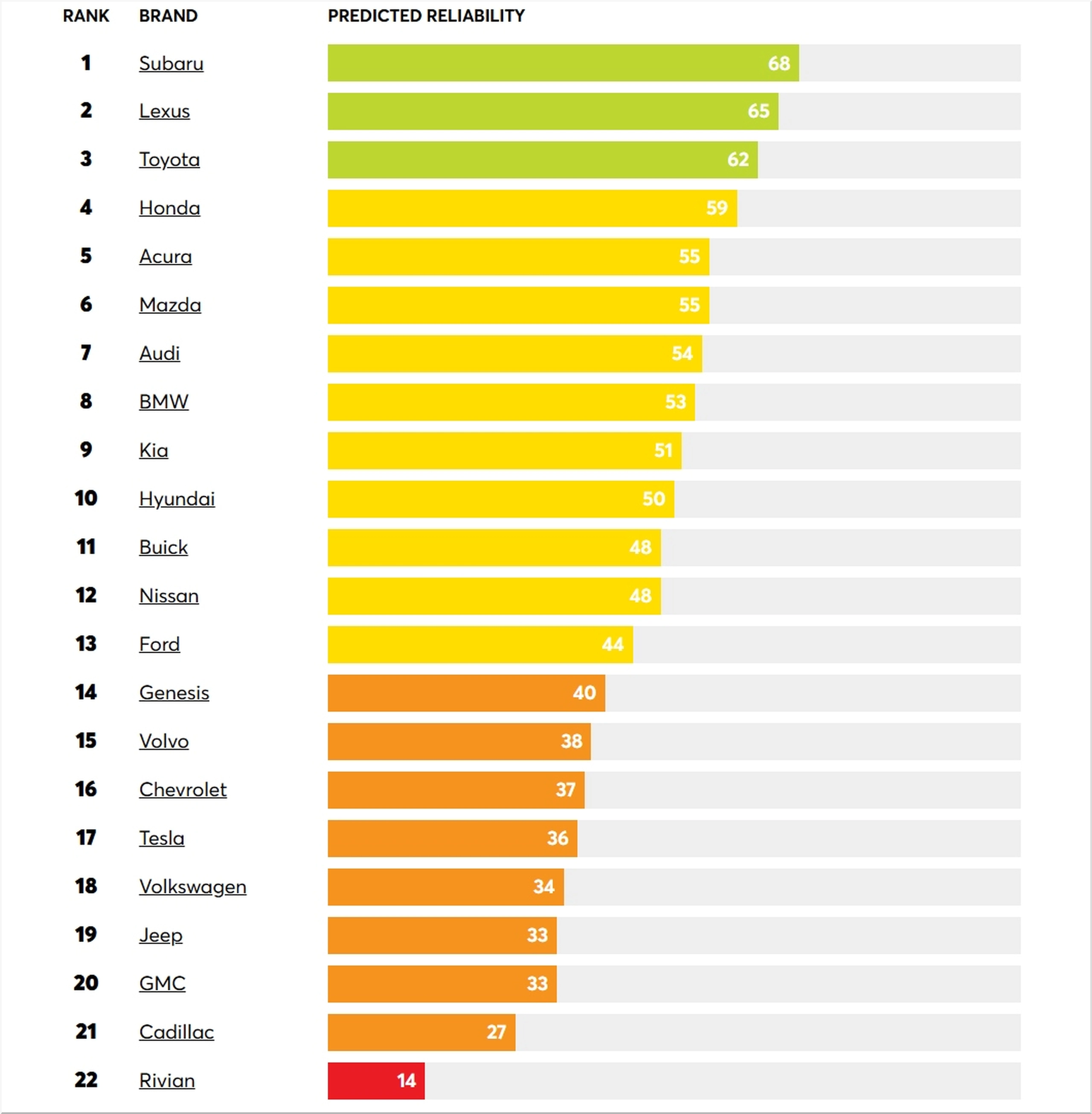
Reliability matters. Not because it’s flashy—but because it protects owners from lost time, lost money, and future regret. In 2025, Subaru, Toyota, and Lexus lead the industry in vehicle dependability, according to Consumer Reports data analyzed across over 330,000 vehicles. These brands consistently deliver better long-term performance and lower maintenance costs, driving strong owner satisfaction and resale value.
Subaru: AWD Simplicity Pays Off
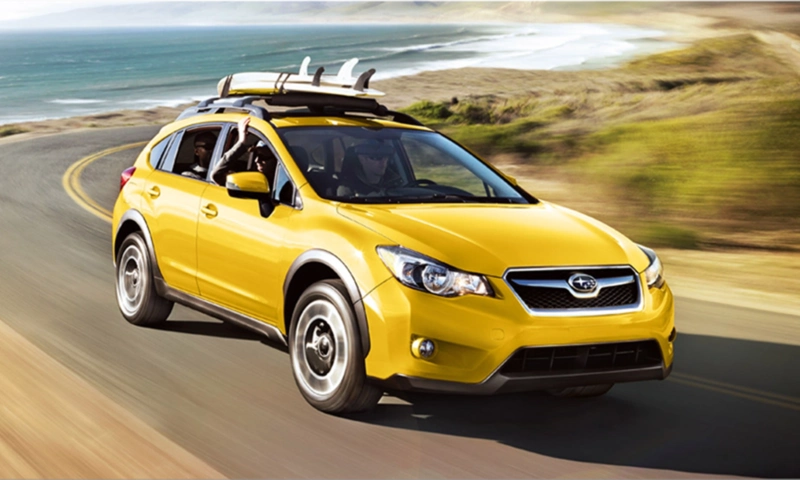
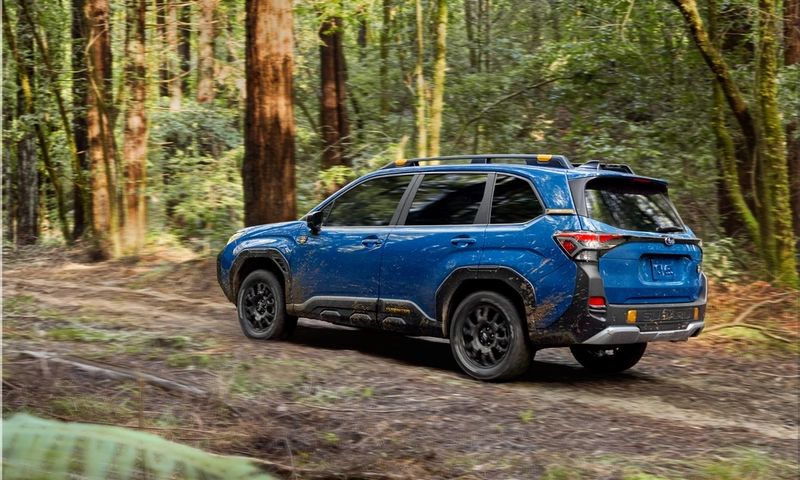
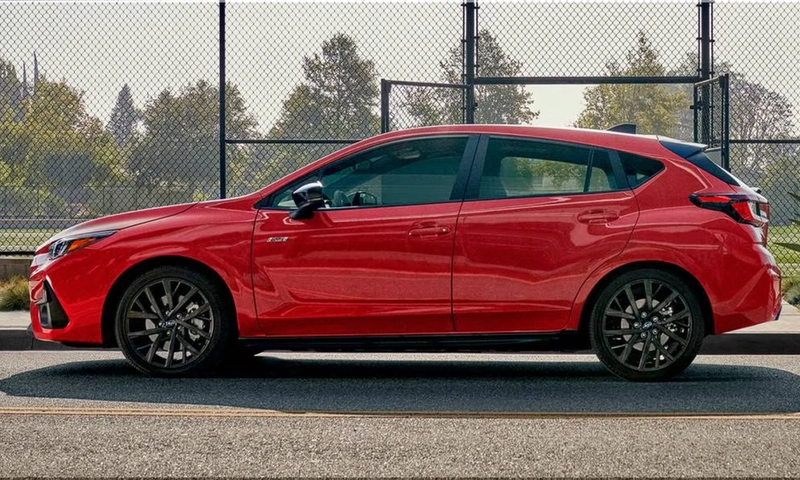
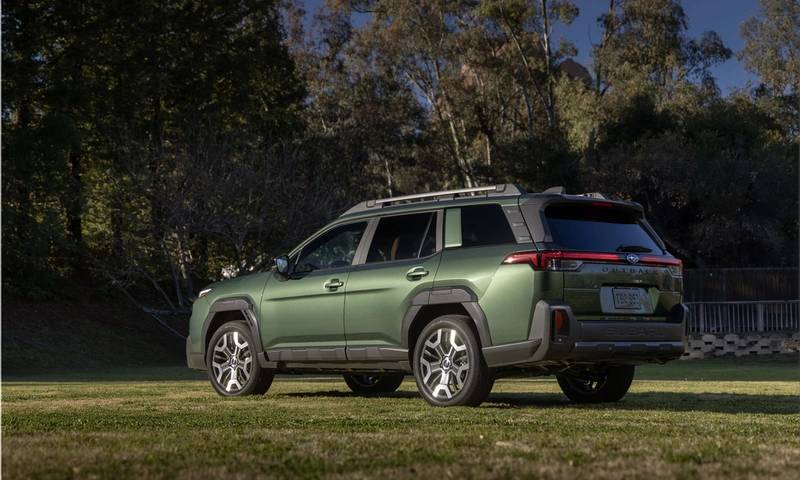
Subaru tops the reliability list with consistency across nearly its entire lineup. What works?
- Standard all-wheel drive across most models
- Modest use of complex infotainment tech
- Avoidance of major redesigns year over year
Top models:
Subaru’s success isn’t based on flash. It comes from offering affordable vehicles ($25,000–$39,000) that perform dependably in all weather. Its customers want vehicles that start every morning and last beyond 150,000 miles.
Toyota: Hybrid Reliability, Proven Powertrains
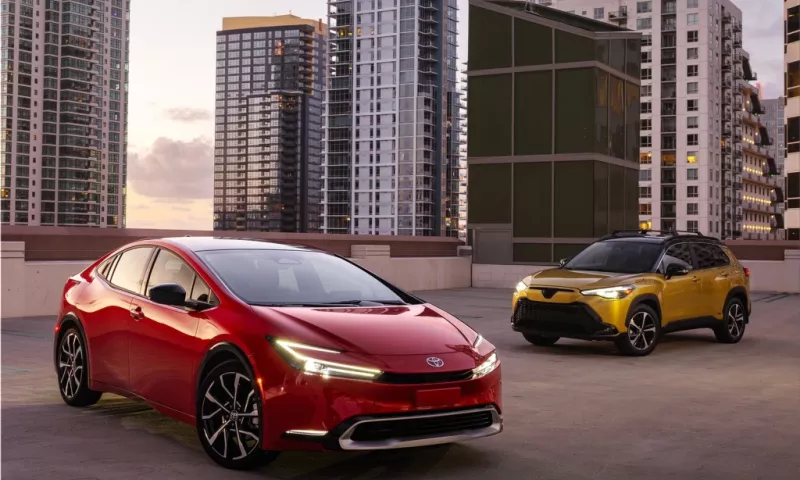
Toyota comes in second. But the brand isn’t coasting. Its hybrid systems remain the most trouble-free in the industry, a sharp contrast to newer competitors rushing into electrification. That gives Toyota an edge.
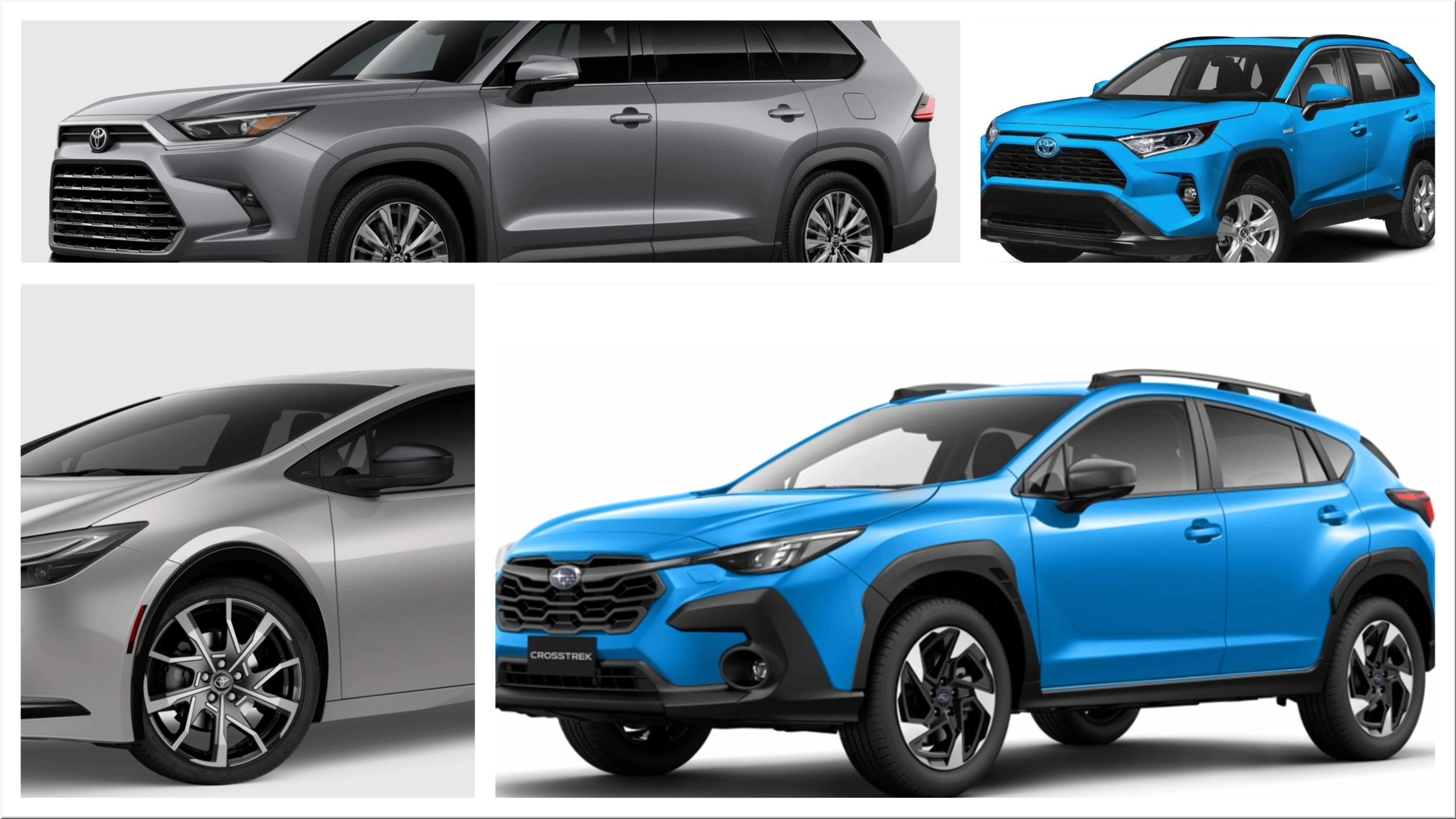
Top Toyota models for reliability:
What separates Toyota:
- Long-tested hybrid components
- Conservative software updates
- Uniformity across global platforms
Lexus: Premium Reliability Backed by Toyota Engineering
Lexus, Toyota’s luxury division, takes third place. This isn't a fluke—Lexus designs vehicles to last and borrows heavily from proven Toyota engineering.
Best-performing Lexus models:
- Lexus NX Hybrid
- Lexus RX
- Lexus ES
Key Engineering Traits Behind Reliability
| Feature | How It Helps Reliability |
|---|---|
| Fewer powertrain variants | Easier quality control |
| Minimal infotainment complexity | Fewer software and hardware failures |
| Standard safety tech | Less aftermarket integration risk |
| Conservative update cycles | More time to fix bugs before release |
| Shared platforms | Streamlined parts supply and maintenance |
Which Brands Fall Behind—and Why
Bottom-ranking brands in the 2025 data include Chrysler, Mercedes-Benz, Rivian, and Volkswagen. Issues vary, but patterns emerge.
- Chrysler: Limited model range and aging tech lead to poor quality control.
- Mercedes-Benz: Complex systems and new EVs introduce too many variables.
- Rivian: Startup challenges, frequent software bugs, and poor service support.
- Volkswagen: Split focus between EV and ICE weakens consistency.
EVs and Hybrids: A Mixed Reliability Picture
Fully electric vehicles (EVs) underperform hybrids in long-term reliability.
- More software dependencies
- New platforms lack history
- Complex hardware integration
Hybrids, especially from Toyota and Honda, show higher long-term dependability.
Reliability Comparison: EV vs. Hybrid
| Category | Average Problem Rate (per 100 vehicles) |
|---|---|
| Toyota/Lexus hybrids | 15–25 |
| Honda hybrids | 20–30 |
| EVs (Ford, Tesla, Rivian) | 45–60 |
| Luxury EVs (Mercedes EQ) | 55–70 |
What This Means for Shoppers
- Stick with brands that limit platform and powertrain diversity.
- Avoid first-year models. Early runs tend to have more issues.
- Prioritize proven hybrids over experimental EV platforms.
- Check model-specific data. Brand average isn’t everything.
Top 10 Most Reliable New Cars in 2025
| Rank | Model | Brand | Type | Est. Base Price (USD) |
|---|---|---|---|---|
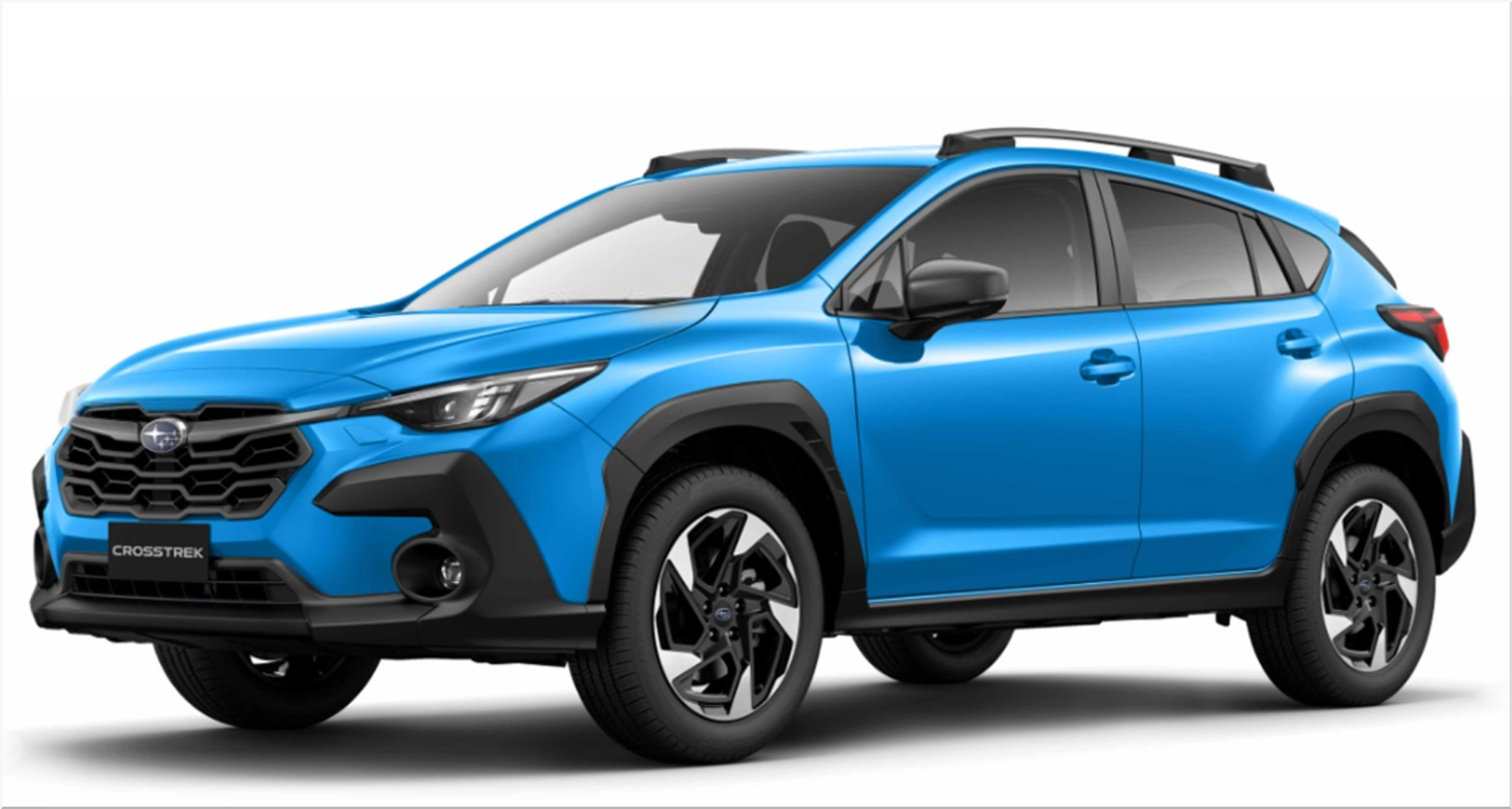
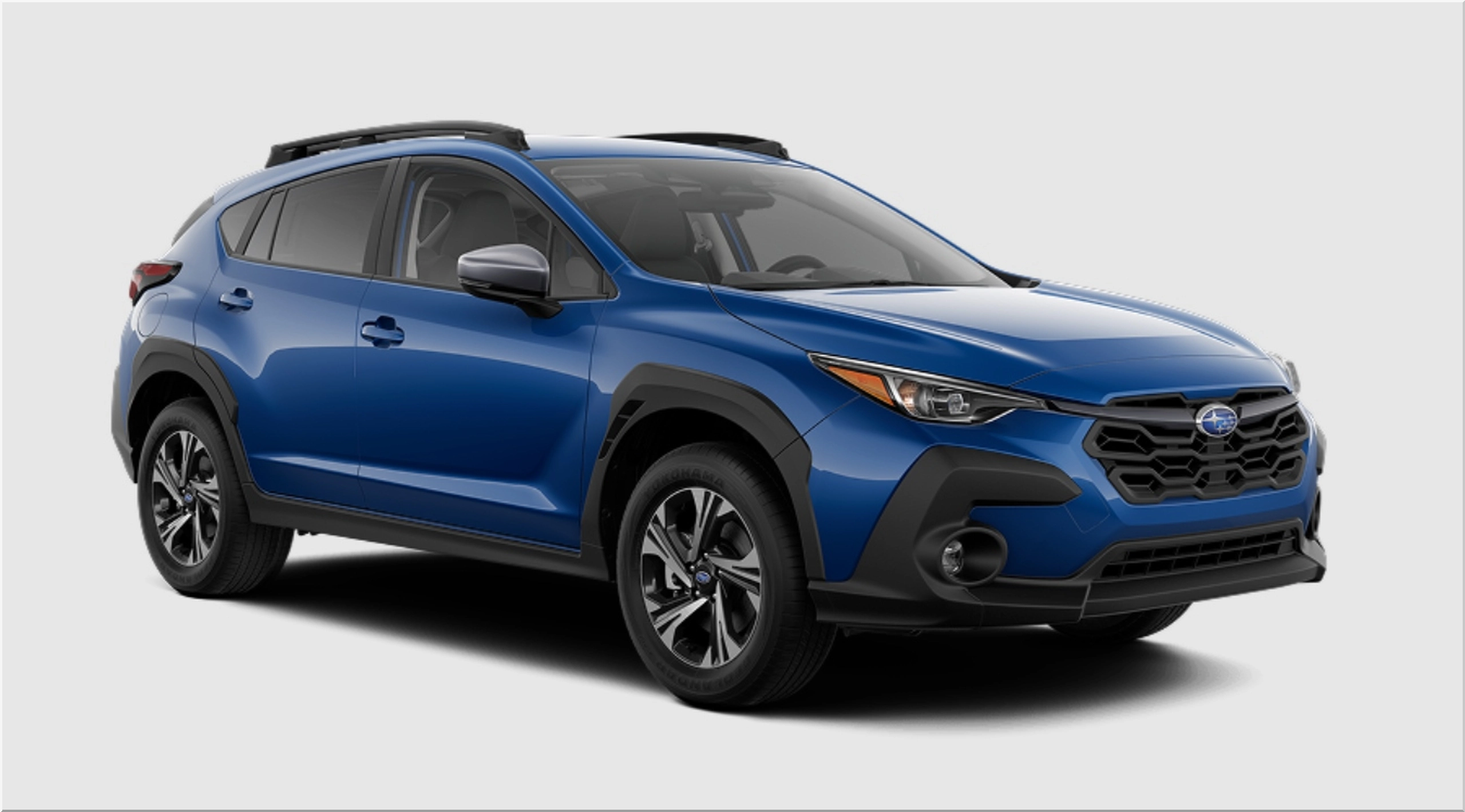
| 1 | Subaru Crosstrek | Subaru | Crossover SUV | $25,000 |
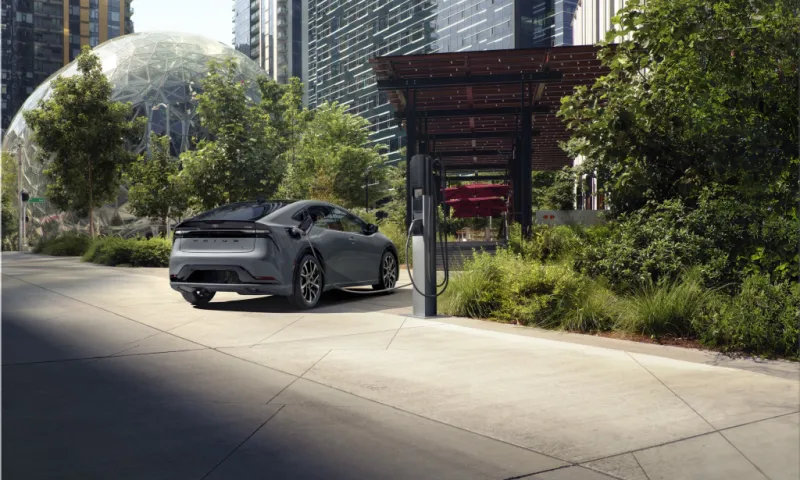
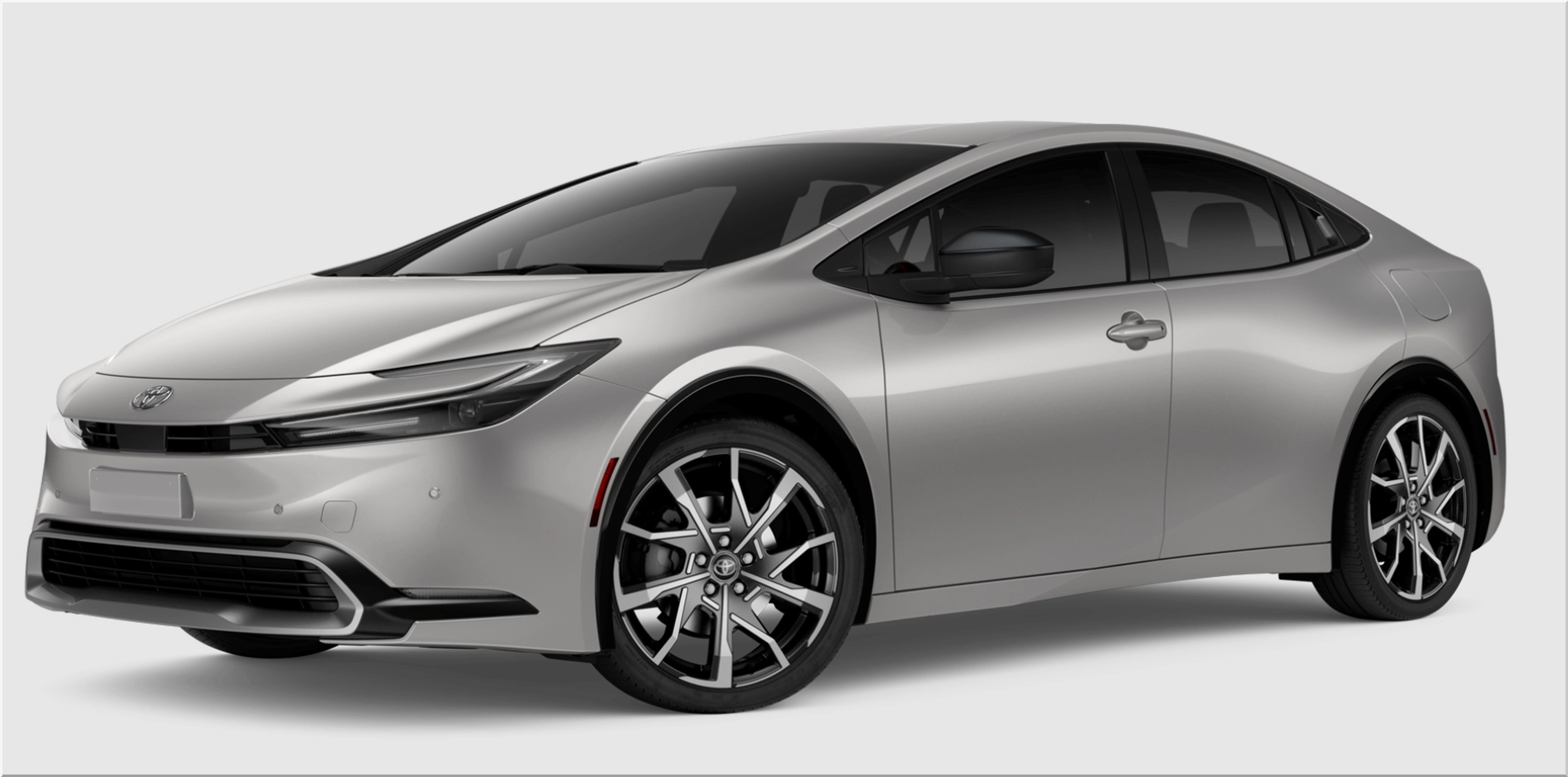
| 2 | Toyota Prius | Toyota | Hybrid Hatchback | $28,000 |
| 3 | Lexus NX Hybrid | Lexus | Hybrid SUV | $44,000 |
| 4 | Subaru Forester | Subaru | Compact SUV | $29,000 |
| 5 | Toyota Corolla Hybrid | Toyota | Compact Hybrid | $25,000 |
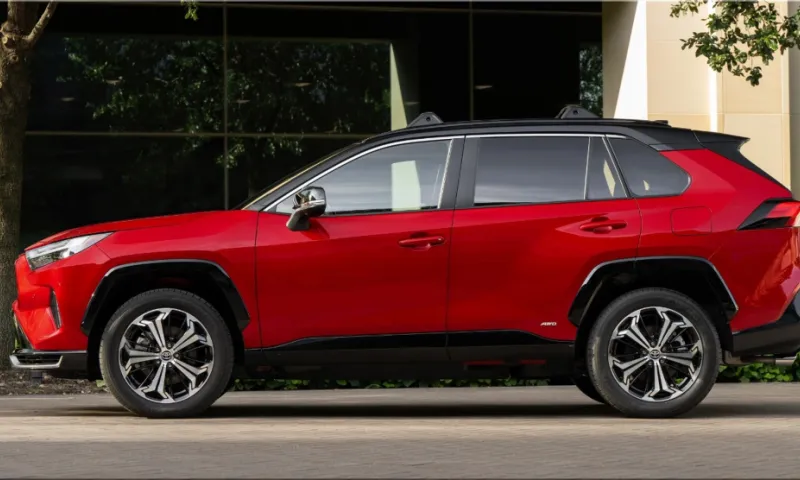
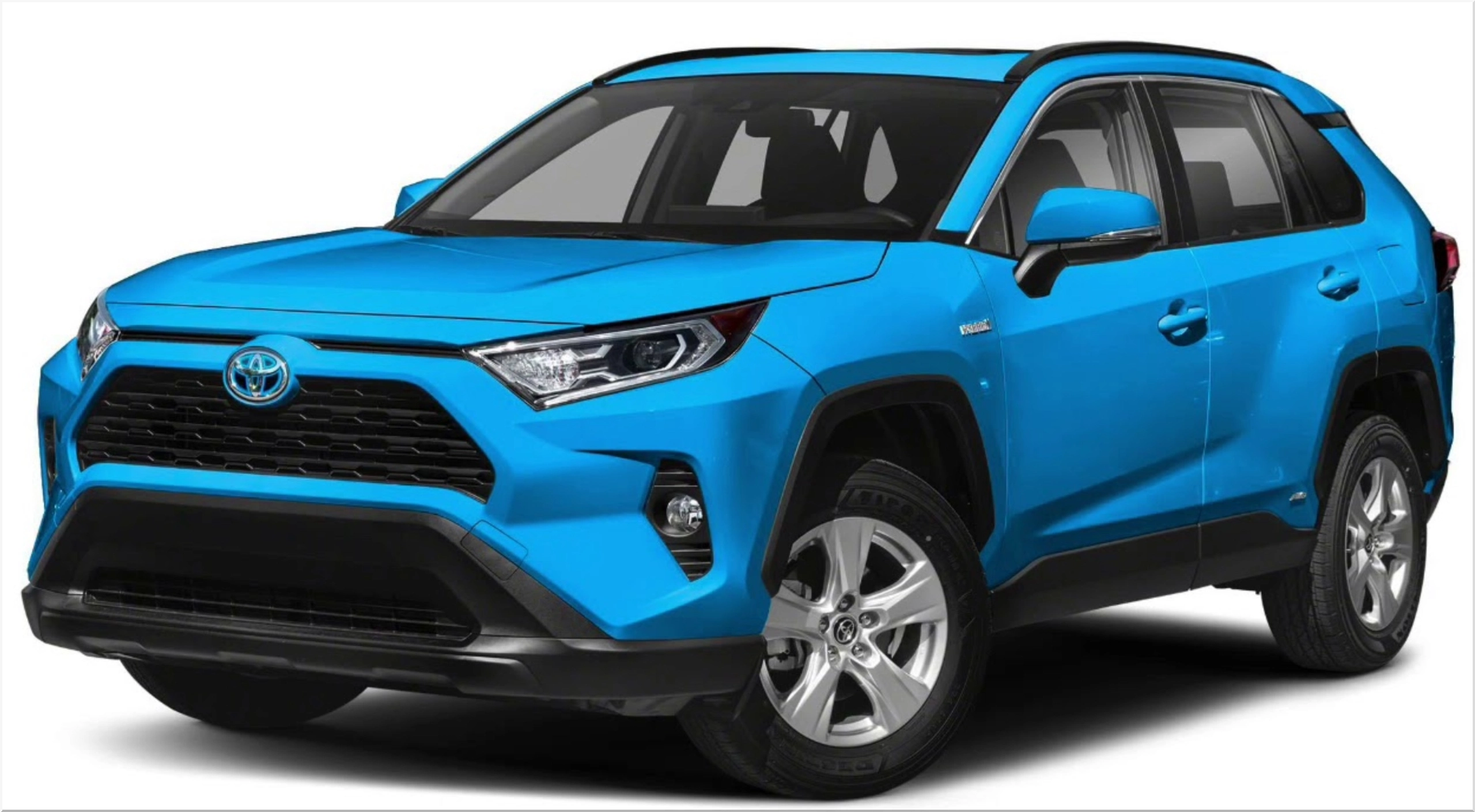
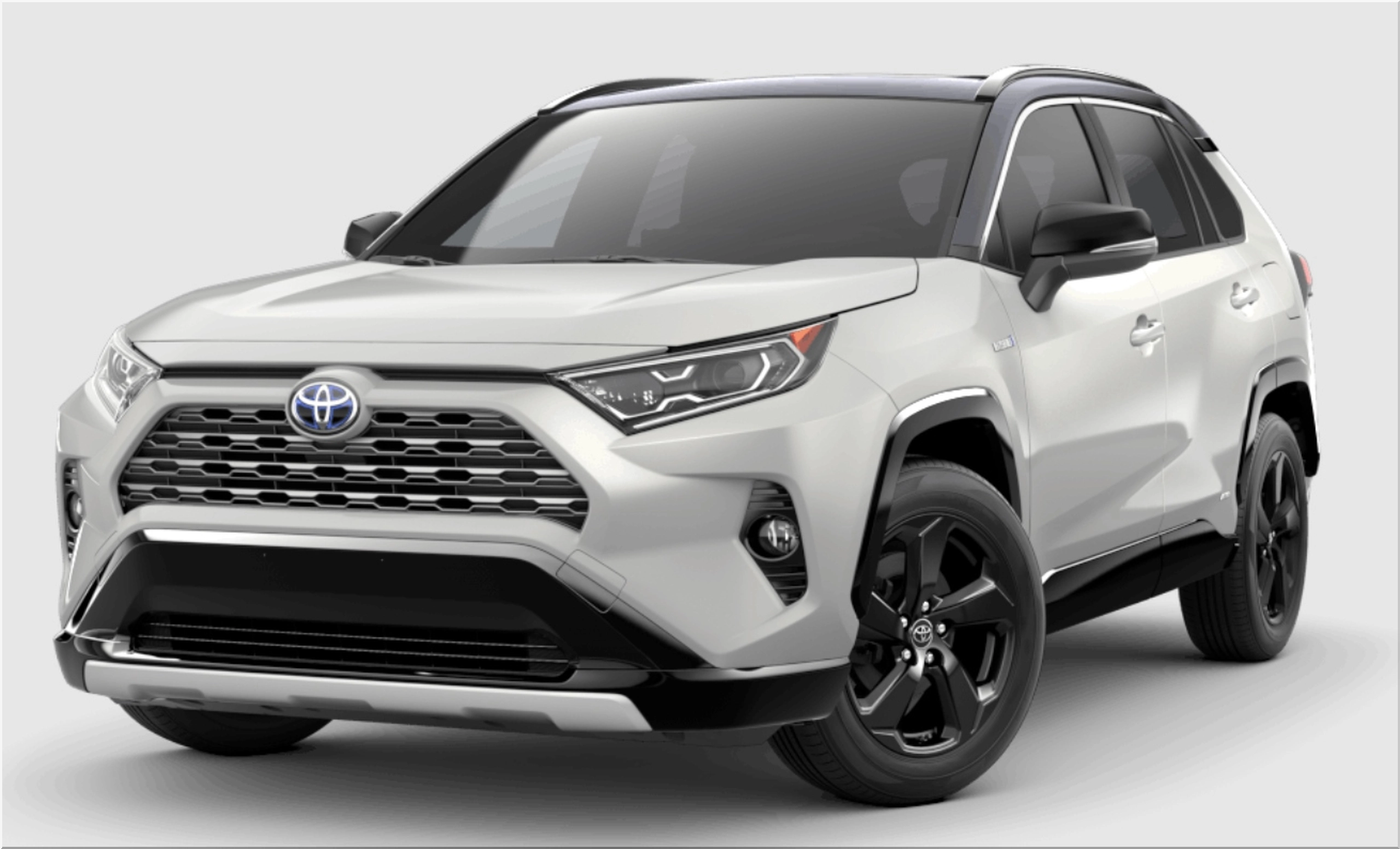
| 6 | Toyota RAV4 Hybrid | Toyota | Compact SUV | $32,000 |
| 7 | Lexus RX | Lexus | Midsize SUV | $51,000 |
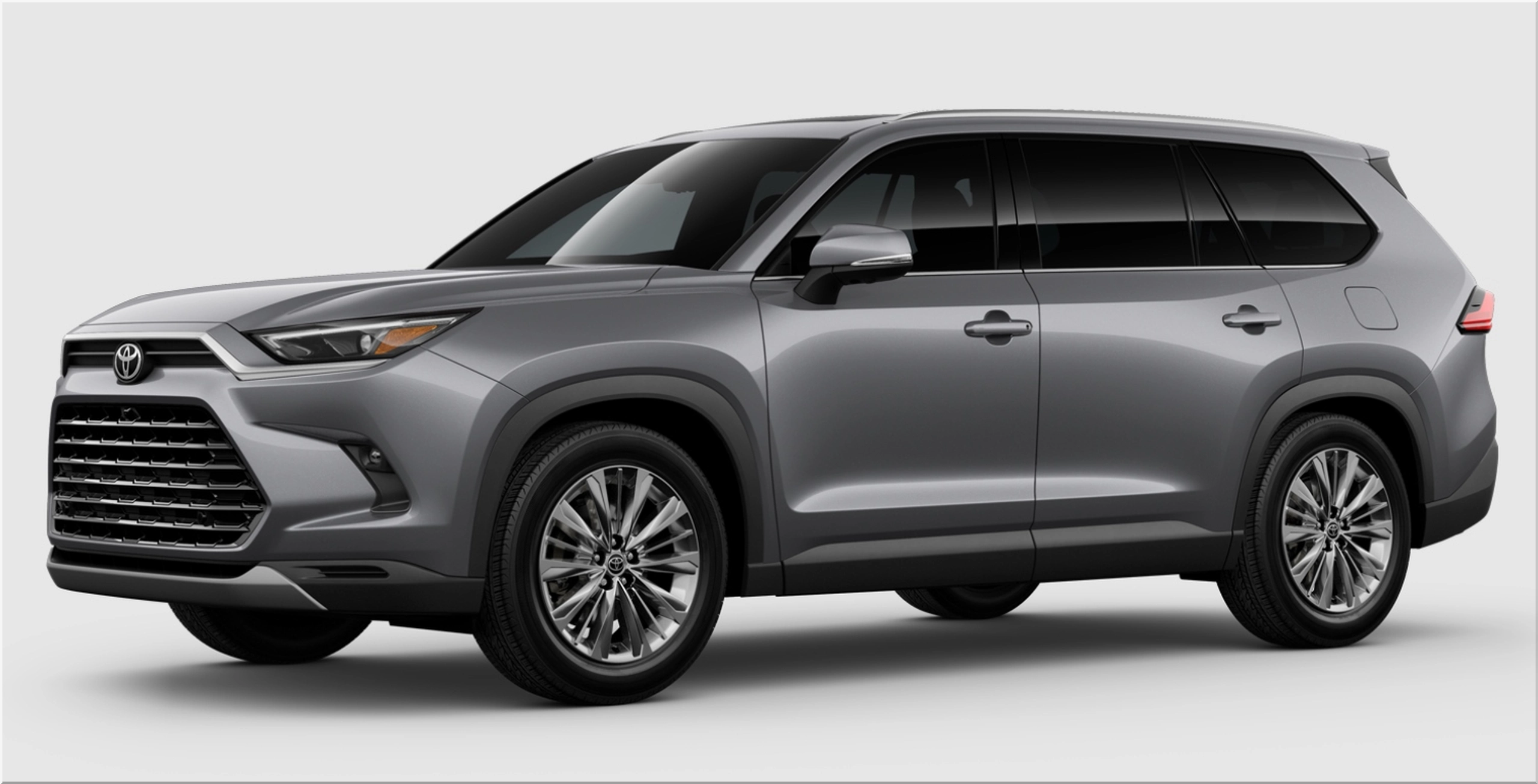
| 8 | Toyota Grand Highlander Hybrid | Toyota | 3-Row Hybrid SUV | $44,000 |
| 9 | Lexus ES | Lexus | Midsize Sedan | $43,000 |
| 10 | Subaru Outback | Subaru | Wagon/SUV | $30,000 |
How Reliability Affects Resale Value
A car that stays out of the shop retains value better. That translates into:
- Higher trade-in values
- Lower depreciation over 3–5 years
- Better lease residuals
Cars with higher reliability ratings retain up to 10–15% more value over five years, depending on segment and mileage.
OEM Takeaway: Keep It Simple, Build It Right
- Avoid rushing new tech to market
- Minimize build complexity across trims
- Maintain consistent supplier quality
- Invest in long-term testing
Closing Argument
Reliability isn't a trend. It's a financial tool. Buyers who care about lower ownership costs and resale value should prioritize Subaru, Toyota, and Lexus. These brands deliver consistent quality, with fewer recalls and reduced downtime.
In 2025, the market rewards manufacturers that focus on durability, simplicity, and tested engineering—not flash or hype.
- Add new comment
- 260 views