Subaru Dominates Small SUV Class
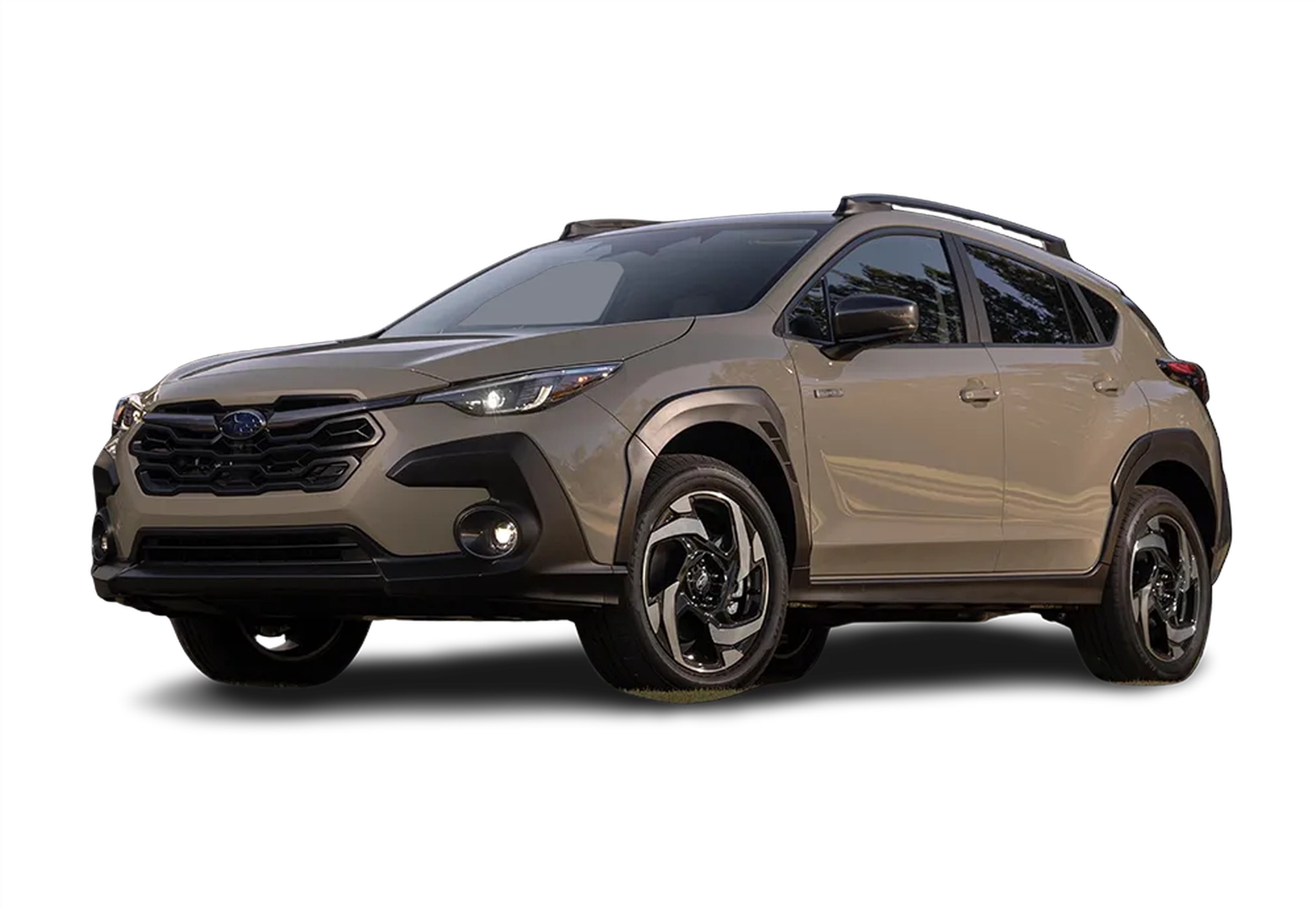
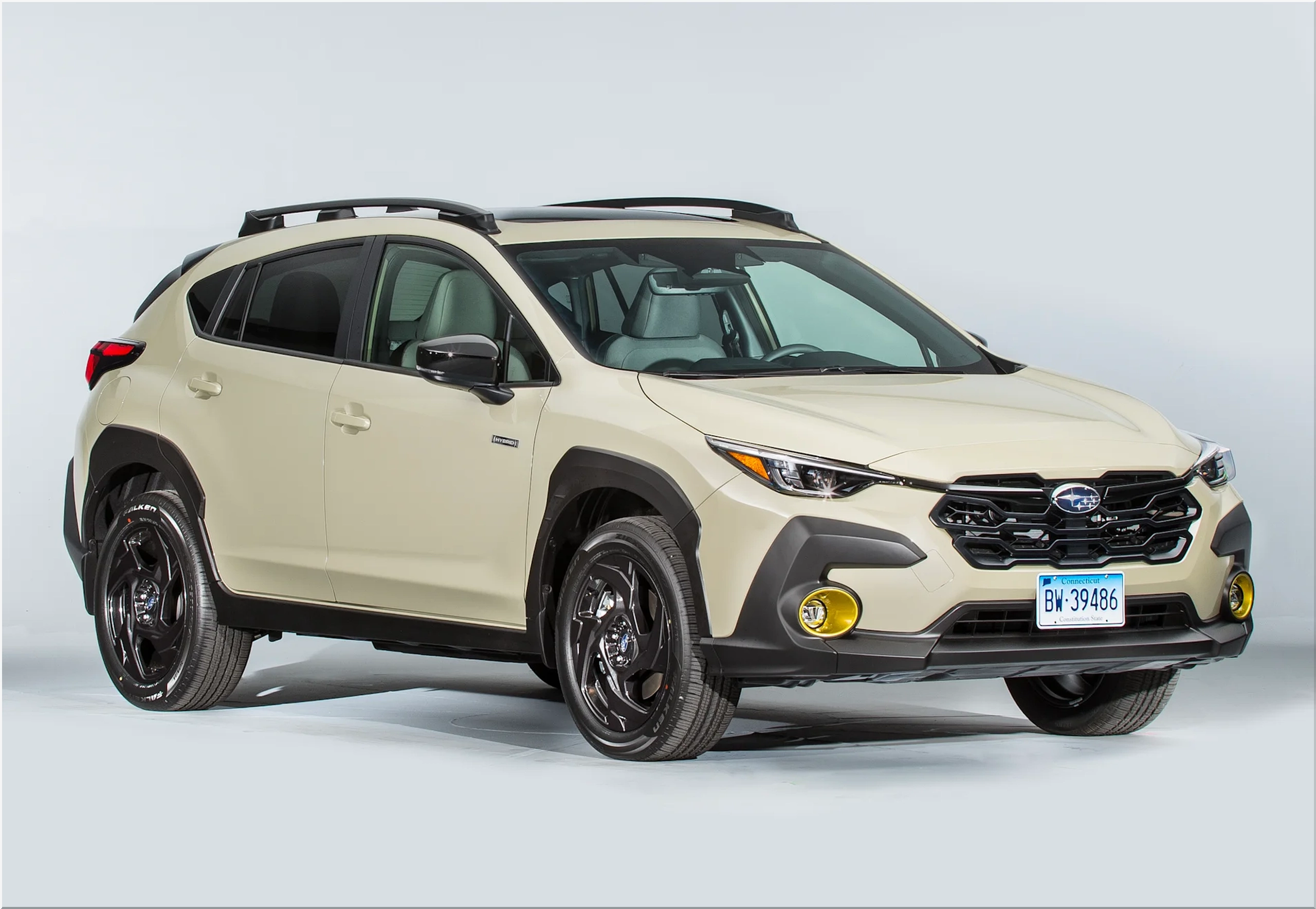
The Subaru Crosstrek has officially secured its position as the industry benchmark for long-term reliability. According to the JD Power 2026 U.S. Vehicle Dependability Study (VDS), the Crosstrek ranks as the Most Dependable Small SUV in America. This achievement follows a rigorous evaluation of the 2023 model year vehicles over a three-year ownership period, analyzing 184 specific problem areas across nine major categories.
While the broader automotive industry struggled with an average of 204 problems per 100 vehicles (PP100), Subaru maintained a superior trajectory by prioritizing mechanical simplicity and robust engineering. The Crosstrek specifically outperformed its segment rivals by demonstrating lower failure rates in high-friction areas such as powertrain performance, driver-assist technology reliability, and interior ergonomics.
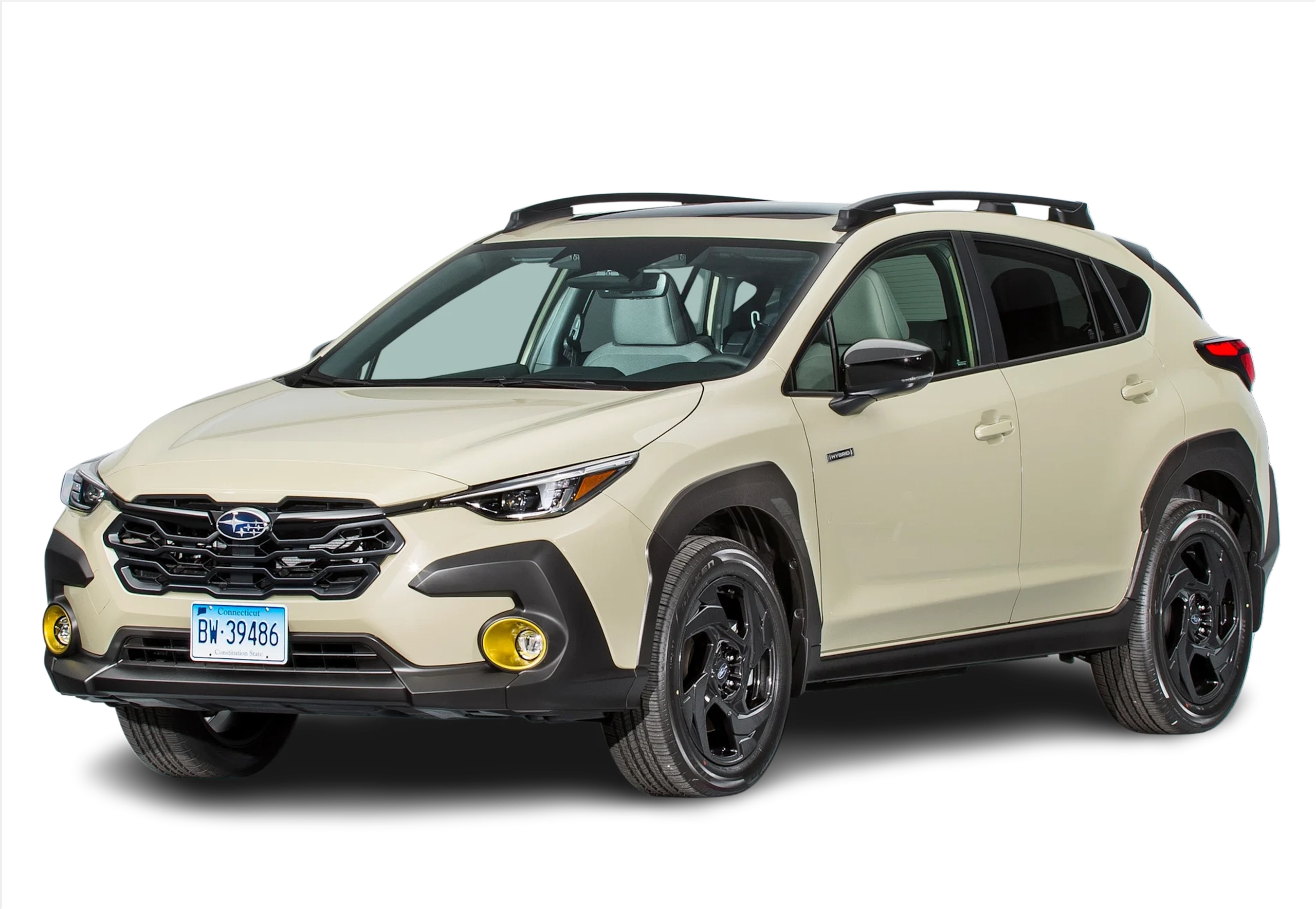
Engineering the Most Dependable Small SUV in America
Data from Experian Automotive confirms that 97% of Subaru Crosstrek vehicles sold in the last decade remain operational today. This longevity stems from a strategic adherence to the Subaru Boxer engine architecture. By utilizing a horizontally opposed cylinder layout, the engine sits lower in the chassis, which reduces vibration and lowers the center of gravity to 22.0 inches.
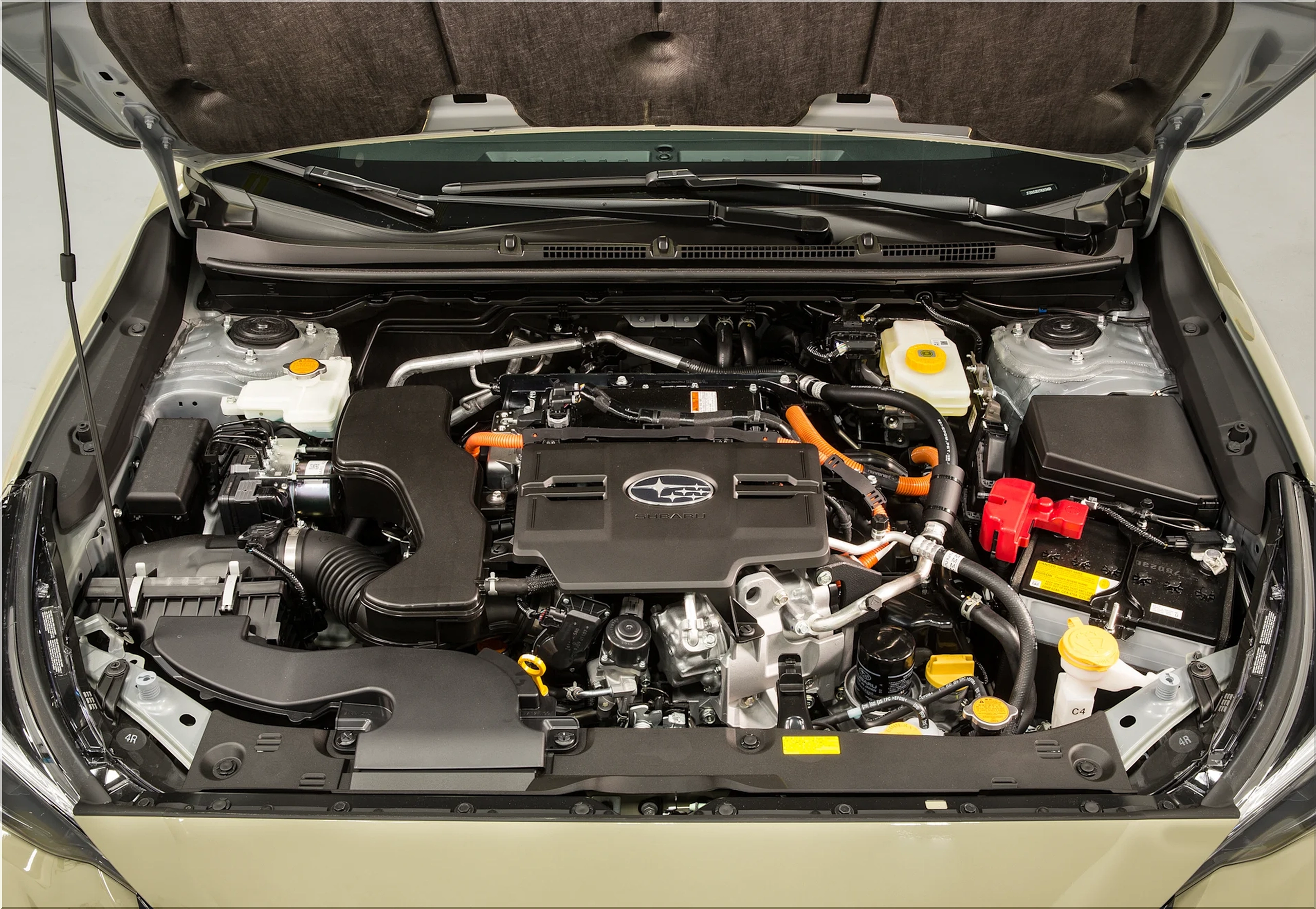
Specifically, the 2026 model utilizes a 2.5-liter direct-injection Boxer engine producing 180 horsepower and 178 lb-ft of torque. Unlike transverse inline engines that produce lateral rocking motions, the Boxer's punching movement naturally cancels out primary and secondary vibrations. Consequently, the internal components experience less fatigue over 100,000-mile cycles, a critical factor in its JD Power victory.
In addition to mechanical balance, the Lineartronic CVT (Continuously Variable Transmission) has been refined to eliminate the "rubber-band" feel common in early iterations. The 2026 system utilizes a high-torque chain drive rather than a traditional belt, facilitating a more immediate transfer of power to the Symmetrical All-Wheel Drive system. Looking at the data, this configuration allows for a 60:40 front-to-rear power split that adjusts in milliseconds based on sensor input from the wheel speed and steering angle.
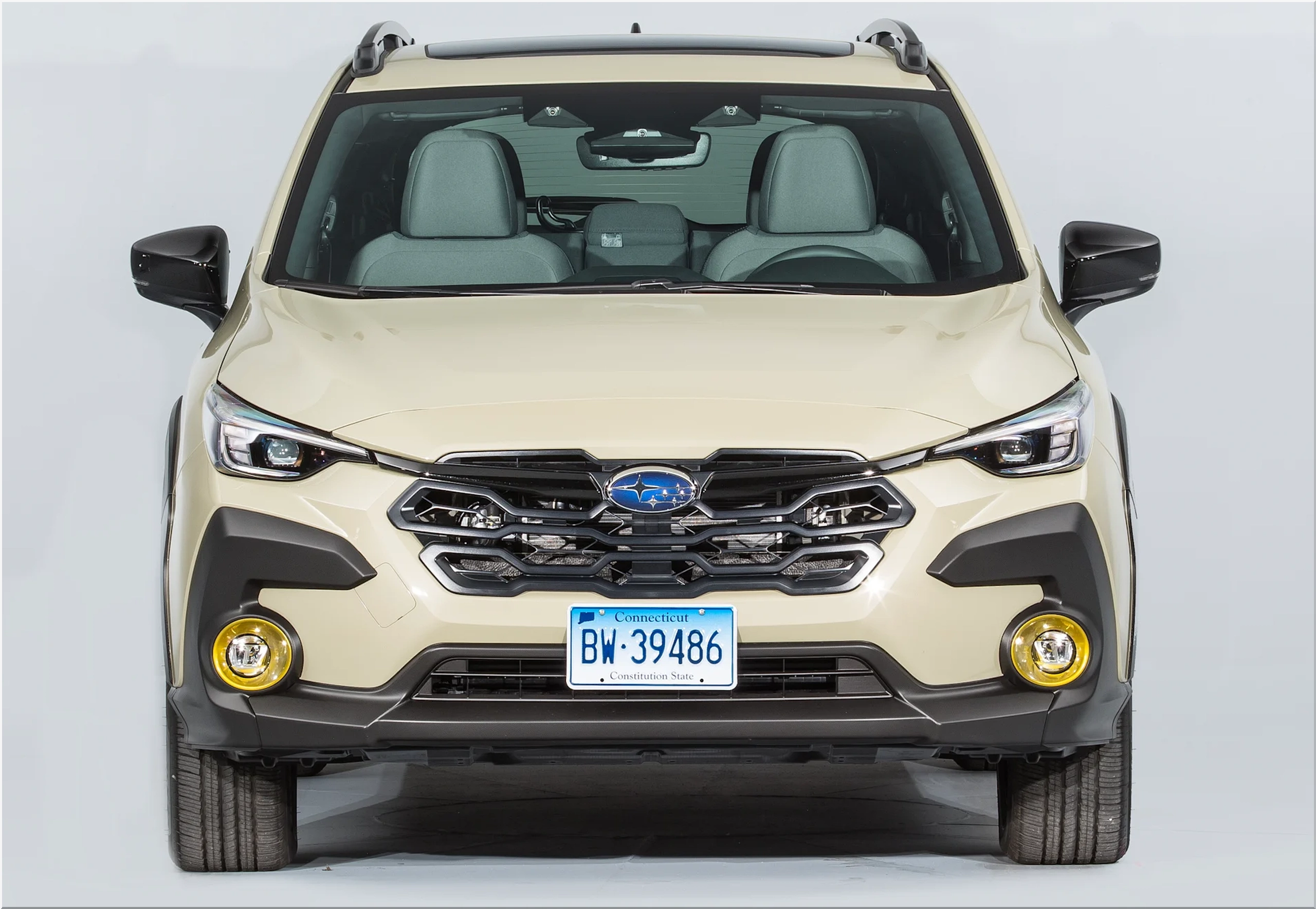
2026 Subaru Crosstrek Technical Specifications
| Component | Measurement (Imperial) | Measurement (Metric) |
|---|---|---|
| Wheelbase | 105.1 inches | 2,670 mm |
| Overall Length | 176.4 inches | 4,480 mm |
| Ground Clearance | 8.7 inches (9.3" Wilderness) | 220 mm (236 mm Wilderness) |
| Approach Angle | 18.0 degrees (20.0" Wilderness) | N/A |
| Departure Angle | 27.7 degrees (33.0" Wilderness) | N/A |
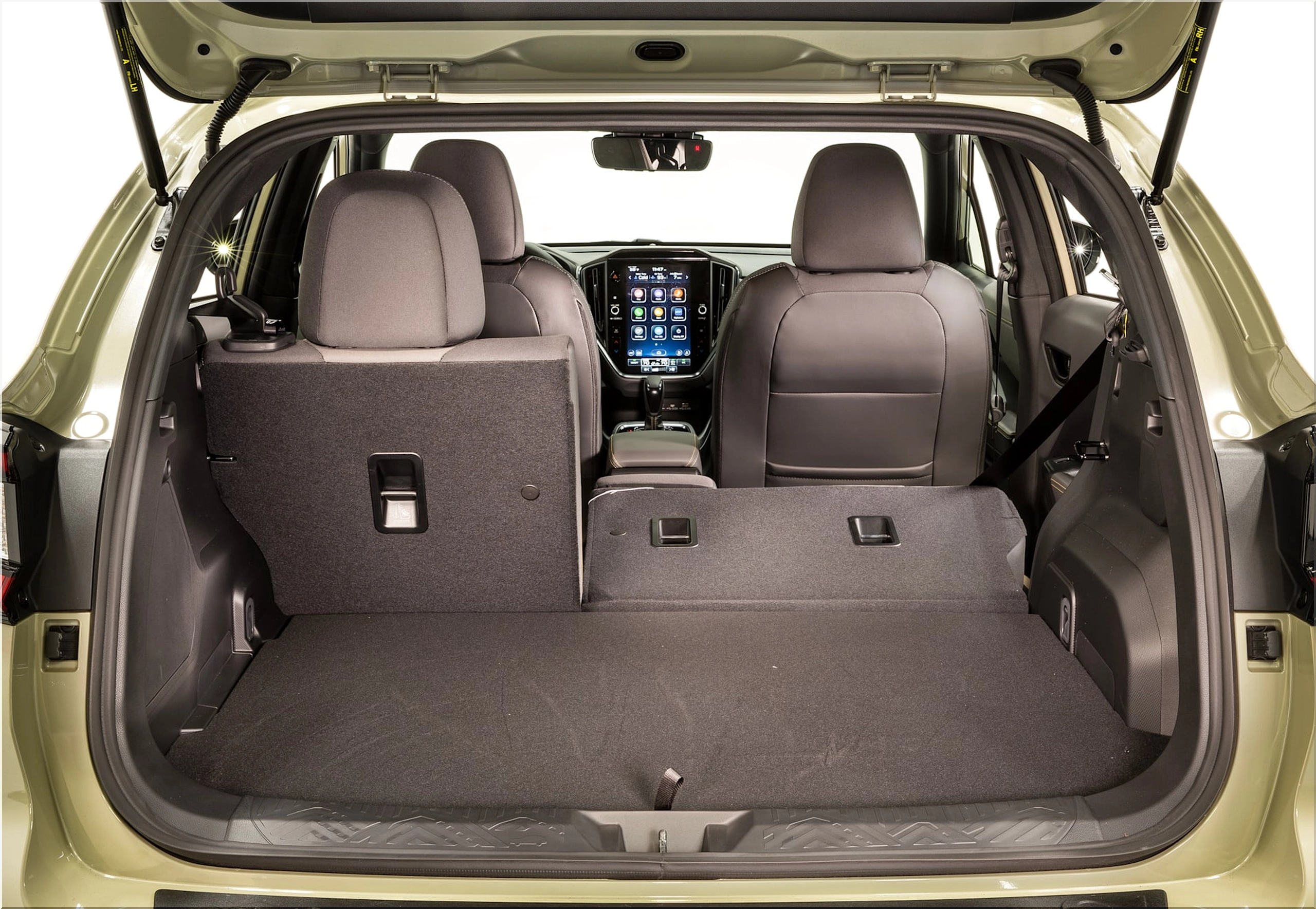
| Cargo Volume (Seats Up) | 19.9 cubic feet | 563 liters |
| Cargo Volume (Seats Down) | 54.7 cubic feet | 1,549 liters |
| Turning Circle | 35.4 feet | 10.8 meters |
Advanced Traction via Dual-Function X-MODE
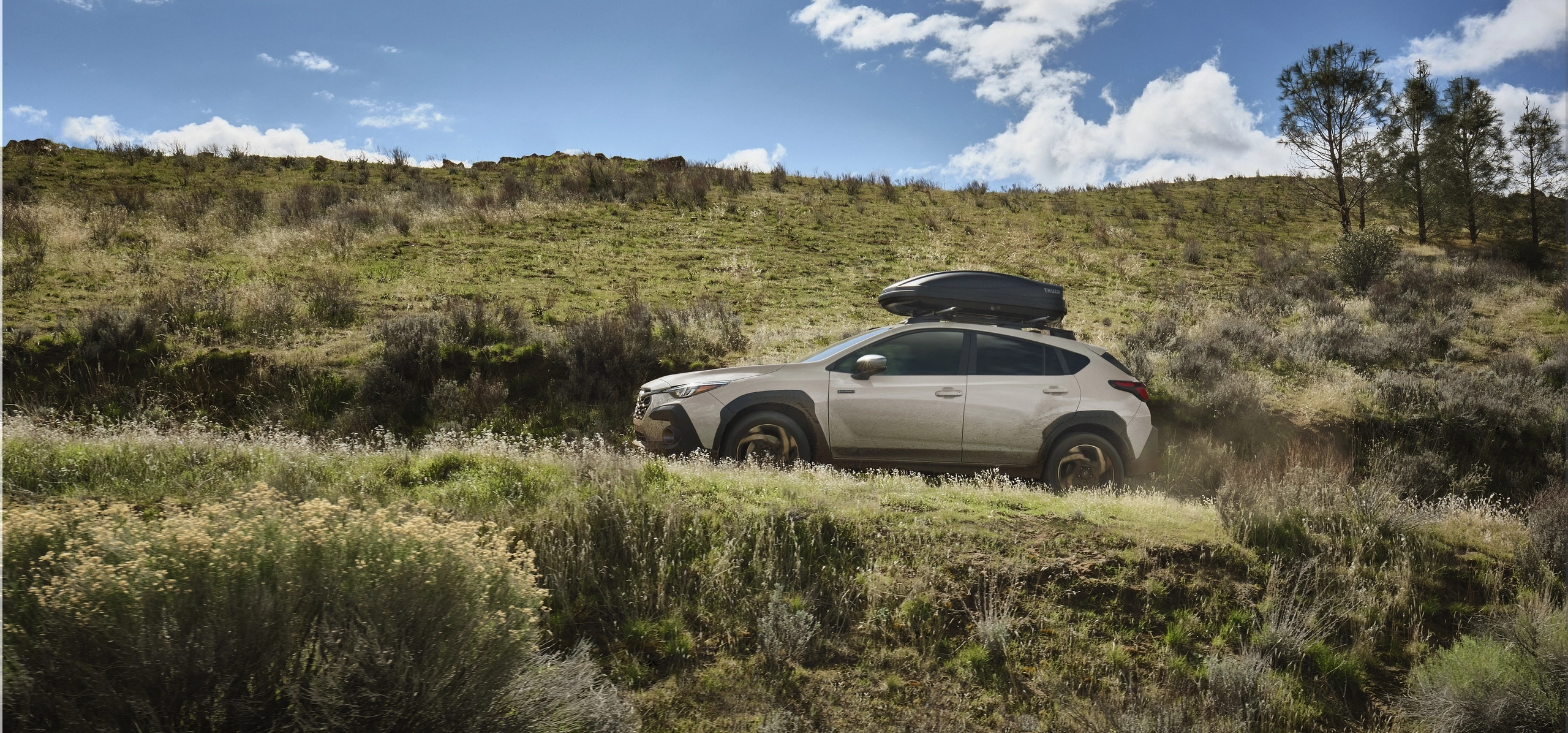
From an expert perspective, the Crosstrek's dependability is not limited to its engine but extends to its ability to handle environmental stress without component failure. The Dual-Function X-MODE system, standard on Sport and higher trims, provides specialized software maps for Snow/Dirt and Deep Snow/Mud.
Specifically, when engaged, the system increases the initial clutch pressure of the AWD unit to more proactively distribute torque. It also delays the upshift of the CVT to keep the engine in its peak torque band (between 3,700 and 4,400 RPM). Consequently, the vehicle maintains momentum in low-friction environments, reducing the likelihood of transmission overheating or brake system strain caused by excessive traction control intervention.
- Active Torque Vectoring: This system applies light braking pressure to the inside front wheel during cornering. It forces more power to the outside wheel, reducing understeer and improving steering response.
- Hill Descent Control: When descending slopes at less than 12 mph, this system manages individual wheel braking. It allows the driver to focus entirely on steering while the vehicle maintains a constant, safe speed.
- Electronic Brake-force Distribution: The 2026 Crosstrek utilizes sensors to detect passenger load and adjust hydraulic pressure between the front and rear axles. This prevents "nose-diving" and ensures consistent stopping distances regardless of cargo weight.
The Next-Generation Hybrid Powertrain Strategy
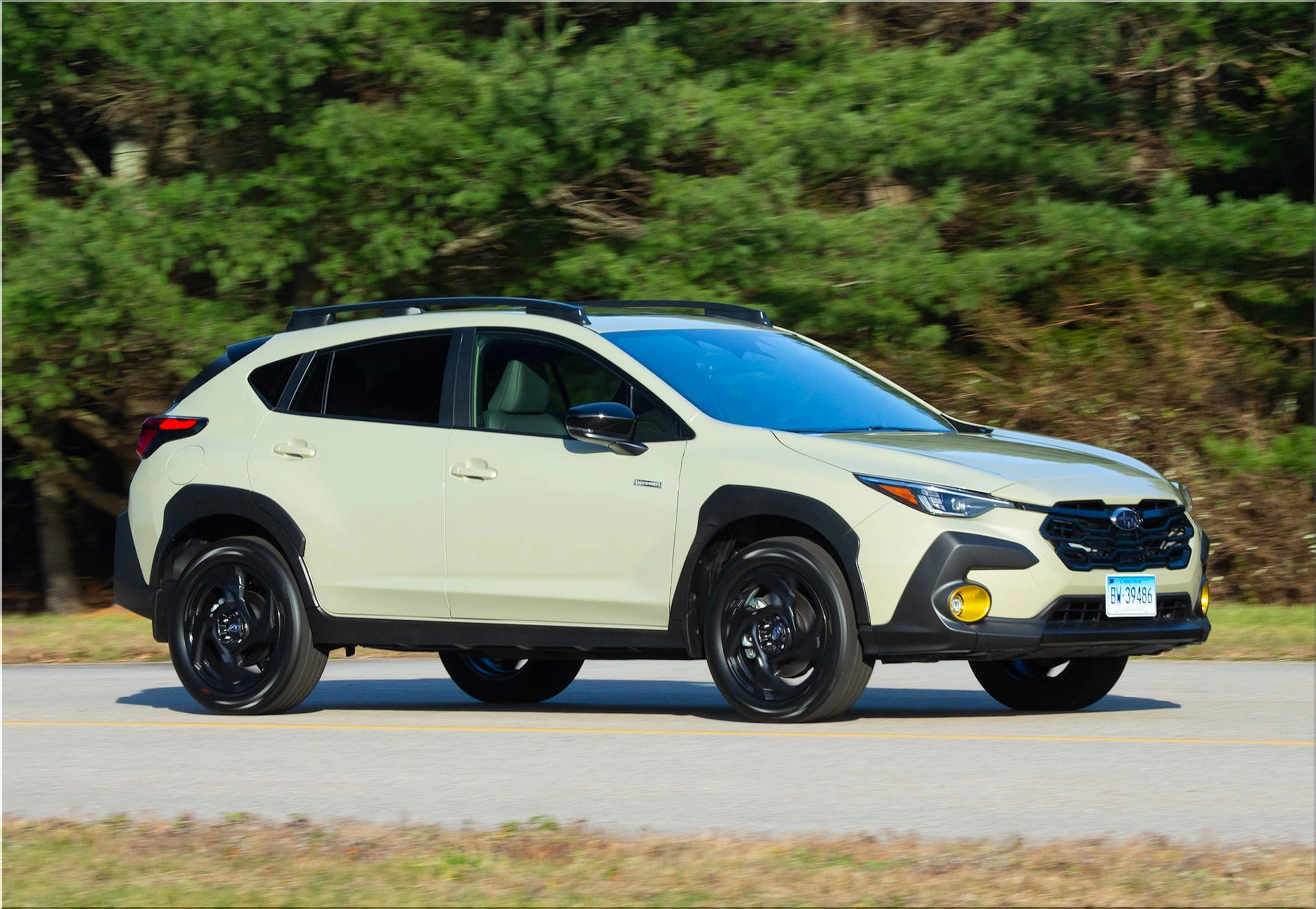
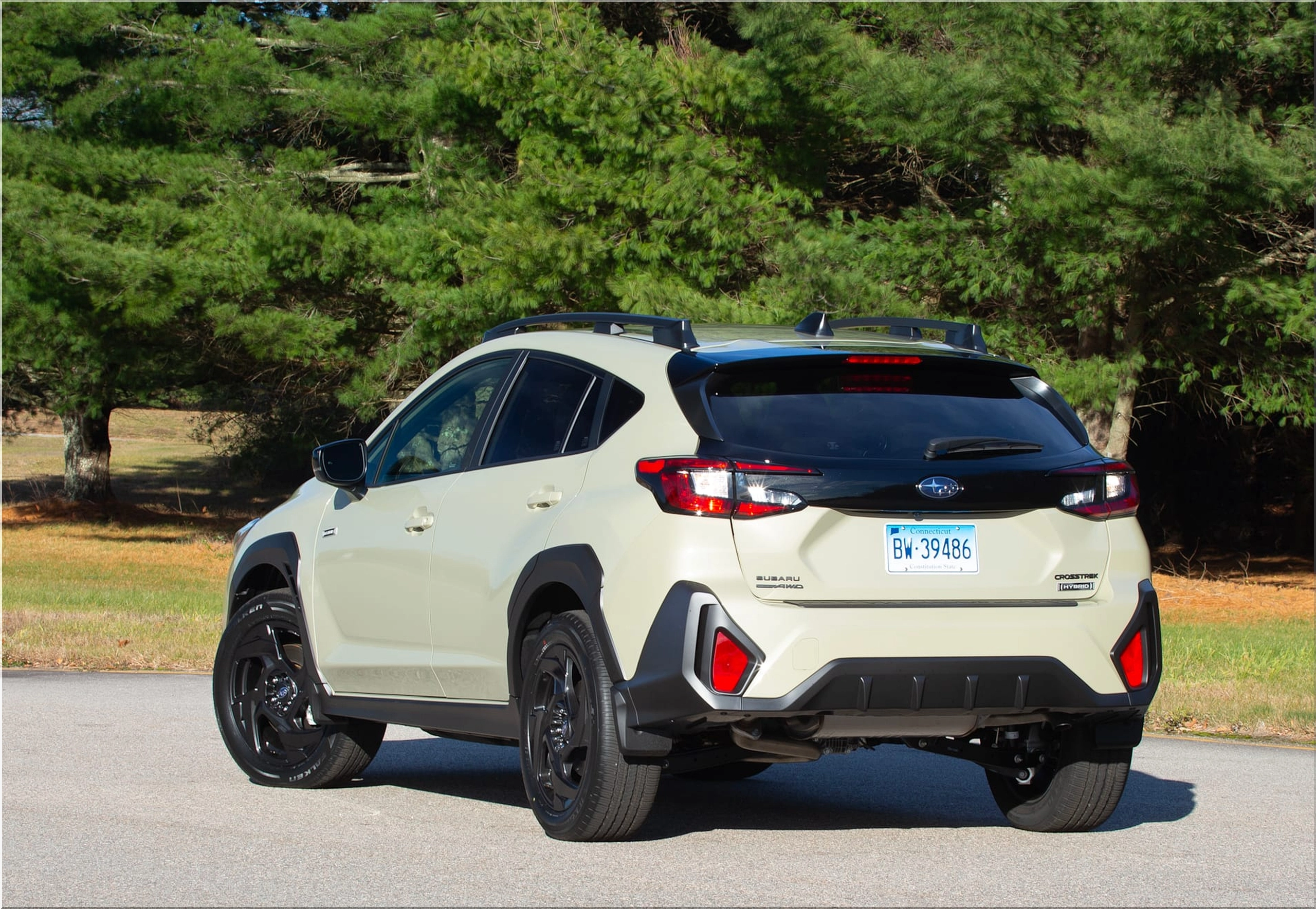
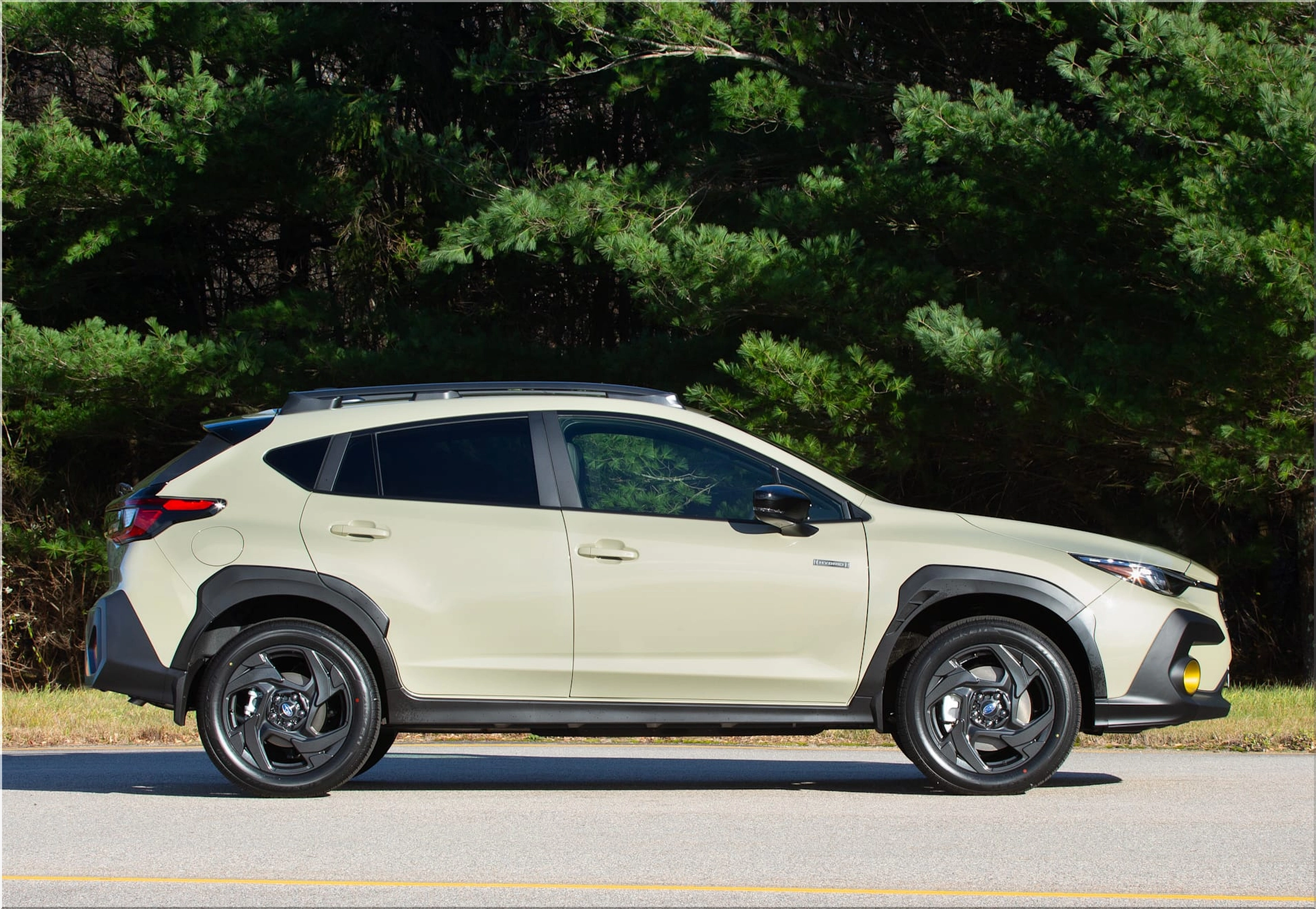
For the 2026 model year, Subaru introduced a completely reimagined series-parallel hybrid system. This powertrain integrates a 2.5-liter Atkinson-cycle engine with two electric motors and a high-capacity lithium-ion battery. The system generates a combined 194 horsepower and offers an estimated range of 597 miles on a single 16.6-gallon tank of fuel.
The engineering logic behind the Atkinson-cycle implementation involves a longer expansion stroke relative to the compression stroke. By leaving the intake valve open slightly longer, the engine pushes some air back into the intake manifold, which reduces pumping losses and improves thermal efficiency to approximately 40%. Specifically, this setup allows the Crosstrek Hybrid to achieve up to 36 MPG city and 36 MPG highway, a significant leap from the standard internal combustion variants.
Pro-Tip for Rich Snippets: The Subaru Crosstrek Hybrid utilizes a two-motor transaxle. Motor Generator 1 (MG1) acts primarily as a starter and generator, while Motor Generator 2 (MG2) drives the wheels and manages regenerative braking to recover kinetic energy during deceleration.
Competitive Analysis: The Small SUV Hierarchy
The 2026 market remains saturated with subcompact crossovers, yet the Crosstrek maintains a unique "win" status due to its standard AWD and superior ground clearance. By comparison, competitors like the Honda HR-V and Toyota Corolla Cross often require expensive trim upgrades to match the base-level capability of the Subaru.
| Feature | 2026 Subaru Crosstrek | 2026 Honda HR-V | 2026 Toyota Corolla Cross |
|---|---|---|---|
| Drivetrain | Symmetrical AWD (Standard) | FWD (Standard) / AWD (Opt) | FWD (Standard) / AWD (Opt) |
| Ground Clearance | 8.7 - 9.3 inches | 7.3 inches | 8.0 inches |
| Base Engine Power | 180 HP | 158 HP | 169 HP |
| 0-60 MPH Time | 7.7 - 7.9 seconds | 9.4 seconds | 9.2 - 9.3 seconds |
| Max Towing Capacity | 3,500 lbs (Wilderness) | Not Recommended | 1,500 lbs |
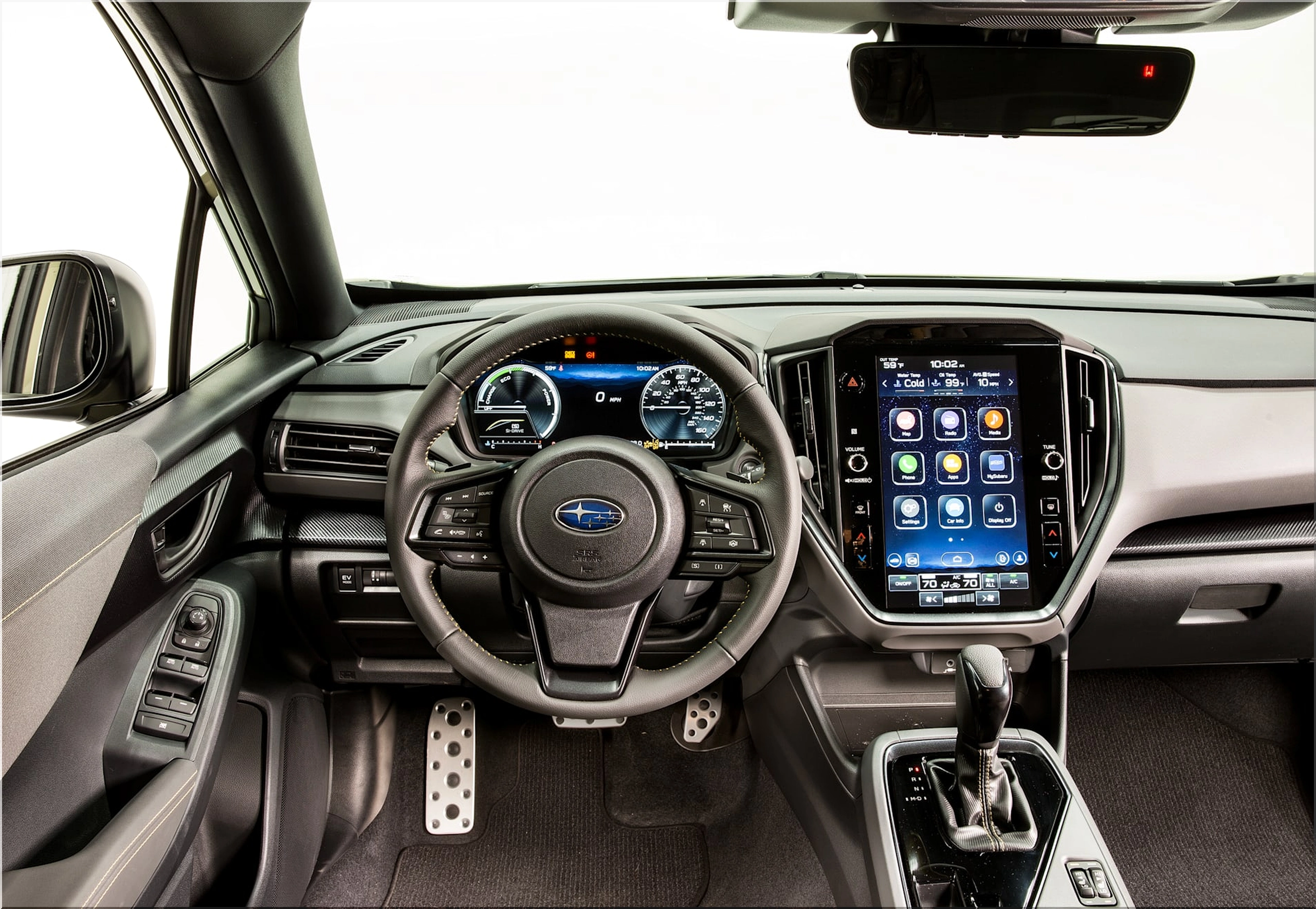
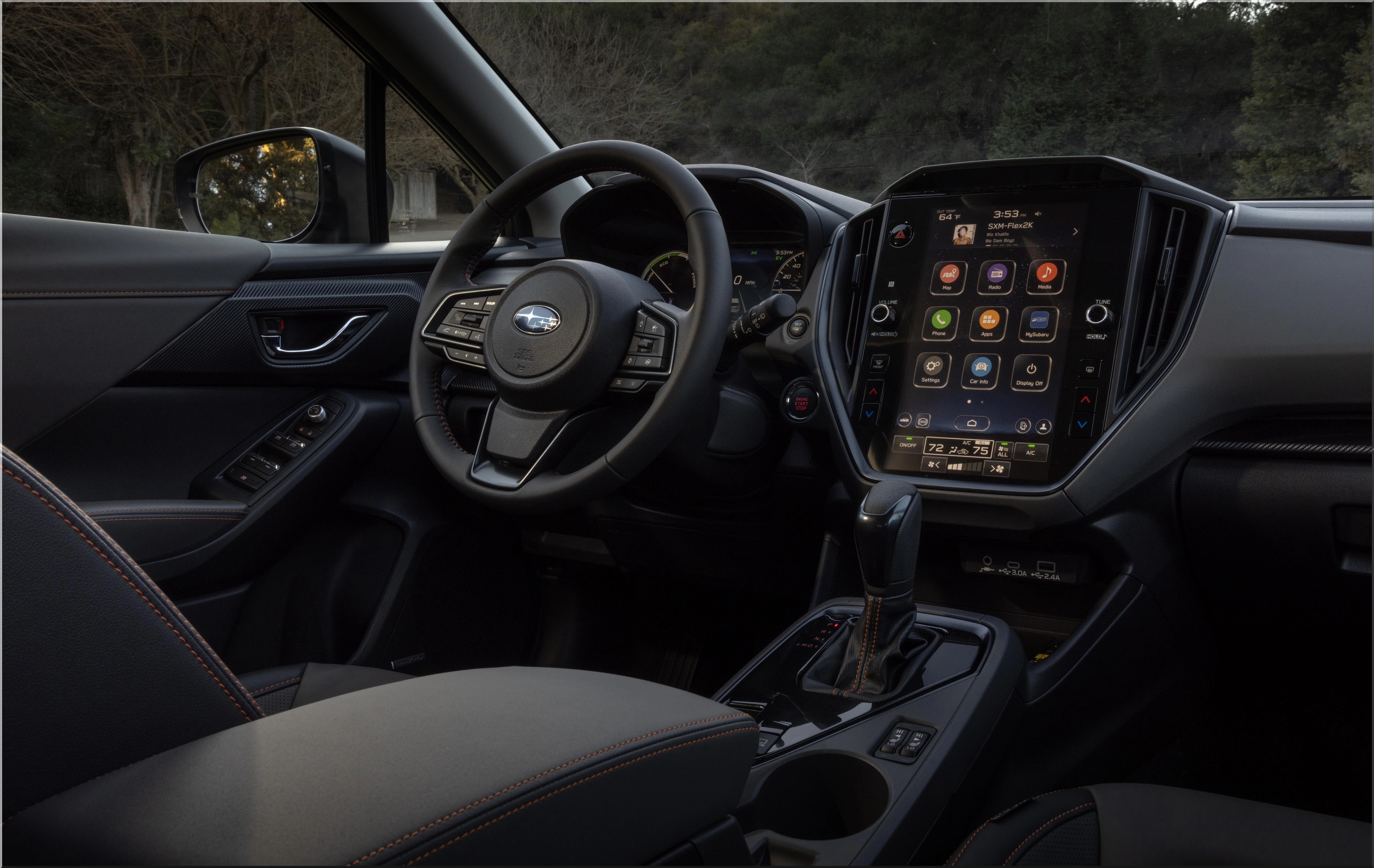
| Infotainment Size | 11.6 inches | 7.0 - 9.0 inches | 8.0 inches |
Looking at the data, the Honda HR-V suffers from a significant power deficit, producing only 158 horsepower from its 2.0-liter inline-4. While the Honda offers a slightly larger cargo floor (24.4 cubic feet with seats up), its 7.3 inches of ground clearance limits its utility on unpaved roads. The Toyota Corolla Cross offers a competitive hybrid option but lacks the rugged suspension travel and sophisticated X-MODE software found in the Subaru.

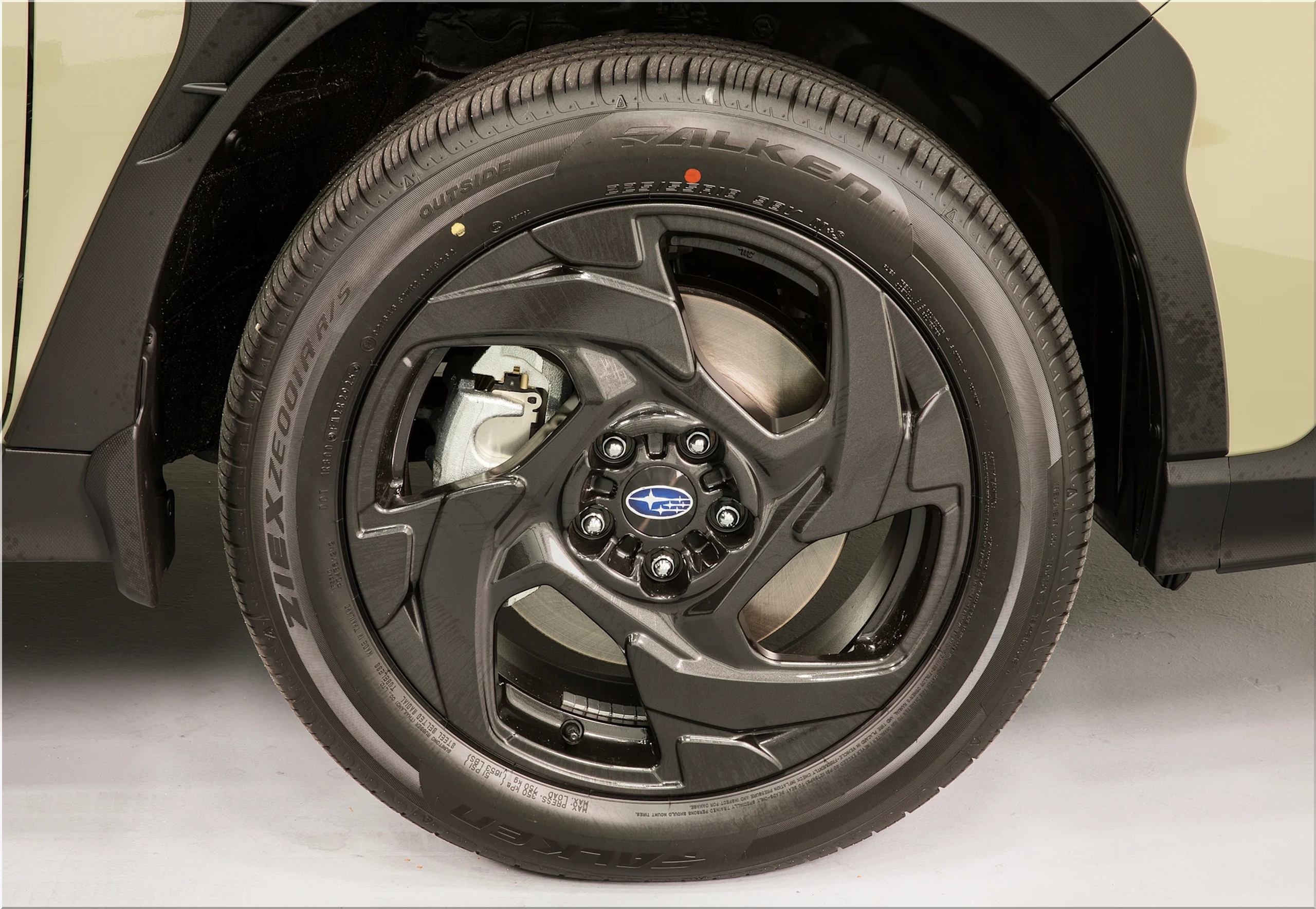

EyeSight Driver Assist: Standardizing Safety
Subaru's commitment to dependability includes the long-term performance of its safety suite. The 2026 Crosstrek features the latest version of EyeSight Driver Assist Technology, which utilizes three cameras (including a wide-angle mono camera) to monitor traffic movement.
Specifically, the system includes Pre-Collision Braking, which can apply full braking force in emergency situations to mitigate or avoid frontal impacts. The hardware is mounted inside the cabin against the windshield, protecting the sensors from the road debris and salt that frequently degrade bumper-mounted radar sensors used by competitors.
- Advanced Adaptive Cruise Control: This system manages throttle and braking to maintain a set distance from the vehicle ahead. It operates across the full speed range, including stop-and-go traffic.
- Lane Centering Assist: By tracking lane markings, the system provides steering input to keep the vehicle centered. It reduces driver fatigue during extended highway transit.
- Automatic Emergency Steering: In scenarios where a collision is imminent at speeds under 50 mph, the system can assist with steering maneuvers if there is sufficient space in the lane to avoid an obstacle.
Long-Term Value and Residual Value Leadership
The JD Power 2026 U.S. ALG Residual Value Award further validates the Crosstrek's dominance. For the third consecutive year, the Crosstrek has been recognized for its ability to retain the highest percentage of its original MSRP after a three-year ownership period. This is a critical metric for consumers because depreciation is typically the largest expense of vehicle ownership.
Specifically, the 2026 Subaru Crosstrek starts at an MSRP of $26,995. High residual values mean that lease payments remain lower and trade-in values remain higher compared to vehicles with lower dependability scores. From an expert perspective, the high demand for used Crosstreks is driven by the 97% longevity rate, creating a self-sustaining cycle of value retention.
Consequently, buyers are not just purchasing a vehicle; they are acquiring a liquid asset. By comparison, mass-market SUVs that lack standard AWD or have a history of electronic glitches see much sharper depreciation curves. The Crosstrek Wilderness trim, with its $33,795 starting price, is expected to hold even more value due to its specialized off-road hardware and upgraded cooling systems.
Defining Dependability: The JD Power Methodology
The Vehicle Dependability Study is a longitudinal assessment that captures the reality of the third year of ownership. For the 2026 study, JD Power surveyed 33,268 original owners of 2023 model-year vehicles. The study covers nine major categories:
- Infotainment: Includes connectivity, voice recognition, and screen responsiveness.
- Exterior: Evaluates paint quality, trim durability, and lighting.
- Driving Assistance: Analyzes the accuracy of blind-spot monitoring and cruise control.
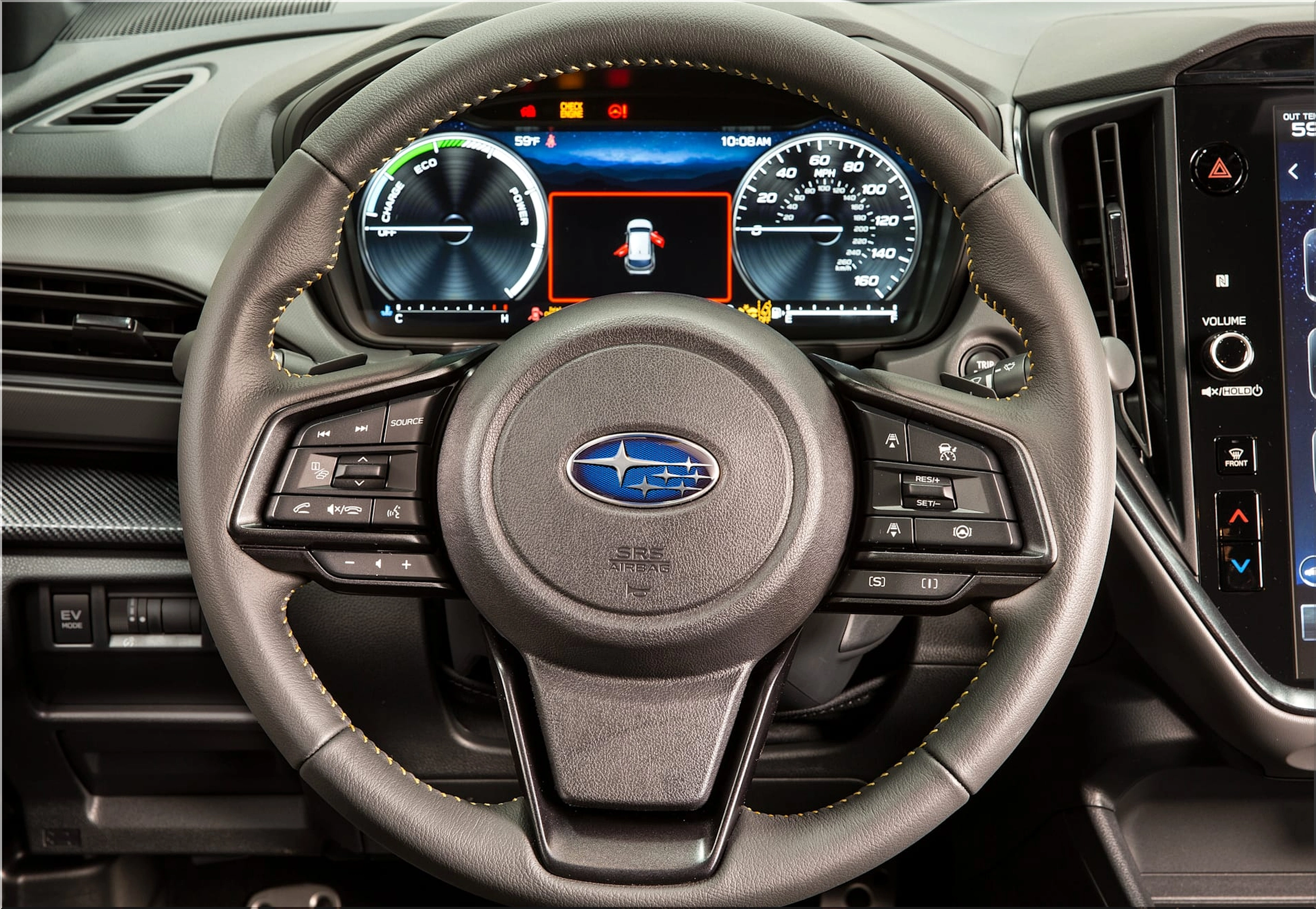
- Features/Controls/Displays: Monitors the failure rates of switches and digital clusters.
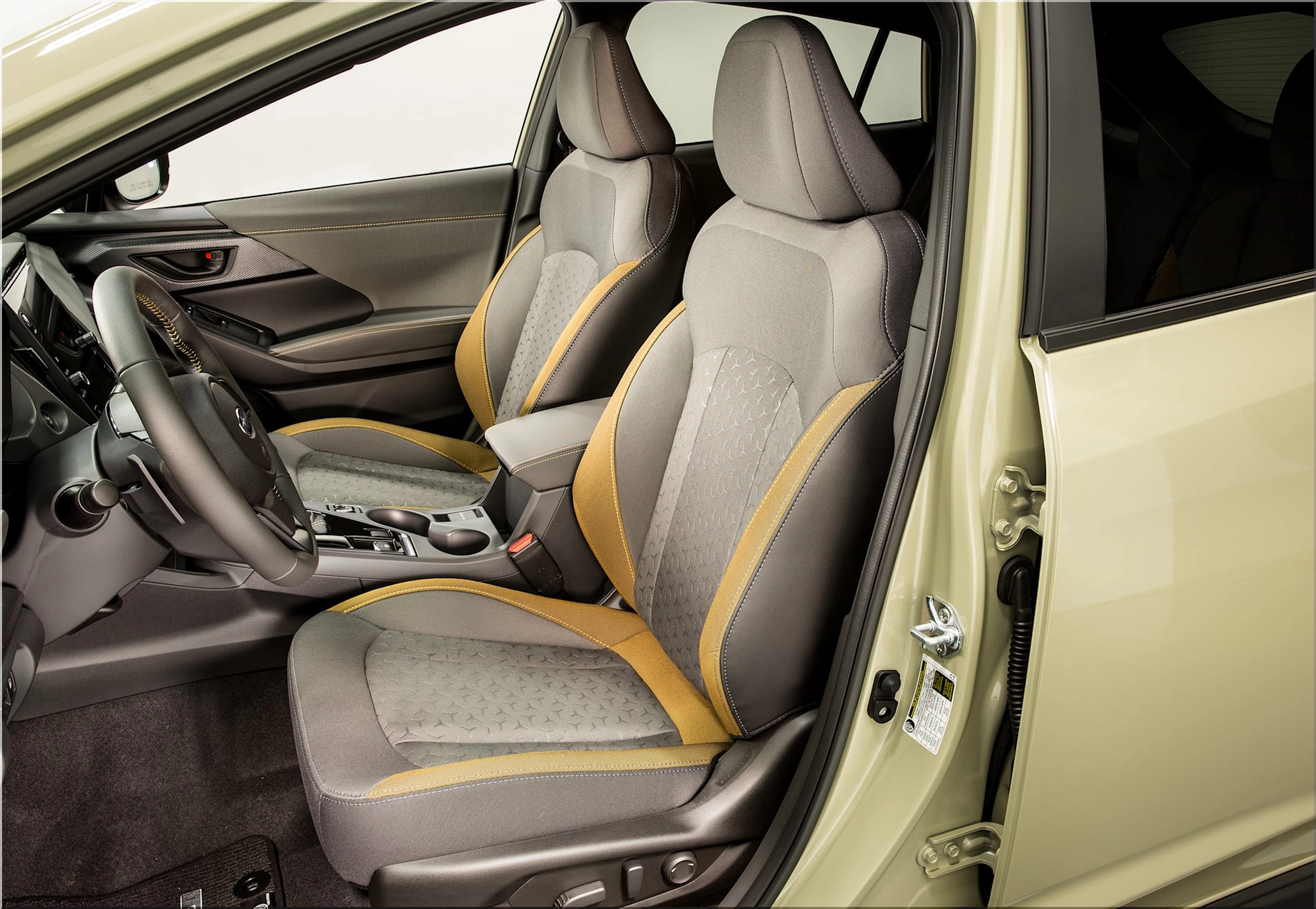
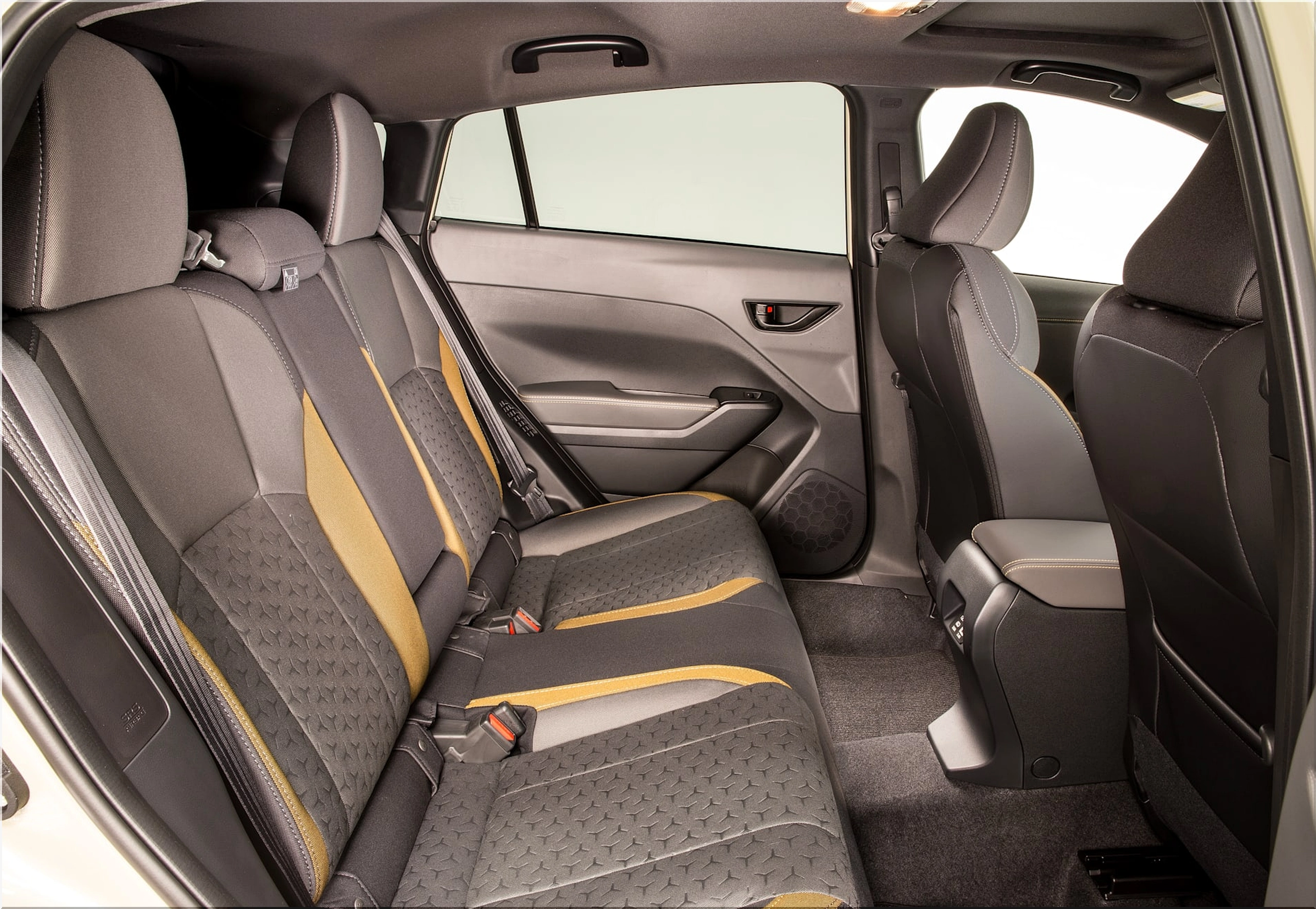
- Interior: Tracks wear on seats, dash materials, and climate control vents.
- Powertrain: Focuses on engine, transmission, and drivetrain mechanical integrity.
- Driving Experience: Measures noise, vibration, and harshness (NVH) levels.
- Seats: Evaluates adjustment mechanisms and foam density over time.
- Climate: Checks the efficiency of the HVAC system and heated elements.
Subaru's success in these categories is a byproduct of the Subaru Global Platform (SGP). The SGP utilizes 40% more high-tensile steel than previous generations, which increases torsional rigidity by 70%. A more rigid frame means the suspension can be tuned more effectively to soak up bumps, preventing the cabin rattles and interior trim separation that often plague vehicles with more flexible chassis.
Why the 2026 Crosstrek Wins
The data is clear: the Subaru Crosstrek is the most logical choice for consumers prioritizing mechanical endurance and financial stability. By standardizing Symmetrical All-Wheel Drive and the EyeSight safety suite, Subaru has removed the "barrier to entry" for premium features.
Specifically, the 2026 model's 8.7 inches of ground clearance provides more utility than many larger, more expensive SUVs. For those living in regions with heavy snowfall or graded dirt roads, the Crosstrek offers a level of confidence that front-wheel-drive-biased competitors cannot match.
Looking at the data, the addition of the Hybrid variant for 2026 addresses the only previous criticism of the model: fuel economy. With 36 MPG and a 600-mile range, the Crosstrek now competes directly with the most efficient crossovers on the market while maintaining its crown as the Most Dependable Small SUV in America.
- Add new comment
- 83 views