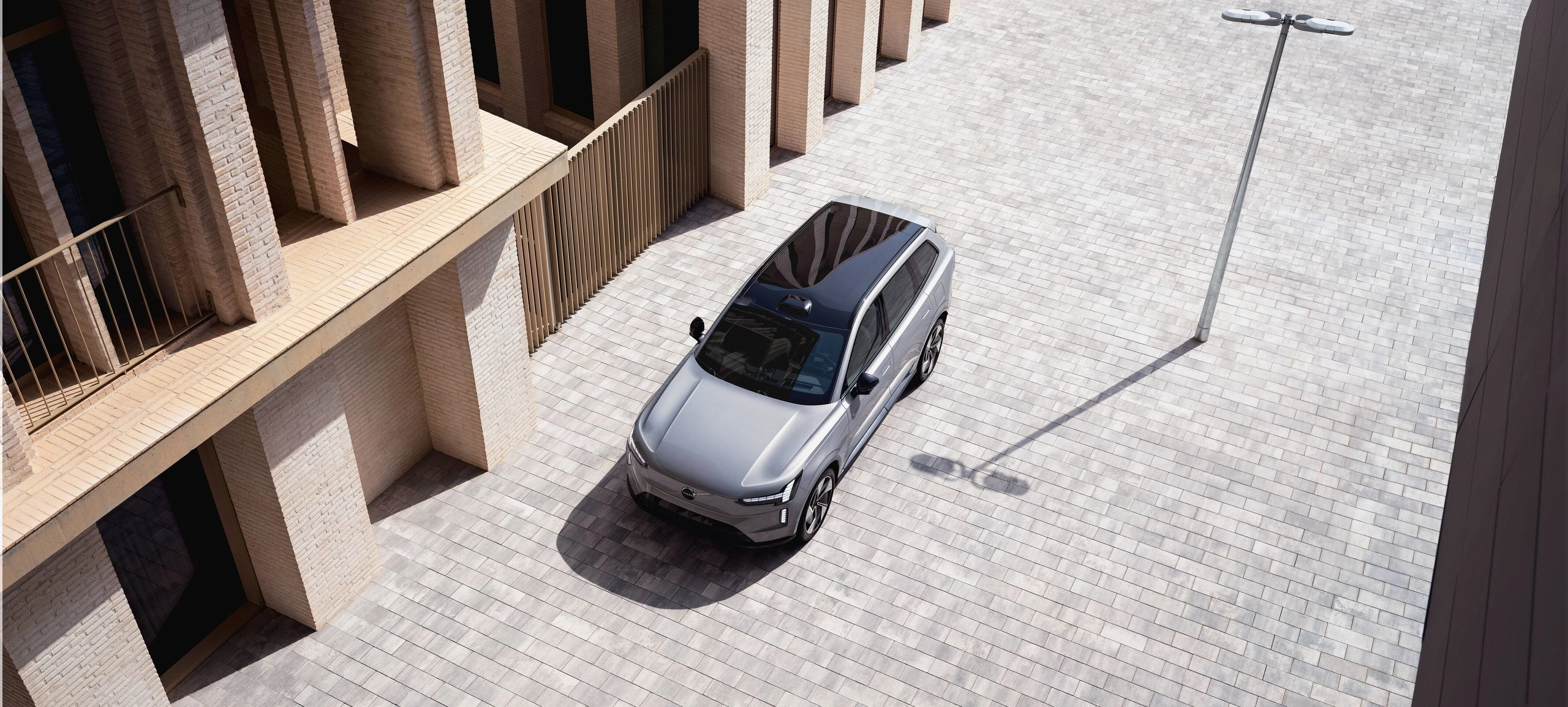
A Major Leap for Volvo's Flagship Electric SUV
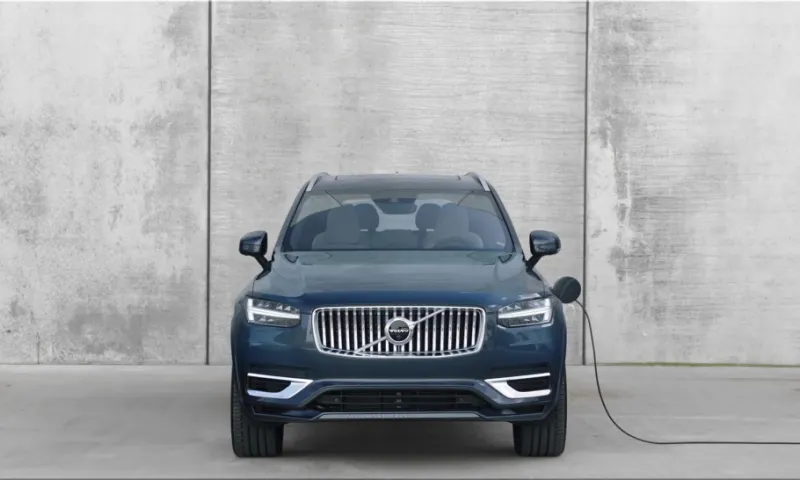
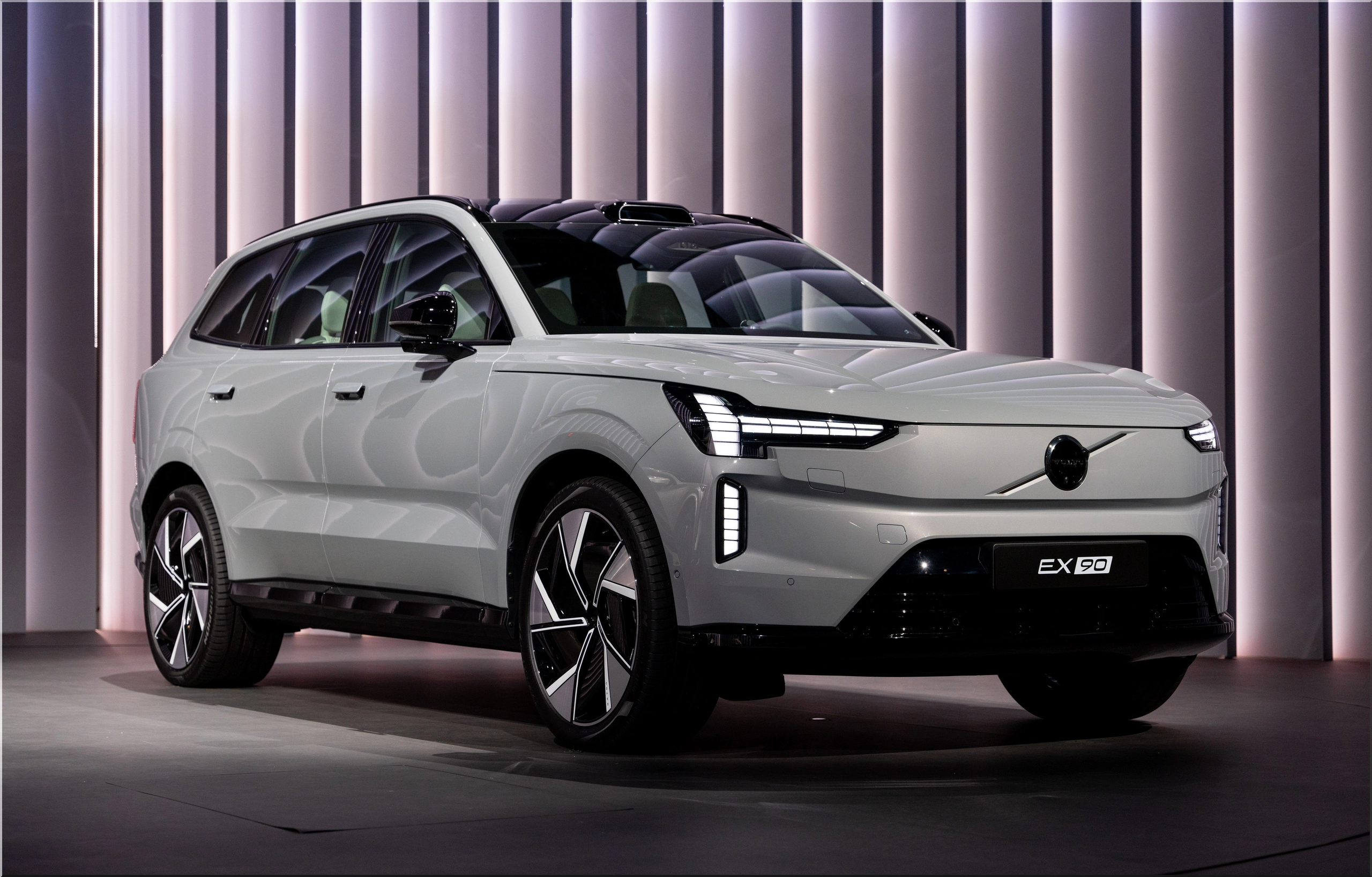
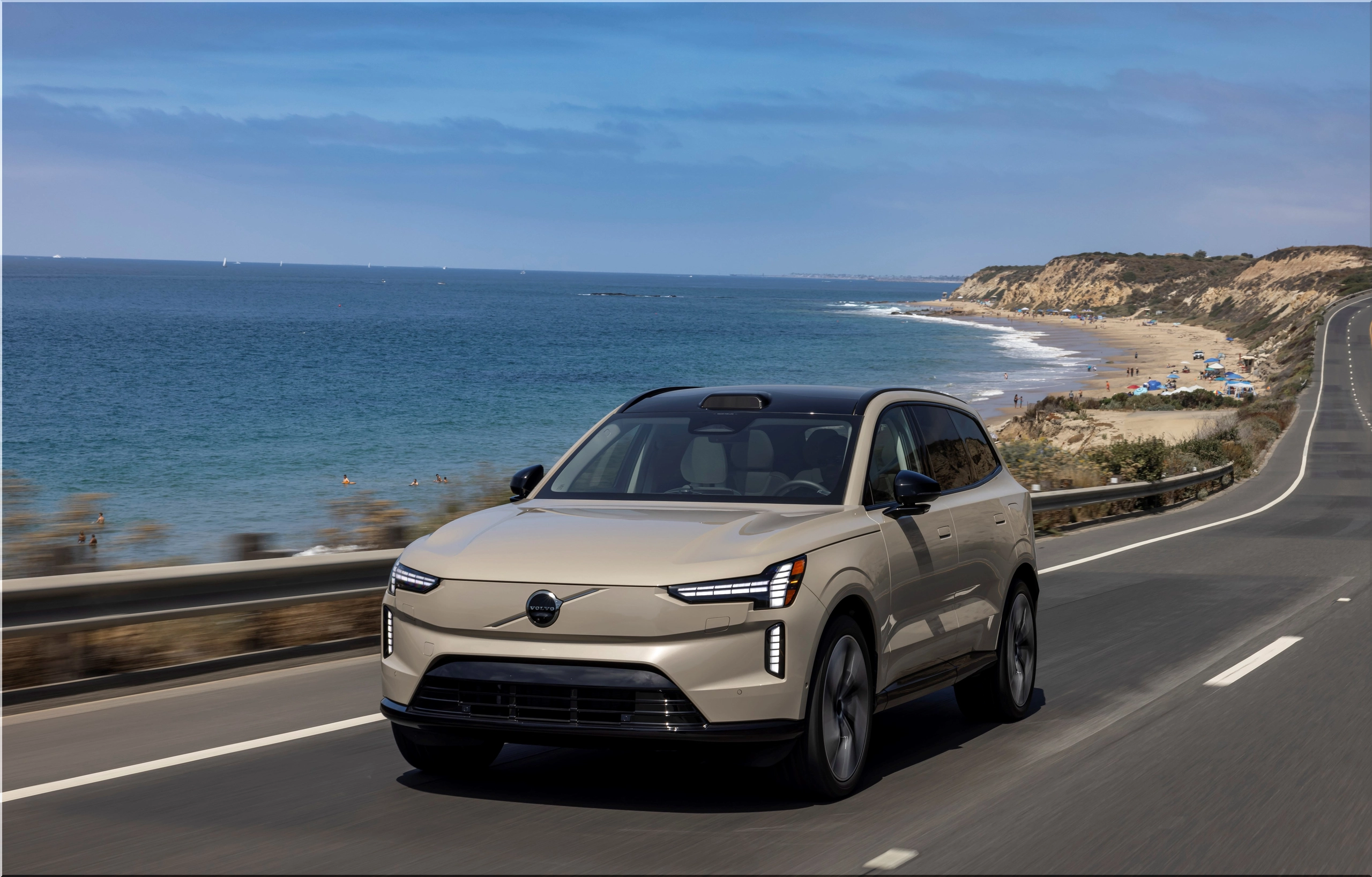
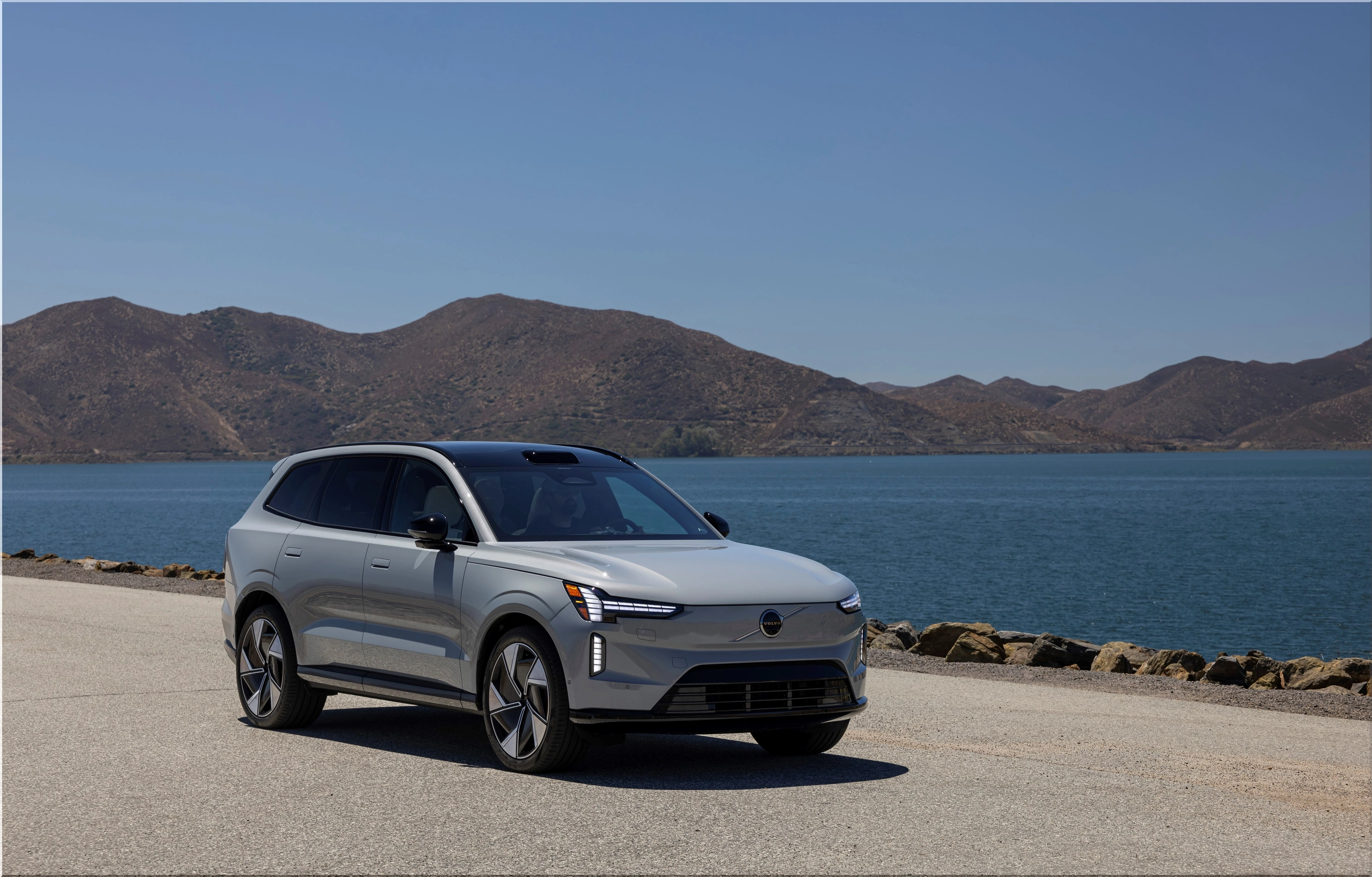
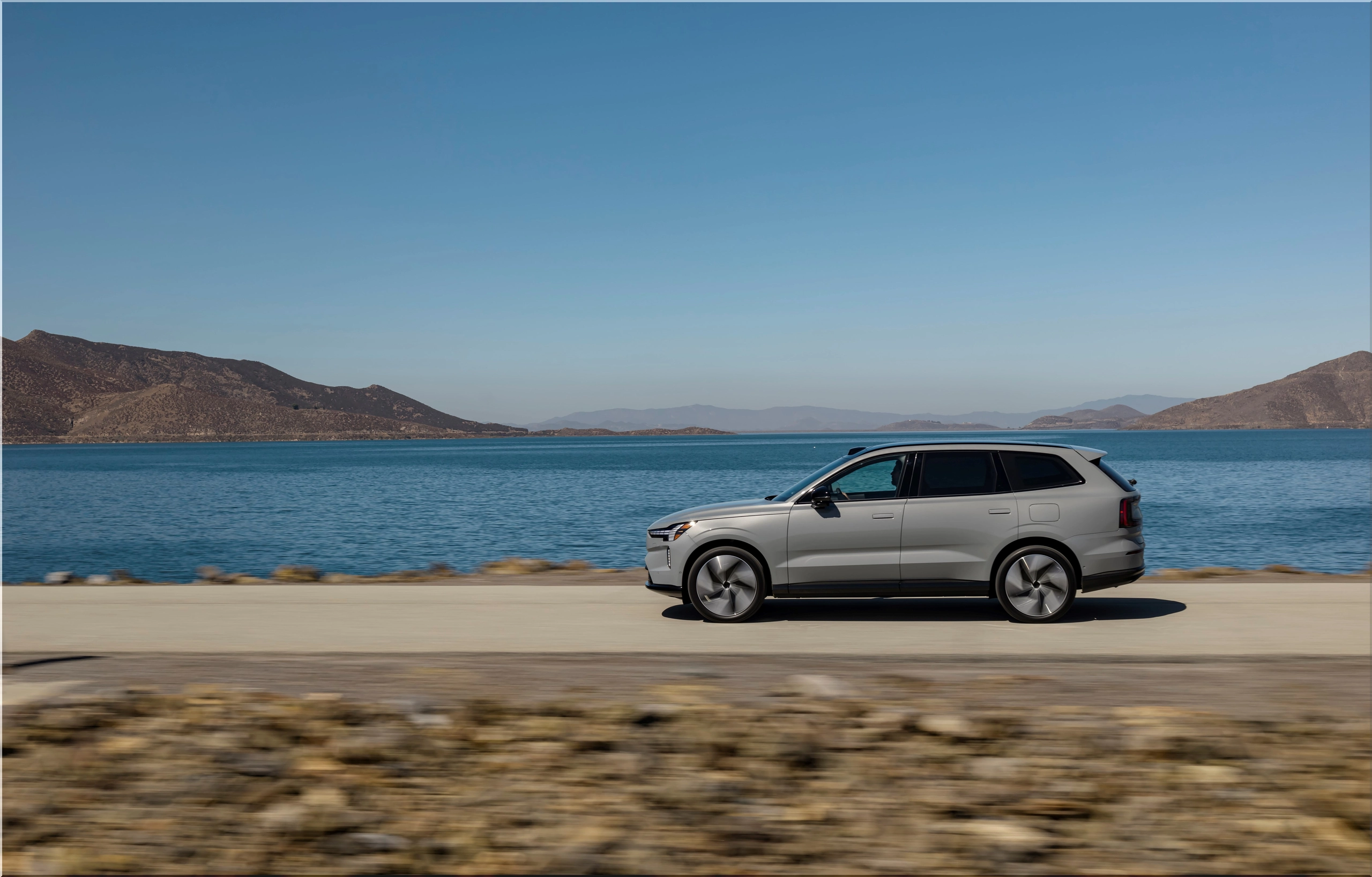
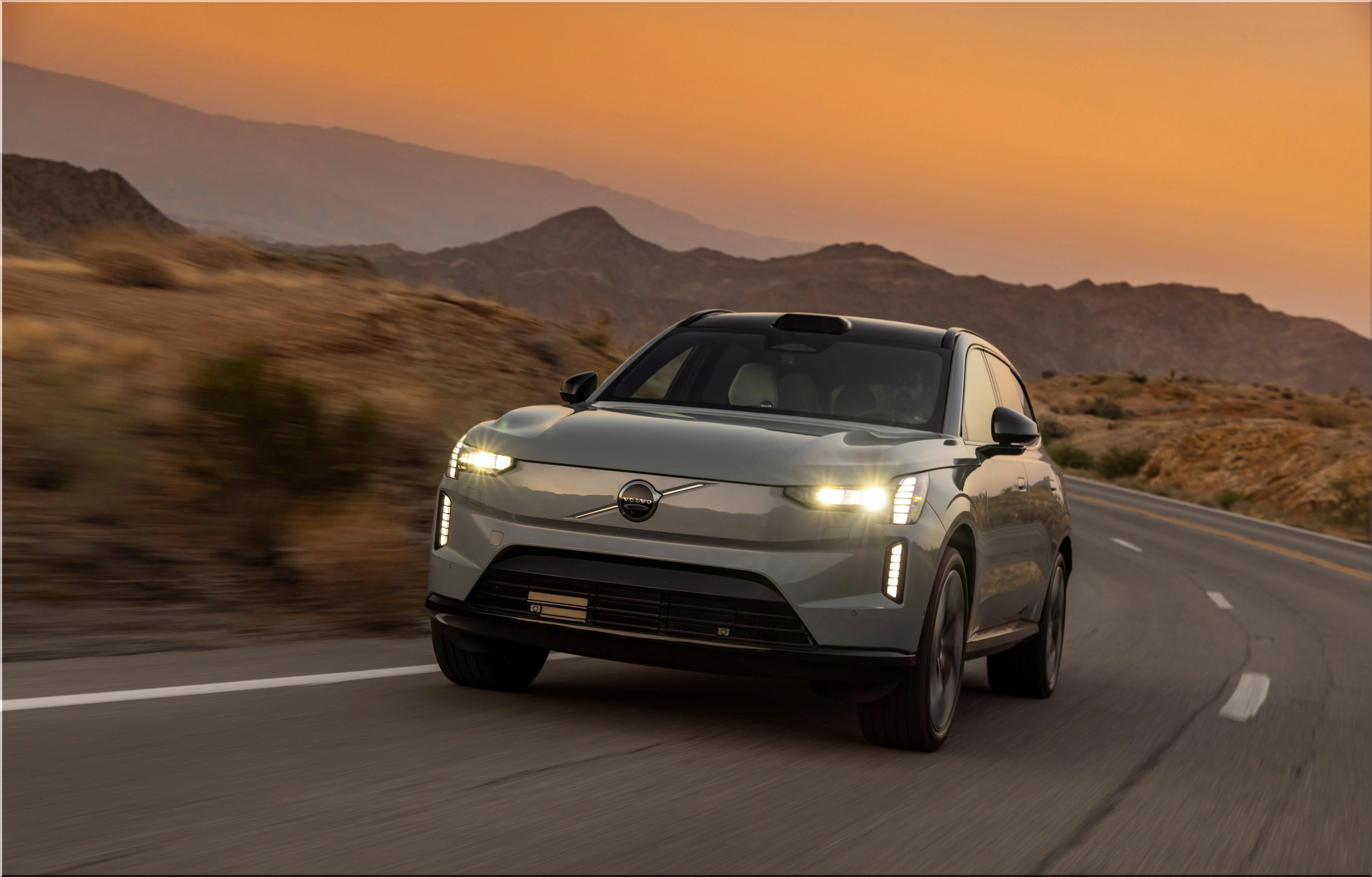
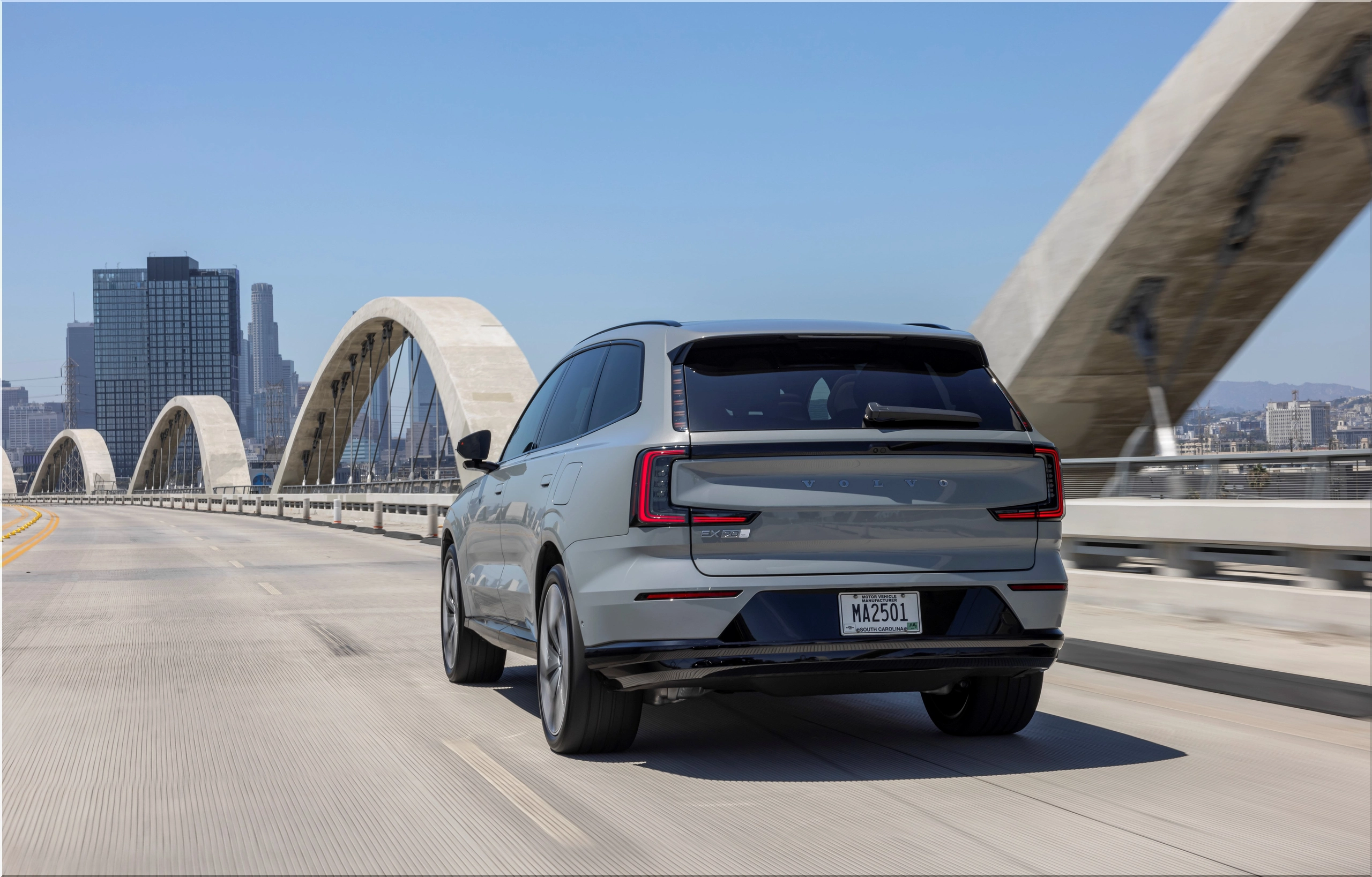
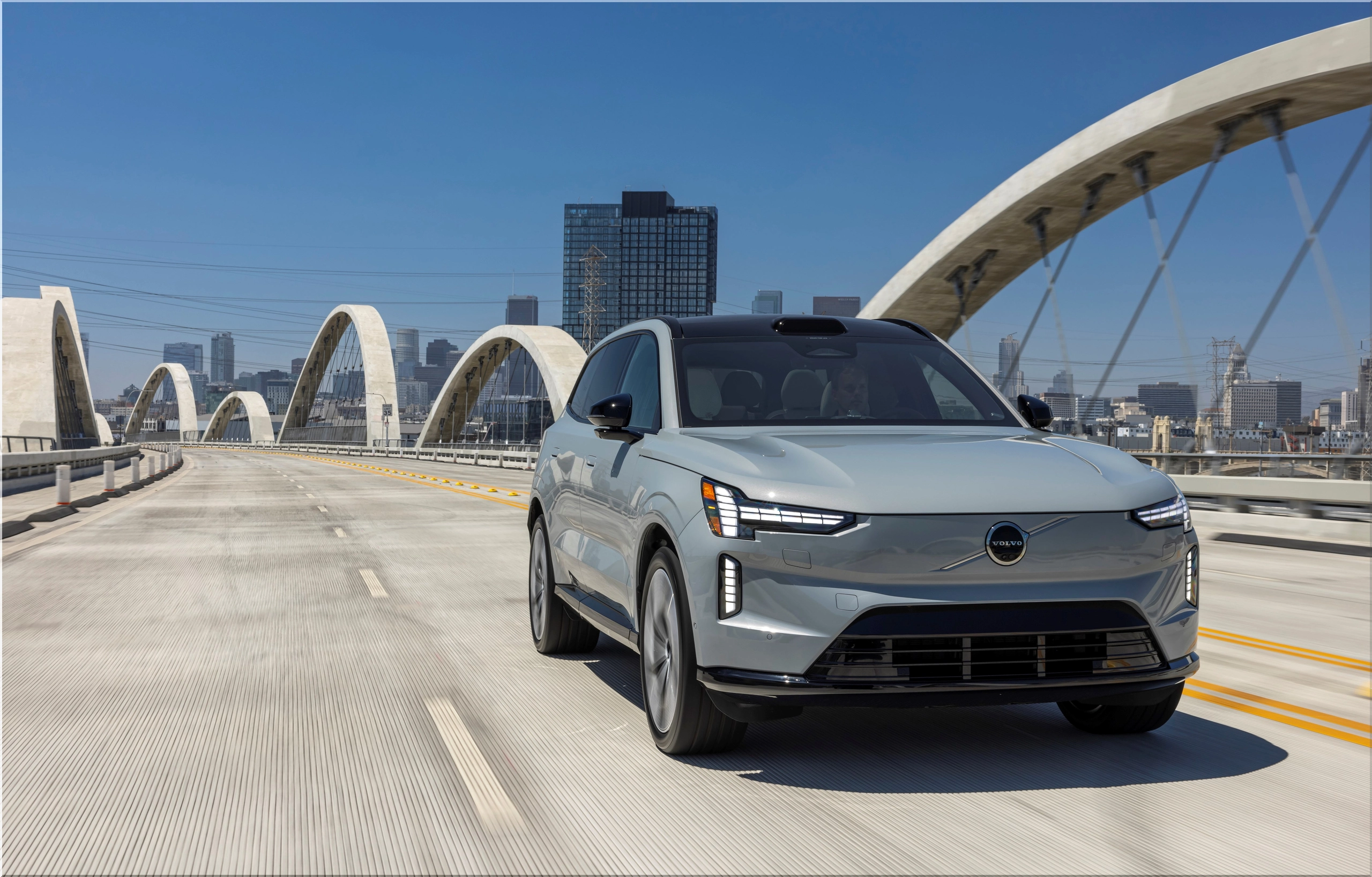
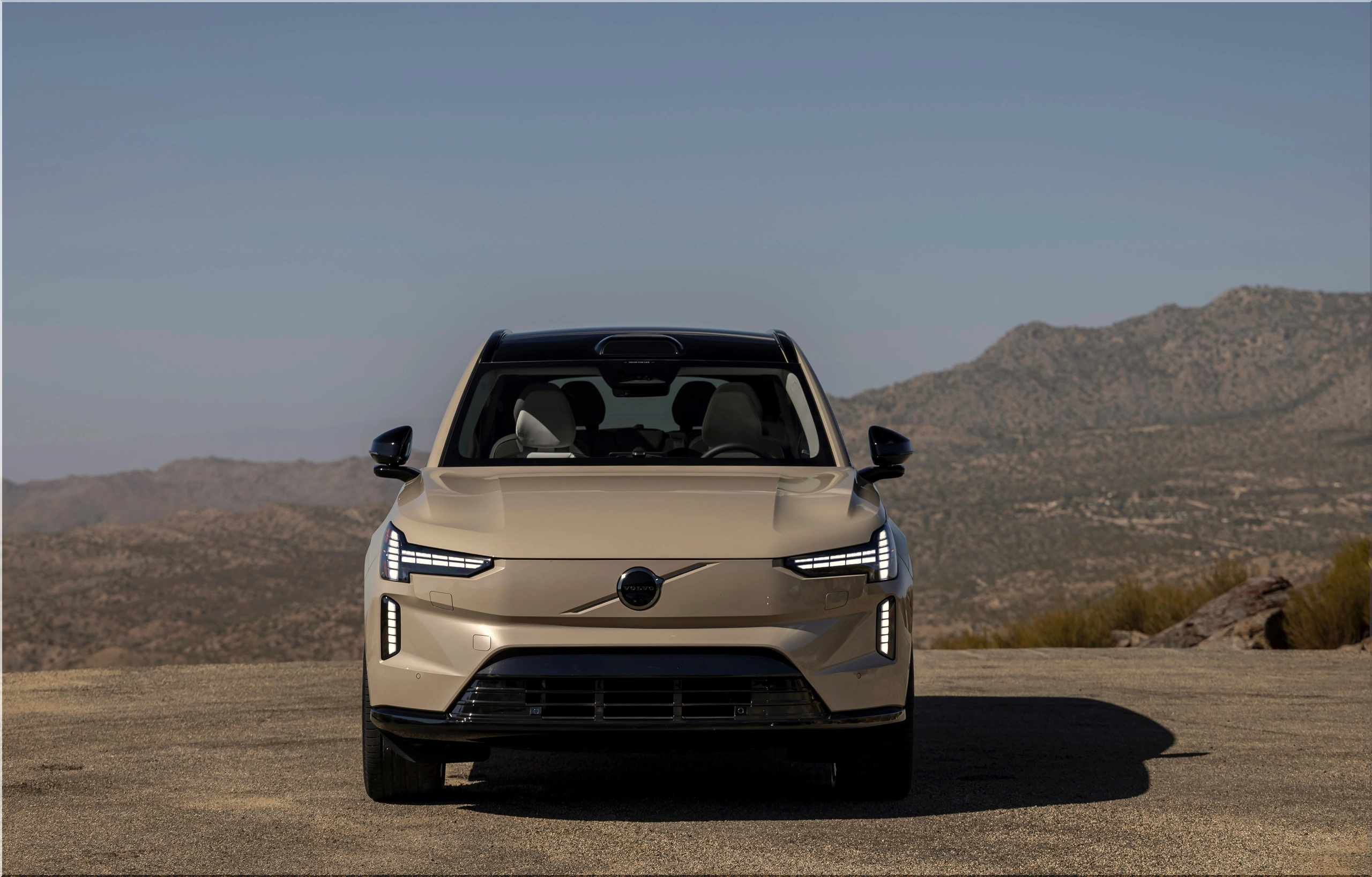
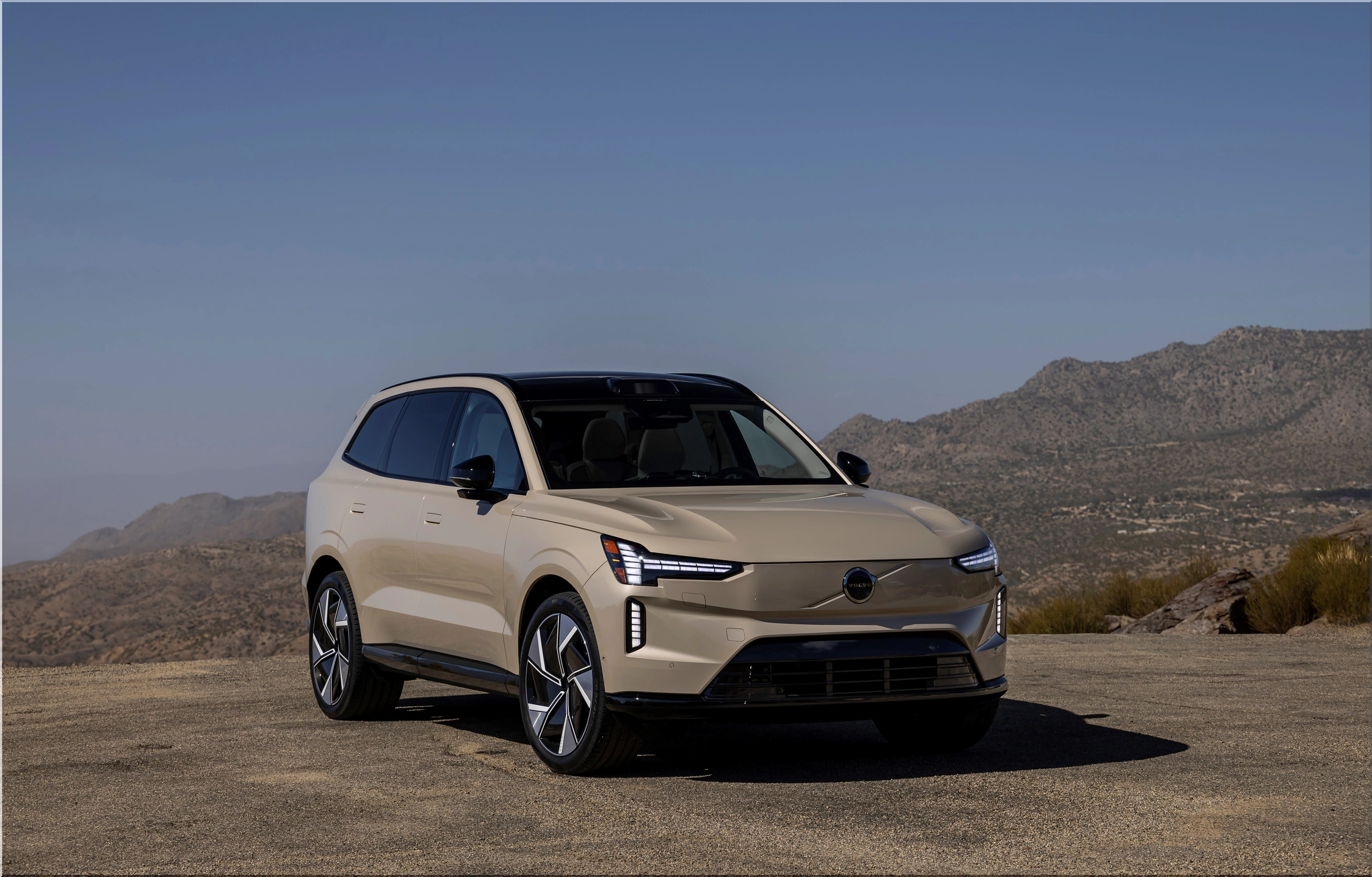
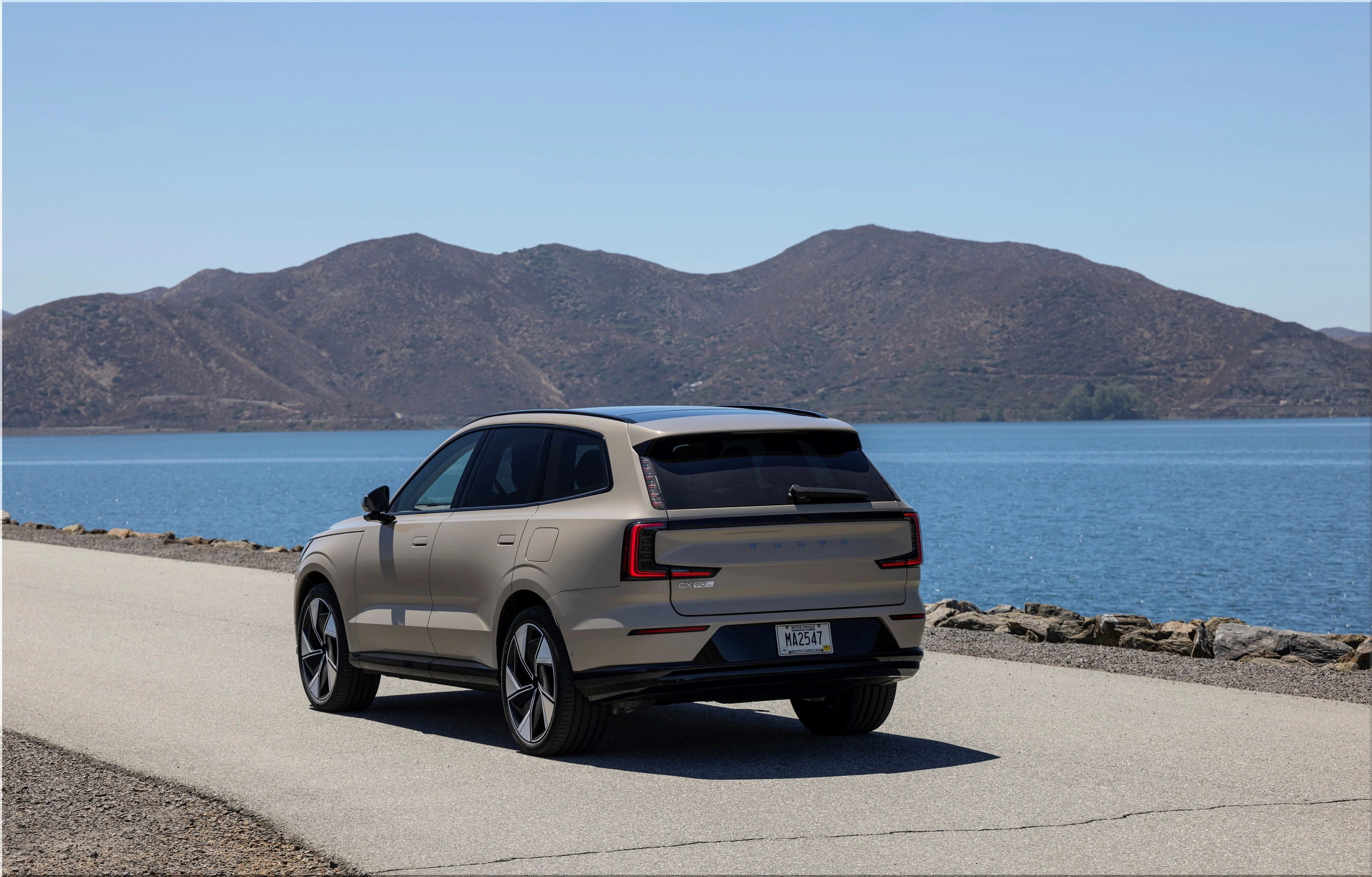
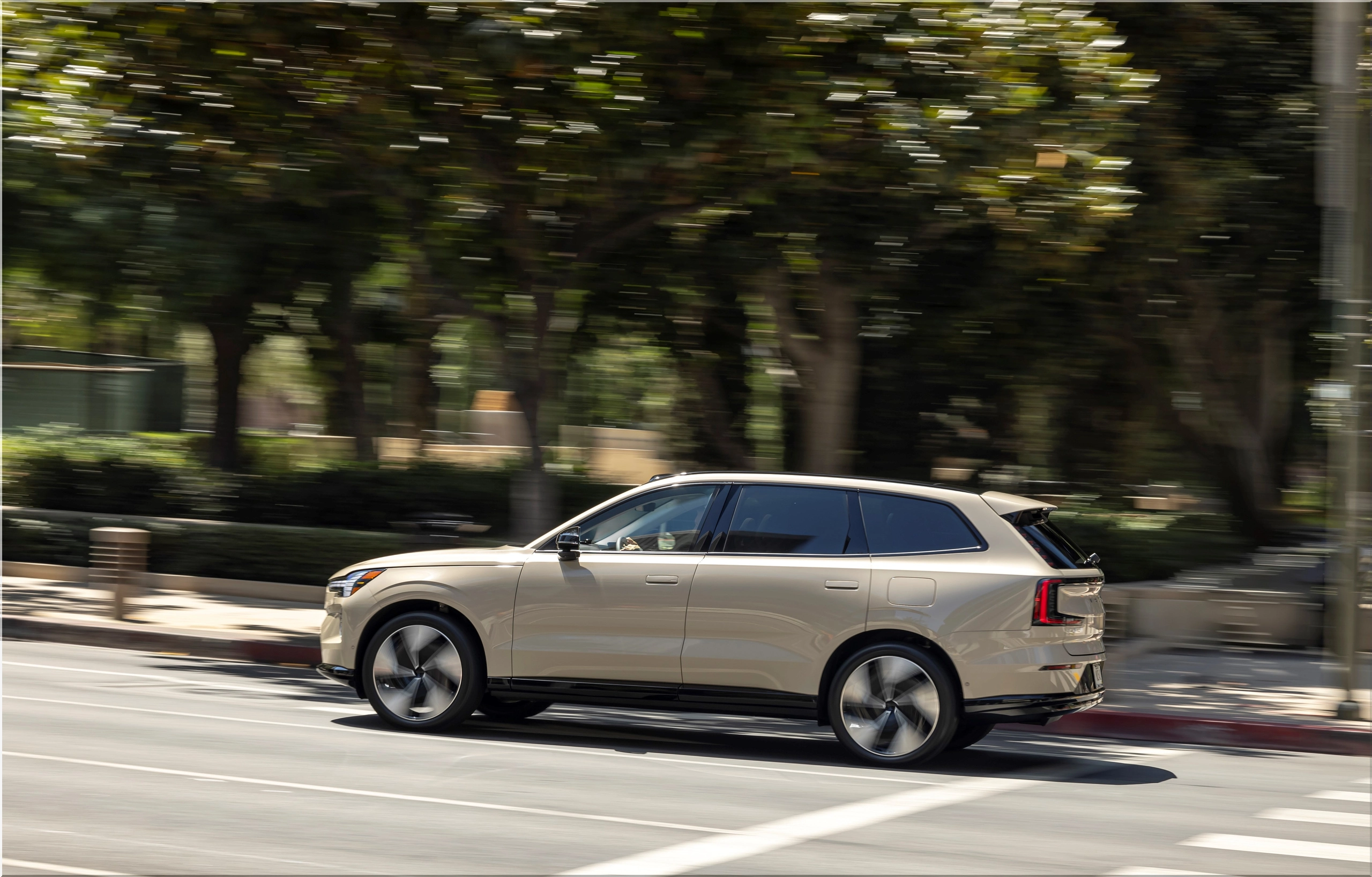
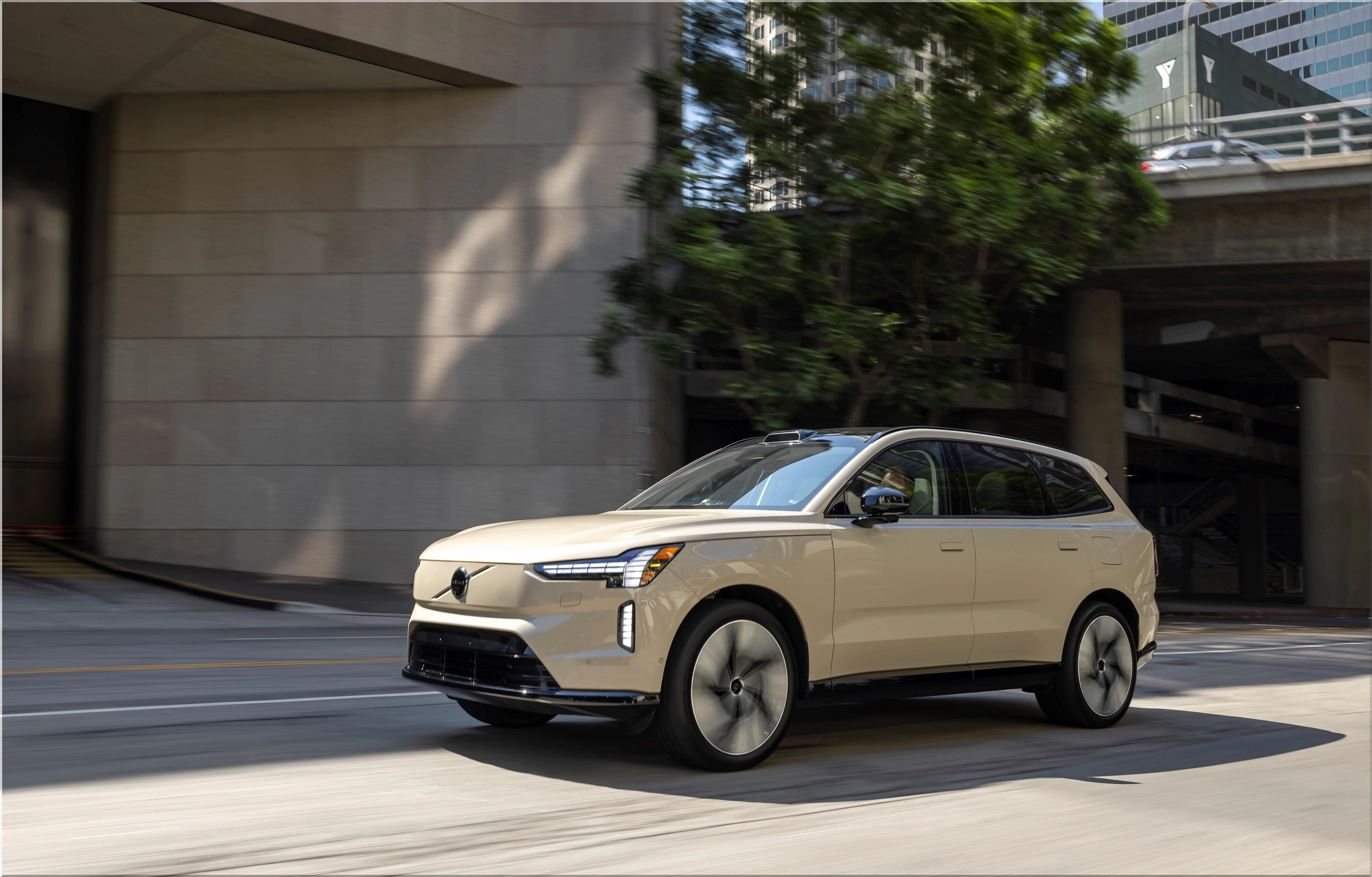
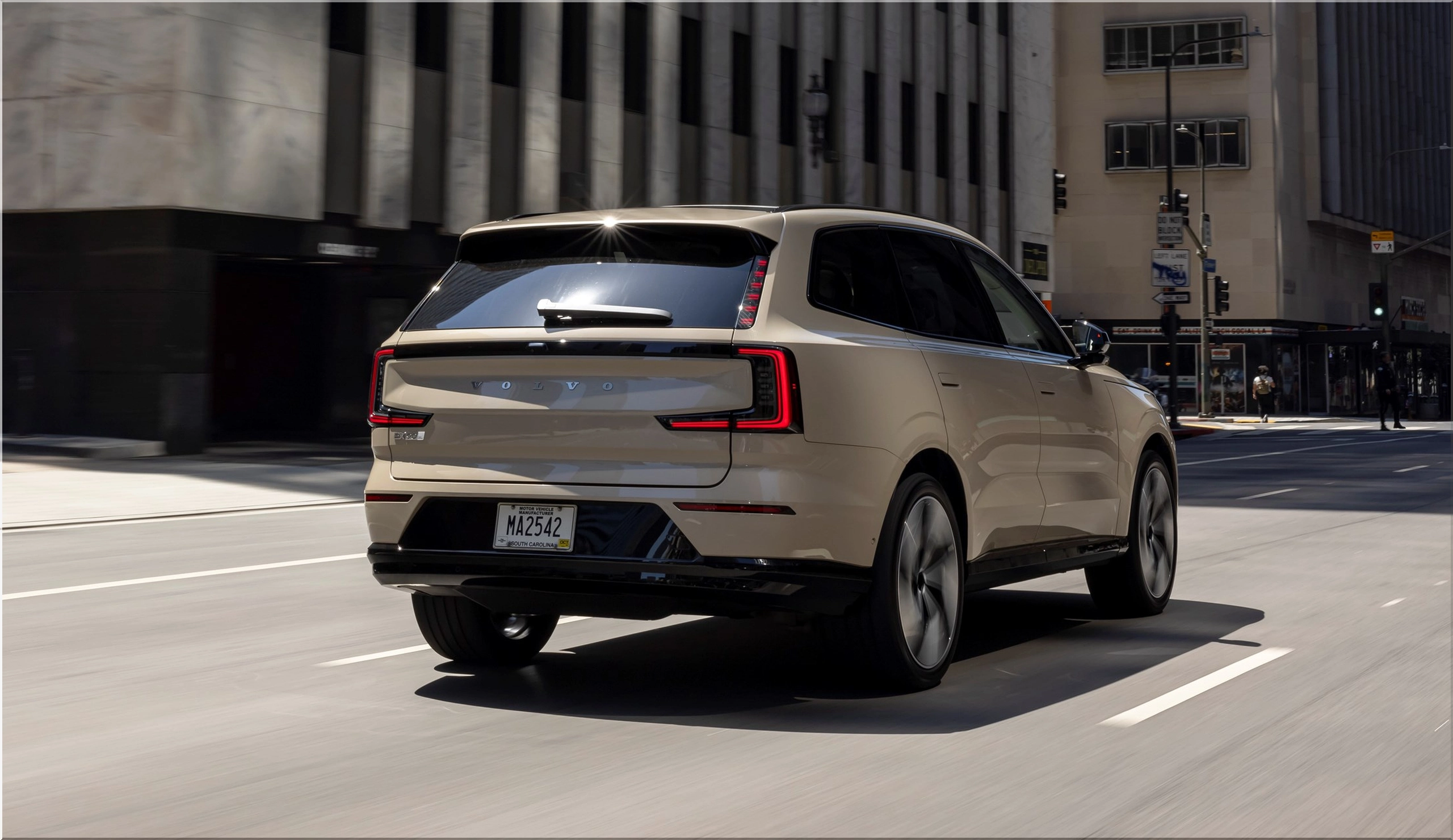
The 2026 Volvo EX90 enters the market with a focused mission: faster charging, smarter safety, and improved driver assistance. Volvo Cars has reengineered its flagship electric SUV around a new 800-volt electric system, a significant leap from the previous 400-volt platform. The result is a vehicle that charges quicker, performs better, and uses energy more efficiently.
This update is more than incremental. It positions the EX90 as a direct competitor to high-end EVs from Mercedes-Benz EQS SUV, BMW iX, and Tesla Model X, while reinforcing Volvo's strategy to become a fully electric brand by 2030.
Faster Charging and Improved Efficiency with 800V Architecture
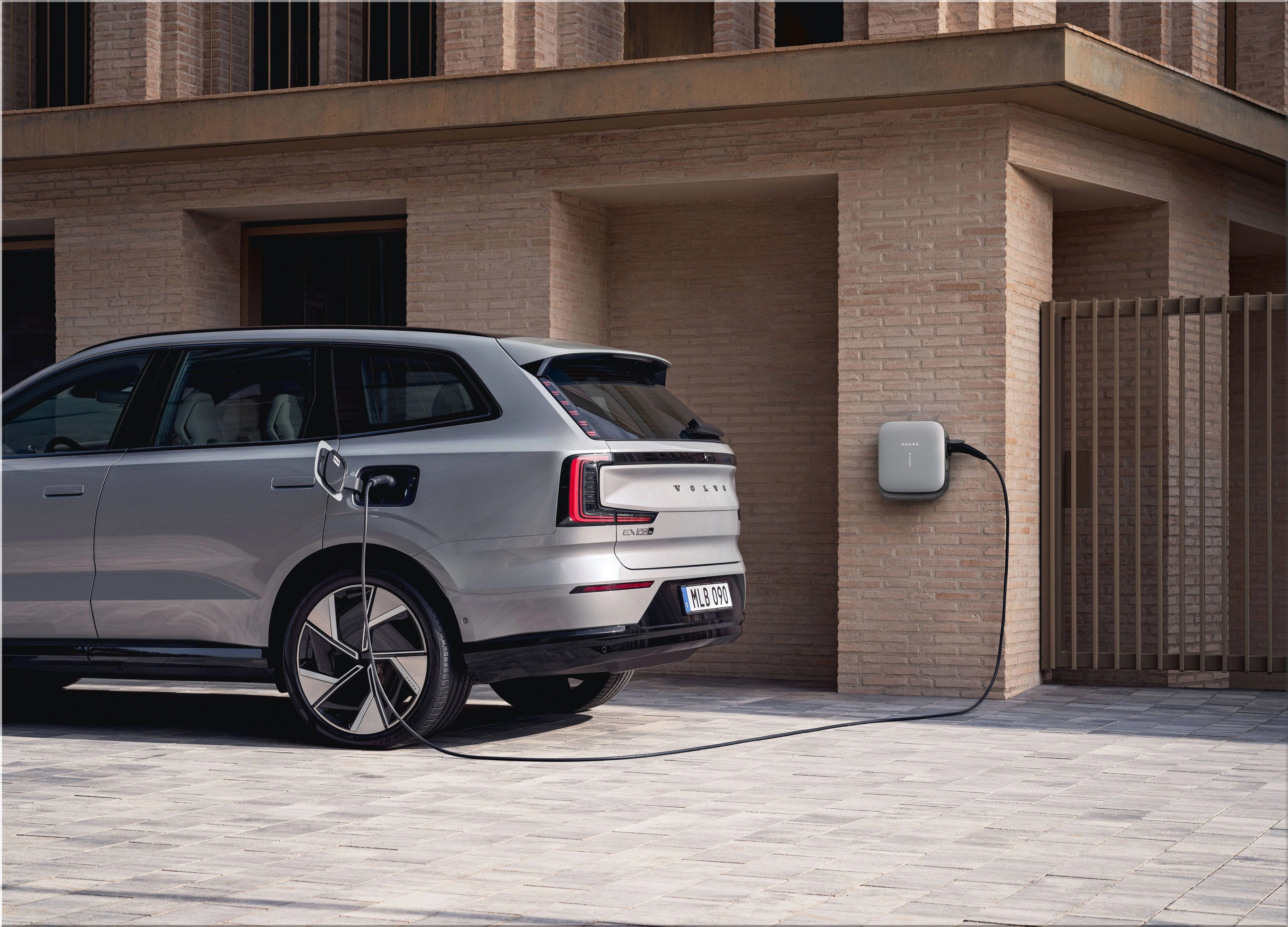
Volvo’s decision to shift the EX90 to an 800-volt architecture is a strategic one. It cuts charging times, boosts performance, and reduces heat generation. That allows the vehicle to sustain higher charging speeds without degrading battery health.
Key charging facts:
- Adds up to 155 miles (250 km) of range in 10 minutes using a 350 kW fast charger.
- Optimized by an in-house battery management system with smart algorithms.
- The system improves energy efficiency and reduces material usage, lowering battery and motor weight.
The higher voltage system also delivers more power to the drivetrain. That means quicker acceleration and improved real-world range. It is an engineering change with immediate customer benefits: less time plugged in and more time on the road.
Dual NVIDIA Core Computer Powers Advanced Driver Assistance
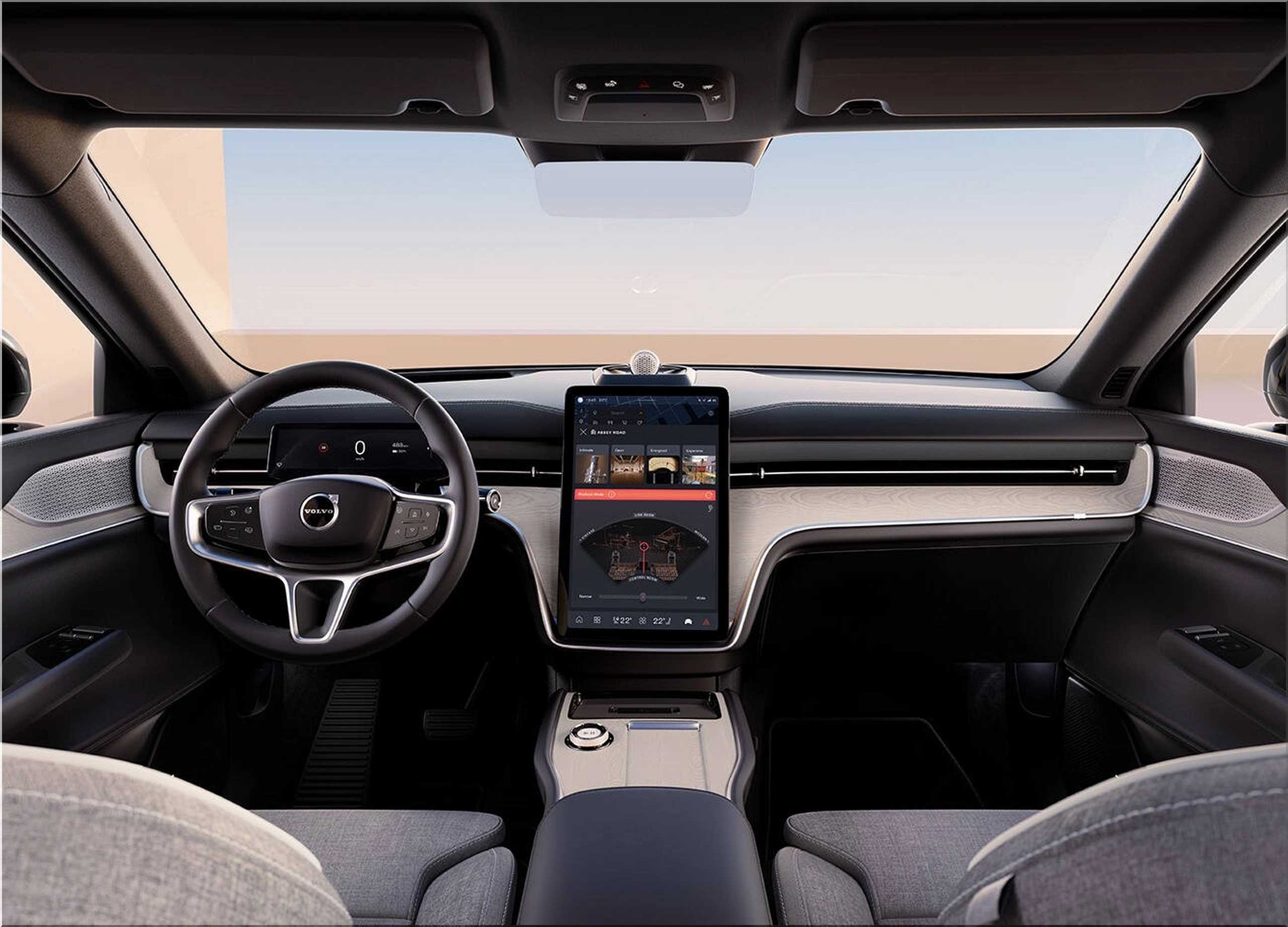
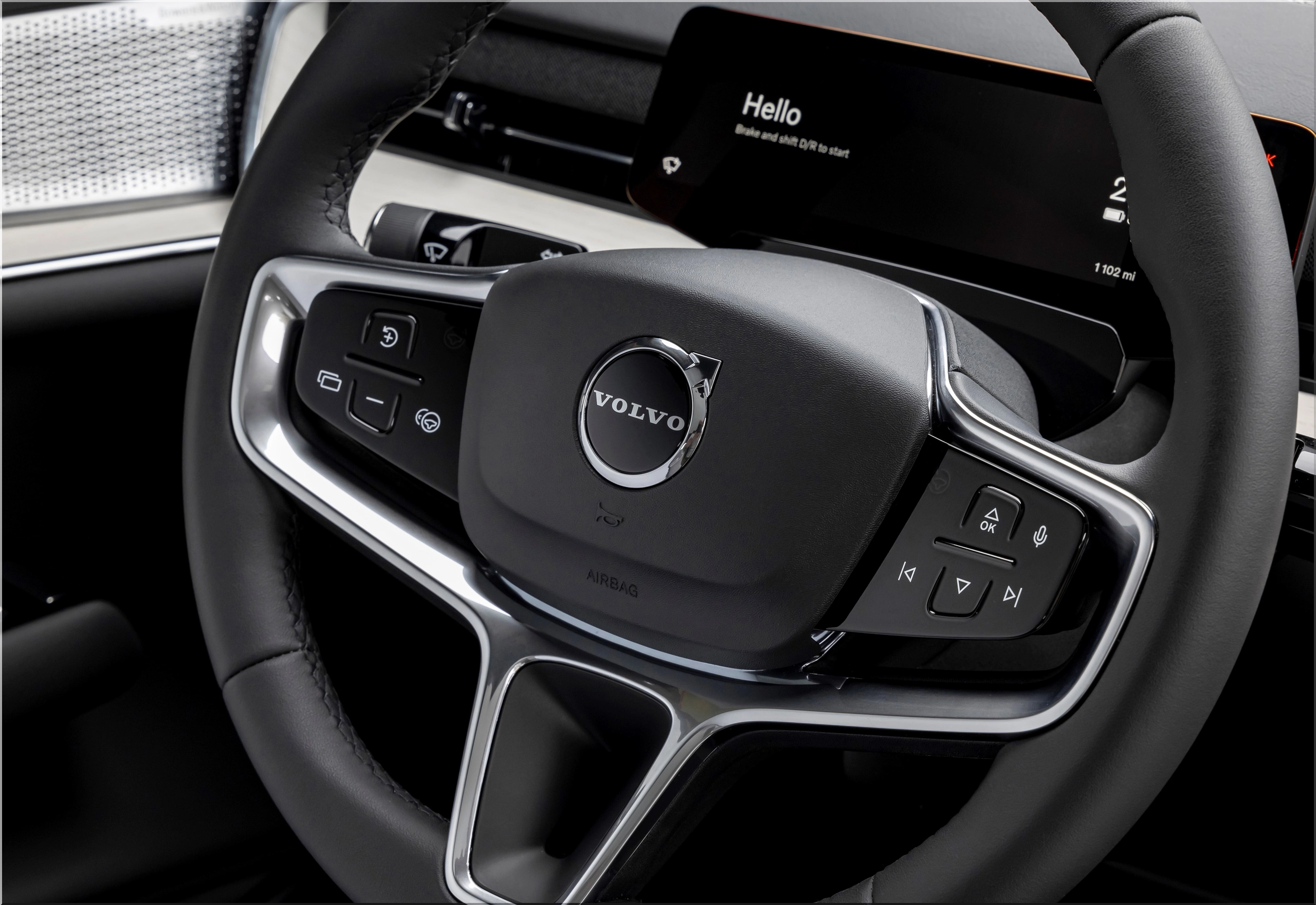
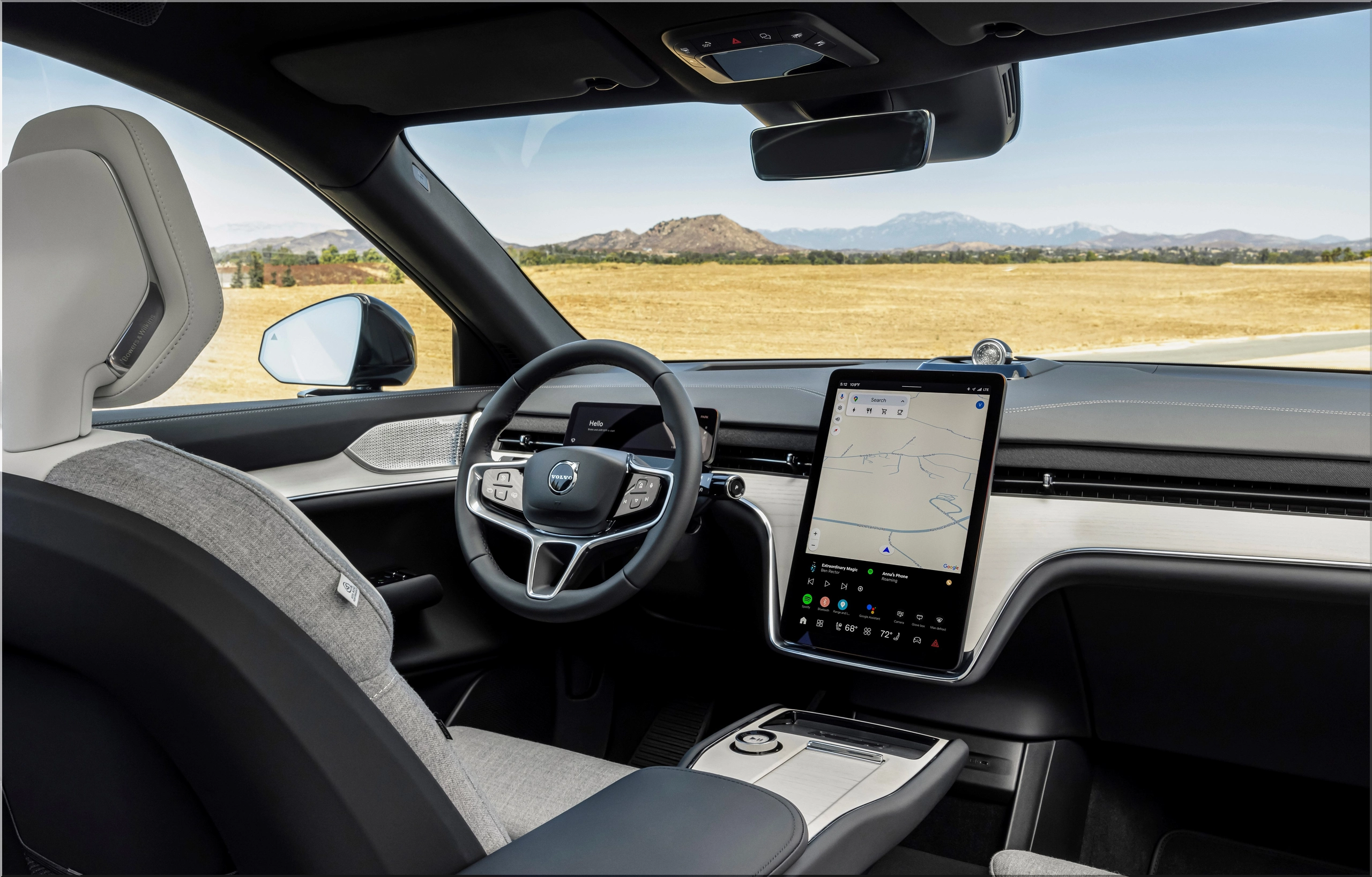
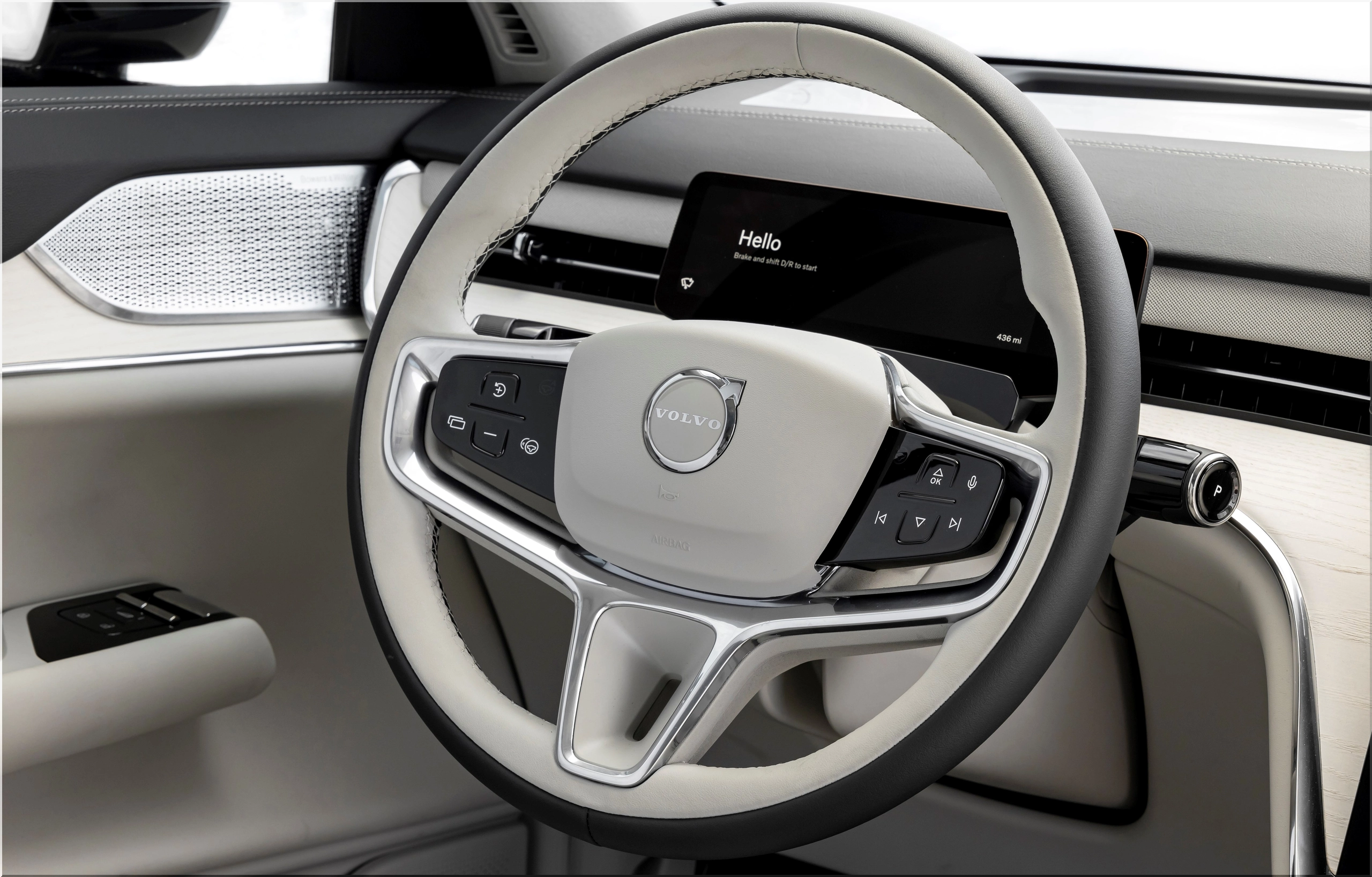
The 2026 EX90 takes a significant step forward in computing power. It now features a dual NVIDIA DRIVE AGX Orin-based core computer capable of 500 trillion operations per second (TOPS). That hardware forms the backbone of new driver support, collision avoidance, and safety systems.
Upgraded capabilities include:
- Connected safety alerts for slippery roads, road hazards, and accidents ahead.
- Emergency Stop Assist (ESA), which stops the vehicle safely if the driver becomes unresponsive.
- Integrated automatic e-call, contacting emergency services automatically after a stop.
- Automatic emergency steering with enhanced low-visibility performance.
- Park Pilot Assist for parallel parking.
Volvo’s decision to deliver over-the-air (OTA) updates for these features means the EX90’s capabilities will improve throughout its lifecycle. Importantly, 2025 EX90 owners will receive a free one-time core computer upgrade during a scheduled service visit. That ensures the existing fleet benefits from Volvo’s latest safety technology.
Emergency Stop Assist and Connected Safety: Real-World Use Cases
Volvo continues to focus on real-world safety features that solve critical problems. The ESA system monitors driver inputs and attention. If the driver fails to respond—due to medical emergencies or other reasons—the vehicle initiates a controlled stop within its lane. After stopping, the automatic e-call system connects the car to a Volvo-linked emergency center.
How the system improves outcomes:
- Reduces response times in medical emergencies.
- Minimizes secondary accident risk by maintaining lane discipline.
- Keeps occupants connected with emergency responders even if they cannot make a call.
The new connected safety alerts feature expands Volvo’s existing safety ecosystem. It allows vehicles to share data about road conditions and hazards in real time, enhancing predictive safety and driver awareness.
Smarter Parking and Safer Night Driving
The 2026 EX90 adds expanded automatic emergency steering designed to operate more effectively in low-visibility conditions. This improves the SUV’s ability to avoid obstacles and maintain control during nighttime or low-light driving.
Another convenience-oriented feature, Park Pilot Assist, automates parallel parking maneuvers. For many drivers, this feature reduces stress and lowers the risk of minor collisions in tight spaces.
Enhanced Comfort and Design Upgrades
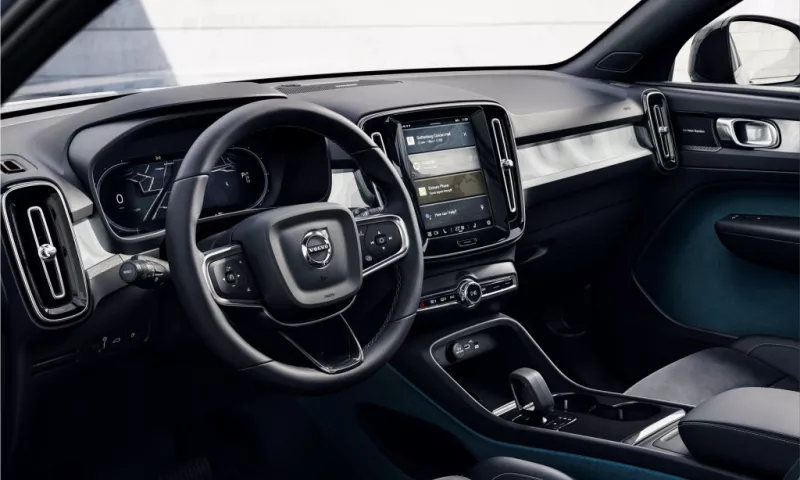
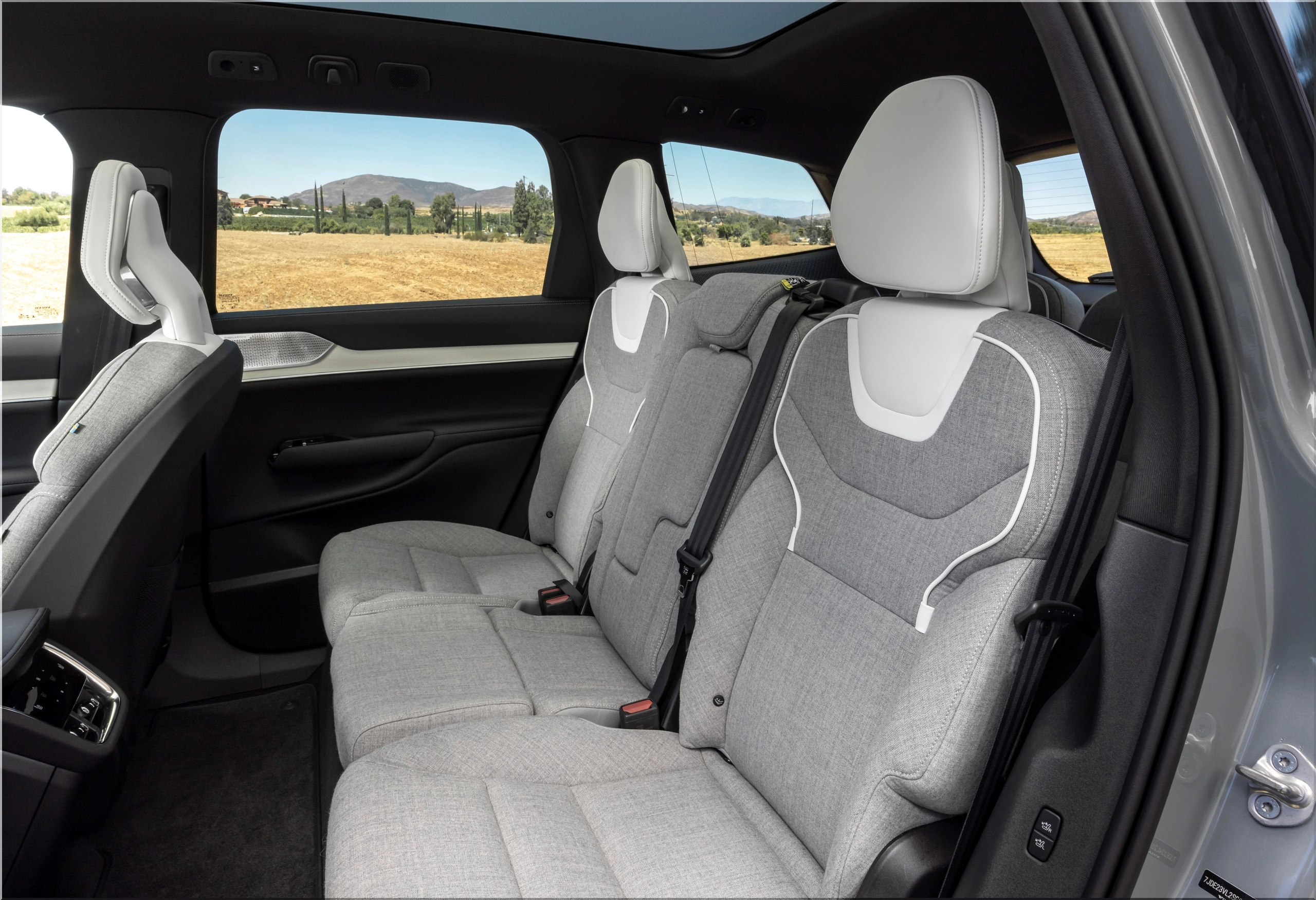
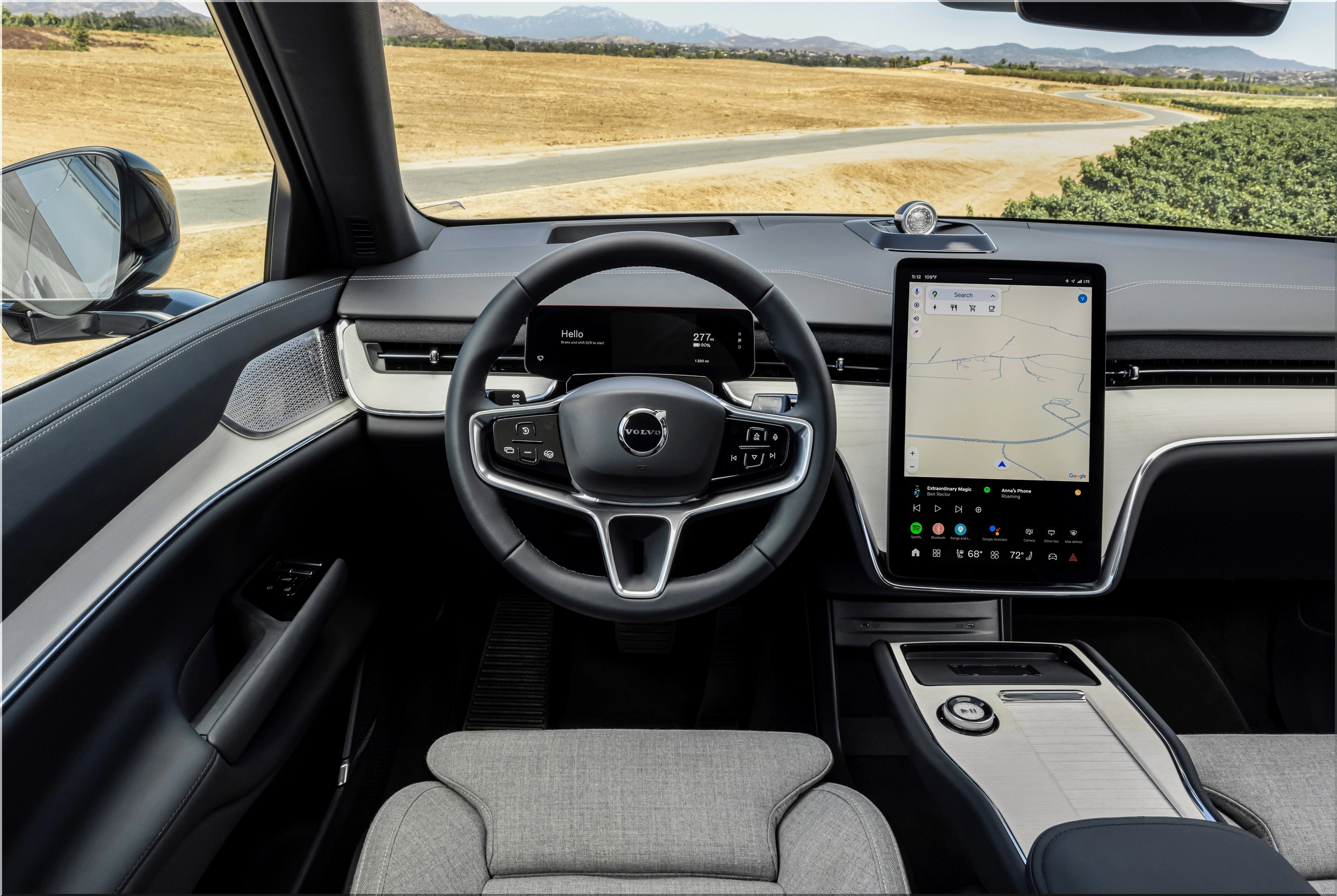
While most of the attention is on the EV platform and safety technology, Volvo has also focused on interior comfort and driver experience.
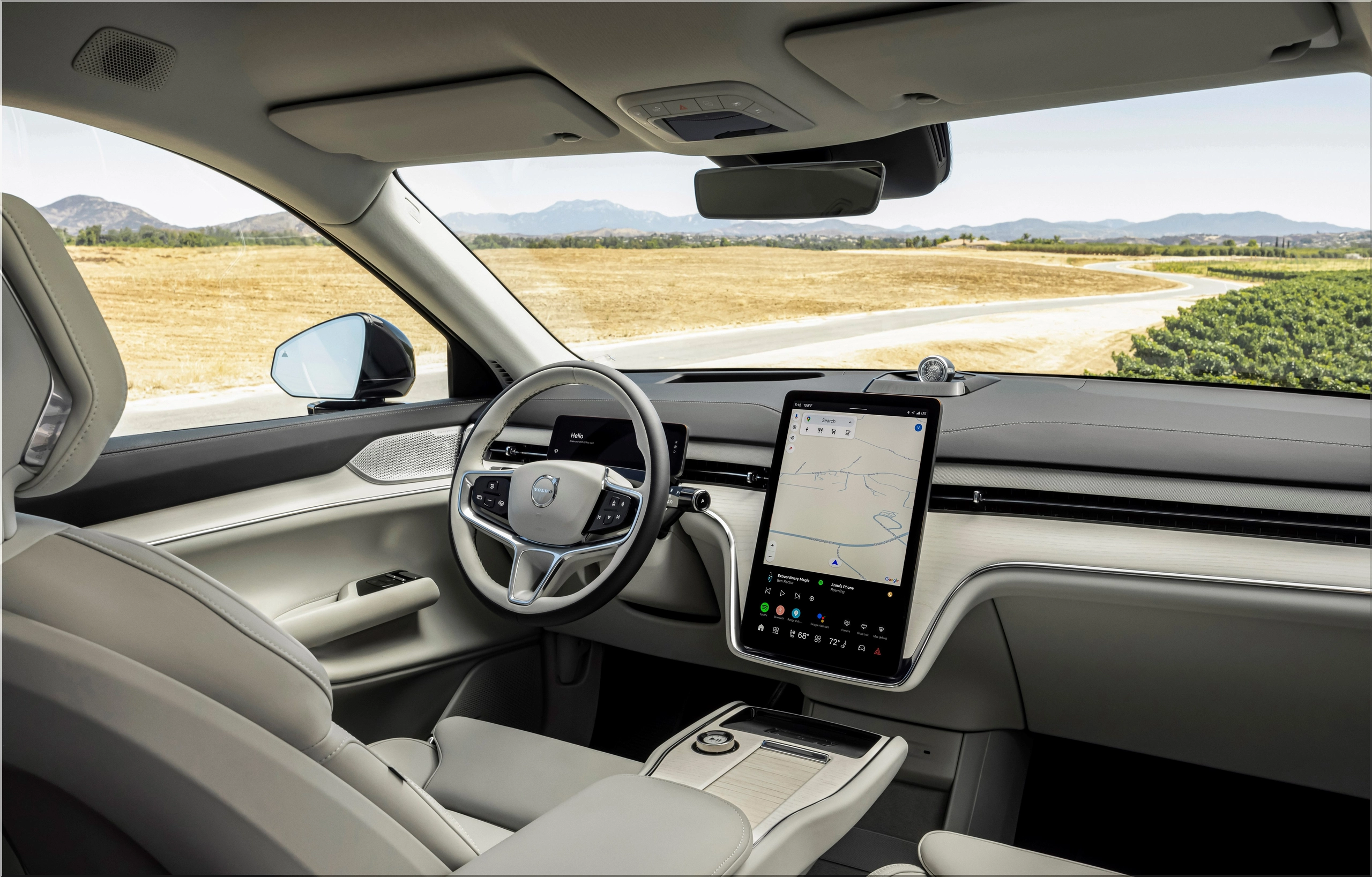
A new electrochromic panoramic roof—borrowed from the ES90 sedan—gives occupants control over cabin lighting and privacy. Drivers can adjust the glass transparency with a single button press, reducing glare on bright days or darkening the cabin for added privacy.
Volvo’s Data-Driven Roadmap: OTA Updates and AI Integration
The EX90’s 500 TOPS computing capability is not just about processing driver-assistance data. It also underpins Volvo’s broader shift toward software-defined vehicles. Future OTA updates will improve:
- Battery management algorithms for range optimization.
- Infotainment systems for a more responsive user experience.
- AI-assisted safety systems that evolve with new data sets.
This approach reduces the time between hardware upgrades and feature rollouts. Volvo can deploy new features without physical recalls or dealer visits, which is increasingly important as EV software complexity grows.
Specification Highlights: 2026 Volvo EX90
| Feature | 2025 Model | 2026 Upgrade |
|---|---|---|
| Charging Architecture | 400V | 800V |
| Charging Speed | ~120 miles in 15 min | 155 miles in 10 min |
| Computing Power | 250 TOPS | 500 TOPS |
| Driver Safety | Basic ESA | ESA with automatic e-call |
| Parking | Manual Assist | Park Pilot Assist |
| Roof | Fixed Panoramic | Electrochromic adjustable |
Impact on the Premium EV Market
The 2026 Volvo EX90 enters a crowded field of luxury electric SUVs. But its hardware-software integration strategy gives it a competitive edge.
Here’s how it compares on key metrics:
- Charging performance: Faster than the BMW iX and Mercedes EQS SUV.
- Safety features: Broader real-world functionality than the Tesla Model X.
- Software updates: OTA architecture puts it in the same category as Rivian R1S and Lucid Gravity.
For buyers focused on charging speed, driver safety, and future-proof technology, the EX90 delivers strong value. It also reinforces Volvo’s commitment to carbon neutrality by 2040, aligning product development with regulatory and consumer expectations.
Volvo’s Strategy: From Hardware to Software-Centric EVs
Volvo’s EX90 upgrade signals a clear direction for its future lineup. The company is shifting resources from traditional powertrain engineering to AI-driven software systems, data analytics, and vehicle-to-cloud connectivity. These investments support its goal of becoming a fully electric automaker by 2030.
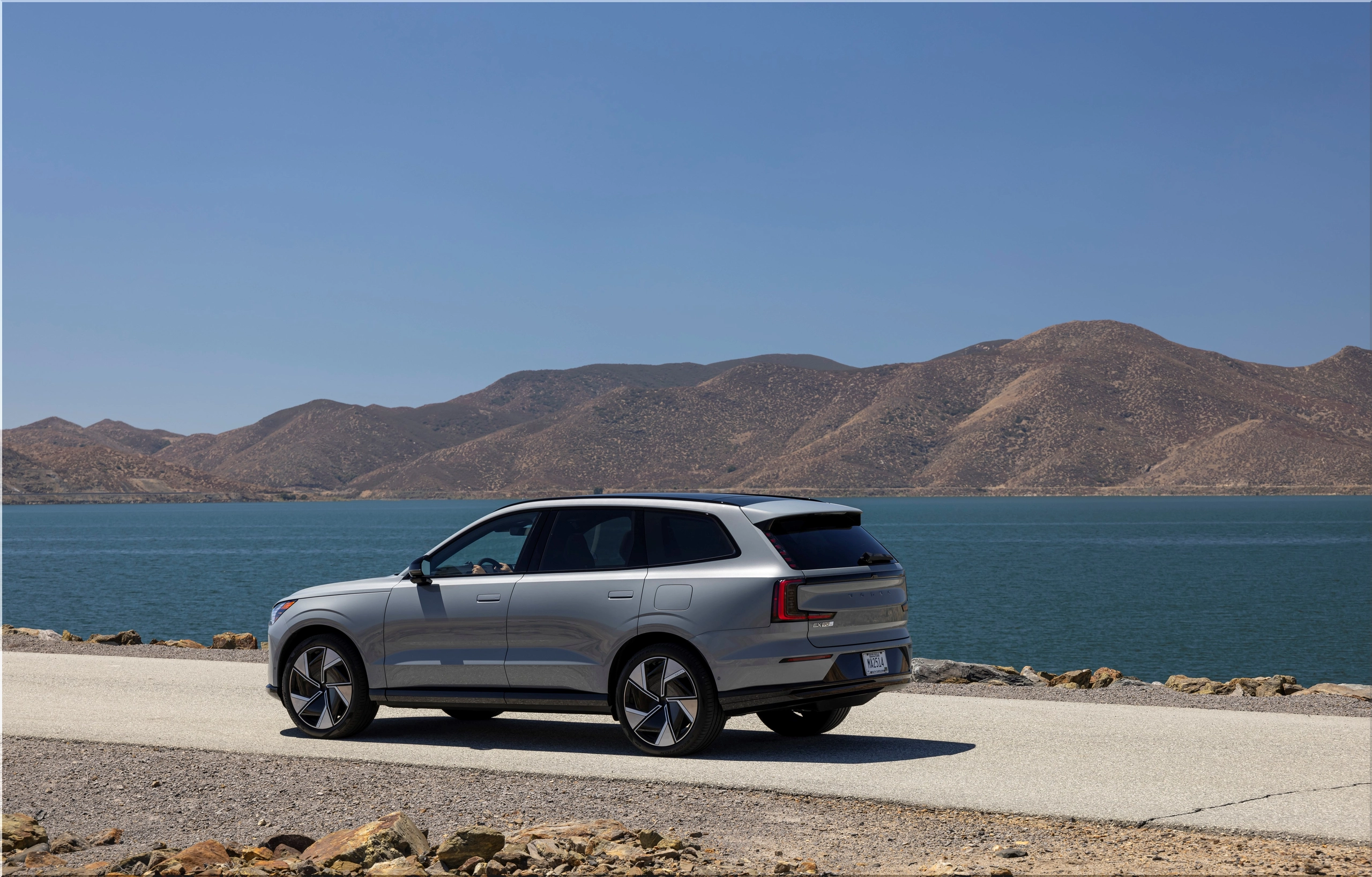
The EX90 serves as a scalable platform for future models. Its 800-volt backbone and modular computing architecture will likely underpin upcoming vehicles across multiple segments, including midsize crossovers and performance-oriented models.
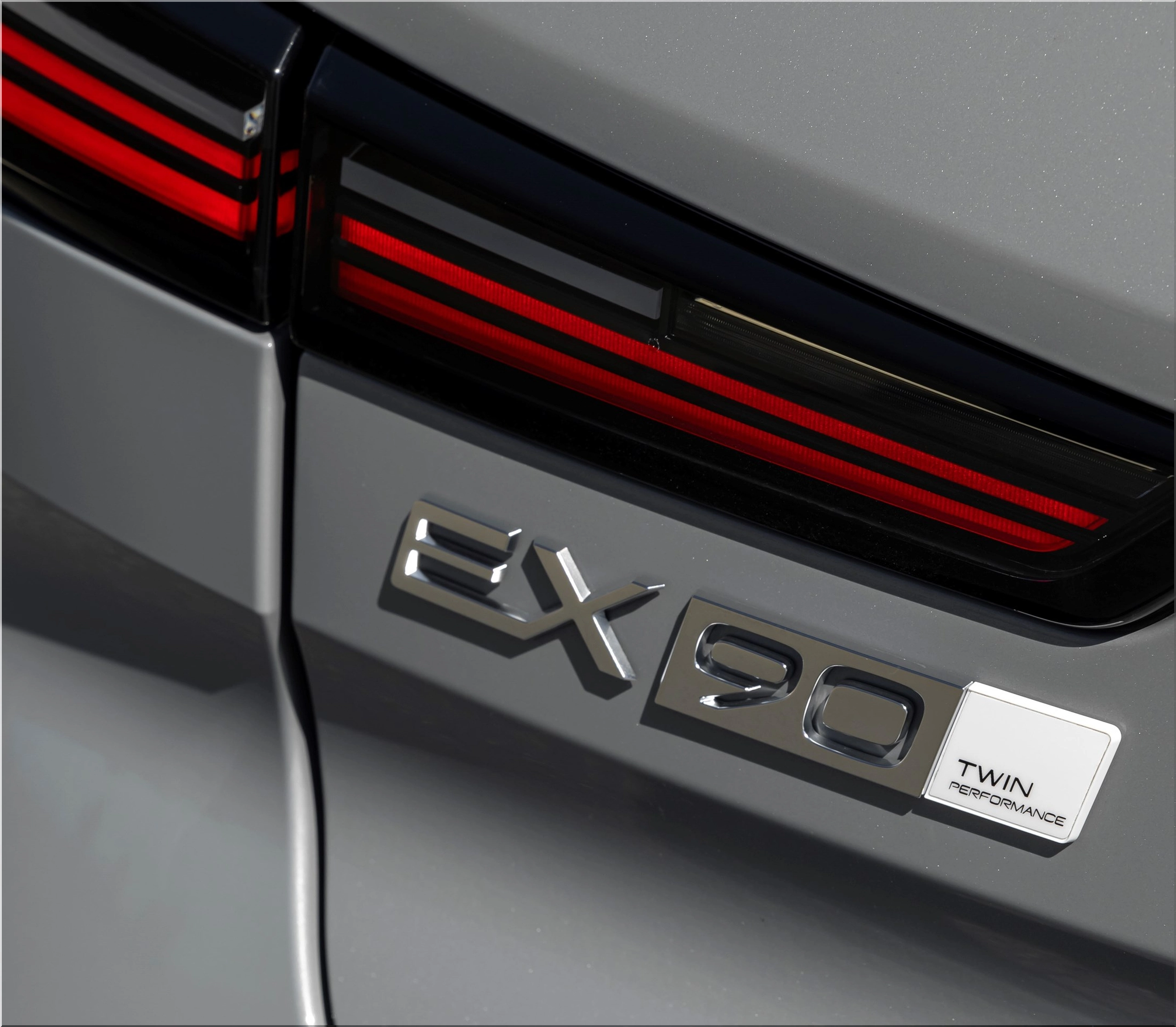
Final Thoughts: A Smarter, Faster, Safer Electric Flagship
The 2026 Volvo EX90 is more than a model-year refresh. It’s a strategic pivot toward software-defined electric vehicles built around speed, safety, and intelligence. The shift to 800 volts reduces charging times and boosts performance. The dual NVIDIA core brings powerful processing to driver assistance and safety systems. And OTA updates keep the SUV evolving after it leaves the factory.
For buyers, the benefits are clear: less downtime, more safety, and better long-term value. For Volvo, the EX90 demonstrates how legacy automakers can compete—and win—in the premium EV market.
- Add new comment
- 300 views