Audi Streamlines the 2026 Q3 Cabin Without Wasting Space
The 2026 Audi Q3 interior doesn’t chase flash—it delivers structure, clarity, and measurable improvements. Instead of adding more screens or design flourishes, Audi focused on removing friction. The result: a compact SUV cockpit that maximizes usability and minimizes distractions.
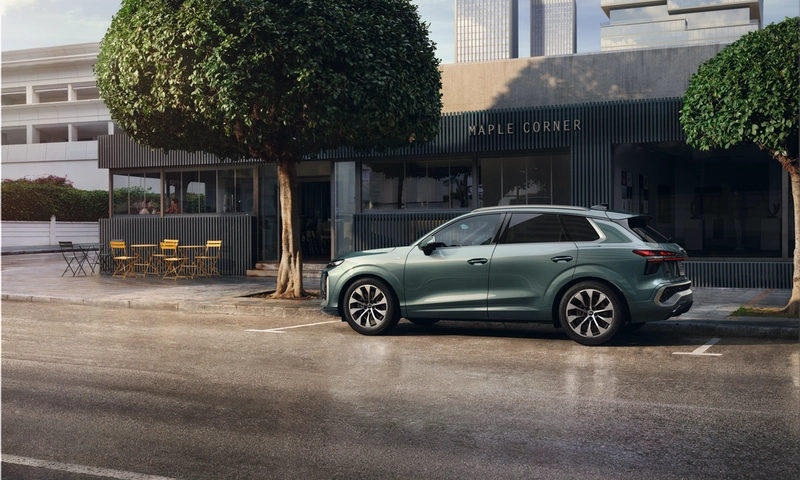
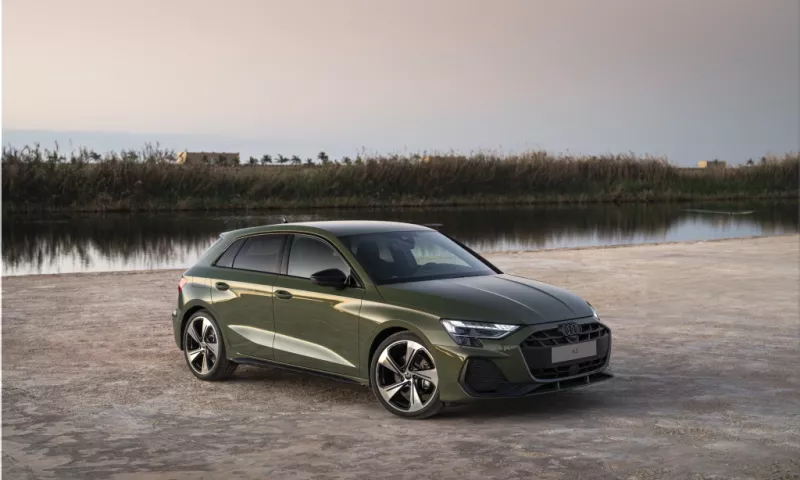
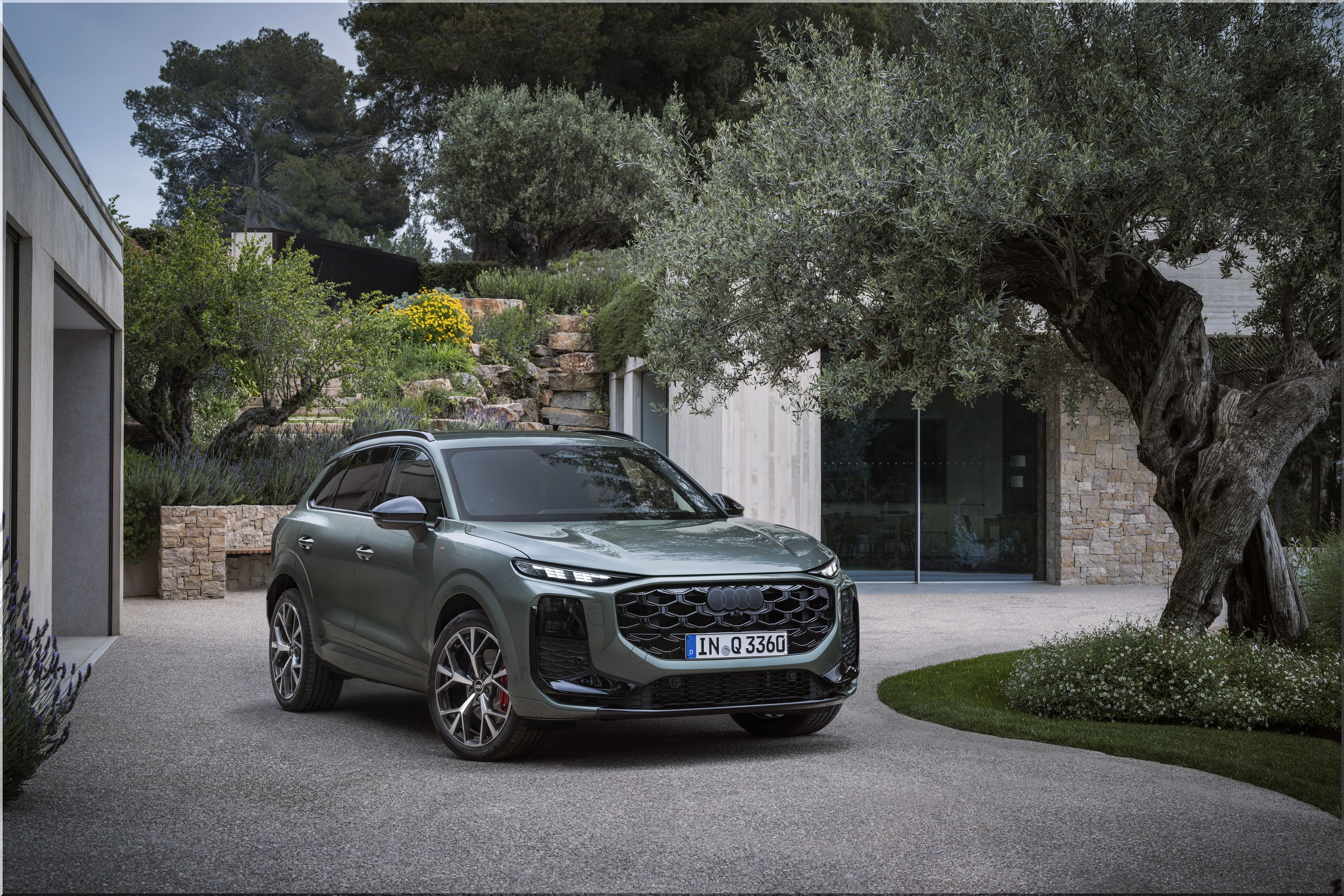
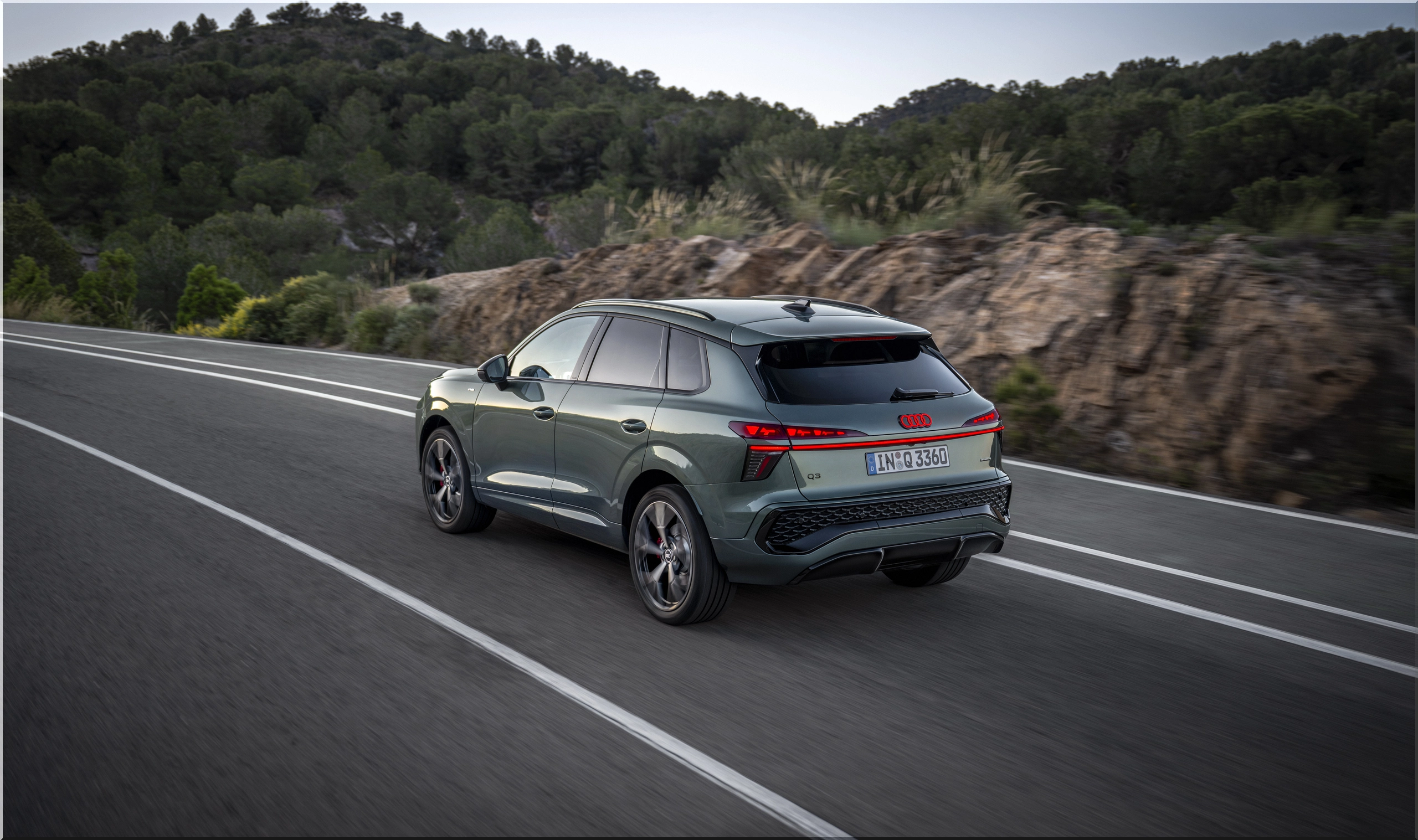
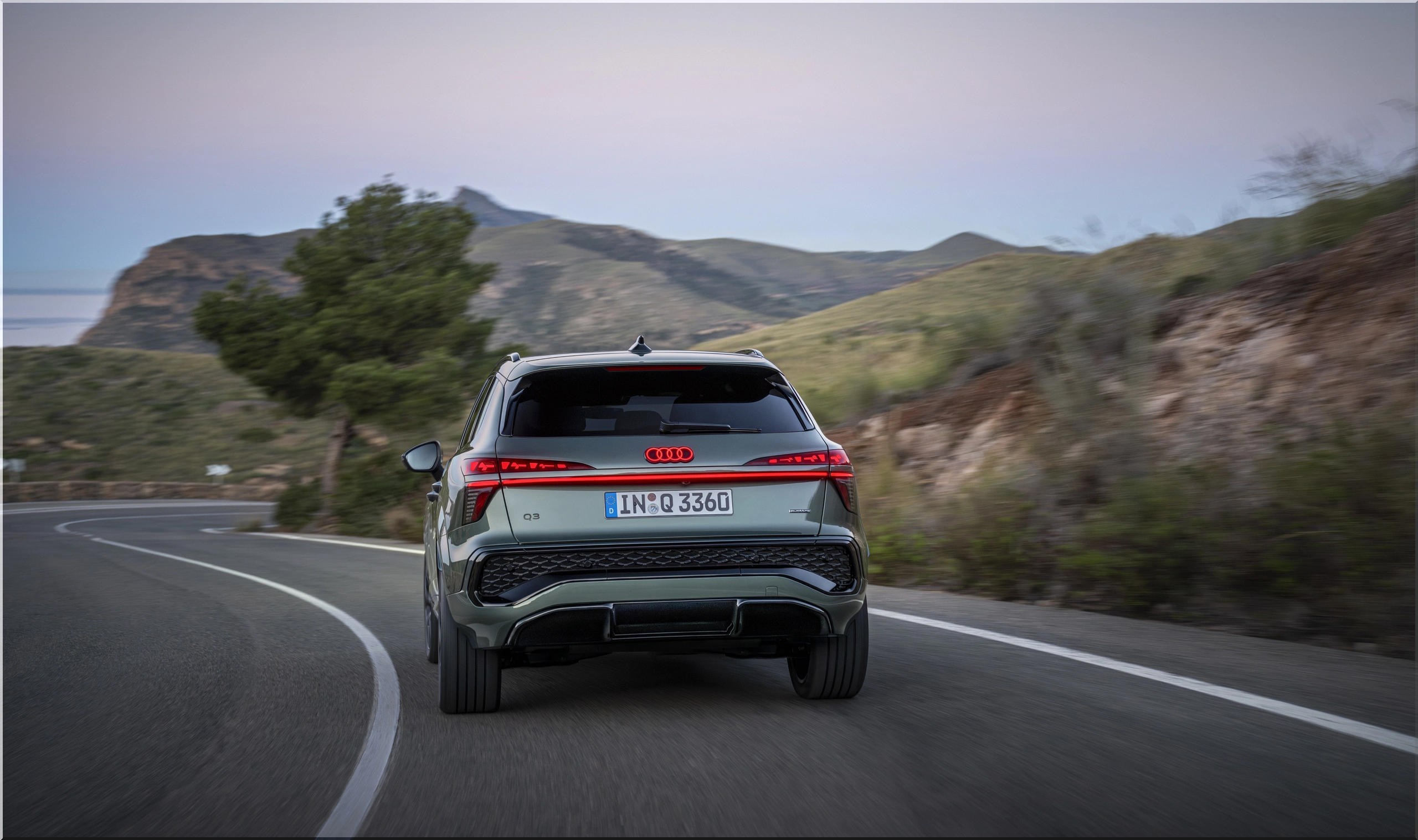
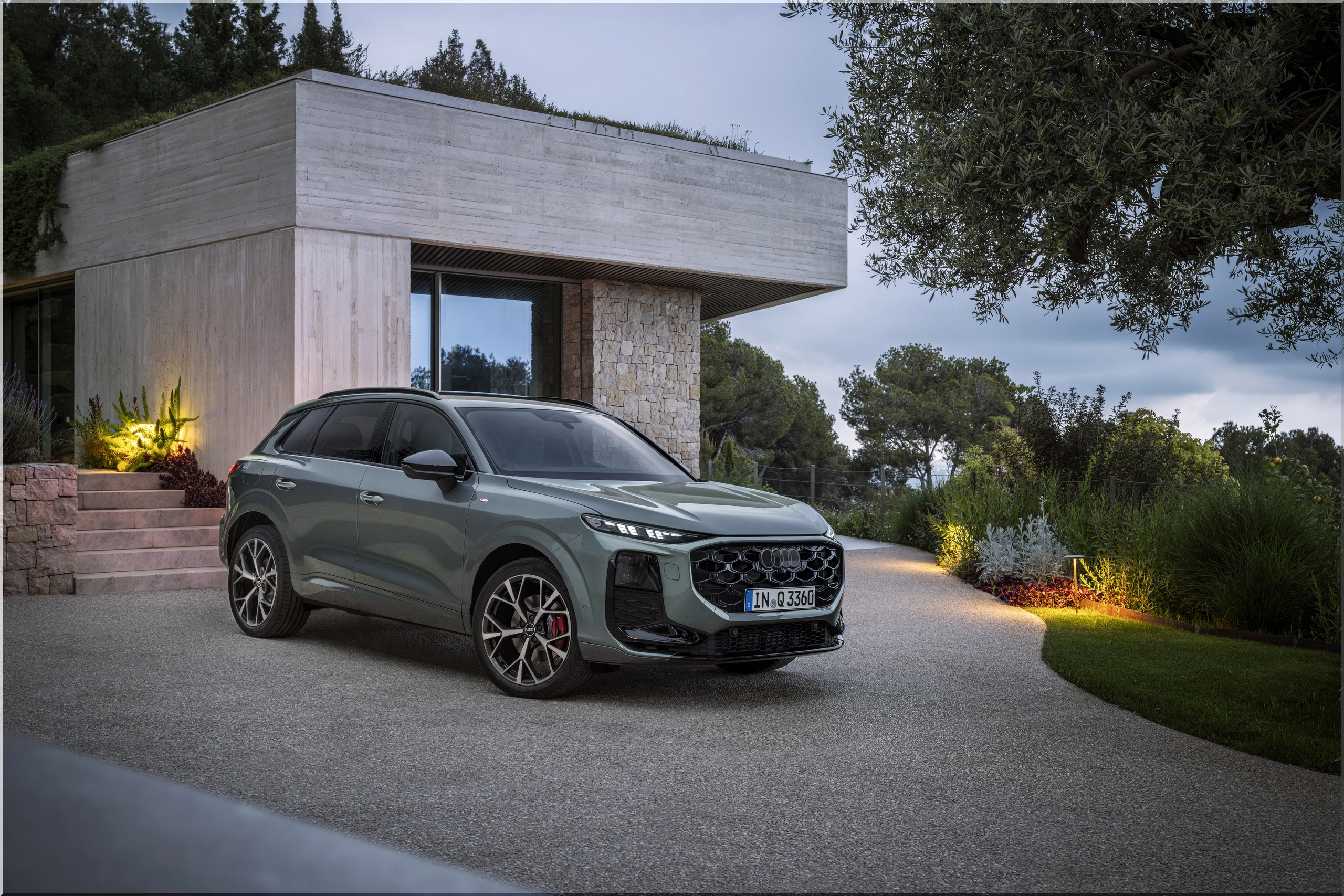
This is the third generation Q3, and Audi’s best-selling compact SUV now gets a full interior overhaul. It's available from October 2025 in Europe, with entry pricing starting near €44,600 (~$48,700). Most of the gains happen inside, where layout, controls, and material choices have all been updated for purpose—not just polish.
Digital Stage, Not a Digital Gimmick
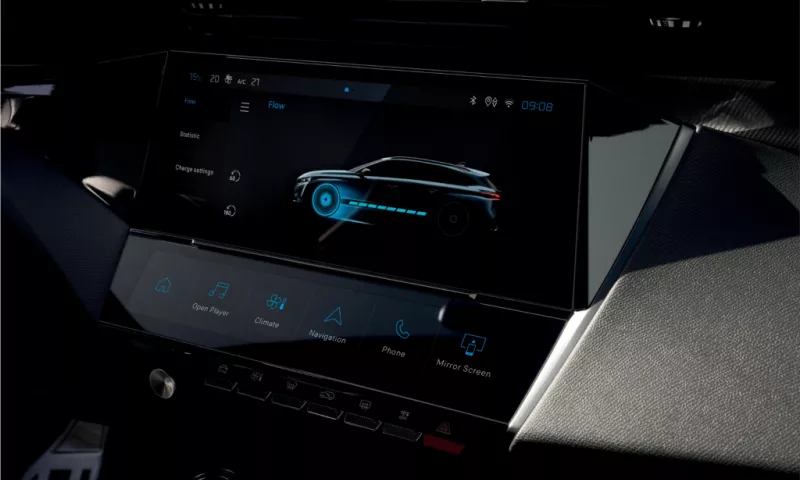
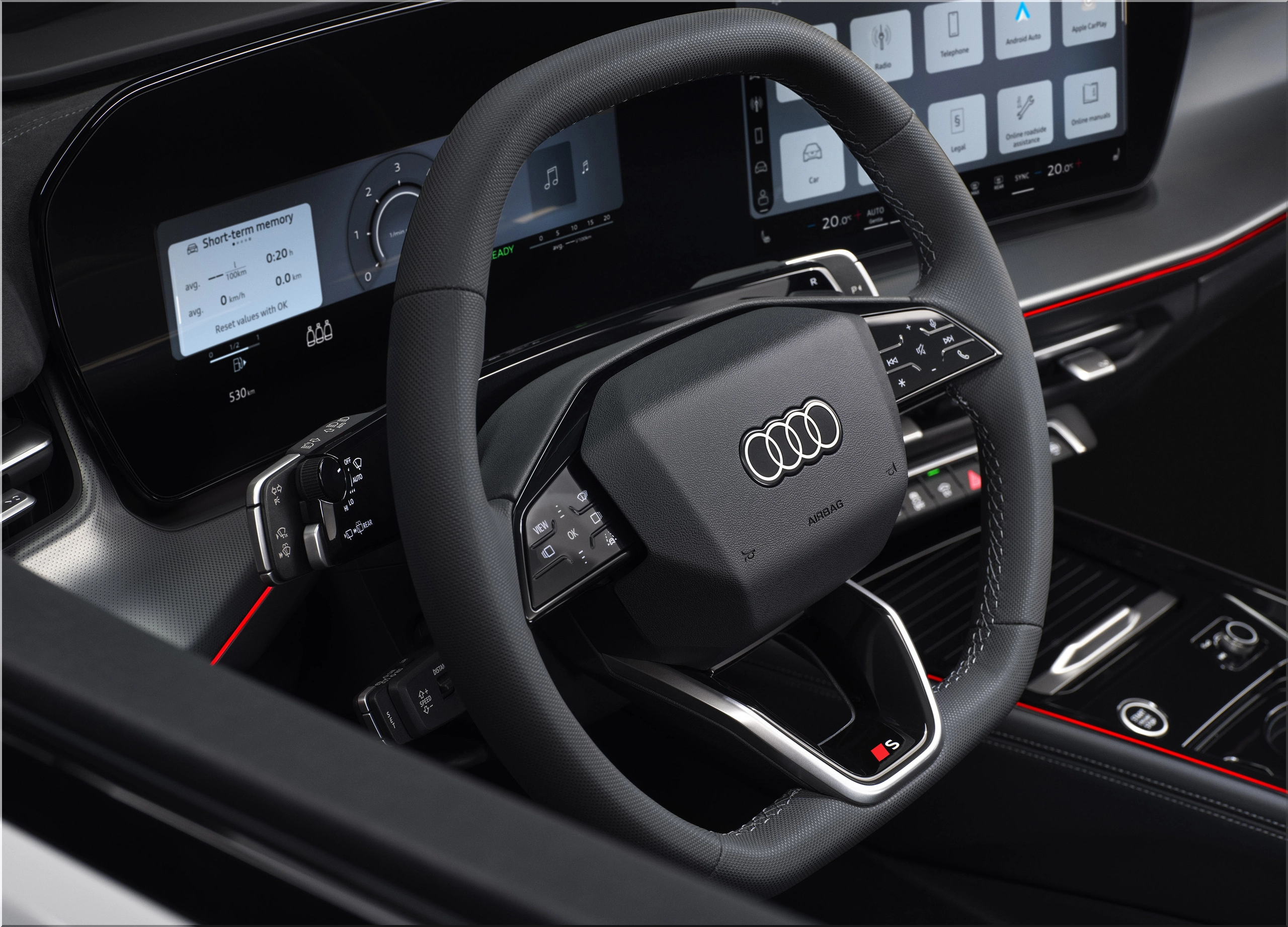
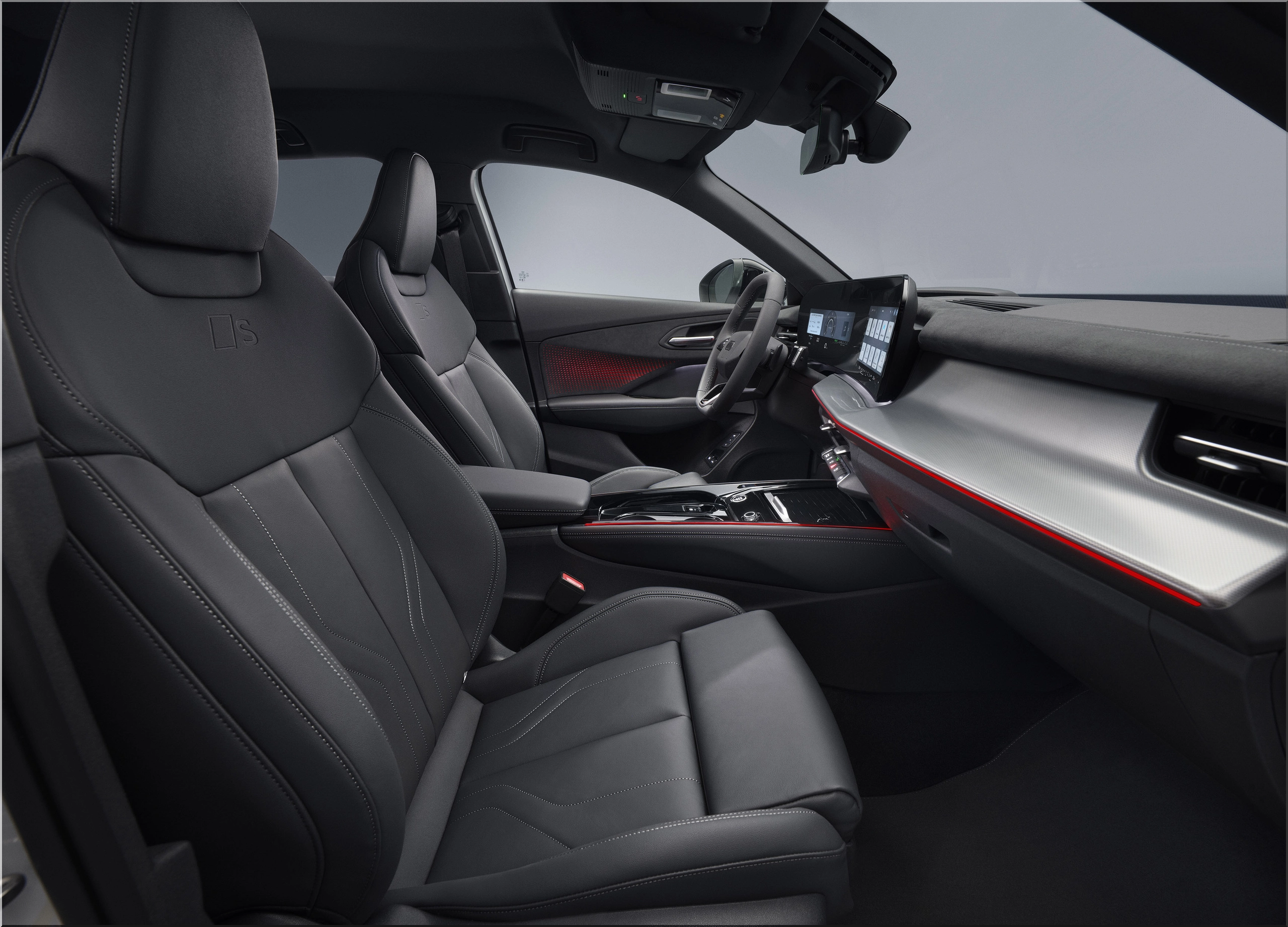
The new Q3's "digital stage" leads with two primary displays:
- 11.9-inch Audi virtual cockpit
- 12.8-inch MMI touch display
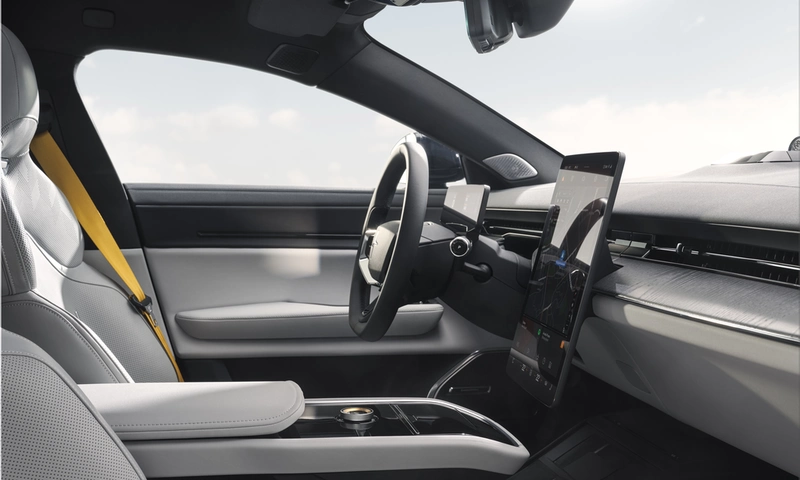
Both screens are housed in a single curved panel angled toward the driver. A third head-up display projects data directly into the field of vision. Together, these three components provide clear data access with minimal eye movement.
Audi avoids over-complicating with screen layering or dashboard overdesign. Instead, clean horizontal lines define the cabin, giving it a wider, calmer feel.
Steering Column Shifter: Small Change, Big Result
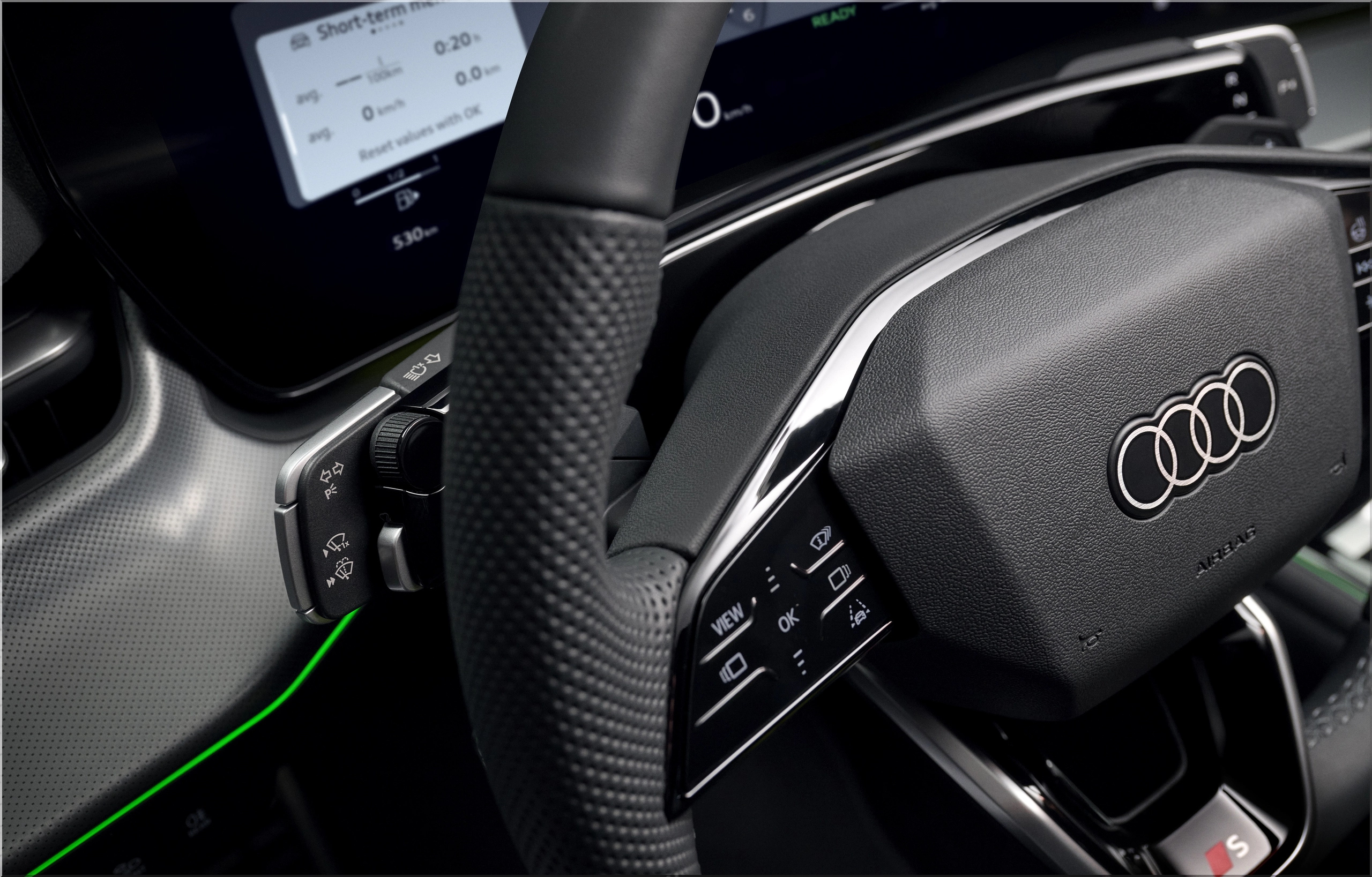
One of the smartest updates? The new steering wheel control unit. Two stalks now sit behind the wheel:
- Right stalk: gear selector
- Left stalk: lighting and wiper controls
This eliminates the traditional gear selector from the center console. The freed-up space adds:
- Two usable cup holders
- A large storage compartment under the adjustable armrest
- A 15W cooled wireless charging tray with USB-C ports front and rear
The layout isn’t trying to impress—it’s trying to work. And it does.
Ambient Lighting: 300 Points of Customization
Forget ambient lighting that’s just for show. Audi engineered lighting that communicates and adapts.
Available lighting packages (plus/pro) use:
- Marker lights along the dash and center console
- Indirect strips under the MMI and inside doors
- Large-area door illumination with over 300 laser-cut light segments
These door lights show dynamic lighting progression when locking or unlocking the car. Customers can pick from 30 different colors through the MMI, creating a customizable atmosphere without touching physical trim.
SONOS Sound: Spatial Audio Done Right
Audi partnered with SONOS to deliver immersive surround sound. The 12-speaker system includes:
- A center speaker
- A subwoofer
- 420W amplifier
The system uses intelligent signal processing to tailor the experience by seating position. Available sound profiles include:
- Neutral
- Concert
- Lounge
- Podcast
- Custom
Through Functions on Demand, customers can activate:
- Bass intensification
- Automatic volume leveling
- Compressed music enhancement
All functions are accessible after purchase, turning a base system into a premium setup without needing factory upgrades.

Materials: Durable and Circular, Not Decorative
Audi’s focus on sustainable materials leads to real results.
Interior materials include:
- Fast-growing timber for trim accents
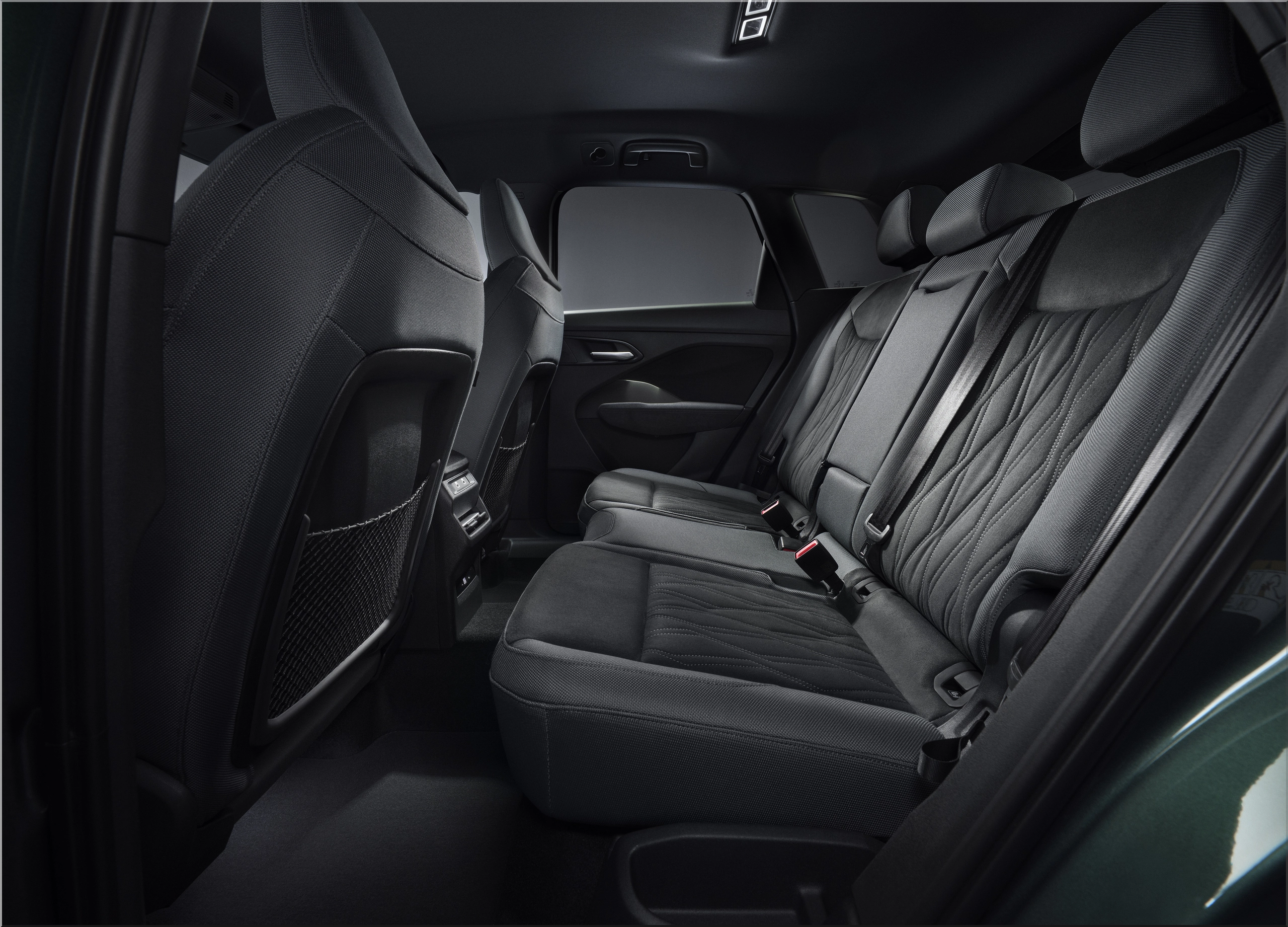
- Seat fabrics like Impressum and Passage, made from 100% recycled polyester
- Velvet velour floor mats crafted from Econyl—a nylon fiber made from old fishing nets and industrial waste
All textile seat covers are monomaterials, which means they can be recycled cleanly. These aren’t “eco touches.” They’re built for use, wear, and re-use.
Visual Clarity in the Console
Audi applied a principle it calls "visual clarity". The result is a simplified cabin:
- Flush door handles
- Chrome switchgear accents
- Fewer breaks in the surface design
Cup holders are now clearly delineated. Charging ports and storage areas are organized. There’s no central touchpad or complex control stack. Everything serves a specific, tactile purpose.
Center Console Functionality
More space is only helpful if it’s usable. Here’s what the revised center console now delivers:
- Hidden charging tray with cooling and 15W wireless support
- Sliding cover to protect charging tray
- USB-C ports up front and in the second row
- Two cup holders
- Deep storage box under the armrest
Every part has a function. Nothing is there for visual filler.
Acoustic Engineering: Quiet Matters
While most automakers chase cabin visuals, Audi focused on acoustics. The Q3 is the first Audi compact SUV to offer acoustic front side windows. Combined with new insulation techniques, the result is quieter cruising, especially at highway speeds.
Trunk and Rear Passenger Utility
Practicality doesn’t stop at the front seat:
- 488 liters (17.2 cu ft) of cargo capacity standard
- 1,386 liters (48.9 cu ft) with seats down
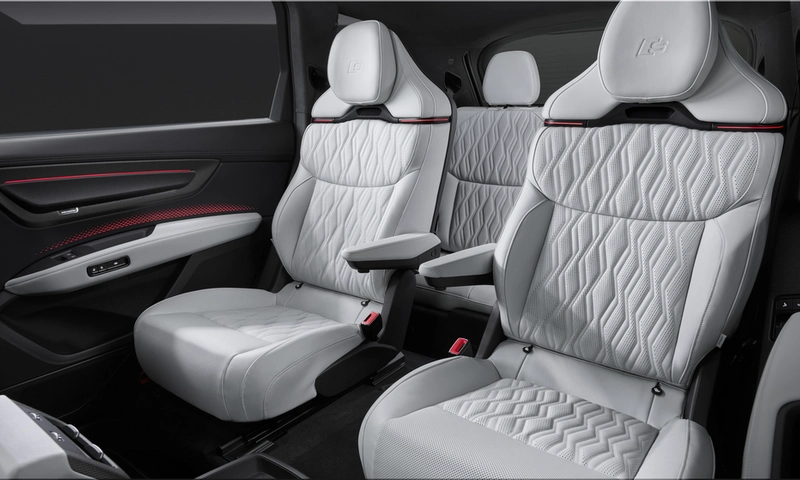
- Rear bench slides and reclines
- Up to 2,100 kg (4,630 lb) towing capacity
For a compact SUV, the Q3 punches above its size in functional cargo and towing.
Interface: Android-Based and AI-Ready
The infotainment runs Android Automotive OS, built directly into the car. Apps like YouTube run without a phone. The system integrates:
- The Audi Application Store
- Voice control with AI-backed Audi Assistant
- Assistant appears as an avatar on the central display and in the head-up projection
The assistant handles real commands, not just media and navigation. Climate settings, drive modes, and more can be voice-controlled with direct feedback on screen.
Conclusion: The 2026 Audi Q3 Interior Trades Hype for Usability
Audi didn’t make the 2026 Q3 interior to “wow.” It made it to work. That means better space use, clearer interfaces, more effective tech, and sustainable materials that do more than check boxes.
In a segment filled with feature inflation and visual overload, Audi took a cleaner route. The result? A cabin designed for daily driving, not for Instagram.
- Add new comment
- 158 views