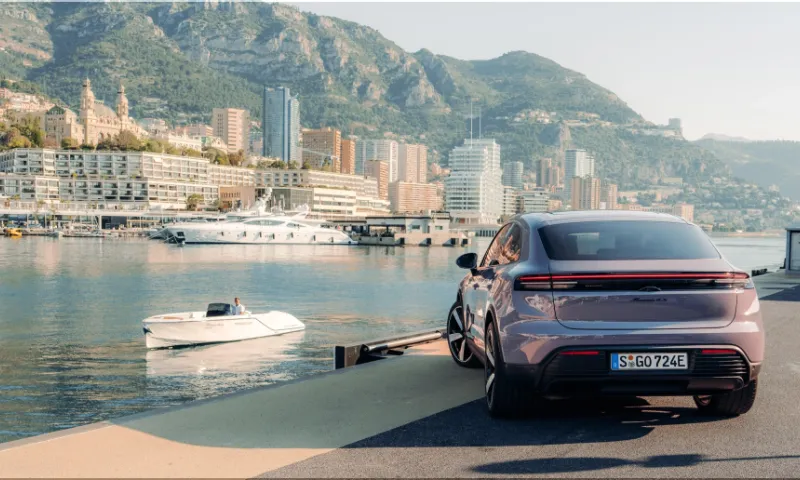
Porsche plans to bring inductive charging to market in 2026, starting with the Cayenne Electric. The system eliminates cables and wall boxes. Owners will park over a floor plate, and energy transfers automatically. This direct move reflects Porsche's focus on ease of use and daily practicality in electric mobility.
Why Inductive Charging Matters
Most EV owners still charge at home. Wall boxes dominate, but installation costs and setup complexity remain high. Inductive charging reduces these barriers:
- No wall box required.
- No manual connection needed.
- Safer with automatic object detection.
- Integrated software support through the My Porsche app.
By targeting the home market first, Porsche addresses the core pain point: convenience. Charging an electric vehicle becomes as simple as parking.
How the Technology Works
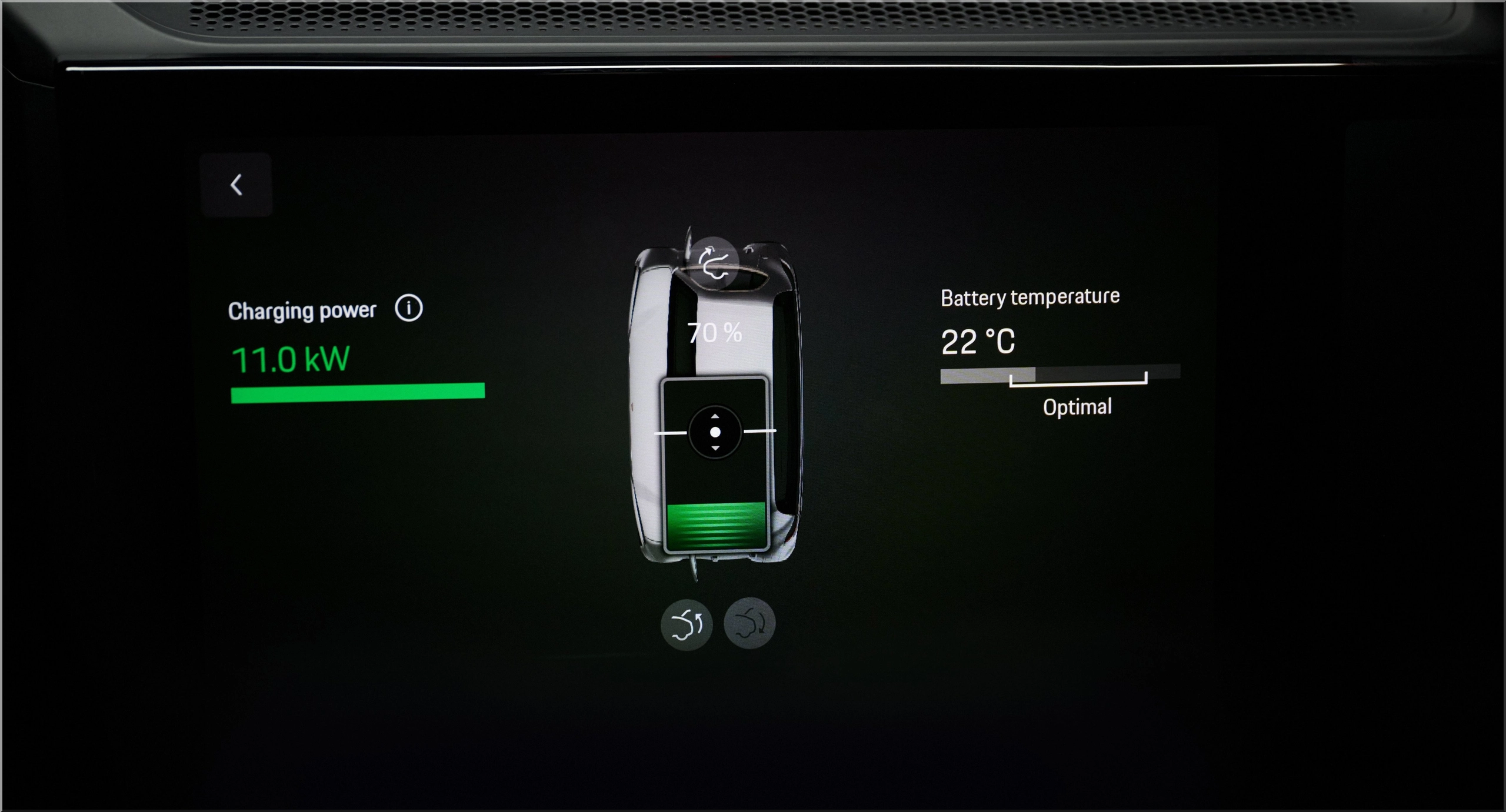
The Porsche Wireless Charging system delivers 11 kW. That equals the performance of most home AC wall boxes. Key details:
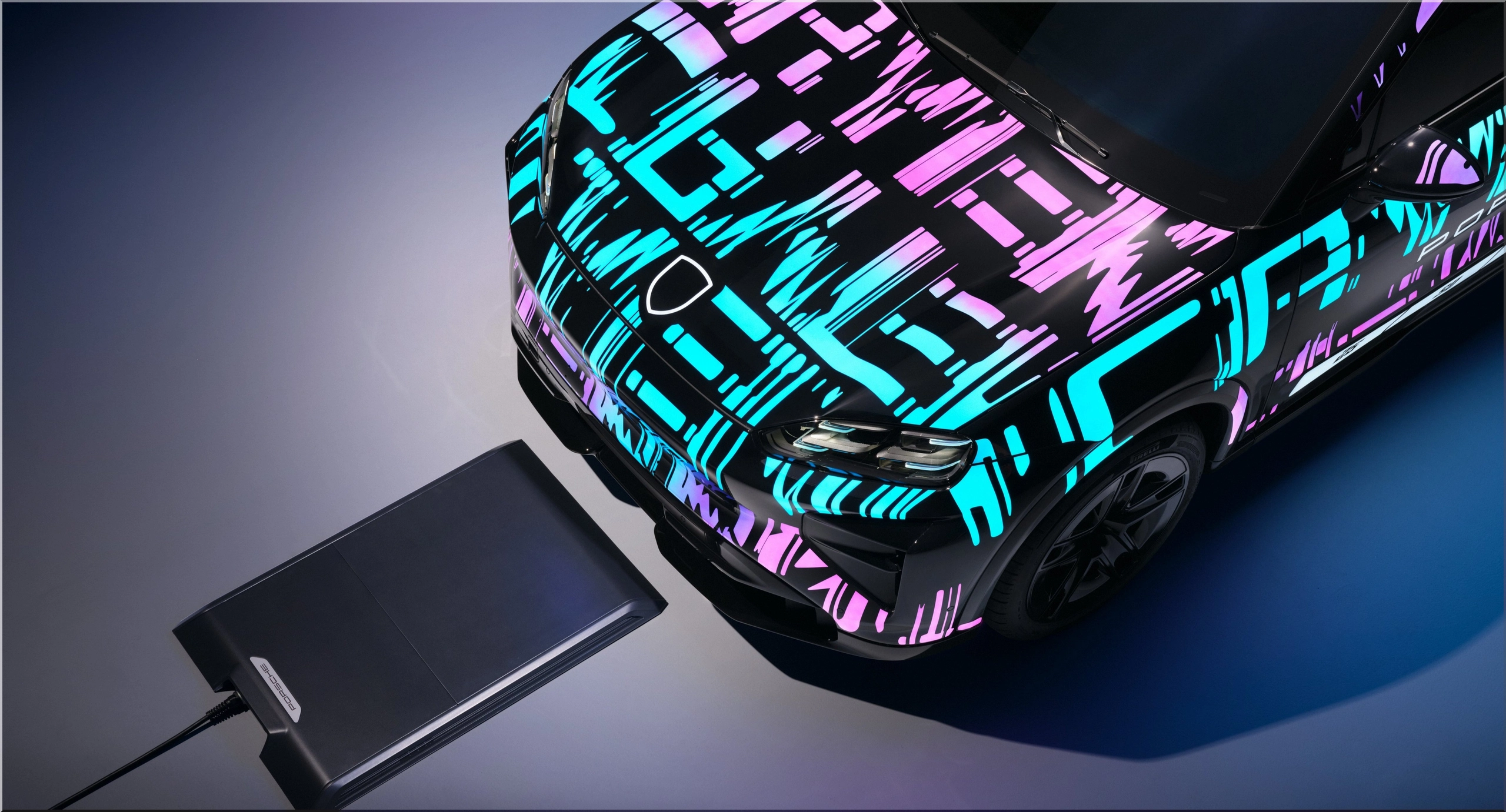
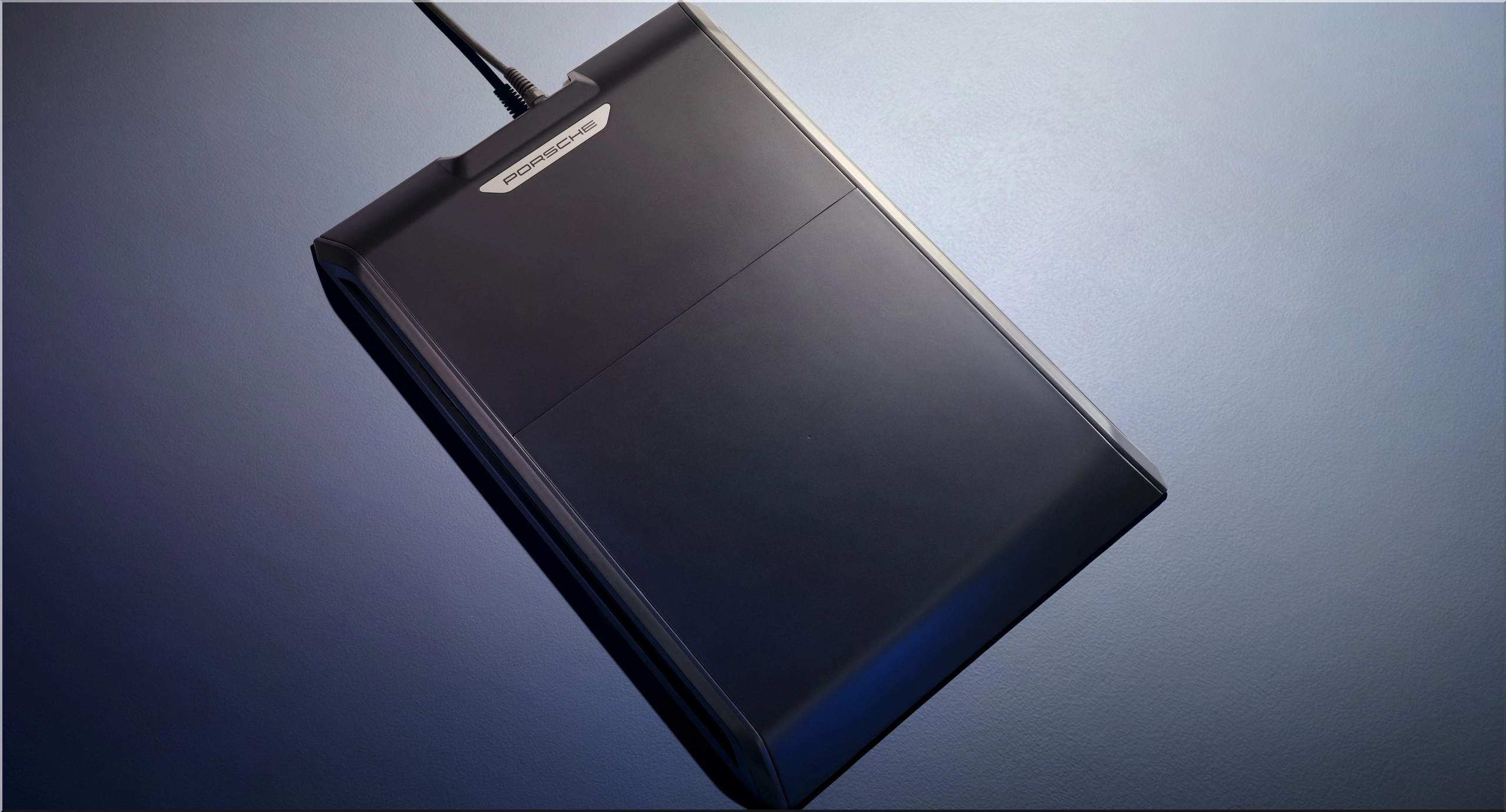
- One-box base plate contains all components except the supply cable.
- Energy transfer distance: four to six inches.
- Automatic ride height adjustment lowers the Cayenne to optimize energy flow.
- Safety features: motion detection and foreign object interruption.
This approach ensures consistent, efficient energy transfer while keeping installation simple.
User Experience
The My Porsche app integrates inductive charging functions. Features include:
- Monitoring charge status.
- Setting a departure timer.
- Enabling cabin preconditioning.
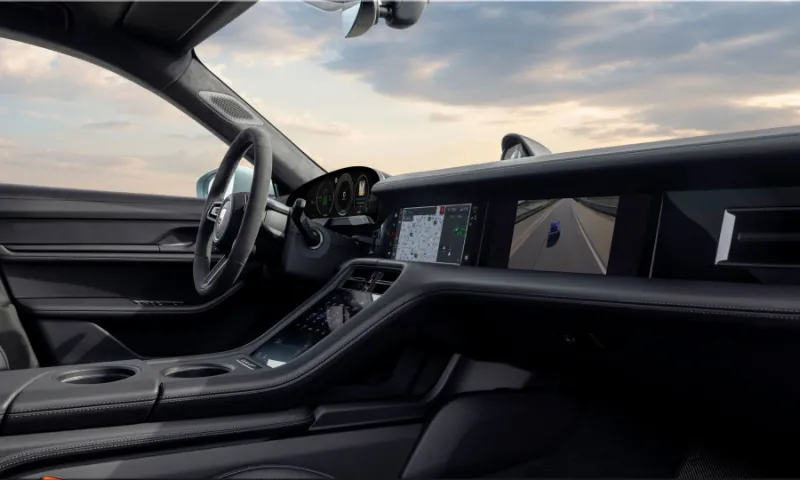
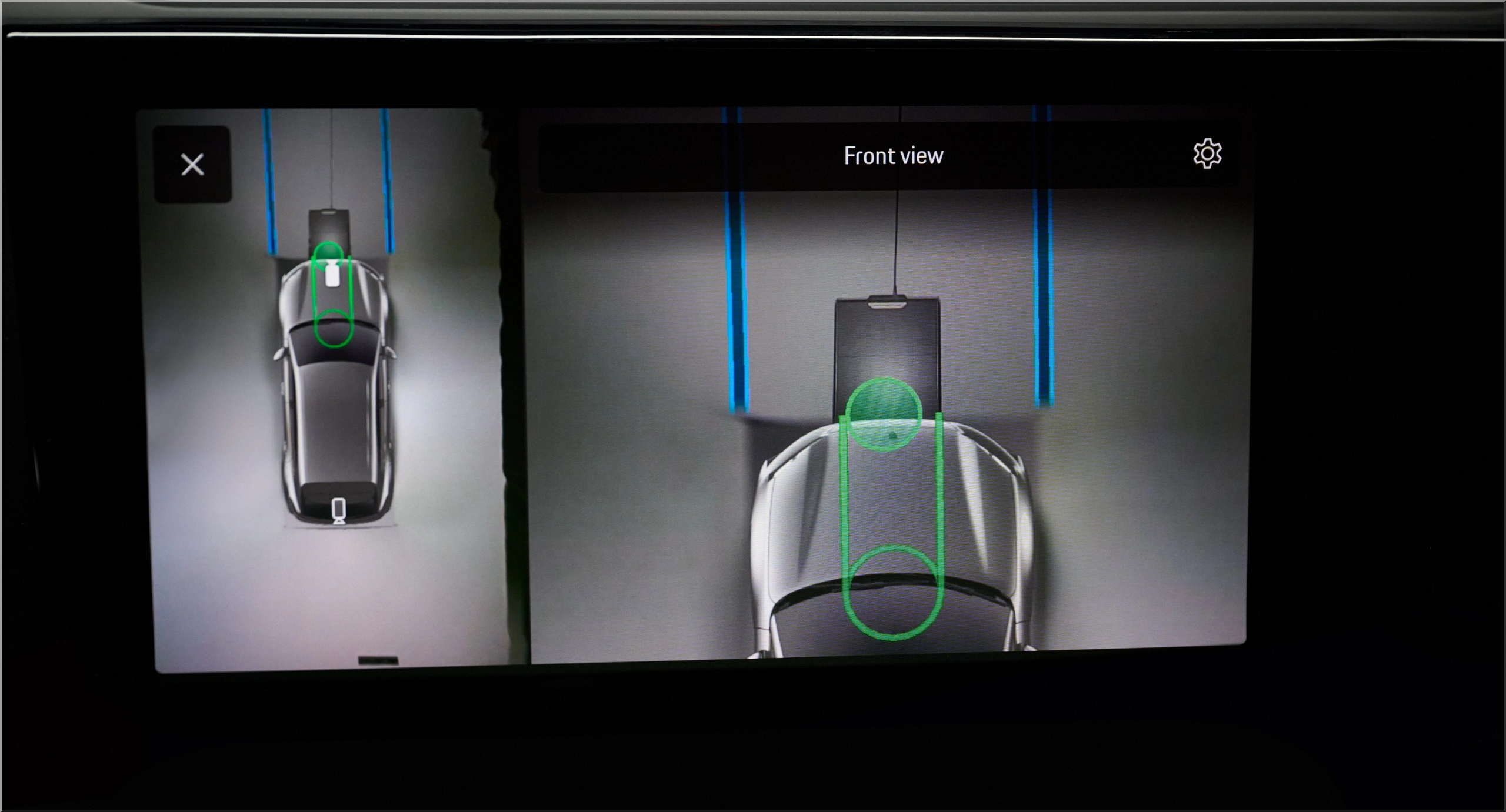
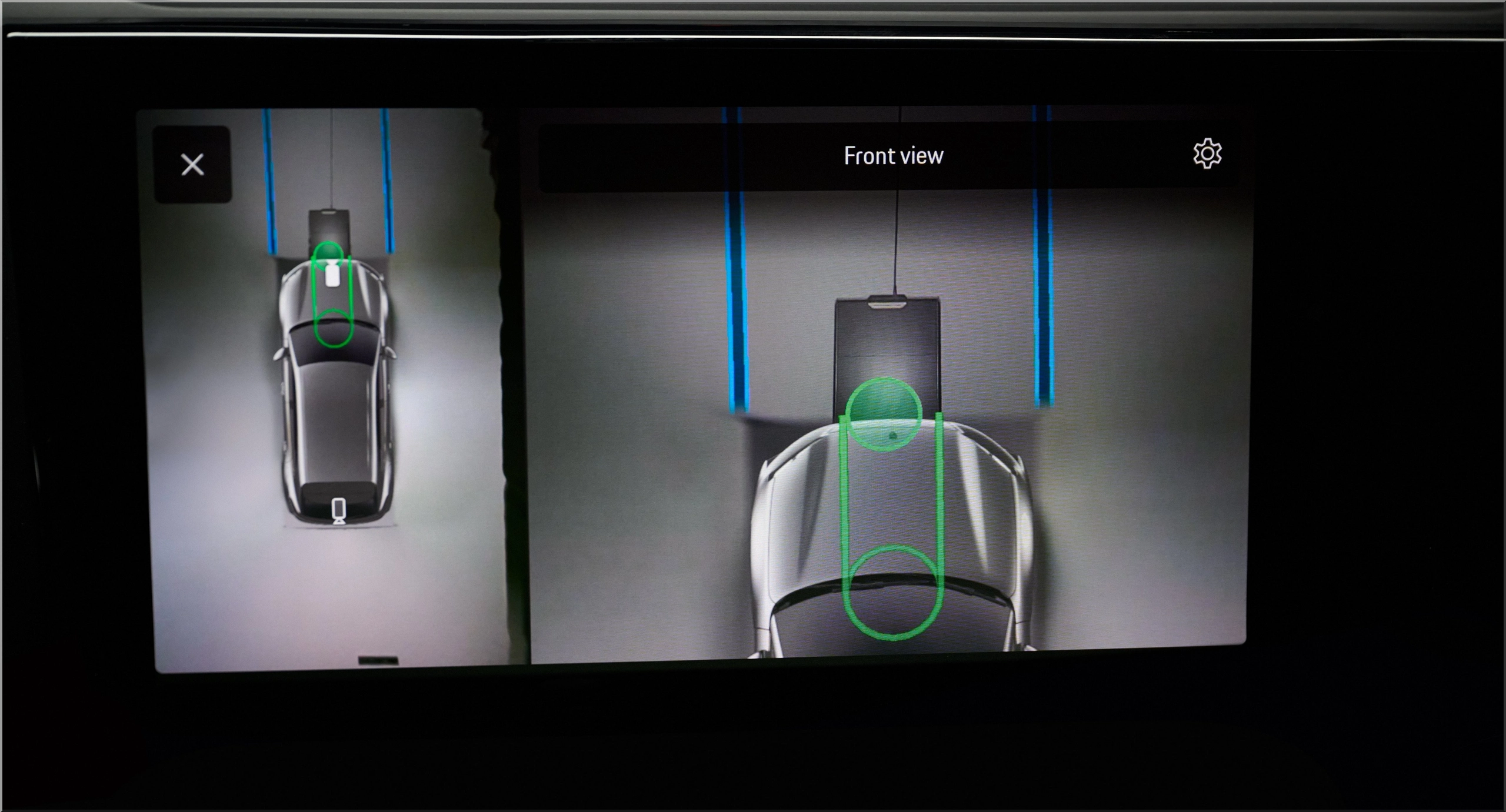
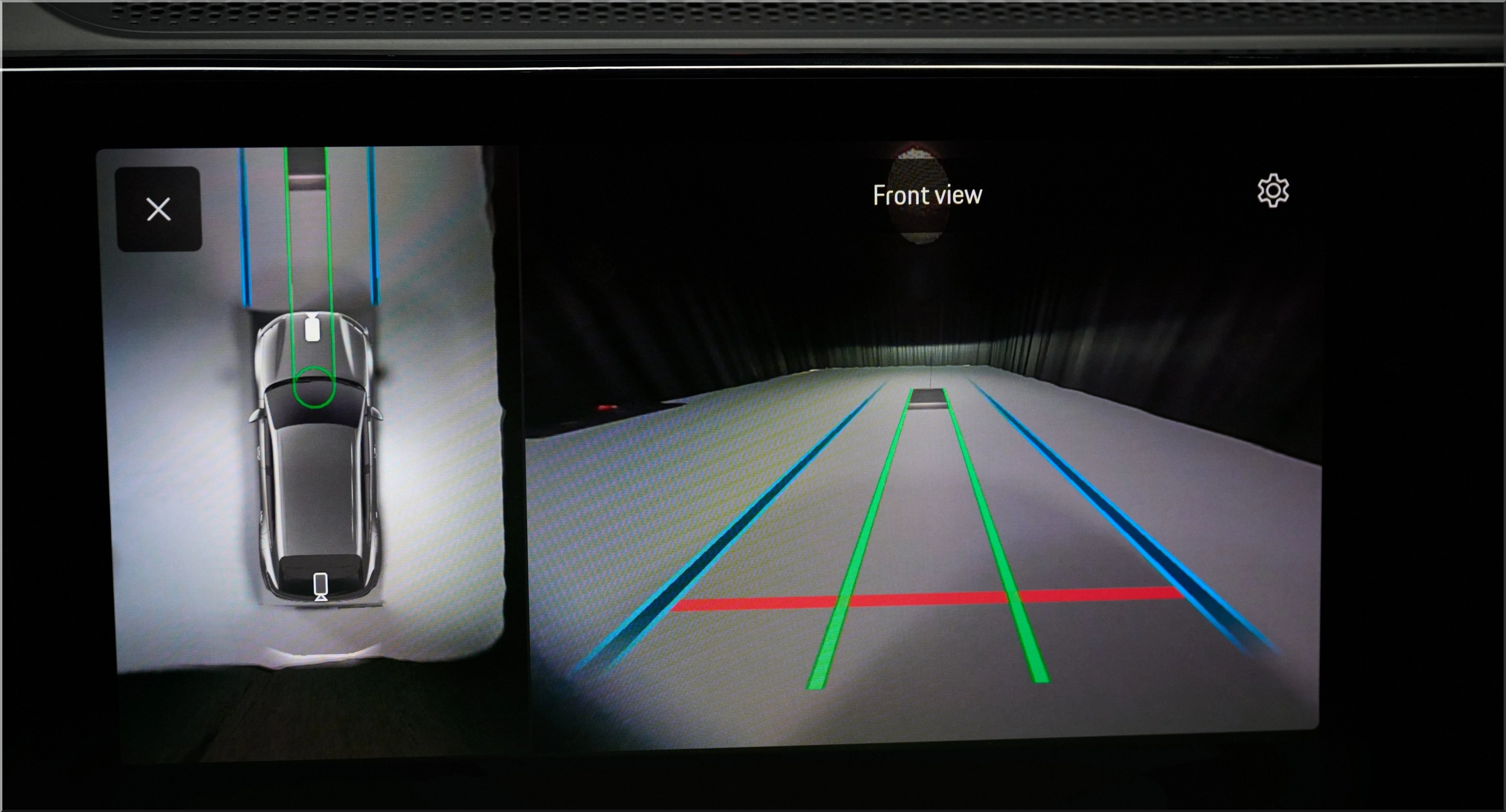
Drivers can also rely on the Surround View system to guide the vehicle into position. Once the parking brake engages, charging begins automatically. The driver does nothing else.
Global Rollout
- Europe: launch in 2026.
- Other markets: phased introduction later.
The rollout strategy follows Porsche’s typical pattern: start in regions with strong EV adoption and home charging infrastructure, then expand globally.
Competitive Context
The Cayenne Electric will debut at the end of 2025. Wireless charging availability in 2026 gives Porsche a competitive advantage. While other automakers have demonstrated inductive concepts, few have committed to series production.
Key Comparisons
| Automaker | Wireless Charging Status | Rollout Plans |
|---|---|---|
| Porsche | 11 kW system in Cayenne Electric | Europe 2026, other markets later |
| BMW | Tested wireless charging with 530e (pilot only) | No mass rollout |
| Mercedes-Benz | Research phase, no consumer launch | TBD |
| Hyundai/Kia | Showed inductive prototypes | No announced market plans |
Porsche will be the first manufacturer to offer a high-power inductive charging option in series production.
The Fluorescent Prototype
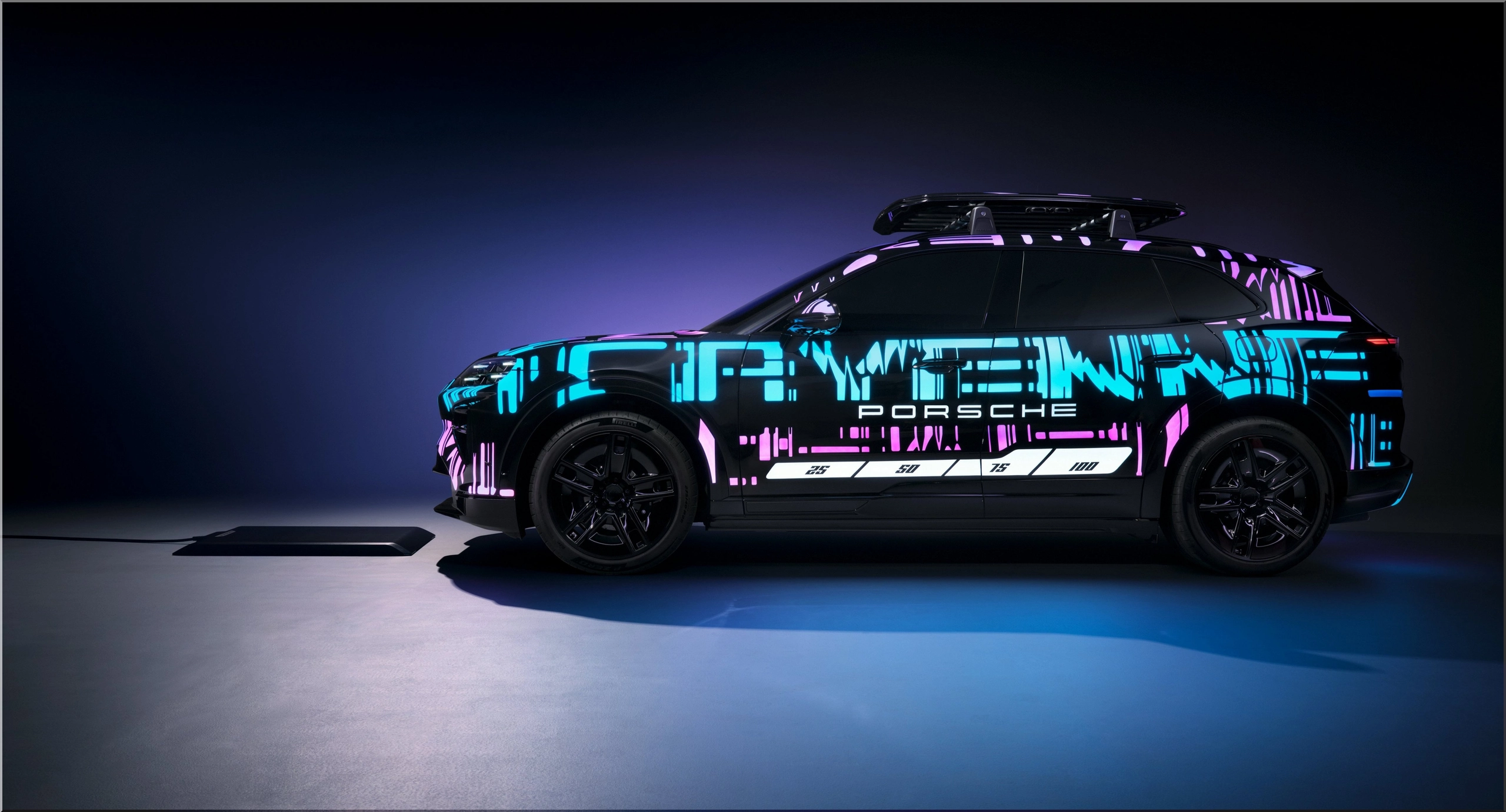
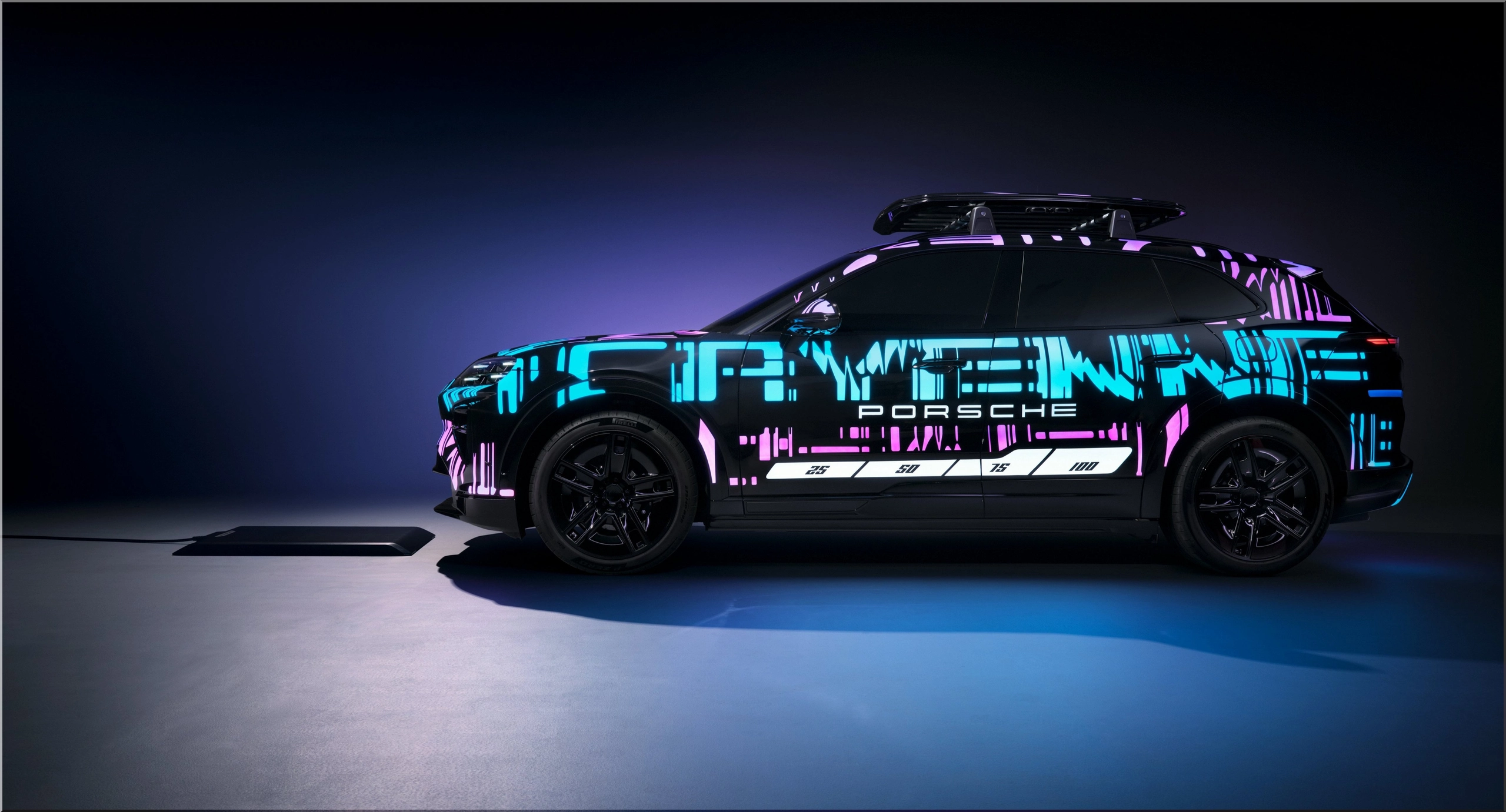
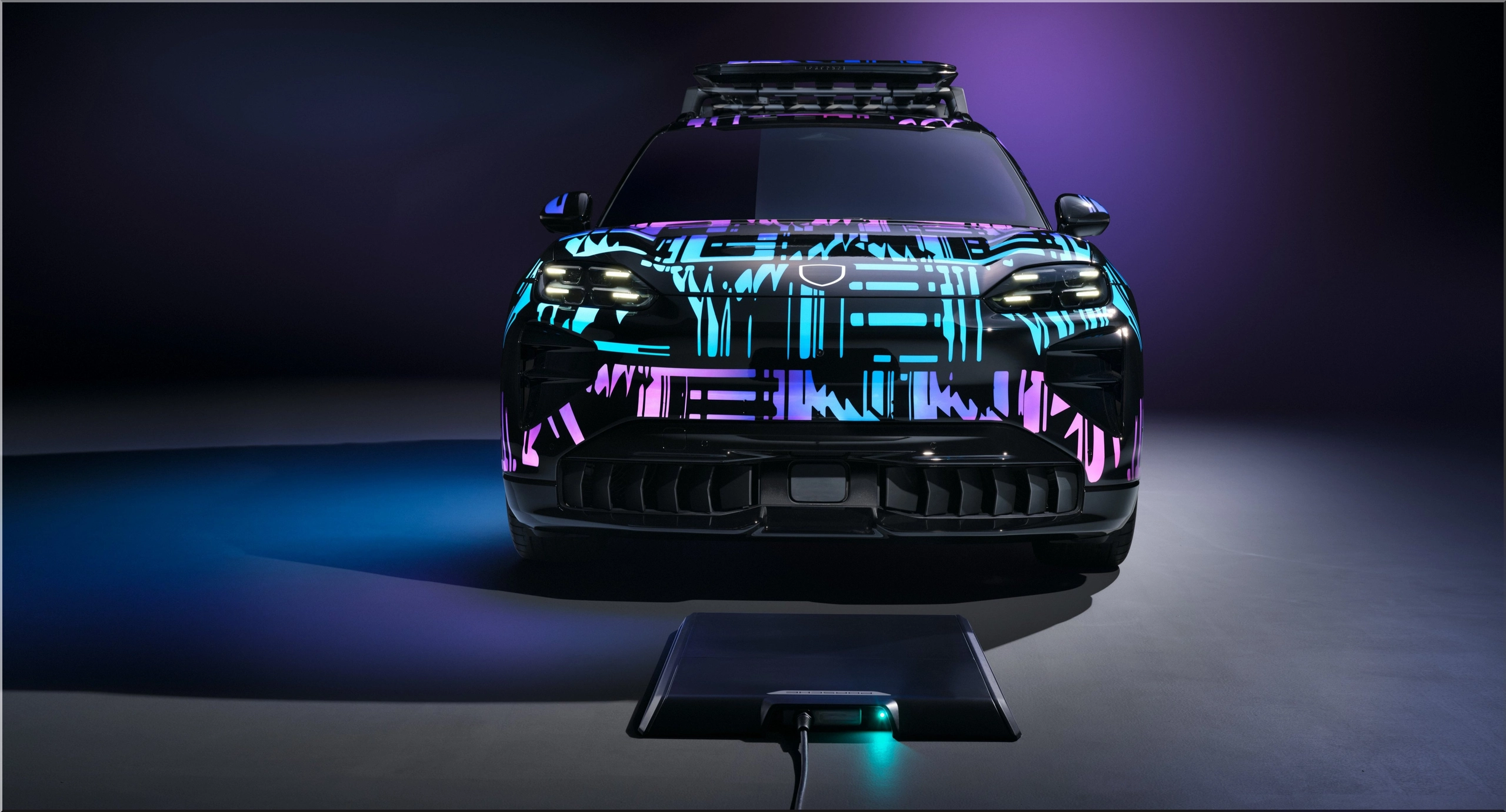
At the 2025 IAA Mobility in Munich, Porsche displayed a prototype Cayenne Electric with fluorescent paint. The coating uses more than 25 ultra-thin layers, including conductive primers and electroluminescent pigments. Under alternating voltage, the body lights up in controlled colors from blue to violet. This visual demonstration linked inductive energy transfer with Porsche’s design emphasis.
Strategic Implications
Inductive charging addresses three consumer hurdles:
- Ease of use: removes cable handling.
- Infrastructure simplicity: eliminates wall box installation.
- Safety: built-in sensors and automatic shutdown.
This positions Porsche to strengthen adoption among high-income households who prioritize convenience. It also helps differentiate the Cayenne Electric in a competitive premium EV market.
Pricing and Value Considerations
Porsche has not released pricing for the inductive charging option. For context:
- High-end AC wall boxes cost $1,000–$2,000 (including installation).
- Wireless charging systems may exceed that due to added technology.
The target buyer for a Cayenne Electric, expected to start above $100,000 USD, will likely accept higher hardware costs for the added convenience.
Challenges Ahead
Inductive charging still faces barriers:
- Efficiency losses: wireless charging is slightly less efficient than wired connections.
- Standardization: no universal inductive charging standard exists yet.
- Scaling to public infrastructure: home use is feasible, but widespread rollout will take longer.
These challenges limit initial adoption to premium markets, but Porsche positions itself early for future expansion.
Market Outlook
Wireless charging could grow as EV penetration increases. Research firms project compound annual growth rates above 20% in inductive charging hardware by 2030. Luxury automakers such as Porsche are best positioned to lead adoption, using convenience as a differentiator in a crowded EV field.
Conclusion
Porsche’s decision to launch inductive charging with the Cayenne Electric sets a new benchmark in the premium EV space. By making charging as easy as parking, the company removes one of the last practical hurdles for home EV ownership. Europe in 2026 marks the start. Other markets will follow. Porsche’s move puts it ahead of rivals and could shape charging expectations across the industry.
- Add new comment
- 170 views