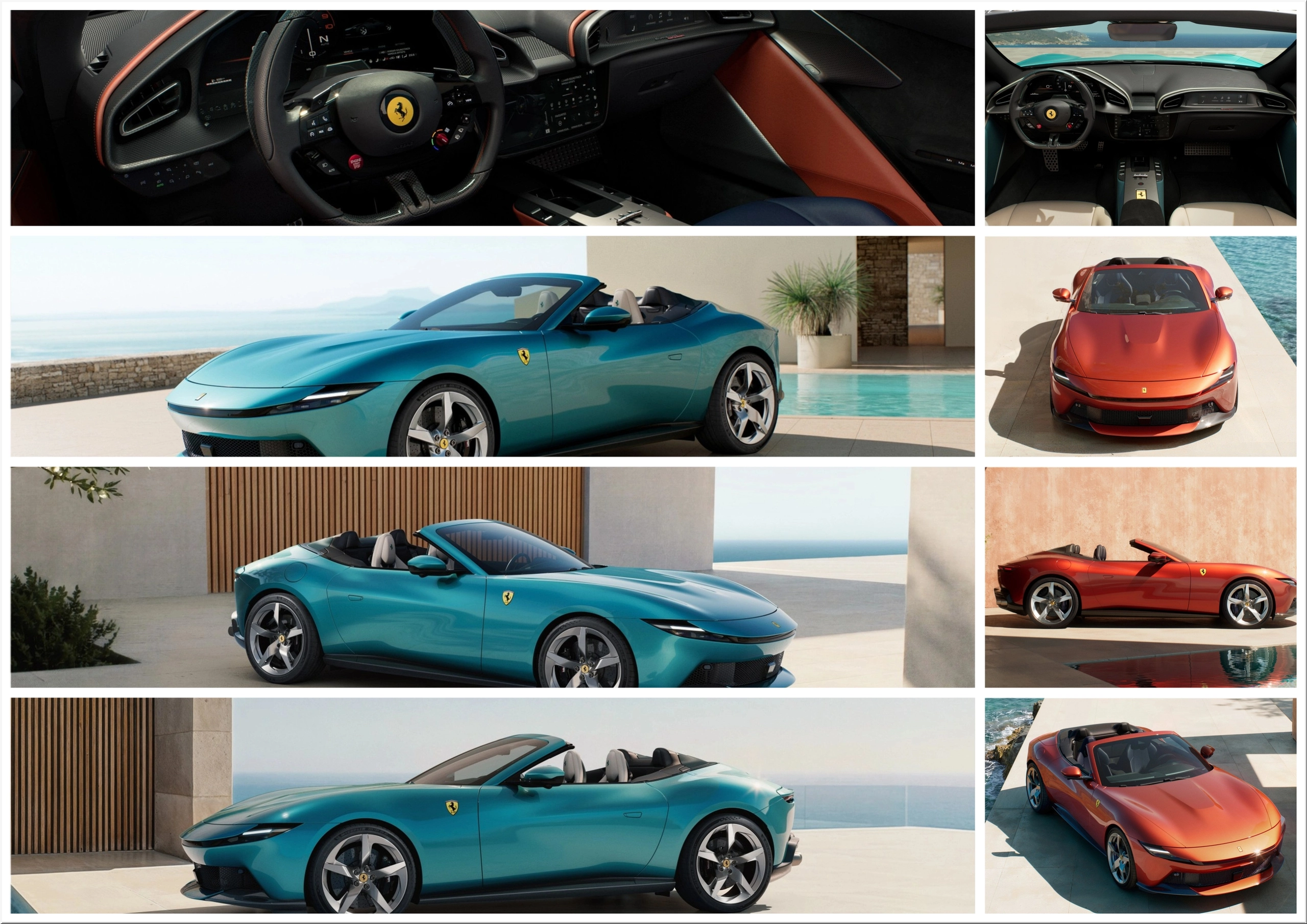
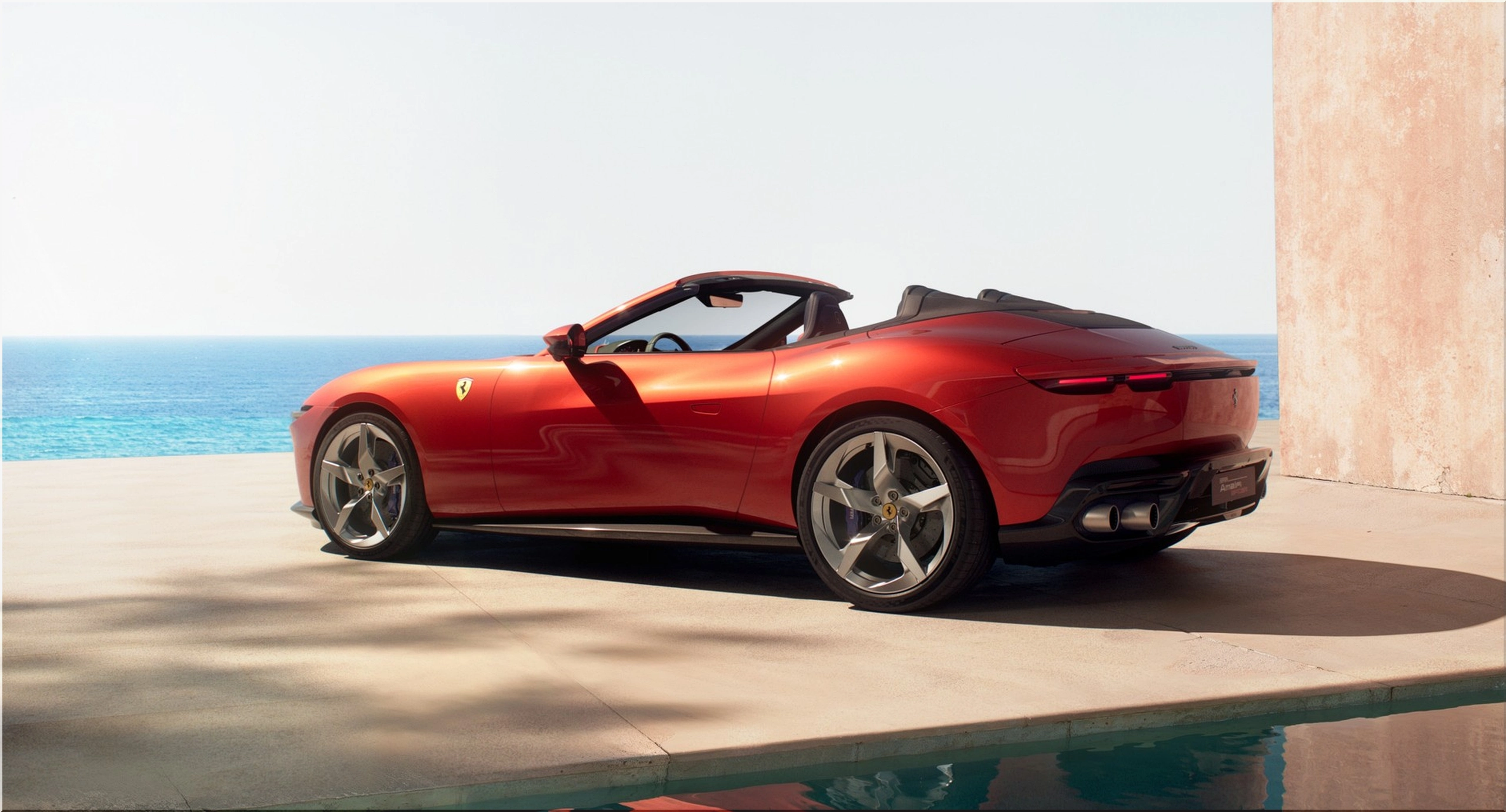
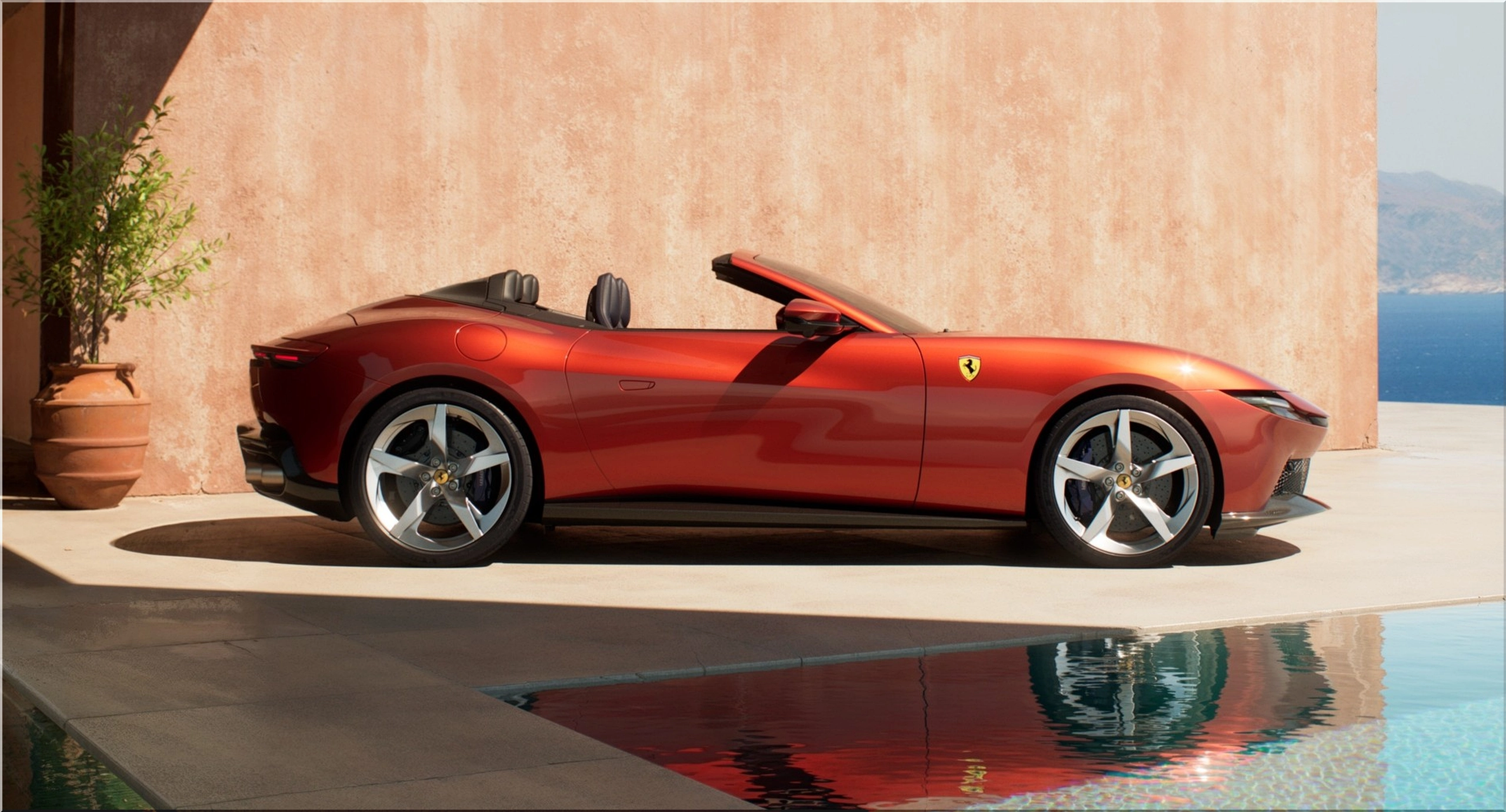
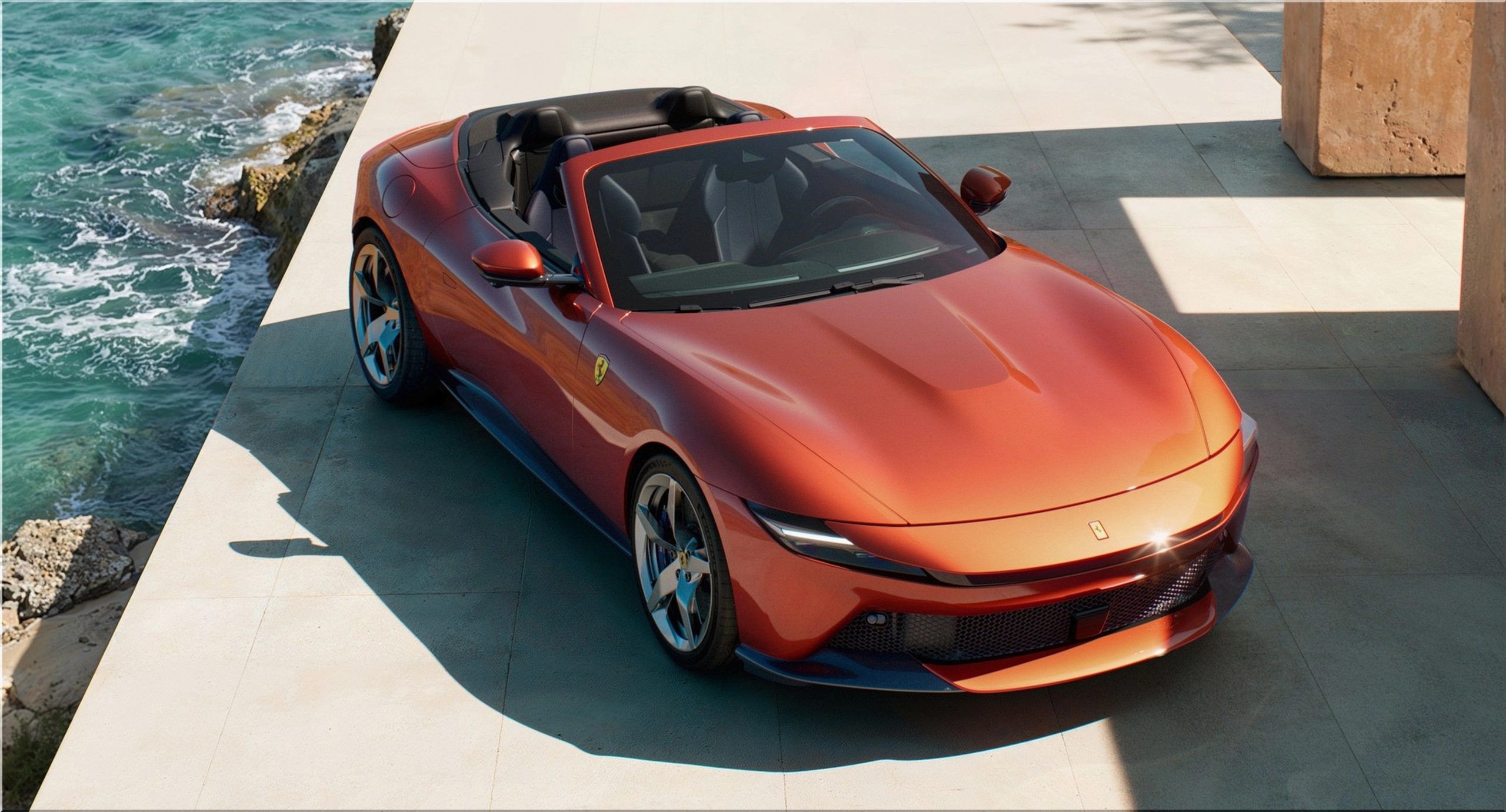
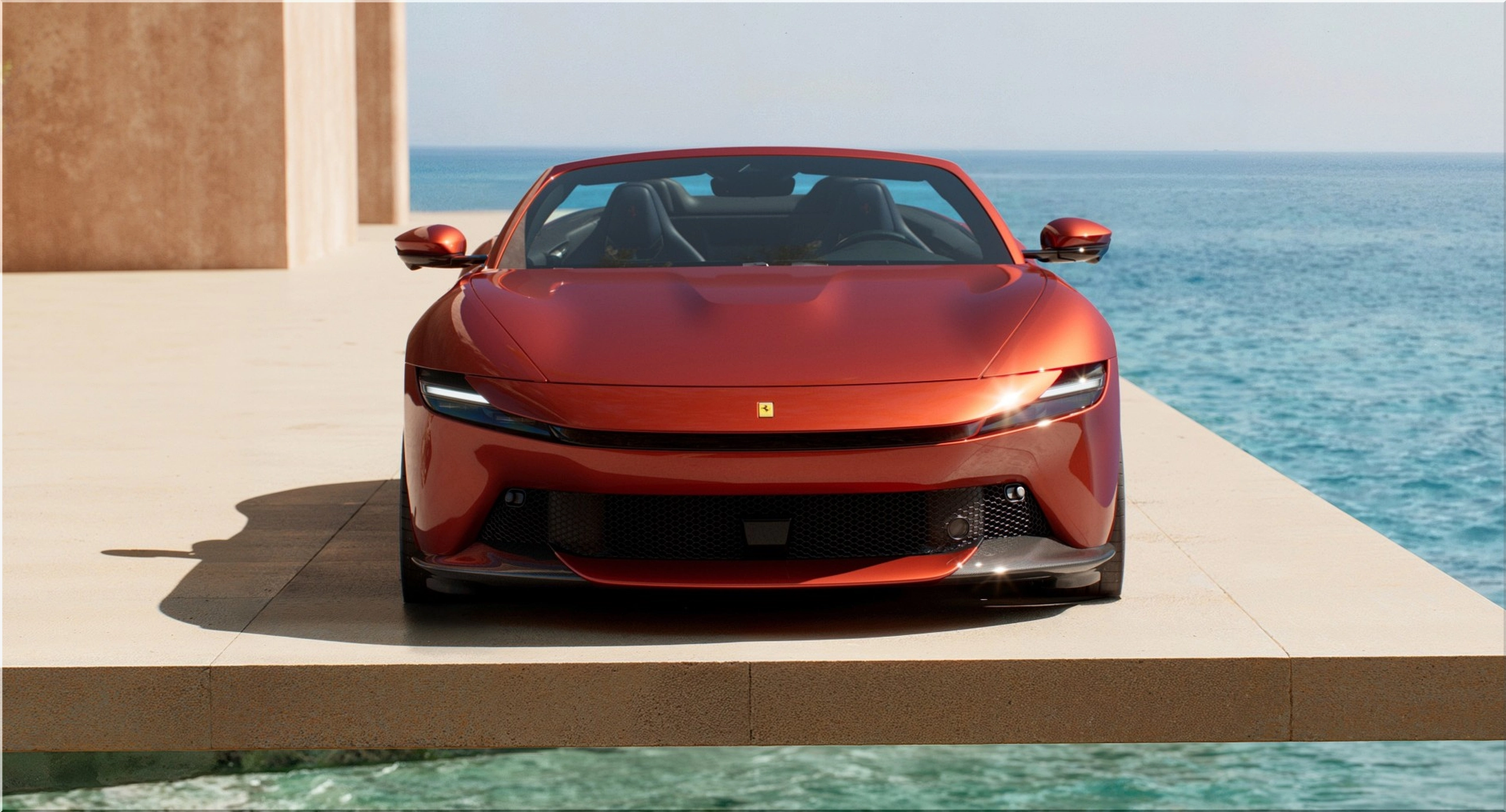
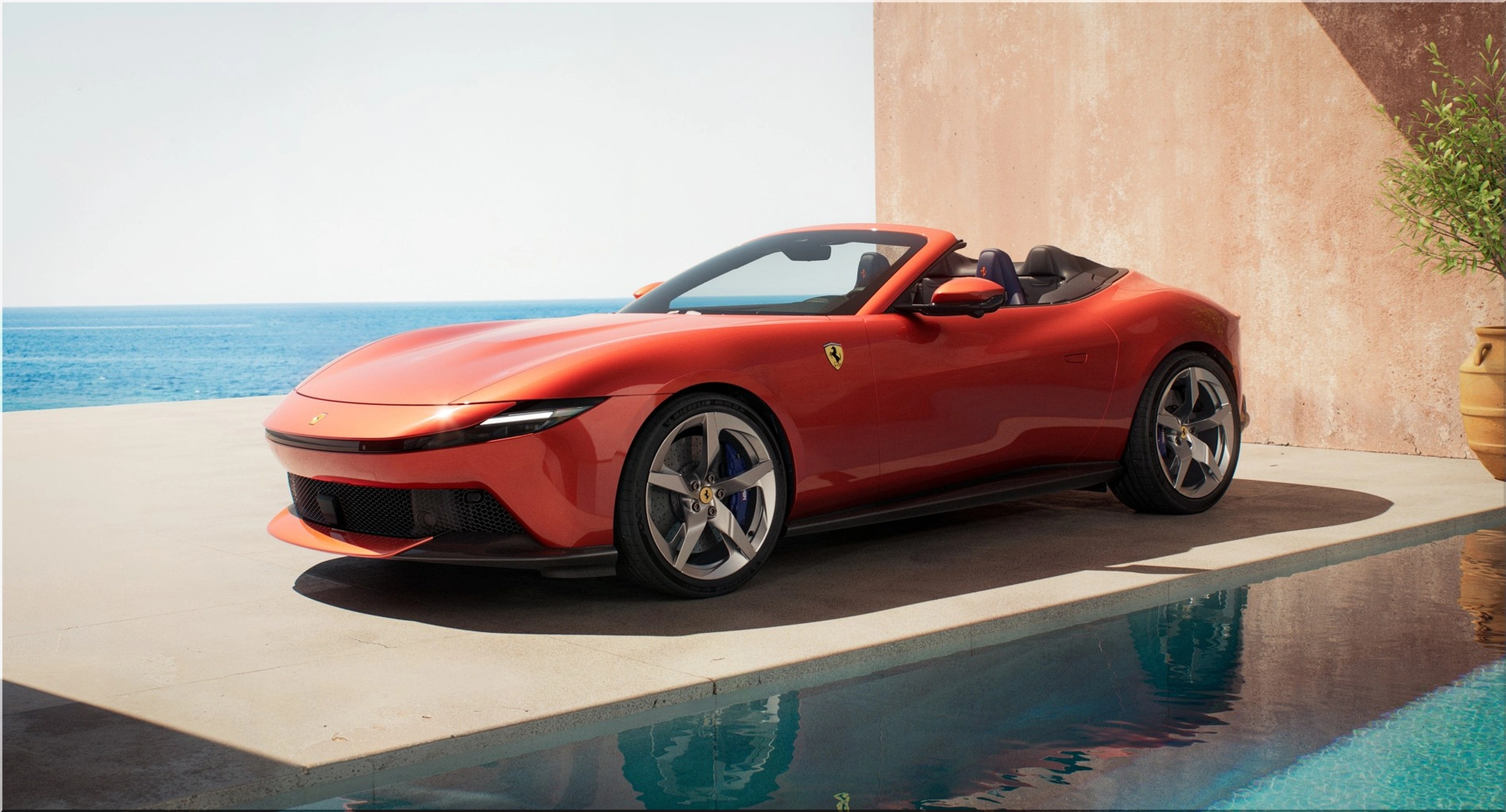
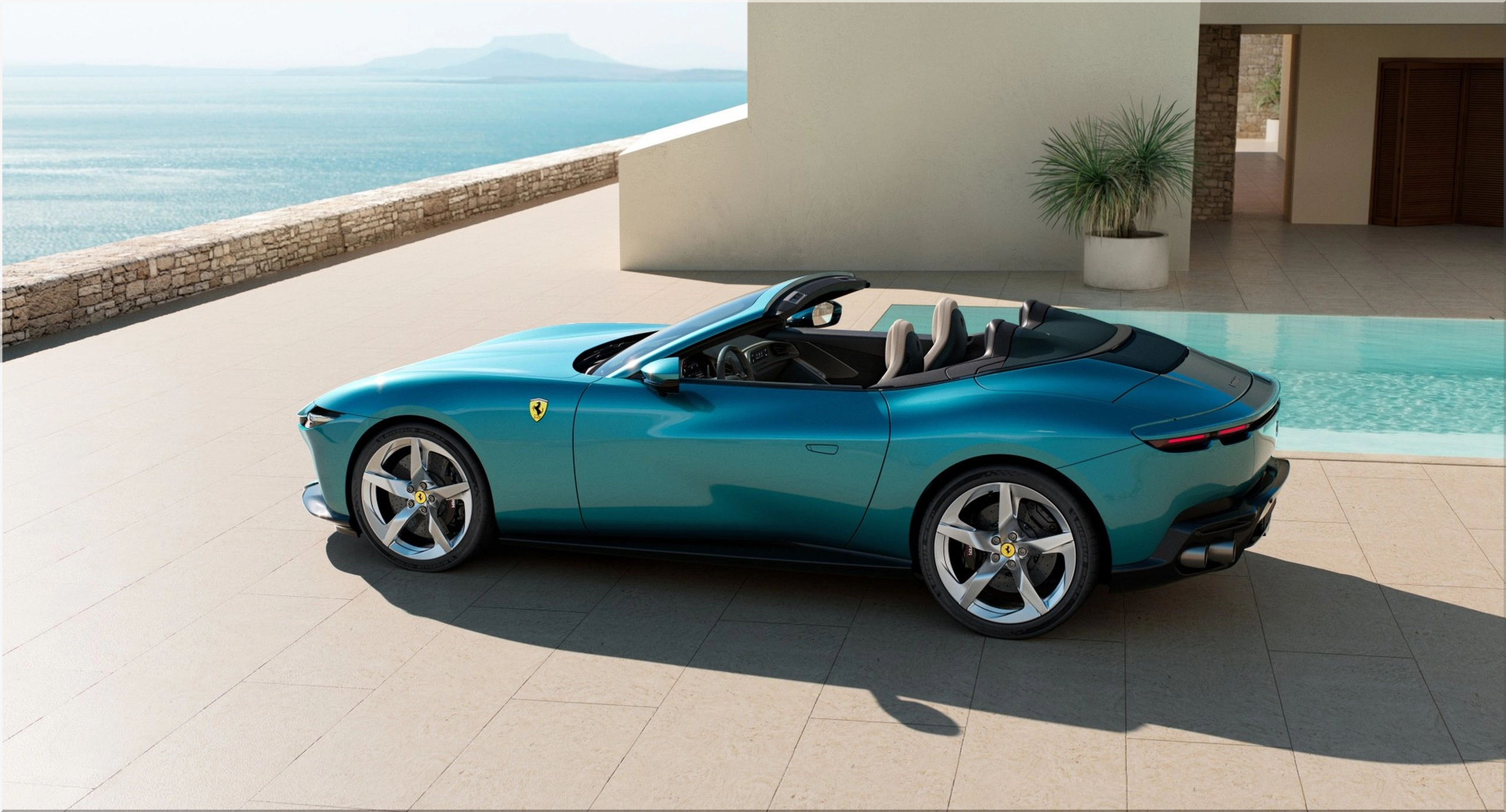
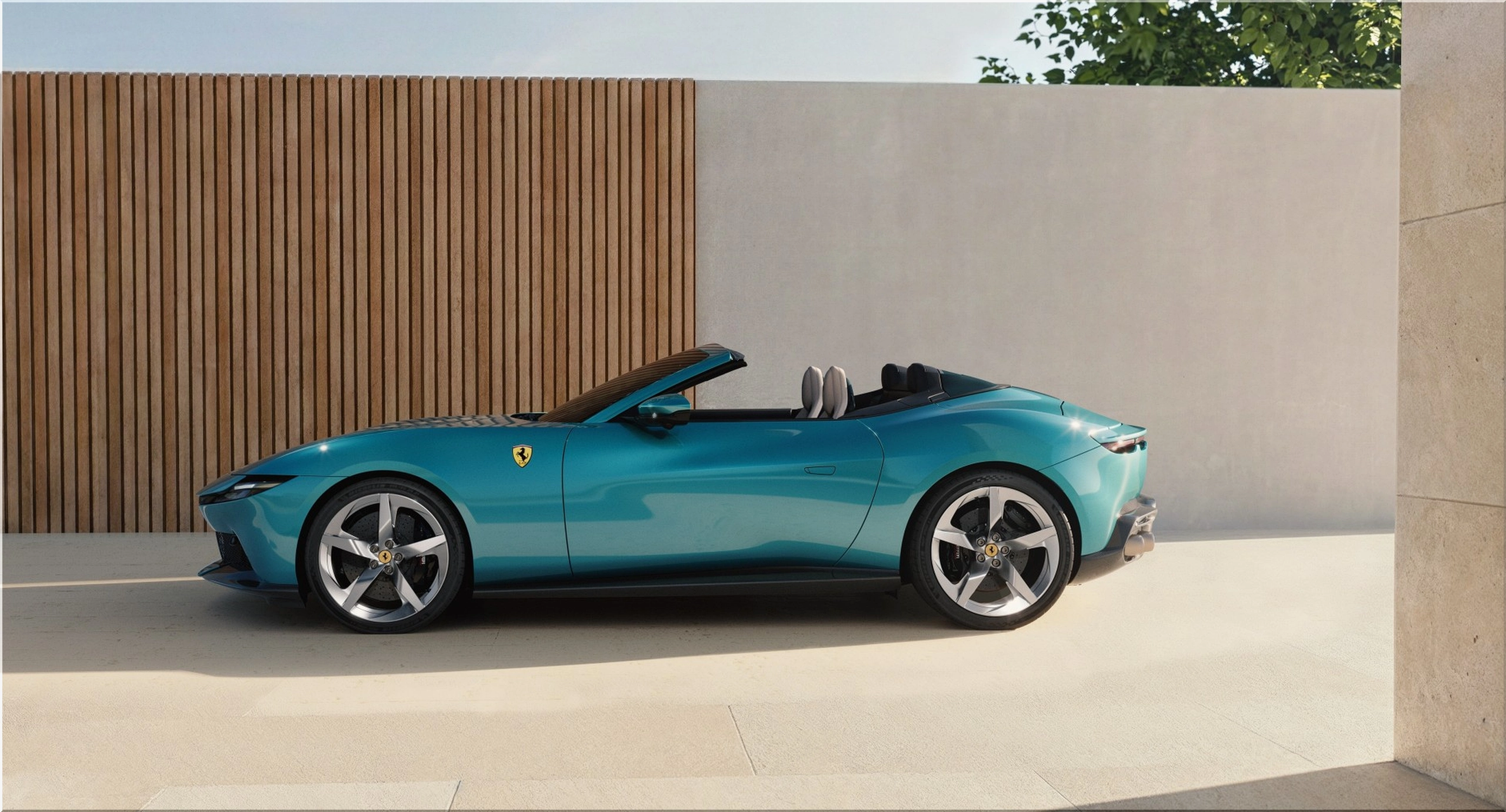
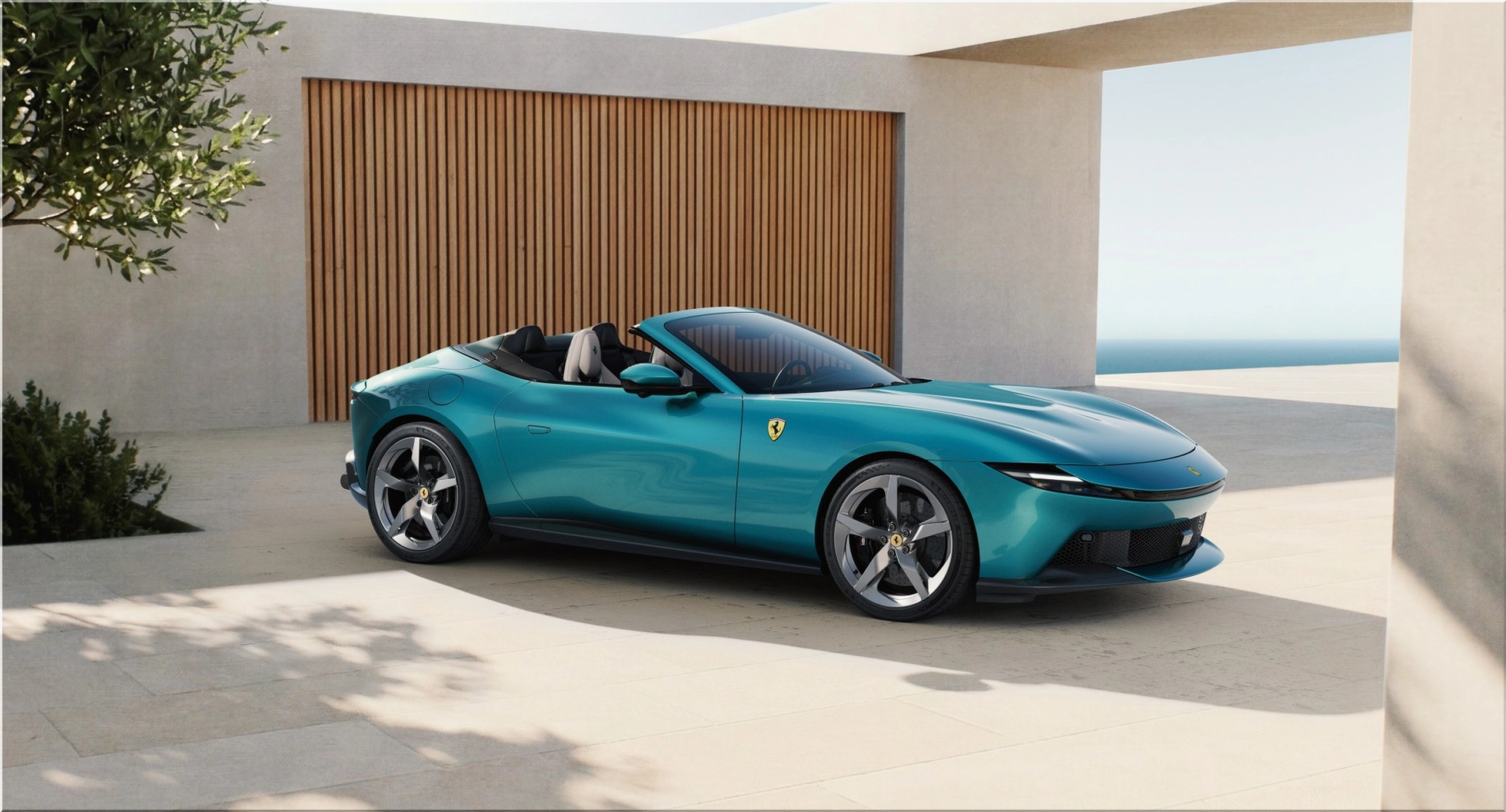
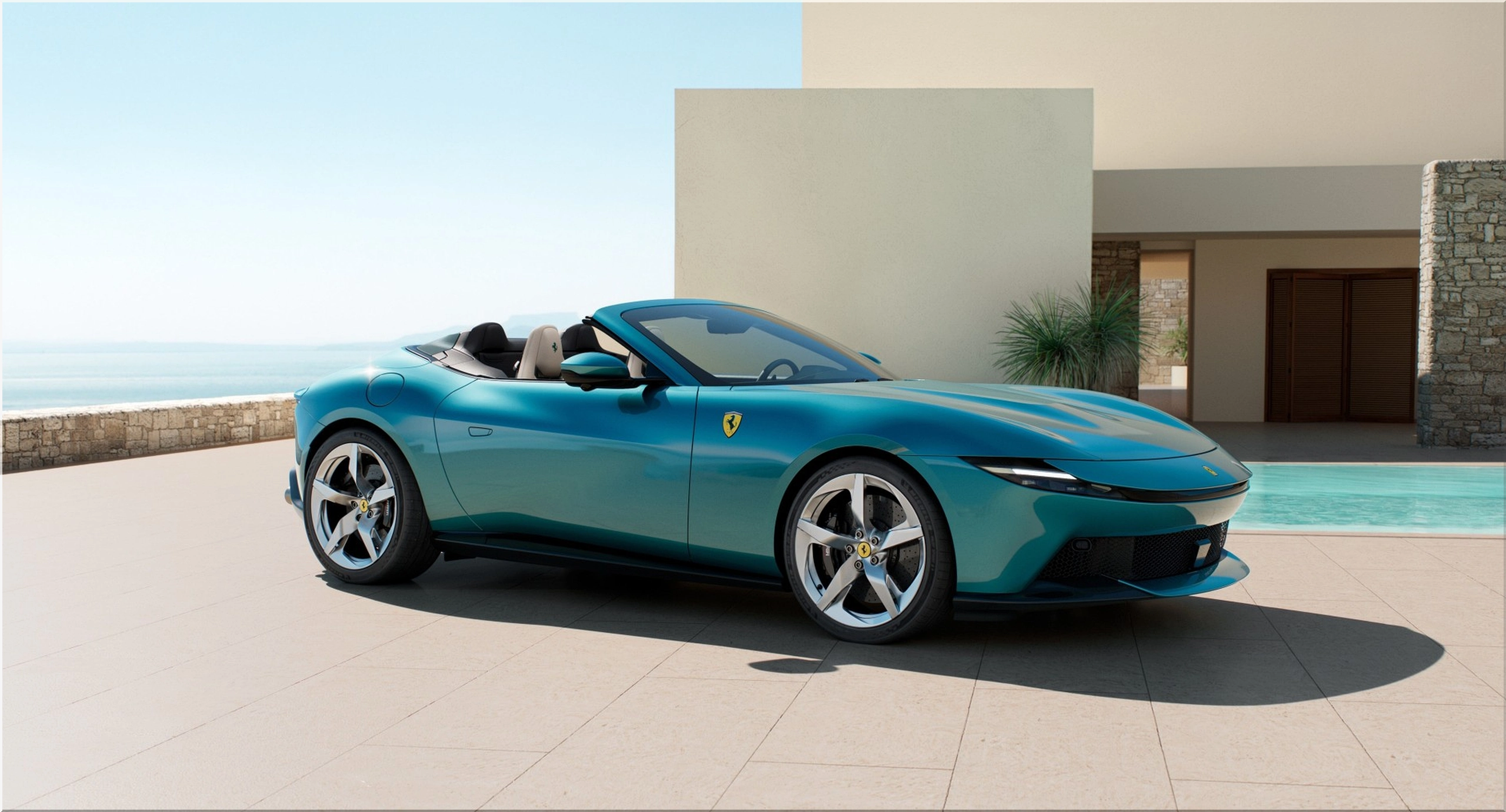
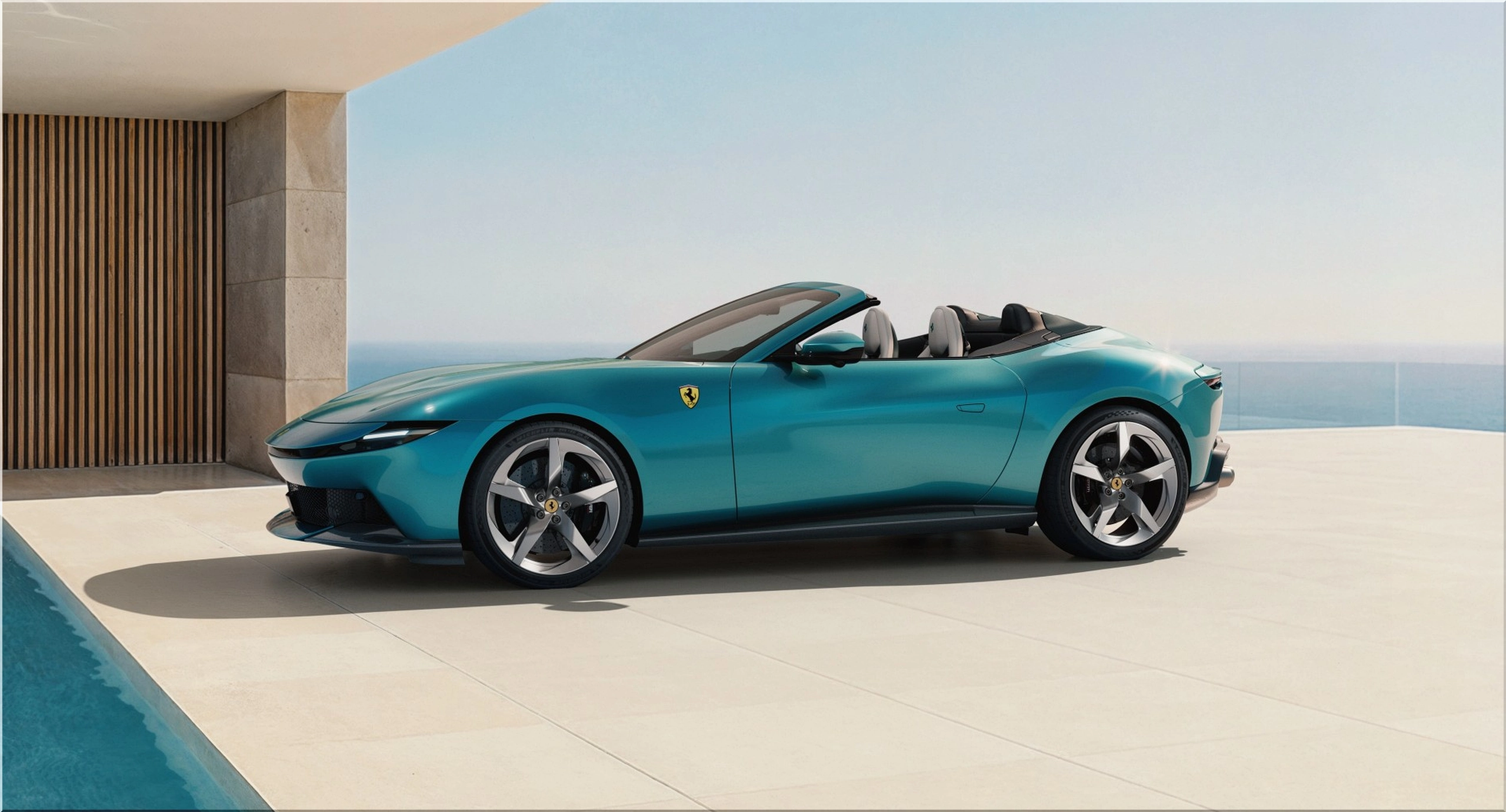
Ferrari has taken the Amalfi formula and removed the roof without dulling the point. The new Ferrari Amalfi Spider stays loyal to the front-mid-engine, rear-drive, 2+ layout, but it tightens the performance brief with sharper packaging, cleaner controls, and serious structural discipline. Looking at the data, that matters more than the roof itself. Plenty of fast convertibles feel like coupes with a compromise baked in. This one aims to feel engineered from day one as a proper open-top Ferrari.
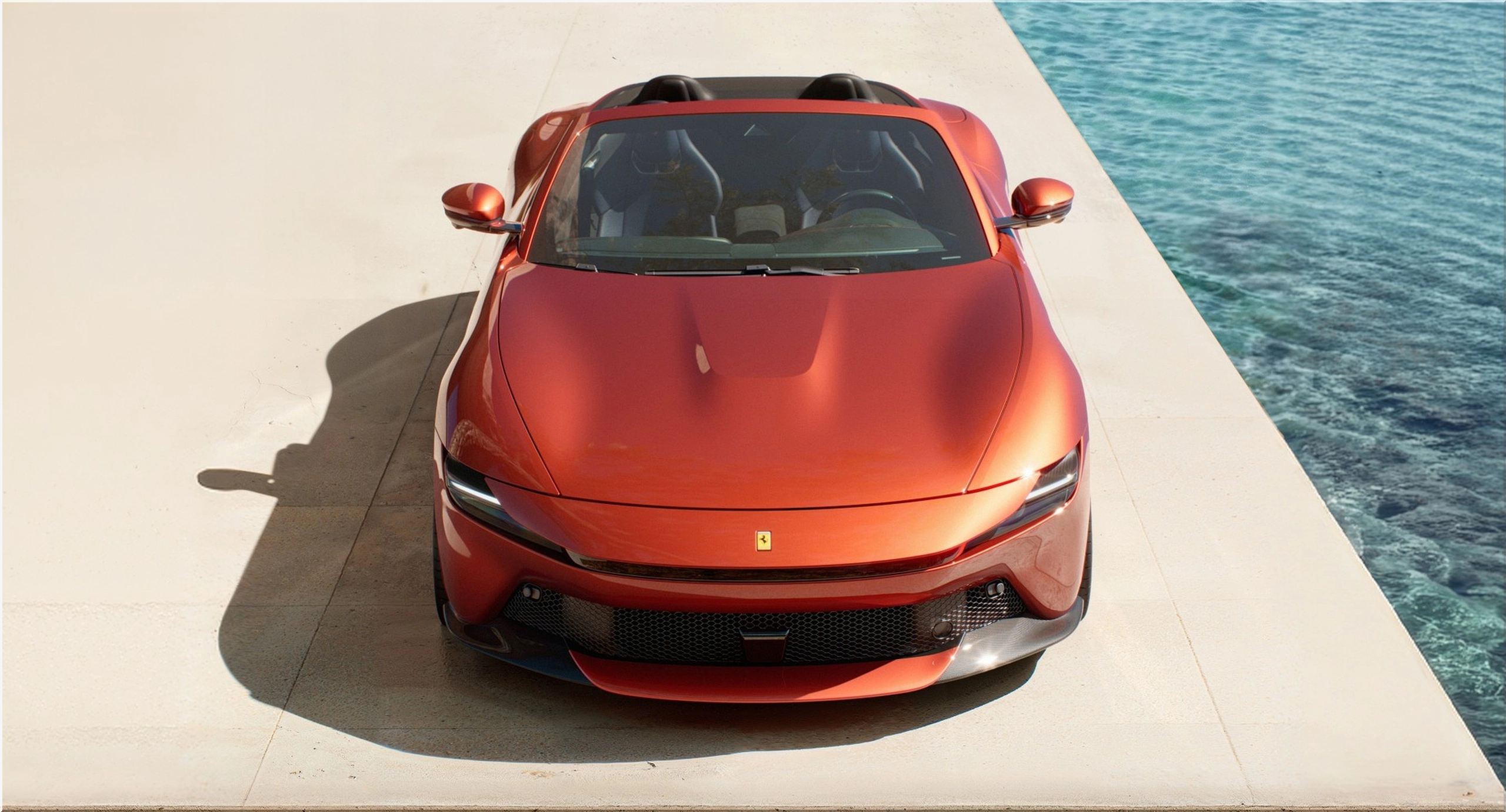
The headline number lands hard: 631 hp from a twin-turbo 3.9-liter V8, routed through an 8-speed dual-clutch transmission to the rear wheels. Ferrari claims 0-62 mph in 3.3 seconds, 0-124 mph in 9.4 seconds, and a 199 mph top speed. Those figures place the Ferrari Amalfi Spider in the narrow band where grand touring comfort and supercar pace overlap, which is exactly where Ferrari wants it.
Ferrari Amalfi Spider at a Glance
Ferrari did not chase novelty here. It chased precision. Specifically, the Amalfi Spider refines the old Roma Spider brief with updated cabin hardware, tighter electronics integration, and aero that still works with the roof down.
Key Ferrari Amalfi Spider Specs
| Spec | Ferrari Amalfi Spider |
|---|---|
| Engine | 3.9-liter twin-turbo V8 |
| Output | 631 hp |
| Torque | 561 lb-ft |
| Transmission | 8-speed dual-clutch automatic |
| Drivetrain | Rear-wheel drive |
| 0-62 mph | 3.3 seconds |
| 0-124 mph | 9.4 seconds |
| Top speed | 199 mph |
| Dry weight | 3,430 lb |
| Weight distribution | 48% front / 52% rear |
| Length | 183.5 in / 4,660 mm |
| Width | 77.7 in / 1,974 mm |
| Height | 51.4 in / 1,305 mm |
| Wheelbase | 105.1 in / 2,670 mm |
| Front track | 65.0 in / 1,652 mm |
| Rear track | 66.1 in / 1,679 mm |
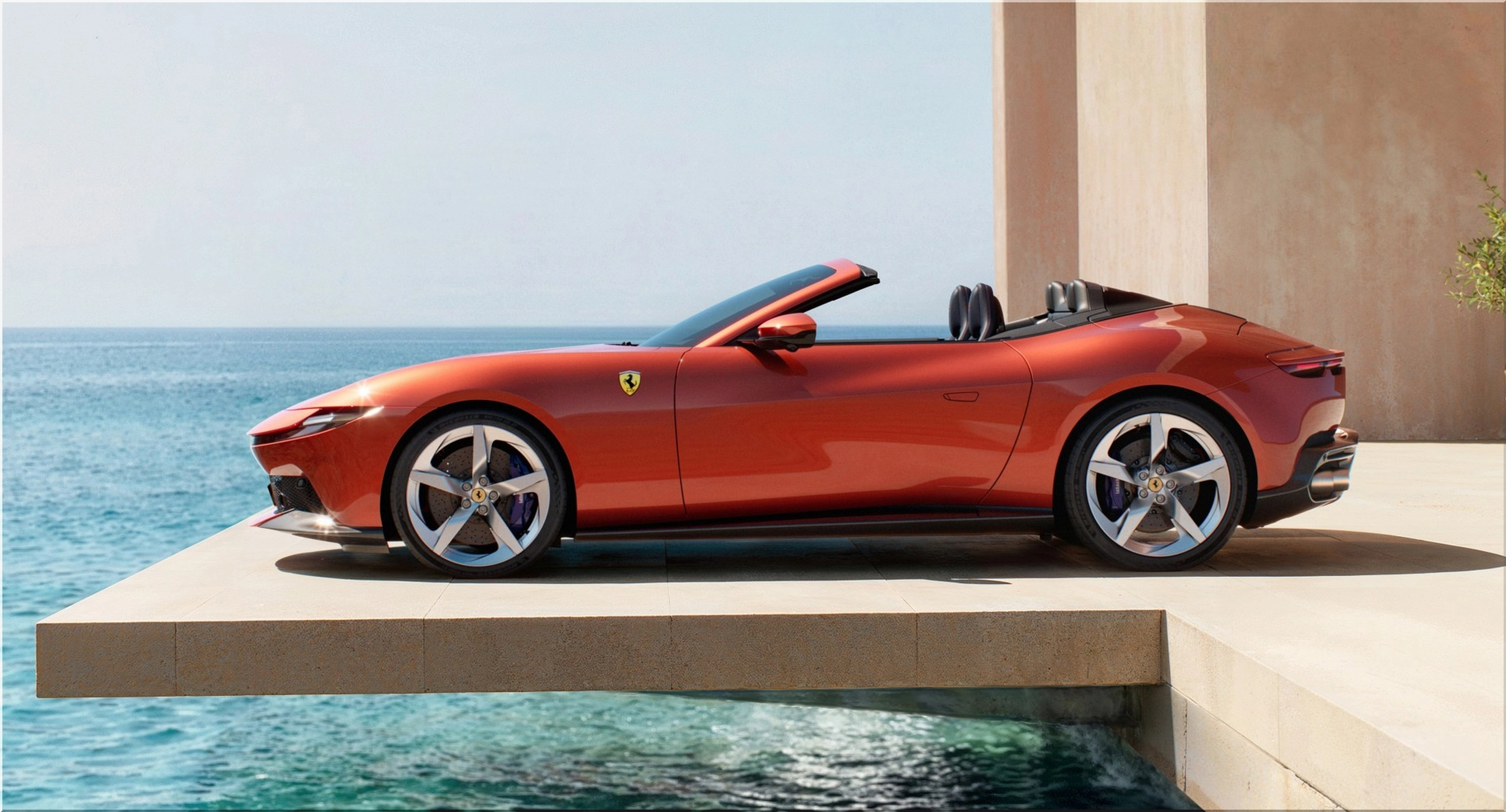
That dimensional sheet tells the real story. The wheelbase stays long enough to deliver high-speed calm, while the compact overall height and wide tracks keep the car planted visually and mechanically. By comparison, some rivals chase raw aggression with bigger aero and harder suspension. Ferrari keeps the proportions disciplined and lets the chassis software and tire platform do more of the heavy lifting.
The V8 Still Does the Heavy Work
The engine remains the center of gravity in this entire program. Ferrari uses a 3,855 cc twin-turbo V8 with maximum power at 7,500 rpm, maximum torque from 3,000 to 5,750 rpm, a 7,600-rpm redline, and a 9.4:1 compression ratio. That spread matters because it shapes the way the car builds speed. You do not need to wring it out at every moment, but the upper end still rewards commitment.
From an expert perspective, Ferrari chose the safe and smart route here. It did not switch this car to hybrid assist, and that keeps mass under tighter control, preserves throttle-to-rear-axle clarity, and avoids dulling the car's identity with powertrain complexity the brief did not need. In addition, the broad torque plateau means the Spider can absorb the slight weight penalty of the open-top conversion without feeling softened in normal road use.
Powertrain Details That Matter
- 640 cv / 631 hp at 7,500 rpm
- 760 Nm / 561 lb-ft at 3,000-5,750 rpm
- Specific output around 166 hp per liter
- Rear-wheel drive layout keeps steering free from drive corruption
- 8-speed DCT supports fast ratio changes and tighter launch control logic
Consequently, the Amalfi Spider should feel more linear than a number-sheet hero. Ferrari has long understood that usable torque and quick shift mapping produce a faster-feeling road car than peak output alone.
Why Ferrari's Weight Gain Barely Hurts Performance
Convertibles pay a tax. Roof mechanism, reinforcement, packaging, and NVH control all add mass. In this case, the Amalfi Spider carries about 190 lb more than the coupe, yet it still matches the coupe's 3.3-second 0-62 mph claim. That is the engineering win.
Ferrari gets there through a combination of power reserve, gearbox calibration, aero retention, and structural management. Specifically, the Spider keeps a three-stage active rear wing that can generate up to 243 lb of downforce at 155 mph in its most aggressive setting. That tells you Ferrari did not treat this as a boulevard special. It still expects the car to work at speed.
Roof Design, Trunk Space, and Why the Fabric Top Makes Sense
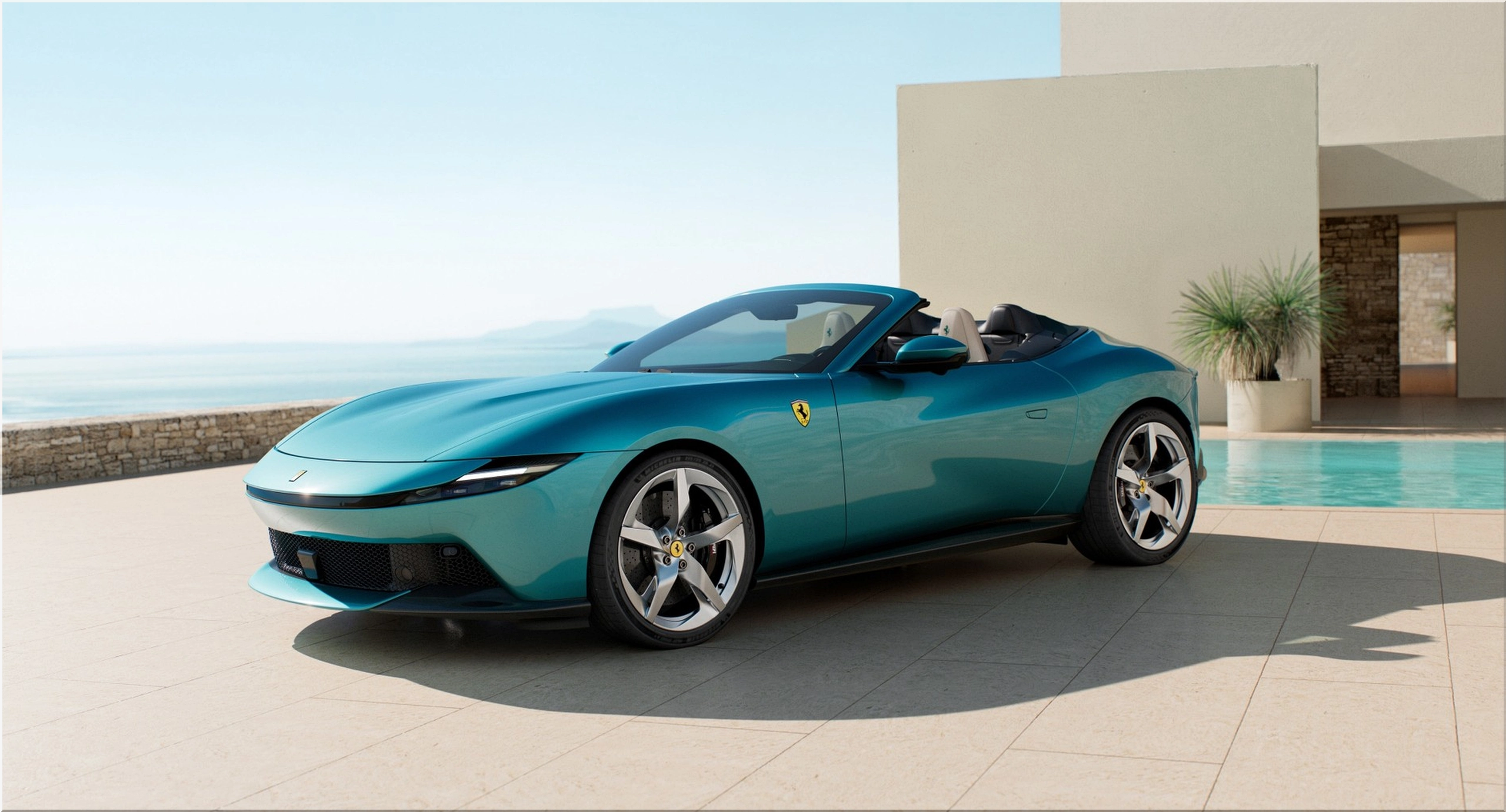
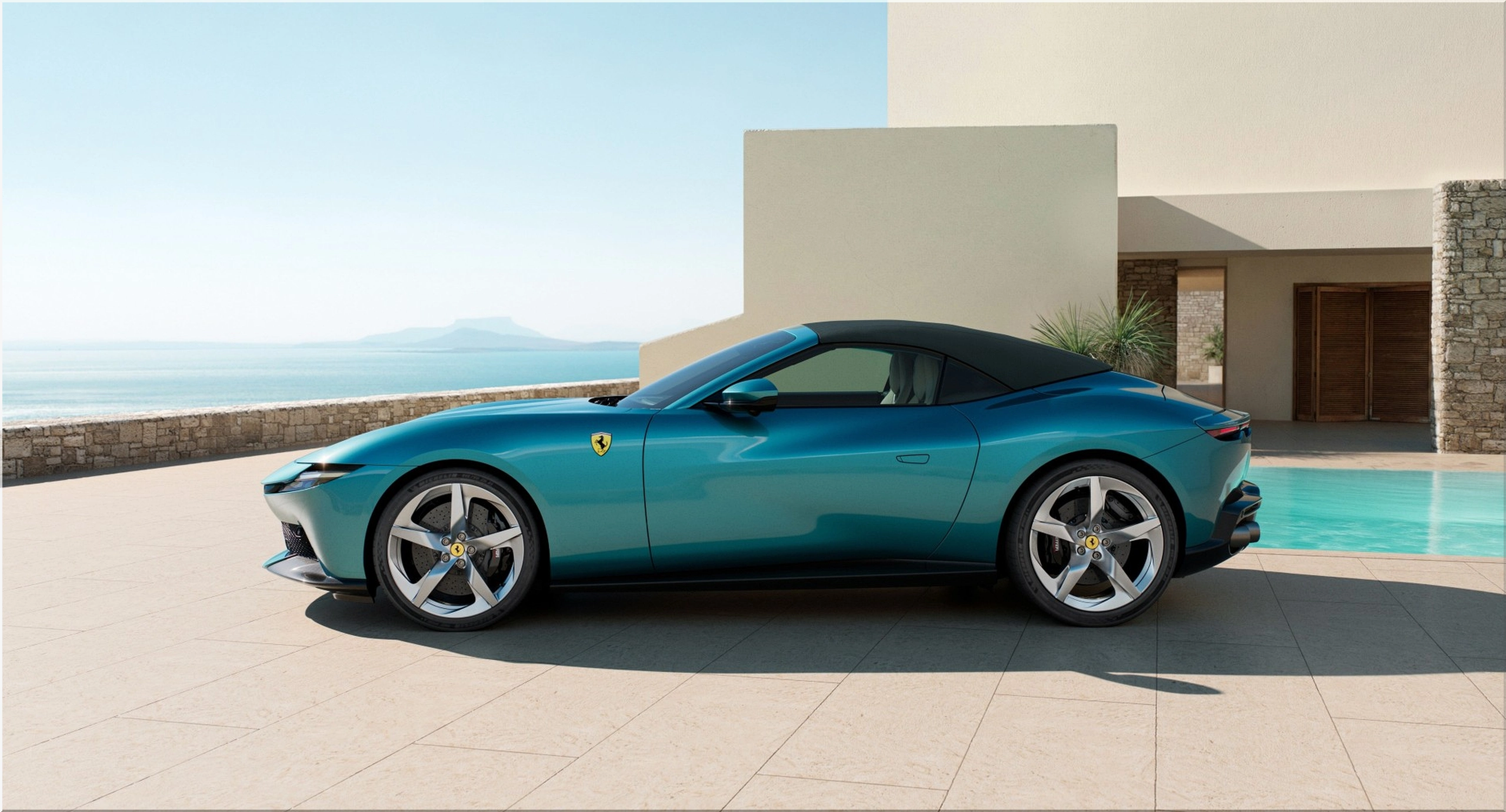
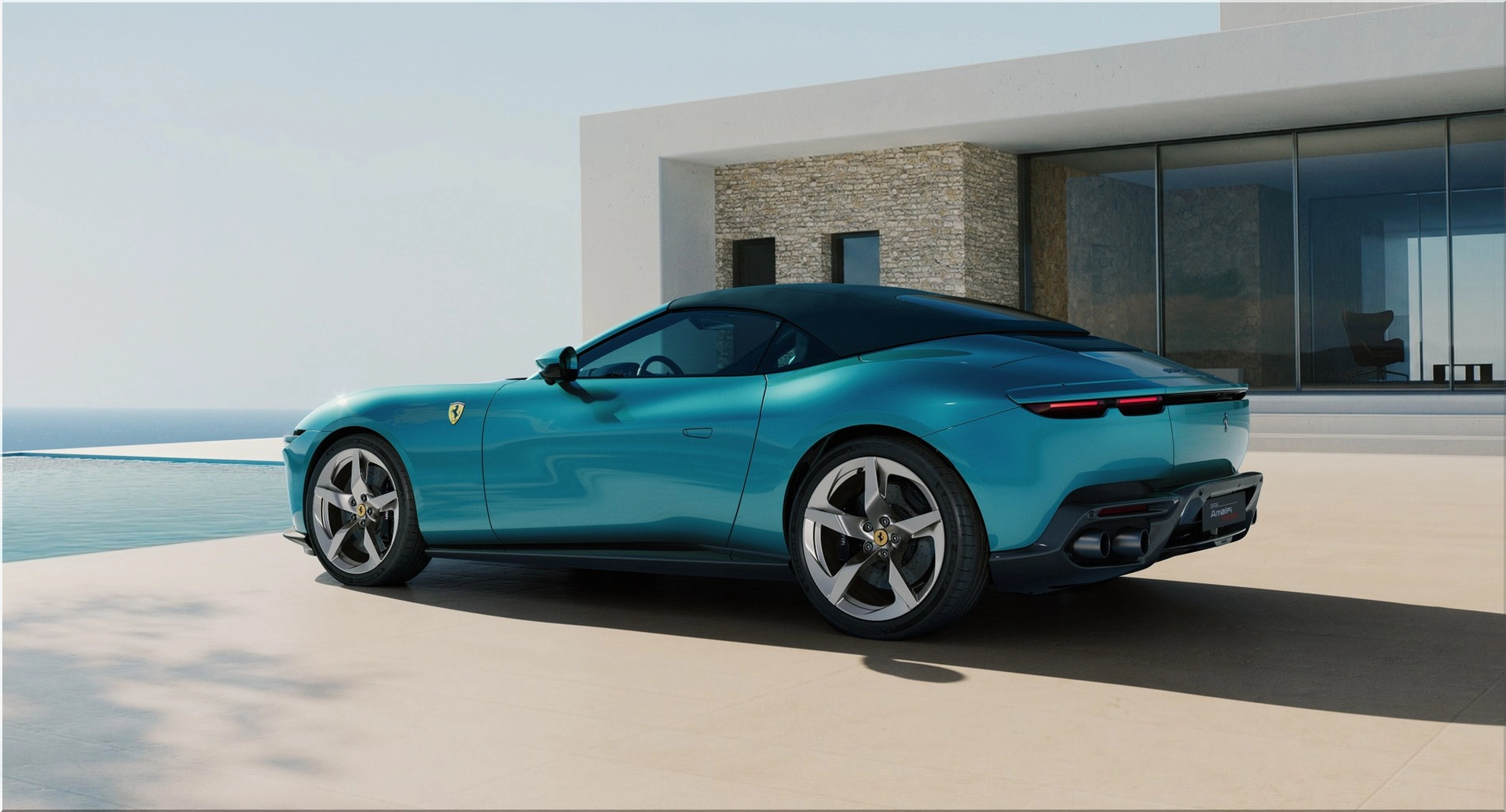
Ferrari sticks with a fabric roof instead of a folding hardtop. Good call. A soft top keeps the mechanism simpler, reduces packaging bulk, and lowers the center-of-mass penalty compared with a hard-shell system.
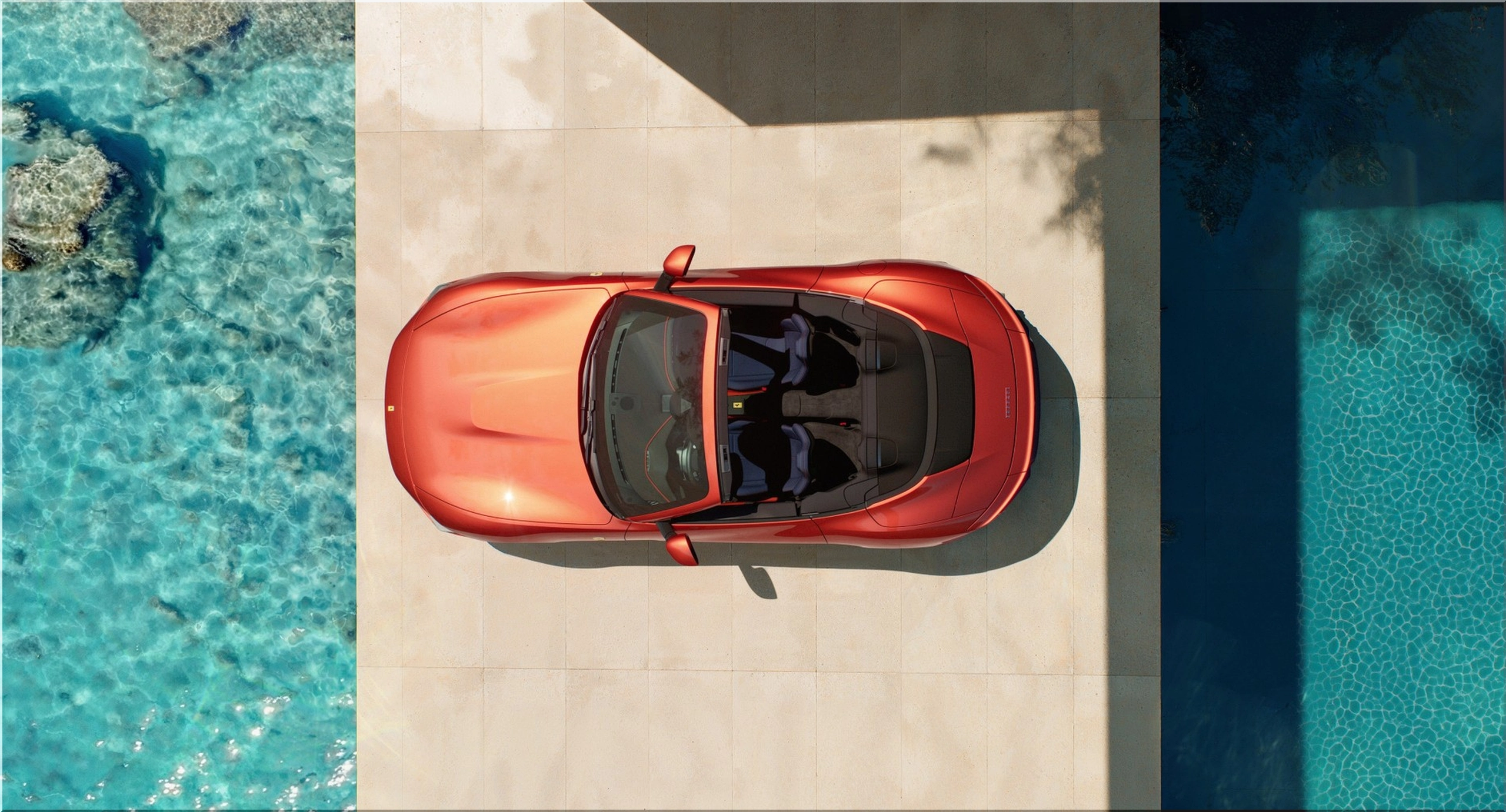
The roof opens in 13.5 seconds at speeds up to 37 mph, and Ferrari says the folded stack measures only 8 inches thick. That packaging preserves 6 cubic feet of trunk space with the top down and 9 cubic feet with it up. For a Ferrari convertible, those numbers are useful, not decorative.
Why the soft top works better here
- It saves packaging volume.
- It cuts visual bulk behind the cabin.
- It supports a cleaner rear deck and better proportions.
- It helps Ferrari keep luggage space usable.
- It avoids the heavy hardware a metal roof would require.
That last point matters. Ferrari sells emotion, yes, but it engineers around mass with real discipline. The Amalfi Spider looks cleaner because the roof solution also happens to be the smarter mechanical choice.
Cabin Updates Fix the Right Problems
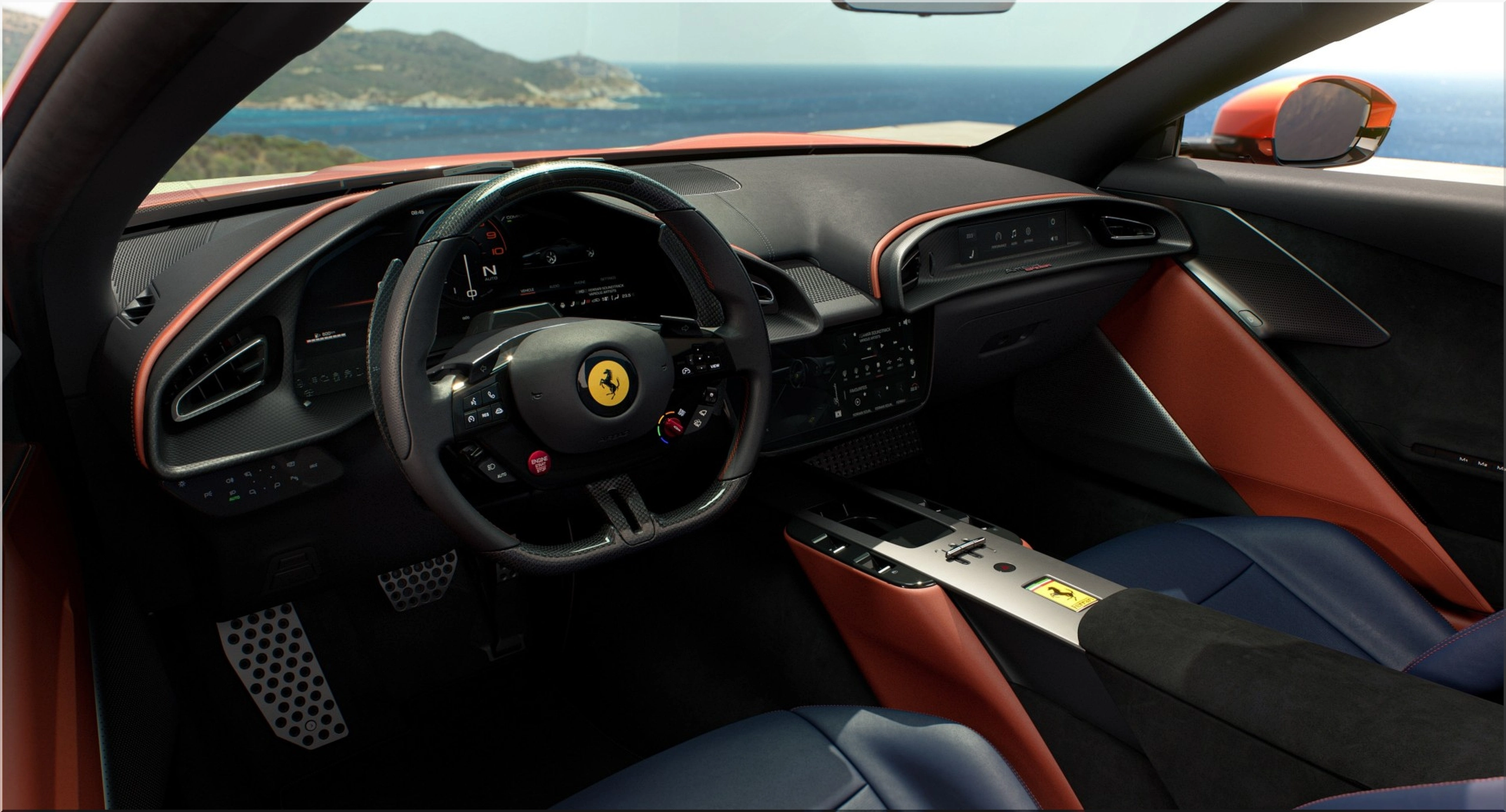
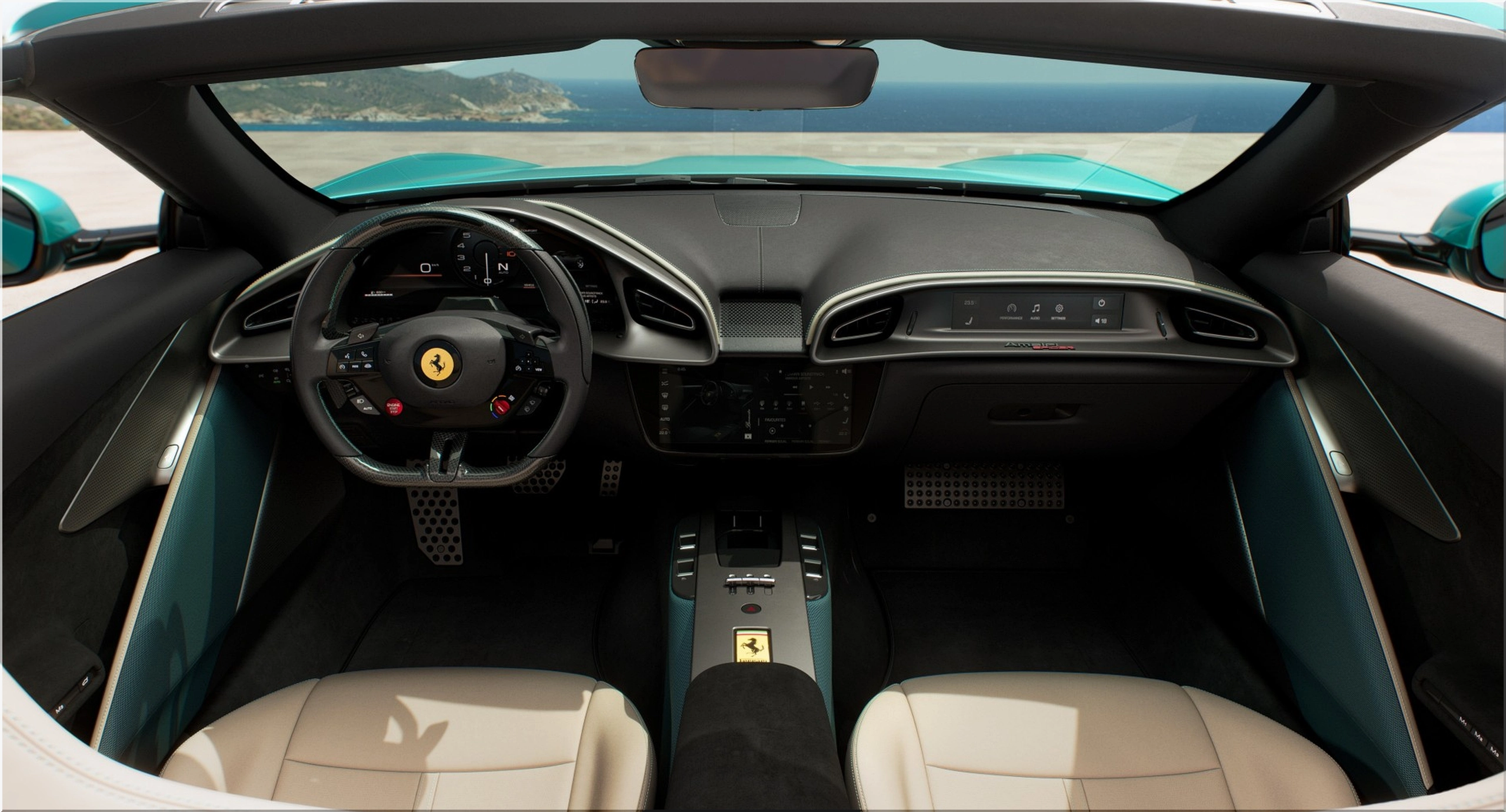
The older Ferrari interior logic leaned too hard on touch-sensitive controls. Ferrari has corrected that. The Amalfi Spider adopts physical steering wheel controls and a landscape-oriented infotainment display, which should improve accuracy at speed and reduce driver distraction.
That change sounds small until you drive quickly on a rough road. Physical inputs demand less eye time and less thumb hunting. In addition, Ferrari includes the usual passenger display and adds a deployable wind deflector that can operate at speeds up to 106 mph. That means the cabin does not stop working once the roof disappears.
Pro-Tip
When an exotic brand replaces capacitive controls with physical switches, pay attention. That usually signals engineers won an argument over designers, and drivers benefit every time.
Chassis Tech: This Is Where Ferrari Protects the Driving Experience
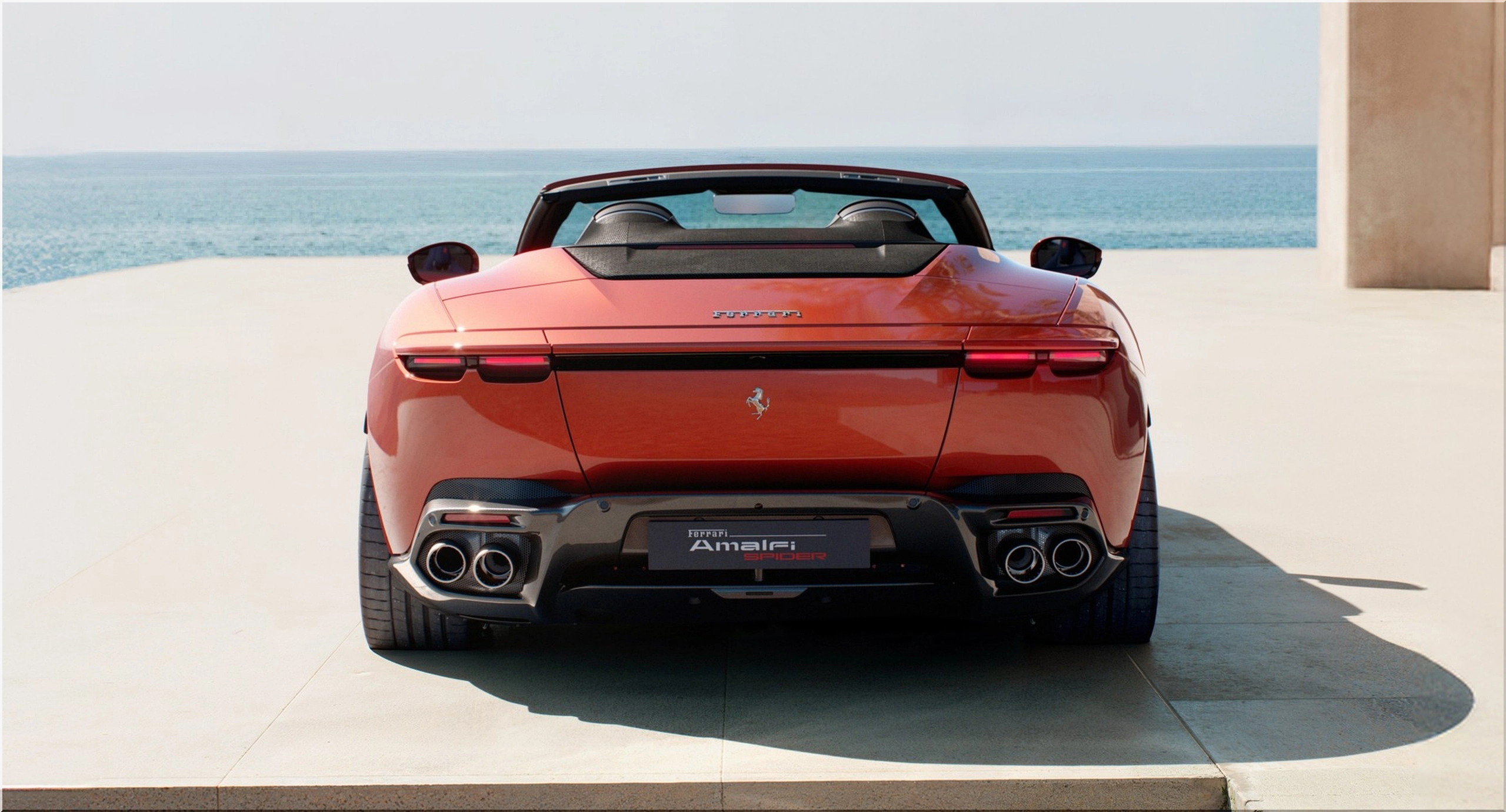
The Amalfi Spider uses Ferrari's latest electronic architecture, including brake-by-wire and Side Slip Control 6.1. Those systems sound clinical, but their job stays simple: preserve agility and confidence as grip changes, speed builds, and the chassis deals with open-top structural demands.
Looking at the data, the 48/52 weight distribution helps. So does the rear-drive layout. Ferrari does not need to bury this car under all-wheel-drive hardware to make it quick. Instead, it leans on calibration, aero, and tire load management to keep the front axle alert and the rear axle progressive.
Ferrari Amalfi Spider vs Key Rivals
The Amalfi Spider enters a brutal part of the market. Buyers here do not shop by badge alone. They shop by feel, response, roof operation, packaging, and how honestly each car delivers its performance.
Competitive comparison
| Model | Horsepower | Torque | 0-60/62 mph | Top Speed | Drive | Base Price in USD |
|---|---|---|---|---|---|---|
| Ferrari Amalfi Spider | 631 hp | 561 lb-ft | 3.3 sec to 62 mph | 199 mph | RWD | TBA |
| Aston Martin Vantage Roadster | 656 hp | 590 lb-ft | 3.5 sec to 60 mph | 202 mph | RWD | Approx. $205,900 |
| Porsche 911 Turbo S Cabriolet | 701 hp | 590 lb-ft | 2.5 sec to 62 mph | 200 mph | AWD | $286,650 |
| Mercedes-AMG SL 63 Roadster | 577 hp | 590 lb-ft | 3.5 sec to 60 mph | 196 mph | AWD | $187,850 |
Win/loss metrics
- Wins on purity: The Ferrari and Aston stay rear-wheel drive, which usually delivers cleaner steering feel than the AWD Porsche and AMG.
- Wins on outright acceleration: The 911 Turbo S Cabriolet dominates launch performance.
- Wins on packaging elegance: Ferrari's thin soft-top stack and preserved luggage space look strong.
- Wins on pricing value: The AMG undercuts everyone.
- Wins on badge gravity and design restraint: Ferrari sits at the top of that conversation.
By comparison, the Porsche looks like the rational missile, the Aston looks like the raw front-engine bruiser, and the AMG plays the luxury-heavy power roadster card. The Ferrari Amalfi Spider threads the middle with a lighter-footed, more surgical brief.
So Who Should Buy the Ferrari Amalfi Spider?
Buy this Ferrari if you care about response more than launch theatrics. Buy it if you want a front-engine Ferrari convertible that keeps real speed, usable cabin tech, and long-legged GT character in one package. Skip it if you want the quickest car in the class on paper, because the Porsche will handle that argument without breaking a sweat.
Ferrari also benefits from timing. A buyer who wants a high-powered open-top exotic without hybrid complexity gets something rare here: a modern V8 spider that still prioritizes feel, packaging, and driver input over spec-sheet inflation.
What Now?
If you are sizing up the Ferrari Amalfi Spider, focus on these four checkpoints before you place it against rivals:
- Compare real-road throttle response, not only 0-60 numbers.
- Check roof-up and roof-down luggage space, because this class still lives on weekend usability.
- Judge the cabin control layout in motion, not in photos.
- Put the Ferrari beside the 911 Turbo S Cabriolet and Vantage Roadster if driving feel ranks above prestige alone.
The bottom line stays simple. The Ferrari Amalfi Spider looks like Ferrari understood exactly what it needed to protect: the V8, the proportions, the rear-drive balance, and the sense that the car still works as a serious driver's machine after the roof folds away. That is the right brief. And on paper, Ferrari executed it with very little waste.
- Add new comment
- 96 views