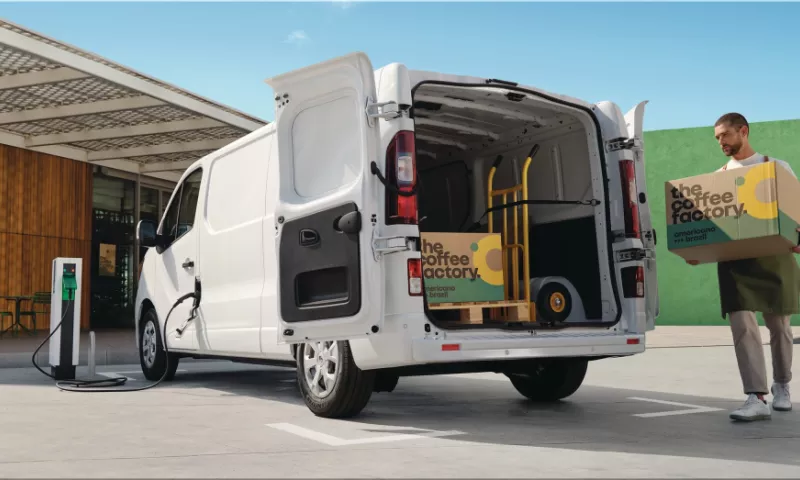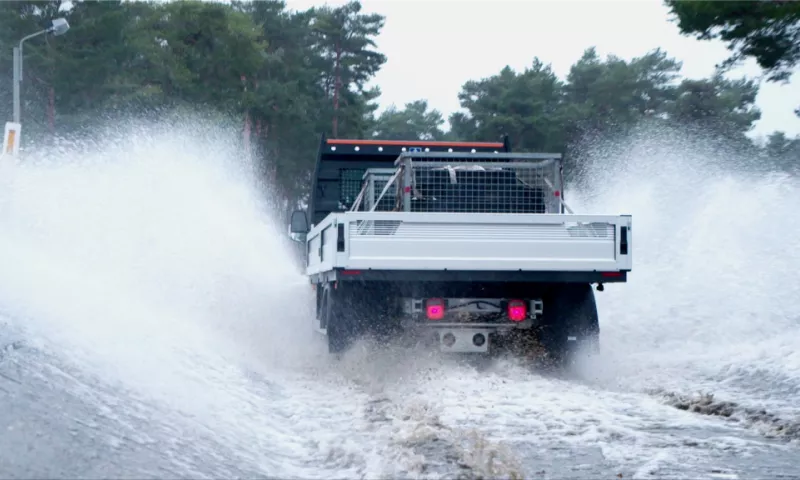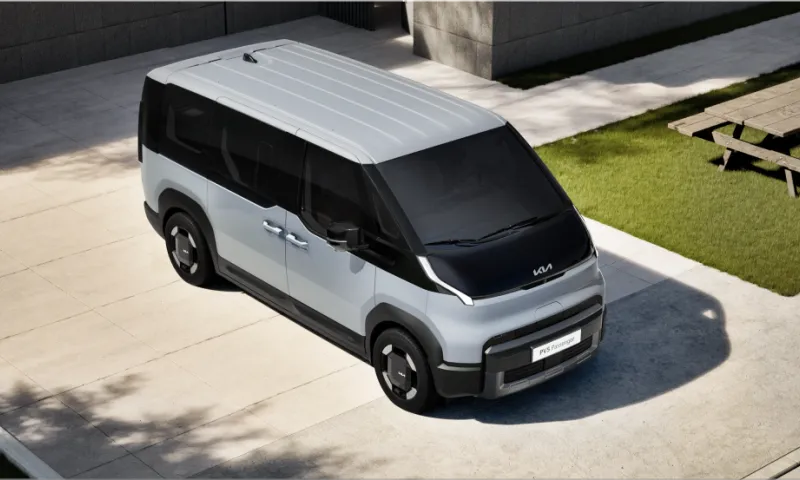
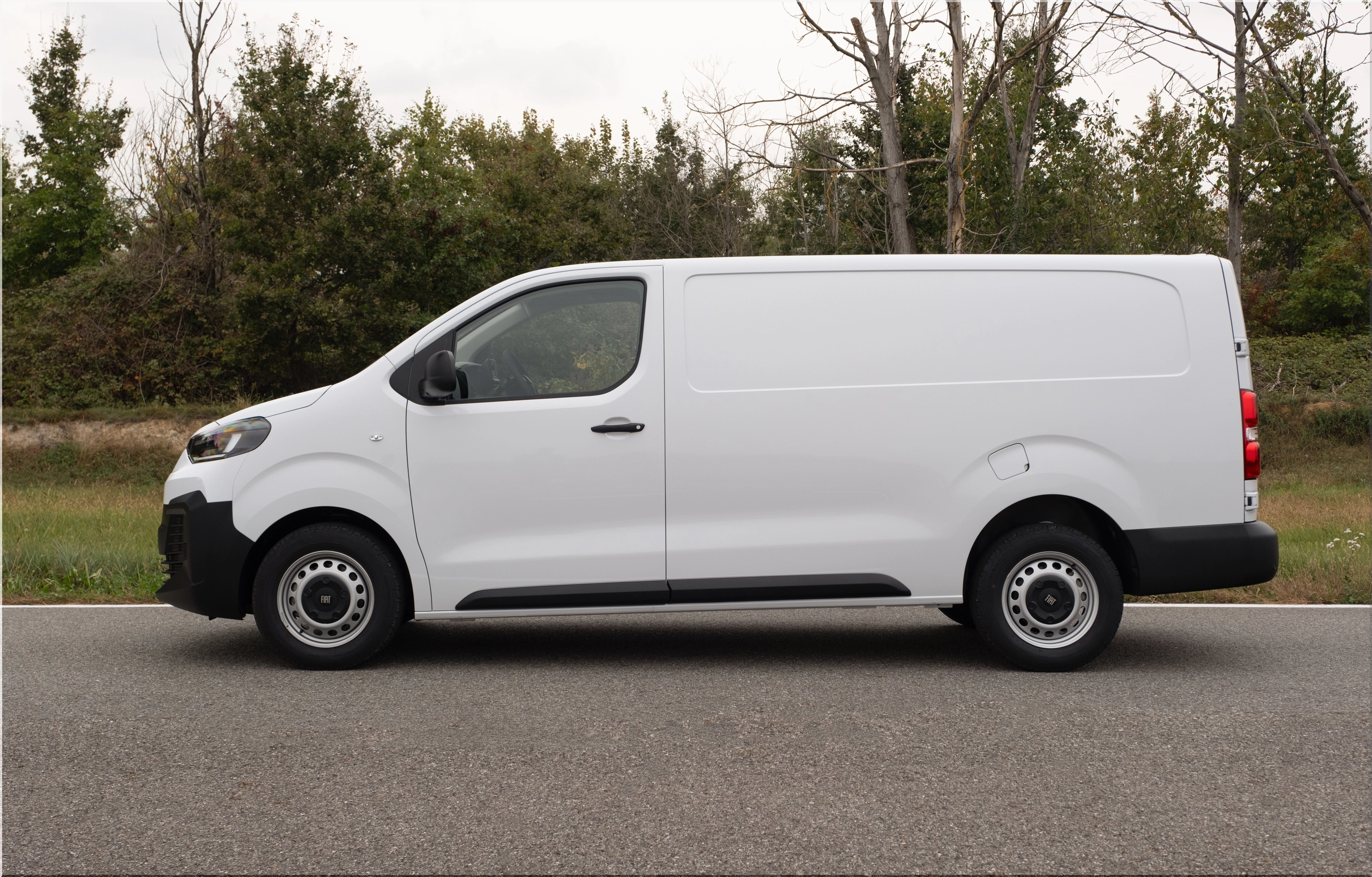
The Fiat Scudo is a light commercial vehicle that offers a range of features and benefits for different needs and preferences. Whether you are looking for a cargo van, a passenger van, a multicab, or a chassis cab, the Scudo has a solution for you. And with the option of choosing between a diesel engine or an electric drive, you can also optimize your fuel efficiency and environmental impact.
In this article, we will review the main characteristics and advantages of the Fiat Scudo and compare the performance and specifications of the diesel and electric versions. We will also look at the prices and availability of the Scudo in different markets and how it stacks up against the competition.
Fiat Scudo: A Brief History
The Fiat Scudo van was first introduced in 1996 as a joint venture between Fiat and PSA Peugeot Citroën. It was based on the same platform as the Citroen Jumpy and the Peugeot Expert and shared many components and features with them. The Scudo was designed to fill the gap between the smaller Fiat Doblo and the larger Fiat Ducato and to compete with other mid-sized vans such as the Ford Transit, the Renault Trafic, and the Volkswagen Transporter.
The first generation of the Scudo lasted until 2006 when it was replaced by the second generation, which was also developed in collaboration with PSA. The second generation Scudo was larger and more spacious than the previous one and offered more engine options and equipment levels. It also received a facelift in 2012, which updated the front grille, headlights, and bumpers.
The third and current generation of the Scudo was launched in 2016 and marked a significant change in the partnership between Fiat and PSA. The Scudo was now based on a different platform than the Jumpy and the Expert, which were moved to a new platform shared with the Toyota Proace. The Scudo, on the other hand, was built on the EMP2 platform, which was also used by the Citroën C4 Picasso, the Peugeot 308, and the Opel Zafira. The Scudo also adopted a new design language, which aligned it more with the Fiat Professional family of commercial vehicles.
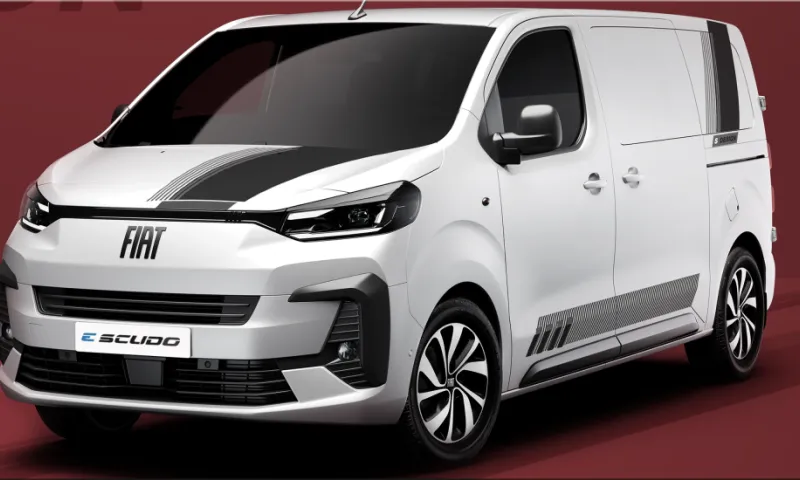
The most notable innovation of the third-generation Scudo was the introduction of the electric version, called the Fiat E-Scudo, in 2021. The E-Scudo was the second electric vehicle from Fiat Professional, after the E-Ducato, and aimed to offer a zero-emission alternative for urban and suburban mobility. The E-Scudo was powered by a 100 kW electric motor and a choice of 50 or 75 kWh batteries, which provided a range of up to 330 km (205 miles) on a single charge.
Fiat Scudo: Main Features and Benefits
The Fiat Scudo is a versatile and efficient van that can adapt to different needs and preferences. Here are some of the main features and benefits of the Scudo:
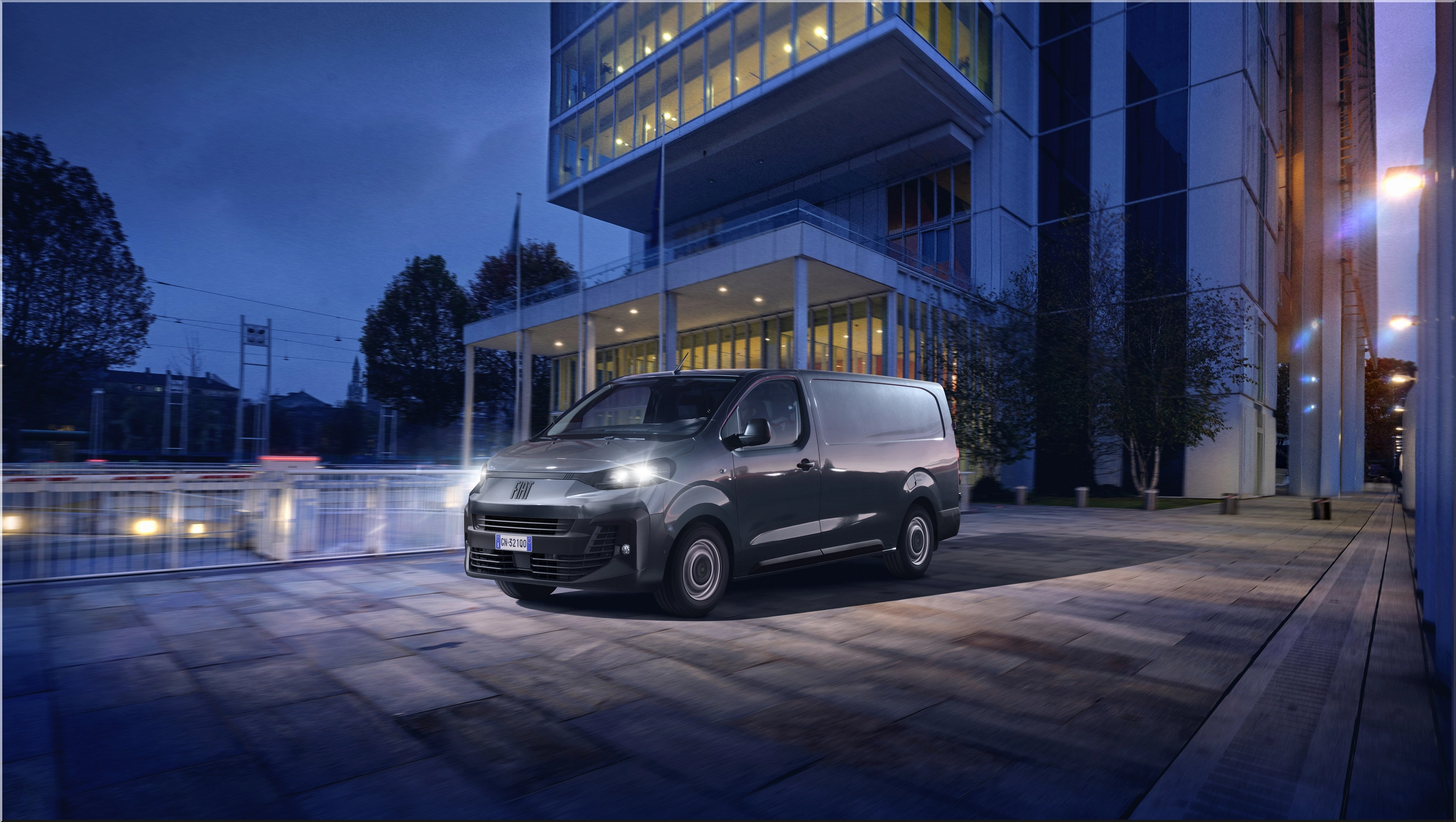
- Compact dimensions: The Scudo has a length of 4.60 m (15.1 ft) for the short wheelbase version, 5.00 m (16.4 ft) for the medium wheelbase version, and 5.30 m (17.4 ft) for the long wheelbase version. The height of all versions is 1.90 m (6.2 ft), which allows the Scudo to enter most underground garages and storage rooms. The width of the Scudo is 1.92 m (6.3 ft), which makes it easy to maneuver in narrow streets and parking spaces.
- Large load capacity: Despite the compactness of the vehicle’s exterior, the Scudo offers a generous load volume and payload. The load volume ranges from 4.6 m3 (162.4 ft3) for the short wheelbase version to 5.3 m3 (187.1 ft3) for the medium wheelbase version, to 6.1 m3 (215.4 ft3) for the long wheelbase version. The payload is up to 1.2 t (2,645 lb) for the diesel version and up to 1 t (2,205 lb) for the electric version. The Scudo can also tow up to 1 t (2,205 lb) of braked trailer.
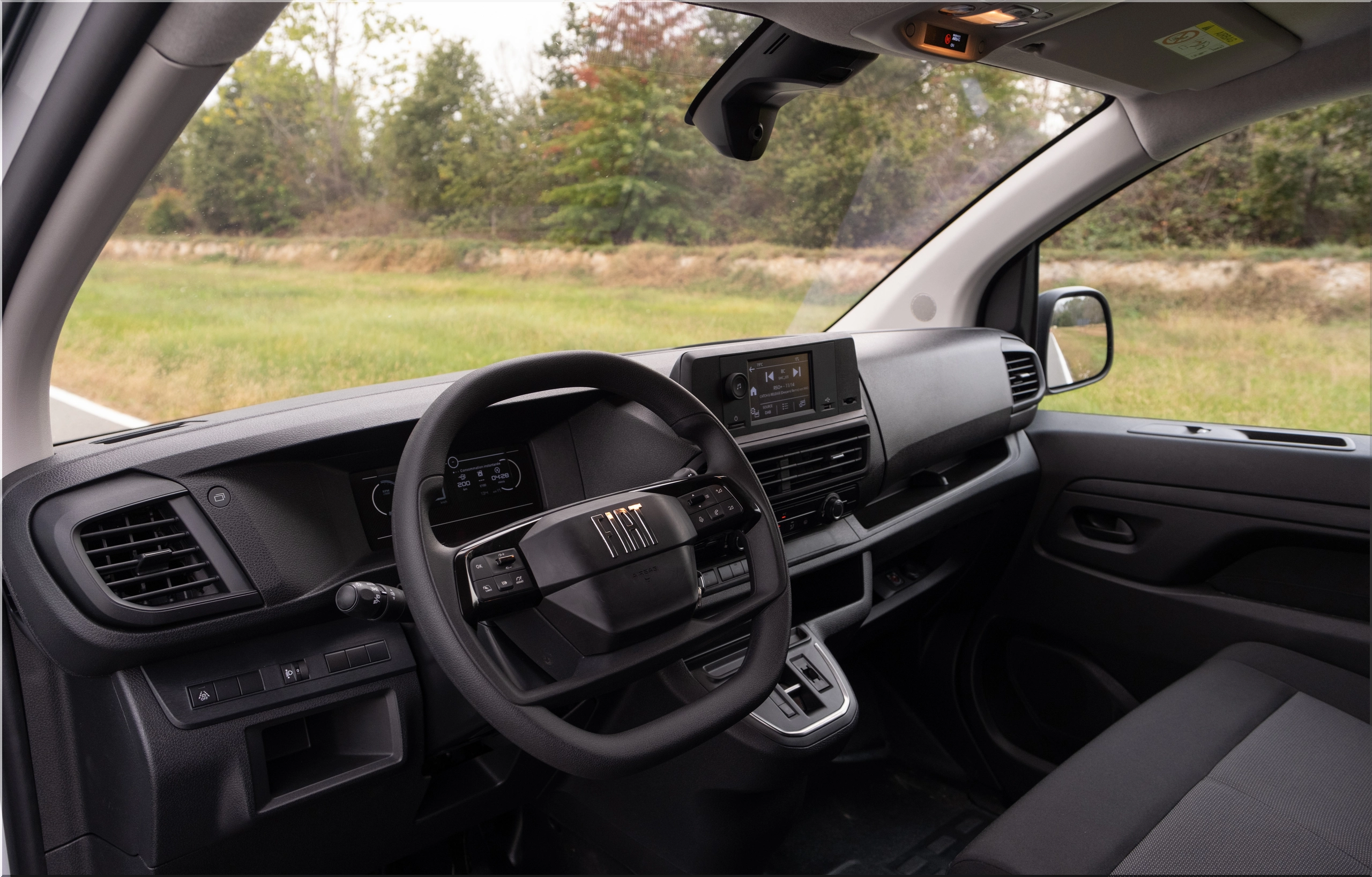
- Modular interior: The Scudo features a modular interior that can be customized according to the user’s needs. The Scudo can be configured as a cargo van, a passenger van, a multicab, or a chassis cab. The cargo van can accommodate up to three people in the front and has a sliding side door and a rear door that can be opened up to 180 degrees. The passenger van can seat up to nine people in three rows and has a sliding side door on each side and a tailgate at the rear. The multicab can seat up to six people in two rows and has a separate cargo area behind the second row. The chassis cab can be fitted with various types of bodies and equipment, such as a tipper, a dropside, a box, or a refrigerated unit.
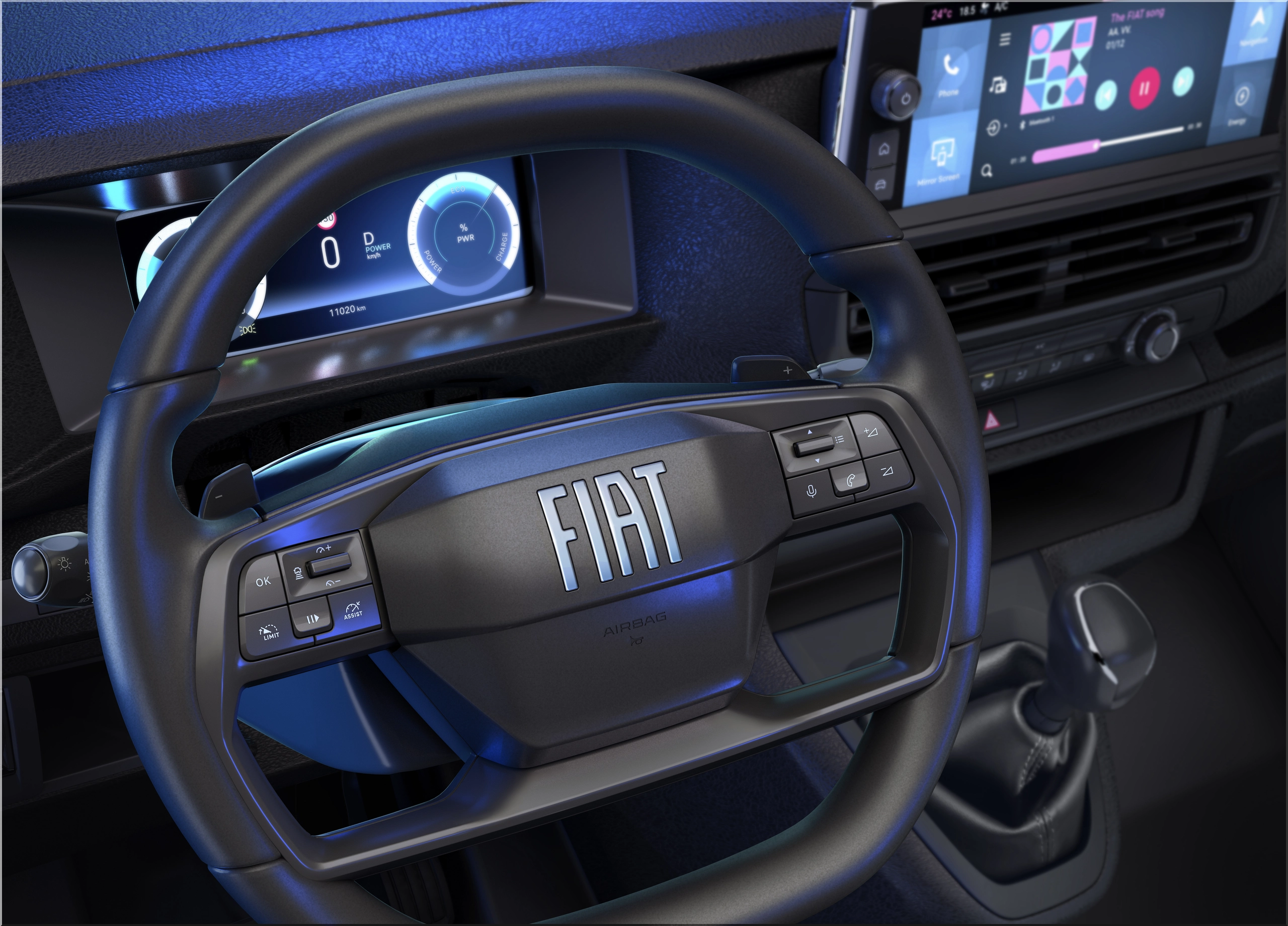
- Comfortable driving: The Scudo offers a comfortable driving experience that is similar to a car. The Scudo has a high driving position that provides good visibility and ergonomics. The Scudo also has a spacious and well-equipped cabin, with air conditioning, cruise control, a multifunction steering wheel, a touchscreen infotainment system, a rearview camera, and a blind spot monitor. The Scudo also has a low noise level and a smooth ride quality, thanks to the suspension, the sound insulation, and the electric power steering.
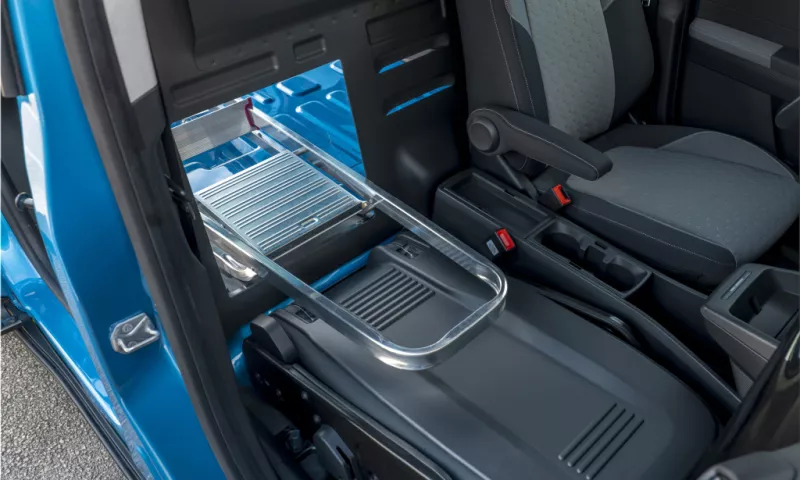
- Magic Cargo system: The Scudo has a unique feature called the Magic Cargo system, which allows the user to optimize the load space and options. The Magic Cargo system consists of a folding passenger seat and a flap in the bulkhead, which can be used to extend the load length and the load volume. With the Magic Cargo system, the Scudo can load objects up to 4 m (13.1 ft) long in the long wheelbase version and up to 3.25 m (10.7 ft) long in the short wheelbase version. The Magic Cargo system also creates a flat load floor, which facilitates the loading and unloading of goods.
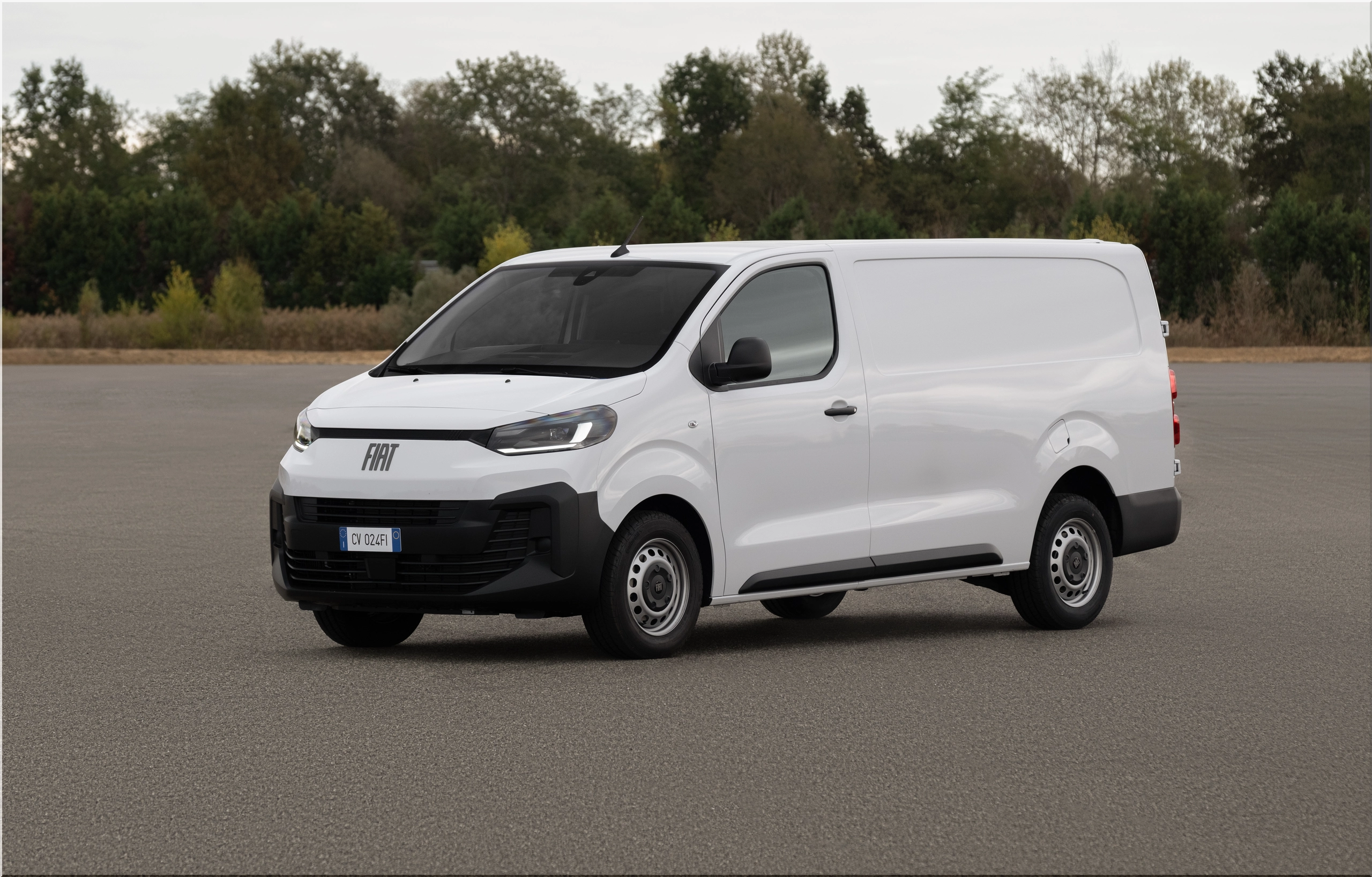
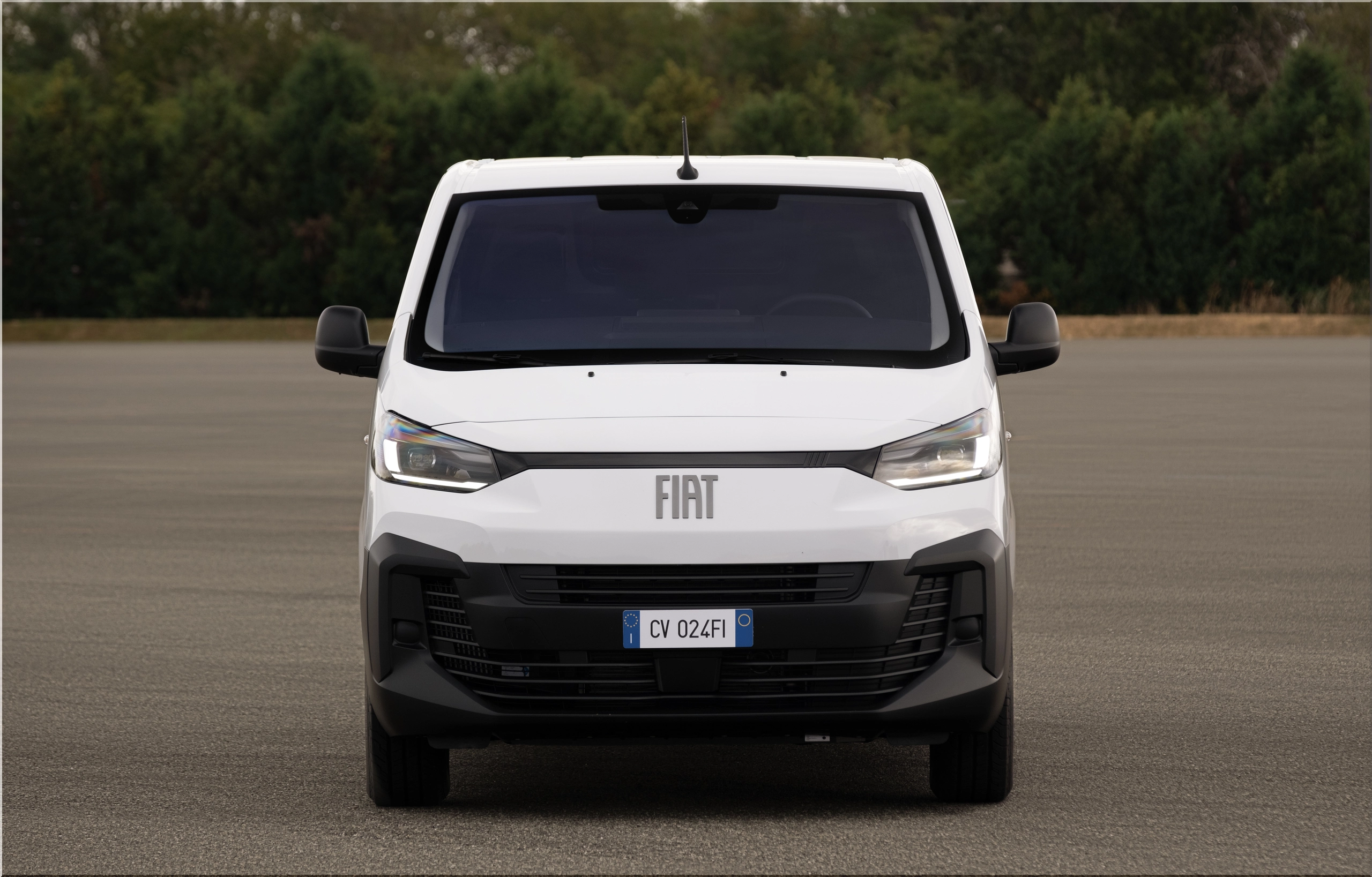
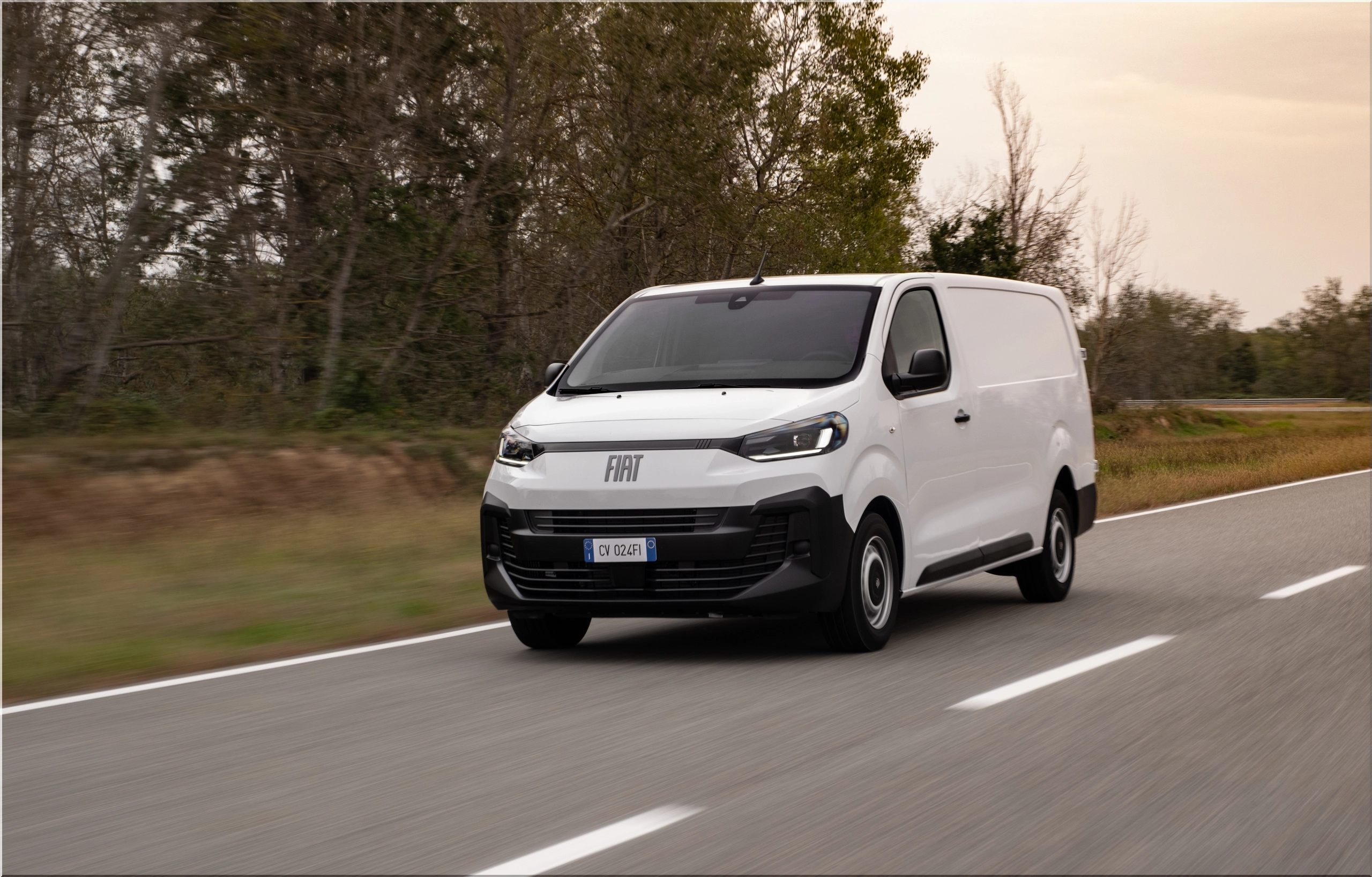
Fiat Scudo: Diesel vs Electric
The Fiat Scudo offers users the option of choosing between a diesel engine or an electric drive, depending on their needs and preferences. Here are the main differences and similarities between the diesel and electric versions of the Scudo:
- Performance: The diesel version of the Scudo has four engine options, all based on a 2.0-liter four-cylinder turbocharged unit. The power output ranges from 120 hp (88 kW) to 180 hp (132 kW), and the torque output ranges from 300 Nm (221 lb-ft) to 400 Nm (295 lb-ft). The diesel version can reach a top speed of 170 km/h (106 mph), and can accelerate from 0 to 100 km/h (62 mph) in 11.5 seconds for the most powerful engine. The electric version of the Scudo has one engine option, a 100 kW (134 hp) electric motor that delivers 260 Nm (192 lb-ft) of torque. The electric version can reach a top speed of 130 km/h (81 mph), and can accelerate from 0 to 100 km/h (62 mph) in 13.1 seconds. The electric version also has three driving modes (Eco, Normal, and Power) and three levels of regenerative braking (Low, Medium, and High), which the user can select to adjust the performance and efficiency of the vehicle.
- Range and efficiency: The diesel version of the Scudo has a fuel tank capacity of 70 liters (18.5 gallons), which gives it a range of up to 1,050 km (652 miles) on a single fill-up, depending on the engine and the driving conditions. The diesel version has a fuel consumption of 6.6 liters per 100 km (35.6 mpg) for the most efficient engine and 7.4 liters per 100 km (31.8 mpg) for the most powerful engine. The diesel version also has an emission level of Euro 6D-Final, which means it meets the latest and strictest standards for reducing harmful pollutants. The electric version of the Scudo has a battery capacity of either 50 kWh or 75 kWh, which gives it a range of up to 230 km (143 miles) or 330 km (205 miles) on a single charge, respectively, according to the WLTP cycle. The electric version has an energy consumption of 21.7 kWh per 100 km (13.5 kWh per 62 miles) for the smaller battery and 22.7 kWh per 100 km (14.1 kWh per 62 miles) for the larger battery. The electric version also has zero CO2 emissions, which means it does not contribute to global warming or air pollution.
- Charging and refueling: The diesel version of the Scudo can be refueled at any gas station that sells diesel fuel, which is widely available and convenient. Refueling takes only a few minutes, and the user can pay with cash or a card. The electric version of the Scudo can be charged at any charging station that has a Type 2 or a CCS connector, which is becoming more common and accessible. The charging process can take from 30 minutes to 6 hours, depending on the type and power of the charger, and the user can pay with an app or a card. The electric version can also be charged at home or at work using a wallbox or a standard socket, which can take from 7 to 15 hours, depending on the battery size and the power supply.
- Price and availability: The diesel version of the Scudo has a starting price of 23,900 euros ($26,800) for the cargo van, 25,900 euros ($29,100) for the passenger van, 24,900 euros ($28,000) for the multi-cab, and 22,900 euros ($25,700) for the chassis cab. The electric version of the Scudo has a starting price of 39,900 euros ($44,800) for the cargo van, 41,900 euros ($47,100) for the passenger van, 40,900 euros ($46,000) for the multicab, and 38,900 euros ($43,700) for the chassis cab. The prices include the battery, which is owned by the user and has a warranty of 8 years or 160,000 km (99,400 miles). The prices do not include the incentives and subsidies that may be available for electric vehicles in different countries and regions. The Scudo is available to order now in Europe and will be launched in other markets in the near future.
- Competition and comparison: The Scudo faces competition from other mid-sized vans that offer both diesel and electric options, such as the Citroën Jumpy, the Peugeot Expert, the Toyota Proace, the Opel Vivaro, the Renault Trafic, the Nissan NV300, and the Volkswagen Transporter. The Scudo stands out from the crowd with its compact dimensions, large load capacity, modular interior, comfortable driving, and Magic Cargo system. The Scudo also has a competitive price, especially for the electric version, which is cheaper than some of its rivals, such as the Volkswagen Transporter. The Scudo also has a longer range and a shorter charging time than some of its competitors, such as the Renault Trafic.
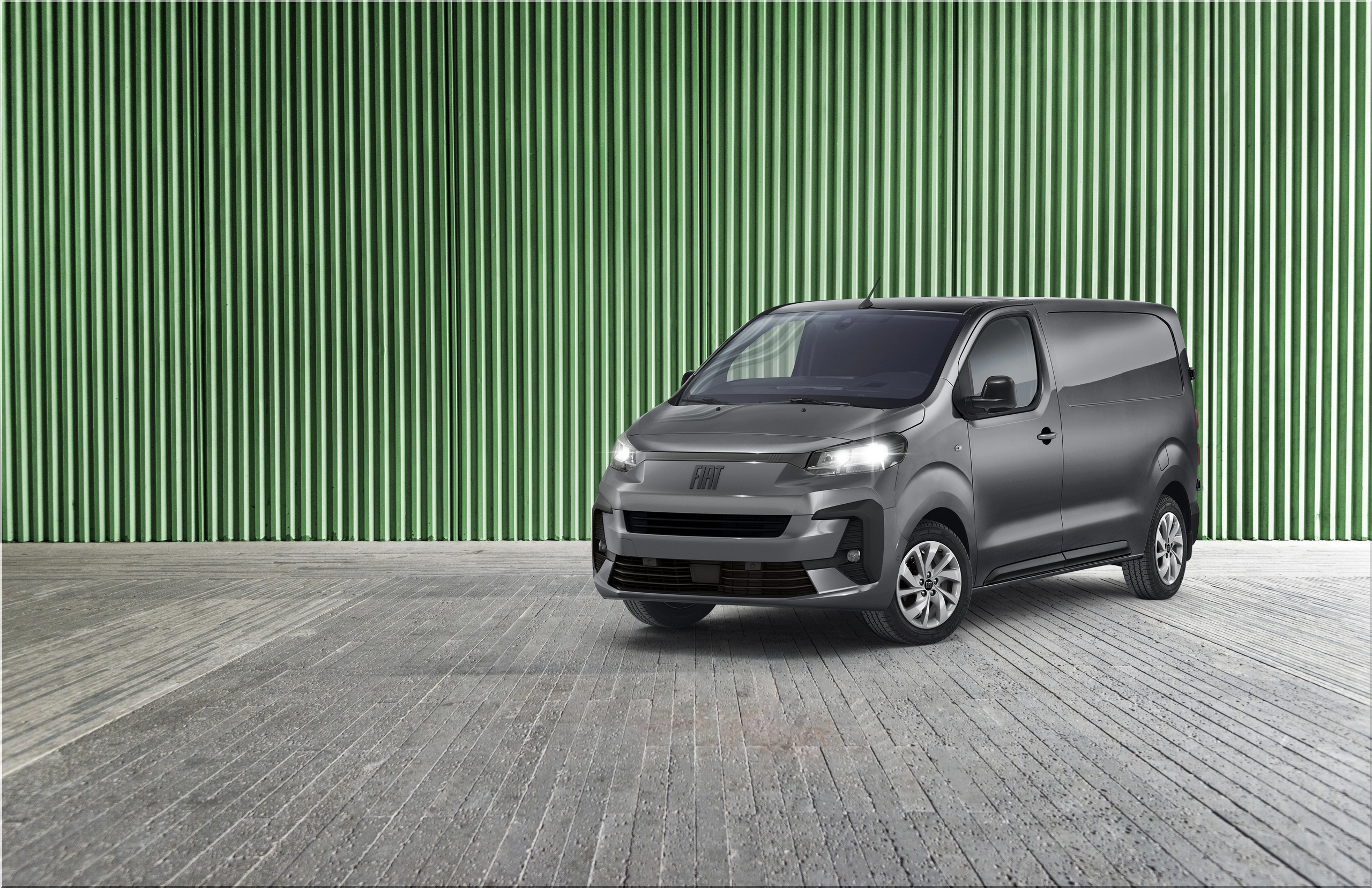
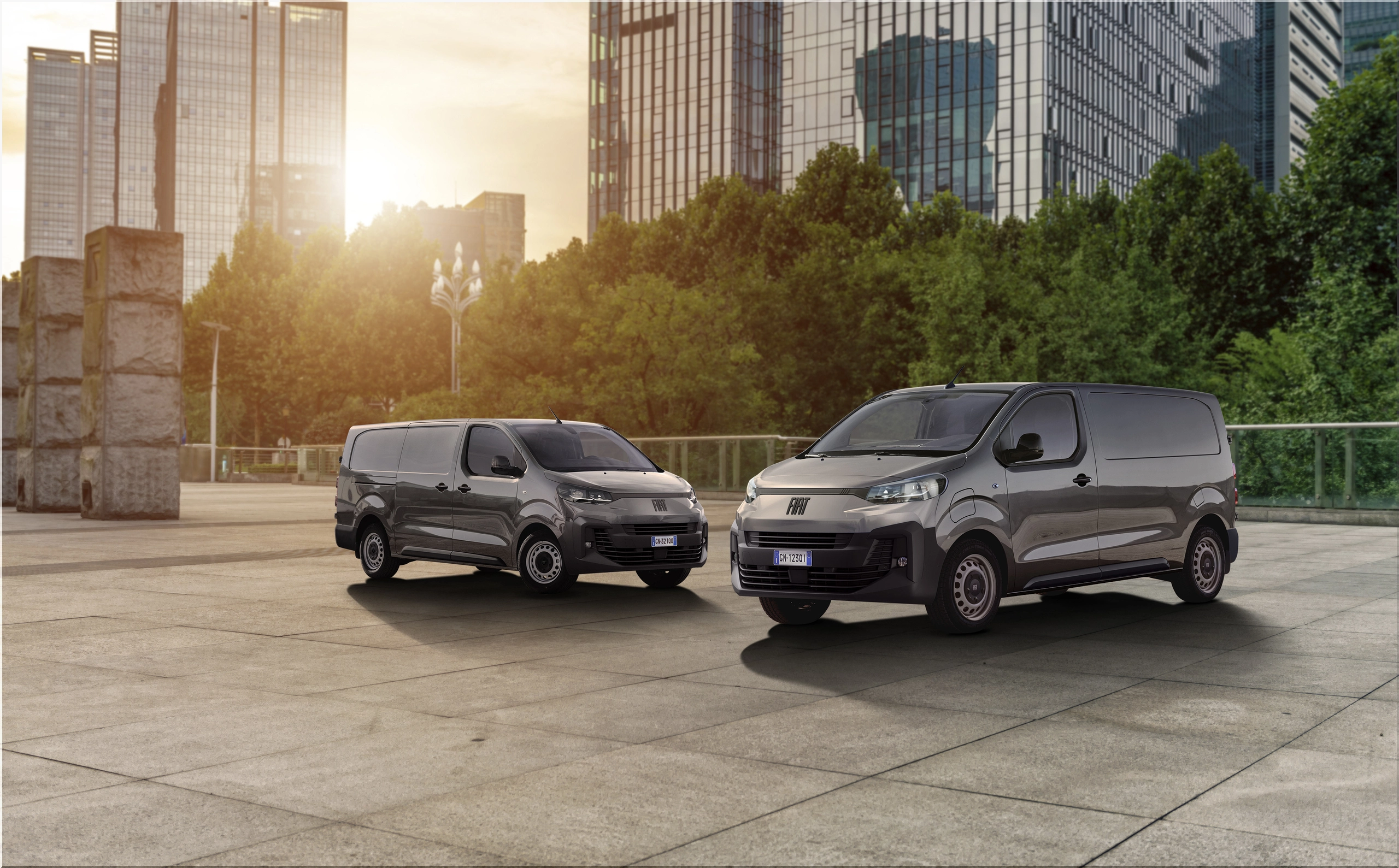
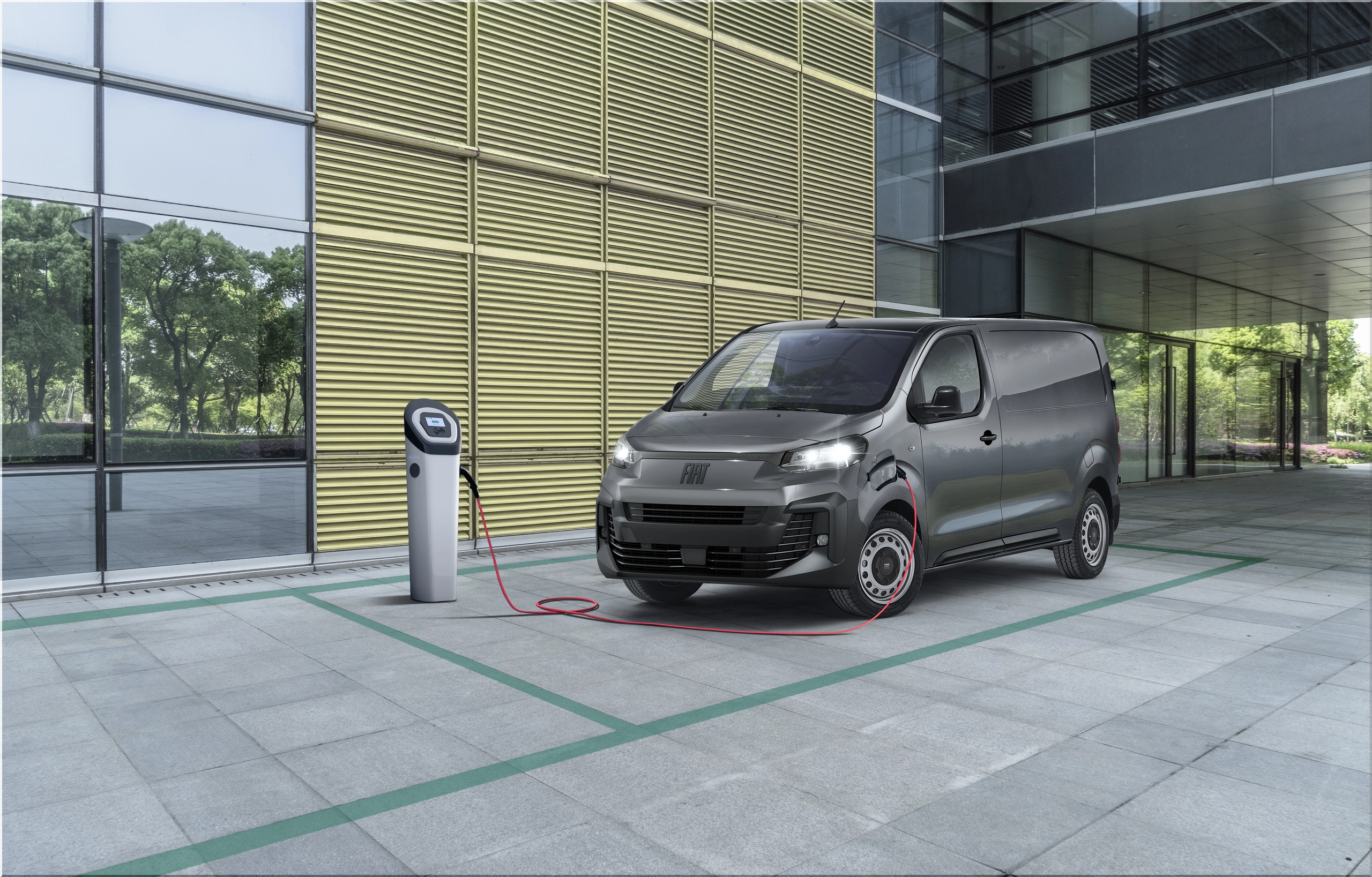
The Fiat Scudo is a versatile and efficient van that can meet the needs and preferences of different users. The Scudo offers a range of features and benefits, such as its compact dimensions, large load capacity, modular interior, comfortable driving, and Magic Cargo system. The Scudo also offers the option of choosing between a diesel engine or an electric drive, depending on the user’s fuel efficiency and environmental impact. The Scudo has a competitive price, a long-range, and a short charging time compared to other mid-sized vans in the market. The Scudo is available to order now in Europe and will be launched in other markets soon. If you are looking for a van that can adapt to your needs and preferences, the Scudo might be the right choice for you.
- Add new comment
- 302 views