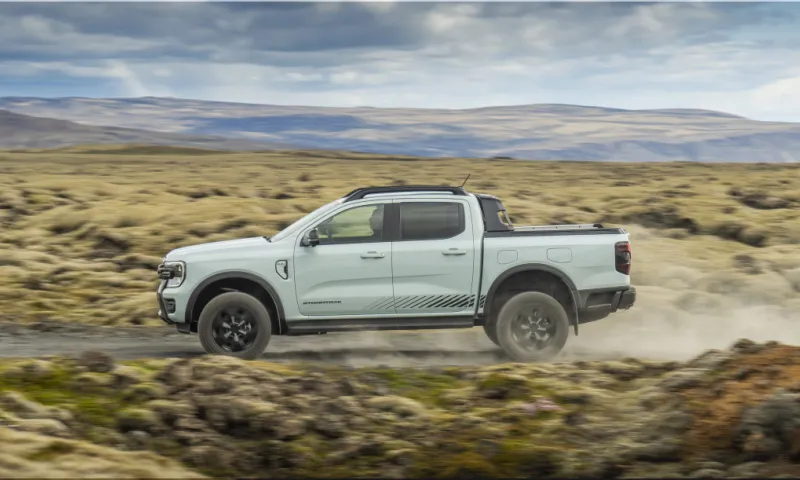
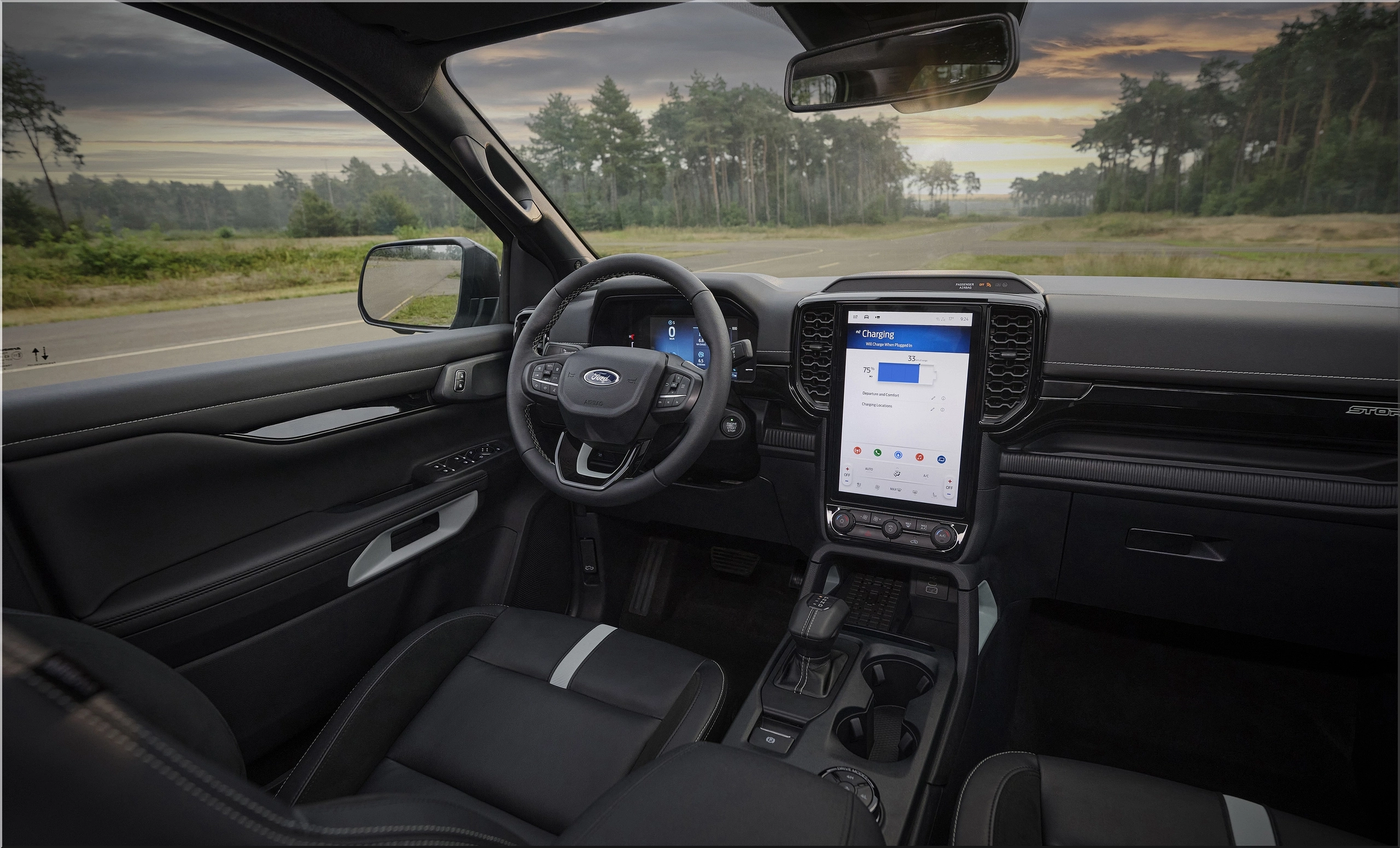
Ford’s newest pickup doesn’t just haul—it powers. The 2025 Ford Ranger Plug-in Hybrid introduces a major shift for mid-size trucks: onboard electricity strong enough to run a worksite. Designed to deliver practical utility and cost efficiency, it’s built for professionals who need more than mobility.
A Pickup That Powers Tools, Not Just Tires
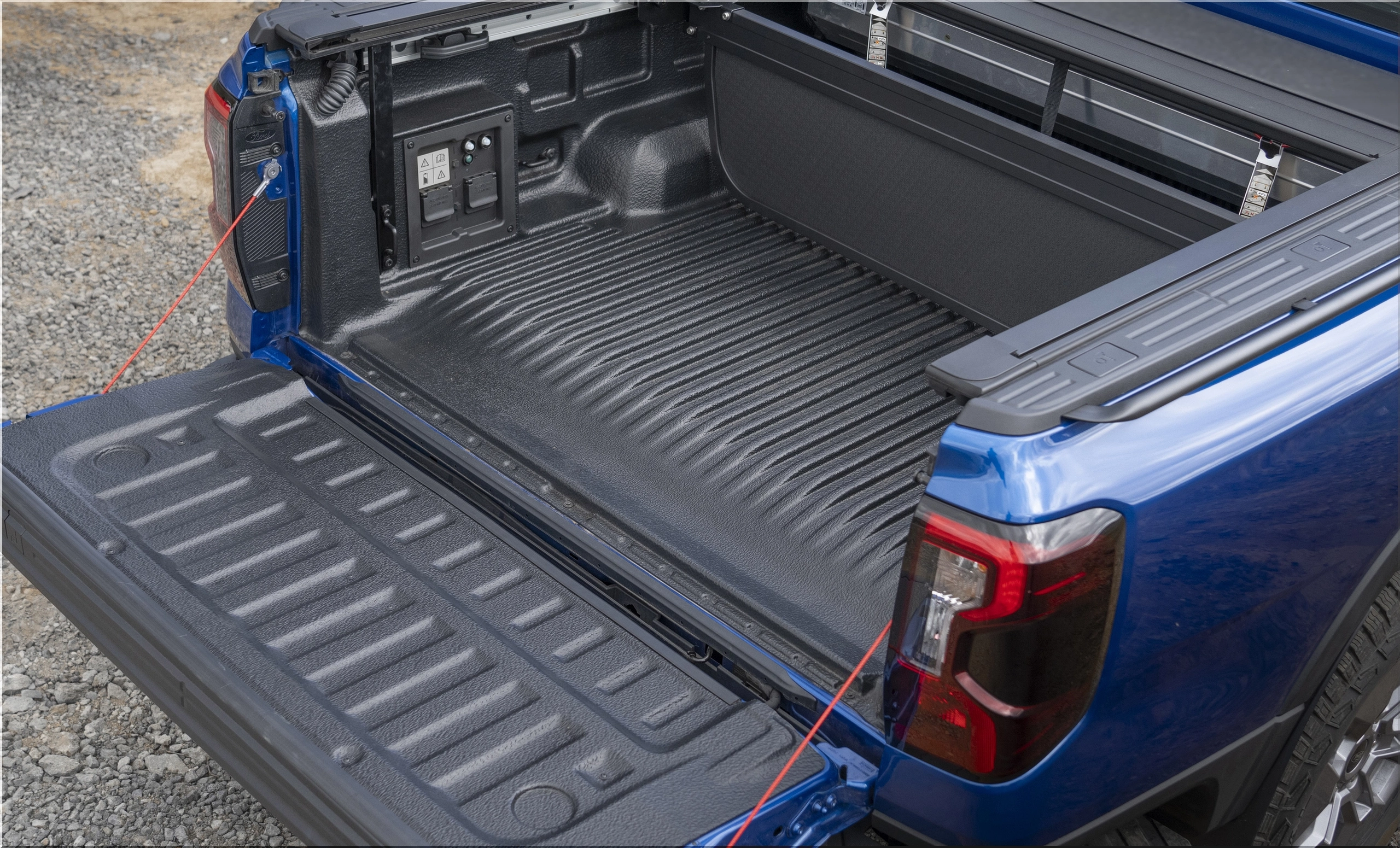
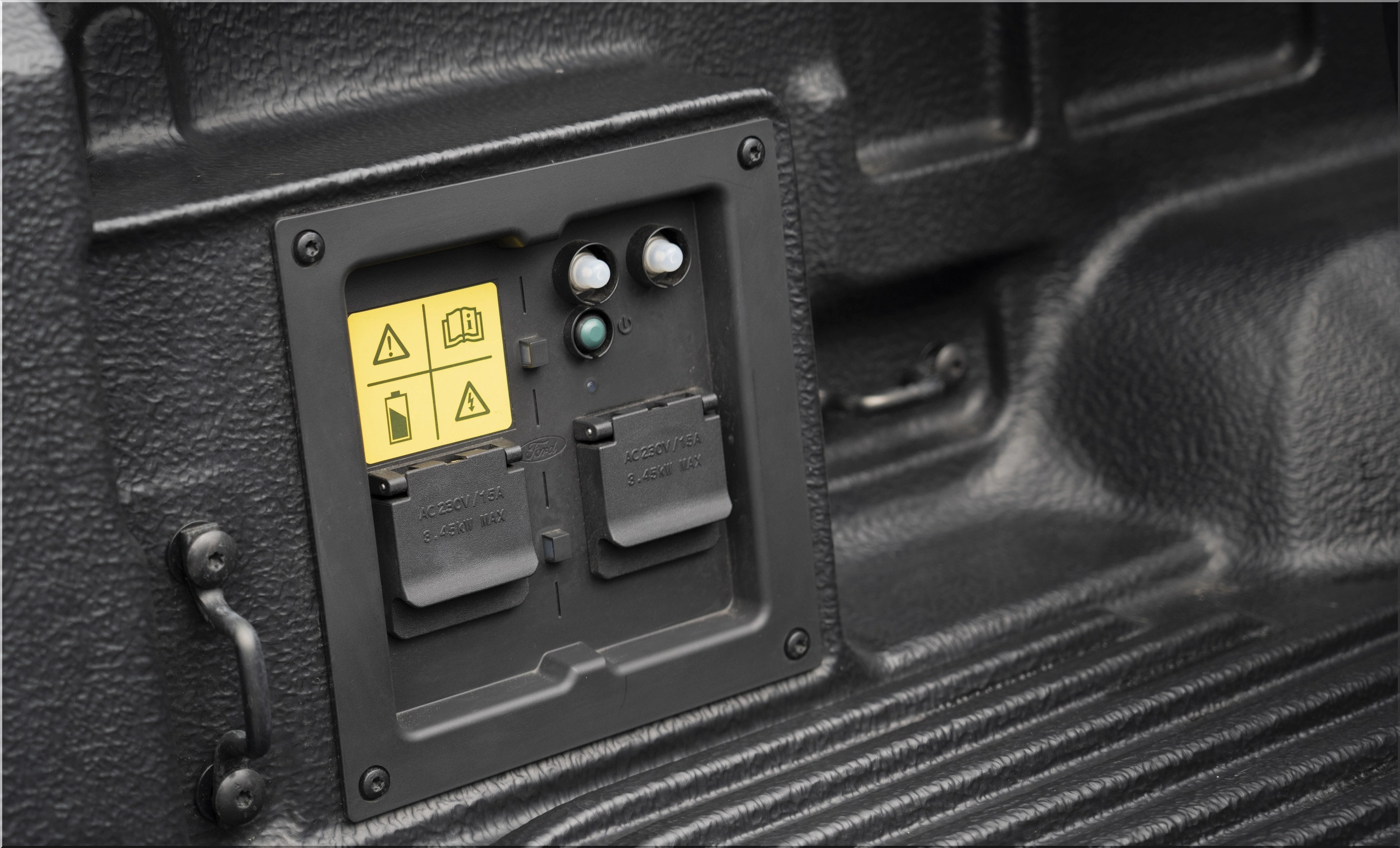
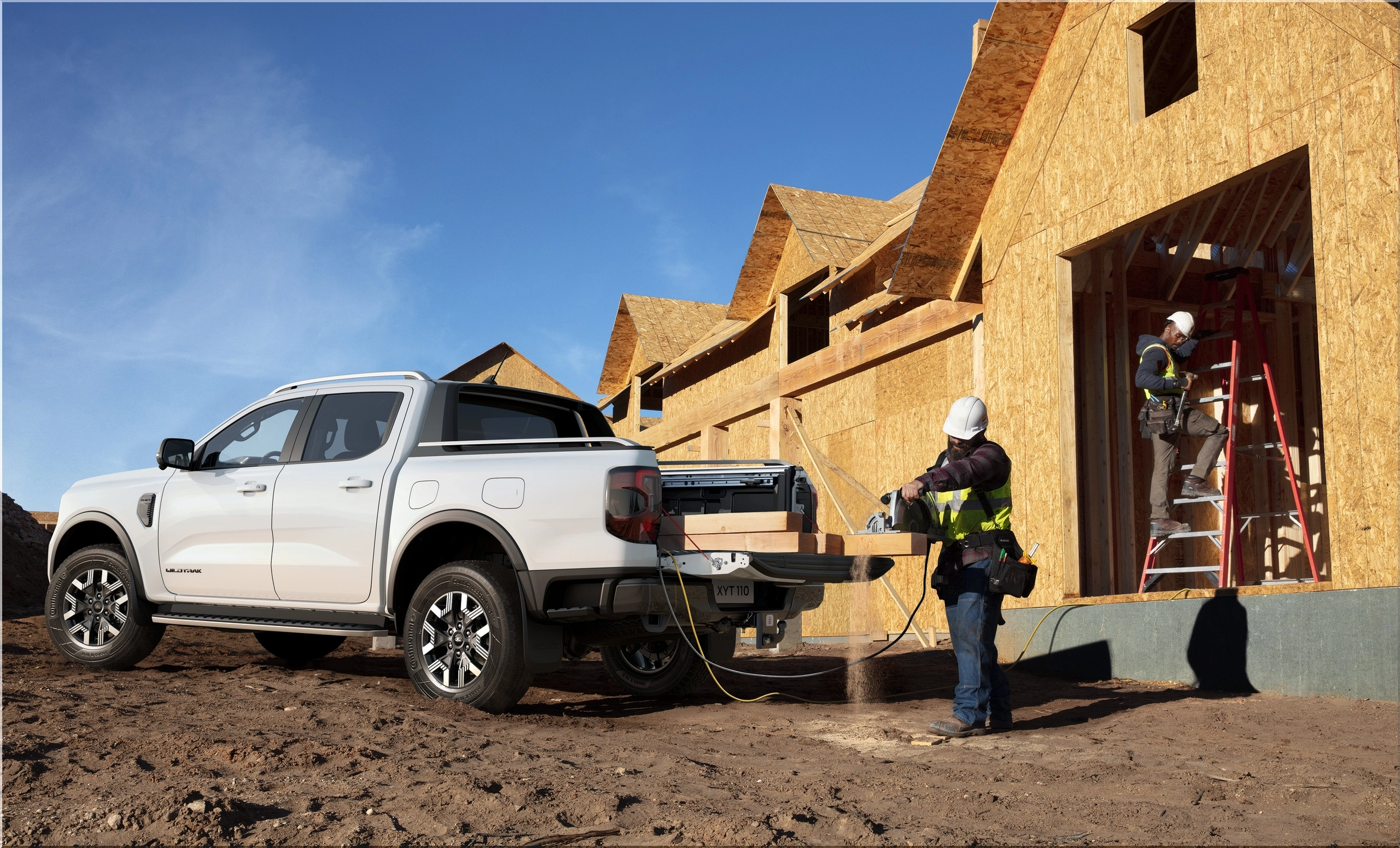
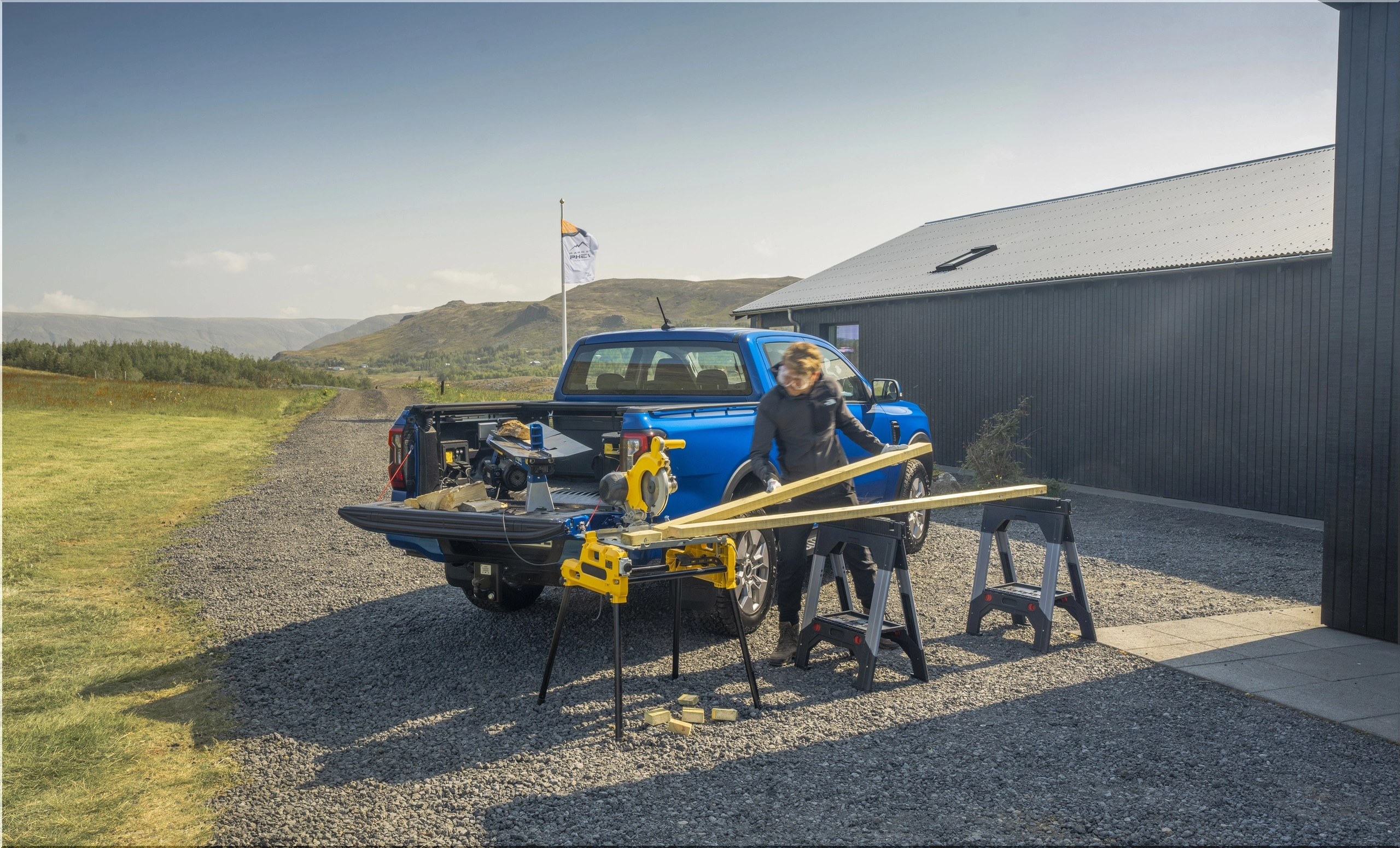
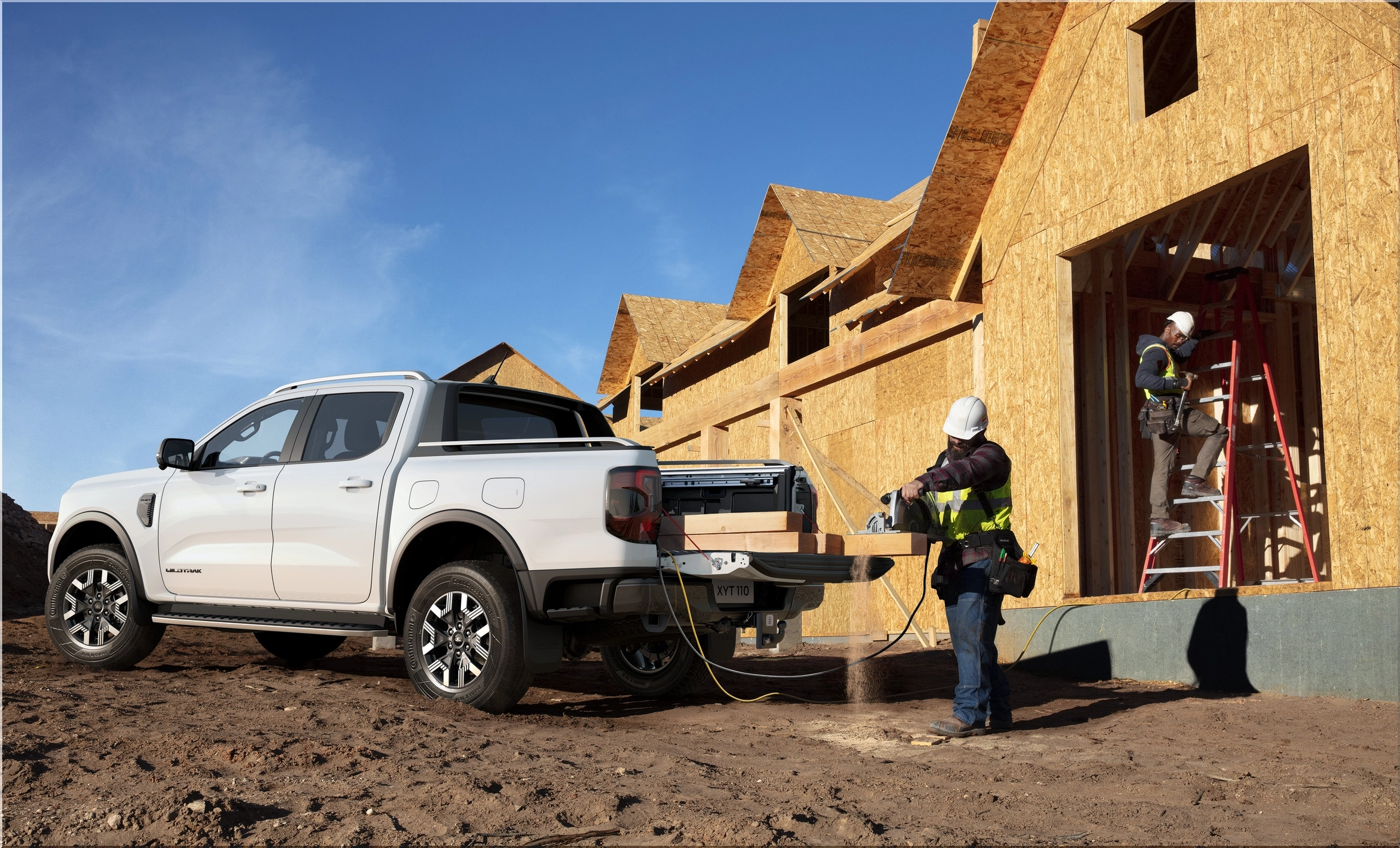
For the first time, Ford’s Pro Power Onboard system comes to the Ranger lineup. The strongest version offers two 15A outlets on the truck bed, each delivering 3.45 kW, or about 6.9 kW combined—enough to operate:
- A compact cement mixer (1,500 W)
- An angle grinder (3,000 W)
- Worksite lighting (800 W)
All at once, without plugging into an external grid.
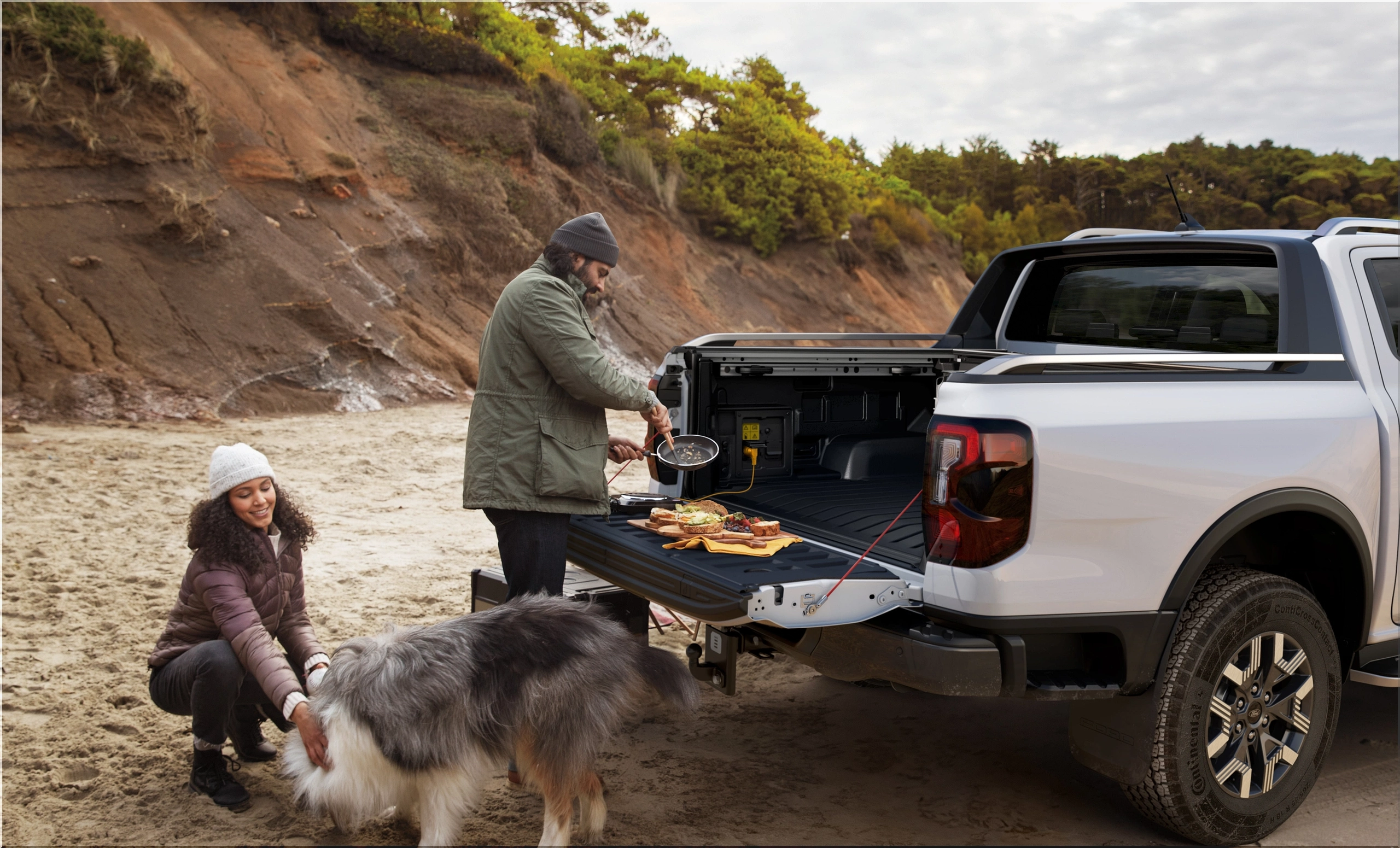
Ford says the system draws directly from the truck’s battery when parked. If the battery drops too low, the 2.3-liter EcoBoost gasoline engine automatically starts to maintain power. The setup can run heavy-duty tools, charge e-bikes, or keep a campsite lit—no separate generator required.
Smart Power Management on the Go
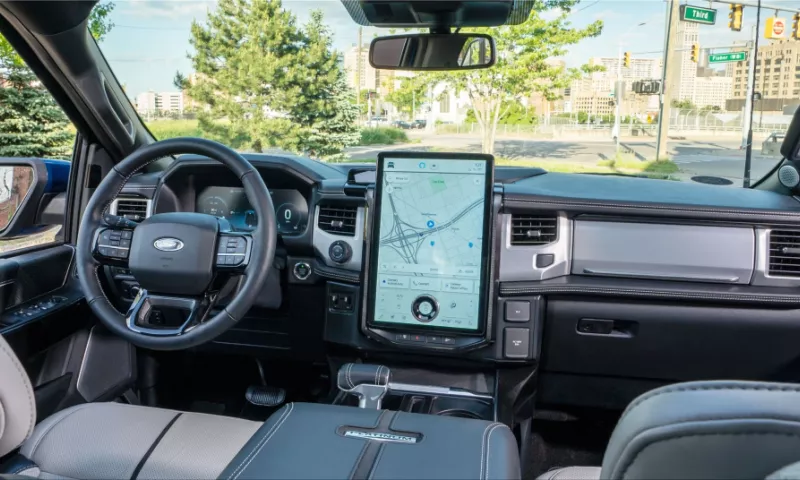
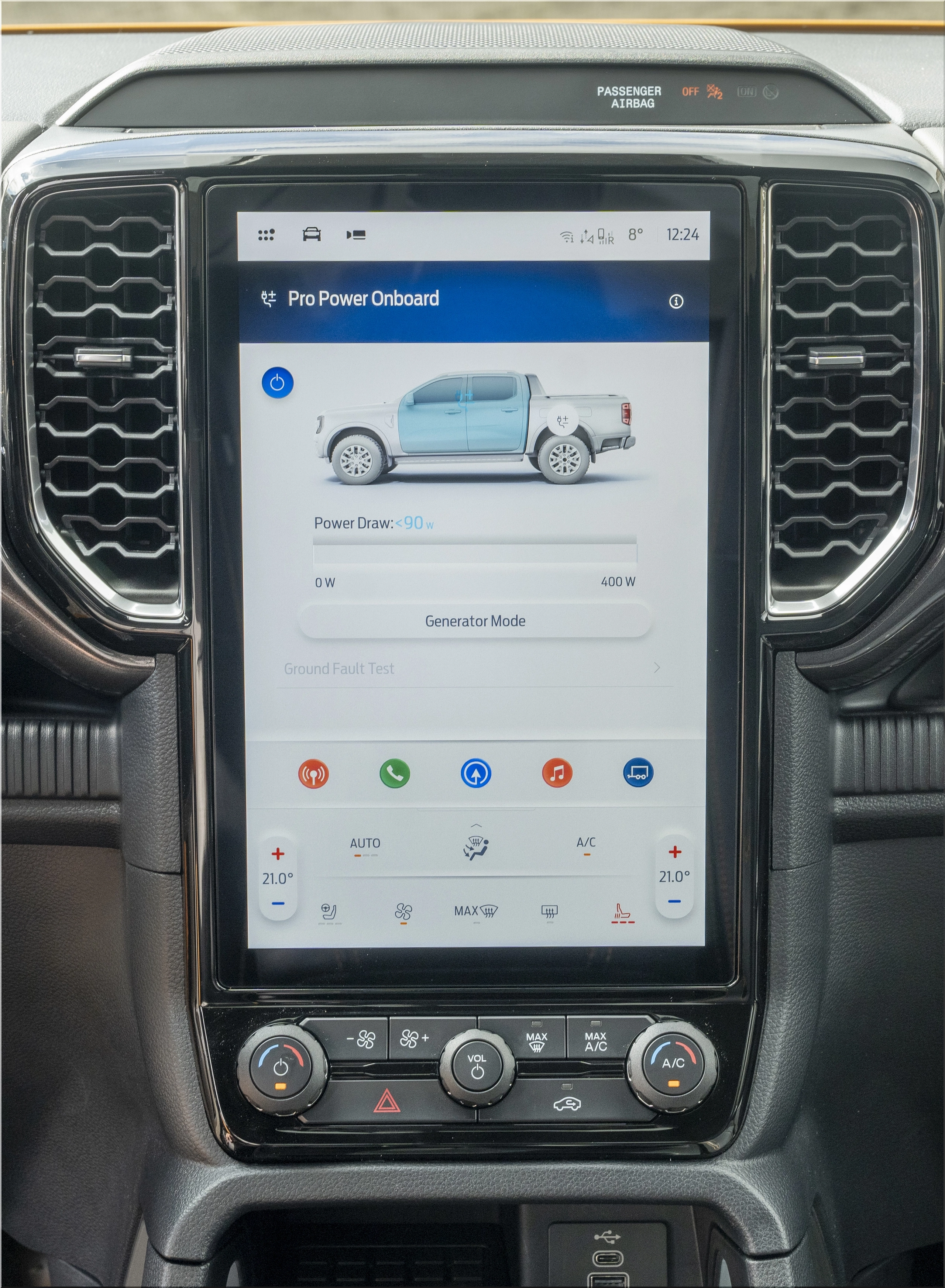
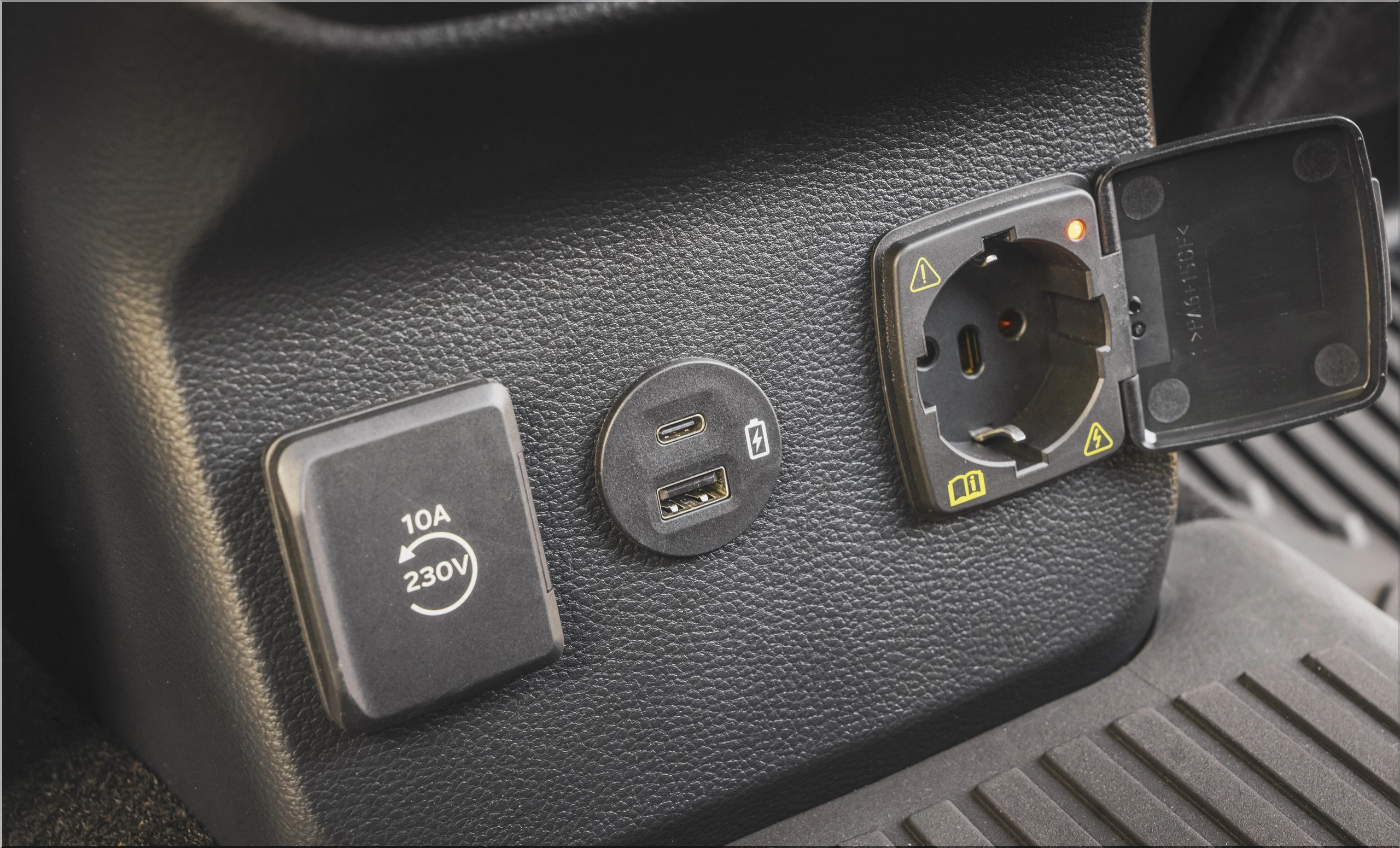
The Pro Power Onboard system is controlled via Ford’s SYNC 4 touchscreen. Drivers can monitor live energy use and toggle outlets directly from the cabin. A default 400 W interior socket stays active even when the main system is off—useful for smaller electronics.
Once the truck’s combined electric and fuel range drops below 80 km (50 miles), the system shifts to a Low Power Mode to preserve enough energy for driving.
Hybrid Powertrain With Serious Strength
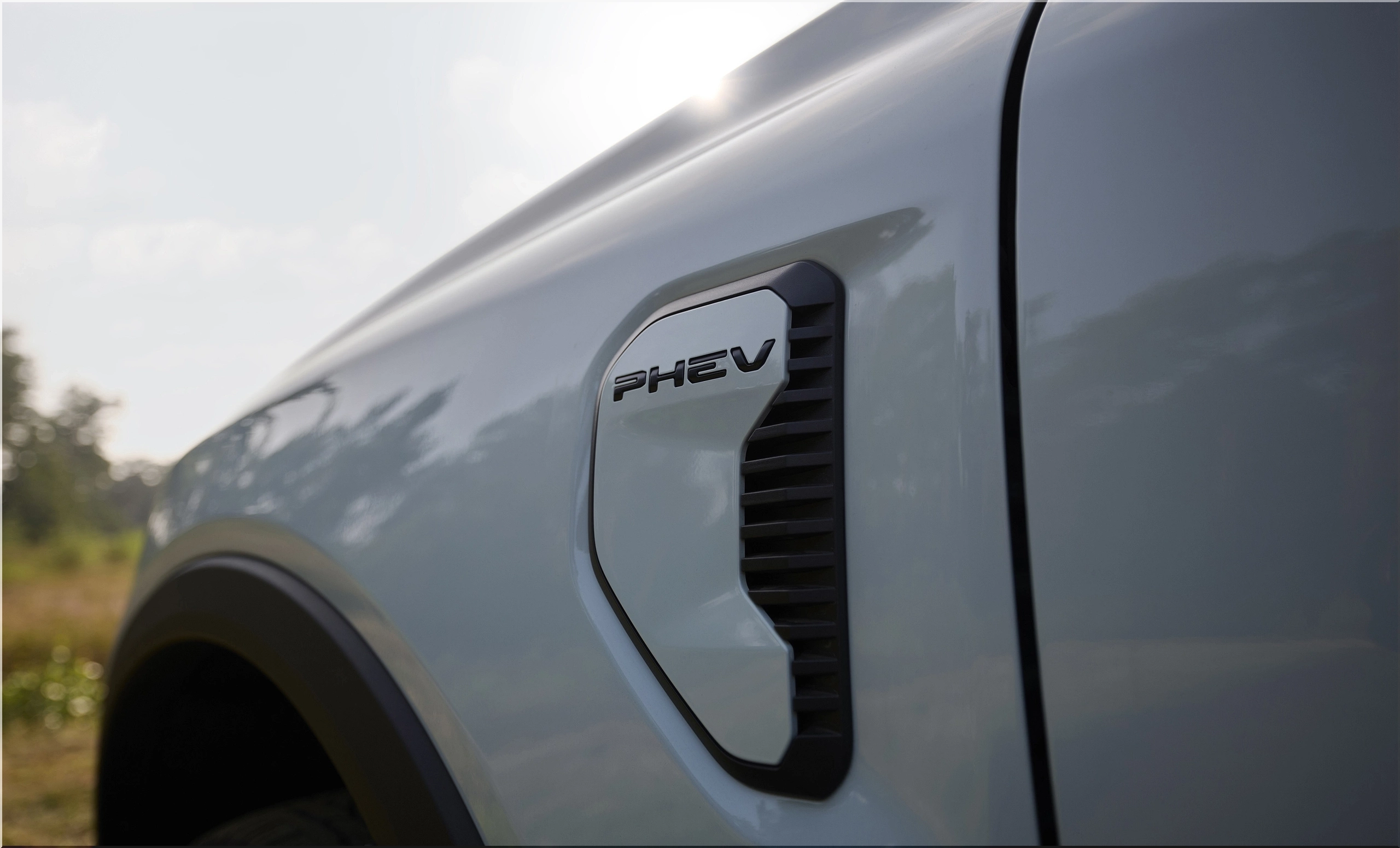
The plug-in hybrid setup combines a 2.3-liter EcoBoost gas engine, a 75 kW electric motor, and an 11.8 kWh battery pack. Together they produce:
- 281 horsepower
- 697 Nm (514 lb-ft) of torque
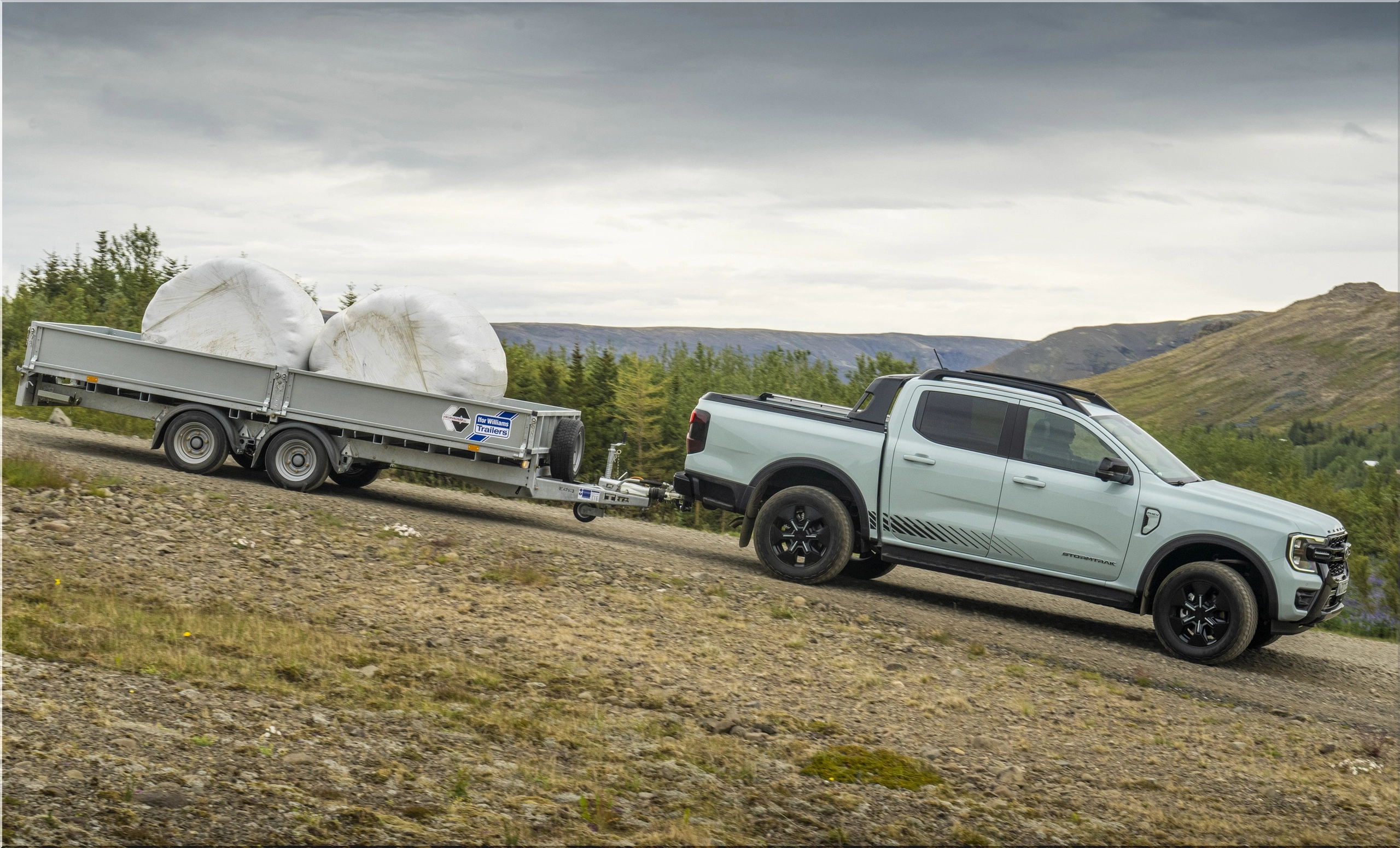
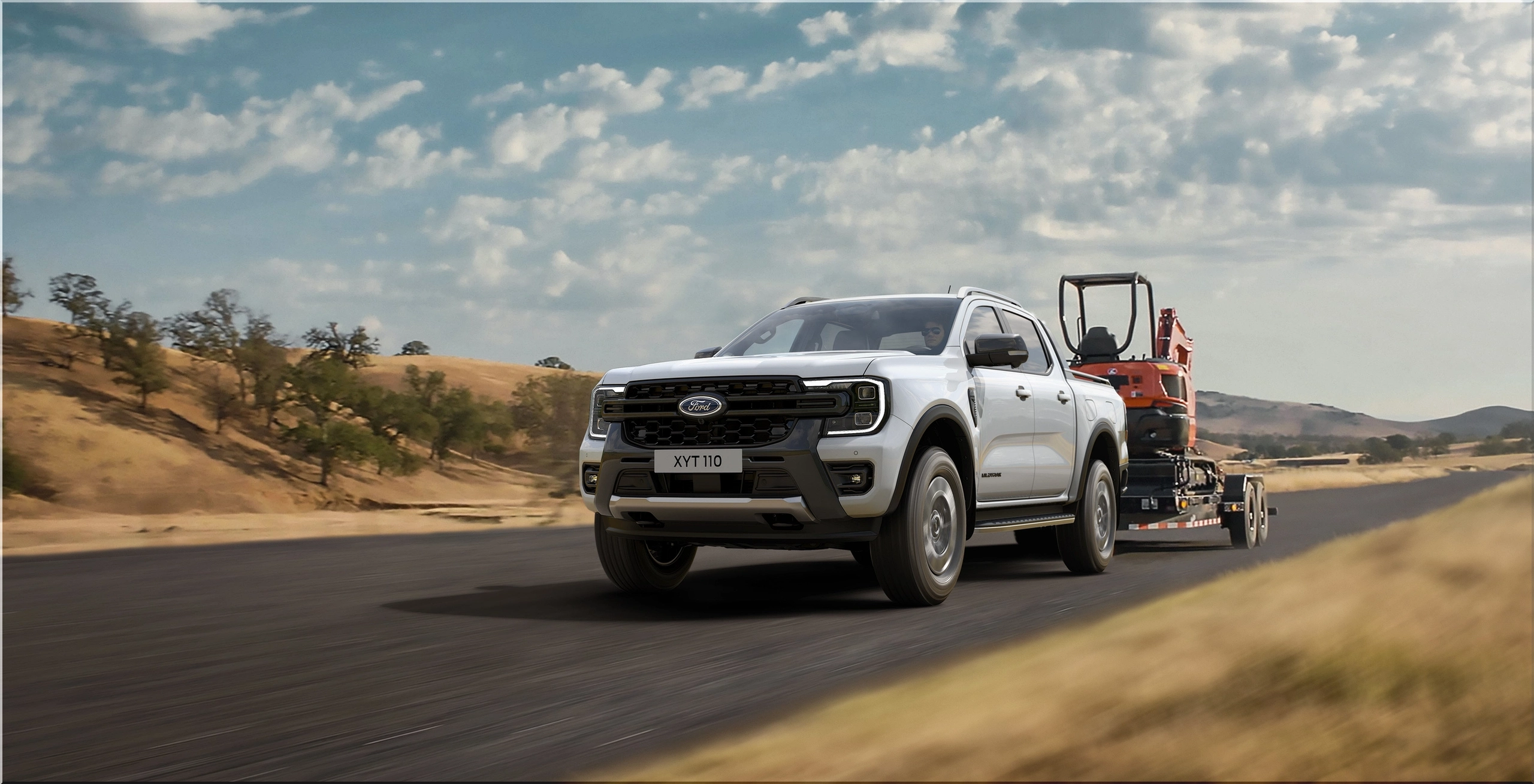
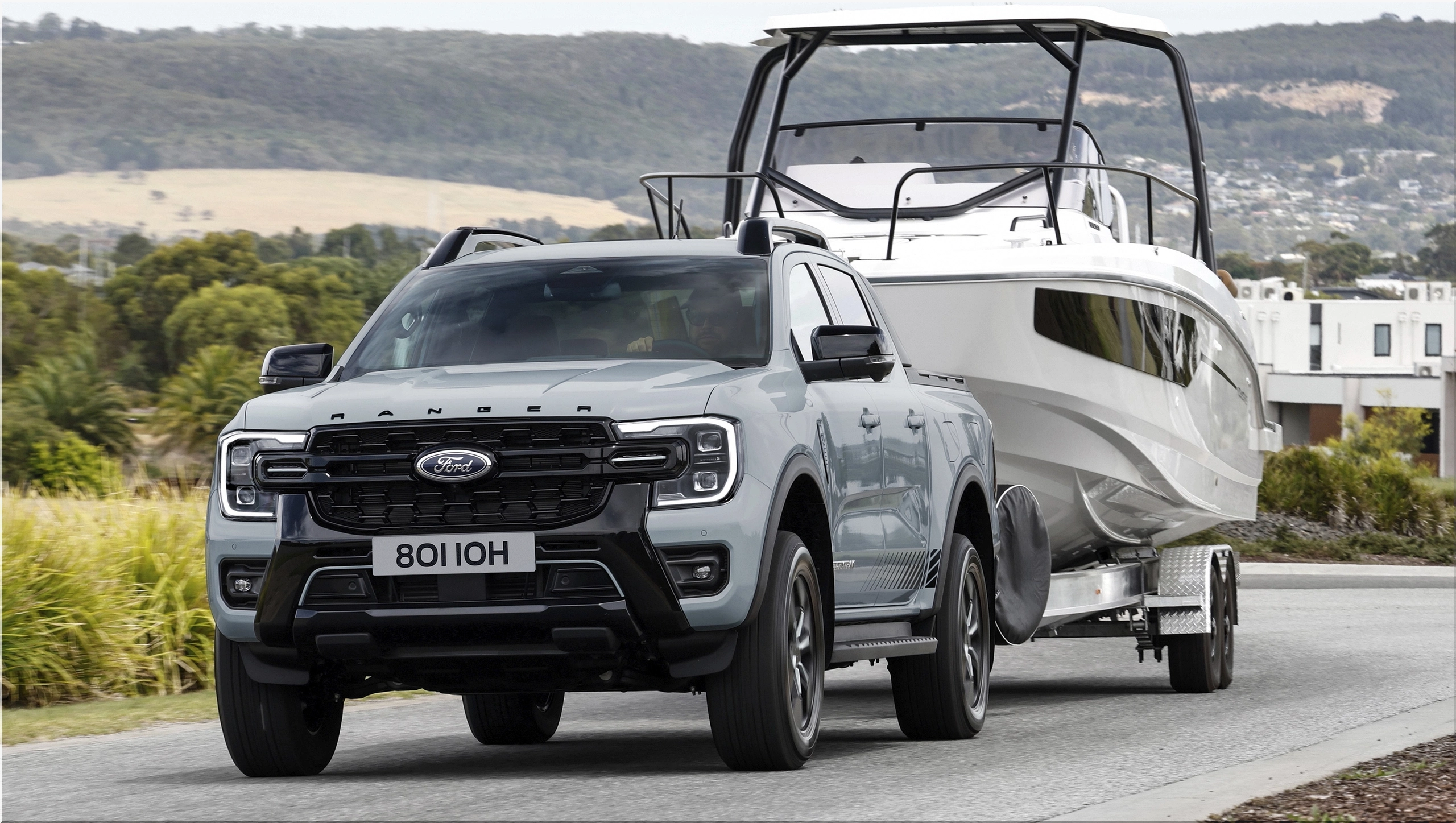
That’s more torque than the Ranger Raptor, Ford’s current performance leader, but at a lower price. It can tow 3,500 kg (7,716 lbs) and carry a payload of up to one ton (2,204 lbs).
Key Performance Figures
| Specification | Value |
|---|---|
| Engine | 2.3L EcoBoost + 75 kW electric motor |
| Battery Capacity | 11.8 kWh |
| Total Output | 281 hp / 697 Nm (514 lb-ft) |
| Towing Capacity | 3,500 kg (7,716 lbs) |
| Payload | 1,000 kg (2,204 lbs) |
| Electric Range | Up to 43 km (27 miles) |
| Drivetrain | e-4WD with multiple terrain modes |
The 43 km (27 miles) electric range covers daily commutes for more than half of current Ranger owners, Ford says. Regenerative braking adds efficiency and control when driving downhill, especially with a loaded bed or trailer.
Off-Road Confidence and On-Road Comfort
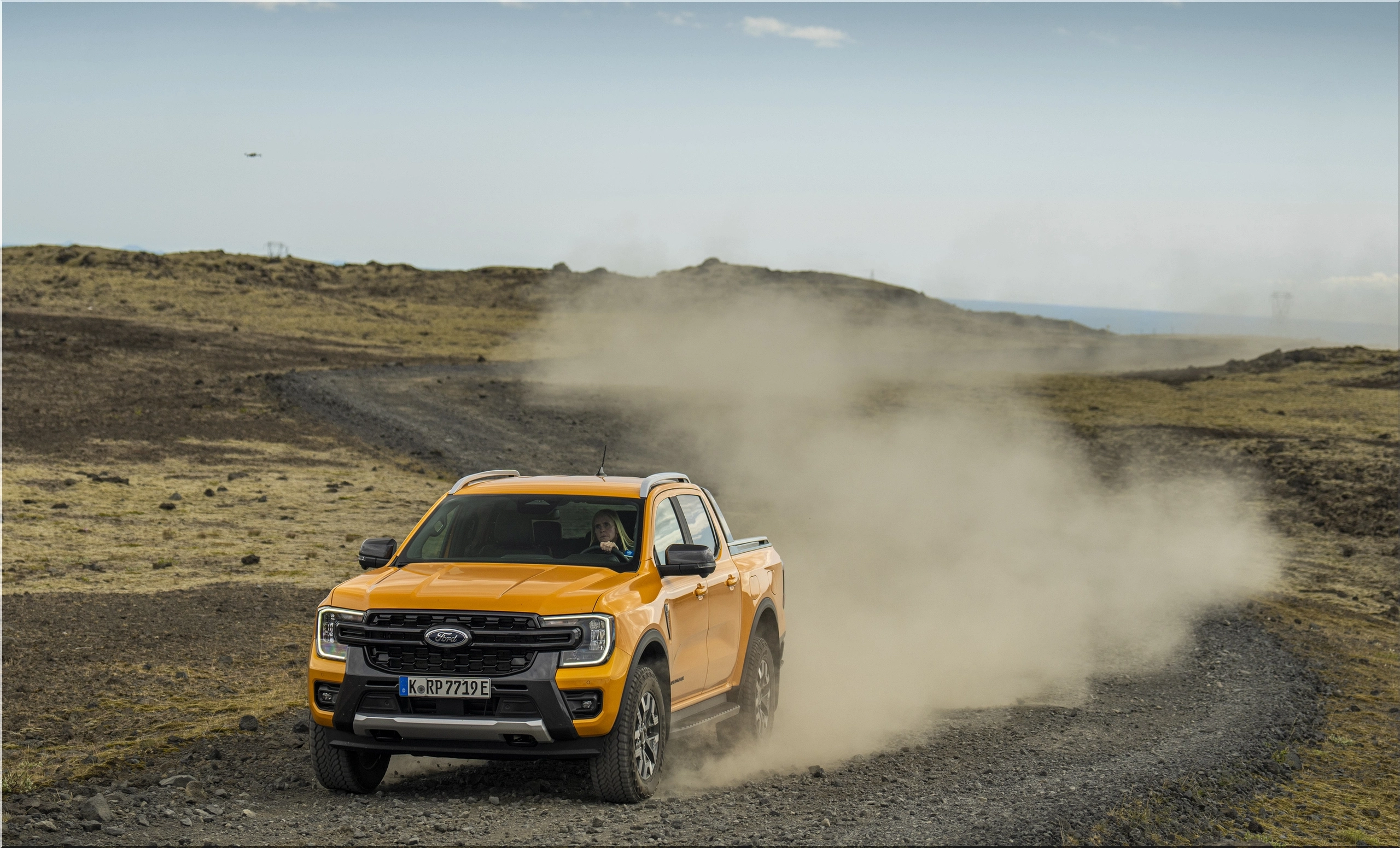
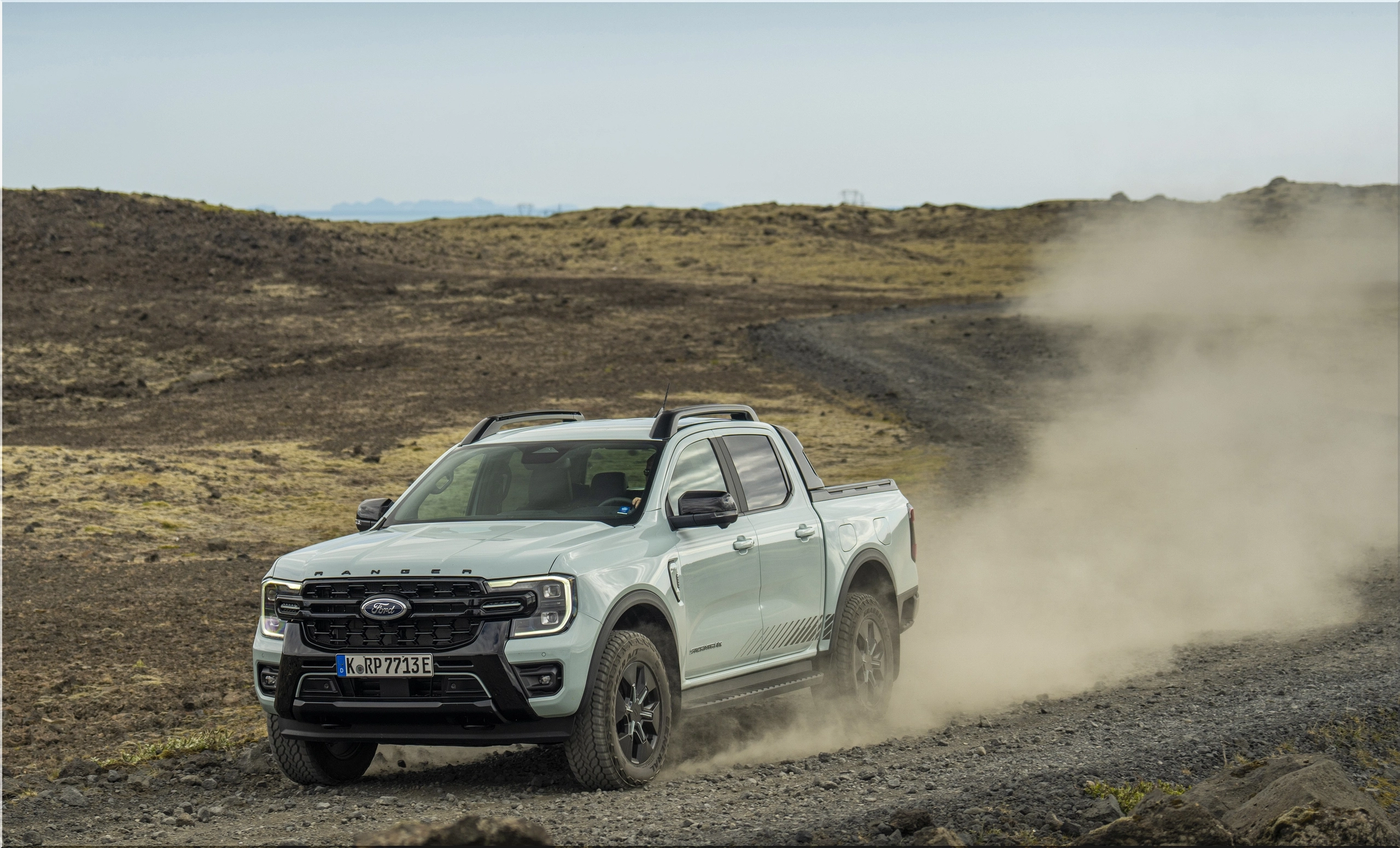
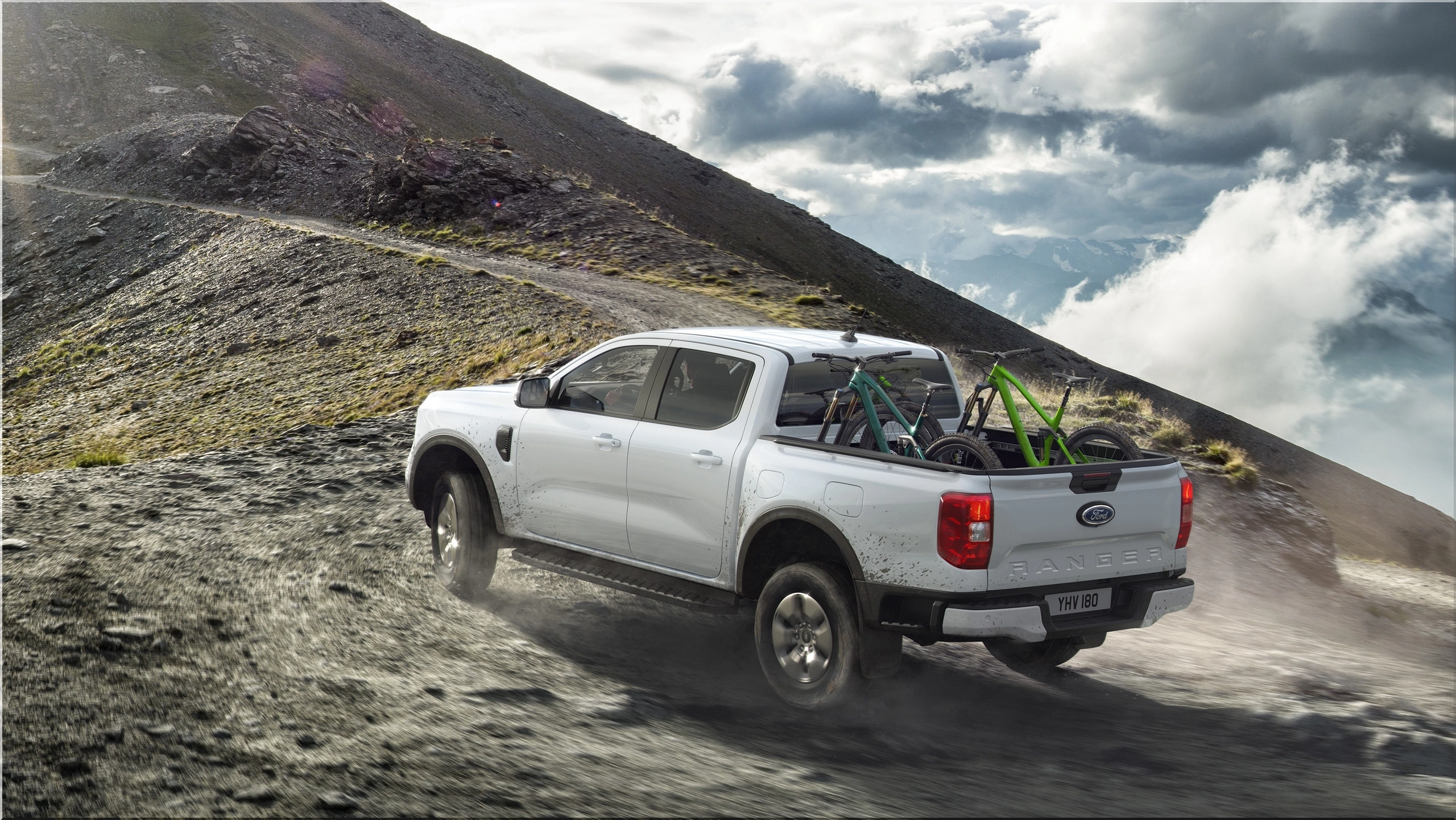
The e-4WD system provides full-time traction and adjustable drive modes for different surfaces, including Eco, Tow, Mud, Slippery, and Sand. Each mode adjusts throttle response, transmission mapping, and traction control for optimal handling.
A rear differential lock enhances off-road grip. The hybrid system’s instant torque delivery improves performance in low-speed terrain driving—key for forestry, construction, and recreation.
Power Options for Every Workload
Ford offers two Pro Power Onboard versions:
- 2.3 kW version – Suitable for lighter tools and electronics.
- 6.9 kW version – Supports industrial-grade tools and multiple devices at once.
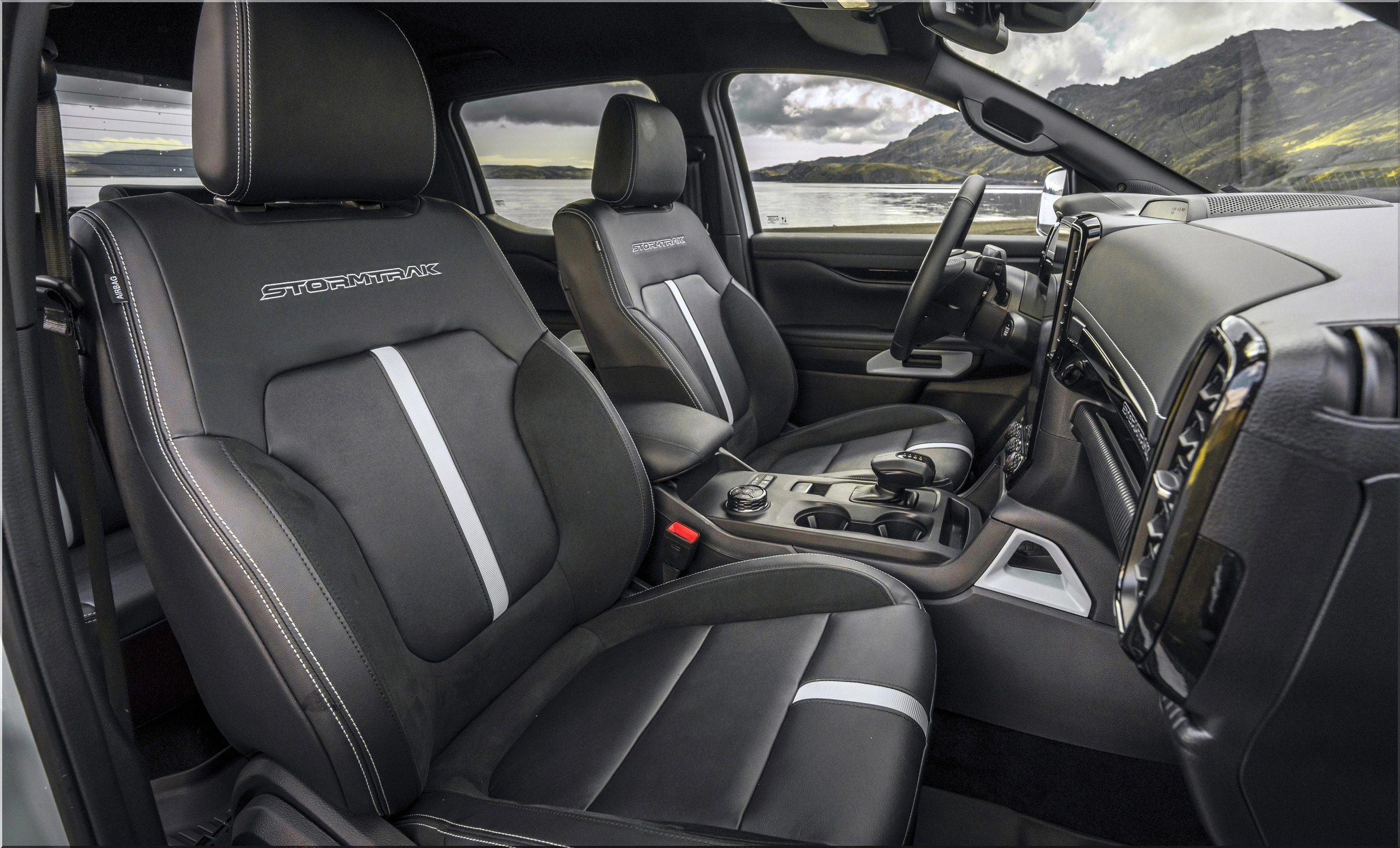
There are three 230V outlets total—one in the cabin and two on the truck bed—each protected by built-in circuit monitoring. Stormtrak models include 2.3 kW standard, with optional upgrades to the 6.9 kW configuration.
Outlet Overview
| Location | Voltage | Amperage | Power Output |
|---|---|---|---|
| Cabin | 230V | 10A | 2.3 kW |
| Bed (2 outlets) | 230V | 15A each | 3.45 kW each |
| Total (maximum) | — | — | 6.9 kW |
This feature allows the Ranger to double as a mobile power source, ideal for rural contractors, mobile workshops, and overland travelers. It can run saws, welders, or even recharge another vehicle.
Trim Levels and Pricing
The Ranger Plug-in Hybrid comes in three trims:
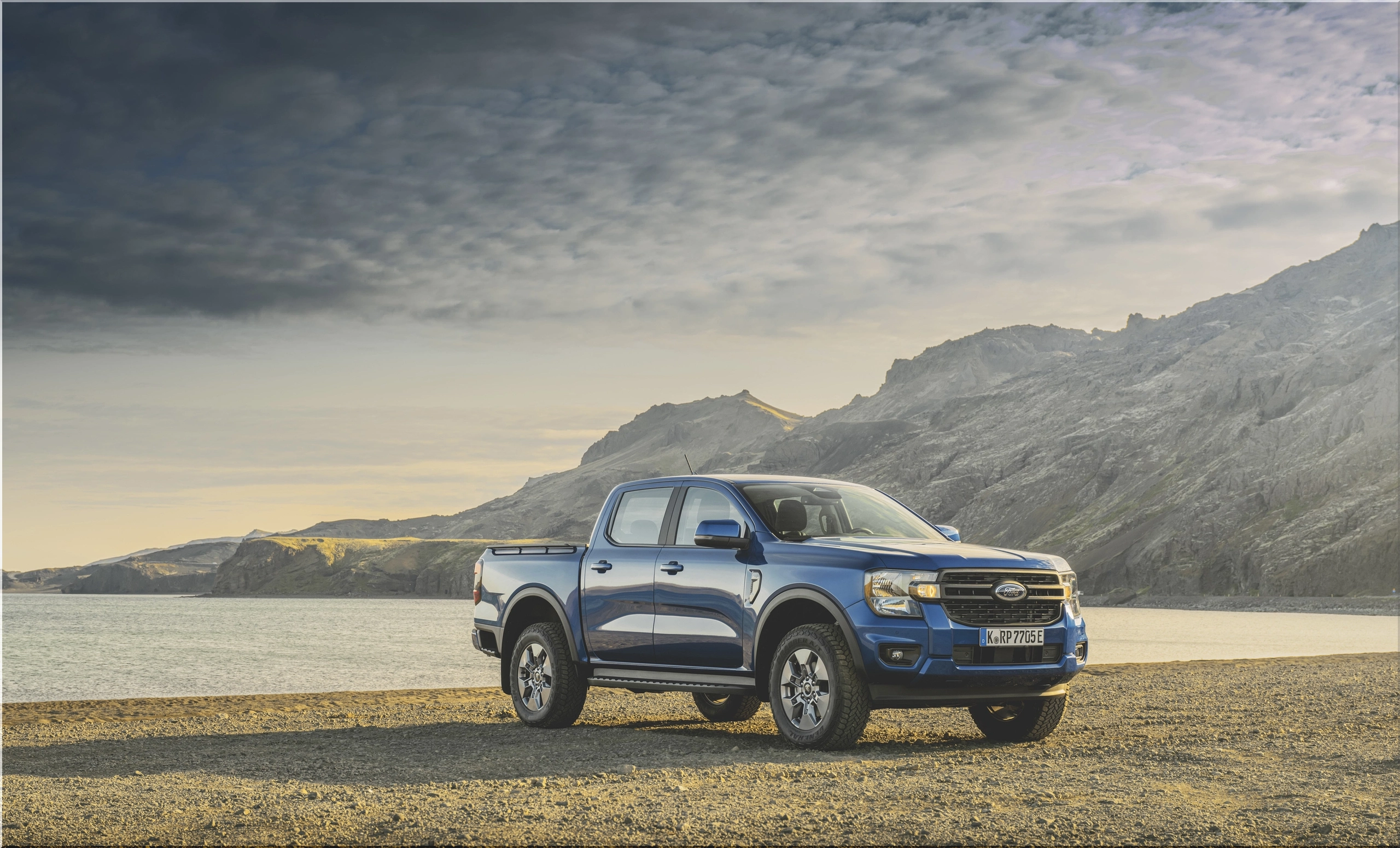
- XLT – Entry model, priced from $67,500 USD
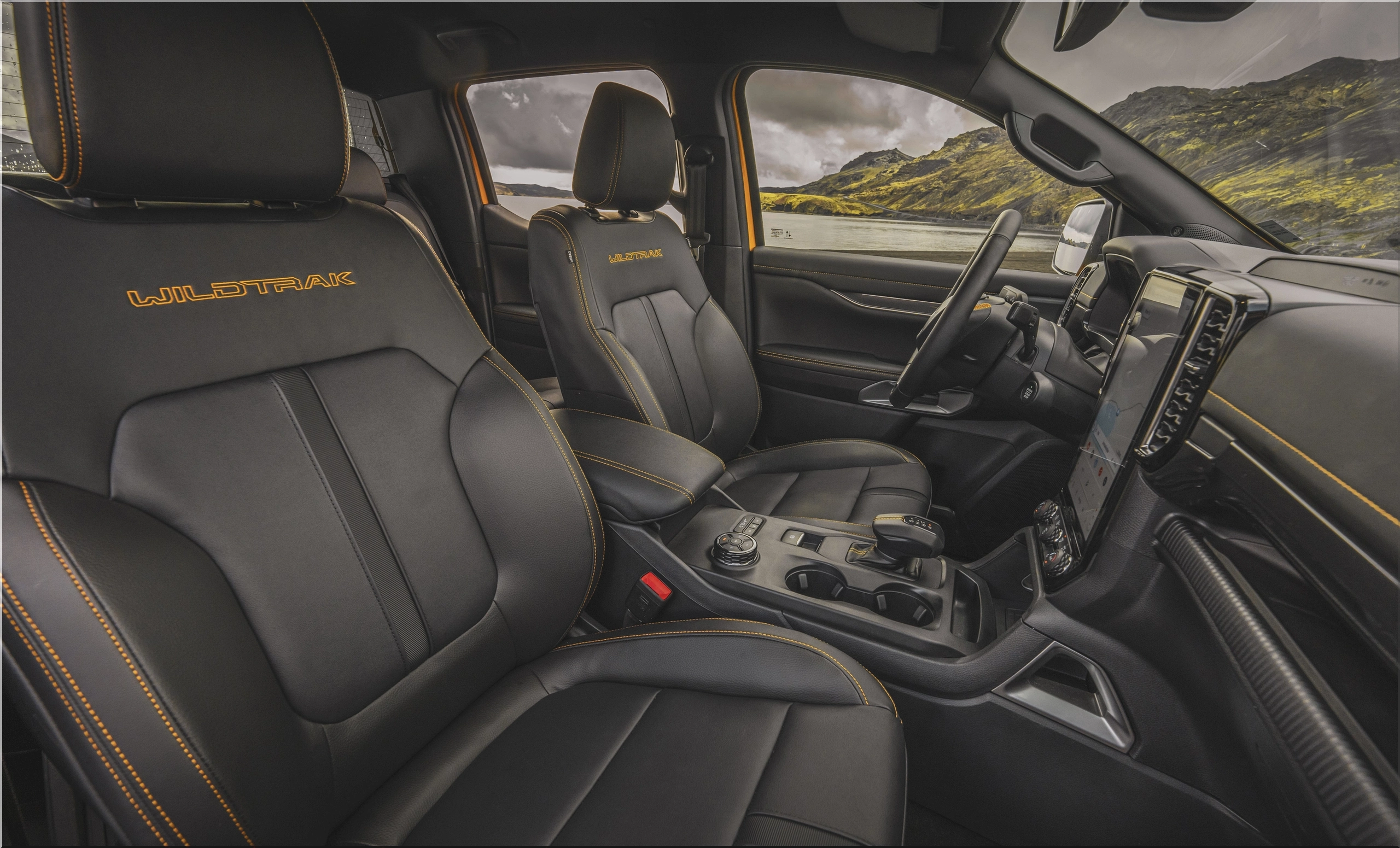
- Wildtrak – Mid-level trim, offering added comfort and towing tech
- Stormtrak Launch Edition – Fully equipped, priced at approximately $81,300 USD
Each includes three years of scheduled service (up to 45,000 km). Buyers can choose between the 2.3 kW or 6.9 kW Pro Power Onboard system on most trims.
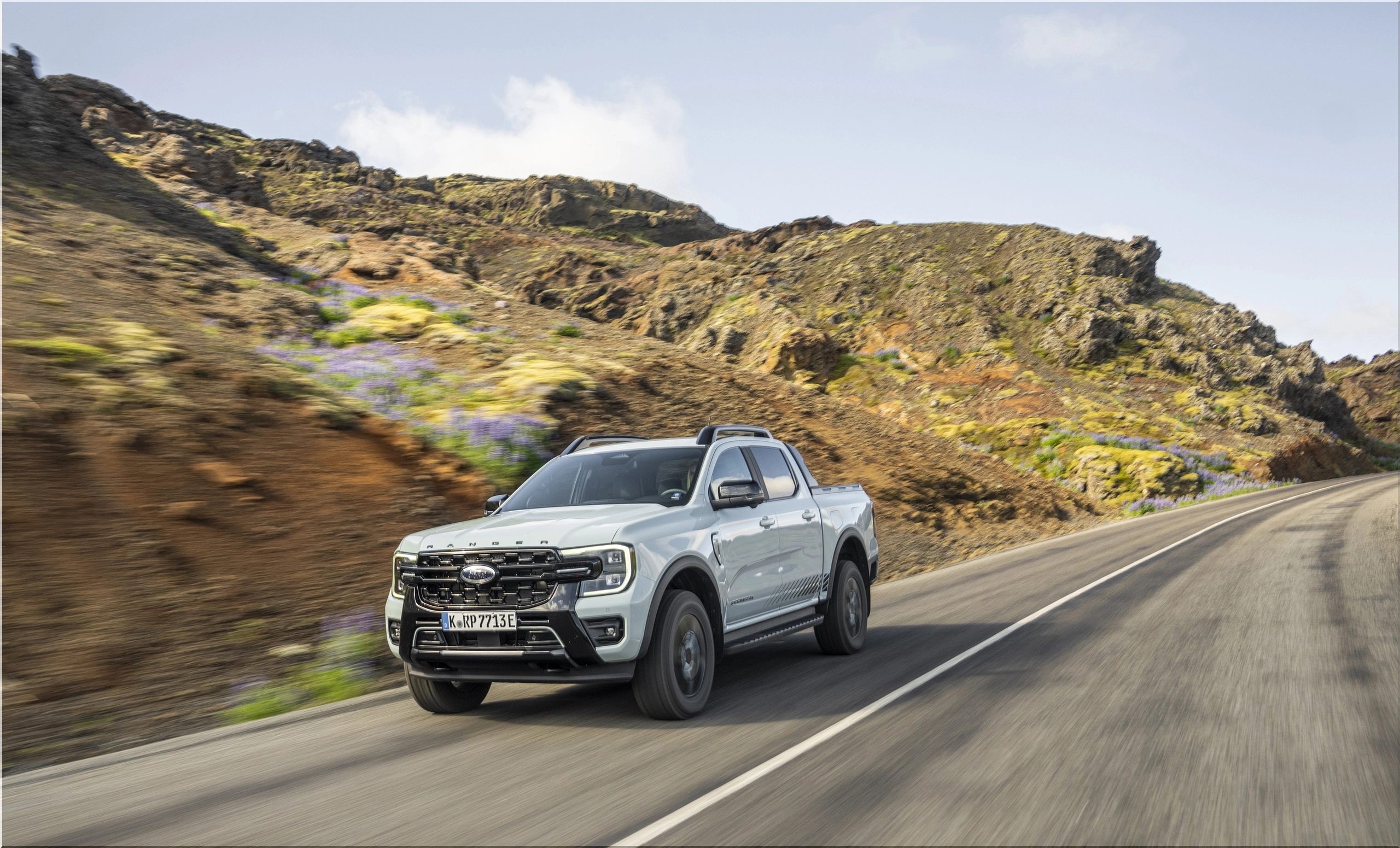
The Stormtrak edition features unique styling, an exclusive grille, and upgraded towing features. It also includes the advanced power system as standard equipment.
Designed for Real Use Cases
Ford designed the new Ranger Plug-in Hybrid for professionals who need energy autonomy on-site. It removes the need for carrying a generator, reduces fuel waste, and simplifies logistics. Examples of practical uses include:
- Running power tools on construction or repair sites
- Charging equipment in remote agricultural areas
- Supporting lighting and refrigeration during field operations
- Providing backup power during grid outages
The system operates silently in electric mode, a key benefit for residential contractors working in sound-sensitive areas.
Efficiency Without Sacrificing Power
Ford’s engineering team balanced fuel economy with utility. The hybrid drivetrain allows short-range electric travel while maintaining towing and hauling performance for longer trips. Regenerative braking improves range, and the electric torque helps reduce strain on the gas engine.
With the automatic engine start-stop system, fuel consumption stays low, even under load. Ford hasn’t announced official EPA ratings yet, but early testing in Europe suggests significant fuel savings compared to traditional gasoline Rangers.
Connectivity and Driver Interface
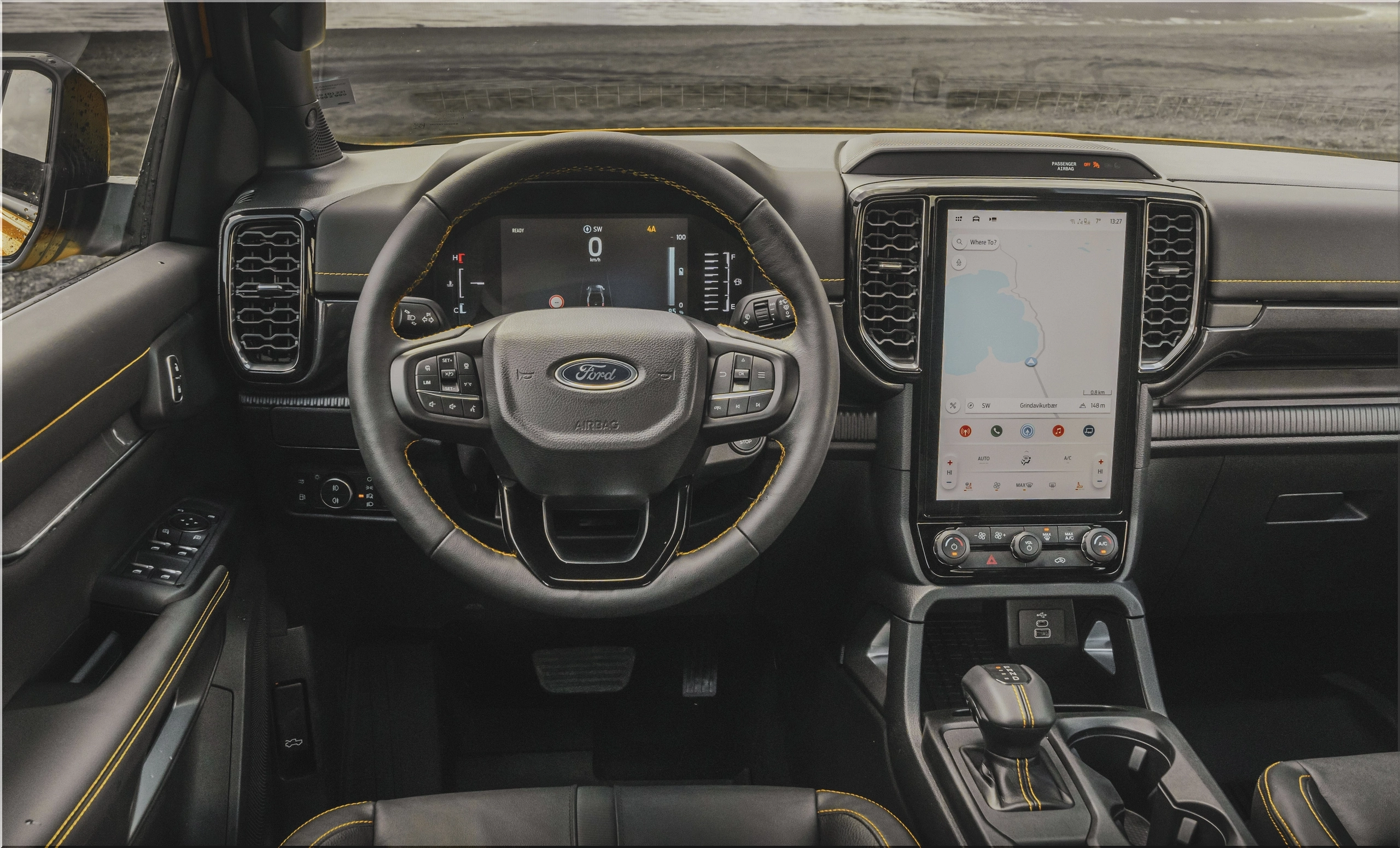
The Ranger’s SYNC 4 infotainment system integrates all hybrid and power management functions. Drivers can:
- View energy flow between engine, motor, and battery
- Track power use by outlet
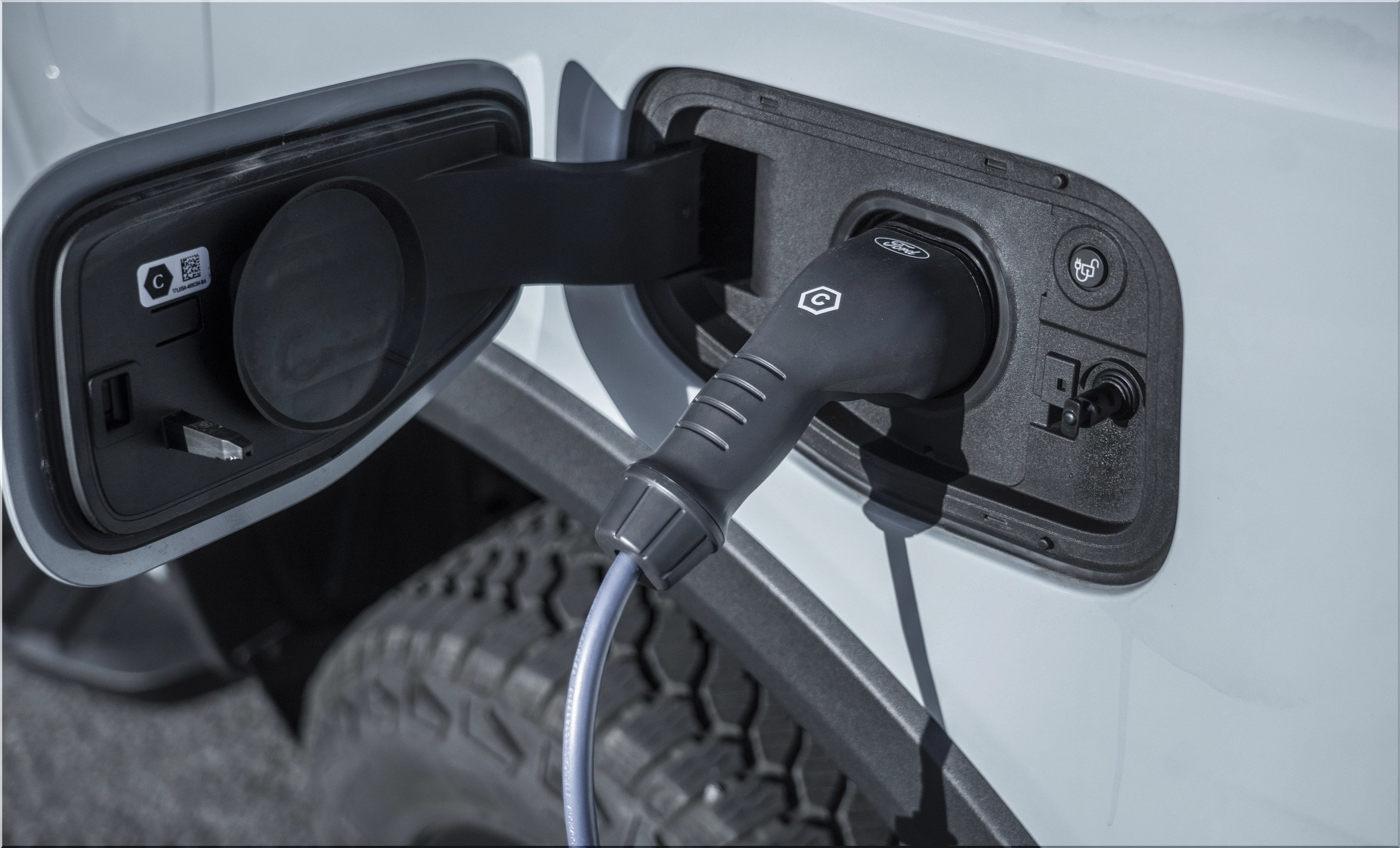
- Schedule charging times
- Remotely monitor charging through the FordPass app
Voice control enables quick adjustments without distraction. The interface also supports wireless updates to improve energy management software over time.
Built for the Long Term
Ford includes standard service coverage and uses durable components tested under commercial conditions. The company says the hybrid Ranger has been validated for the same workloads as diesel models. The truck’s high-strength steel frame and reinforced suspension carry over from the standard Ranger, ensuring structural reliability.
Ford’s battery and hybrid components are sealed and mounted to withstand off-road vibrations, water crossings, and extreme temperatures.
A Shift Toward Smarter Pickups
The 2025 Ford Ranger Plug-in Hybrid reflects Ford’s broader Ford+ strategy—expanding hybrid capability across its commercial lineup. The company sees plug-in hybrids as a bridge between traditional work trucks and future all-electric models.
By adding mobile power generation to the mix, Ford positions the Ranger as more than transport—it’s a tool in itself. For contractors, off-grid adventurers, and businesses, that could cut costs and increase flexibility.
Final Analysis
Ford’s approach is straightforward: give users more function per dollar. The Ranger Plug-in Hybrid does that through efficient power, practical energy access, and strong performance. It’s built for people who measure value in output, uptime, and reliability.
In an era where many trucks focus on luxury, Ford delivers utility first—and that may be its smartest move yet.
- Add new comment
- 252 views