Positioning and Updates for 2026
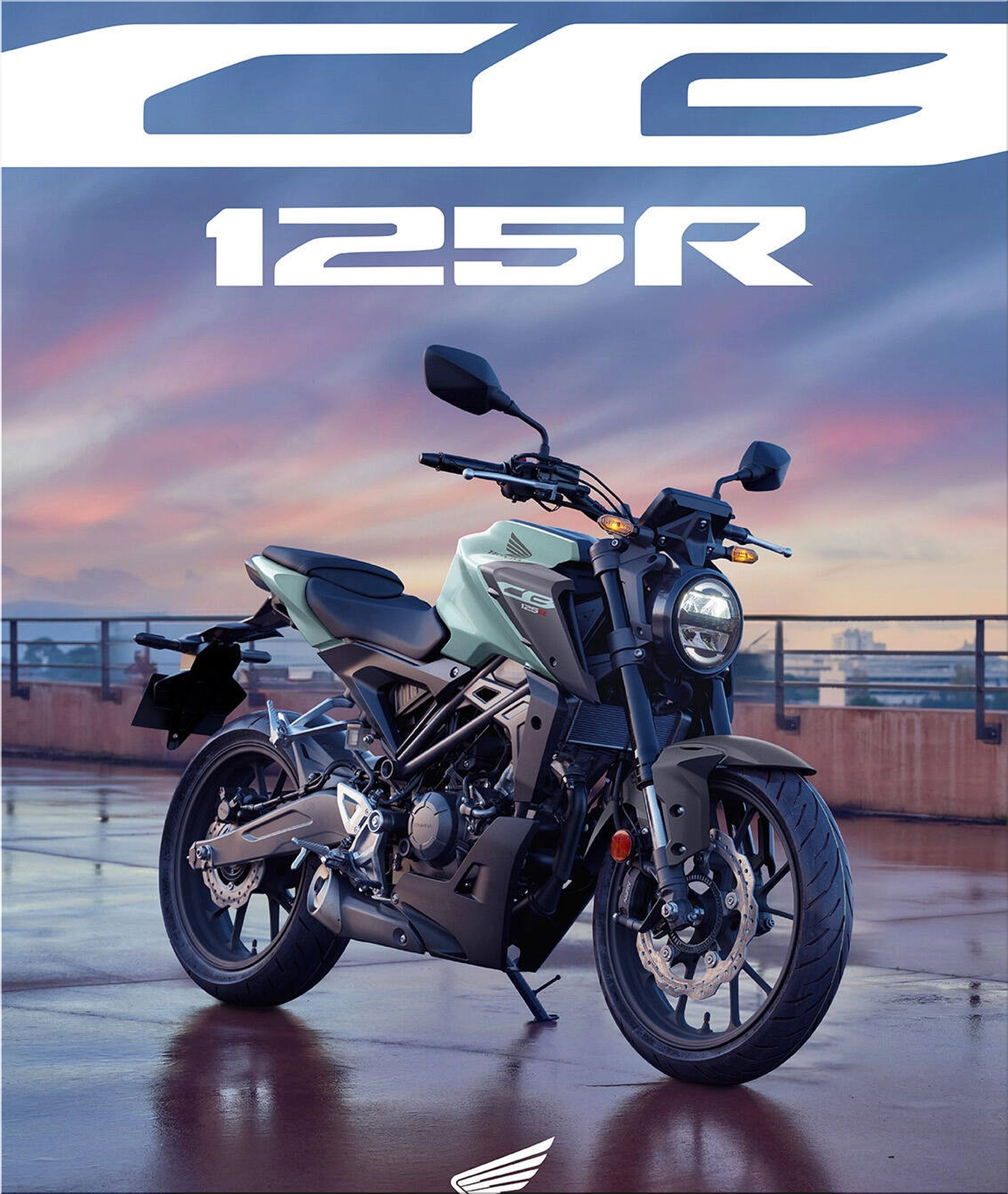
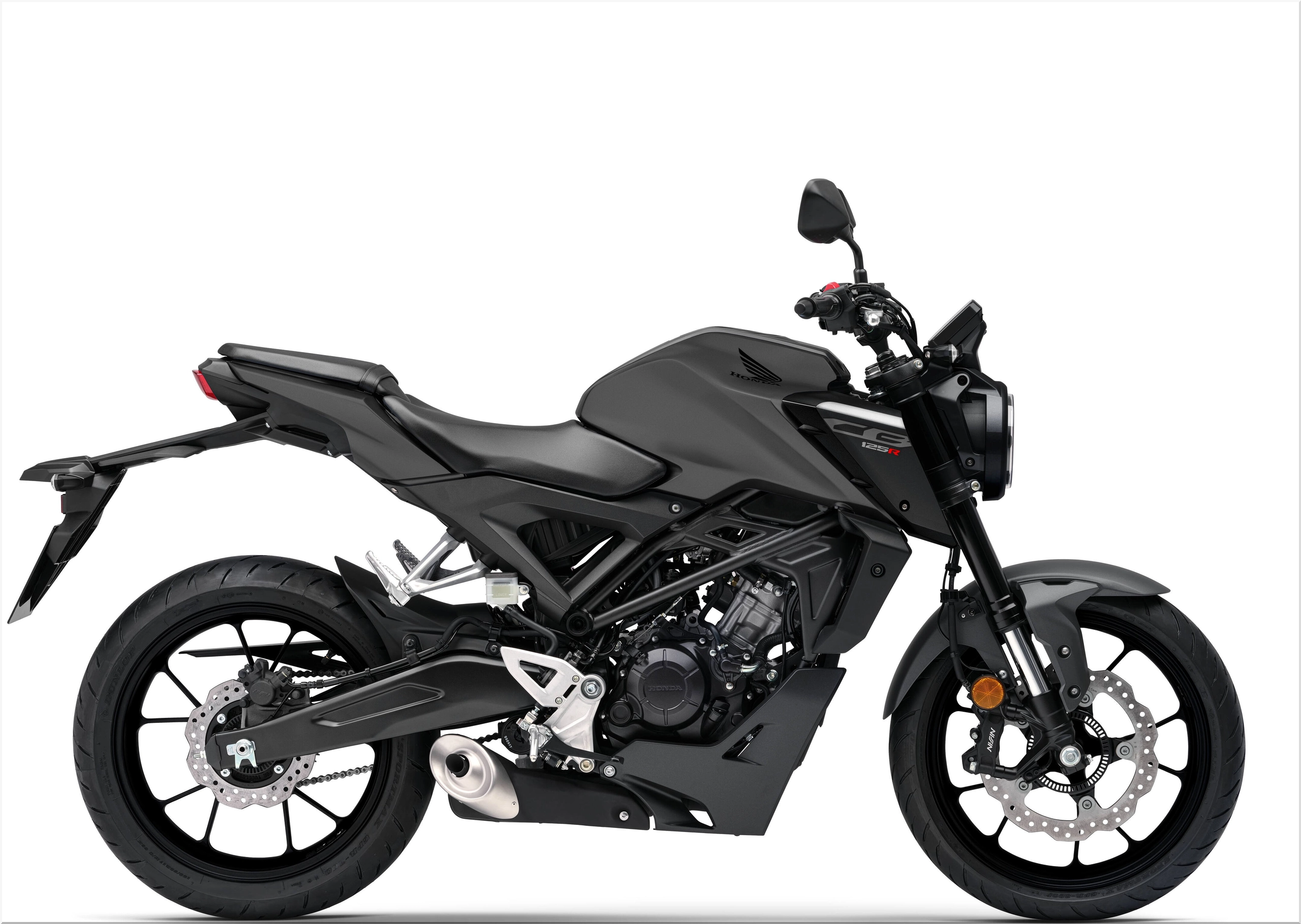
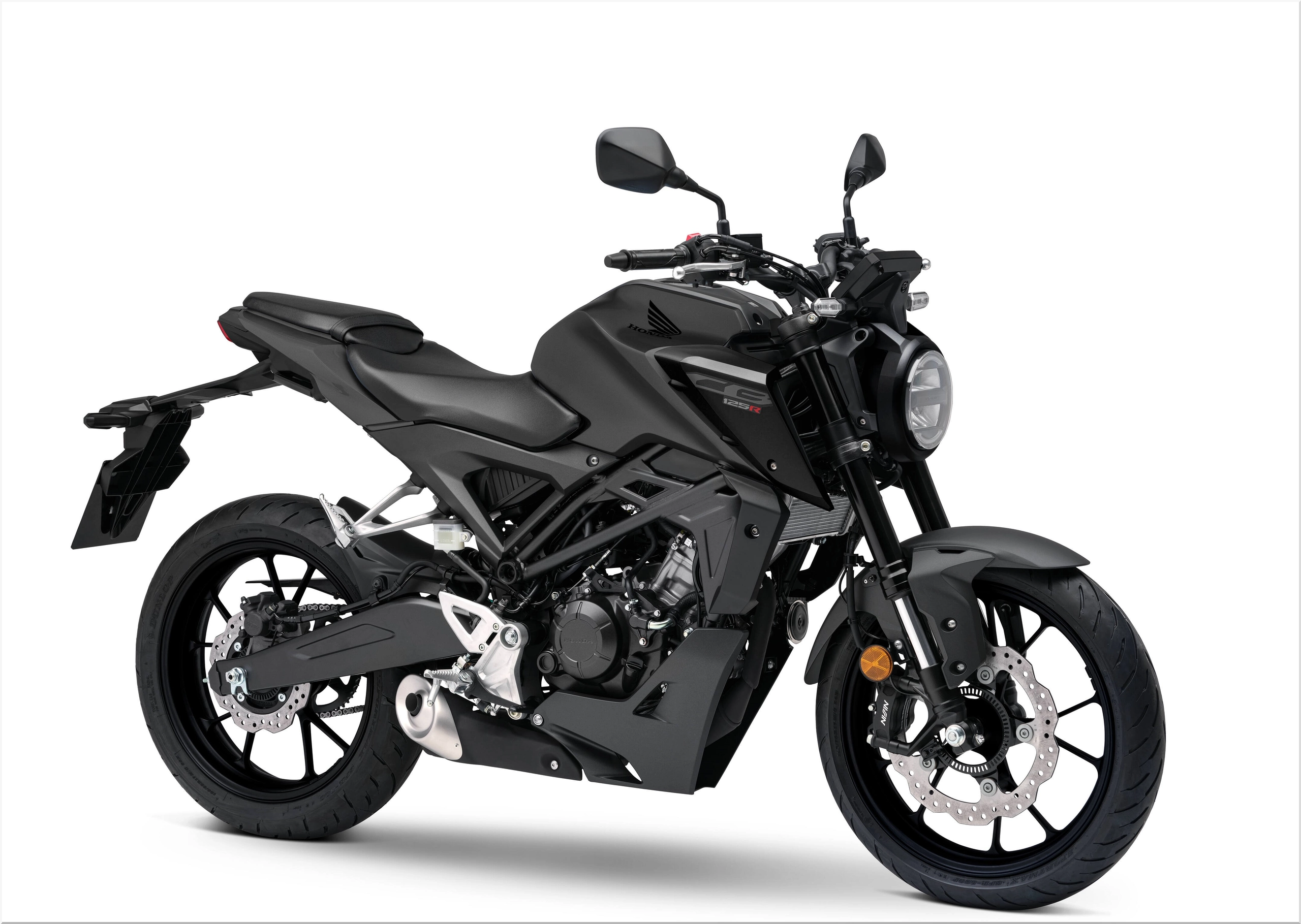
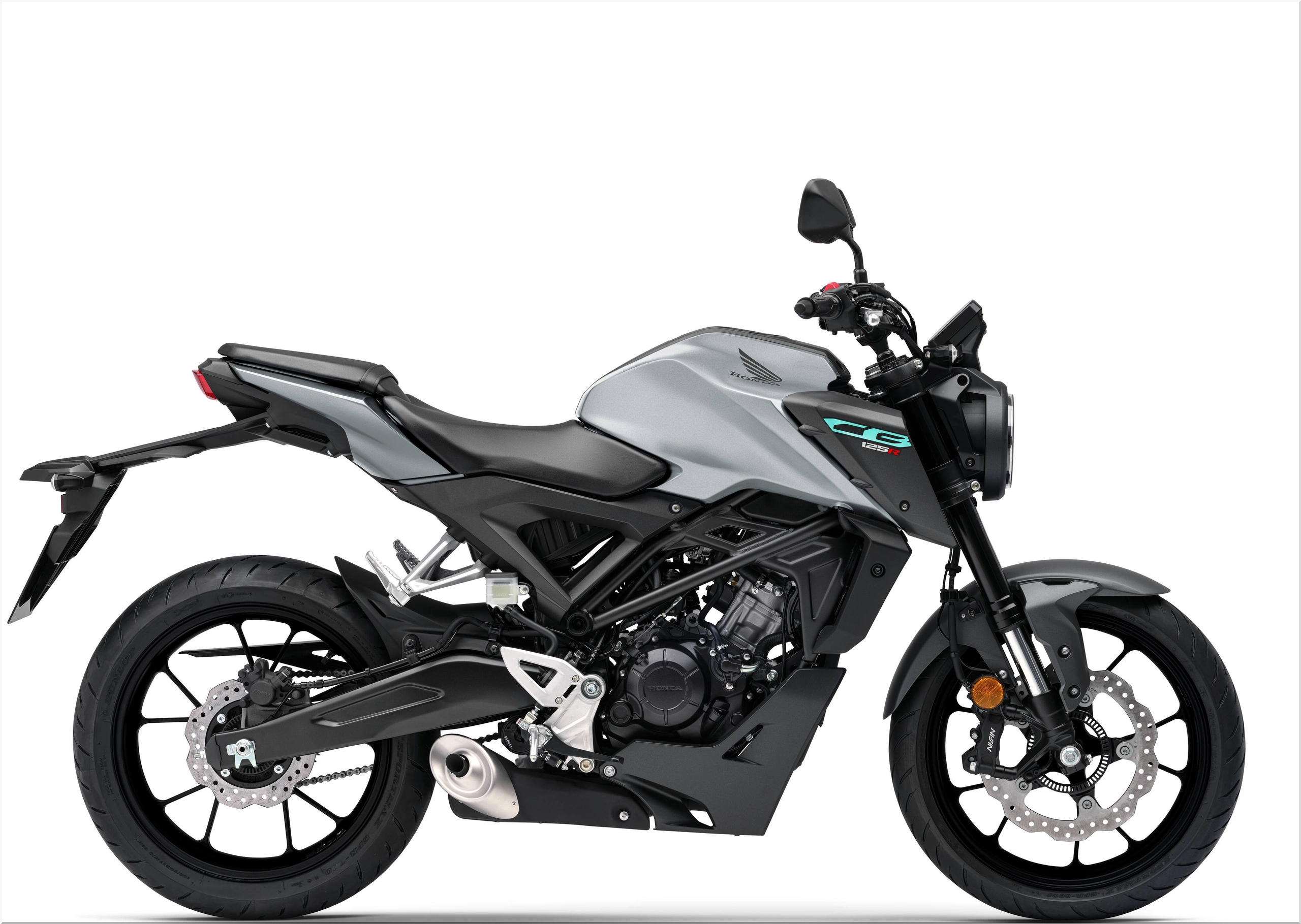
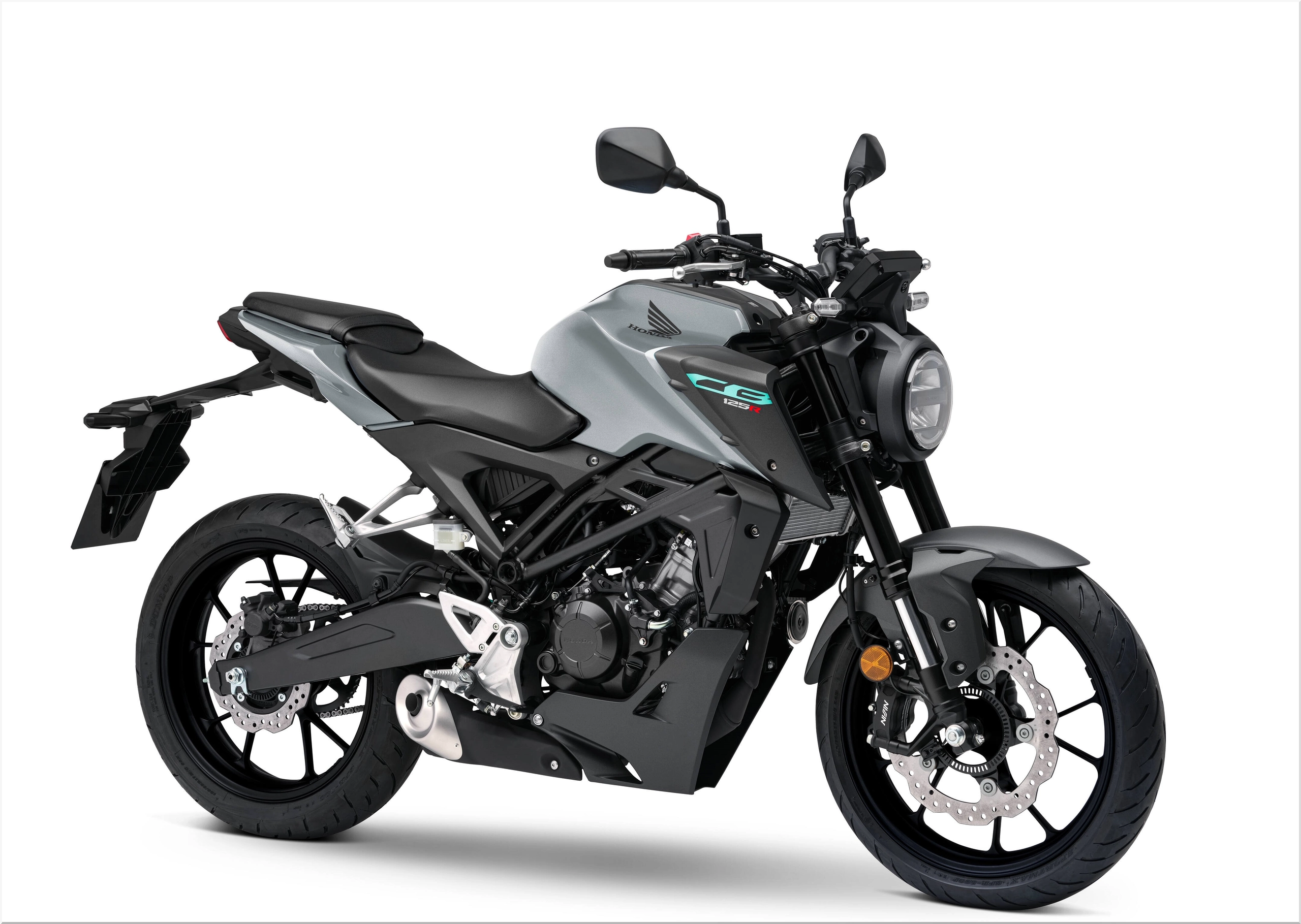
The 2026 Honda CB125R strengthens Honda’s position in the high-demand 125cc market. The motorcycle gains four new colours and retains the premium components that built its reputation. Honda keeps the model focused on real transportation needs. Low running costs. High durability. Predictable behaviour. These remain the priorities.
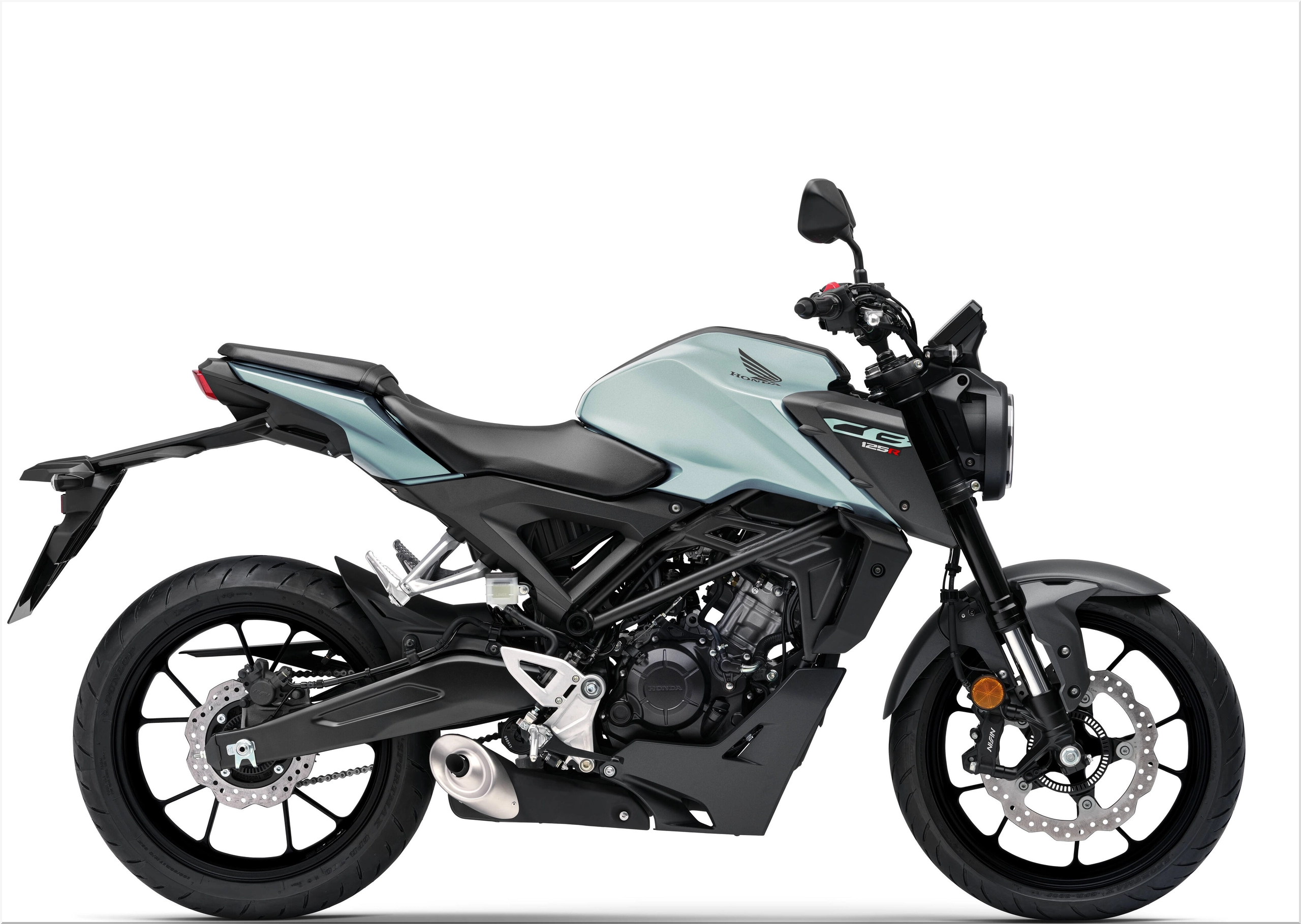
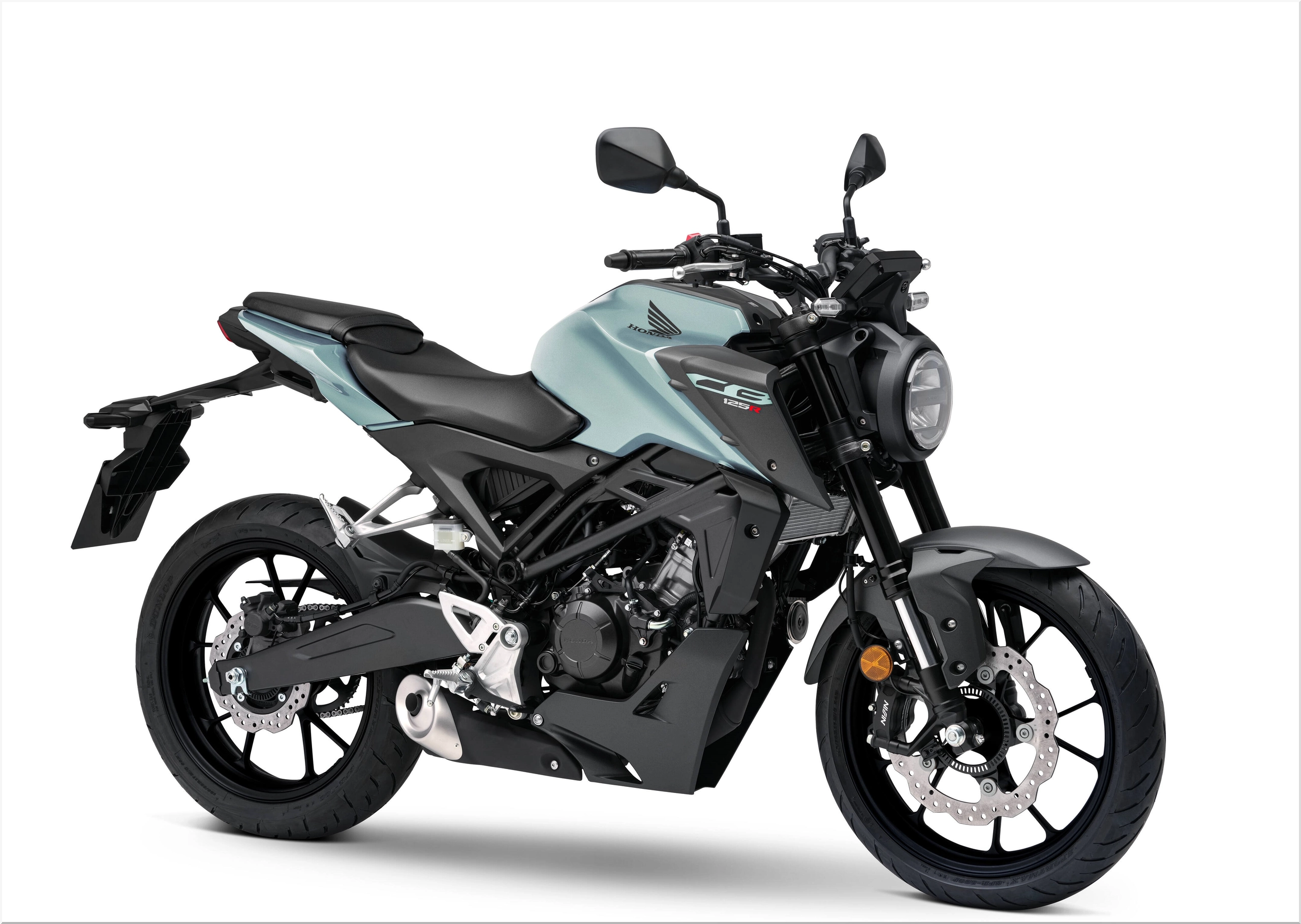
The CB125R arrives with a DOHC 4V engine, Showa SFF-BP USD fork, radial-mount four-piston front brake, IMU-controlled ABS, and a five-inch full-colour TFT display. These features exceed what many rivals offer at this size. Honda uses the same design logic seen in larger models but scaled for beginners and commuters.
Engine Output and Real-World Delivery
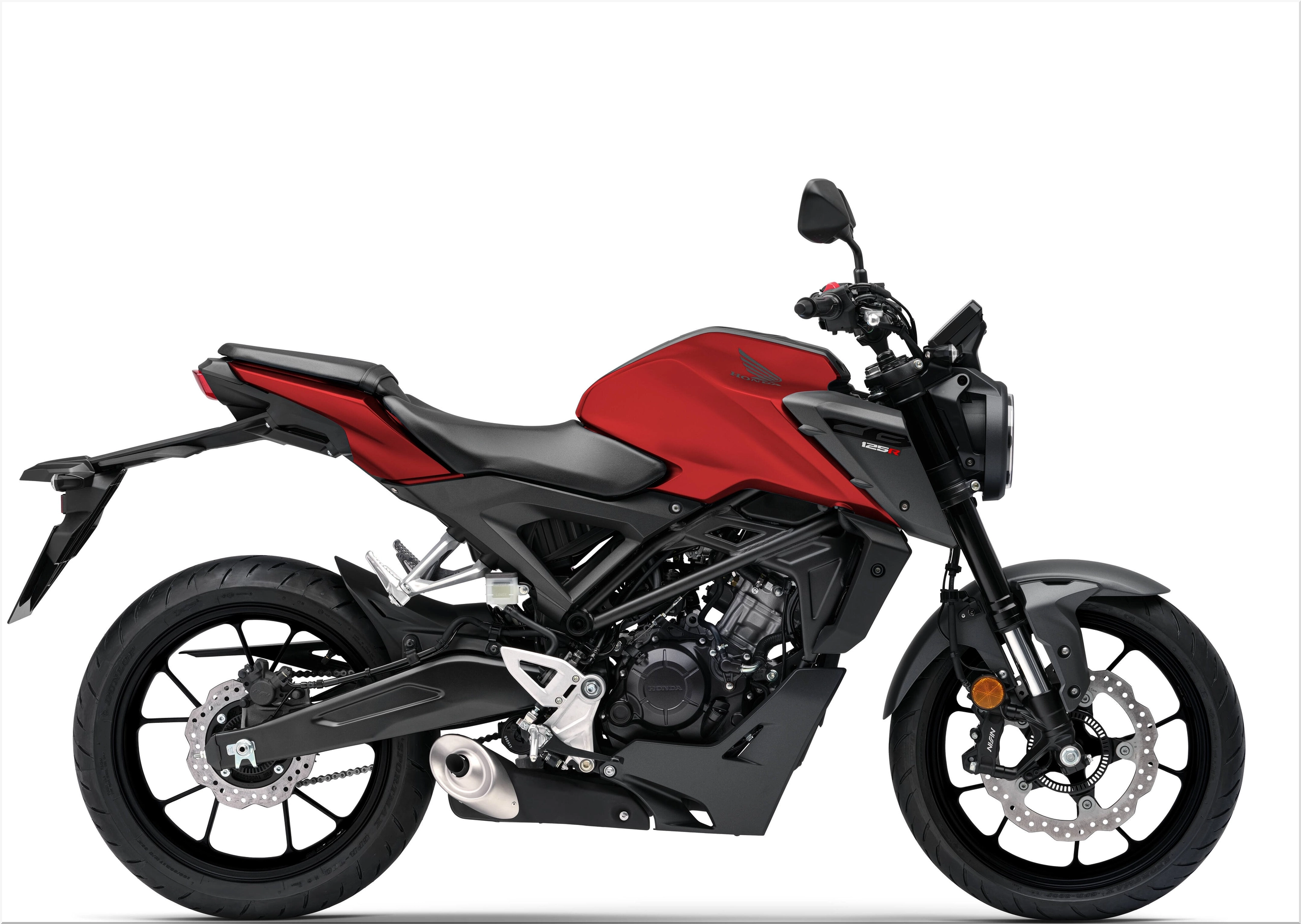
The 125cc DOHC engine produces 11.0kW at 10,000 rpm and 11.6Nm at 8,000 rpm. Power arrives smoothly through the range. The six-speed gearbox keeps ratios close for city use. The motorcycle reaches 105 km/h, enough for short motorway links.
Acceleration to 200 meters takes 11.3 seconds. The motorcycle responds quickly at low speed, which supports lane changes and junction starts. Fuel injection keeps throttle input sharp and consistent. Honda fits a compact exhaust with a dual-chamber muffler and a new catalyser that meets EURO5+ standards without cutting performance.
Chassis Structure and Ride Behaviour
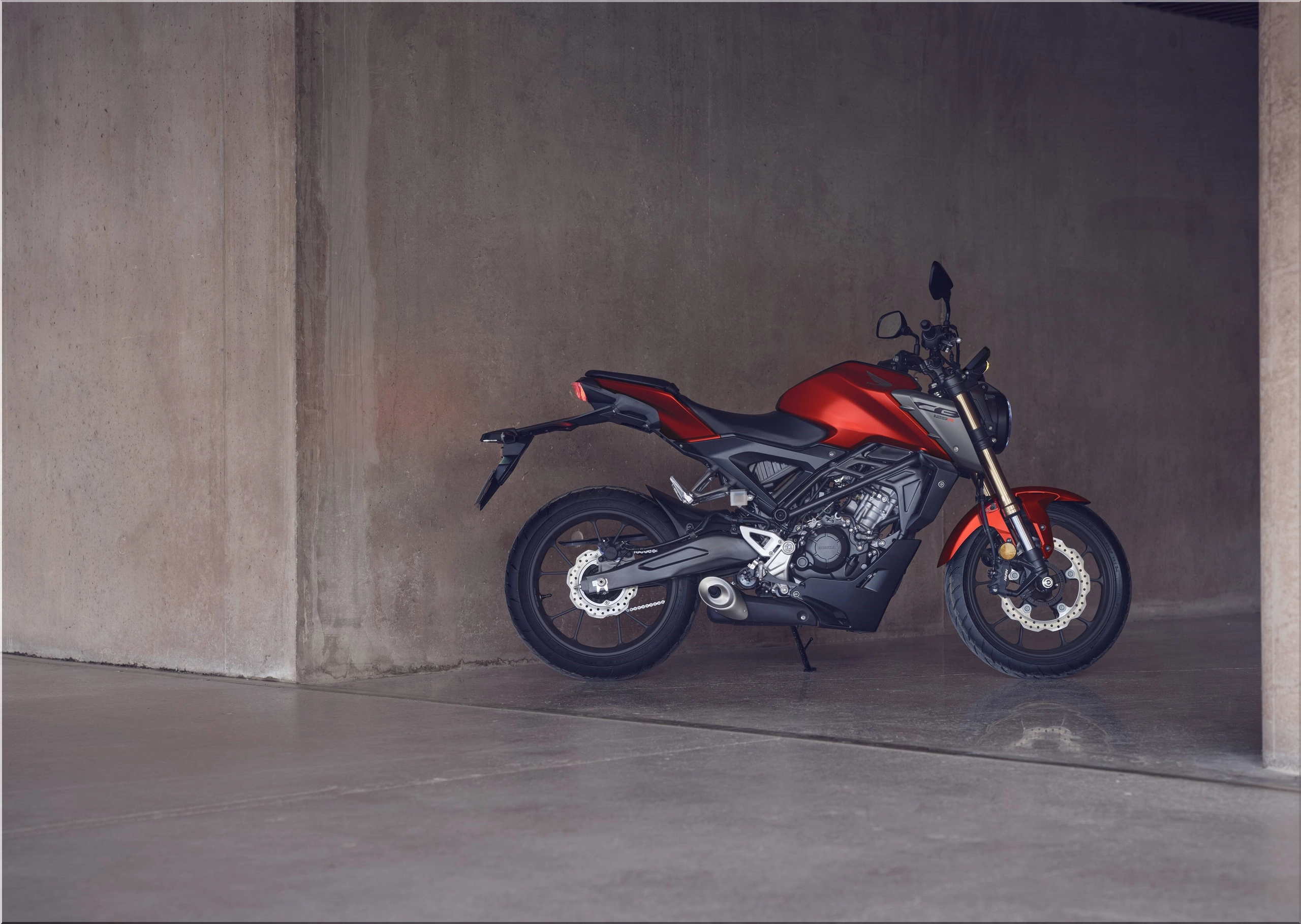
The inner-pivot steel frame controls flex while keeping mass low. The motorcycle holds its line well in traffic and during braking. The Showa SFF-BP fork uses one tube for damping and one for spring load. This design reduces weight and improves sensitivity. Riders feel more feedback during cornering and low-speed steering.
The non-adjustable rear monoshock keeps the ride stable over rough city roads. Weight distribution sits at 51.5% front and 48.5% rear, which keeps steering light. The 1345mm wheelbase improves balance. A 2.3m turning circle helps riders handle tight streets and crowded parking areas.
Braking and Control Systems
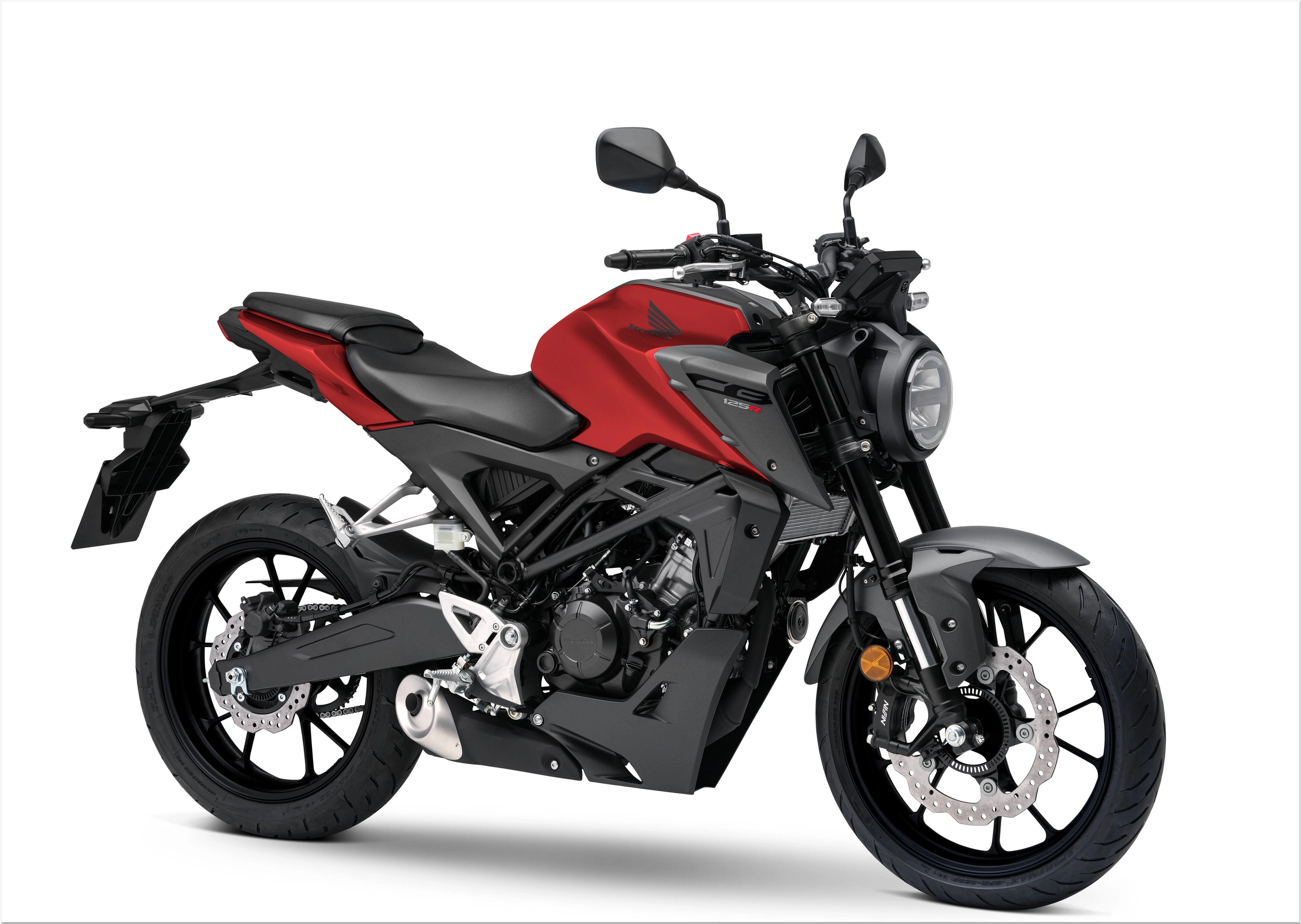
Honda equips the CB125R with a 296mm front disc and a radial-mount four-piston caliper. A 220mm rear disc supports final control. The braking system uses IMU-based ABS to distribute force between the wheels. This reduces the chance of lockups on uneven surfaces. The setup helps new riders maintain control during sudden stops.
Comparing the 2026 Honda CB125R With the Yamaha MT-125
Riders often compare the 2026 Honda CB125R with the Yamaha MT-125, since both target beginners seeking strong hardware.
Engine Performance
The MT-125 produces similar peak power but uses a variable valve system to increase top-end pull. The CB125R focuses on steady delivery across the full range. The Honda suits stop-and-go riding. The Yamaha suits riders who prefer sharper rev behaviour.
Suspension Quality
Honda fits a Showa SFF-BP fork, which provides stronger damping performance than the MT-125’s standard USD fork. The fork choice affects confidence during braking and quick steering inputs. Honda holds the advantage here.
Braking Precision
The CB125R uses IMU-controlled ABS, while the MT-125 uses a conventional system. Honda’s configuration reacts to lean angle and speed changes. This produces steadier behaviour during heavy braking, which matters for new riders.
Handling and Weight
The CB125R weighs 130kg, which supports clean, predictable steering. The MT-125 feels lighter in aggressive riding but less stable during low-speed manoeuvres. Riders focused on commuting may prefer Honda’s balance.
Efficiency and Range
The CB125R delivers 45.5km/L and up to 460km range. The MT-125 uses more fuel due to its sport tuning. Riders focused on cost control gain a noticeable benefit with the Honda.
Key Takeaway
The CB125R delivers higher component value and stronger efficiency. The MT-125 delivers sharper sport character. The buyer’s choice depends on riding priorities.
Rider Interface and Equipment
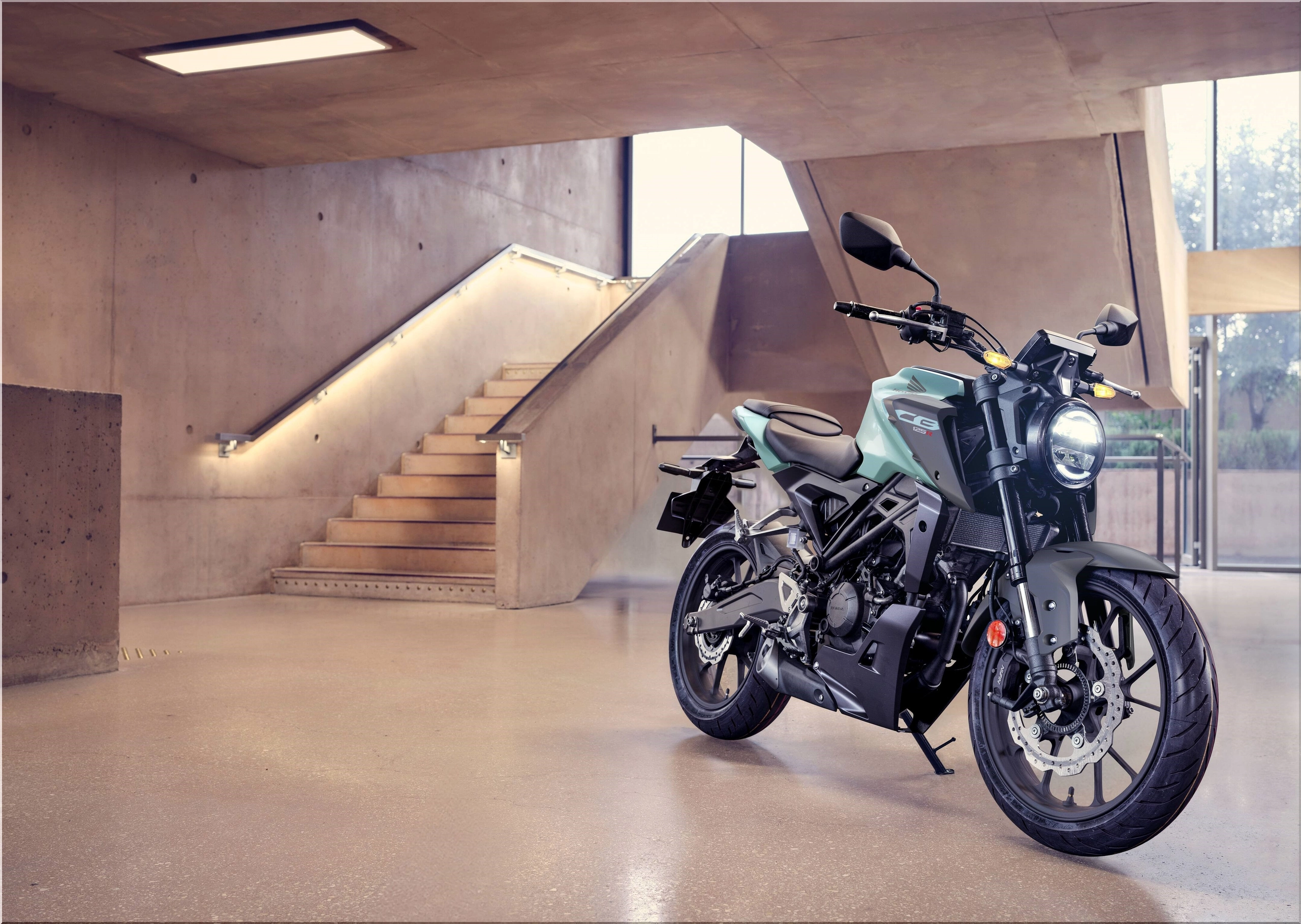
Honda positions the CB125R as a compact premium model. The five-inch full-colour TFT display raises the interface above typical 125cc motorcycles. Riders choose between different rpm layouts. The display shows gear position, fuel use, and shift points. The new switchgear supports quick adjustments.
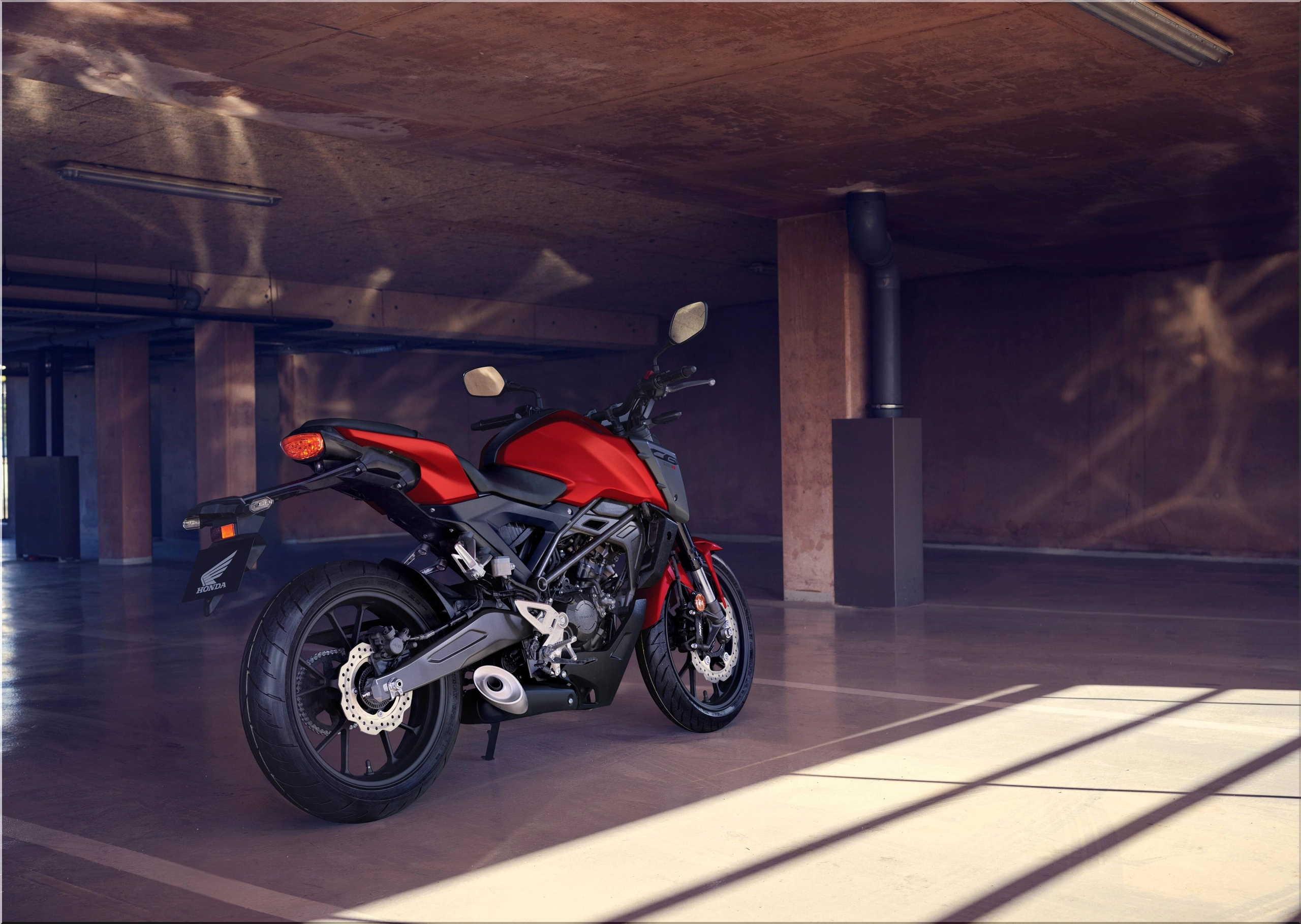
Lighting uses full LED units. The headlight includes a dual-bar signature for low and high beams. The sharp tail section keeps mass central and reduces overhang.
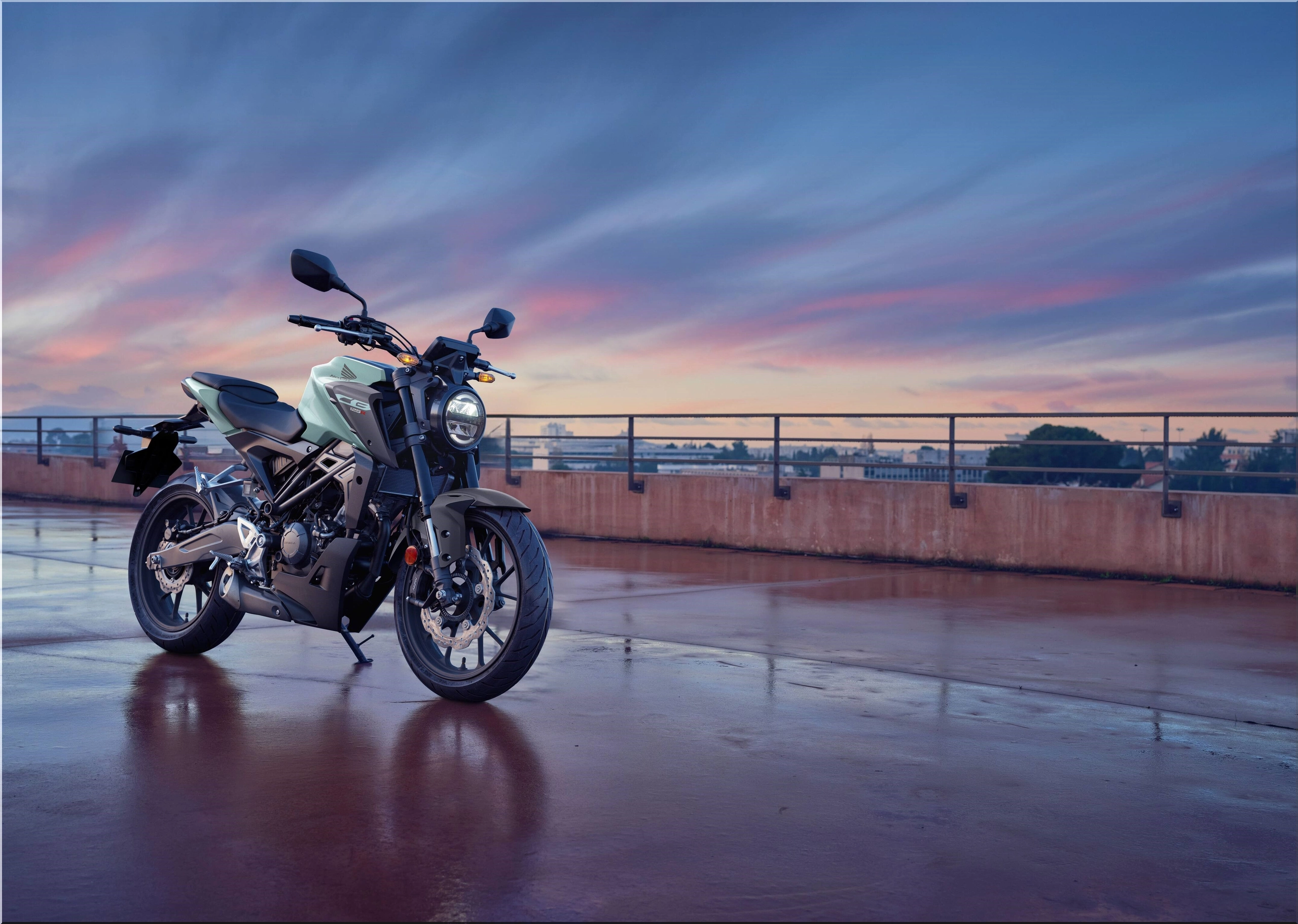
Honda introduces four new colours for 2026:
- Mat Rock Gray
- Mat Lucent Silver Metallic
- Zefiro Blue Metallic
- Mat Pearl Diaspro Red
Each option includes contrasting CB125R graphics on the radiator shrouds and negative Honda Wing emblems on the tank.
Efficiency, Range, and Daily Use
The 10.1L tank pairs with 45.5km/L consumption, giving the CB125R a 460km range under standard conditions. Riders handle full commutes for several days between fuel stops. This reduces running costs and increases convenience.
The 130kg kerb weight gives the motorcycle confident movement at low speeds. The 816mm seat height fits a wide range of riders. Honda offers factory accessories that increase practicality:
- Five-stage heated grips
- 15L tail bag expandable to 22L
- 12V accessory socket
These support commuting, training schools, and short touring.
Specifications Overview
| Feature | Specification |
|---|---|
| Engine | 124.9cc DOHC 4V liquid-cooled |
| Power | 11.0kW @ 10,000 rpm |
| Torque | 11.6Nm @ 8,000 rpm |
| Top Speed | 105 km/h |
| Fuel Use | 45.5km/L |
| Range | 460km |
| Transmission | 6-speed |
| Front Suspension | Showa SFF-BP 41mm USD fork |
| Rear Suspension | Non-adjustable monoshock |
| Front Brake | 296mm disc, radial-mount 4-piston |
| Rear Brake | 220mm disc |
| ABS | IMU-controlled dual-channel |
| Kerb Weight | 130kg |
| Seat Height | 816mm |
Final Outlook
The 2026 Honda CB125R remains one of the strongest 125cc motorcycles for commuting and rider training. Honda keeps the components premium and the operating costs low. The motorcycle offers strong suspension quality, controlled braking, predictable power, long range, and a modern interface. The integrated comparison shows where it holds its advantage over the MT-125: braking precision, ride quality, and efficiency.
- Add new comment
- 271 views