What Are Marker Lights for Automated Driving?
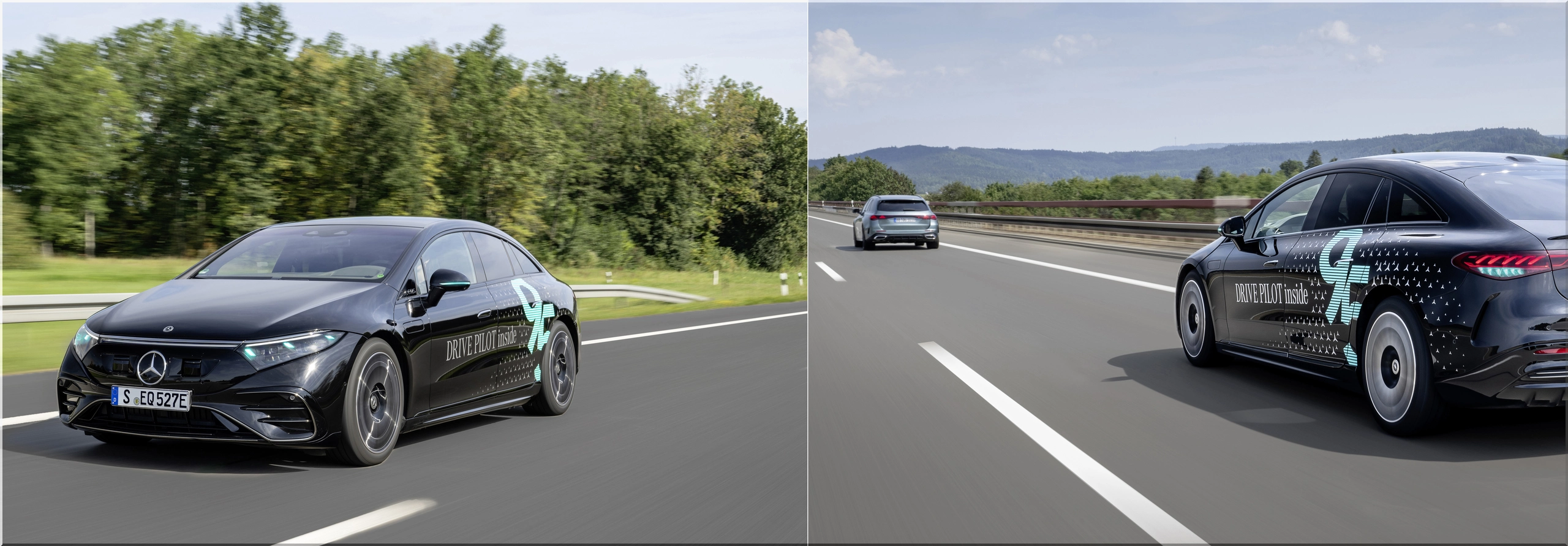
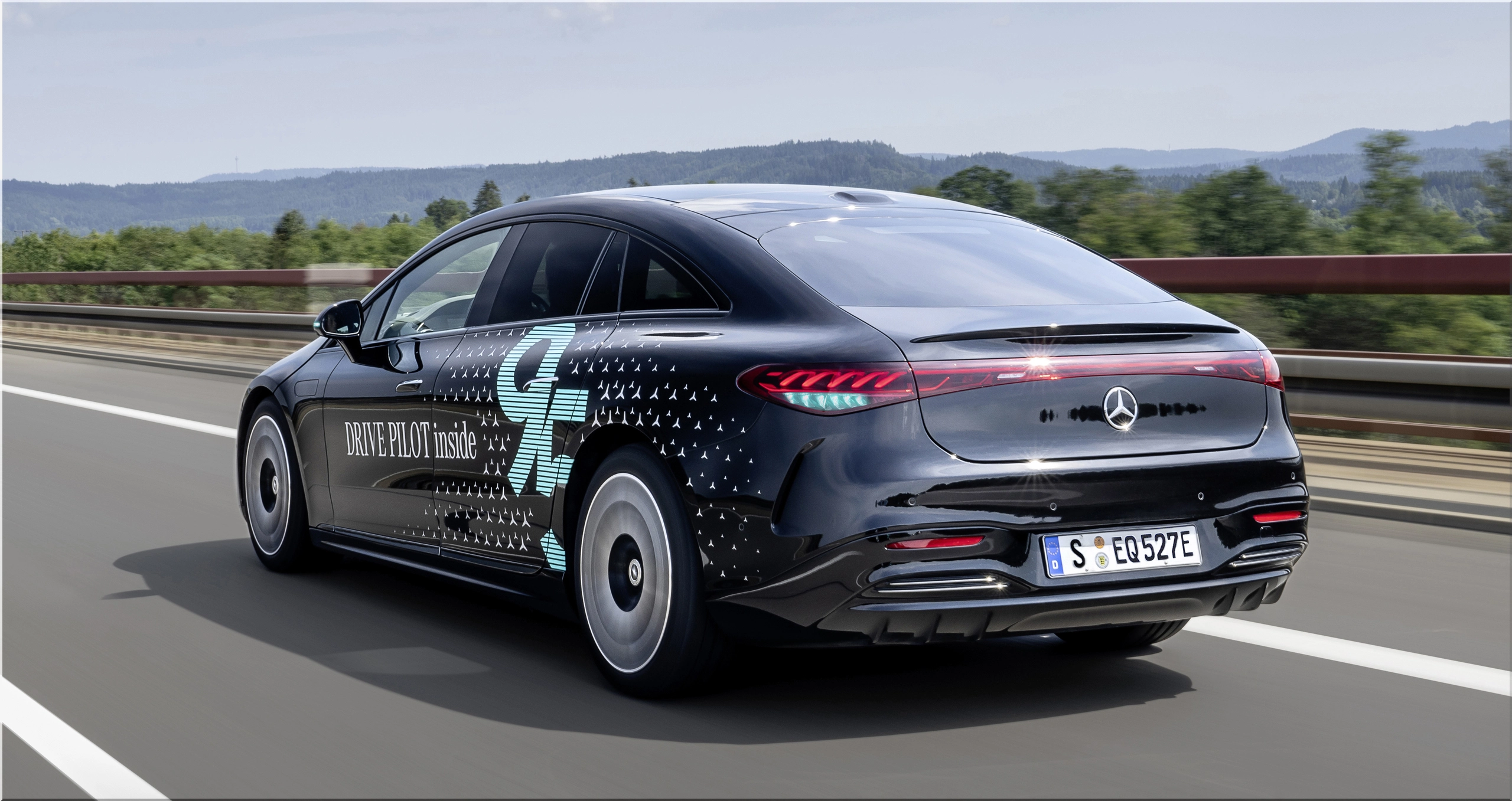
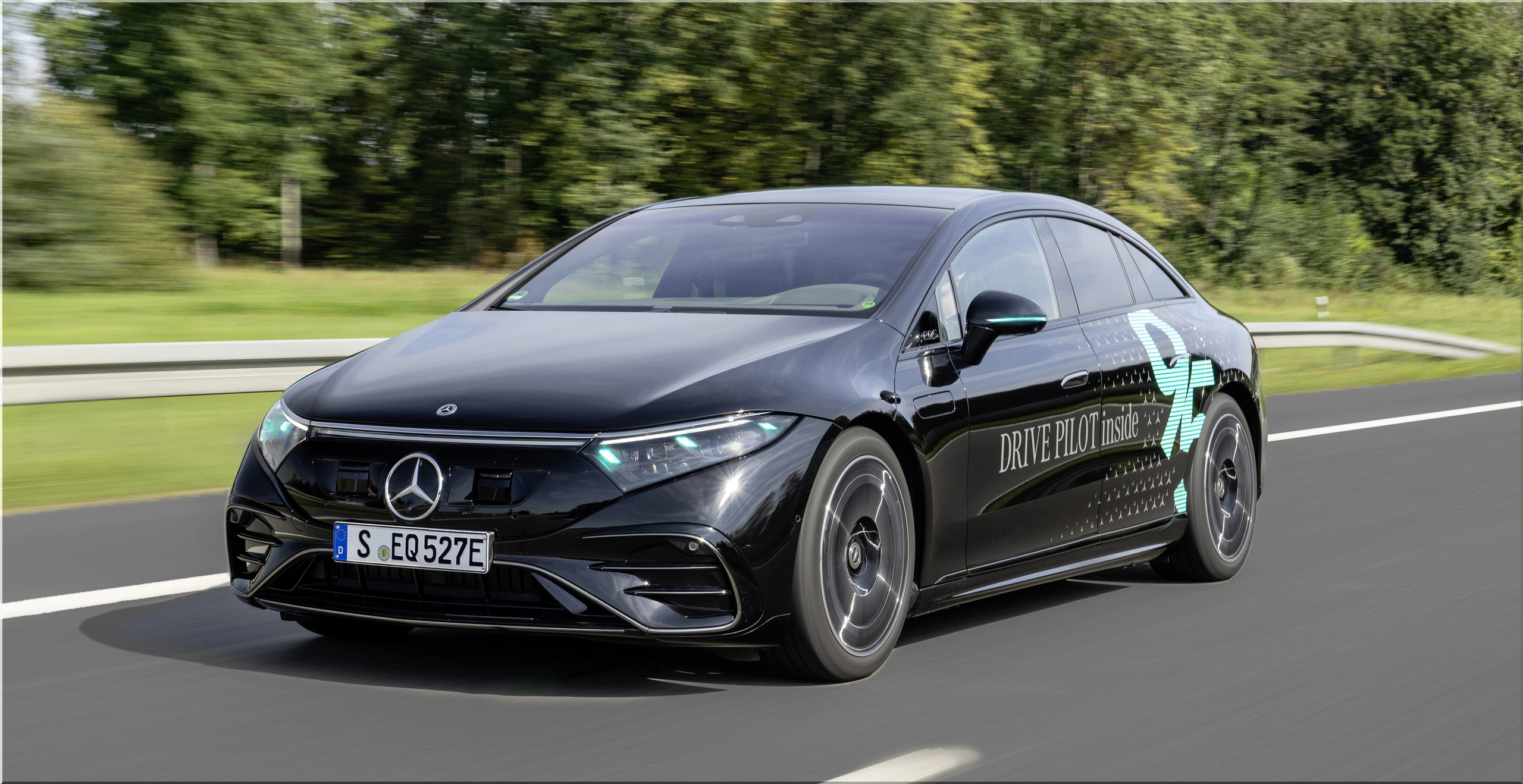
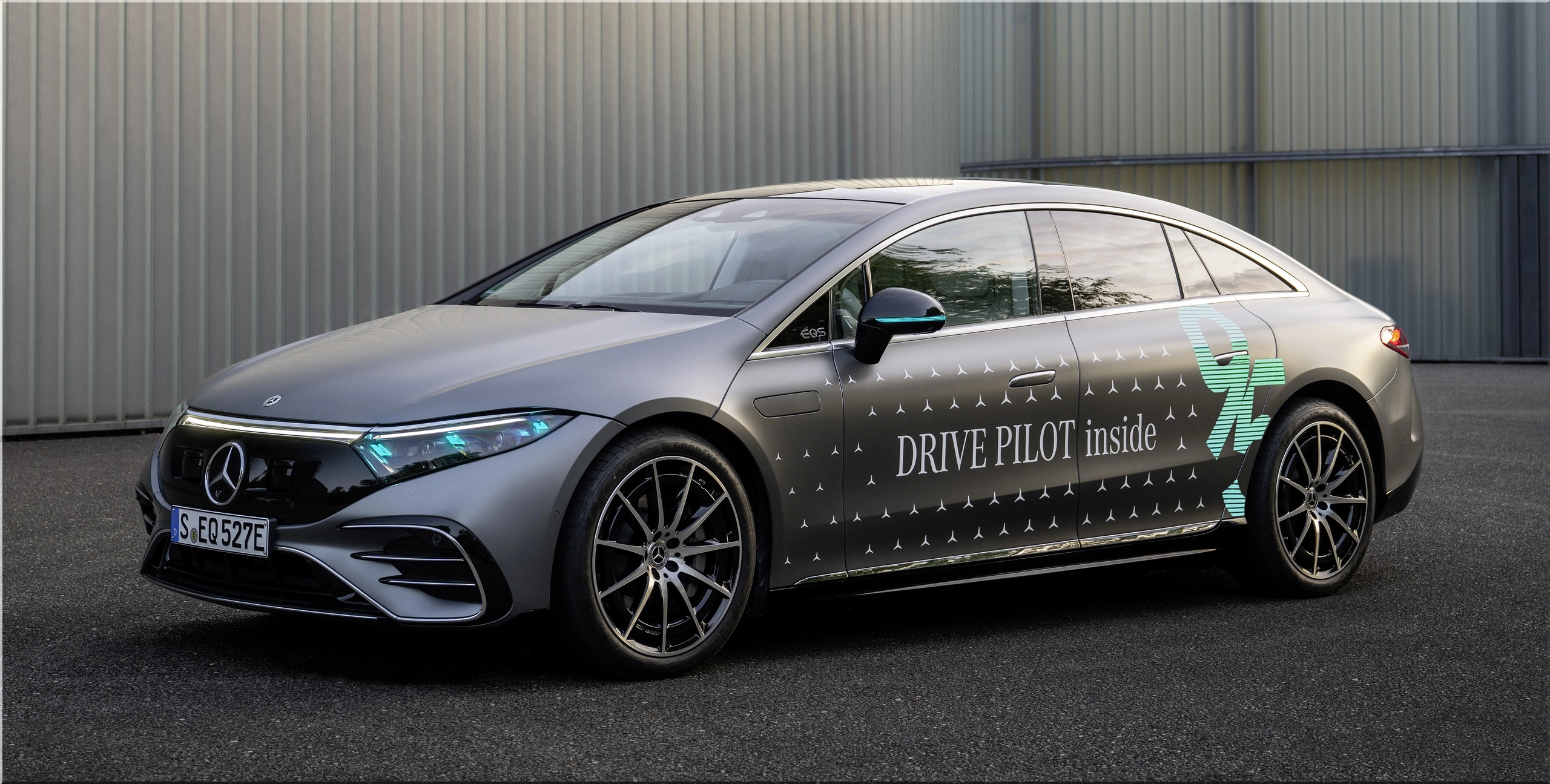
Marker lights are specialized exterior lights designed to signal the driving status of an automated vehicle. They make it clear when a car is operating autonomously, reducing uncertainty among nearby drivers and pedestrians. The German Federal Motor Transport Authority has approved their testing on public roads.
Key Features
- Color-Coded Signals: Different colors indicate the automated driving status.
- Visibility: Optimized for various lighting conditions.
- Intuitive Design: Simple patterns for quick understanding by other road users.
Why This Matters for Autonomous Driving
Effective communication is crucial for integrating automated vehicles into regular traffic. These marker lights:
- Reduce misunderstandings: Clear signals minimize confusion for human drivers.
- Improve safety: Enhanced visibility and signaling reduce accident risks.
- Facilitate regulations: Compliance with future traffic laws regarding automated driving.
Key Benefits of Marker Lights
- Enhanced Communication:
- Signals when the vehicle is in autonomous mode.
- Alerts nearby drivers and pedestrians to its actions.
- Increased Safety:
- Minimizes sudden reactions by human drivers.
- Reduces the risk of accidents due to misinterpretation.
- Regulatory Compliance:
- Aligns with upcoming EU regulations on automated driving systems.
- Positions Mercedes-Benz as a leader in autonomous driving technology.
Testing Phases and Objectives
Testing will occur on various roads to gather comprehensive data. The main goals are:
- Assessing Effectiveness: Determine if drivers interpret the signals correctly.
- Safety Analysis: Evaluate the impact of marker lights on accident reduction.
- Feedback Integration: Adjust light patterns based on test results.
Challenges to Address
1. Standardization
Different countries may have varied requirements for automated vehicle signals.
2. Public Understanding
Educating drivers about these signals is essential.
3. Technological Integration
Ensuring marker lights function seamlessly with other autonomous driving systems.
Future Implications for Automated Driving
The success of this testing phase could lead to:
- Standardized lighting systems for autonomous vehicles across Europe.
- Accelerated deployment of Level 4 and Level 5 automated vehicles.
- Enhanced public trust in automated driving systems.
Conclusion
The approval for testing special marker lights is a significant step for Mercedes-Benz and the future of automated driving. By focusing on communication and safety, Mercedes-Benz is addressing a core challenge of integrating autonomous vehicles into mainstream traffic. If successful, these lights could become a standard feature for automated vehicles globally, paving the way for safer and more efficient roads.
- Add new comment
- 195 views