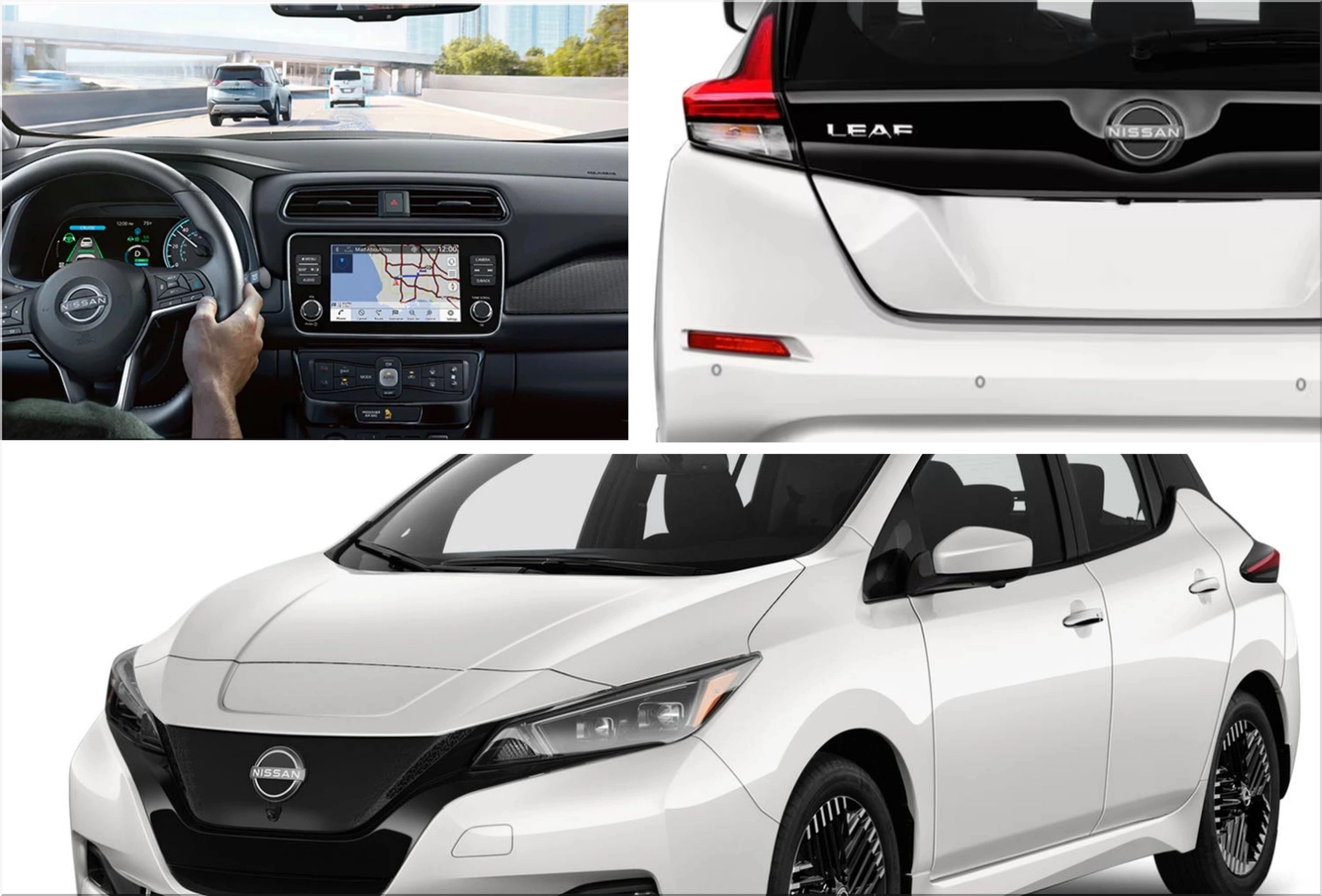
The Nissan Leaf is one of the most affordable electric vehicles (EVs) on the market, but it just got even cheaper. The 2024 model year of the Leaf has regained eligibility for part of the U.S. federal EV tax credit, which can lower the price by up to $3,750. This makes the Leaf a more attractive option for buyers who want to switch to a greener and more economical way of driving. But how does the Leaf compare to other EVs in terms of performance, range, features, and value? Here’s what you need to know.
What is the EV tax credit and how does it work?
The EV tax credit is a government incentive to encourage the adoption of electric vehicles in the U.S. The credit can reduce the income tax liability of eligible buyers by up to $7,500, depending on the battery capacity and the manufacturer’s vehicle sales volume. The credit is not a rebate or a cashback but rather a reduction of the tax owed at the end of the year. The credit can only be claimed by the original purchaser of a new and qualifying EV and cannot be transferred or carried over to future years. The credit also phases out once a manufacturer sells 200,000 eligible vehicles in the U.S., meaning that some popular EVs, such as the Tesla Model 3 and the Chevrolet Bolt, are no longer eligible for the full credit or any credit.
How did the Nissan Leaf regain the EV tax credit?
The Nissan Leaf was one of the first mass-market EVs to hit the U.S. market in 2010, and it was eligible for the full $7,500 credit until 2019 when Nissan reached the 200,000 sales threshold. Since then, the Leaf has been ineligible for any federal tax credit, which made it less competitive against newer and cheaper EVs. However, in 2022, the U.S. Congress passed the Inflation Reduction Act, which modified the EV tax credit program to include new requirements and incentives. One of the changes was to introduce a new category of EVs that qualify for a partial credit of $3,750, based on the battery component sourcing and the critical minerals content of the vehicle. The battery component sourcing requirement means that at least 50% of the battery components must be manufactured in the U.S., while the critical minerals requirement means that at least 75% of the critical minerals used in the battery must be sourced from the U.S. or its allies. The Nissan Leaf, which is built in Smyrna, Tennessee, and uses a 40-kWh or a 60-kWh battery pack, meets the battery component sourcing requirement but not the critical minerals requirement. Therefore, it qualifies for the $3,750 credit but not the full $7,500 credit. The credit applies to the 2024 model year of the Leaf, which was sold on or after March 6, 2024, and it will last until December 31, 2024, or until Nissan sells another 200,000 eligible vehicles, whichever comes first.
What are the features and specs of the 2024 Nissan Leaf?
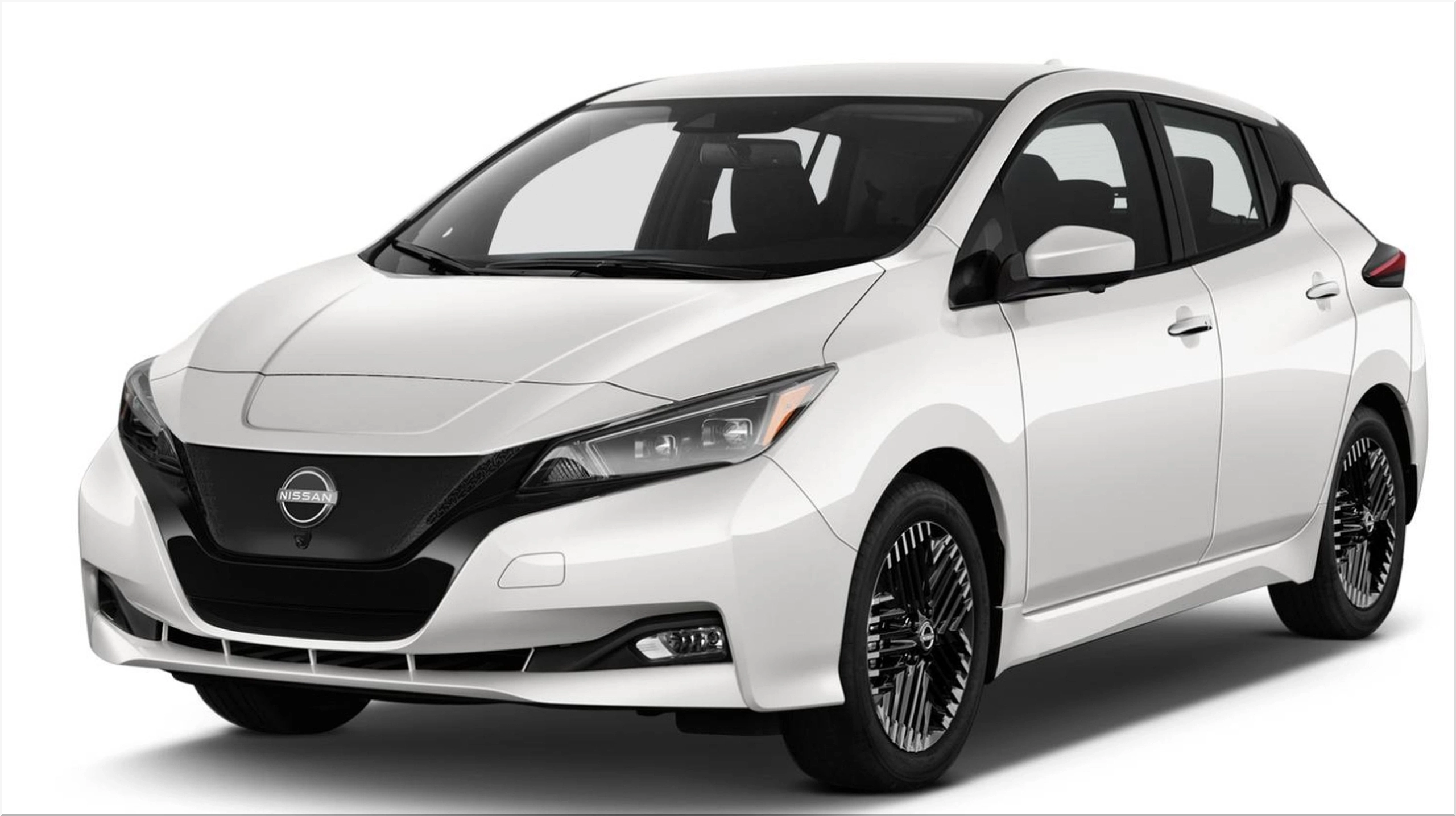
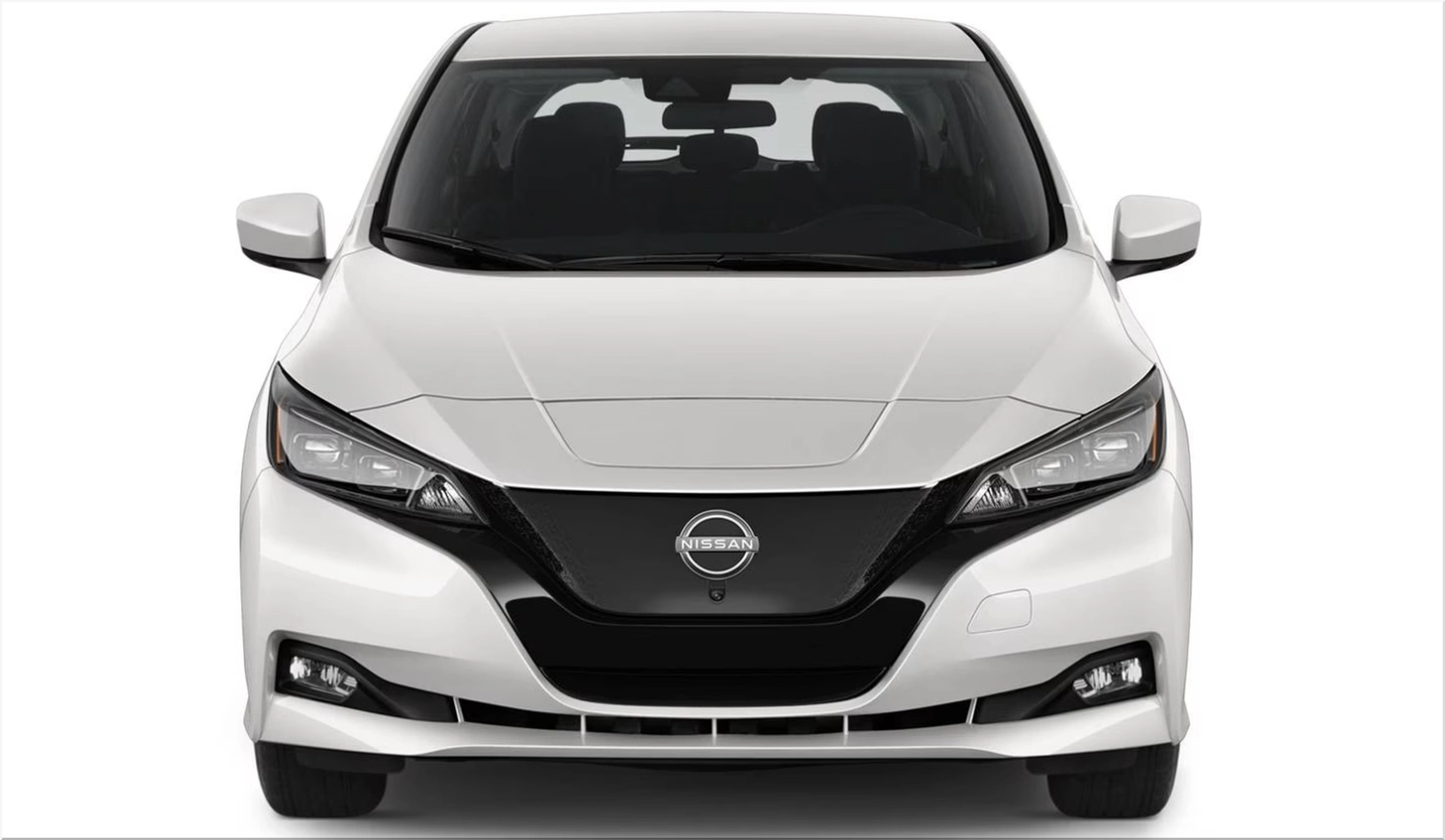
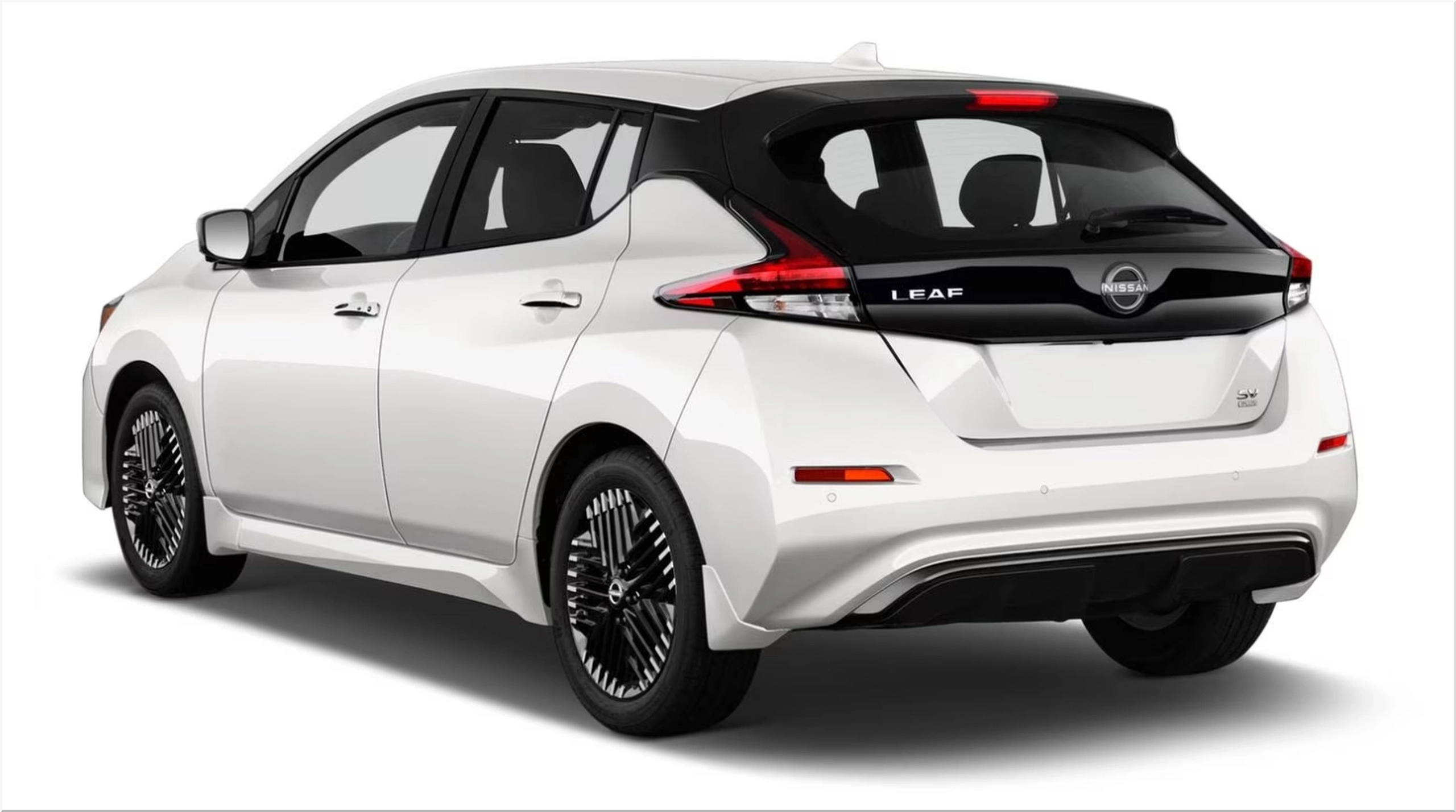
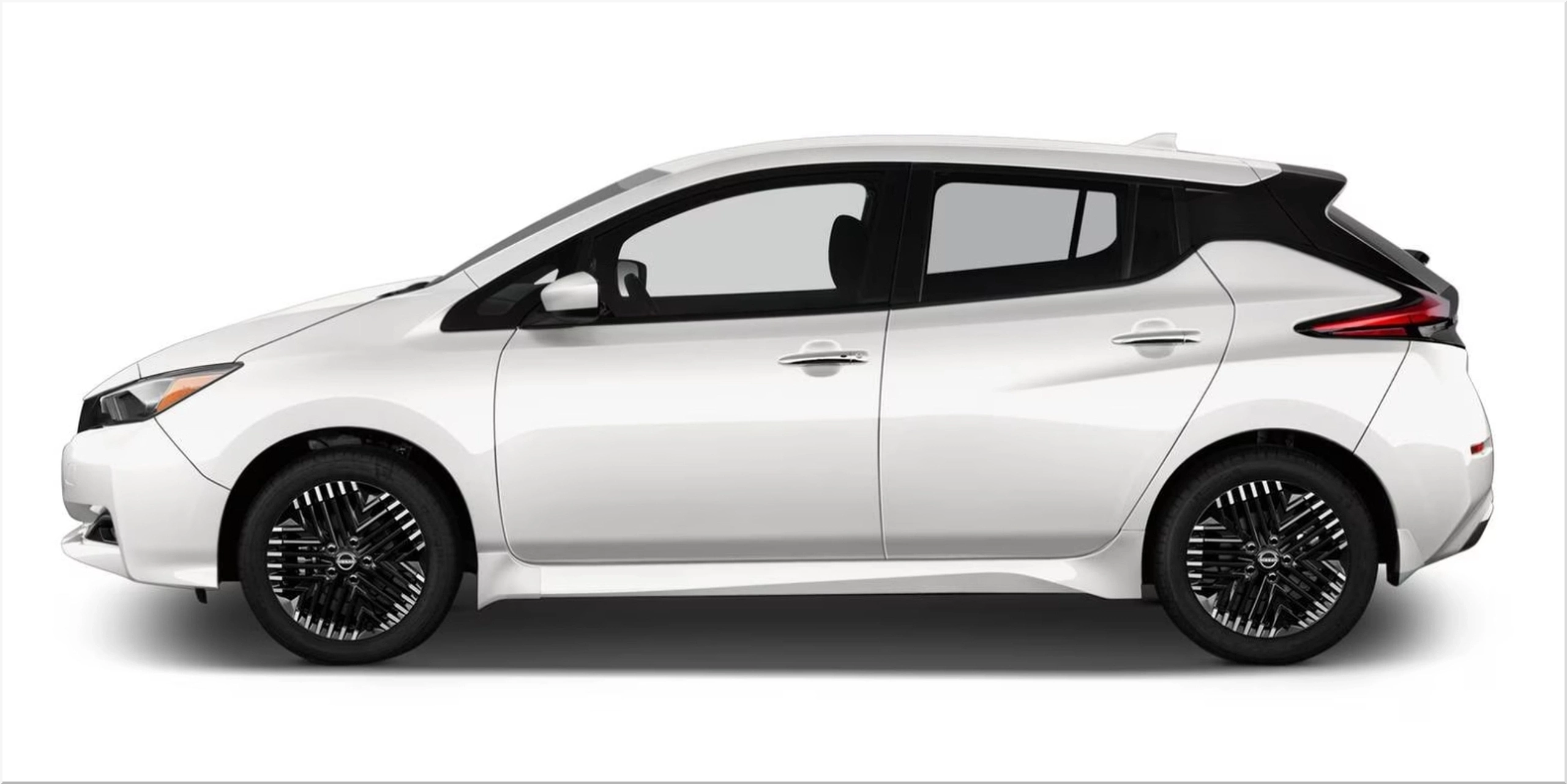
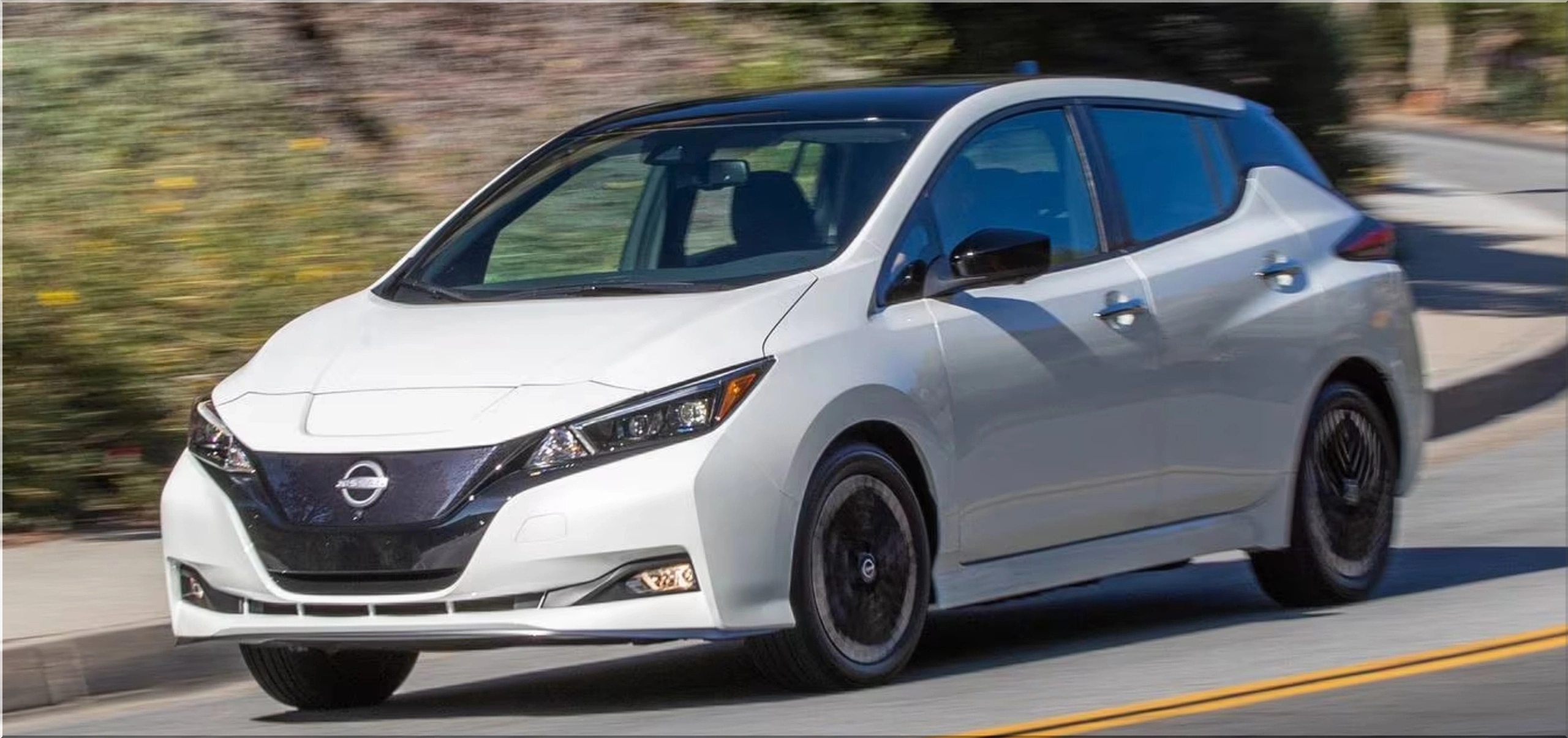
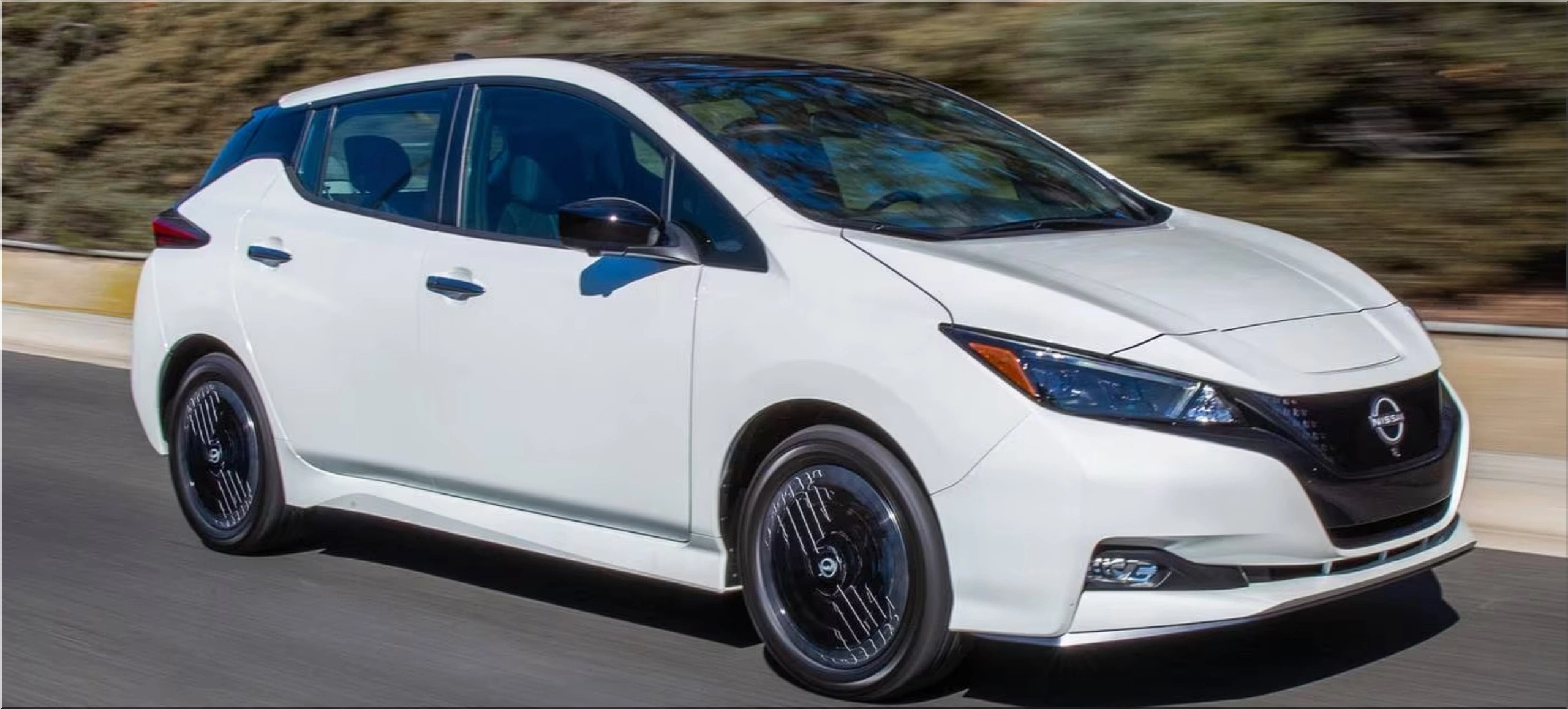
The 2024 Nissan Leaf is a compact hatchback that seats five passengers and offers two battery options and two trim levels. The base trim, the Nissan Leaf S, has a 40-kWh battery pack that provides 149 miles of EPA-estimated range and a 147-horsepower electric motor that delivers 236 pound-feet of torque. The starting MSRP of the Leaf S is $28,140, but with the $3,750 tax credit, it can be reduced to $24,390.
The higher trim called the Nissan Leaf SV Plus, has a 60-kWh battery pack that provides 212 miles of EPA-estimated range and a 214-horsepower electric motor that delivers 250 pound-feet of torque. The starting MSRP of the Leaf SV Plus is $35,140, but with the $3,750 tax credit, it can be reduced to $31,390. Both trims come with a standard 8-inch touchscreen infotainment system with Apple CarPlay and Android Auto compatibility, a six-speaker sound system, a rearview camera, automatic climate control, keyless entry and ignition, and a suite of advanced driver assistance features, such as forward collision warning, automatic emergency braking, blind spot monitoring, rear cross-traffic alert, lane departure warning, and lane keeping assist.
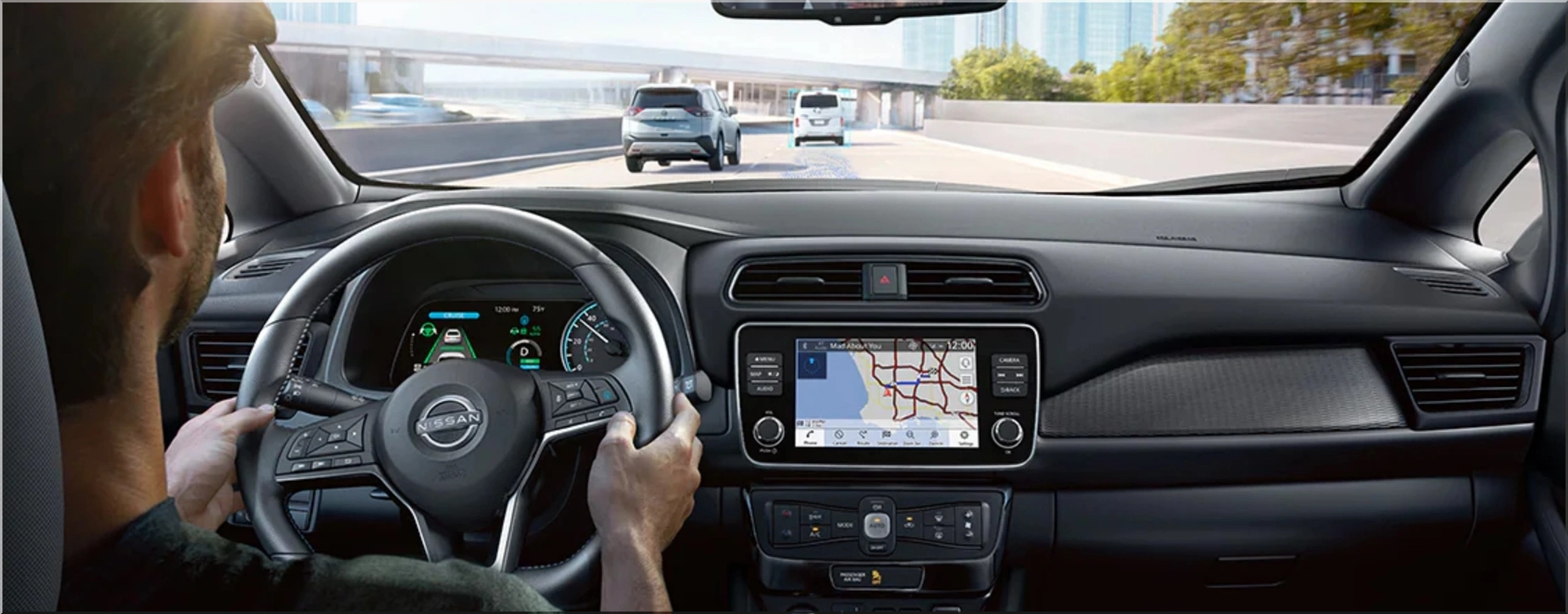
The Nissan Leaf SV Plus adds some extra features, such as 17-inch alloy wheels, fog lights, adaptive cruise control, a leather-wrapped steering wheel, a navigation system, and an optional technology package that includes LED headlights, a power driver’s seat, a surround-view camera system, and a ProPilot Assist system that combines adaptive cruise control and lane keeping assist to provide semi-autonomous driving on highways.



How does the Nissan Leaf compare to other EVs?
The Nissan Leaf is one of the most affordable EVs on the market, especially with the tax credit, but it also faces strong competition from other EVs that offer more range, performance, features, or value. Here are some of the Leaf's main rivals and how they stack up against it.
Chevrolet Bolt
The Chevrolet Bolt is another compact hatchback that seats five passengers and offers a single battery option and two trim levels. The Bolt has a 66-kWh battery pack that provides 259 miles of EPA-estimated range and a 200-horsepower electric motor that delivers 266 pound-feet of torque.
The starting MSRP of the base trim called the 1LT, is $26,500, while the starting MSRP of the higher trim, called the 2LT, is $29,700. Both trims come with a standard 10.2-inch touchscreen infotainment system with wireless Apple CarPlay and Android Auto compatibility, a six-speaker sound system, a rearview camera, automatic climate control, keyless entry and ignition, and a suite of advanced driver assistance features, such as forward collision warning, automatic emergency braking, lane departure warning, lane keeping assist, and a following distance indicator.
The Chevrolet Bolt 2LT adds some extra features, such as 17-inch alloy wheels, roof rails, heated front, and rear seats, a heated steering wheel, a power driver’s seat, a surround-view camera system, and an optional Driver Confidence II package that includes adaptive cruise control, a rear camera mirror, and a high-definition rearview camera.
The Chevrolet Bolt is no longer eligible for any federal tax credit, as it reached the 200,000 sales threshold in 2019. However, it still offers more range, power, torque, and cargo space than the Nissan Leaf and a lower starting price. The Bolt also has a more modern and spacious interior, with a larger, sharper touchscreen and wireless smartphone integration. The Leaf, on the other hand, has a more refined and comfortable ride and a more conventional and user-friendly dashboard. The Leaf also has some features the Bolt lacks, such as a navigation system, a ProPilot Assist system, and a regenerative braking system that allows one-pedal driving.
Kia Niro EV
The Kia Niro EV is a subcompact SUV that seats five passengers and offers a single battery option and two trim levels. The Niro EV has a 64-kWh battery pack that provides 239 miles of EPA-estimated range and a 201-horsepower electric motor that delivers 291 pound-feet of torque.
The starting MSRP of the base trim, the EX, is $39,550, while the starting MSRP of the higher trim, called the EX Premium, is $44,550. Both trims come with a standard 8-inch touchscreen infotainment system with Apple CarPlay and Android Auto compatibility, a six-speaker sound system, a rearview camera, automatic climate control, keyless entry and ignition, and a suite of advanced driver assistance features, such as forward collision warning, automatic emergency braking, blind spot monitoring, rear cross-traffic alert, lane departure warning, lane keeping assist, and a driver attention monitor.
The Niro EV EX Premium adds some extra features, such as 17-inch alloy wheels, LED headlights, a sunroof, leather upholstery, heated and ventilated front seats, a heated steering wheel, a power driver’s seat, a 10.25-inch touchscreen infotainment system with a navigation system, an eight-speaker Harman Kardon sound system, a wireless charging pad, a head-up display, a surround-view camera system, and an optional Cold Weather package that includes a battery heater, a heat pump, and heated rear seats. The Kia Niro EV is eligible for the full $7,500 federal tax credit, which can lower the price to $32,050 for the EX trim and $37,050 for the EX Premium trim.
The Kia Niro offers more range, power, torque, and cargo space than the Nissan Leaf, as well as a more upscale and spacious interior, with a larger and more advanced touchscreen and a head-up display. The Niro EV also has some features that the Leaf lacks, such as a sunroof, leather upholstery, ventilated front seats, a wireless charging pad, and a battery heater. The Leaf, on the other hand, has a lower starting price, even without the tax credit, and a more conventional and user-friendly dashboard.
The Niro EV also has some features that the Leaf lacks, such as a sunroof, leather upholstery, ventilated front seats, a wireless charging pad, and a battery heater. On the other hand, the 2024 Nissan Leaf has a lower starting price, even without the tax credit, and a more conventional and user-friendly dashboard. The Leaf also has a regenerative braking system that allows one-pedal driving and a ProPilot Assist system for semi-autonomous highway driving.
Hyundai Kona Electric
The Hyundai Kona Electric is another subcompact SUV that seats five passengers and offers a single battery option and three trim levels. The Kona Electric has a 64-kWh battery pack that provides 258 miles of EPA-estimated range and a 201-horsepower electric motor that delivers 291 pound-feet of torque.
The starting MSRP of the base trim called the SEL, is $37,390, while the starting MSRP of the mid-level trim, called the Limited, is $42,390, and the starting MSRP of the top-level trim, called the Ultimate, is $46,390. All trims come with a standard 7-inch touchscreen infotainment system with Apple CarPlay and Android Auto compatibility, a six-speaker sound system, a rearview camera, automatic climate control, keyless entry and ignition, and a suite of advanced driver assistance features, such as forward collision warning, automatic emergency braking, blind spot monitoring, rear cross-traffic alert, lane departure warning, lane keeping assist, and a driver attention monitor.
The Kona Electric Limited adds some extra features, such as 17-inch alloy wheels, LED headlights, a sunroof, leather upholstery, heated and ventilated front seats, a power driver’s seat, an eight-speaker Infinity sound system, and a wireless charging pad. The Kona Electric Ultimate adds some extra features, such as a 10.25-inch touchscreen infotainment system with a navigation system, a head-up display, a surround-view camera system, adaptive cruise control, and a high-beam assist. The Hyundai Kona Electric is eligible for the full $7,500 federal tax credit, which can lower the price to $29,890 for the SEL trim, $34,890 for the Limited trim, and $38,890 for the Ultimate trim.
The Kona Electric offers more range, power, torque, and cargo space than the Nissan Leaf, as well as a more upscale and spacious interior, with a larger and more advanced touchscreen and a head-up display. The Kona Electric also has some features that the Leaf lacks, such as a sunroof, leather upholstery, ventilated front seats, a wireless charging pad, and a high-beam assist. On the other hand, the Leaf has a lower starting price, even without the tax credit, and a more conventional and user-friendly dashboard. The Leaf also has a regenerative braking system that allows one-pedal driving and a ProPilot Assist system for semi-autonomous highway driving.
Comparison Table
To summarize the main differences and similarities between the Nissan Leaf and its rivals, here is a comparison table that shows the key specs and features of each vehicle.
| Vehicle | Starting Price (MSRP) | Tax Credit | Final Price | Range | Power | Touchscreen | Navigation | Wireless Charging | Battery Heater |
|---|---|---|---|---|---|---|---|---|---|
| Nissan Leaf S | $28,140 | $3,750 | $24,390 | 149 mi | 147 hp | 8 in | No | No | No |
| Nissan Leaf SV Plus | $35,140 | $3,750 | $31,390 | 212 mi | 214 hp | 8 in | Yes | No | No |
| Chevrolet Bolt 1LT | $26,500 | $0 | $26,500 | 259 mi | 200 hp | 10.2 in | No | No | No |
| Chevrolet Bolt 2LT | $29,700 | $0 | $29,700 | 259 mi | 200 hp | 10.2 in | No | No | No |
| Kia Niro EV EX | $39,550 | $7,500 | $32,050 | 239 mi | 201 hp | 8 in | No | No | Yes |
| Kia Niro EV EX Premium | $44,550 | $7,500 | $37,050 | 239 mi | 201 hp | 10.25 in | Yes | Yes | Yes |
| Hyundai Kona Electric SEL | $37,390 | $7,500 | $29,890 | 258 mi | 201 hp | 7 in | No | No | No |
| Hyundai Kona Electric Limited | $42,390 | $7,500 | $34,890 | 258 mi | 201 hp | 7 in | No | Yes | No |
| Hyundai Kona Electric Ultimate | $46,390 | $7,500 | $38,890 | 258 mi | 201 hp | 10.25 in | Yes | Yes | No |




Conclusion
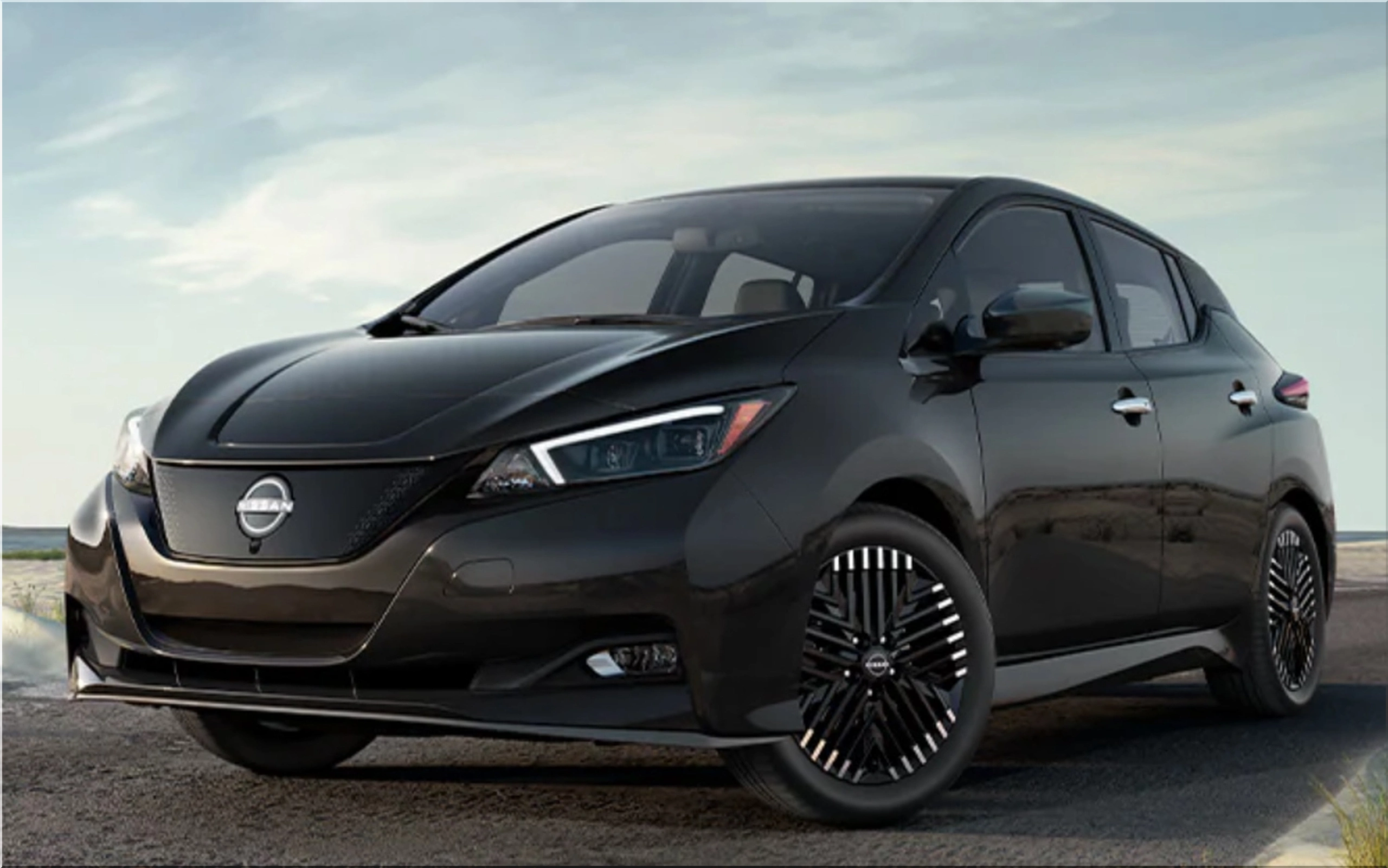
The Nissan Leaf is a reliable and affordable EV that has been on the market for over a decade. The 2024 model year of the Leaf has regained eligibility for part of the federal EV tax credit, which can lower the price by up to $3,750. This makes the Leaf a more attractive option for buyers who want to switch to a greener and more economical way of driving. However, the Leaf also faces strong competition from other EVs offering more range, performance, features, or value.
The Leaf has some advantages, such as a refined and comfortable ride, a conventional and user-friendly dashboard, a regenerative braking system that allows one-pedal driving, and a ProPilot Assist system that provides semi-autonomous driving on highways. The Leaf also has some disadvantages, such as a lower range, power, torque, and cargo space than some of its rivals, as well as a lack of some features, such as a sunroof, leather upholstery, ventilated front seats, wireless charging pad, and a battery heater. Ultimately, the choice of the best EV depends on each buyer's preferences, needs, and budget.
The Nissan Leaf is a great option for those who value simplicity, reliability, and affordability. Still, it may not be the best option for those who value performance, range, features, or value. @via 2024 Nissan Leaf Became the Cheapest EV.
- Add new comment
- 203 views