
Auto loans in the US look simple on the surface: you borrow money, you pay it back monthly, you own the car. In practice, lenders price risk aggressively, dealers reshape loan terms to hit a monthly payment target, and small differences in APR can cost thousands over the life of the loan.
This guide explains how auto loans work in the United States, focusing on APR, loan terms, credit scores, and how lender types differ. It also includes real market data and brand-based examples (Ford, Toyota, Tesla) so the mechanics feel concrete.
Definitions That Matter
APR
APR (Annual Percentage Rate) is the yearly cost of borrowing, expressed as a percentage. It includes the interest rate and may include certain lender fees. In car shopping, APR is the number buyers should compare.
Term
Term is how long you repay the loan, usually measured in months (36, 48, 60, 72, 84).
Principal
Principal is the amount you borrow after down payment, trade equity, taxes, fees, and add-ons that you roll into the loan.
The Reality of US Auto Loans (Actual Market Data)
Recent US averages show a wide gap between new and used financing:
New vs Used Loan Averages (US)
| Metric | New Cars | Used Cars |
|---|---|---|
| Average APR | 6.56% | 11.40% |
| Average Loan Term | 69.07 months | 67.43 months |
| Average Loan Amount | $42,332 | $27,128 |
| Average Monthly Payment | $748 | $532 |
| Average Credit Score | 754 | 691 |
These are averages, not offers. Your actual rate depends on your credit tier, down payment, and lender.
How APR Works (And Why It Changes Everything)
APR is the single most important loan variable because it determines how much money goes to interest instead of the car.
What Moves APR Up or Down
Lenders price APR based on risk and deal structure. The biggest drivers:
- Credit score and credit file depth
- Down payment size
- Term length (longer terms often cost more)
- New vs used (used loans usually have higher APR)
- Vehicle age and mileage (older vehicles often trigger higher APR)
- Loan-to-value ratio (how much you borrow vs the car’s value)
- Lender type (credit union vs bank vs captive finance)
Example: Same Car, Two APRs, Different Outcomes
Imagine a $30,000 loan with a 60-month term:
- A prime borrower gets a mid-single-digit APR and pays far less interest
- A subprime borrower gets a double-digit APR and can pay thousands more for the same car
APR is not a detail. It is the deal.
Credit Scores: How Lenders Actually Tier You
Most lenders bucket borrowers into tiers. Rates jump sharply as you move down tiers.
Average APR by Credit Tier (US)
| Credit Score Tier | New Car APR | Used Car APR |
|---|---|---|
| 781–850 (super prime) | 4.88% | 7.43% |
| 661–780 (prime) | 6.51% | 9.65% |
| 601–660 (near prime) | 9.77% | 14.11% |
| 501–600 (subprime) | 13.34% | 19.00% |
| 300–500 (deep subprime) | 15.85% | 21.60% |
What this means in plain terms: used-car financing punishes lower credit harder, because the lender sees more risk in both the borrower and the asset.
Loan Terms: Why 72 Months Became Normal
In the US, loan terms have stretched longer because vehicle prices rose faster than wages. Longer terms lower the monthly payment, which makes a deal feel affordable.
But longer terms also:
- Increase total interest paid
- Increase the chance of being upside down (owing more than the car is worth)
- Keep you in a payment longer than you intended
Term Reality Check (US)
The average term is now roughly 69 months for new and 67 months for used. That is almost six years of payments.
The Monthly Payment Trap
Dealers often ask: “What monthly payment do you want?” That question shifts attention away from the two numbers that control your real cost:
- Out-the-door price (the total purchase cost)
- APR (the cost of borrowing)
Monthly payments are easy to manipulate by:
- Extending the term (60 → 72 → 84)
- Increasing APR slightly
- Rolling in add-ons (warranties, protection packages, gap insurance)
- Bundling taxes and fees into the loan
Pro-Tip: Lock the out-the-door price first. Then negotiate APR and term. Only then look at the monthly payment.
Lender Differences: Banks vs Credit Unions vs Captive Finance
Not all auto loans behave the same. The lender type changes both approval logic and pricing.

1) Credit Unions
Credit unions often compete hard on APR, especially for strong credit profiles. Many buyers use them for preapproval because it gives negotiation leverage at the dealership.
Best for:
- Prime and super prime borrowers
- Buyers who want transparent terms
- Buyers who want to walk in with financing ready
2) Banks
Banks can be competitive, but pricing varies widely. Banks often tighten standards for older vehicles or higher mileage used cars.
Best for:
- Borrowers with stable credit histories
- Conventional loans on mainstream models
3) Captive Finance (Manufacturer-Backed Lenders)
Captive lenders exist to sell cars. They can offer subsidized APR promotions that banks and credit unions will not match.
Brand examples:
- Ford Credit for Ford vehicles
- Toyota Financial Services for Toyota vehicles
Best for:
- New cars where a promotional APR offer applies
- Buyers who qualify for top-tier credit programs
4) Online Lenders and Marketplaces
Online lenders can be useful for rate shopping and prequalification. Rates range from excellent to brutal depending on credit tier.
Best for:
- Comparison shopping
- Borrowers who want multiple offers quickly
Brand-Based Examples: What Auto Loans Look Like in Real Life
Example 1: Ford F-150 Buyer (Captive Finance vs Credit Union)
A buyer shopping a Ford F-150 often sees two financing paths:
- Captive finance promotional APR (if offered and if the buyer qualifies)
- Credit union preapproval that can be used to negotiate the selling price and avoid dealer markup games
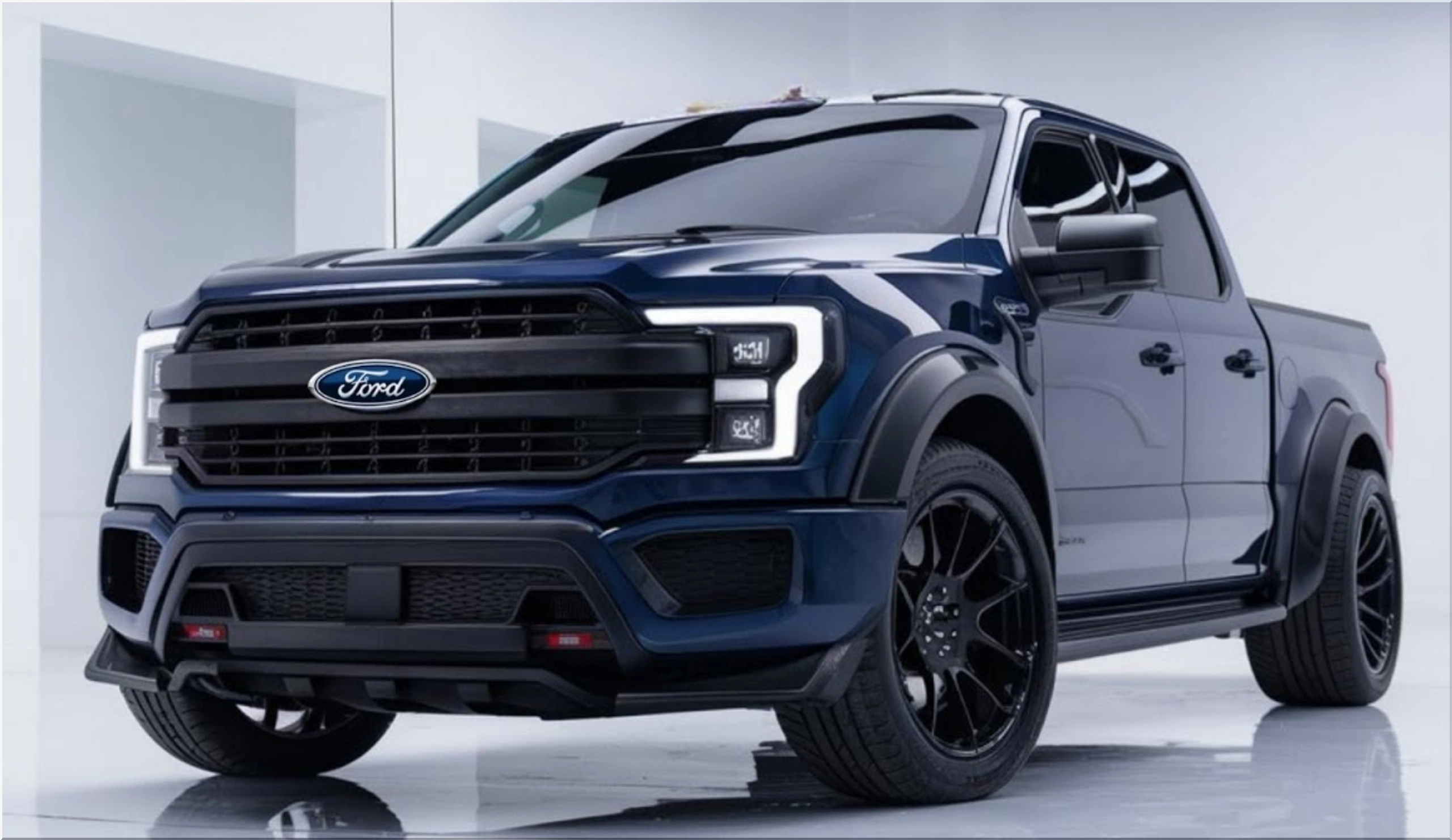
How this plays out: If a promo APR exists, the captive lender can win on rate. If no promo exists, a credit union can often win by offering a stable APR and fewer dealer-related financing tricks.
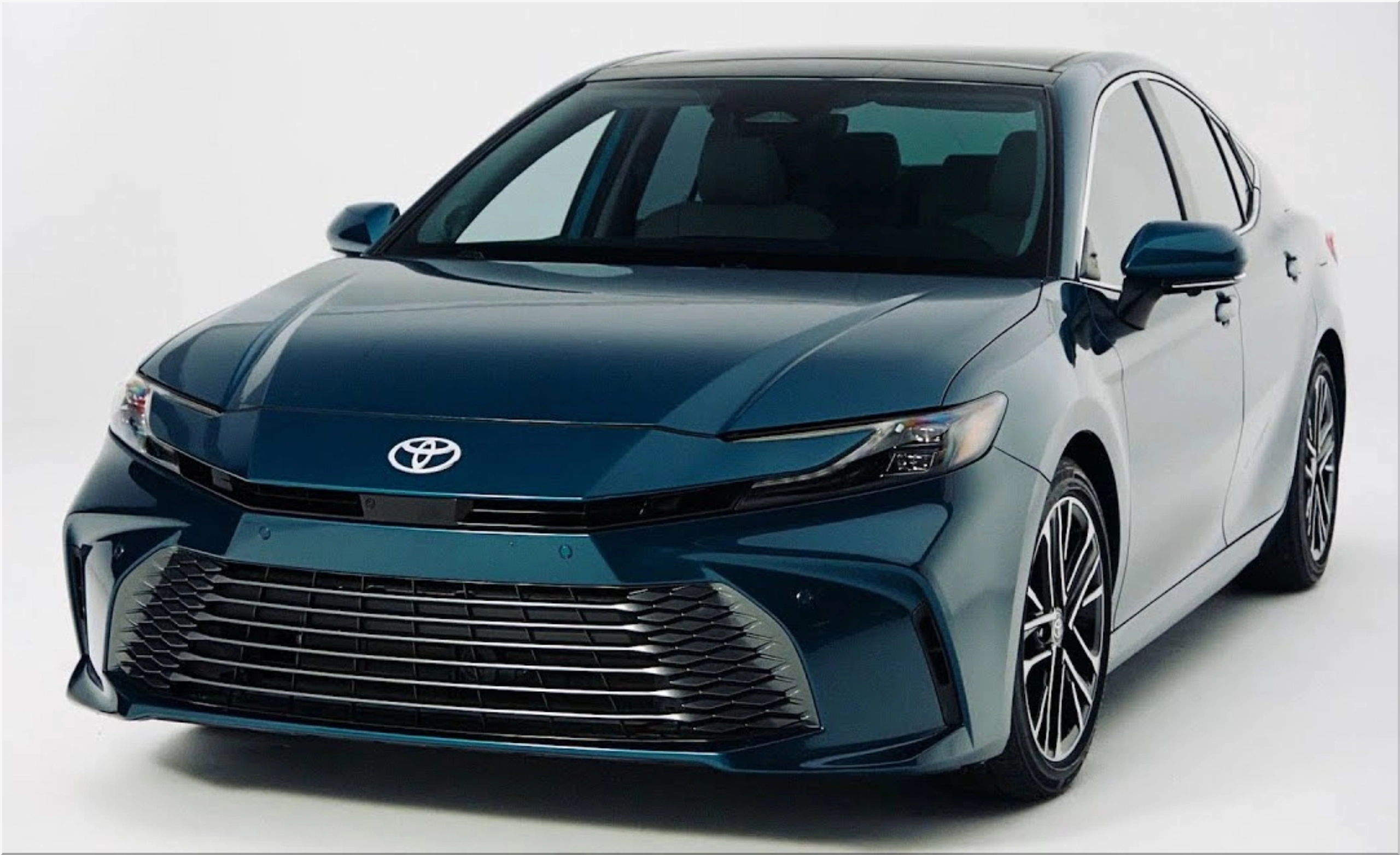
Example 2: Toyota Camry Buyer (Mainstream New-Car Loan)
A Camry buyer usually benefits from:
- Strong lender appetite (banks and credit unions like low-risk mainstream sedans)
- Predictable resale value, which helps loan-to-value stability
How this plays out: buyers with prime credit often get competitive offers from multiple lender types, making preapproval a powerful negotiating tool.
Example 3: Tesla Buyer (Different Retail Model, Same Loan Math)
Tesla’s sales model changes negotiation, but it does not change loan mechanics:
- You still face APR tiers based on credit
- You still choose a term that controls total interest
- You still decide how much cash to put down
How this plays out: because the vehicle price is typically more standardized than a traditional dealer negotiation, Tesla buyers can focus more cleanly on APR, down payment, and term.
Down Payments, Trade-Ins, and Loan-to-Value
Down payment is not just about reducing the payment. It reduces lender risk, which can improve approval odds and pricing.
Practical Impact
- More down payment usually means lower loan amount
- Lower loan amount usually means lower payment
- Lower loan-to-value can mean better APR offers
Trade-In Trap
A trade-in can help, but only if you separate the negotiations:
- Negotiate the car price
- Negotiate the trade value
- Negotiate the financing
Bundling all three makes it easier for numbers to move against you.
Used Car Loans: The Extra Rules Buyers Miss
Used loans are priced higher for a reason: used vehicles create more risk for lenders.
Expect stricter rules when:
- The vehicle is older (often 7–10 years depending on lender)
- Mileage is high
- The seller is private party (some lenders restrict this)
- The price is above book value (loan-to-value risk)
Pro-Tip: If you are buying used and your credit is not prime, compare loan offers before choosing the car. The wrong used car can be finance-eligible only at punishing APRs.
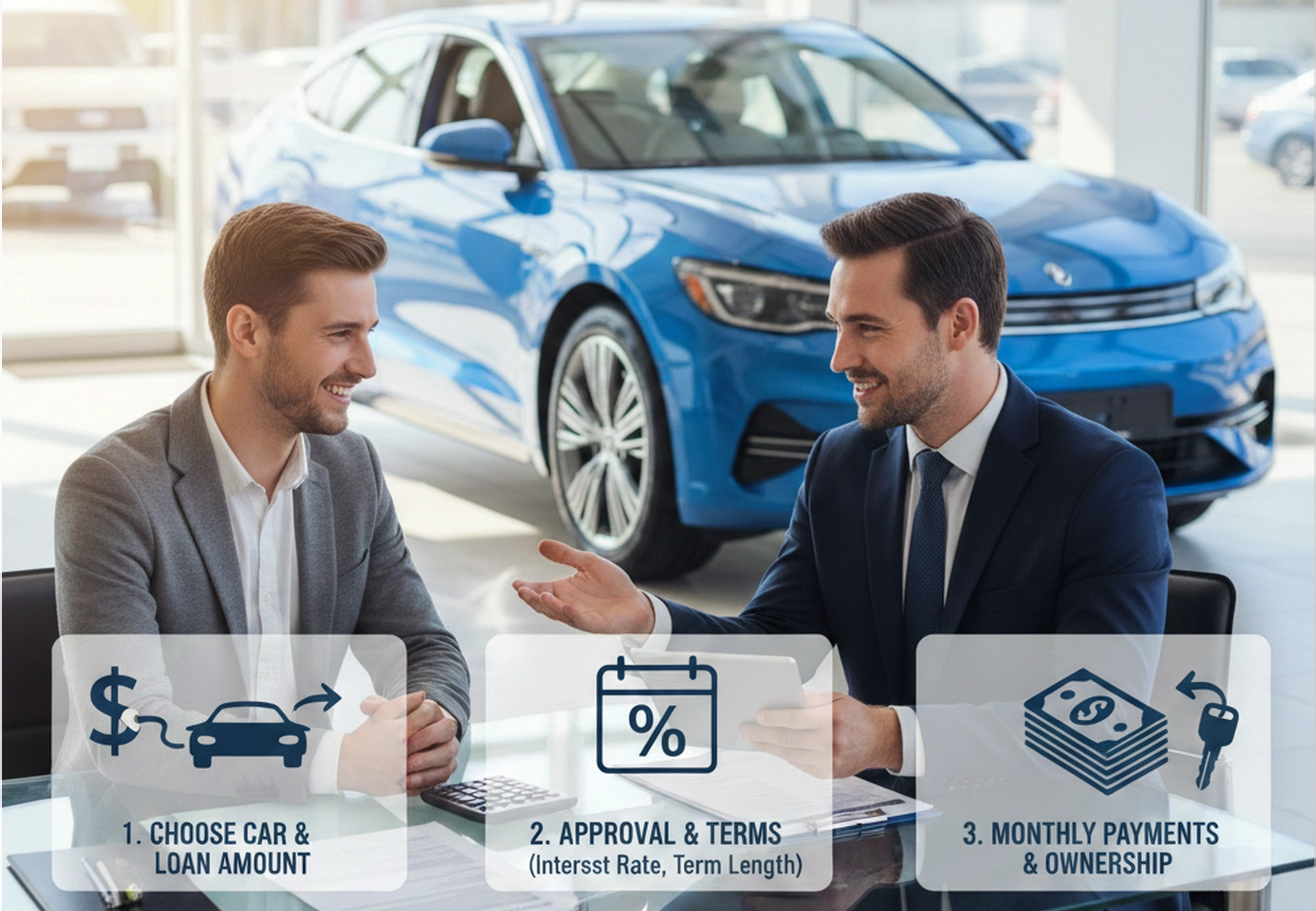
A Simple, Smart Process for US Buyers
- Set a total budget (not a monthly payment target)
- Get preapproved with at least one lender
- Shop the out-the-door price across dealers
- Choose the shortest term you can comfortably afford
- Avoid rolling add-ons into the loan
- Protect against negative equity with a real down payment
Final Takeaway
Auto loans in the United States are a pricing system built around risk. Your credit score tier sets your APR range, your term determines how much interest you pay, and your lender type shapes the deal structure.
If you want control, stop thinking in monthly payments. Think in:
- out-the-door price
- APR
- term length
- total interest paid
That is how informed US buyers avoid expensive financing mistakes.

- Add new comment
- 143 views