Electric vehicles run on batteries. Eventually those batteries retire from road duty. The usual assumption: recycling. Nissan proposes another step first.
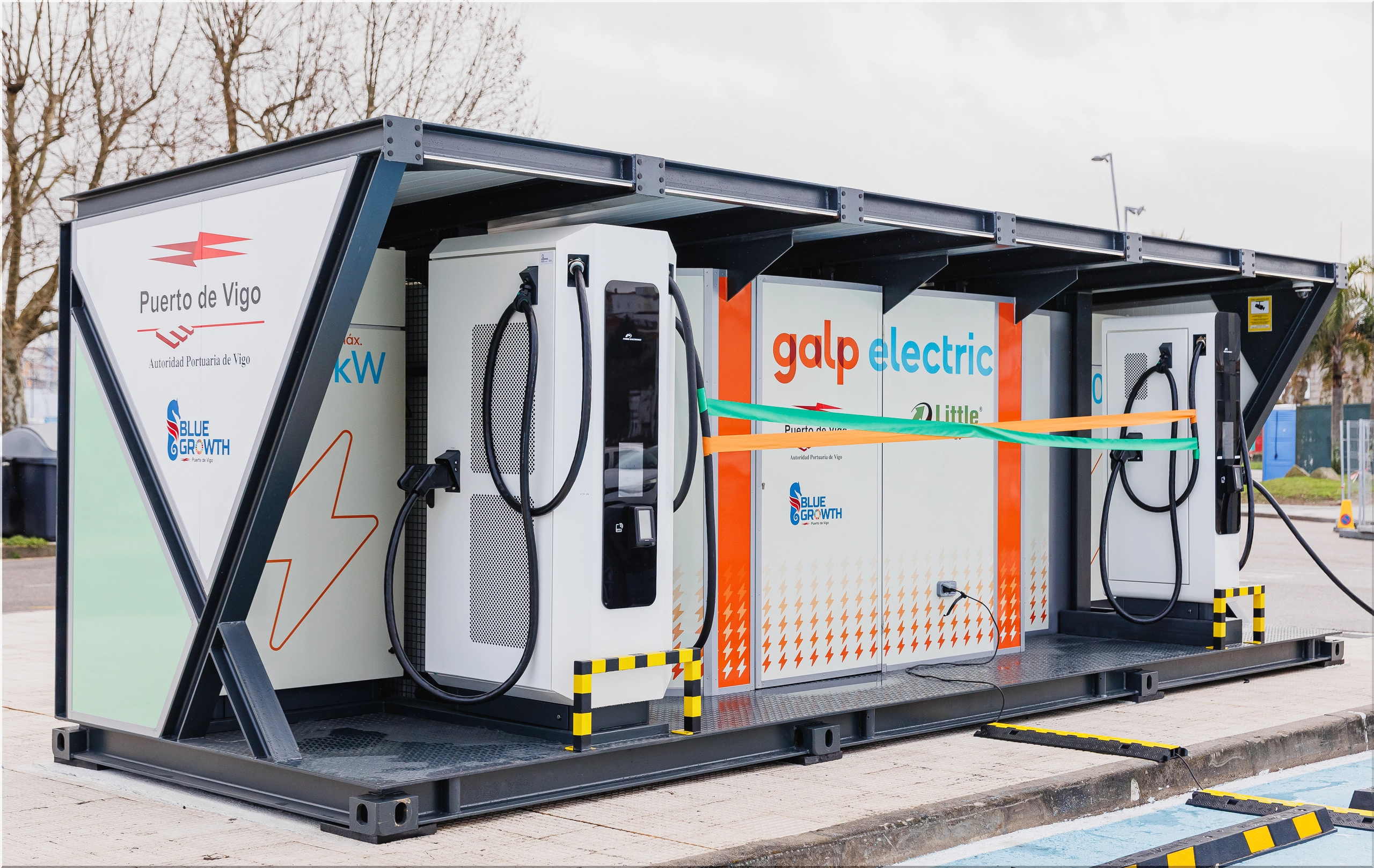
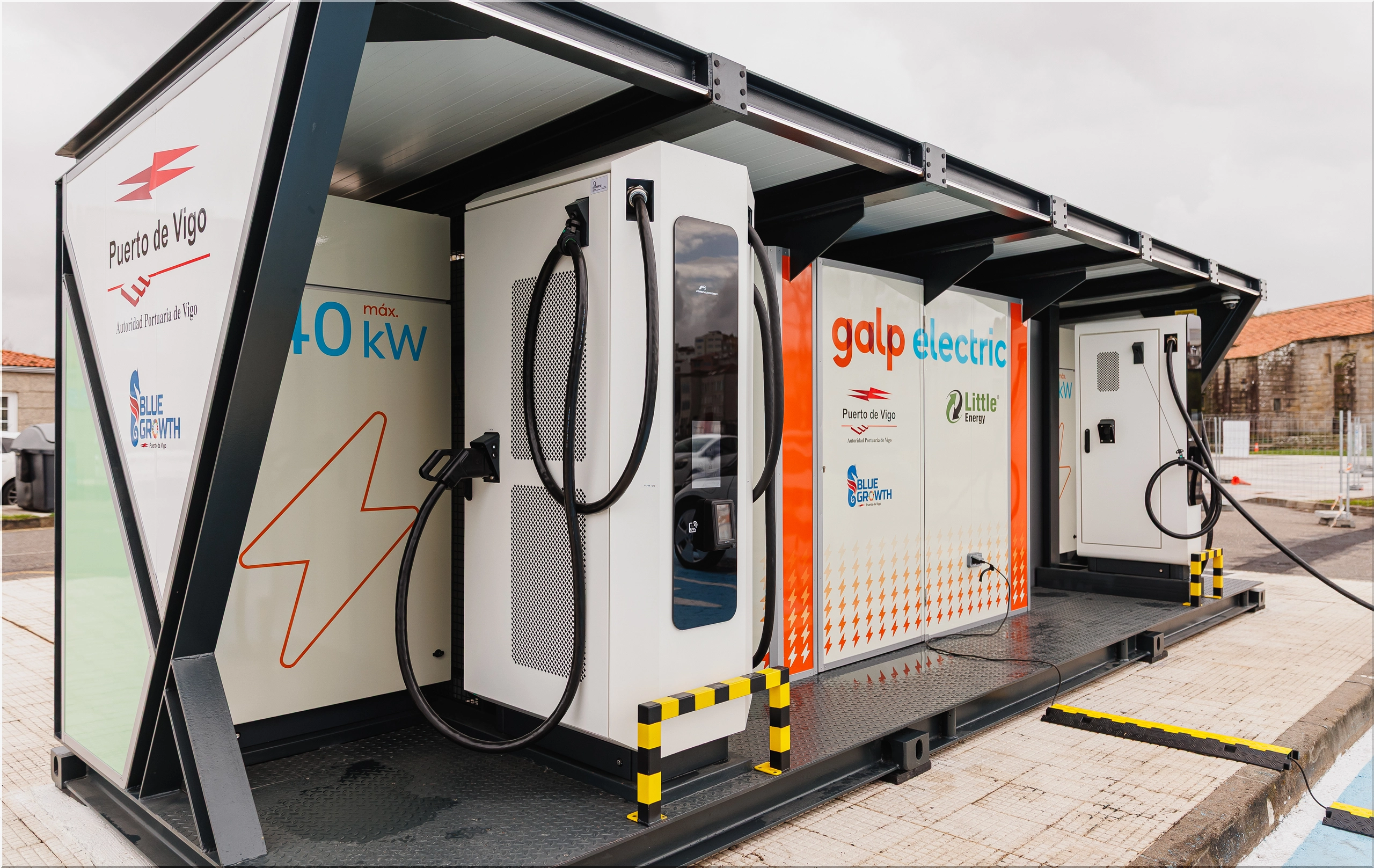
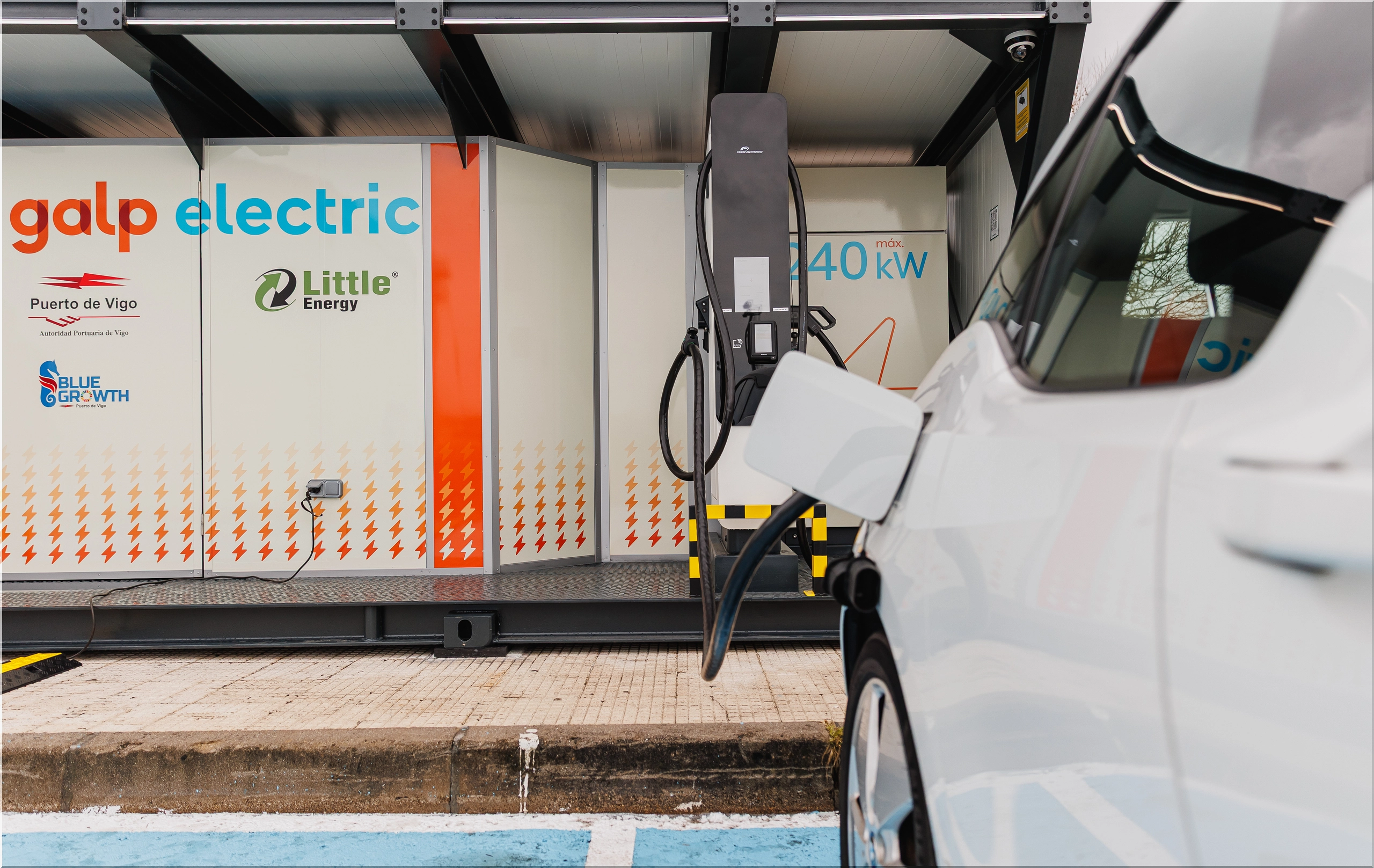
At the Port of Vigo in Spain, the automaker launched a pilot project that converts used Nissan LEAF battery packs into a high-capacity energy storage system supporting ultra-fast EV charging. The installation transforms aging lithium-ion packs into infrastructure that supplies up to 240 kW DC fast charging.
The result addresses a growing challenge in electric mobility: charging networks need massive power, while local grids often struggle to supply it. Repurposed batteries provide a practical buffer between the charger and the grid.
And the batteries? They simply change careers.
Nissan Gives LEAF Batteries a Second Life
The Nissan LEAF helped bring electric cars into mainstream markets. Millions of units have sold globally since the model launched in 2010. That success creates a large supply of batteries that still retain strong energy capacity even after their automotive service ends.
Instead of recycling these batteries immediately, Nissan installs them in stationary energy systems.
At the Port of Vigo project, engineers assembled 12 repurposed LEAF battery packs into a 300 kWh energy storage system. The system powers a group of charging stations designed to support high-demand EV charging environments.
Key specifications include:
- 12 repurposed Nissan LEAF battery packs
- 300 kWh stationary energy storage capacity
- 240 kW DC ultra-fast charging capability
- 22 kW AC charging support
- Compatibility with CCS1, CCS2, and CHAdeMO charging standards
- Four EV charging hubs operating at the port
The energy storage system absorbs electricity from the grid and releases it during charging sessions. This design allows chargers to deliver high power even when local electrical infrastructure remains limited.
For charging networks, that flexibility matters.
Green Charge Flex: The Technology Behind the Project
The energy storage solution comes from Spanish company Little Electric Energy, which developed a modular system called Green Charge Flex.
The platform integrates repurposed EV batteries into a containerized energy storage unit designed for fast deployment.
How the Energy Storage Charging System Works
The system follows a straightforward process:
- Electricity enters the system from the local power grid
- Repurposed EV batteries store that energy
- Charging stations draw high-power electricity when drivers plug in
This architecture allows charging infrastructure to deliver ultra-fast EV charging without requiring immediate grid upgrades.
Grid upgrades often take years and involve expensive equipment changes. Battery storage systems offer a faster alternative.
Operators can install charging hubs in locations where electrical capacity might otherwise limit expansion.
Ports, industrial zones, and logistics hubs benefit from that approach.
Why Ports Provide Ideal Locations for Battery-Backed Charging
Ports represent demanding environments for energy systems. Heavy vehicles, passenger cars, service fleets, and logistics operations all require electricity.
Grid capacity in these areas often struggles to support high-power EV charging stations.
Battery storage solves that problem.
Charging hubs supported by energy storage systems allow operators to deliver consistent charging performance without drawing large spikes of power from the grid.
For locations such as:
- Shipping terminals
- Fleet depots
- Industrial parks
- Commercial logistics centers
battery storage enables charging infrastructure that might otherwise remain impractical.
The Port of Vigo pilot project serves as a real-world test of this model.
Why Second-Life EV Batteries Matter
Lithium-ion batteries do not lose all capacity after years inside an electric vehicle. Many retain 70 to 80 percent of their original energy storage capability.
That remaining capacity works well for stationary energy applications.
Advantages of Repurposed EV Battery Systems
Using second-life EV batteries in charging infrastructure delivers several benefits:
- Reduced cost for energy storage systems
- Extended battery lifecycle value
- Faster deployment of EV charging networks
- Reduced pressure on electrical grids
- Lower environmental impact from battery waste
The approach supports a circular battery economy, where materials continue delivering value long after their original purpose ends.
Instead of becoming scrap material, EV batteries help power the next generation of electric vehicles.
Comparison: Energy Storage Solutions for EV Charging
Several automakers and energy companies deploy battery storage systems to support EV charging networks. Some rely on newly manufactured batteries, while others reuse EV battery packs.
Below is a comparison of several systems operating in this market segment.
| Energy Storage System | Storage Capacity | Charging Output | Battery Source | Primary Application |
|---|---|---|---|---|
| Nissan Green Charge Flex | 300 kWh | 240 kW DC fast charging | Nissan LEAF batteries | EV charging hubs in grid-limited locations |
| Tesla Megapack Storage | Up to 3.9 MWh | Utility-scale supply | New lithium-ion cells | Grid stabilization and renewable storage |
| BMW Battery Storage System | 700+ kWh | Grid buffering | BMW i3 batteries | Renewable energy integration |
| Renault Advanced Battery Storage | Multi-MWh systems | Grid support | Renault EV batteries | Renewable energy balancing |
The comparison reveals a clear trend: energy storage has become a critical component of EV infrastructure development.
Battery-backed charging stations allow operators to install high-power chargers without waiting for major electrical grid upgrades.
Energy Storage Will Shape Future EV Charging Networks
Ultra-fast EV chargers demand significant power. A single 240 kW charging station can draw as much electricity as dozens of homes.
Charging networks face a simple challenge: install more chargers while keeping power demand manageable.
Battery storage systems provide a solution.
Why Charging Networks Need Energy Storage
Battery-backed charging infrastructure allows operators to:
- Install fast charging stations in grid-limited areas
- Reduce electricity demand spikes
- Store renewable energy for EV charging
- Expand charging networks faster than grid upgrades allow
This architecture will likely become standard in locations where power infrastructure struggles to support high charging loads.
Nissan's Long-Term Electrification Strategy
The second-life battery project fits within Nissan's Ambition 2030 electrification strategy, which focuses on expanding electric mobility while reducing environmental impact.
The initiative supports several long-term goals:
- Increased EV adoption across global markets
- Extended battery lifecycle management
- Reduced carbon emissions across vehicle lifecycles
- Development of energy storage infrastructure
Nissan operates across markets covering Africa, the Middle East, India, Europe, and Oceania, representing billions of potential EV users.
Charging infrastructure must expand quickly to support that growth.
Repurposed battery systems provide one practical path forward.
What the Pilot Project Signals for the EV Industry
The Port of Vigo energy storage charging system may appear modest in size. Twelve battery packs and four chargers will not transform the global charging network overnight.
But the concept carries strong implications.
If the pilot delivers reliable performance, similar installations could appear across:
- Highway charging stations
- Urban charging hubs
- Electric fleet depots
- Airport service facilities
- Logistics and delivery centers
Each project would extend the life of EV batteries while supporting charging infrastructure growth.
Old batteries would power new electric vehicles.
That cycle improves efficiency across the EV ecosystem.
For lithium-ion batteries that once powered cars, retirement now comes with a second assignment.
And judging by the Port of Vigo project, the batteries appear ready for it.
- Add new comment
- 148 views