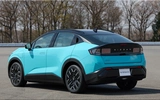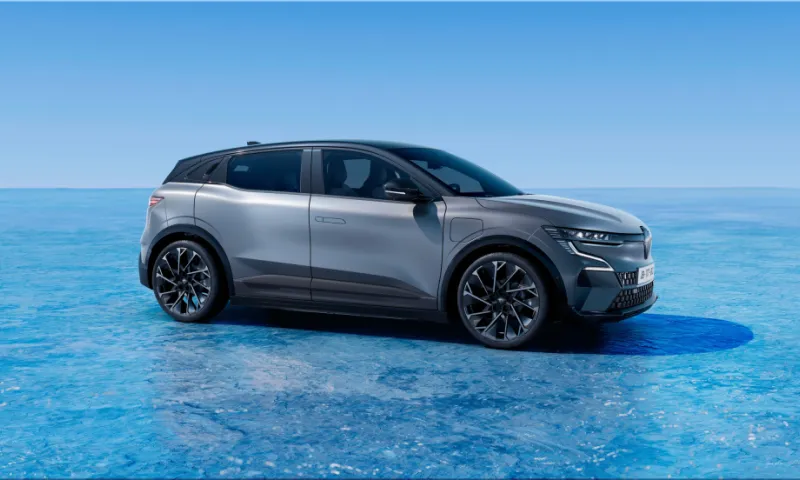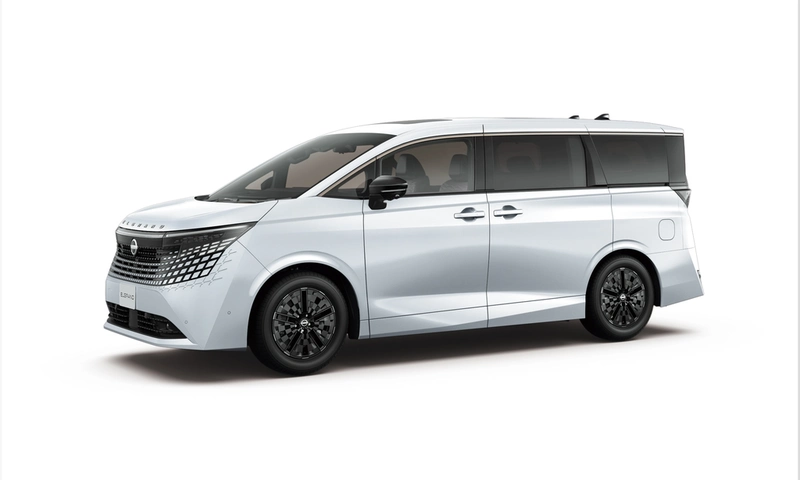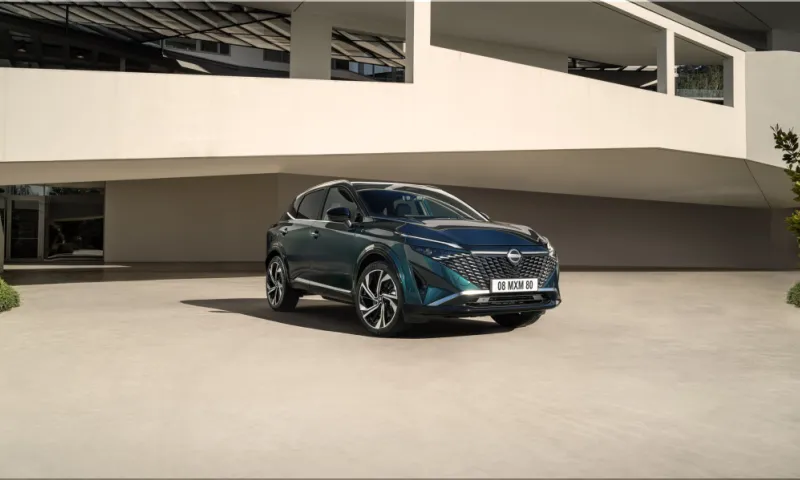
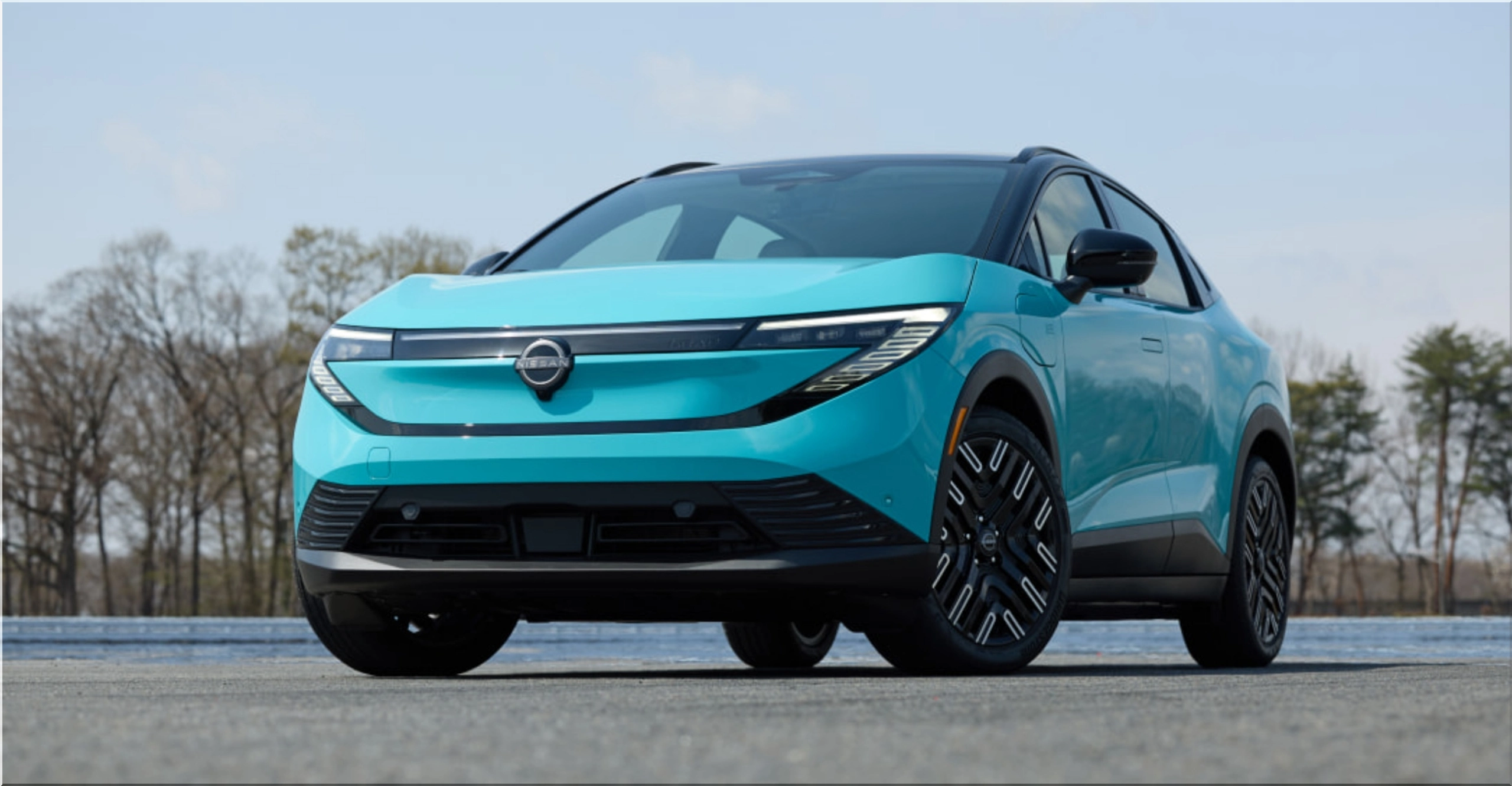
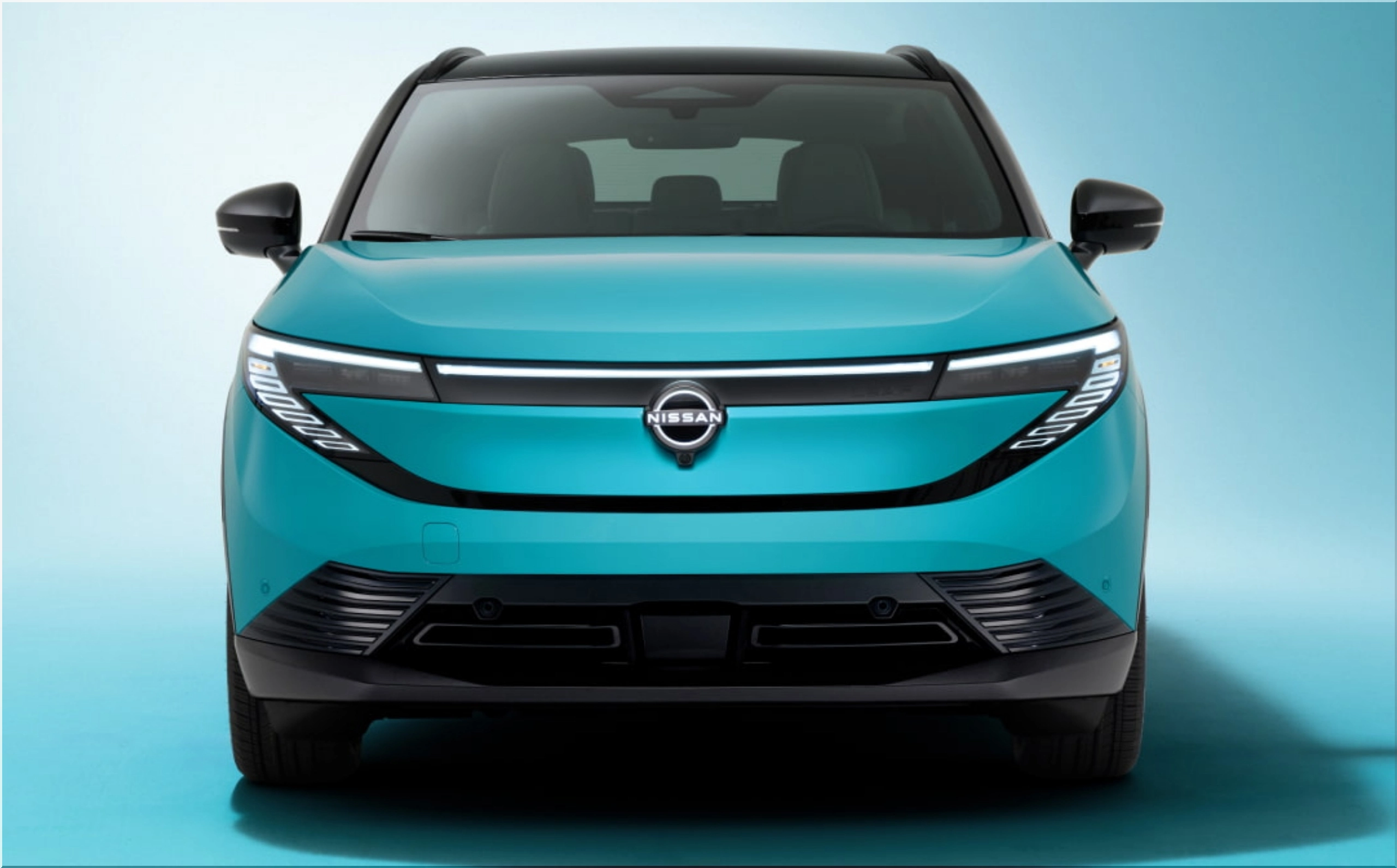
The electric vehicle market just shifted. The 2026 Nissan Leaf has arrived, and it is not the budget hatchback you remember. Nissan transformed its pioneer into a sleek crossover built on the advanced CMF-EV platform. This third generation model ditches the bubbly city car look for a fastback silhouette and a high-riding stance. It addresses the two biggest complaints about previous versions: limited range and outdated charging.
By moving to a dedicated EV architecture, Nissan maximized interior volume while improving aerodynamic efficiency. The new Leaf boasts a 0.26 drag coefficient, which is a massive leap over the previous model. This improvement, paired with a larger 75-kWh battery, pushes the estimated range to 303 miles on the entry level S trim. This is a serious contender for anyone looking to trade their gas powered commuter for a reliable electric vehicle.
Performance Specs and Powertrain Efficiency
Nissan simplified the powertrain lineup for 2026. Every trim now utilizes a 3-in-1 integrated motor system that is ten percent smaller than before. The front-wheel-drive setup delivers 214 horsepower and 261 lb-ft of torque. While it won't beat a high end performance car in a sprint, the instant torque provides plenty of punch for highway merging and city traffic.
Efficiency is the core focus here. The liquid-cooled battery manages heat better than the old air cooled units. This change ensures consistent charging speeds and preserves battery health over time. A standard heat pump reduces the energy drain for cabin heating, which is a major win for drivers in cold climates.
2026 Nissan Leaf Key Specifications
- Battery Capacity: 75-kWh usable [Standard]
- Peak Output: 214 Horsepower
- Estimated Range: 259 to 303 Miles [EPA]
- Peak DC Fast Charge: 150 kW
- Charging Standard: NACS [Tesla Compatible] and J1772
Interior Tech and Cargo Versatility
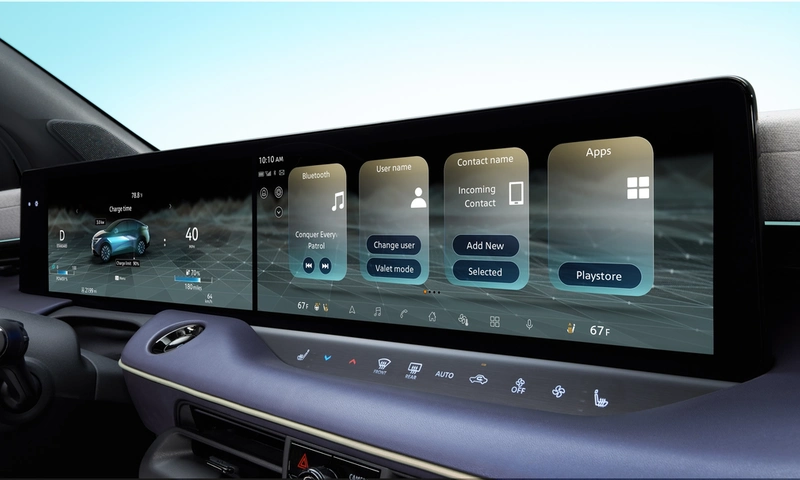
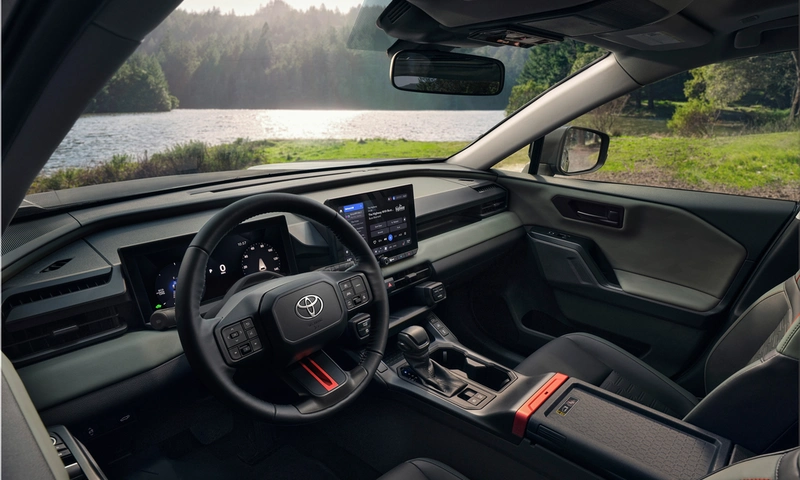
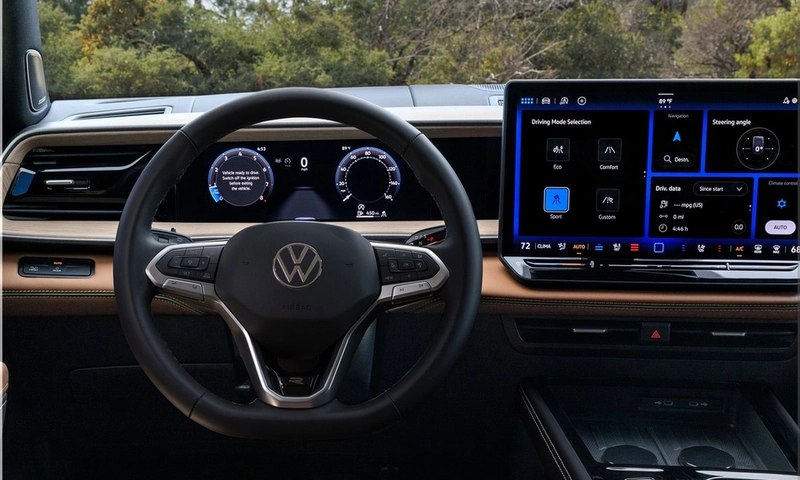
The cabin feels lightyears ahead of the second generation. Nissan opted for a minimalist dashboard dominated by dual 12.3-inch displays on the base trim, while higher trims get massive 14.3-inch screens. The inclusion of Google Built-in means you get native Google Maps and Google Assistant without needing to plug in your phone. Wireless Apple CarPlay and Android Auto remain standard across the board.
One standout feature is the dimming panoramic roof. It uses PDLC technology to switch from transparent to opaque at the touch of a button. This eliminates the need for a bulky physical sunshade, which increases headroom for taller passengers. Cargo space is equally impressive for a vehicle of this size, offering 20 cubic feet with the seats up and expanding significantly with the rear bench folded.
Pro-Tip: Range vs. Wheels
If you want the maximum 303-mile range, stick with the S trim and its 18-inch wheels. The larger 19-inch alloys on the Platinum trim look great but increase rolling resistance, dropping the total range to roughly 259 miles.
Market Comparison: How the Leaf Stacks Up
The Leaf competes in a crowded field of electric subcompact SUVs. Its primary rivals include the Hyundai Kona Electric and the Kia Niro EV. The Leaf holds a distinct advantage in starting price and charging flexibility thanks to its dual port setup.
| Feature | 2026 Nissan Leaf | Hyundai Kona Electric | Kia Niro EV |
|---|---|---|---|
| Starting MSRP (USD) | $29,990 | $38,915 | $40,850 |
| Max Range (EPA) | 303 Miles | 300 Miles | 253 Miles |
| Fast Charge Peak | 150 kW | 100 kW | 85 kW |
| Charge Standard | NACS + J1772 | CCS1 | CCS1 |
| Horsepower | 214 hp | 201 hp | 201 hp |
Charging and Infrastructure Gains
The biggest hurdle for EV adoption has always been the charging network. Nissan solved this by adding a North American Charging Standard (NACS) port. This gives Leaf owners access to over 20,000 Tesla Superchargers. You no longer have to hunt for specific third party stations on a road trip.
The car still includes a J1772 port for Level 2 home charging. This dual port strategy makes the Leaf one of the most flexible EVs on the market. You can charge from 10% to 80% in about 35 minutes at a compatible DC fast charger. This is a significant improvement over the slow charging speeds of the previous CHAdeMO system.
Advanced Safety and Driver Assist
- ProPILOT Assist: Combines adaptive cruise control and steering assist for highway driving.
- Safety Shield 360: Includes automatic emergency braking and blind spot warning as standard equipment.
- Secondary Collision Mitigation: Automatically applies brakes after an initial impact to prevent a second crash.
- 3D Around View Monitor: Provides a virtual bird eye view to make parking in tight city spots effortless.

Definitive Verdict: What Now?
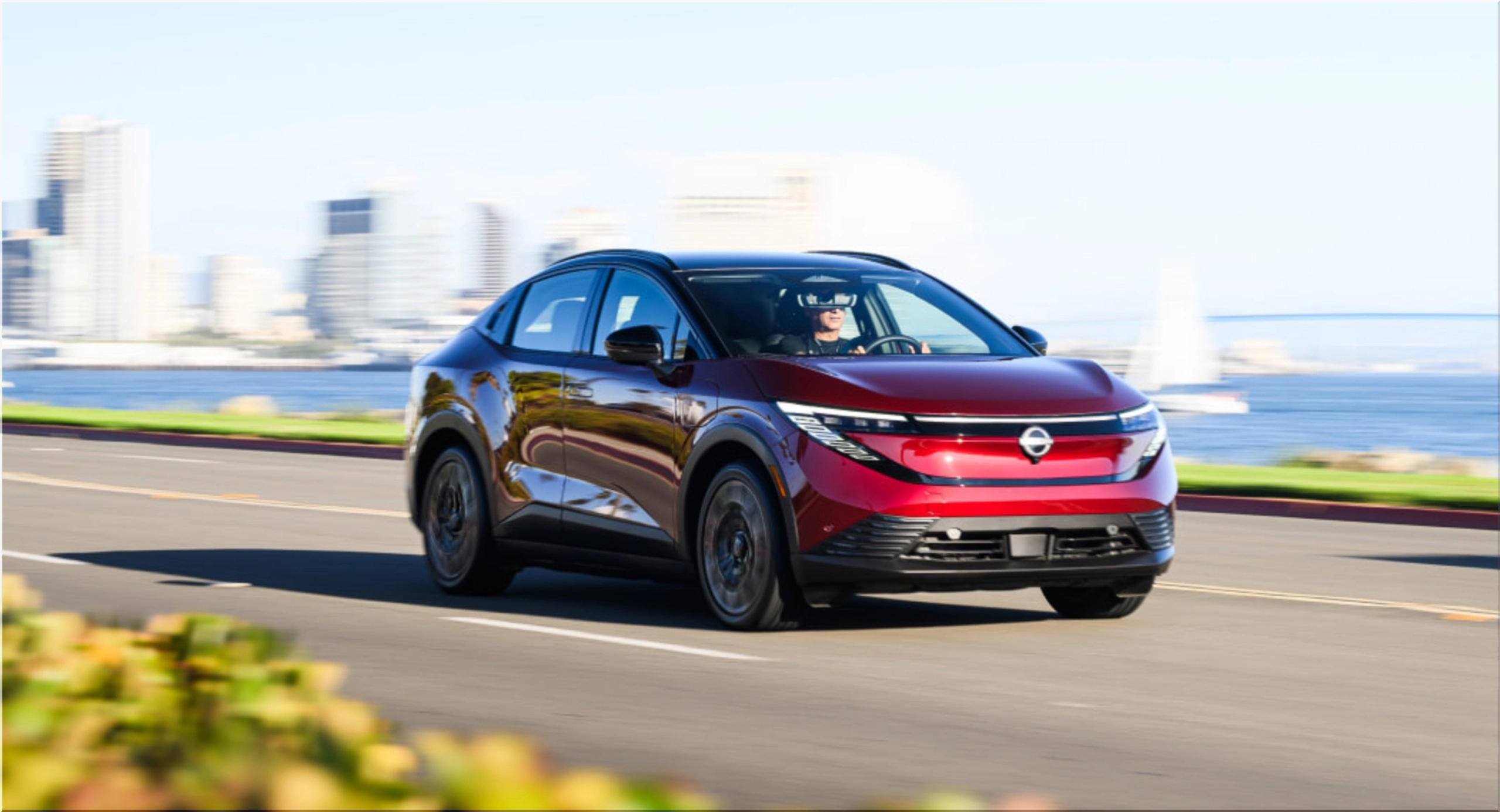
If you are looking for an attainable electric crossover, the 2026 Nissan Leaf should be at the top of your list. It offers a 300-mile range for under $30,000, which is a price point very few competitors can hit. The shift to a crossover body style makes it more practical for families, and the NACS port removes the stress of public charging.
Actionable Takeaways:
- Evaluate your daily mileage: If you drive less than 50 miles a day, the base S trim is the best value.
- Check for incentives: Federal and state tax credits can drop the effective price of a Leaf below $25,000 in certain regions.
- Test the tech: The Google Built-in system is a major upgrade. Spend time with the infotainment system at the dealership to ensure it fits your workflow.
- Plan your home charging: Budget for a 240V Level 2 charger installation to get the most out of EV ownership.
- Add new comment
- 72 views