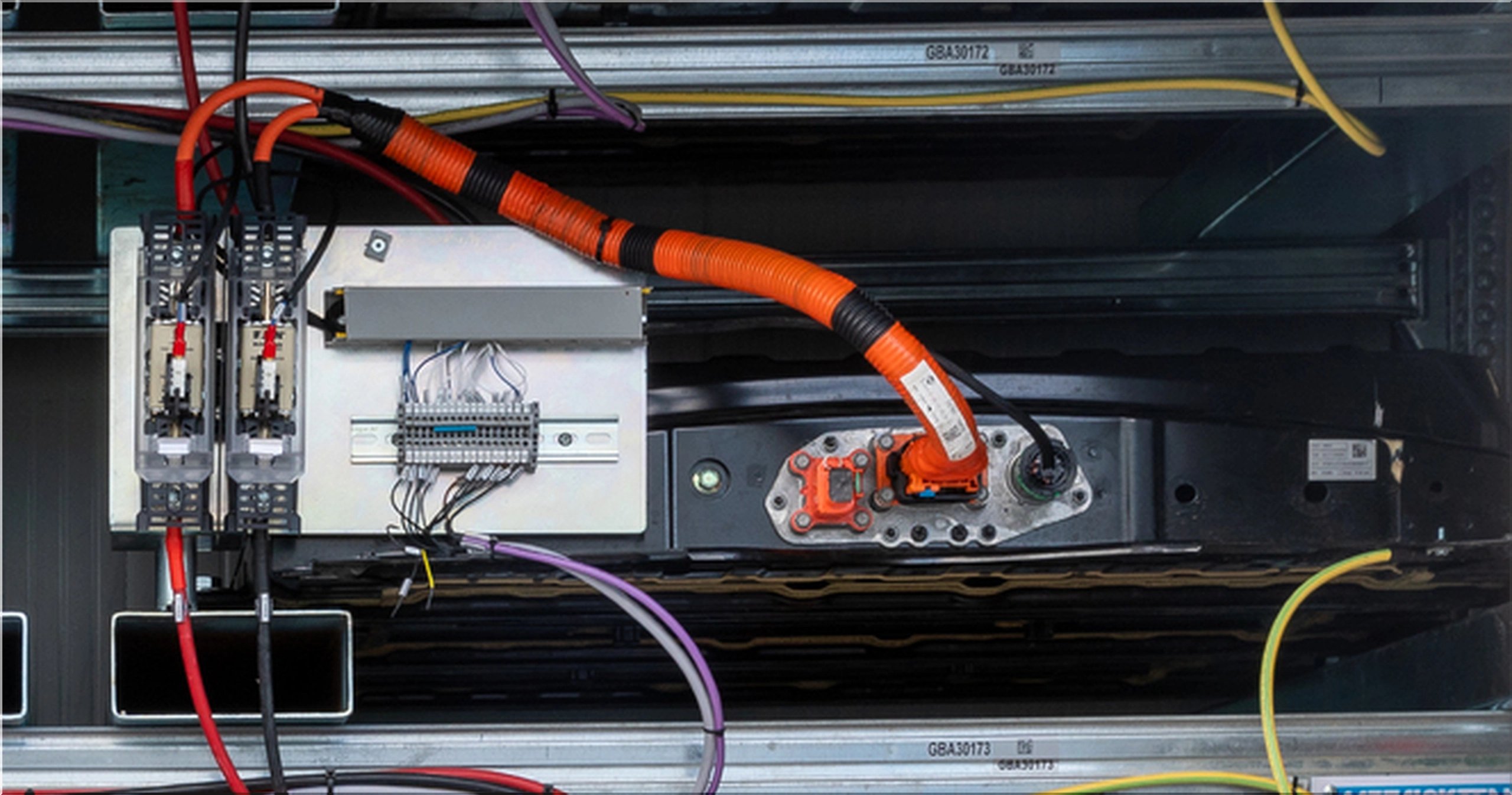
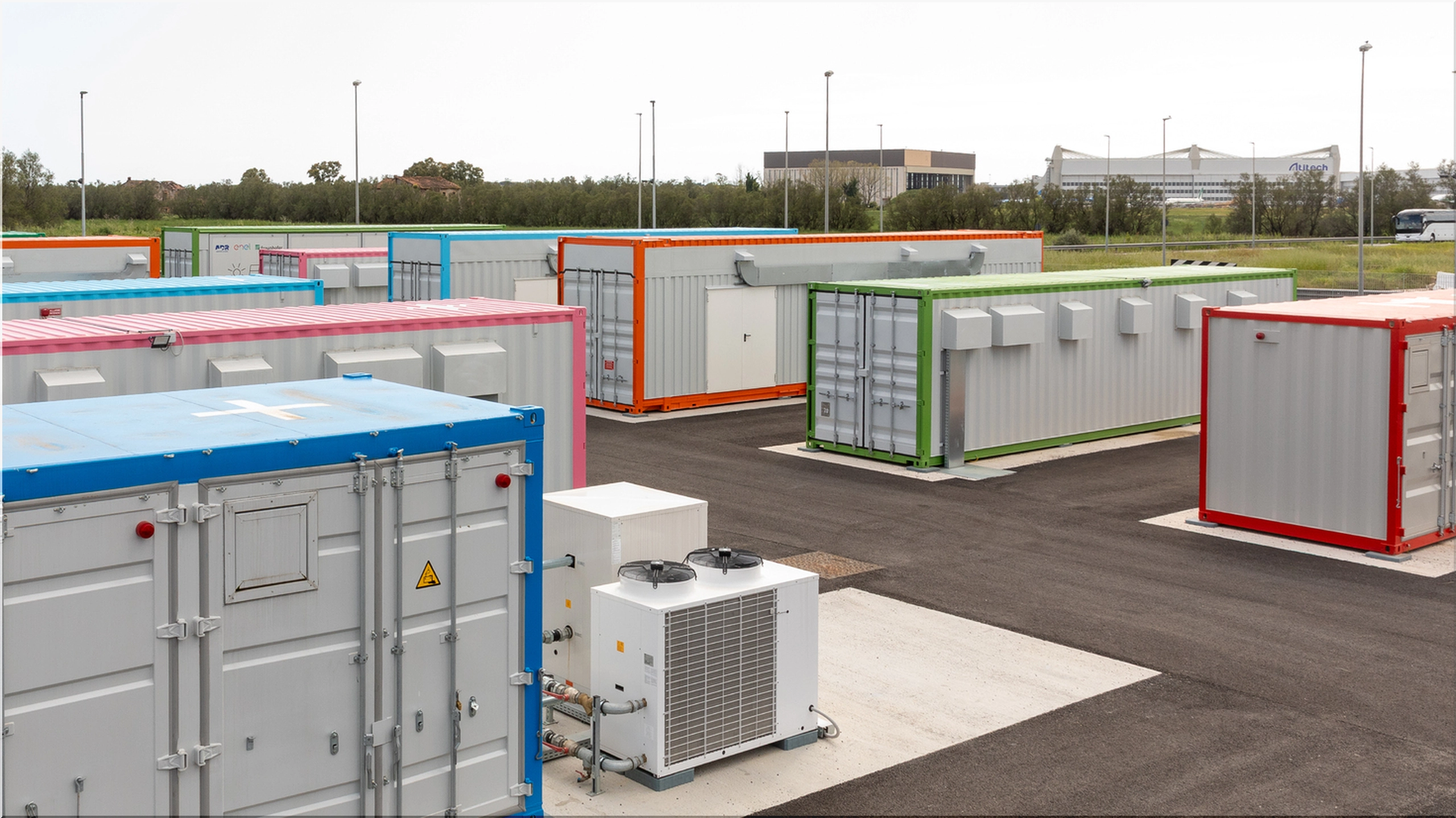
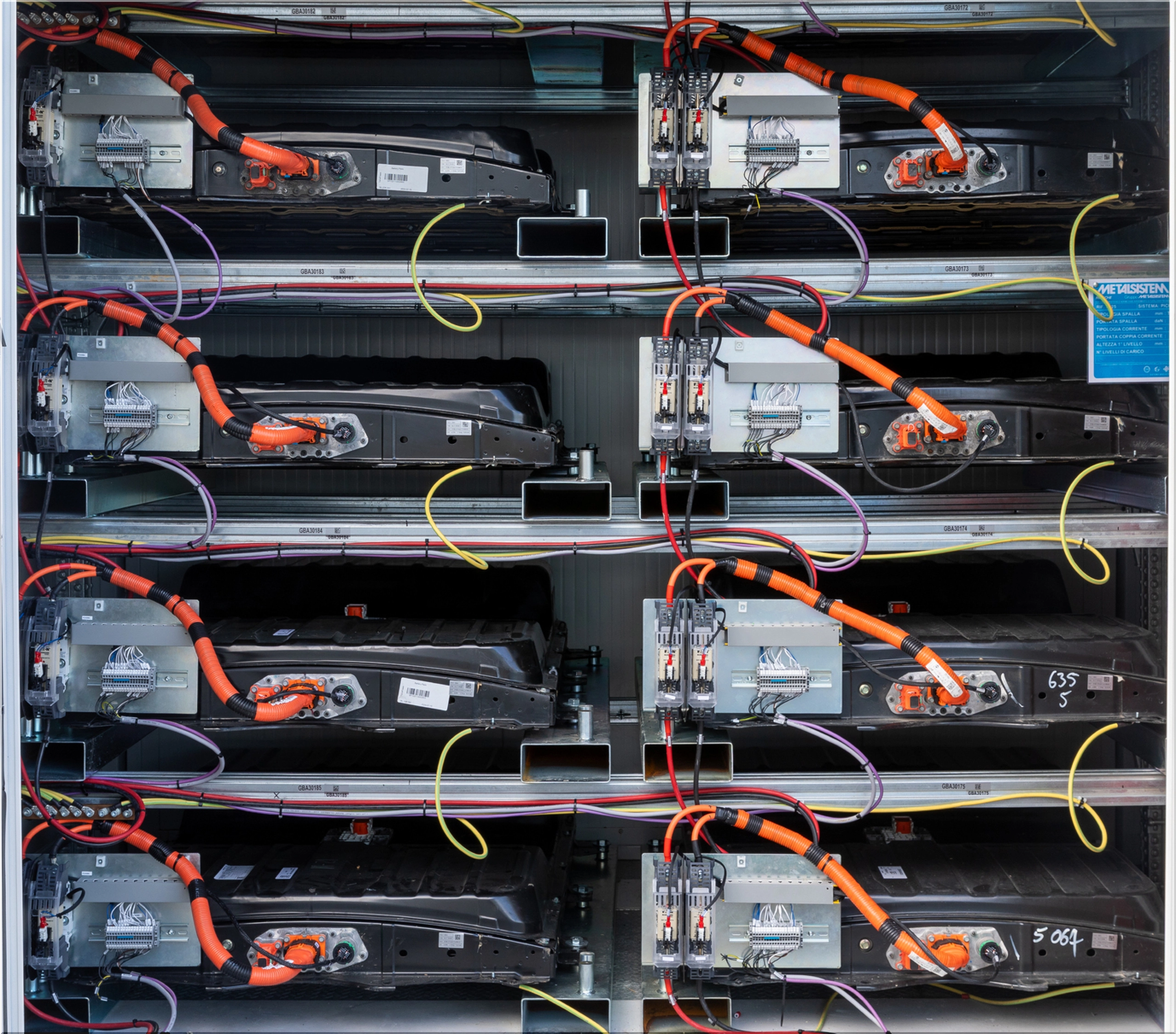
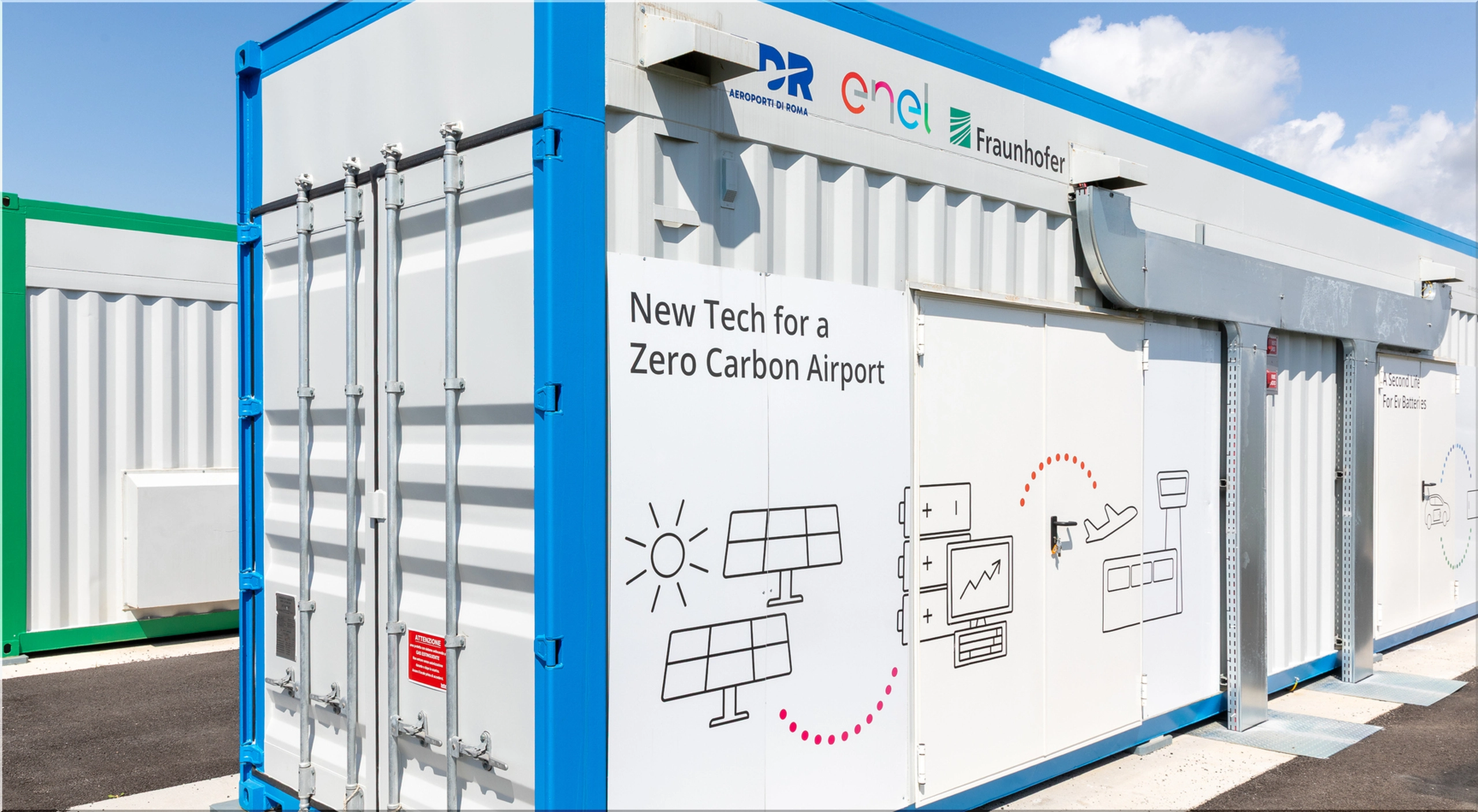
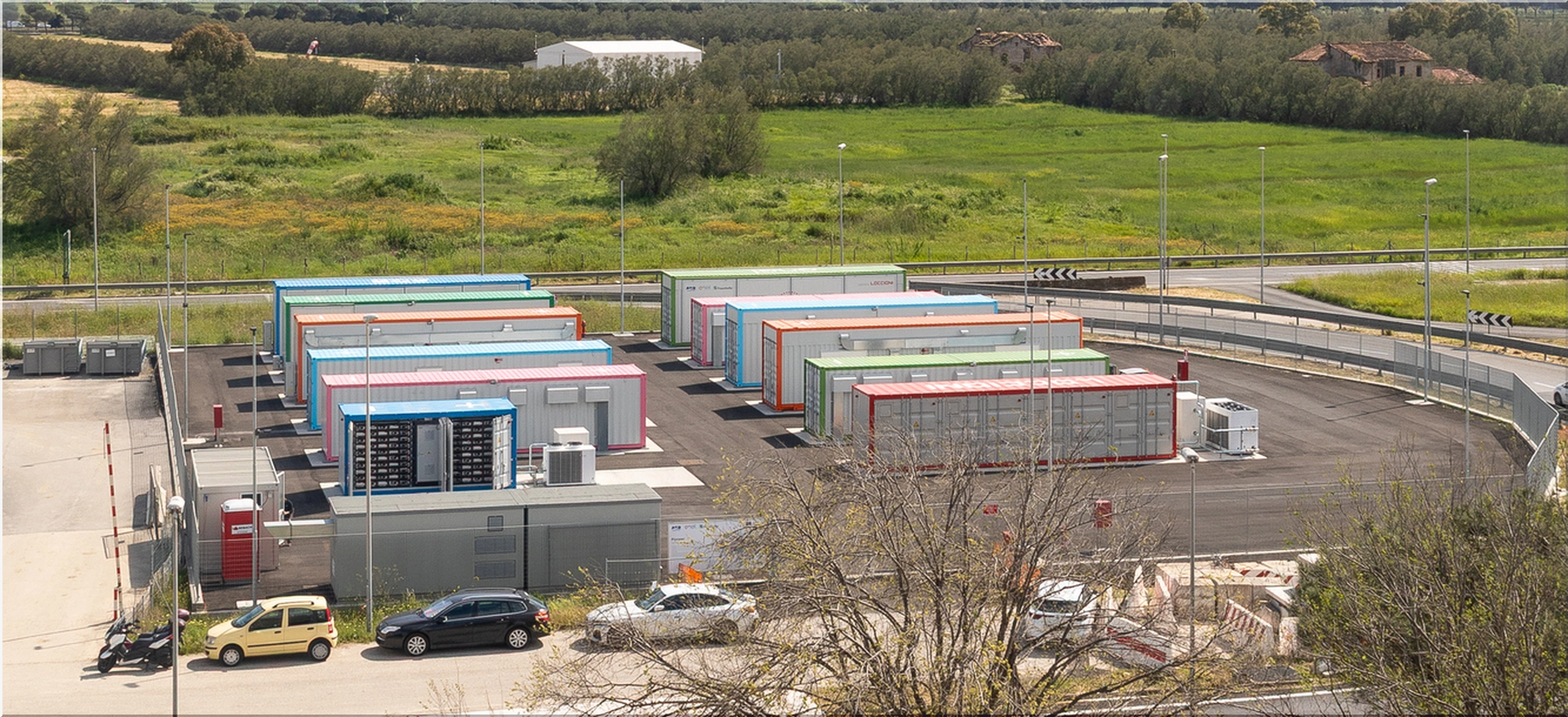
Nissan, Enel X, and Loccioni have launched a 10 MWh Battery Energy Storage System (BESS) at Rome's Fiumicino Airport. This project repurposes over 700 used Nissan LEAF batteries, integrating them with a 30 MW photovoltaic plant. The initiative, co-funded by the European Commission's Innovation Fund, enhances energy efficiency and reduces CO₂ emissions at the airport.
Key Project Details
- Location: Rome Fiumicino Airport
- Battery Source: Over 700 second-life Nissan LEAF batteries
- Storage Capacity: 10 MWh
- Photovoltaic Integration: 30 MW solar plant
- Project Partners: Nissan, Enel X, Loccioni
- Funding: European Commission's Innovation Fund
Technical Specifications
The BESS uses Nissan LEAF batteries at roughly 80% of their original capacity. These units are no longer fit for vehicle propulsion but work well for stationary storage.
The system stores surplus solar energy during the day. That energy powers the airport during high-demand periods, reducing grid dependence.
Environmental Impact
- CO₂ Emissions Reduction: Significant decrease in the airport’s carbon output
- Resource Optimization: Extends battery life, minimizing new production needs
- Sustainability: Applies circular economy principles to energy infrastructure
Economic Benefits
- Cost Savings: Lowers power costs through solar energy use
- Efficiency: Reduces dependence on external suppliers
- Innovation: Validates reusing Nissan LEAF batteries at scale
Conclusion
This project shows how second-life Nissan LEAF batteries can support national infrastructure. Rome’s airport now benefits from lower emissions and better energy control. By using existing materials, the effort cuts waste and cost. This model can apply to airports and power grids globally.
- Add new comment
- 97 views