U.S. Assembly Boosts Volvo XC60's Competitive Edge
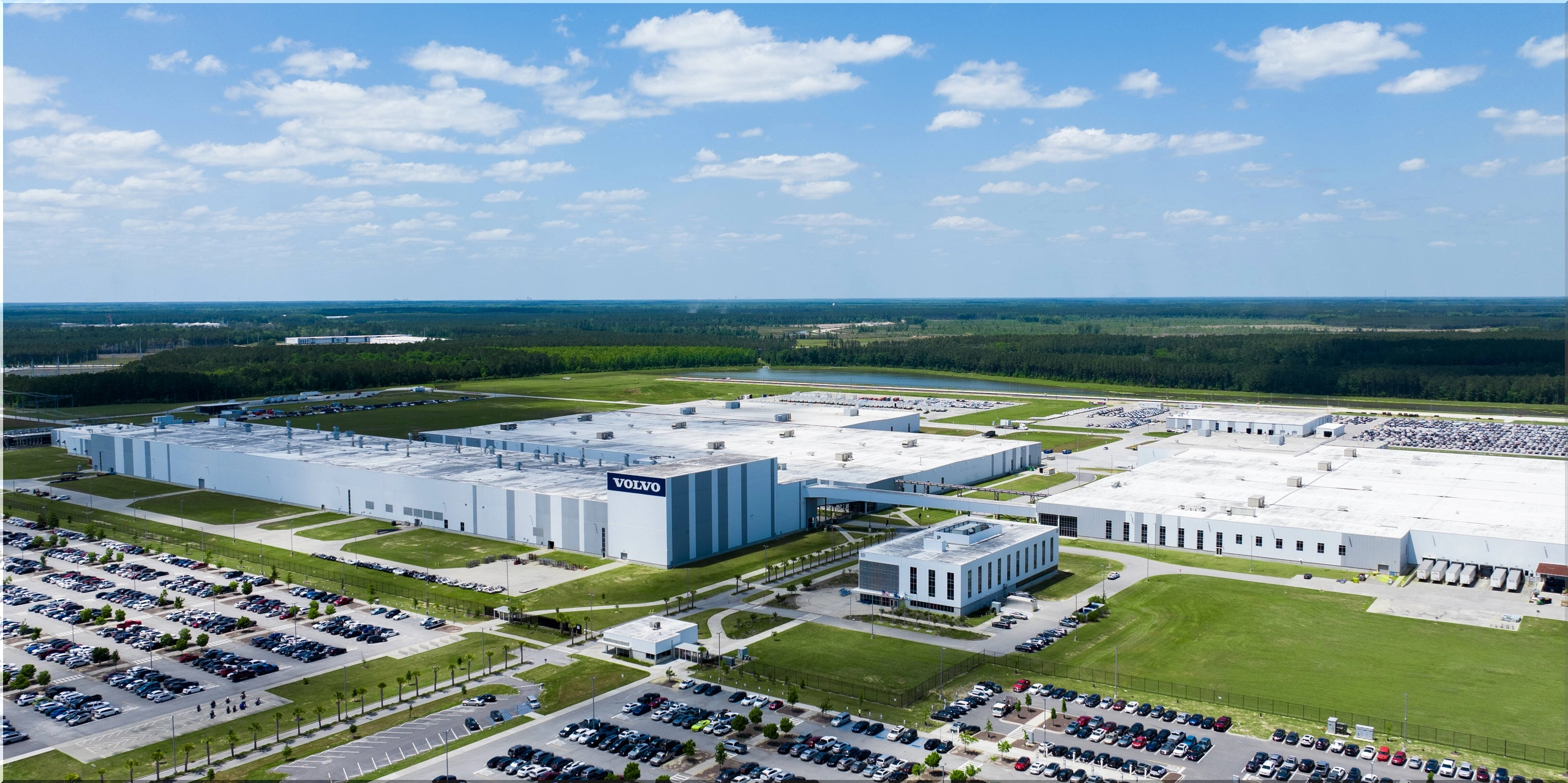
Volvo is moving XC60 production to its U.S. facility in Ridgeville, South Carolina. This marks a clear signal to the industry: Volvo is serious about U.S. manufacturing and domestic market share. Production is expected to start in late 2026.
The XC60 is Volvo’s top-selling model both globally and in the U.S. In the first half of 2025, U.S. XC60 sales grew by nearly 23%. Currently, this model accounts for over 33% of Volvo’s U.S. sales, and a quarter of those are plug-in hybrids.
Why Volvo Chose the XC60
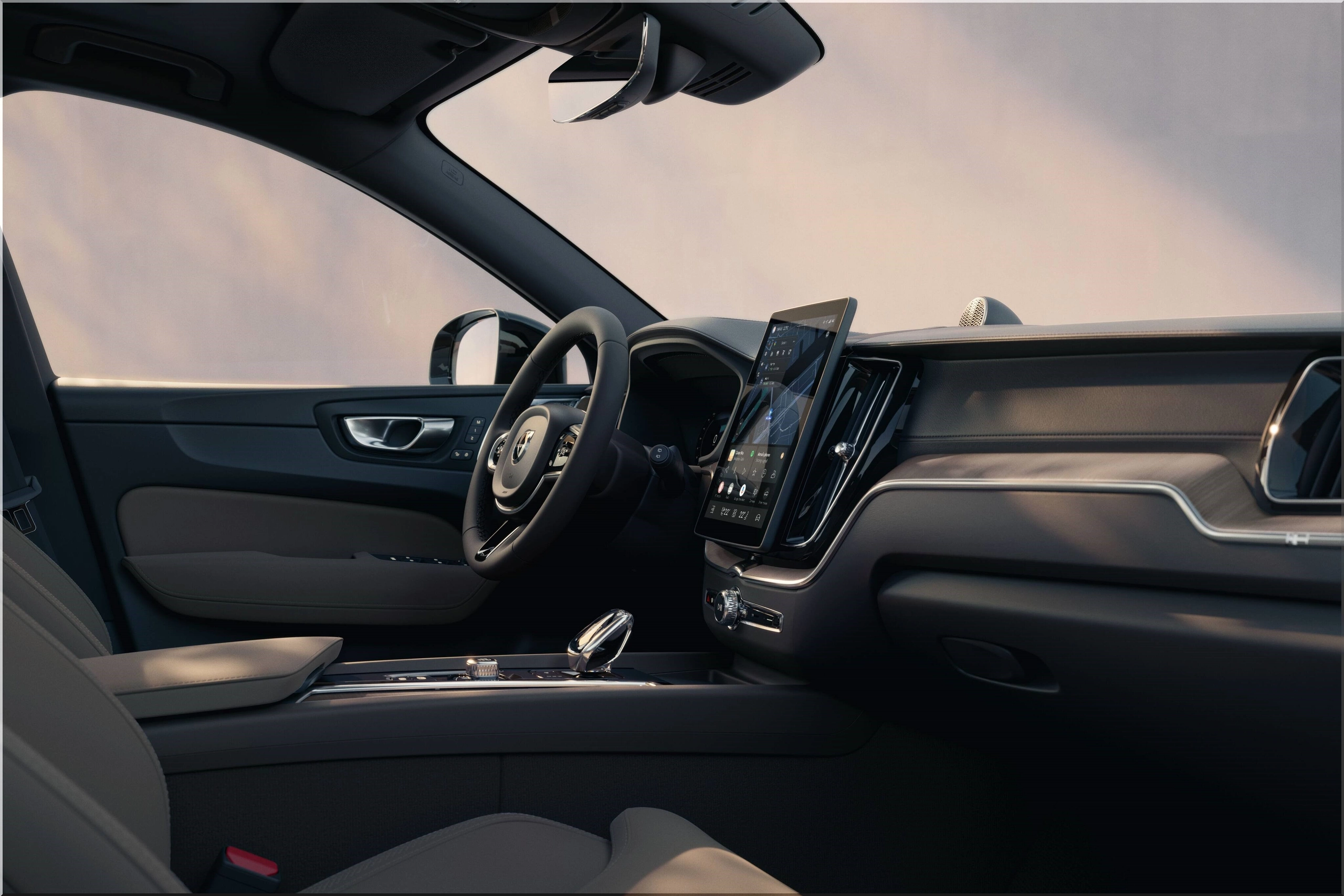
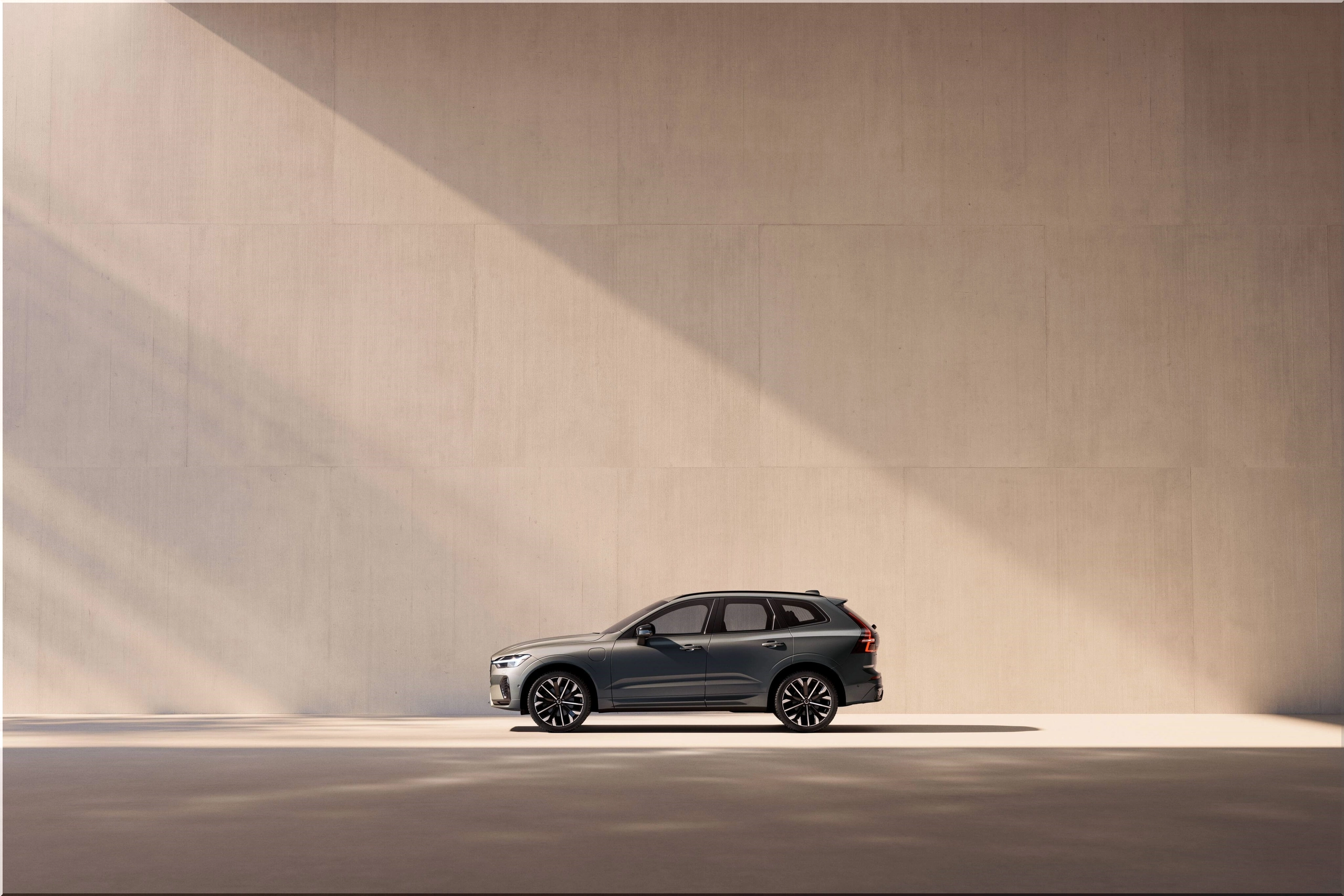
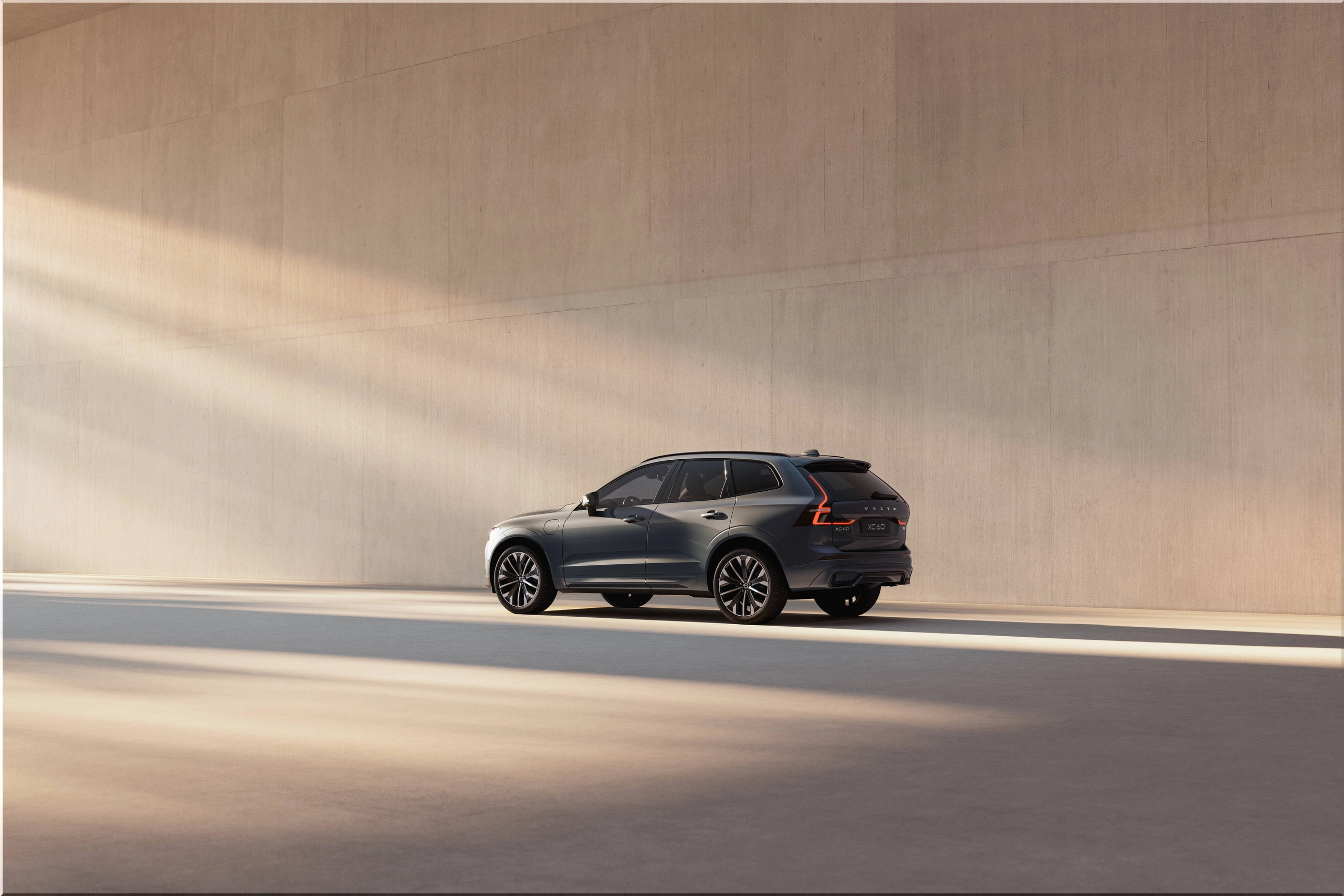
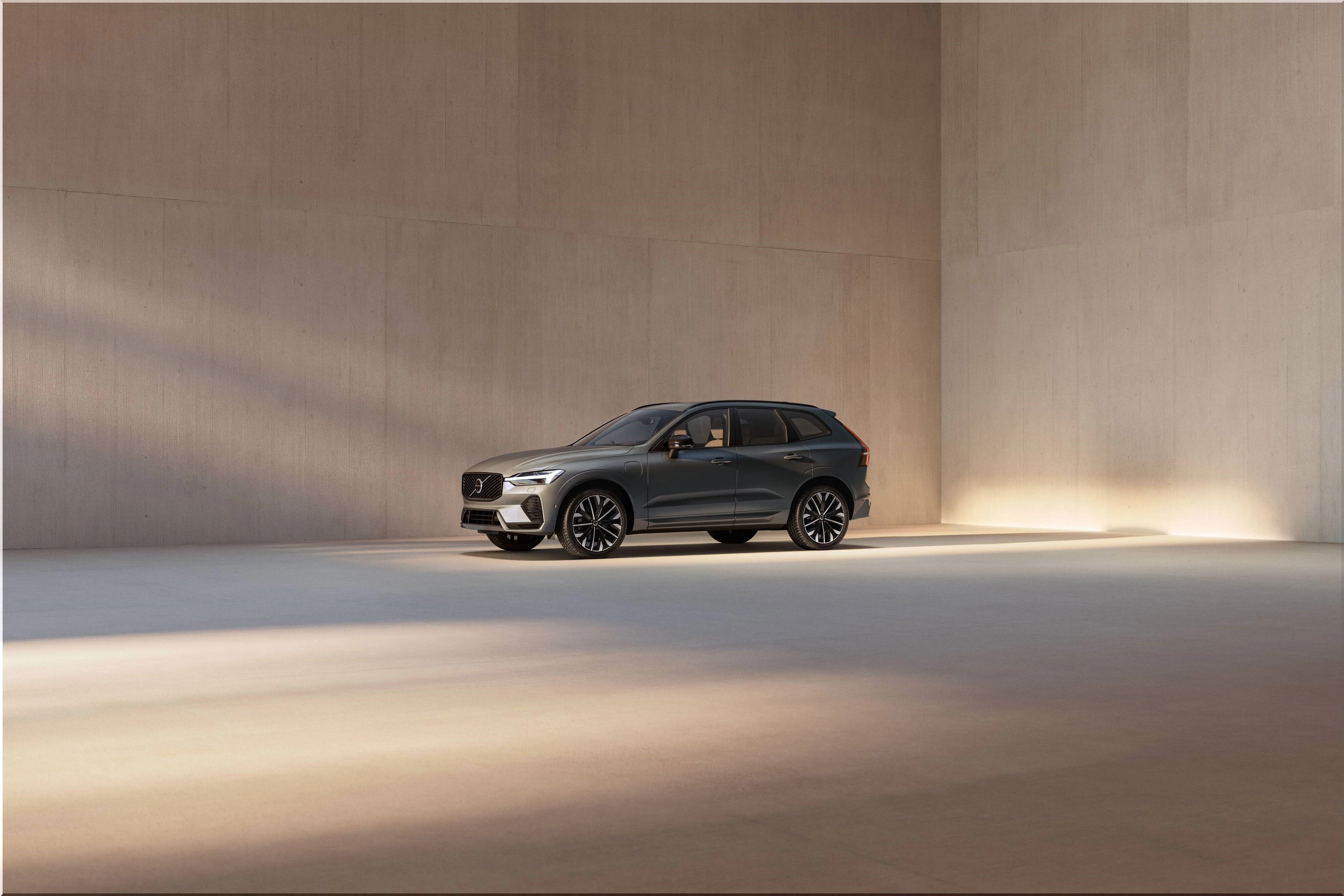
The XC60 is a mid-size luxury SUV that aligns with U.S. preferences. It offers:
- Hybrid options: mild-hybrid and plug-in hybrid variants.
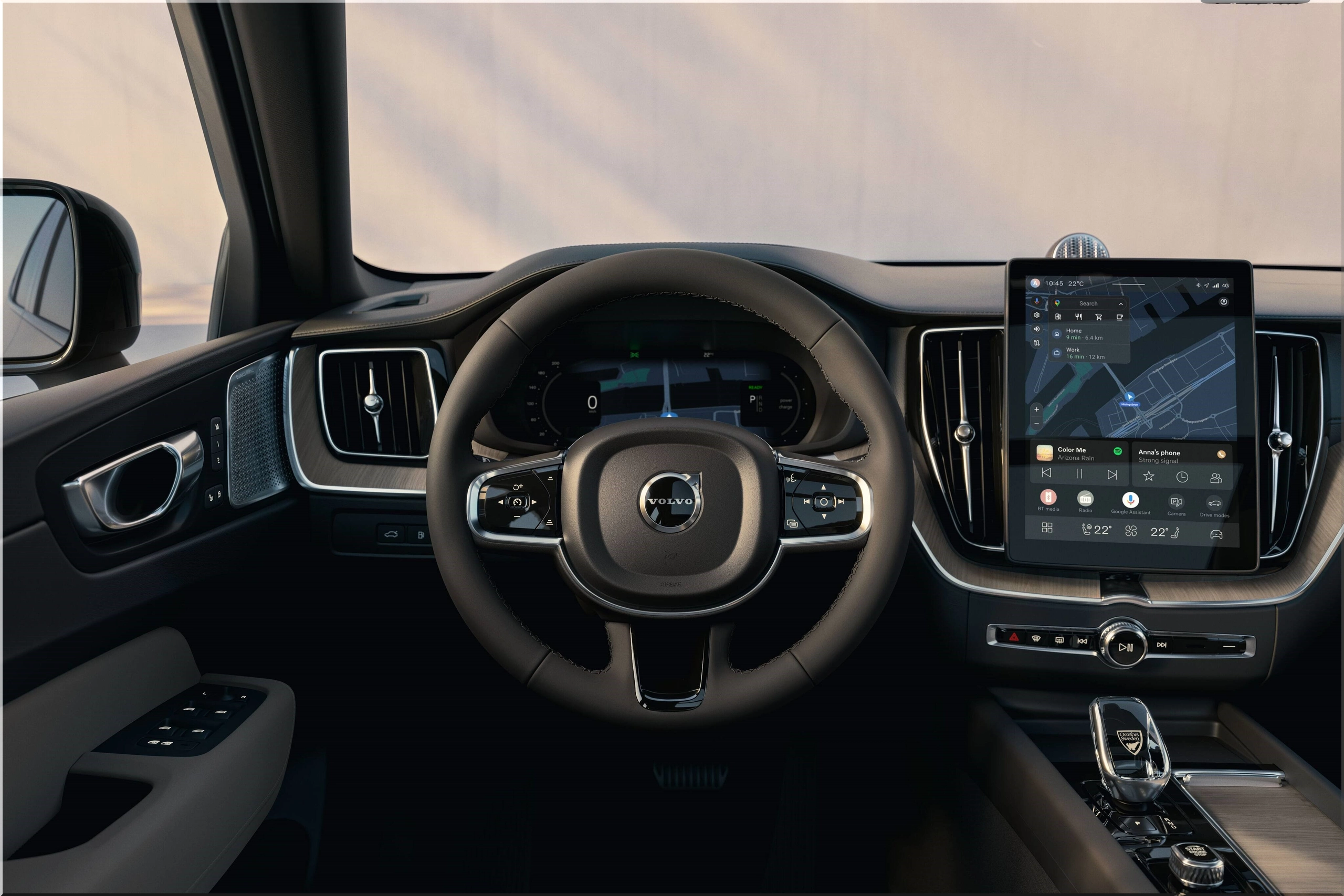
- Spacious interior: fits the needs of American families.
- Reputation for safety: a Volvo staple.
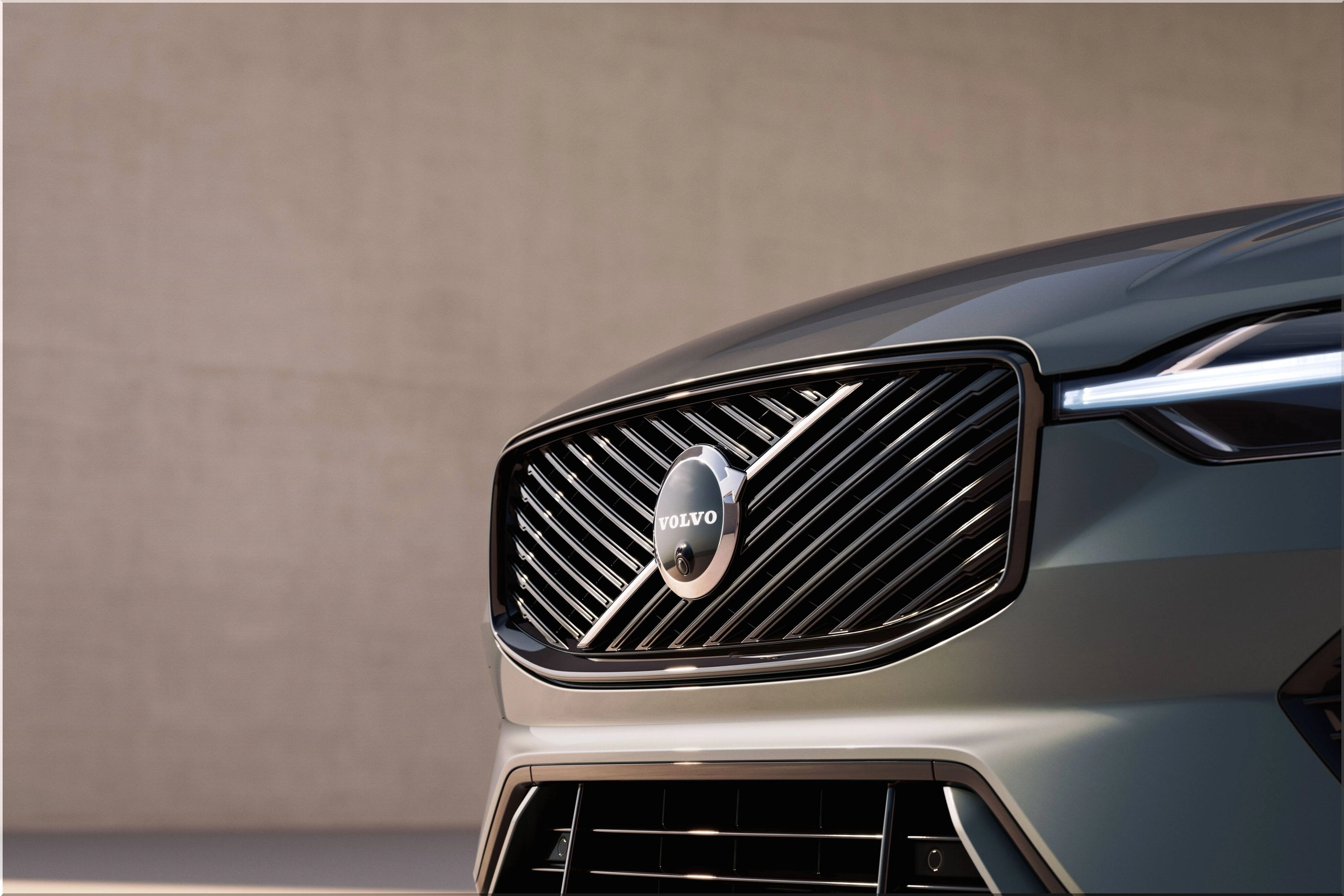
- Strong design: Scandinavian simplicity that appeals to premium buyers.
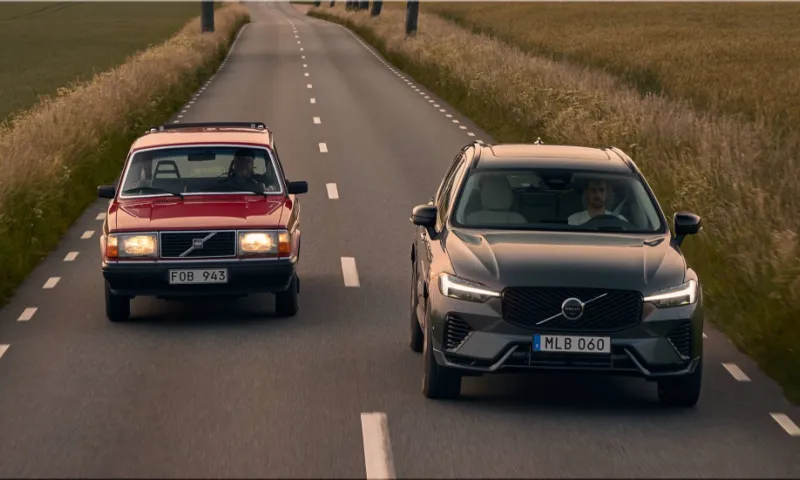
Volvo has already sold over 2.7 million XC60s globally, surpassing the 240 wagon to become the brand's all-time best-seller.
Plug-in Hybrid Popularity Accelerates Electrification Push
The XC60 ranks as the fourth-best-selling luxury plug-in hybrid in the U.S. That matters. Plug-in hybrids often serve as a transition technology for consumers hesitant to go fully electric.
Here’s what the shift looks like in numbers:
| Metric | Value |
|---|---|
| 2025 U.S. XC60 Sales Growth | +23% (First half YoY) |
| Share of Volvo U.S. Sales | 33% (XC60) |
| Share of XC60s Sold as Plug-In Hybrids | 25% |
| Global XC60 Units Sold | 2.7 million+ |
Local Production Means Faster Turnaround and Lower Costs
Producing the XC60 in South Carolina reduces logistics costs and improves delivery timelines. It also helps Volvo meet changing tariffs and “Made in USA” incentives.
Key facility investments:
- $1.3 billion USD invested since 2015.
- Expanded body and paint shops for increased capacity.
- State-of-the-art battery pack line for electrified variants.
The same site currently produces:
- The fully electric Volvo EX90 (7-seater SUV).
- The Polestar 3 (premium EV SUV).
The Ridgeville plant supports multiple platforms, giving Volvo flexibility as electrification expands.
Economic Impact: South Carolina Wins Big
Localizing XC60 production supports the U.S. economy while reinforcing Volvo’s long-term commitment to American buyers.
Benefits include:
- American manufacturing jobs (secured and expanded).
- Stronger supply chains.
- A vote of confidence in South Carolina’s industrial capacity.
Volvo executives praised the state’s entrepreneurial mindset and support from Governor Henry McMaster.
Timeline: What to Expect Next
- Now through 2026: Facility adjustments and hiring ramp up.
- Late 2026: U.S. production of XC60 begins.
- Post-2026: U.S.-assembled XC60s reach dealerships.
Why This Strategy Works for Volvo
Building cars close to the buyer isn't new. But for Volvo, it’s now essential. The U.S. is Volvo’s second-largest market, and American buyers are driving hybrid growth.
What the XC60 move achieves:
- Strengthens Volvo’s U.S. market share.
- Expands electrified powertrain availability.
- Reduces exposure to foreign production risks.
- Helps meet domestic sourcing regulations under recent legislation.

Competitive Landscape: Volvo vs. Rivals
The mid-size luxury SUV space is crowded. But local production could help the XC60 stand out among these heavyweights:
| Model | Powertrains Available | Built in U.S.? |
|---|---|---|
| Volvo XC60 | Mild Hybrid, Plug-In Hybrid | Soon (2026) |
| BMW X3 | Gasoline, Plug-In Hybrid, EV (iX3) | Yes |
| Mercedes GLC | Gasoline, Plug-In Hybrid | No |
| Audi Q5 | Gasoline, Plug-In Hybrid | No |
| Lexus NX | Gasoline, Hybrid, Plug-In Hybrid | Yes |
Volvo’s local production will align it with BMW and Lexus, its closest plug-in competitors with U.S. plants.
Risk Management: Diversifying Global Footprint
Moving XC60 production to the U.S. isn’t just about demand. It’s a hedge against geopolitical tension, logistics costs, and global parts shortages.
Volvo has other plants in:
- Sweden (Gothenburg)
- Belgium (Ghent)
- China (Chengdu, Daqing, Taizhou)
But with U.S. regulation shifting fast, North American production is becoming mandatory for long-term relevance.
Volvo's Bigger Picture
Volvo plans to become a fully electric carmaker by 2030. The Ridgeville plant, which already builds the EX90, is key to that strategy.
Quick financials from 2024:
- Revenue: SEK 400.2 billion (~USD 36.5 billion).
- Operating Profit: SEK 27 billion (~USD 2.46 billion).
- Global Sales: 763,389 vehicles.
The XC60 decision reinforces that Volvo wants a bigger slice of U.S. sales while securing domestic jobs and cutting lead times.
What It Means for U.S. Buyers
If you're buying a luxury SUV in late 2026 or beyond, the Volvo XC60 will now come from Charleston, South Carolina—not overseas. That means:
- Faster delivery.
- Better availability of trims and colors.
- Likely cost advantages tied to local assembly.
And with plug-in hybrid demand up, expect more incentives and supply chain stability across trims.
Bottom Line
Volvo isn’t just shipping its best-seller to the U.S.—it’s building it here. The move boosts competitiveness, job growth, and hybrid momentum in one shot. With sales rising and electrification accelerating, the XC60’s U.S. production marks a strategic shift with long-term payoff.
- Add new comment
- 195 views