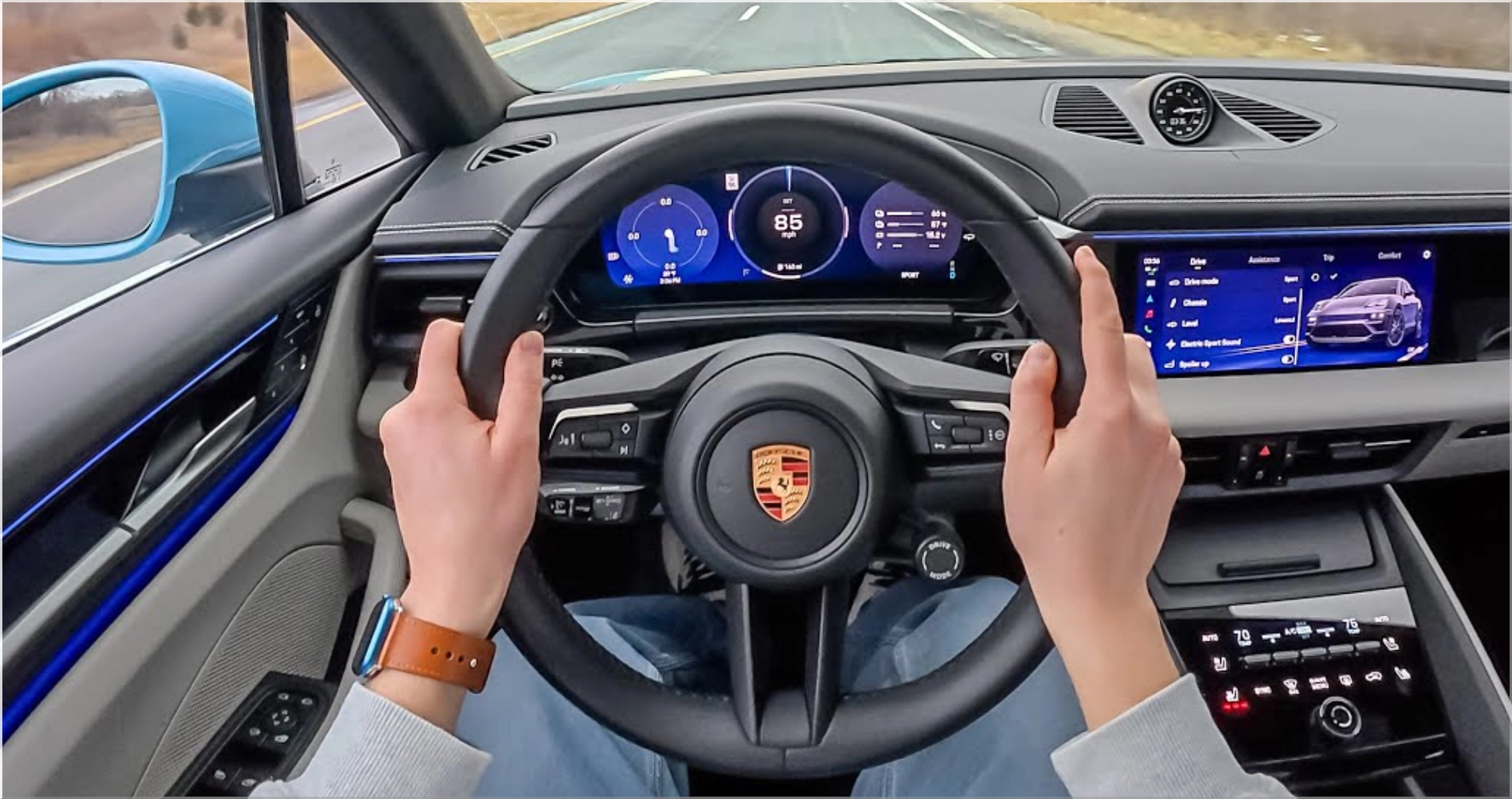
Porsche closed 2025 with 279,449 vehicles delivered worldwide. That figure marks a 10 percent decline year over year, down from 310,718 units. On the surface, that drop looks sharp. In context, it reflects deliberate choices, regional pressure, and a shifting powertrain mix rather than a collapse in demand.
The data reveals a company tightening supply, protecting margins, and recalibrating its product cadence during a volatile period for global auto sales. Porsche did not chase volume. It focused on value.
Below, we break down what actually happened, where demand held, where it softened, and what these results signal for 2026.
Global Deliveries in 2025: The Big Picture
Porsche entered 2025 after several record years. Management expected a pullback. That forecast proved accurate.
Key global figures:
- Worldwide deliveries: 279,449 vehicles
- Year-over-year change: -10 percent
- Electrified share: 34.4 percent
- Fully electric: 22.2 percent
- Plug-in hybrid: 12.1 percent
The company leaned on a value-over-volume strategy. Supply gaps affected several combustion models. China demand weakened further in the luxury segment. Europe faced regulatory friction. None of this came as a surprise.
What matters is how Porsche managed through it.
Regional Performance: Where Porsche Held the Line
North America Remains the Anchor
North America stayed Porsche's largest market in 2025.
- Deliveries: 86,229 vehicles
- Change vs. 2024: Flat
That stability matters. Many premium brands saw double-digit drops in the region. Porsche avoided that outcome through tight allocation and steady demand for SUVs and sports cars.
The U.S. market continues to reward Porsche's pricing discipline and broad drivetrain mix.
Europe Softens Under Regulatory Pressure
Europe delivered mixed results.
- Europe excluding Germany: 66,340 vehicles (-13 percent)
- Germany: 29,968 vehicles (-16 percent)
The decline ties directly to EU cybersecurity rules that disrupted availability of combustion-powered 718 and Macan models. This was not a demand issue. It was a compliance bottleneck.
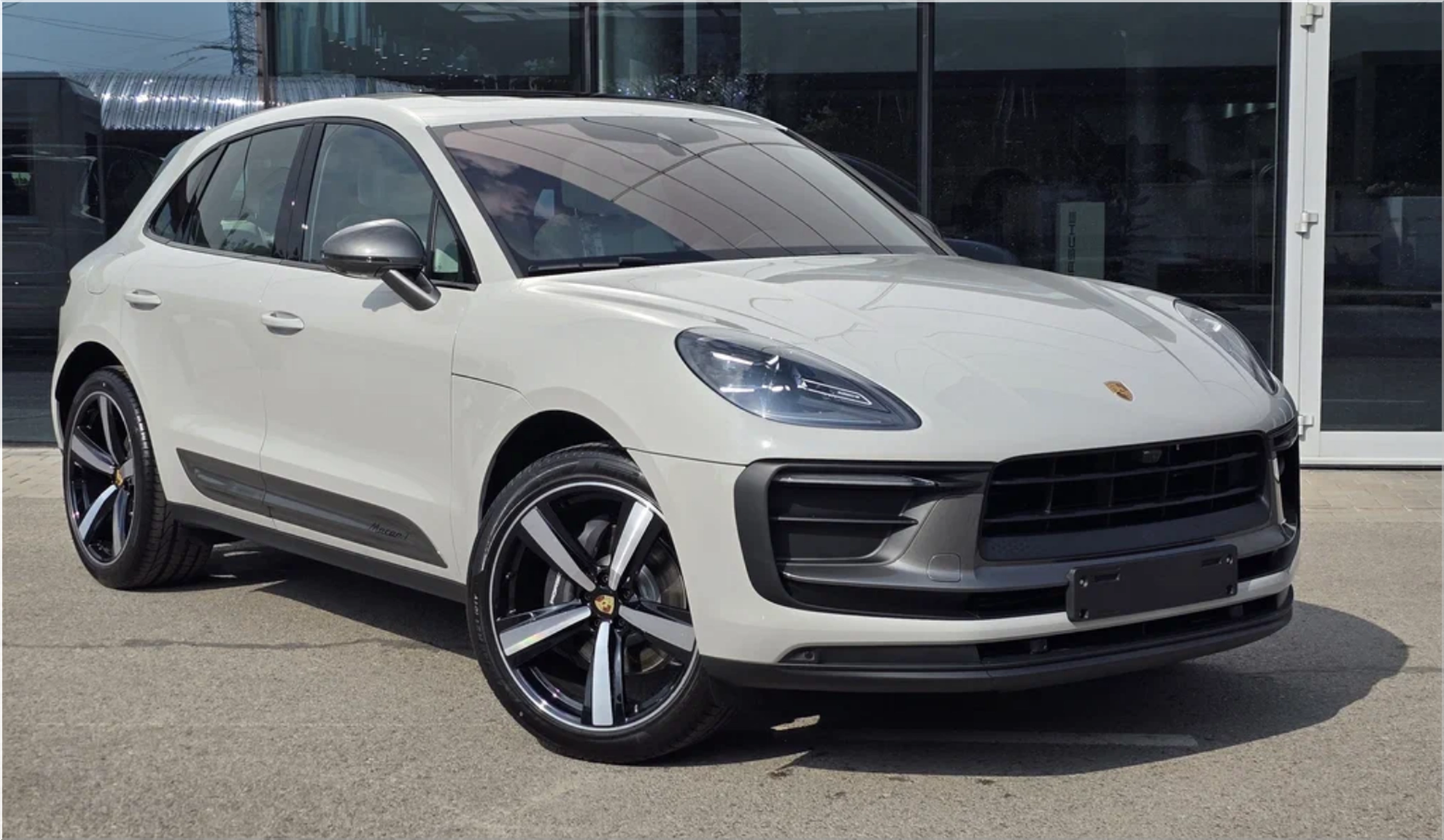
Electrification offset some losses. For the first time, electrified Porsche models outsold pure combustion vehicles in Europe, with an electrification share of 57.9 percent.
China Continues to Slide
China remained Porsche's weakest link.
- Deliveries: 41,938 vehicles
- Change vs. 2024: -26 percent
Luxury demand stayed soft. Local EV competition intensified. Porsche chose restraint instead of incentives. That decision hurt volume but protected brand pricing.
This market remains the biggest variable heading into 2026.
Model Line Performance: Clear Winners and Pressure Points
Macan Leads the Brand
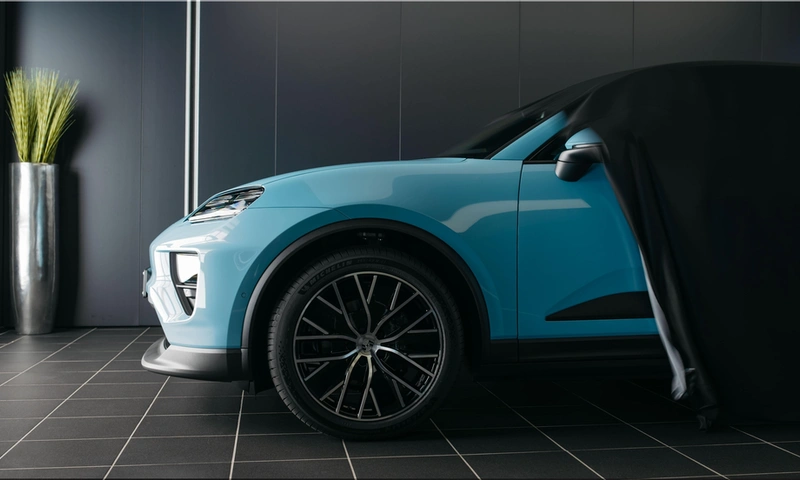
The Macan remained Porsche's best-selling model line.
- Total deliveries: 84,328 vehicles
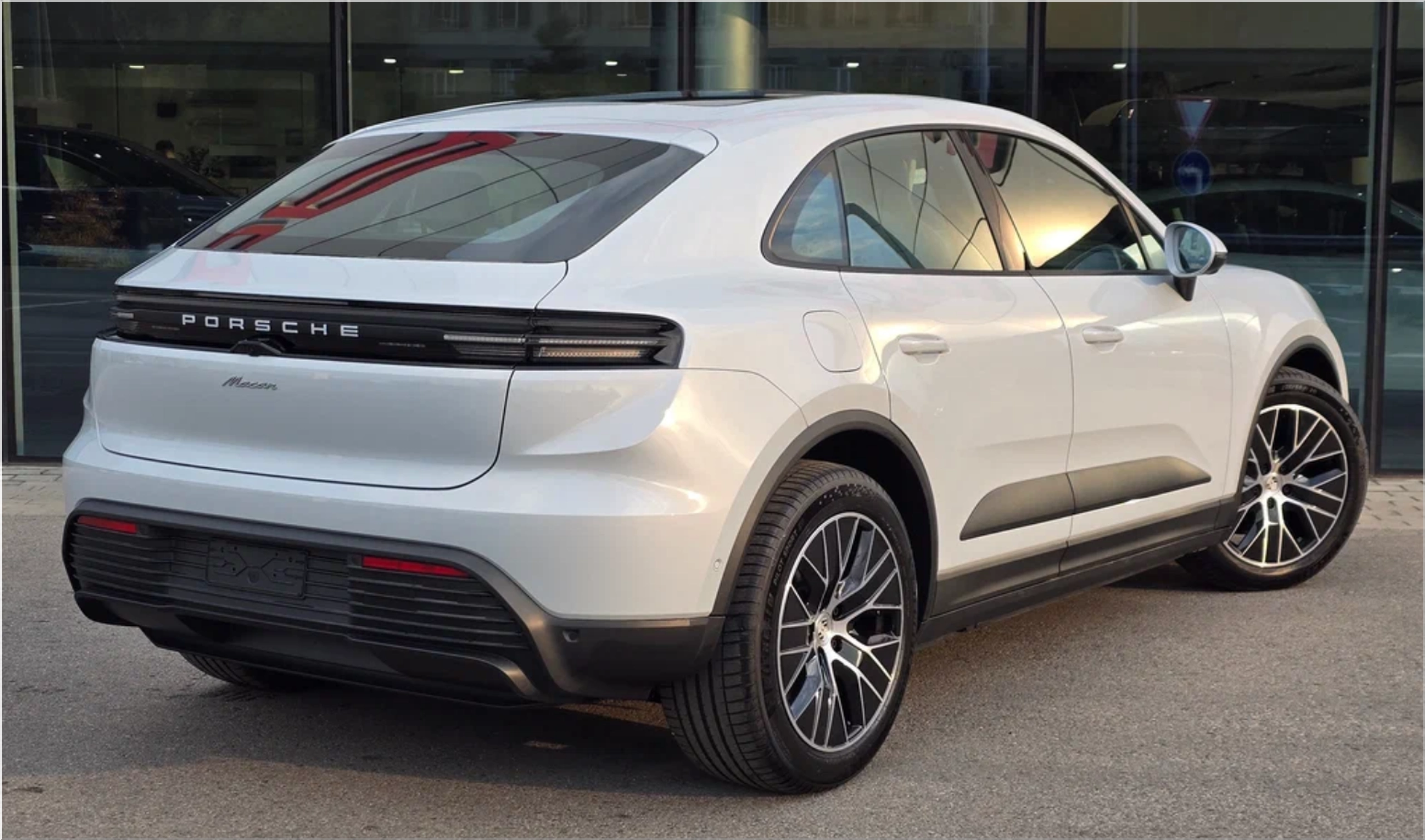
- Fully electric Macan: 45,367 units
- Combustion Macan: 38,961 units
More than half of all Macans sold were electric. That shift matters. The electric Macan now carries the weight of Porsche's volume strategy in several markets.
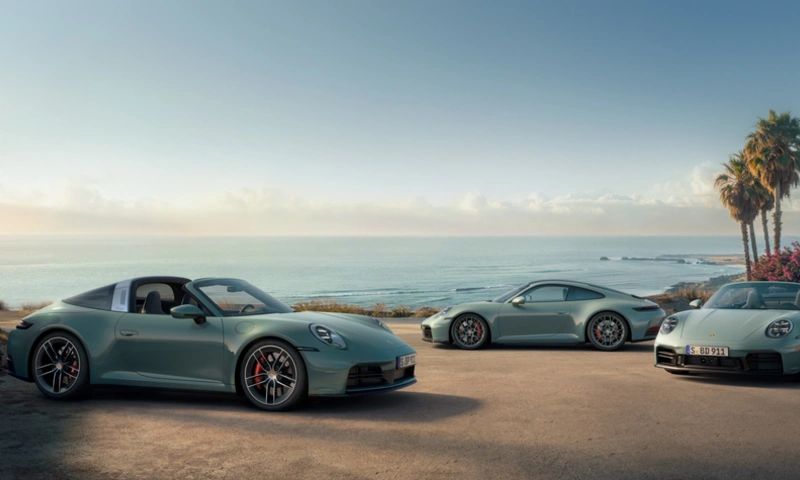
911 Sets Another Record
The 911 continued its steady climb.
- Deliveries: 51,583 vehicles
- Year-over-year change: +1 percent
That result stands out in a down year. The 911 Turbo S, now offered with a T-Hybrid system, helped sustain interest and pricing power.
Porsche still knows how to sell sports cars.
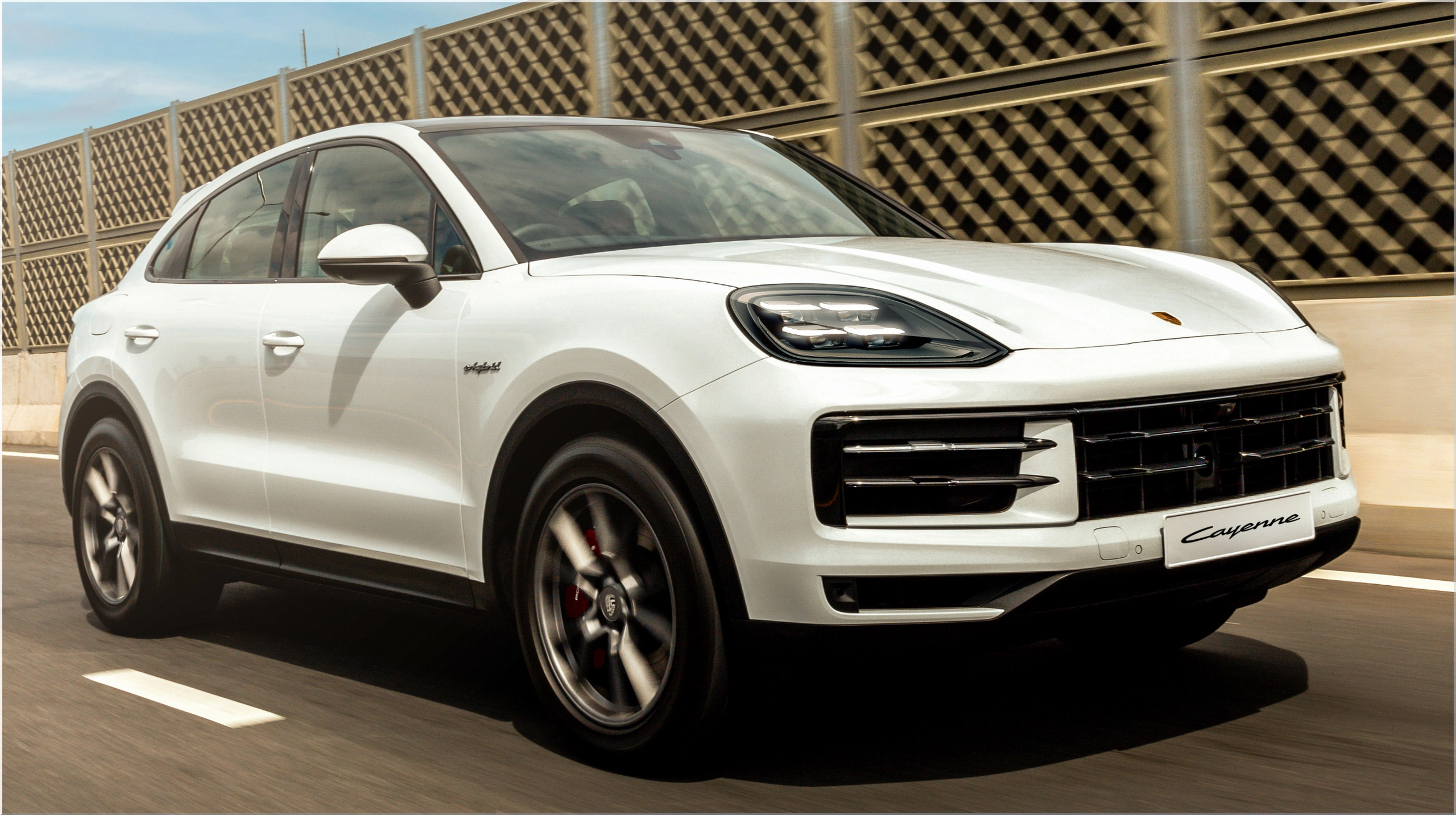
Cayenne Holds Despite Transition
- Deliveries: 80,886 vehicles
- Change vs. 2024: -21 percent
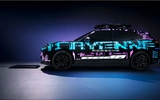
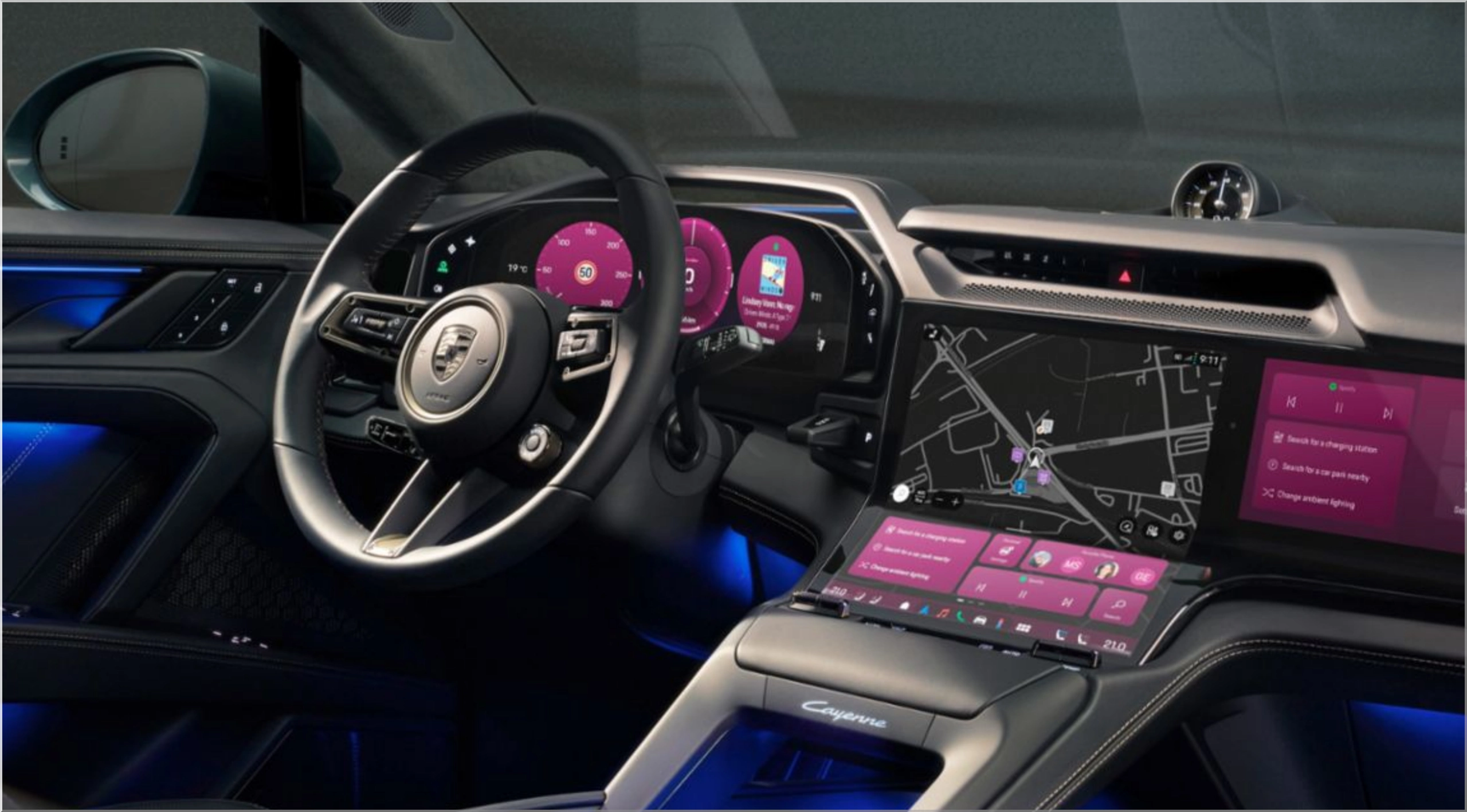
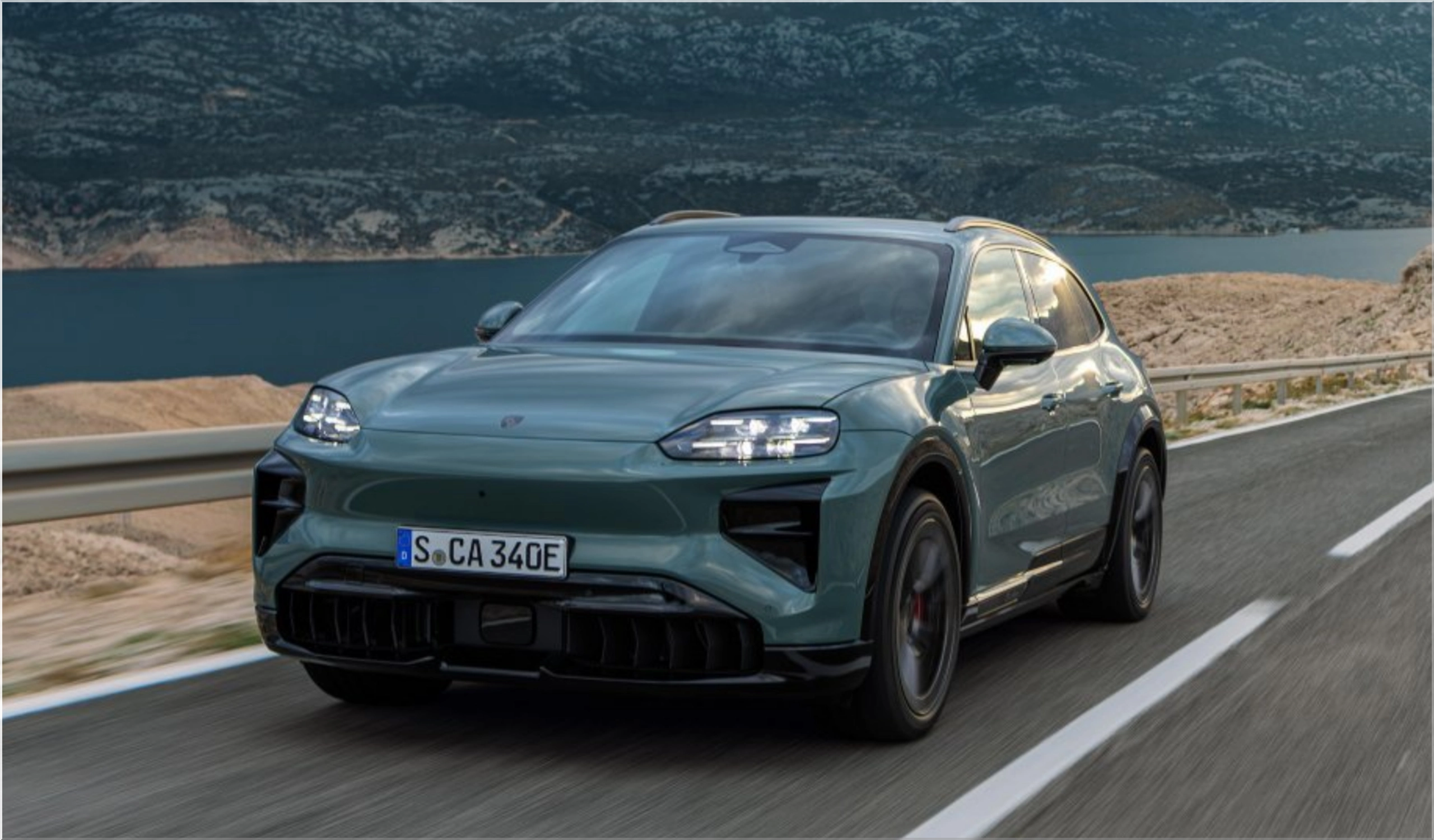
The decline reflects a timing issue. Porsche introduced the fully electric Cayenne late in 2025. Deliveries begin in earnest in 2026. Combustion and plug-in hybrid versions remain available, but buyers paused ahead of the new EV.
Taycan Faces EV Reality
- Deliveries: 16,339 vehicles
- Change vs. 2024: -22 percent
The slowdown mirrors broader EV demand patterns. Porsche did not push incentives. That choice reduced volume but maintained residual values.
718 Nears the End
- Deliveries: 18,612 vehicles
- Change vs. 2024: -21 percent
- Production end: October 2025
The 718 Boxster and Cayman are in phase-out mode. Supply constraints and lifecycle timing explain the drop.
Electrification Strategy: Measured, Not Rushed
Porsche continues to run a three-pronged powertrain strategy:
- Combustion
- Plug-in hybrid
- Fully electric
In 2025, 34.4 percent of global deliveries were electrified. That figure hit the upper end of Porsche's target range. Europe already crossed a tipping point. Other regions will follow at different speeds.
This approach reduces risk. It also keeps Porsche flexible as EV adoption rates fluctuate.
Comparison Table: Porsche vs Key Premium Rivals (2025)
Below is a market snapshot comparing Porsche with other premium performance brands.
| Brand | 2025 Global Deliveries | Electrified Share | Core Strategy |
|---|---|---|---|
| Porsche | 279,449 | 34.4 percent | Value-focused, mixed drivetrains |
| BMW | ~2.55 million | ~18 percent | High volume, broad lineup |
| Mercedes-Benz | ~2.04 million | ~19 percent | Luxury scale, EV expansion |
| Audi | ~1.9 million | ~17 percent | Volume recovery focus |
Porsche operates at a different scale. That difference allows tighter control over pricing and supply.
What the 2025 Numbers Really Mean
These results point to three clear conclusions.
Porsche Protected Margin Over Market Share
The brand did not chase lost volume in China or Europe. It managed supply. That decision supports long-term pricing power.
EV Growth Stayed Disciplined
Electric sales grew without flooding the market. Porsche avoided deep discounts. That stance supports resale values and brand equity.
Product Timing Mattered
The Cayenne EV launch timing, 718 phase-out, and Macan transition shaped the year. These factors shift in 2026.
What Happens Next in 2026
Porsche enters 2026 with clearer visibility.
Key moves ahead:
- Ramp-up of electric Cayenne deliveries
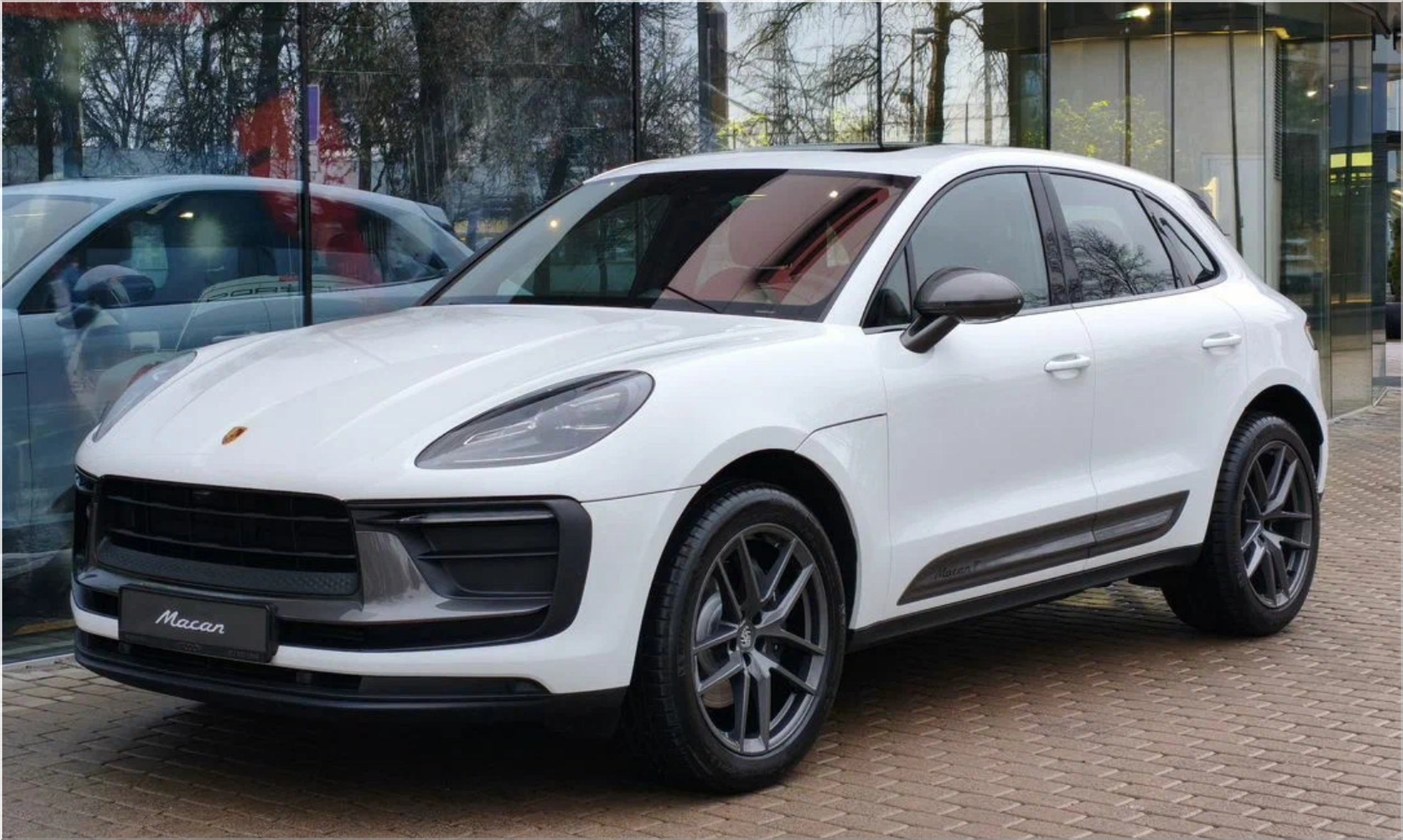
- Continued rollout of electric Macan across markets
- Expanded Exclusive Manufaktur and Sonderwunsch personalization programs
- Ongoing supply control aligned with demand
Management plans volumes conservatively. The goal remains stable returns, not headline numbers.
Pro Tip for Buyers and Investors
Watch the mix, not the totals. Porsche's strategy centers on per-unit value. Delivery swings matter less than pricing stability and demand for high-margin trims.
If electrified models continue to gain share without incentives, Porsche stays on track.
What Now
- Expect moderate volume growth in 2026, led by SUVs.
- Expect continued pressure in China.
- Expect EV adoption to rise unevenly by region.
- Expect Porsche to stay patient.
The 2025 data shows a company choosing control over chaos. That choice defines Porsche's next phase.
- Add new comment
- 101 views