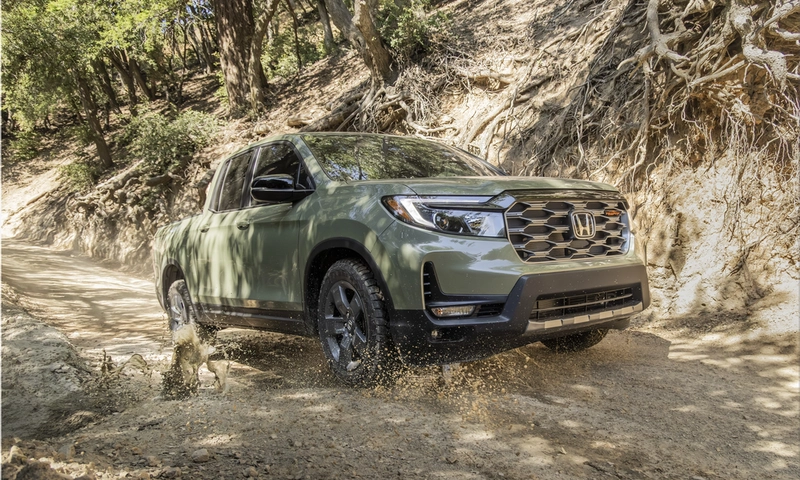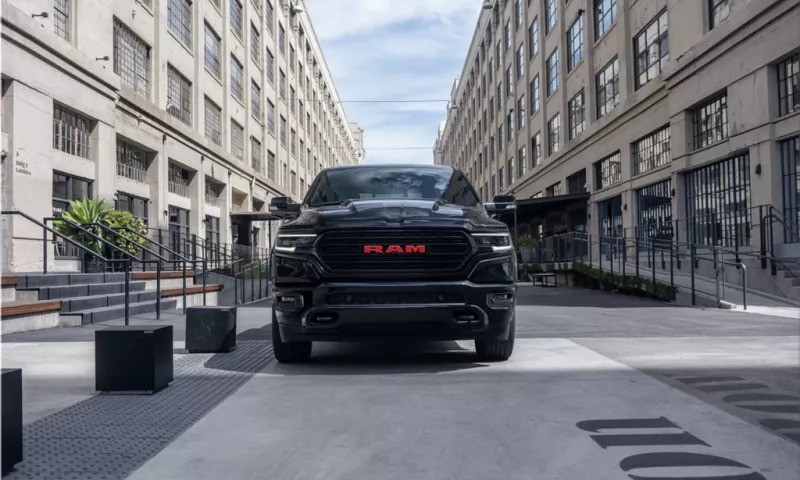
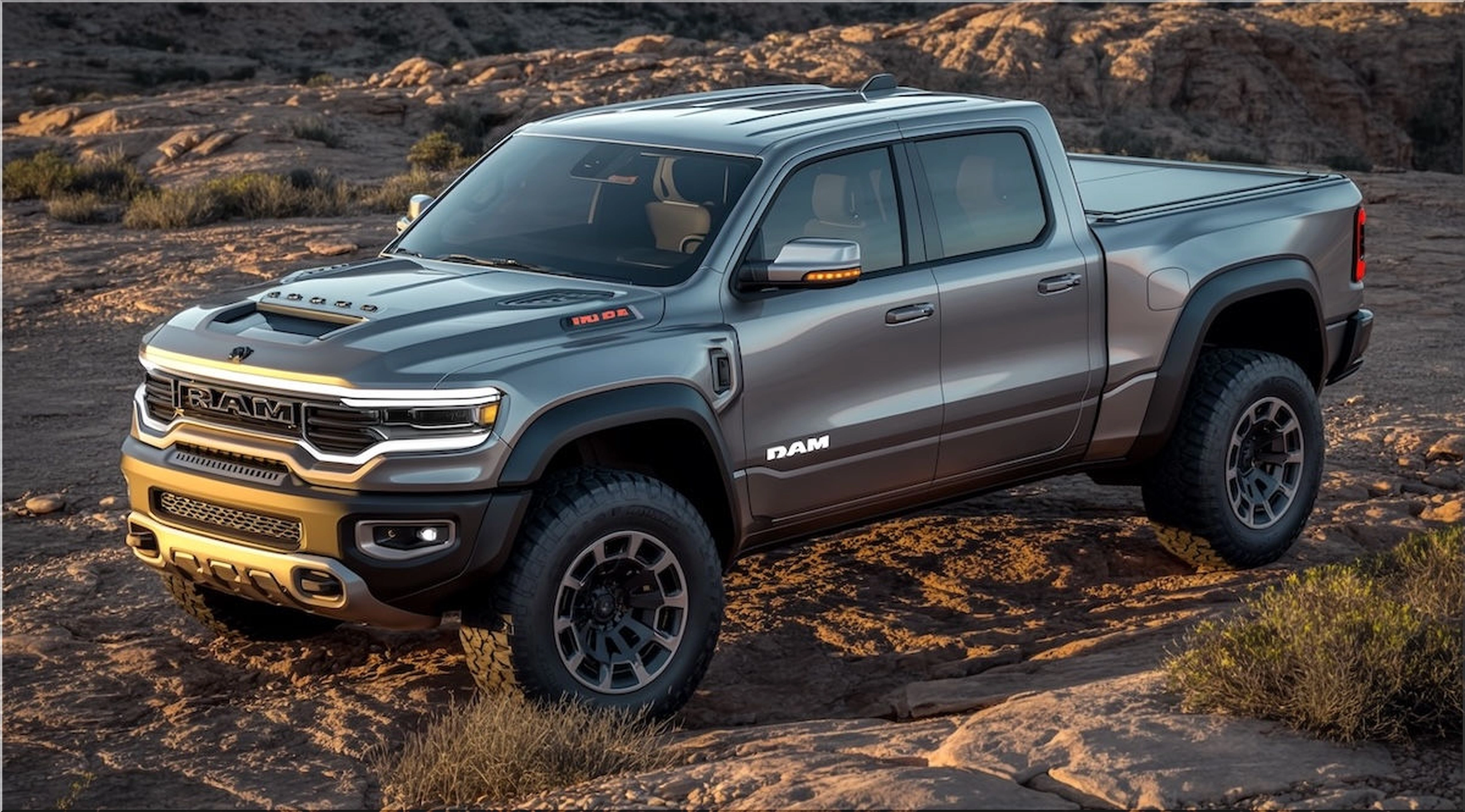
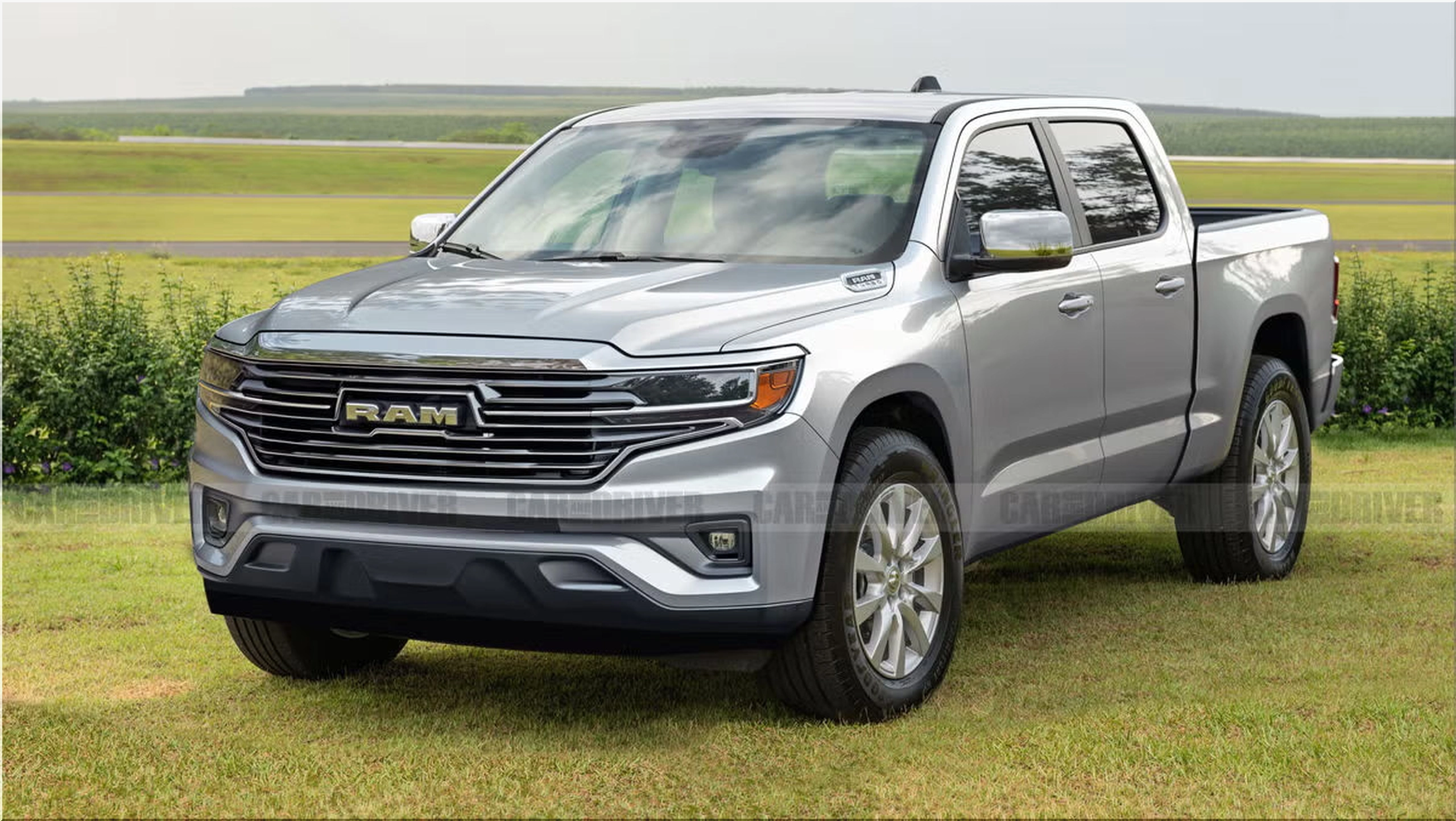
Ram has waited far too long to get back into the midsize pickup fight. The 2028 Ram Dakota looks like the brand's answer to that gap, and the early signals point in one direction: Ram wants a body-on-frame truck with honest towing, usable payload, and pricing that lands below a Ram 1500 without drifting into bargain-bin compromise.
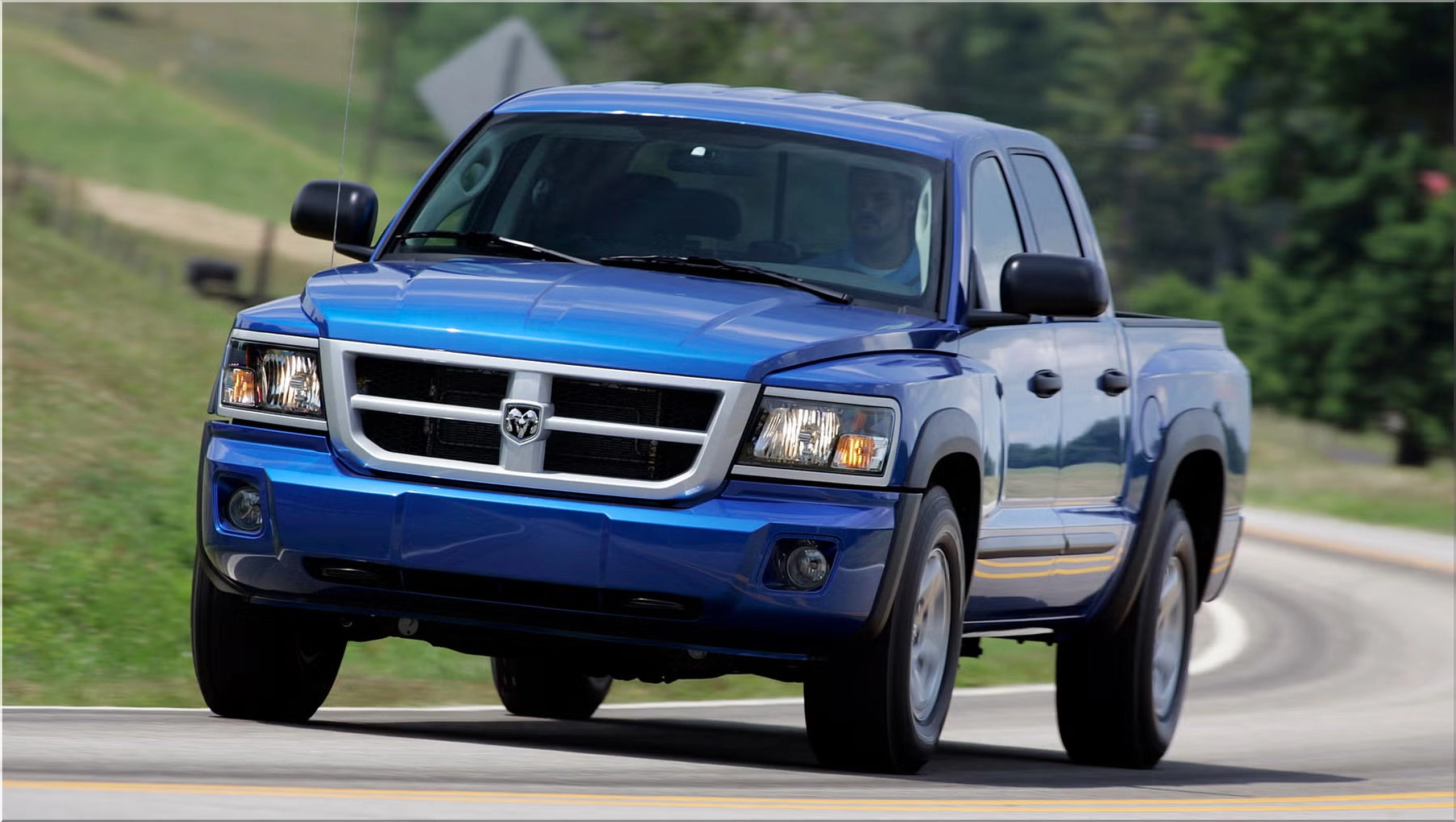
Looking at the data, that strategy makes sense. Ram walked away from the midsize segment after the old Dakota ended production in 2011, while Toyota Tacoma, Ford Ranger, and Chevrolet Colorado kept building share and dealer traffic. Now Ram appears ready to return with a truck aimed at the center of the market, where buyers still want crew-cab comfort but also want a frame, a rear axle that can take abuse, and a bed that does more than carry patio cushions.
What We Know About the 2028 Ram Dakota So Far
The strongest thread running through the current reporting stays consistent: the North American Ram Dakota will be a different truck from the South American Dakota. It should be built in Toledo, Ohio, and it should ride on a body-on-frame architecture that puts it in direct competition with the Tacoma, Ranger, Colorado, and Jeep Gladiator.
Specifically, multiple reports point to Toledo Assembly as the production site, with Stellantis moving an all-new midsize truck program there for a 2028 launch window. That matters because Toledo already builds the Wrangler and Gladiator. Ram does not need to teach that plant what a ladder-frame vehicle looks like or how to build one at scale. It can use that existing manufacturing knowledge to cut risk.
Dealer reactions from the NADA preview also line up around the same themes: aggressive styling, the right size, and real sales potential. That does not give us hard specs yet, but it does tell us Ram showed retailers something that looked market-ready rather than a vague styling exercise.
Core facts currently tied to the truck
- Launch window: 2028 model year
- Assembly location: Toledo Assembly Complex, Ohio
- Vehicle type: midsize pickup truck
- Chassis direction: body-on-frame
- Primary rivals: Toyota Tacoma, Ford Ranger, Chevrolet Colorado, Jeep Gladiator
- Price expectation: roughly $35,000 to $48,000
- Likely focus: towing, payload, off-road credibility, and lower entry price than a Ram 1500
Why Toledo and a Ladder Frame Make Strategic Sense
This part matters. A lot.
By comparison, Ram could have chased a cheaper unibody truck route and tried to split the difference between lifestyle pickup and work tool. Instead, every meaningful signal says the Dakota will chase truck capability first. That decision would place it on the same side of the market as Tacoma, Ranger, Colorado, and Gladiator rather than the more crossover-adjacent logic of a unibody pickup.
From an expert perspective, that gives Ram three immediate benefits:
- It lets the truck post credible tow and payload numbers.
- It gives Ram a clean story for commercial users and outdoor buyers.
- It avoids internal overlap with smaller, lighter-duty concepts that would struggle to justify the Dakota name.
A ladder frame also opens the door to wider trim spread. Ram can sell a low-cost work trim, a nicer Big Horn or Laramie-type version, and eventually a Rebel-style off-road model without rewriting the truck's entire engineering brief.
Estimated Pricing and Trim Walk
Car and Driver's current estimate places the 2028 Ram Dakota price between $35,000 and $48,000, which would put the truck right in the middle of the segment. That range looks realistic. It also fits the dealer chatter suggesting Ram wants a midsizer that lands roughly $10,000 below a full-size Ram 1500.
Estimated trim ladder
| Estimated Trim | Estimated MSRP (USD) | Positioning |
|---|---|---|
| Tradesman | $35,000 | Work-truck entry point, fleet-friendly |
| Big Horn | $38,000 | Volume trim with daily-driver features |
| Laramie | $42,000 | Higher equipment, more comfort tech |
| Rebel | $46,000 | Off-road package, all-terrain appeal |
| Limited | $48,000 | Premium trim with full feature load |
That spread gives Ram room to play offense. A $35,000 base truck gets buyers in the door. A $38,000 to $42,000 sweet spot gives dealers something easy to stock. A Rebel trim adds margin and attention. Ram knows how to do trim strategy. The question is whether it can hit that price band without letting weight or powertrain cost get away from it.
Powertrain Outlook: Pentastar, Hurricane, or Hybrid?
Ram has not released official Dakota engine details yet. That leaves room for logic.
The most discussed options include a 3.6-liter Pentastar V-6, Stellantis' 2.0-liter turbocharged Hurricane4, and some form of hybrid support. A V-8 looks highly unlikely, and that is the right call. A midsize truck needs efficient packaging, lower front-end mass, and pricing discipline more than it needs eight cylinders and a spec-sheet flex.
Consequently, the likely powertrain logic looks like this:
- Base engine: naturally aspirated V-6 or lower-output turbo-four
- Mid/high trims: stronger turbo-four
- Future play: hybrid system to answer Tacoma's efficiency angle
If Ram uses the 2.0-liter turbo path, the benefit goes beyond peak output. A modern turbo-four can deliver stronger midrange torque, which helps a midsize truck feel less strained with a trailer attached or a bed full of tools. If Ram adds hybrid assist later, it could improve launch response, fuel economy, and low-speed drivability in traffic and on trails.
Capability targets the Dakota likely needs
| Metric | Estimated Competitive Target | Why It Matters |
|---|---|---|
| Payload | 1,200 to 1,600 lb | Keeps pace with class norms for work and recreation |
| Towing | Up to 7,700 lb | Matches the upper edge of the midsize truck fight |
| Drivetrains | 4x2 and 4x4 | Needed for fleet and retail coverage |
| Cab style | Crew cab priority | Segment volume lives here |
| Bed length | Short bed first | Most common retail configuration |
- umbers decide daily usability.
- If Ram offers a hybrid early, that version could become the real headline truck.
The Size Question: How Big Should the Dakota Be?
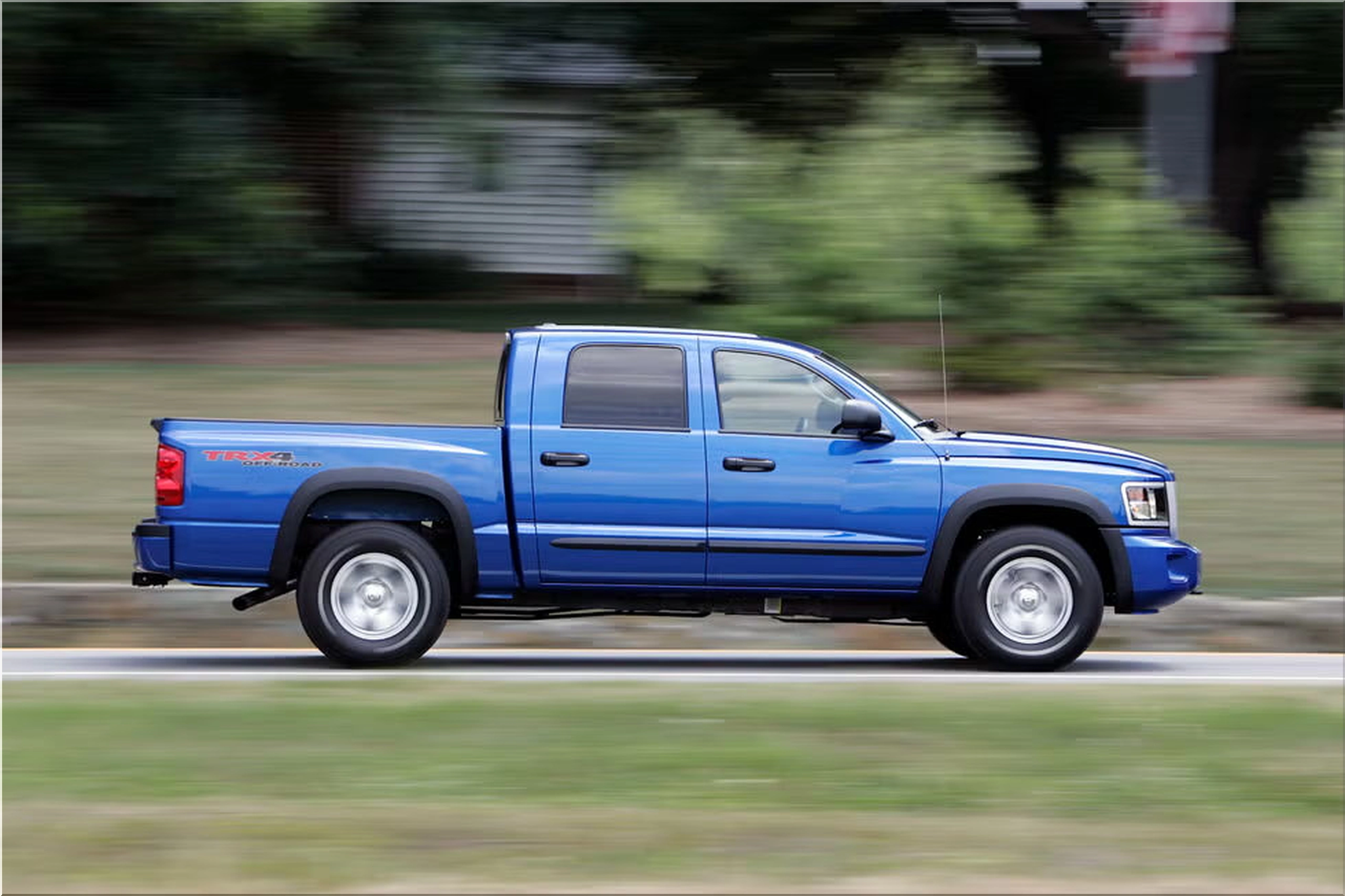
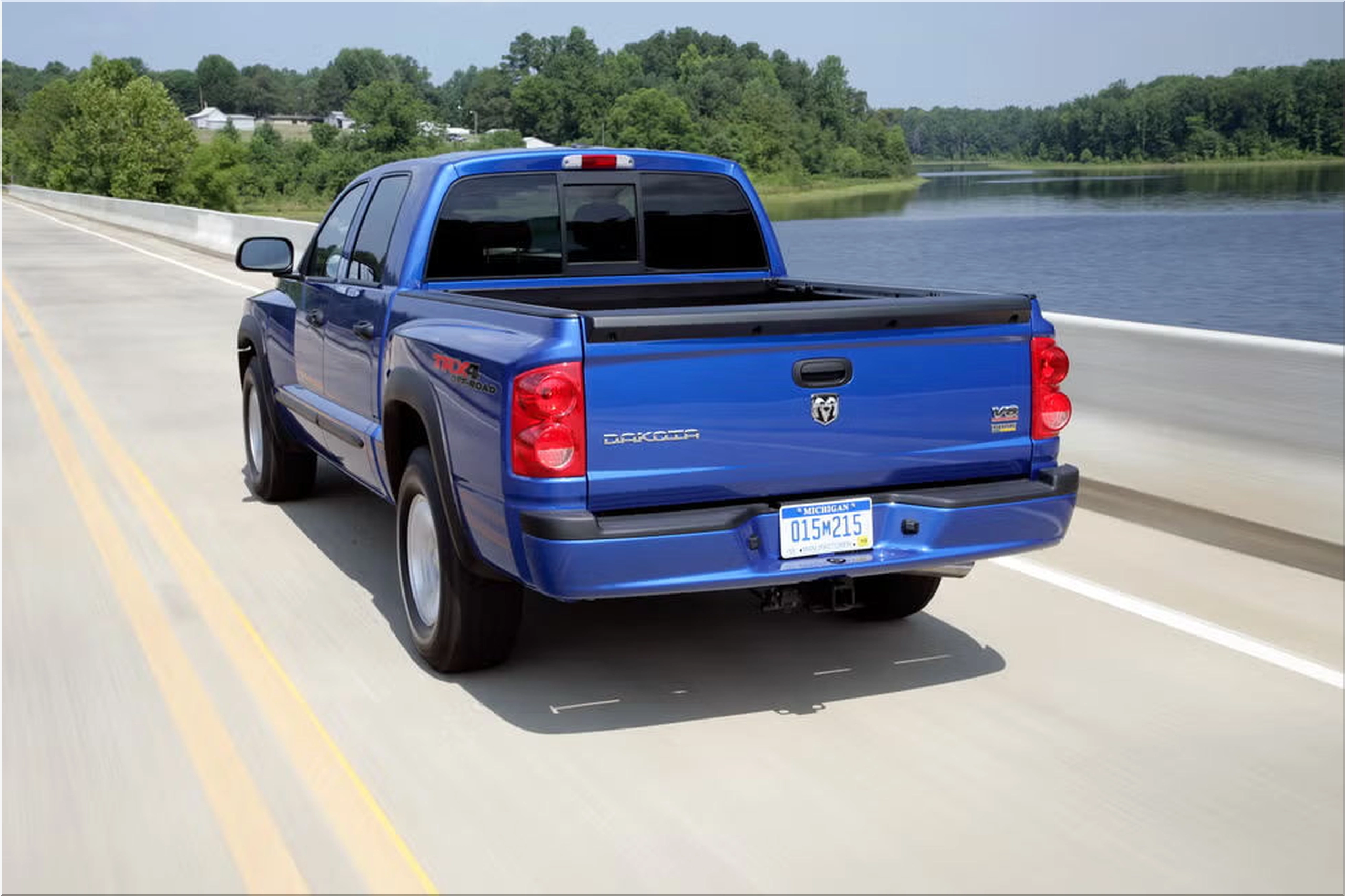
Ram dealers reportedly called the truck "the right size," and that phrase carries weight in this class. Buyers want something smaller than a half-ton, but they do not want a cramped compromise either.
If Ram uses Gladiator-adjacent packaging logic, a wheelbase somewhere in the 131-137 inch range, or 3,327-3,480 mm, would make sense for a crew-cab short-bed truck. Overall length would likely land around 210-220 inches, or 5,334-5,588 mm. That would put Dakota squarely in the modern midsize envelope without turning it into a shrunken full-size pretender.
That size band also helps with ride tuning. A midsize truck with a short wheelbase can feel busy over broken pavement. Stretch it too far, and parking becomes a chore. Ram needs the middle ground.
Competitive Reality: The Trucks Dakota Has to Beat
Ram does not get a soft landing here. Tacoma owned the class in 2025, and the rest of the segment stayed active enough to keep pricing pressure high.
Midsize truck sales context and Dakota's likely play
| Model | 2025 U.S. Sales | Dakota's likely angle |
|---|---|---|
| Toyota Tacoma | 274,638 | Undercut on price and match truck credibility |
| Chevrolet Colorado | 77,390 | Beat on trim spread and interior polish |
| Ford Ranger | 70,960 | Match torque feel and outprice key trims |
| Ram Dakota | N/A | New entry, must win on balance |
Looking at the data, Tacoma remains the truck to beat. That does not mean Dakota must outsell it immediately. It means Dakota needs a clean win column in three areas: value, capability, and dealer appeal. If Ram brings a lower entry price, a tough-looking design, and payload/tow numbers that do not read like excuses, it can take share.
Pro-Tips for Buyers Watching the Dakota
- Wait for confirmed tow rating, payload, rear-axle ratio, and curb weight before calling it a Tacoma killer.
- Watch the base engine. That one detail will shape both price discipline and fleet demand.
- Pay close attention to bed length, rear-seat legroom, and suspension tuning. Those n
What Now?
The 2028 Ram Dakota still sits in preview territory, but the structure around it looks stronger than rumor alone. The truck reportedly has dealer support, a production site with relevant experience, pricing that fits the market, and a mission centered on actual truck work rather than branding theater.
From an SEO and market view, the truck's success hinges on one simple formula: give buyers a midsize pickup with honest specs, aggressive pricing, and enough Ram character to stand apart from Tacoma, Ranger, and Colorado. Do that, and Dakota has a real shot. Miss on towing, payload, or base price, and it becomes another truck people talk about more than they buy.
- Add new comment
- 280 views