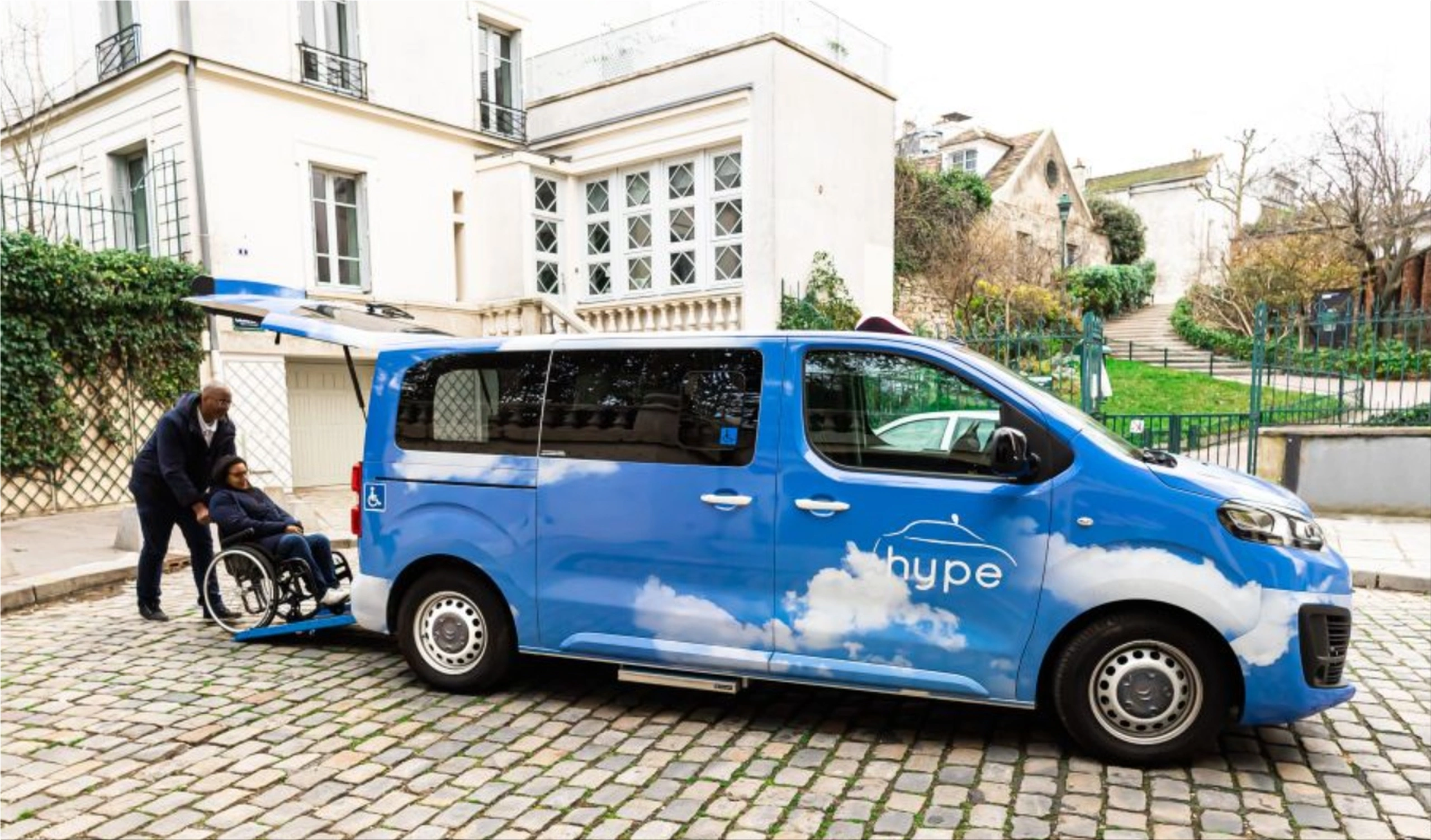
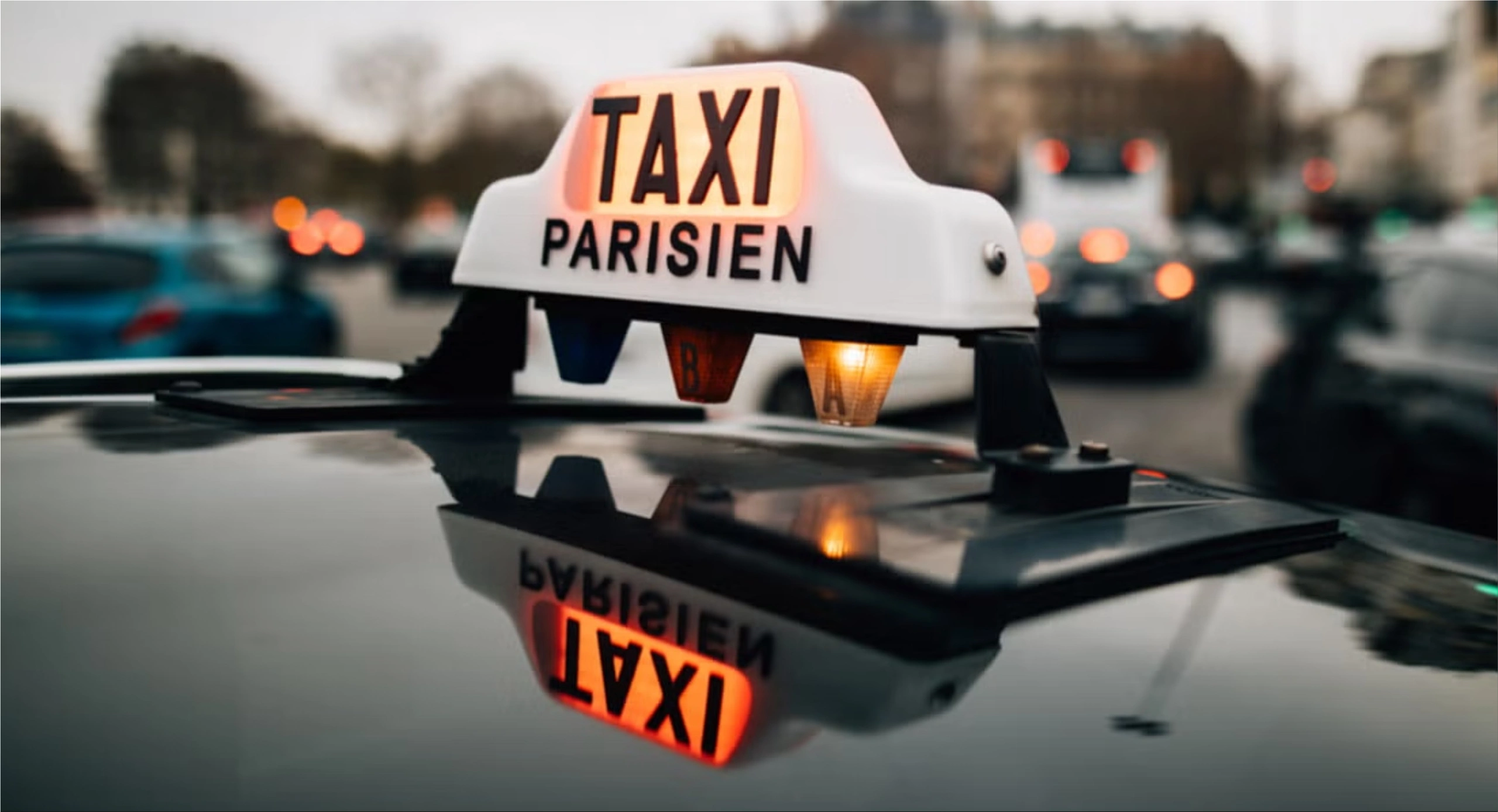
The city of lights is getting a little greener thanks to a partnership between Stellantis and Hype, a French startup that operates a fleet of hydrogen-powered taxis. The two companies have introduced the first batch of 50 wheelchair-accessible hydrogen taxis in the city of Paris, with plans to expand to 600 vehicles by the end of 2022.
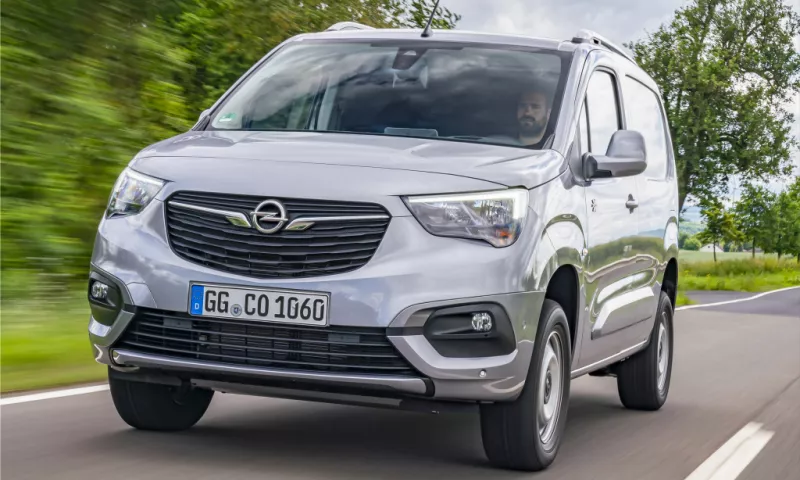
The taxis are based on the Peugeot Traveller and the Citroën SpaceTourer, two spacious minivans that can accommodate up to eight passengers, including those with reduced mobility.
The vehicles are equipped with a hydrogen fuel cell system developed by Stellantis, which allows them to travel up to 250 miles on a single tank of hydrogen and refuel in just three minutes at one of the 12 hydrogen stations in the Paris region.
The hydrogen fuel cell system works by combining hydrogen with oxygen from the air to produce electricity, which powers an electric motor. The only emission from the tailpipe is water vapor, making the vehicles zero-emission and environmentally friendly.
The hydrogen taxis are part of Stellantis' strategy to offer a wide range of electrified vehicles, including battery electric, plug-in hybrid, and hydrogen fuel cell models.
Stellantis is one of the world's leading automakers, formed by the merger of Fiat Chrysler Automobiles and PSA Group in January 2021. The company owns 14 iconic brands, such as Jeep, Ram, Dodge, Chrysler, Fiat, Alfa Romeo, Peugeot, Citroen, Opel, and Maserati.
Stellantis has committed to invest more than $35 billion in electrification and software by 2025 and aims to have more than 70 electrified models across its portfolio by 2030.
Hype is a pioneer in hydrogen mobility, founded in 2015 with the ambition to create a zero-emission taxi service in Paris. The company has grown to become the world's largest fleet of hydrogen taxis, with more than 100 vehicles and 600 drivers.
Hype's mission is to offer a clean, comfortable, and affordable alternative to conventional taxis while also contributing to the development of the hydrogen ecosystem in France and Europe.
Hype's customers include corporate clients, public institutions, and individual travelers who can book a ride through a dedicated app or website. The fares are comparable to those of regular taxis and include a fixed price option for airport transfers.
The launch of the 50 wheelchair-accessible hydrogen taxis is a milestone for both Stellantis and Hype as they demonstrate their commitment to social inclusion and sustainable mobility.
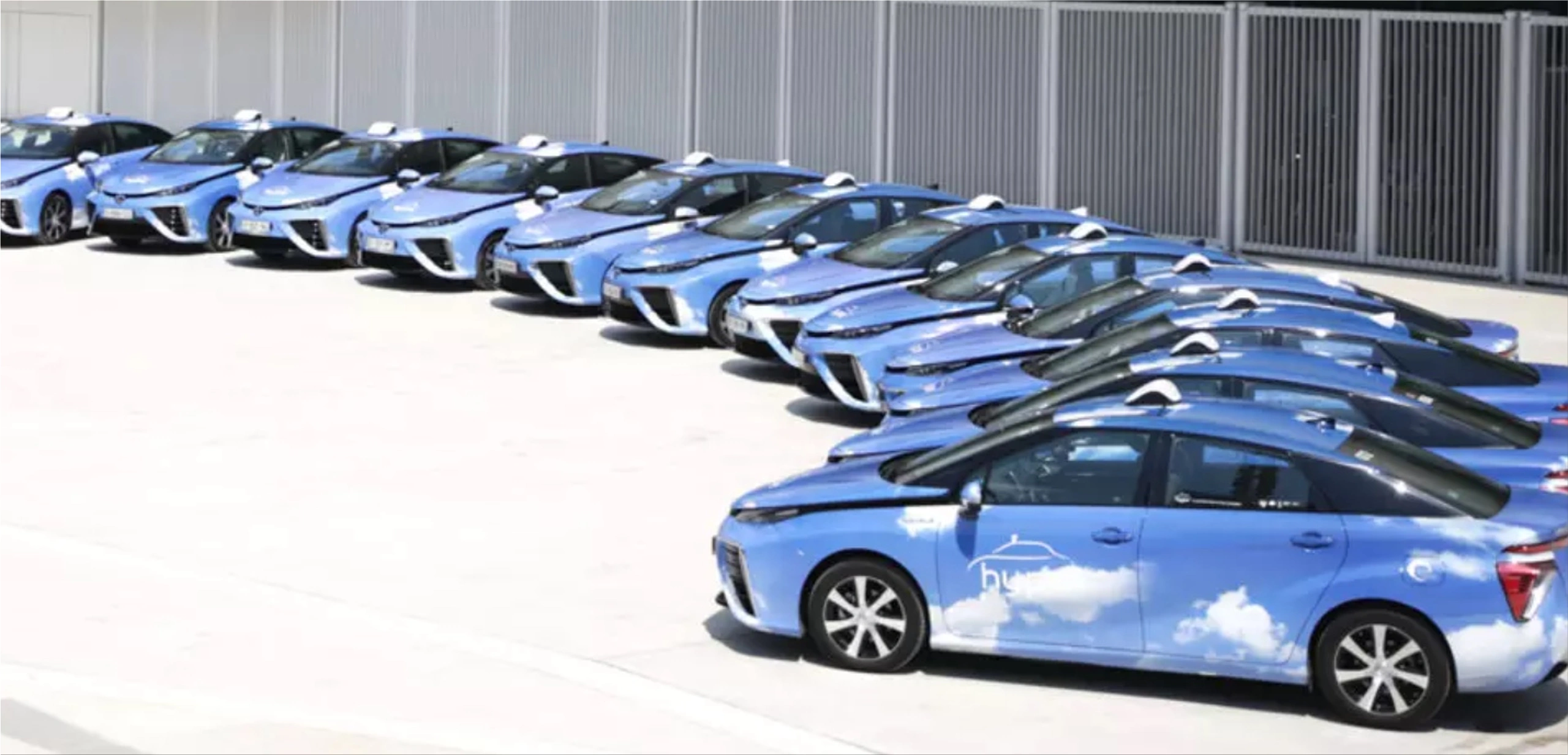
The project is also supported by several public and private partners, such as Air Liquide, Engie Solutions, TotalEnergies, Toyota Motor Europe, Michelin Group, Banque des Territoires (Caisse des Dépôts Group), Région Île-de-France (Paris Region), Métropole du Grand Paris (Greater Paris Metropolitan Area), Ville de Paris (City of Paris), Groupe ADP (Paris Airports Group), Groupe Renault (Renault Group), Hyundai Motor France (Hyundai Motor France), McPhy Energy SA (McPhy Energy SA), Symbio (Symbio), Atawey (Atawey), H2V Product (H2V Product), Idex Groupe (Idex Group), Kouros (Kouros), STEP (STEP), GNVERT (GNVERT), Akuo Energy (Akuo Energy), HDF Energie (HDF Energy), Storengy (Storengy), GRDF (GRDF), GRTgaz SA (GRTgaz SA) and AFHYPAC (French Association for Hydrogen and Fuel Cells).
With this initiative, Paris is joining other major cities around the world that are embracing hydrogen as a clean and efficient energy source for transportation. Hydrogen has the potential to reduce greenhouse gas emissions from transport by up to 50% by 2050, according to the International Energy Agency.
As more hydrogen vehicles hit the road, more hydrogen infrastructure will be needed to support them. That's why Stellantis and Hype are also working together to develop a network of hydrogen hubs where taxis can refuel, park, and access maintenance services.
The first hydrogen hub is expected to open in Paris with a capacity of 200 vehicles. The goal is to have 20 hydrogen hubs in France by 2024 and 50 in Europe by 2030.
Stellantis and Hype are confident that their partnership will pave the way for the mass adoption of hydrogen mobility in the near future and positively impact the environment, the economy, and society.
- Add new comment
- 411 views