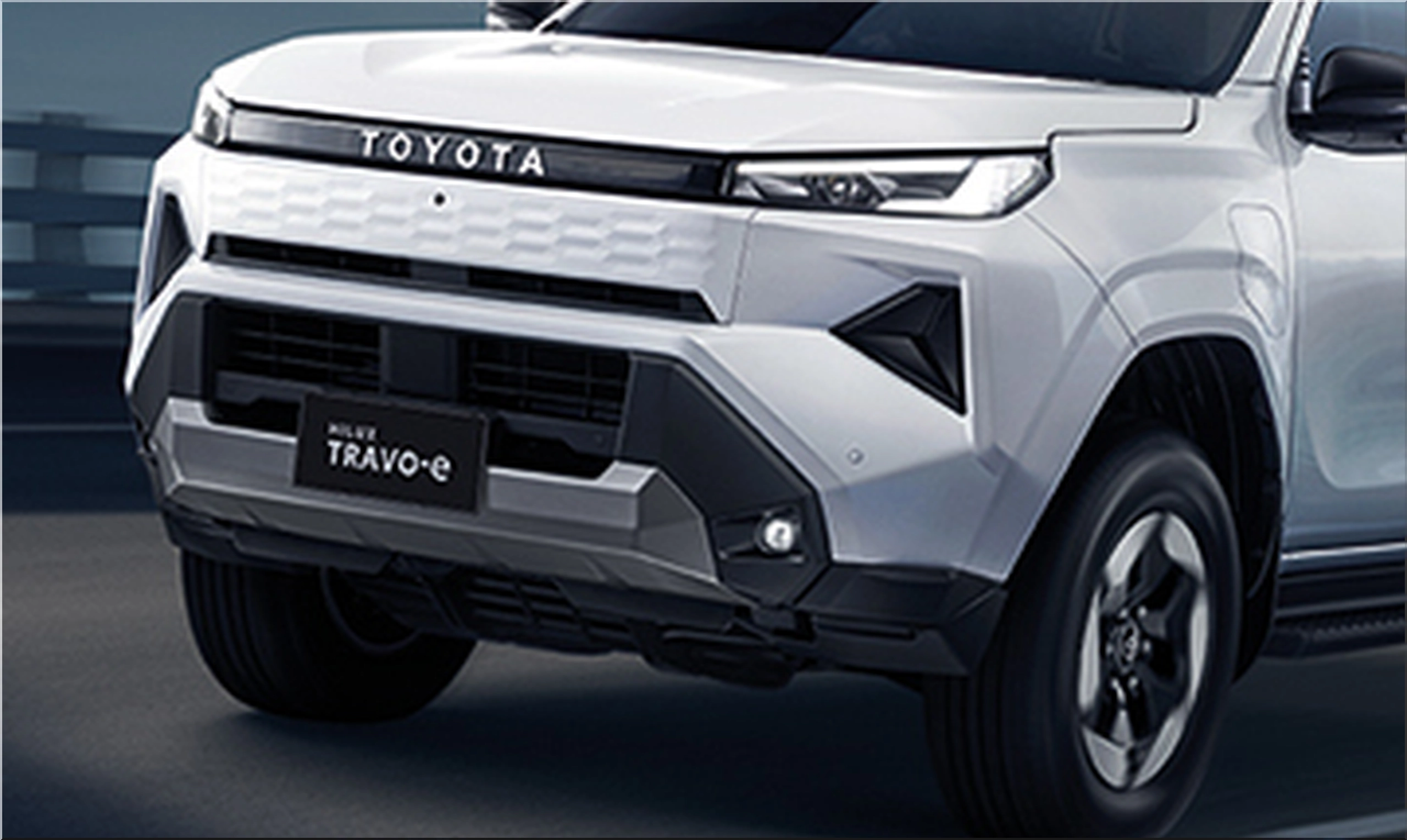
Toyota has introduced the new Hilux lineup, including a battery-electric (BEV) model, marking the start of a global expansion of its multi-pathway approach to carbon neutrality. The world premiere, held in Bangkok, Thailand, showcased Toyota’s strategy to offer diverse powertrains—diesel, BEV, and fuel cell (FCEV) variants—tailored to regional energy conditions and customer demands.
Key Specifications of the 2026 Toyota Hilux BEV
| Specification | Detail |
|---|---|
| Powertrain | Dual-motor electric (4WD) |
| Battery capacity | 59.2 kWh lithium-ion |
| System output | 144 kW (approx. 193 hp) |
| Range | Over 300 km (186 miles) |
| Length | 5,320 mm |
| Width | 1,855 mm |
| Height | 1,800 mm |
| Wheelbase | 3,085 mm |
| Driveline | 4WD |
The Toyota Hilux BEV features front and rear eAxles for high torque and traction control. The battery pack, mounted beneath the frame, optimizes weight distribution while preserving off-road durability. Toyota claims that efficiency improvements in the eAxle system have extended the truck’s range above 300 km on the NEDC test cycle.
Multi-Pathway Strategy for Carbon Neutrality
Toyota continues to pursue carbon neutrality through multiple technologies instead of a single all-electric path. This multi-pathway approach combines BEVs, Hilux hybrids, plug-in hybrids, and FCEVs, allowing flexibility for regions with different infrastructure readiness.
- BEV models will start rolling out in Asia from 2026.
- Diesel-powered versions for Japan will launch mid-2026.
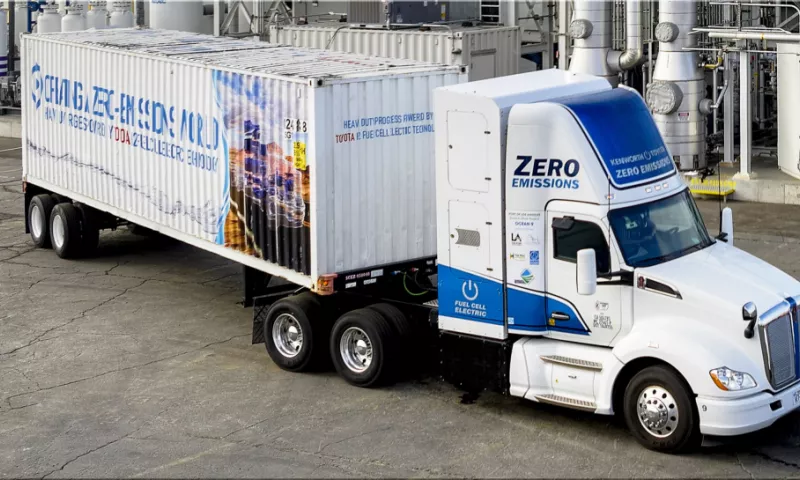
- FCEV Hilux models are scheduled for Europe and Oceania in 2028.
The company emphasizes that regional energy diversity requires different power solutions. For markets like Thailand, where charging infrastructure is expanding, the BEV Hilux offers a viable zero-emission workhorse.
Engineering Built for Work and Off-Road Performance
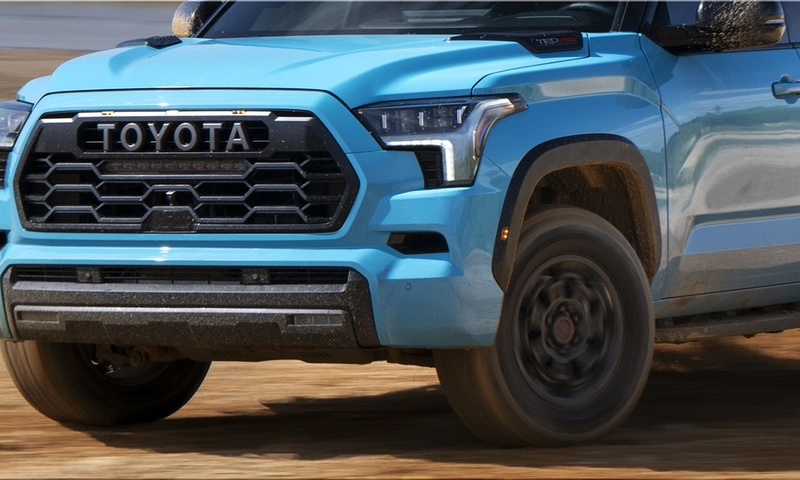
Toyota engineers focused on maintaining the Hilux’s traditional durability while enhancing electric performance. The high-output dual eAxle system provides rapid torque delivery and improved handling on rough terrain. Its underfloor battery design lowers the center of gravity, improving stability and cabin comfort without compromising payload capacity.
Off-road modes are integrated into the control system, offering optimized traction on mud, gravel, and uneven terrain. This makes the BEV Hilux as capable in challenging environments as its diesel counterpart—while operating silently and emission-free.
The Hilux Legacy and Global Significance
Since its debut in 1968, the Hilux has sold more than 13 million units across 133 countries. It has earned a reputation for reliability, toughness, and simplicity—qualities Toyota preserved in this 9th generation. Thailand remains a key production and innovation hub for the Hilux, responsible for major global output.
Toyota Chief Branding Officer Simon Humphries described the Hilux as “a partner for life,” highlighting how customer feedback shaped each generation. The model has evolved with user demands—offering better fuel efficiency, higher safety standards, and technology suitable for both families and businesses.
Commitment to “Mobility for All”
Toyota’s “Mobility for All” philosophy guides the Hilux’s design. The company aims to provide vehicles that enable people to work, travel, and connect efficiently and affordably. For Toyota, mobility is both an economic and cultural contribution—evident in its long-standing ties with Thailand, where the Hilux is sometimes called the country’s “national vehicle.”
Toyota’s Approach to Sustainability
Under its “Beyond Zero” vision, Toyota targets not only emission reduction but also positive social impact through sustainable manufacturing, resource conservation, and regional job creation. The 2026 Toyota Hilux BEV contributes directly to Toyota’s SDG goals for clean energy, responsible production, and sustainable communities.
Market Position and Pricing Outlook
While Toyota has not yet announced official pricing, industry estimates place the Hilux BEV around $45,000 USD at launch. Given Toyota’s proven production scale in Thailand, local assembly is expected to keep costs competitive against regional electric trucks.
The Toyota Hilux FCEV, set for a 2028 release, will likely serve fleet and commercial users in regions with established hydrogen infrastructure, such as Australia and Europe. This approach reinforces Toyota’s belief that no single technology fits all markets.

What the Hilux BEV Means for the Industry
The launch signals Toyota’s intent to compete seriously in the electric pickup segment, a field currently led by Western automakers. By combining rugged utility with electrified efficiency, Toyota’s Hilux BEV targets users needing off-road strength and long-term reliability without the emissions of a diesel engine.
Its arrival in 2026 positions it as a strategic bridge between traditional combustion trucks and the emerging EV market in Asia. For developing regions balancing power infrastructure challenges, Toyota’s flexible model mix—BEV now, FCEV later—provides a pragmatic transition path toward zero emissions.
Expert Takeaway
Toyota’s rollout of the Hilux BEV represents a clear, calculated move—not an experiment. By leveraging proven platforms and local manufacturing, Toyota reduces risk while meeting rising environmental regulations. Its multi-pathway model gives it a competitive advantage: adaptability.
Key insight: Instead of forcing electrification everywhere, Toyota aligns technology with regional readiness. The result—a global strategy grounded in realism—sets a model for other automakers chasing carbon neutrality without sacrificing consumer needs.
- Add new comment
- 156 views