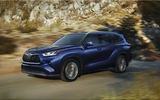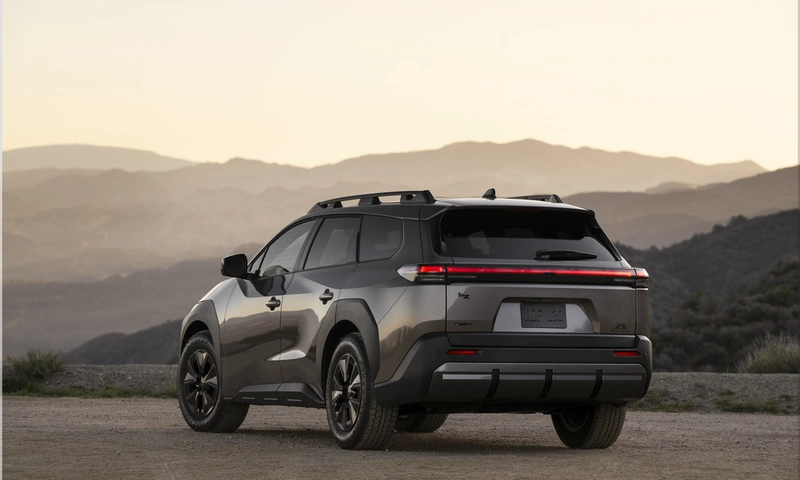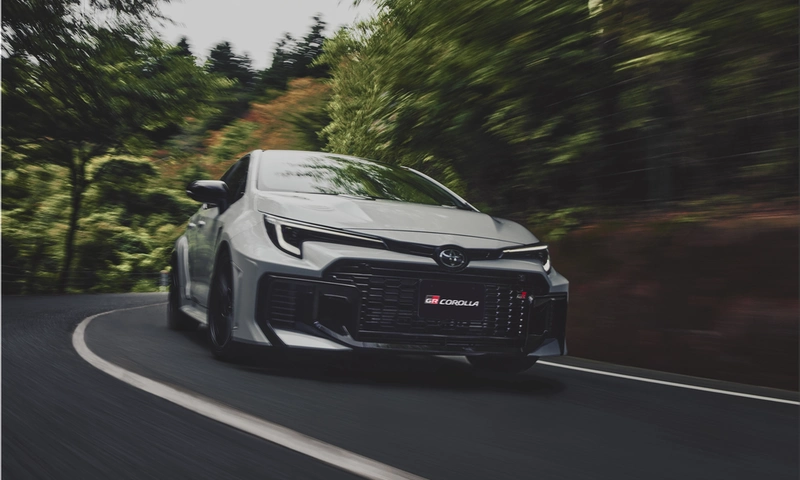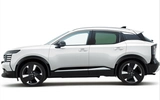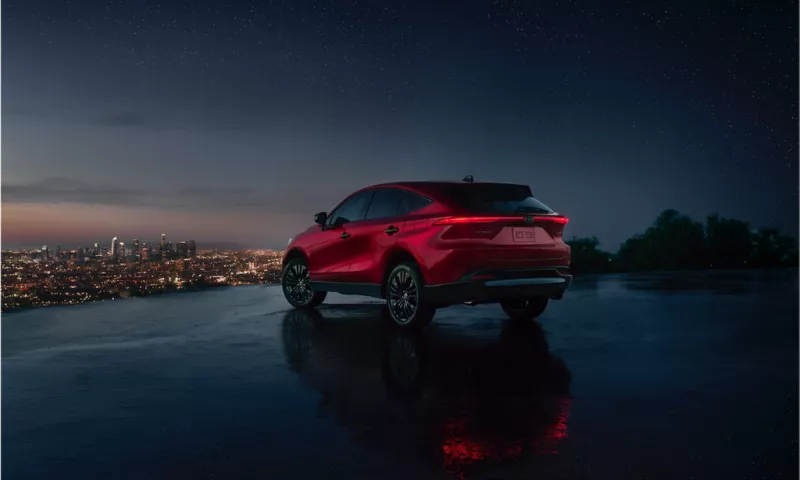
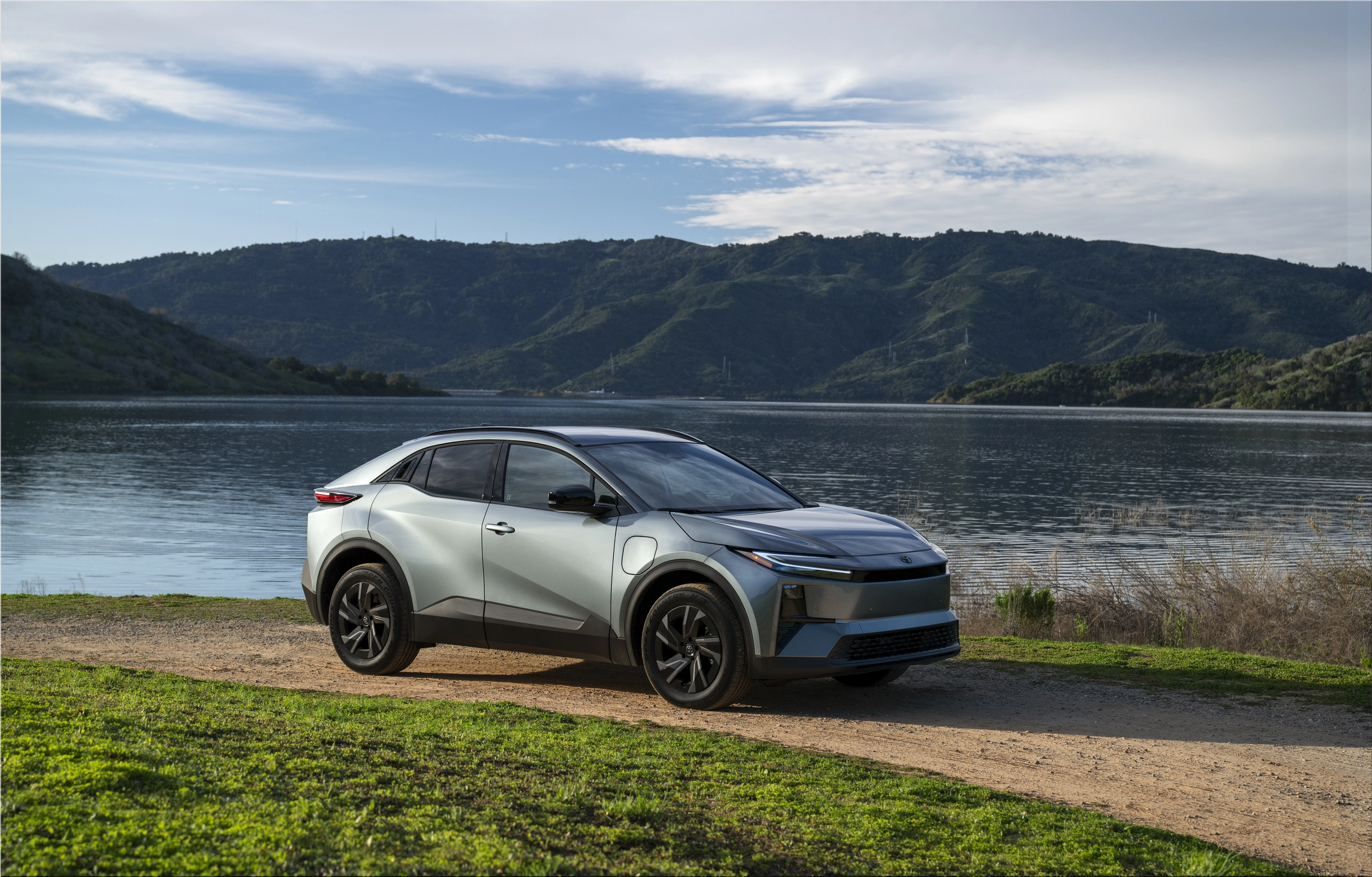
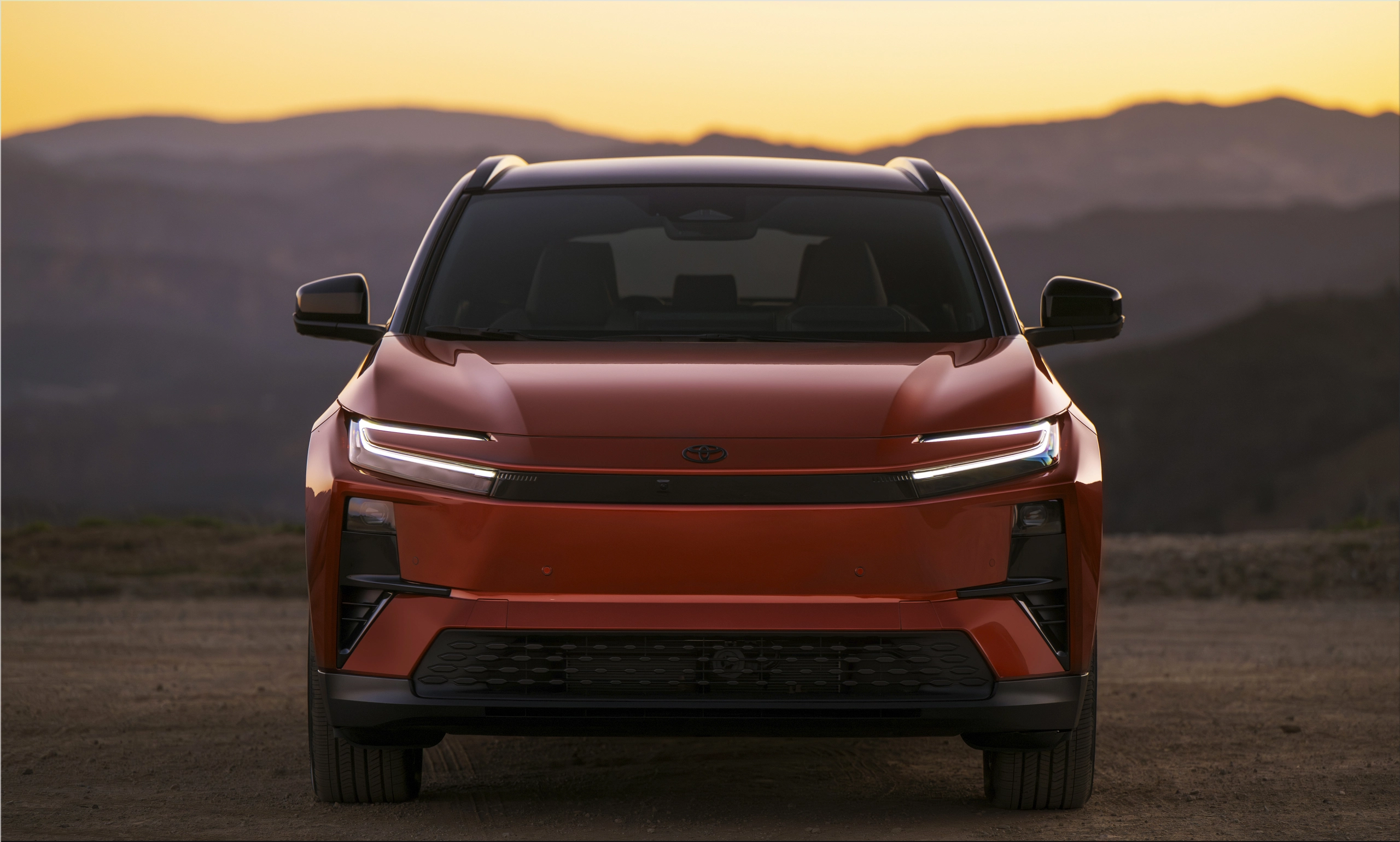
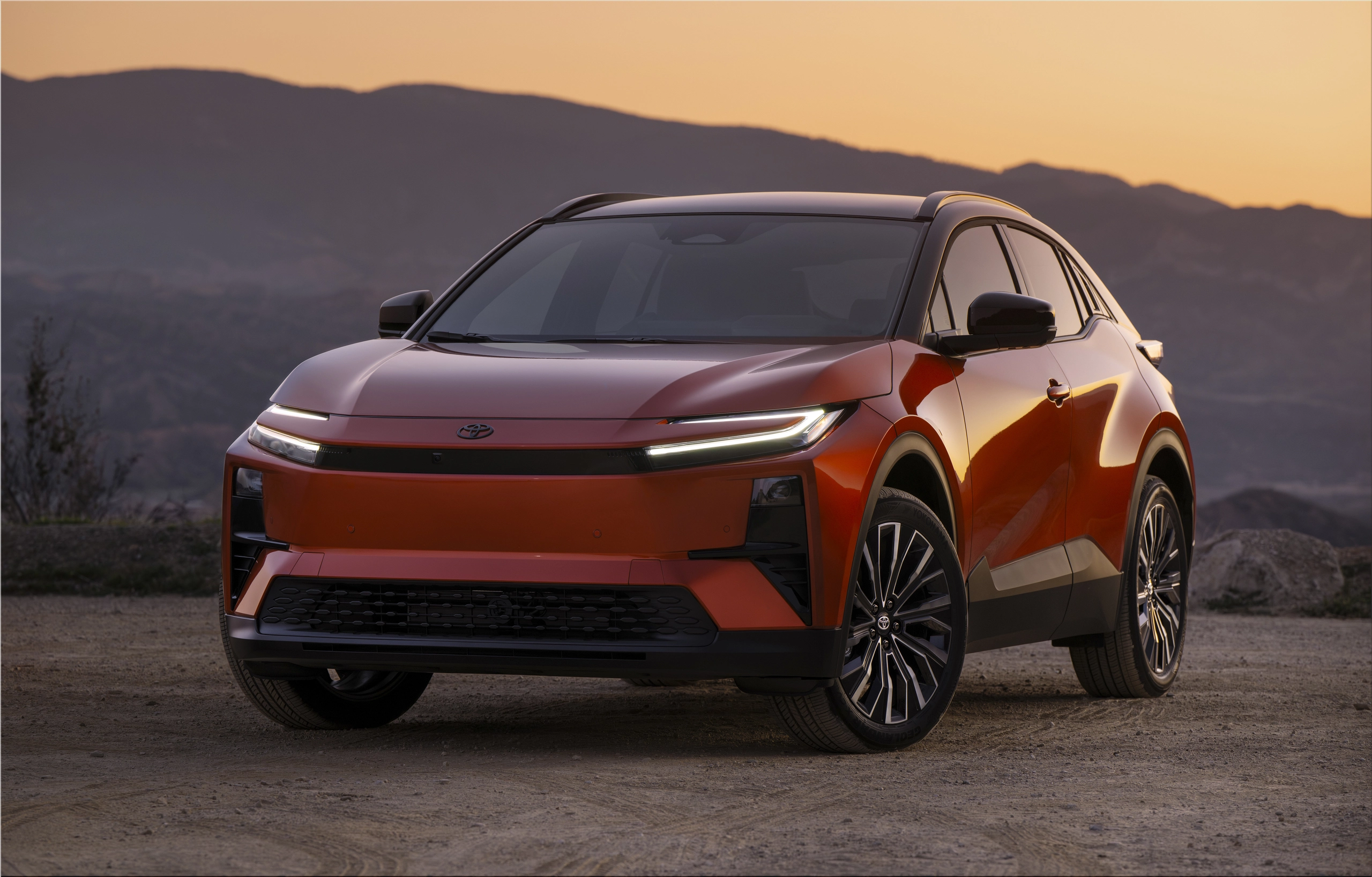
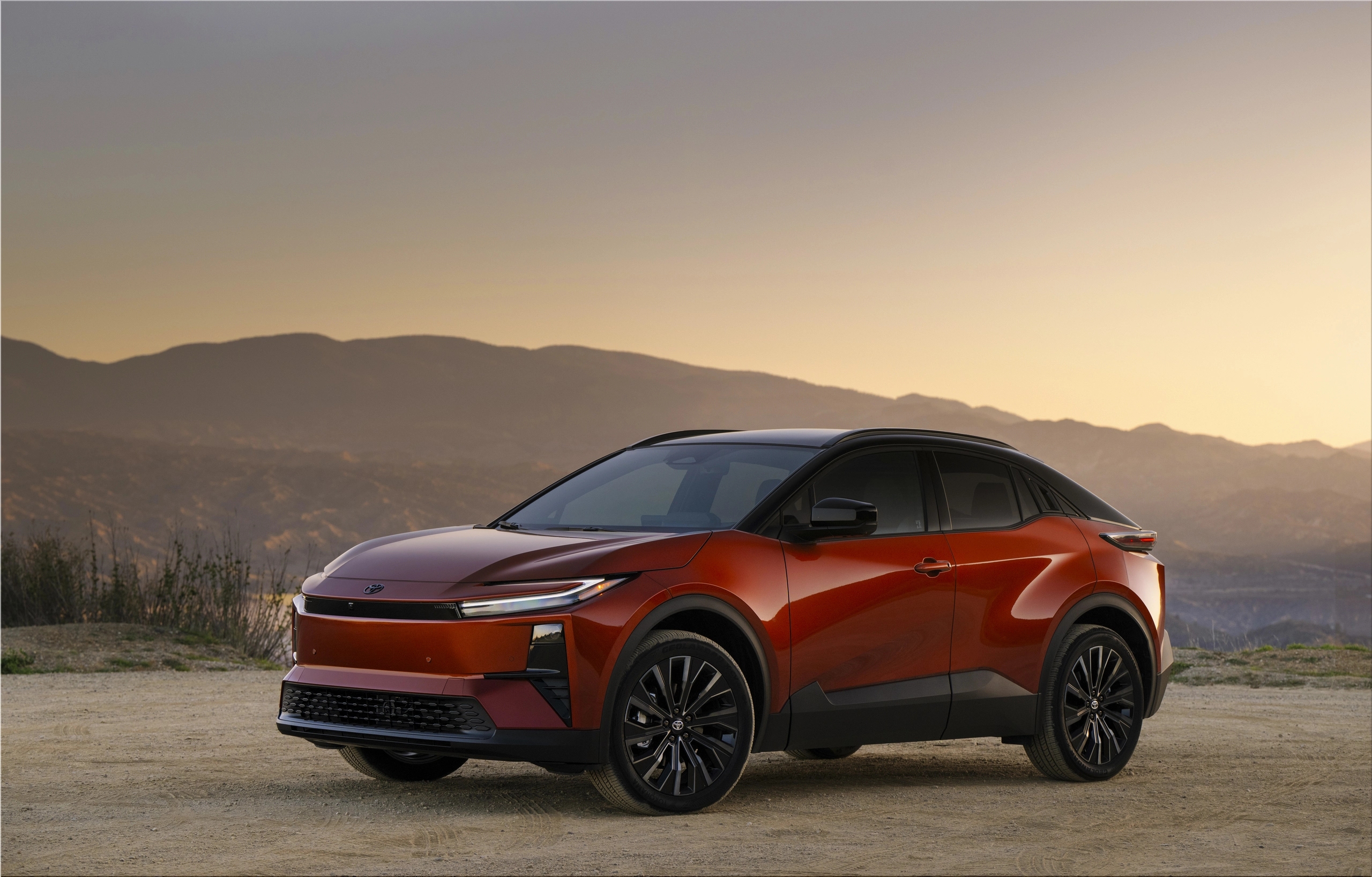
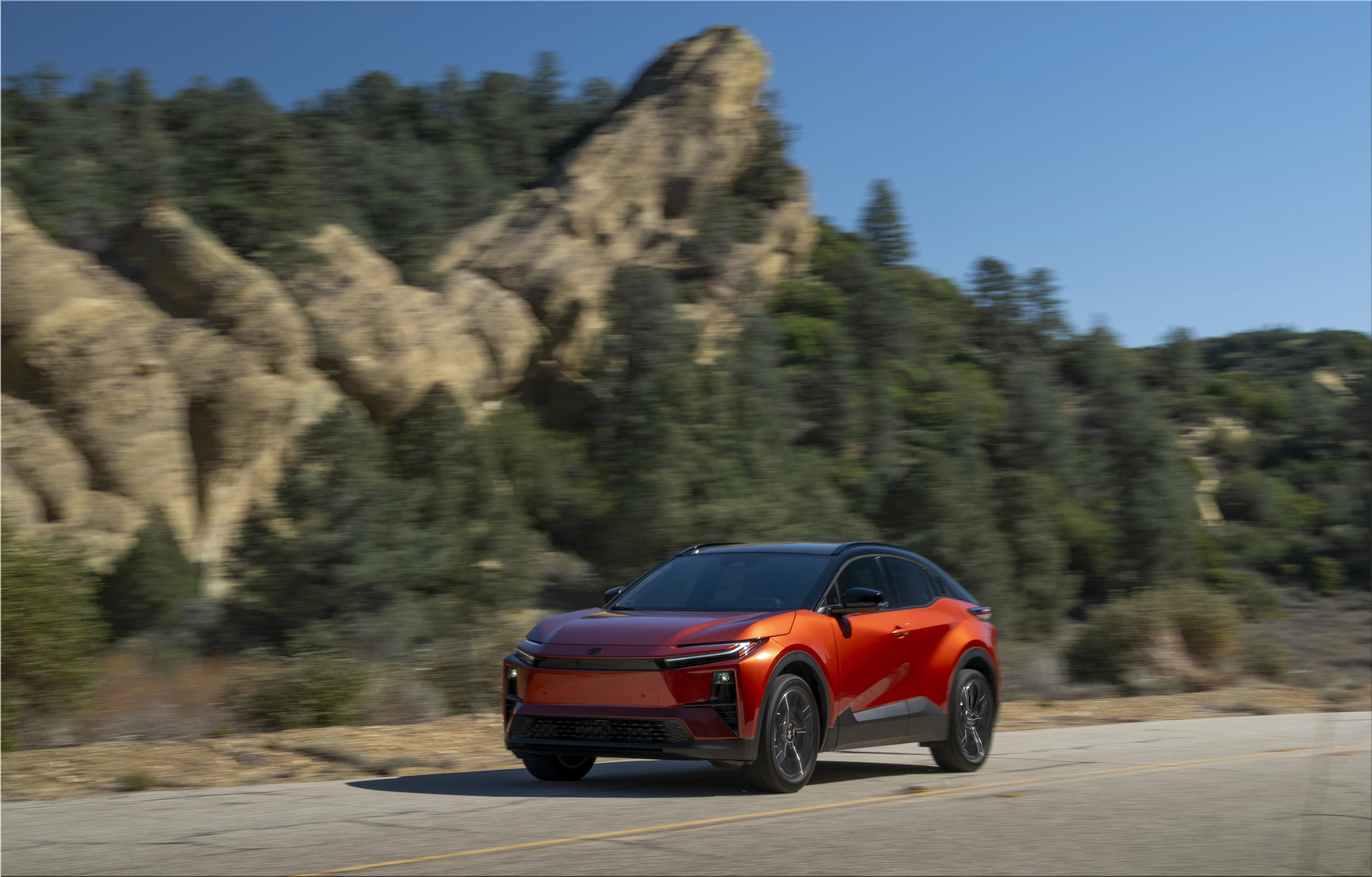
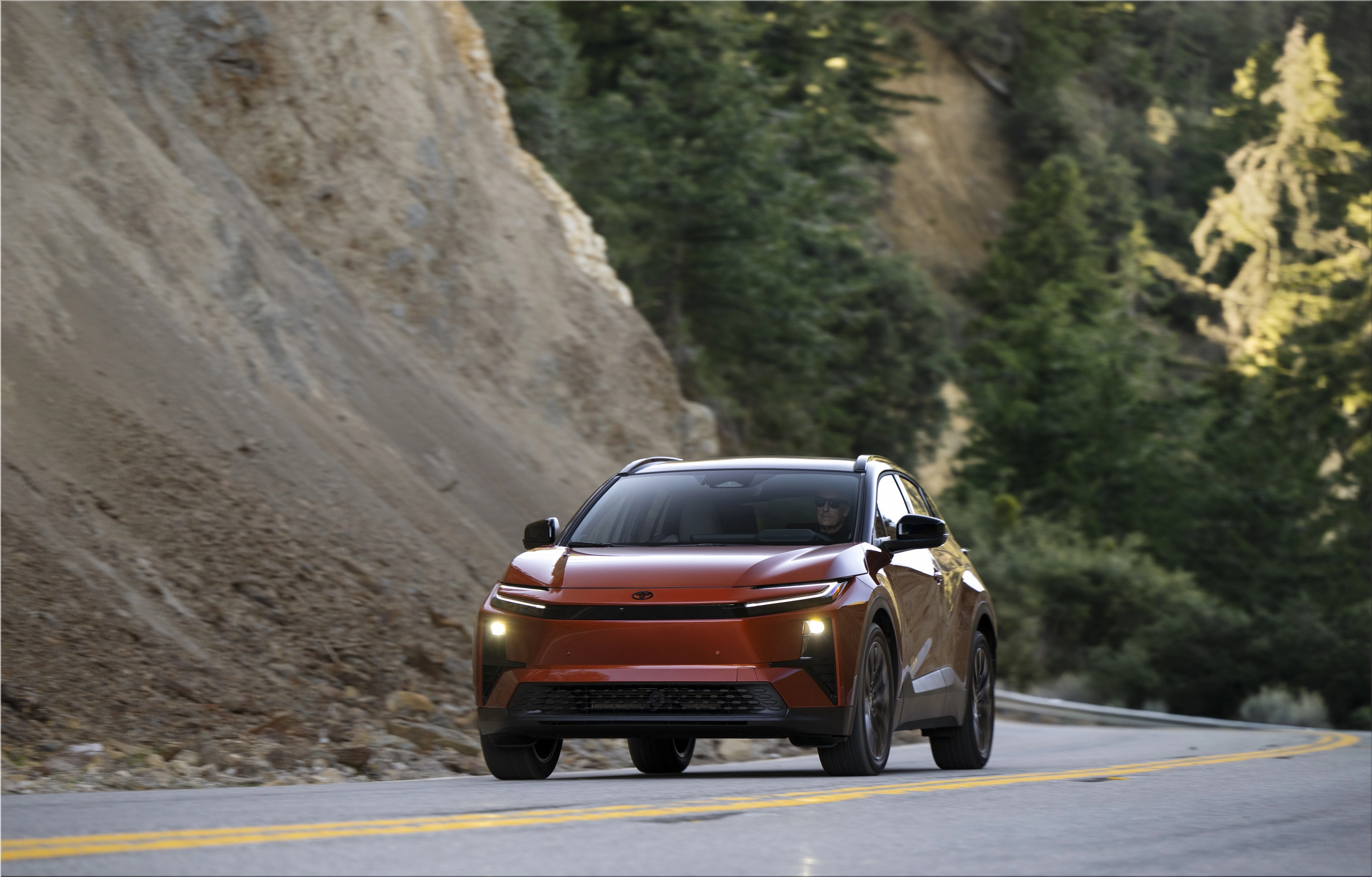
Toyota gives the 2027 Toyota C-HR its second US battery-electric model year without changing the hardware. The compact crossover retains dual motors, standard all-wheel drive and 338 system horsepower. Toyota plans September 2026 dealer arrivals, with the SE starting at $37,080 before processing and handling.
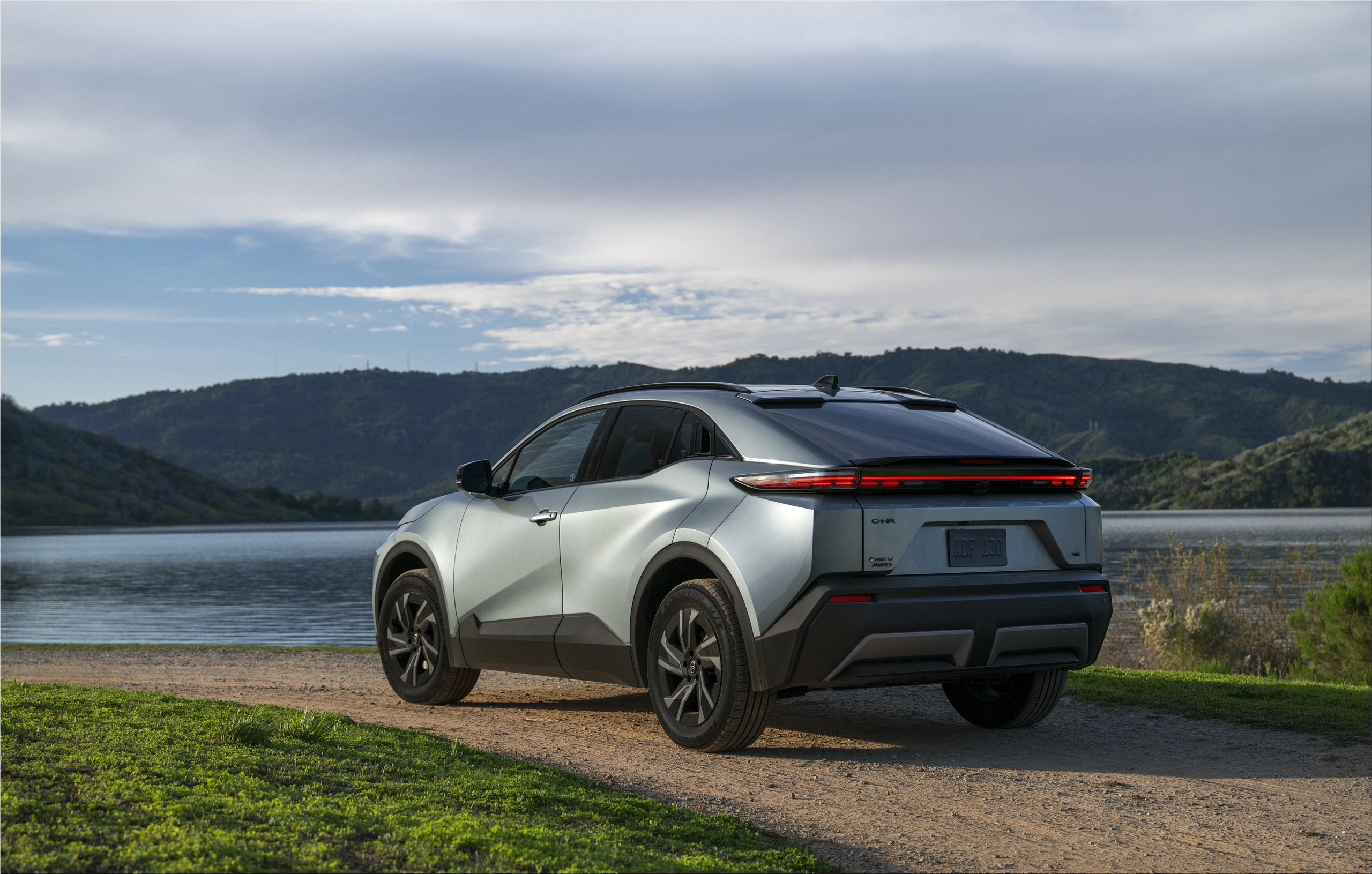
Prior tests add missing context. The Toyota C-HR targets drivers who want hot-hatch acceleration in a small electric SUV, useful cargo space and winter-ready traction.
2027 Toyota C-HR Specs at a Glance
| Specification | 2027 Toyota C-HR data |
|---|---|
| Platform | Dedicated e-TNGA battery-electric architecture |
| Drive system | Front and rear eAxles, standard electronic AWD |
| Combined output | 338 hp / 252 kW |
| Motor torque | 198 lb-ft front / 125 lb-ft rear, or 268 / 169 Nm |
| Battery | 74.7-kWh lithium-ion, total capacity |
| Estimated range | SE: 287 miles / 462 km; XSE: 273 miles / 439 km |
| 0-60 mph | 4.9 seconds, manufacturer estimate |
| AC charging | 11-kW onboard charger |
| DC charging | Up to 150 kW; 10-80 percent in about 30 minutes |
| Length | 177.9 inches / 4,519 mm |
| Width | 73.6 inches / 1,869 mm |
| Height | 63.8 inches / 1,621 mm |
| Wheelbase | 108.3 inches / 2,751 mm |
| Ground clearance | 8.0 inches / 203 mm |
| Approach / departure angles | 16.6 / 26.7 degrees |
| Turning circle | 36.0 feet / 11.0 m |
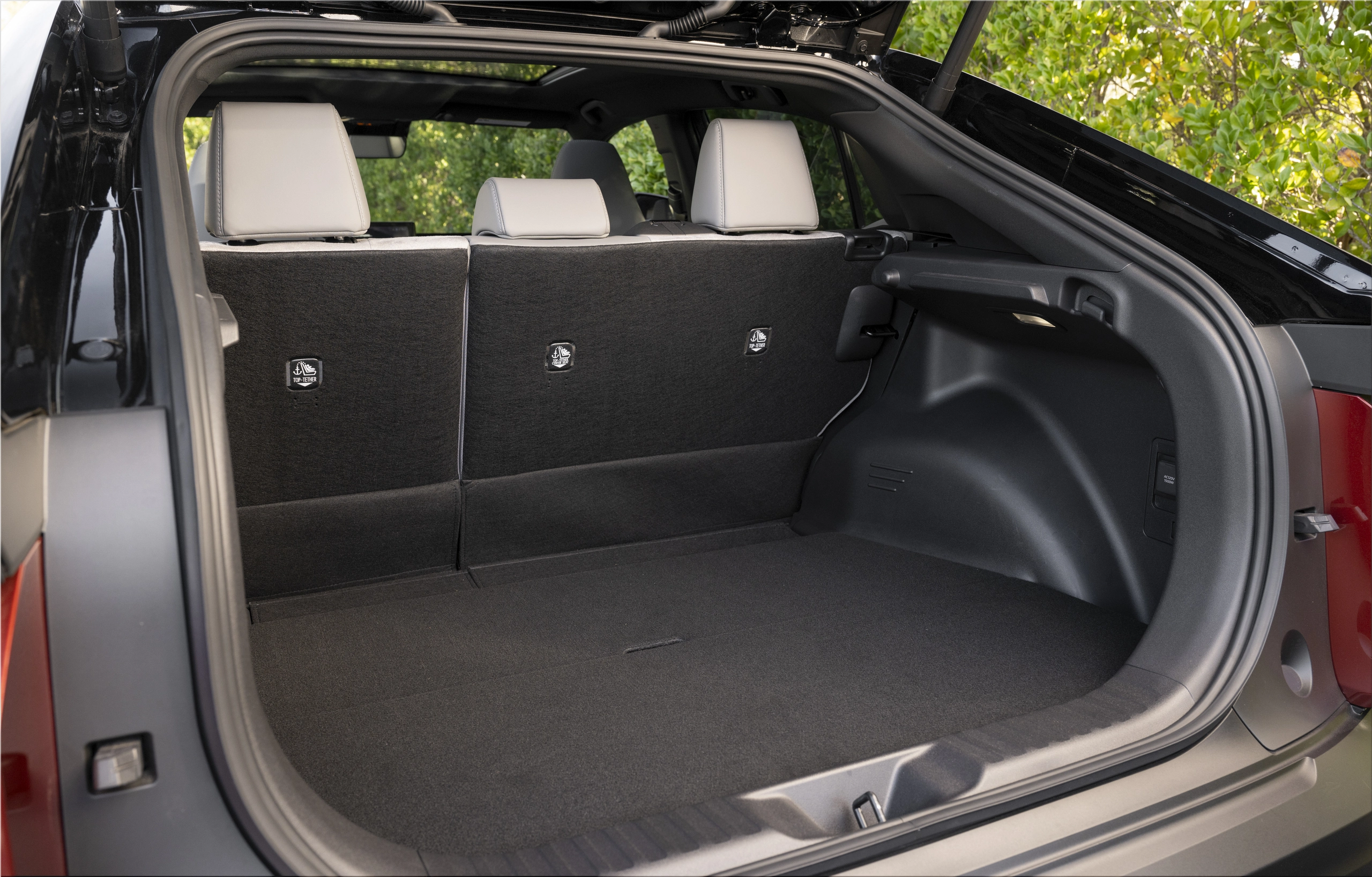
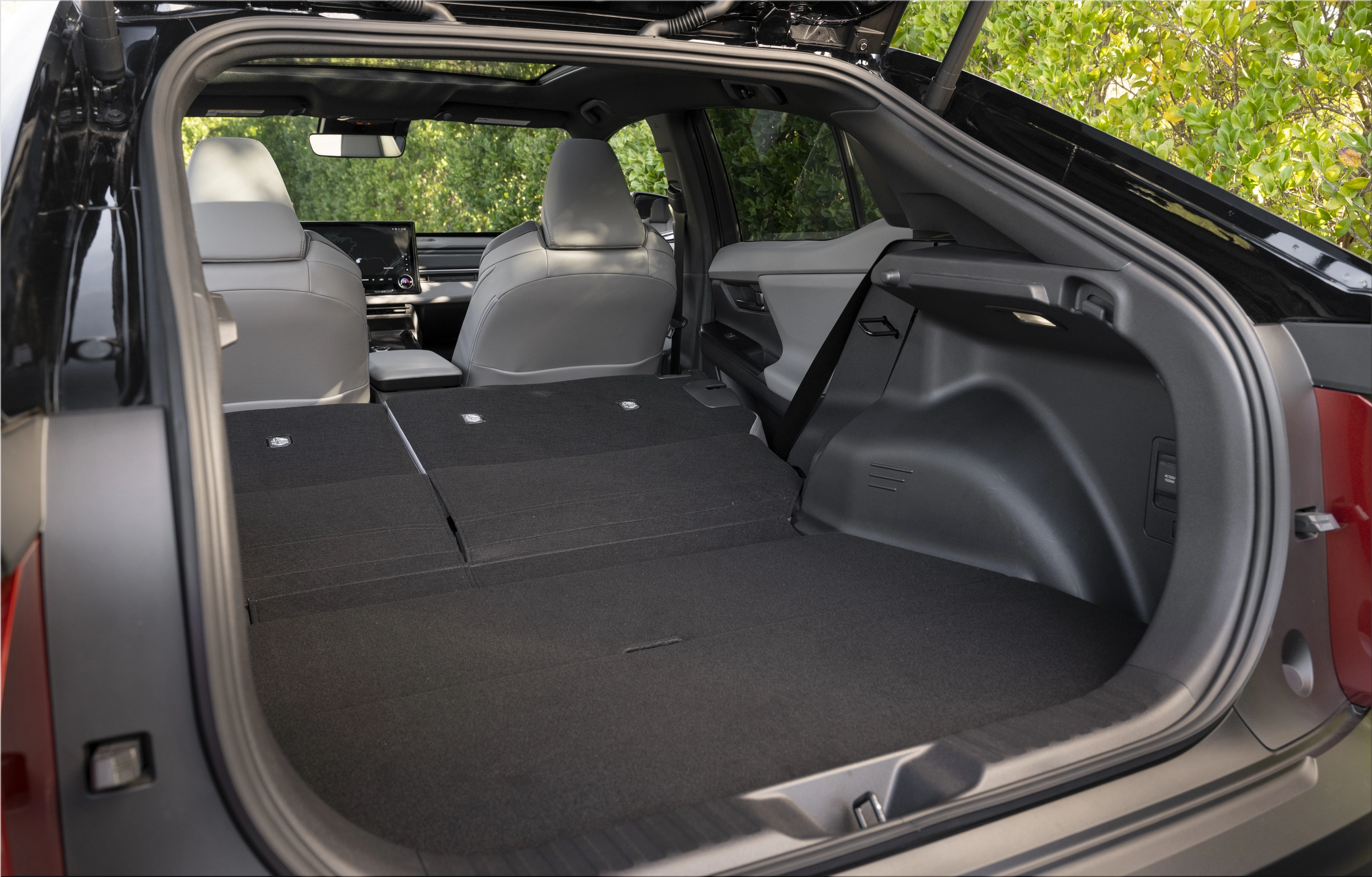
| Cargo capacity | 25.3 cu. ft. / 716 L; 59.5 cu. ft. / 1,685 L with rear seats folded |
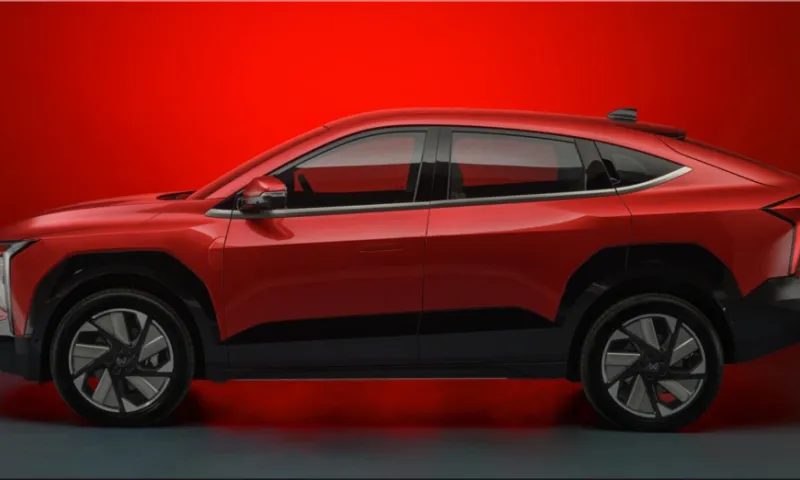
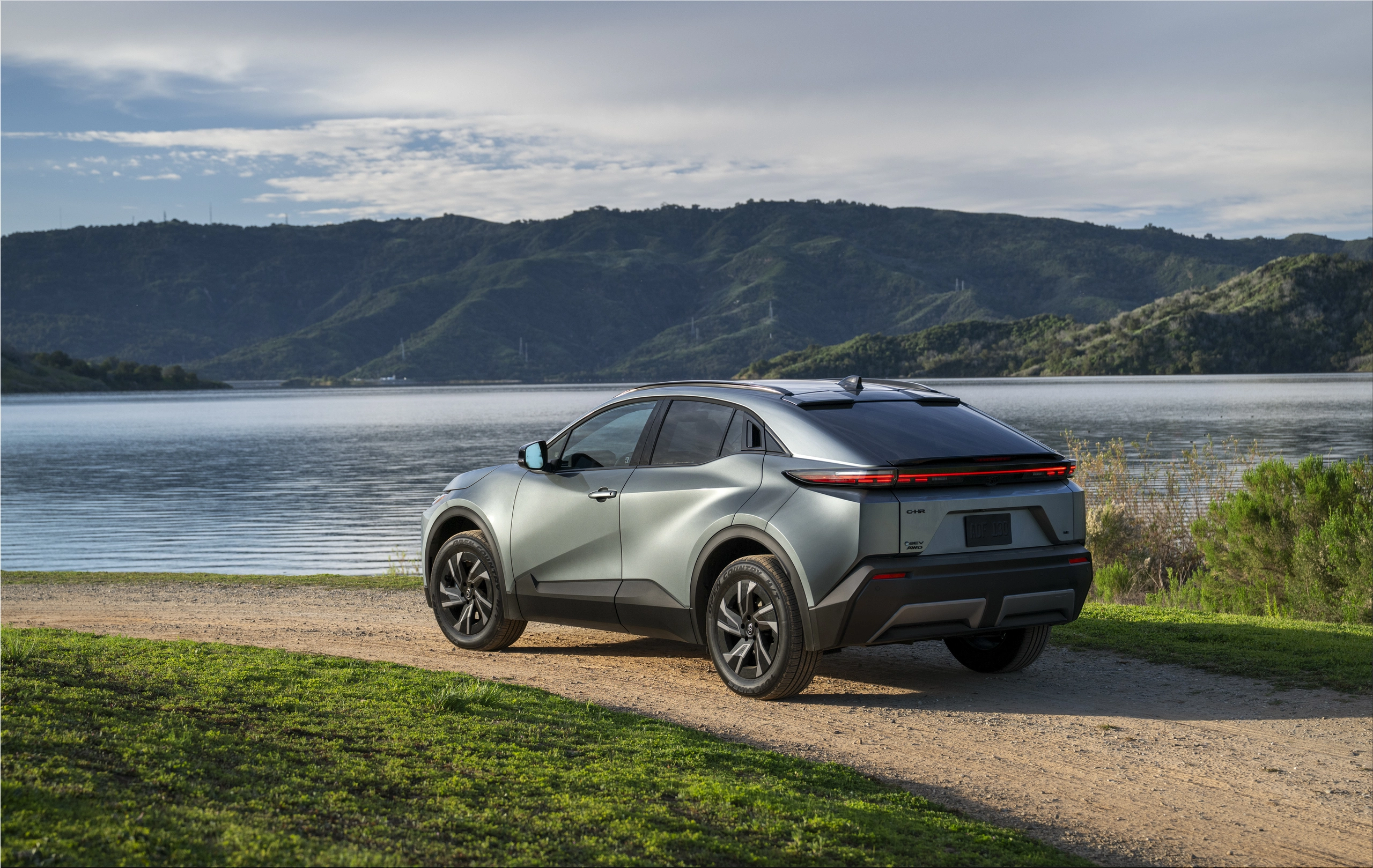
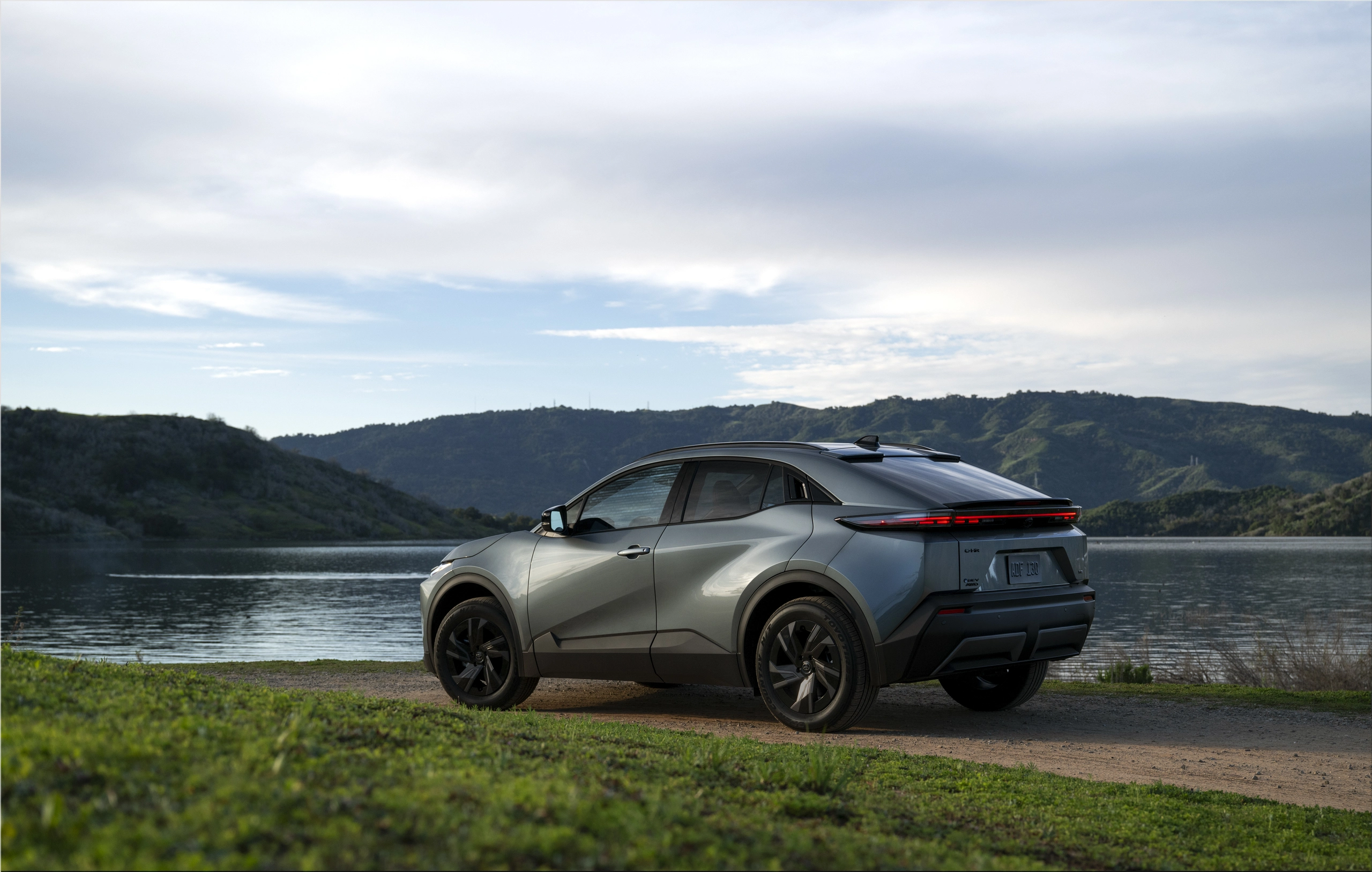
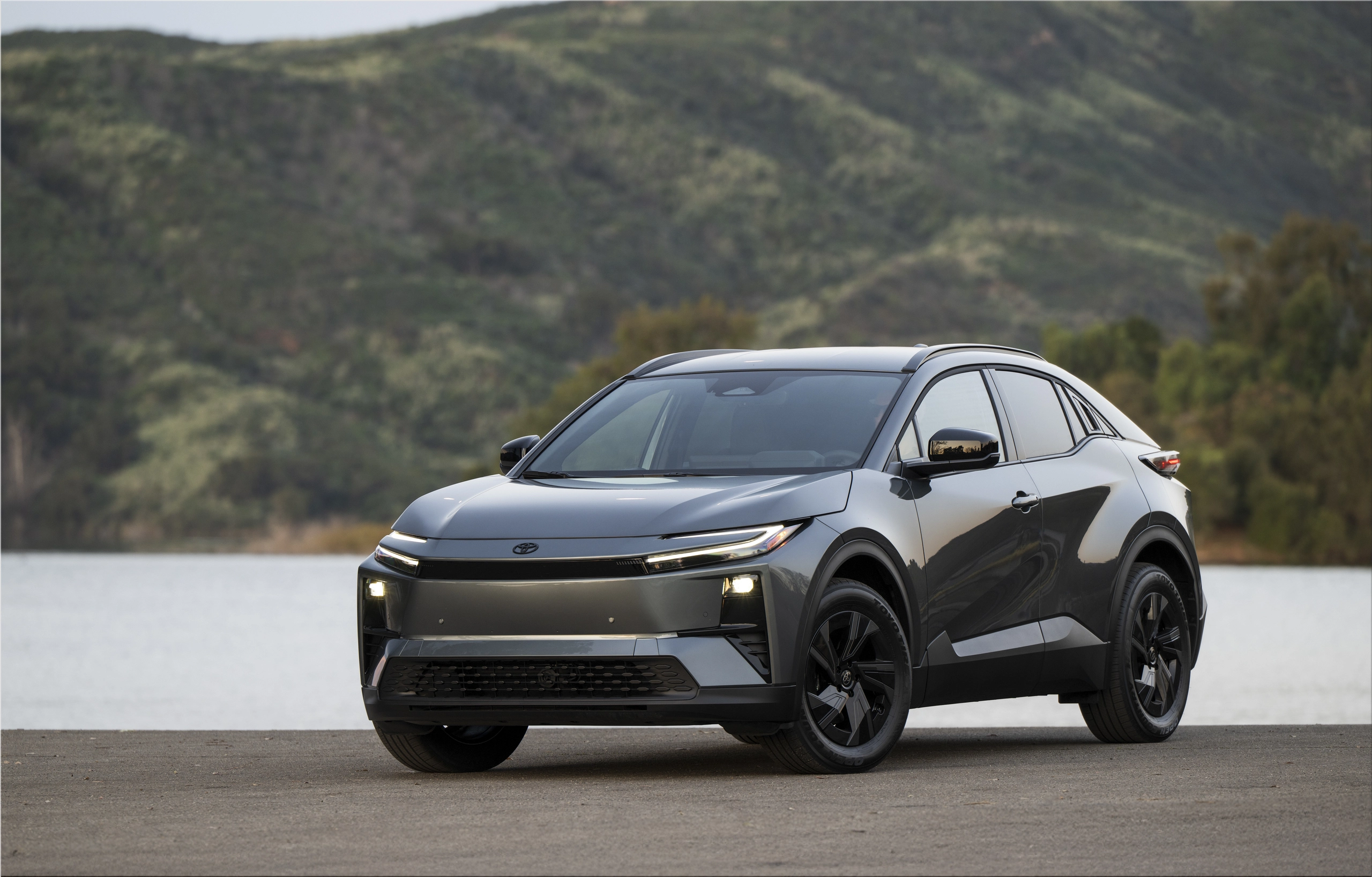
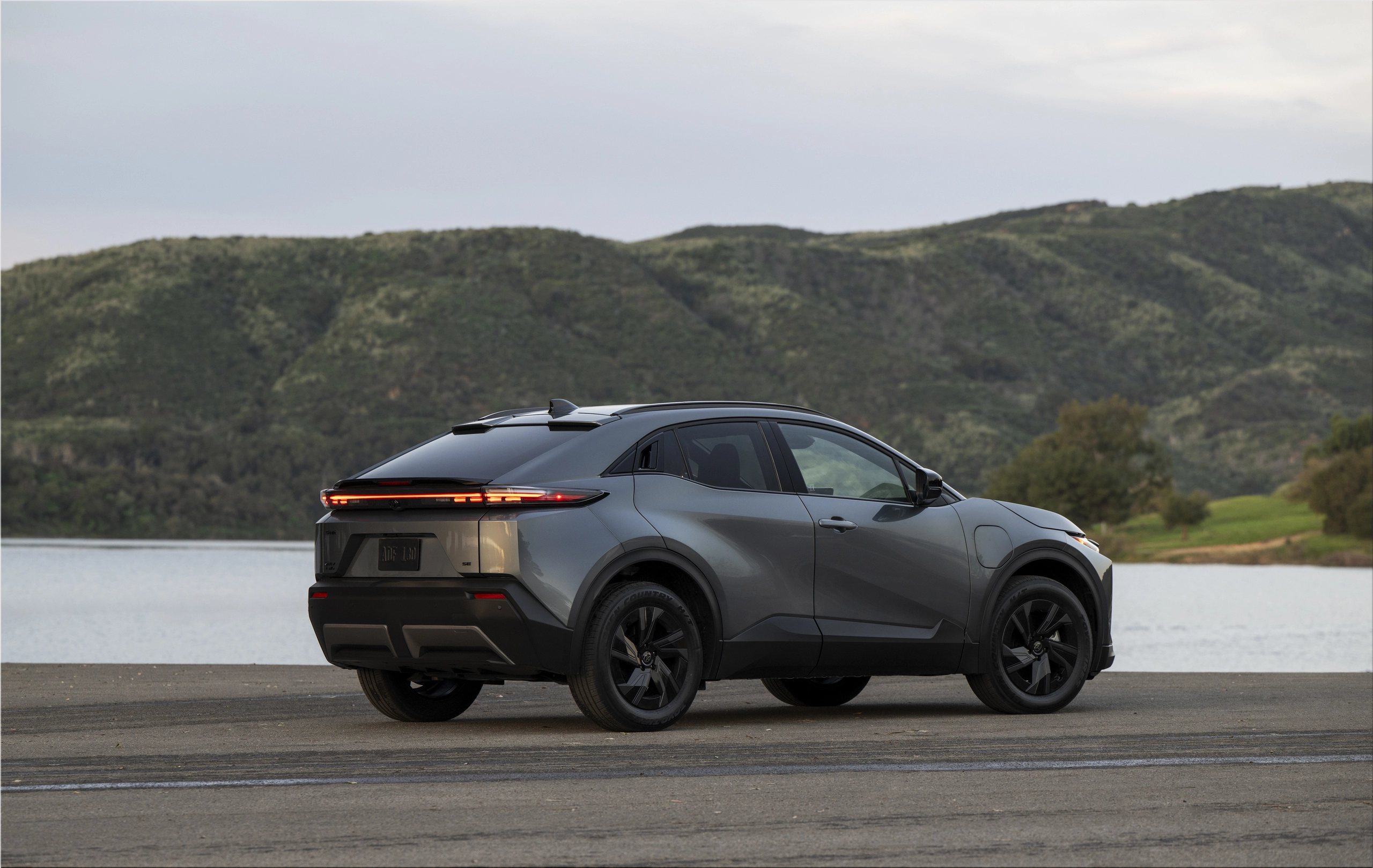
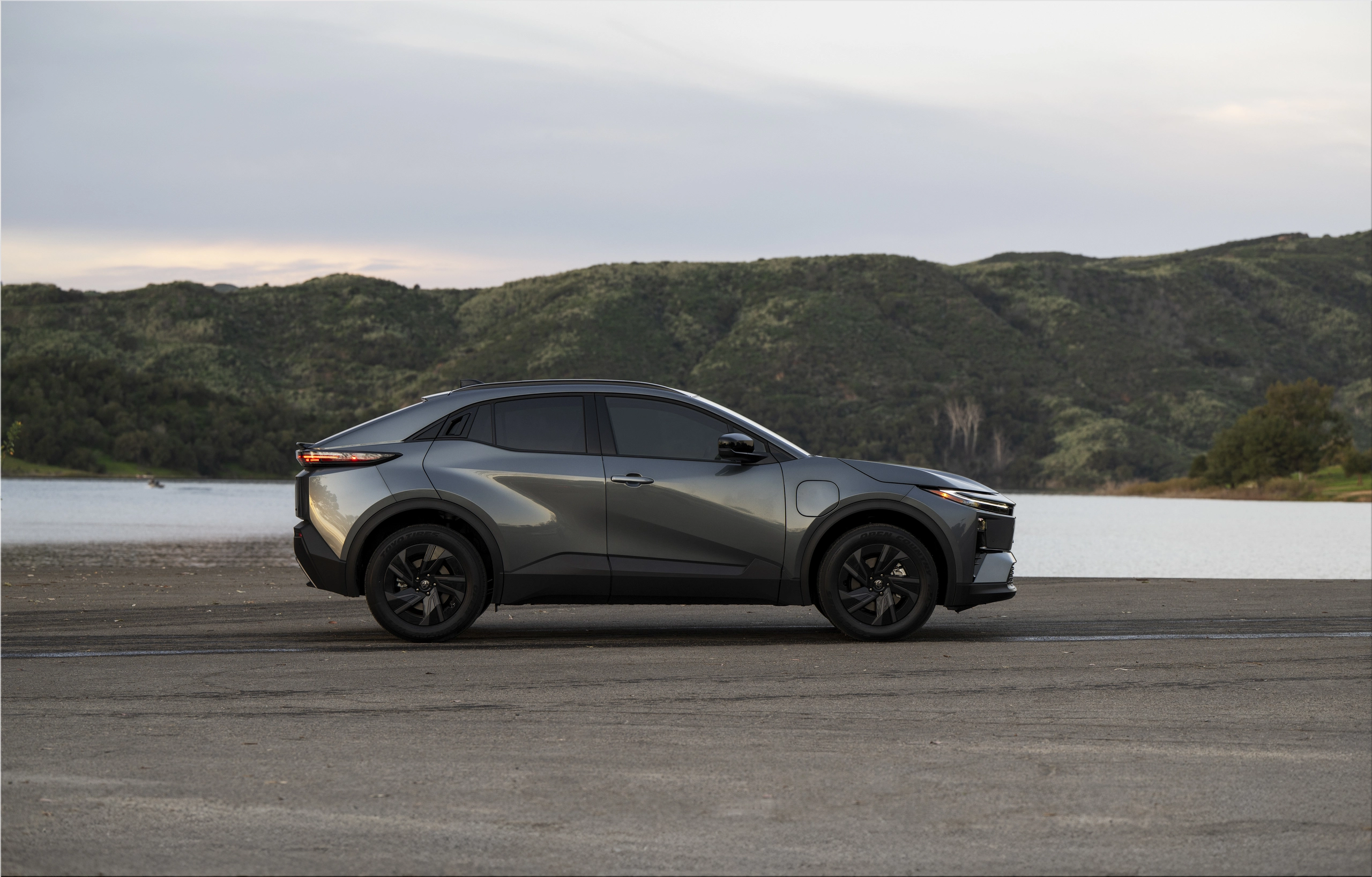
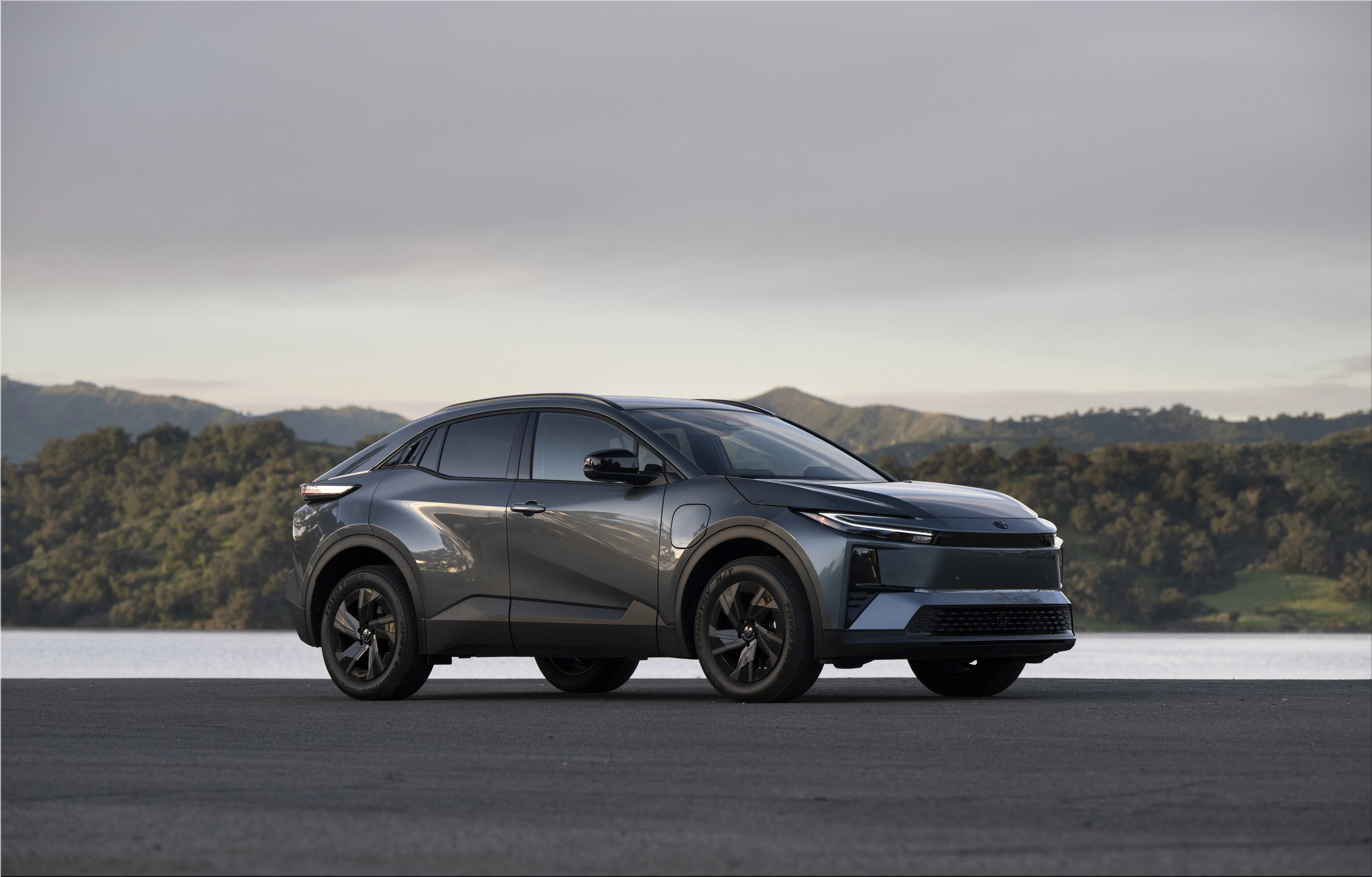
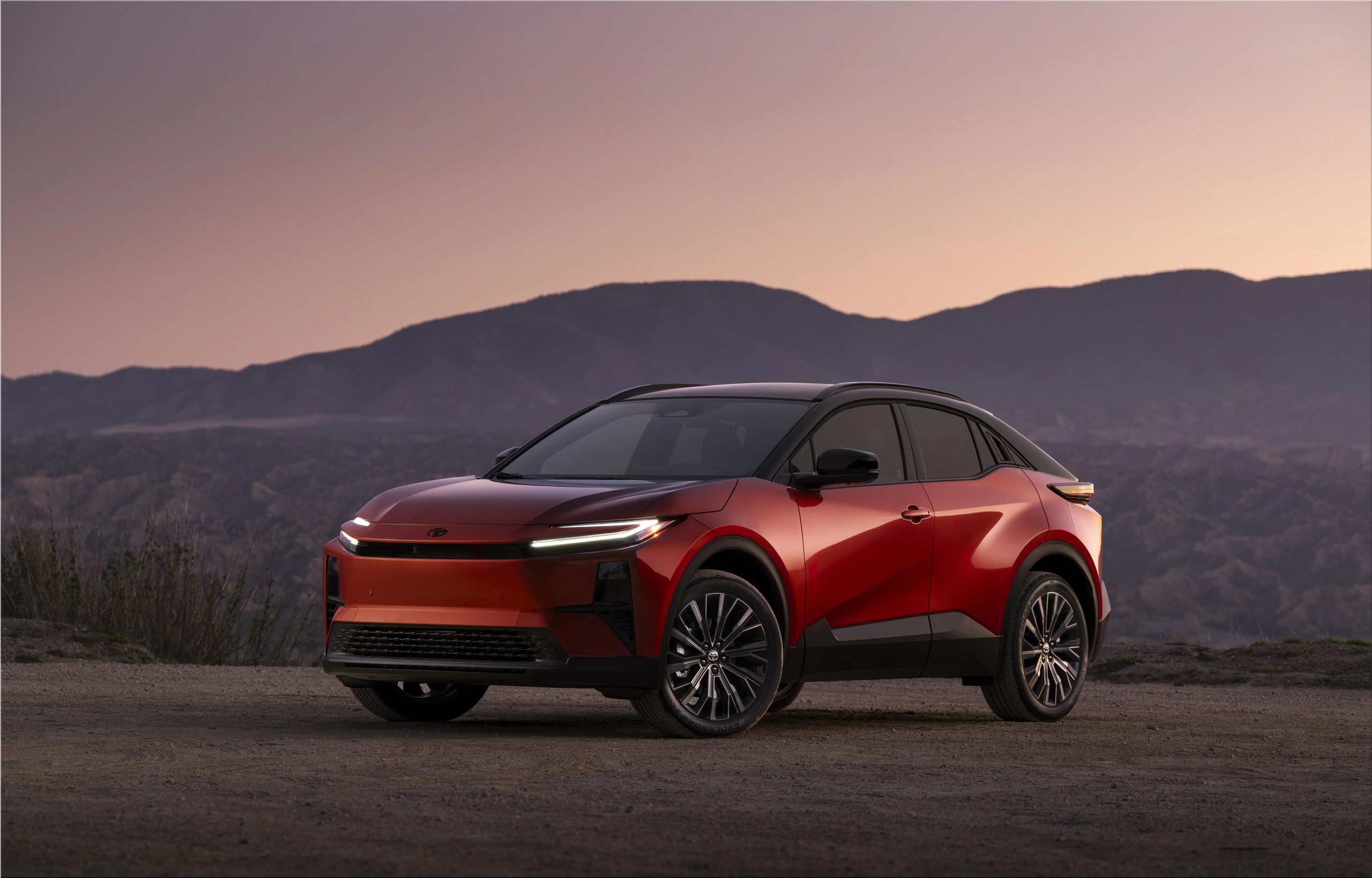
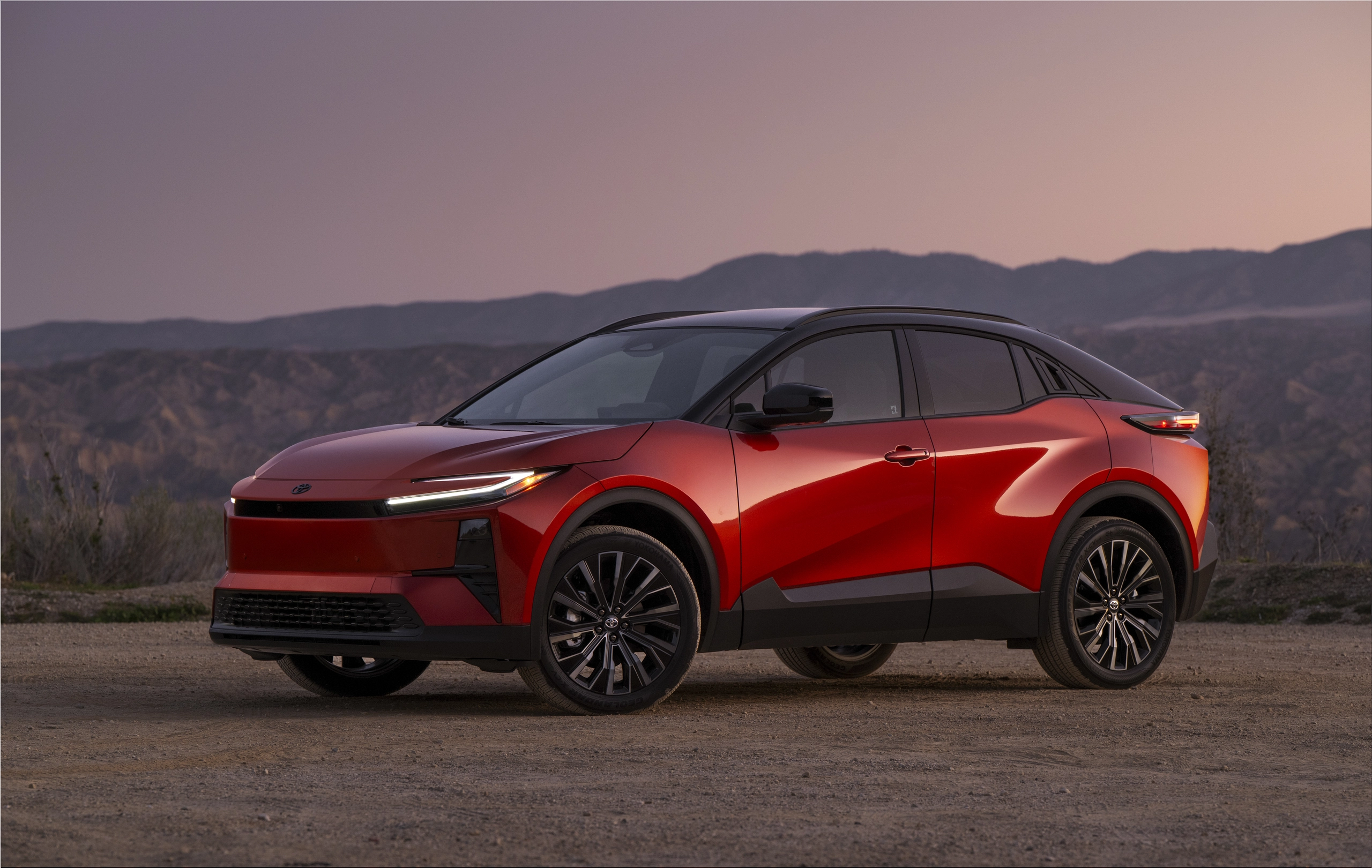
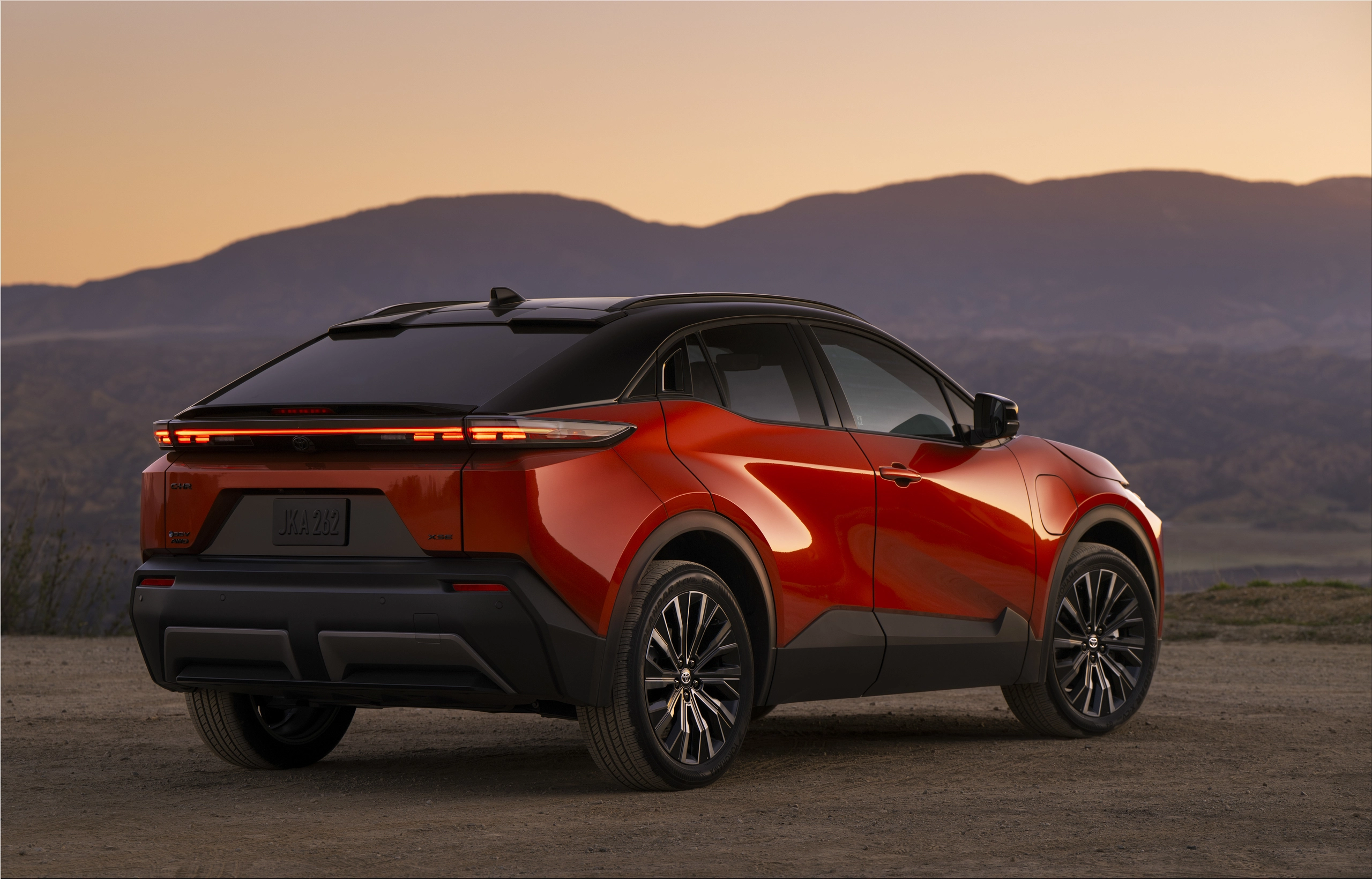
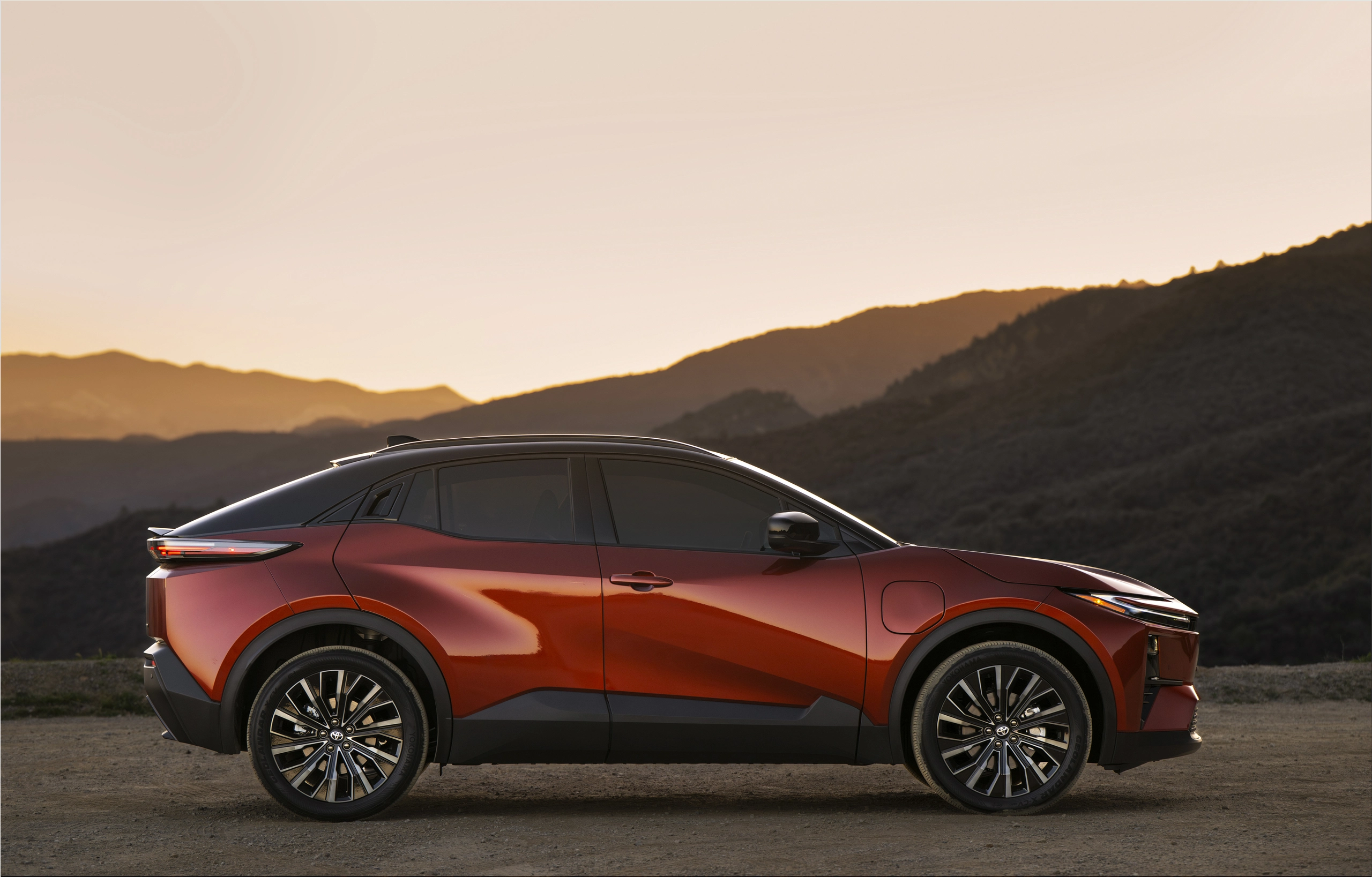
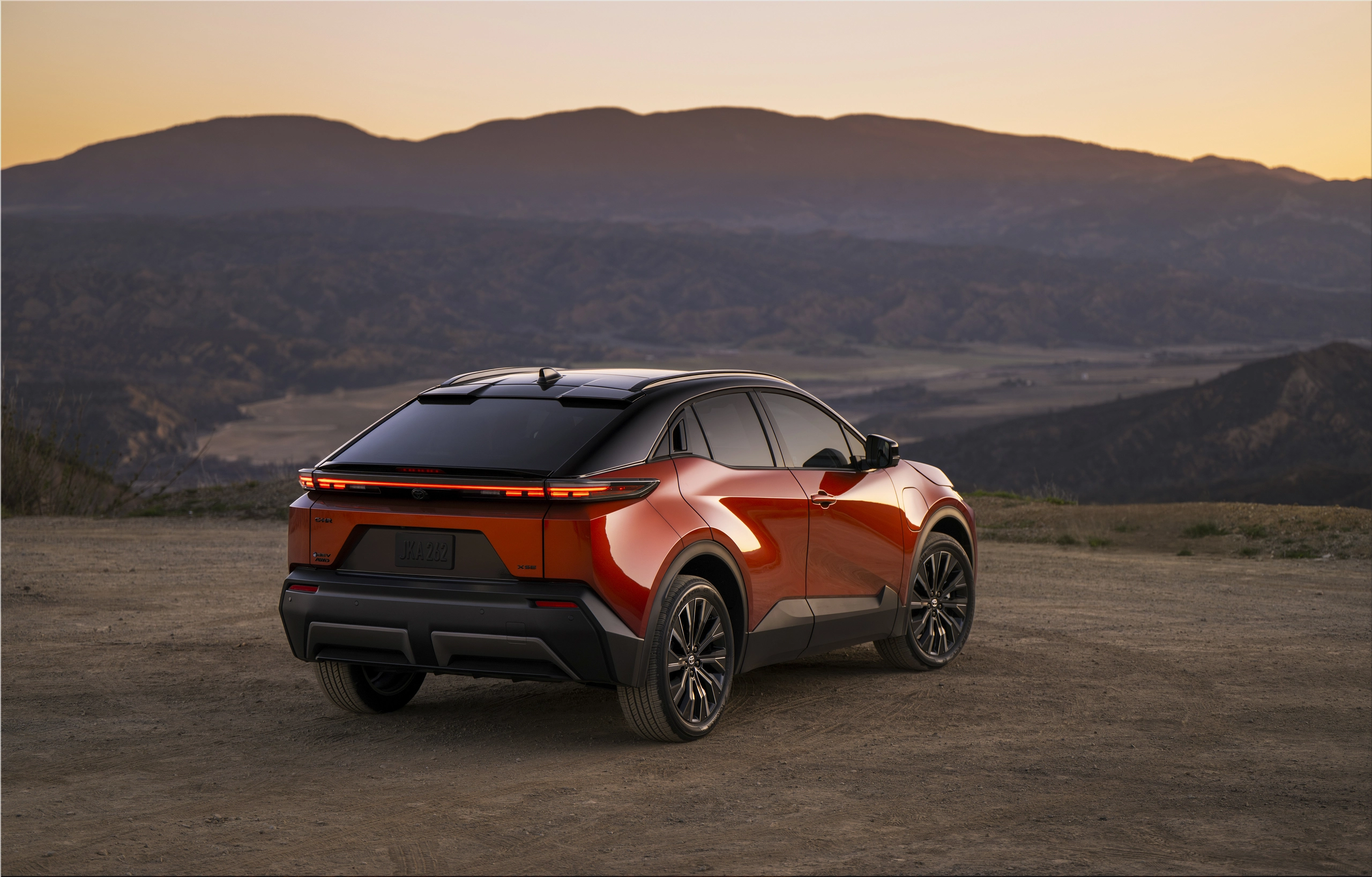
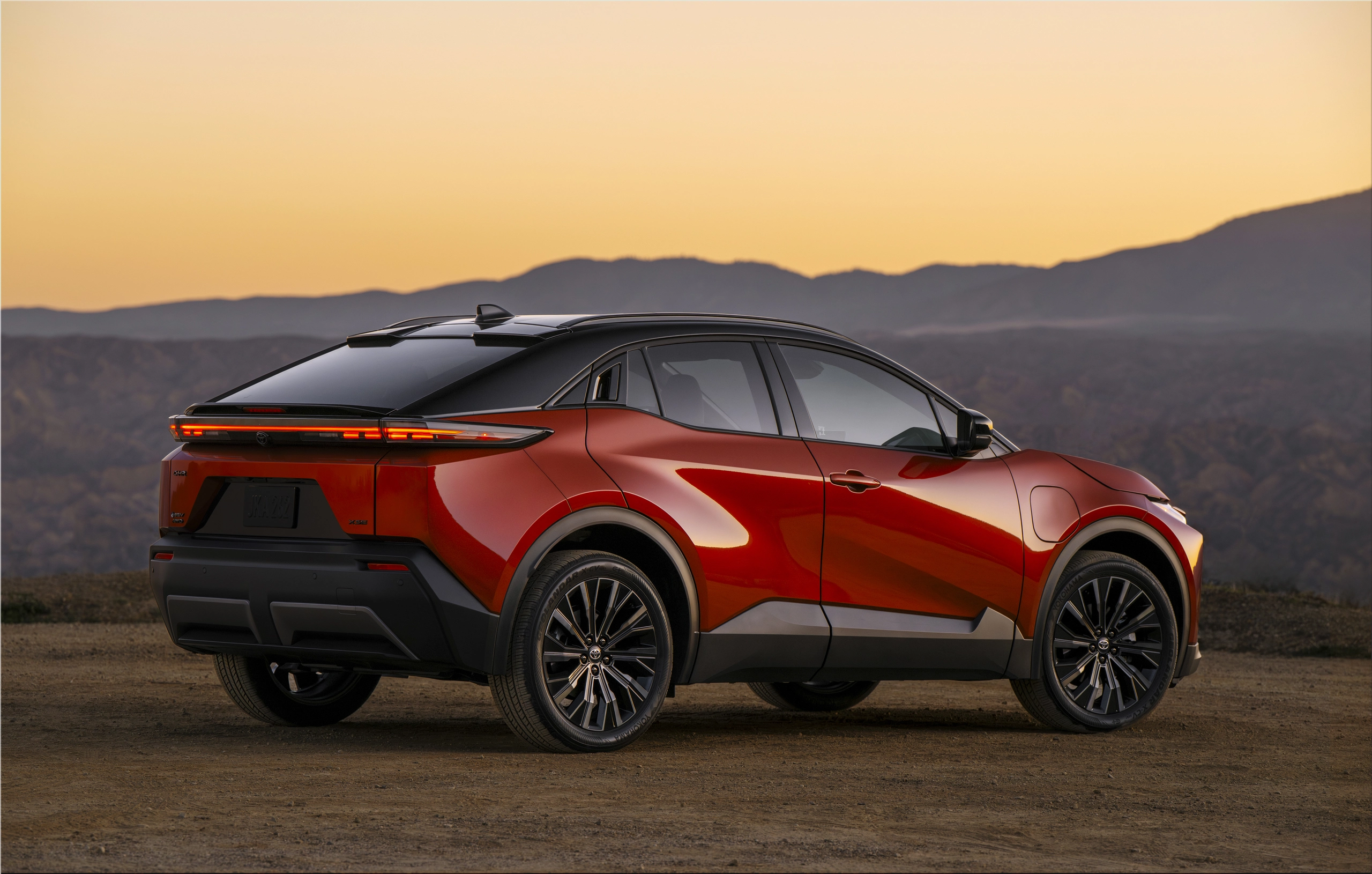
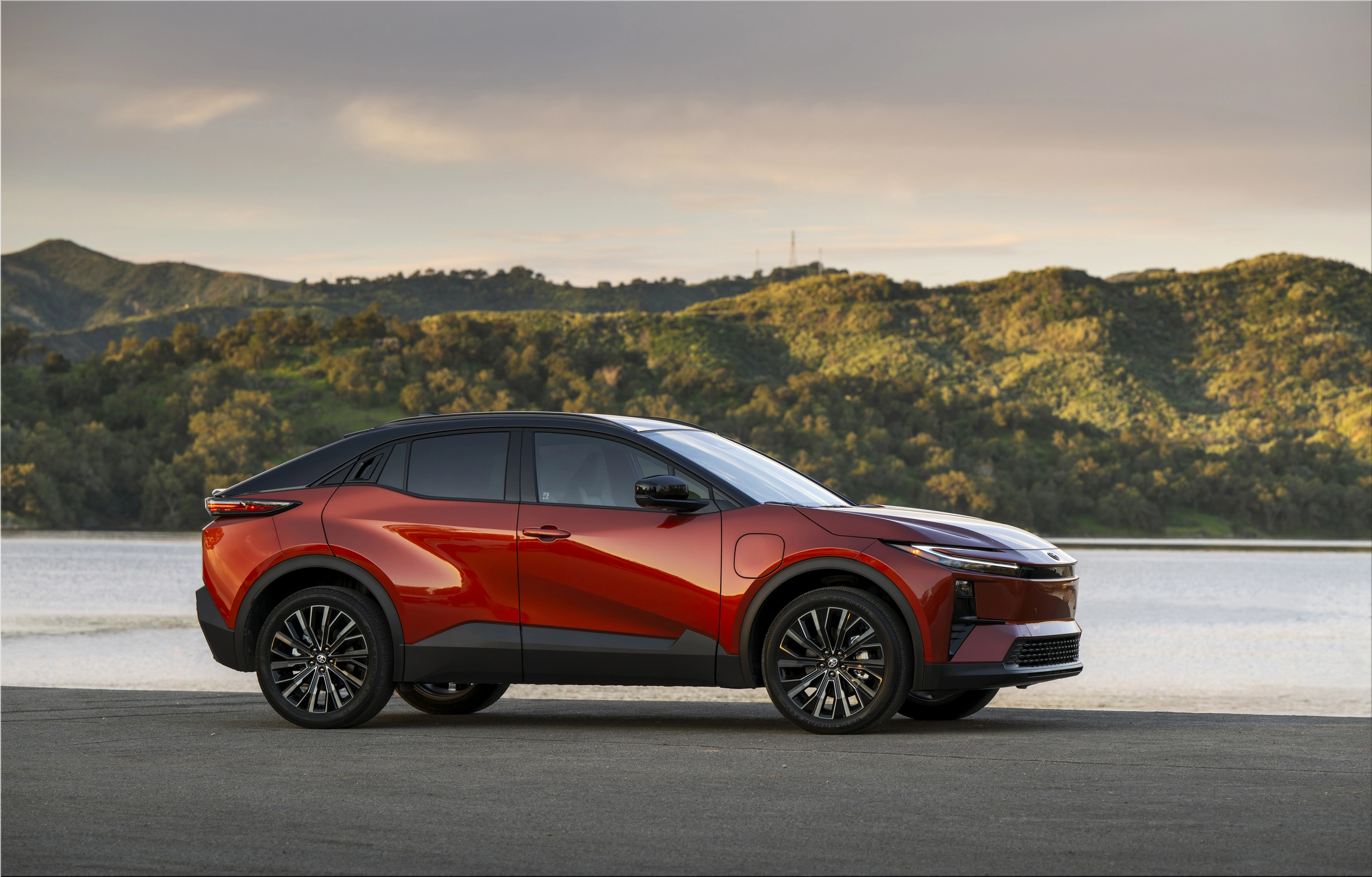
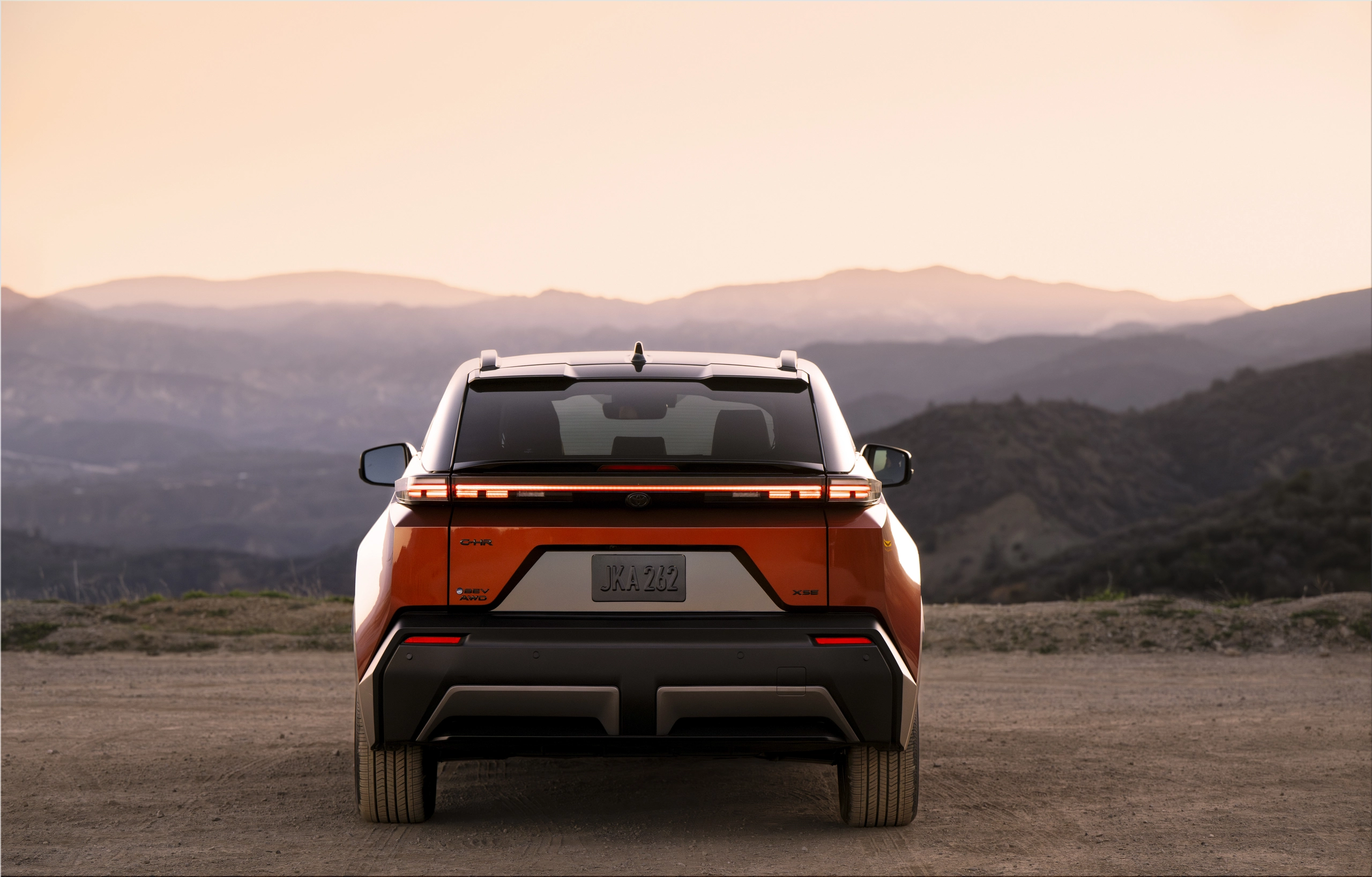
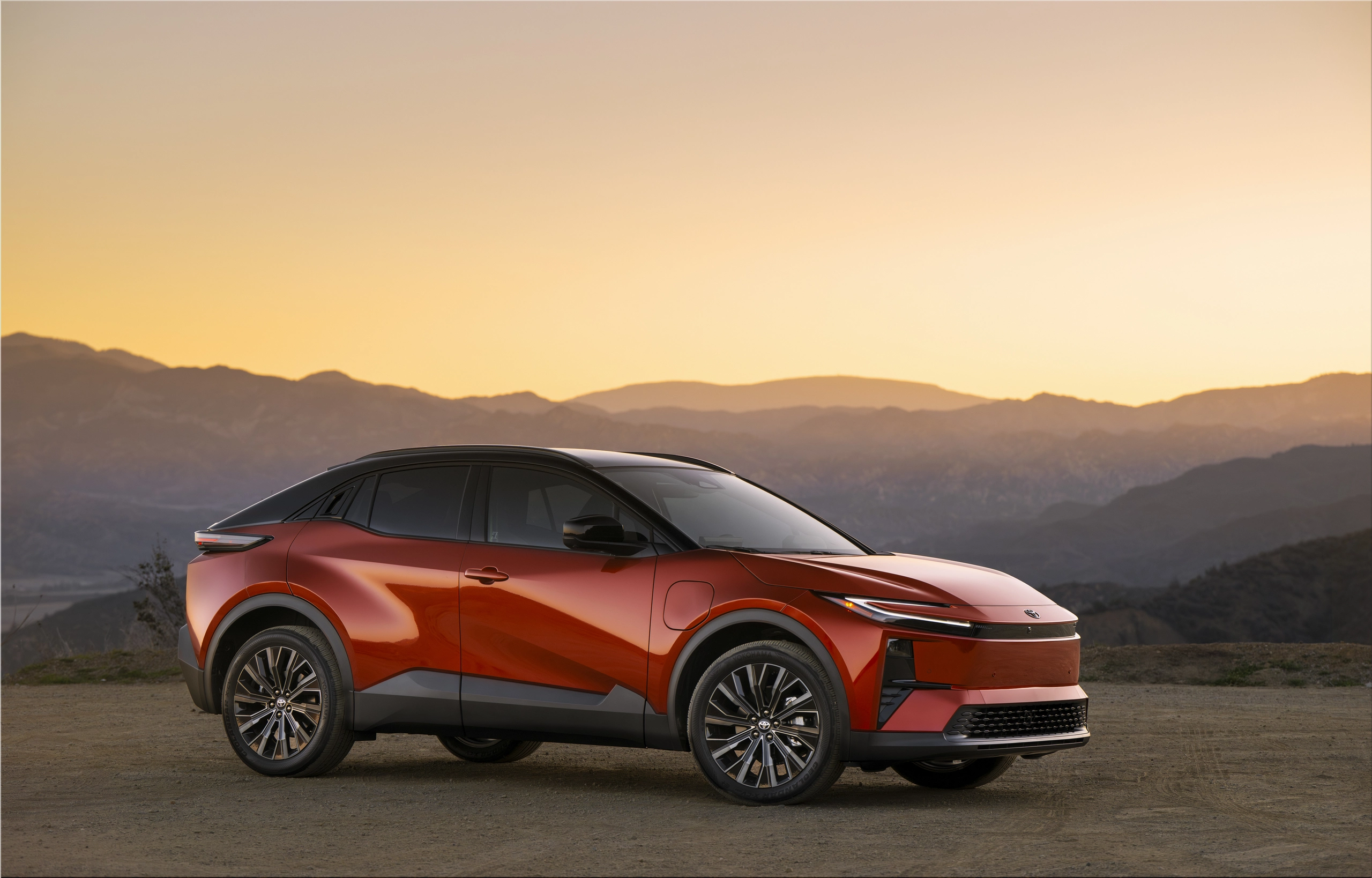
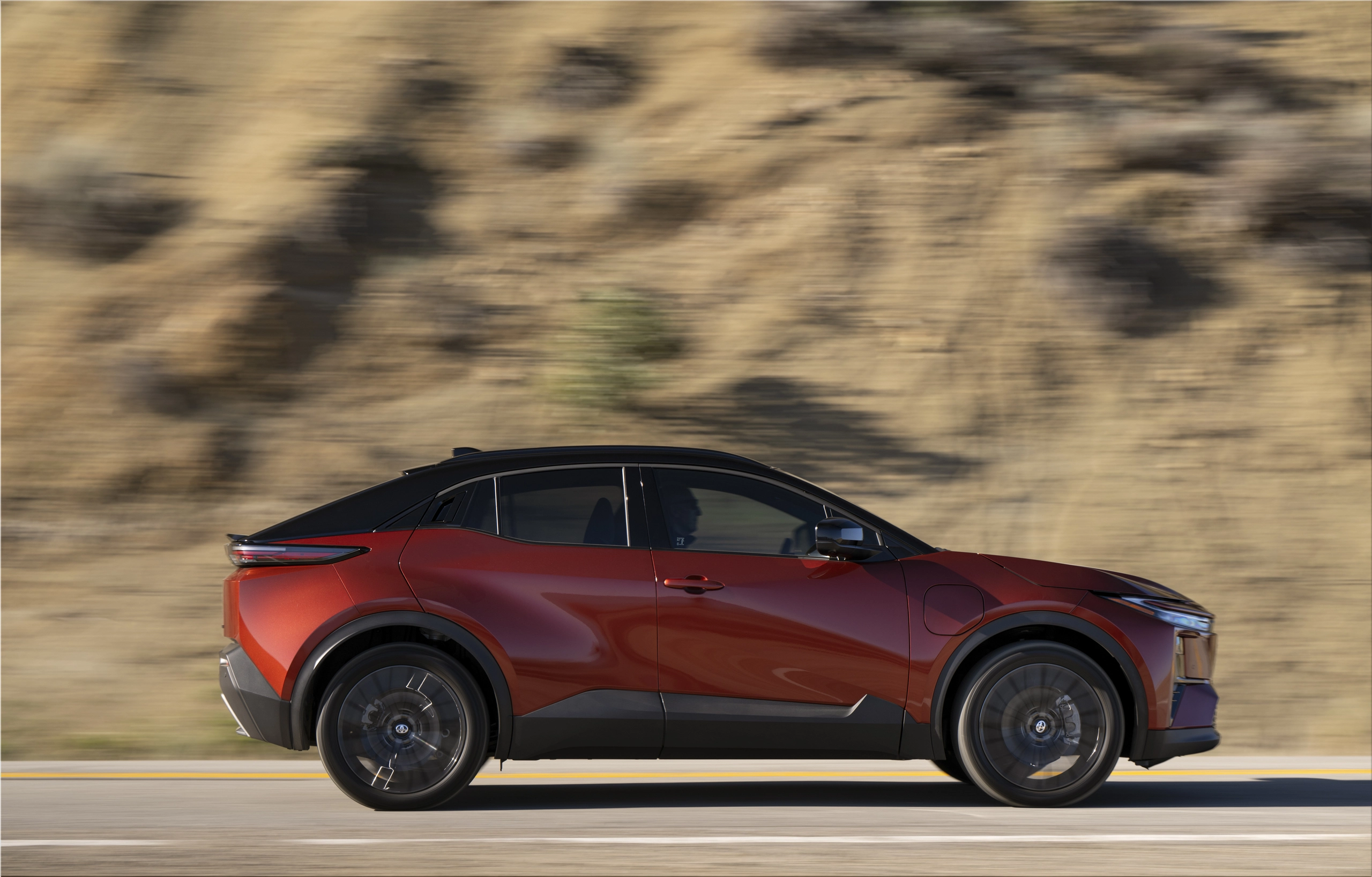
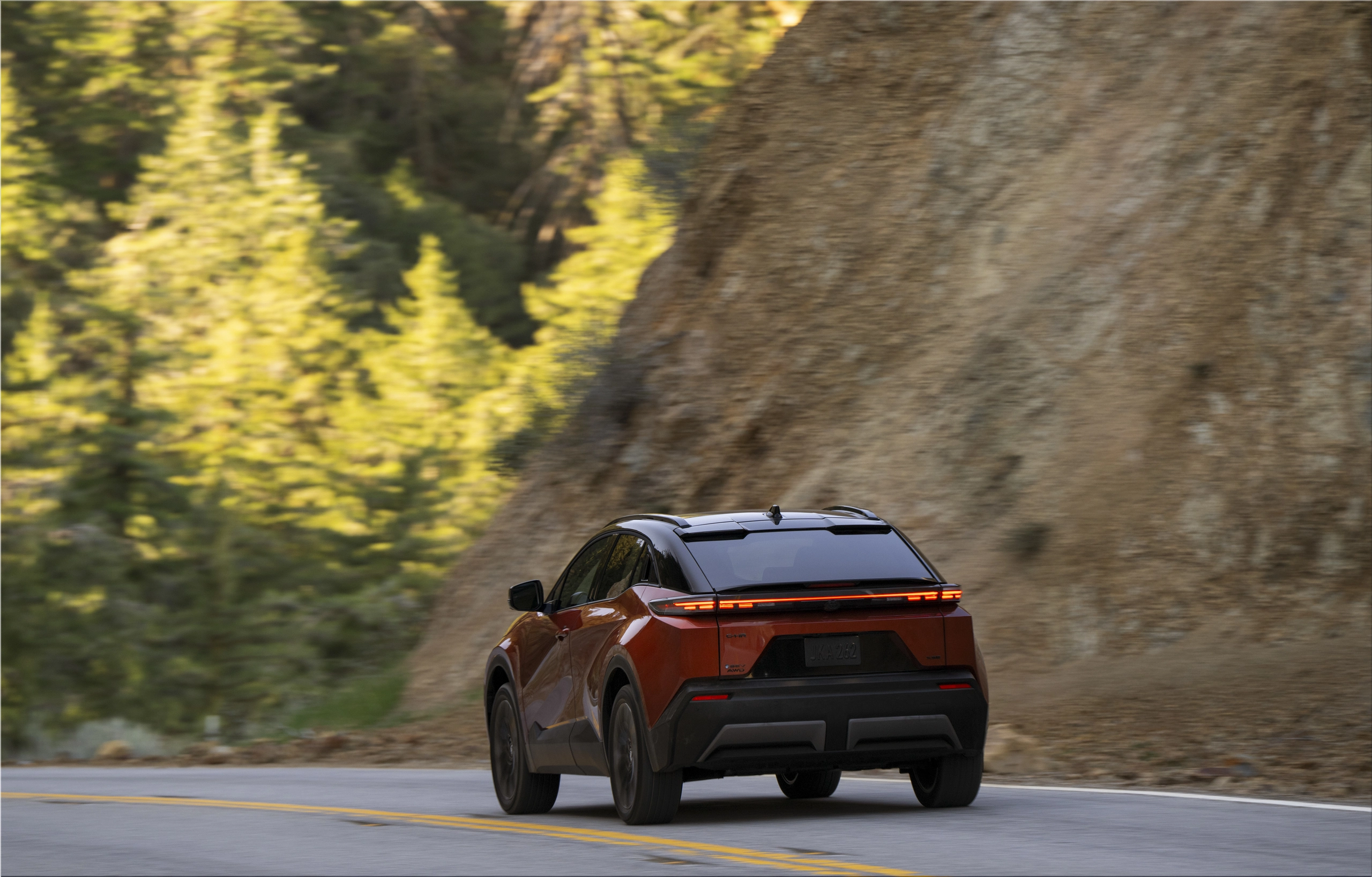
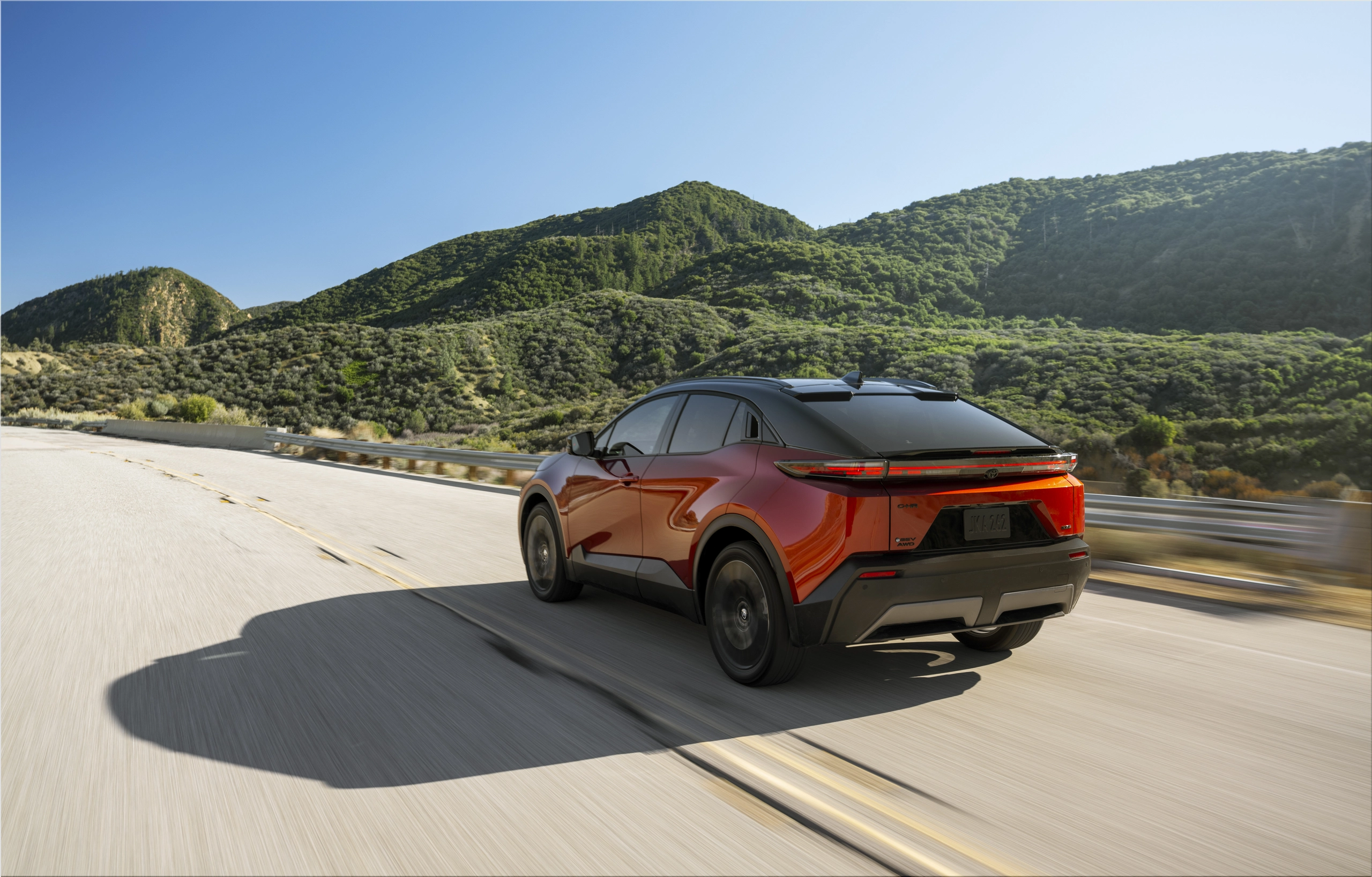
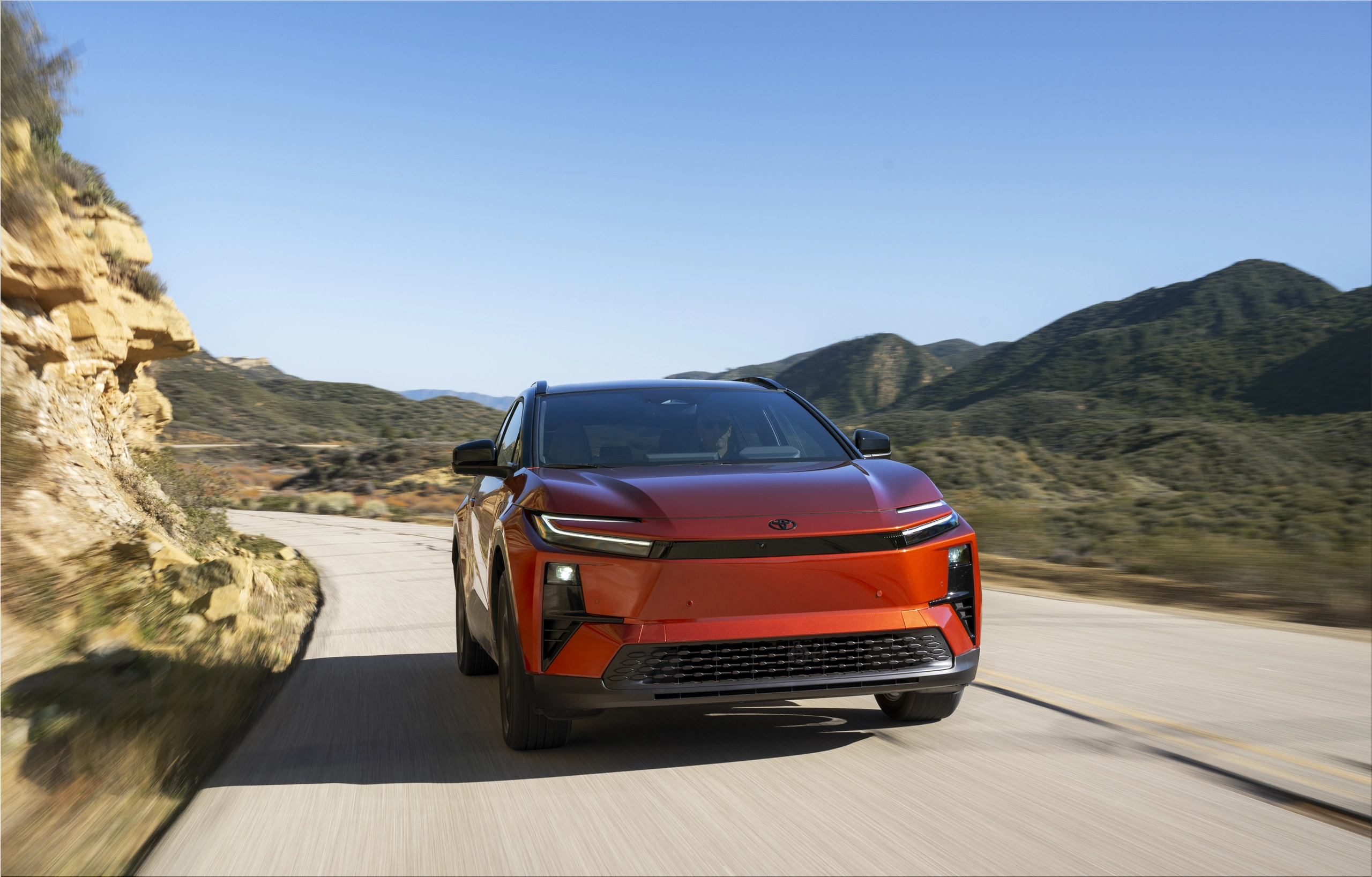
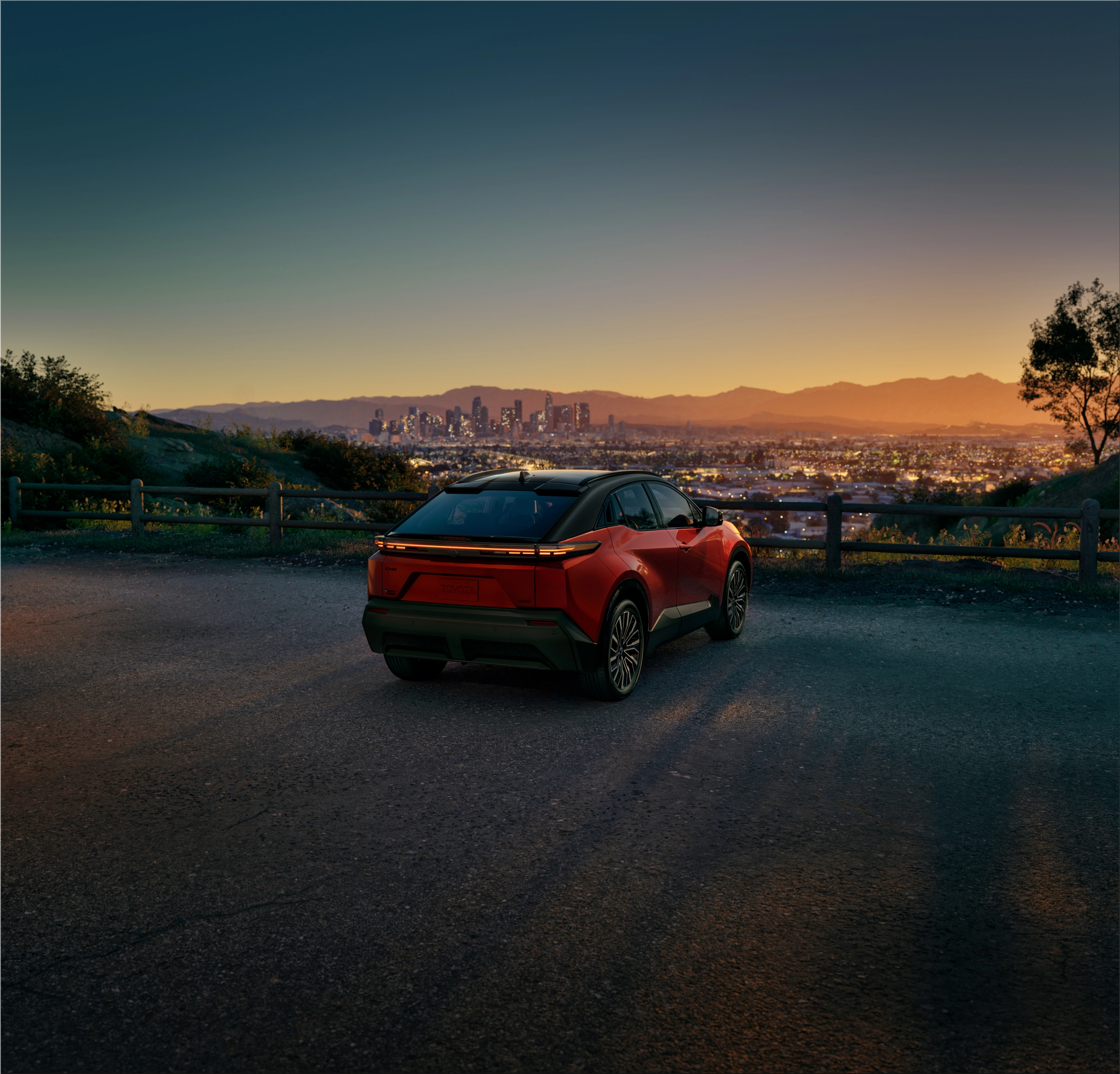
The 108.3-inch wheelbase occupies 60.9 percent of the body length, so Toyota pushes the wheels toward the corners and limits overhang. By comparison, the C-HR measures 12.7 inches shorter than a Chevrolet Equinox EV. Its 8.0-inch clearance supports snow-covered streets and rough access roads, but the 16.6-degree approach angle signals road-biased intent.
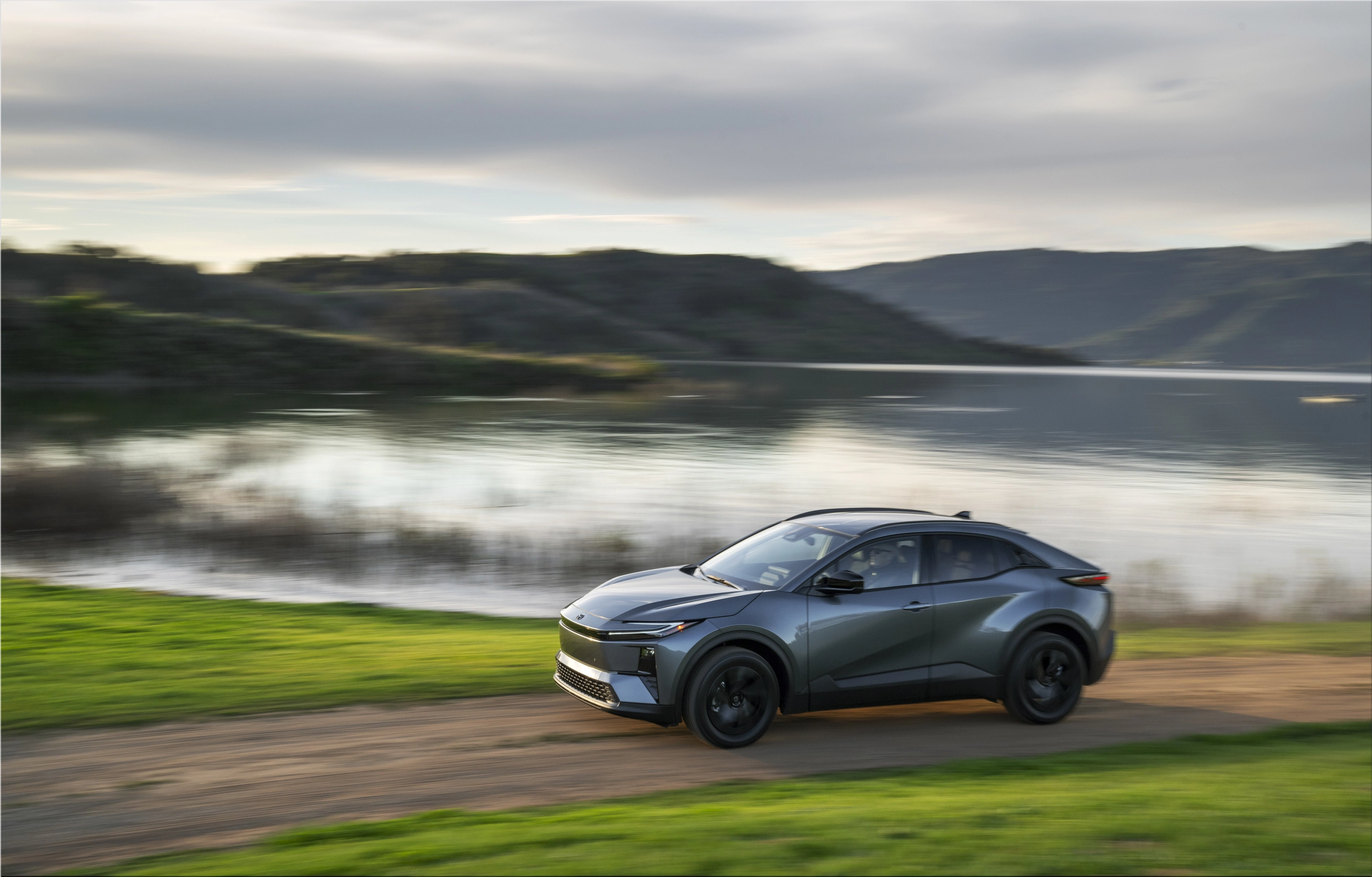
Dual-Motor AWD Supplies Serious Speed
The front eAxle delivers 198 lb-ft, while the rear contributes 125 lb-ft. Electric motors respond near zero rpm, so the Toyota C-HR AWD launches without a downshift. Toyota quotes 4.9 seconds to 60 mph; a prior-model instrumented test recorded 4.4 seconds.
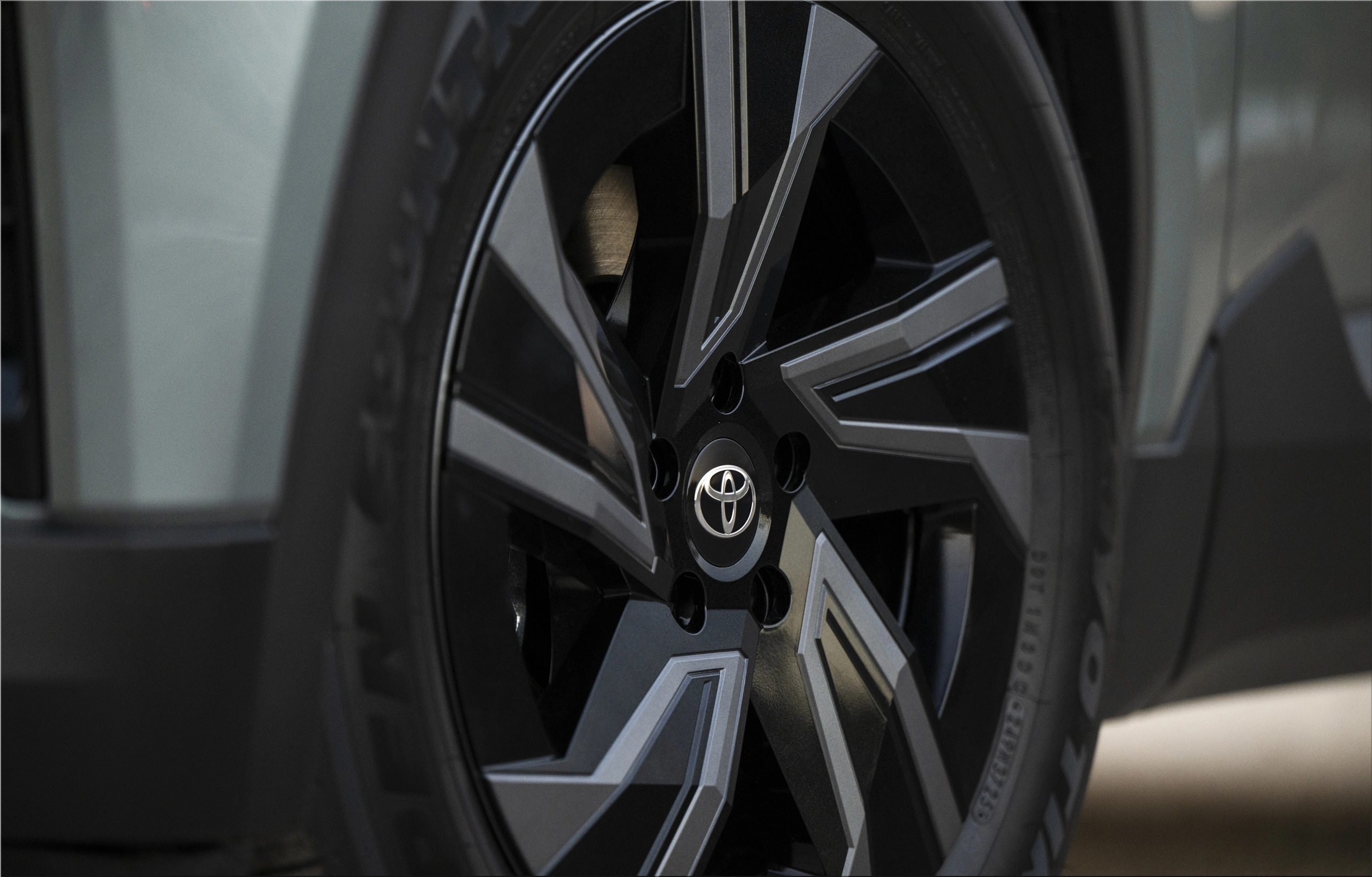
Independent testing recorded 0.82 g of lateral grip and noticeable body roll, placing the C-HR closer to a quick daily driver than a tall sports car. The XSE's 20-inch wheels cut range without fixing steering feedback.
Toyota supports the powertrain with several sound engineering choices:
- The underfloor battery lowers the center of gravity.
- Cross-framing raises body rigidity.
- Model-specific springs, dampers and anti-roll bars control mass.
- Separate eAxles alter front-to-rear drive force quickly.
- Steering-wheel paddles select four regenerative-braking levels.
Range and Charging: The 18-Inch Wheel Wins
Looking at the data, wheel choice costs 14 miles, or 4.9 percent of the SE rating. Gross arithmetic returns 3.84 miles per kWh for the SE and 3.65 for the XSE, though Toyota quotes total capacity. Toyota currently labels the 2027 range figures as manufacturer estimates.
The 11-kW onboard charger gives a theoretical 6.8-hour zero-to-full session; losses and taper push a Level 2 session closer to 7.5 hours. Specifically, the 10-80 percent window represents about 52.3 kWh of total-pack capacity, so a 30-minute stop implies roughly 105 kW on average against the 150-kW peak.
Toyota fits a native NACS charging port, dual-voltage cable and battery preconditioning. Drivers can start preconditioning manually; automatic activation needs navigation and active Drive Connect service. In addition, Plug & Charge needs an active Remote Connect plan.
Should You Buy the SE or XSE?
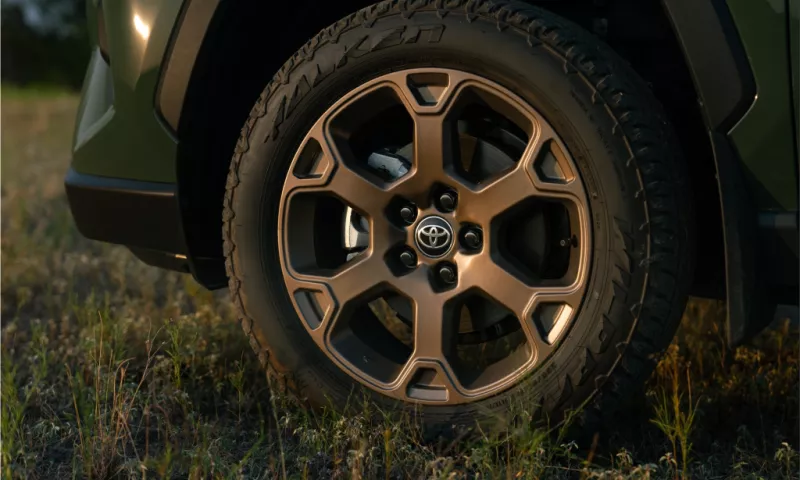
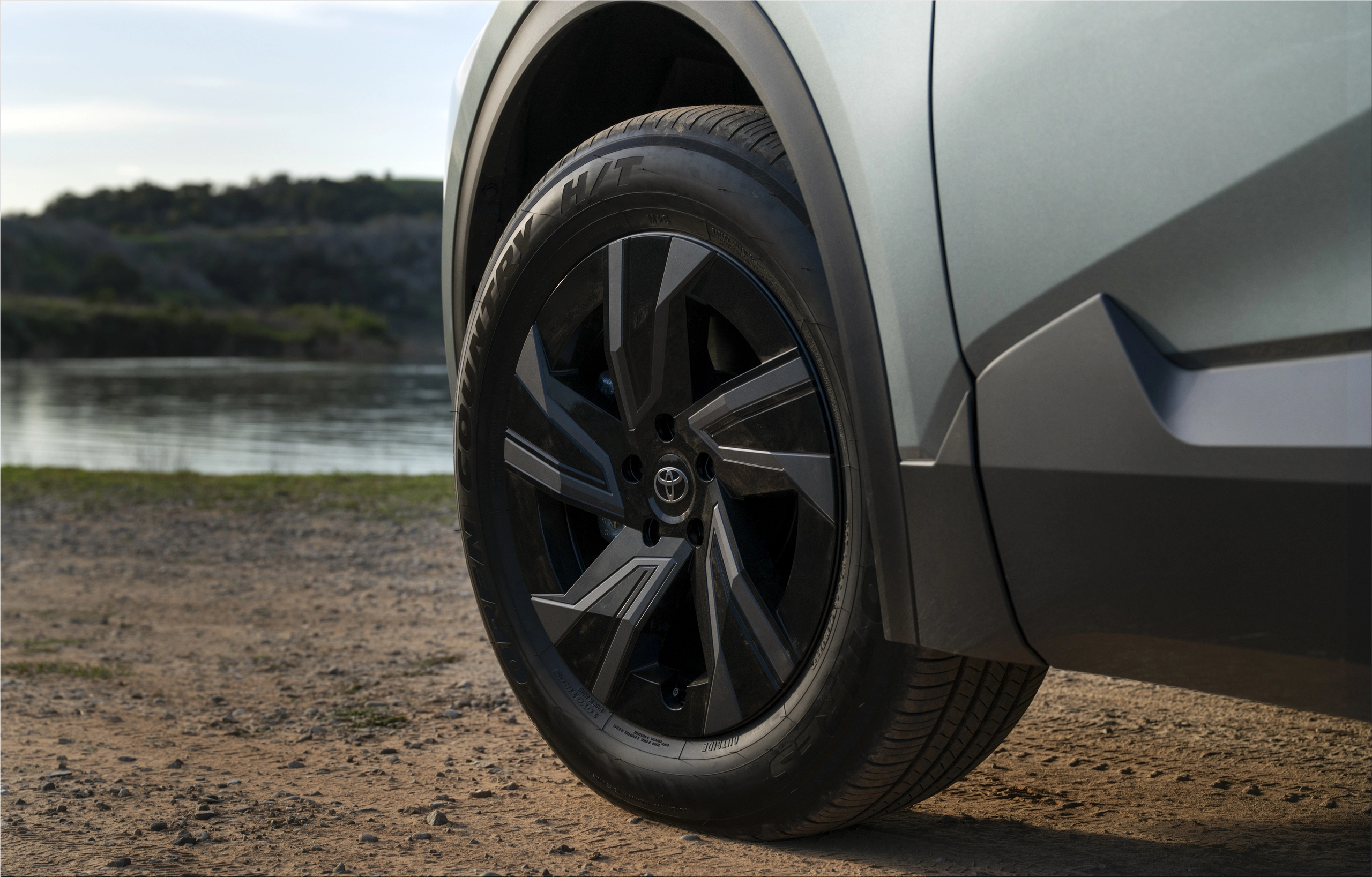
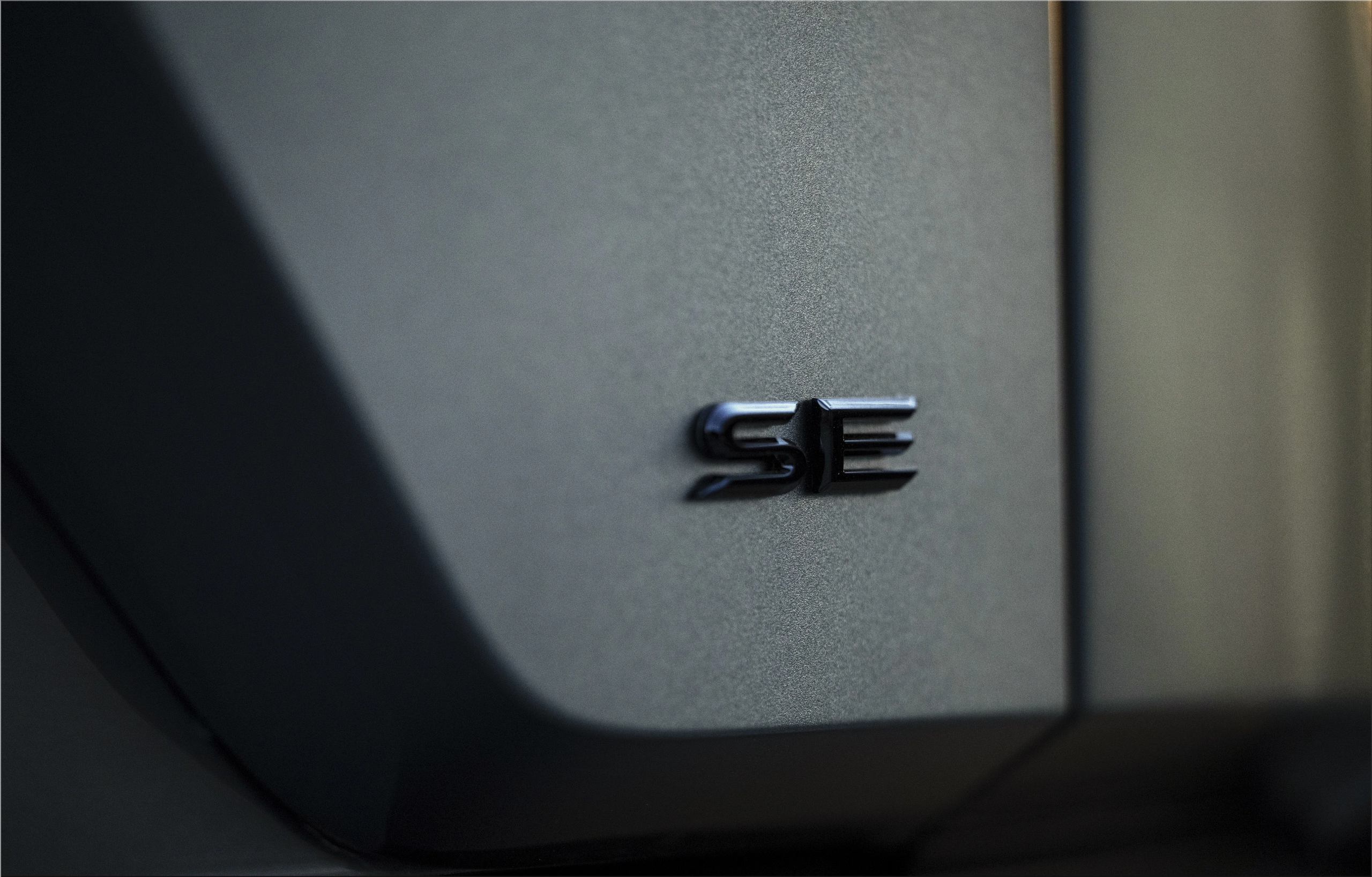
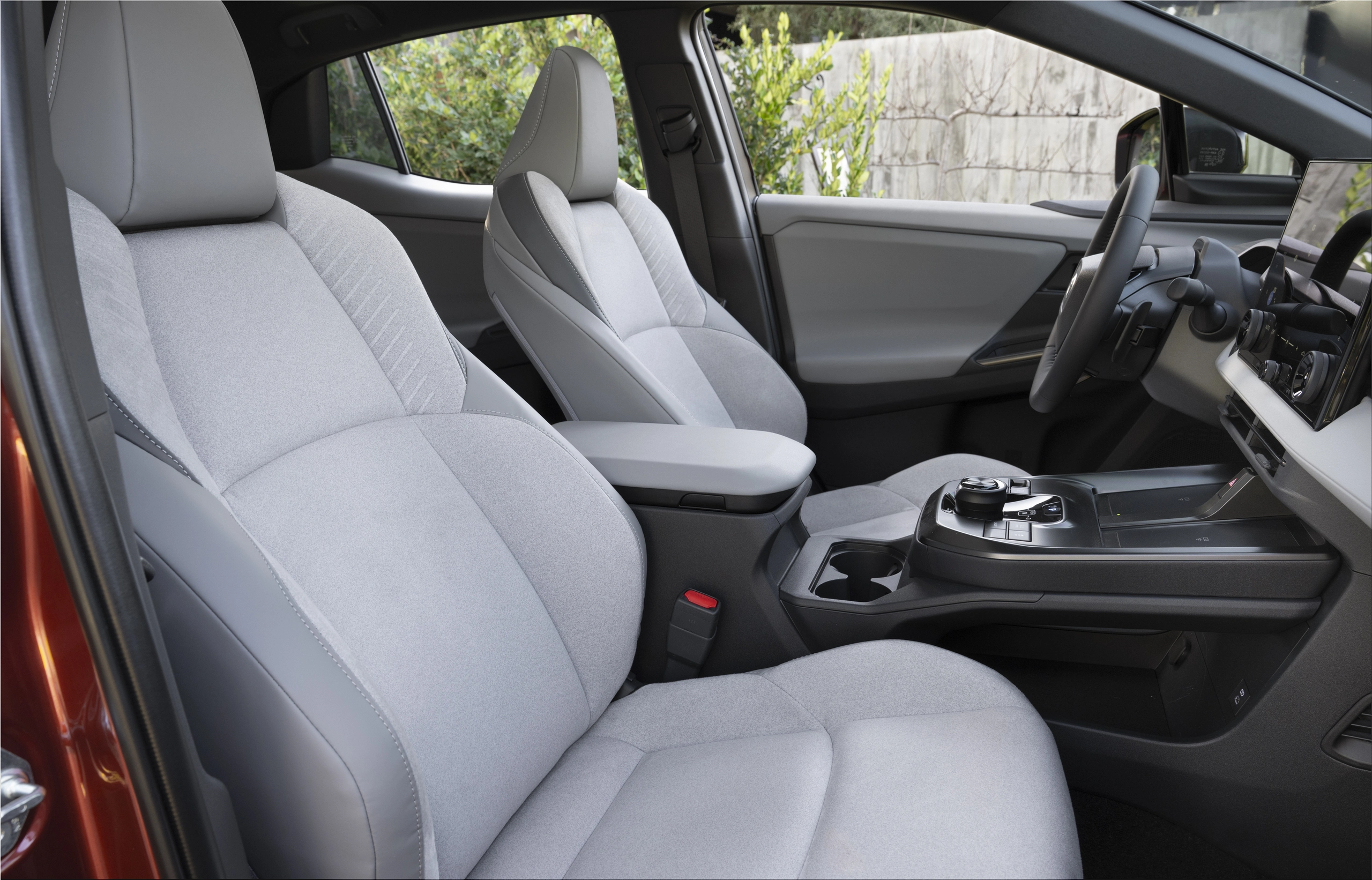
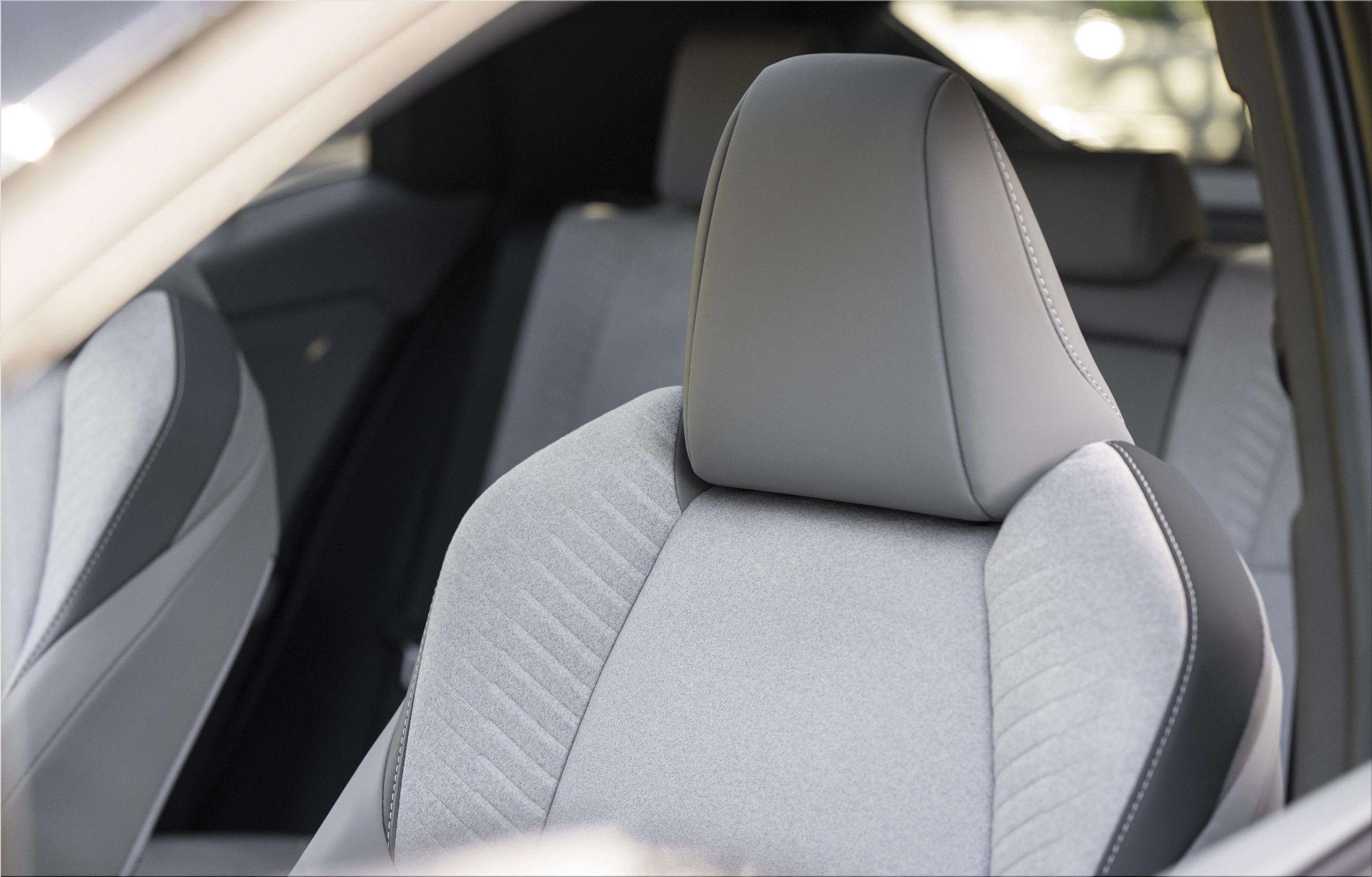
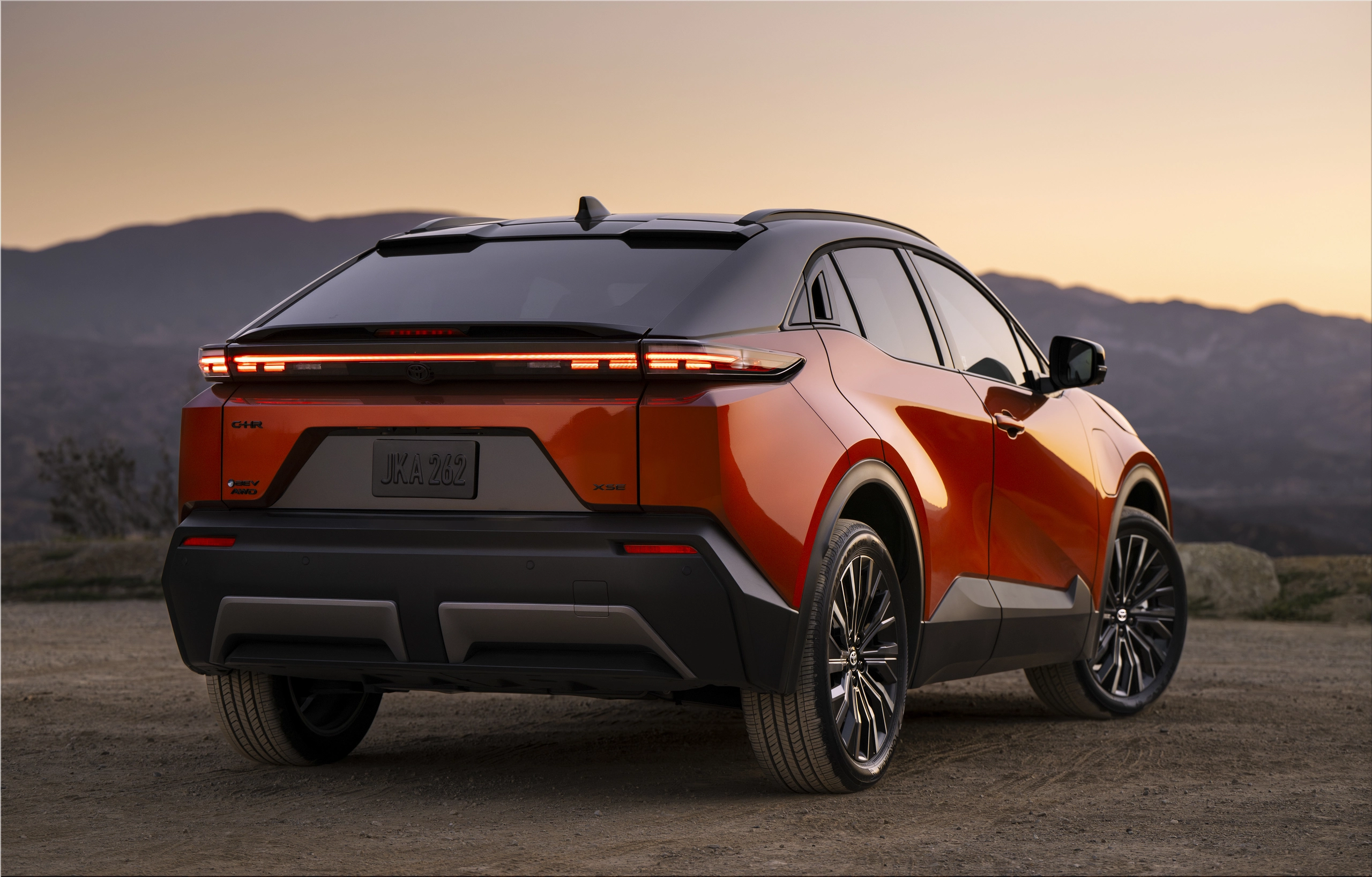
The $37,080 SE uses 18-inch wheels and includes a power liftgate, rain-sensing wipers, roof rails, heated front seats and steering wheel, fabric and SofTex seating, and an eight-way power driver's seat. The $39,080 XSE adds 20-inch wheels, synthetic suede and SofTex trim, a power passenger seat, driver memory, Traffic Jam Assist, Lane Change Assist and a panoramic-view camera. Toyota offers a fixed glass roof on the XSE.
Pro-Tip: Pick the SE unless the surround-view camera, power passenger seat or richer upholstery carries daily value. It saves $2,000, gains 14 rated miles and keeps the same battery, motors, AWD system and acceleration. Consequently, it costs about $129 per rated mile, versus $143 for the XSE.
Cabin Space Favors Front Occupants and Cargo
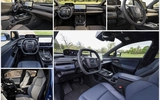
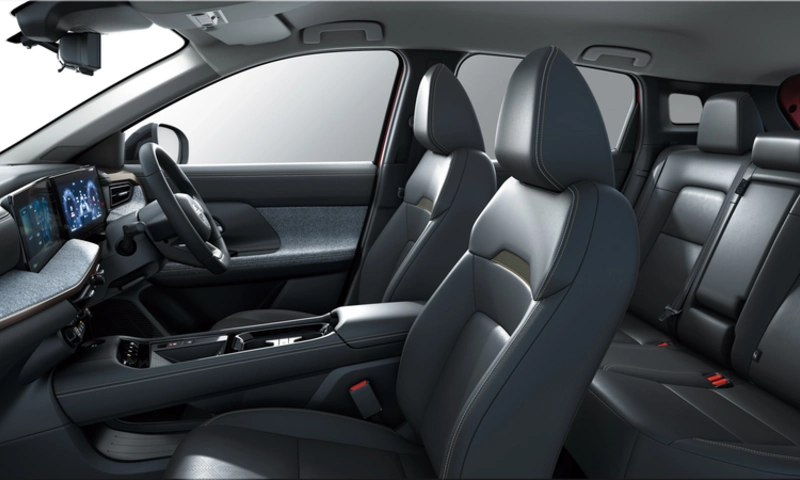
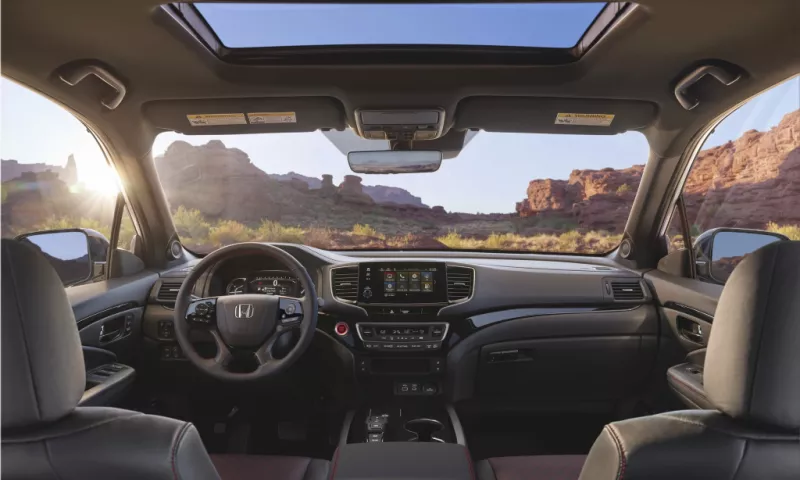
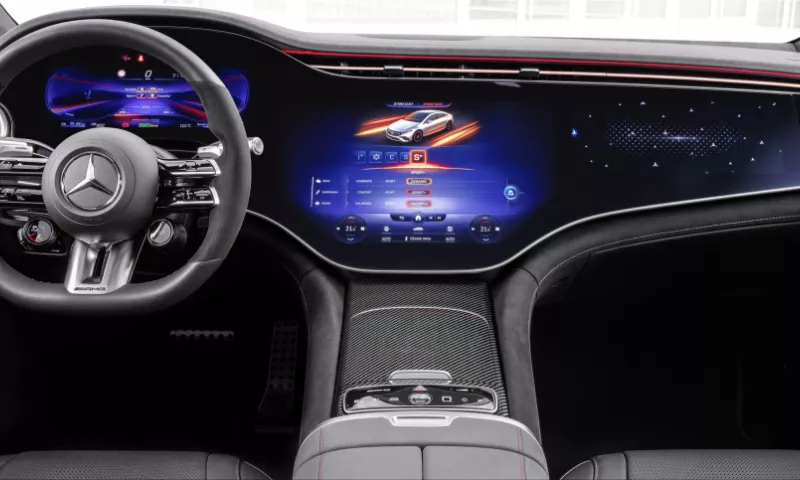
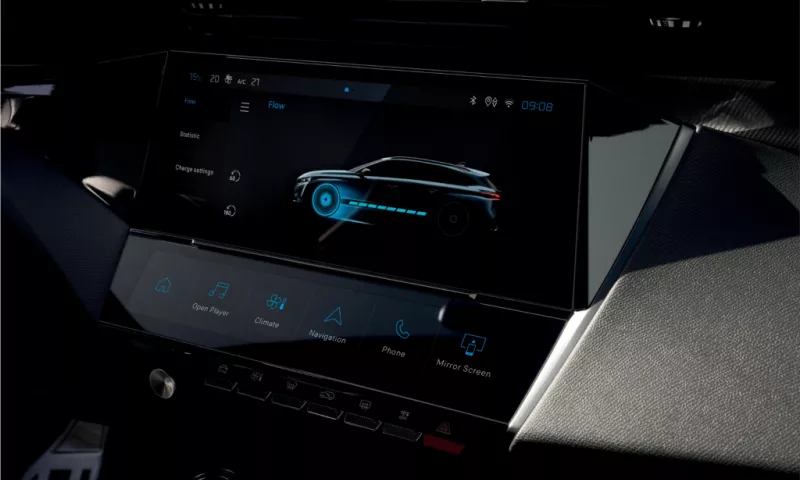
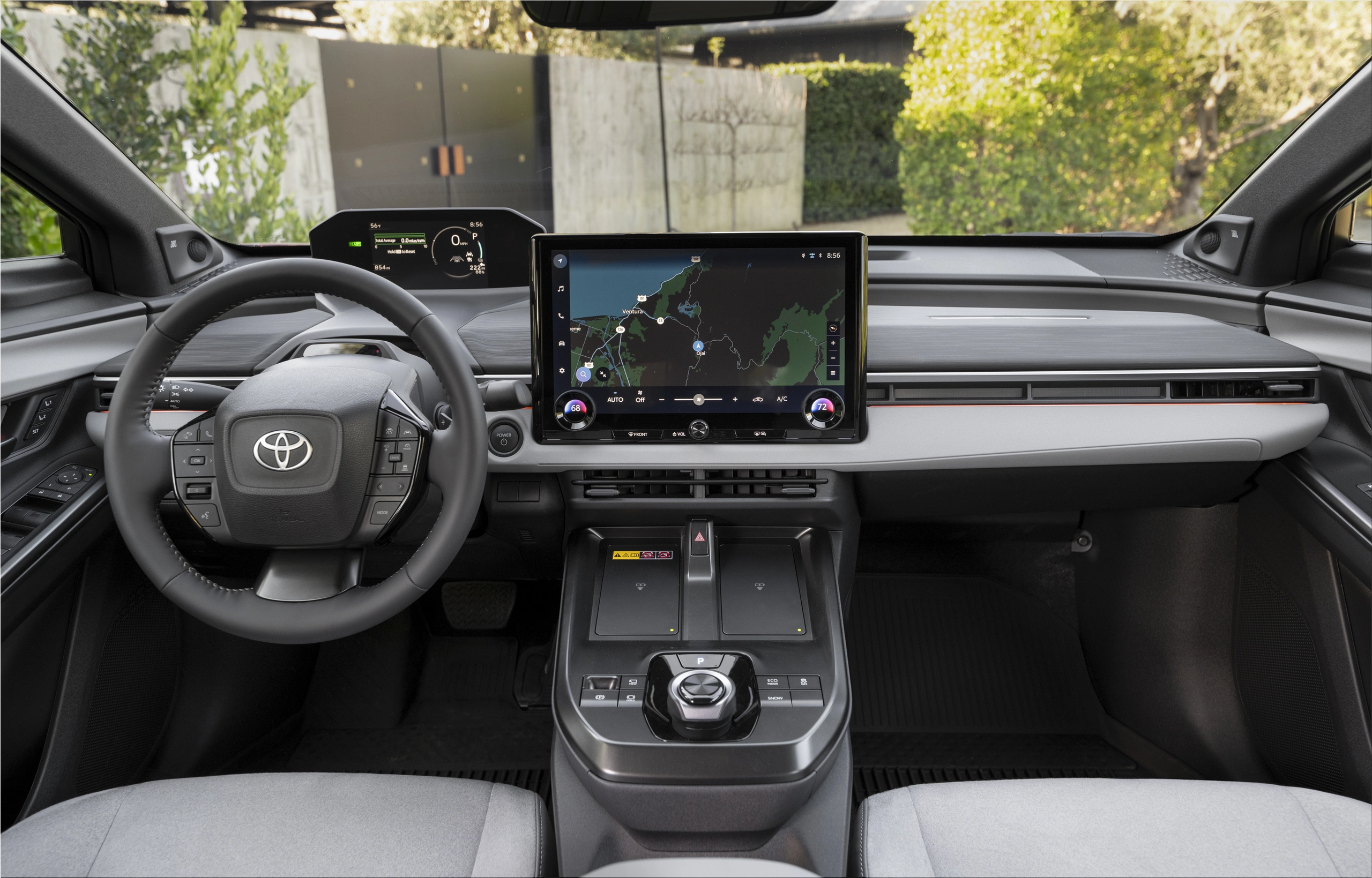
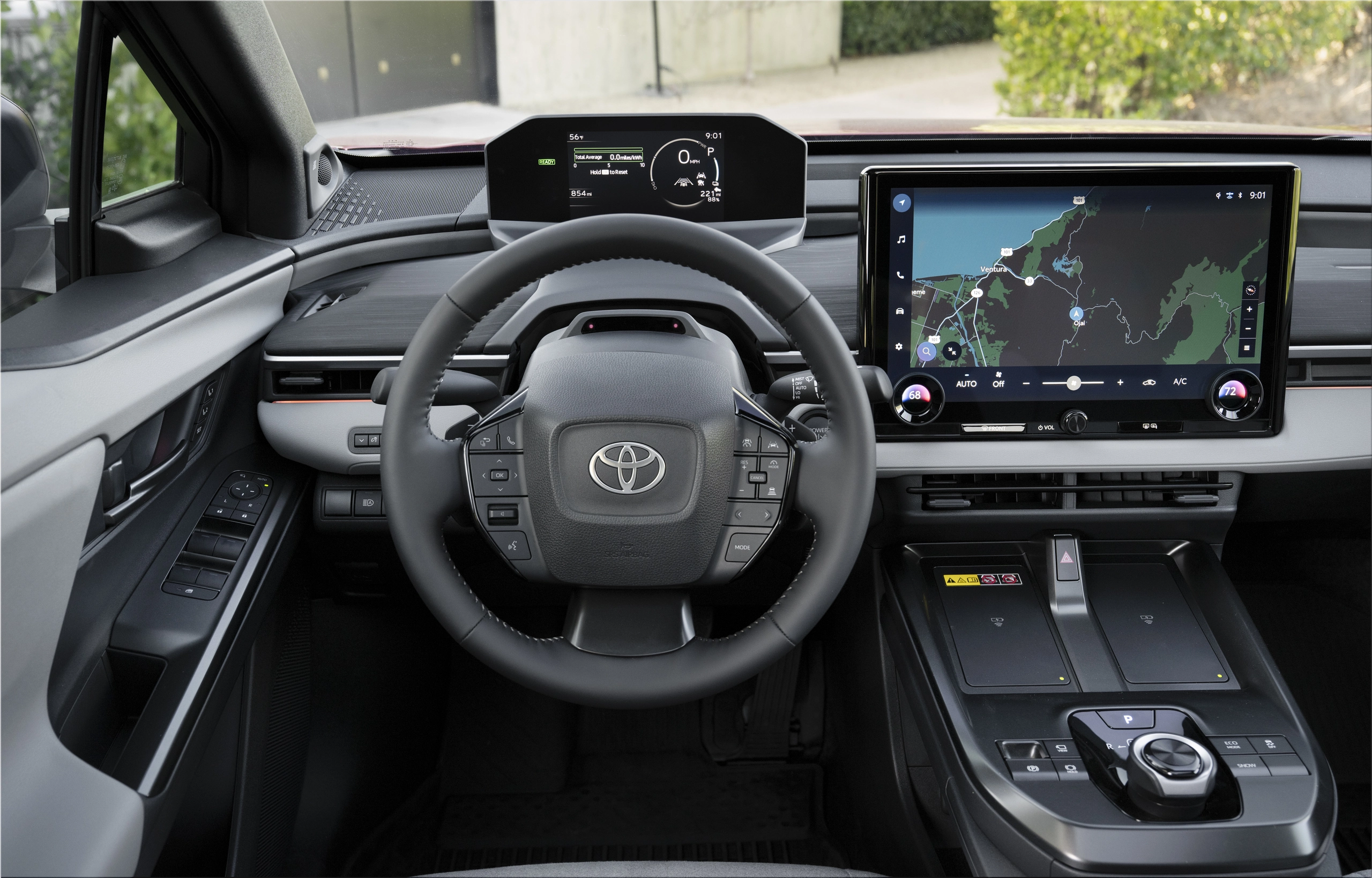
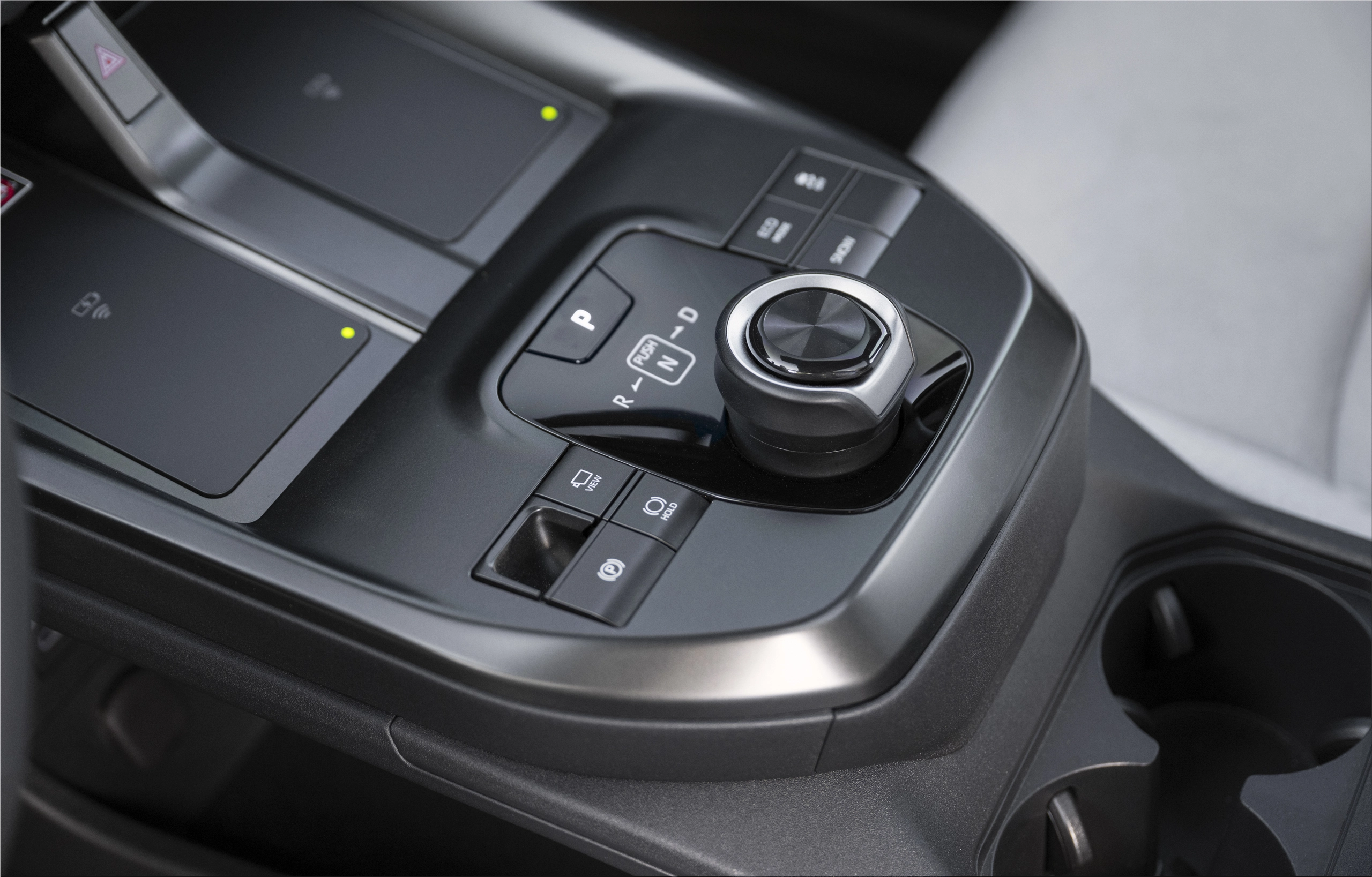
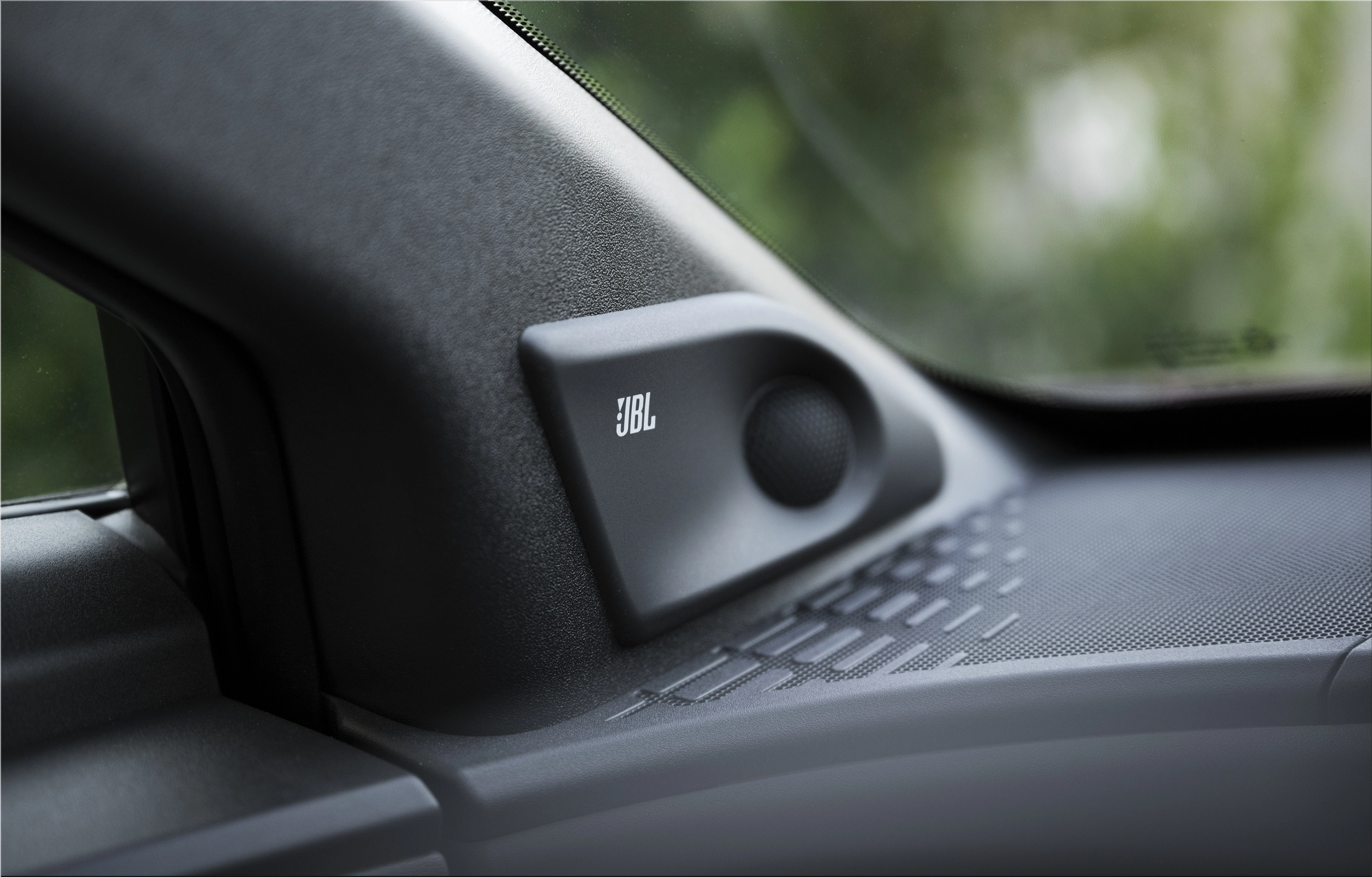
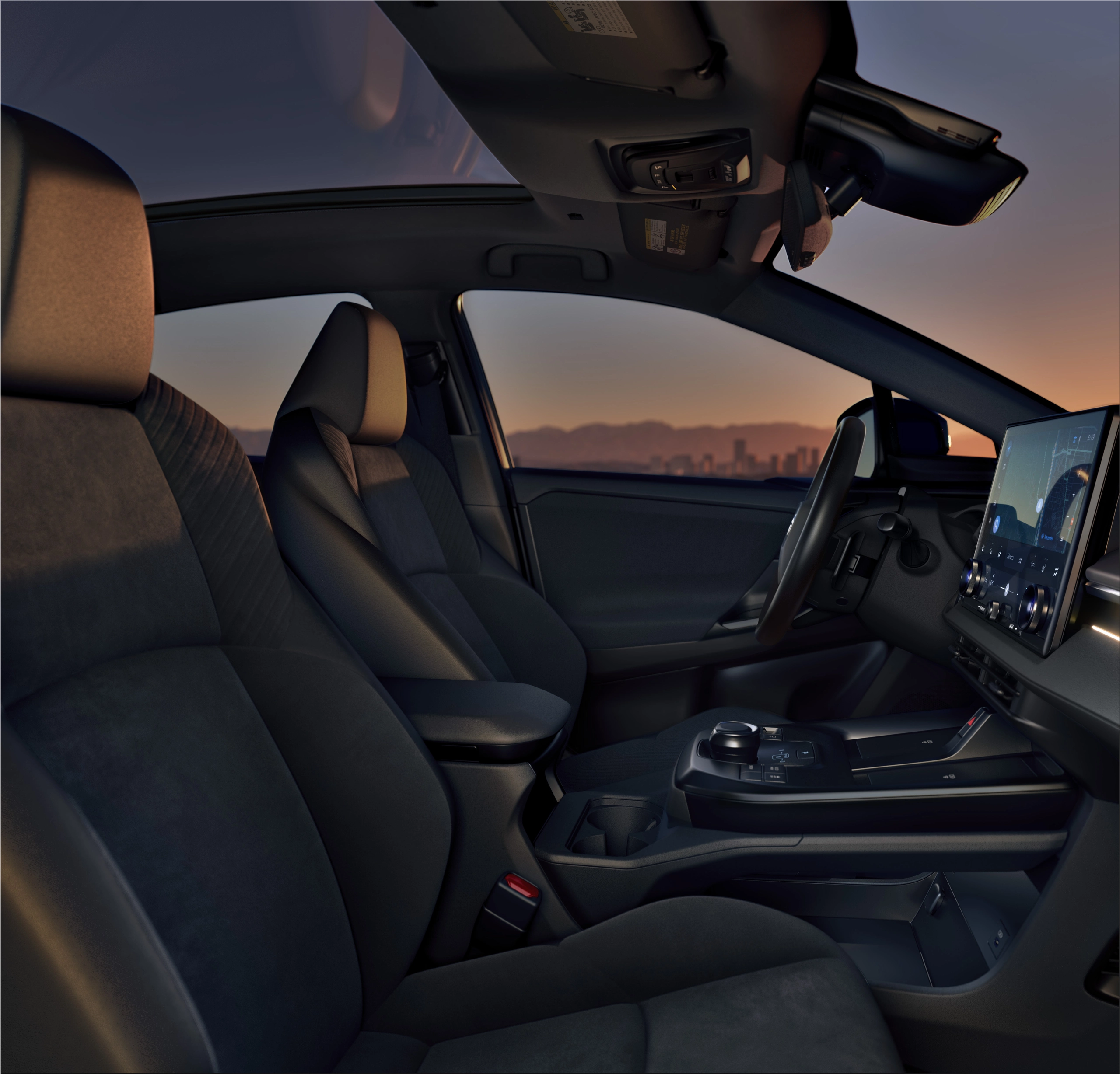
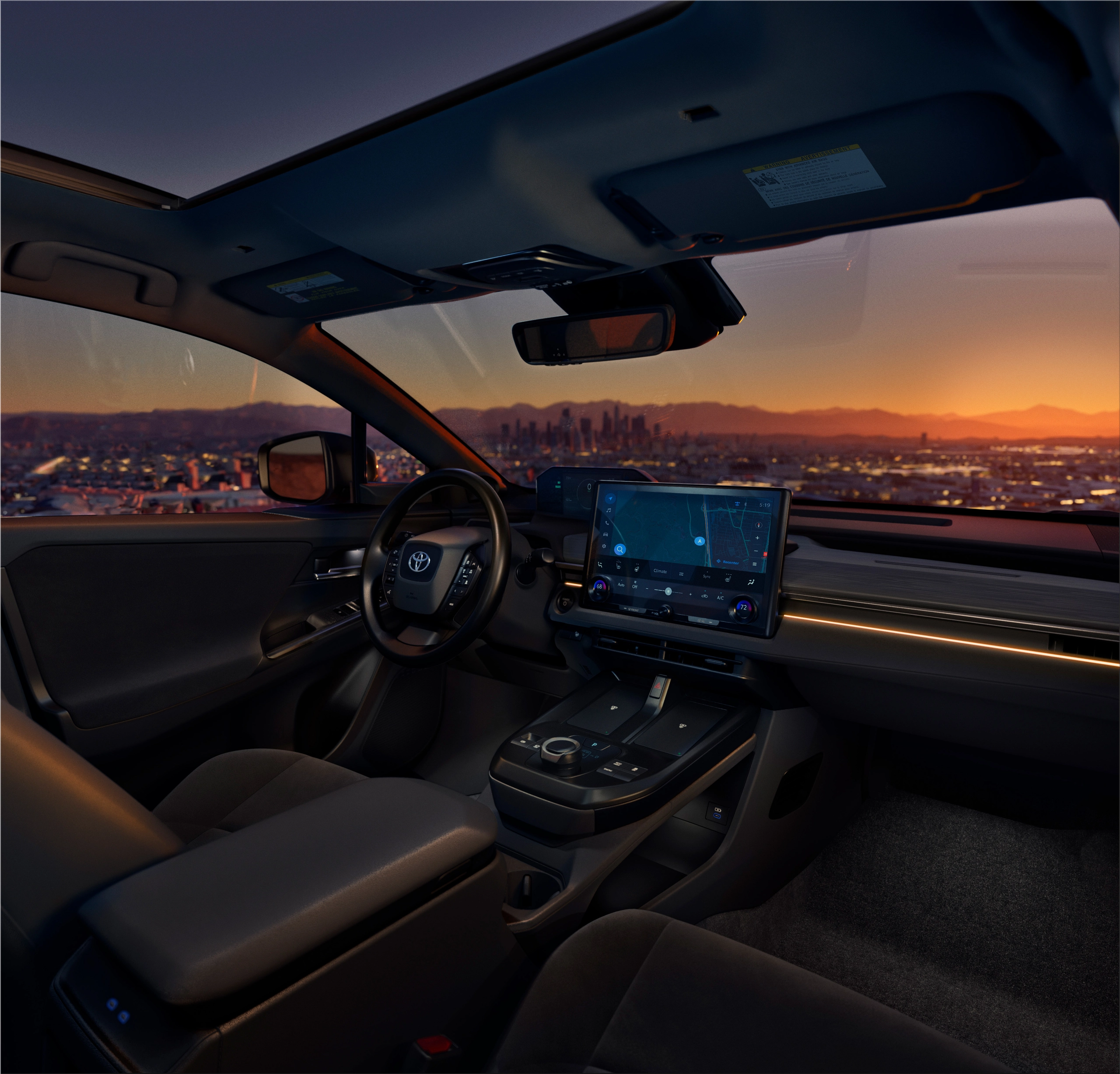
Toyota gives every C-HR a 14-inch touchscreen, 7-inch digital gauge display, wireless Apple CarPlay and Android Auto, two wireless chargers, four USB-C ports, dual-zone climate control and rear air vents. A 1,500-watt cargo outlet can power campsite gear. The XSE can add nine-speaker JBL audio.
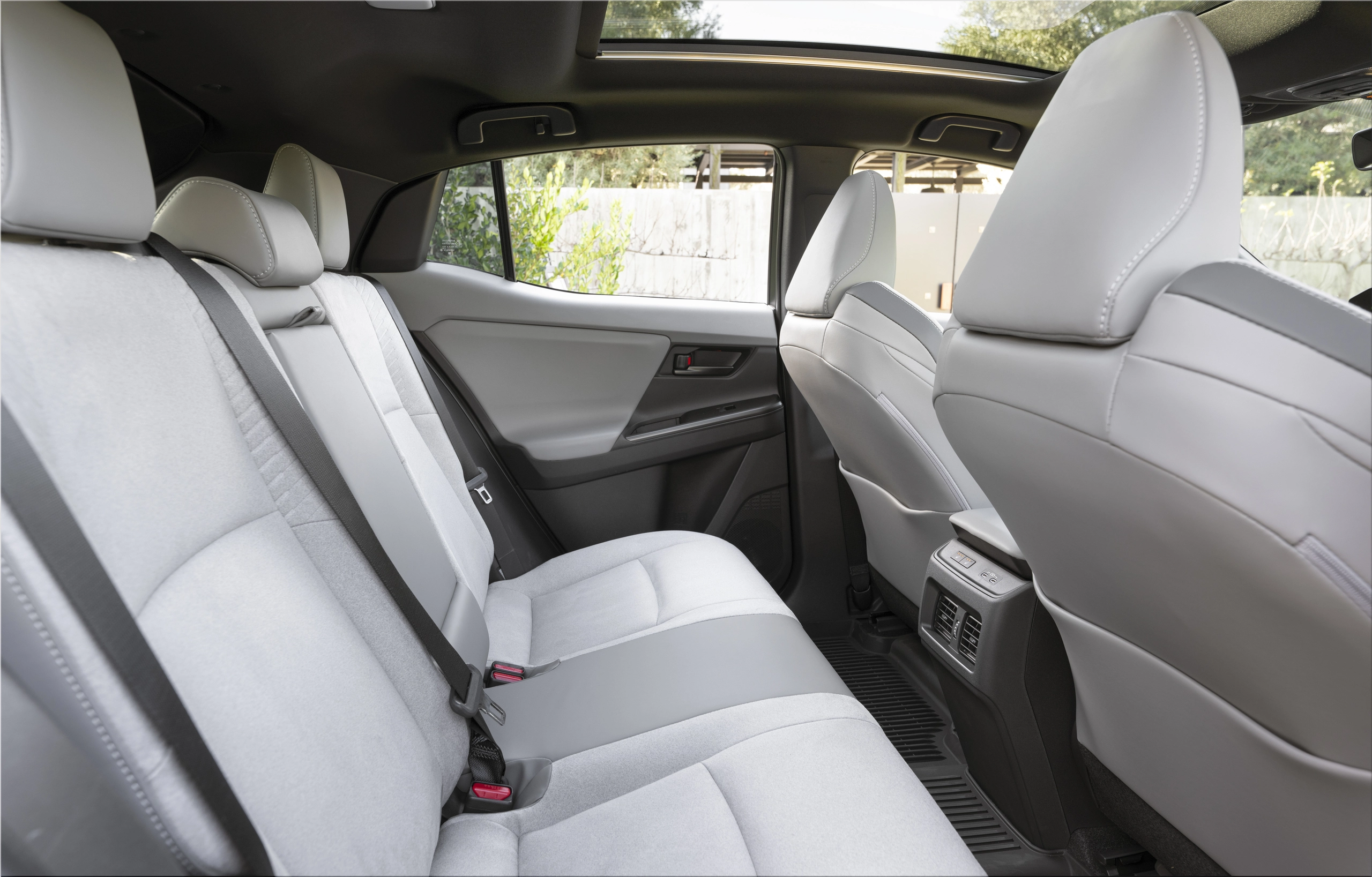
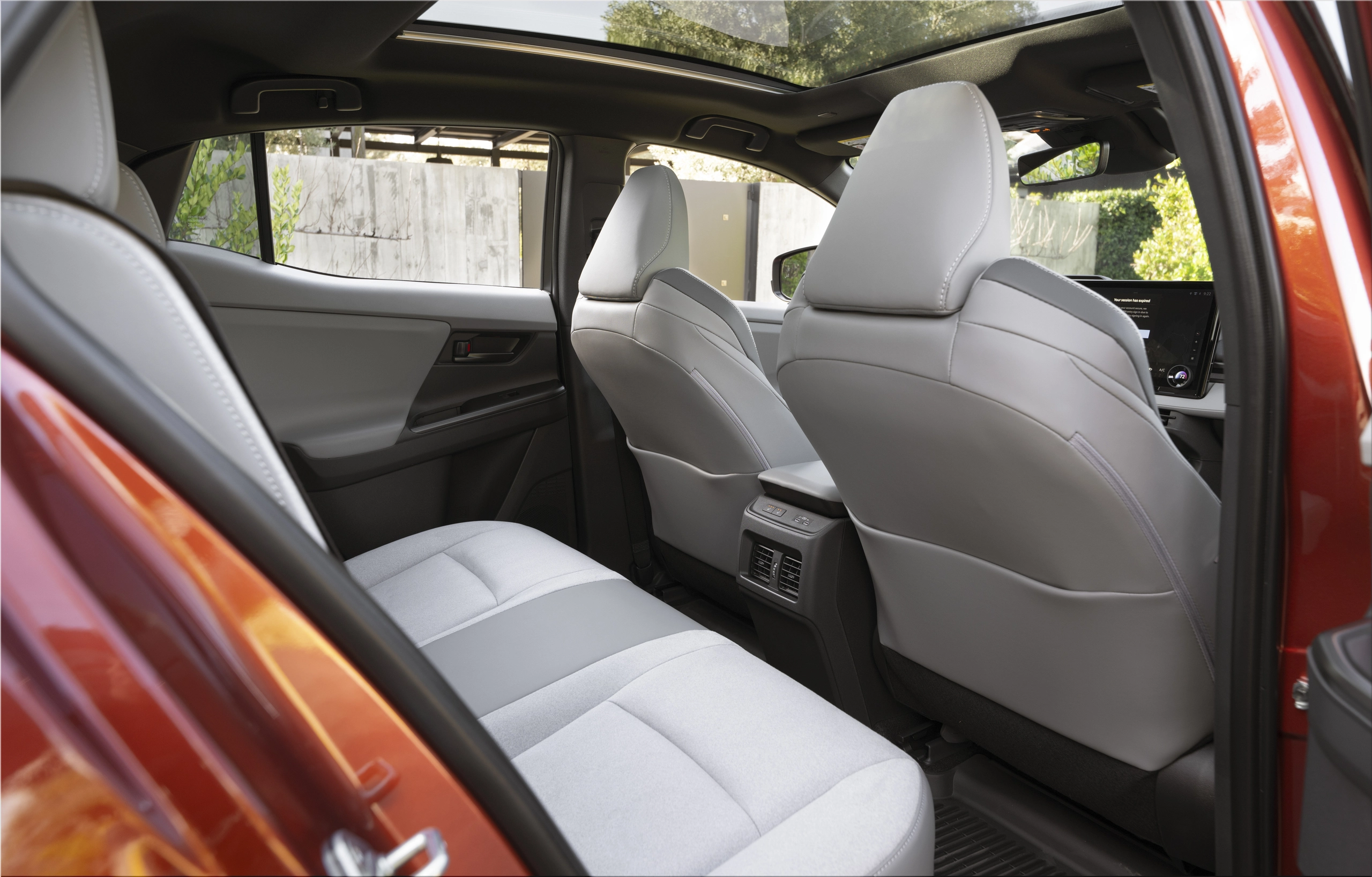
Front occupants receive 42.1 inches of legroom and 39.1 inches of headroom. Rear passengers get 32.2 inches of legroom and 37.5 inches of headroom, so tall adults expose the roof's packaging cost. Toyota provides no front trunk, but the rear hold expands from 25.3 to 59.5 cubic feet.
Families should bring their car seat and stroller to a test drive. A rear-facing seat may push the front passenger forward, while the angled hatch can limit tall cargo. That physical check adds more value than another screen demonstration.
Safety Hardware Comes Standard
Toyota Safety Sense 3.0 gives both trims a broad driver-assistance package. Standard systems include:
- Automatic emergency braking with pedestrian detection
- Full-speed adaptive cruise control
- Lane-departure warning with steering support
- Lane-centering support
- Road-sign recognition and automatic high beams
- Blind-spot monitoring with rear cross-traffic alert
- Safe Exit Alert and front and rear parking assist with automatic braking
The XSE adds Traffic Jam Assist, Lane Change Assist and a panoramic-view camera. Traffic Jam Assist needs an active trial or paid plan, so buyers should include that recurring charge in ownership costs. Toyota covers EV drive components for eight years or 100,000 miles.
2027 Toyota C-HR vs. Key Electric SUV Rivals
| Model and trim | Base MSRP | Drive | Power | Published range | DC 10-80 percent |
|---|---|---|---|---|---|
| 2027 Toyota C-HR SE | $37,080 | AWD | 338 hp | 287 miles | About 30 min. |
| 2027 Subaru Uncharted Sport | $39,795 | AWD | 338 hp | 287 miles | About 28 min. |
| 2026 Nissan LEAF S+ | $29,990 | FWD | 214 hp | 303 miles | About 35 min. |
| 2026 Chevrolet Equinox EV LT1 | $34,995 | FWD | 220 hp | 319 miles | About 42 min. |
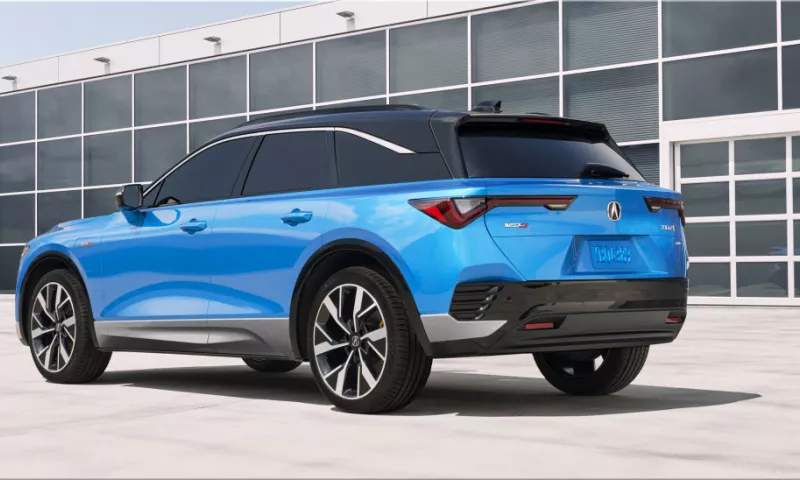
Each automaker applies its own destination-charge convention, and Toyota still calls its range a manufacturer estimate. The C-HR costs $2,715 less than the related Subaru Uncharted Sport while matching its power, drive layout and range; the Subaru counters with 8.2 inches of clearance and X-MODE.
By comparison, the Nissan LEAF S+ saves $7,090 and adds 16 rated miles, but it gives up AWD and 124 hp. The Equinox EV saves $2,085 and adds 32 miles, though its body stretches 12.7 inches longer and its 10-80 percent stop takes about 12 minutes more. From an expert perspective, Toyota sells compact packaging, traction and power density rather than maximum range.
Why This Affects You
A 70-mile daily commute consumes about one-quarter of the SE's rating, giving many owners three commute days between charging sessions. A 10-80 percent stop restores about 201 rated miles in 30 minutes under favorable conditions. A prior-model XSE covered 230 miles in a 75-mph highway test, so speed, cold and cabin heat can cut that figure.
Cold-state buyers gain useful tools from AWD and battery preconditioning. Set the fast charger as a destination early enough to warm the pack, then arrive with a low charge level. Local drivers will gain more from home charging and the SE's smaller wheels than from peak DC output.
Verdict
The 2027 Toyota C-HR electric SUV makes its strongest case in SE trim. It combines 338 hp, standard AWD, quick on-road acceleration, 287 estimated miles and useful cargo capacity for $37,080 before handling. The XSE adds cabin and camera hardware, but the $2,000 premium and 14-mile range loss weaken its value. Buyers should test rear-seat space and accept a competitive charging curve, yet Toyota has priced the C-HR as a credible small EV with unusually strong performance.
- Add new comment
- 6 views