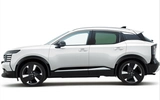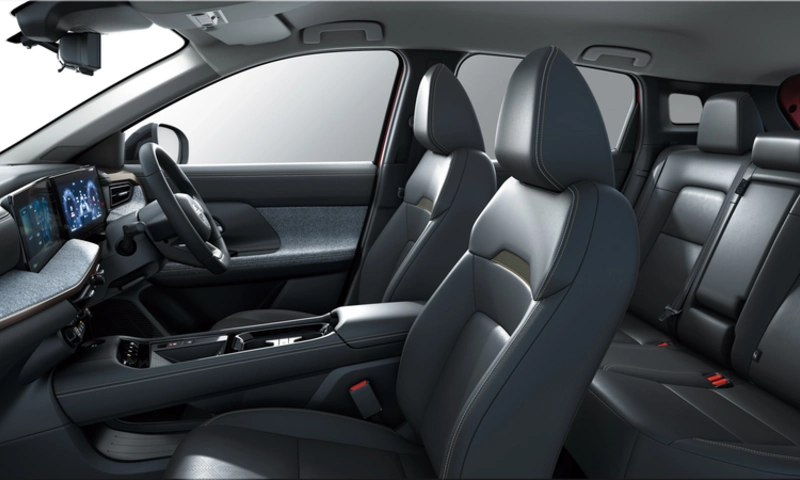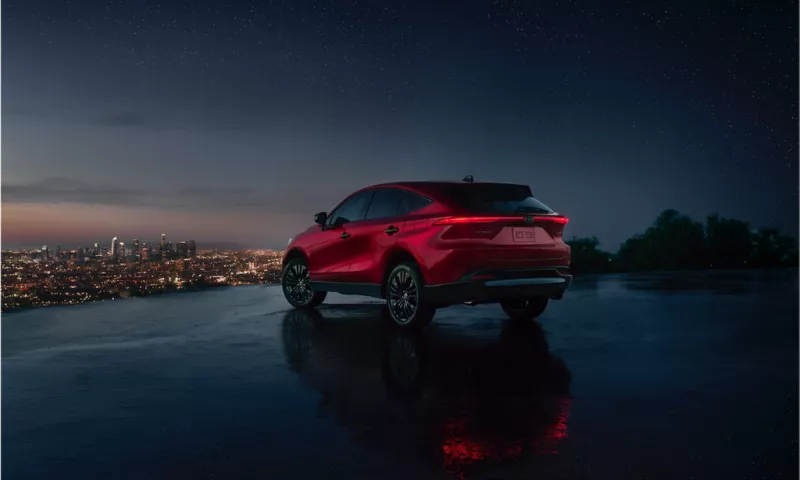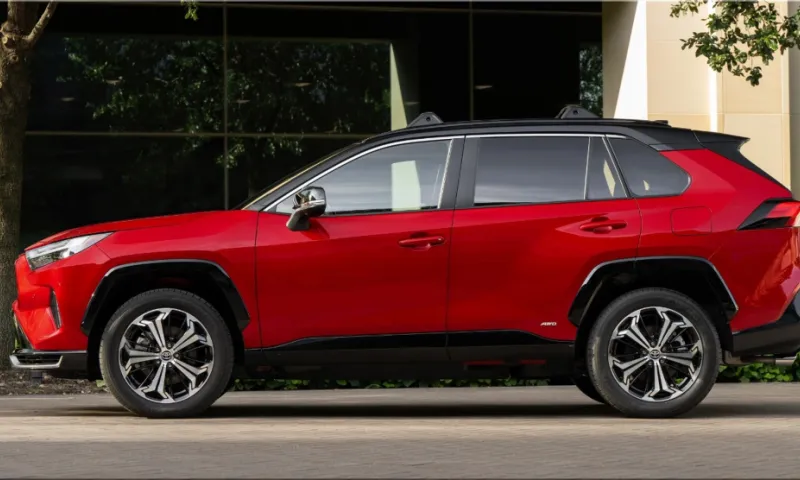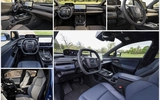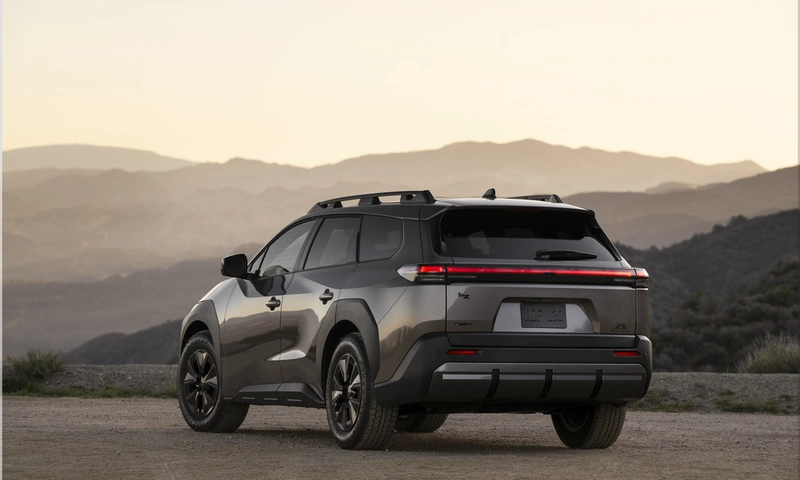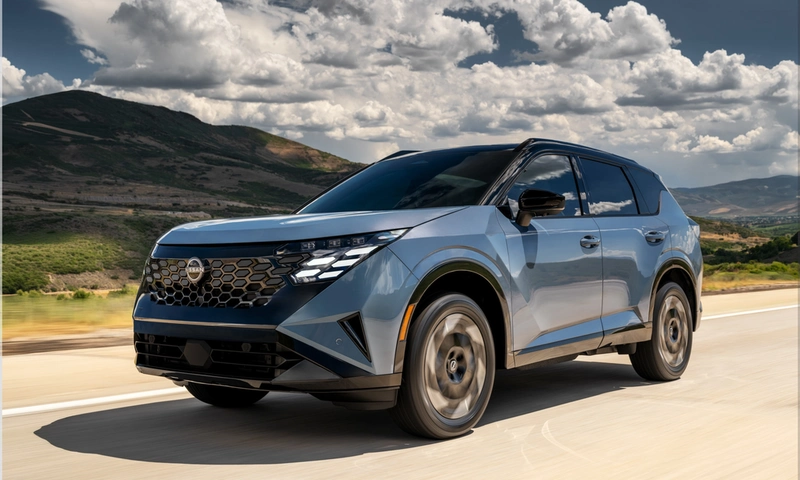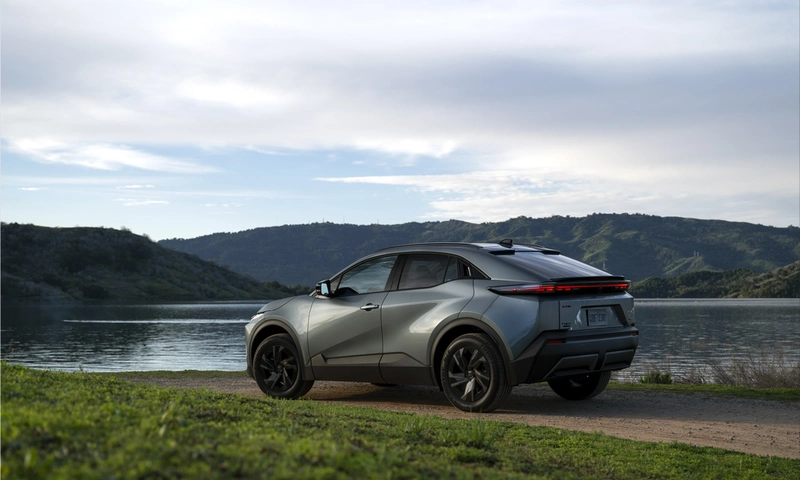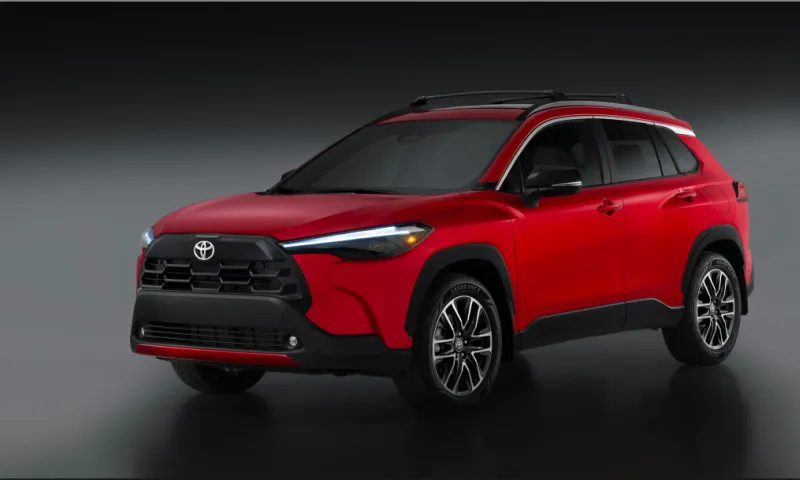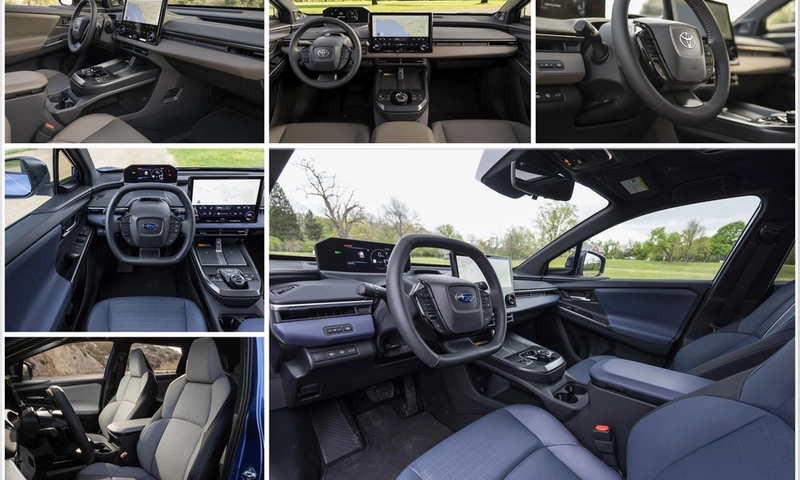
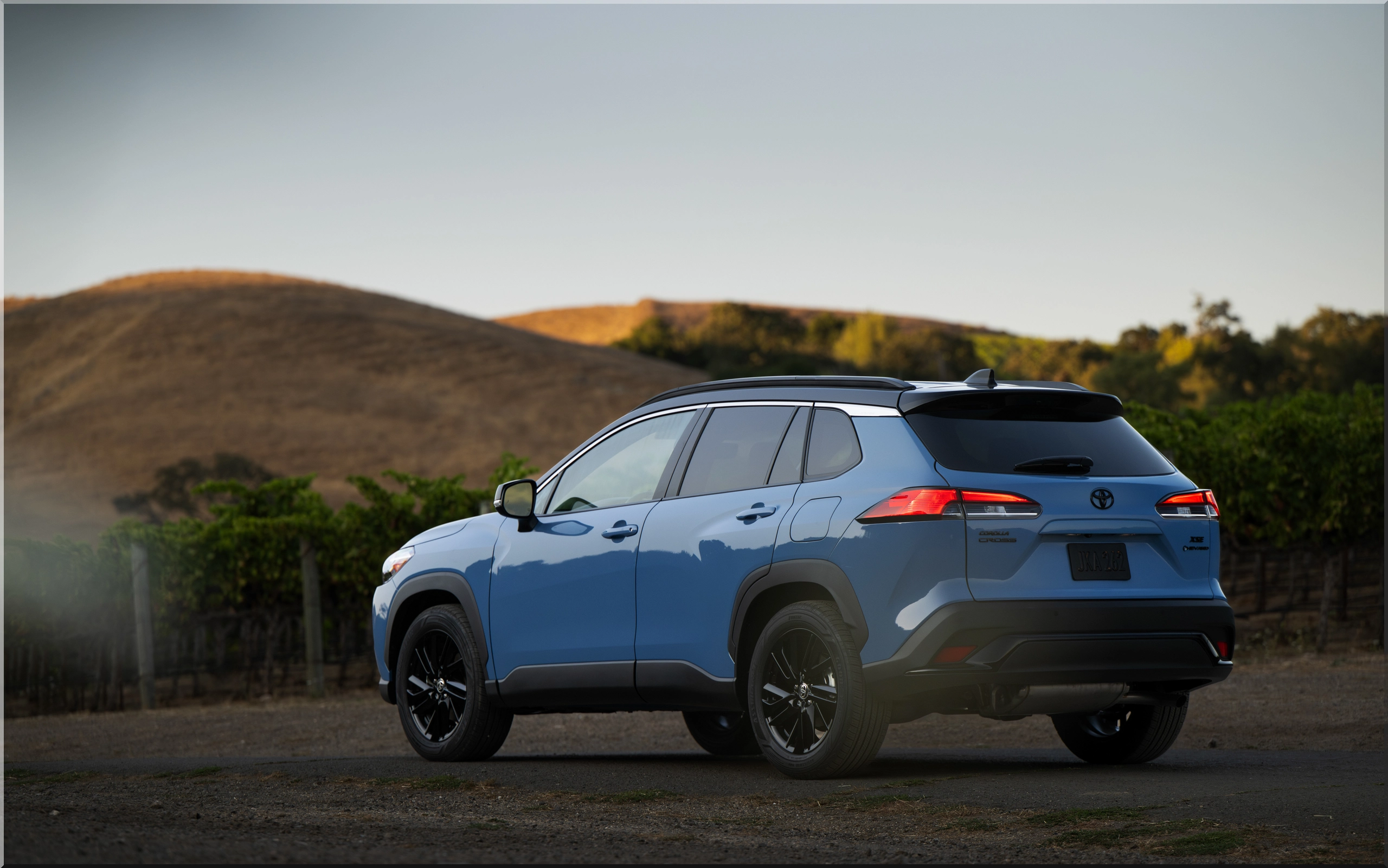
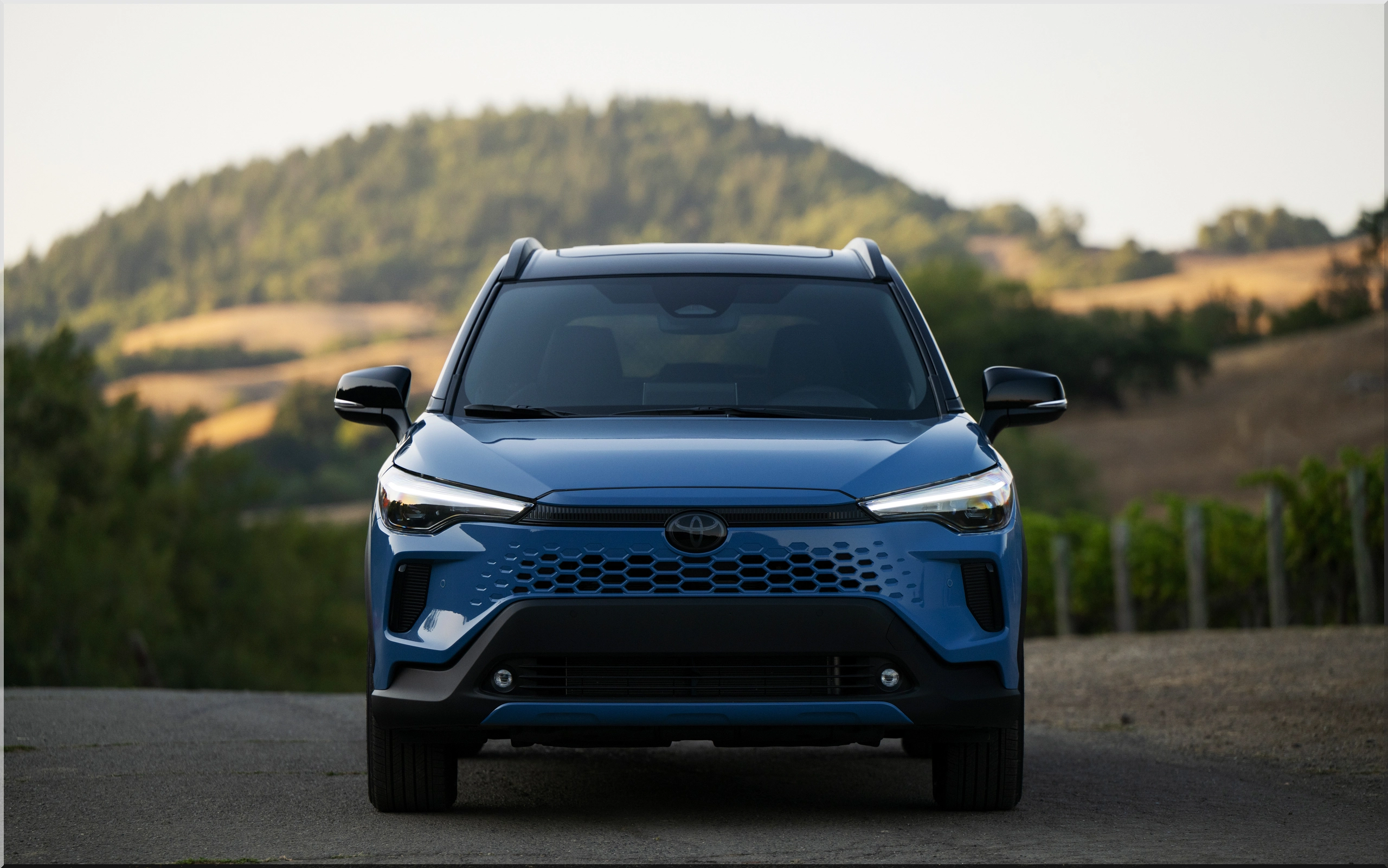
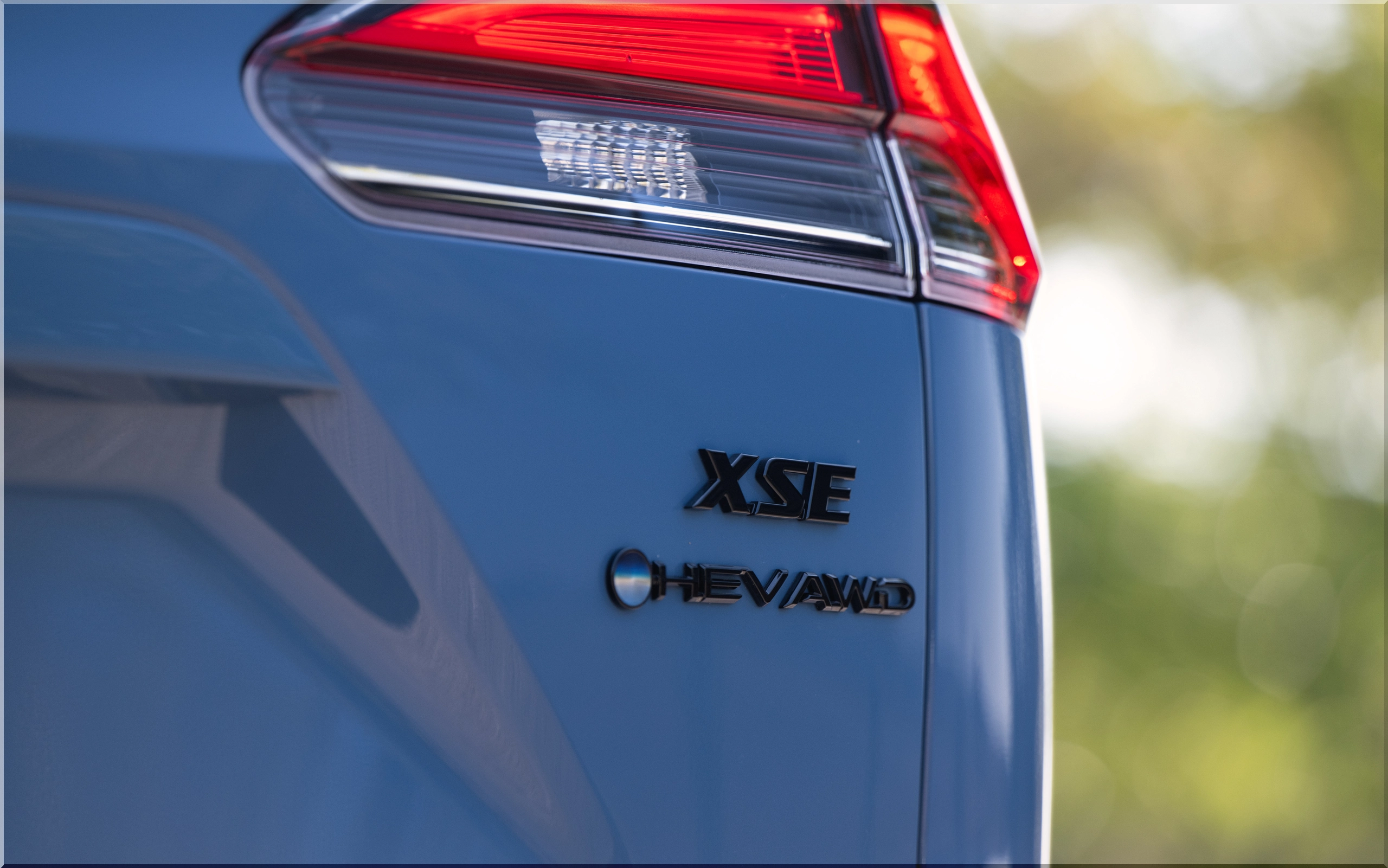
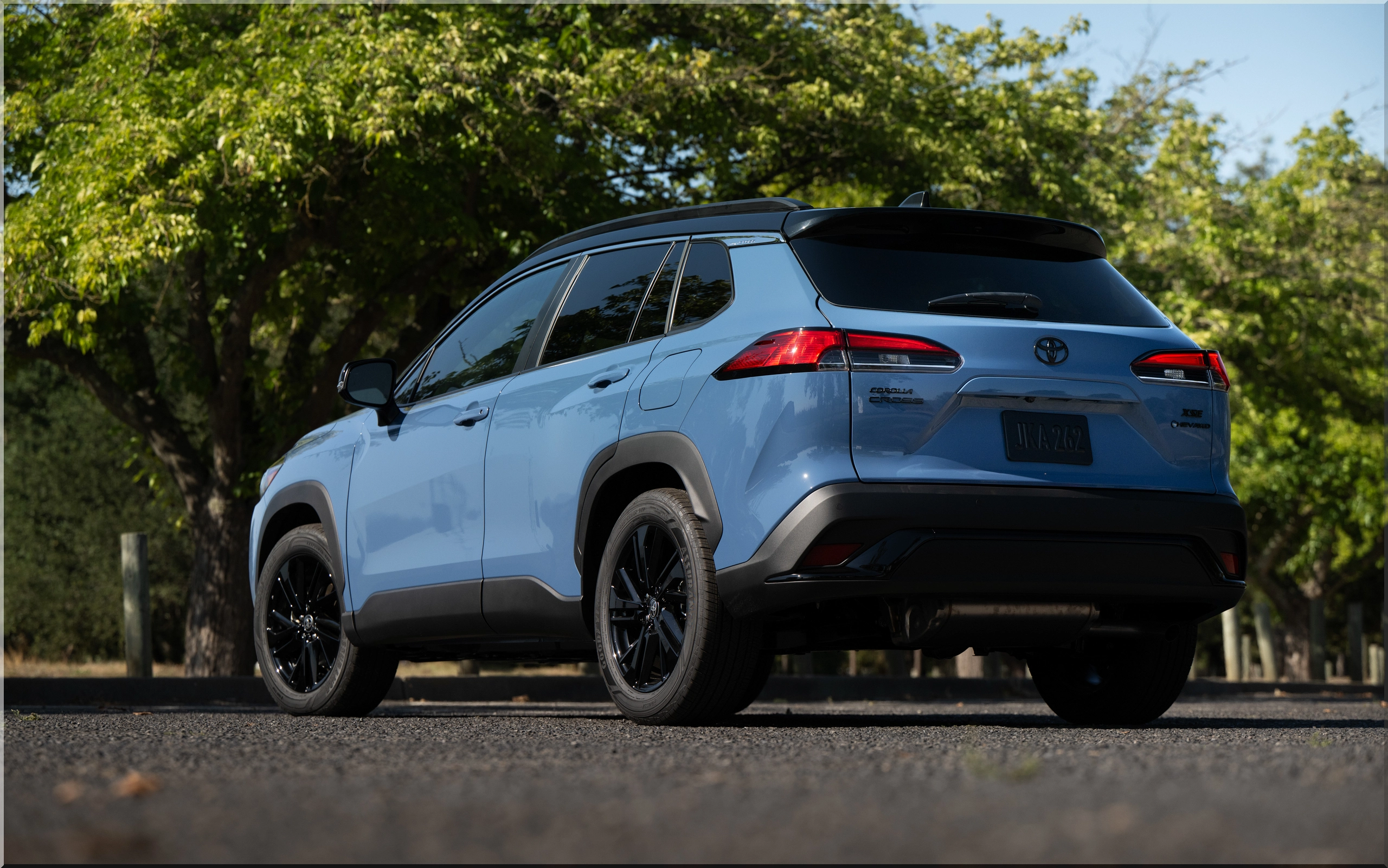
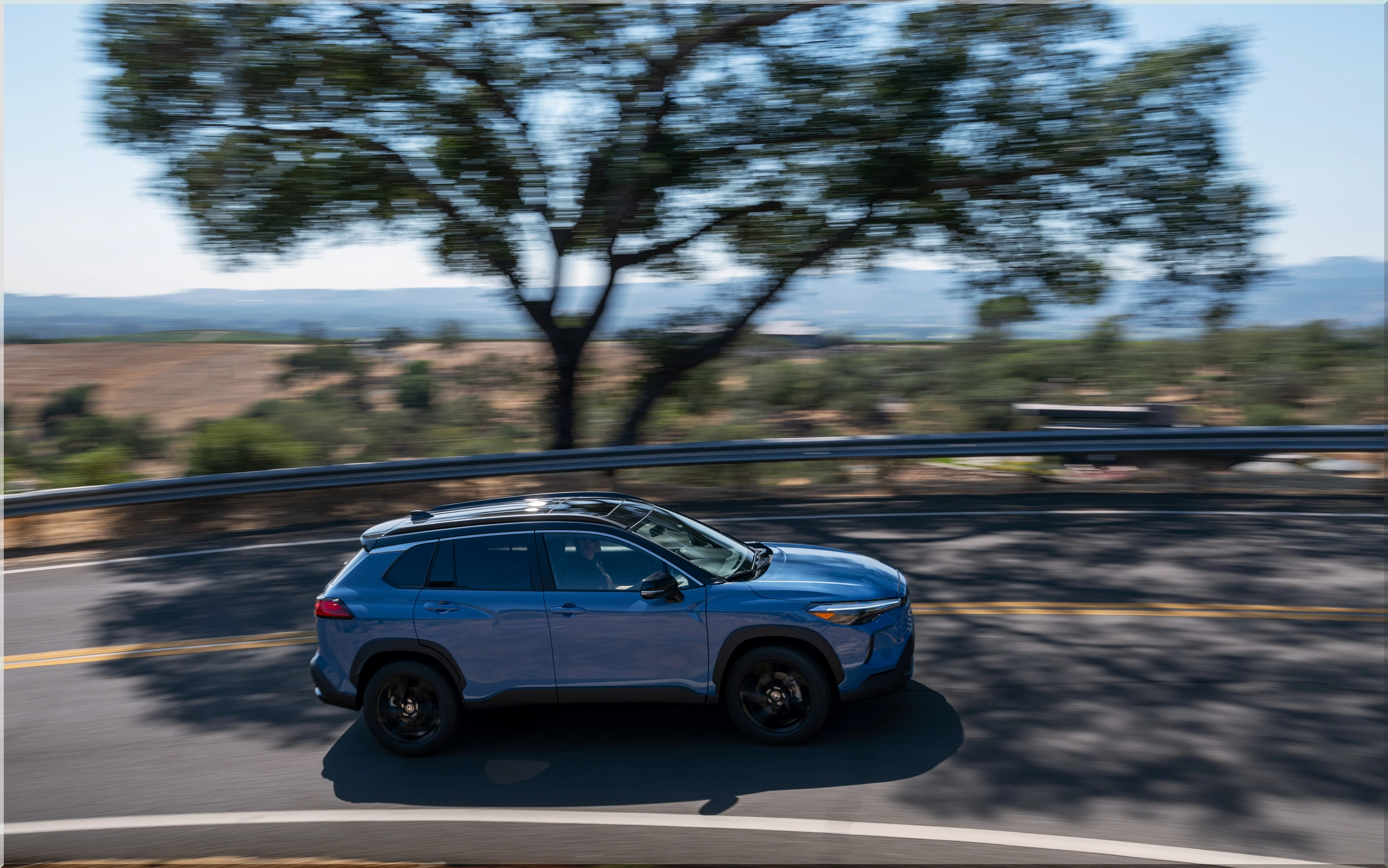
The 2027 Toyota Corolla Cross keeps its strongest sales argument: useful SUV packaging without a large footprint. Toyota offers gasoline and hybrid powertrains, assembles the vehicle in Huntsville, Alabama, and expects US dealership arrivals this fall. The bigger news concerns the shopping list: Toyota drops the Hybrid S, leaving SE and XSE.
Entry prices now reach $25,535 for gas L FWD and $31,415 for Hybrid SE, before destination, taxes, and options. That $5,880 spread compares different equipment levels. Buyers who attribute the entire difference to hybrid hardware will distort the ownership-cost math.
What Changes for 2027?
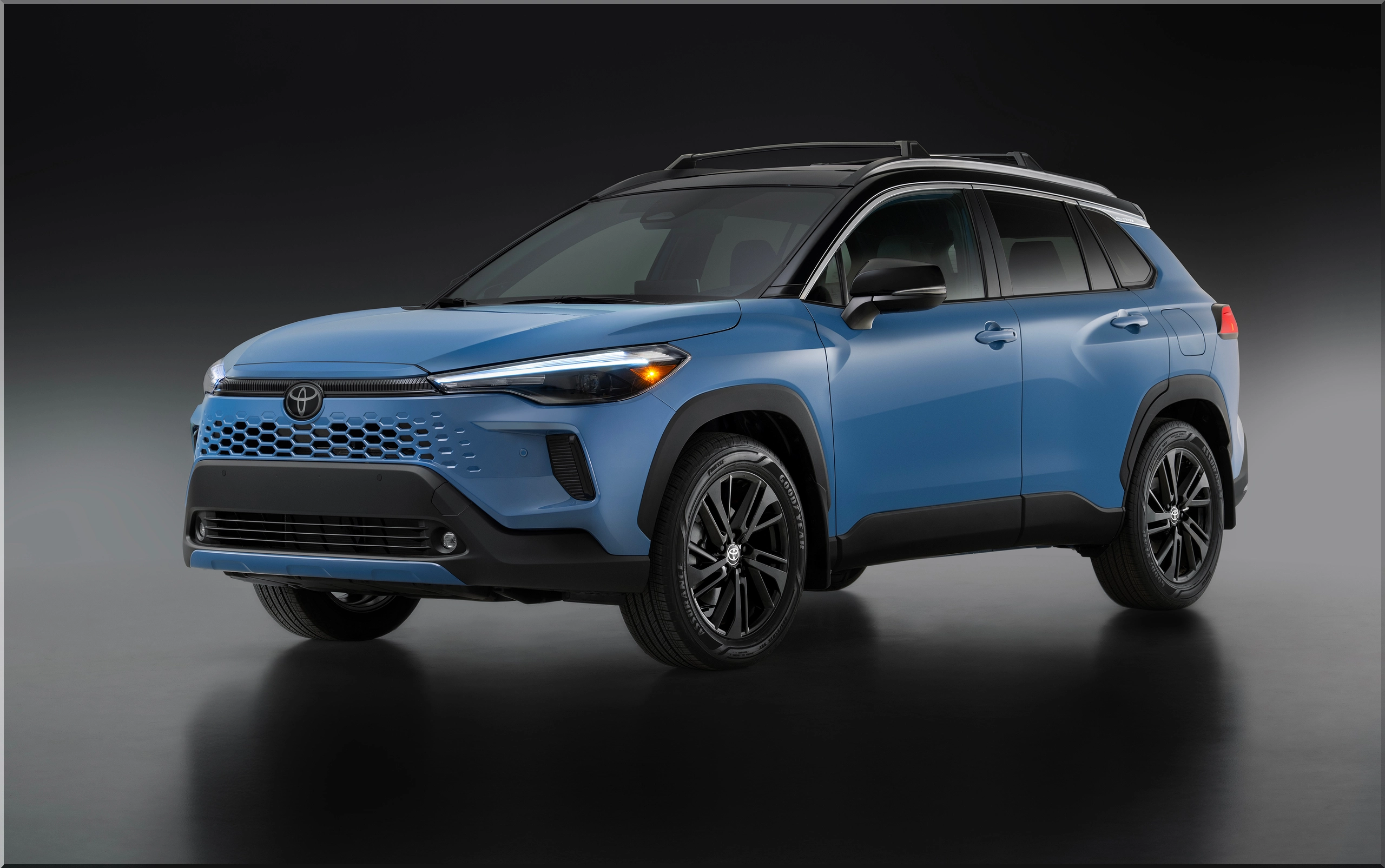
Toyota carries over the previous year's features and specifications apart from the hybrid trim reduction. Consequently, shoppers should distinguish the 2026 styling and cabin updates from actual 2027 changes.
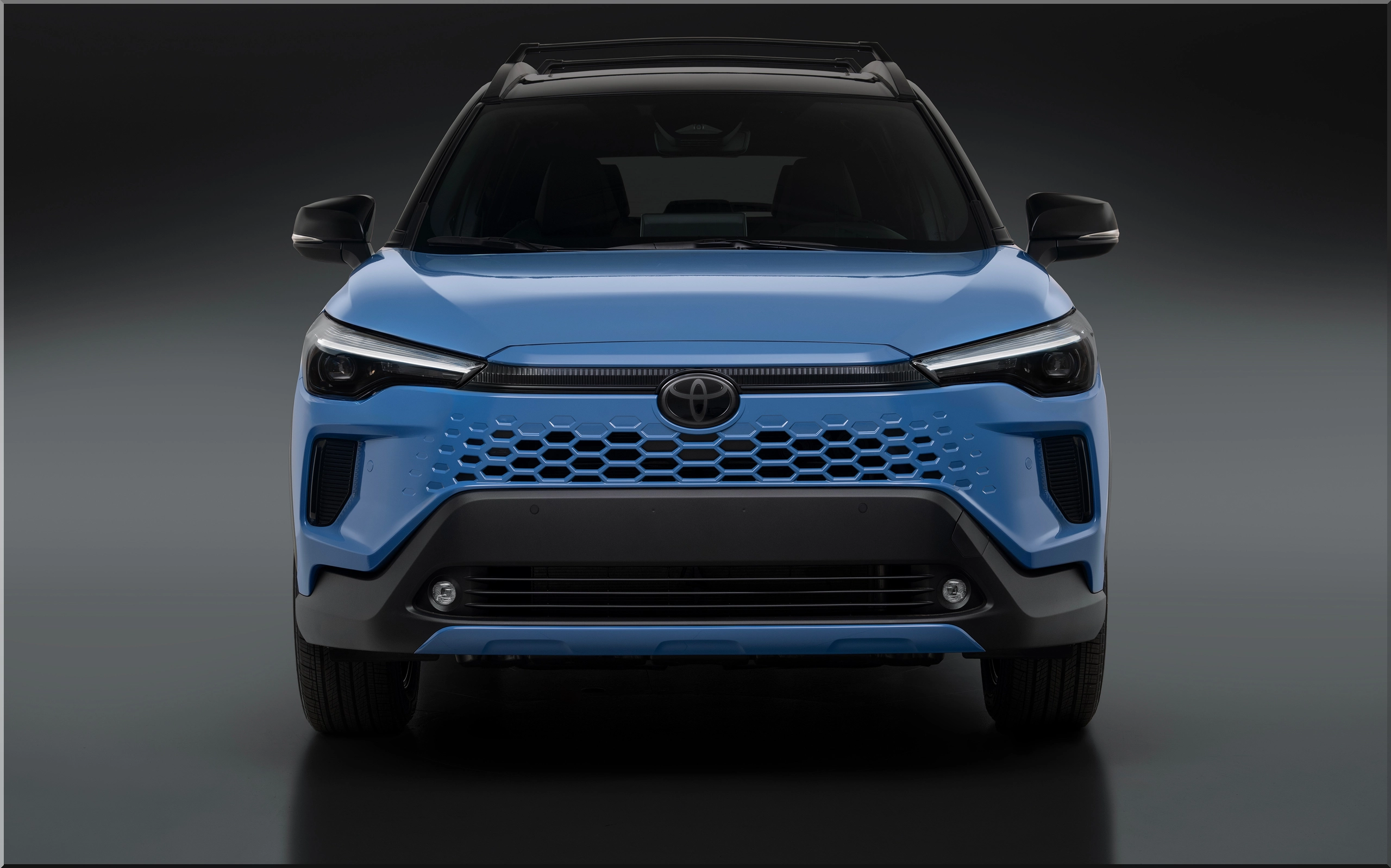
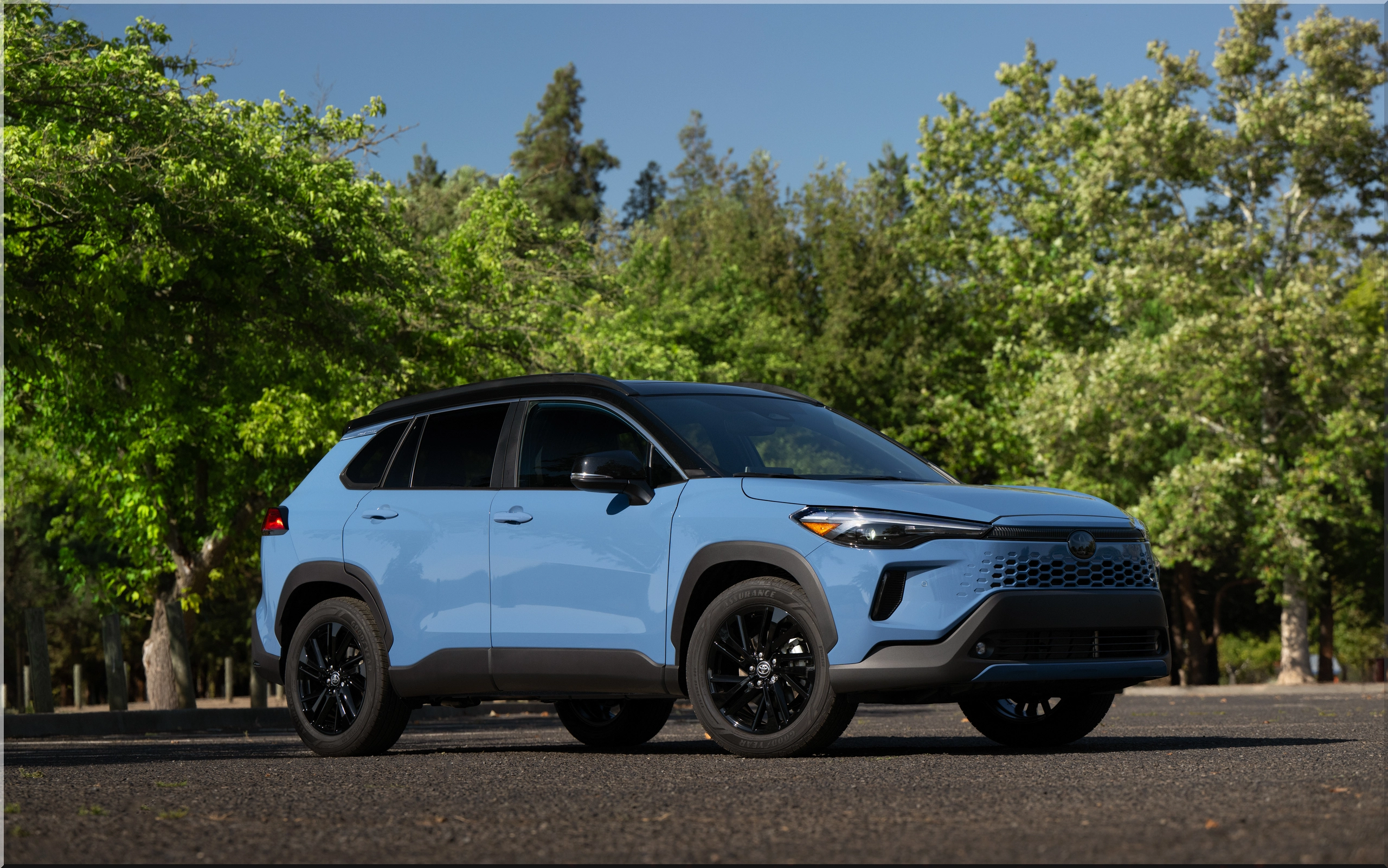
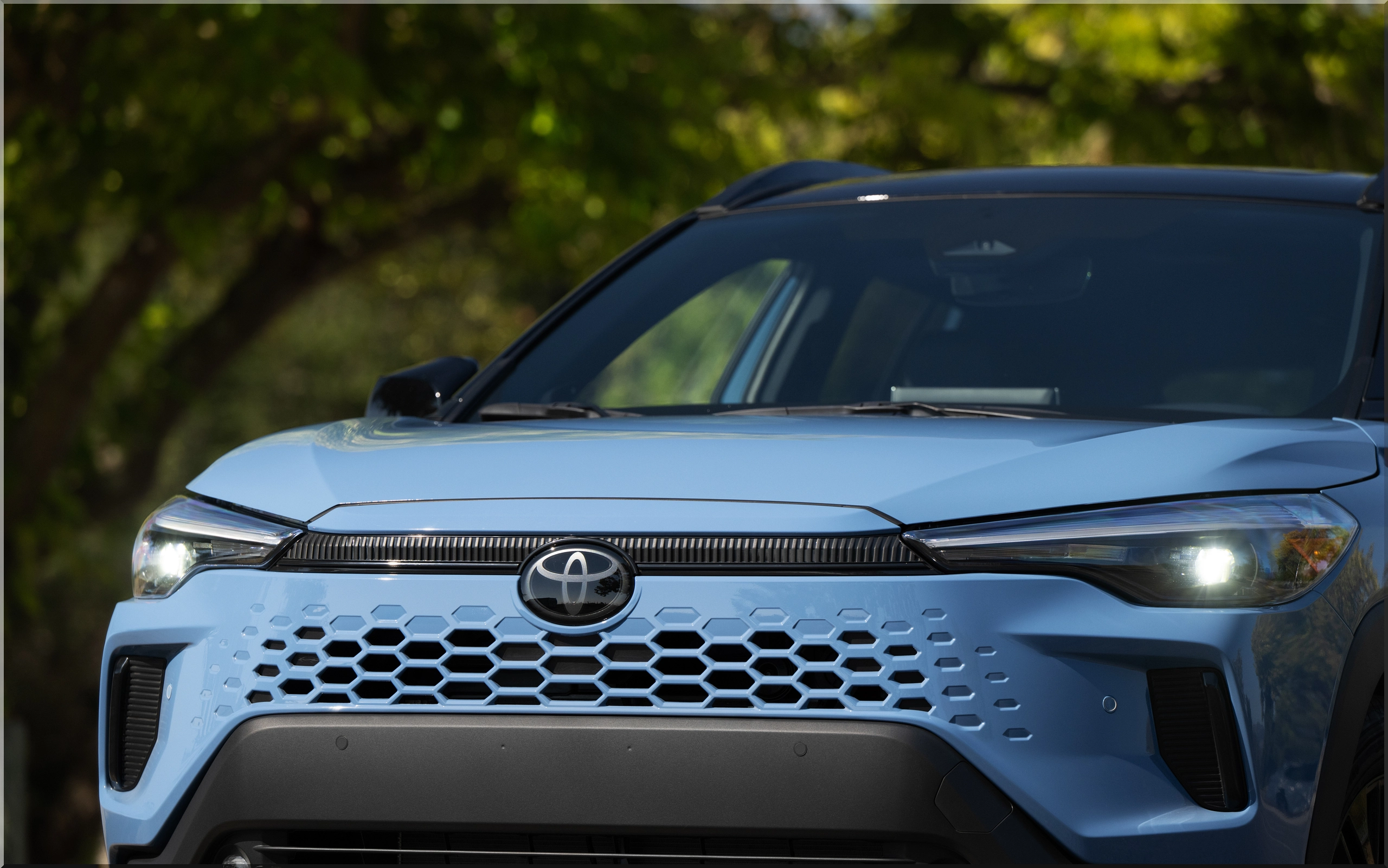
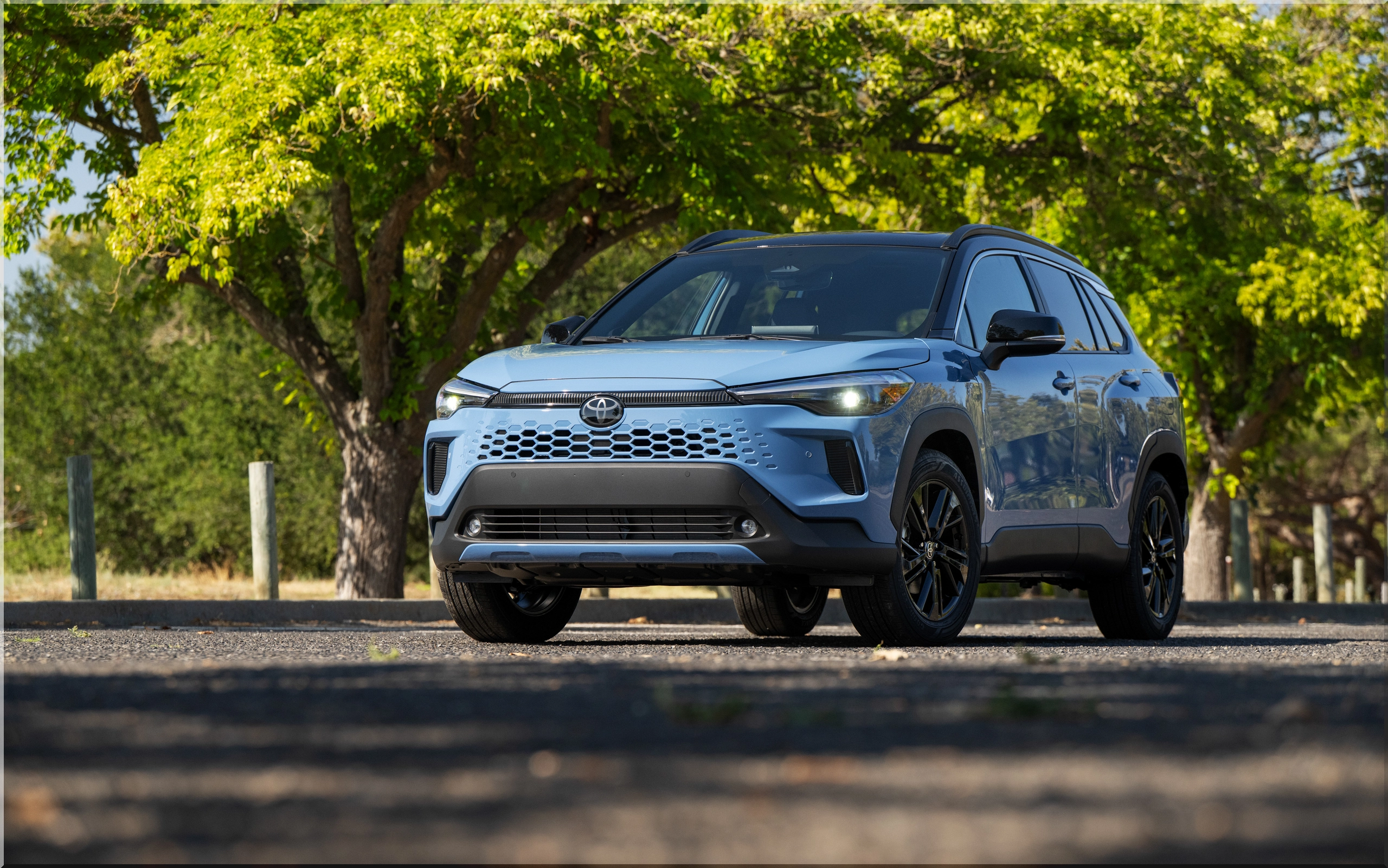
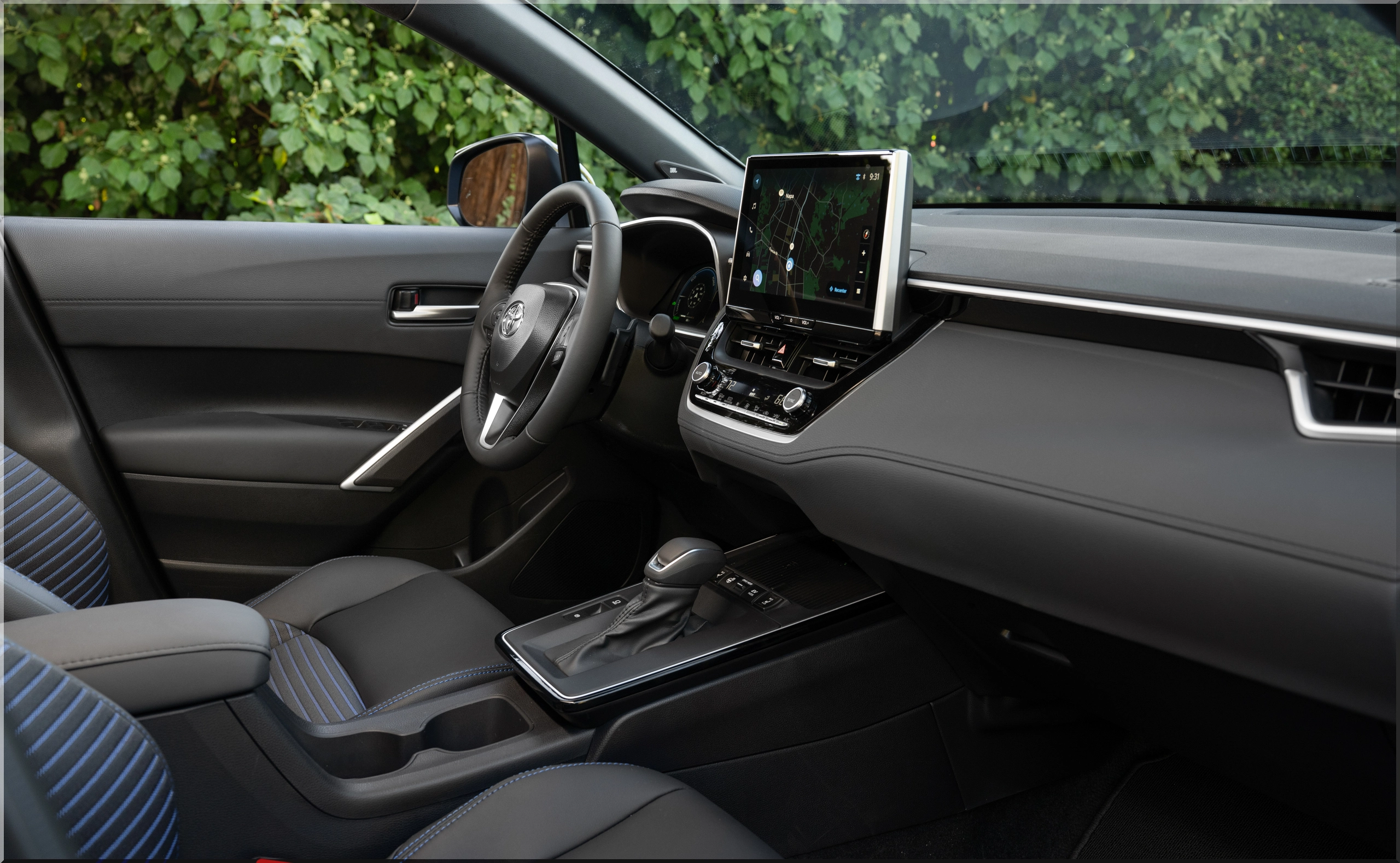
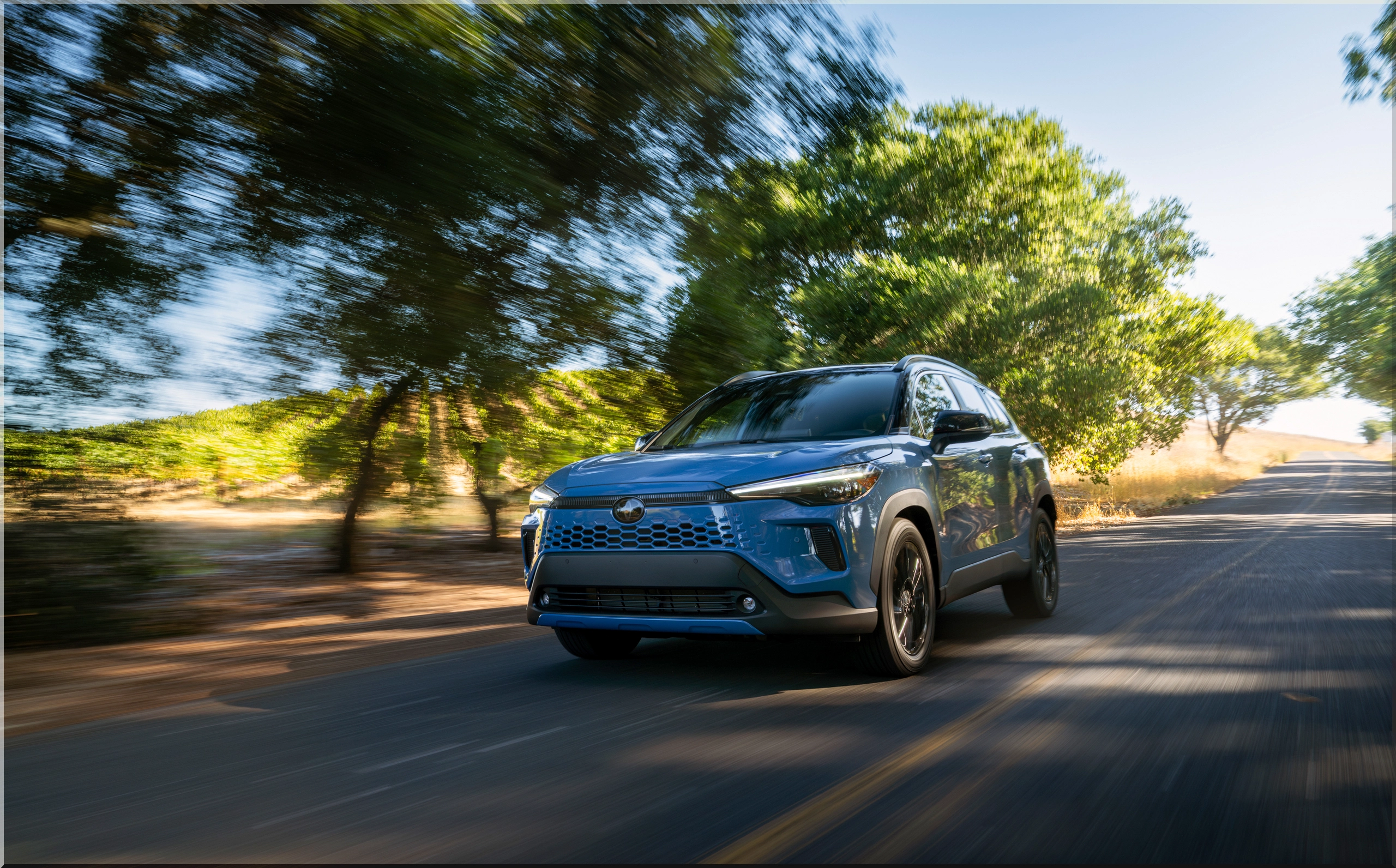
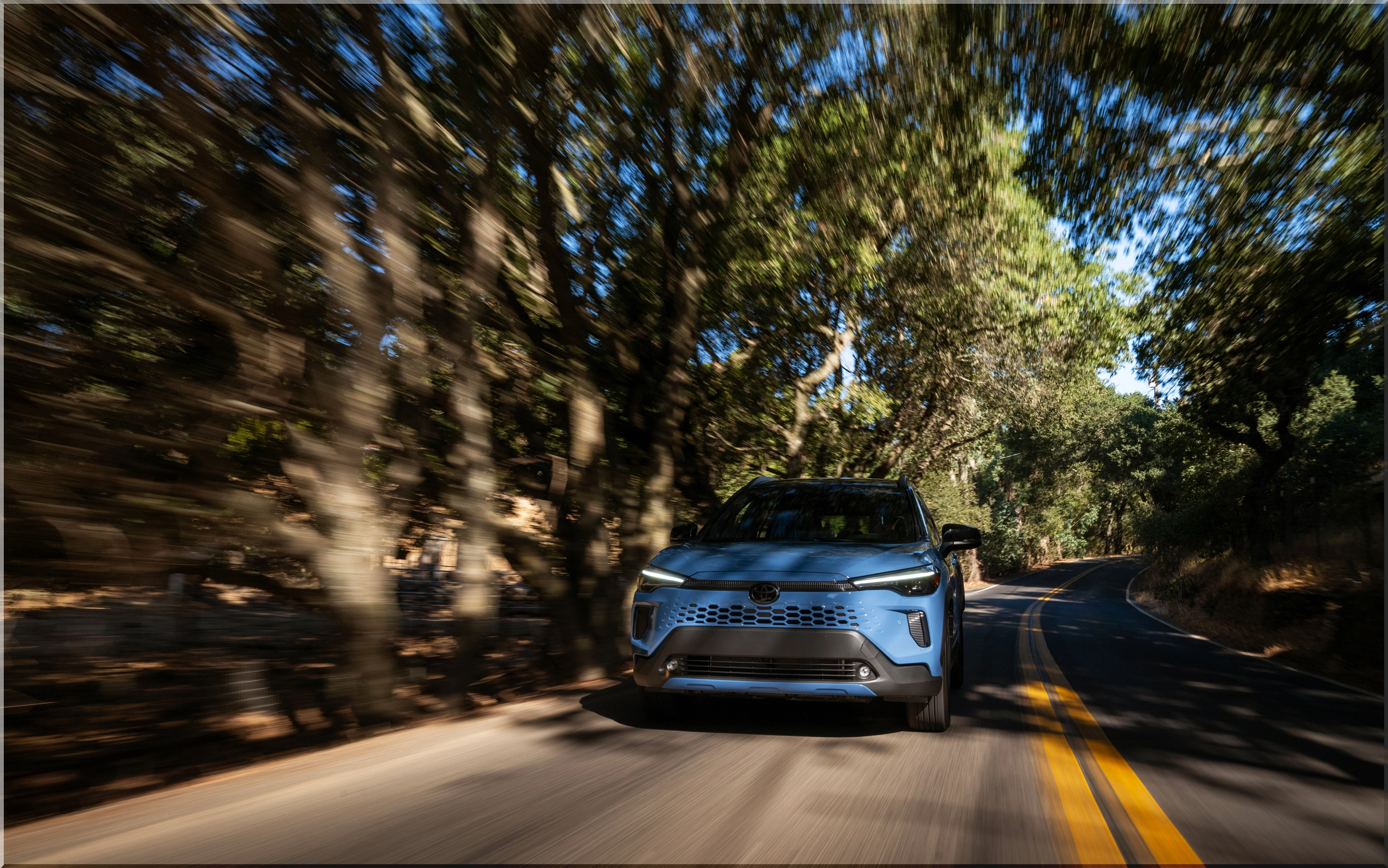
The gas model retains its wider grille; the hybrid uses a color-matched design. The revised console also carries forward. A newer model-year badge doesn't automatically buy newer engineering.
The gas entry MSRP rises $900 over the 2026 L's $24,635. The hybrid entry point rises $2,420 over the outgoing $28,995 S, but that comparison includes the move to SE equipment. Compare equivalent trims and dealer discounts before deciding that a leftover 2026 offers better value.
Gas vs. Hybrid: Different Hardware, Different Priorities
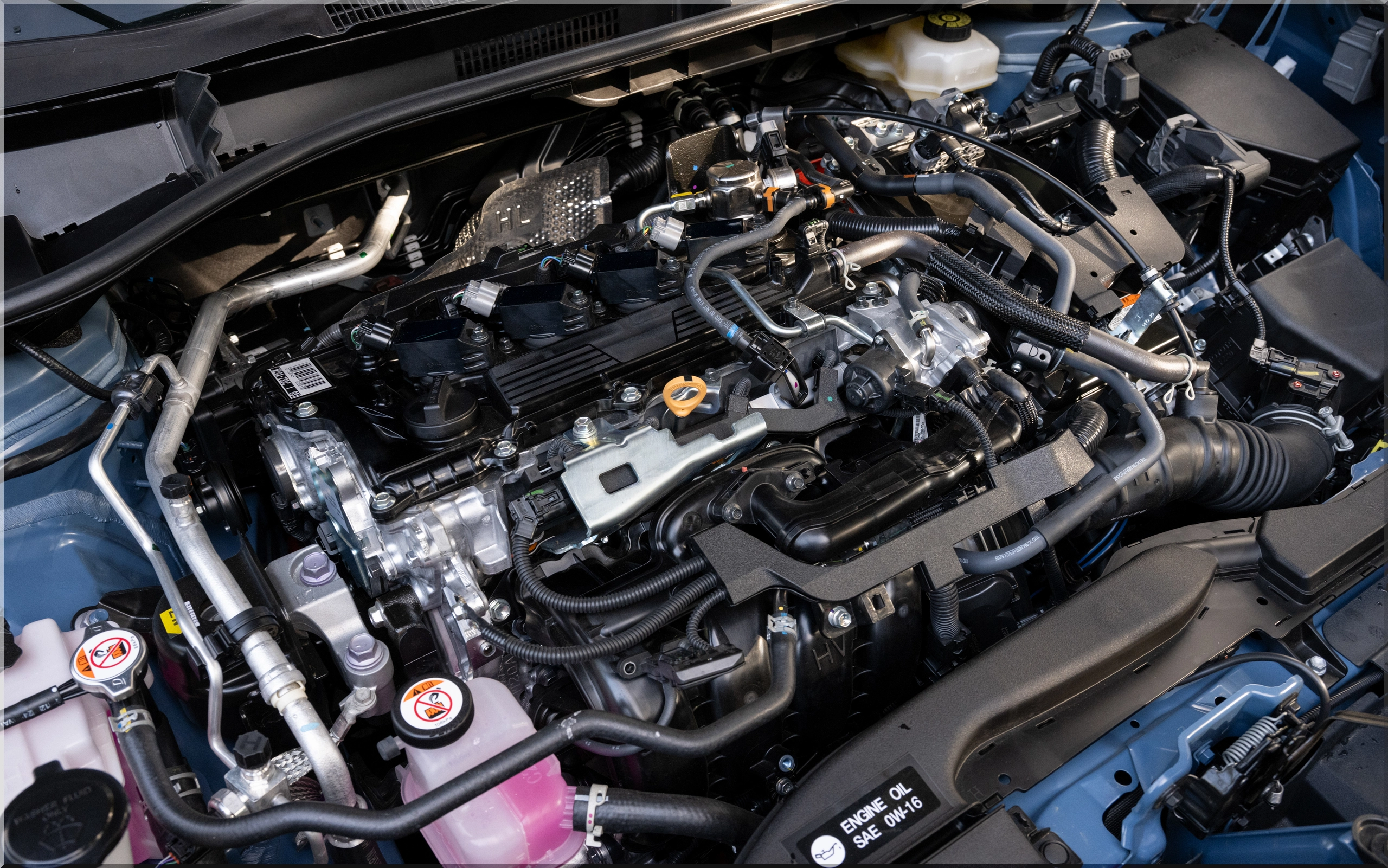
The 2027 Toyota Corolla Cross gas engine produces 169 hp at 6,600 rpm and 151 lb-ft (205 Nm) of torque. The hybrid combines a 2.0-liter engine with electric machines and an electronically controlled CVT, delivering 196 system horsepower. That 27-hp advantage equals approximately 16% more rated output; weight and power delivery also influence acceleration.
| Specification | Gas FWD | Gas AWD | Hybrid AWD |
|---|---|---|---|
| Available grades | L, LE, XLE | L, LE, XLE | SE, XSE |
| Rated output | 169 hp | 169 hp | 196 system hp |
| Transmission | CVT with physical launch gear | CVT with physical launch gear | Electronic CVT |
| City/highway/combined MPG | 30/32/31 | 29/31/30 | 46/39/42 |
| Rear-wheel propulsion | None | Mechanical AWD | Electric rear motor |
| Maximum towing capacity | 1,500 lb | 1,500 lb | 1,500 lb |
Toyota's 2027 launch release supplies these fuel-economy figures; this article uses its manufacturer estimates rather than measured road-test results.
Why the Gas CVT Uses a Launch Gear
Toyota's physical first gear handles low-speed starts before the belt-and-pulley system takes over. Specifically, the gear reduces belt loading during launch, allowing the CVT hardware to concentrate on operating ranges where it works more efficiently.
The hybrid follows a different operating strategy. Electric assistance supplements engine output, while regenerative braking recovers some energy during deceleration. Stop-and-go commuting creates repeated opportunities to use that recovery; steady highway cruising creates fewer.
Two AWD Systems, One Important Limit
Gas AWD can send up to 50% of driving power rearward and disconnect rear drive when conditions allow. The hybrid's Electronic On-Demand AWD uses a rear electric motor to supply additional traction, including during starts and front-wheel slip.
Neither system raises the 1,500-pound towing ceiling. Check trailer weight, tongue load, hitch rating, and vehicle loading limits. An AWD badge doesn't turn a small crossover into a travel-trailer tow vehicle.
Dimensions: Easy Parking, Tight Rear Legroom
Toyota confirms carryover specifications for 2027. Its published 2026 comparison data provides the following reference measurements for the gas FWD configuration:
- Length: 176.1 inches, approximately 4,473 mm.
- Width: 71.9 inches, approximately 1,826 mm, excluding mirrors.
- Wheelbase: 103.9 inches, approximately 2,639 mm.
- Front/rear legroom: 42.9/32.0 inches, approximately 1,090/813 mm.
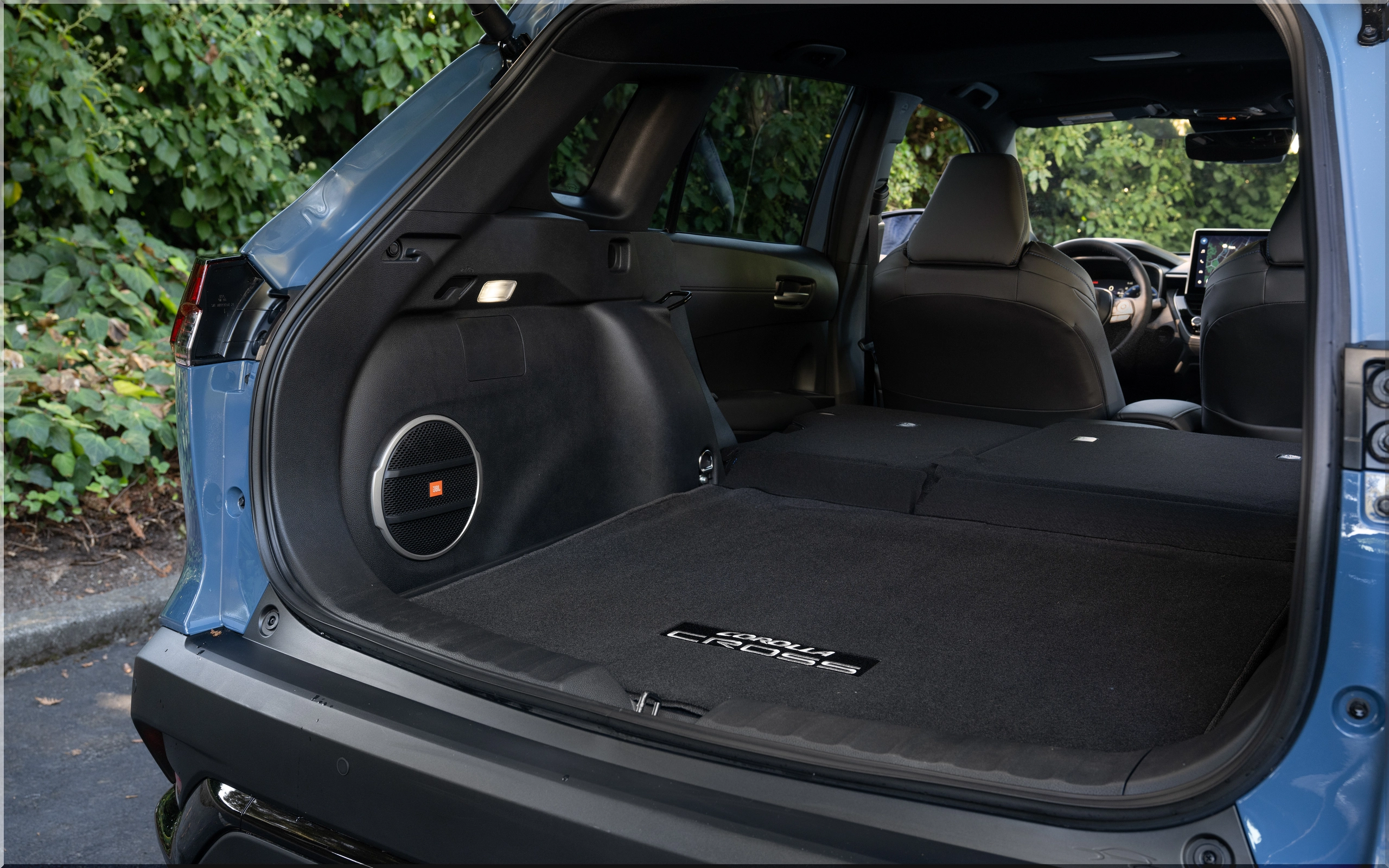
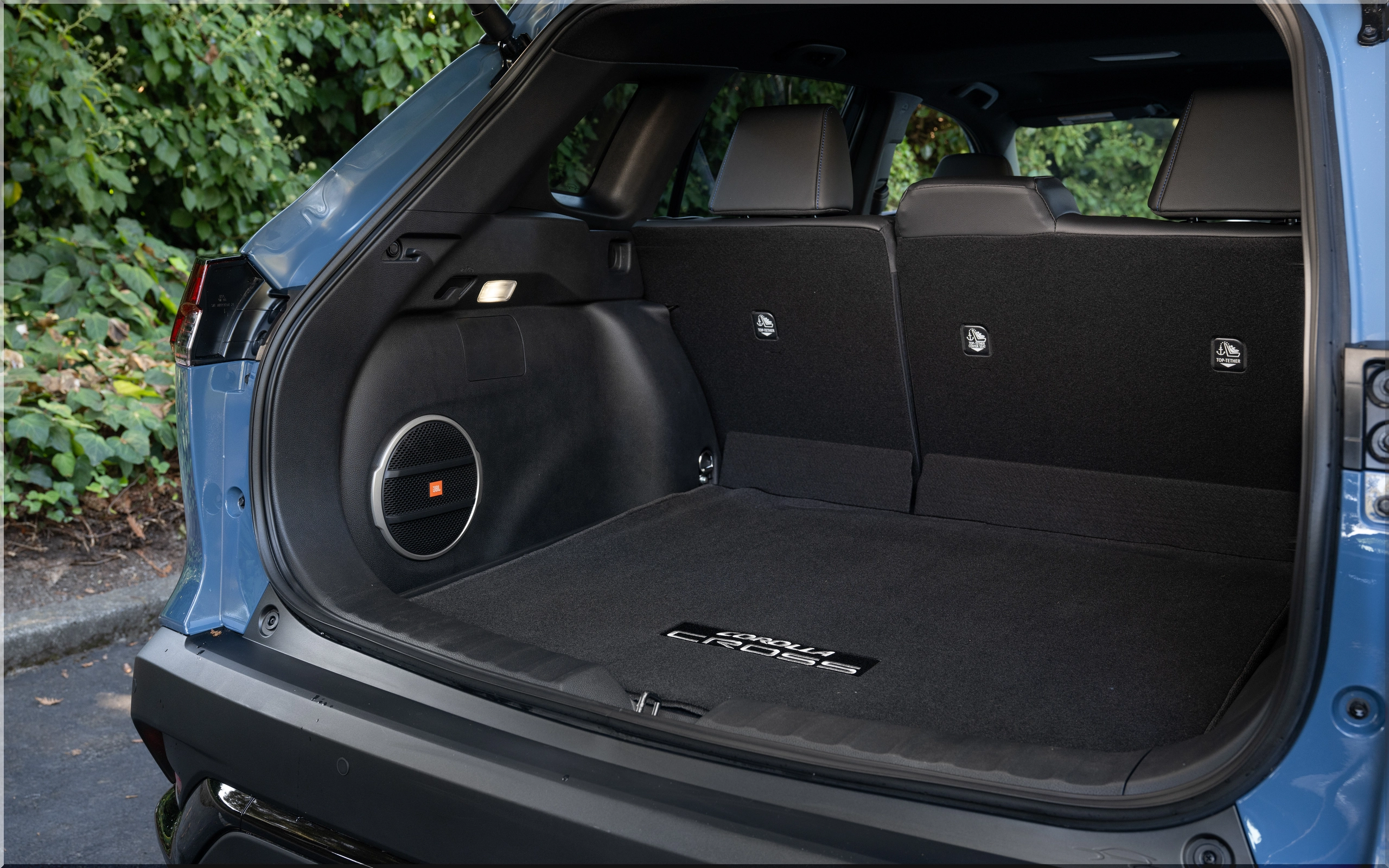
- Cargo volume behind the rear seat: 24.0 cubic feet, approximately 680 liters.
- Ground clearance: 8.1 inches, approximately 206 mm.
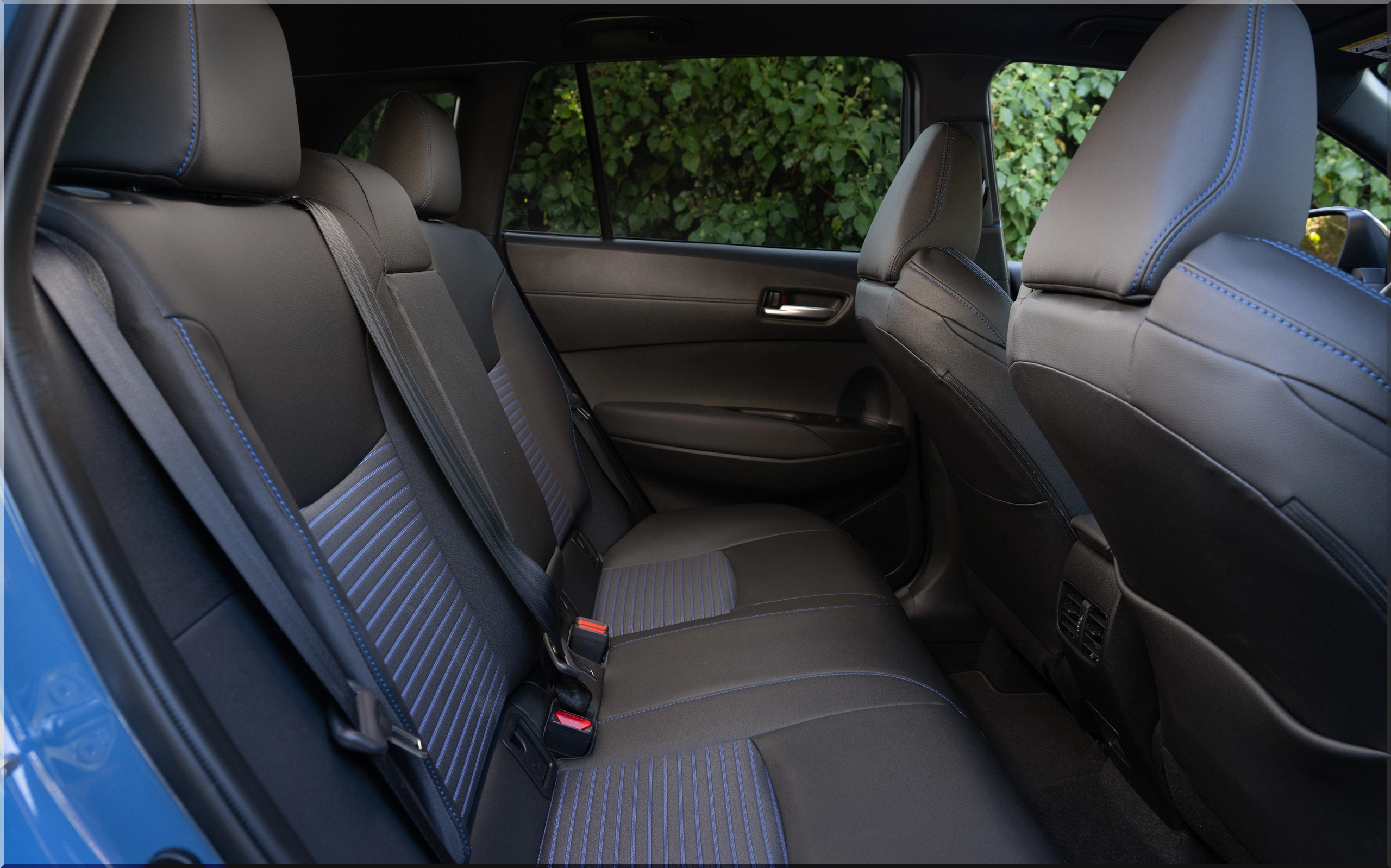
The rear-seat measurement deserves attention. A tall driver and a rear-facing child seat compete for the same longitudinal space. Cargo figures also vary by drivetrain; check the exact AWD or hybrid vehicle's specifications.
Pro-Tip: Bring your child seat and stroller to the dealership. Set the driver's seat first, install the child seat according to its instructions, and load the stroller without folding the rear bench. This test answers more useful questions than counting cupholders.
Which Trim Earns Its Extra Cost?
Choose equipment around repeated tasks, starting with school pickups and parking.
- L: Keeps the gas purchase price lowest, with an 8-inch touchscreen and wireless Apple CarPlay and Android Auto.
- LE: Adds blind-spot monitoring, rear cross-traffic alert, wireless charging, and push-button start. These upgrades suit frequent parking-lot driving.
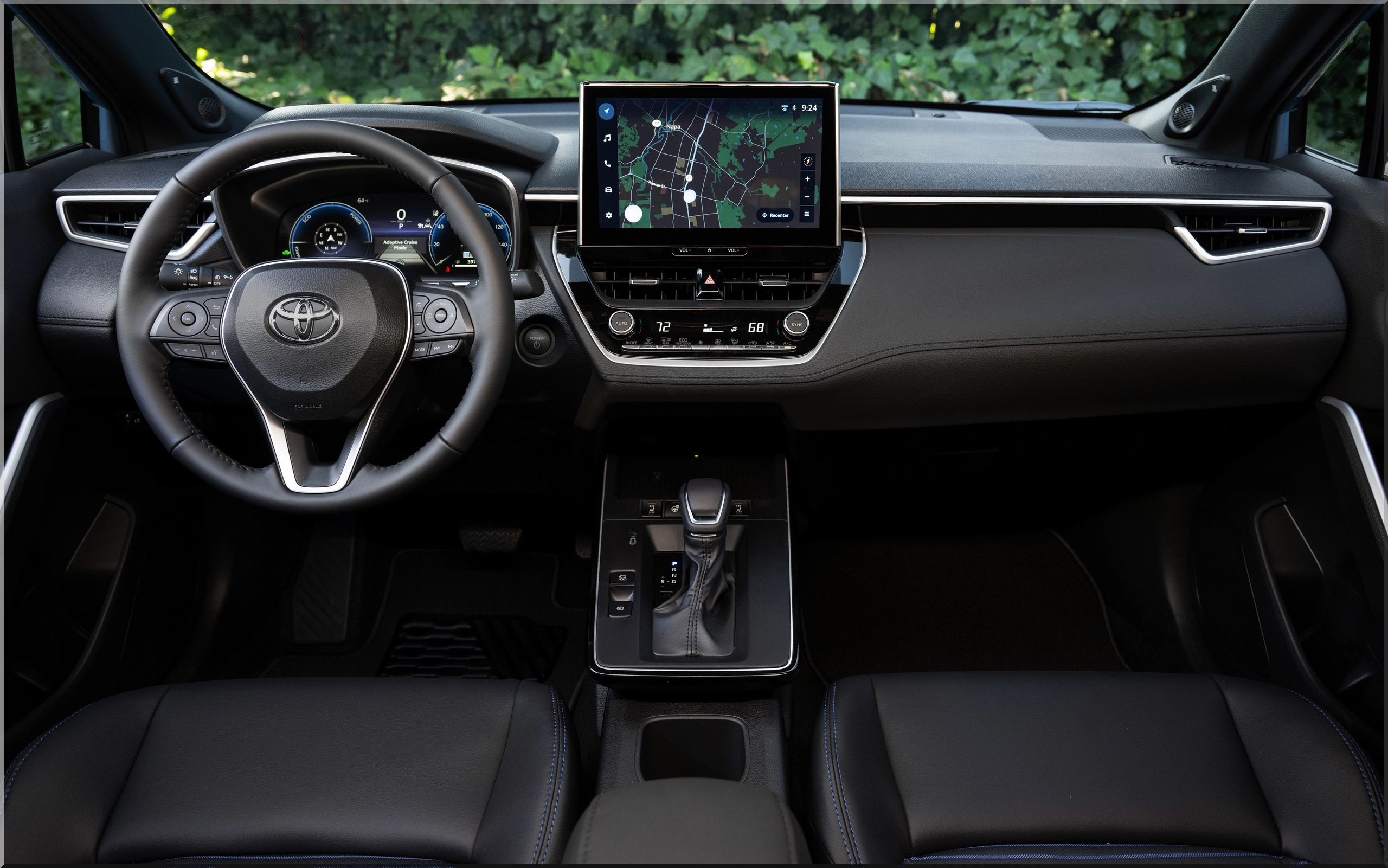
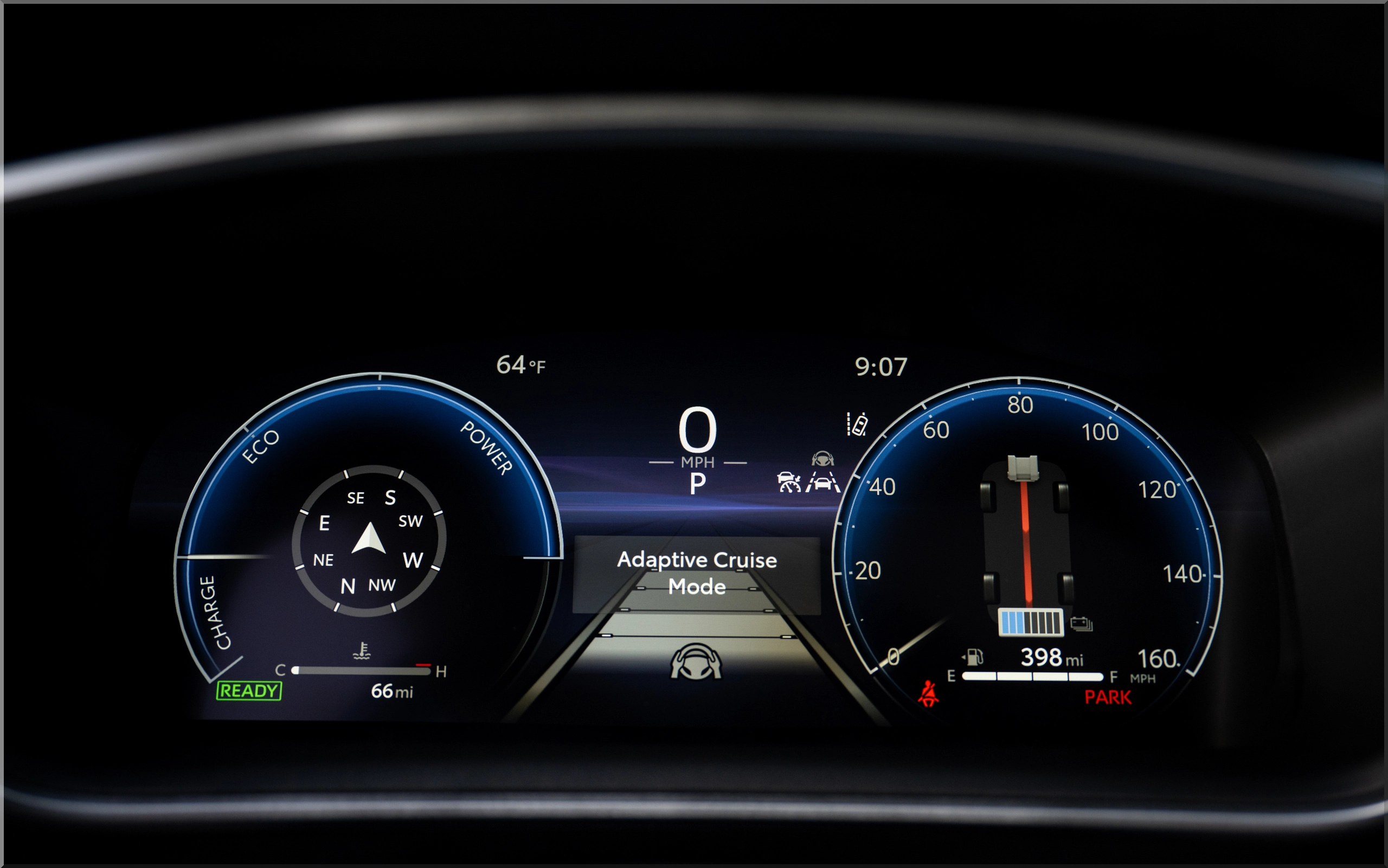
- XLE: Adds a 10.5-inch touchscreen, 12.3-inch instrument display, heated front seats, and a 10-way power driver's seat.
- Hybrid SE: Provides the hybrid powertrain, standard AWD, blind-spot monitoring, and wireless charging without requiring XSE equipment.
- Hybrid XSE: Adds larger displays, mixed-media SofTex seating, and dual-zone climate control for buyers who prioritize cabin amenities.
Toyota Safety Sense 3.0 carries forward across the range. Its assistance systems support the driver; they don't supply autonomous driving. Assess visibility and alert behavior during the test drive.
How Much Can the Hybrid Save on Your Commute?
Looking at the data, assume 15,000 miles annually, gasoline at $3.50 per gallon, and operation matching Toyota's combined launch estimates:
| Annual fuel-cost scenario | Gas FWD | Gas AWD | Hybrid AWD |
|---|---|---|---|
| Combined MPG assumption | 31 | 30 | 42 |
| Fuel consumption | 484 gallons | 500 gallons | 357 gallons |
| Annual gasoline cost | $1,694 | $1,750 | $1,250 |
| Hybrid savings versus this version | $444 | $500 | — |
These estimates use unrounded consumption for the dollar totals. Actual driving, weather, traffic, and fuel prices change the result.
The hybrid uses approximately 29% less gasoline than gas AWD in this scenario. However, fuel savings alone won't rapidly repay a large purchase premium. As a hypothetical example, a $2,000 difference between comparably equipped dealer offers would require about four years at $500 annual savings, before financing and other ownership expenses.
Pro-Tip: Request itemized quotes for gas LE AWD and Hybrid SE. Use the actual price difference after discounts, then divide it by your expected annual fuel savings.
Corolla Cross vs. Honda HR-V and Volkswagen Taos
The 2027 Honda HR-V offers substantially more rear legroom, while the 2027 Volkswagen Taos counters with a turbocharged engine and greater maximum cargo volume. Toyota's hybrid supplies the highest horsepower and city MPG in this comparison, but the HR-V's rear-seat advantage can outweigh fuel savings for a growing family.
| US-market specification | 2027 Corolla Cross gas / hybrid | 2027 Honda HR-V | 2027 Volkswagen Taos |
|---|---|---|---|
| Starting MSRP before destination | $25,535 / $31,415 | $26,600 | $26,500 |
| Horsepower | 169 / 196 | 158 | 174 |
| City/highway MPG, entry drivetrain | 30/32 FWD / 46/39 AWD | 26/32 FWD | 27/35 FWD |
| AWD availability | Optional gas / standard hybrid | Optional | Optional |
| Practical advantage | Hybrid city efficiency | 37.7-inch rear legroom | Up to 65.9 cu ft with rear seats folded |
The hybrid's higher price includes standard AWD; the rival entry prices cover FWD configurations. By comparison, the Honda supplies 5.7 inches more rear legroom than Toyota's carryover reference measurement. Try that space with actual passengers before choosing on MPG alone.
Why This Counts for US Buyers
The Corolla Cross works best when buyers match its strengths to their routine. Choose gas FWD for a lower upfront bill, price Hybrid SE for frequent urban commuting, and test rival rear seats if adults or child seats regularly occupy the second row.
Start with three checks: passenger fit, an itemized dealer quote, and fuel costs for your mileage. Choose the version that handles your week.
- Add new comment
- 9 views