A Major Step for Humanoid Robotics
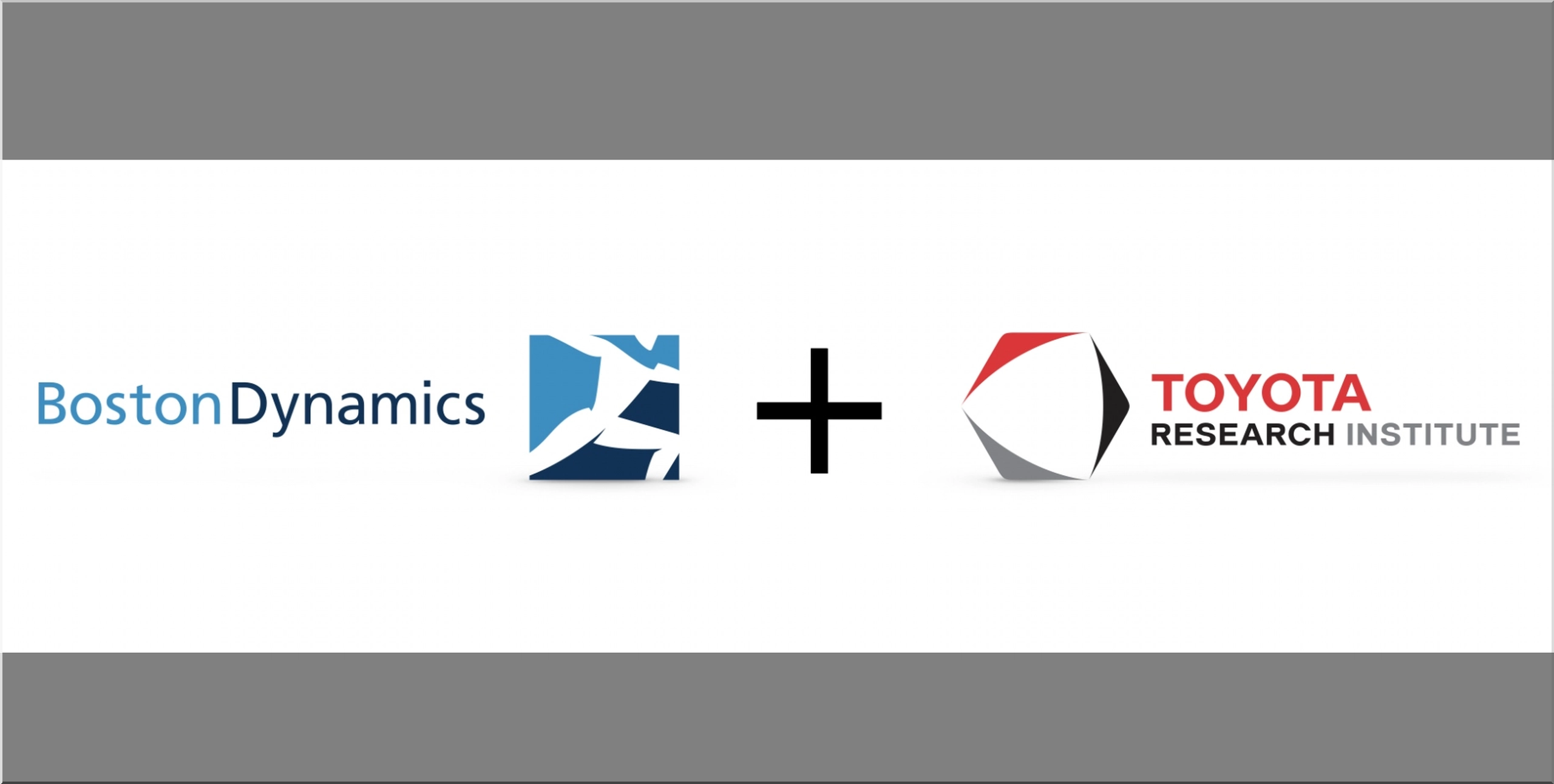
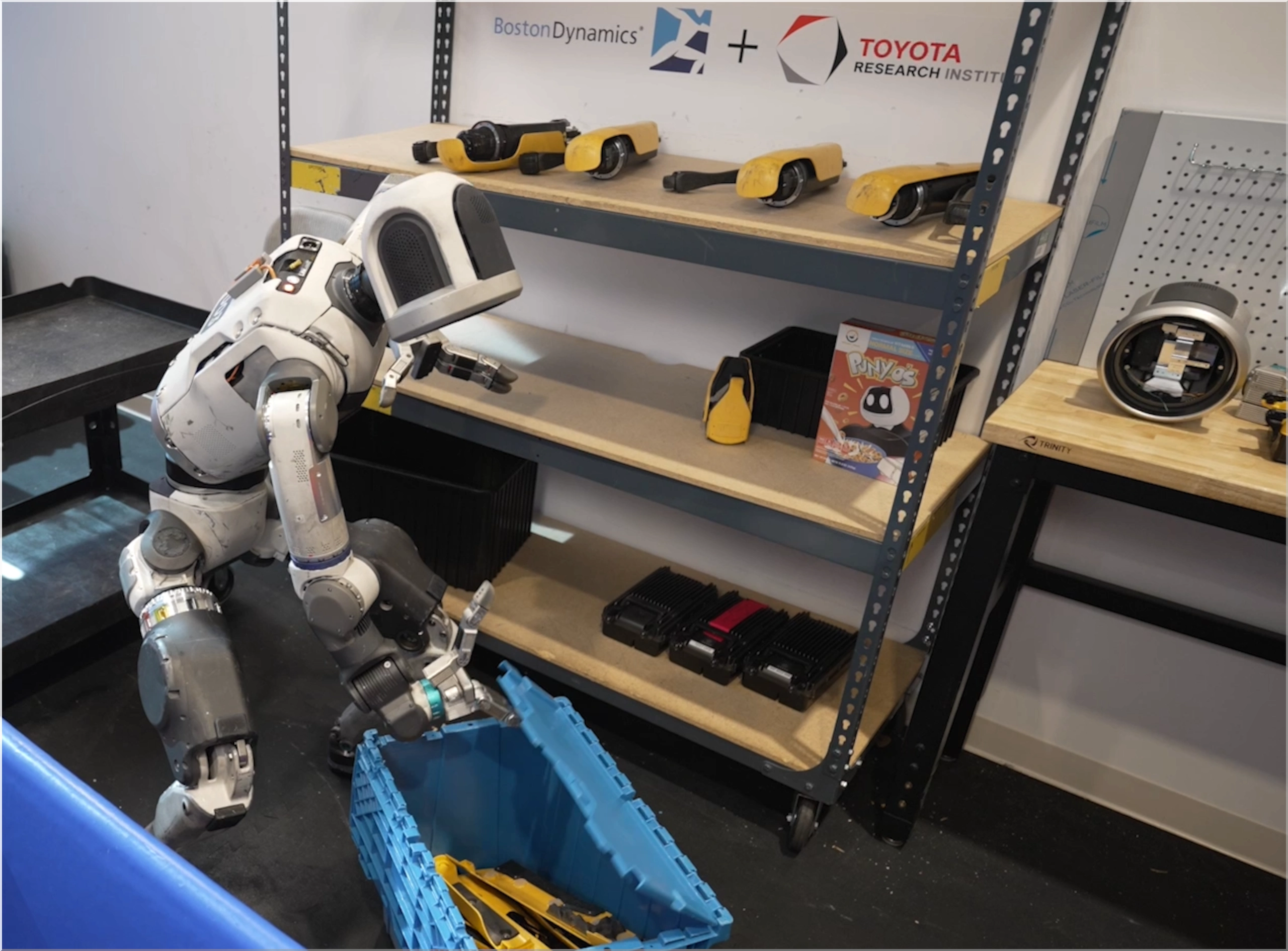
Boston Dynamics and the Toyota Research Institute (TRI) announced a breakthrough in humanoid robotics on August 20, 2025. Their joint project demonstrated a Large Behavior Model (LBM) running on the Atlas humanoid robot. The system allows Atlas to perform long sequences of complex physical tasks without requiring extensive hand-coded instructions.
For decades, humanoid robots have struggled with general-purpose functions. They could either walk or manipulate objects, but not coordinate both seamlessly. This new demonstration changes that equation. By training a single neural network to control the robot’s whole body, researchers achieved a level of flexibility that older programming methods could not scale to.
What the Demonstration Showed
The video released by the companies showed Atlas performing:
- Walking, crouching, and lifting
- Packing, sorting, and organizing tasks
- Adjusting to unexpected changes, such as a closed box lid or sliding objects
Unlike past humanoids, Atlas now treats hands and feet as integrated tools under one control model. This unified approach improves coordination and adaptability.
Boston Dynamics’ Scott Kuindersma, vice president of robotics research, said training a single neural network for long-horizon tasks will help robots generalize better and adapt more quickly.
Why Large Behavior Models Matter
Humanoids have long promised to work in human environments, but programming them has been slow and costly. Each task traditionally required new lines of code. With LBMs:
- Skills can be added quickly through human demonstrations
- Fewer demonstrations are needed as the models improve
- Robots gain robust behaviors with less training data
According to TRI’s Russ Tedrake, LBMs address scaling challenges directly. Instead of building hundreds of isolated control systems, a single model can handle diverse functions across movement, balance, and manipulation.
Applications for Industry and Daily Life
The breakthrough points to a future where general-purpose humanoid robots could handle tasks in multiple sectors:
Manufacturing
- Sorting and packing goods
- Handling flexible assembly lines
- Operating safely alongside human workers
Healthcare
- Assisting with repetitive patient-care tasks
- Transporting supplies in hospitals
- Supporting rehabilitation exercises
Home Use
- Household chores like laundry and cleaning
- Lifting heavy objects safely
- Assisting elderly or disabled residents
If these robots scale effectively, their economic impact could be significant. Market analysts estimate humanoid robotics could represent a multi-billion-dollar industry by the 2030s.
Challenges Ahead
While promising, hurdles remain before humanoid robots reach widespread use:
- Cost – Current humanoid prototypes exceed hundreds of thousands of USD. Mass production will need sharp cost reductions.
- Battery limitations – Powering full-body robots requires long-lasting, lightweight batteries that remain a challenge today.
- Safety standards – Robots working in human environments must meet strict reliability and safety benchmarks.
- Public acceptance – Widespread deployment depends on trust, privacy, and ethical considerations.
Boston Dynamics and TRI are addressing these issues through research partnerships. Their October 2024 agreement aimed at accelerating AI-driven robotics development has already yielded progress.
How Atlas Differs From Past Robots
Past humanoid robots, including earlier Atlas versions, used separate systems for walking, balance, and arm manipulation. That made them rigid and prone to failure when tasks changed suddenly.
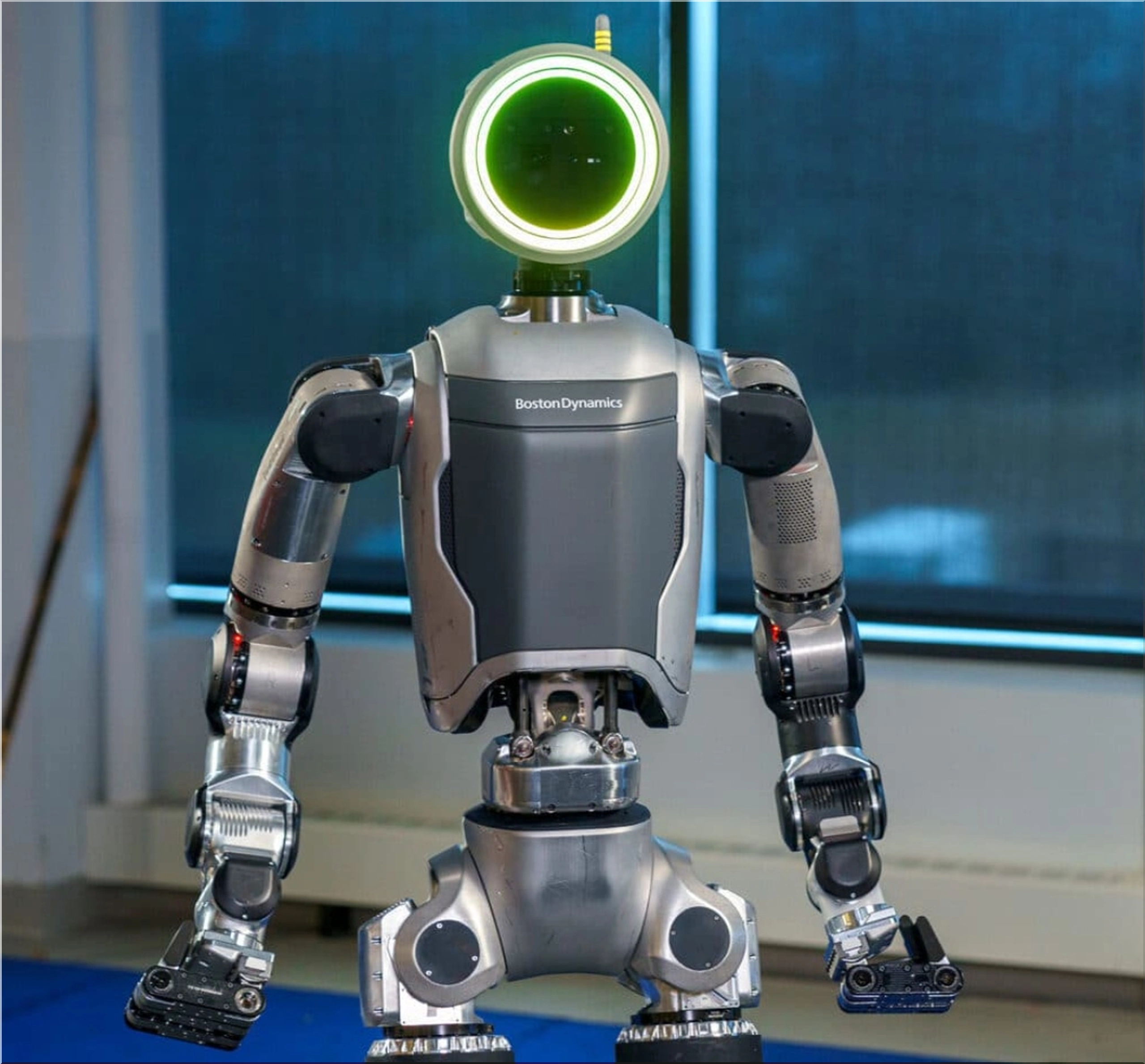
This new Atlas, powered by LBMs, integrates whole-body precision, dexterity, and strength into one model. Instead of scripting each motion, researchers train the network with demonstrations, allowing the robot to adapt naturally.
For robotics engineers, the difference is similar to moving from manual programming to machine learning-driven automation. Tasks once requiring weeks of code can now be achieved in days.
Market Outlook and Competitive Landscape
The push for humanoid robots comes as several companies race toward commercial products:
- Tesla Optimus – Tesla has shown humanoid prototypes with factory applications in mind.
- Agility Robotics’ Digit – Targeting logistics and warehouse tasks.
- Apptronik Apollo – Focused on general-purpose robotics for manufacturing.
Boston Dynamics and Toyota Research Institute’s Atlas with LBM sets a new benchmark. By integrating AI with full-body control, the system shows more autonomy than many current prototypes.
Comparative Features Table
| Company / Robot | Key Strengths | Primary Market Focus |
|---|---|---|
| Boston Dynamics / Atlas | Whole-body AI control, adaptability | Research, industrial testing |
| Tesla / Optimus | Potential low-cost scaling | Manufacturing, logistics |
| Agility Robotics / Digit | Compact, warehouse-ready | Supply chain, logistics |
| Apptronik / Apollo | Modular design, safety features | General industrial use |
This table highlights the competitive landscape where Atlas now demonstrates advanced technical capabilities, though still limited by research-stage pricing and availability.
Long-Term Implications
If humanoid robots succeed, industries may reconfigure how they allocate labor. Tasks once seen as low-value or dangerous could shift to machines, while humans focus on oversight and design.
In healthcare, humanoids could ease pressure on staff shortages. In homes, they could support aging populations. And in factories, they could reduce workplace injuries from repetitive or heavy lifting.
The Toyota-Boston Dynamics collaboration signals growing recognition that humanoids are not just lab experiments but part of the future workforce.
Conclusion
The August 2025 Atlas demonstration shows how AI-powered humanoids are moving from experimental prototypes to functional machines. With Large Behavior Models, robots gain flexibility once considered out of reach.
While challenges remain in cost, power, and safety, the breakthrough suggests humanoids may soon leave the lab and enter daily life.
For now, the Atlas project provides an early look at what general-purpose robots could achieve in industries, healthcare, and homes worldwide.
- Add new comment
- 280 views