Introduction: The Badge is Smaller. The Upgrades Are Not.
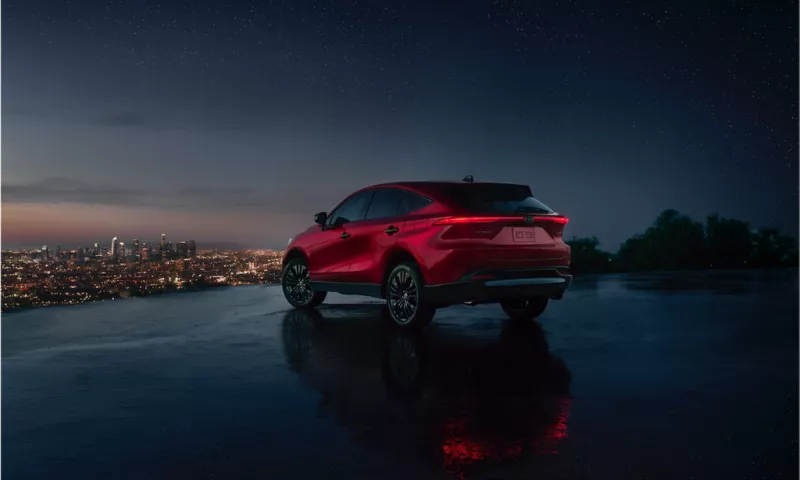
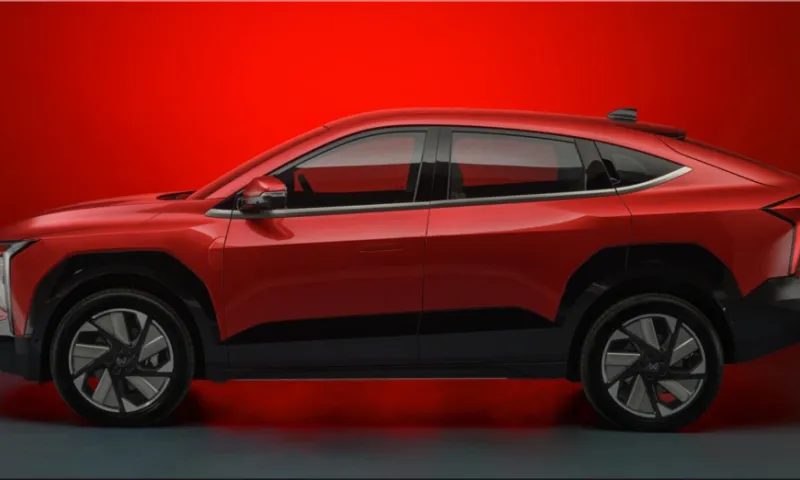
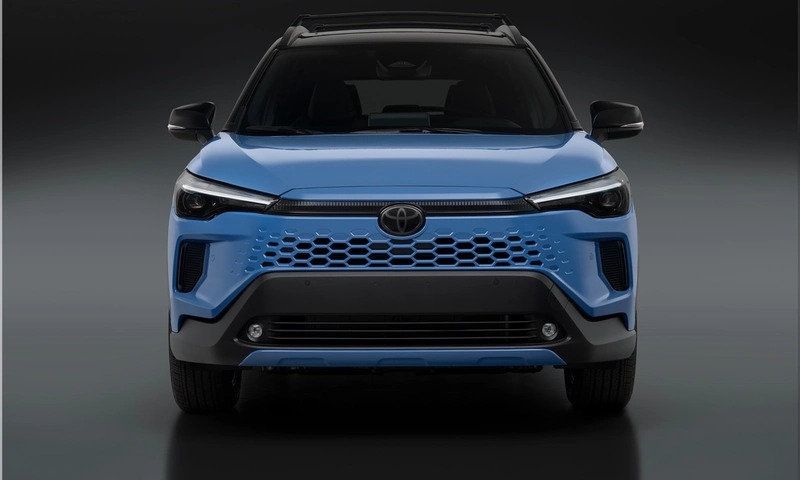
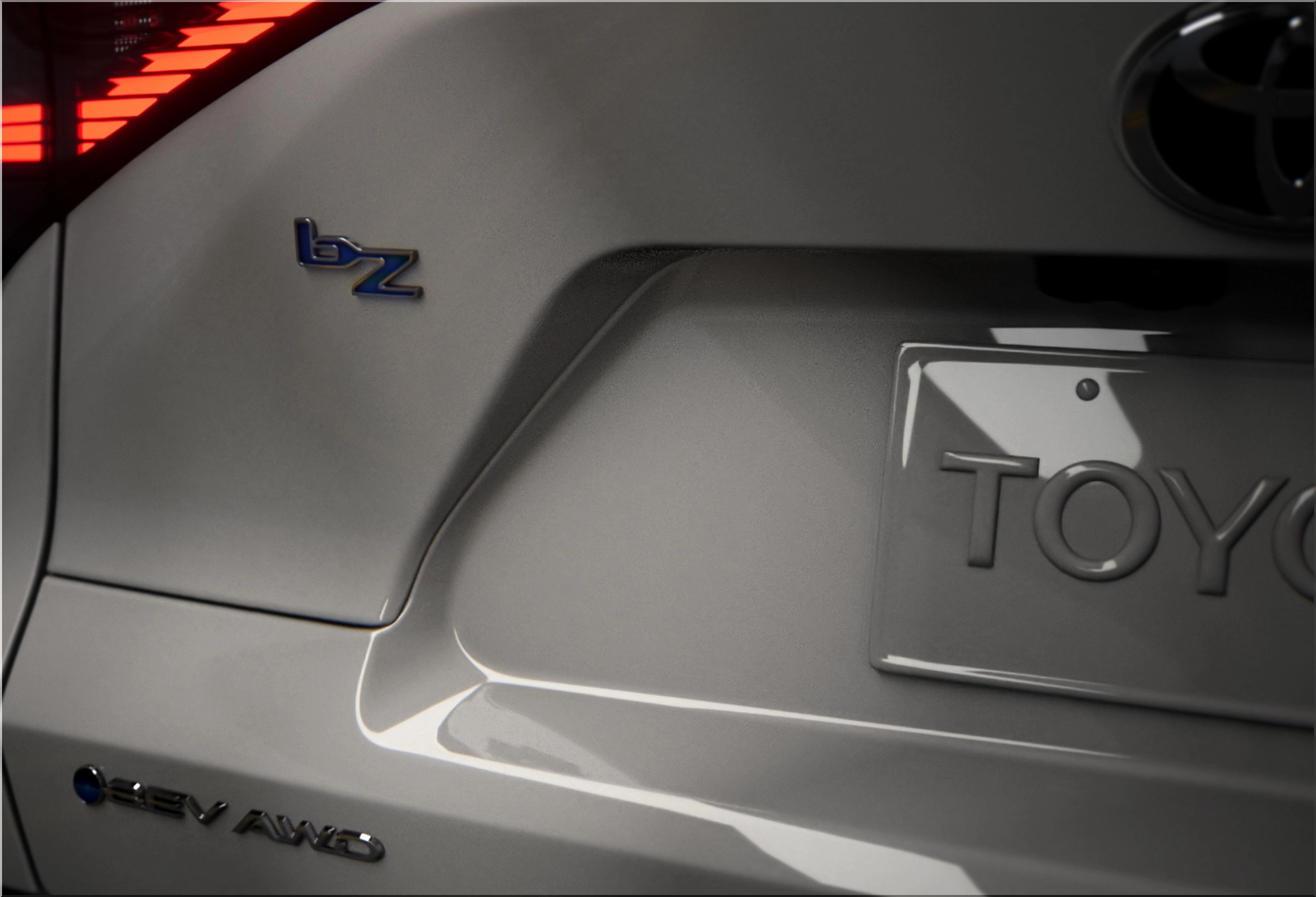
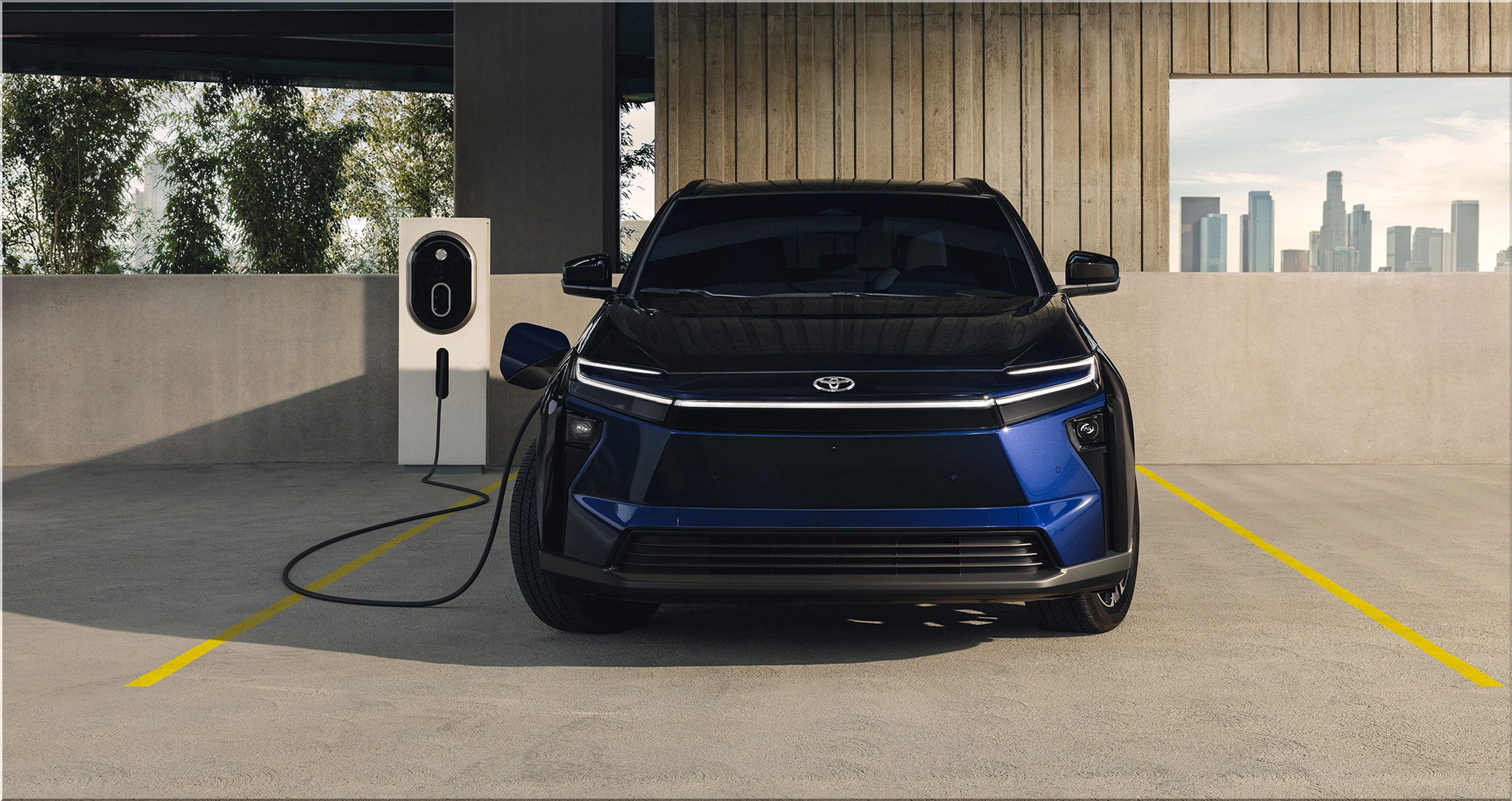
The 2026 Toyota bZ, previously known by its Wi-Fi password of a name—bZ4X—finally sounds like something a human might say aloud. But the changes aren’t just cosmetic. Underneath the more pronounceable badge sits Toyota’s most serious EV to date, with more range, faster charging, and a few surprises that show the brand is finally loosening its tie in the all-electric arena.
Toyota hasn’t reinvented the wheel. It just made it charge faster, roll farther, and look a whole lot better doing it.
Powertrain and Performance: A Prius This Is Not
Let’s start with something you can brag about at a stoplight.
- AWD models now make 338 horsepower, thanks to upgraded motors and silicon carbide semiconductors. That’s not just engineer-speak—it means about 100 more horses than the 2025 model.
- 0–60 mph drops to 4.9 seconds, so now you can beat your neighbor’s crossover without spilling your coffee.
- FWD versions tone it down slightly with 201 hp, but still benefit from improved efficiency.
If you're wondering, torque hasn’t gone on vacation either. The AWD variant dishes out more punch off the line, making it feel far zippier than you’d expect from something with Toyota badging and an environmentally responsible heart.
Range and Battery: Less Charging, More Doing
Toyota got the memo: range anxiety is about as welcome as a flat tire on a freeway. So, they added a bigger battery.
| Trim Level | Battery (kWh) | Drive | Estimated Range (mi) |
|---|---|---|---|
| XLE FWD | 57.7 | FWD | 236 |
| XLE FWD Plus | 74.7 | FWD | 314 |
| XLE AWD | 74.7 | AWD | 288 |
| Limited FWD | 74.7 | FWD | 299 |
| Limited AWD | 74.7 | AWD | 278 |
Yes, that’s 314 miles of range for the most efficient model, up from around 252 miles in 2025. That’s a jump that finally makes Toyota’s EV offering competitive with Tesla’s base Model Y and the Hyundai Ioniq 5.
And the batteries? Still liquid-cooled, still designed in partnership with Panasonic, and still made to last longer than your favorite T-shirt from college.
Charging: Plug It In, Walk Away, Smile Later
Charging shouldn’t feel like setting up a VCR in 1998. Toyota agrees.
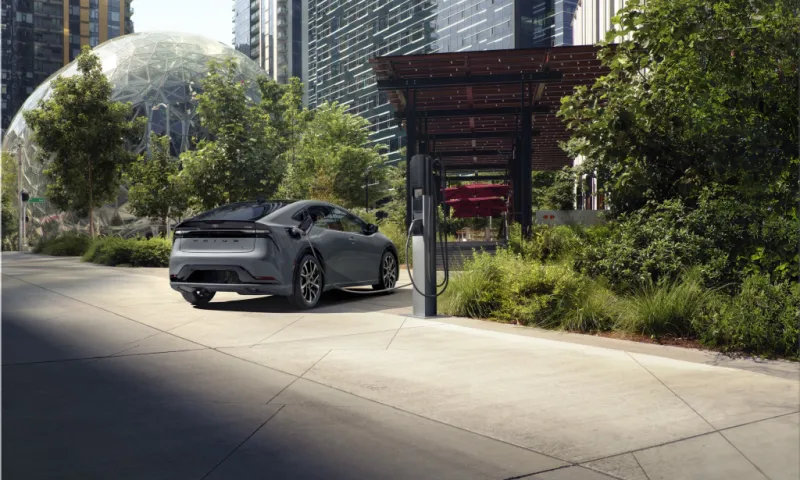
- Now compatible with NACS (Tesla’s North American Charging Standard). Translation: You can use Tesla Superchargers without hacking anything.
- Plug & Charge support: No more apps, fobs, or prayer. Plug in, and the car handles billing and authentication.
- Battery pre-conditioning is now standard. The car warms the battery before charging in cold weather, so you don’t spend winter watching electrons crawl like they’re stuck in rush hour.
And yes, Toyota says the AWD model can now charge from 10% to 80% in around 30 minutes with the right charger. That’s just enough time to scroll through your inbox and ignore half of it.
Exterior Design: Less Plastic, More Class
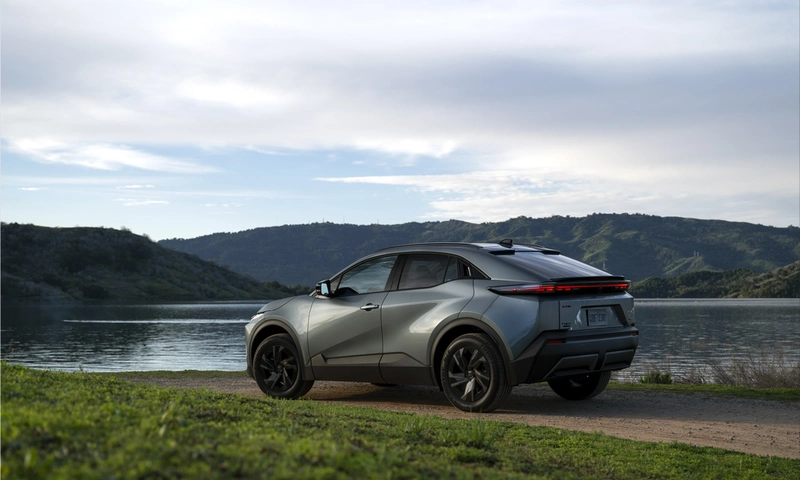
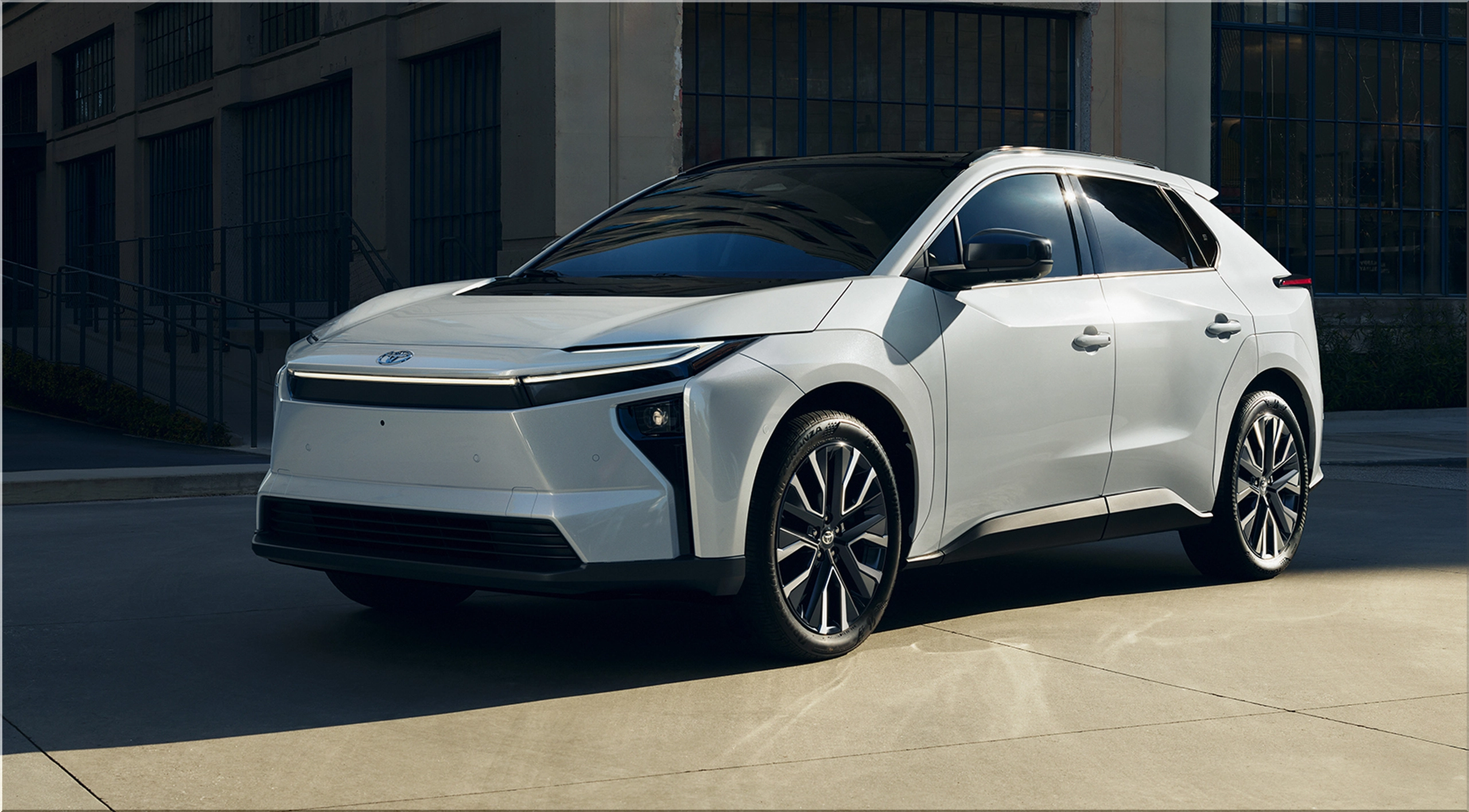
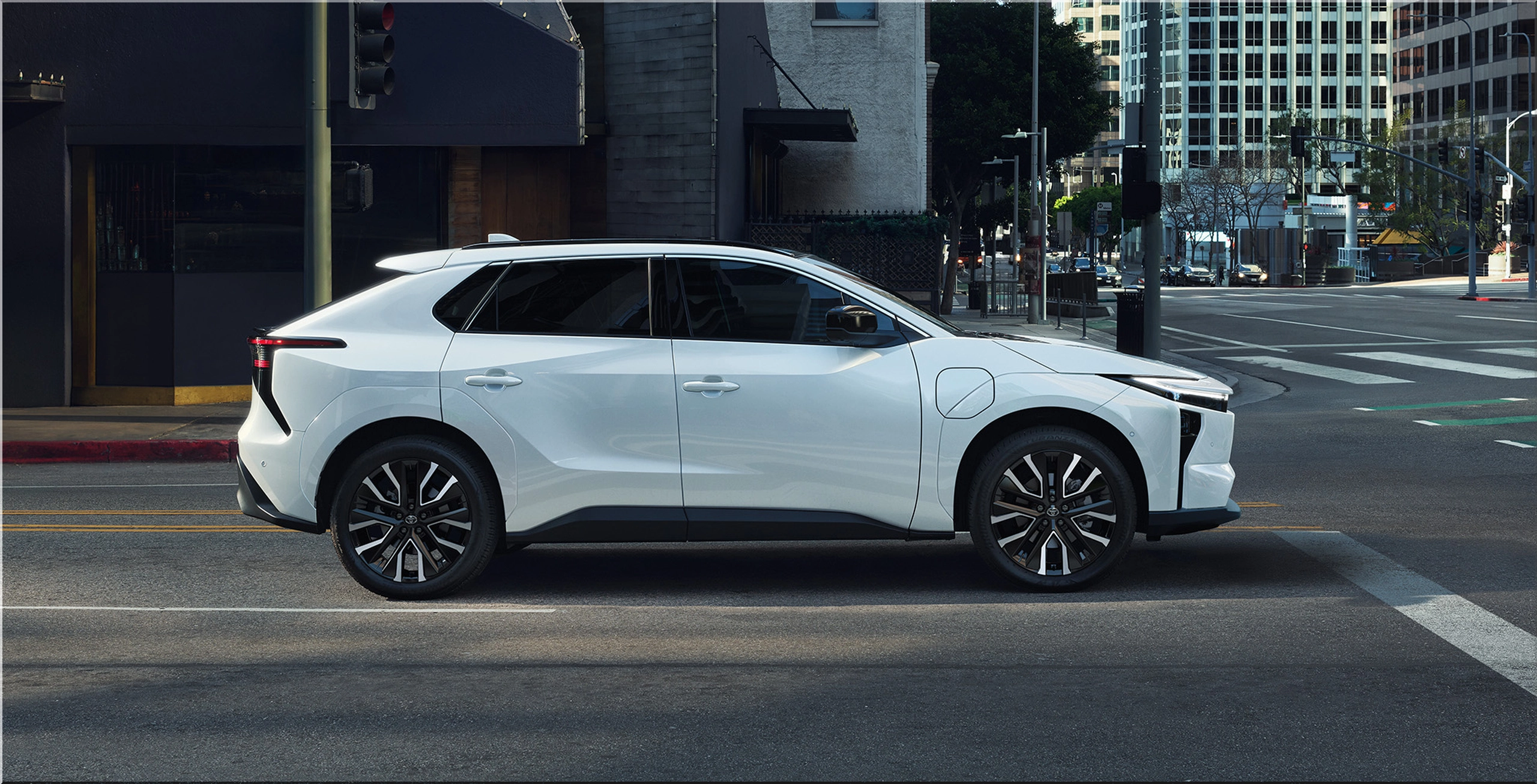
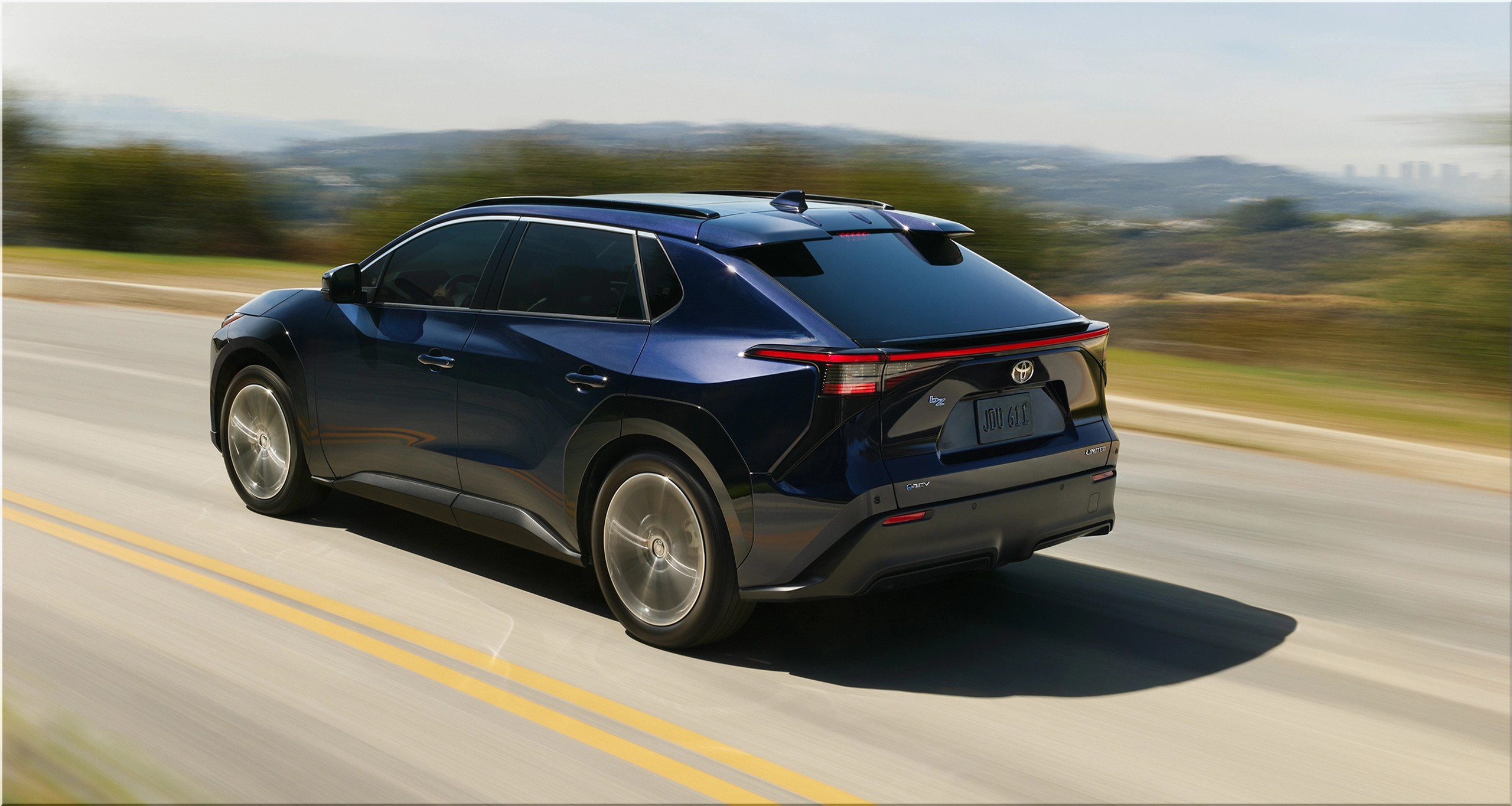
The biggest change outside? Toyota finally stopped decorating its electric SUV like a stormtrooper.
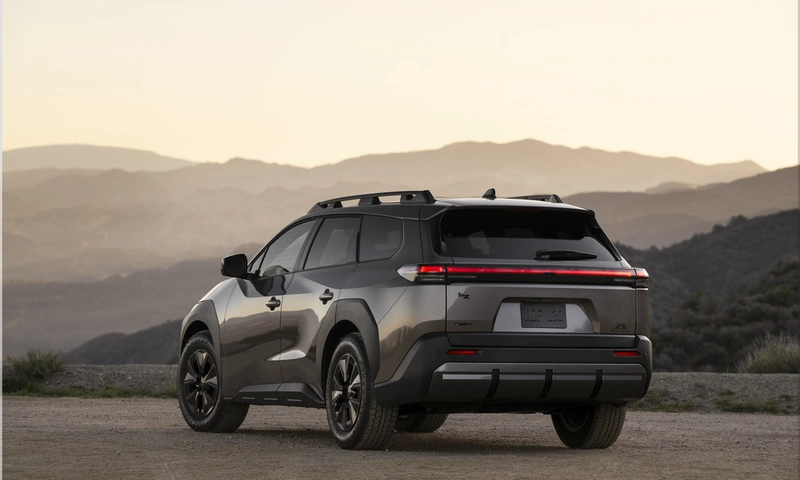
- Body-colored overfenders replace the polarizing black plastic wheel arches.
- New slim LED daytime running lights and tweaked front and rear bumpers make the bZ look sleeker, less shouty, and more like something you might actually want in your driveway.
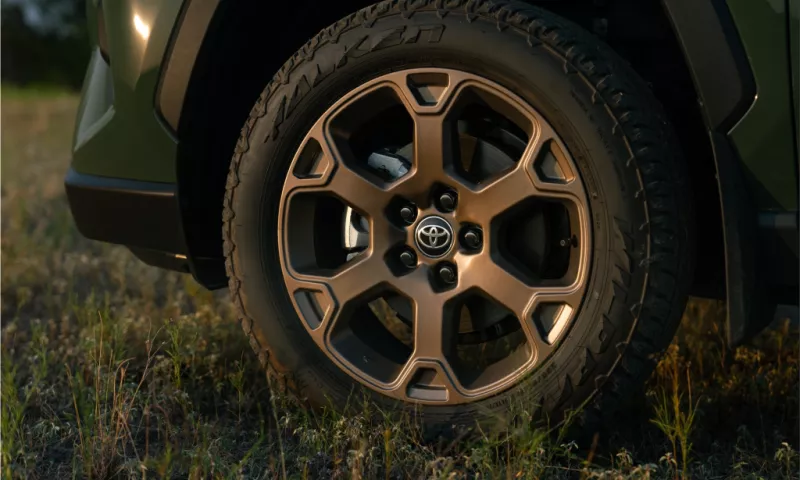
- Wheel options are new, too—17s, 18s, and 20-inch designs are available. Pick the size that matches your ego.
And in case you care about paint, colors like Black, Heavy Metal, Supersonic Red, and Wind Chill Pearl remain. New hues may join the party later, though Toyota is keeping the crayon box closed for now.
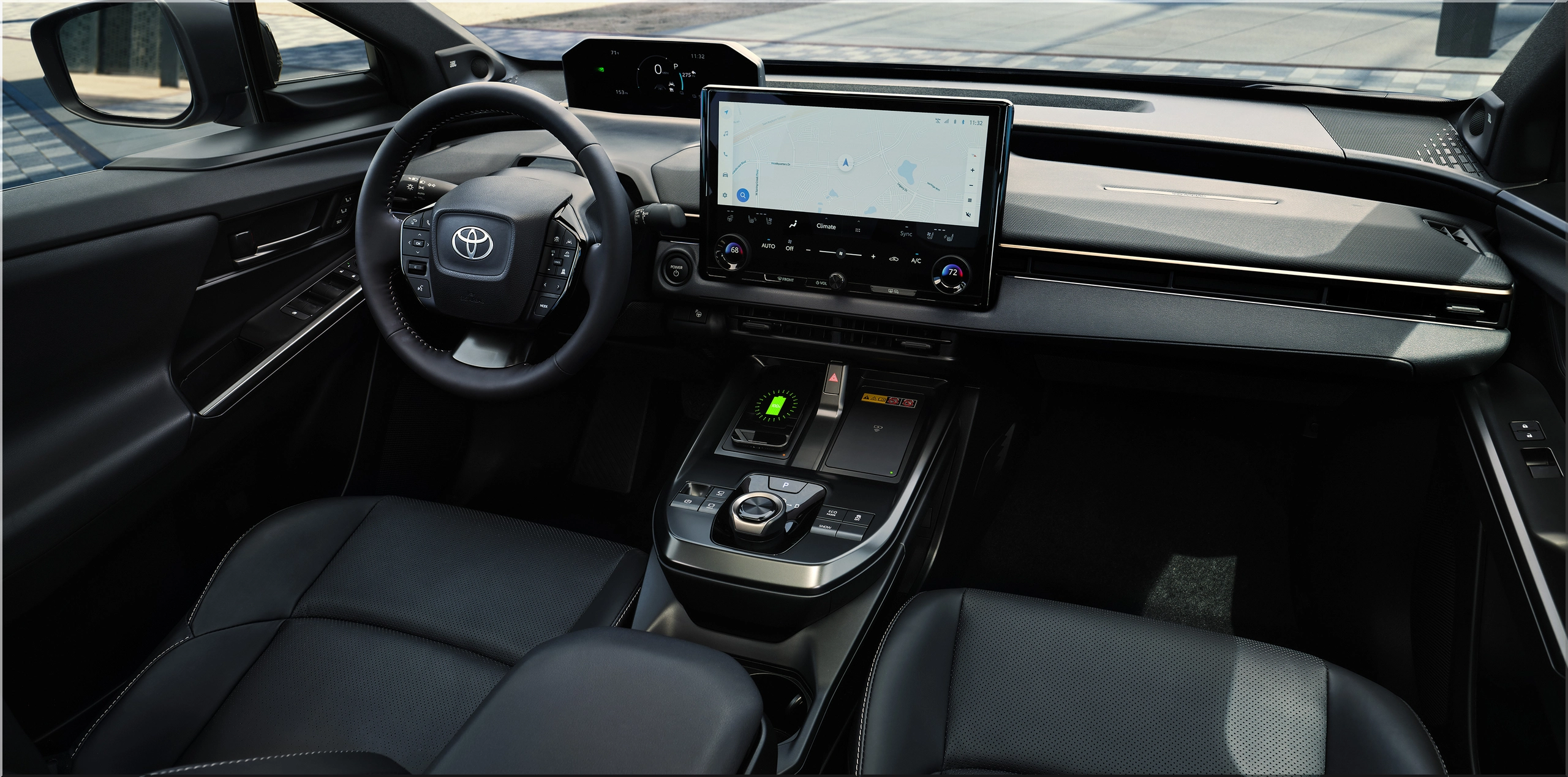
Interior Tech: Screens, Chargers, and No Funky Yokes
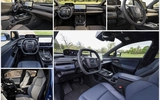
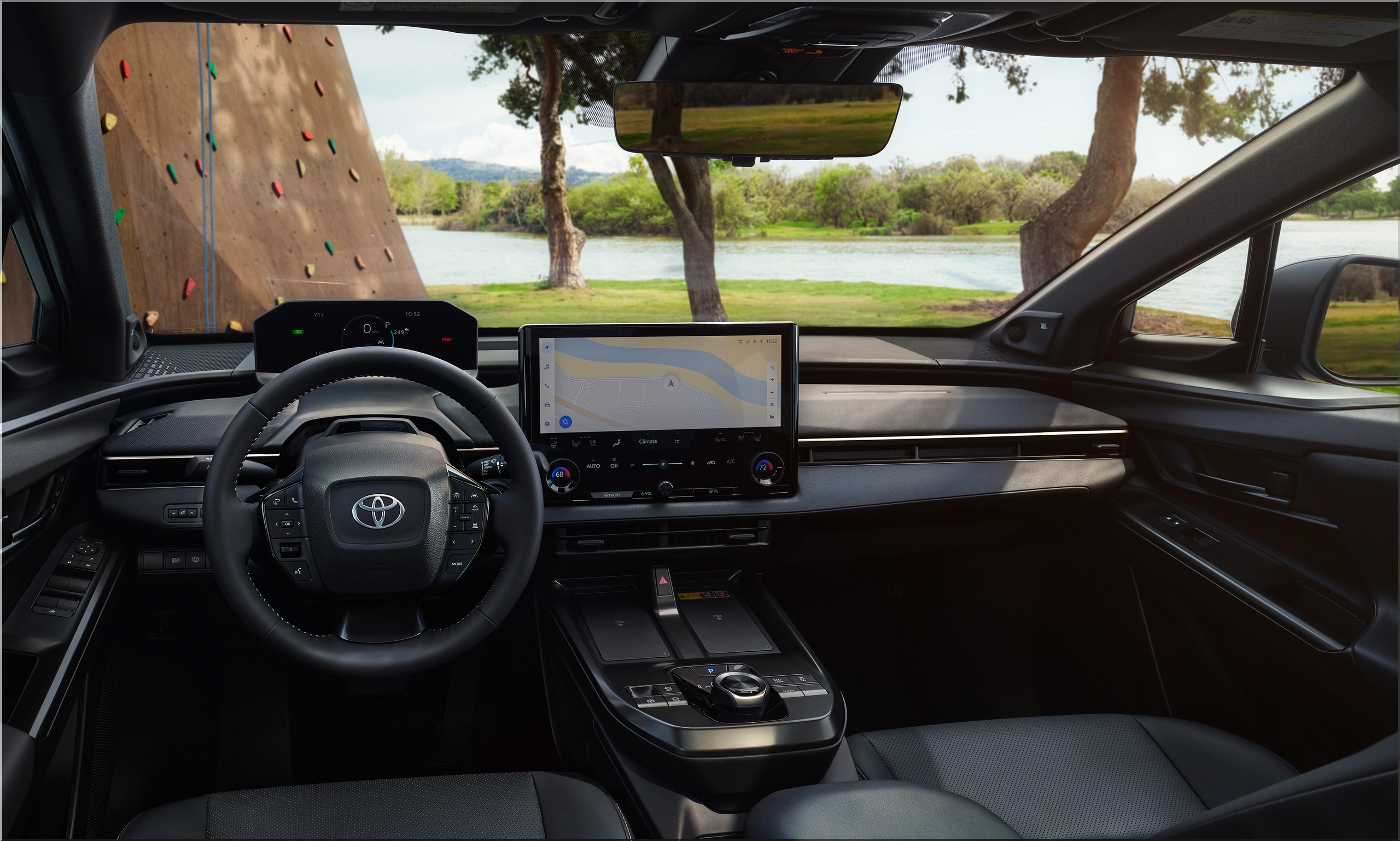
Inside, the bZ behaves like a modern Toyota—functional, logical, and not trying too hard.
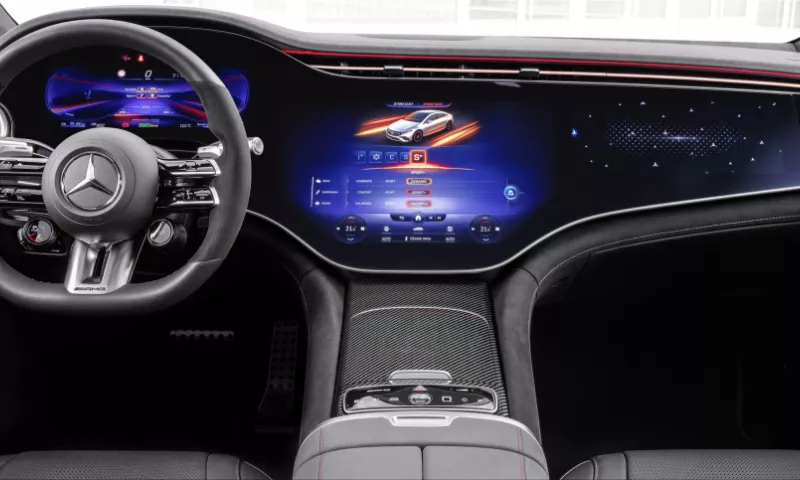
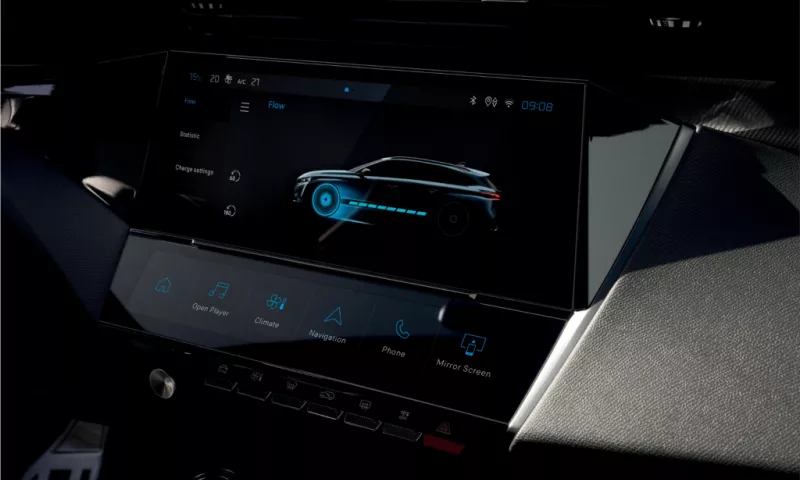
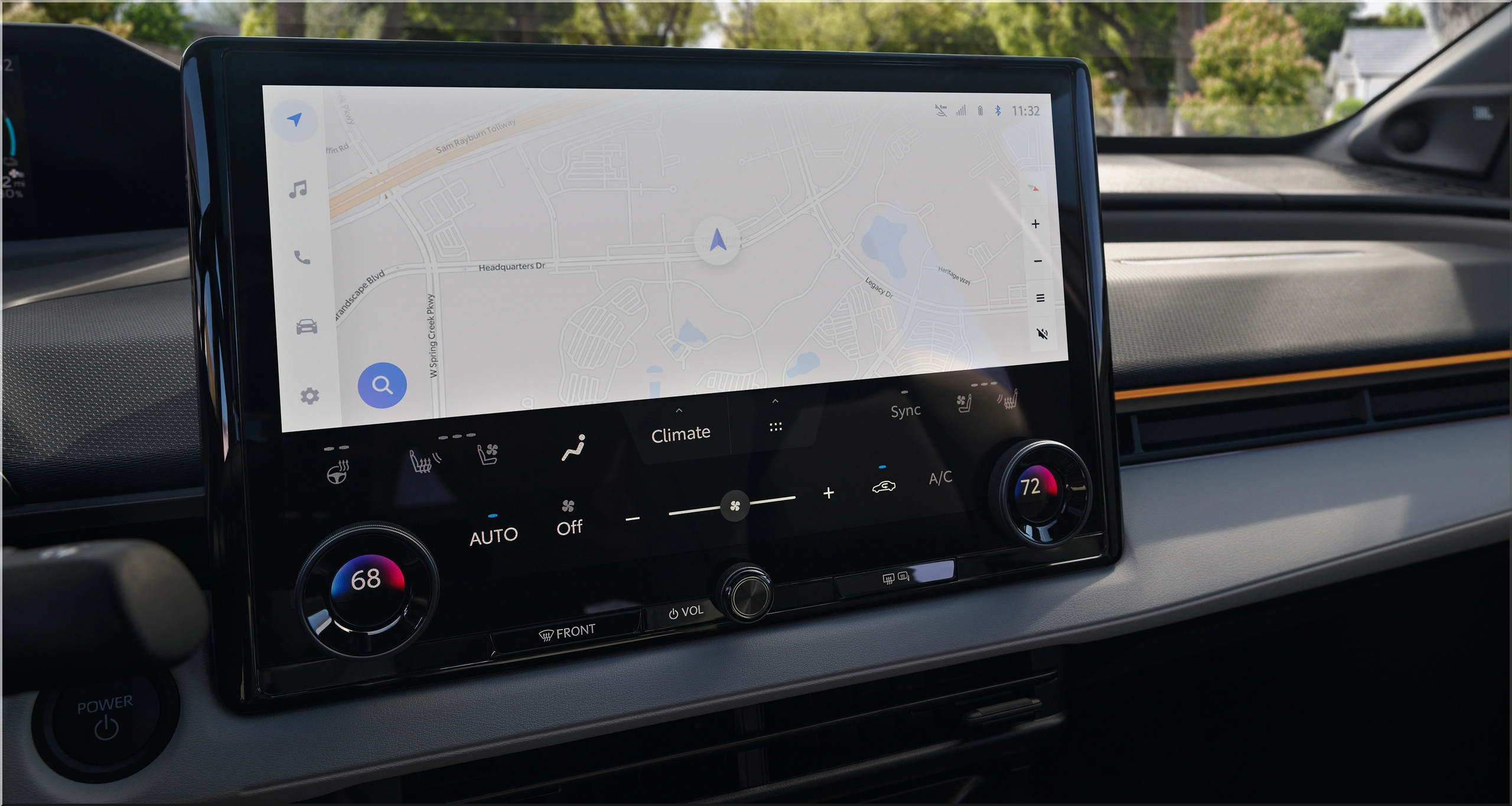
- 14-inch touchscreen is standard across the board, finally ditching the smaller, shame-inducing screens of yesteryear.
- Wireless Apple CarPlay and Android Auto, dual wireless phone chargers, and voice-activated commands mean fewer cables and less yelling at dashboards.
- Available heated and ventilated SofTex seats, a panoramic roof, and digital key access turn it into a lounge on wheels—minus the mood lighting.
Most importantly, Toyota resisted the urge to install a yoke steering wheel. So yes, you can still take a corner without feeling like Batman.
Safety: Toyota Still Doesn't Trust You (and That’s a Good Thing)
Standard on all trims is Toyota Safety Sense 3.0, because no matter how fast your EV is, Toyota still assumes you’ll try to eat tacos while merging.
Key features include:
- Adaptive cruise control with lane tracing
- Automatic emergency braking
- Road sign assist
- Proactive driving assist, which helps with braking and steering if it senses you're being a little too chill
Optional extras include advanced parking assist and multi-LED projector headlights, just in case you want your lights to shine like a stadium.
Sales Momentum: From Meh to Money
The early numbers speak volumes.
- 5,610 units sold in Q1 2025, up from just 1,897 in Q1 2024.
- That’s nearly a 196% year-over-year increase, or as marketers like to call it, “finally worth advertising.”
With the 2026 updates, expect that number to climb. Toyota has also hinted at local production for the next-gen bZ series, potentially slashing delivery delays and making buyers slightly less grumpy.
Conclusion: The EV Toyota Should Have Built in the First Place
The 2026 Toyota bZ proves that the world’s biggest automaker is finally taking electric seriously. With real-world range, practical charging, grown-up styling, and actual performance, the bZ is no longer the awkward intern at the EV party.
You want an electric SUV that feels like a Toyota? You got it. It’s quiet, clean, faster, smarter, and finally—more competitive.
And you won’t have to explain the name to your in-laws.
- Add new comment
- 135 views