Toyota Expands Its U.S. Manufacturing Footprint
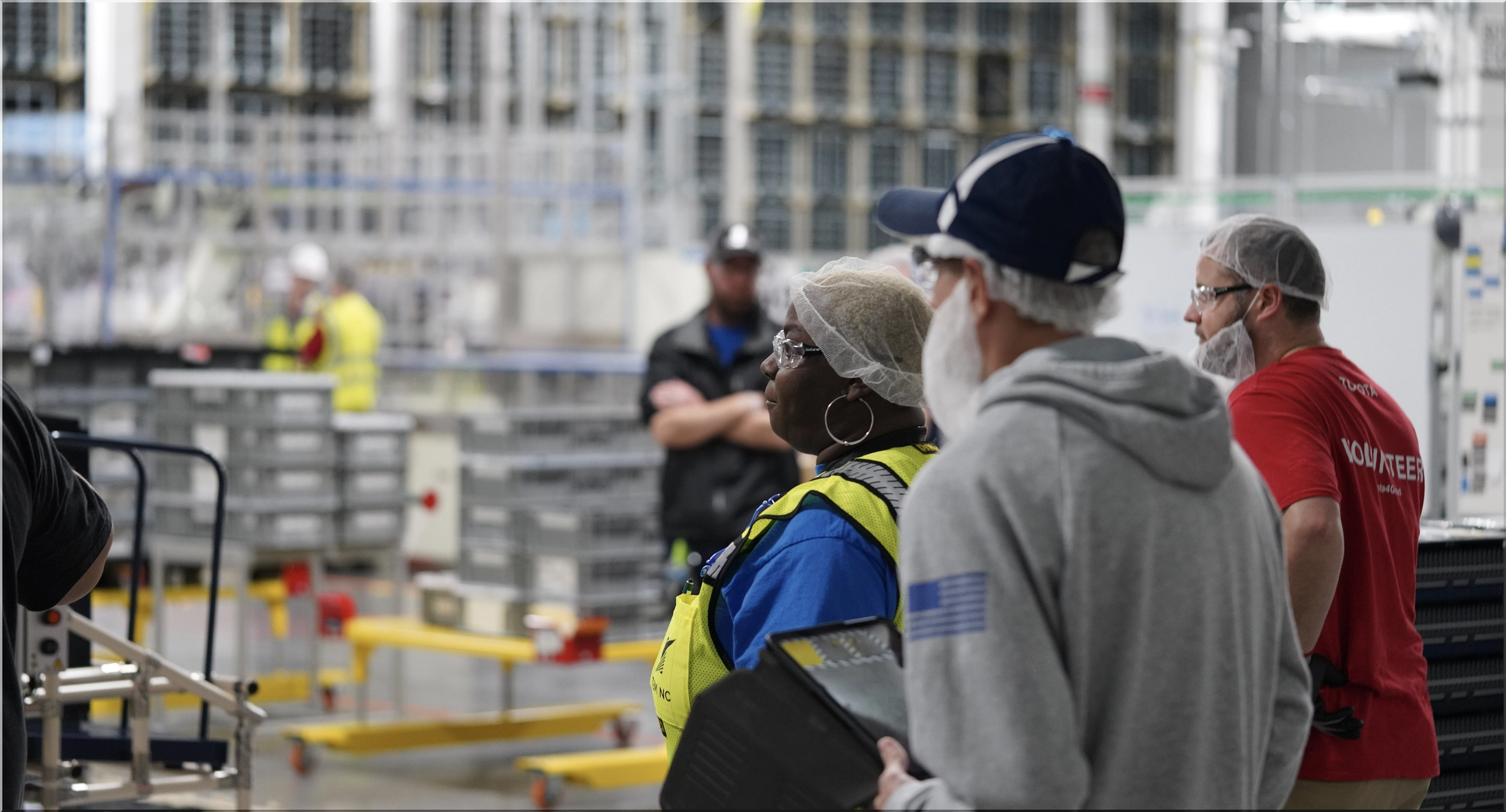
Toyota has officially launched production at its new battery manufacturing facility in Liberty, North Carolina, marking a major milestone in its U.S. electrification strategy. The $14 billion plant—Toyota’s first battery facility outside Japan—adds a powerful boost to the company’s multi-pathway approach to vehicle electrification.
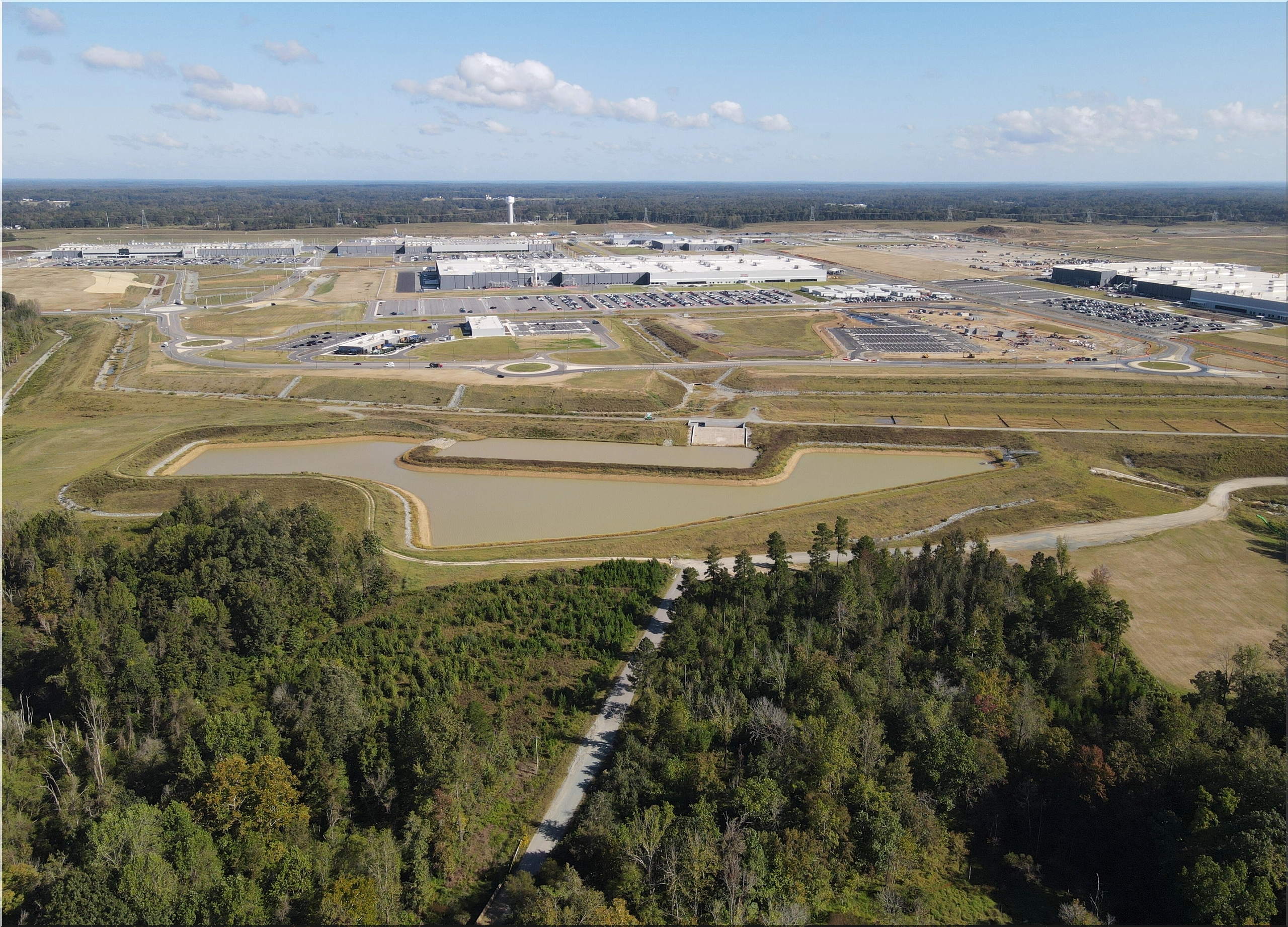
The plant is Toyota’s 11th U.S. facility and will create up to 5,100 jobs across the region. The project positions North Carolina’s Piedmont Triad as a new hub for clean energy manufacturing and next-generation vehicle production.
Record Investment and Economic Impact
The company announced an additional $10 billion investment over five years, pushing Toyota’s total U.S. investment to $60 billion since it began operations nearly 70 years ago.
This expansion highlights Toyota’s long-term commitment to building vehicles and batteries where it sells them.
Key Figures
| Investment Area | Amount (USD) | Purpose |
|---|---|---|
| Battery Plant Construction | $14 billion | Establish Toyota’s first U.S. battery production hub |
| Additional Investment (2025–2030) | $10 billion | Support future electrification and mobility initiatives |
| Total U.S. Investment | $60 billion | Manufacturing, R&D, and workforce development |
Governor Josh Stein praised the move, saying it will create over 5,000 new jobs and strengthen North Carolina’s leadership in the clean energy economy.
Advanced Battery Production Capabilities
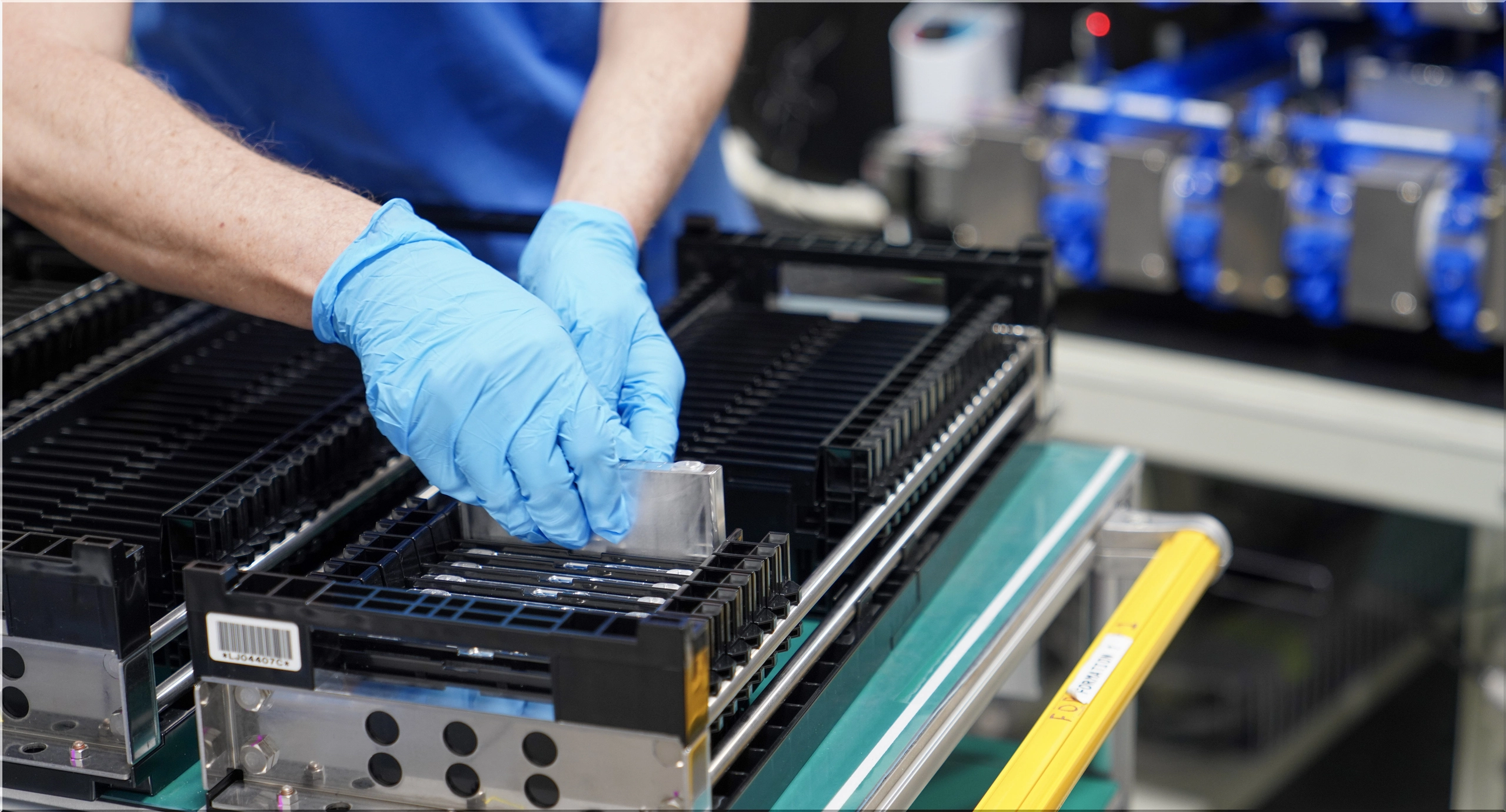
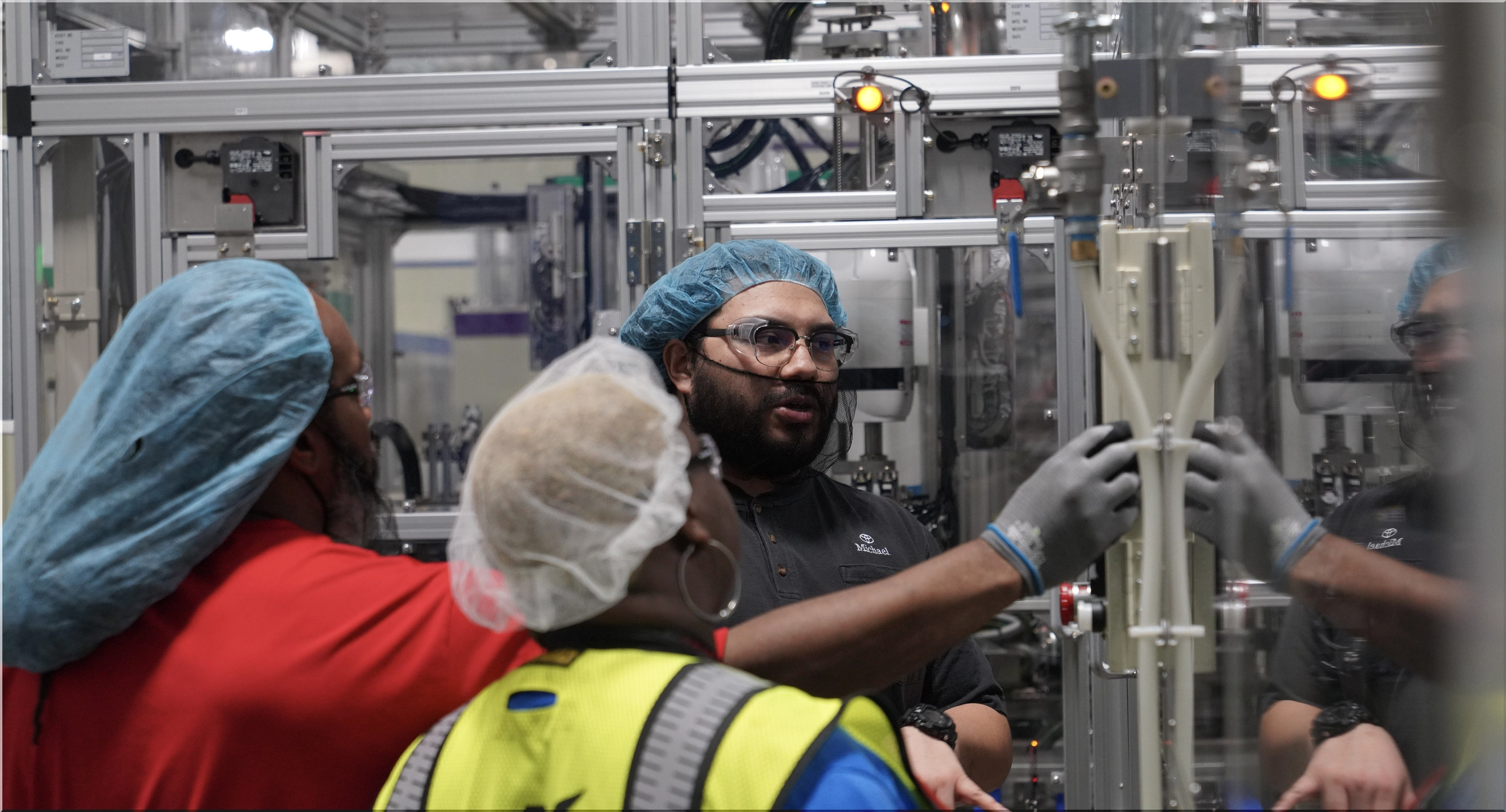
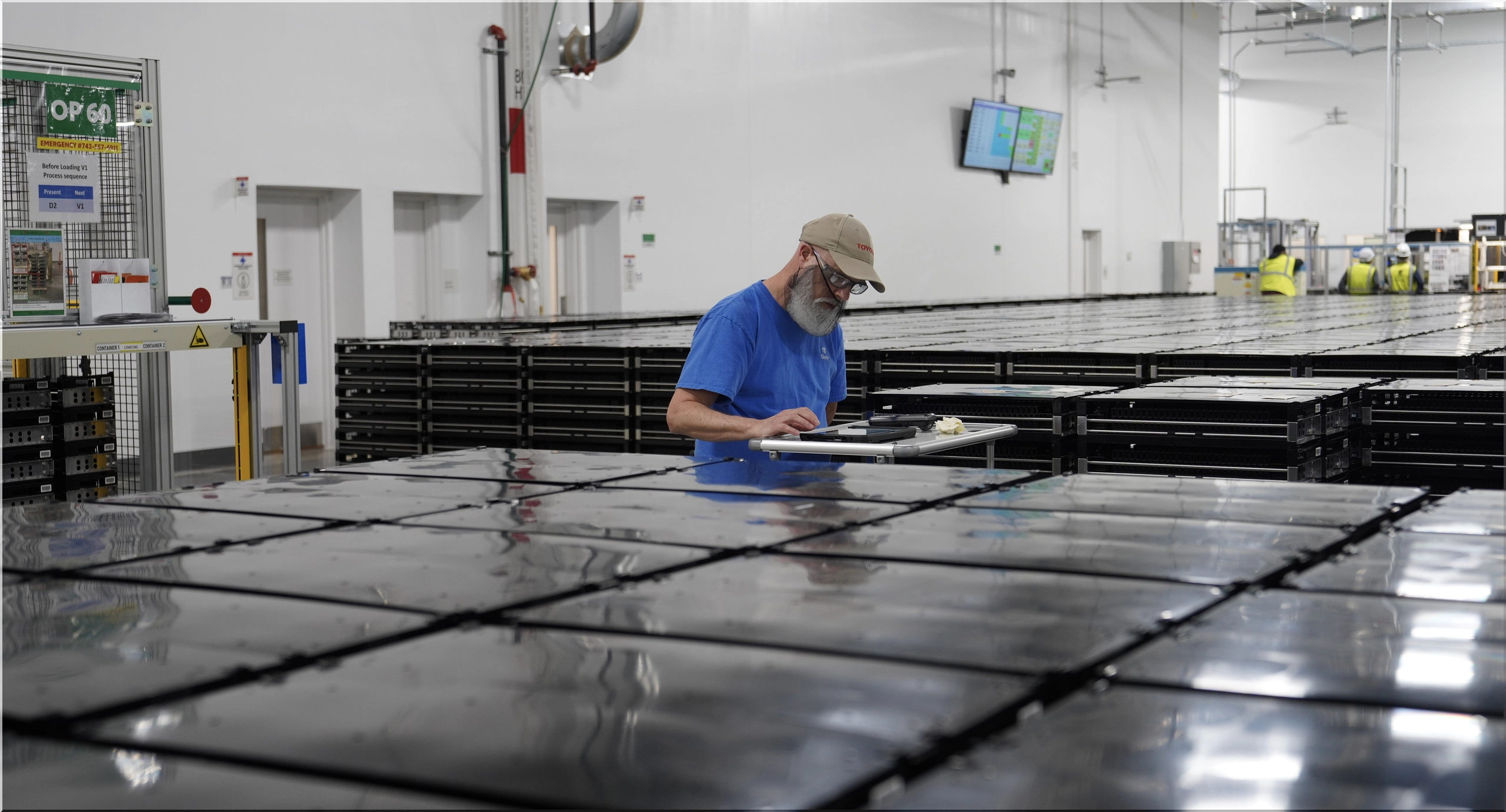
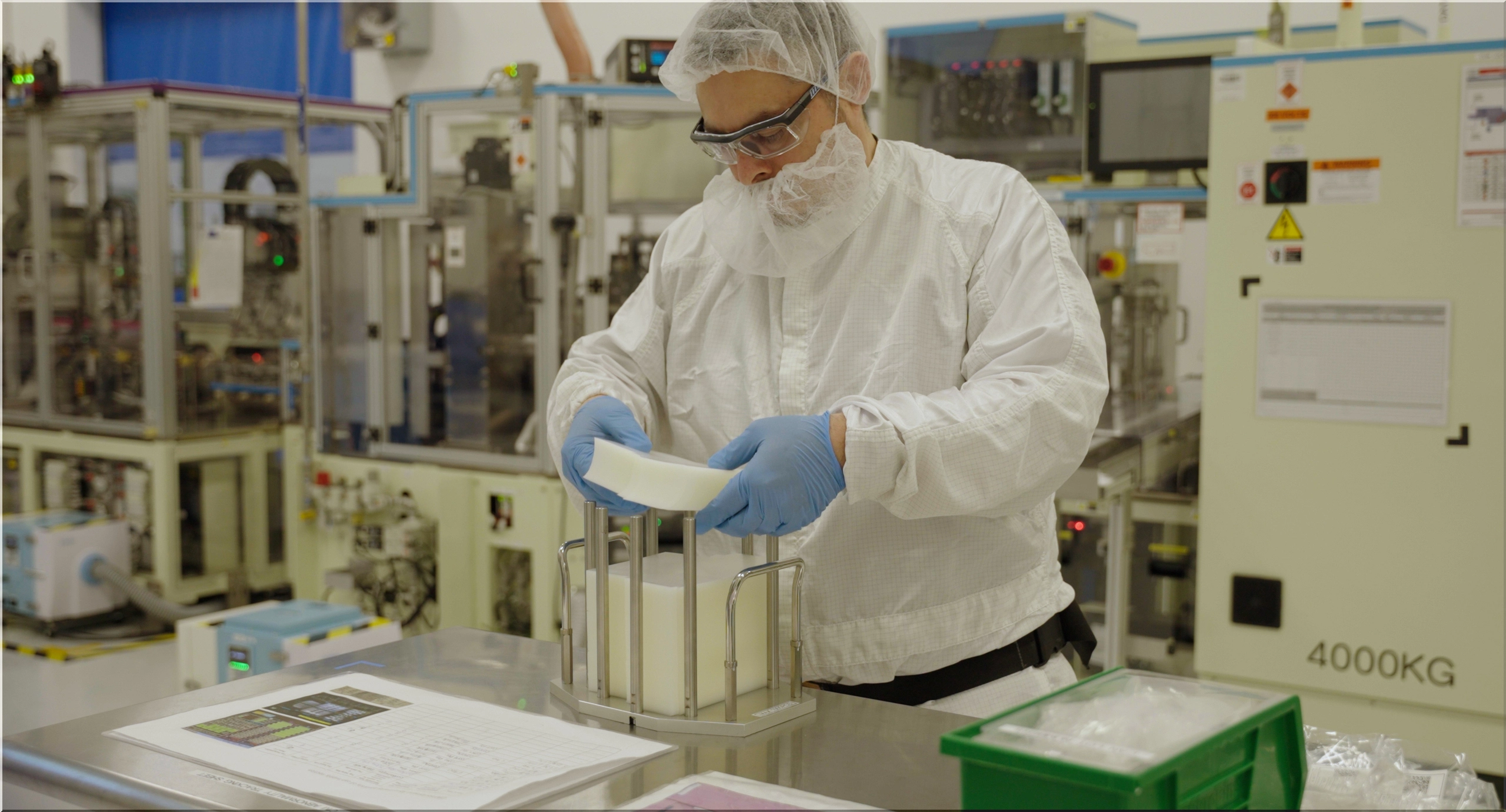
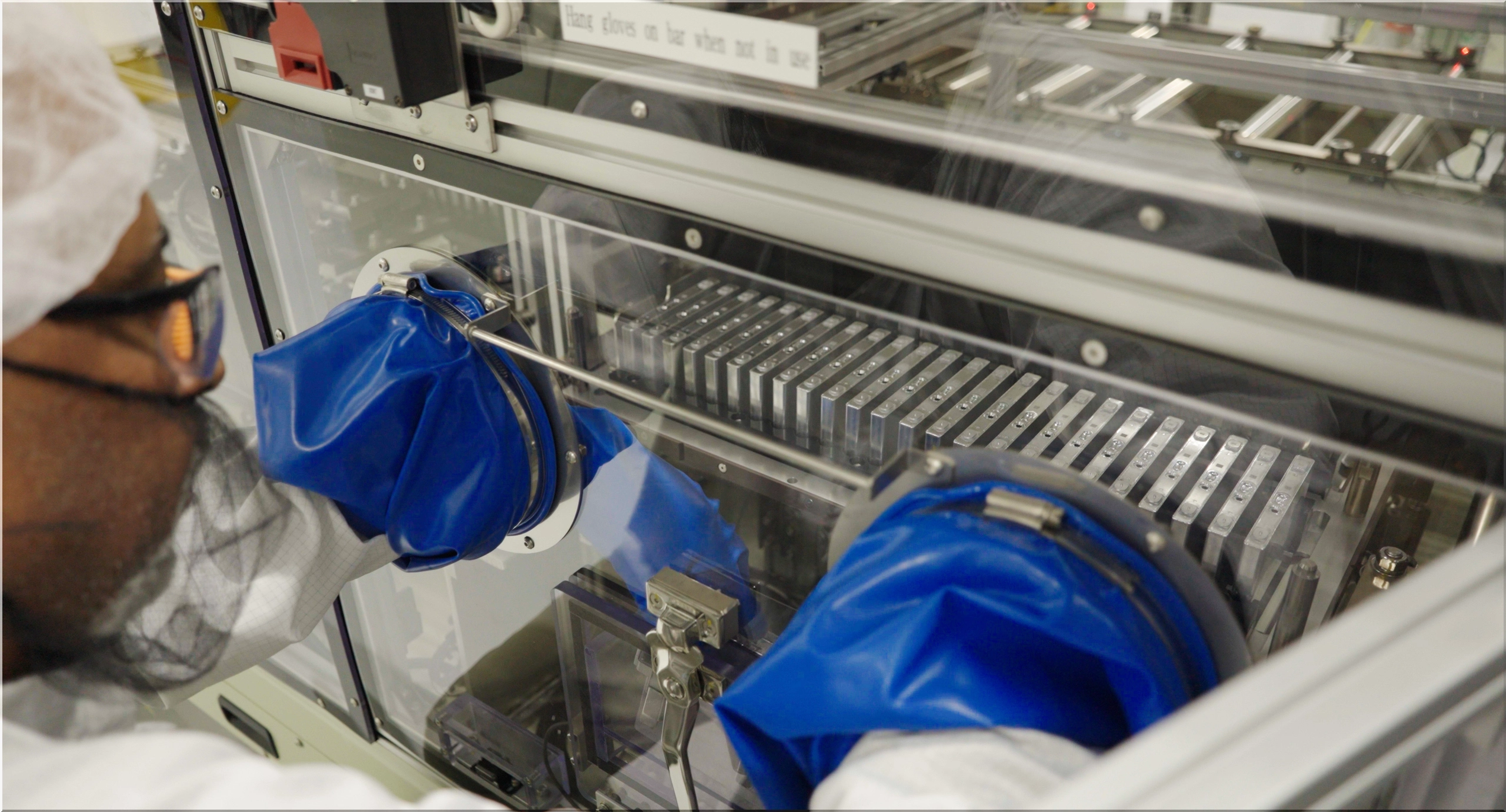
Built on a 1,850-acre site, the facility can produce 30 GWh of lithium-ion batteries annually at full capacity. It will feature 14 production lines dedicated to hybrid electric (HEV), battery electric (BEV), and plug-in hybrid (PHEV) models.
Vehicles Powered by Toyota North Carolina Batteries
- Camry Hybrid (HEV)
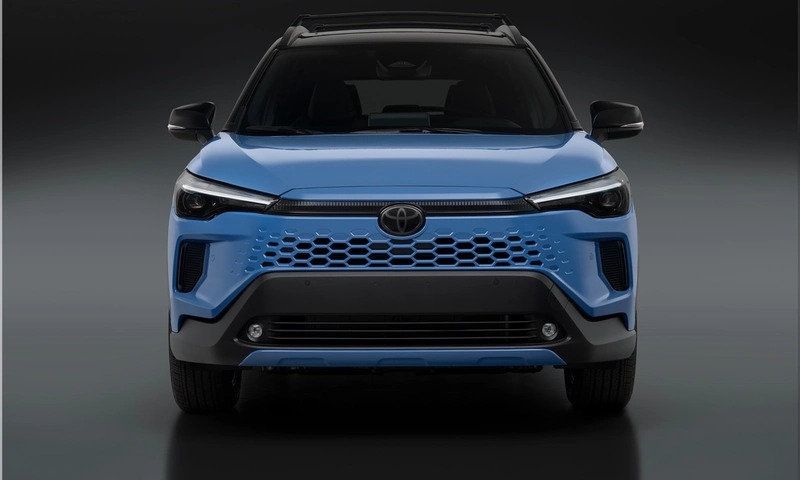
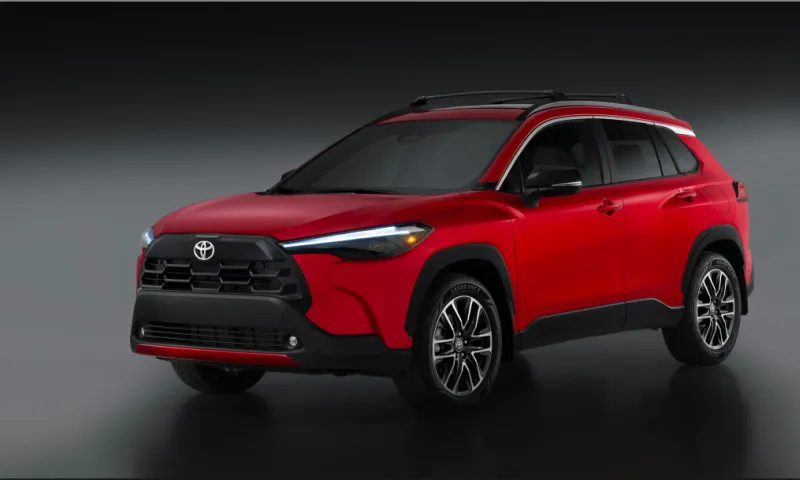
- Corolla Cross Hybrid (HEV)
- RAV4 Hybrid (HEV)
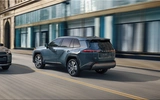
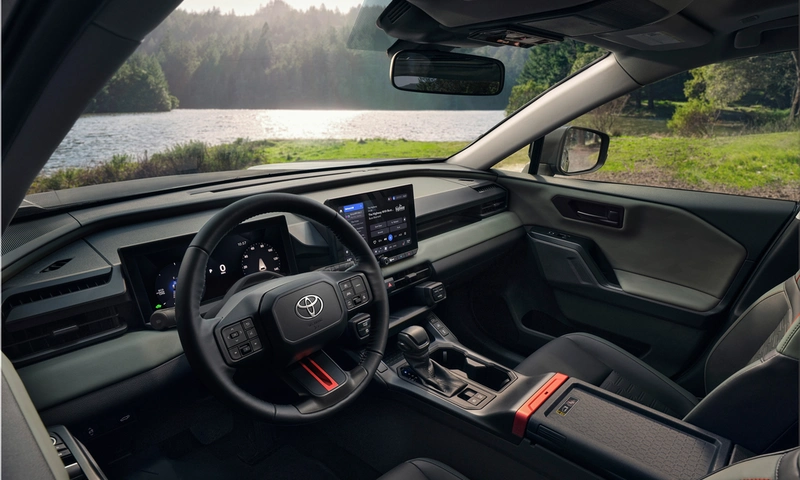
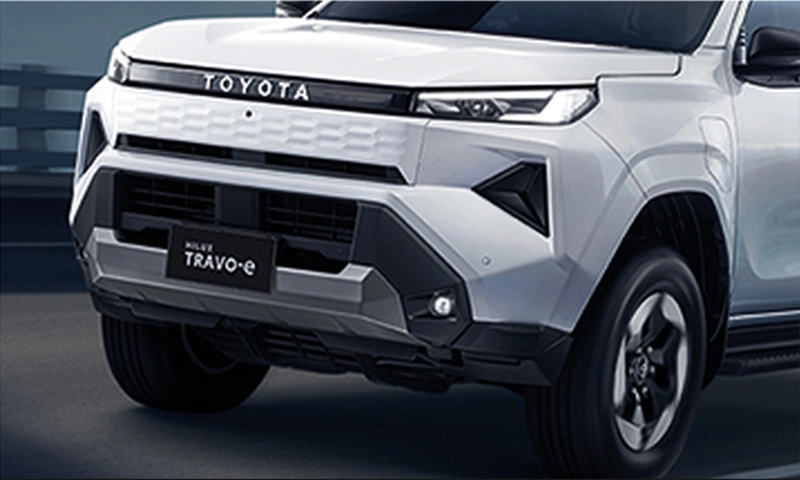
- Upcoming 3-row all-electric SUV (BEV) — Toyota’s first U.S.-built fully electric 3-row model
Initially, the facility will ship hybrid modules to Toyota’s Kentucky and Alabama plants. Additional lines will come online by 2030, expanding capacity as the brand ramps up EV production for the North American market.
Toyota’s Multi-Pathway Strategy
Unlike competitors betting solely on full electrification, Toyota maintains a multi-pathway strategy—producing HEVs, PHEVs, BEVs, and hydrogen fuel cell vehicles (FCEVs). The company argues this approach better matches consumer demand, grid capacity, and cost constraints.
Since 2000, Toyota has sold over 6.6 million electrified vehicles in the U.S. It currently assembles 11 hybrid and plug-in hybrid models domestically, underscoring its commitment to reducing carbon emissions while sustaining jobs in traditional manufacturing sectors.
Federal and State Support
U.S. Secretary of Transportation Sean Duffy applauded Toyota’s investment, citing it as evidence of renewed manufacturing confidence in the U.S. economy.
He emphasized that Toyota’s decision to expand in North Carolina represents a turning point for reshoring high-value manufacturing.
Local officials echoed that sentiment:
- Rep. Richard Hudson called the move “great news for North Carolina workers.”
- Senate President Phil Berger noted Toyota had already created tangible local benefits before full-scale production began.
- Speaker Destin Hall labeled the $13.9 billion project a “tremendous win for the state’s workforce and innovation economy.”
Hyundai Plant Fiasco: A Warning for Automakers
While Toyota’s Liberty plant represents a model of steady planning and execution, Hyundai’s battery plant in Georgia tells a different story.
In September 2025, U.S. authorities detained roughly 475 workers at the Hyundai–LG Energy Solution joint-venture facility in Ellabell, Georgia—the largest single-site enforcement operation in U.S. history.
The enforcement disrupted progress on the $7.6 billion complex, delaying the start of production by at least two to three months.
The incident triggered diplomatic friction with South Korea and exposed risks linked to foreign labor dependency and immigration compliance in U.S. advanced manufacturing.
The fallout serves as a strategic reminder for global automakers: operational transparency, workforce oversight, and local compliance are now as critical as supply chain resilience. Toyota’s disciplined rollout in North Carolina contrasts sharply with Hyundai’s operational turbulence, offering a clear lesson on the value of meticulous planning and U.S.-based workforce integration.
Building More Than Batteries
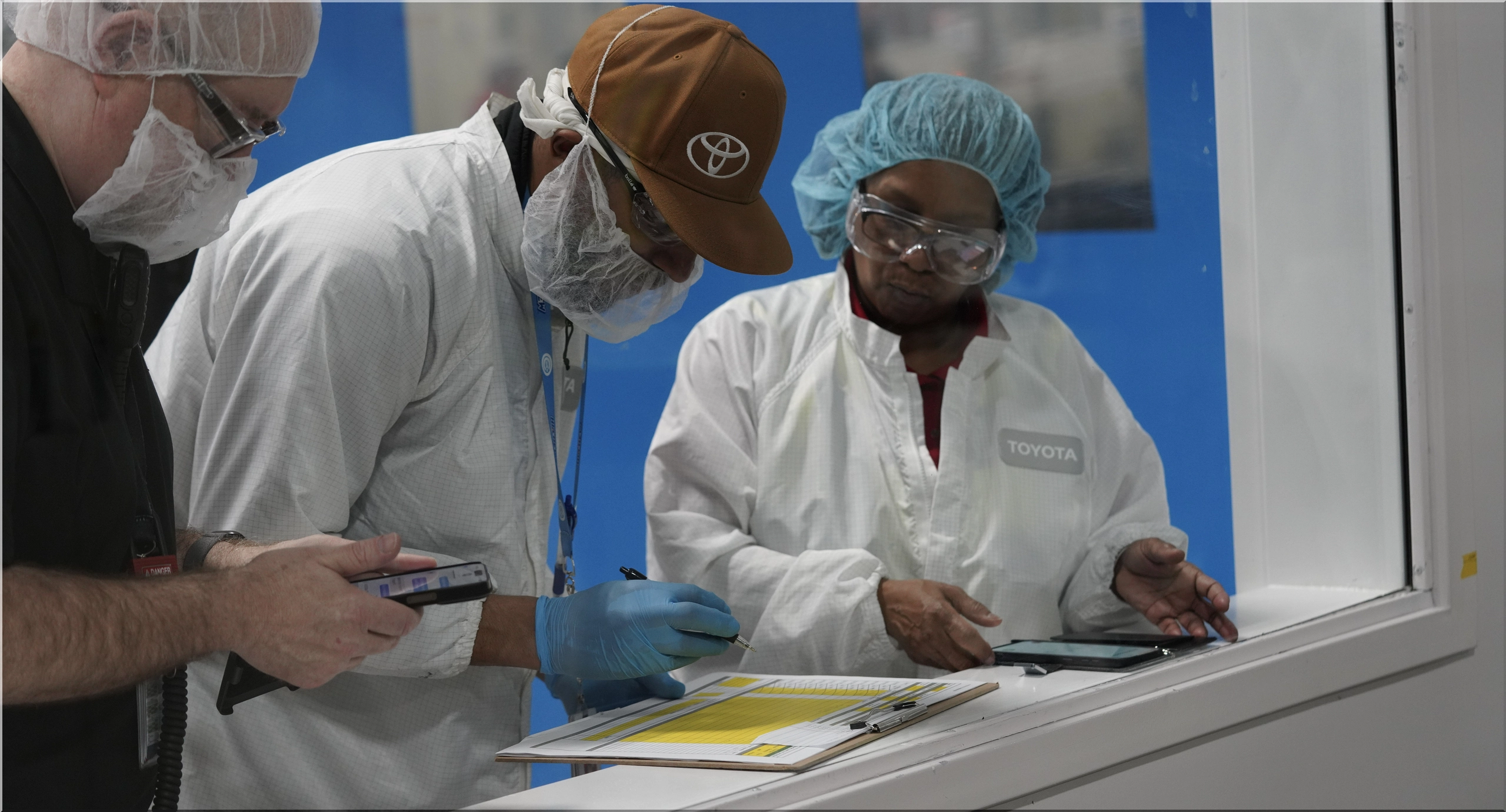
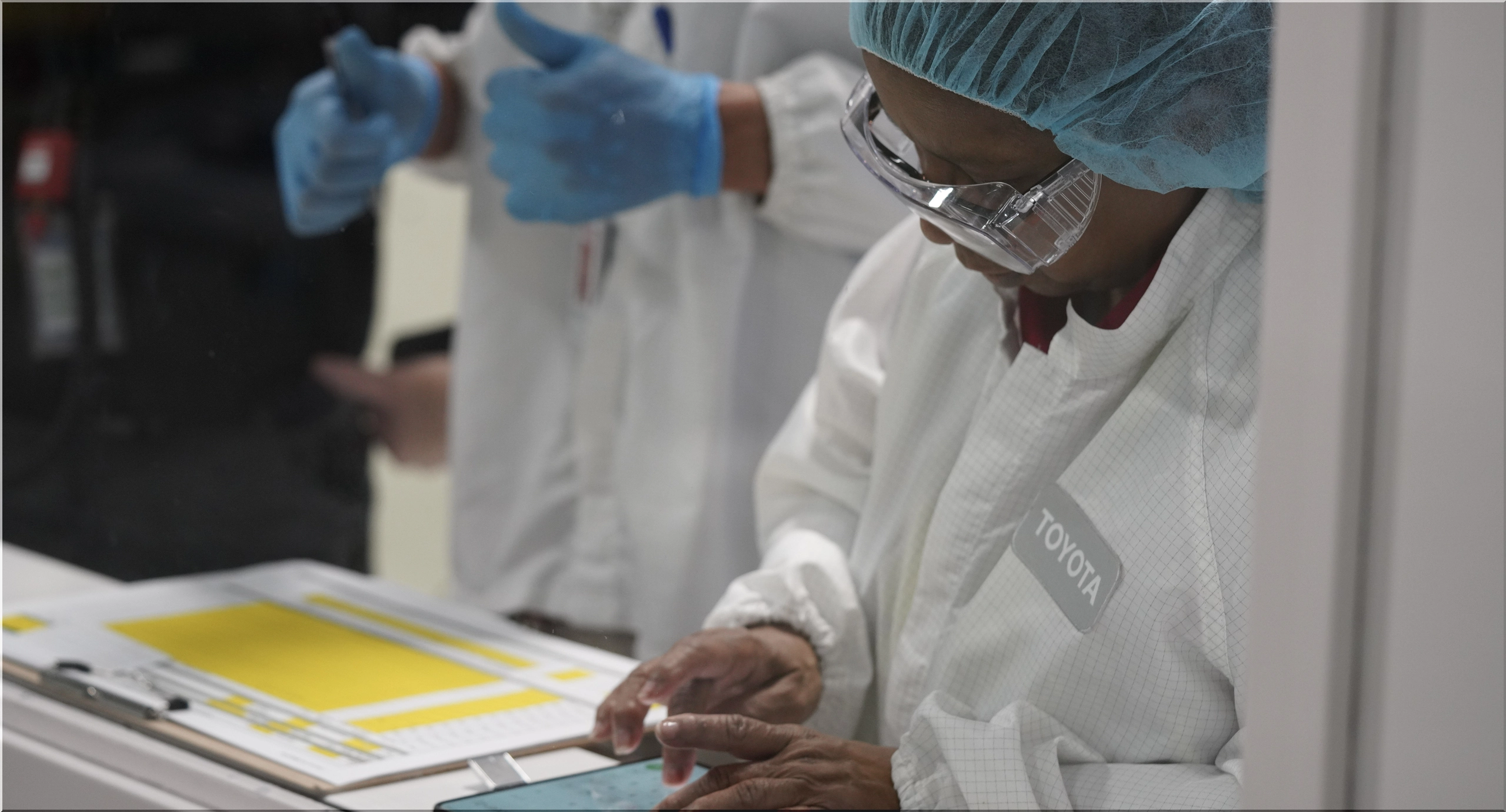
Toyota’s investment extends beyond the production floor. The Liberty site will feature on-site childcare, a pharmacy, medical clinic, and fitness center, emphasizing employee well-being and community integration.
The company has also launched the Driving Possibilities initiative, expanding its national STEM education program into North Carolina. Through a $2.7 million Toyota USA Foundation grant, the automaker partners with Guilford County Schools and Asheboro City Schools to promote science, technology, engineering, and math education from “classroom to career.”
Wendy Poteat, CEO of the regional nonprofit shift_ed, highlighted the program’s local impact: “Toyota’s investment provides life-changing opportunities by connecting education to future workforce development.”

Strategic Outlook: Battery Supply and Competitiveness
This new facility gives Toyota a significant supply chain advantage as global demand for EV batteries accelerates.
Producing lithium-ion cells domestically allows Toyota to:
- Reduce dependency on overseas suppliers
- Control material sourcing costs
- Qualify for U.S. EV tax credits under the Inflation Reduction Act
- Support local economic growth
The 30 GWh annual output is enough to power over 400,000 battery-electric vehicles per year, depending on model mix and battery size. That scale positions Toyota to meet U.S. emissions targets while keeping pricing competitive.
Industry Implications
Toyota’s expansion comes amid intensifying competition in the EV market. Companies like Tesla, GM, and Hyundai are racing to secure battery capacity and localize production to qualify for federal incentives.
By entering large-scale battery production now, Toyota strengthens its North American supply chain while aligning with its long-term hybrid-to-EV transition strategy.
Analysts predict the Liberty facility could reduce production costs by up to 15% compared with imported battery packs. That margin could prove decisive in keeping Toyota’s hybrid and electric models price-competitive in the next decade.
Toyota’s U.S. Electrification Milestone
Toyota’s North Carolina battery plant marks a defining moment in its U.S. operations—a tangible step toward the automaker’s goal of achieving carbon neutrality by 2050.
By producing advanced lithium-ion batteries domestically, Toyota is securing its position as a leading player in America’s transition to electrified mobility, while reinforcing a principle that has guided the company for decades: build where you sell.
- Add new comment
- 146 views