Powertrains With Clear Performance Gains
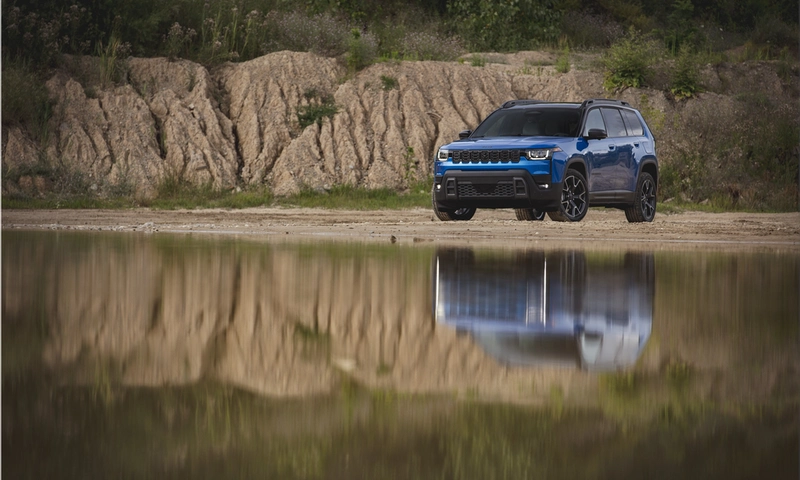
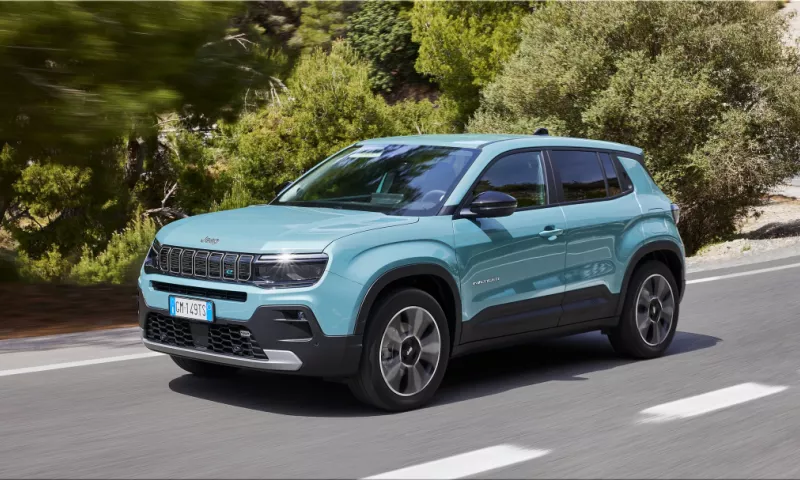
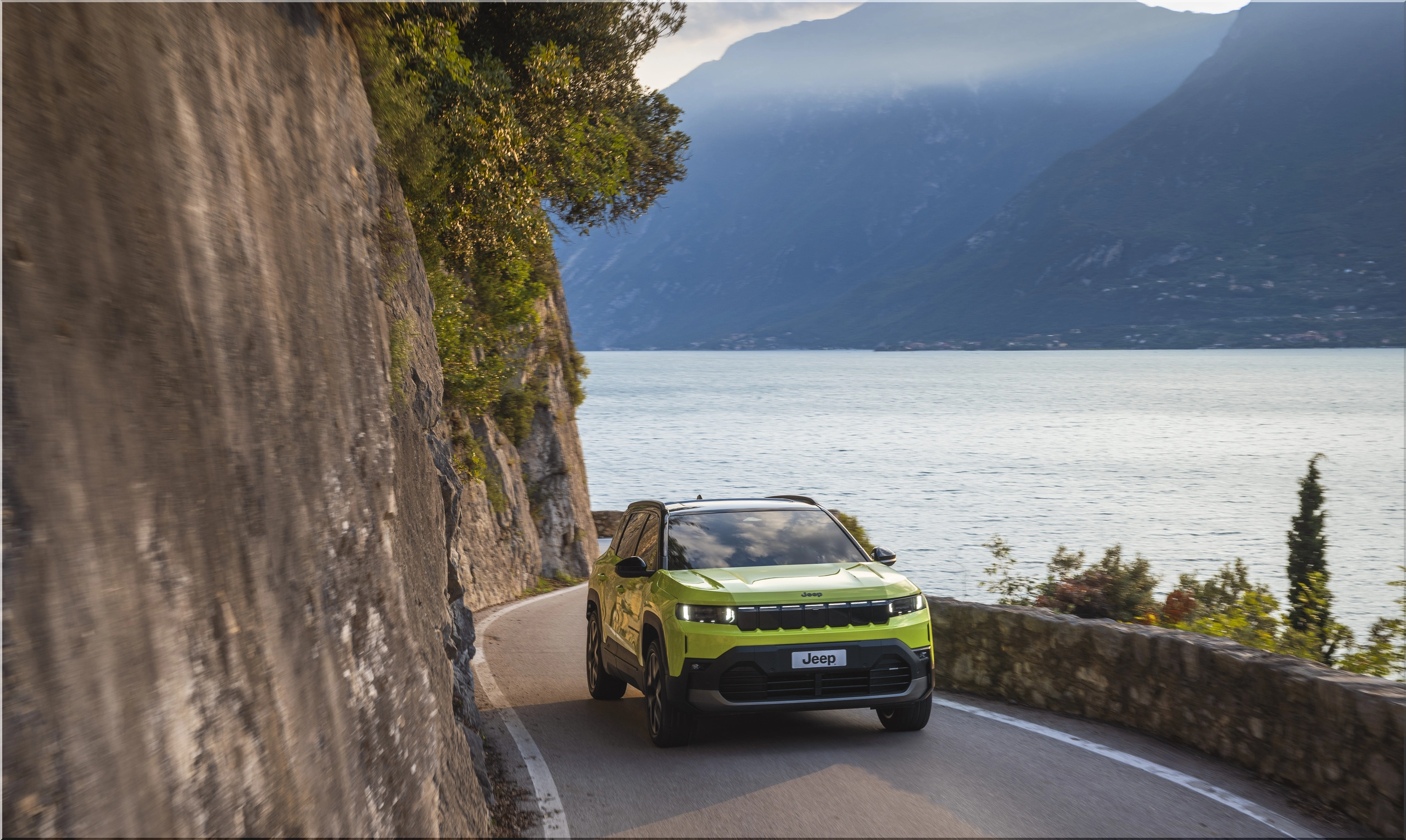
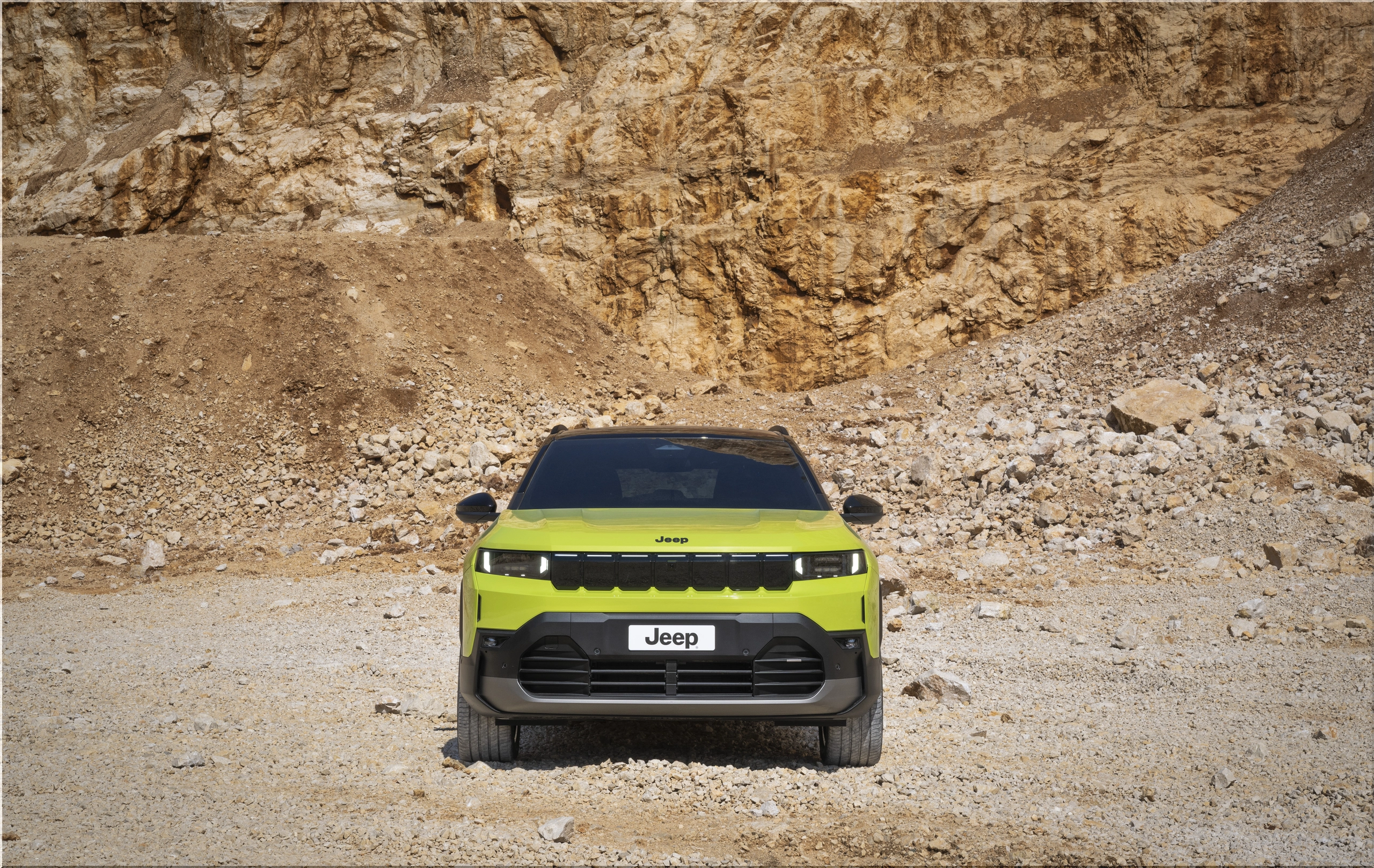
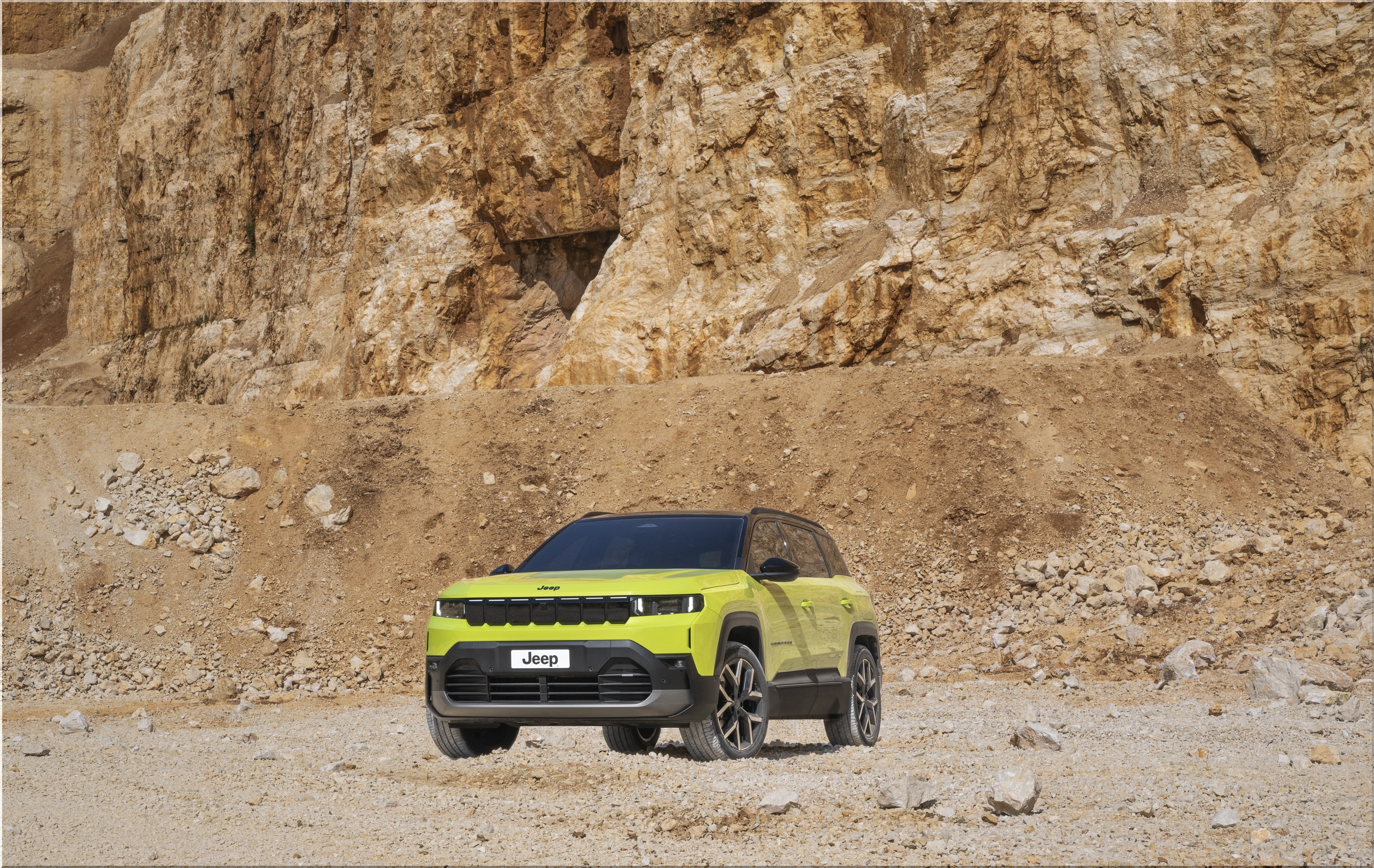
The 2026 Jeep Compass targets measurable improvements across its electrified lineup. Jeep expands the offering with e-Hybrid, BEV, an upcoming 195 hp Compass plug-in hybrid, and additional BEV variants reaching 375 hp with AWD. The standard 1.2 e-Hybrid FWD produces 145 hp with a projected 970 km range. The 213 hp BEV uses a 74 kWh battery to reach 500 km.
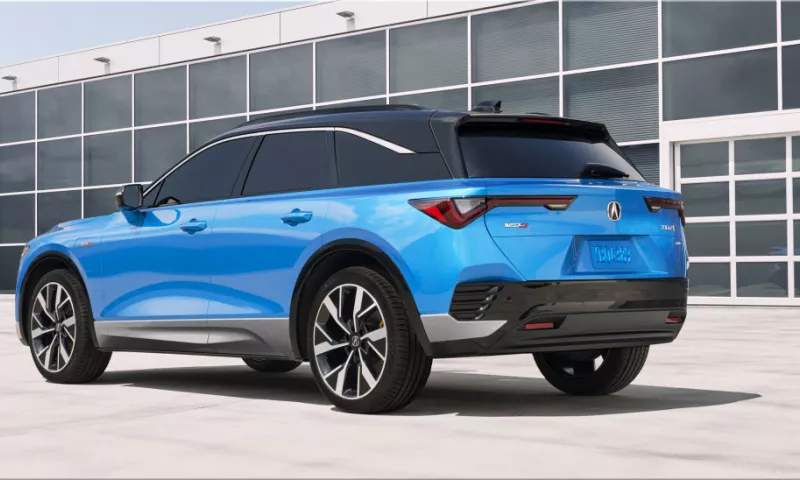
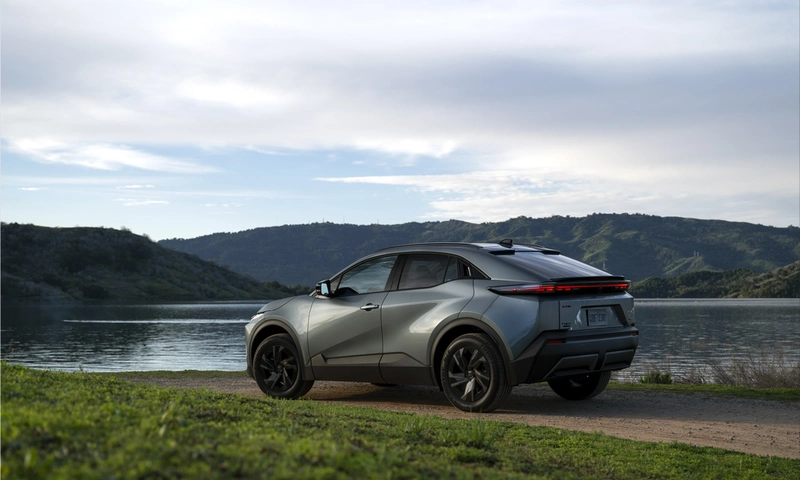
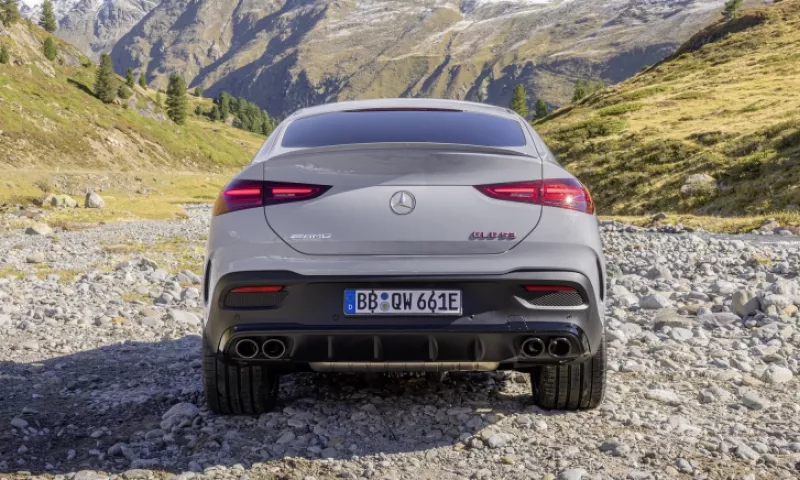
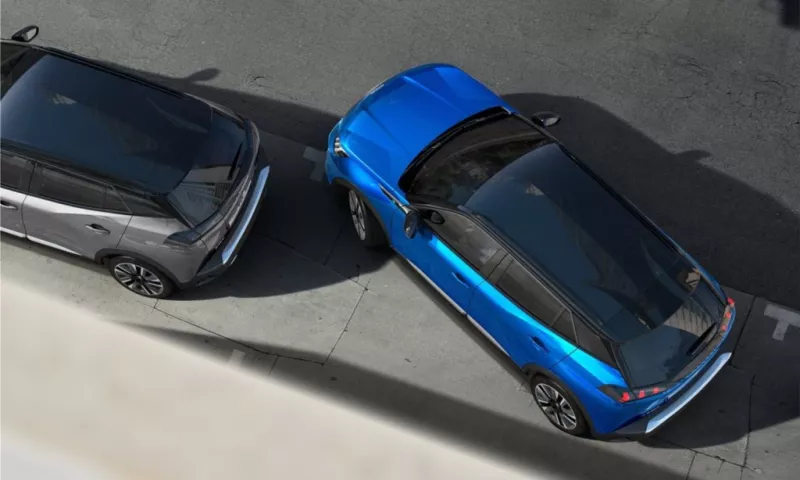
Pricing is not final, but C-SUV competitors run 35,000 USD to 55,000 USD, placing the Compass in the same bracket.
Jeep increases real torque output in AWD BEV versions with a new rear e-motor delivering 132 kW and up to 3100 Nm at the wheels, creating faster traction response than conventional mechanical systems.
Chassis Changes Focused on Real Driving Results
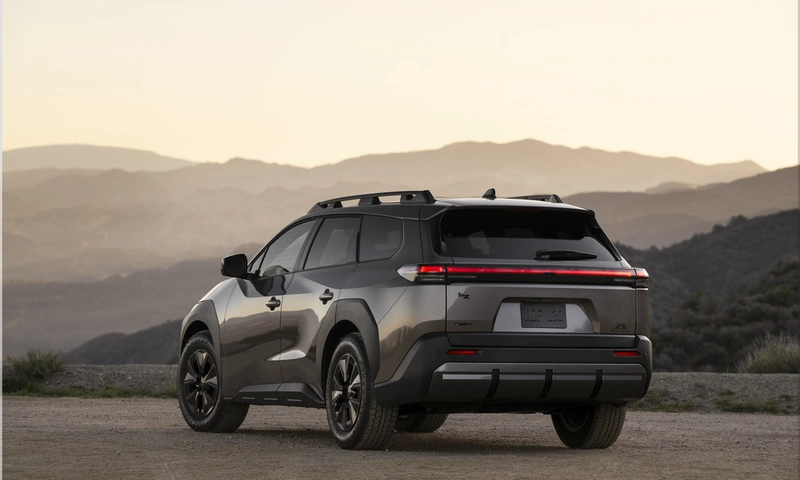
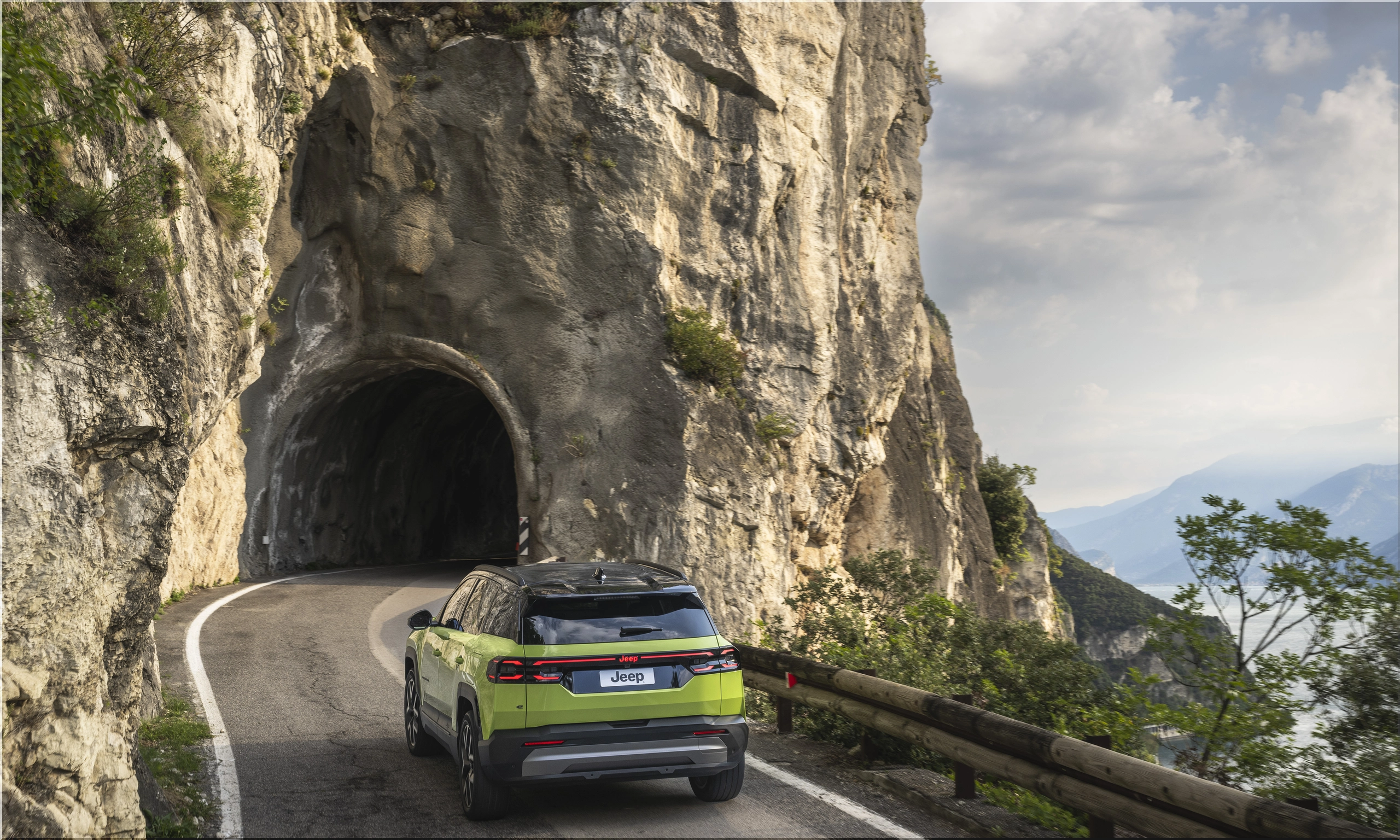
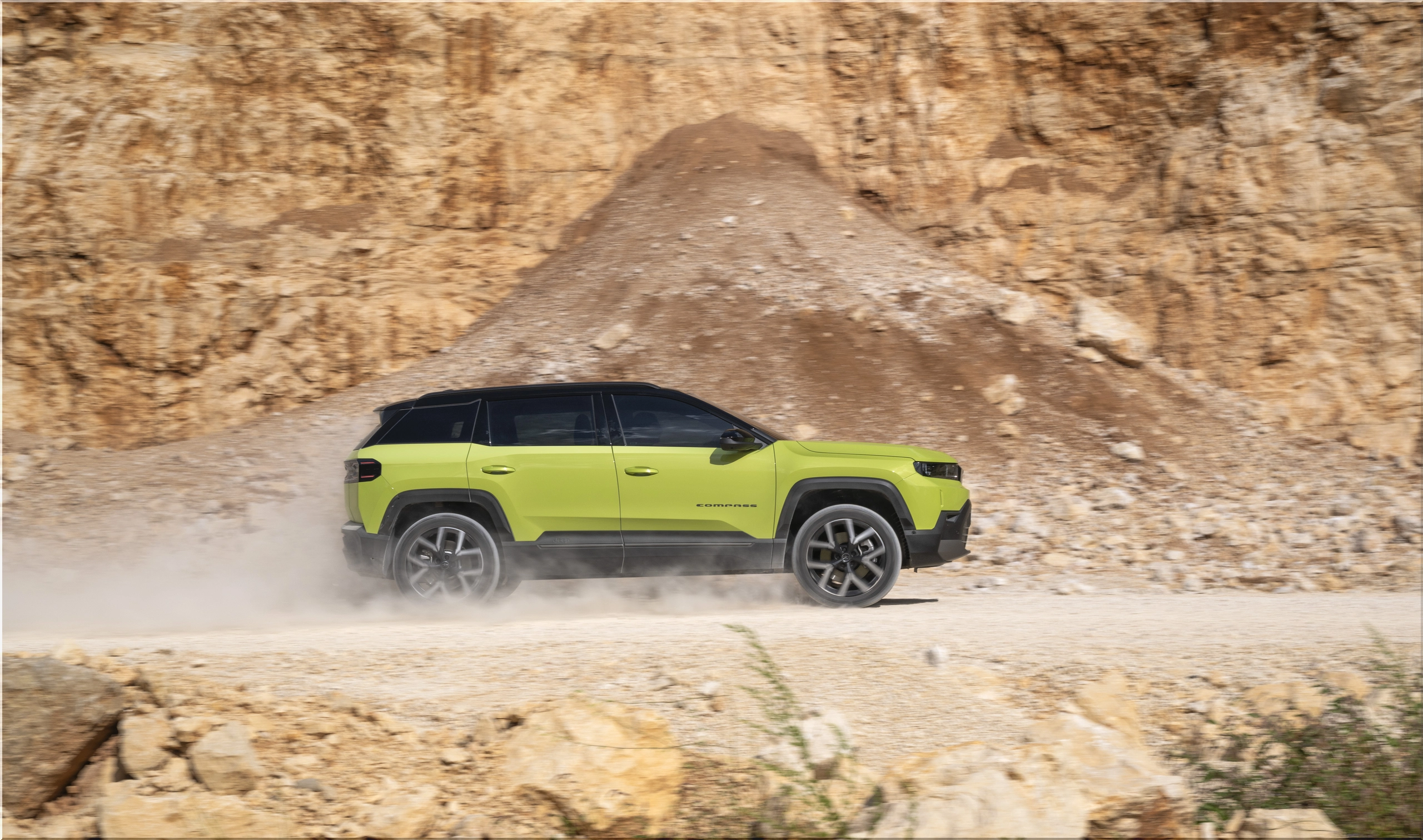
Jeep recalibrates the Compass to produce quantifiable gains in handling and comfort. The suspension reduces vertical acceleration by 15%, while body roll drops 20%. Ground clearance holds at 200 mm, preserving off-road capability without compromising road feedback.
Key improvements include:
- More accurate steering calibration for quick, predictable corrections.
- 11% thicker rear glass for lower cabin noise.
- Higher-mounted sensors to reduce off-road impact damage.
- A redesigned front structure improving airflow and component durability.
These adjustments aim to increase confidence at highway speeds and improve long-distance efficiency.
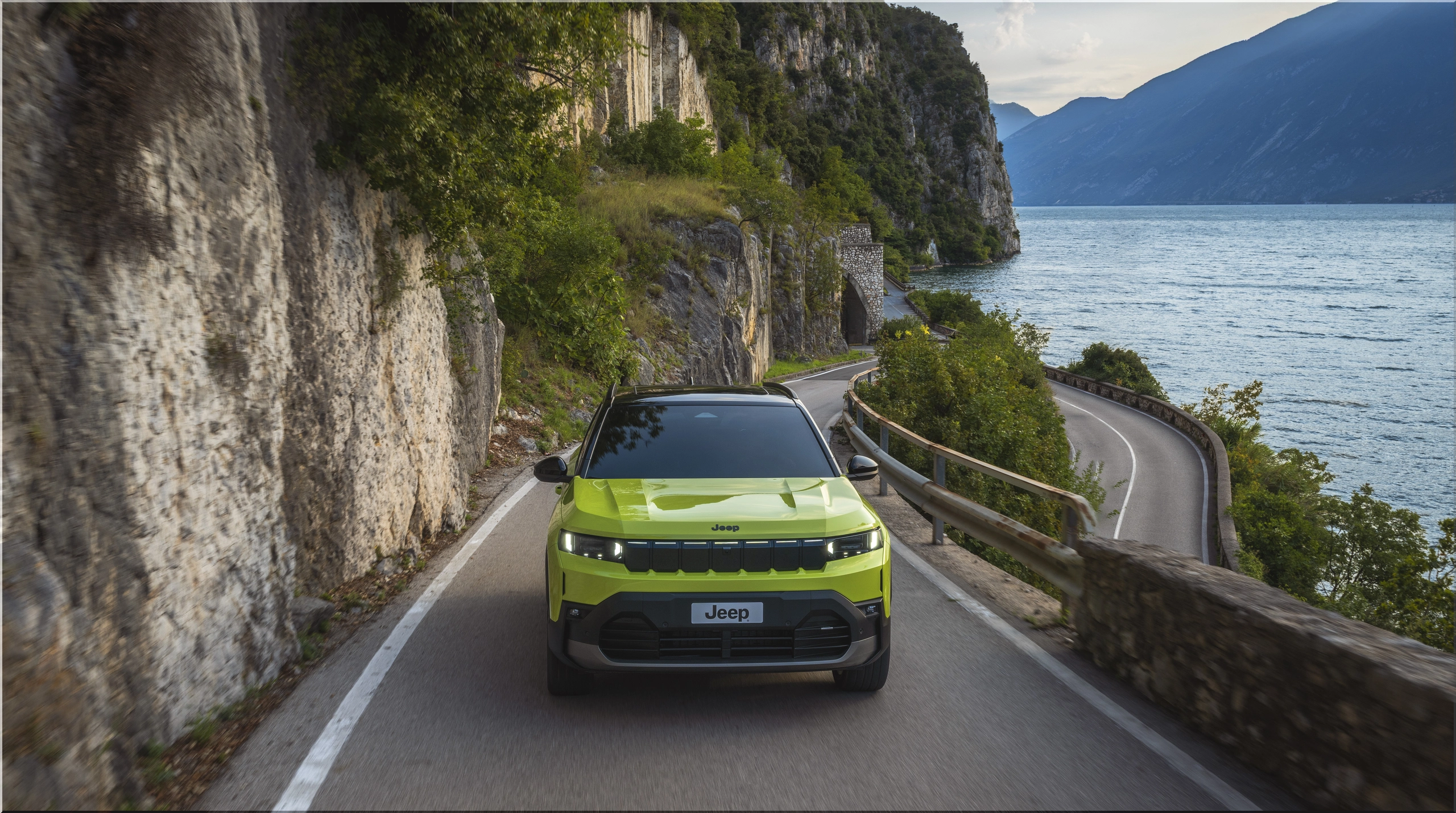
Selec-Terrain System With Mechanical Adjustments
The updated Selec-Terrain interface changes more than graphics. Each mode adjusts torque distribution, shift mapping, steering weight, and traction strategy.
Drive Modes
- Auto: Uses 90% peak power with balanced control and Level 2 ADAS active.
- Sport: Uses full 100% peak power with overboost and performance steering.
- Snow: Uses 80% power for smoother starts and controlled slip.
- Sand/Mud: Uses full power with terrain-specific control logic.
- Electric: Dedicated to the plug-in hybrid for quiet urban use.
The system creates predictable behavior on rough surfaces, loose trails, and high-speed roads.
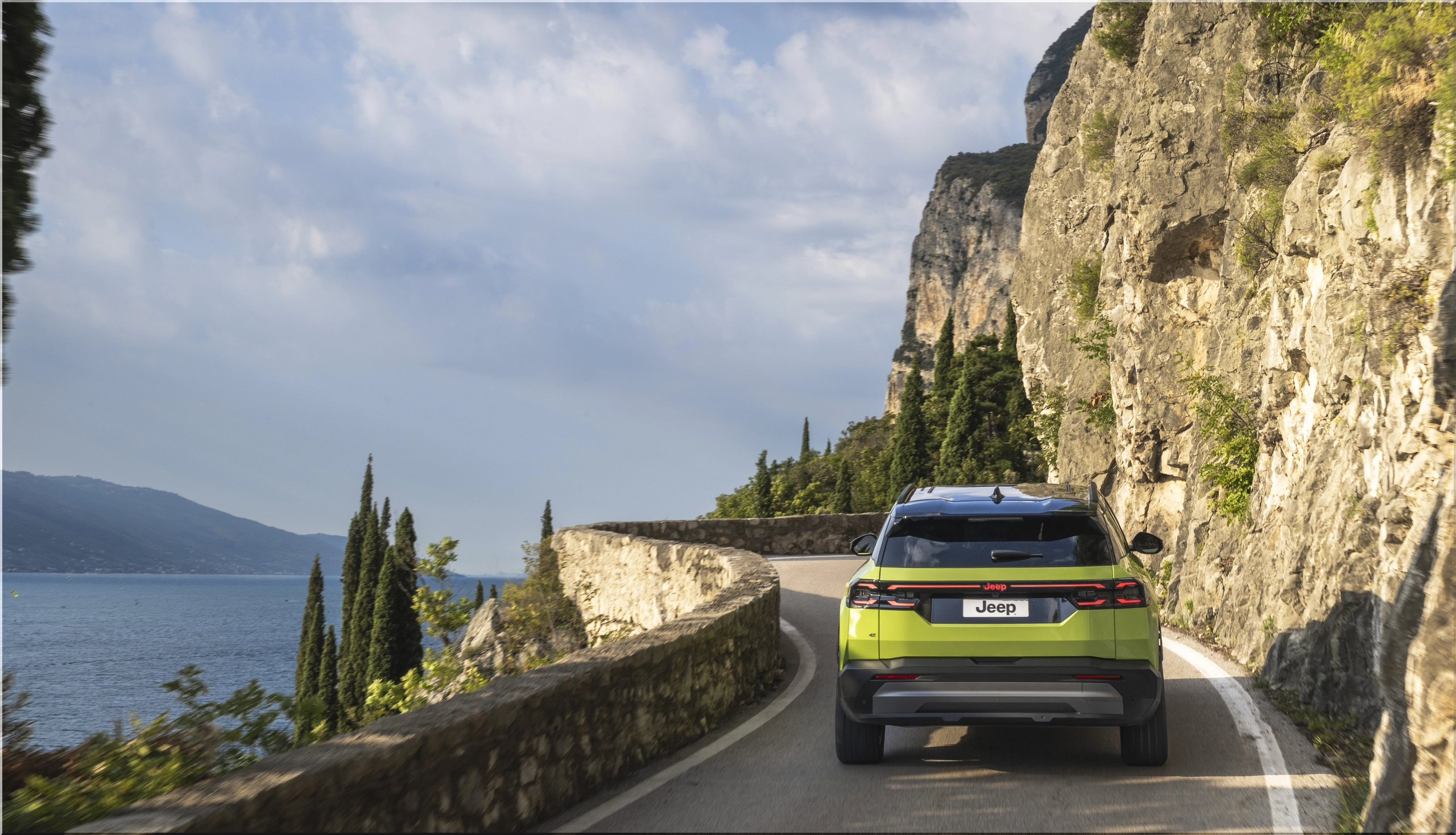
Interior Packaging Designed for Higher Usability
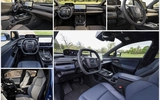
Jeep increases cabin practicality for 2026. Rear passengers gain 20 mm of added legroom. Cargo capacity rises to 550 liters, a 45-liter improvement. Front storage reaches 34 liters.
Functional hardware changes include:
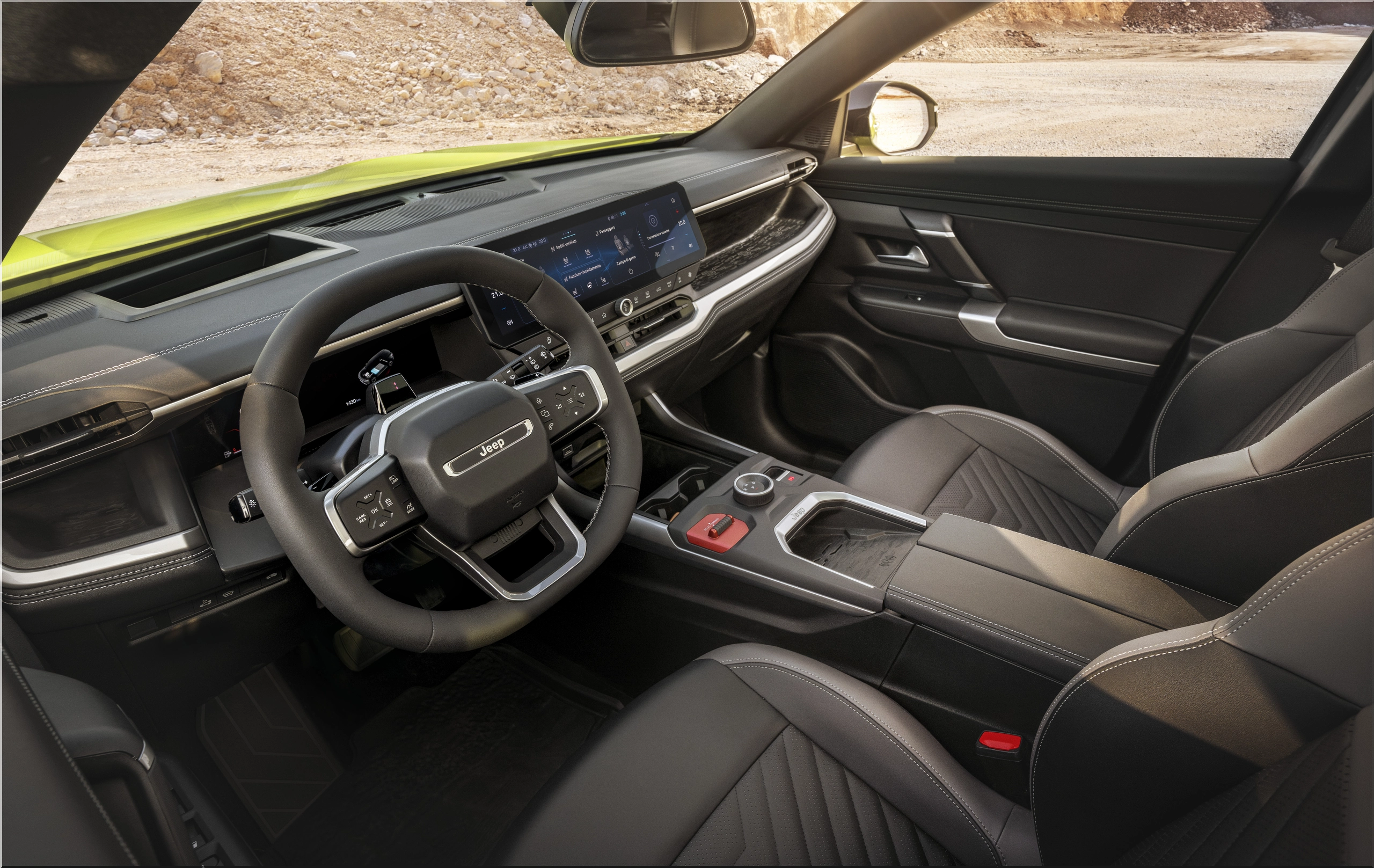
- Physical rotary shifter designed for rough-road precision.
- Rubberized Selec-Terrain switch for stronger grip.
- Straightforward control layout reducing driver search time.
Noise isolation and suspension revisions produce a calmer cabin during long trips.
Digital Architecture Built Around Real Use Cases
The 2026 Jeep Compass adopts a refined electrical platform supporting Connect ONE and Connect PLUS digital services.
Connect ONE (included for 10 years)
- Charging schedule control
- Cabin preconditioning
- Battery optimization
- Digital Key for phone-based unlock
Connect PLUS (12-month trial)
- Connected navigation with smart charging stop planning
- Remote functions for lock, unlock, and charging
- Built-in ChatGPT interaction through the infotainment system
The redesigned Jeep 2.0 app allows simple management of these tools without added friction.
Interface Designed for Faster Decision-Making
Three screens support the driver:
- 10.25-inch cluster
- 16-inch infotainment display
- Head-Up Display
The home interface integrates media, climate, navigation, and calls into a single layout to reduce tap sequences. Steering-wheel controls provide quick access to ADAS, cluster pages, and media functions.
BEV versions include One-Pedal Drive, enabling speed control through a single pedal to simplify traffic movement and cut driver fatigue.
Standard Level 2 Autonomous Features
Jeep provides Level 2 assistance across the 2026 range.
Core systems include:
- Predictive Adaptive Cruise Control (P-ACC) adjusting speed for curves, roundabouts, and road profile.
- Semi-Automated Lane Change at 70–180 km/h with gentle steering guidance.
- Full Stop&Go, lane centering, and safety monitoring.
The focus remains on predictable behavior rather than complex automation.
Compass Positioning for 2026
Jeep targets a driver who wants measurable returns:
- Longer range
- Improved body control
- Sharper steering
- Expanded electrification
- Faster digital access
- Higher cabin space and storage
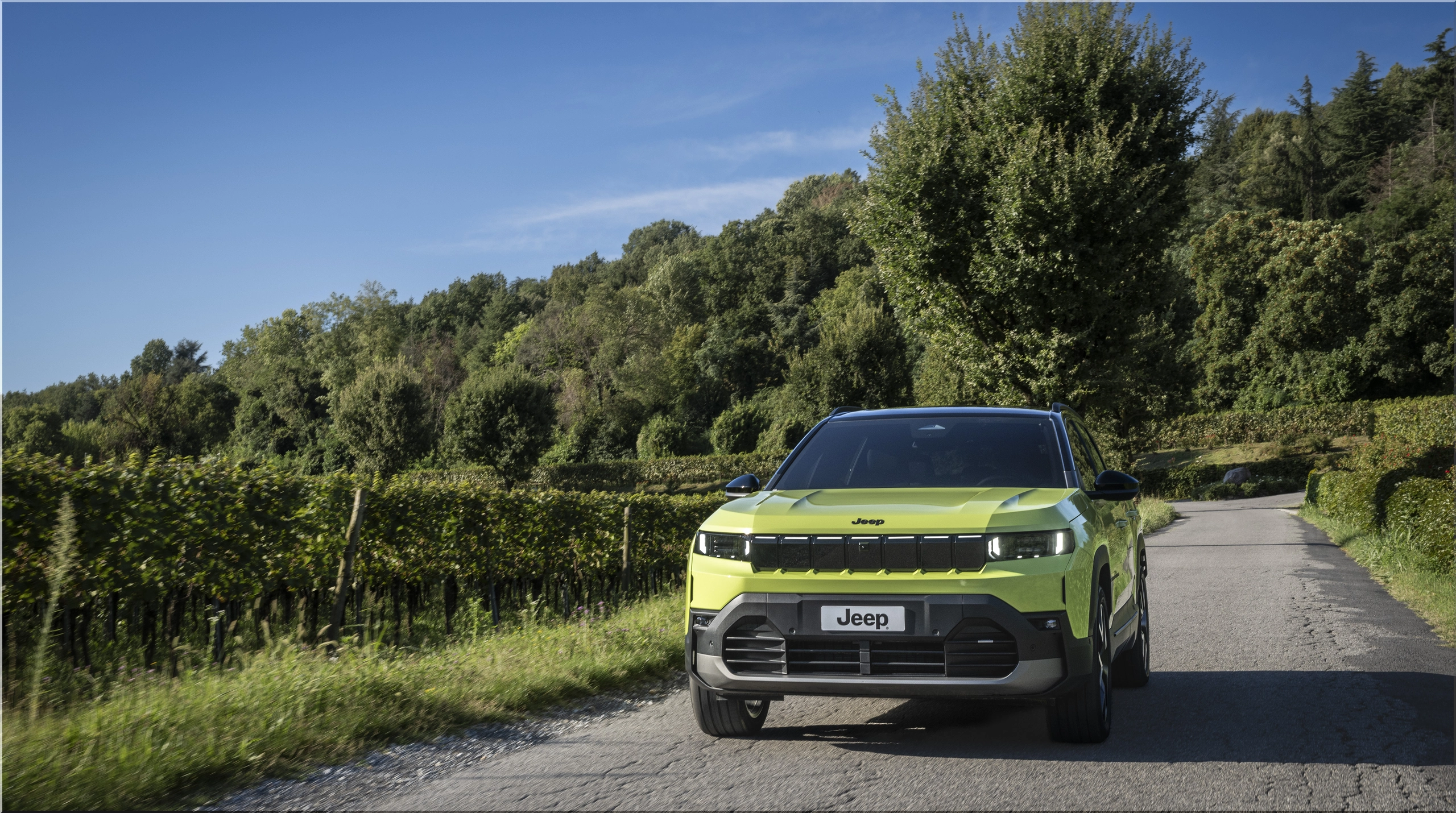
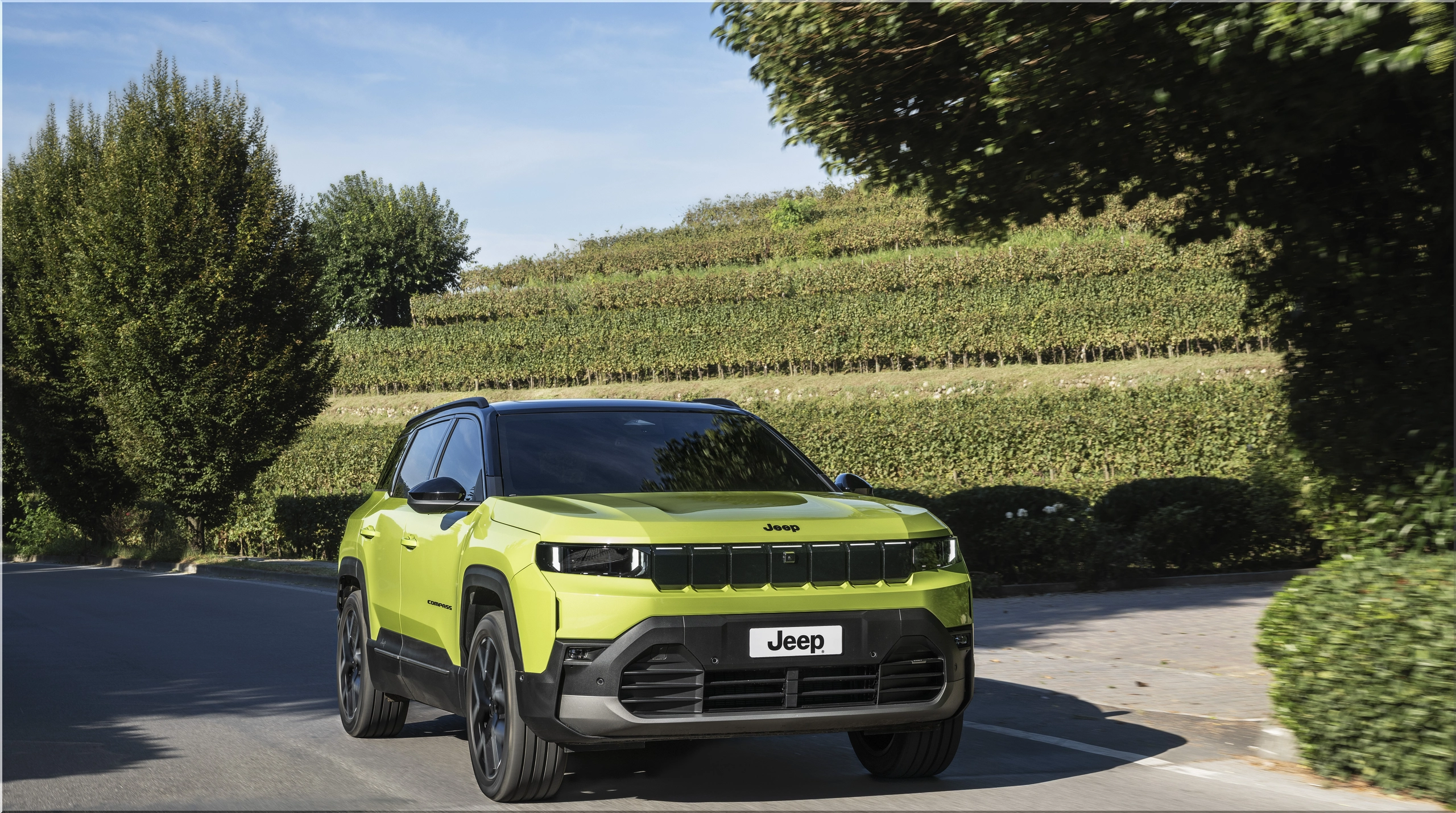
2026 Compass Performance Snapshot
| Category | 2026 Upgrade | Driver Impact |
|---|---|---|
| Electrification | Hybrid, BEV, plug-in hybrid, AWD BEV | Solutions for urban and long-distance users |
| Ride Control | −15% vertical acceleration | Reduced fatigue |
| Body Stability | −20% roll | Better highway composure |
| Storage | +45 L cargo, +20 mm rear legroom | Higher practicality |
| ADAS | Standard Level 2 | Strong safety foundation |
| Tech | Connect ONE/PLUS, Digital Key, ChatGPT | Faster task execution |
Final Assessment
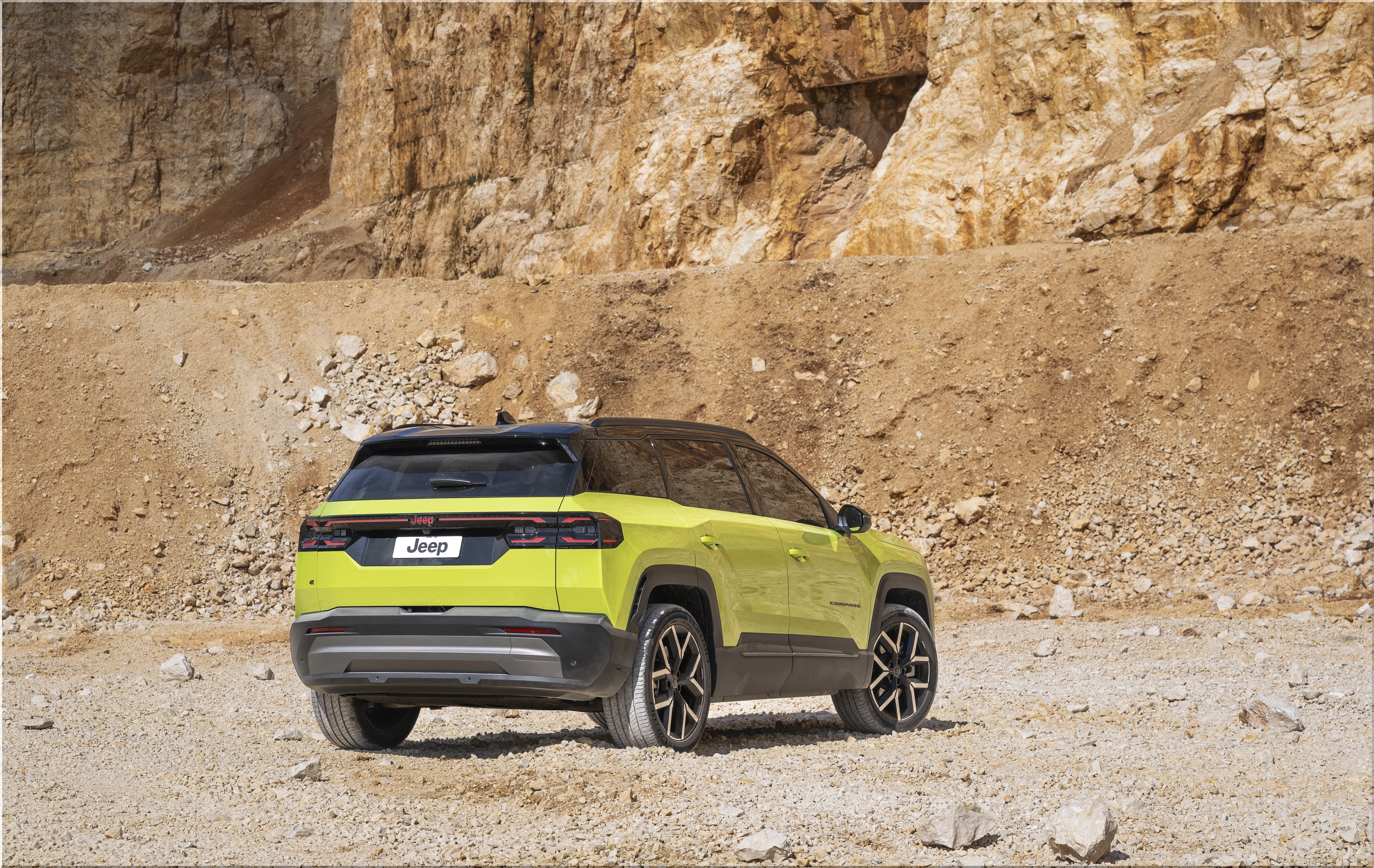
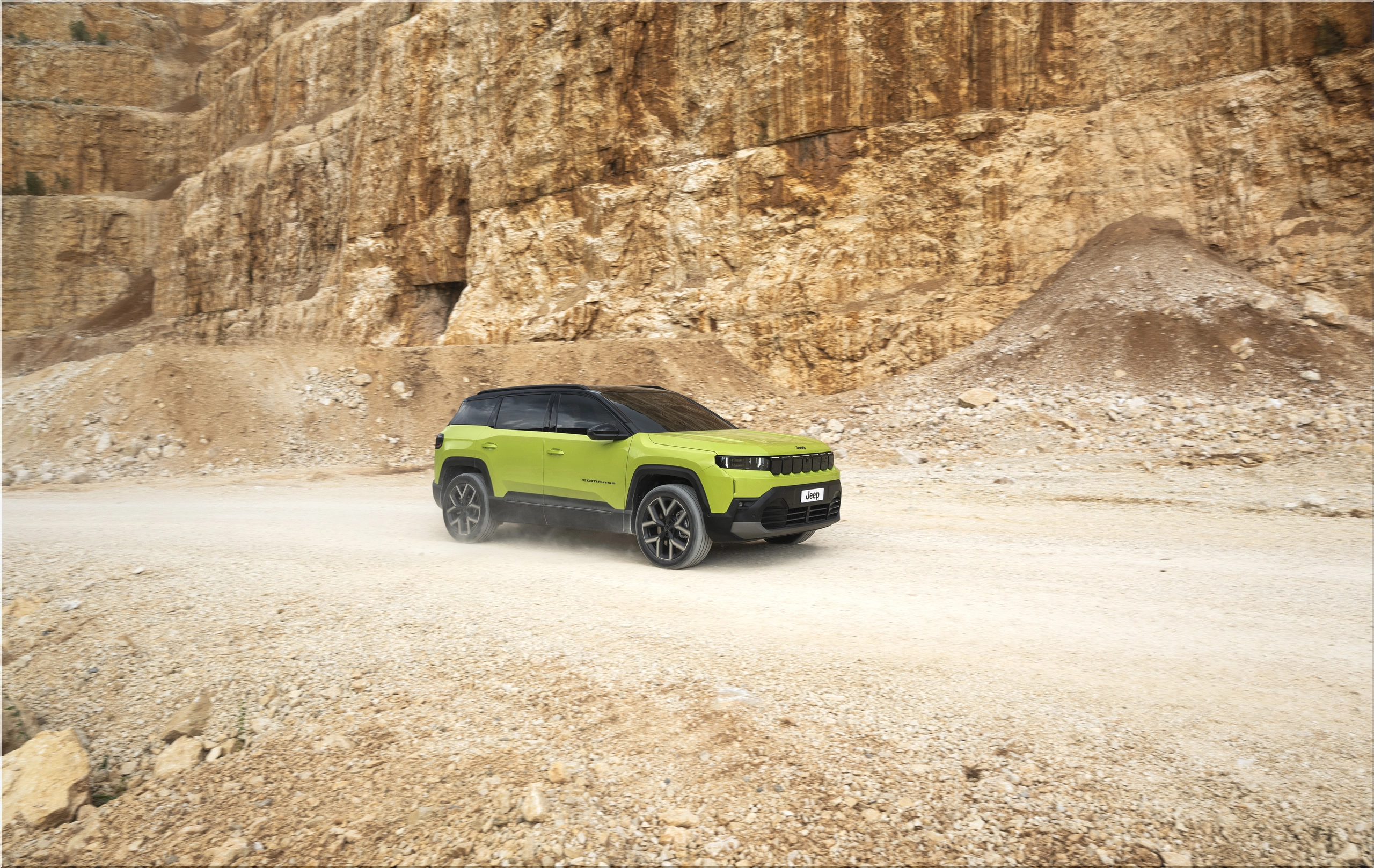
The 2026 Jeep Compass shifts its engineering toward clear, measurable goals: longer range across powertrains, stronger physical control, more responsive digital systems, and cleaner interior ergonomics. These upgrades position the Compass as one of the most data-driven C-SUV updates in the segment. Jeep sharpens capability and convenience with practical results rather than abstract claims.
- Add new comment
- 260 views