What the Descent X30 targets
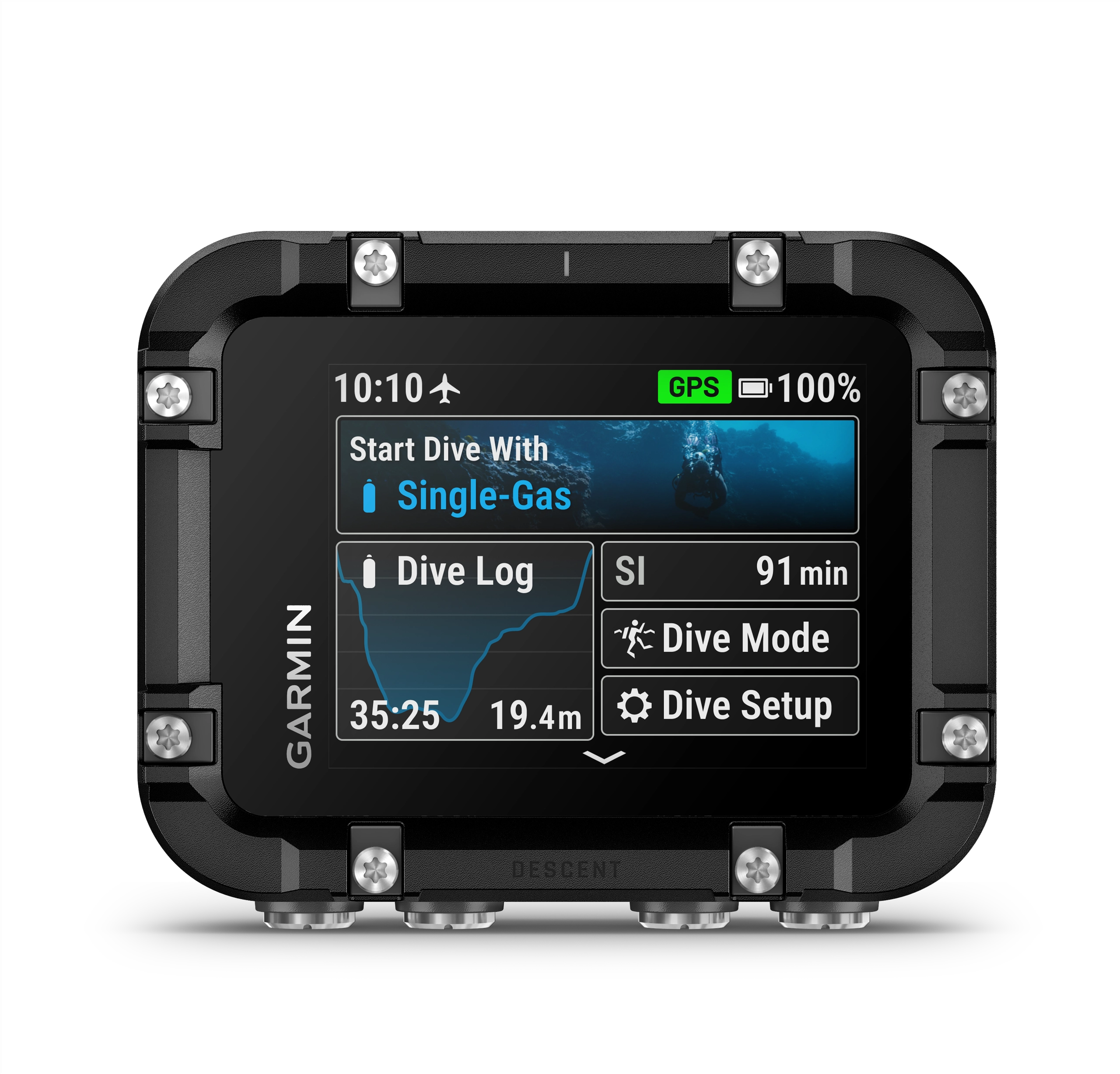
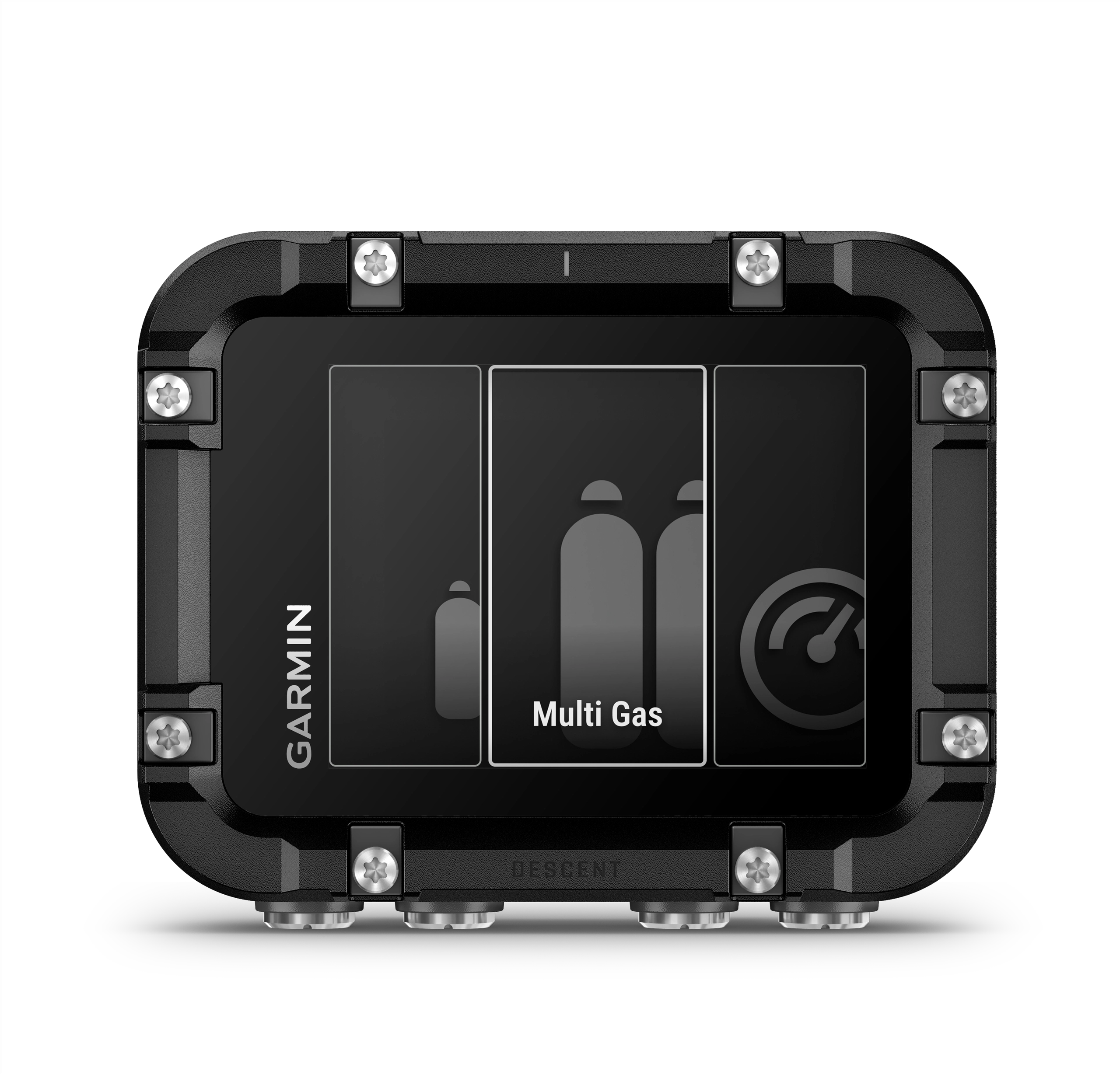
Garmin built the Garmin Descent X30 for divers who rank data clarity first. It uses a bright 2.4-inch display and simple metal buttons. It shows the metrics that matter and cuts distraction. It supports Single Gas, Multigas, Trimix, and Gauge modes. It adds NDL Aware for real-time no-decompression guidance. It rates to 100 meters and runs up to 30 hours per charge. The case uses Ocean Bound Plastic to reduce virgin material use.
Headline features that change your dive
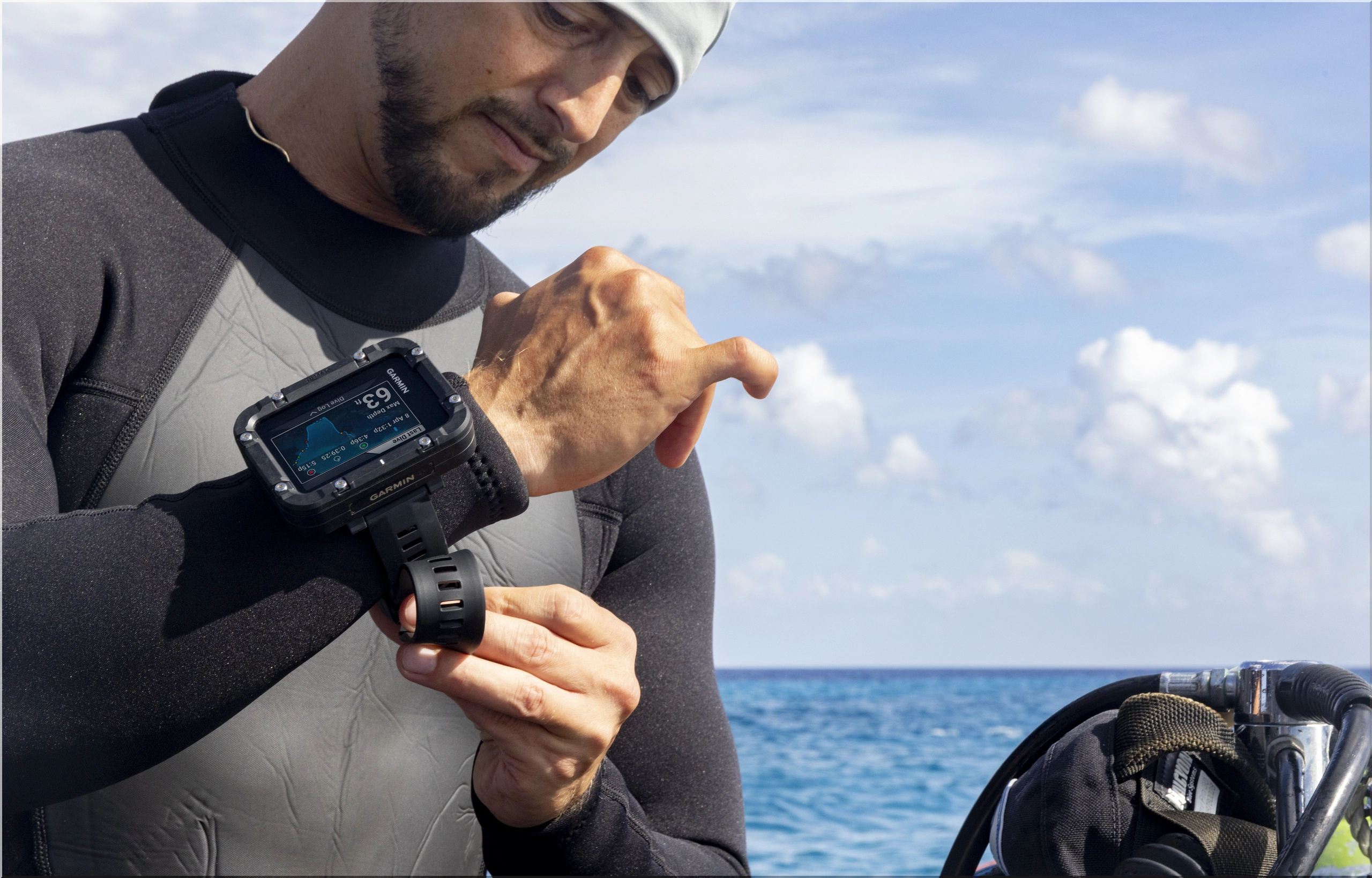
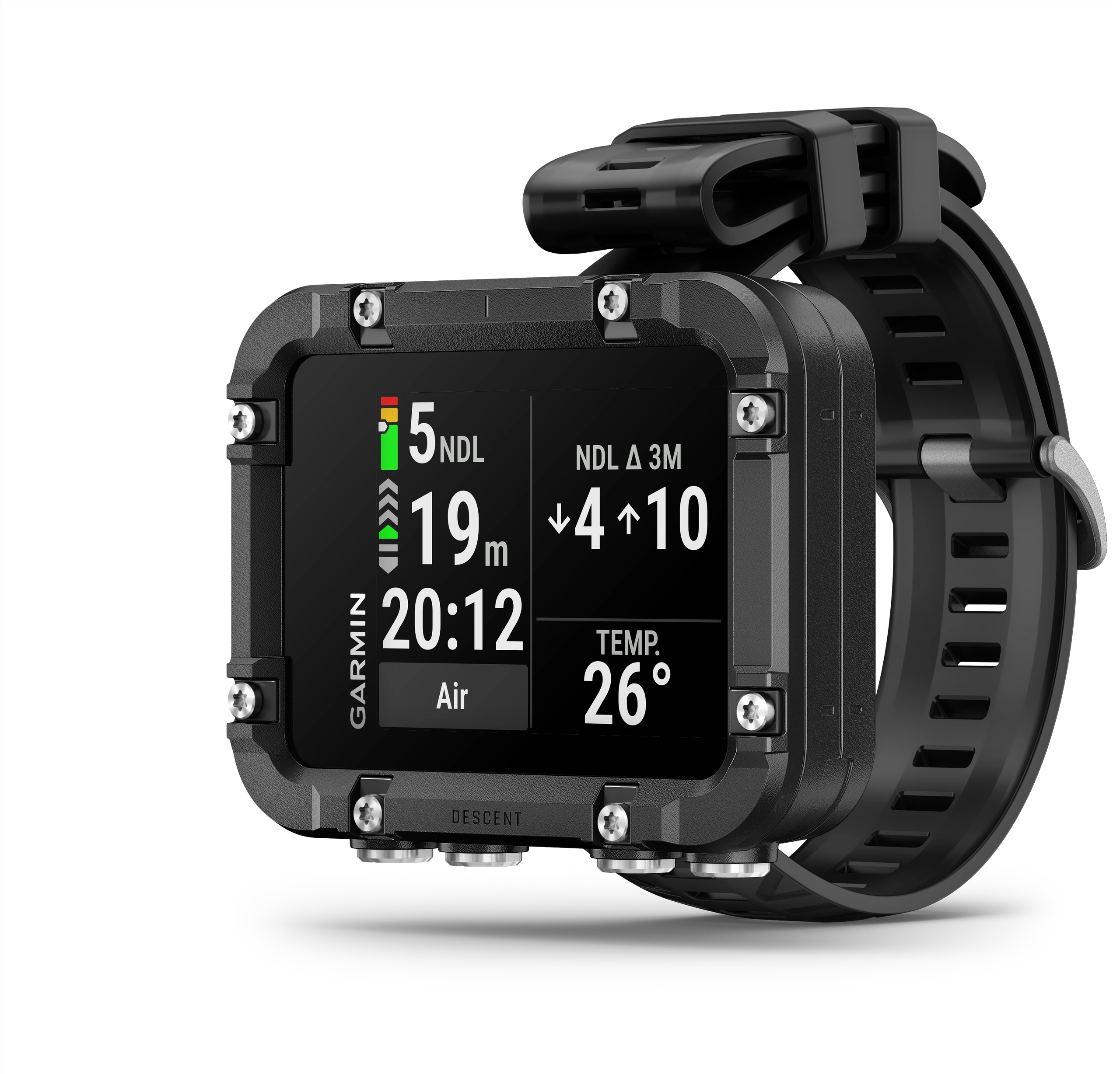
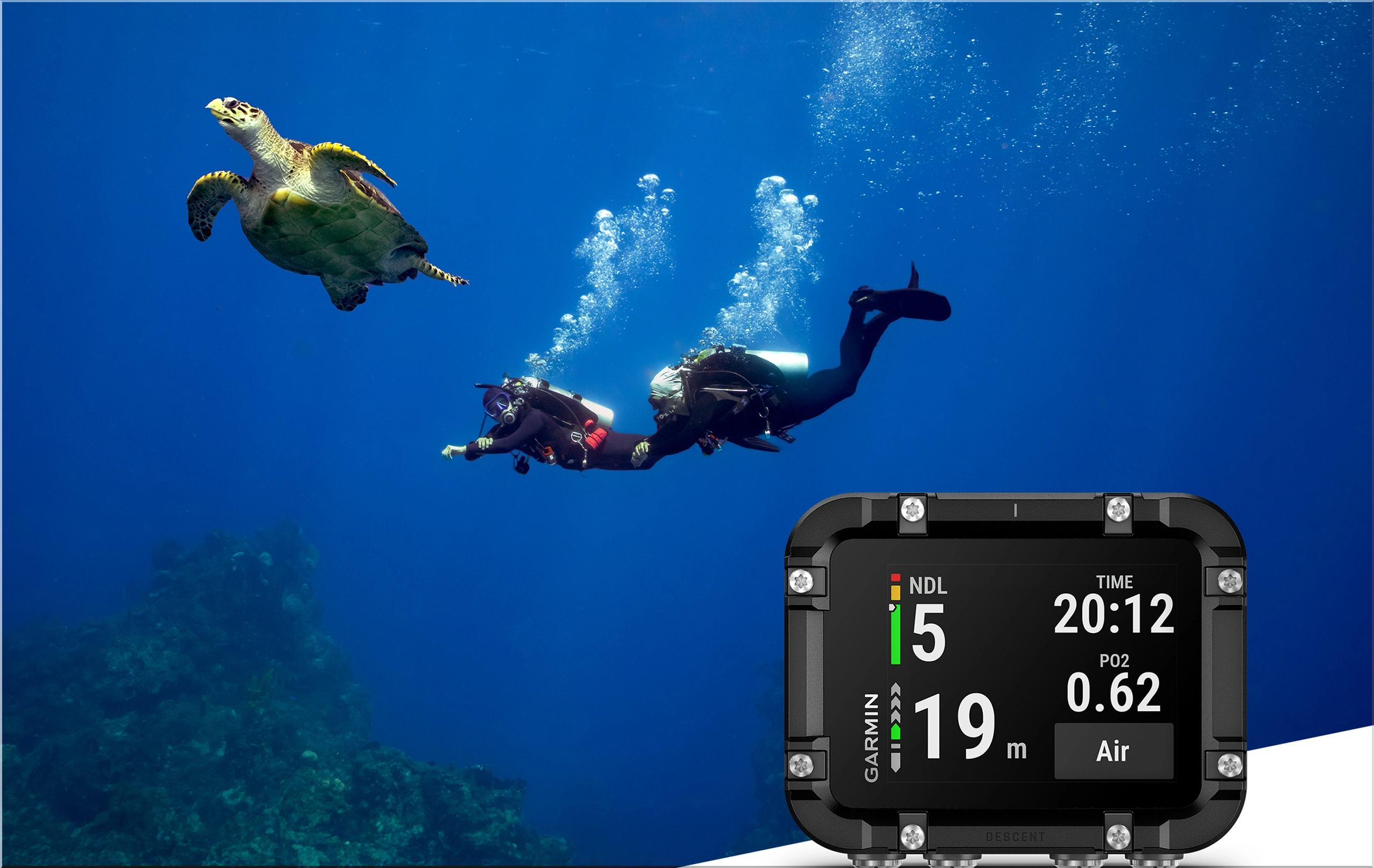
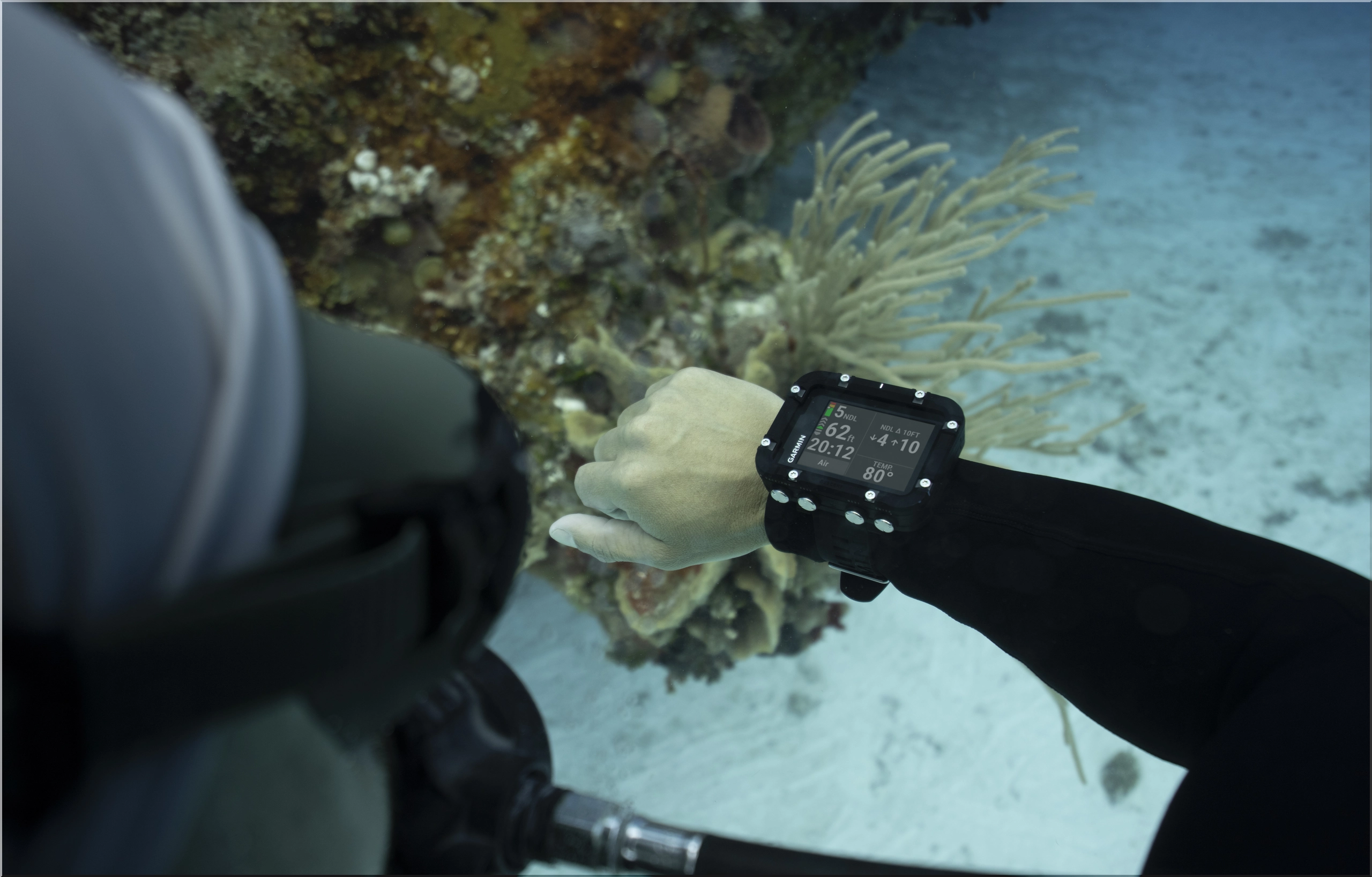
NDL Aware projects no-decompression time as depth changes. You see time expand or shrink immediately. You make fast decisions without mental math. A dynamic depth chart draws your profile during the dive. You track where you were and what comes next. The feedback helps retain bottom time with fewer surprises.
Surface GPS pins entry and exit points. The 3-axis compass keeps headings tight underwater. Tone and vibration alarms flag depth, time, and ascent rate. The planner covers surface intervals and no-fly time. You sync logs to the Garmin Dive app and add site details later. The watch pairs with an inReach Mini 2 in a dive housing. After surfacing, you can trigger SOS when needed.
Hardware and design choices that favor readability
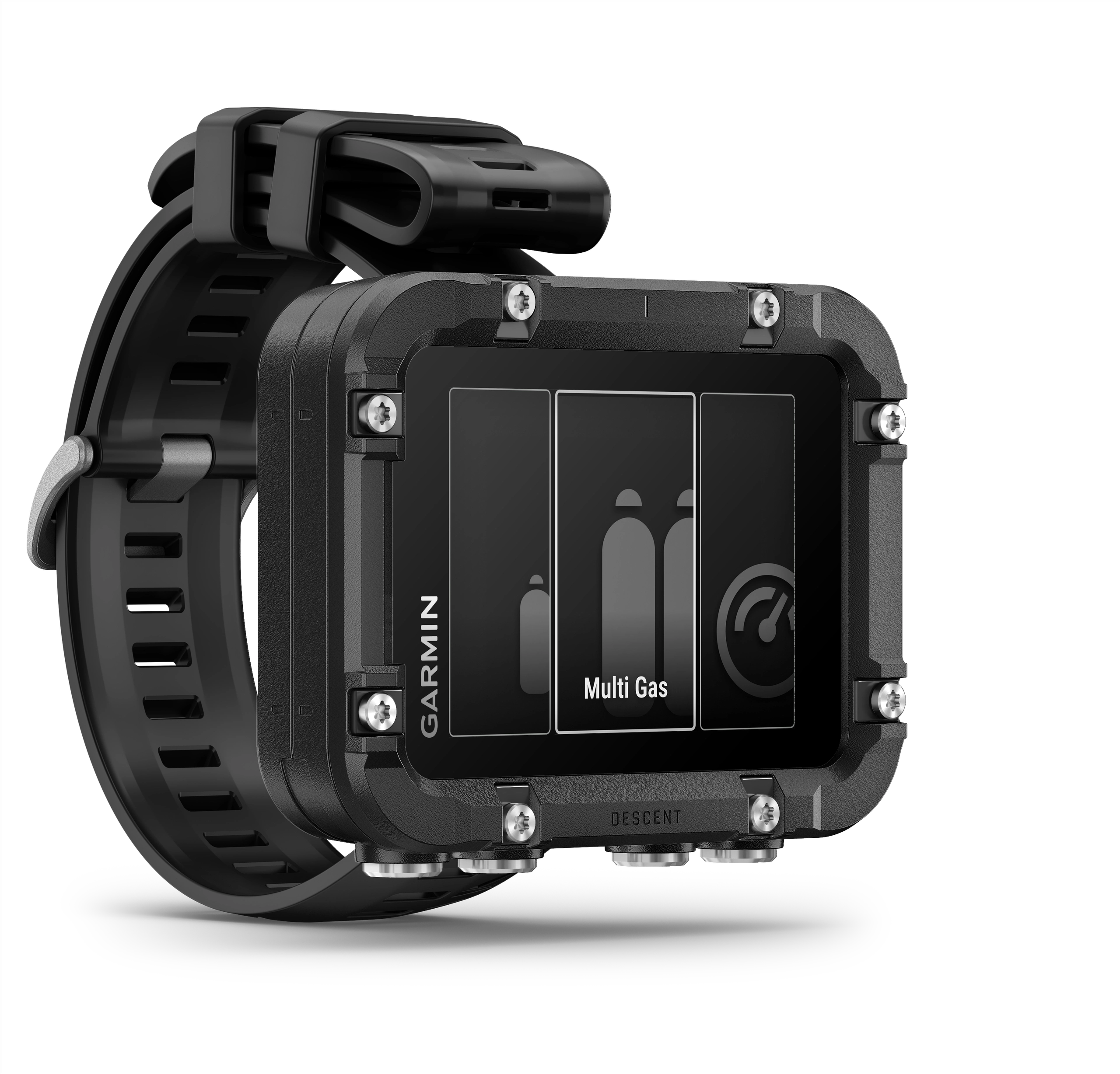
Garmin prioritized visibility and control. The 2.4-inch display uses a color TFT under chemically strengthened glass. Resolution lands at 320 x 240. Four sealed metal buttons give reliable input with gloves. The case measures 78.7 x 61.8 x 24.7 mm and weighs 198.4 g with the strap. The watch uses 26 mm QuickFit bands and accepts a 26 mm bungee. Rated depth hits 100 meters under DIN EN 13319. The clamp charger keeps the port sealed and simple.
Price, availability, and accessory math in USD
Garmin lists Descent X30 at €749.99, about $795 USD. Expect early street prices to track that figure. Accessories also stay reasonable. The USB-C 5 V / 3.0 A adapter runs €49.99 or about $53 USD. The charging clamp runs €24.99, near $26 USD. The screen protector costs €14.99, near $16 USD. The carry case lists €69.99, near $74 USD. The 26 mm bungee mount also lists at €24.99, near $26 USD.
Where the X30 fits in the Garmin dive lineup
Garmin positions the Descent X30 under its SubWave products. You trade air integration and diver messaging for price and simplicity. The result favors legibility and battery life. If you need air and comms, you move up the range. If you want a clean readout and NDL Aware, you stay here.
Quick comparison for buyers
| Model | Depth rating | Screen | Air/Comms | Key adds |
|---|---|---|---|---|
| Descent X30 | 100 m | 2.4 in, 320x240 | No SubWave | NDL Aware, rotatable display, Ocean Bound Plastic |
| Descent G2 | 100 m | 1.2 in, 390x390 | None | Sapphire options |
| Descent Mk3 | 200 m | 1.4 in, 454x454 | SubWave on Mk3i | LED flashlight on 51 mm |
| Descent X50i | 200 m | 3.0 in, 640x360 | SubWave | Larger case, messaging, air data |
This table frames the decision fast. Choose X30 for a big screen and NDL Aware. Choose Mk3i or X50i for SubWave air and messaging.
Practical benefits for real divers
New divers gain confidence from the display size. The 2.4-inch display keeps numbers readable in low visibility and at night. Experienced divers gain control from NDL Aware. Real-time projections convert depth changes into time decisions. That feedback supports longer and safer bottom time. Trimix support adds runway for training and growth. The 100 meters rating covers most recreational and light technical plans. The 30-hour battery supports a long weekend of diving. You charge less and dive more.
Setup tips that save time on day one
Set the main screen with three data fields. Keep depth, no-deco time, and gas visible at a glance. Rotate the display to match your wrist and button preference. Enable tone and vibration alarms for depth, ascent rate, and stop confirmations. Pin entry and exit with surface GPS to improve site repeatability. Sync to the Garmin Dive app after each day to lock details while fresh. Pair an inReach Mini 2 for remote coasts and test the SOS flow on land.
Spec table for quick scanning
| Item | Garmin Descent X30 |
|---|---|
| Display | 2.4-inch color TFT, 320 x 240 |
| Glass | Chemically strengthened |
| Buttons | Four sealed metal buttons |
| Depth rating | 100 meters (10 ATM, DIN EN 13319) |
| Battery life | Up to 30 hours in dive mode |
| Positioning/Compass | Surface GPS, 3-axis compass |
| Dive modes | Single Gas, Multigas, Trimix, Gauge |
| Key software | NDL Aware, dynamic depth chart, rotatable display |
| Connectivity | Bluetooth, ANT+ |
| Storage | 4 GB |
| Size/Weight | 78.7 x 61.8 x 24.7 mm, 198.4 g |
| Bands | 26 mm QuickFit, 26 mm bungee compatible |
| Materials | Ocean Bound Plastic, fiber-reinforced polymer |
| Price | €749.99 ≈ $795 USD |
What buyers should weigh before checkout
Ask one question first: do you need air data on your wrist? If yes, you should move to Mk3i or X50i for SubWave. Those models add tank pressure and diver messaging. You will pay more, but you gain integrated data. If no, the Descent X30 gives you a larger screen for less money. NDL Aware also adds clear guidance on the exact dive. Many divers will prefer that trade.
Consider resolution as well. The X30 posts 320 x 240. The Mk3 and X50i offer sharper panels. If you value sheer pixel density, you may prefer those models. If you value legibility with big fonts, the X30 remains strong.
Spare parts matter for remote travel. The charging clamp packs small and locks easily. The bungee mount makes quick work of thick gloves. The carry case protects the screen in gear bags. The accessory totals add up, but they add real utility.
Pros and cons
Pros: The 2.4-inch display aids fast reading. NDL Aware converts depth moves into clear time decisions. The 30-hour battery covers multi-day trips. Trimix support and Gauge mode expand use cases. Ocean Bound Plastic trims virgin material use. Surface GPS and the 3-axis compass add clean navigation tools.
Cons: The watch omits SubWave air integration and diver messaging. The 100 meters rating trails Garmin's 200 meters options. The 320 x 240 panel looks coarse next to Mk3 and X50i.
Bottom line
The Garmin Descent X30 delivers readable data, fast inputs, and strong battery life. It focuses on core dive tasks and keeps choices simple. NDL Aware turns depth changes into immediate time guidance. If you want air integration and messaging, go higher in the range. If you value clarity, NDL Aware, and price control, the Descent X30 makes sense for most dives.
- Add new comment
- 180 views