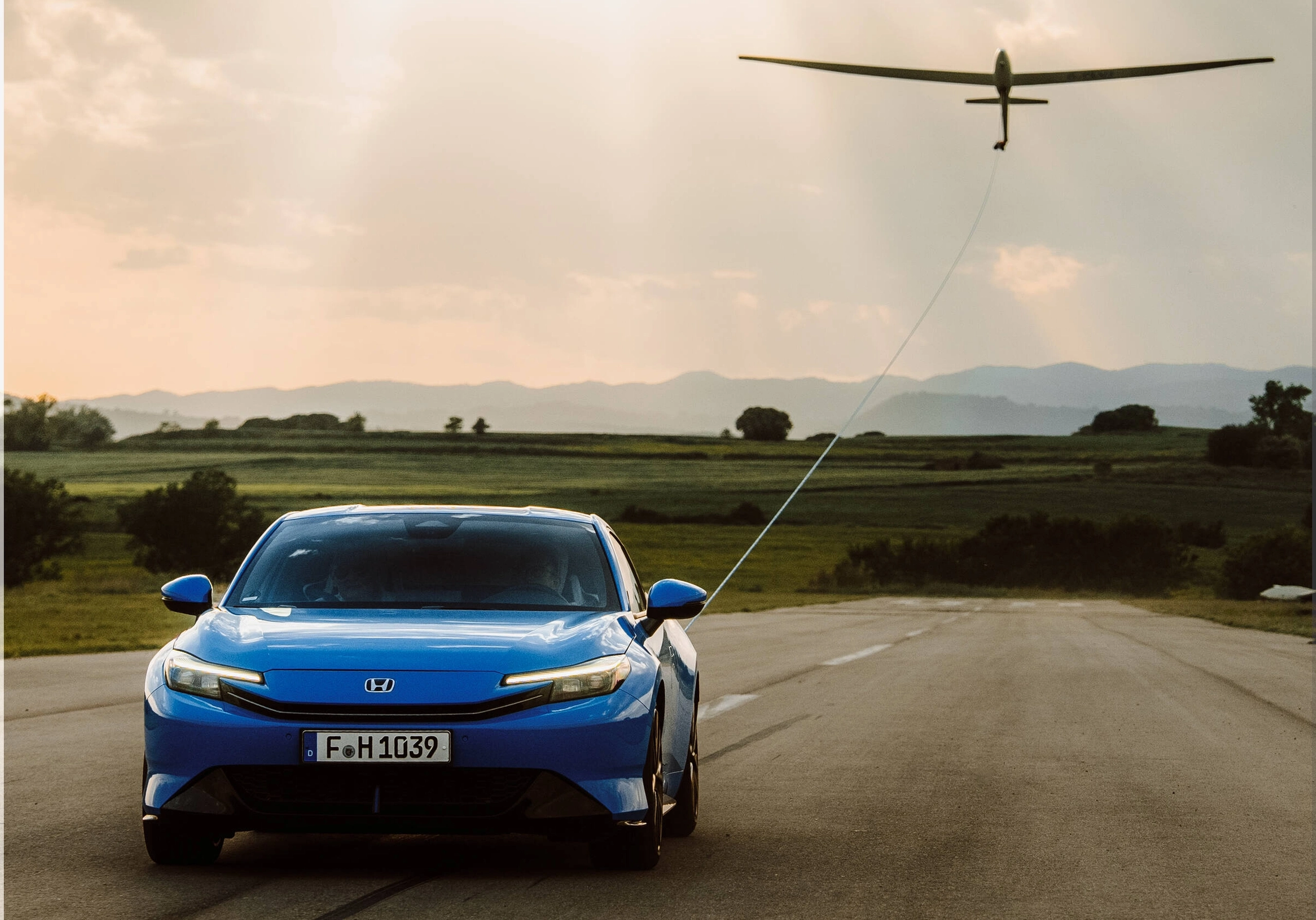
The Honda Prelude generations built Honda's reputation for smart, precise, front-drive performance long before hybrids, software-defined cabins, and torque-vectoring systems became normal showroom talk. Across five original generations from 1978 to 2001, the Prelude served as Honda's rolling engineering lab: low, compact, efficient, and unusually serious about steering feel.
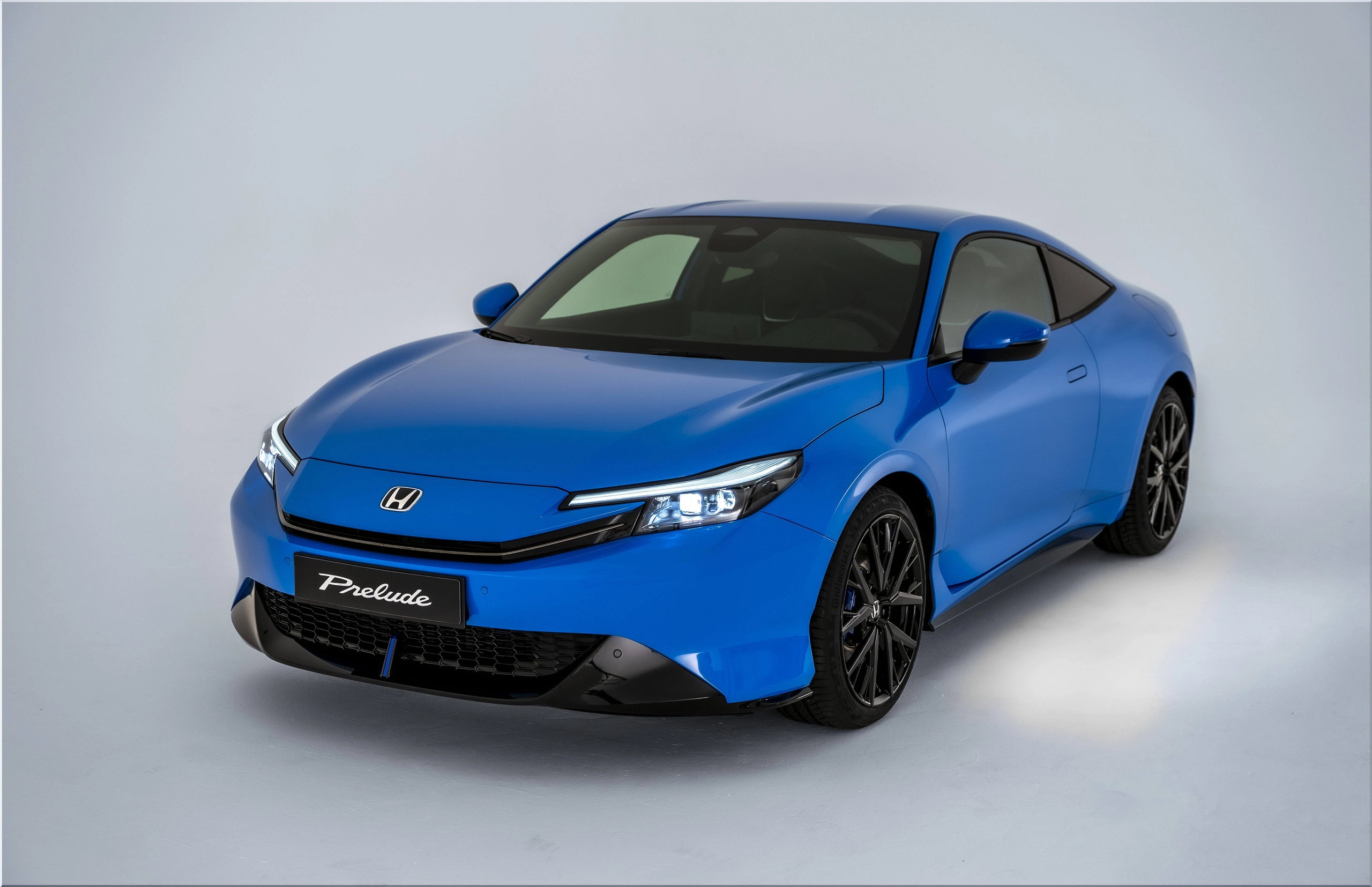
Now the name returns for 2026 as a Honda Prelude Hybrid, and that makes the backstory worth more than nostalgia. Honda did not revive a forgotten badge for decoration. It brought back a coupe name tied to four-wheel steering, VTEC, high-revving four-cylinder engines, and chassis tuning that made front-wheel drive feel sharper than many rivals expected.
For buyers, collectors, and Honda loyalists, the Prelude story answers one big question: why did this coupe earn such a long memory when it never had rear-wheel drive, a turbocharged six-cylinder engine, or muscle-car theater? The answer sits in the hardware.
Why The Honda Prelude Still Has Enthusiast Value
The Honda Prelude arrived at the end of the 1970s, when compact coupes still had a clear job. They gave young professionals, commuters, and driving fans something sleeker than a sedan without forcing them into an expensive sports car. Honda read that demand well.
The Prelude used Accord-related engineering but packaged it in a lower, cleaner two-door body. That decision gave Honda scale, quality, and cost control while allowing its engineers to tune the coupe for sharper road behavior. In addition, Honda used the Prelude to introduce technology that later helped define the brand's driver-focused image.
The Prelude never chased raw horsepower first. It chased response. Steering weight, pedal feel, engine character, and chassis balance carried the car's reputation more than straight-line speed.
Honda Prelude Generations Compared
| Generation | Model Years | Main Identity | Signature Technology | U.S. Sales |
|---|---|---|---|---|
| First Generation | 1979-1982 | Compact personal coupe | Electric moonroof, independent suspension | 171,829 |
| Second Generation | 1983-1987 | Sharper sport coupe | Pop-up headlights, available ABS | 336,599 |
| Third Generation | 1988-1991 | Handling tech coupe | Mechanical four-wheel steering | 160,909 |
| Fourth Generation | 1992-1996 | VTEC grand tourer | Electronic 4WS, H22 VTEC | 98,627 |
| Fifth Generation | 1997-2001 | Purist front-drive coupe | ATTS, 200-hp H22 engine | 58,118 |
| Sixth Generation | 2026- | Hybrid sport coupe | Two-motor hybrid system, S+ Shift | New launch |
Looking at the data, the second-generation Prelude became the sales peak. That result makes sense. The coupe market still had serious volume in the 1980s, Honda had momentum in the U.S., and fuel-efficient performance carried real showroom appeal.
First Generation Honda Prelude: 1978-1982
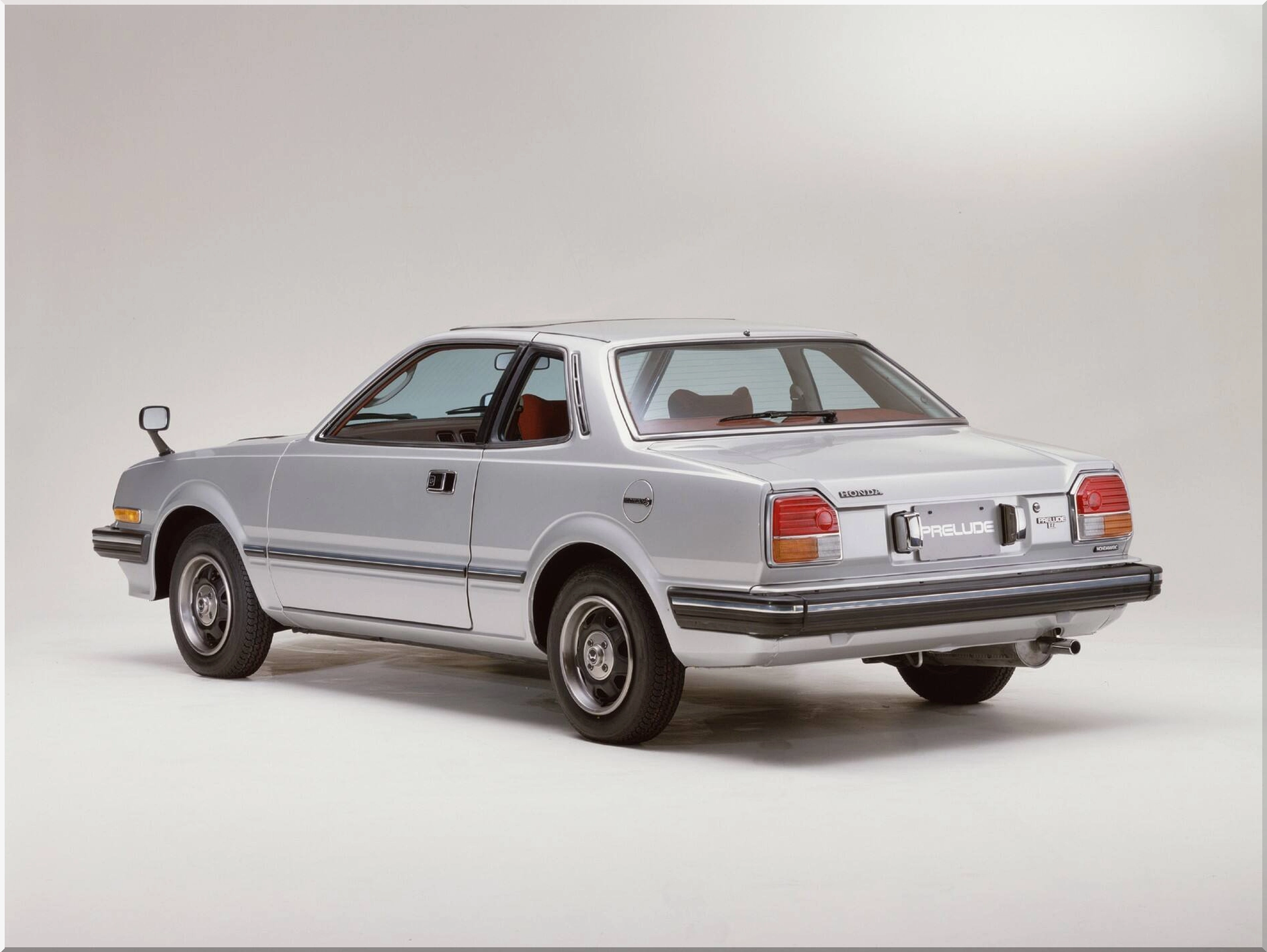
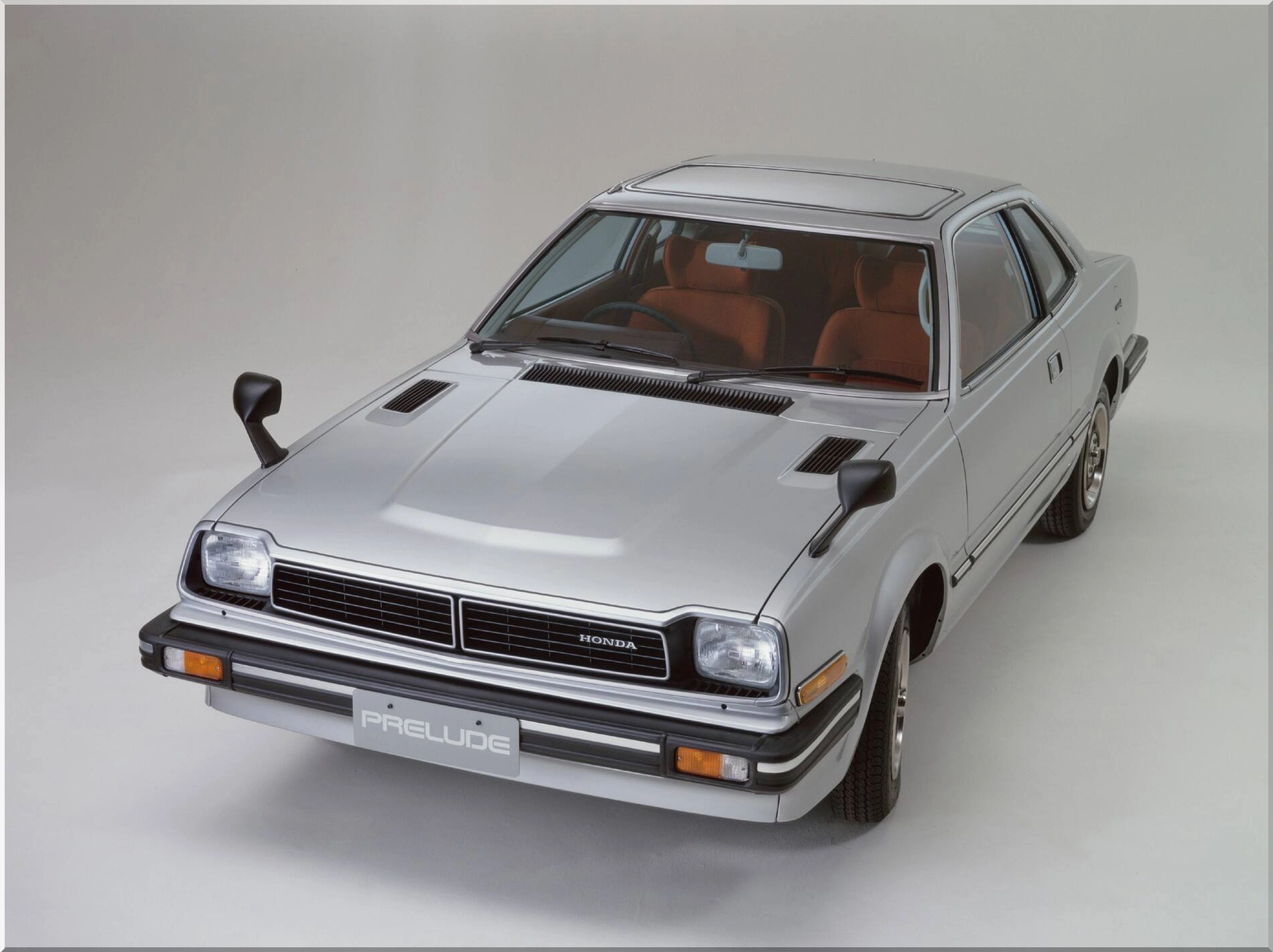
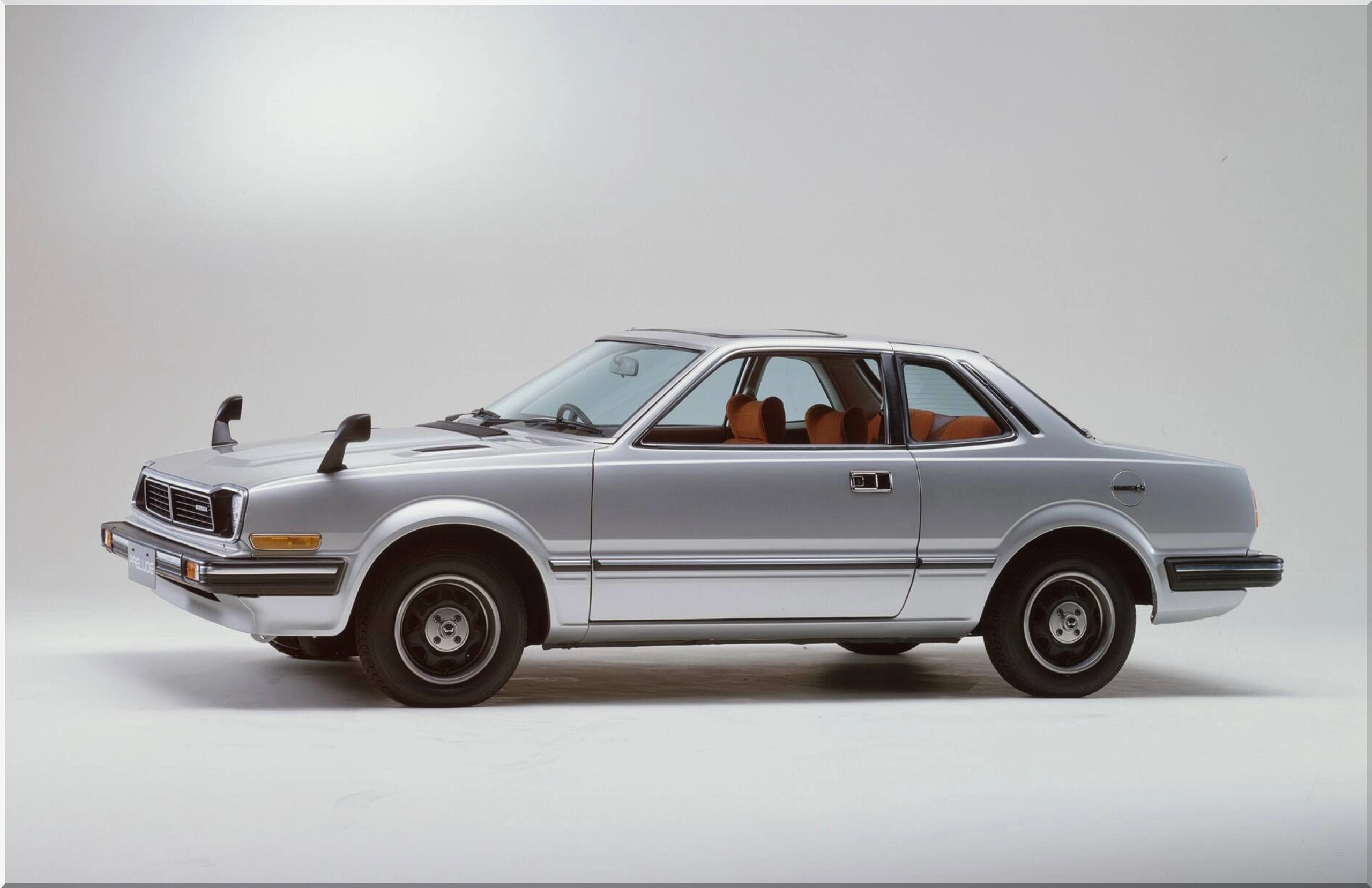
The first Honda Prelude generation set the template with clean proportions and sensible engineering. It used front-wheel drive, four-wheel independent strut suspension, and a compact 2+2 cabin. The body measured about 161.0 inches long, 64.4 inches wide, and 50.8 inches tall, with a 91.3-inch wheelbase.
Power came from small four-cylinder engines. U.S. models used a 1.8-liter CVCC inline-four rated at about 72 horsepower and 94 lb-ft of torque. That output sounds modest today, but the car weighed far less than a modern compact coupe, so Honda did not need huge numbers to create usable pace.
Specifically, the first Prelude sold refinement. The electric moonroof helped separate it from cheaper compact cars, while the low seating position and short rear deck gave it a more premium personality. Honda aimed the car at buyers who wanted efficiency, quality, and style without surrendering everyday usability.
First Generation Honda Prelude Specs
| Specification | Approximate Figure |
|---|---|
| Length | 161.0 in / 4,090 mm |
| Width | 64.4 in / 1,635 mm |
| Height | 50.8 in / 1,290 mm |
| Wheelbase | 91.3 in / 2,320 mm |
| U.S. Engine | 1.8-liter inline-four |
| Output | About 72 hp / 94 lb-ft |
| Layout | Front-engine, front-wheel drive |
Pro-Tip: Early Preludes reward patient buyers. Check rust, weather seals, carburetor tuning, and interior trim condition before engine mileage. Cosmetic parts can prove harder to find than mechanical items.
Second Generation Honda Prelude: 1983-1987
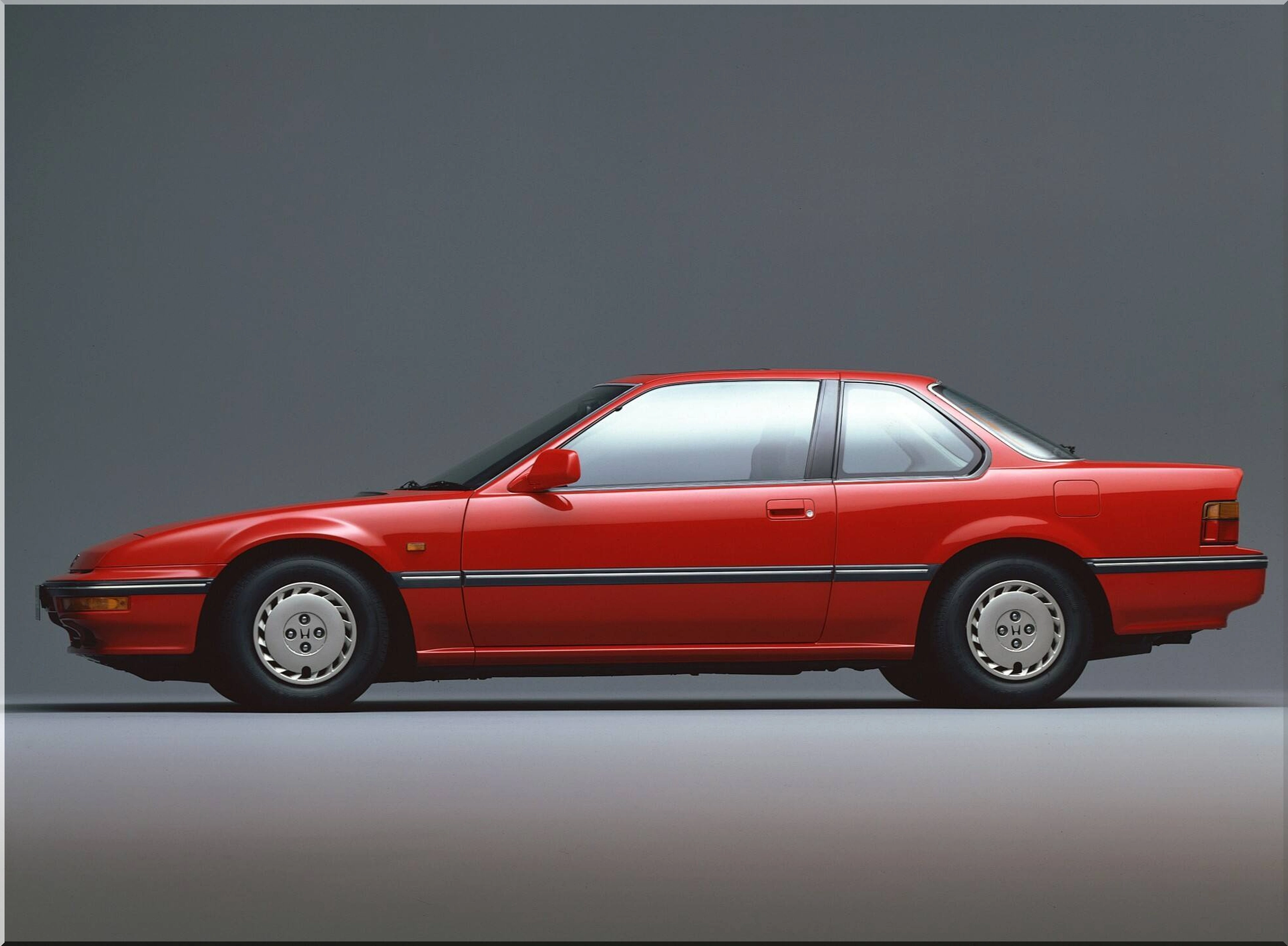
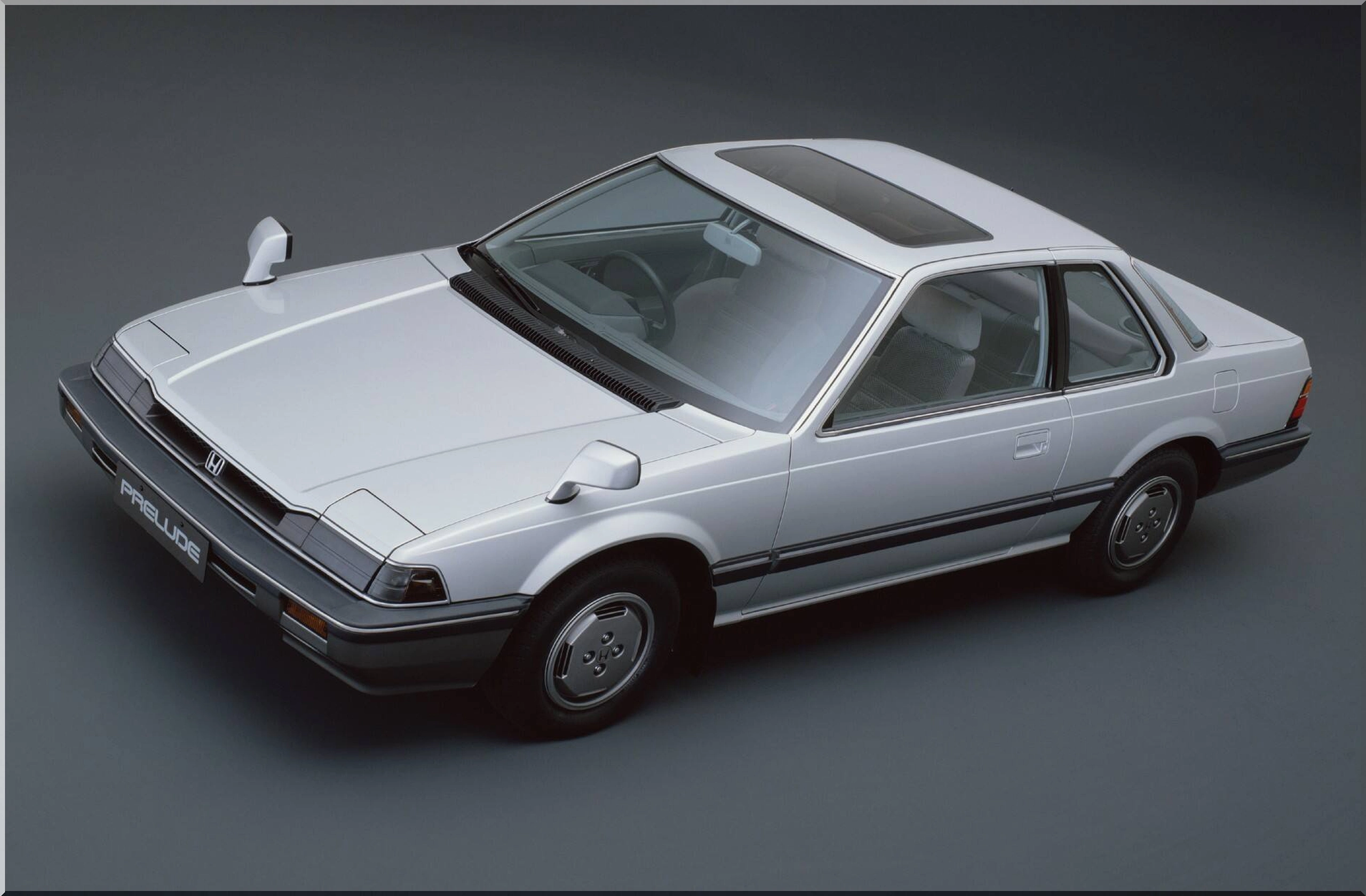
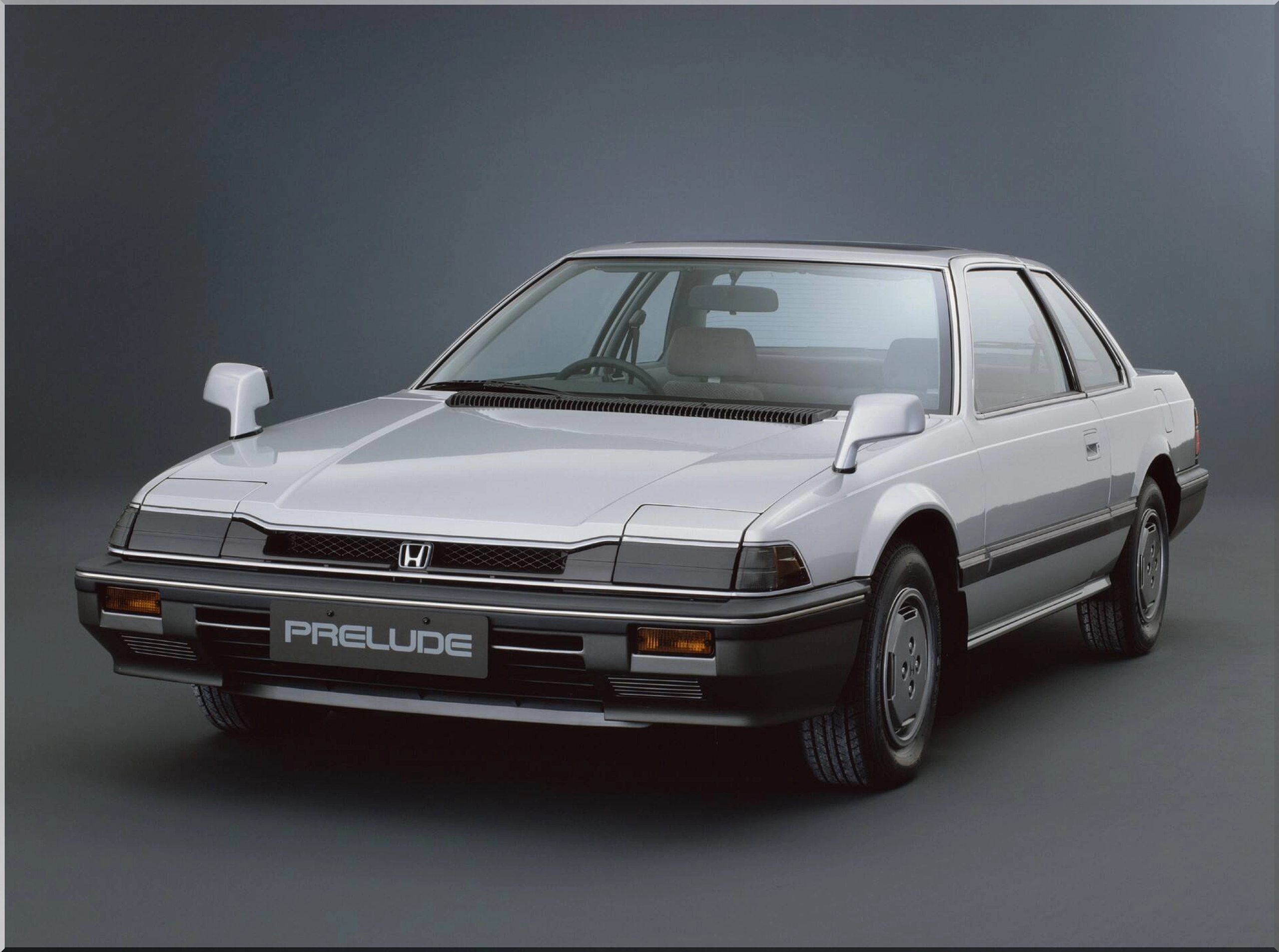
The second-generation Prelude gave Honda's coupe a much sharper identity. Pop-up headlights cleaned up the nose, the body sat lower, and the cabin gained a more technical feel. Honda stretched the wheelbase to about 96.5 inches and increased overall length to roughly 169.1 inches, which helped the car feel more stable at highway speeds.
Base versions used a 1.8-liter four-cylinder, while Si models gained fuel injection and a 2.0-liter engine. In U.S. 2.0Si trim, output reached about 110 horsepower, a meaningful increase for a light, front-drive coupe. The Prelude still did not behave like a muscle car, but it gained the rev-happy feel that later became a Honda trademark.
In addition, the second generation offered anti-lock braking on select versions. At the time, ABS appeared mostly on expensive cars, so this feature gave the Prelude real technical credibility. Honda showed buyers that a compact coupe could deliver engineering substance, not only style.
Third Generation Honda Prelude: 1988-1991
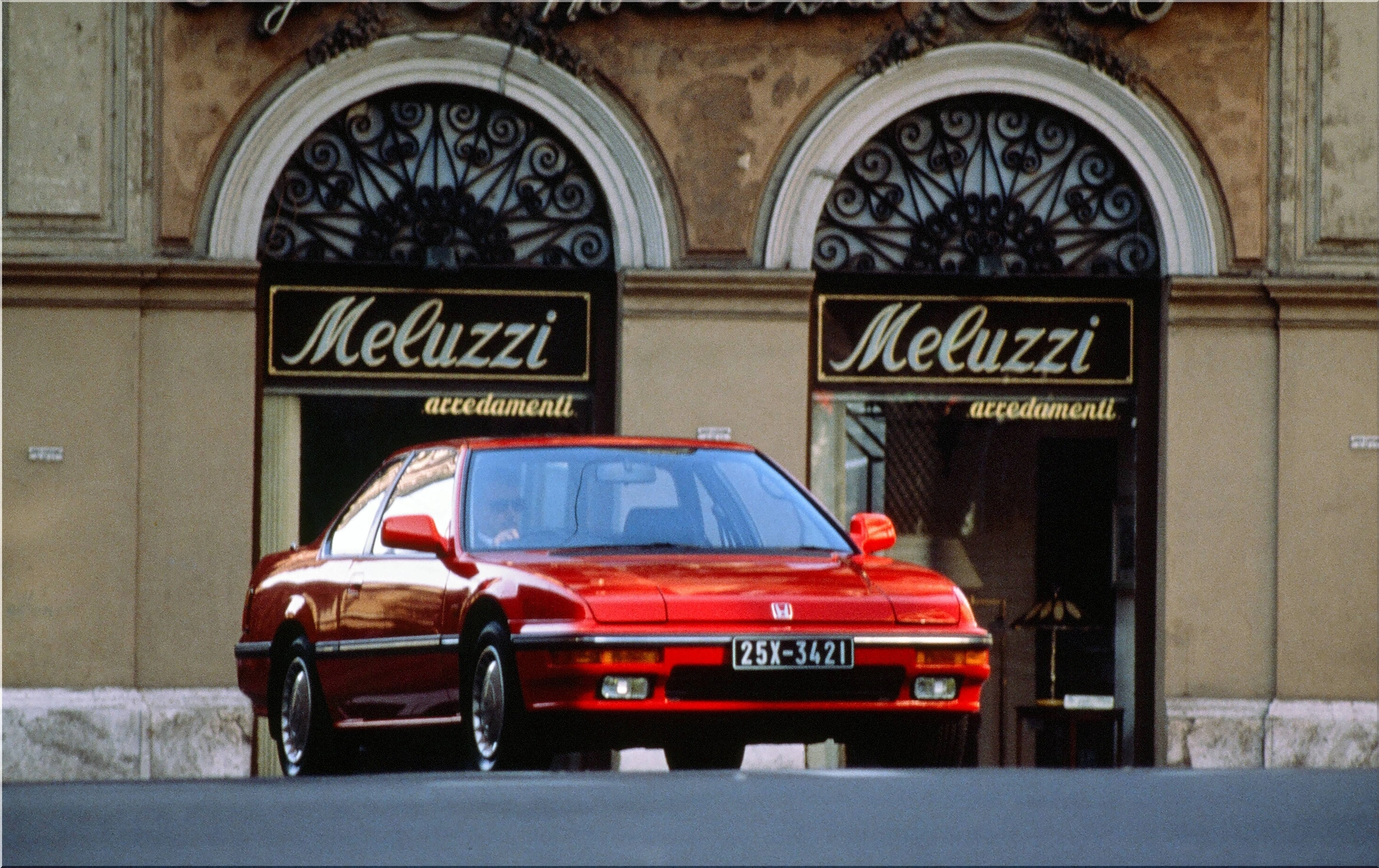
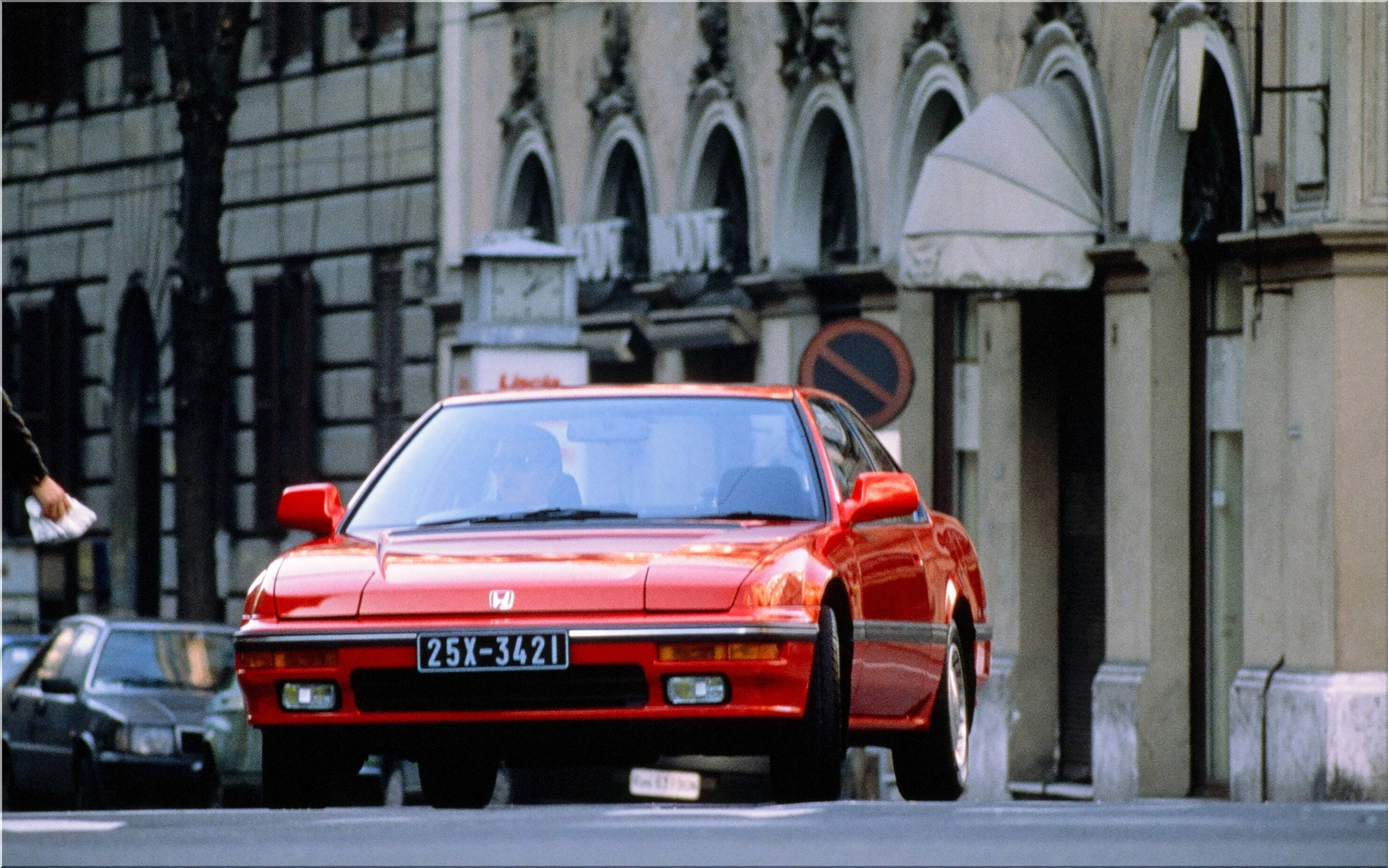
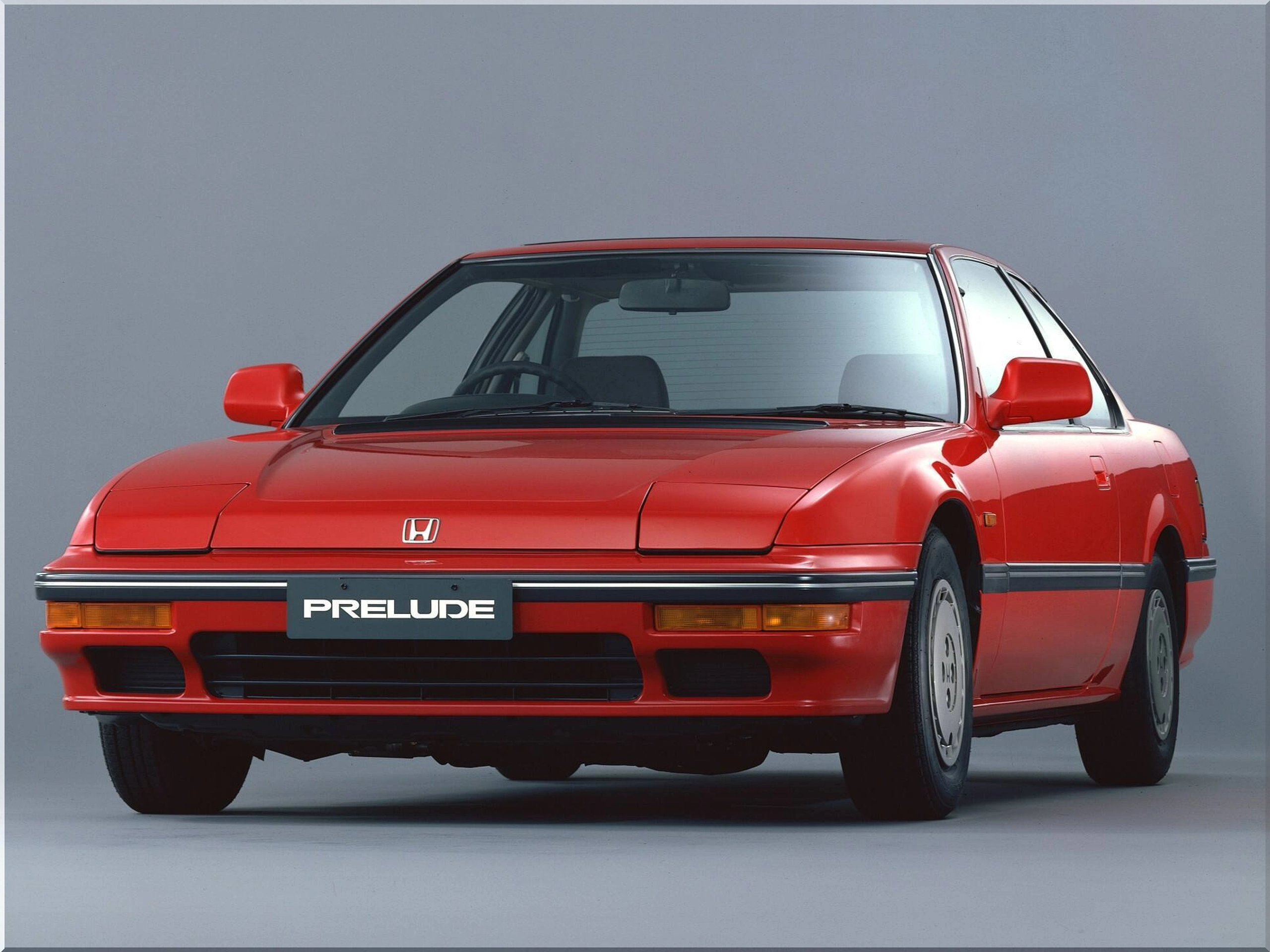
The third-generation Honda Prelude 4WS became the car many enthusiasts still picture first. Honda refined the shape, lowered the hood, and gave the coupe a cleaner aerodynamic profile. More important, it introduced mechanical four-wheel steering, one of the most memorable technologies in the Prelude story.
The system used mechanical linkages to steer the rear wheels in relation to the front wheels. At lower speeds, the rear wheels turned opposite the fronts, reducing the turning circle and making parking easier. At higher speeds, the rear wheels turned with the fronts, increasing stability during fast lane changes.
By comparison, many current rear-steering systems depend on electronic actuators and software. Honda built a mechanical solution that drivers could feel directly through the chassis. That gave the third-generation Prelude a level of cornering precision that made it feel expensive, even when the engine output stayed reasonable.
U.S. models used 2.0-liter and 2.1-liter engines depending on year and trim. The strongest versions produced about 140 horsepower, paired with a five-speed manual or automatic transmission. The engine did not dominate the car. The chassis did.
Third Generation Honda Prelude Specs
| Specification | Approximate Figure |
|---|---|
| Model Years | 1988-1991 |
| Wheelbase | 100.4 in / 2,550 mm |
| Length | About 177.6 in / 4,511 mm |
| Engine Range | 2.0-liter and 2.1-liter inline-four |
| U.S. Output Range | About 135-140 hp |
| Signature Feature | Mechanical 4WS |
| Best Trait | Steering accuracy |
Pro-Tip: A third-generation Prelude with working 4WS deserves a premium, but only if the system functions correctly. Inspect linkages, rear steering components, warning lights, and tire wear patterns before purchase.
Fourth Generation Honda Prelude: 1992-1996
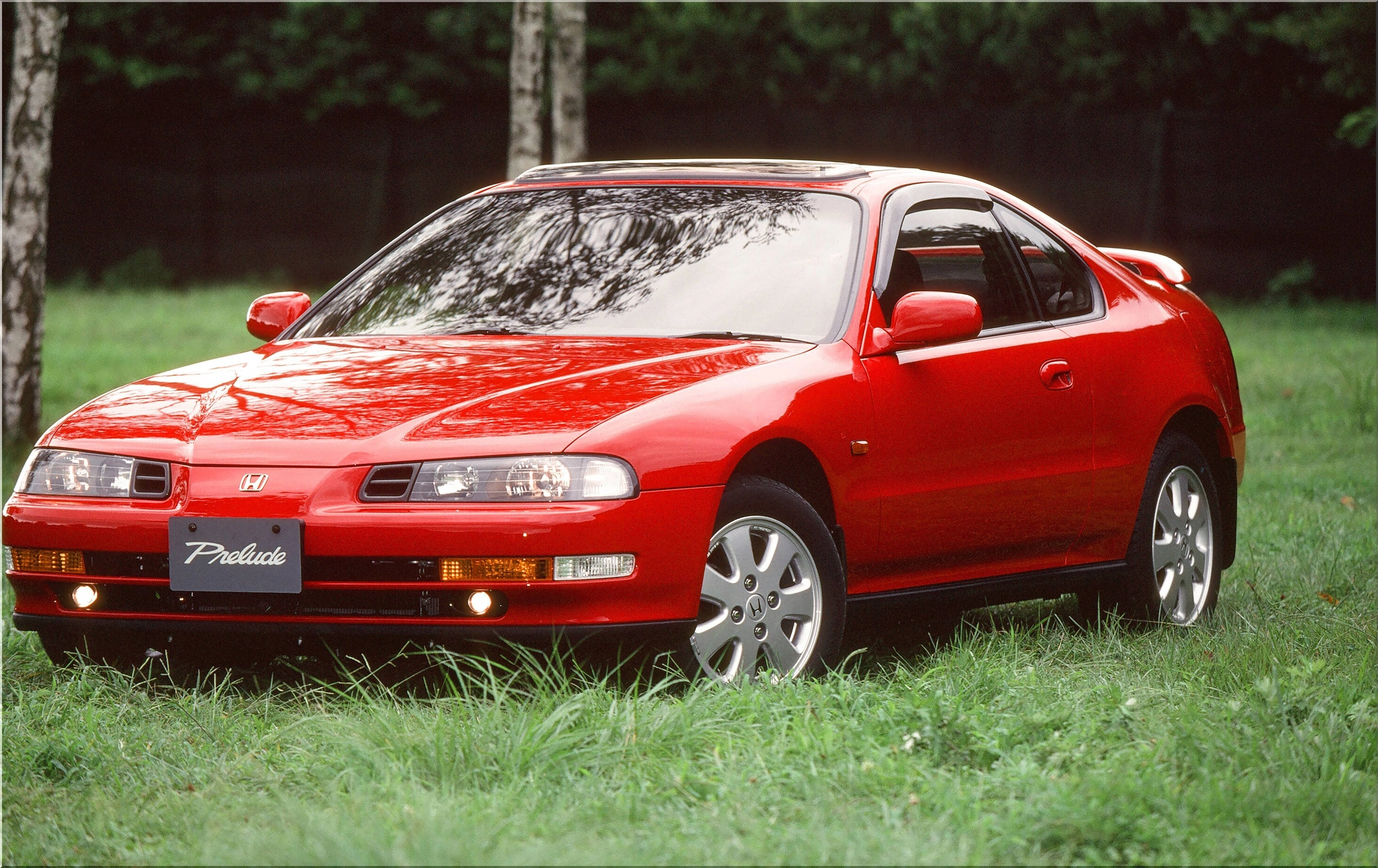
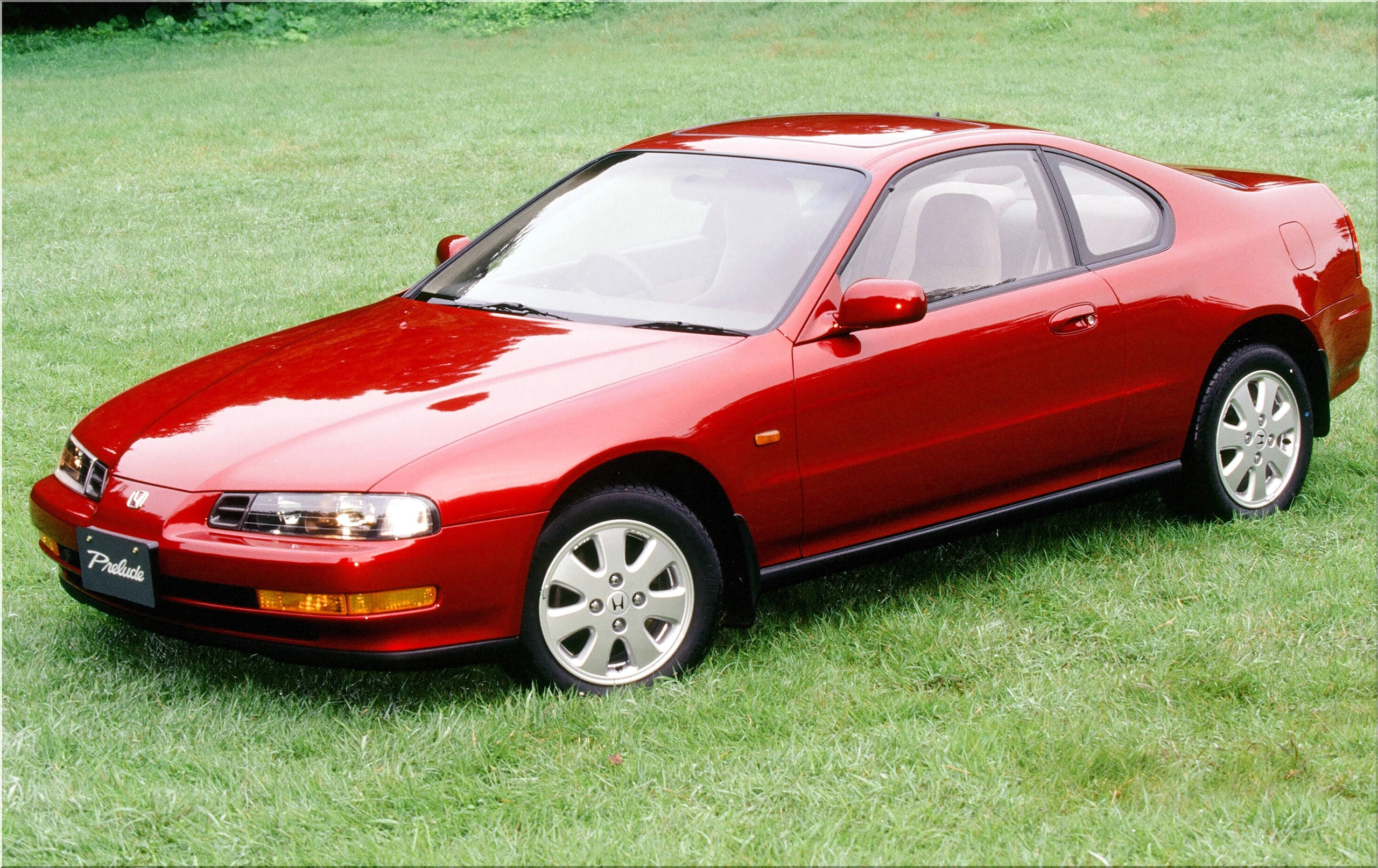
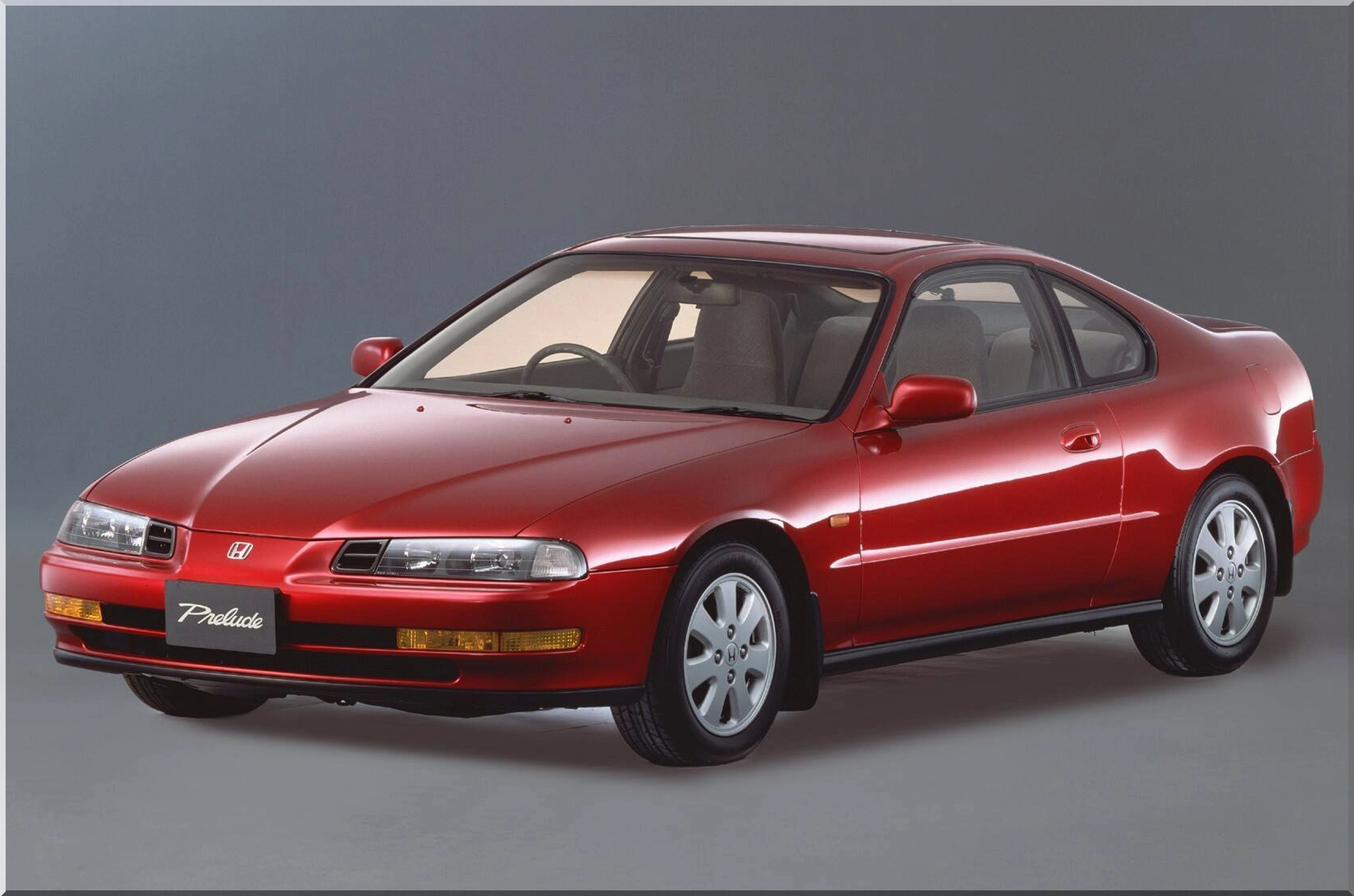
The fourth-generation Prelude moved into the 1990s with a wider stance, fixed headlights, and a cabin that looked like it came from a concept car. Honda gave the coupe a broader dashboard, more equipment, and a stronger grand-touring personality. The car gained weight, but it also gained power.
The best-known engine was the H22A1 2.2-liter DOHC VTEC inline-four, rated at about 190 horsepower and 158 lb-ft of torque in U.S. VTEC models. Lower trims used other 2.2-liter and 2.3-liter four-cylinder engines with less output, but the VTEC version became the enthusiast prize.
The VTEC system changed valve timing and lift at higher engine speeds, allowing the engine to breathe harder near redline without sacrificing low-speed drivability. In plain terms, Honda gave the Prelude two personalities: calm during commuting and eager when the tachometer climbed.
Consequently, the fourth-generation car felt faster and more mature than its predecessor. It also carried more mass over the front axle, which meant Honda had to manage understeer with suspension tuning and steering calibration. The car traded some of the third generation's delicate feel for higher-speed confidence and stronger acceleration.
Fifth Generation Honda Prelude: 1997-2001
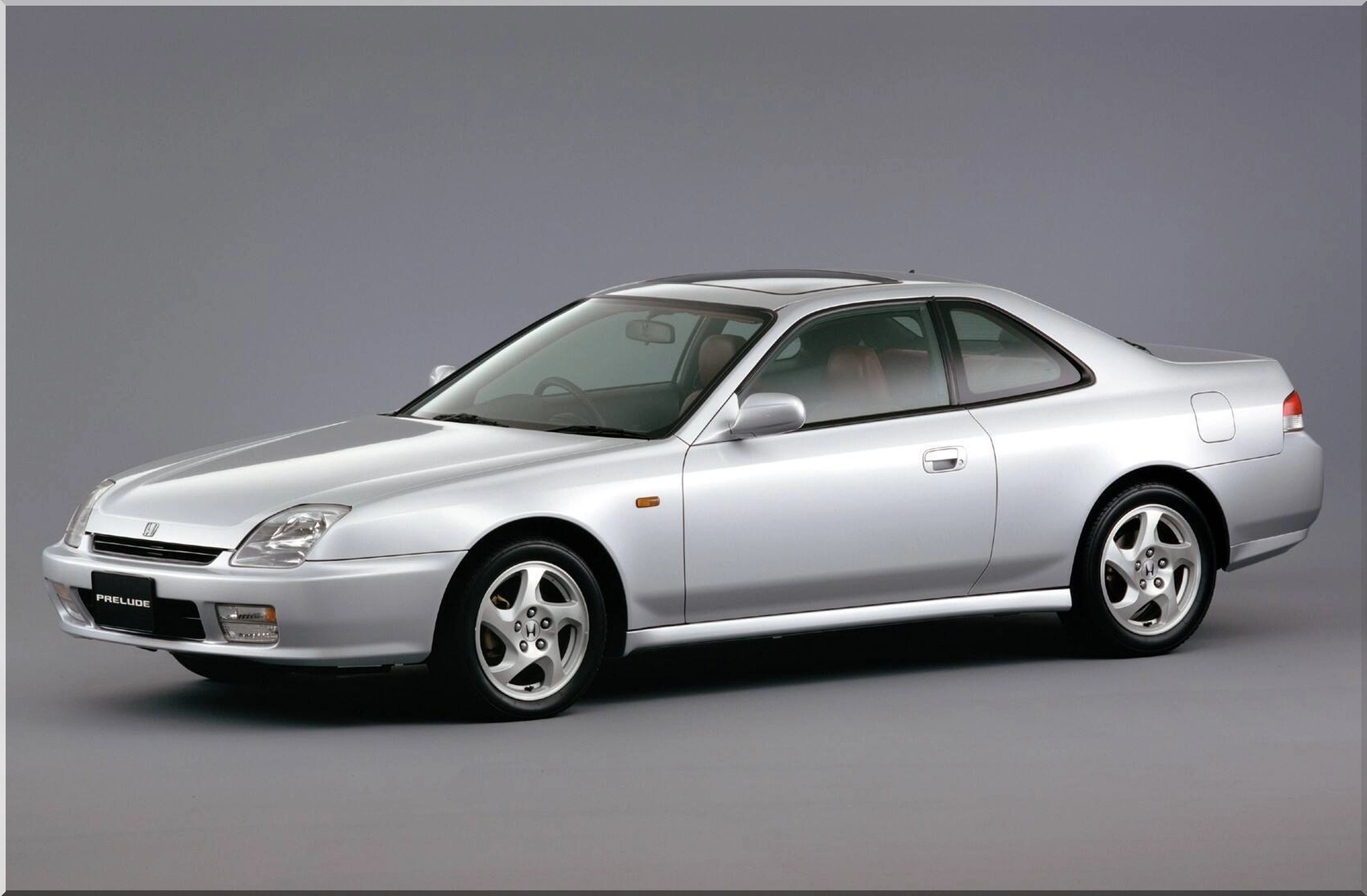
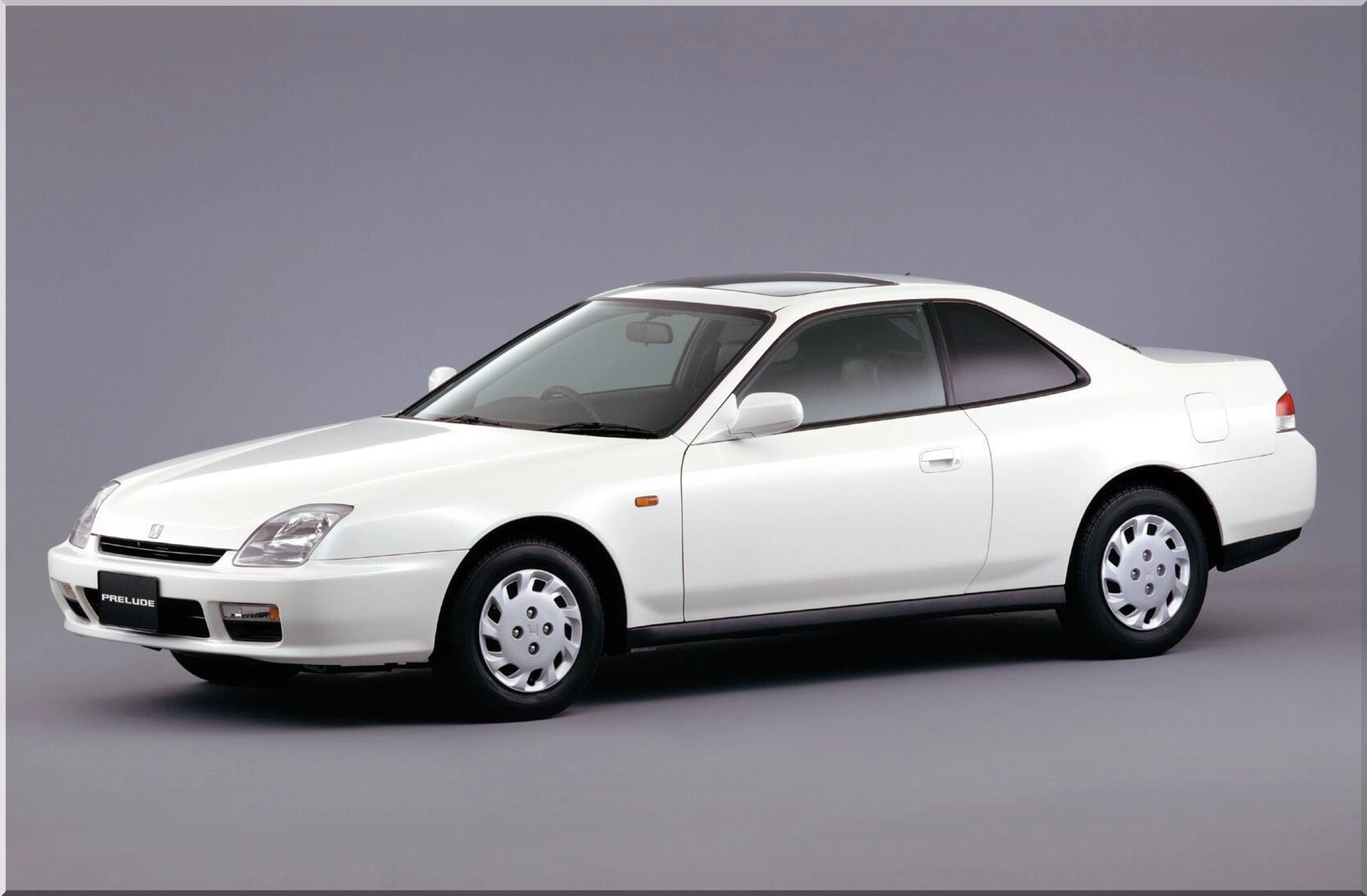
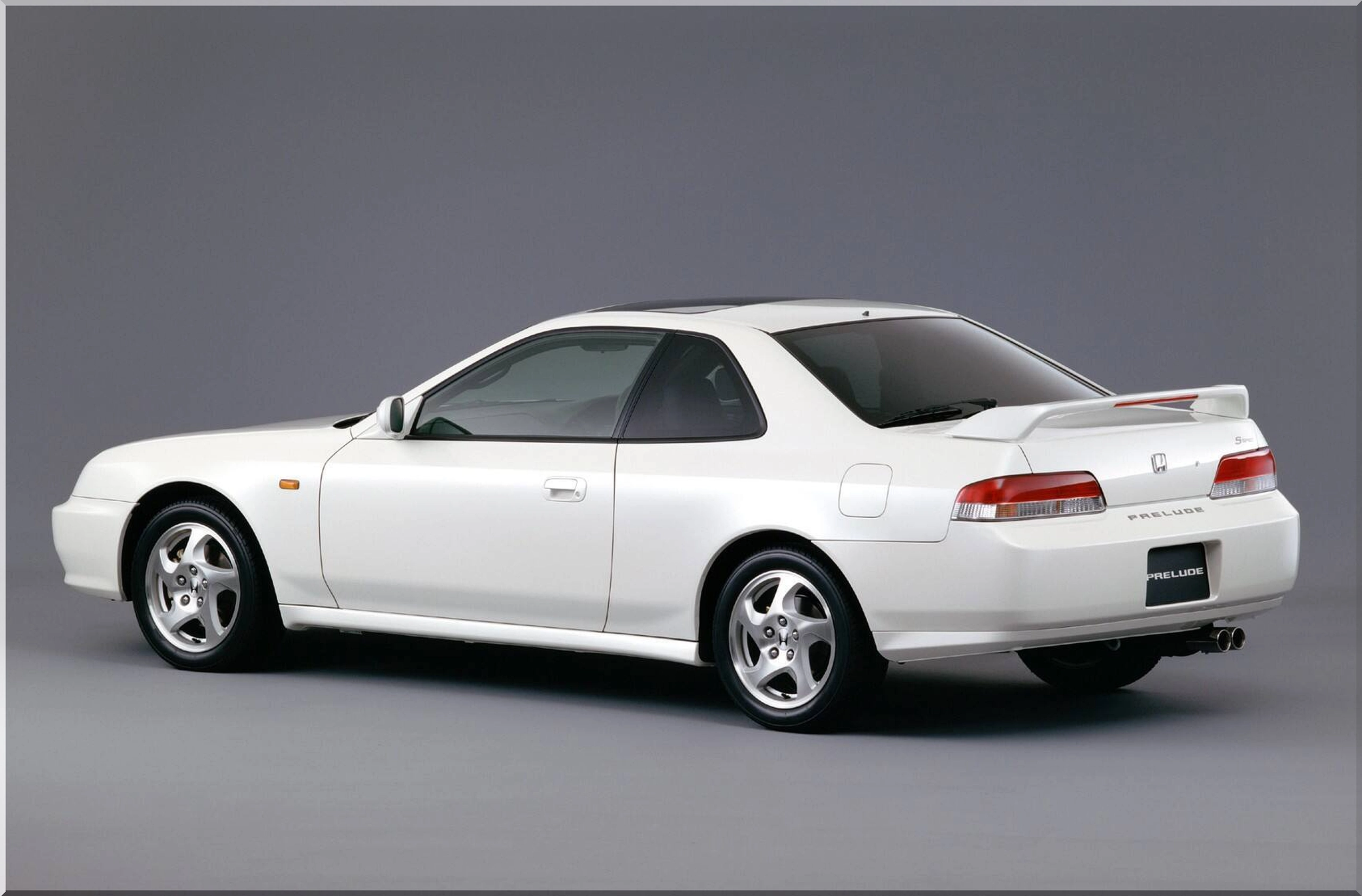
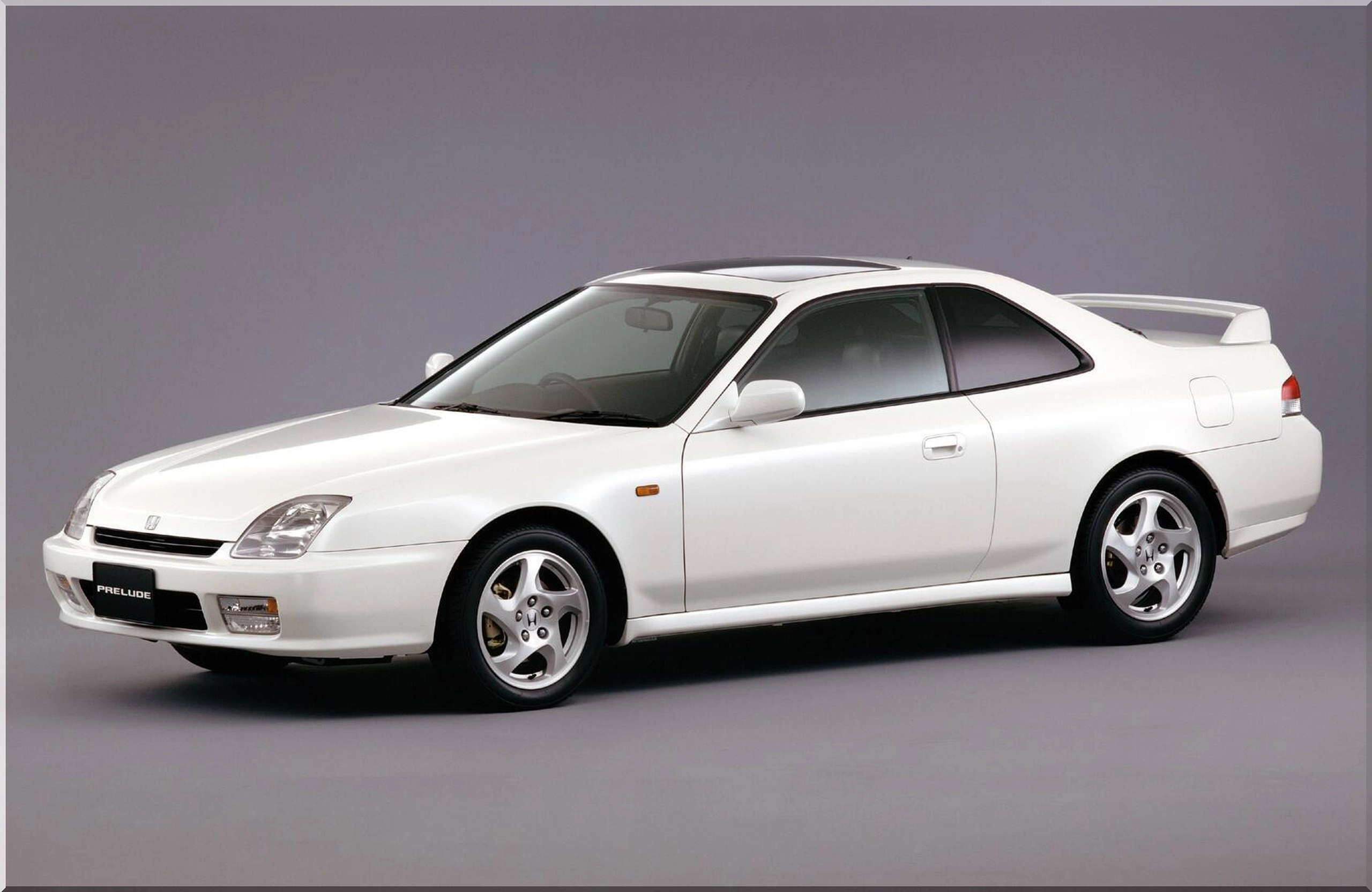
The fifth-generation Prelude cleaned up the design and narrowed the mission. Honda returned to simpler proportions, a more restrained cabin, and a stronger performance focus. In the U.S., the lineup centered on the standard Prelude and the Type SH.
Both versions used the H22A4 2.2-liter DOHC VTEC engine. Output reached 195 horsepower at launch and rose to 200 horsepower for manual-transmission cars after the 1999 update. Torque measured 156 lb-ft at 5,250 rpm, which meant the driver had to work the engine to access its best character.
The Honda Prelude Type SH added Active Torque Transfer System, better known as ATTS. This hardware helped send torque across the front axle during cornering, pushing more drive to the outside front wheel. The goal was simple: help the car rotate and reduce the understeer that front-drive coupes often face under hard throttle.
From an expert perspective, the Type SH showed Honda's confidence. Instead of adding rear-wheel drive, Honda attacked the limits of front-wheel drive with clever hardware. The result felt technical, precise, and very Honda.
Fifth Generation Honda Prelude Type SH Specs
| Specification | 2001 Prelude Type SH |
|---|---|
| Engine | 2.2-liter DOHC VTEC inline-four |
| Horsepower | 200 hp at 7,000 rpm |
| Torque | 156 lb-ft at 5,250 rpm |
| Transmission | 5-speed manual |
| Wheelbase | 101.8 in / 2,586 mm |
| Length | 178.0 in / 4,521 mm |
| Width | 69.0 in / 1,753 mm |
| Height | 51.8 in / 1,316 mm |
| EPA Rating | 22 city / 27 highway mpg |
Sales slowed as the coupe market shrank. SUVs and crossovers gained buyers, insurance costs rose for younger drivers, and Acura gave Honda loyalists another route through the Integra. The Prelude left the market after 2001, but clean manual examples now carry strong collector interest.
2026 Honda Prelude Hybrid: The Name Returns
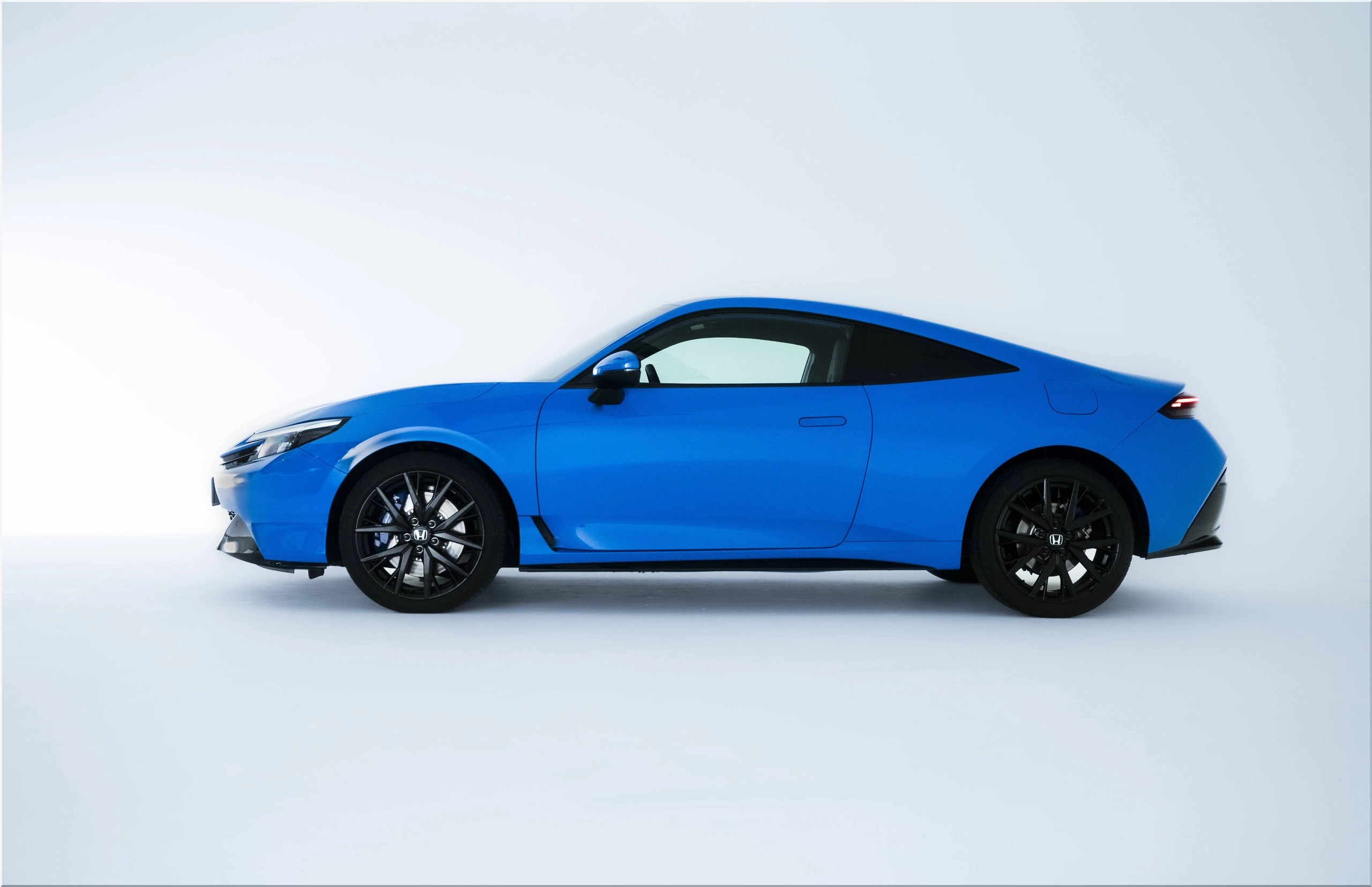
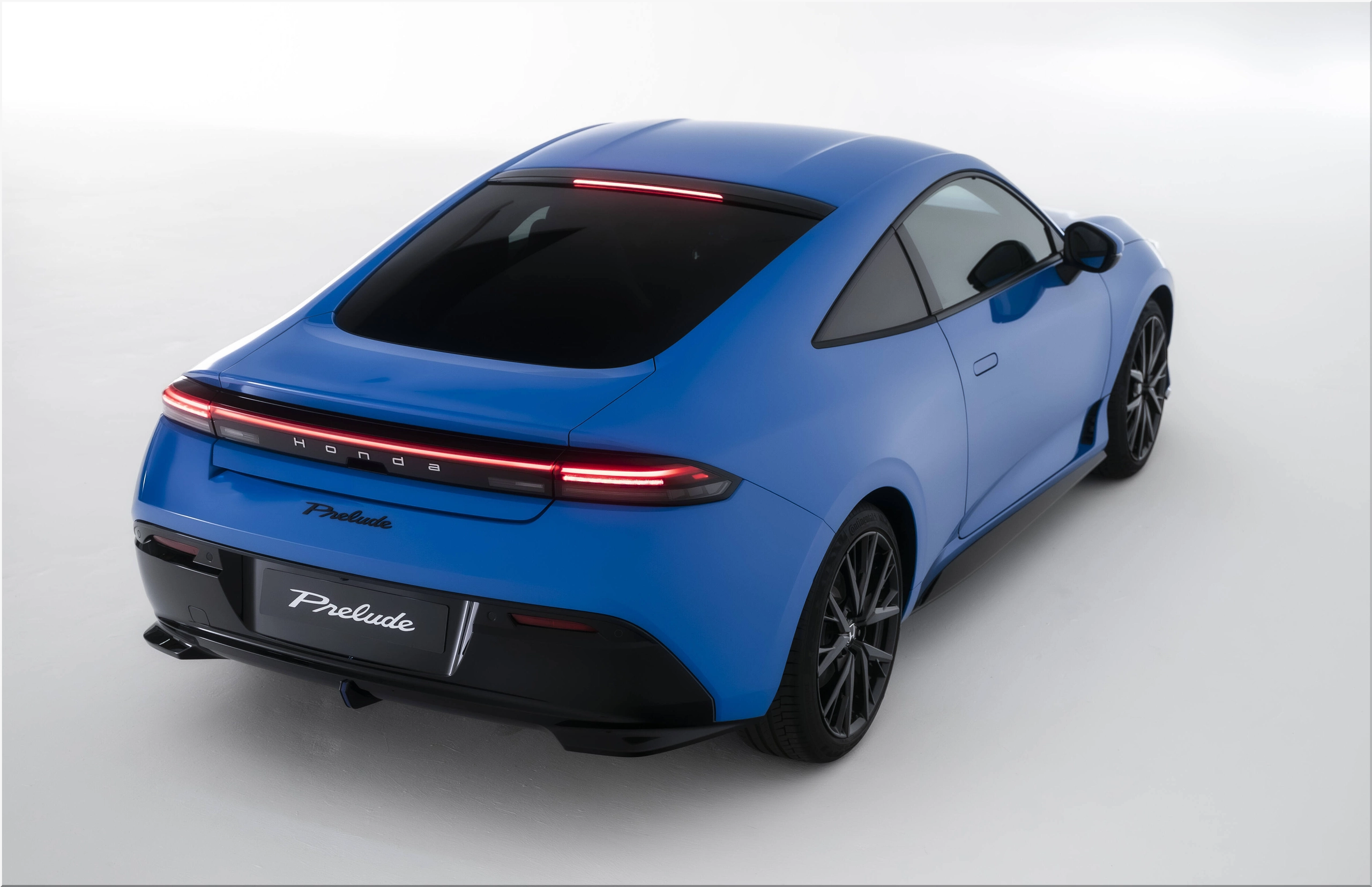
The 2026 Honda Prelude Hybrid brings the badge back with a very different powertrain philosophy. Honda uses a 2.0-liter direct-injection gasoline engine, a lithium-ion battery, and a two-motor hybrid system rated at 200 horsepower. EPA fuel economy lands at 46 mpg city and 41 mpg highway, giving the new Prelude a clear efficiency advantage over the old VTEC cars.
Honda did not build the new Prelude as a retro copy. It gave the coupe modern chassis hardware, including Type R-derived components, a dual-axis front suspension, adaptive dampers, and four-piston Brembo front brake calipers. It also uses 19-inch Berlina Black alloy wheels, drive modes, and a dedicated Honda S+ Shift system.
The S+ Shift setup simulates gear changes through sound, gauge movement, and paddle inputs. It does not create a mechanical manual transmission. Instead, it gives a smooth hybrid system more rhythm during acceleration.
That decision will divide enthusiasts. Some buyers will want a clutch pedal. Others will see the point immediately: 200 horsepower, strong fuel economy, modern safety tech, and coupe styling in a market flooded with tall family vehicles.
2026 Honda Prelude Hybrid Specs
| Specification | 2026 Honda Prelude Hybrid |
|---|---|
| Starting MSRP | $42,000 |
| Powertrain | 2.0-liter two-motor hybrid |
| Total Output | 200 hp |
| EPA Fuel Economy | 46 city / 41 highway mpg |
| Drive Modes | Comfort, GT, Sport, Individual |
| Front Suspension | Dual-axis setup |
| Dampers | Adaptive damper system |
| Front Brakes | Four-piston Brembo calipers |
| Wheels | 19-inch Berlina Black alloys |
| Driver Display | 10.2-inch digital cluster |
| Touchscreen | 9-inch display with wireless smartphone integration |
Why Honda Chose Hybrid Power For The New Prelude
Honda chose hybrid power because the modern coupe buyer faces a different reality than the 1990s Prelude buyer. Gas prices, emissions rules, daily traffic, and buyer expectations now push automakers toward efficient performance. A high-revving naturally aspirated engine still has charm, but it no longer gives Honda the best business case for a new specialty coupe.
The two-motor hybrid system gives the 2026 Prelude quick electric response at low speeds and efficient gasoline operation at cruising speeds. In city driving, that setup helps deliver the car's 46 mpg rating. On a back road, it gives the driver smoother torque than an older naturally aspirated engine could deliver below its VTEC changeover point.
Specifically, the new car tries to solve the old Prelude problem in a new way. Earlier generations used steering systems, VTEC, and torque-management hardware to make front-wheel drive more exciting. The 2026 model uses electrification, software, and serious chassis components to make efficiency feel less dull.
Which Honda Prelude Generation Makes The Most Sense?
Each Prelude generation suits a different buyer. That variety helps the nameplate stay interesting.
- Best classic feel: Third generation 4WS
It delivers the clearest steering identity and the strongest engineering story. - Best VTEC choice: Fifth generation manual
It brings 200 horsepower, sharp high-rpm character, and cleaner parts availability than older models. - Best collector pick: Prelude Type SH
ATTS gives it rare hardware and a clear identity among front-drive coupes. - Best daily driver: 2026 Prelude Hybrid
It adds warranty coverage, strong fuel economy, modern tech, and useful comfort. - Best affordable entry: Second generation 2.0Si
It gives buyers old-school Honda feel without the higher prices of late VTEC cars.
Actionable Question: Should You Buy A Classic Prelude Or Wait For The 2026 Hybrid?
Buy a classic Prelude if you want analog steering, a manual gearbox, and a weekend car with growing collector appeal. Wait for the 2026 Prelude Hybrid if you need everyday reliability, modern safety systems, and fuel economy that fits long commutes.
The Real Reason The Honda Prelude Name Still Works
The Honda Prelude history works because the car always had a point. It did not copy Detroit muscle, European luxury coupes, or rear-drive Japanese sports cars. It took Honda's strengths - compact engineering, efficient engines, precision controls, and clever chassis systems - and placed them in a coupe body.
The first generation proved Honda could make a small personal coupe feel premium. The second generation sharpened the look and sales pitch. The third generation turned four-wheel steering into an enthusiast talking point. The fourth generation brought VTEC power into the coupe's identity. The fifth generation used ATTS to push front-drive handling further than buyers expected.
Now the sixth generation has to prove that a hybrid coupe can feel emotional without pretending to be a 1990s time capsule. That mission sounds risky, but it also sounds right for Honda. The Prelude always worked best when Honda used it to test an idea.
The 2026 car carries that same spirit with different tools. It swaps high-rpm theater for electric response, mechanical shift drama for S+ Shift, and old-school simplicity for adaptive chassis control. Buyers may debate the formula, but the engineering logic holds together.
The Honda Prelude generations still matter because they show how one coupe tracked Honda's changing view of performance. In the beginning, performance meant light weight and efficiency. Later, it meant 4WS, VTEC, and torque control. In 2026, it means hybrid power with enough chassis tuning to keep the driver awake.
That sounds like a Prelude.
- Add new comment
- 60 views