Why the Hyundai IONIQ 9 Earned Top Recognition
The Hyundai IONIQ 9 earned the EV of the Year title from the Hispanic Motor Press, a panel of journalists and analysts that track buying behavior and vehicle performance for one of the fastest-growing consumer groups in the U.S.
The award focuses on clear purchase drivers: safety, technology, value, and real-world performance. The panel selected the Hyundai IONIQ 9 after evaluating driving data, family-use metrics, charging capability, and packaging efficiency.
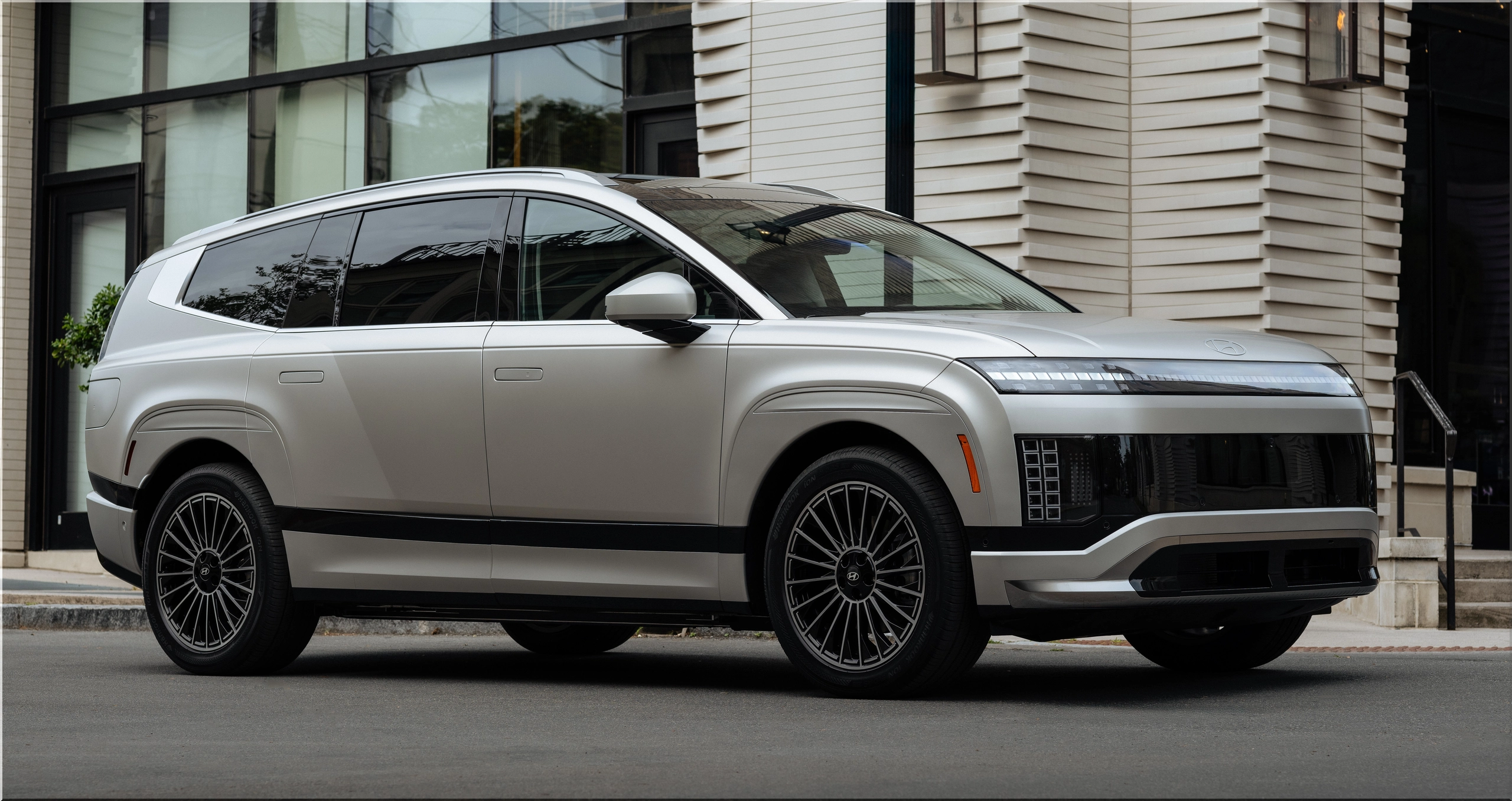
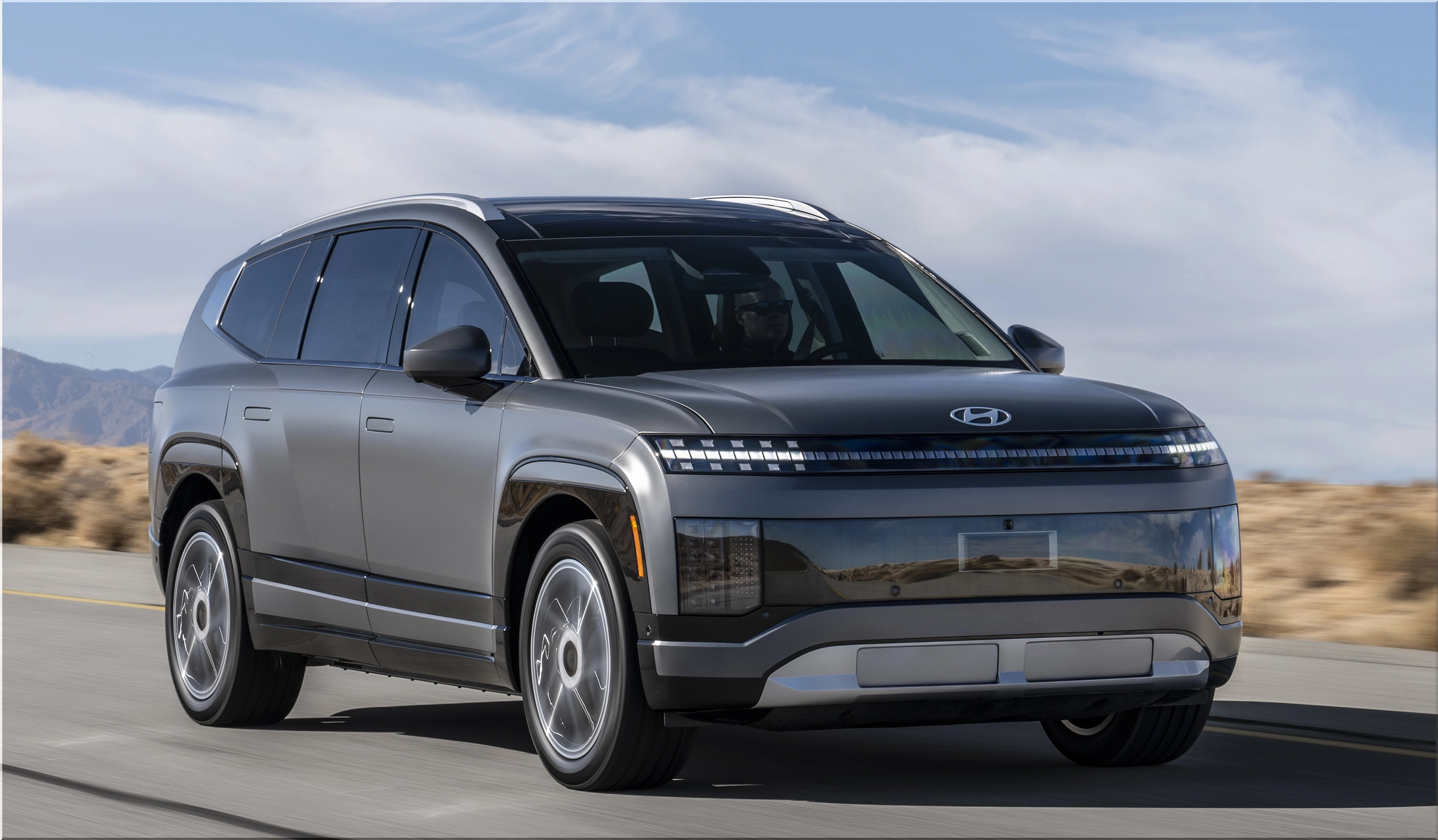
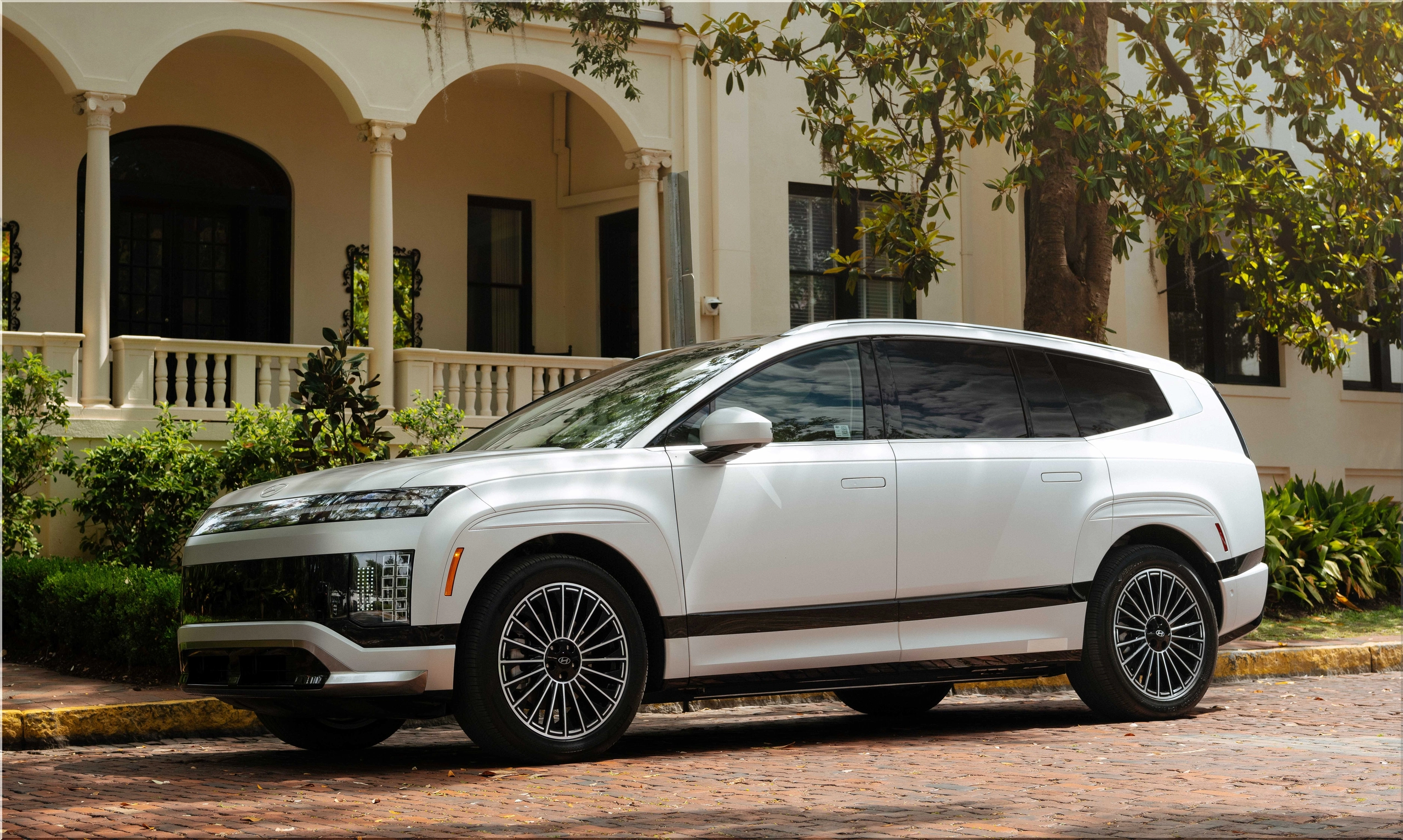
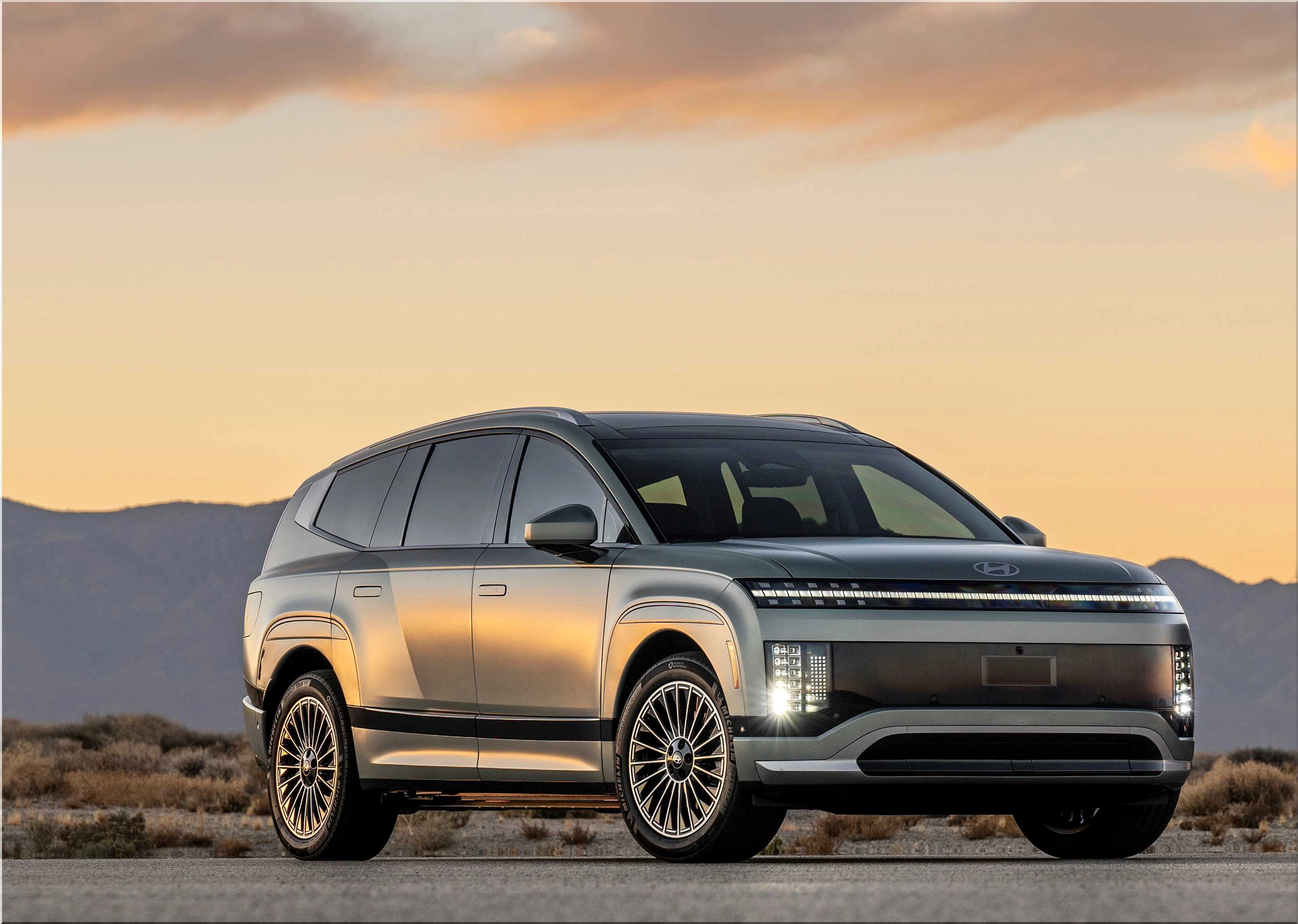
Hyundai positioned the IONIQ 9 as a three-row electric SUV with long-range capability and ultra-fast charging. The model targets families that want EV practicality without sacrificing space or comfort.
Core Factors Behind the Win
Family Capacity and Real Utility
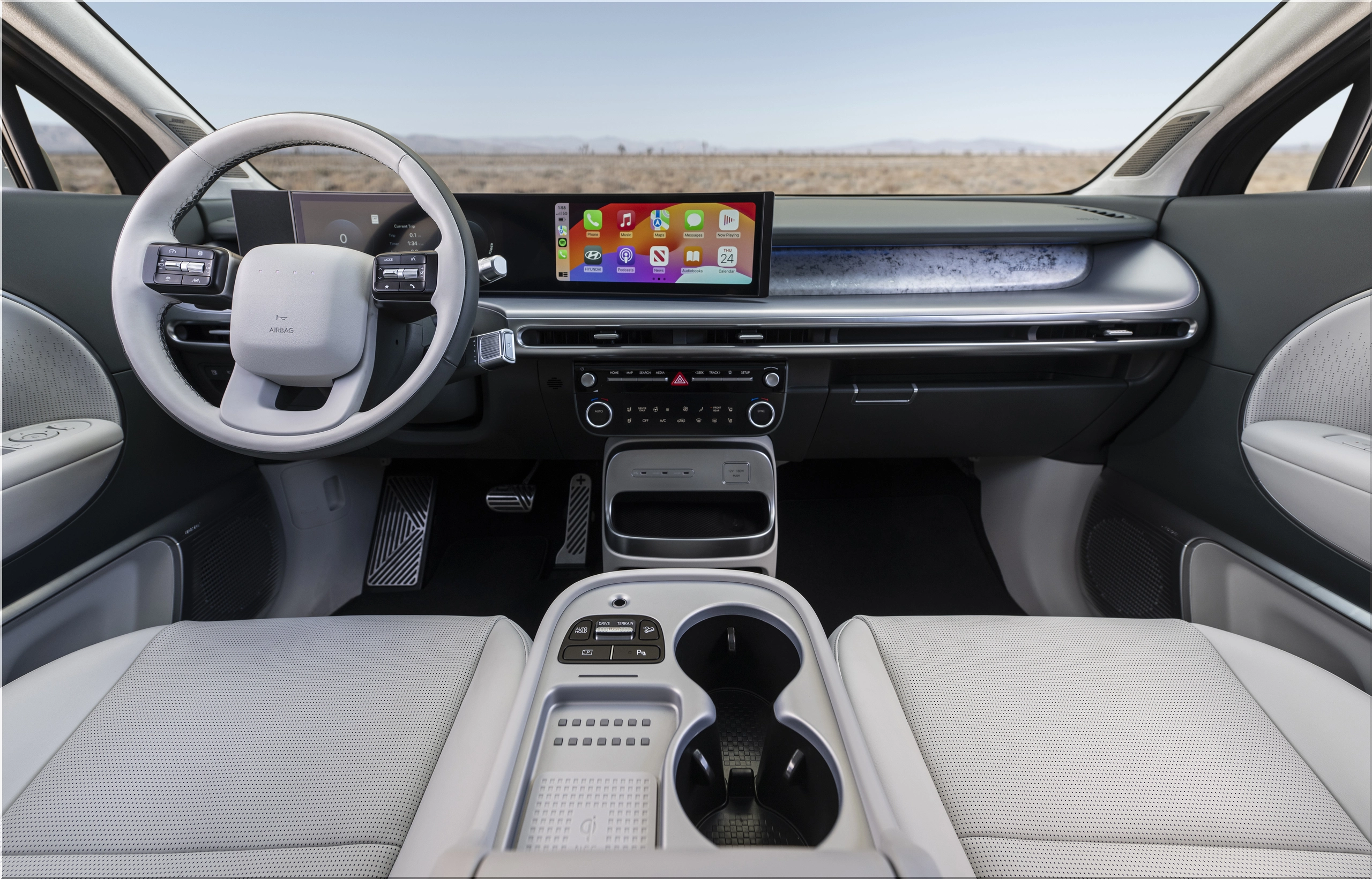
Hyundai designed the IONIQ 9 to solve common EV pain points. The panel cited strong packaging and generous interior space, which remains consistent across all three rows. Wide door openings and flat flooring improve loading and unloading.
Key functional takeaways:
- Three usable rows
- Quiet ride at highway speeds
- Strong low-speed torque for urban driving
- Large cargo capacity with seats folded
These strengths align with comments made by analysts on page 3 of the press release, where the Hispanic Motor Press emphasized space, quiet performance, and driver-assistance technology.
Long-Range Capability and Quick Charging
The IONIQ 9 uses Hyundai’s proven dedicated EV platform. The architecture supports:
- High-voltage fast-charge capability
- Stable highway range
- Strong thermal management for consistent performance
Hyundai markets the model as an EV that cuts downtime. Ultra-fast charging reduces wait times to a practical window for long trips. Fast-charge hardware plays a major role in the panel’s scoring because Hispanic families report longer average trip lengths compared with other buyer groups.
Safety and Driver-Assistance Technology
The judges scored the IONIQ 9 high for its driver-assistance system suite. The SUV offers lane-centering, forward-collision prevention, cross-traffic alerts, and hands-on highway assist. These features help reduce fatigue for daily commuting.
Hyundai’s COO stated that safety and convenience shaped the engineering roadmap. That emphasis matched what the jury wants from an EV positioned for family use.
Strong Value Position
The Hispanic Motor Press measures value through:
- Space per dollar
- Feature density
- Operating cost
- Resale-value projections
Hyundai’s retail pricing has not been formally announced, but based on competitive positioning and similar Hyundai EVs, projected pricing is expected to fall near the $55,000 to $65,000 USD range. That pricing places it under several premium three-row EVs while offering similar equipment levels.
The panel’s decision indicates that the IONIQ 9 meets a key threshold: families receive strong electric performance without paying luxury-segment premiums.
Industry Impact
Why This Award Matters
The Hispanic Motor Press Award drives purchase interest among Hispanic families, who represent a significant share of new-vehicle buyers in major U.S. markets. The award also signals broader industry trends:
- Demand for three-row EVs continues to rise.
- Buyers want fast charging, not larger batteries.
- Practicality outweighs luxury features in EV decision-making.
- Value and safety remain dominant purchase criteria.
Hyundai’s U.S. EV Momentum
Hyundai continues expanding production capacity in the U.S. The company now operates:
- A manufacturing plant in Alabama
- A new Metaplant facility
- Multiple R&D locations
These operations generate 190,000 U.S. jobs and contribute $20.1 billion annually to the U.S. economy, according to the company’s economic impact data on page 3 of the release.
Expanding U.S. output strengthens Hyundai’s ability to control pricing and reduce delivery times. This capacity will play a central role as demand for larger EVs grows.
Competitive Positioning
Three-Row EV Market Snapshot
| Model | Seating | Est. Price (USD) | Fast Charging | Market Position |
|---|---|---|---|---|
| Hyundai IONIQ 9 | 3 rows | ~$55k–$65k | Yes | Family EV value leader |
| Kia EV9 | 3 rows | ~$56k–$75k | Yes | Performance and design-focused |
| Tesla Model X | 3 rows | ~$80k+ | Yes | High-performance, higher cost |
| Mercedes EQS SUV | 3 rows | ~$105k+ | Yes | Luxury-focused |
The table shows how the IONIQ 9 slots into a pricing gap below premium EVs but above compact crossovers. The market has few three-row EVs under $70,000 USD, giving Hyundai early access to customers priced out of luxury segments.
Buying Considerations for Families
Key Reasons the IONIQ 9 Works for Real-World Use
- Fast charging cuts downtime during road trips.
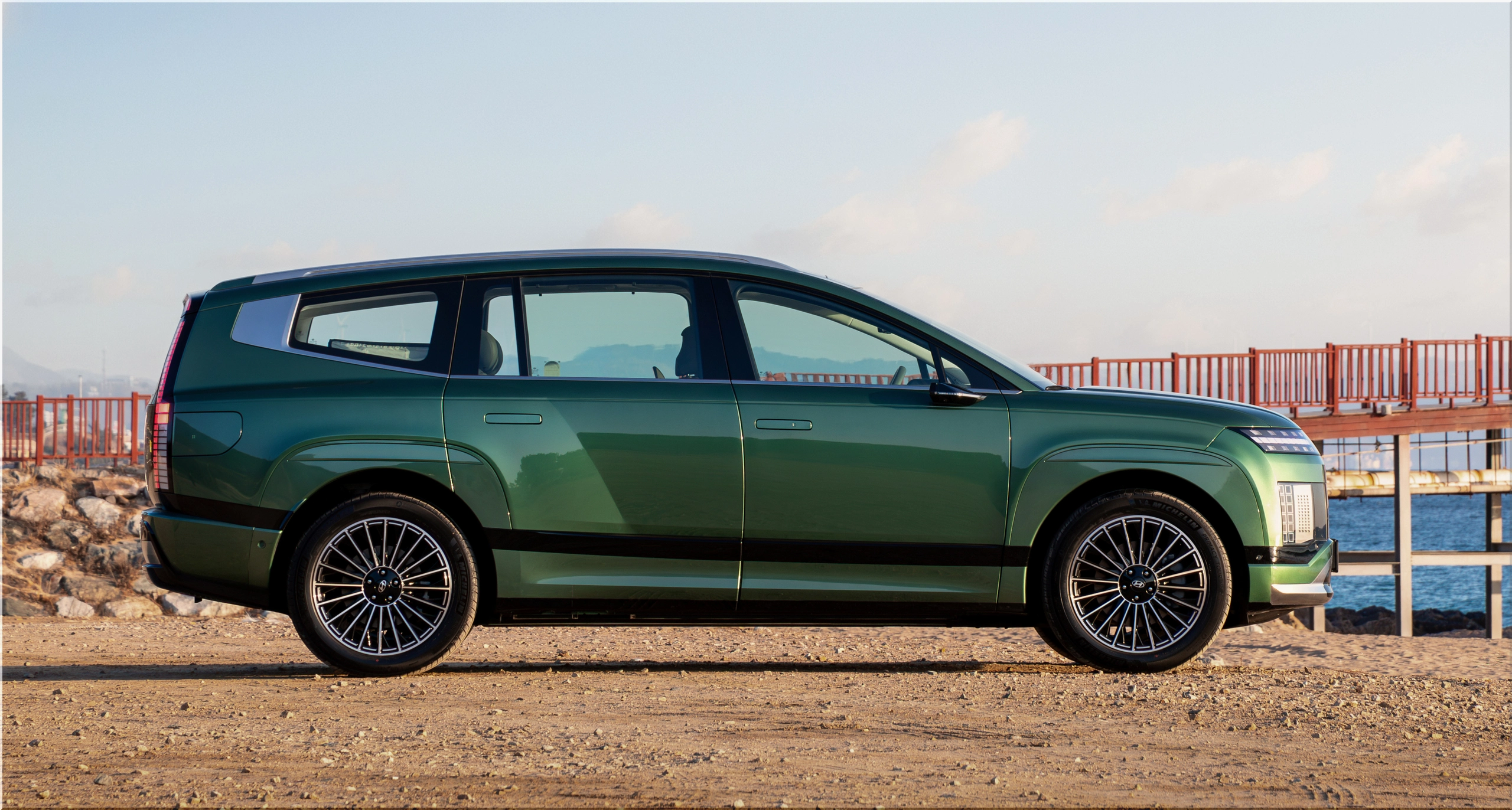
- Spacious third row supports adult passengers.
- Quiet cabin helps control fatigue during long drives.
- Advanced safety tech adds support during heavy traffic.
- Strong value positions the SUV as a smart long-term purchase.
Charging and Operating Costs
Household electricity prices vary, but EVs continue to offer lower energy costs compared with gasoline. The IONIQ 9’s efficient platform reduces consumption at highway speeds, pushing operational cost advantages further.
The Broader Takeaway for the EV Market
The IONIQ 9 win tells the industry that buyers will reward manufacturers that prioritize:
- Practical packaging
- Charging speed
- Real-world comfort
- Clear safety benefits
- Transparent pricing
Hyundai met those requirements with a direct, utilitarian approach. The award signals a shift toward EVs designed for everyday use, not concept-level experimentation.
With this win, Hyundai reinforces its position as one of the most disciplined EV developers in the U.S. market.
- Add new comment
- 134 views