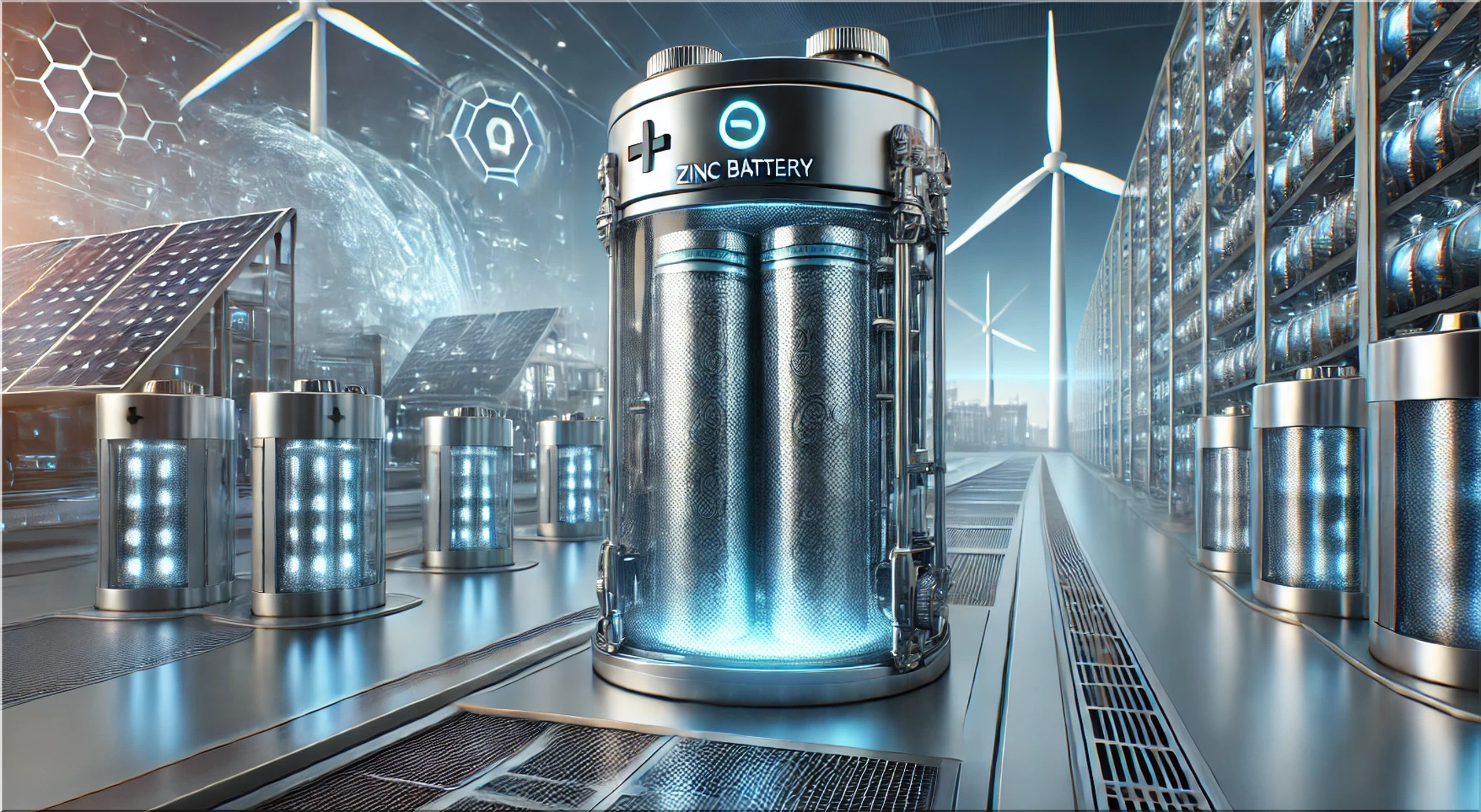
Clean and reliable power drives everything we do. Many devices depend on safe and strong storage systems. The world seeks better energy solutions that handle large loads and reduce environmental impact. Lithium-ion has ruled this market, but there is a contender. Zinc batteries are attracting attention for their long lifespan, cost-effective materials, and safety advantages. Researchers have boosted zinc-based technology with new methods that promise decades of solid performance.
This article examines how zinc batteries work, why they stand out, and how they might shape the future. It will explore key breakthroughs, real-world examples, and the challenges that remain. It will also map out possible steps ahead for sustainable and stable energy systems.
Why Zinc?
Zinc is an abundant metal. It appears across mining regions in many countries. It costs less than materials like cobalt and nickel. Companies often pay a fraction for zinc compared to rare metals. The typical global price for refined zinc hovers around USD 3,000 per metric ton, though it varies.
This makes zinc batteries attractive for both small and large applications. They do not rely on flammable liquids or exotic compounds. They can also operate within a wide temperature range. That helps keep them safe in various climates. Consumers and organizations want solutions that last longer and cost less. Zinc batteries check these boxes.
Key reasons why zinc stands out:
- Abundance: Widespread availability stabilizes costs.
- Low toxicity: Less harmful to people and the planet.
- Low fire risk: Reduced chance of thermal runaway.
- Stable voltage: Reliable discharge profile for many uses.
Key Factors That Expand Zinc Battery Lifespans
1. Dendrite Prevention
One of the biggest threats to zinc-based cells is dendrite buildup. Dendrites are tiny metal fibers that can grow during charge and discharge cycles. These fibers can create internal short circuits. This shortens battery life. Advanced coatings and improved electrolyte formulas reduce this problem.
2. High-Purity Materials
Refining zinc and selecting pure electrolytes helps cut impurities that spark unwanted reactions. This raises the cycle count. Reports suggest some zinc batteries can exceed 5,000 charge cycles with minimal capacity loss. Research continues to push that number higher.
3. Smart Charging Systems
Proper charging protocols allow longer battery life. Software can regulate current, voltage, and temperature. A well-managed charging schedule prevents stress that leads to corrosion or overheating. This strategy extends operational life and lowers the total cost of ownership.
4. New Chemical Methods
Recent scientific progress shows special additives in the electrolyte can block side reactions. One approach coats the electrode to manage ion flow. This maintains battery structure over many cycles. New tests point to potential lifespans of multiple decades. This is a big step forward for grid-scale or stationary applications.
Practical Applications
Zinc batteries offer broad flexibility. They can handle various tasks, from household backup units to large-scale grid support. Their stable chemistry makes them a strong candidate for remote areas. They can sit idle for long periods, then switch on when needed. Here are some fields where zinc power packs hold promise:
- Residential Energy Storage
- Homeowners install solar panels.
- They want safe, long-lasting backup systems.
- Zinc batteries handle daily cycles without major degradation.
- Commercial Backup Systems
- Data centers need stable energy.
- Zinc-based tech can supply that energy with lower fire risk.
- Longer life means fewer replacements, saving money.
- Grid-Scale Storage
- Large stations store surplus solar or wind power.
- They release it during peak demand.
- Zinc systems can scale to megawatt levels without large safety concerns.
- Microgrids in Rural Areas
- Communities off the main grid need power independence.
- Zinc batteries provide stable supply with low maintenance.
- They can function in harsh conditions.
- Electric Mobility
- Some electric vehicle developers investigate alternative chemistries.
- Zinc-ion or zinc-air packs are less prone to fire.
- Research aims to boost energy density.
Table: Comparison of Leading Battery Types
| Feature | Lithium-Ion | Lead-Acid | Zinc-Based |
|---|---|---|---|
| Typical Lifespan | 5–10 years | 3–5 years | 10+ years (some claim multiple decades) |
| Cost (USD/kWh) | 100–200 | 50–100 | 50–150 |
| Energy Density | High | Low | Moderate |
| Safety | Fire risk if damaged | Limited if sealed | Very low fire risk |
| Environmental Impact | Metals with recycling issues | Toxic lead disposal | Low toxicity, easy recycling |
Key points:
- Lithium-ion leads in energy density but raises safety questions and sometimes higher costs.
- Lead-acid remains cheap but has lower longevity.
- Zinc-based hits a balance of stability, moderate energy density, and long cycle life.
Challenges And Solutions
No battery system is perfect. Zinc technology faces its own difficulties. Research labs and companies address these points:
- Dendrite Growth
- Creates short circuits and capacity loss.
- Solution: Advanced electrolytes, specialized coatings, and controlled charging algorithms.
- Lower Energy Density Than Lithium-Ion
- Bulkier packs for the same energy.
- Solution: Optimized cell design. Potential breakthroughs in zinc-air chemistry.
- Material Purity
- Contaminants reduce lifespan and reliability.
- Solution: High-grade refining and consistent quality control.
- Market Recognition
- Consumers see lithium-ion everywhere.
- Solution: More data on long-term durability, plus cost comparisons.
Despite these issues, improvements arrive steadily. Large-scale demonstrations show that new zinc batteries can hit 10,000 cycles. Some developers project 20,000 cycles or more under ideal conditions. These cycle counts translate to decades of use in stationary energy storage. That implies fewer replacements over time and lower total costs.
The Future Of Energy Storage
Zinc batteries hold a unique spot in the energy sector. They are not chasing the top spot for ultra-high energy density. Instead, they aim to supply stable and safe power for large-scale and long-duration tasks. This makes them a strong choice for solar and wind integration on the grid. It also positions them for specialized industrial or commercial uses.
Potential advancements include:
- Solid-State Zinc: Scientists are testing solid electrolytes that reduce leakage and boost safety.
- Zinc-Air Innovation: This design could improve energy density by tapping oxygen from the air.
- Flexible Form Factors: Thin-film designs might power wearable devices or small sensors.
Researchers predict that future zinc-based cells will improve. They may shrink in size, offer better charge rates, and reach new cycle records. If these leaps happen, the technology might outcompete older chemistries.
Analyzing Market Impact
Falling prices for renewable power push the search for cheaper and safer storage. Grid operators and big tech companies invest in pilot projects that combine solar panels and wind turbines with zinc batteries. They aim to level out supply and demand. Some forecasts project multi-billion USD investments in zinc-based storage within the decade. Widespread adoption depends on performance data, cost trends, and manufacturing capacity.
Why Long Lifespan Matters
Longevity stands as a key factor in total cost. A battery that lasts 20 years or more can save operators big sums in maintenance. Zinc systems show strong potential here. Their chemistry resists the wear and tear that plagues lead-acid or lesser-known variants. This is essential for infrastructure that must run 24/7 with minimal downtime.
Real-World Examples
- Utility-Scale Pilot in North America
- A power company tested a 10 MWh zinc-based storage unit.
- After three years of operation, the system still holds over 90% capacity.
- The company expects 15+ years of life at normal usage.
- Remote Facility in Africa
- A health center lacked stable electricity.
- They installed solar panels and zinc storage units.
- Maintenance is minimal. The staff reports no major safety concerns.
- Commercial Building in Asia
- A large data hub needed reliable backup.
- They replaced older lead-acid racks with zinc batteries.
- Cooling needs decreased, reducing monthly energy bills.
These snapshots show that zinc solutions exist in real-world conditions. They are not limited to laboratories or small trial runs. Commercial orders are rising as producers fine-tune designs.
Useful Tips For Adopting Zinc Batteries
Organizations weighing a switch to zinc power systems should consider these steps:
- Assess Power Needs
- Calculate how many kilowatt-hours are required.
- Determine peak loads.
- Aim for a comfortable reserve margin.
- Evaluate Environmental Conditions
- Check temperature ranges and humidity levels.
- Zinc cells can handle wide swings but still need basic protection.
- Review Maintenance Plans
- Zinc systems often need less upkeep.
- Confirm that local technicians have proper training.
- Compare Costs Over Time
- Factor in replacement cycles.
- Longer battery life might offset higher upfront fees.
- Stay Updated on New Features
- Developers release improved electrolytes and advanced controllers.
- Look for next-generation models with better cycle life.
Technical Insights
Zinc-ion and zinc-air share some traits but differ in how they produce and store charge:
- Zinc-ion: Uses zinc as the anode and a metal oxide or other compound as the cathode. The electrolyte can be water-based with salts that help ions move. This design aims for a stable voltage and good cycle life.
- Zinc-air: Relies on oxygen from the air to produce electricity. This leads to a higher theoretical energy density. However, it needs catalysts and efficient air channels. Engineers struggle with electrode clogging and limited recharge cycles. Progress is underway to solve these issues.
Future Expectations And Innovations
Some experts predict that big investments will flood into zinc battery research. The hope is to match or exceed lithium-ion capacity, at least for stationary systems. Scientific papers show new chemical additives that slow or stop dendrite formation. They also reveal data on advanced coatings that keep electrodes intact over many cycles.
Expect cost improvements as production scales up. At the moment, zinc-based solutions may range from USD 50 to USD 150 per kWh. Large factories can drive those prices lower. If that happens, it will place zinc on par with other mainstream options, while offering longer lifespans and lower risk of fire. Governments may support these developments with grants or tax incentives.
Sample Power Use Cases
Below is a short list of how zinc batteries might fit different needs:
- Small Homes:
- Typical daily use of 10–20 kWh.
- A single zinc system can store that with ease.
- Medium Businesses:
- 100–500 kWh daily.
- Several racks of zinc modules can cover short outages or solar bridging.
- Utility Services:
- Megawatt-scale systems that handle thousands of kWh.
- Large containerized setups can manage grid load shifts.

Conclusion
Zinc batteries carry a solid track record. They stand apart through safety, low cost, and potential for decades-long operation. Scientists have tackled their main drawbacks. They are controlling dendrite growth, refining materials, and improving recharge methods. These breakthroughs suggest that zinc could power everything from data centers to remote medical clinics.
Yes, zinc sits in a busy field. Many battery chemistries compete for attention. Lithium-ion remains the default for many projects, especially in consumer electronics. Yet, the rising call for large and stable storage points to zinc-based solutions. Lower fire hazards and longer service life help them stand out. Market watchers and engineers see a chance for zinc to defy old limits and usher in a new era of power.
With each fresh innovation, we see a clearer path for zinc to play a major role in global energy storage. Its practicality, availability, and clean profile set it apart in a fast-changing world of power demands. If new testing and scaling efforts deliver on their promises, zinc batteries could carve out a permanent spot in the energy market, bringing stable solutions that last for many years. And that is the kind of long-term reliability people crave in a power-hungry environment.
Zinc might not grab headlines for high-density achievements, but it excels in durability and safety. This quiet strength indicates a bright horizon for those seeking dependable power. By delivering on the promise of multi-decade performance, zinc batteries are defying limits and shaping a secure future for global energy needs.
- Add new comment
- 239 views