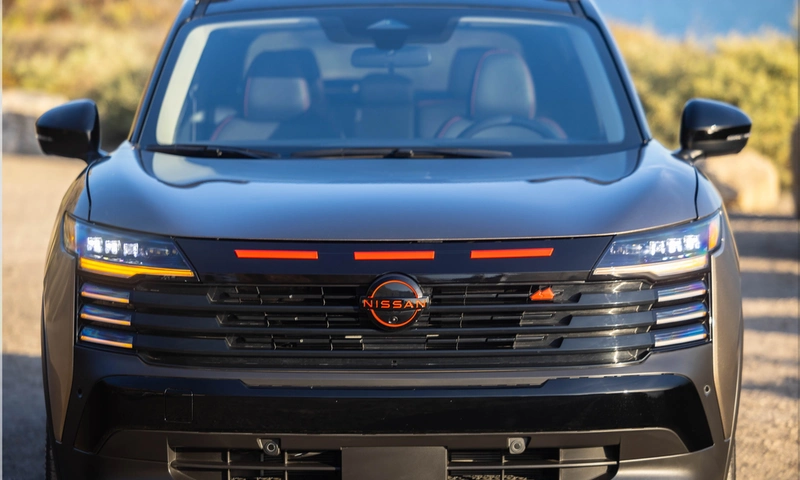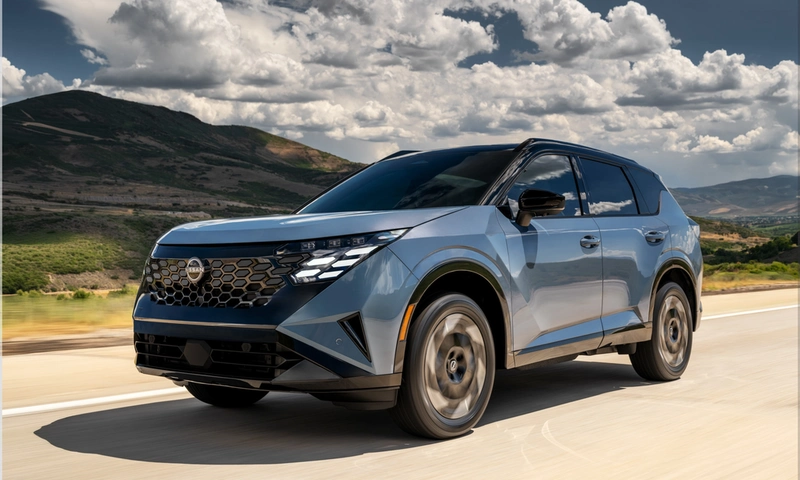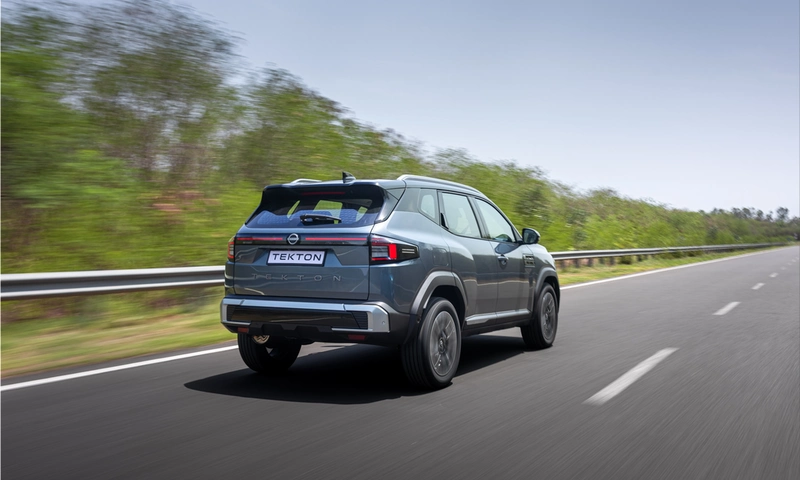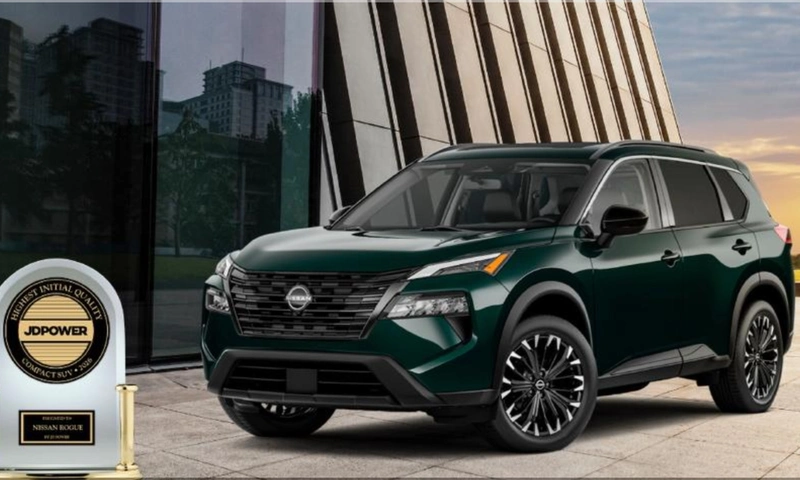
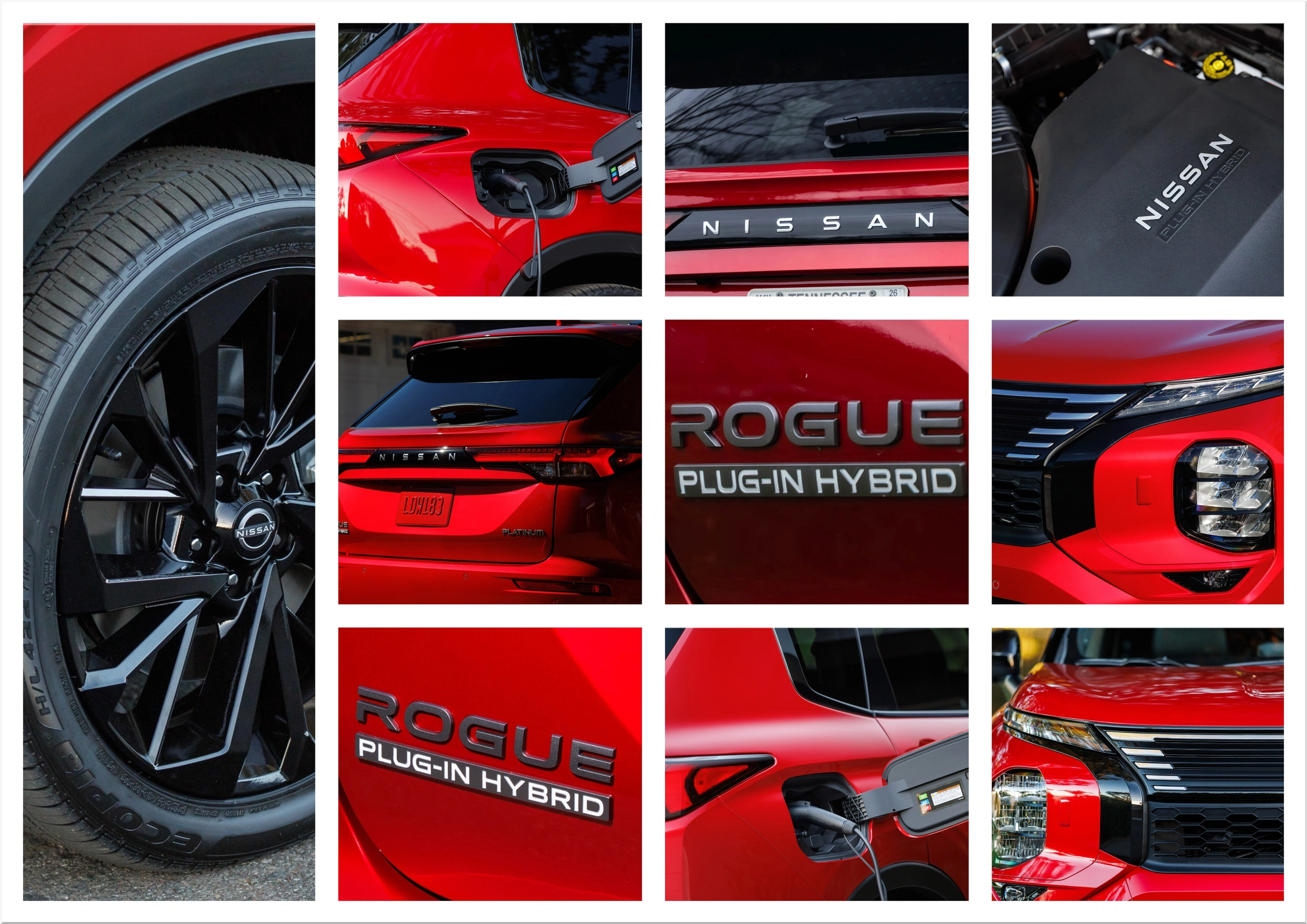
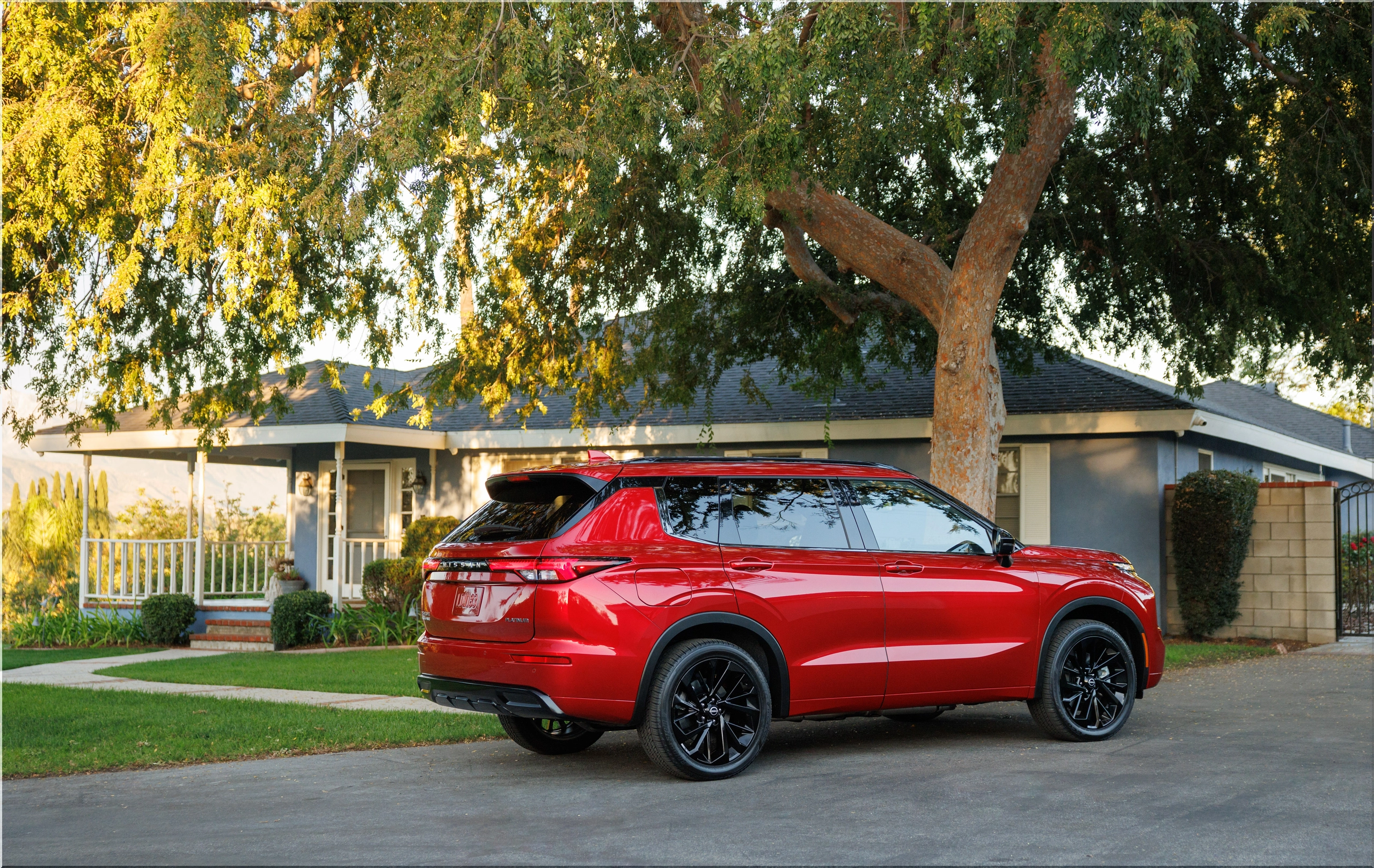
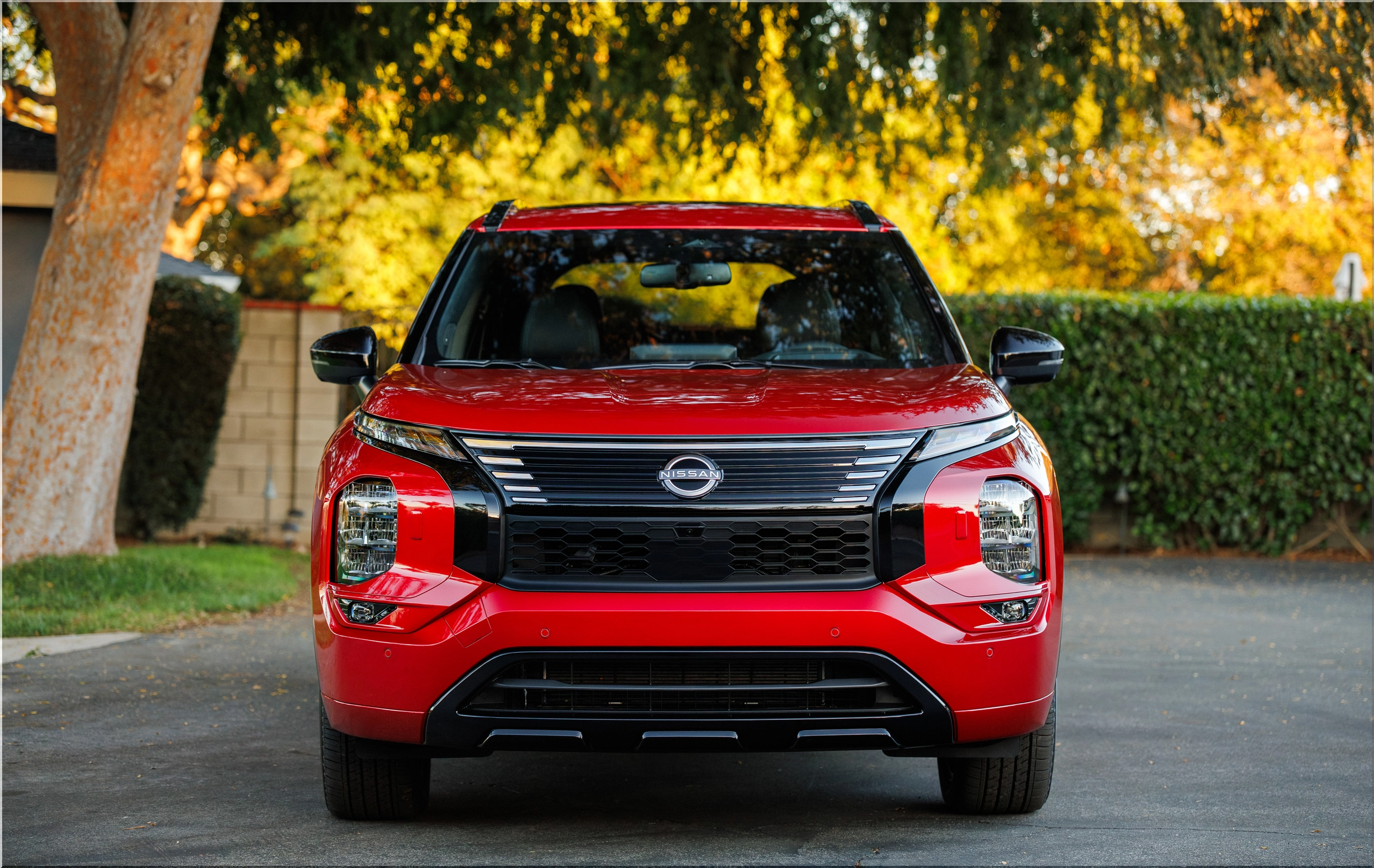
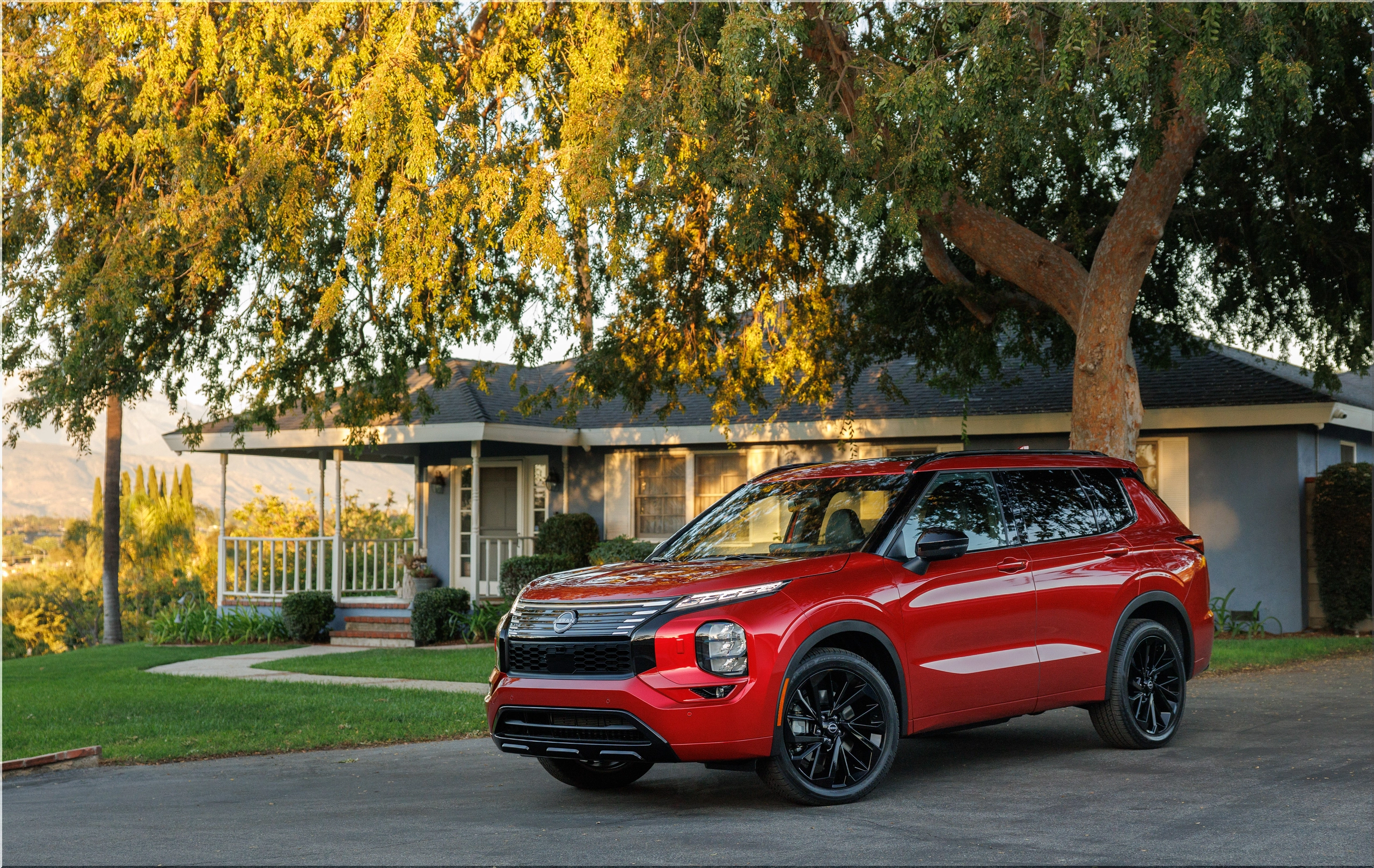
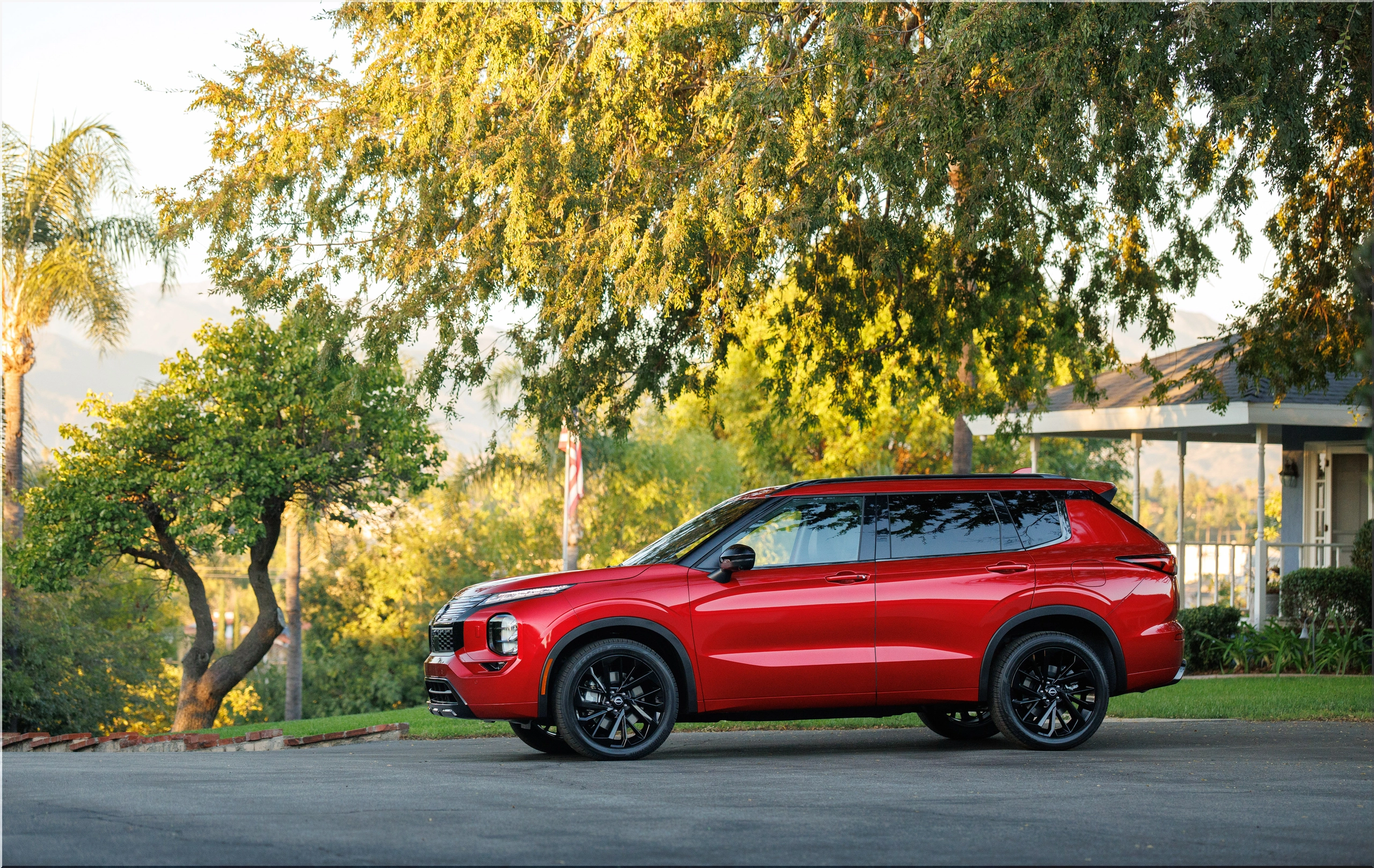
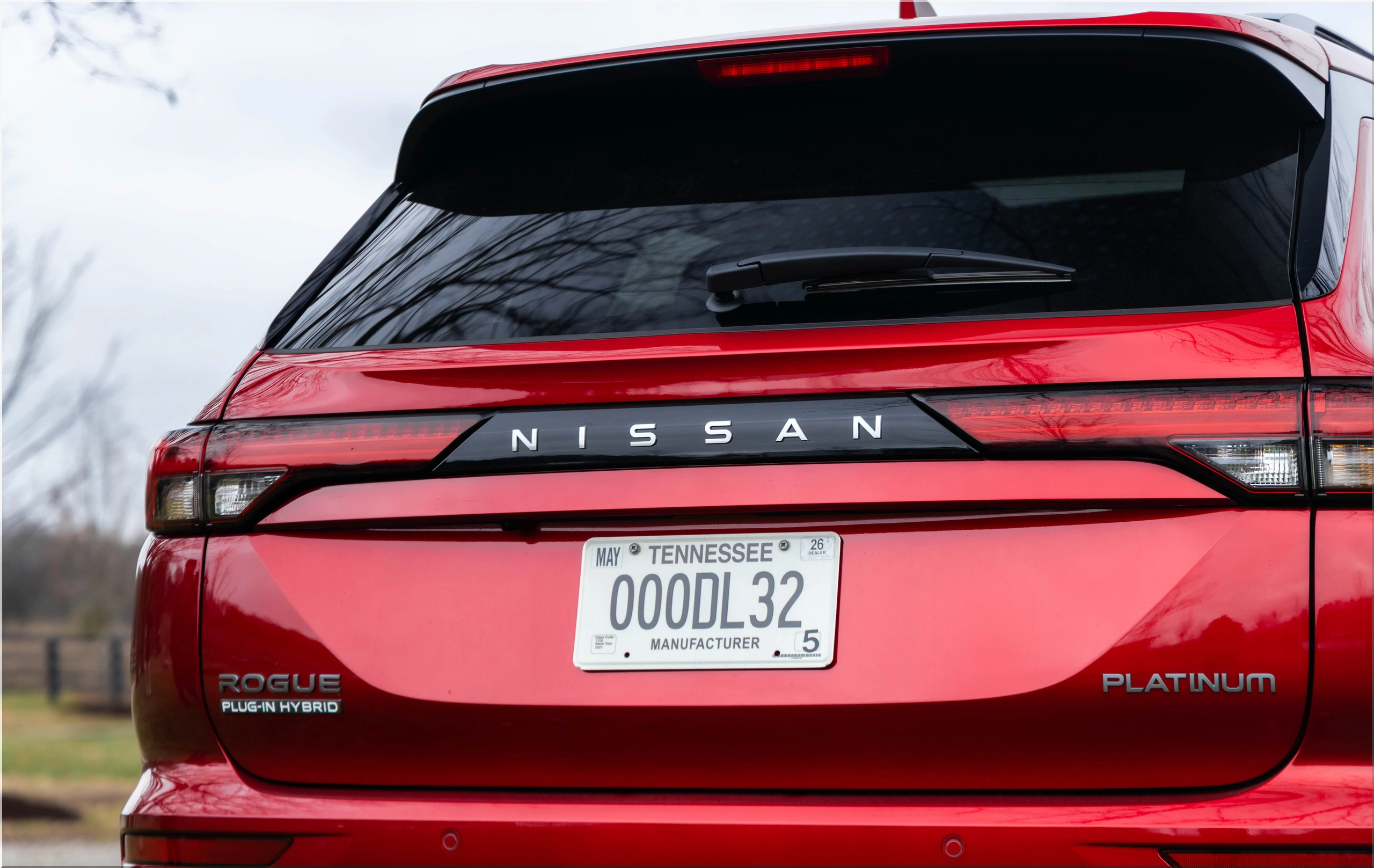
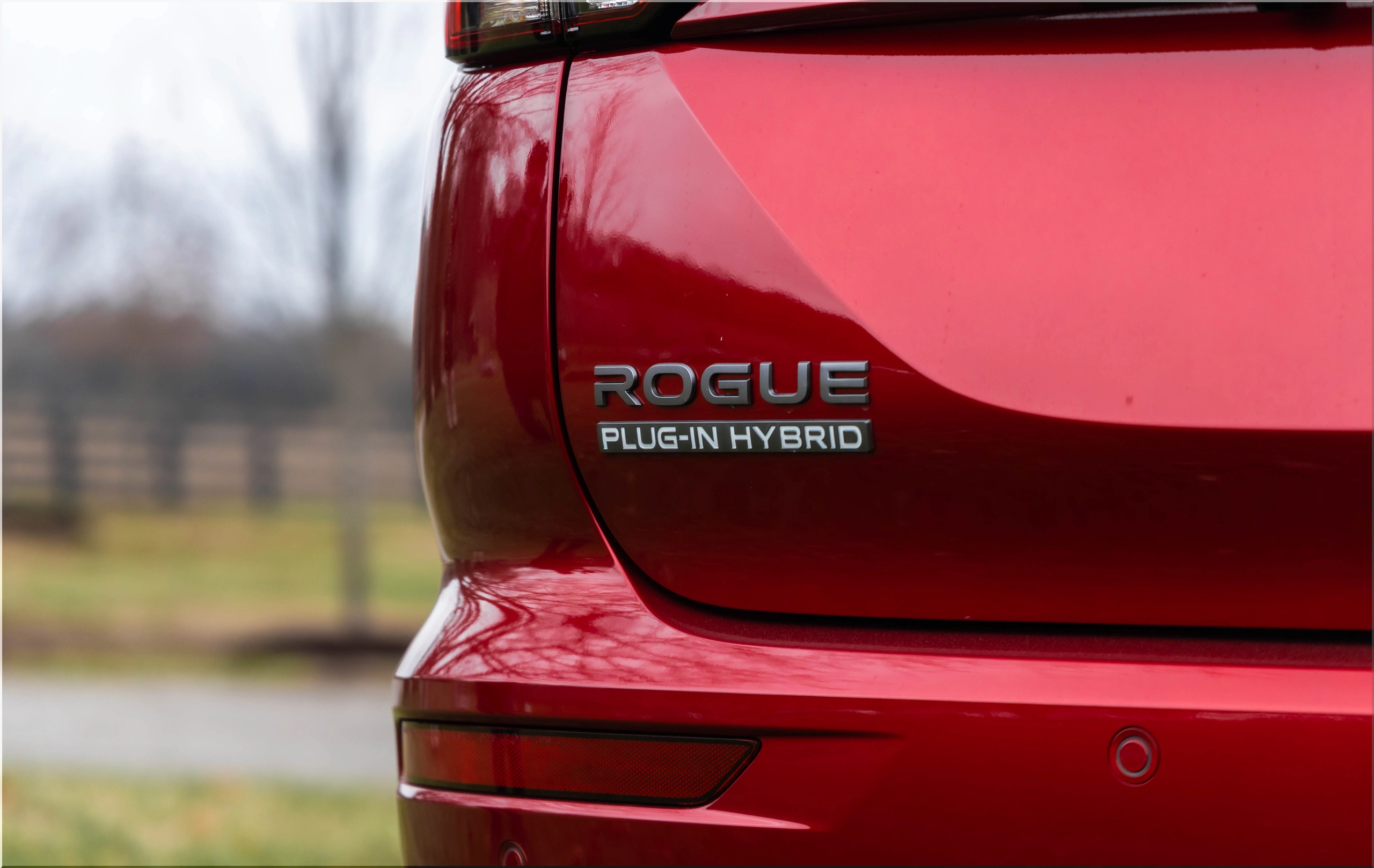
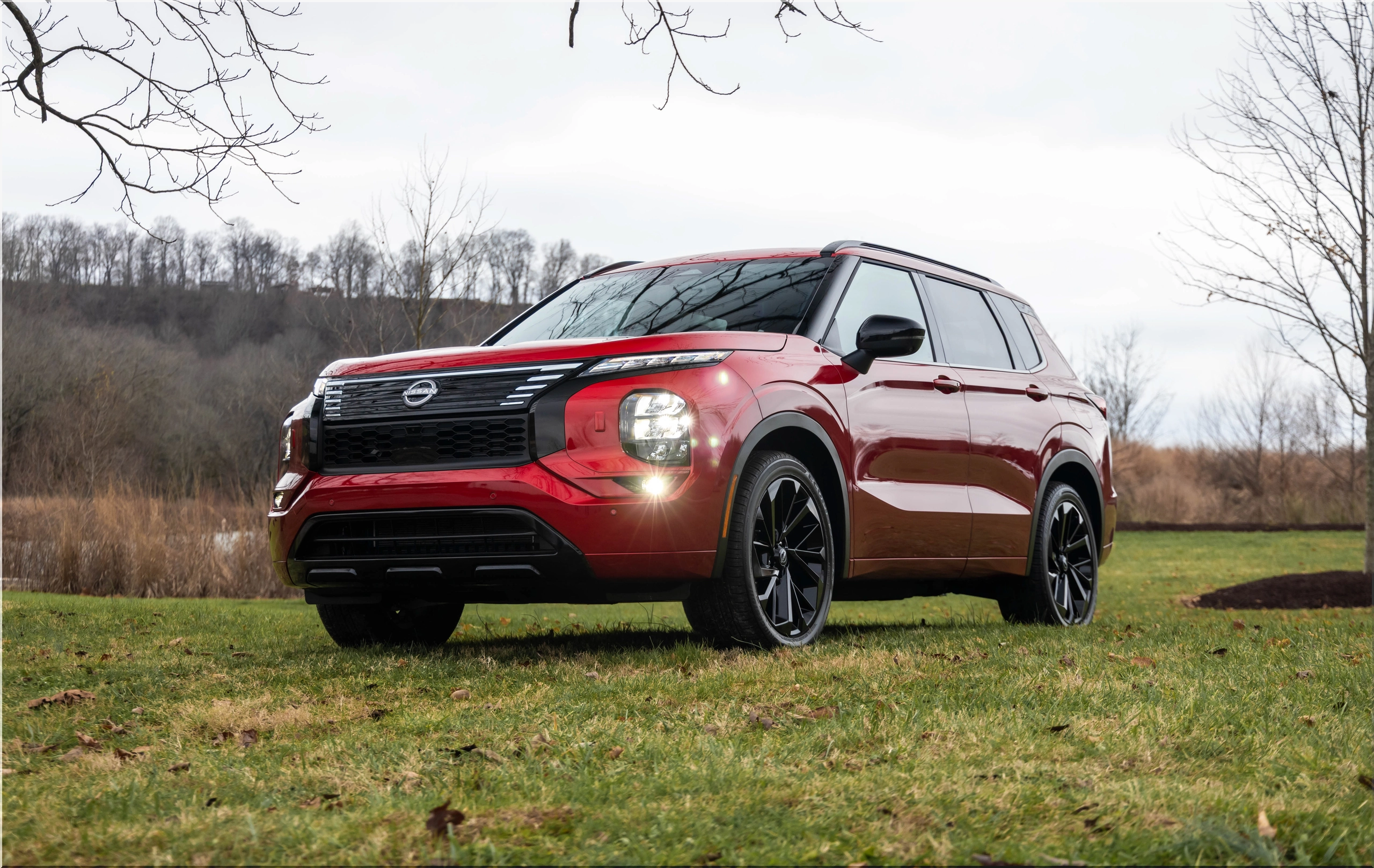
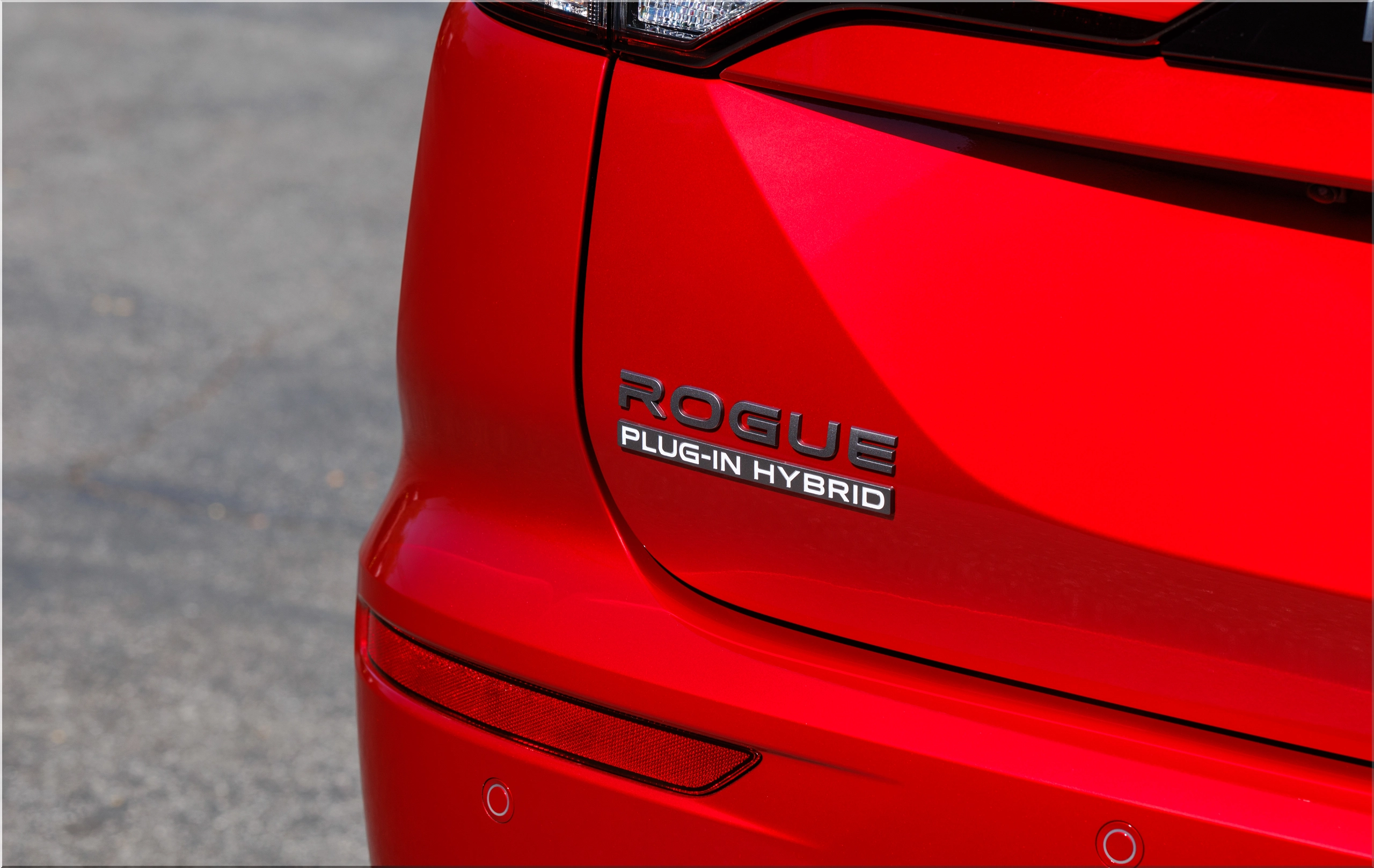
The 2026 Nissan Rogue Plug-in Hybrid marks a shift for Nissan in North America. This model serves as the brand's first PHEV entry in the United States. It utilizes a shared platform strategy to bridge the gap between internal combustion and full electrification. Nissan positions this SUV to compete directly with established fuel-efficient leaders in the compact crossover segment.
Powertrain Specs and Performance Results
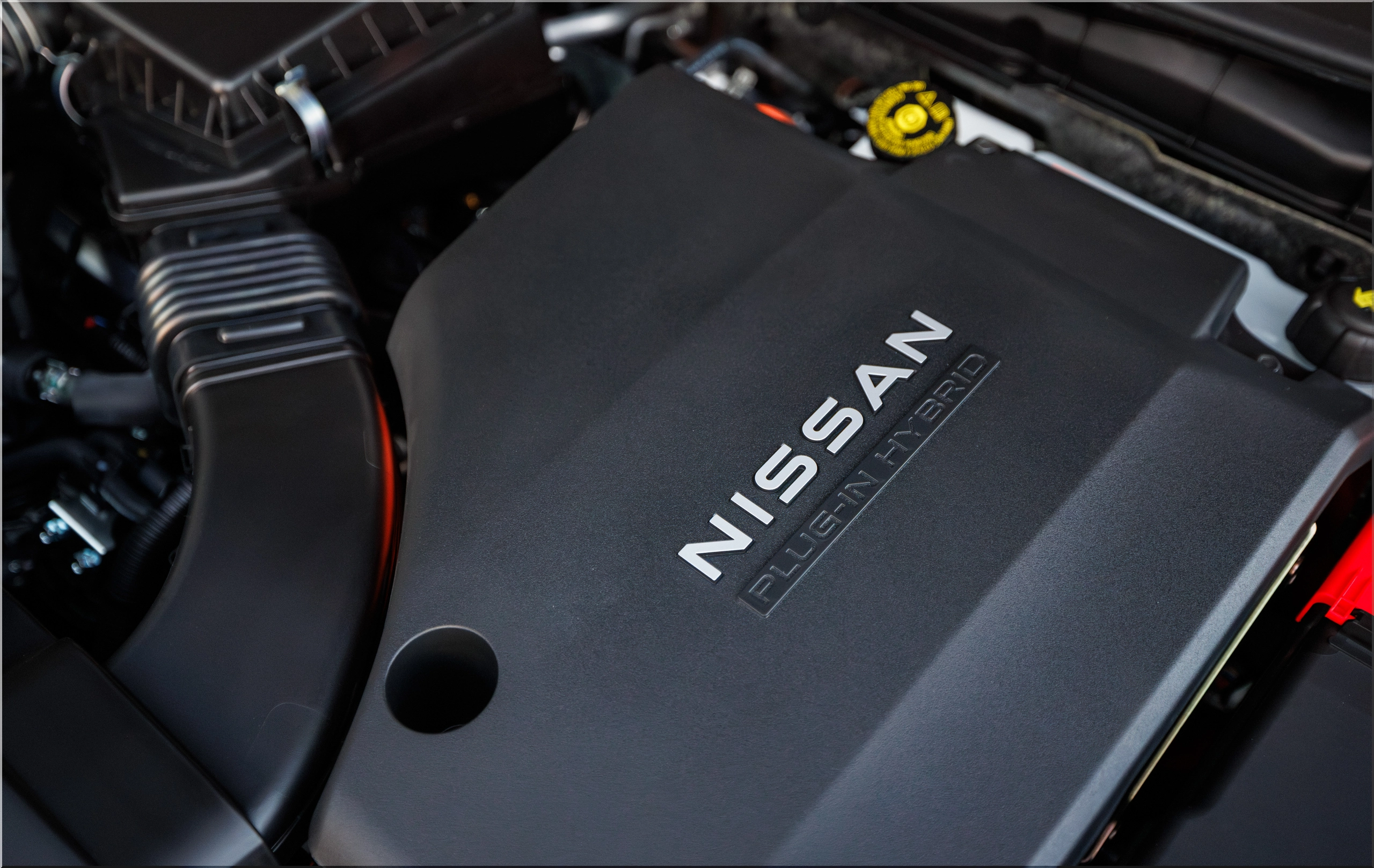
The 2026 Nissan Rogue Plug-in Hybrid uses a 2.4-liter four-cylinder gasoline engine paired with two electric motors. This system produces a combined 248 horsepower and 332 lb-ft of torque. These figures surpass the standard gas-only Rogue, which delivers 201 horsepower and 225 lb-ft of torque.
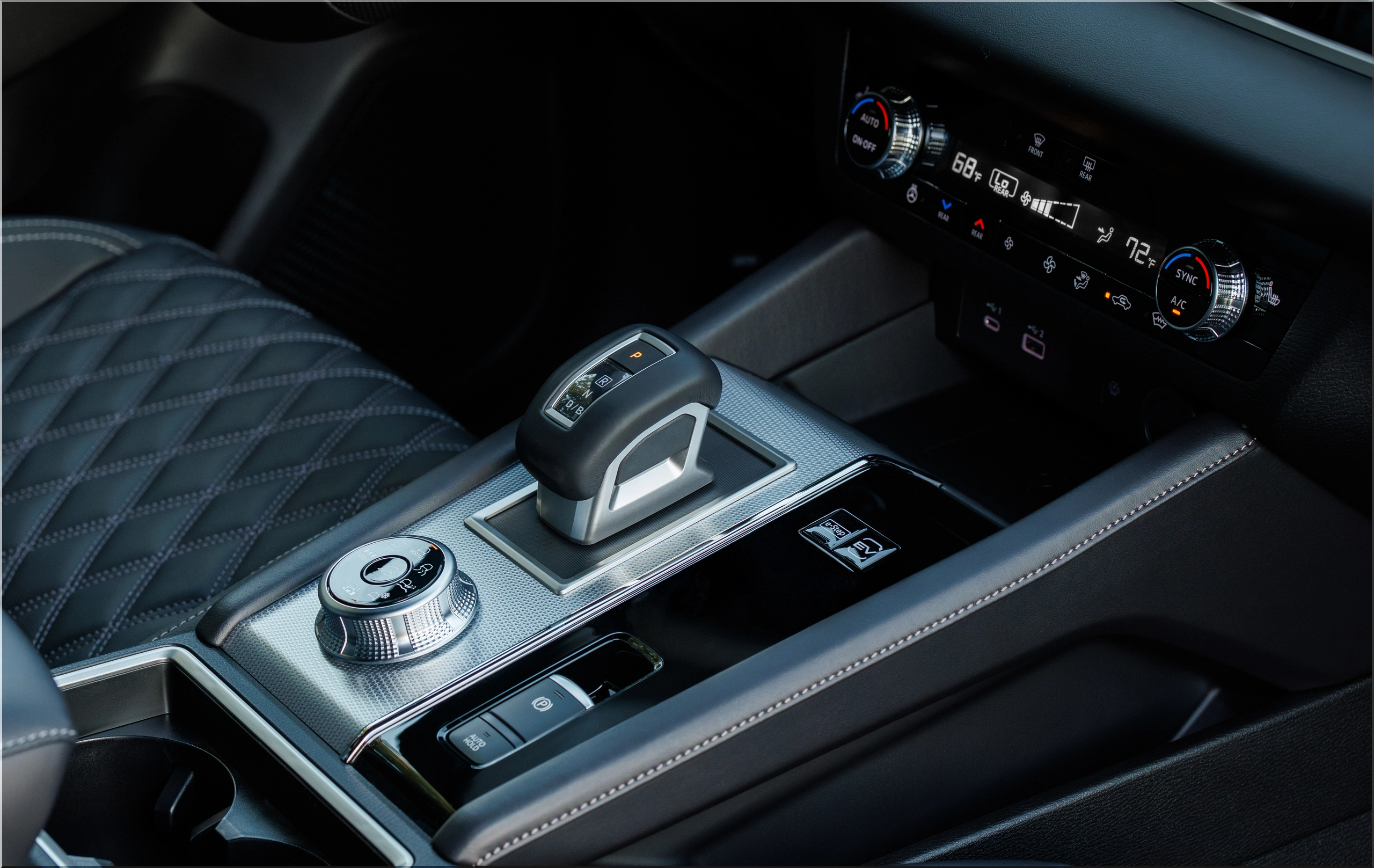
Standard Intelligent All-Wheel Drive ensures power reaches all four wheels. The vehicle features a 20-kWh lithium-ion battery pack. This hardware allows for an estimated 38 miles of all-electric range on a full charge. For daily commuting, many drivers can operate without using gasoline.
When the battery depletes, the vehicle operates as a traditional hybrid. In this mode, it achieves an EPA-estimated 26 mpg combined. The total driving range for a full tank and full charge is approximately 420 miles. The powertrain efficiency is rated at 64 MPGe.
Charging Times and Drive Modes
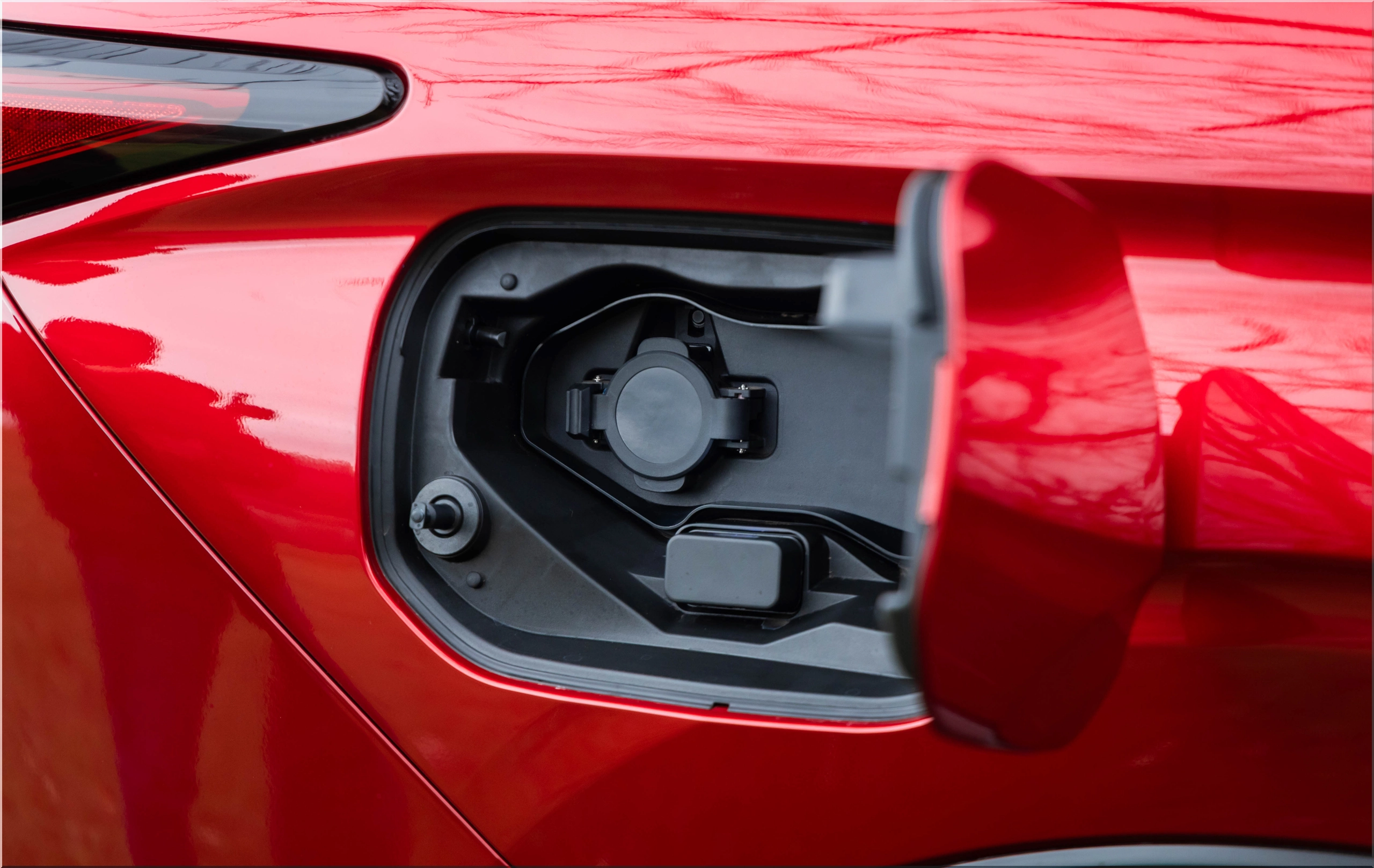
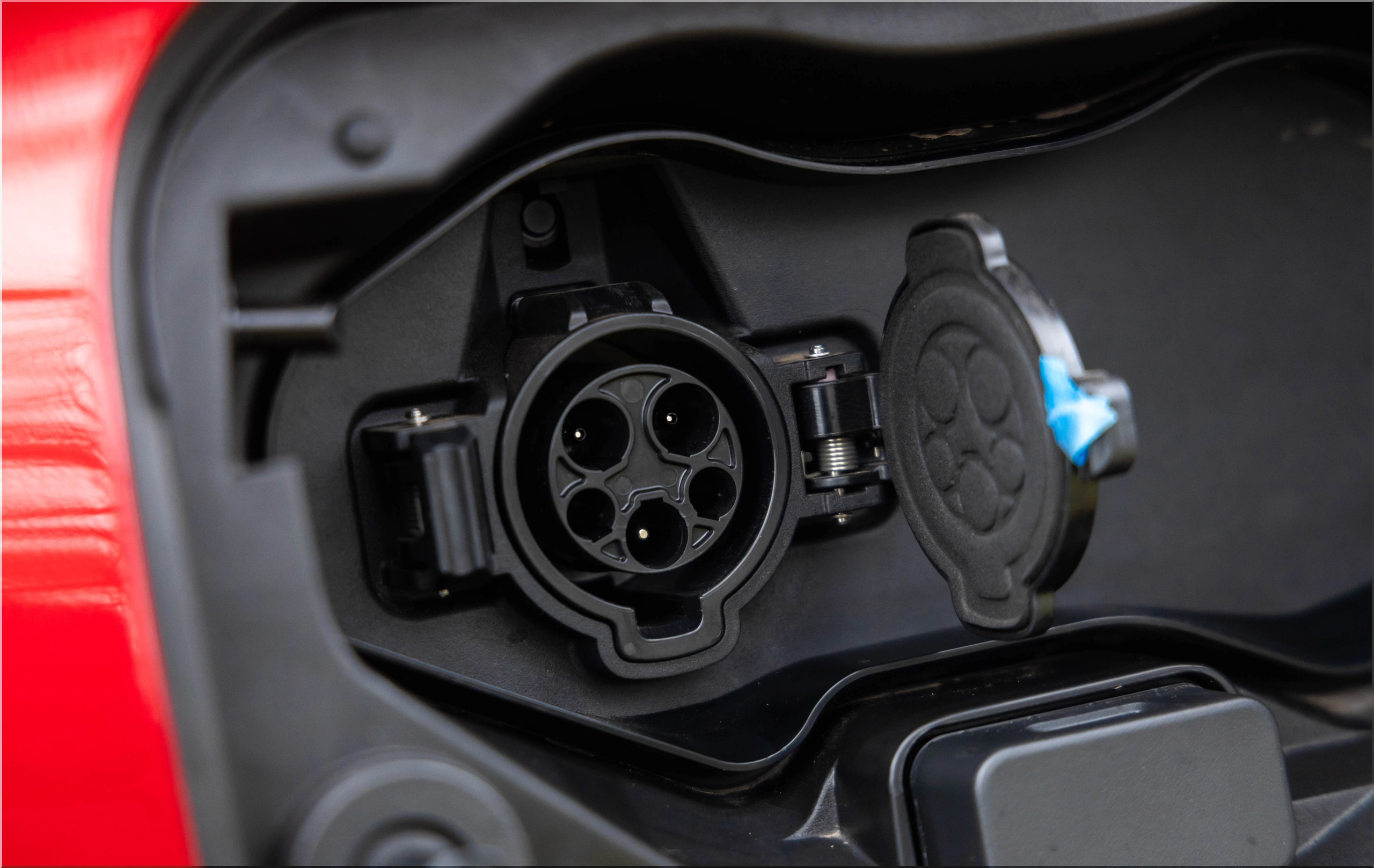
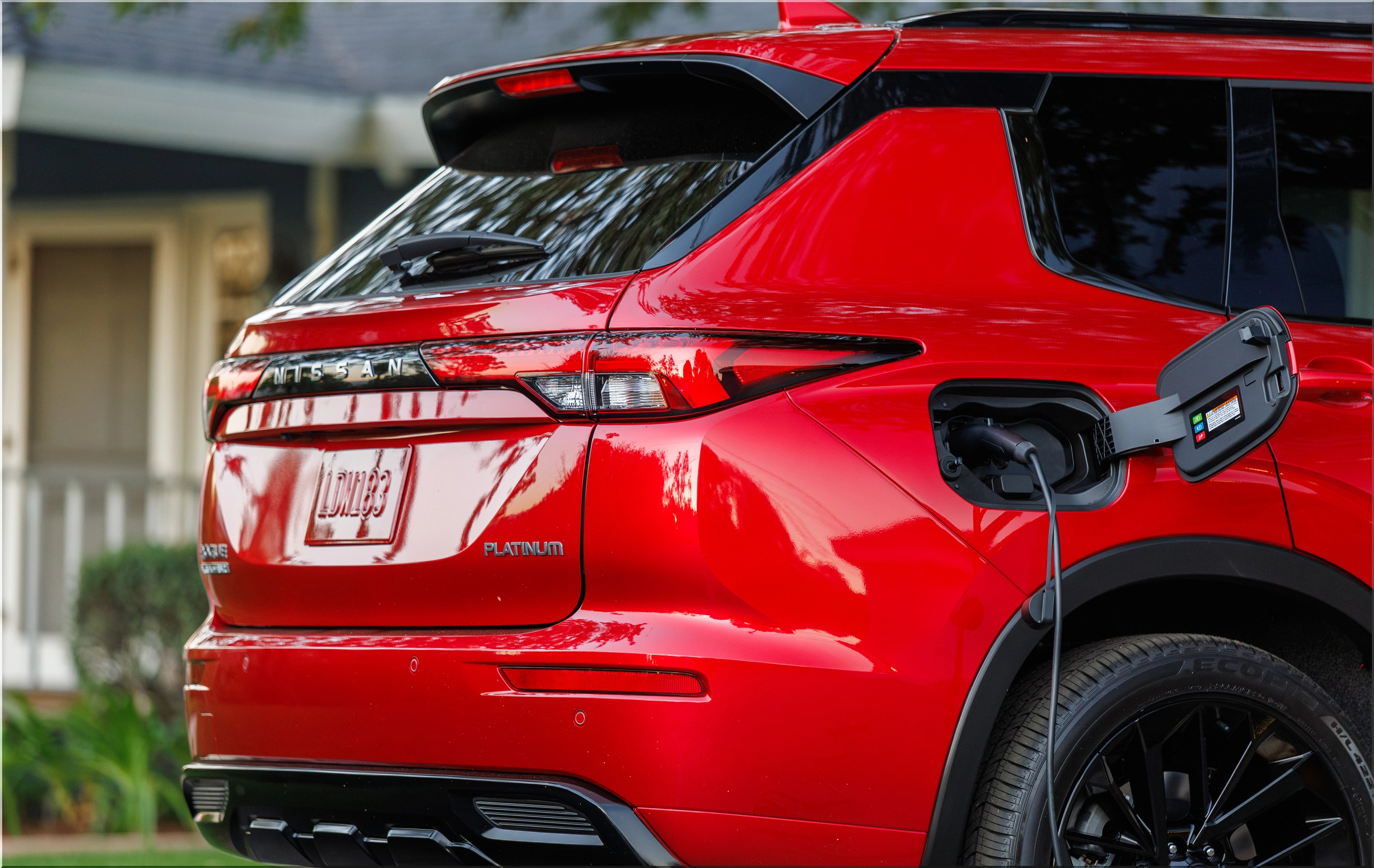
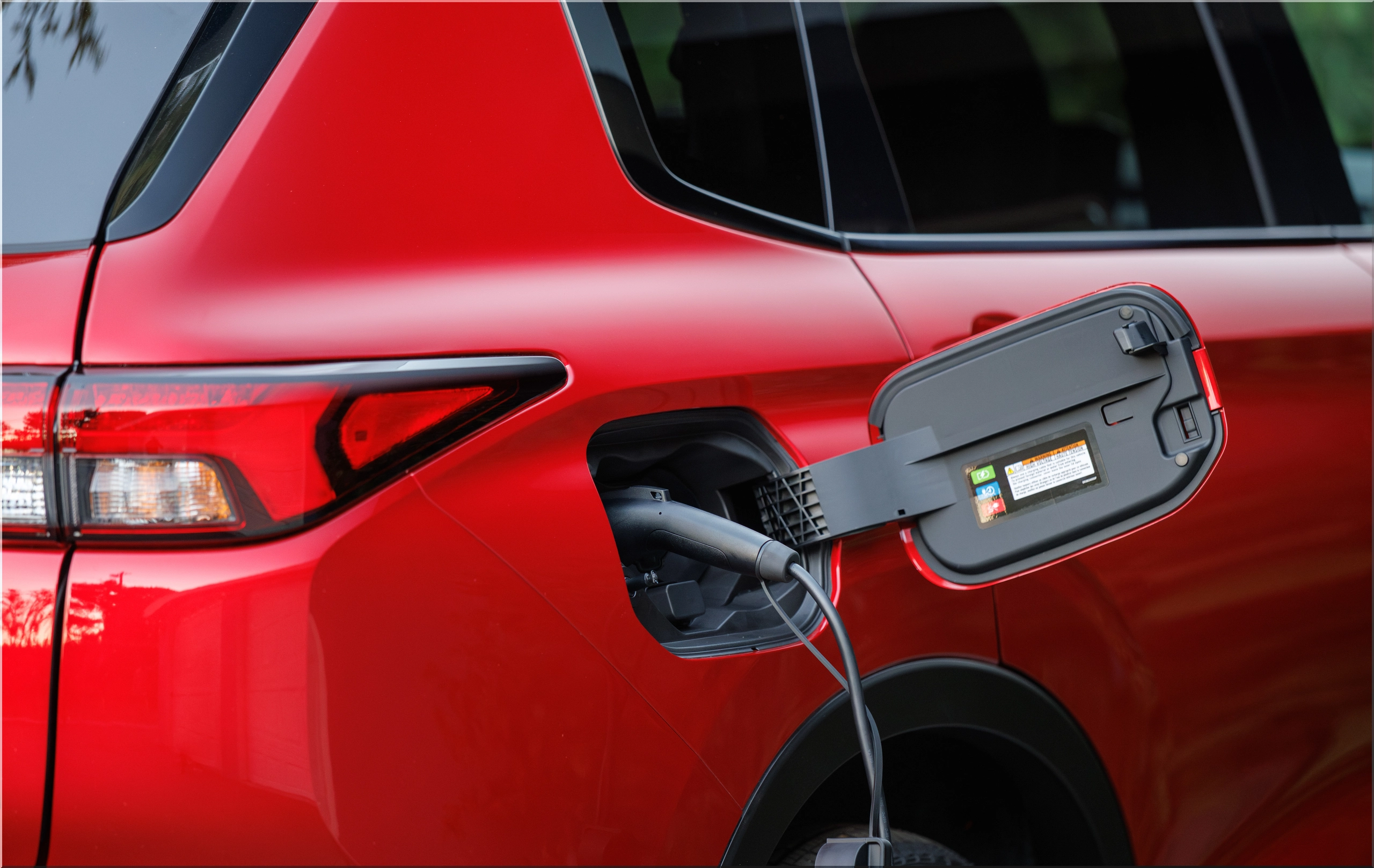
Charging the Rogue PHEV requires planning. On a Level 2 (240V) charger, a full replenishment takes roughly 7.5 hours. Using a standard 120V household outlet increases that time to 16 hours. Nissan does not offer DC fast charging on this model.
Drivers can manage energy through three specific modes:
- EV Mode: Prioritizes battery power for zero-emission driving.
- Save Mode: Maintains the current battery level for later use.
- Charge Mode: Uses the gasoline engine to charge the battery while driving.
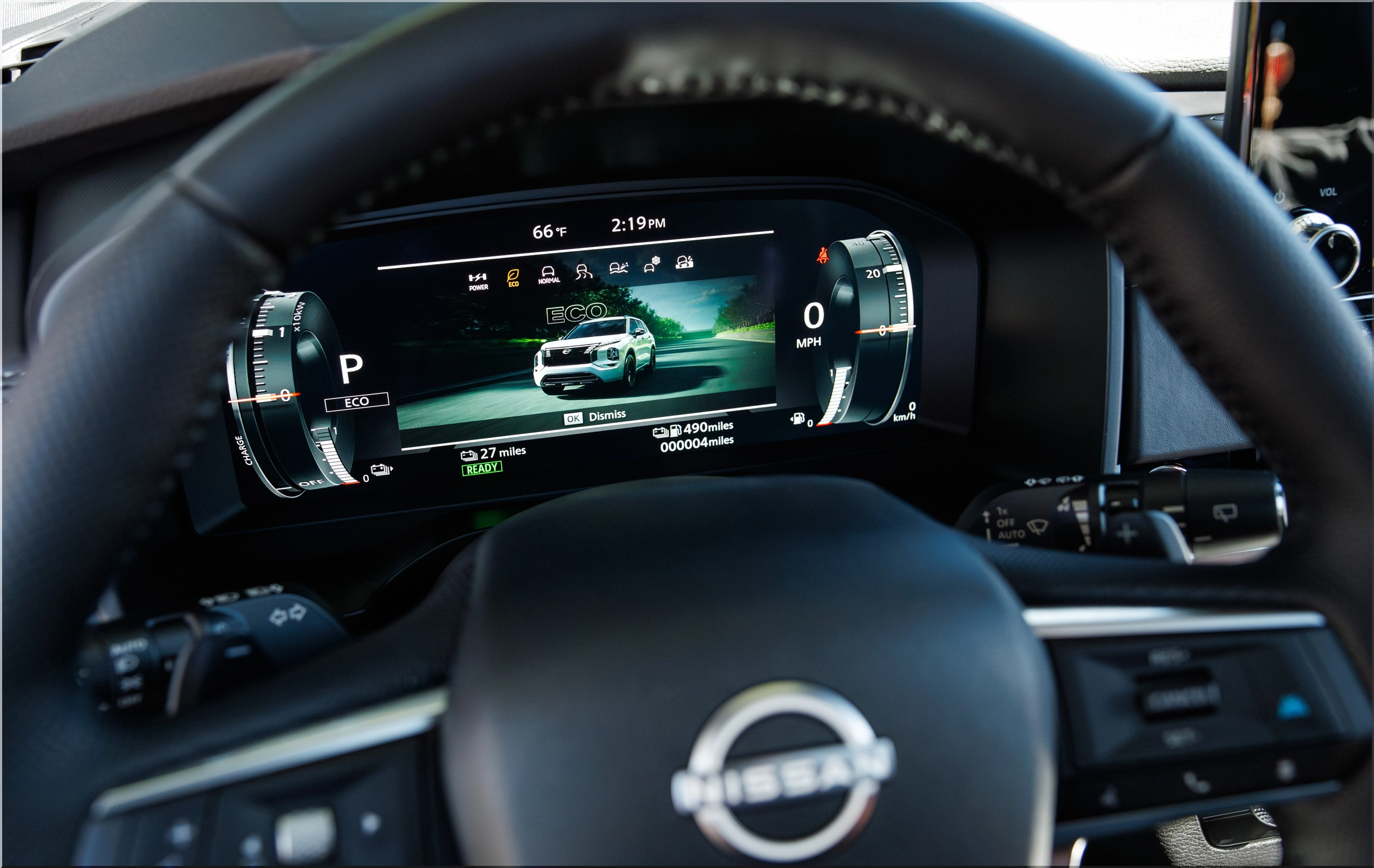
The vehicle also includes seven distinct drive modes to handle different terrains: Normal, Power, Eco, Tarmac, Gravel, Snow, and Mud.
Trim Levels and Standard Features
Nissan simplifies the lineup for the 2026 Rogue Plug-in Hybrid by offering only two high-end grades: SL and Platinum. Both trims come with a high level of standard equipment.
Rogue PHEV SL Grade
The SL AWD starts at $45,990. Standard features include:
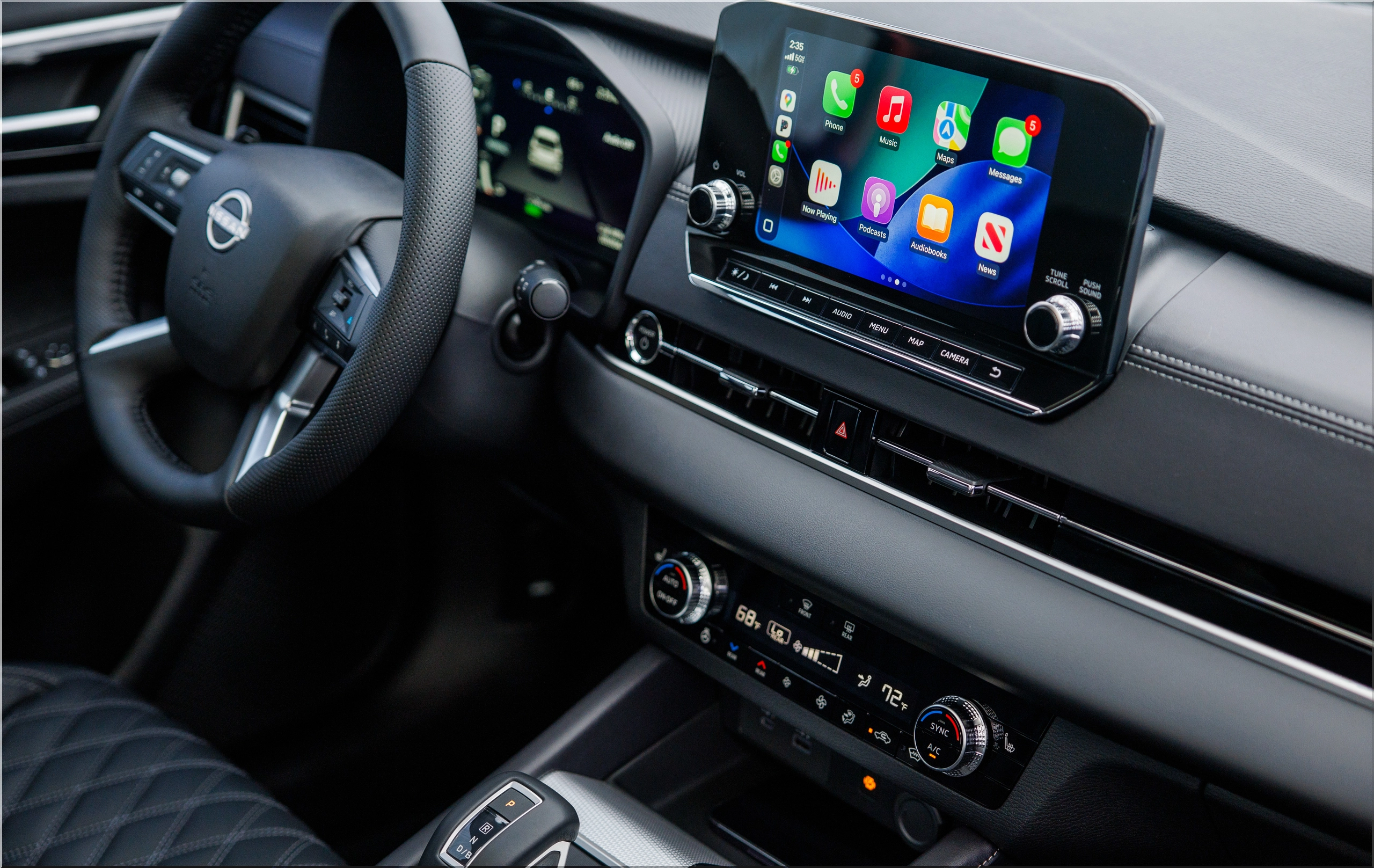
- 12.3-inch digital instrument cluster
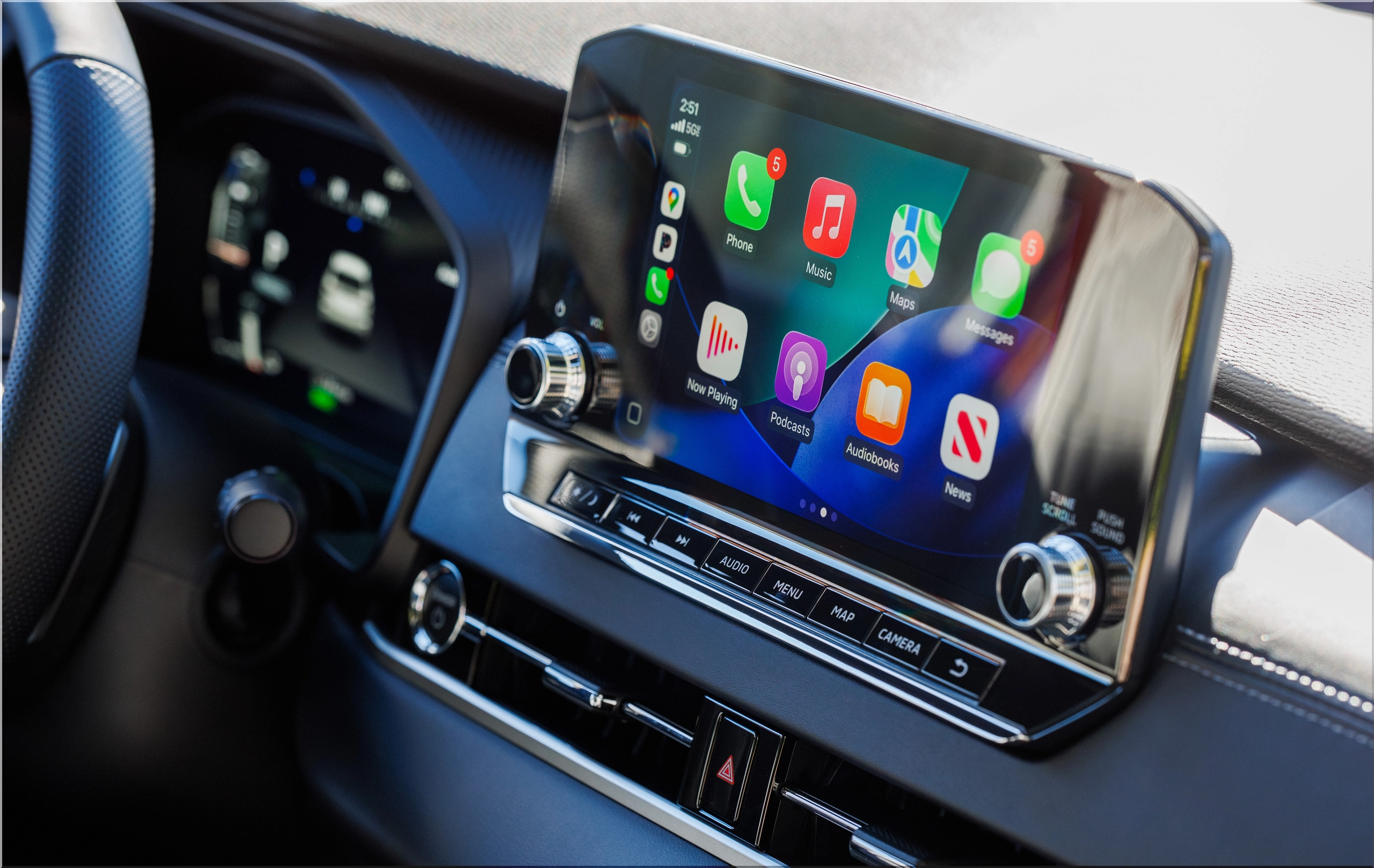
- 9-inch infotainment touchscreen
- Wireless Apple CarPlay
- Leather-wrapped steering wheel
- Heated front seats
- LED fog lights
- Nissan Safety Shield 360
Rogue PHEV Platinum Grade
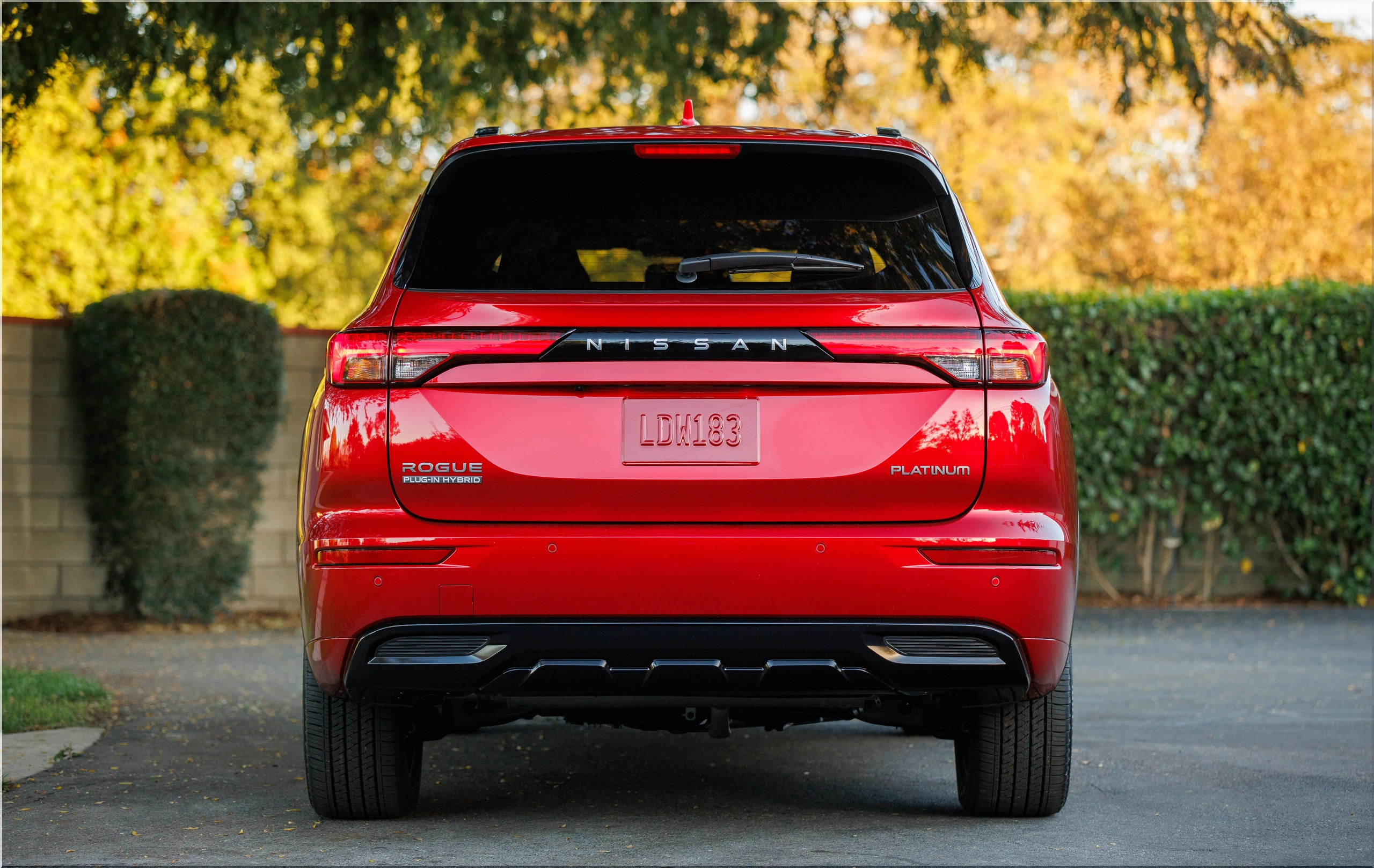
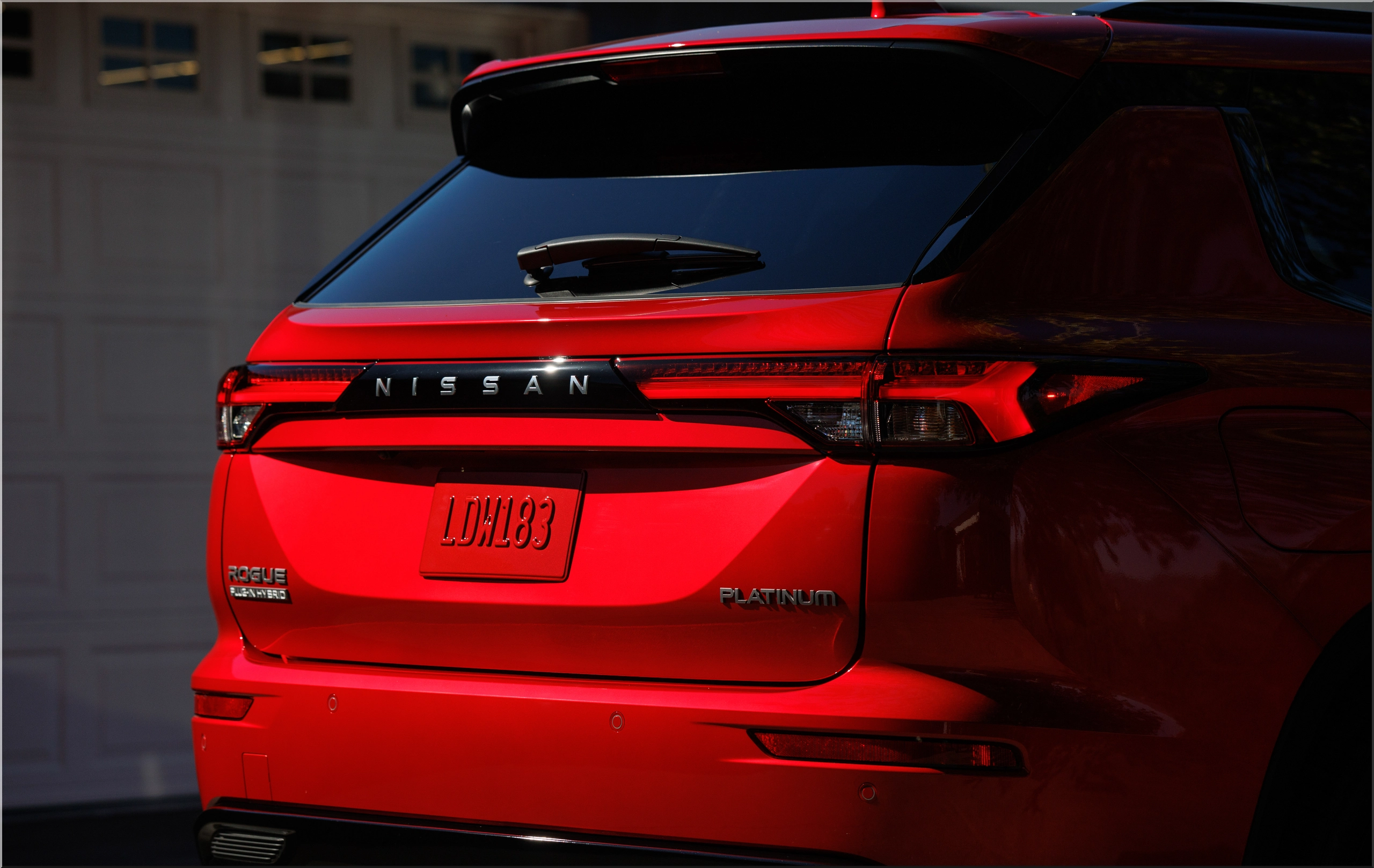
The Platinum AWD starts at $49,990. It adds premium touches:
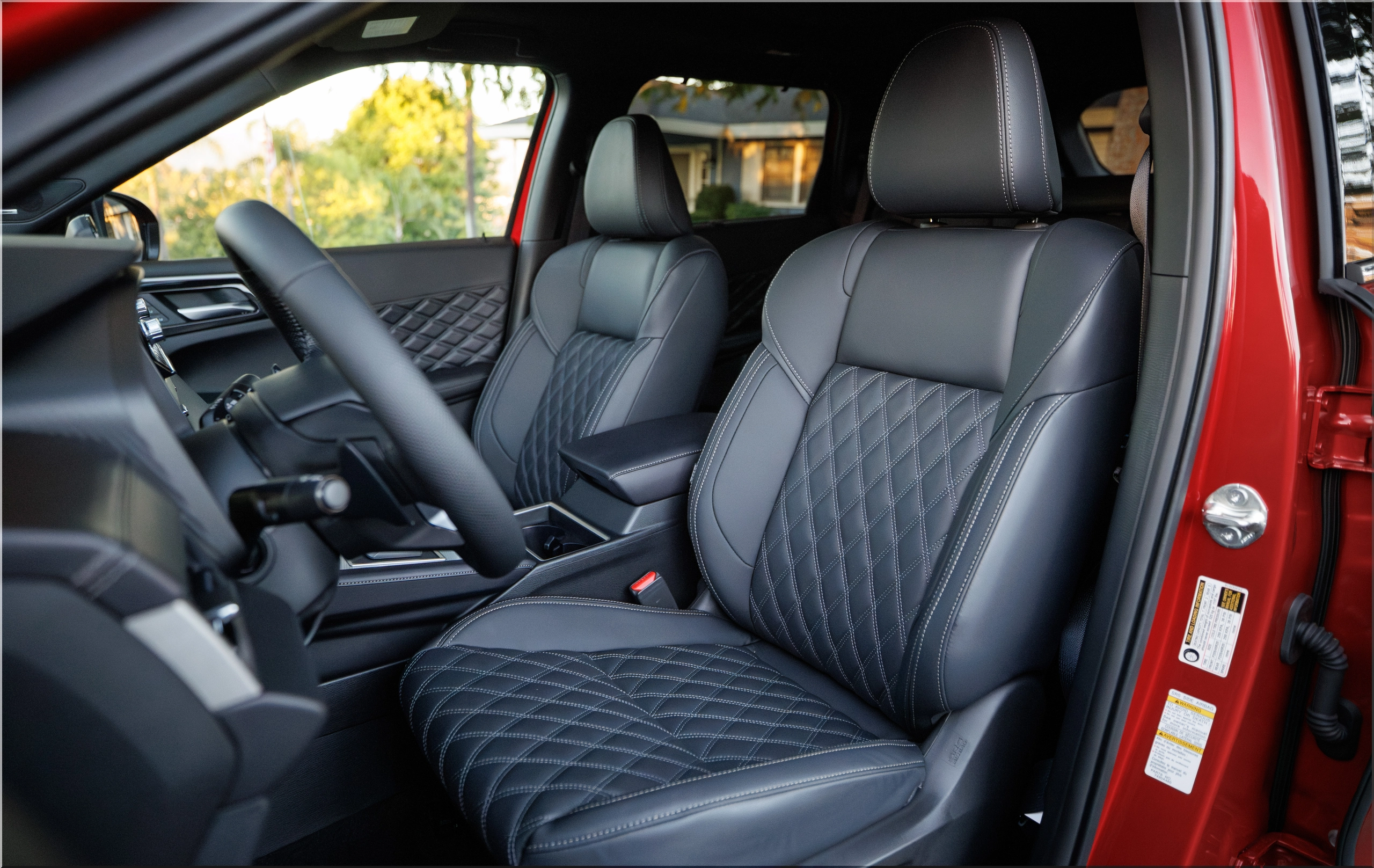
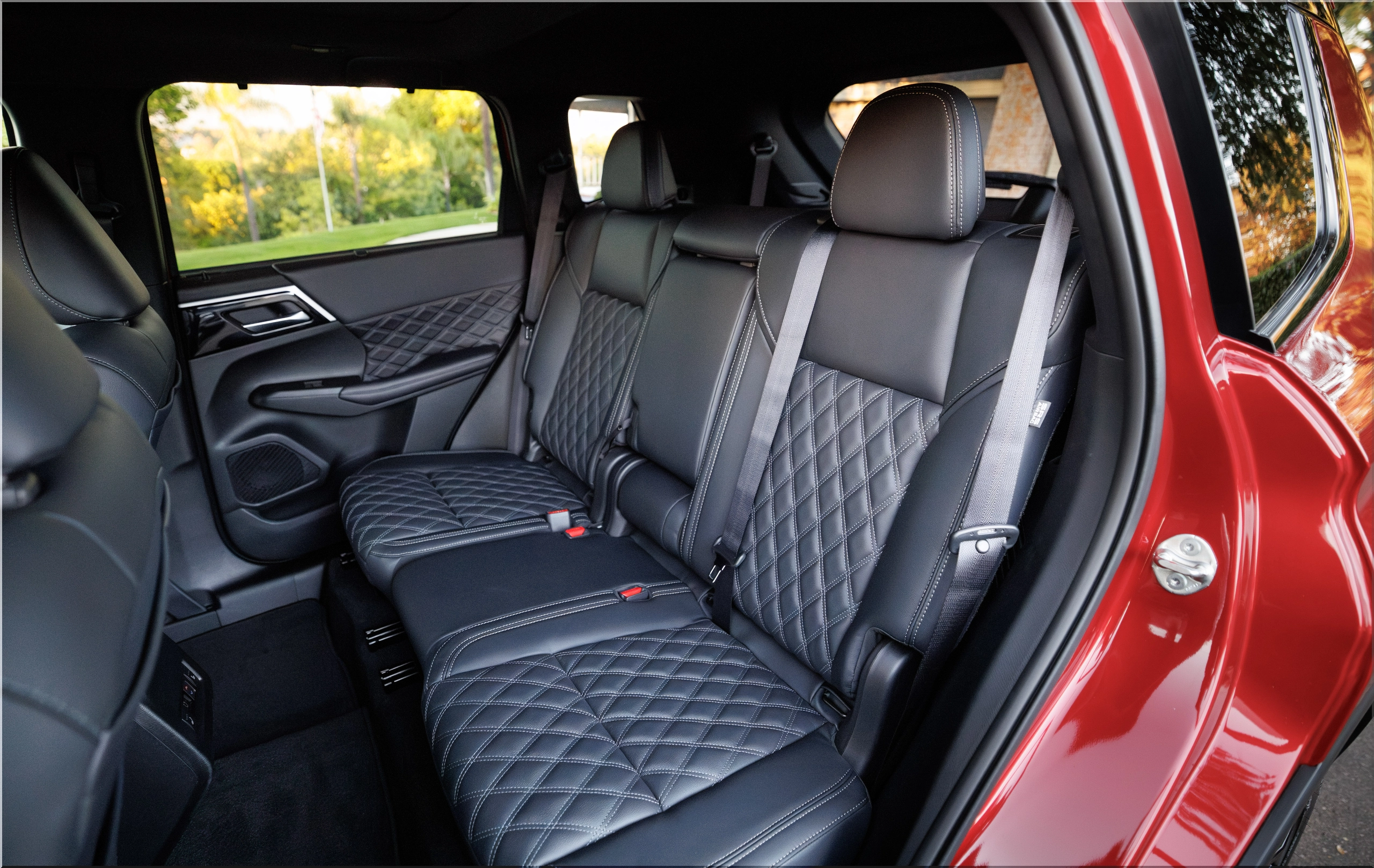
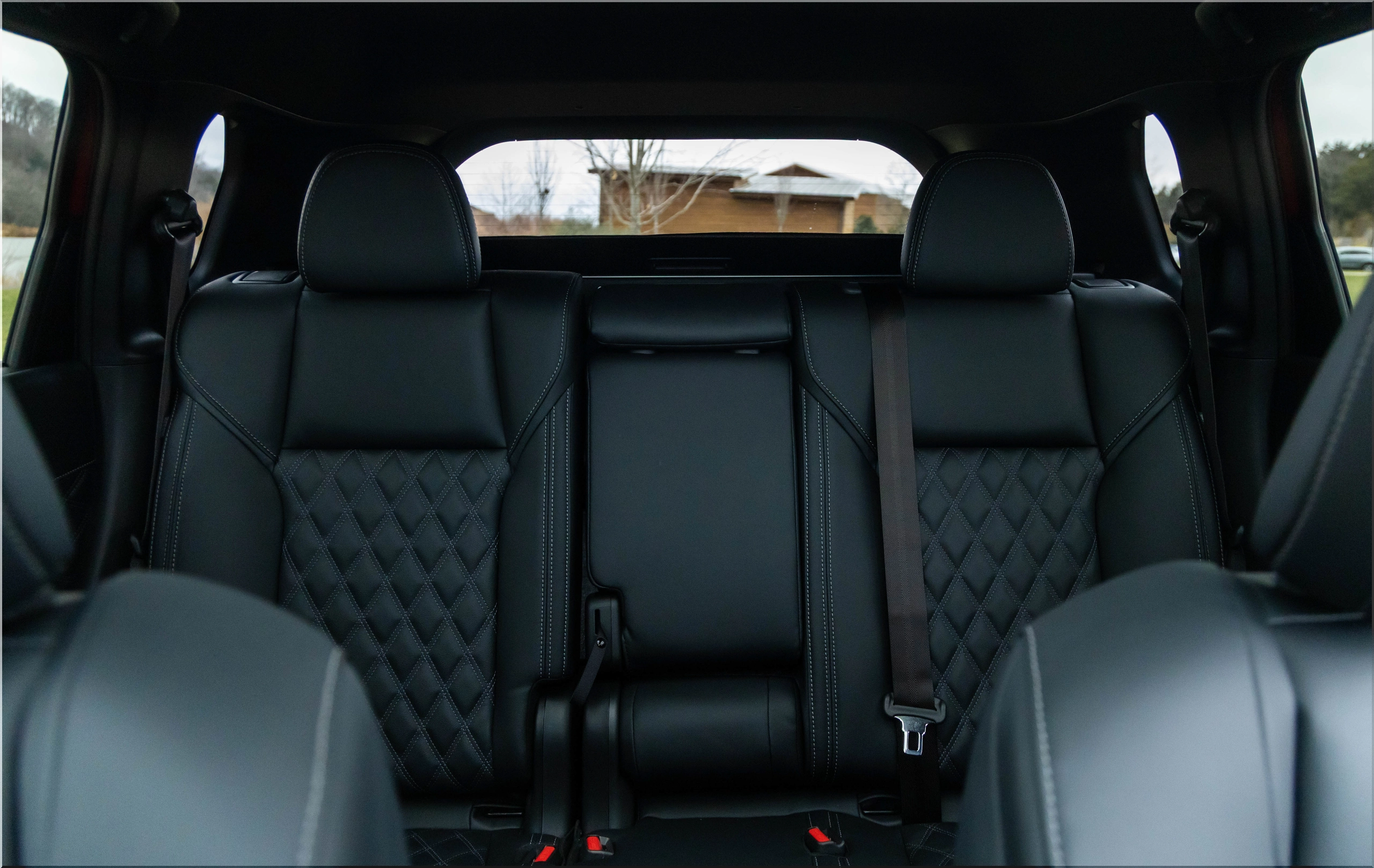
- Quilted semi-aniline leather seats
- 10-inch Head-Up Display
- Bose Premium Audio with 9 speakers
- Motion-activated liftgate
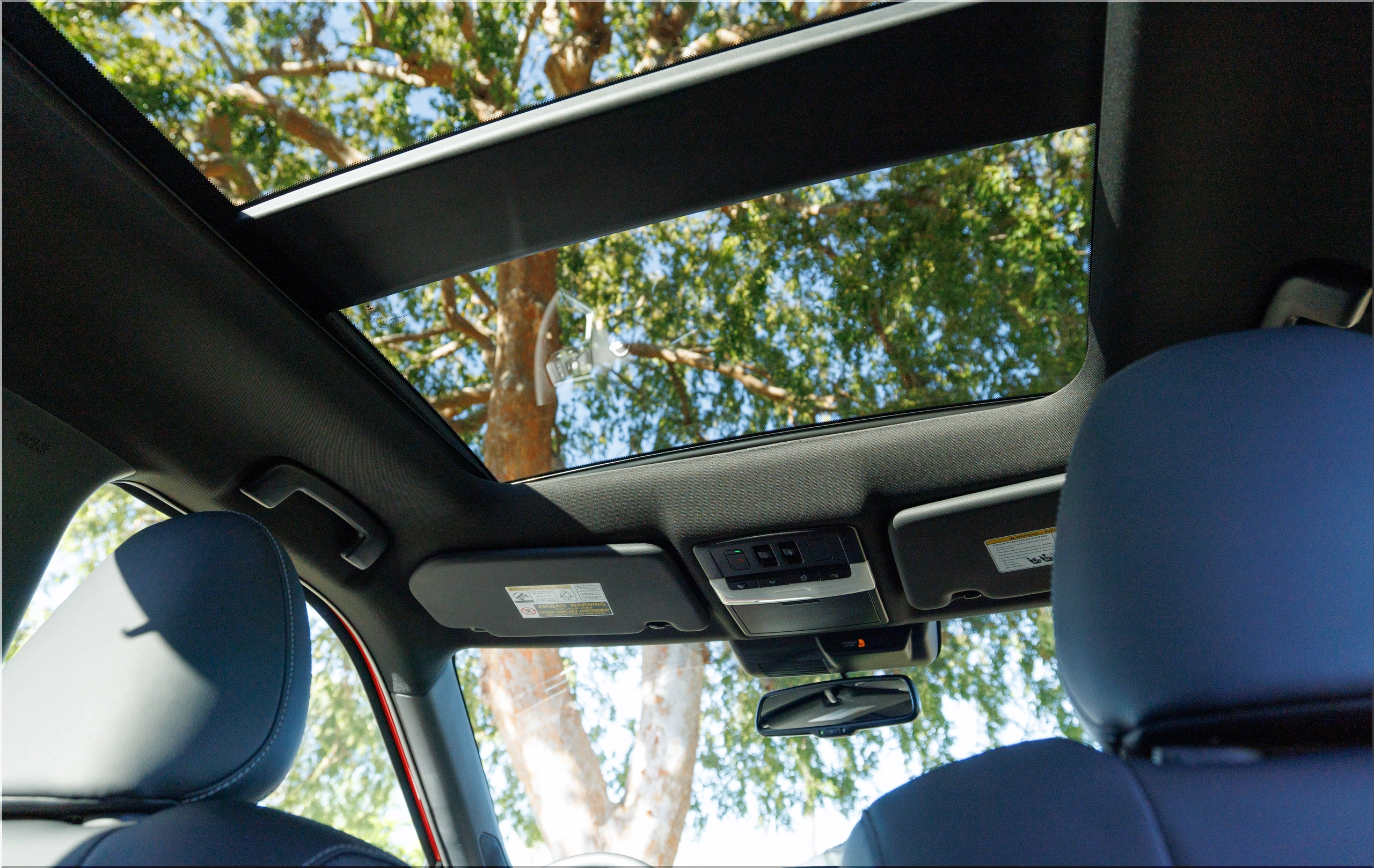
- Panoramic moonroof
Market Comparison and Competitive Landscape
The 2026 Nissan Rogue Plug-in Hybrid enters a crowded field. Its primary rivals include the Toyota RAV4 PHEV, Mitsubishi Outlander PHEV, and Hyundai Tucson PHEV.
The RAV4 PHEV leads the class in performance with 302 horsepower and 42 miles of electric range. However, it carries a higher starting price. The Outlander PHEV is the closest mechanical relative to the Rogue, sharing the same battery and motor configuration. The Mitsubishi differentiates itself by offering a small third row of seats, whereas the Rogue remains a five-passenger vehicle.
The following table compares the 2026 Nissan Rogue PHEV against its main competitors based on key performance metrics and pricing.
| Feature | 2026 Nissan Rogue PHEV | 2026 Toyota RAV4 PHEV | 2026 Mitsubishi Outlander PHEV | 2026 Hyundai Tucson PHEV |
|---|---|---|---|---|
| Starting MSRP | $45,990 | $44,000 (est.) | $40,500 (est.) | $39,500 (est.) |
| Electric Range | 38 Miles | 42 Miles | 38 Miles | 33 Miles |
| Combined HP | 248 HP | 302 HP | 248 HP | 268 HP |
| Fuel Economy | 64 MPGe | 94 MPGe | 64 MPGe | 80 MPGe |
| AWD System | Standard | Standard | Standard | Standard |
| DC Fast Charge | No | No | Yes | No |
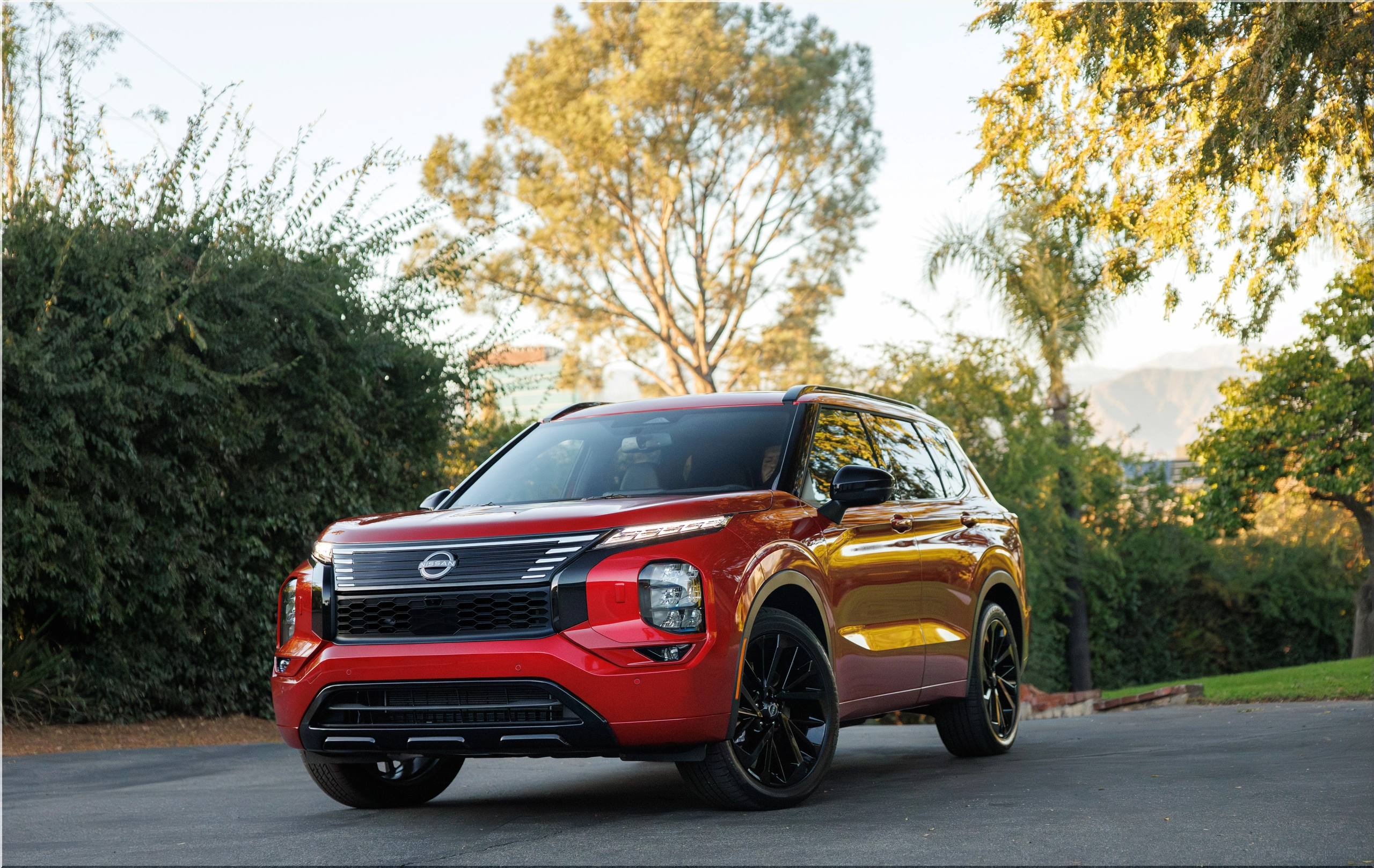
Interior Comfort and Practicality
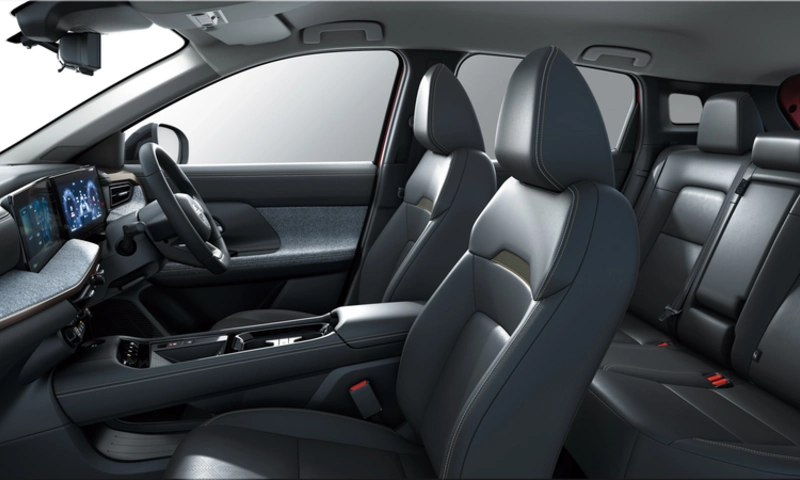
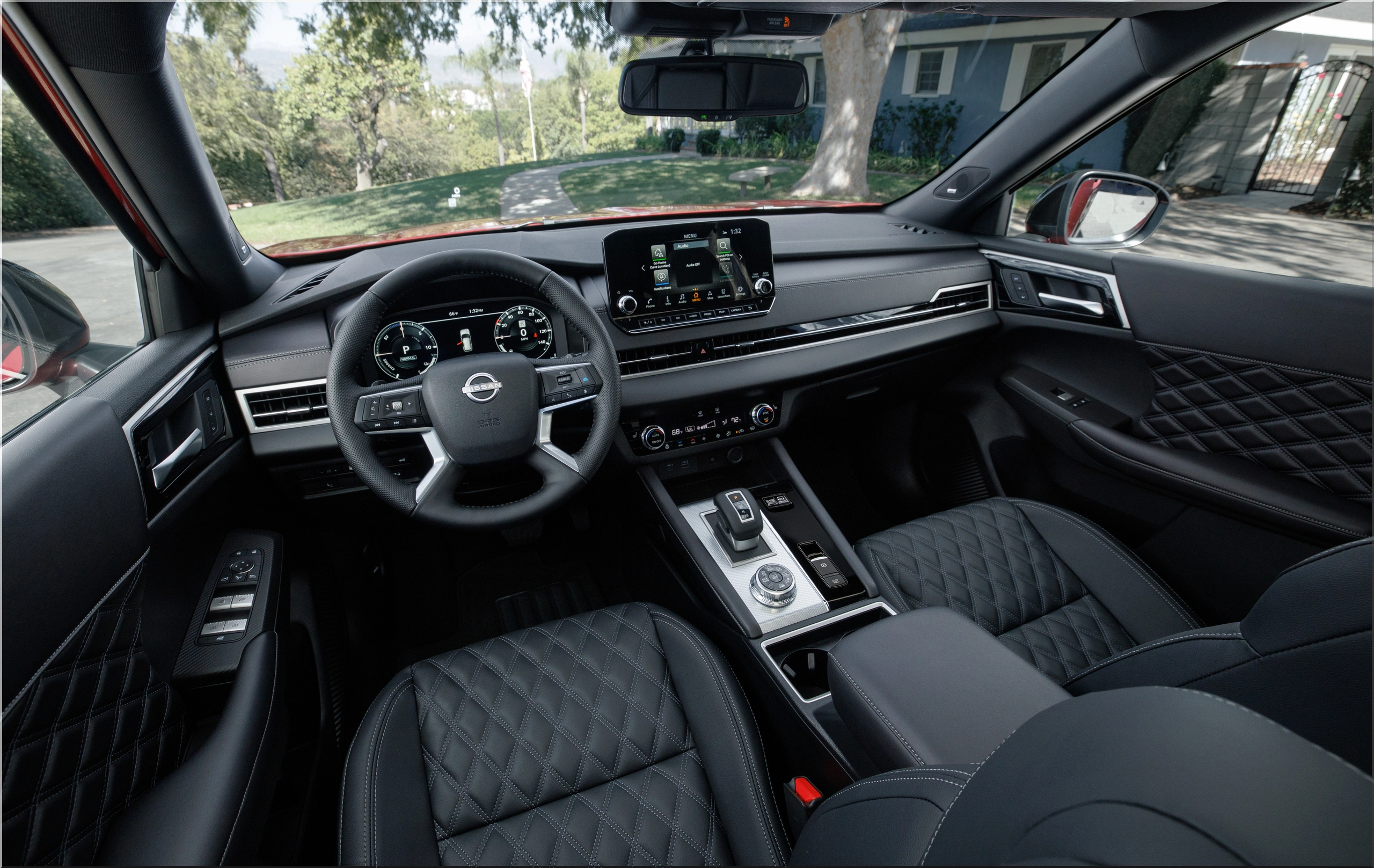
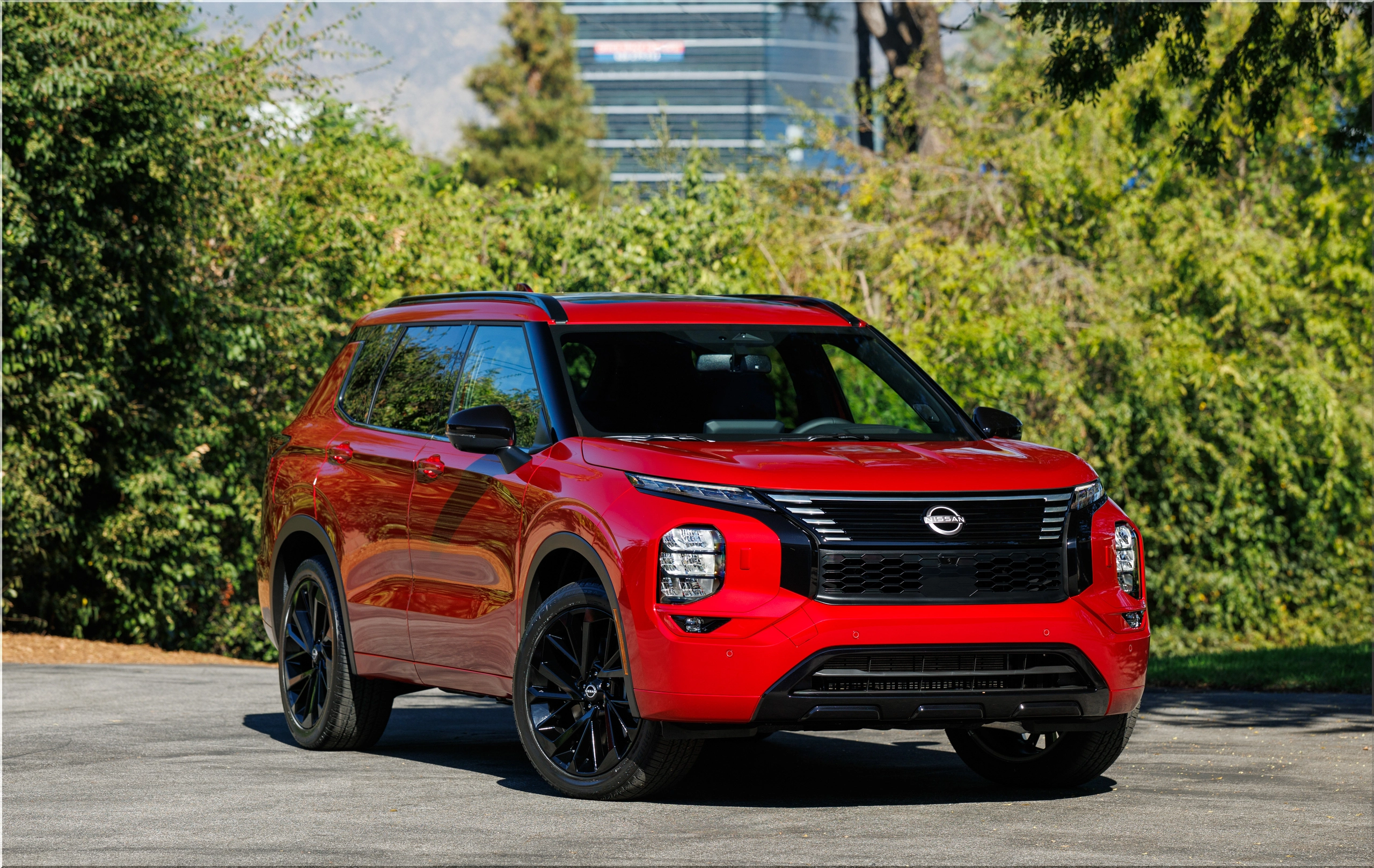
The cabin of the Rogue PHEV mirrors the updated design of the standard 2026 Rogue. Material quality in the Platinum trim is high. Soft-touch surfaces and quilted leather provide a premium feel.
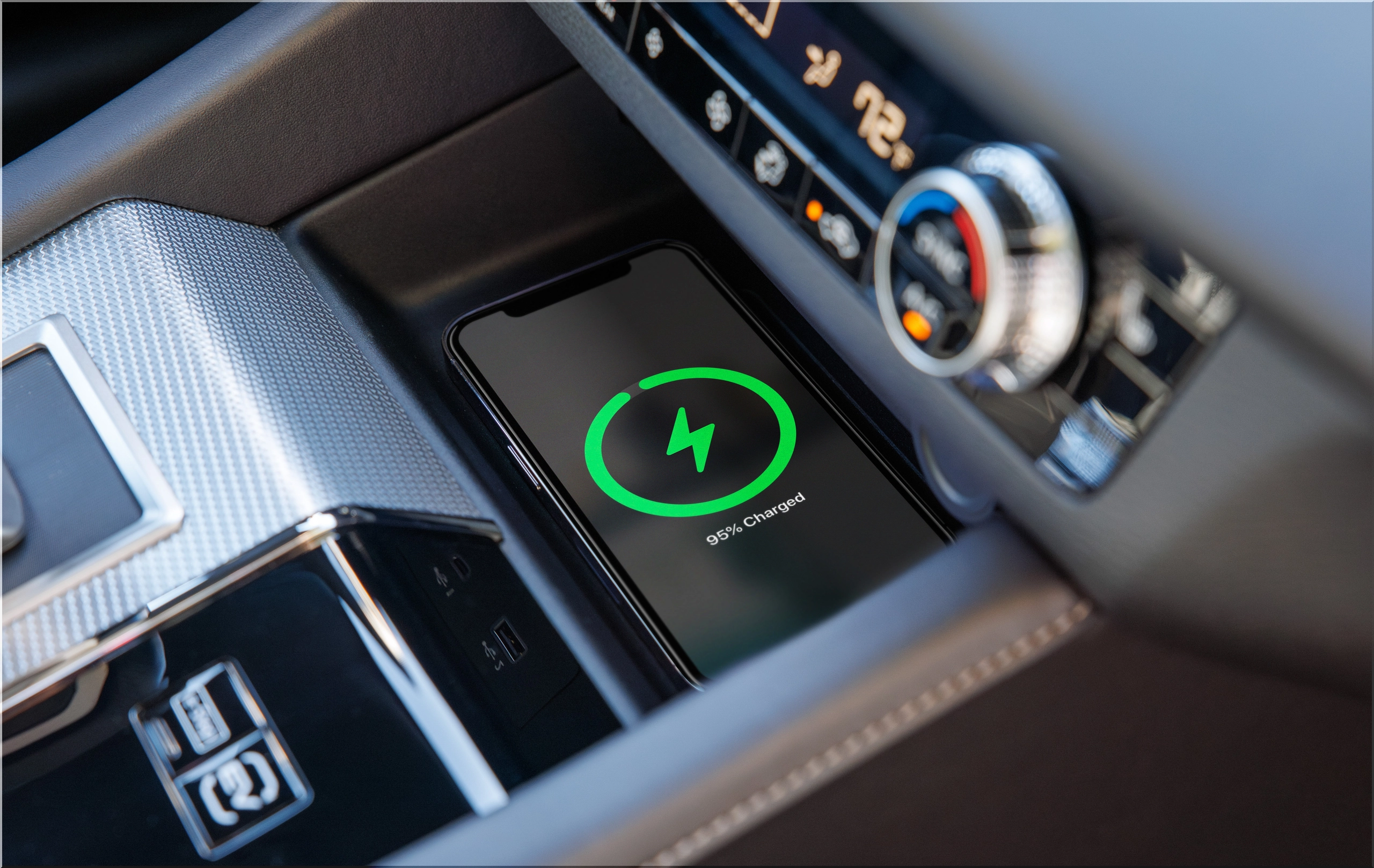
Cargo and Space
The battery pack is located under the floor. This placement preserves most of the cargo volume. The Rogue PHEV offers roughly 31 cubic feet of space behind the second row. Folding the seats down expands this to over 64 cubic feet.
Passenger space remains a strength. The "Zero Gravity" seats provide long-distance comfort. Rear doors open a full 90 degrees, which simplifies the installation of child safety seats.
Technology and Safety
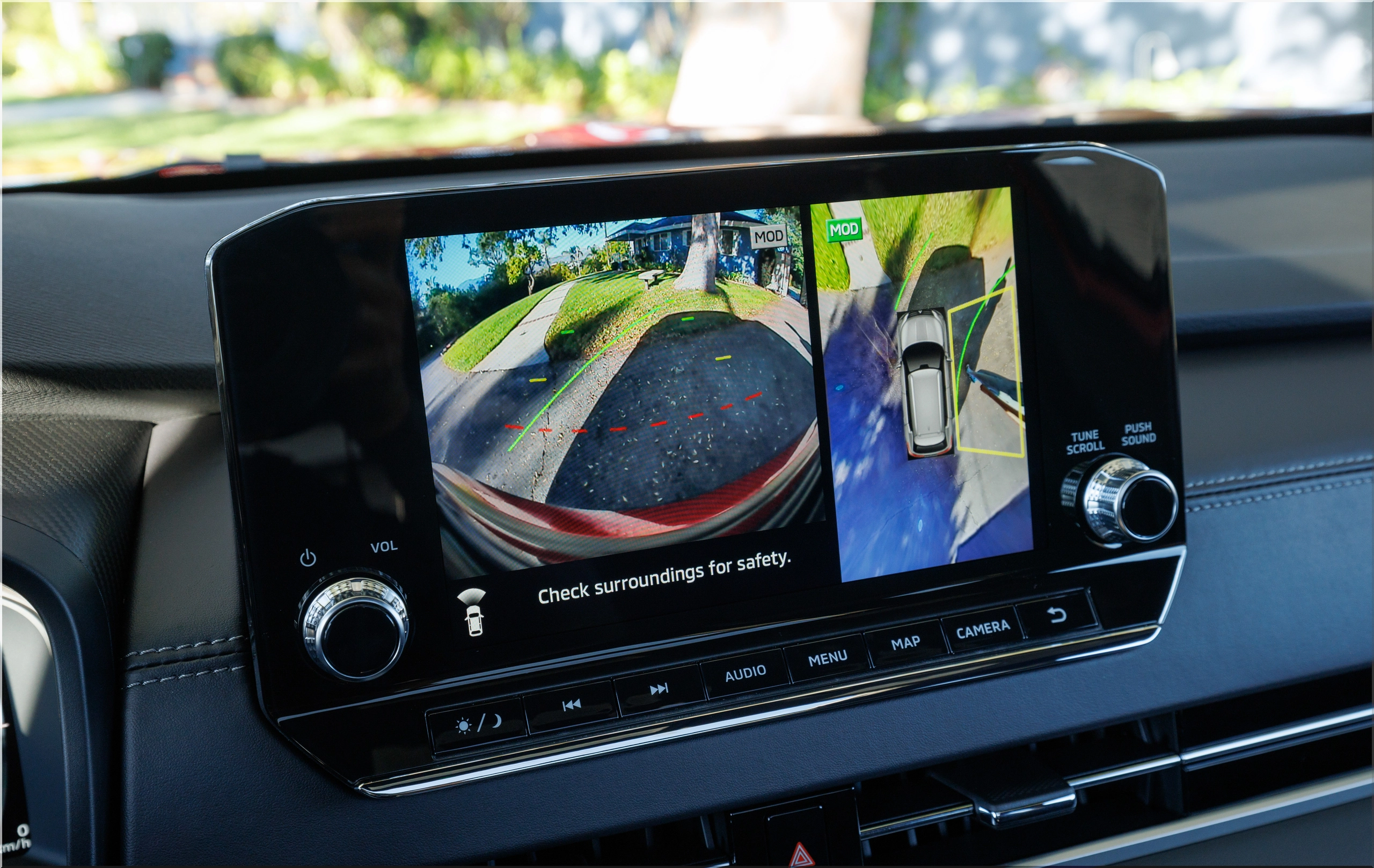
Nissan includes Google Built-in on the SL and Platinum trims. This integrates Google Maps, Google Assistant, and the Google Play Store directly into the dashboard.
The ProPILOT Assist system comes standard. This technology combines Intelligent Cruise Control and Steering Assist. It helps the driver stay centered in the lane and maintains a set distance from the car ahead. The Platinum trim offers ProPILOT Assist 2.1, which allows for hands-off driving on compatible highways.
Pricing and Value Analysis
The 2026 Nissan Rogue Plug-in Hybrid carries a significant price premium over the standard gas Rogue. The SL AWD starts at $45,990, plus a $1,495 destination charge. The Platinum AWD reaches $49,990 before options.
For buyers, the value proposition depends on daily driving habits. If most trips stay under 38 miles, the fuel savings are substantial. However, the 26 mpg hybrid fuel economy is lower than competitors like the RAV4 PHEV.
Buyers should also check for federal and state EV tax credits. These incentives can reduce the effective cost. In many cases, leasing offers better access to these credits than purchasing outright.
Driving Impressions and Efficiency Results
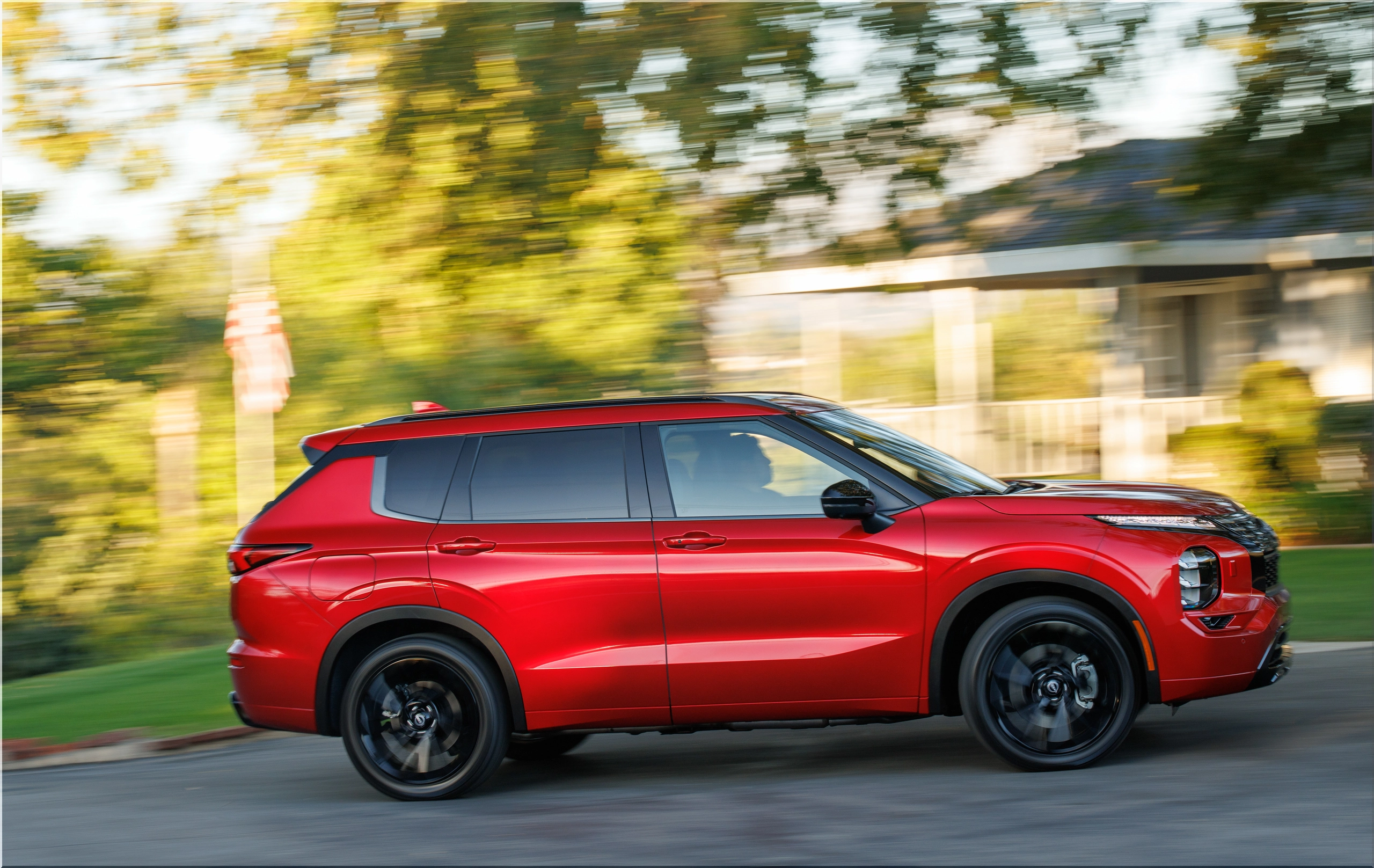
On the road, the Rogue PHEV feels heavier than the standard model. The battery adds several hundred pounds to the curb weight. This weight is noticeable during quick transitions, but it helps the SUV feel planted.
The dual electric motors provide immediate torque. Acceleration from a stop is smooth and silent in EV mode. The transition between electric and gasoline power is mostly seamless. Under hard acceleration, the 2.4-liter engine becomes audible, but it remains quieter than the three-cylinder engine in the base Rogue.
Efficiency varies by temperature and driving style. Cold weather typically reduces battery range. In temperate conditions, reaching the 38-mile estimate is achievable in city driving. Highway speeds drain the battery faster.
Looking Ahead: 2027 Rogue Hybrid e-POWER
Nissan has confirmed that the Rogue Plug-in Hybrid is a key step in a larger electrification strategy. Following the PHEV, an all-new 2027 Rogue Hybrid e-POWER will debut in late 2026.
This upcoming model will use Nissan's third-generation e-POWER technology, specifically engineered for the U.S. and Canadian markets. Unlike the PHEV, the e-POWER system does not require external charging. Instead, the gasoline engine acts solely as a generator to power electric motors that drive the wheels. This provides an electric-driven experience with the simplicity of traditional refueling.
Final Verdict on the Nissan Rogue PHEV
The 2026 Nissan Rogue Plug-in Hybrid is a logical expansion of the Rogue lineup. It offers a refined interior, advanced driver assistance technology, and a capable all-wheel-drive system.
The 38 miles of electric range is competitive. The standard all-wheel drive adds value for those in northern climates. However, the high starting price and the lack of a base trim like an SV model may deter budget-conscious shoppers.
Compared to the Mitsubishi Outlander PHEV, the Rogue offers a more modern infotainment system and better seat comfort. Compared to the Toyota RAV4 PHEV, it falls short on total efficiency and raw power.
Nissan has built a solid, pragmatic SUV for families who want to reduce their gasoline consumption without committing to a full electric vehicle. It delivers a direct, functional experience for the modern automotive market.
- Add new comment
- 119 views