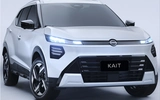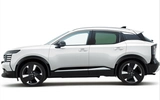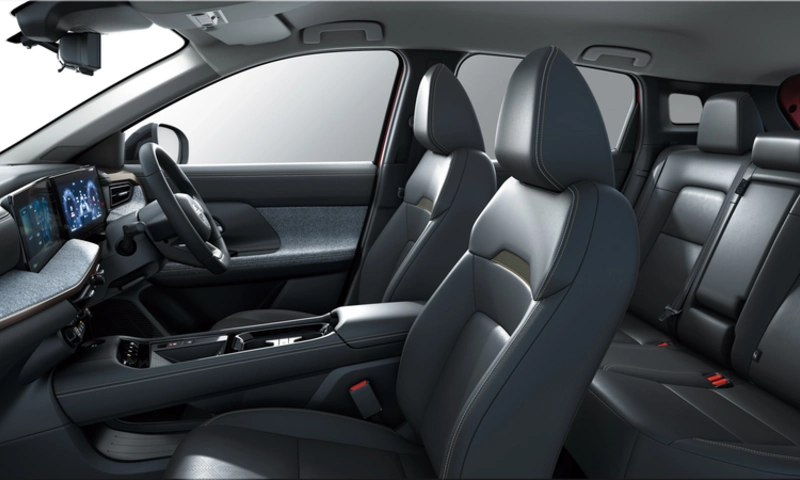
For a vehicle that started life as a square-jawed family SUV in 2001, the Nissan X-Trail has aged with unusual discipline. It did not chase fashion at the expense of function. It did not abandon utility to imitate a coupe. It kept the same core brief for 25 years: carry people, gear, and confidence over bad roads, wet roads, and ordinary roads without drama.
That consistency paid off. Nissan says the X-Trail has passed 8 million units sold worldwide across four generations and now sells in 95 countries. That puts it in rare company inside Nissan's portfolio and explains why the model matters far outside Europe. In the United States, the same product line matured into the Rogue, which remains Nissan's volume player in that market. The X-Trail name may sound rugged. The business case looks even tougher.
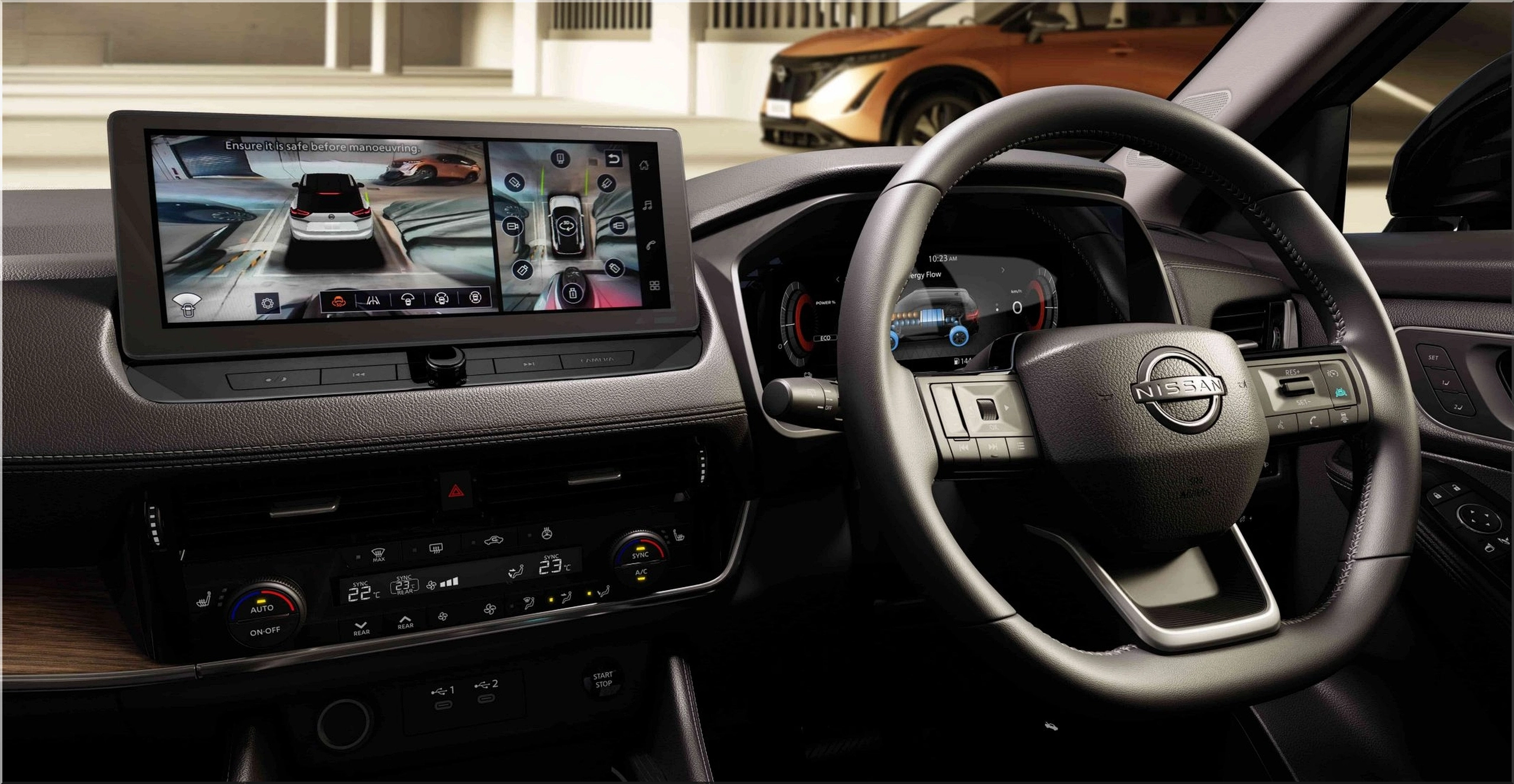
Looking at the data, the X-Trail succeeded because Nissan kept the product brief brutally clear. Buyers wanted SUV ride height, family packaging, useful cargo space, lower fuel use than truck-based 4x4s, and a price point that did not punish households for wanting an outdoor-capable daily driver. That mix looked smart in 2001. It looks even smarter in 2026, when electrification pressure, tighter emissions rules, and buyer demand for cabin tech all push automakers toward higher-cost complexity.
Why the Nissan X-Trail Still Works After 25 Years
The Nissan X-Trail never relied on one gimmick. It won through packaging discipline and market timing.
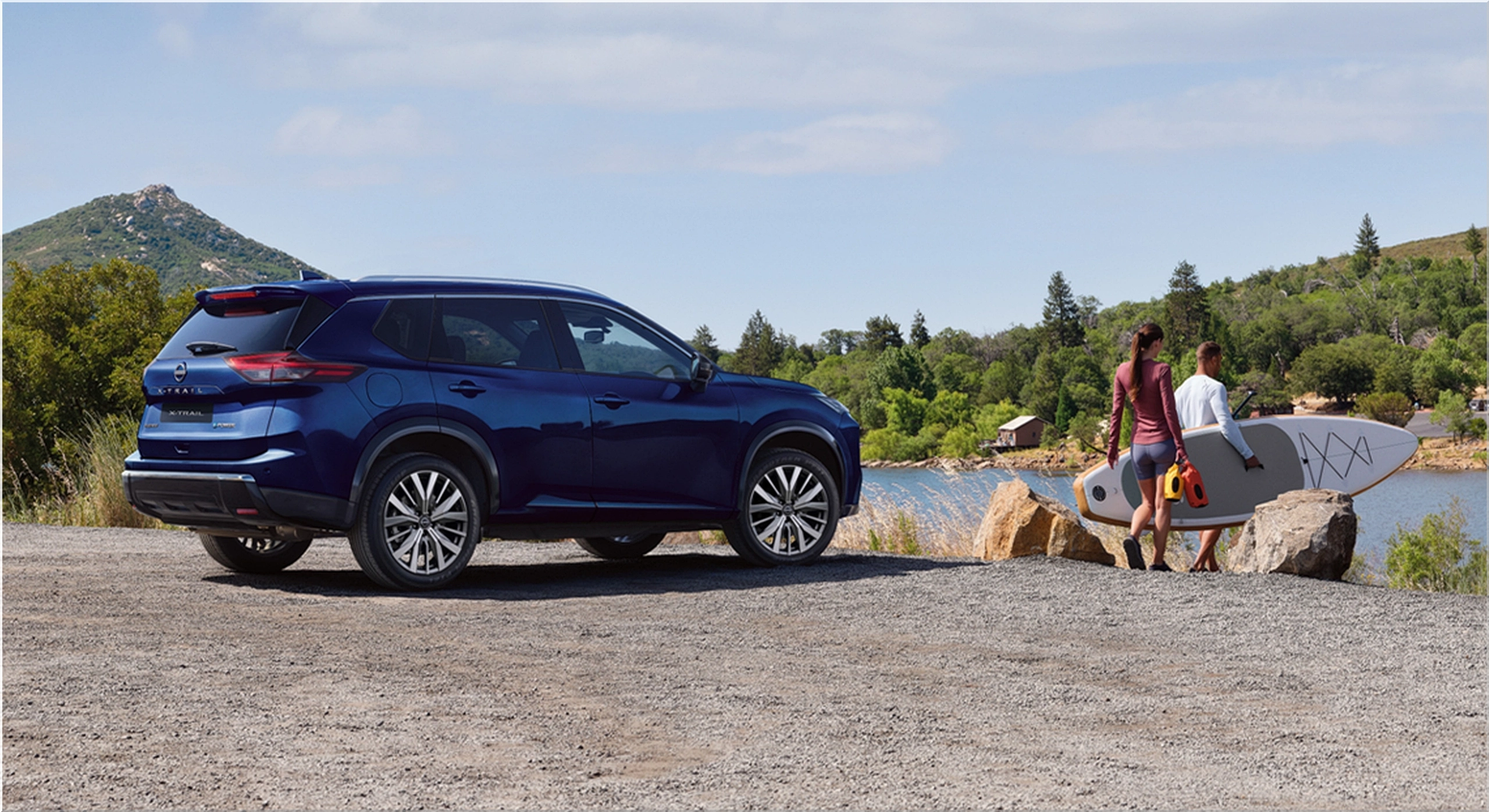
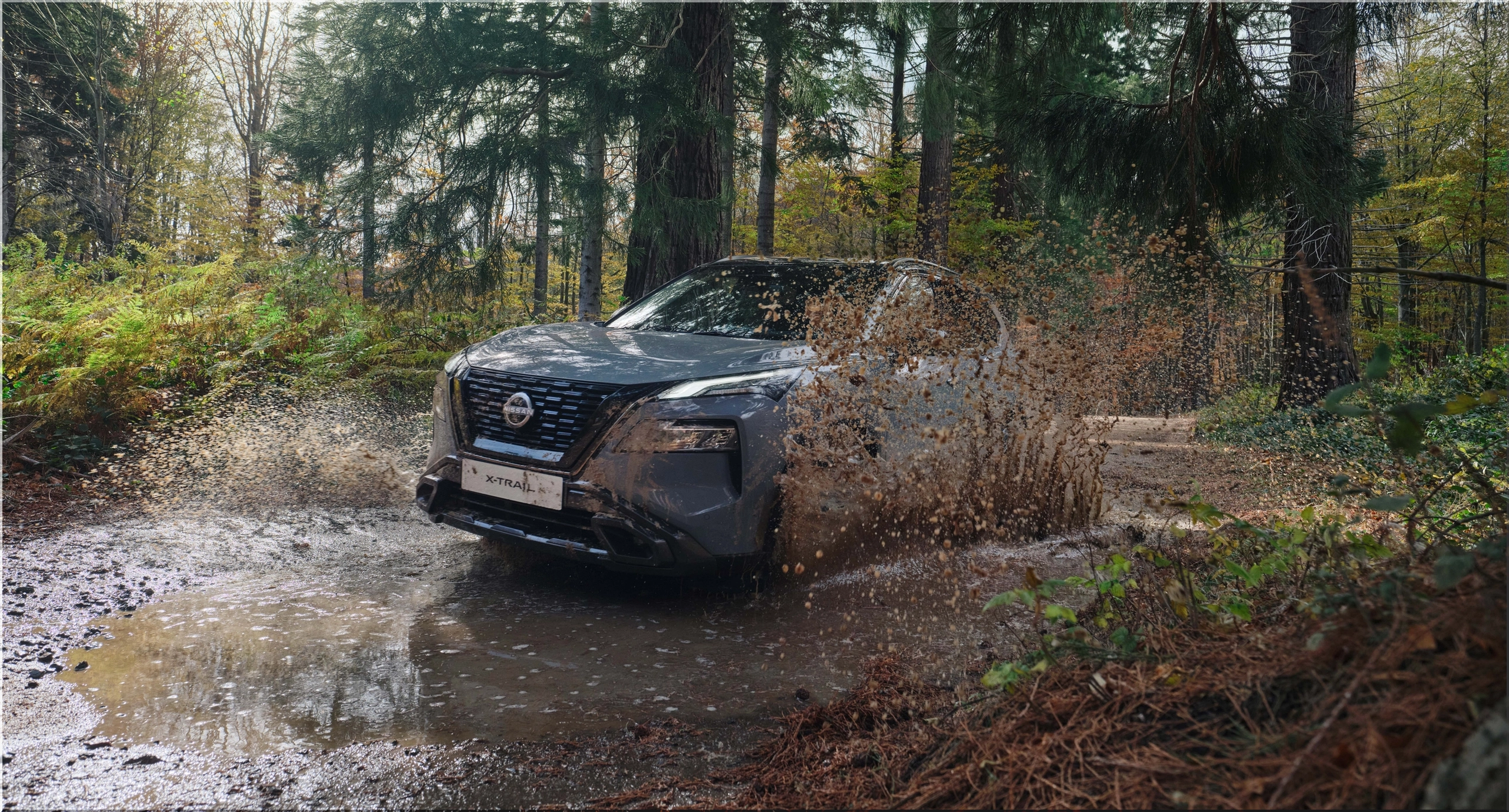
Nissan's original idea was simple: deliver SUV capability without the weight, fuel burn, and bulk of traditional body-on-frame off-roaders. That sounds obvious now because the crossover market rewrote the industry. Back then, it was a strong product call. The X-Trail gave families a usable liftgate, flexible seating, decent visibility, and genuine all-weather confidence while keeping the footprint manageable enough for urban driving and parking.
In addition, Nissan kept the vehicle's identity stable across four generations. The styling changed. The powertrains changed. The tech stack changed a lot. The mission did not. That matters because the worst thing an established family SUV can do is forget what owners actually buy it for on Tuesday morning, not Saturday on a mountain trail.
The business logic behind 8 million sales
A model does not clear 8 million units sold on nostalgia. It does it by serving multiple markets with one well-judged architecture and a broad powertrain menu.
The X-Trail spread across Africa, Oceania, Asia, South America, and Europe because the package scales well. It works as a five-seater. It works as a seven-seater in the right trim. It works with front-wheel drive, all-wheel drive, mild hybrid power, and Nissan's e-POWER hybrid setup. That flexibility lowers development risk and widens the addressable market without forcing Nissan to reinvent the model every three years.
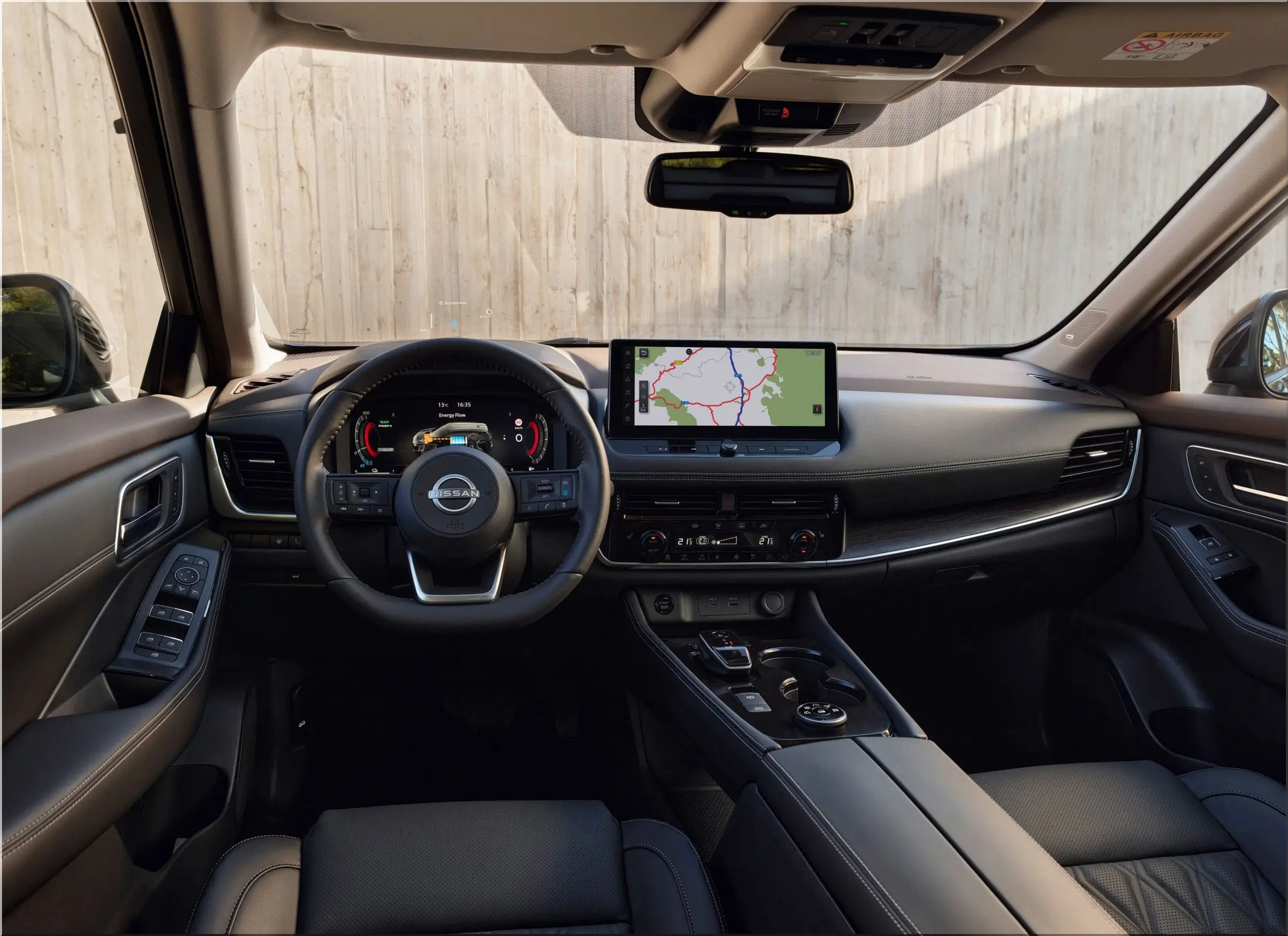
Four Generations, One Clear Product Formula
The cleanest way to understand the X-Trail's quarter-century run is to track what changed and what stayed locked in place.
| Generation | Era | Core Character | Strategic Shift |
|---|---|---|---|
| First generation | 2001 launch | Rugged, practical family SUV | Alternative to heavier traditional 4x4s |
| Second generation | Mid-cycle expansion years | More refinement, broader market appeal | Strengthened crossover identity |
| Third generation | Global growth phase | Larger global footprint | Rogue name gained major weight in the US |
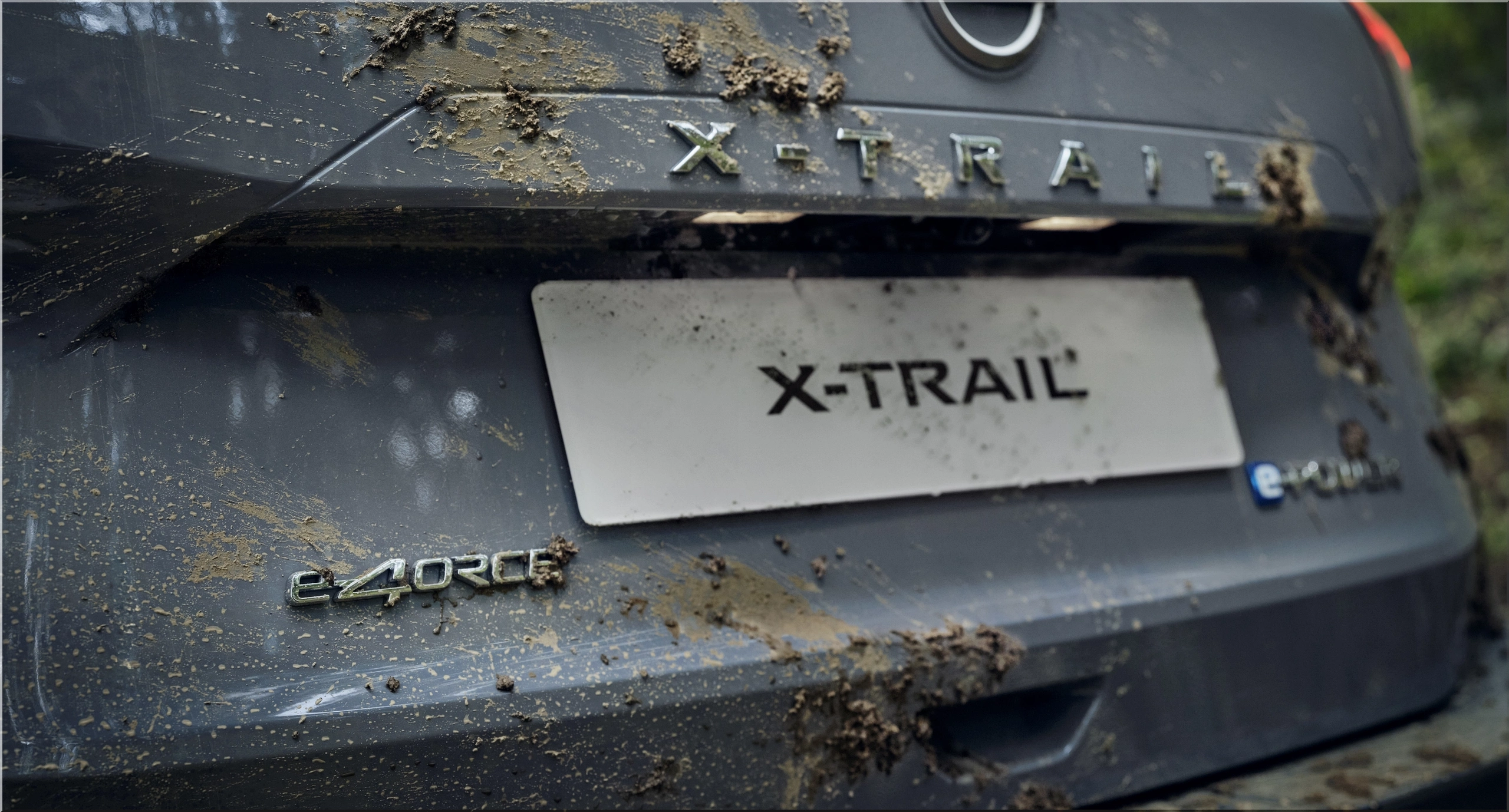
| Fourth generation | Current era | Electrified, tech-heavy crossover | e-POWER and e-4ORCE moved the X-Trail into Nissan's electrified core |
Specifically, the first-generation model sold the idea of simple, robust utility. The third generation pushed the product harder into global volume territory. The fourth generation moved the formula into the electrified age without deleting the practical bits that built the name in the first place.
That last point matters. Plenty of brands talk about electrification as a reset. Nissan treated it as a better drivetrain for the same family-use case. That is a smarter sales move.
The Current X-Trail: Size, Space, and the Packaging That Still Sells
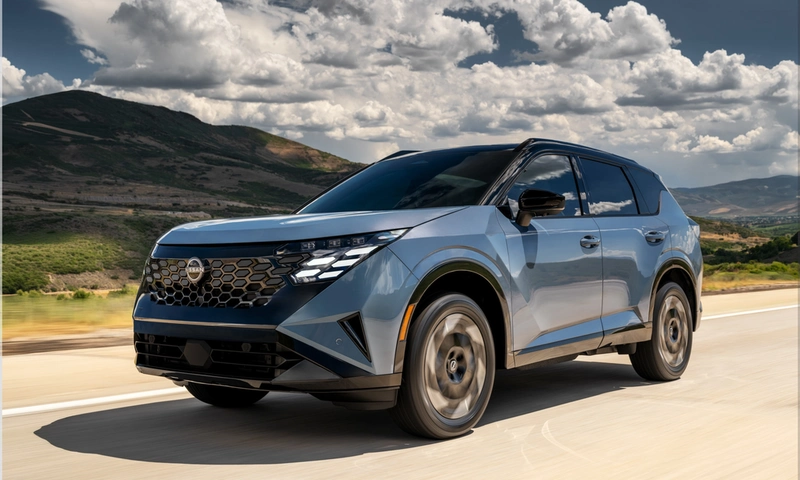
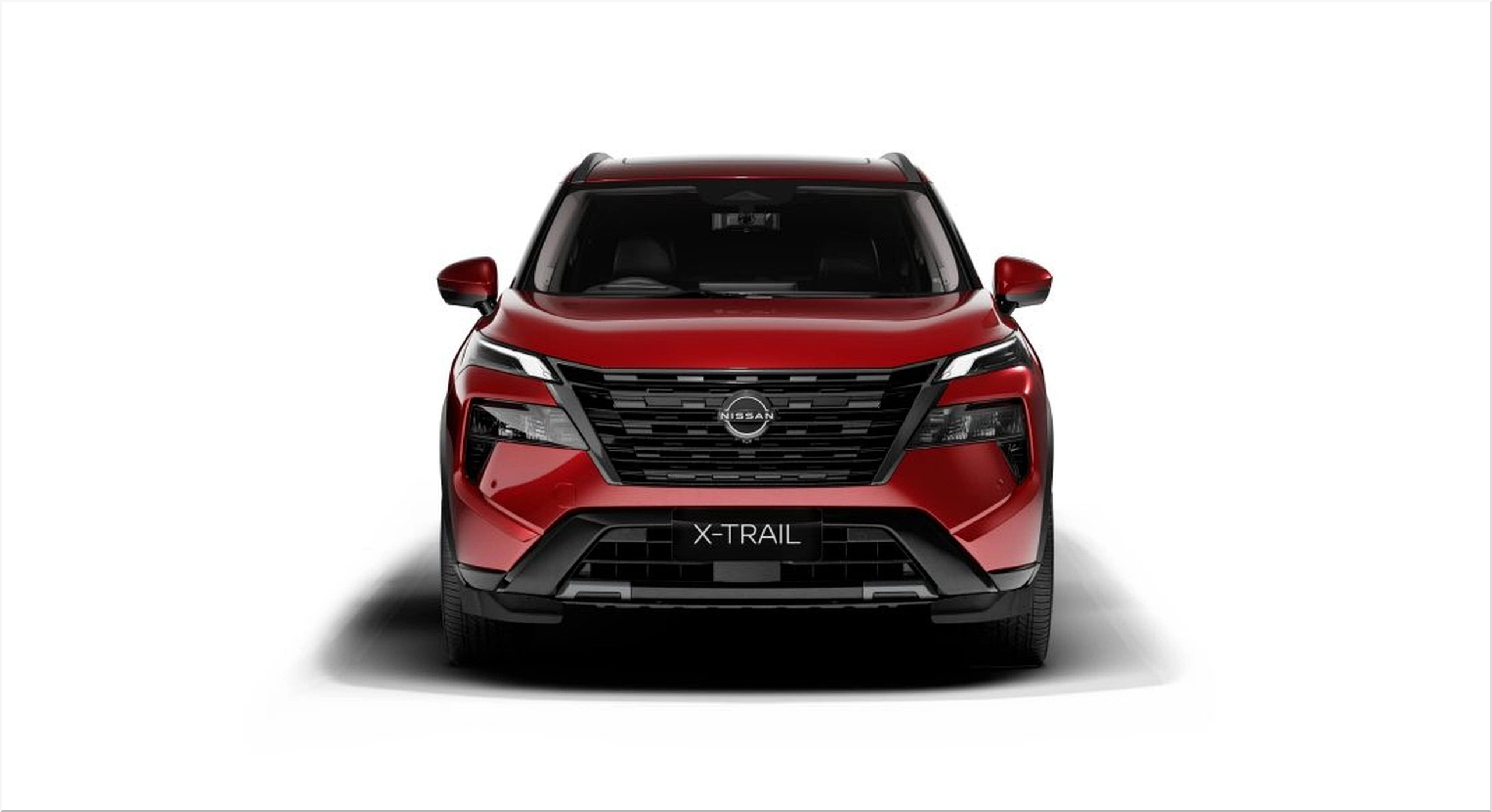
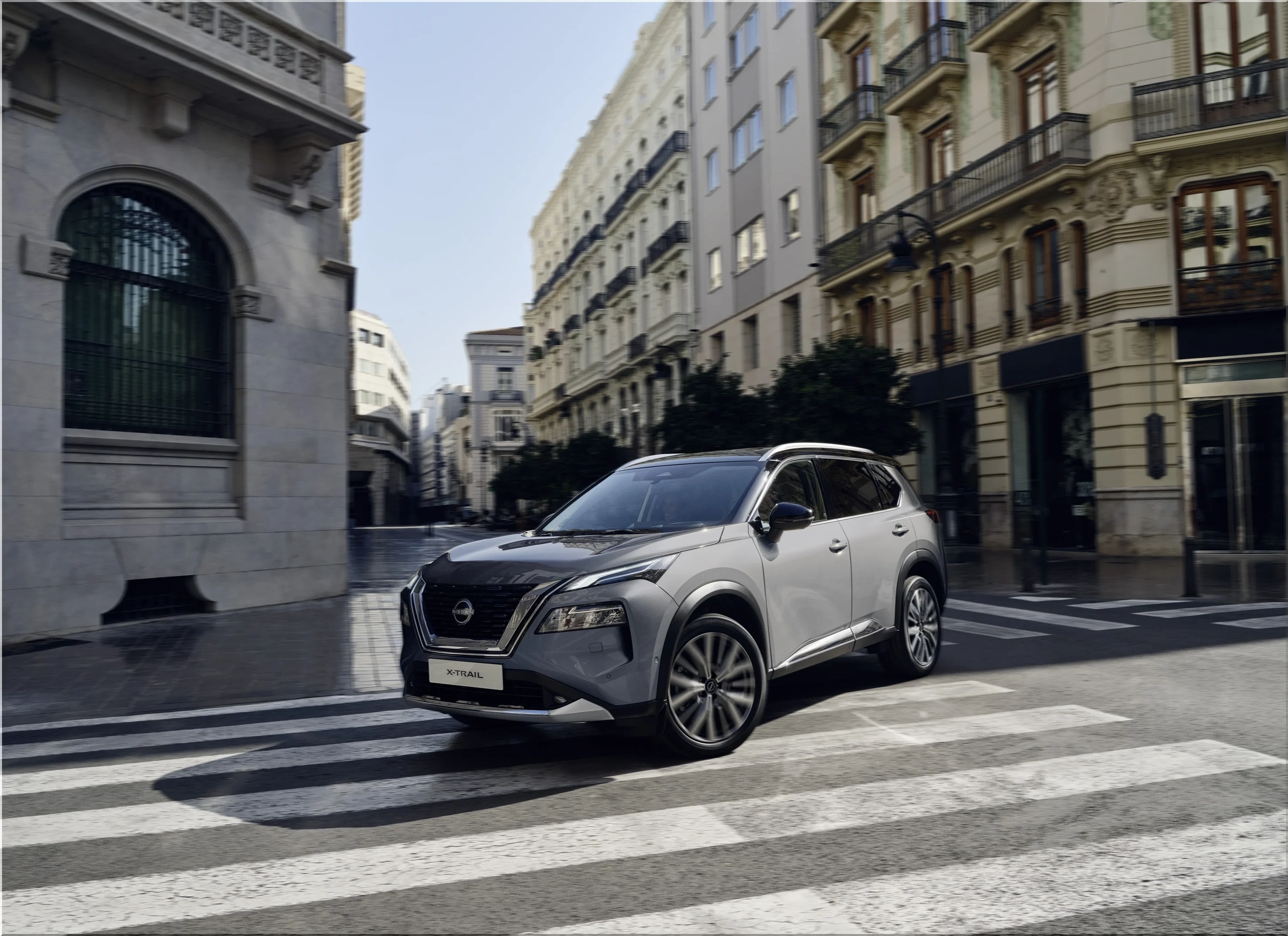
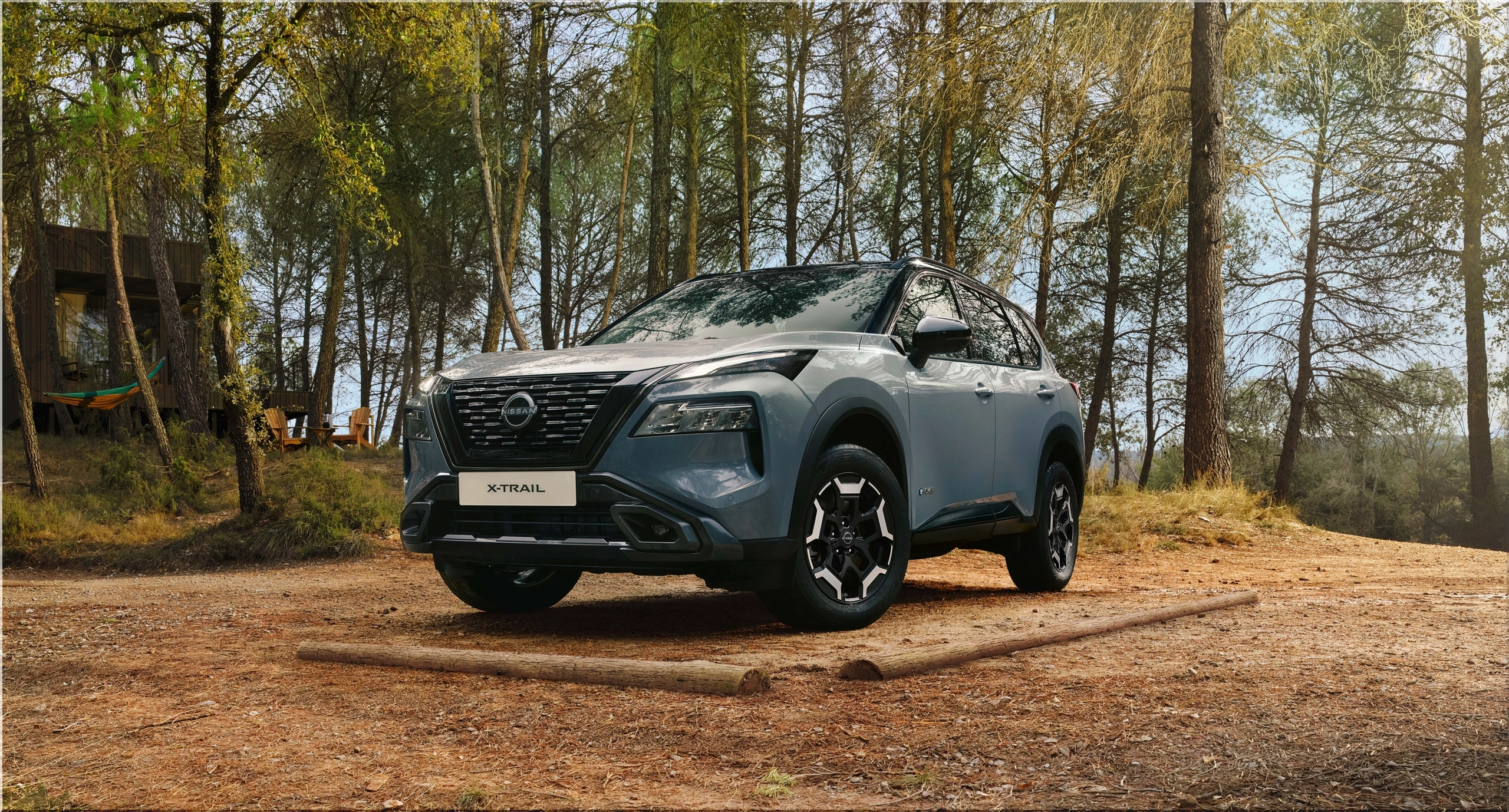
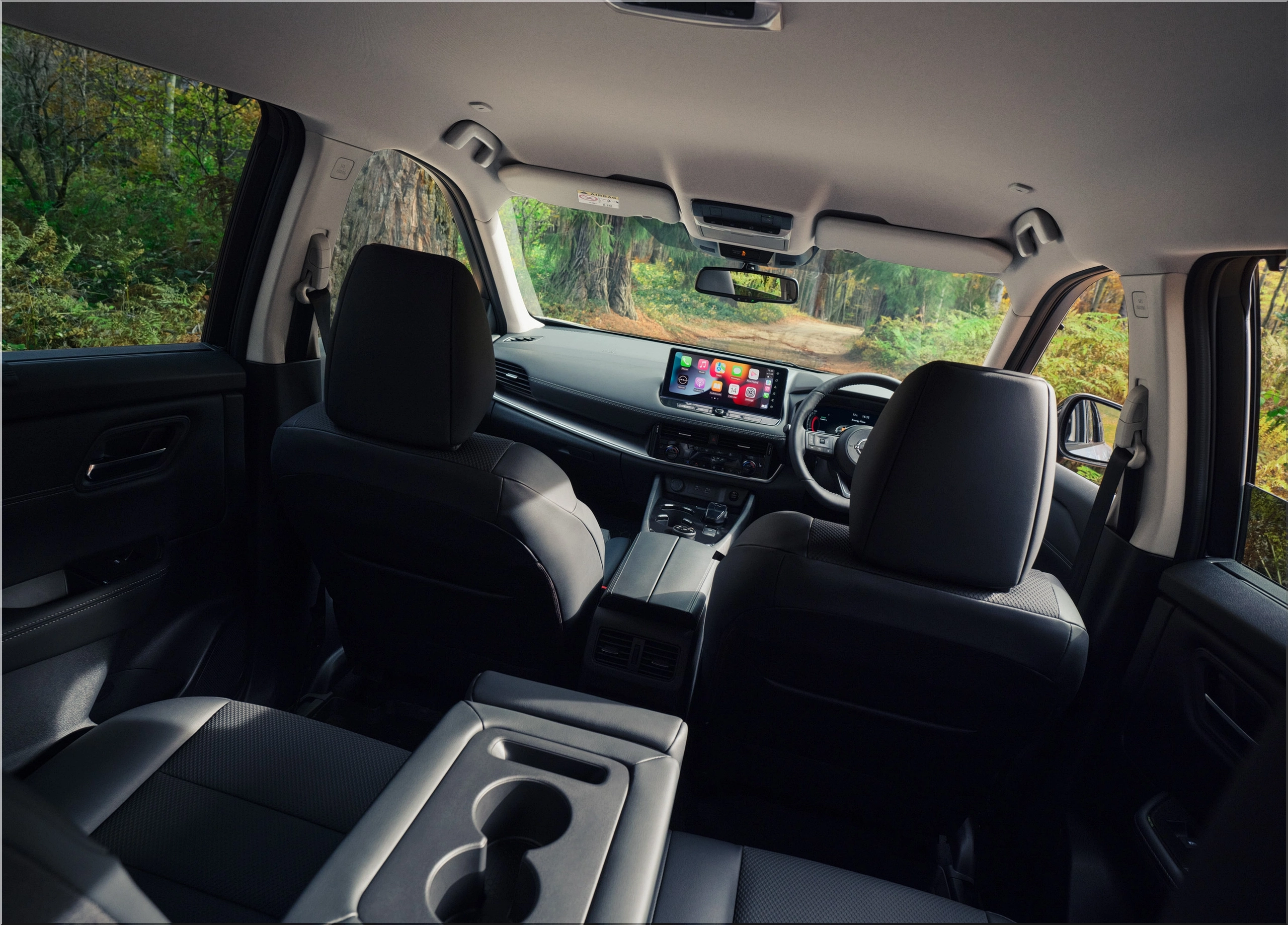
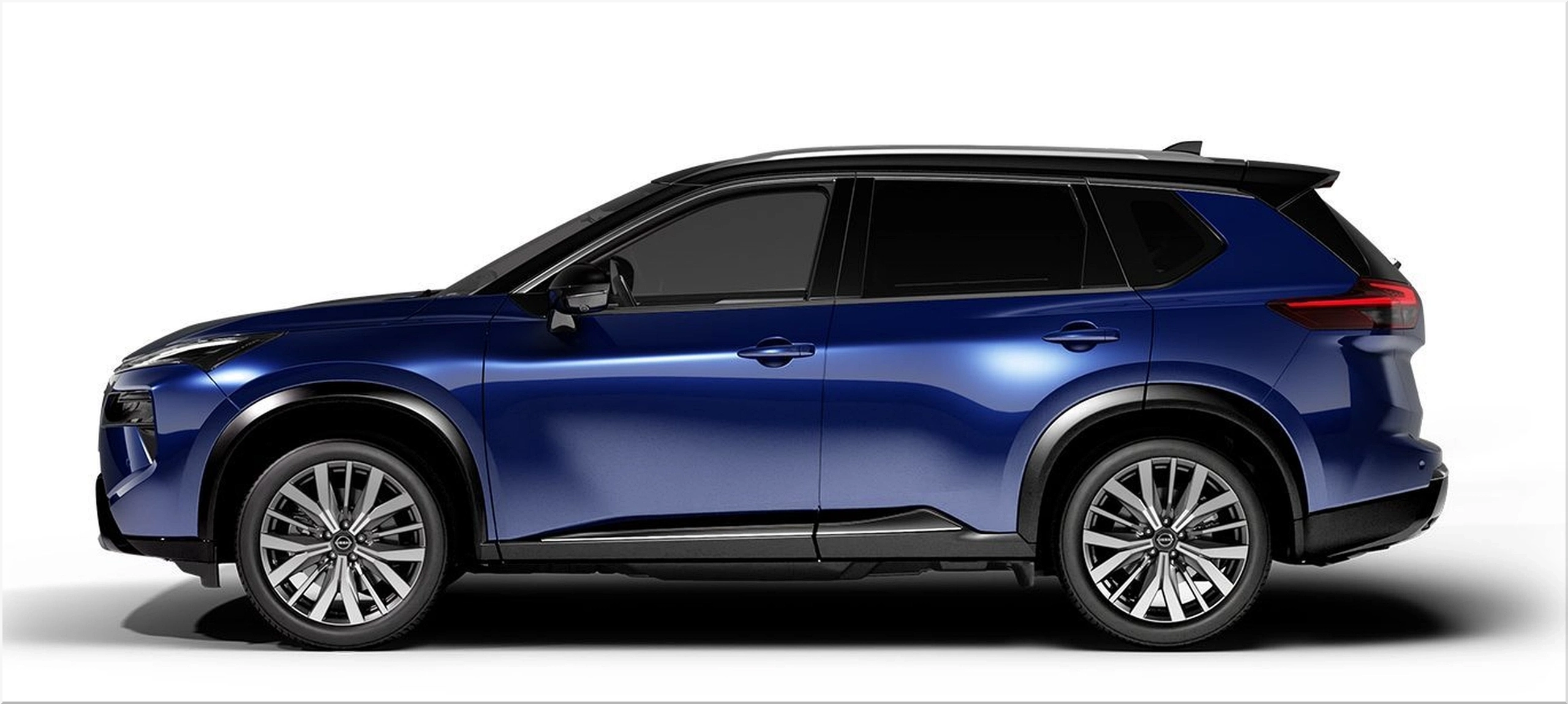
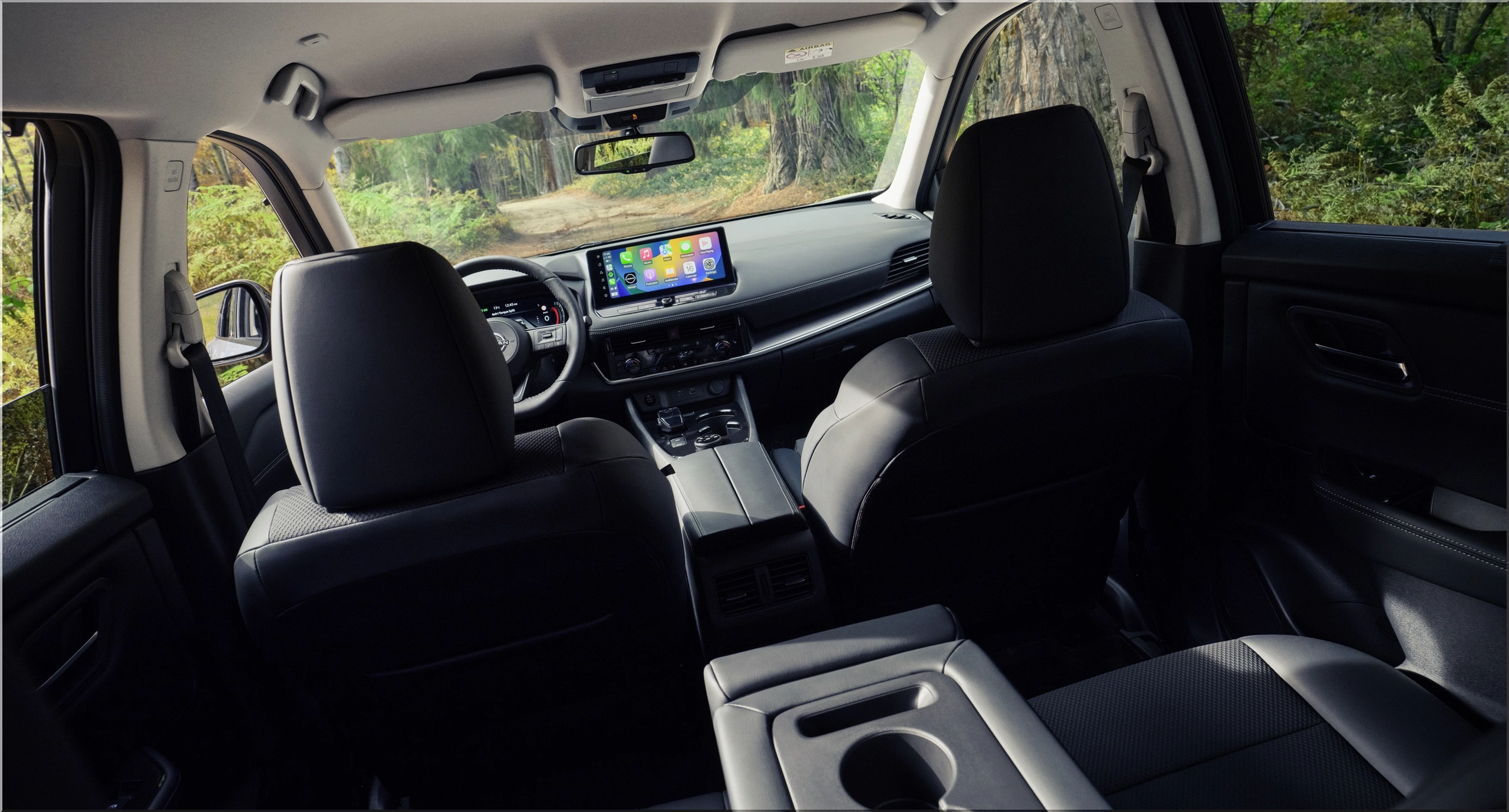
The current Nissan X-Trail 2026 sits in the sweet spot of the family SUV market. It is large enough to feel substantial, yet compact enough to avoid feeling like a three-row barge in everyday use.
Official UK-market dimensions put the current X-Trail at 184.3 inches long (4,680 mm), 72.4 inches wide without mirrors (1,840 mm), and 67.9 inches tall (1,725 mm), with a 106.5-inch wheelbase (2,705 mm). Those are disciplined numbers. Nissan did not let the vehicle swell into something awkward. It kept the cabin useful while protecting maneuverability, which has always been part of the X-Trail appeal.
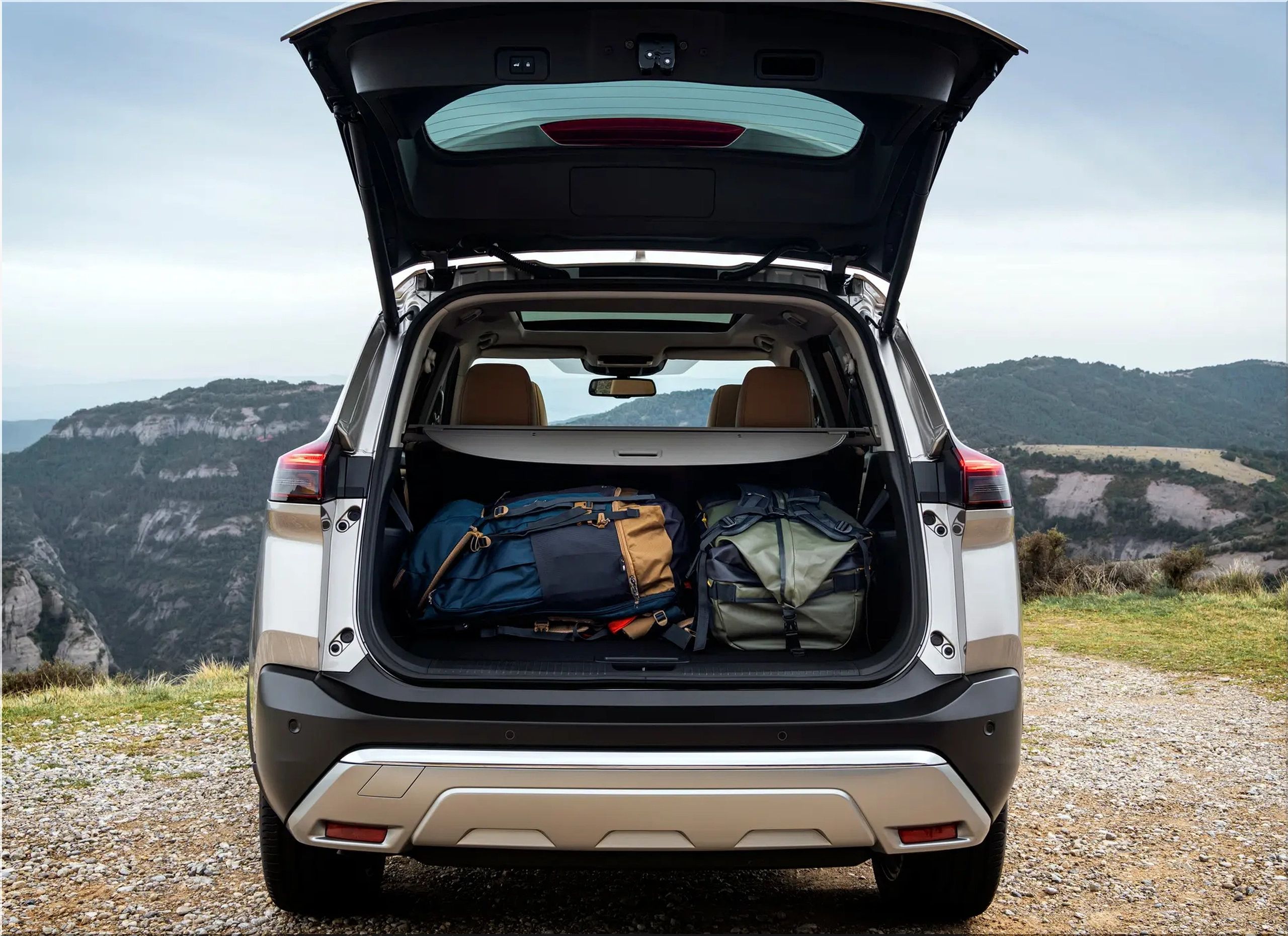
Cargo space stays competitive, too. Depending on seating layout and powertrain, the current X-Trail offers:
- 575 to 585 liters behind the second row
- 20.3 to 20.7 cubic feet behind the second row
- Up to 1,396 to 1,424 liters with seats folded to the roof
- Up to 49.3 to 50.3 cubic feet with seats folded to the roof
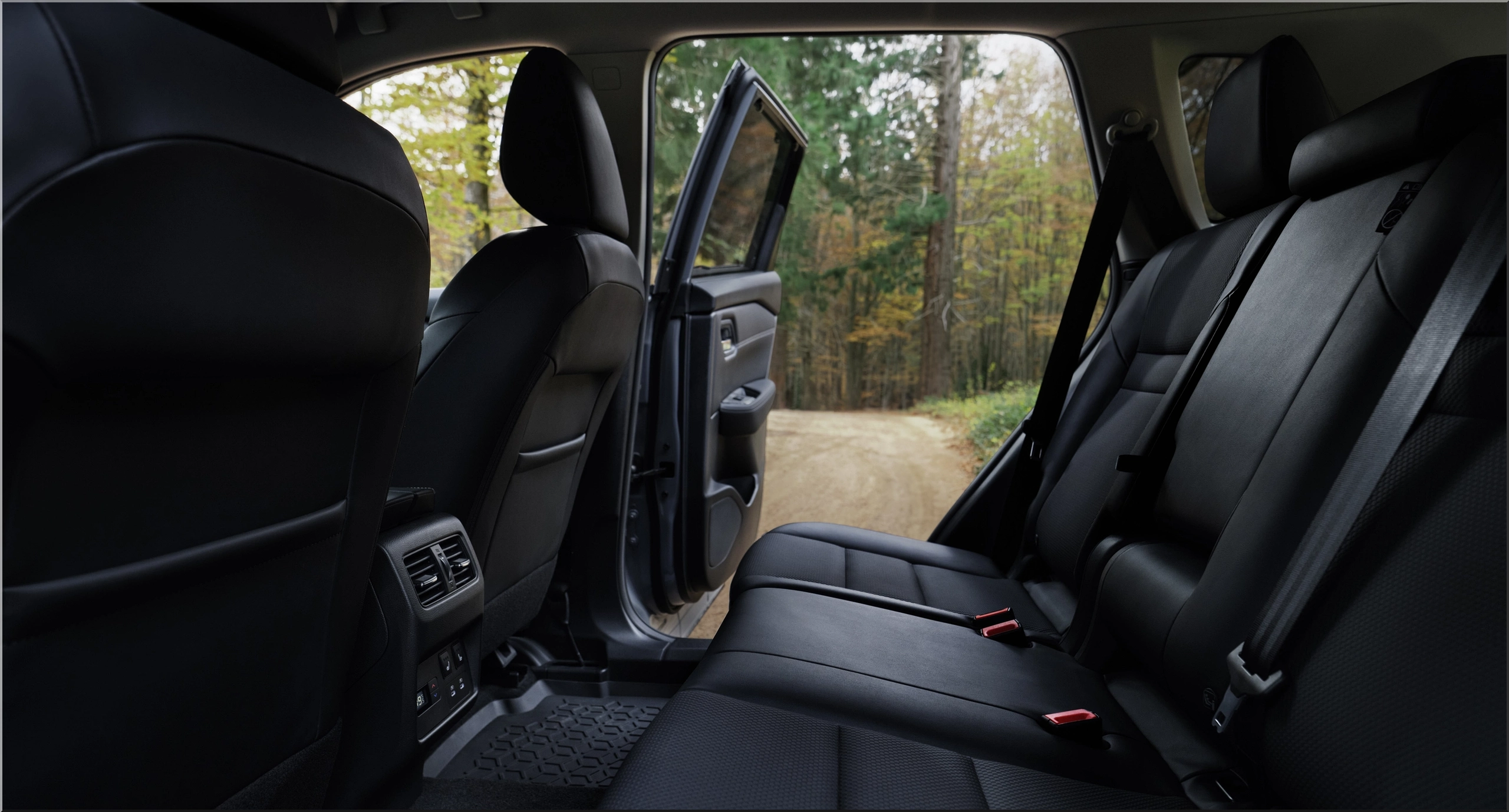
That range exists because seven-seat versions trade some luggage depth for passenger flexibility. Families know that compromise well. Nissan at least gives buyers a real choice instead of pretending one layout works for every household.
Current X-Trail dimension and capacity table
| Metric | Nissan X-Trail |
|---|---|
| Overall length | 184.3 in / 4,680 mm |
| Wheelbase | 106.5 in / 2,705 mm |
| Width without mirrors | 72.4 in / 1,840 mm |
| Height | 67.9 in / 1,725 mm |
| Turning circle | 36.4 ft / 11.1 m |
| Cargo volume behind 2nd row | 20.3-20.7 cu ft / 575-585 L |
| Cargo volume seats folded to roof | 49.3-50.3 cu ft / 1,396-1,424 L |
| Fuel tank | 14.5 gal / 55 L |
| Max braked towing | 1,477-4,409 lb / 670-2,000 kg |
From an expert perspective, those towing numbers tell an important story. The mild-hybrid 2WD version can pull more than the electrified 2WD e-POWER model, while the e-4ORCE AWD versions restore much of that utility. Nissan clearly tuned the lineup around use case, not brochure vanity.
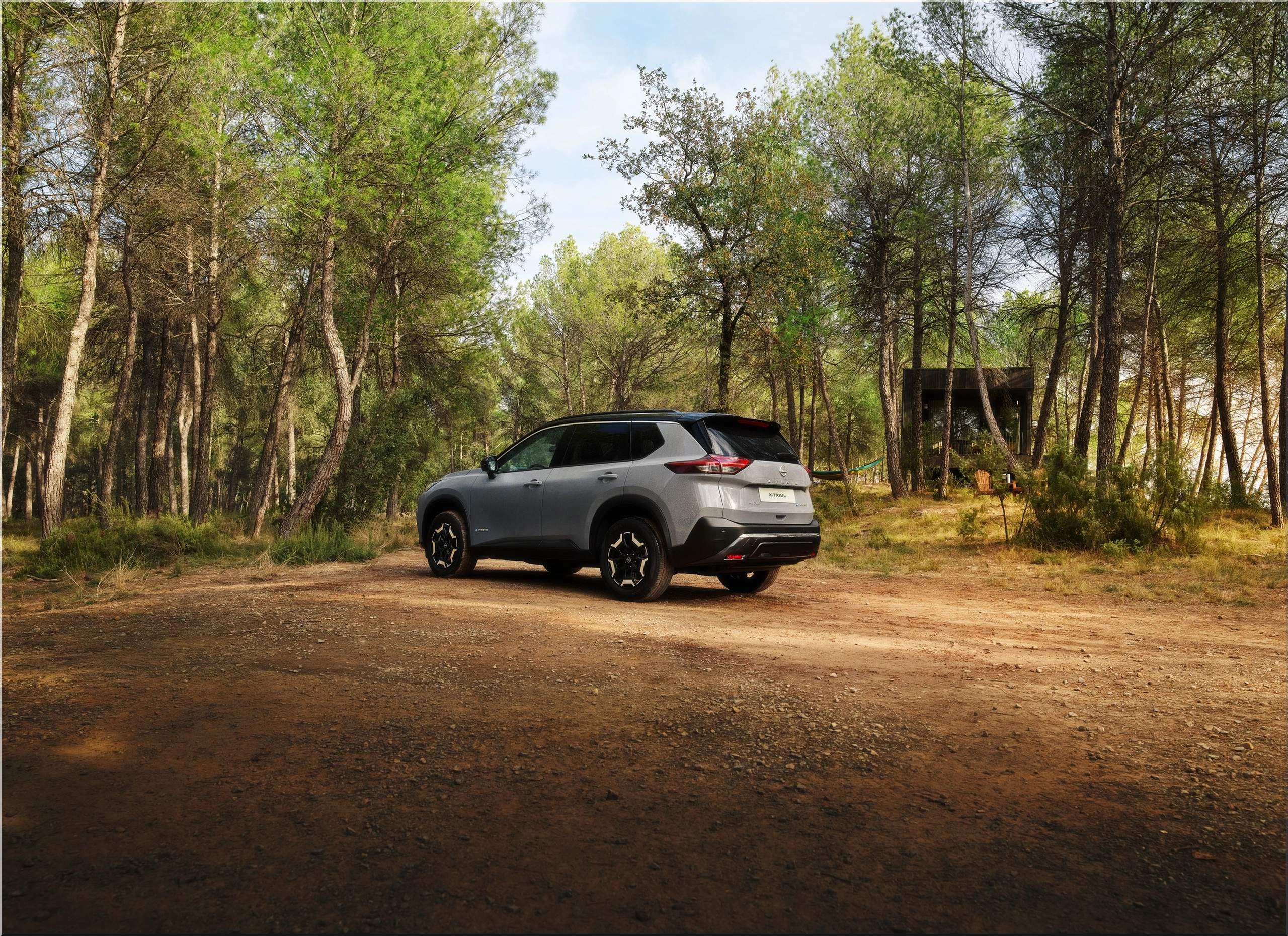
e-POWER Changed the X-Trail More Than the Styling Did
The biggest technical shift in the X-Trail's 25-year run is not a grille, screen, or trim line. It is Nissan e-POWER.
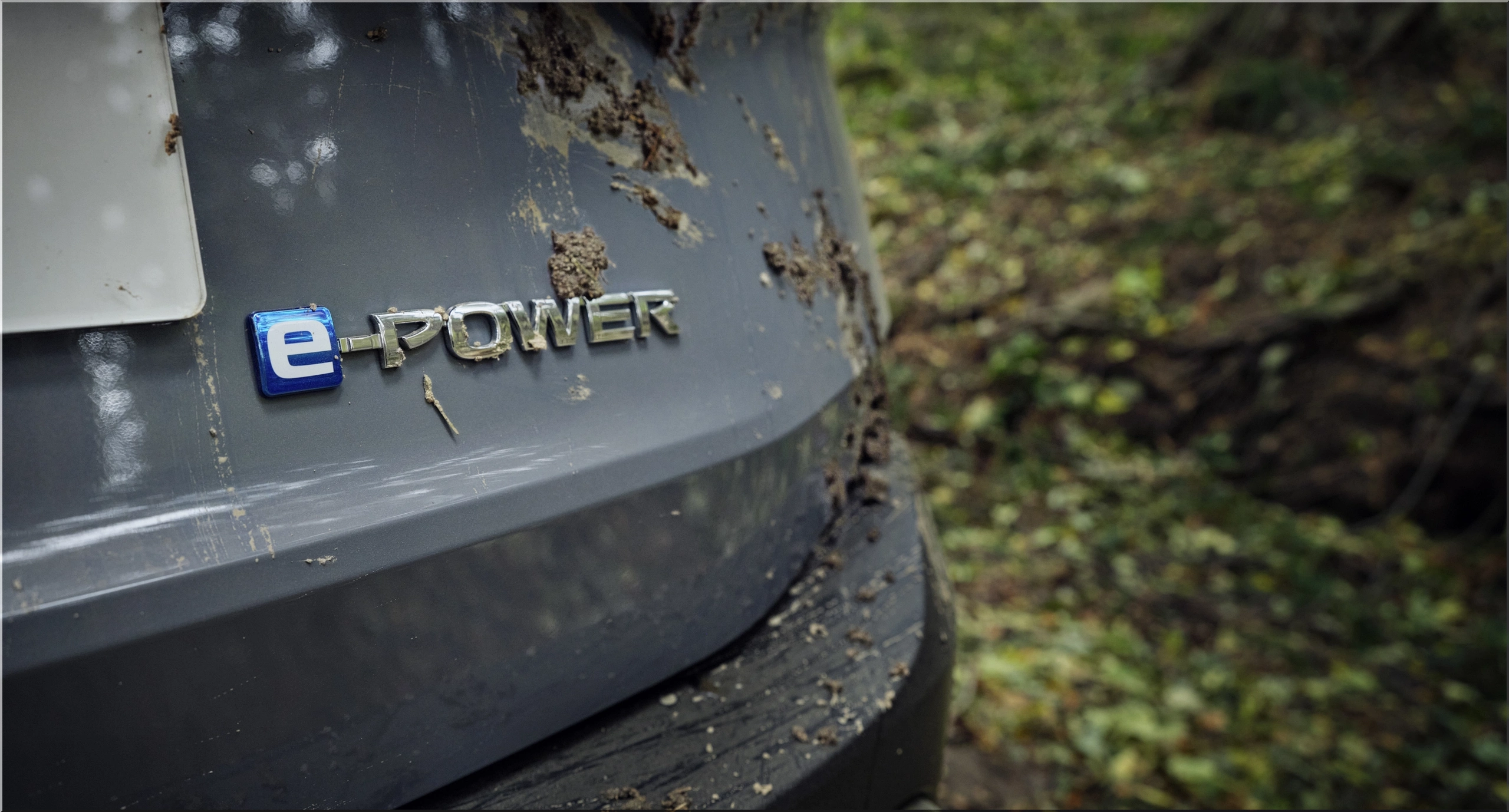
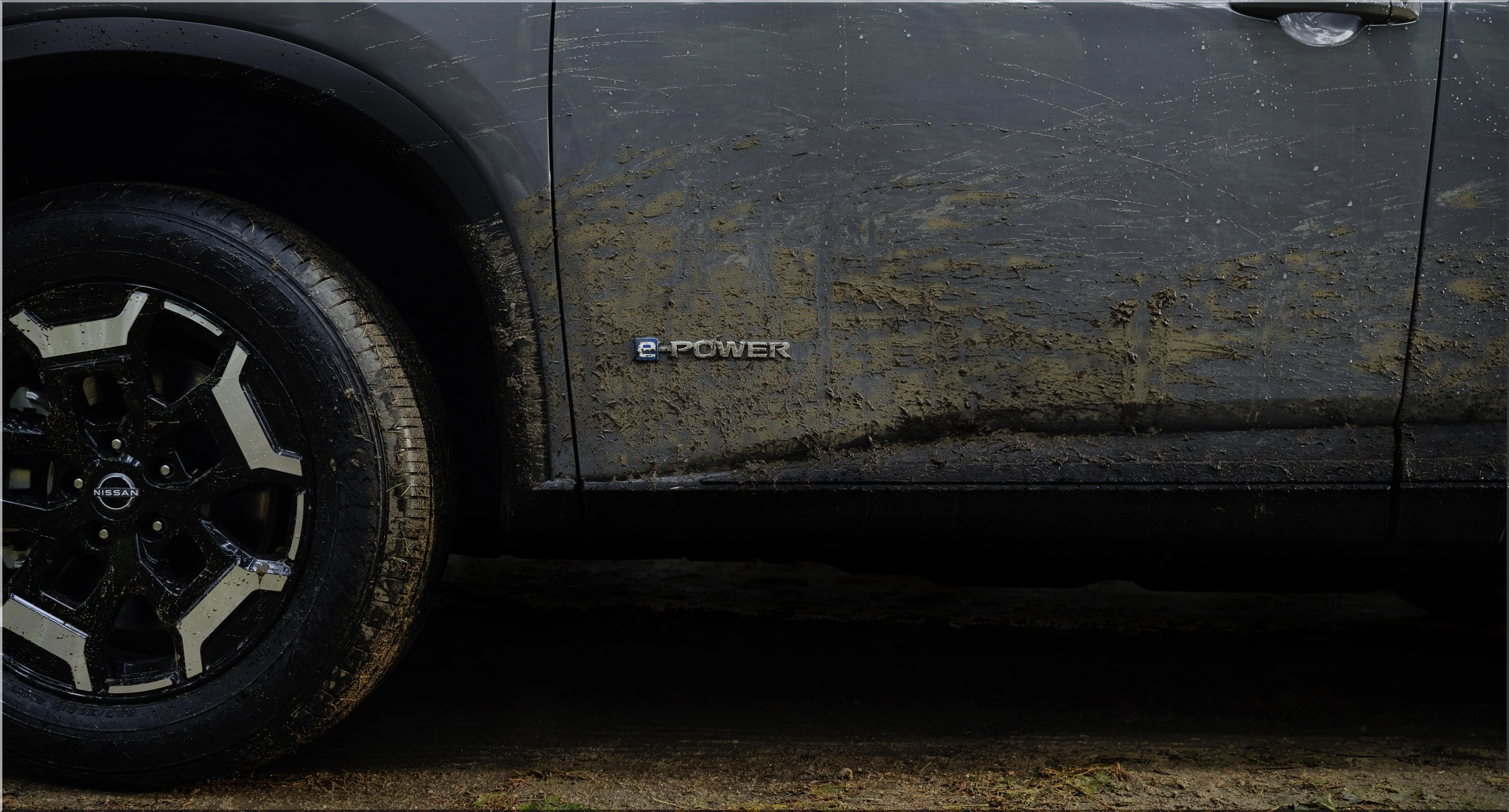
In an e-POWER hybrid, the gasoline engine does not directly drive the wheels in normal operation. The engine generates electricity. The electric motor drives the vehicle. That means the driver gets the immediate response and smoothness associated with electric drive, but without relying on external charging infrastructure. Nissan did not build a conventional hybrid here. It built a series-hybrid-style experience aimed at people who want EV-like response without planning their week around plugs.
That architecture matters because it changes how the vehicle feels in daily traffic. Low-speed launch, rolling acceleration, and stop-and-go behavior all improve when the motor handles the wheel-driving work. The effect is not theoretical. It shows up in drivability.
Definition: What e-POWER means
e-POWER is Nissan's electrified system in which a gasoline engine generates electricity for a battery and electric motor, while the electric motor alone drives the wheels.
That distinction separates it from many conventional hybrids. It also explains why Nissan pitches the X-Trail e-POWER as a smoother, more EV-like family SUV rather than a standard gas-electric compromise.
Why Nissan Used a 1.5-Liter VC-Turbo Engine
The current X-Trail's electrified hardware uses a 1.5-liter three-cylinder VC-Turbo engine as the generator side of the system. Nissan's engineering logic here makes sense.
A series-hybrid-style setup lives or dies on how efficiently the engine can generate power across the operating points that matter most. Nissan's variable compression engine can move between higher compression for efficiency and lower compression for higher output. In simple terms, it gives engineers a broader operating window. That helps the X-Trail deliver stronger power generation under load without throwing fuel economy away when the request drops.
Looking at the data, Nissan's own technical review says the X-Trail-dedicated VC-Turbo setup targeted high thermal efficiency during fixed-point operation, stronger peak output, lower noise, and compact packaging. The engine also reaches 106 kW at 4,400 rpm, which matters because lower rpm at high output helps cabin refinement. That is engineering, not marketing spin.
In addition, Nissan paired that engine strategy with noise-control work, including exhaust tuning and lower engine-start frequency under braking thanks to an electric brake setup. Consequently, the system does more than move the X-Trail toward electrification. It also attacks one of the main weaknesses drivers often notice in hybrids: awkward engine intervention.
e-4ORCE Gives the X-Trail Its Best Technical Story
If e-POWER defines the drivetrain philosophy, e-4ORCE defines the premium end of the X-Trail range.
The current X-Trail e-4ORCE AWD uses a front motor rated at 150 kW and 330 Nm and a rear motor rated at 100 kW and 195 Nm. Combined system output reaches 213 PS, or about 210 hp. Nissan's UK brochure lists 213 PS for e-4ORCE and 204 PS for the 2WD e-POWER model.
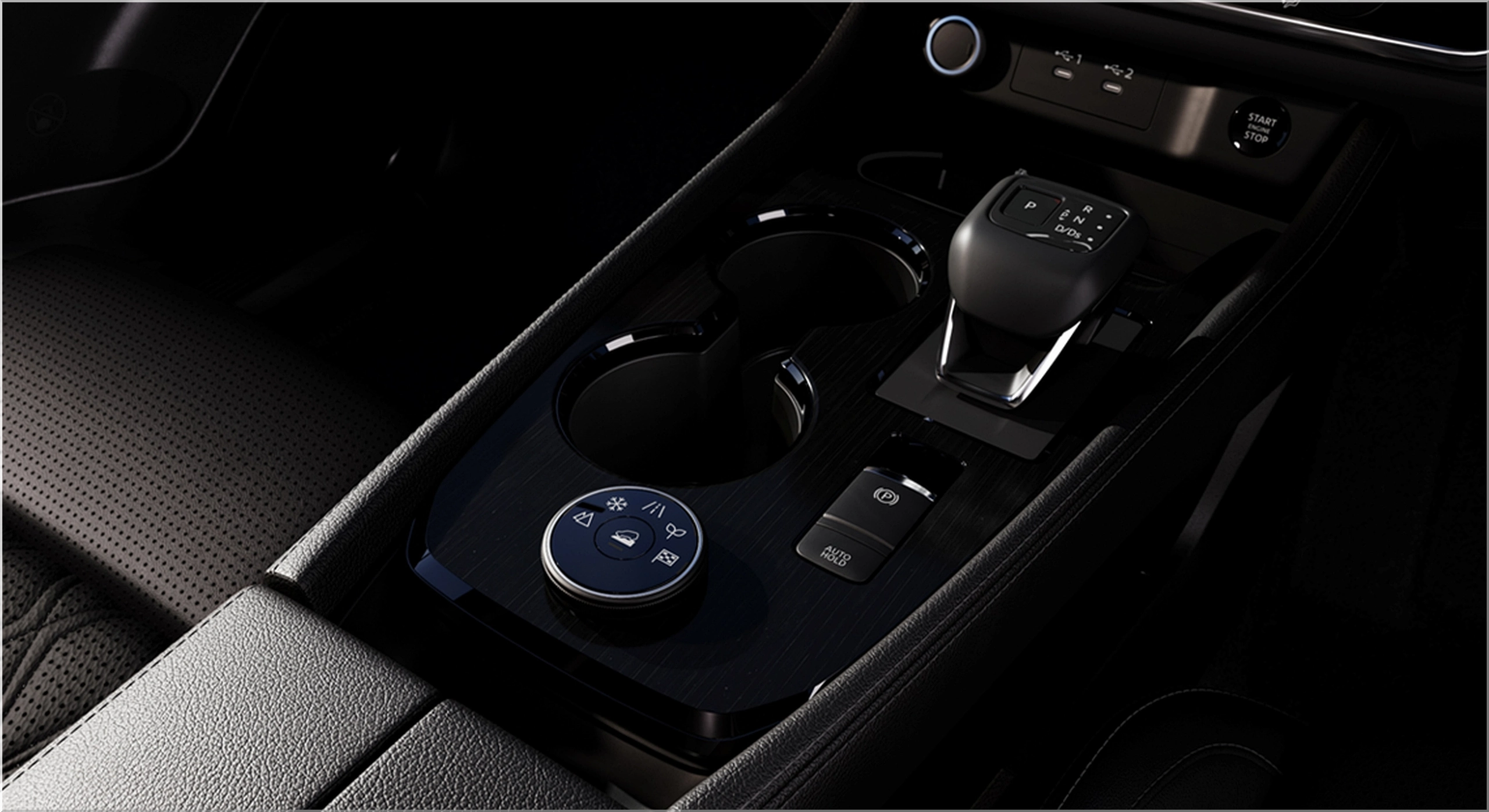
That hardware matters because dual-motor control reacts faster than a conventional mechanical AWD system. There is no waiting for a clutch pack to catch up to a wheel-slip event in the same old way. Nissan's technical material says the system coordinates front and rear motor torque with brake control based on tire vertical load, which helps the vehicle start more cleanly on low-traction surfaces like snow and rough loose ground.
Pro-Tip: Why e-4ORCE makes sense in a family SUV
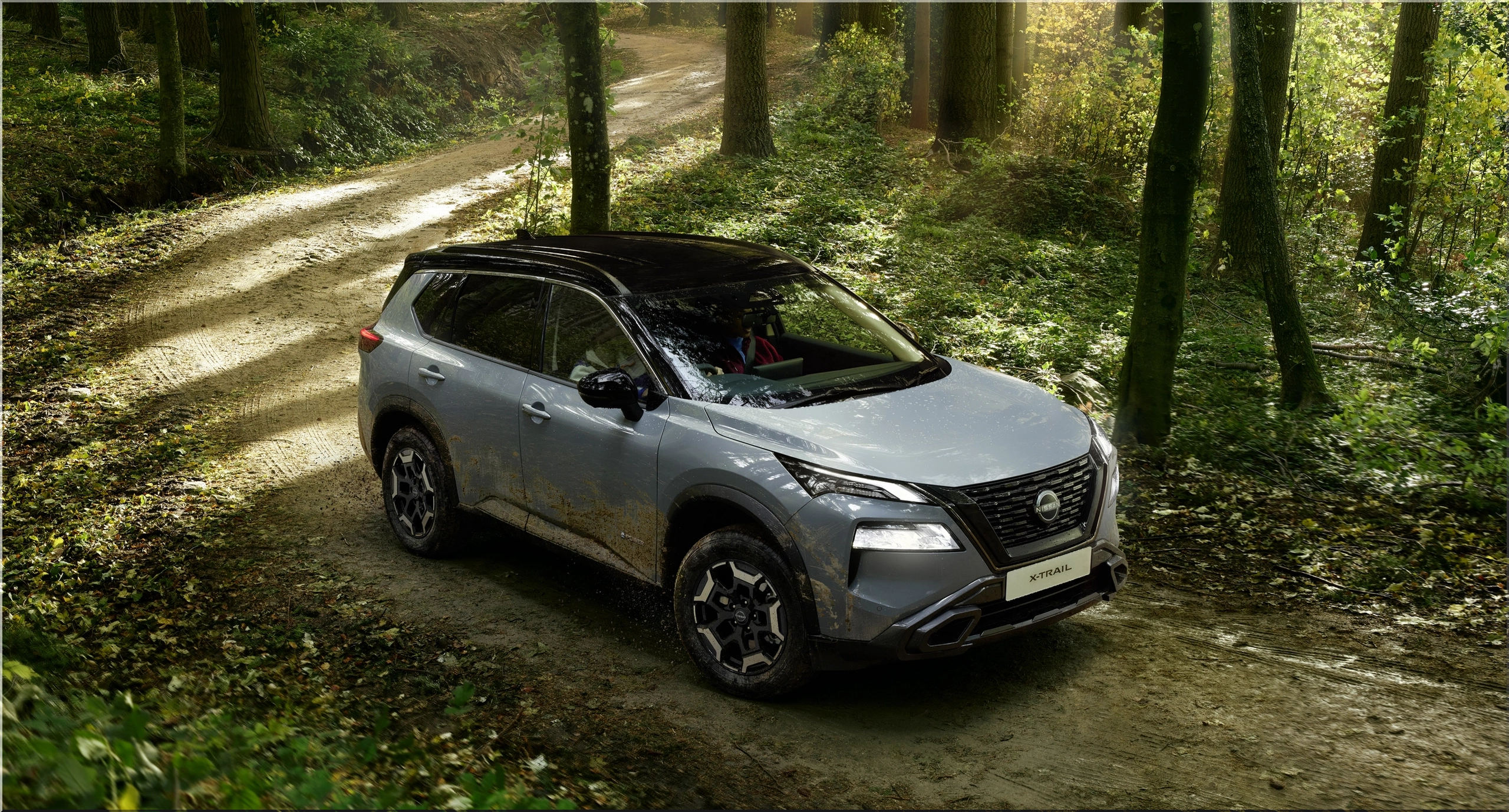
If a buyer wants the X-Trail for winter roads, towing stability, wet-weather confidence, or bad-surface travel with a full cabin, e-4ORCE is the version that best fits the badge.
The reason sits in the control logic. Electric motors can meter torque with far finer timing than a conventional engine-and-propshaft AWD layout. That gives engineers better tools for ride composure, traction, and smoother pitch control during braking and acceleration.
Performance, Economy, and the Real-Use Tradeoffs
Here is where the current X-Trail lineup gets interesting. Nissan does not sell one universal answer. It sells powertrain choices built around different priorities.
| Powertrain | Output | Torque | 0-62 mph | Top speed | WLTP combined fuel economy |
|---|---|---|---|---|---|
| Mild Hybrid 2WD | 163 PS / about 161 hp | 300 Nm | 9.6 sec | 124 mph | From 39.8 mpg |
| e-POWER 2WD | 204 PS / about 201 hp | 330 Nm | 8.0 sec | 105 mph | From 47.9 mpg |
| e-POWER e-4ORCE AWD | 213 PS / about 210 hp | 330 Nm front + 195 Nm rear | 7.0-7.2 sec | 111 mph | From 43.5-44.1 mpg |
By comparison, the current US-market 2026 Nissan Rogue uses a different route. It sticks with a 1.5-liter VC-Turbo three-cylinder making 201 hp and 225 lb-ft of torque, with up to 29/36 mpg city/highway. It also lists 183.0 inches of length, 72.4 inches of width, 66.5 inches of height, 8.2 inches of ground clearance, and 36.3-36.5 cubic feet of cargo volume behind the rear seats.
X-Trail vs Rogue 2026 context
| Metric | Nissan X-Trail e-POWER/e-4ORCE | 2026 Nissan Rogue |
|---|---|---|
| Drivetrain philosophy | Electric motor drives wheels | Gas engine drives wheels |
| Typical output | 204-213 PS | 201 hp |
| Torque headline | 330 Nm front, plus 195 Nm rear on e-4ORCE | 225 lb-ft |
| Seating | 5 or 7 seats | 5 seats |
| Length | 184.3 in | 183.0 in |
| Width | 72.4 in | 72.4 in |
| Height | 67.9 in | 66.5 in |
| Cargo behind rear seats | 20.3-20.7 cu ft | 36.3-36.5 cu ft |
That cargo comparison needs context. The Rogue's published US number reflects a dedicated five-seat package. The X-Trail often carries extra seating hardware and broader packaging flexibility. Consequently, the two vehicles share architecture logic, but they are tuned for different market expectations.
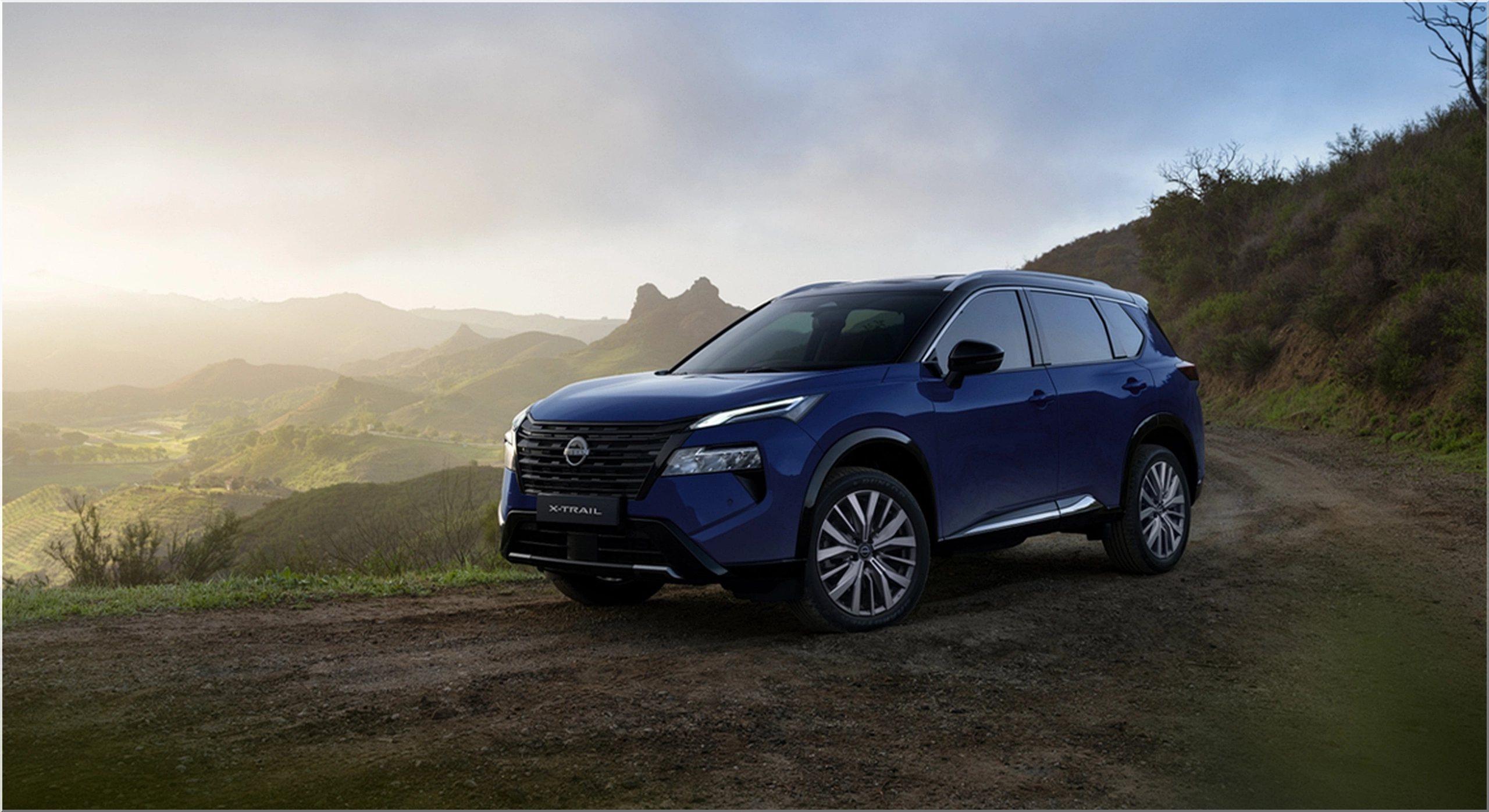
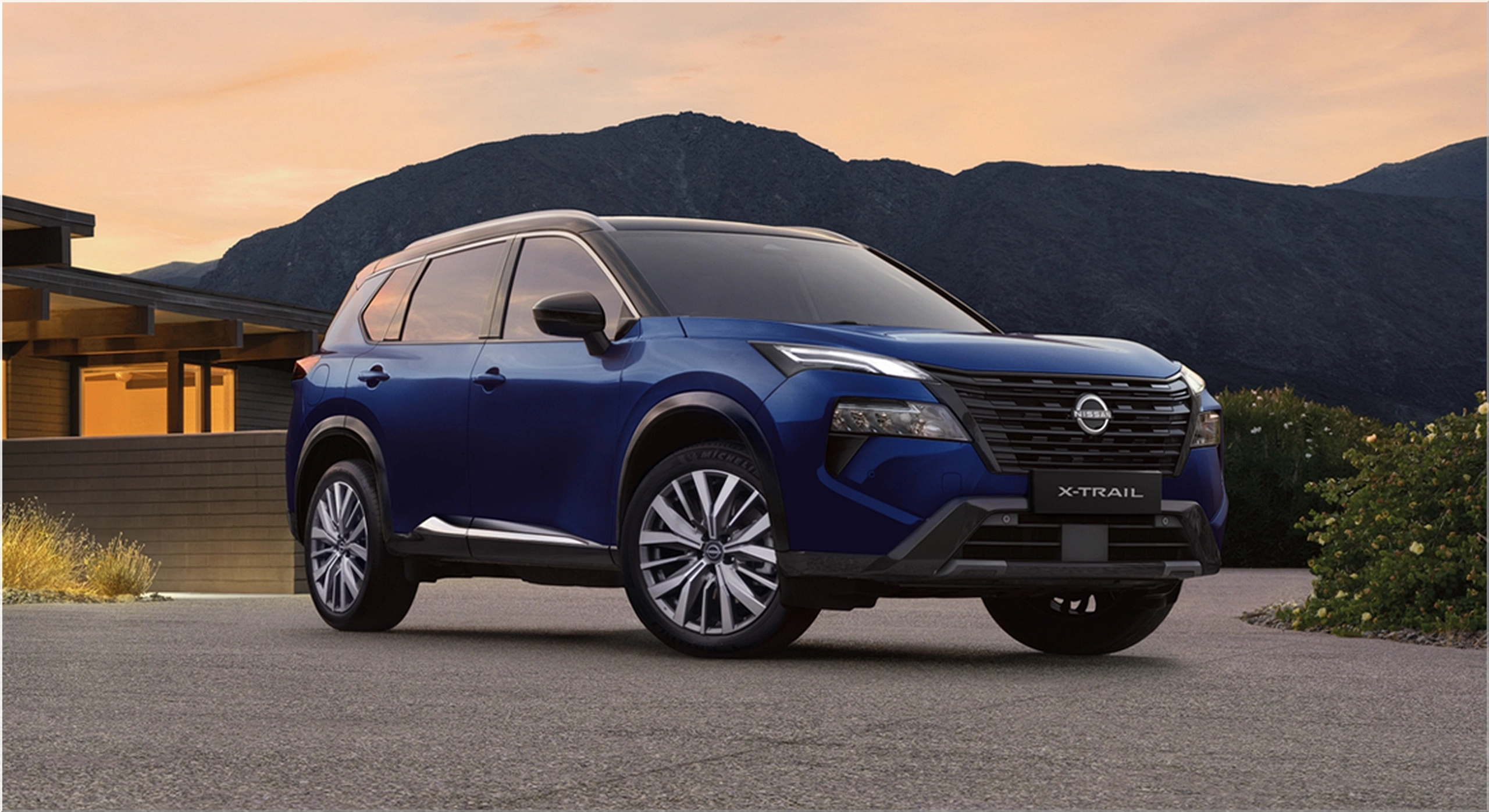
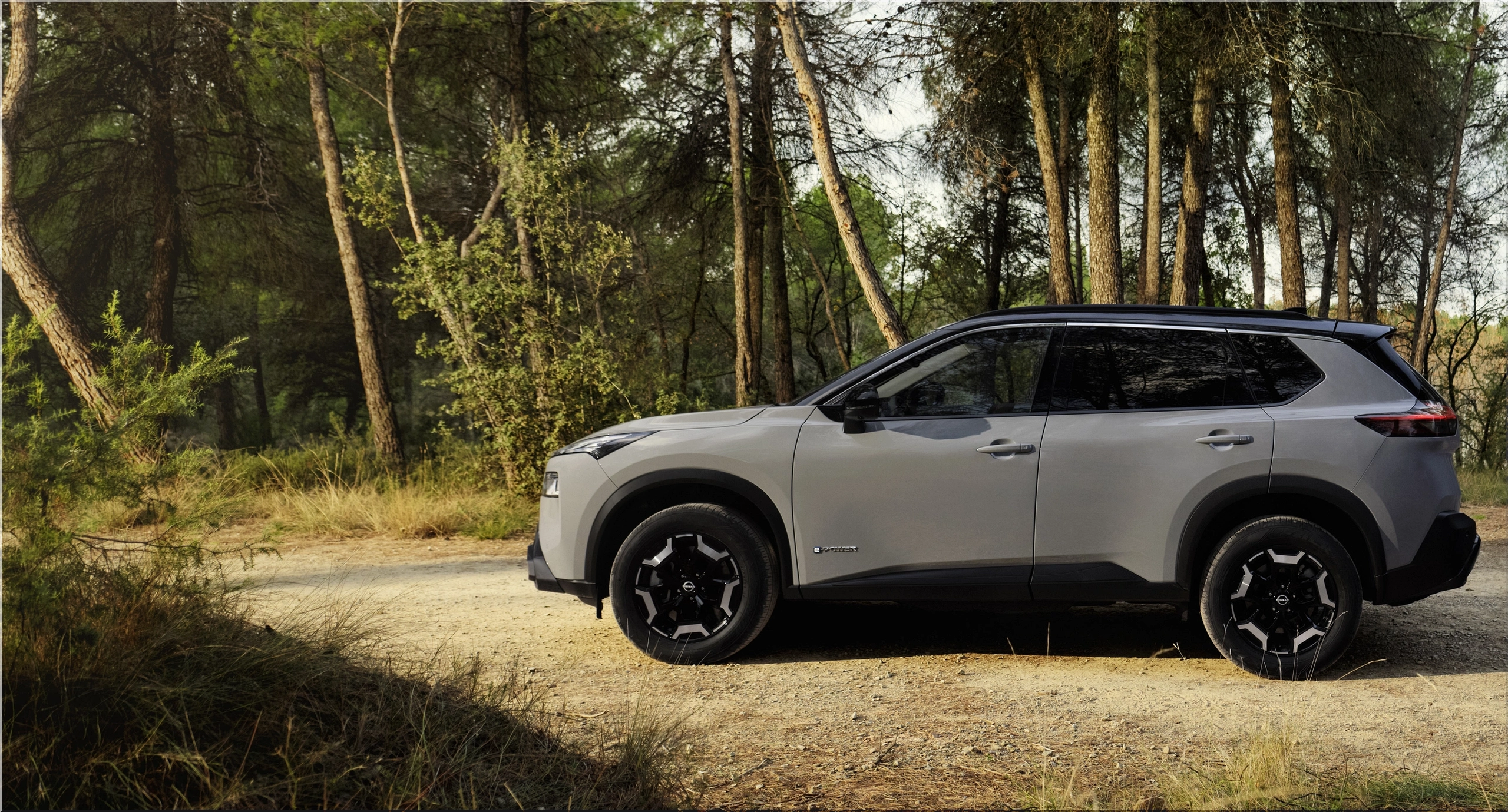
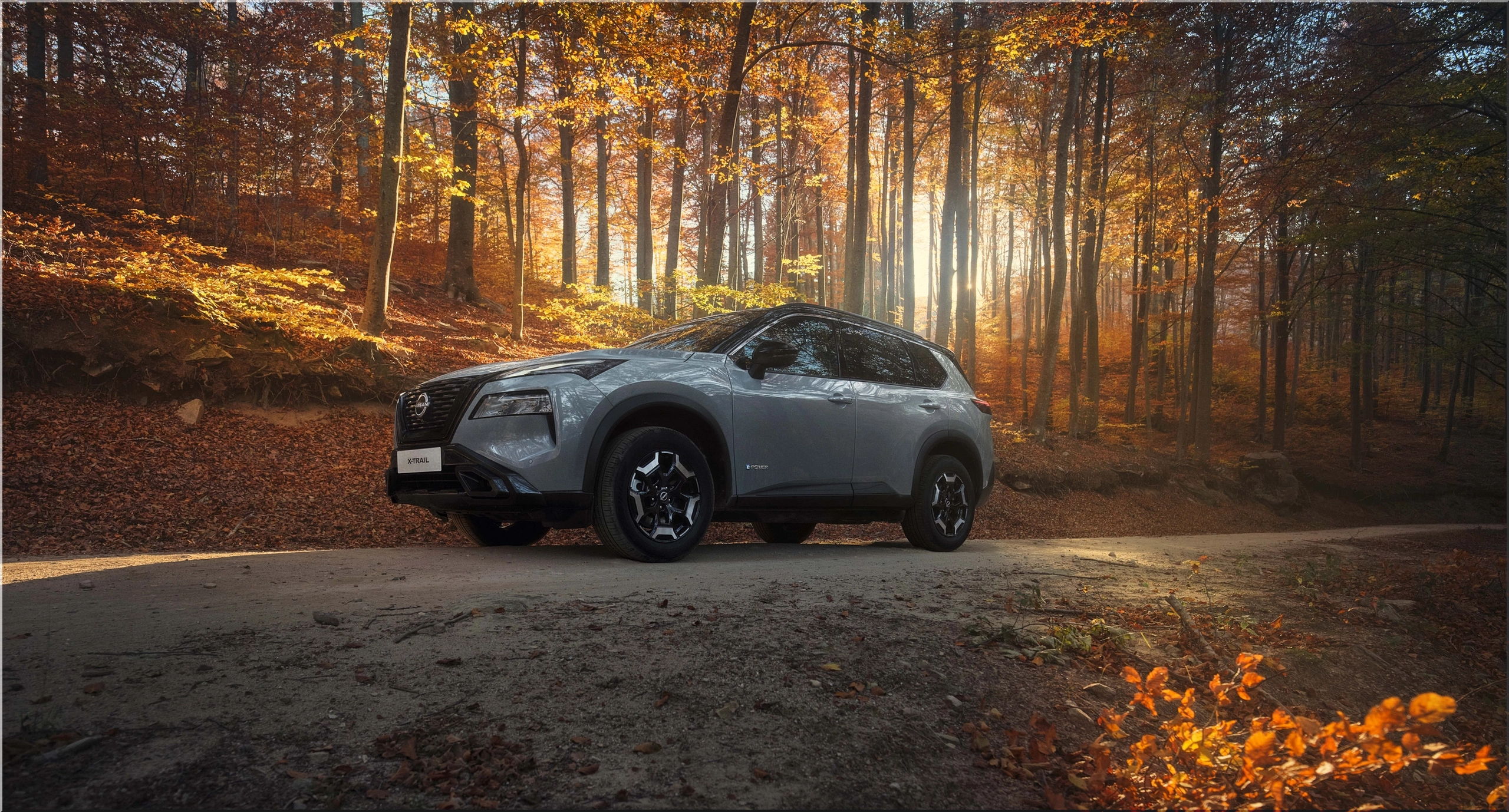
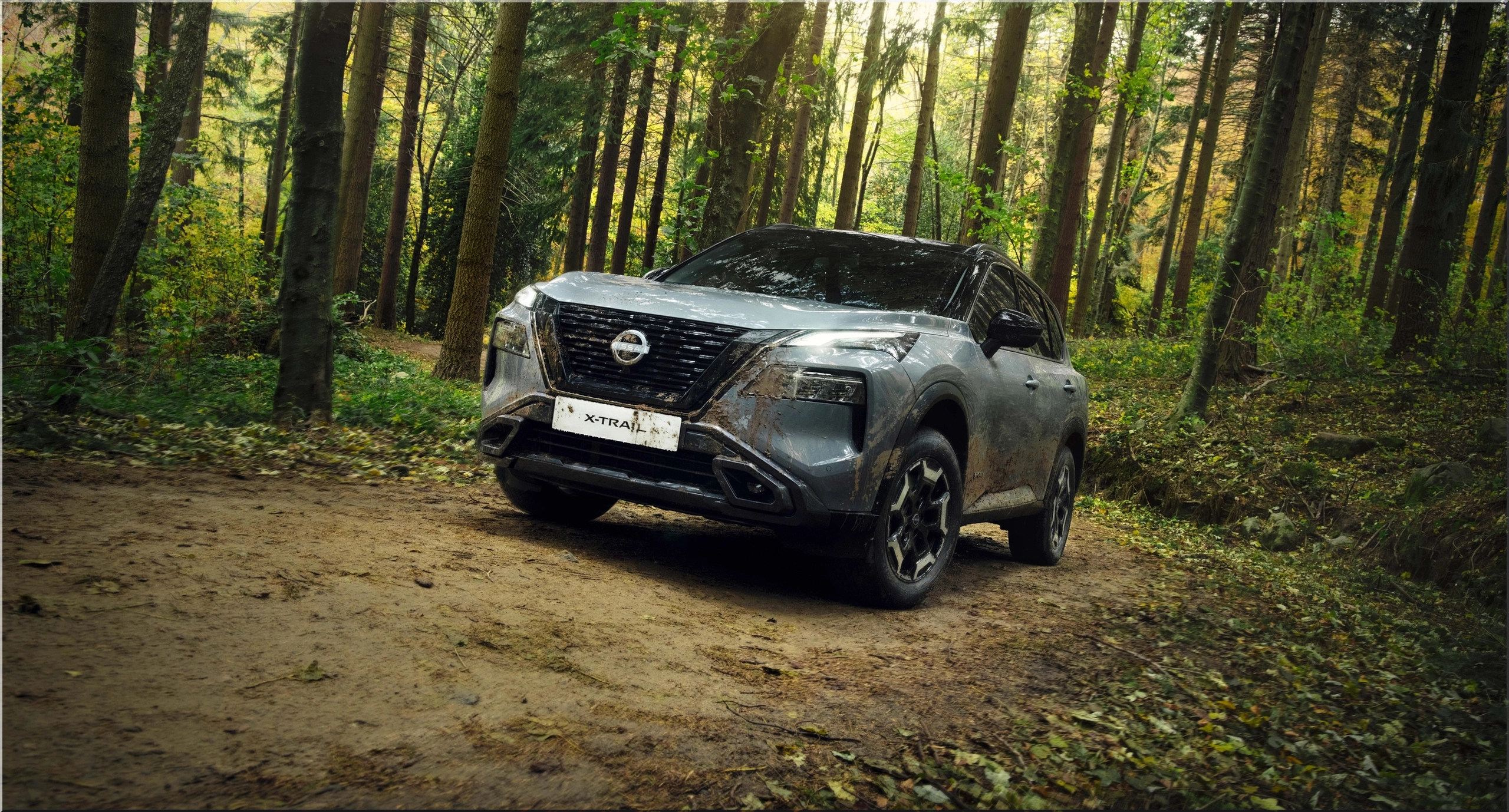
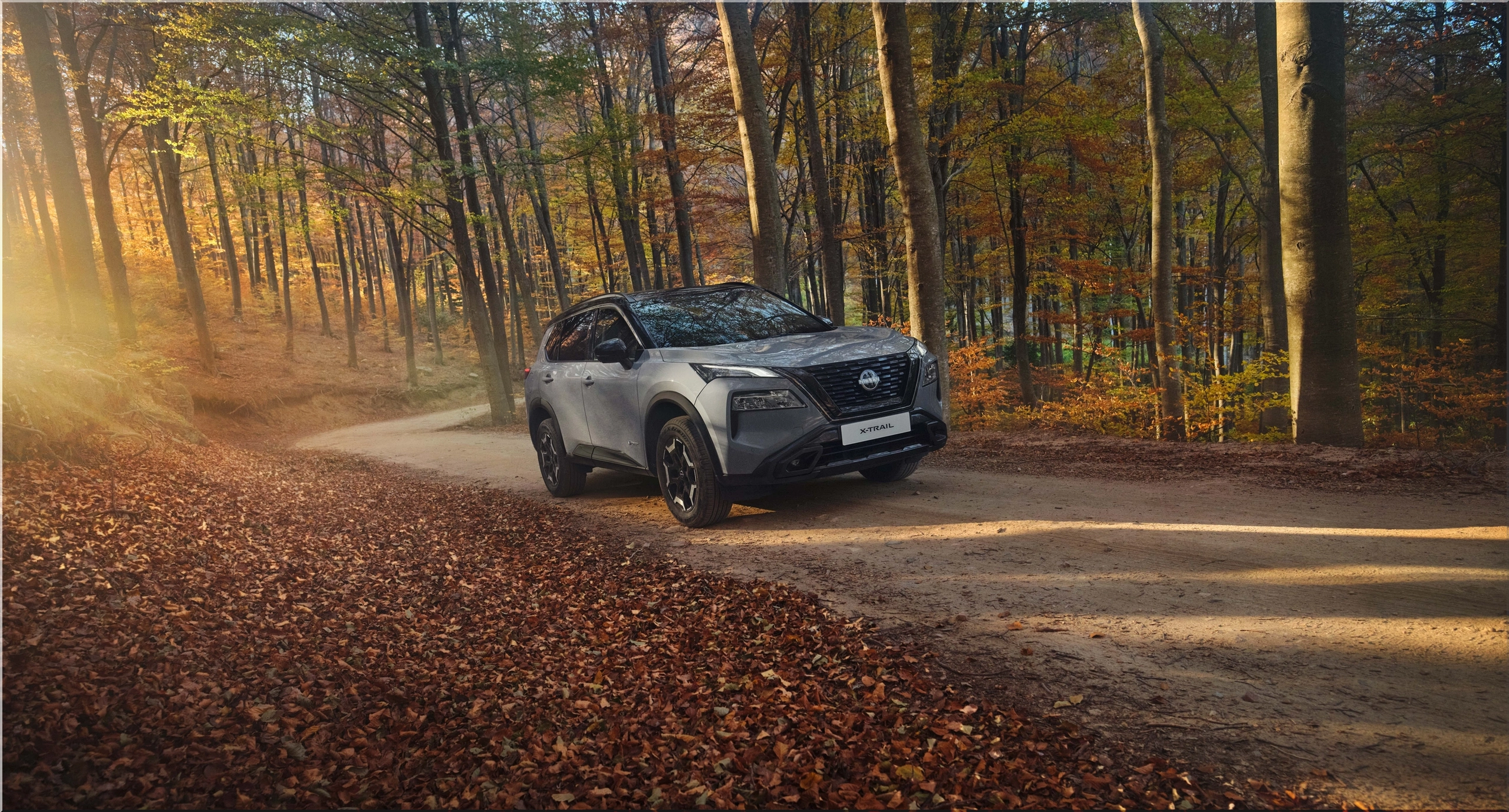
The 2026 Nissan X-Trail Context: Why This Anniversary Lands at the Right Time
The Nissan X-Trail 2026 sits at an interesting moment. Buyers still want family SUVs. Regulators still want lower emissions. Charging adoption keeps growing, but many households still want the convenience of liquid refueling. That leaves a large opening for systems like e-POWER.
From a product-planning view, this anniversary is not just historical housekeeping. It gives Nissan a clean chance to remind buyers that the X-Trail did not arrive late to the family-SUV party. It helped define the category's practical lane, then updated that formula for the electrified era. That message plays well in Europe, where fuel economy, CO2 output, and daily refinement carry more weight in the purchase decision than brute horsepower bragging.
In addition, the X-Trail still has a usable spread in price. Official UK pricing starts at £36,225, which converts to about $48,450. The upper-end Tekna+ shown on Nissan UK's site at £48,375 comes out to about $64,700. That is not cheap. It also is not absurd in a market where tech-heavy family SUVs keep climbing in price.
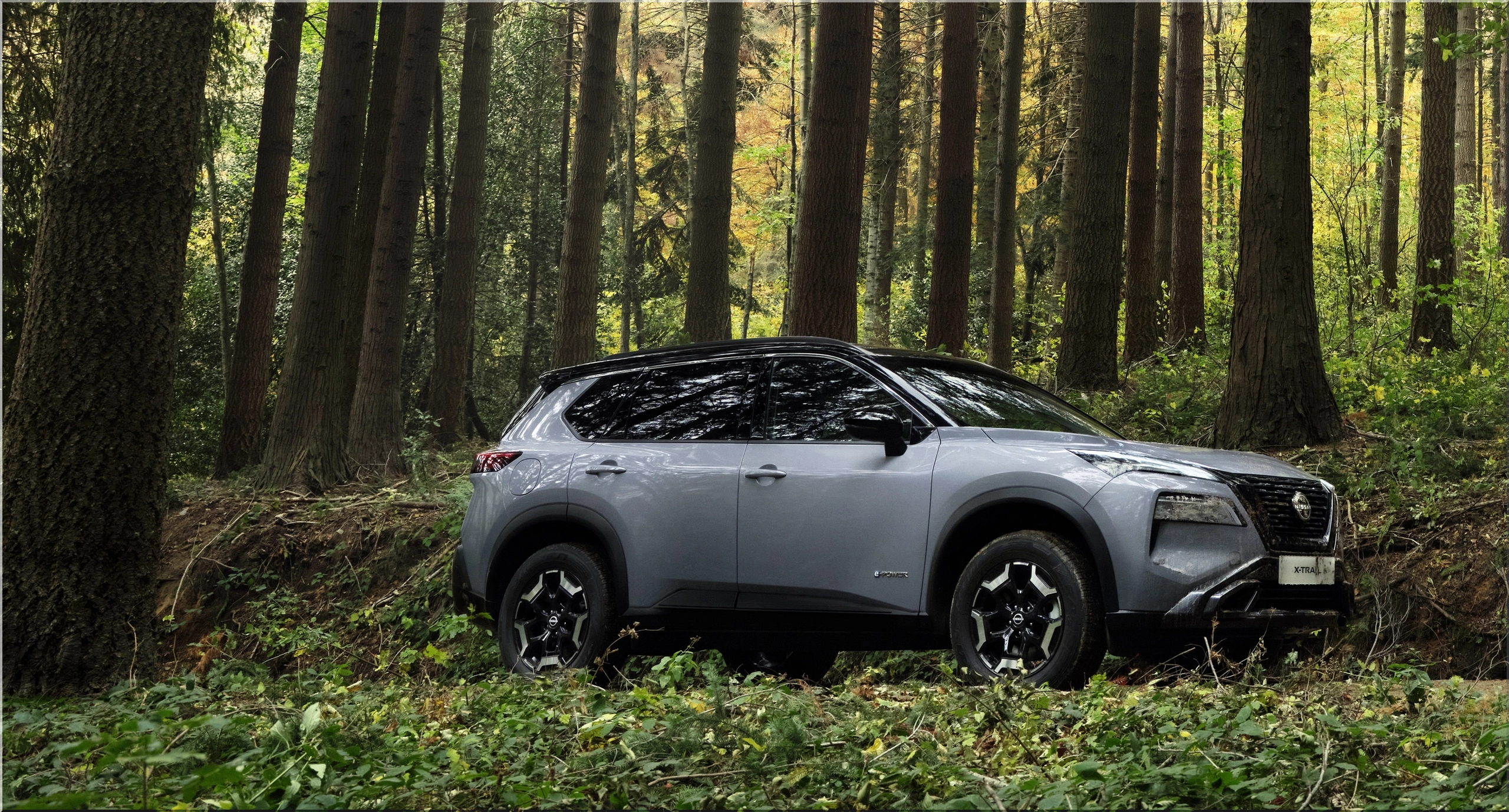
What Nissan Got Right
The X-Trail story is a case study in product discipline.
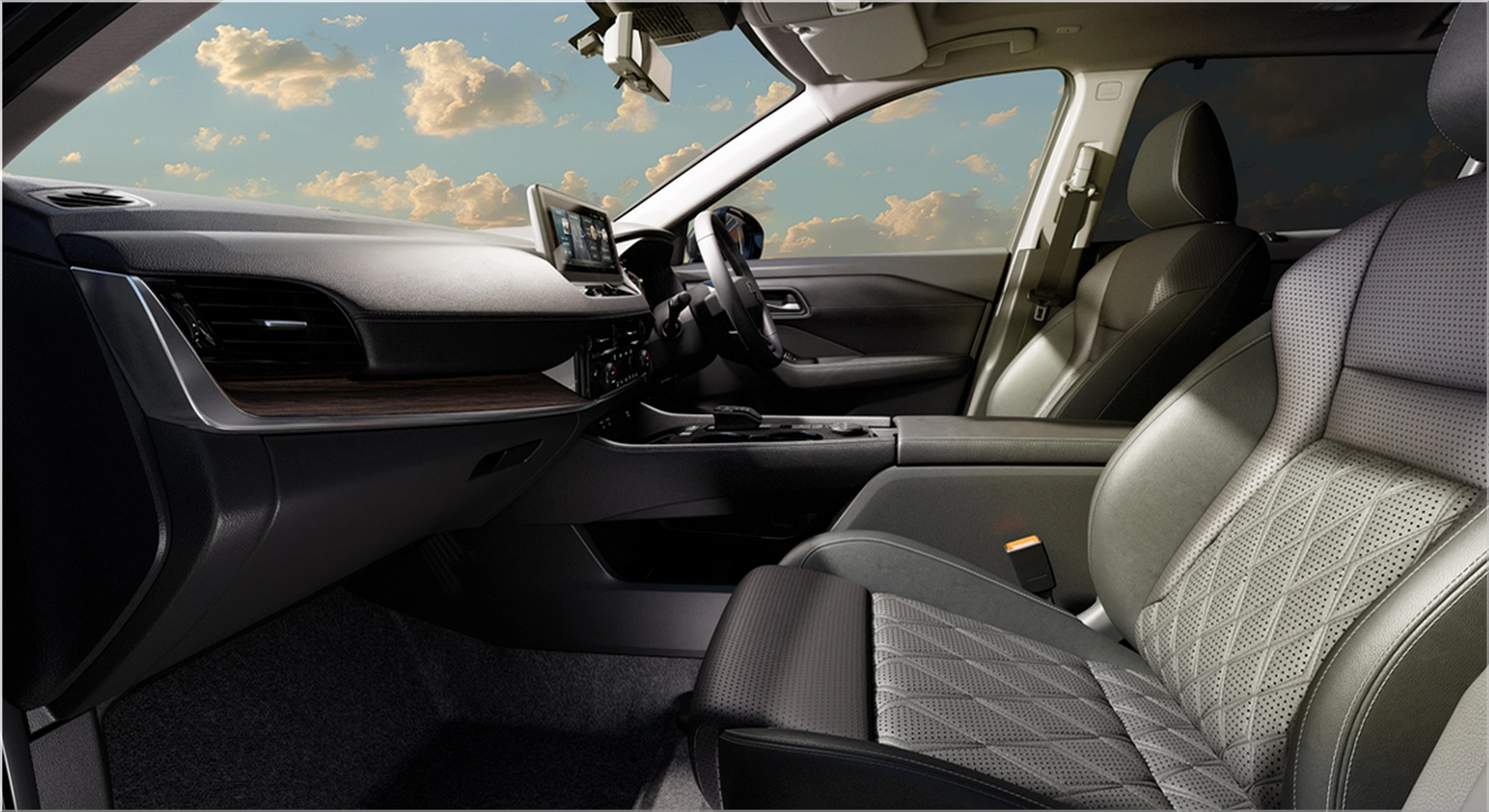
Nissan kept the exterior dimensions within a usable family range. It built a cabin with real packaging intelligence. It gave buyers an electrified system that changes the day-to-day driving feel instead of existing only to satisfy a regulatory spreadsheet. And it added e-4ORCE not as a badge exercise but as a traction and ride-control upgrade with clear engineering value.
The bigger point sits here: the Nissan X-Trail sold more than 8 million units because it understood household math. Families buy confidence, space, predictability, and operating efficiency. They do not buy engineering trivia for its own sake. Nissan used the engineering to improve those things. That is why the vehicle still lands.
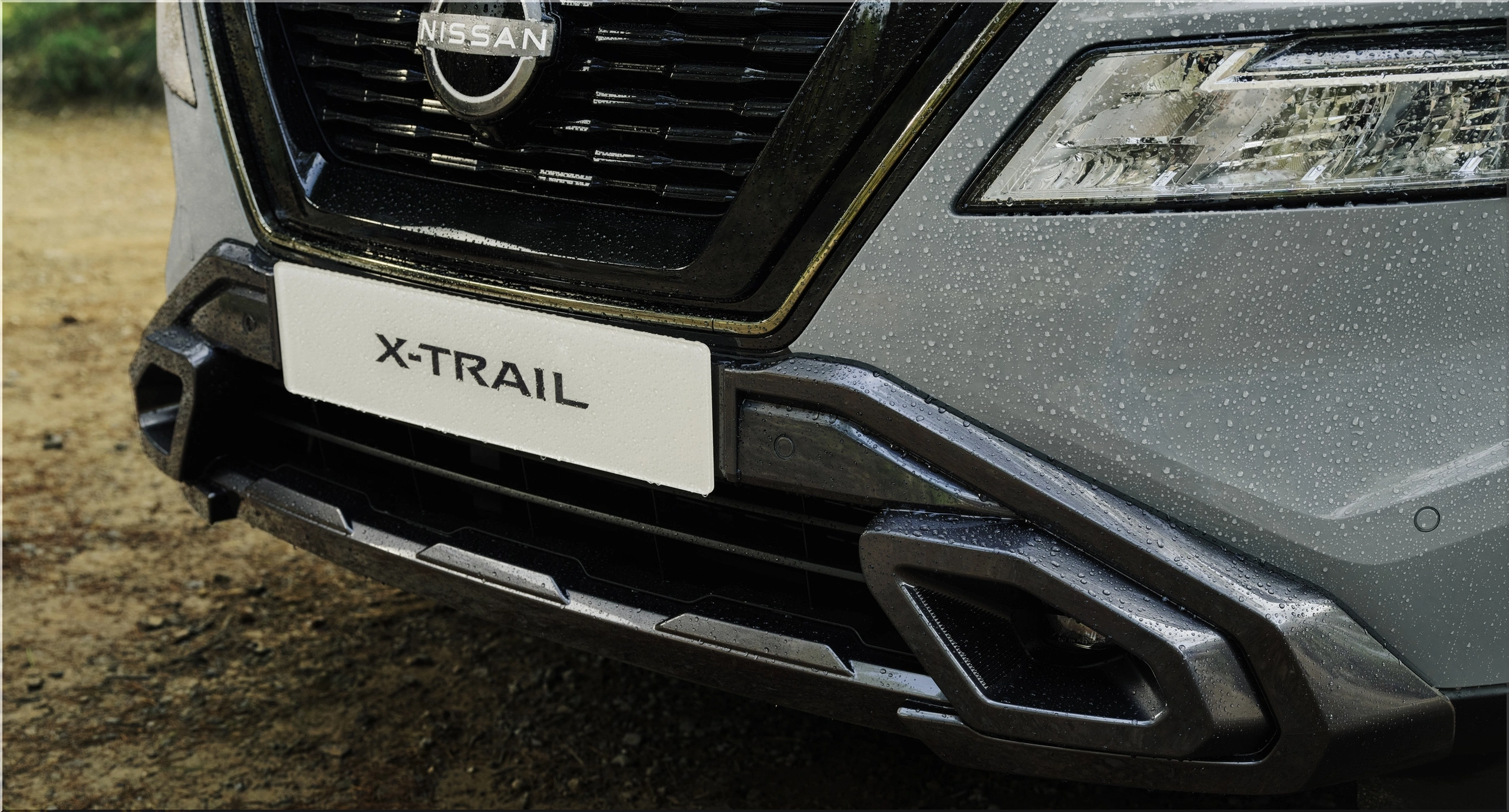
What Now?
If you are evaluating the X-Trail in 2026, the move is simple:
- Pick the mild hybrid 2WD if towing capacity and lower entry price sit at the top of your list.
- Pick the e-POWER 2WD if you want the cleanest efficiency play and the strongest value inside the electrified range.
- Pick the e-4ORCE AWD if weather, traction, and drivability rank above absolute fuel economy.
- Check cargo needs honestly. If you need seven seats often, accept the luggage compromise up front.
- Compare the X-Trail against the Rogue only after defining your market use case. They share DNA, but the electrified X-Trail offers a different driving proposition.
After 25 years, the X-Trail still sells the same basic promise. It simply does the job with better math, better software, and a smarter powertrain.
- Add new comment
- 137 views