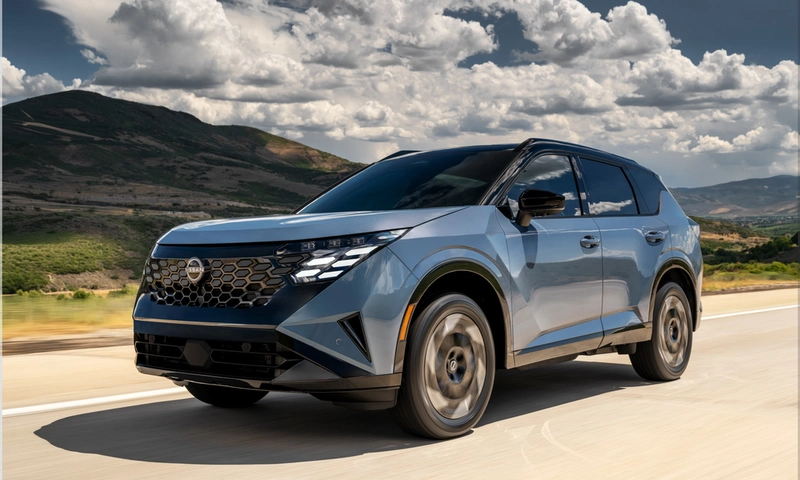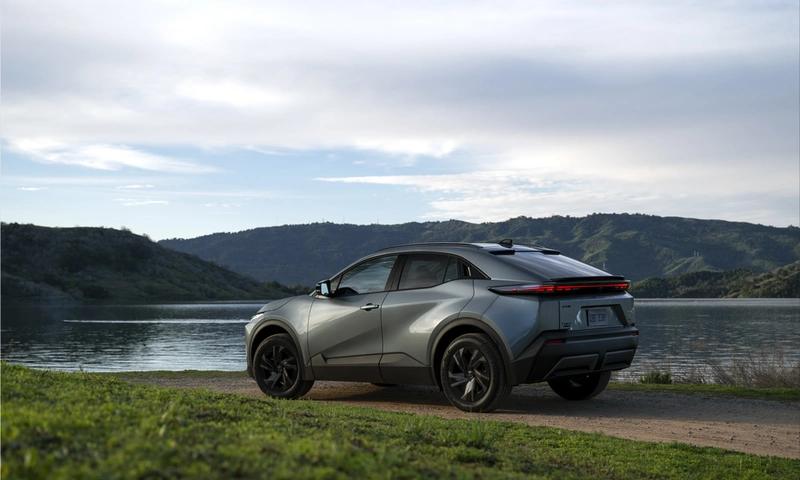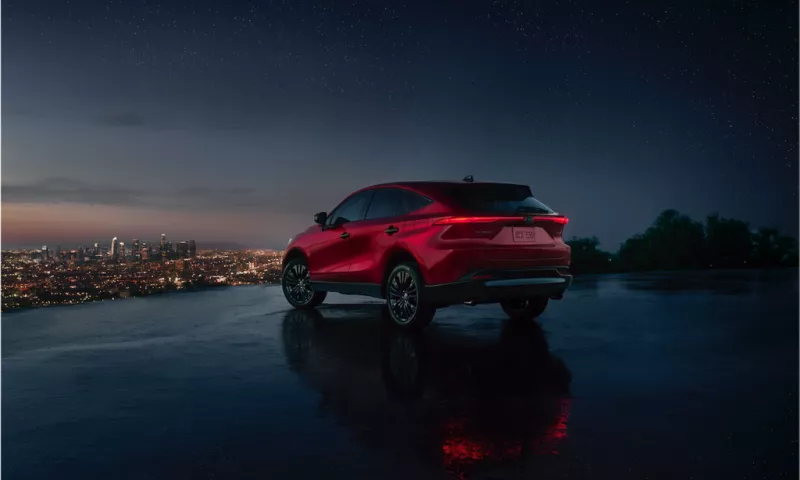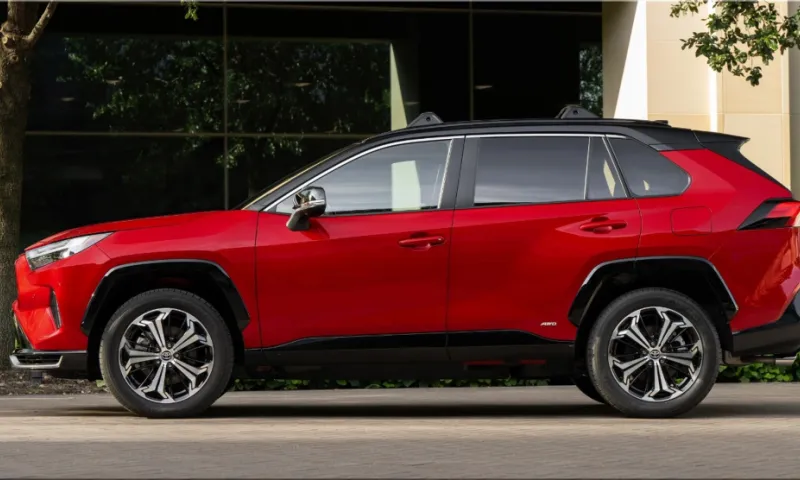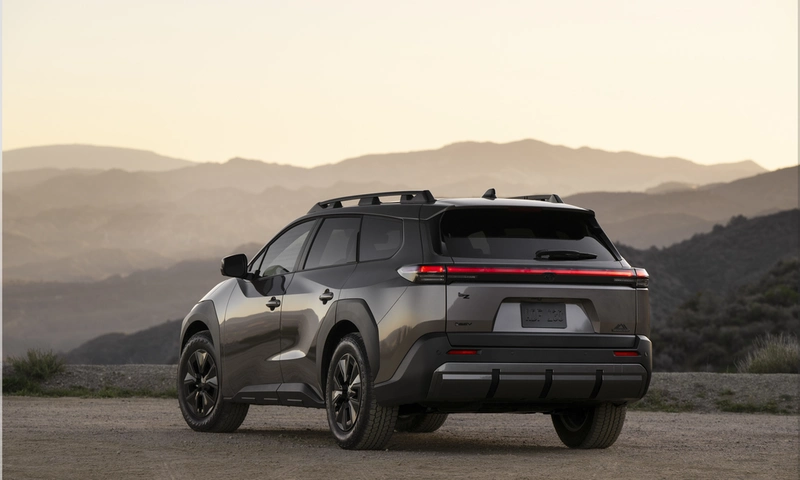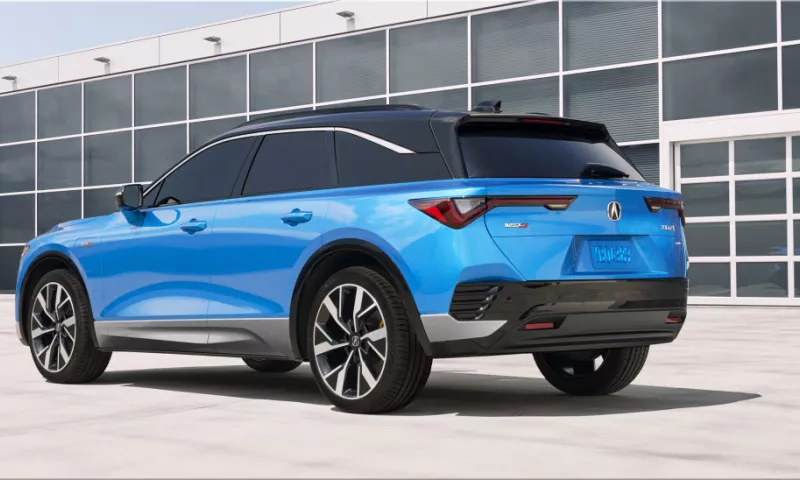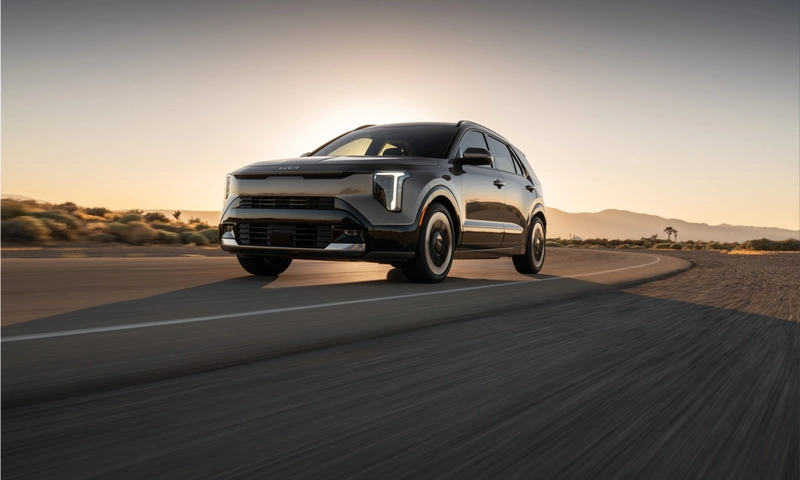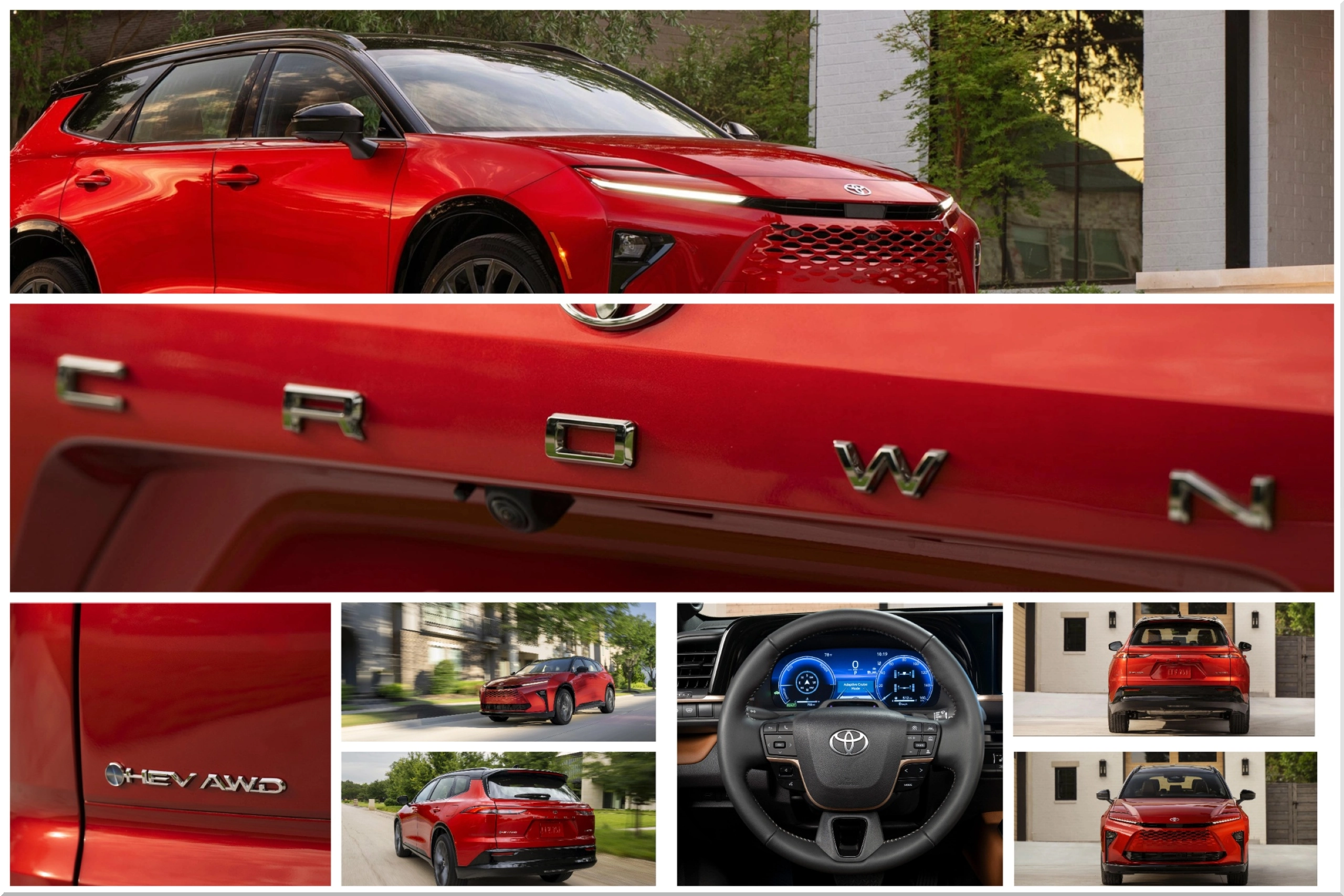
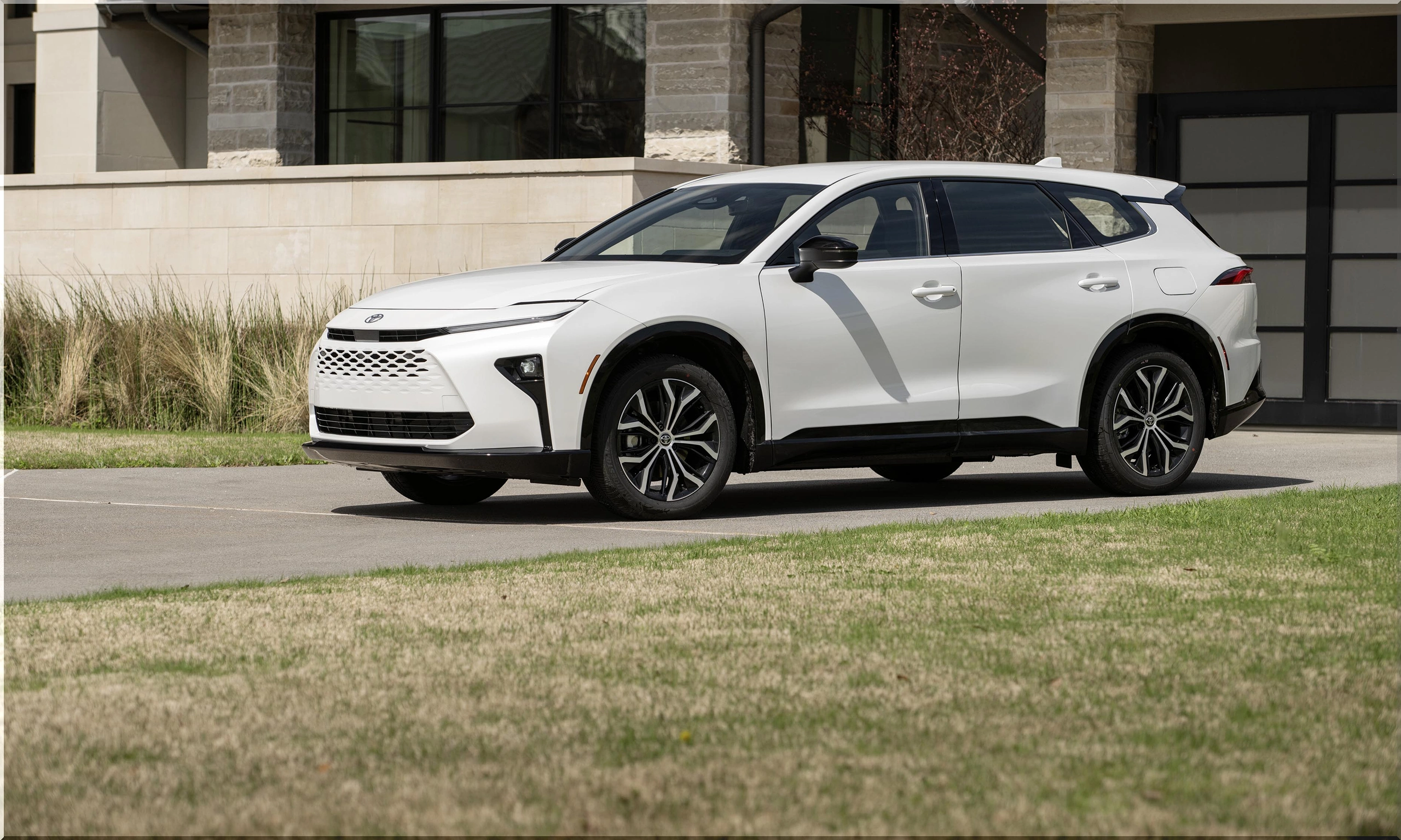
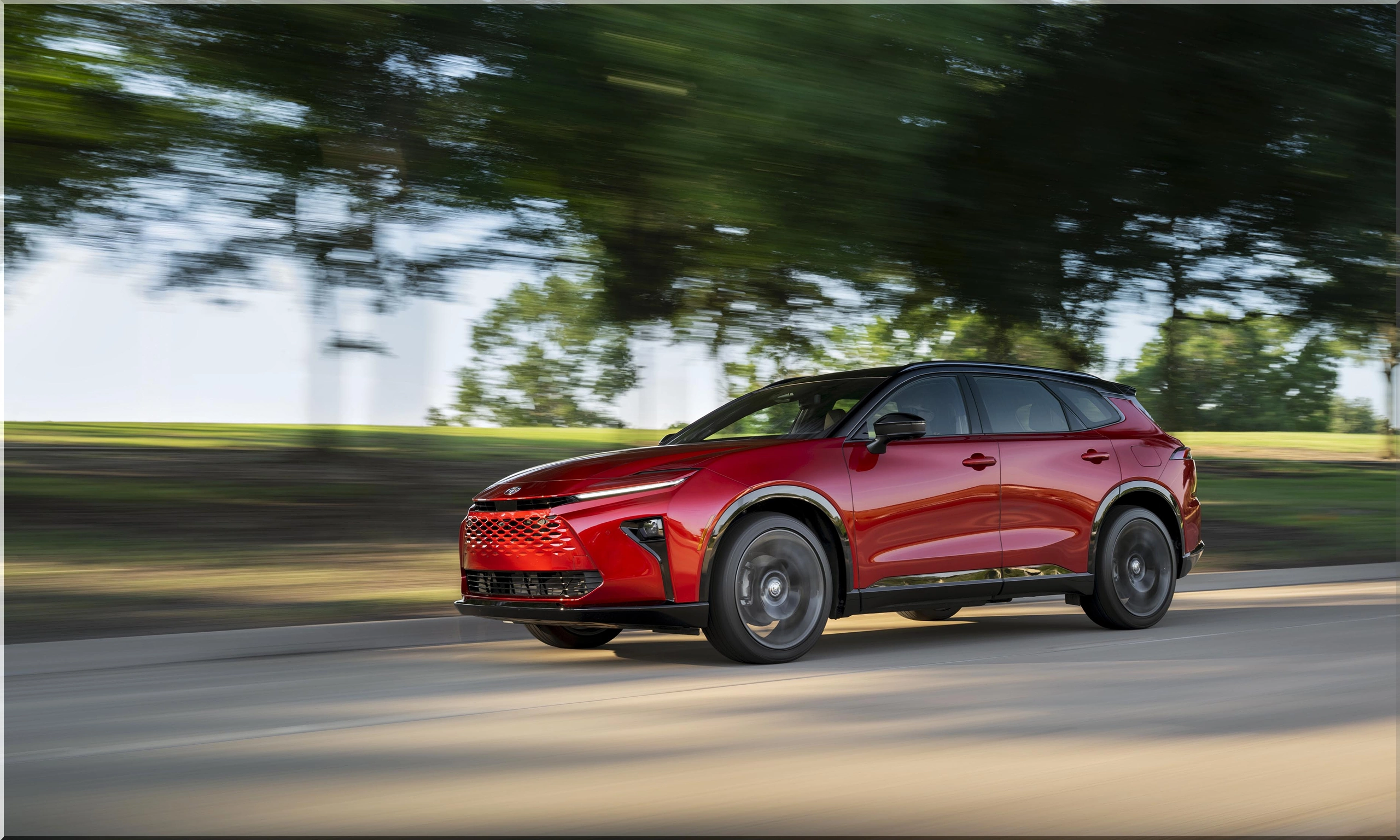
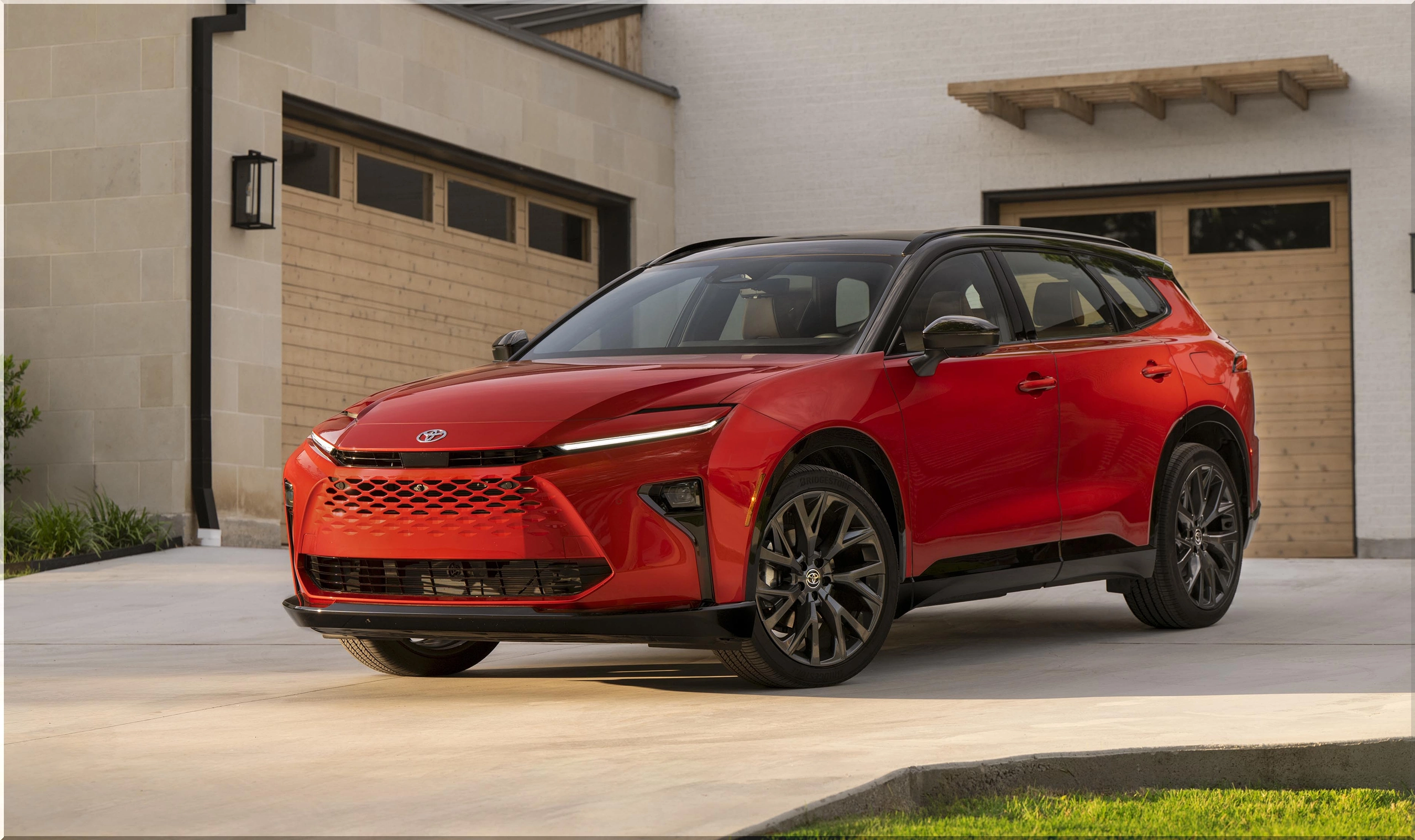
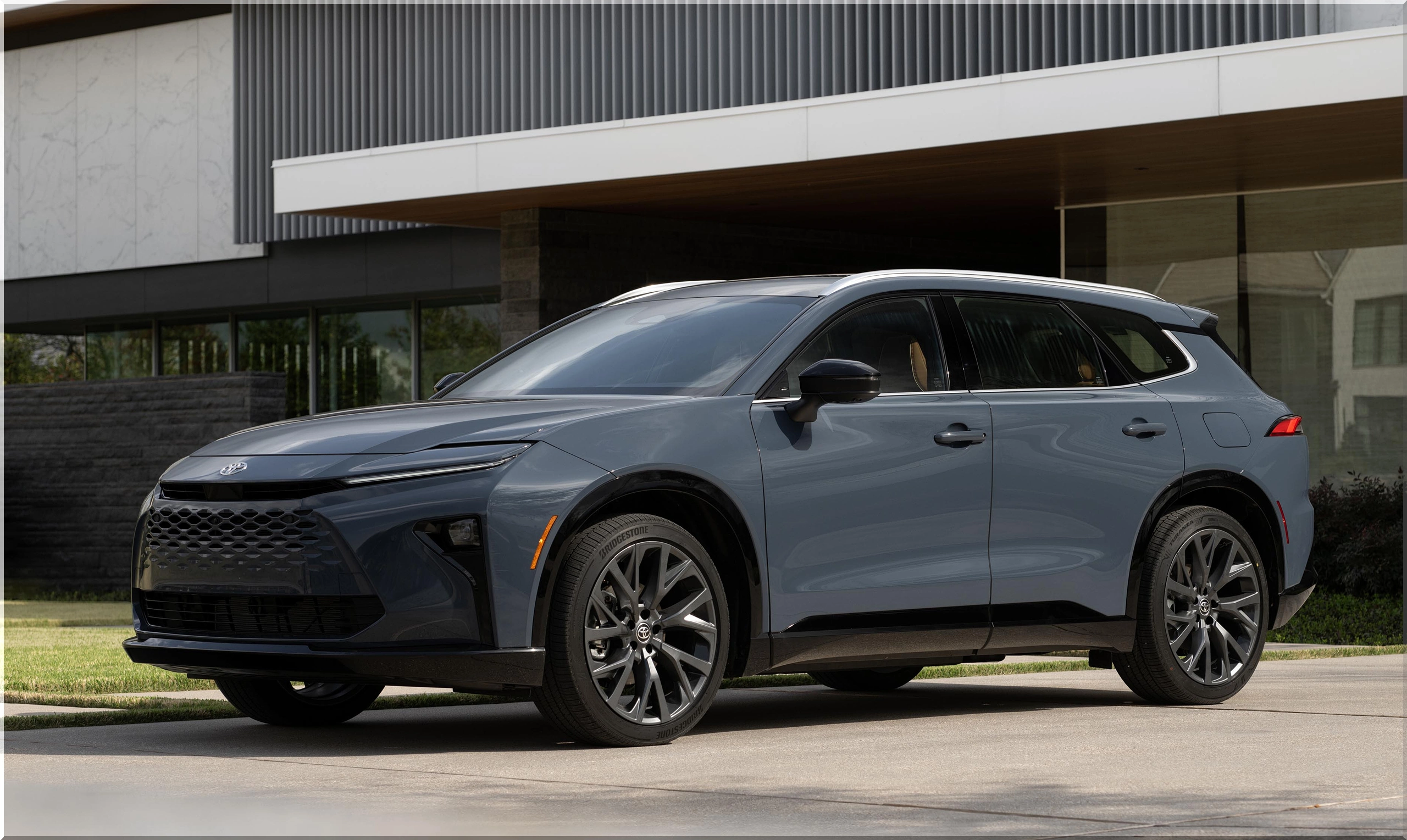
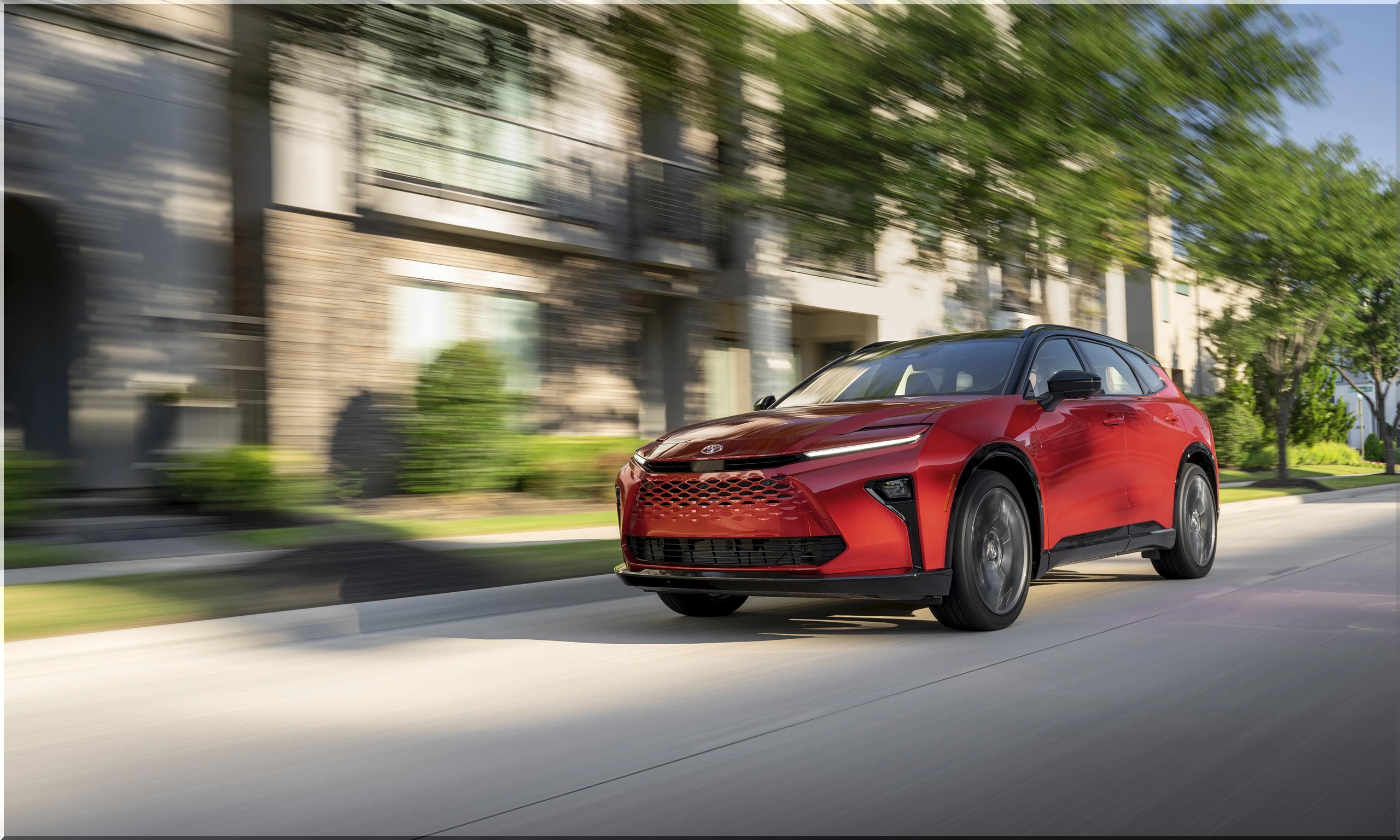
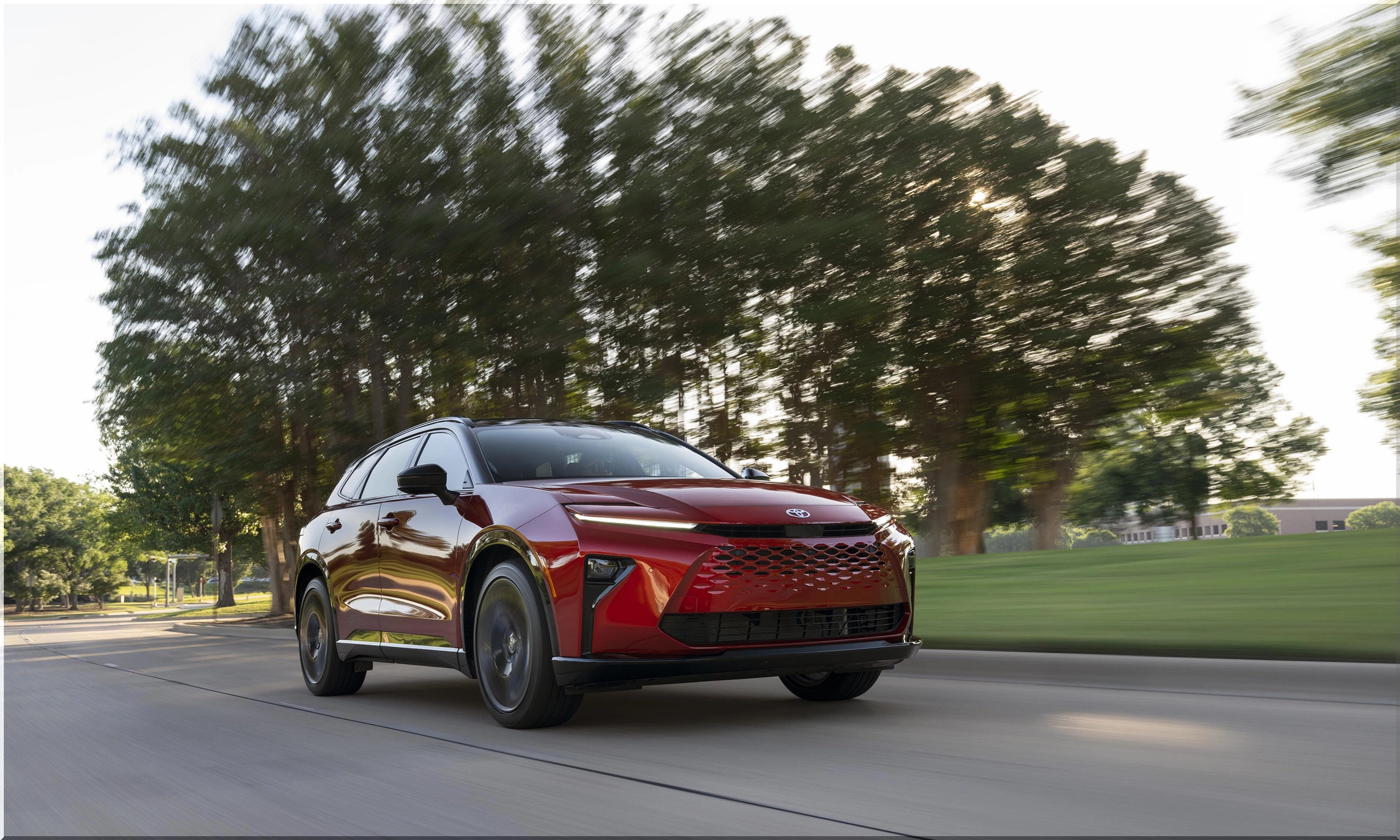
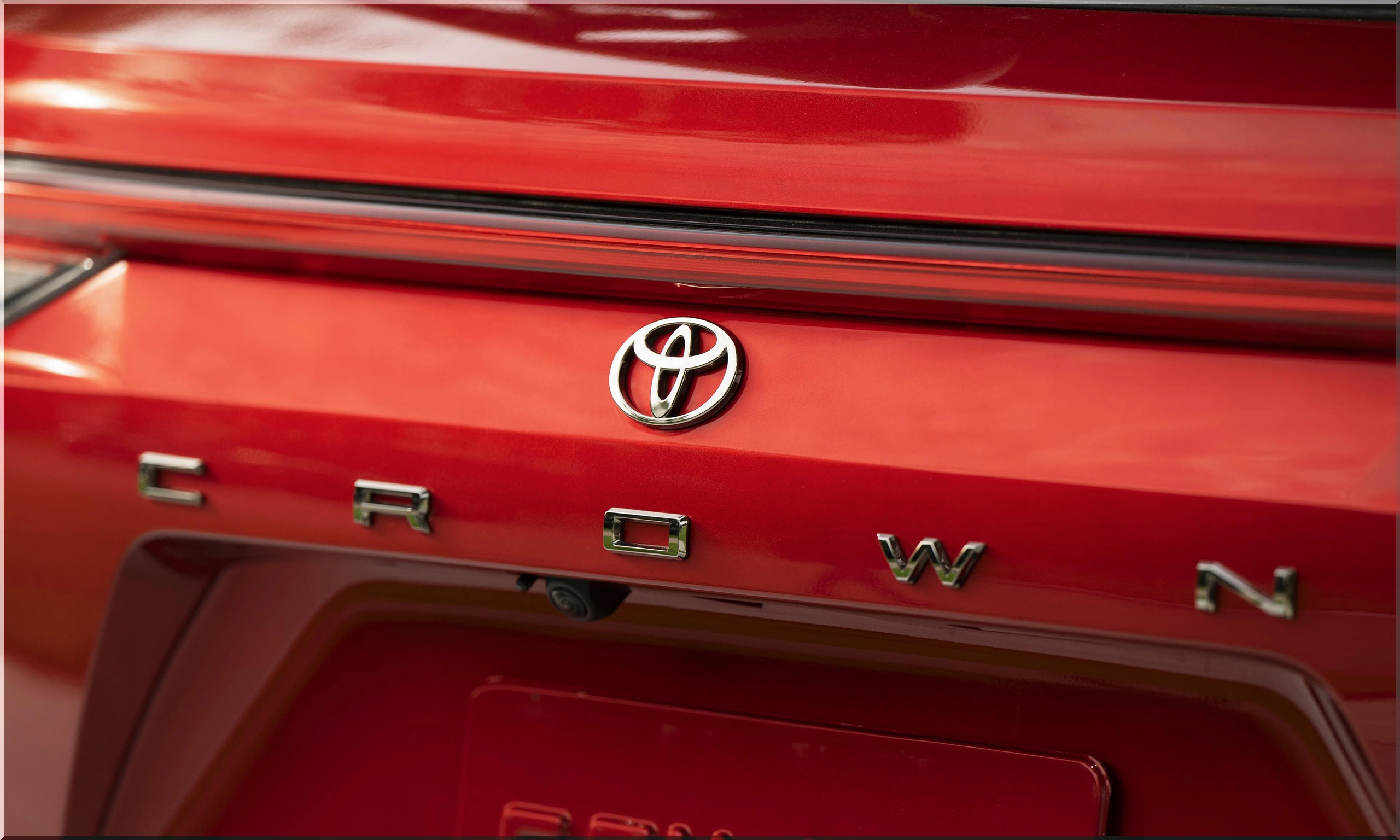
The 2027 Toyota Crown Signia makes its strongest case at the gas pump and in the equipment list. Toyota announces 238 combined horsepower, standard all-wheel drive, and a 38-mpg combined estimate for its five-seat hybrid crossover. Prices start at $44,890, before delivery charges, with dealership arrivals due later in 2026.
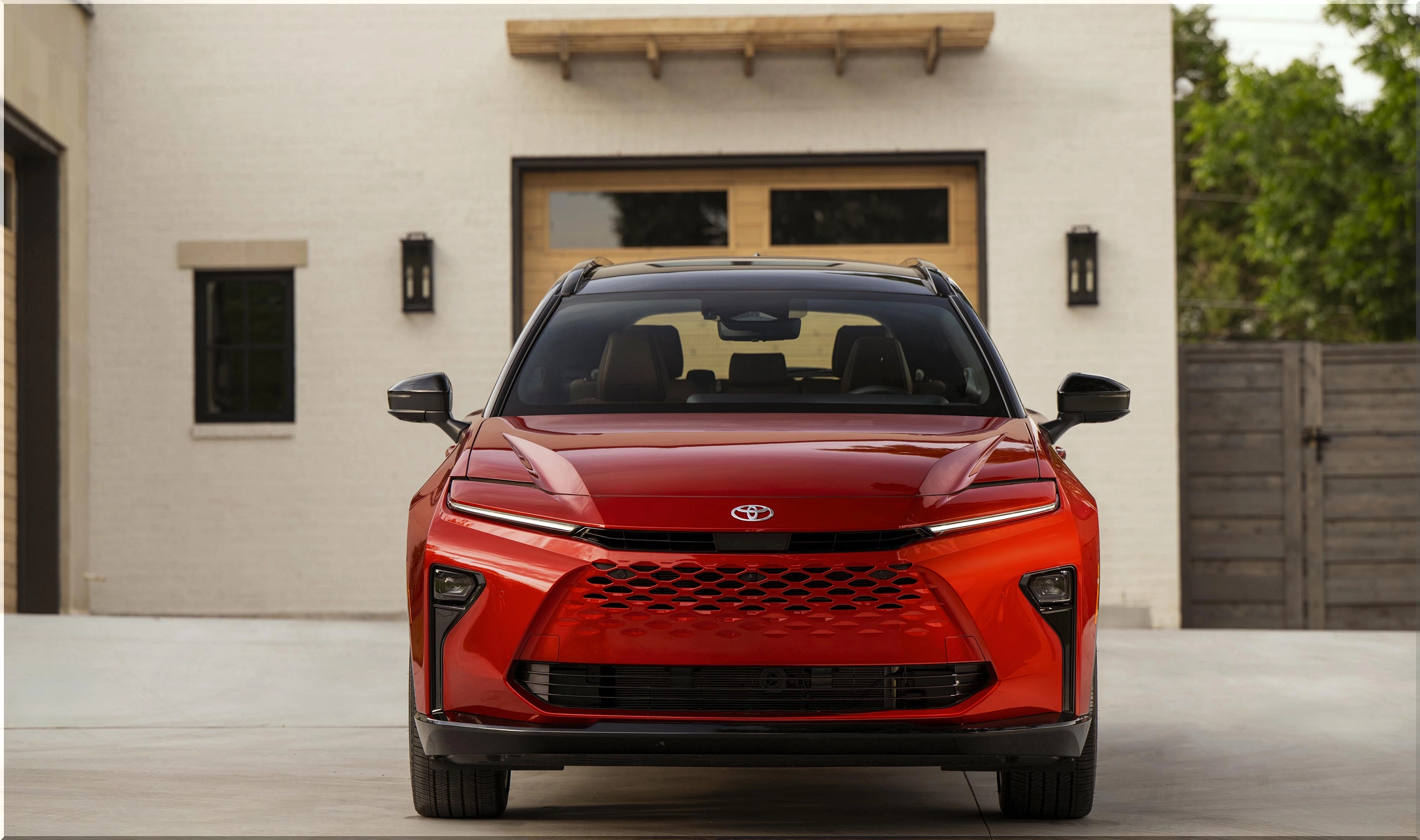
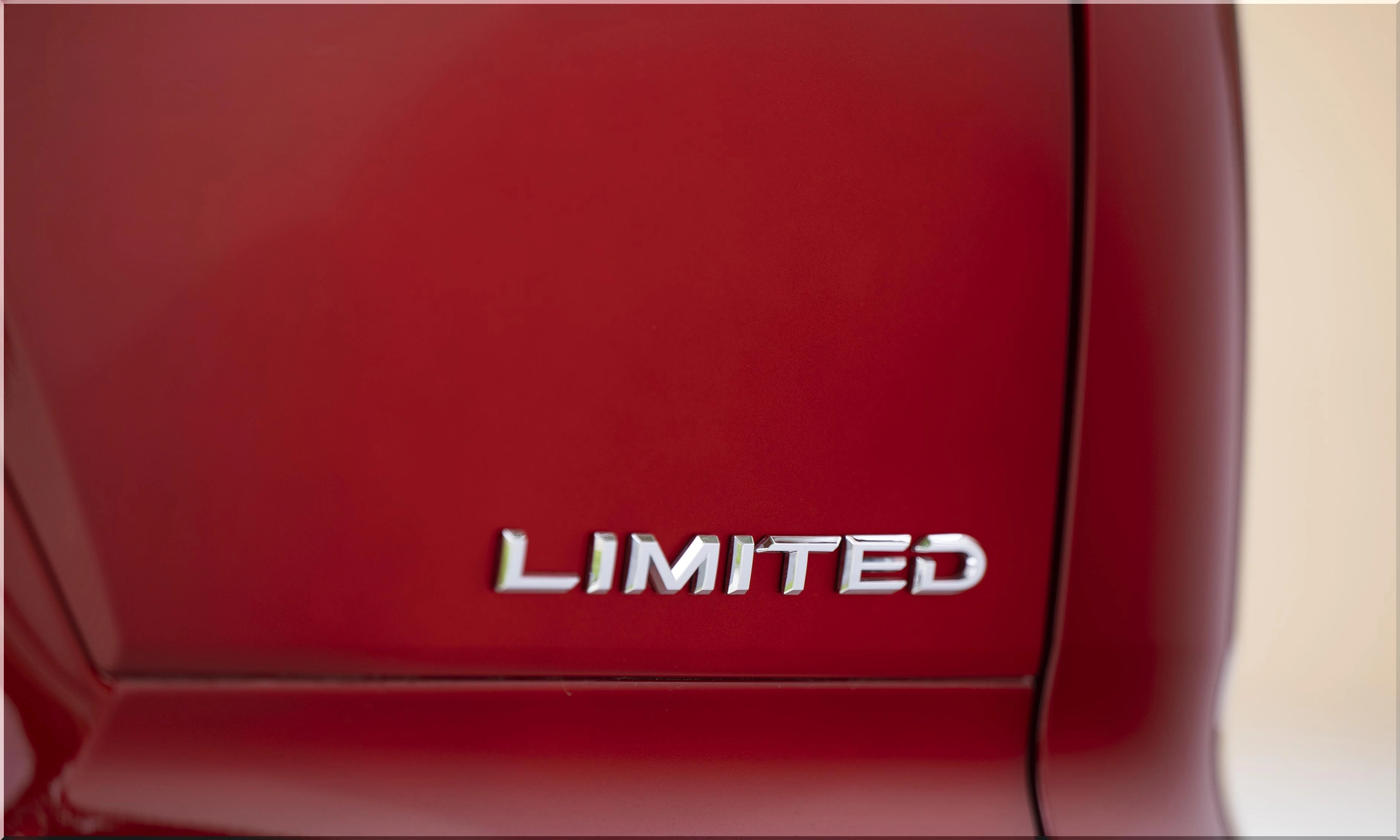
The buying question centers on equipment. Should you keep the money and choose the XLE, or spend another $6,265 for the Limited? For commuters and families who rarely need a third row, that decision deserves more attention than the badge on the hood.
What's New for the 2027 Crown Signia?
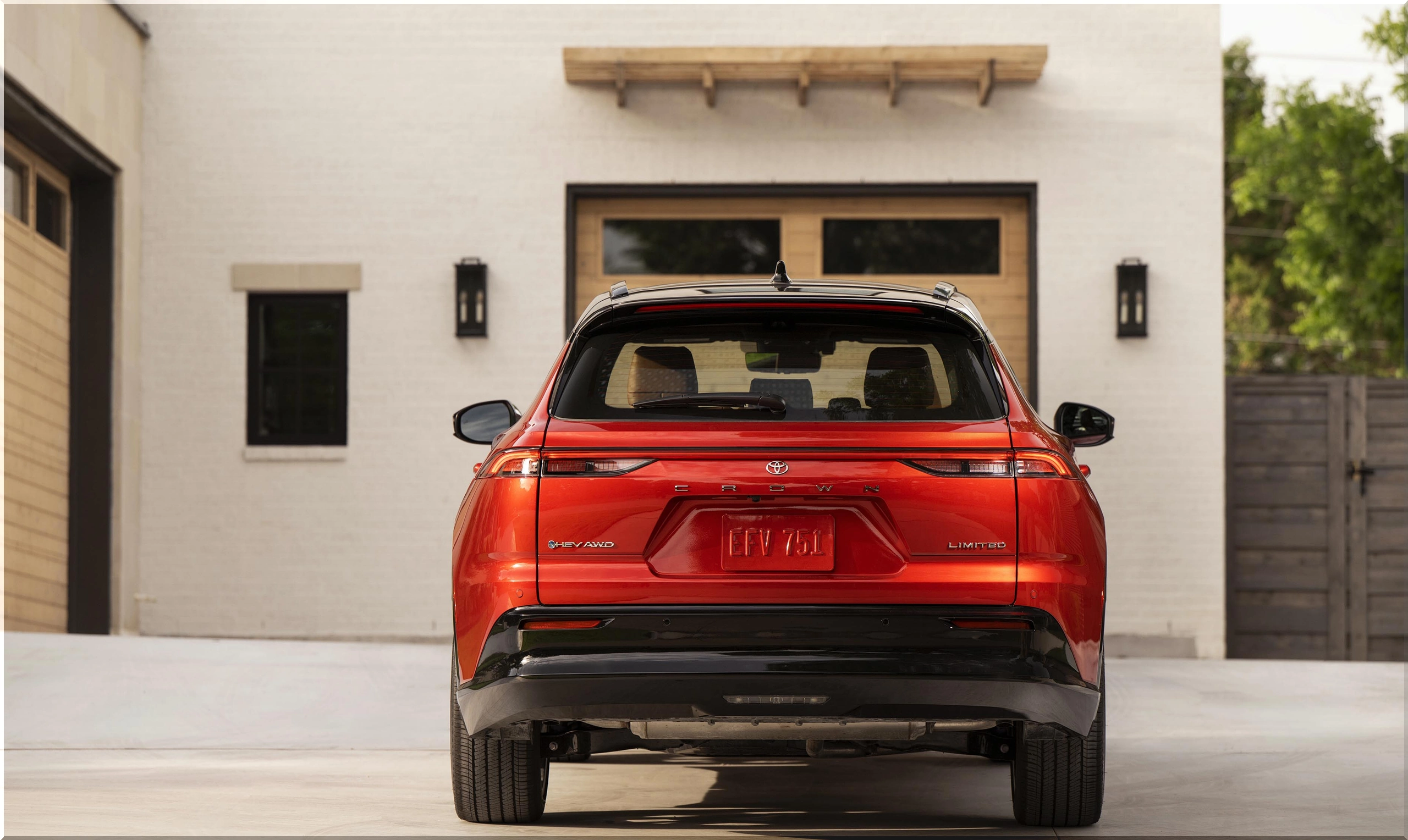
Toyota adds Inked paint and makes the previously optional Advanced Technology Package standard on Limited. That upgrade moves useful parking and traffic assistance into the trim's regular equipment list.
| Equipment | XLE | Limited |
|---|---|---|
| MSRP before delivery charges | $44,890 | $51,155 |
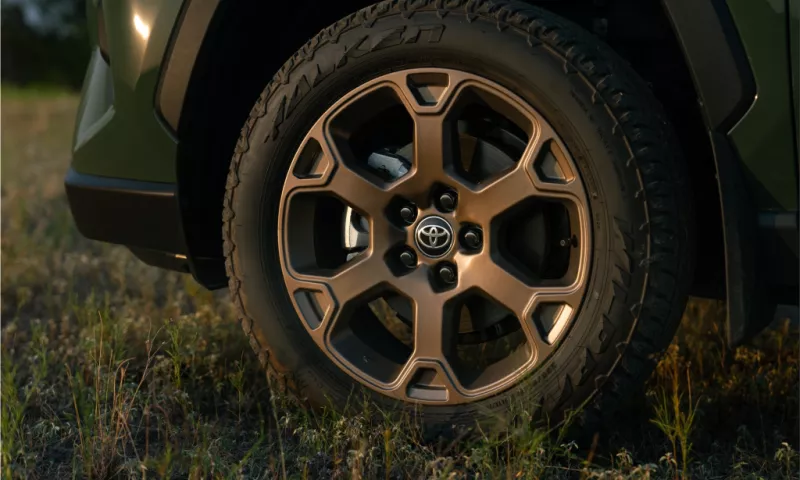
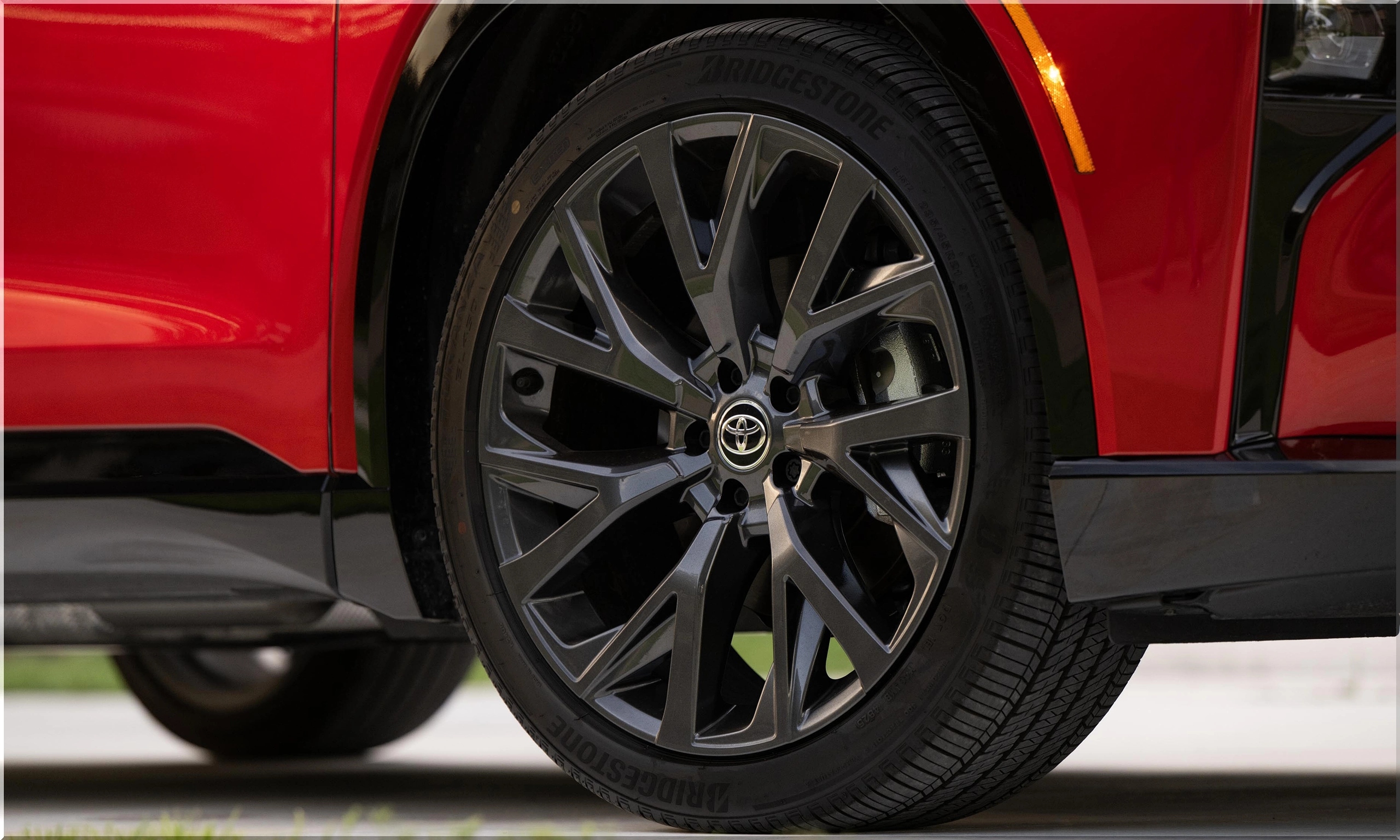
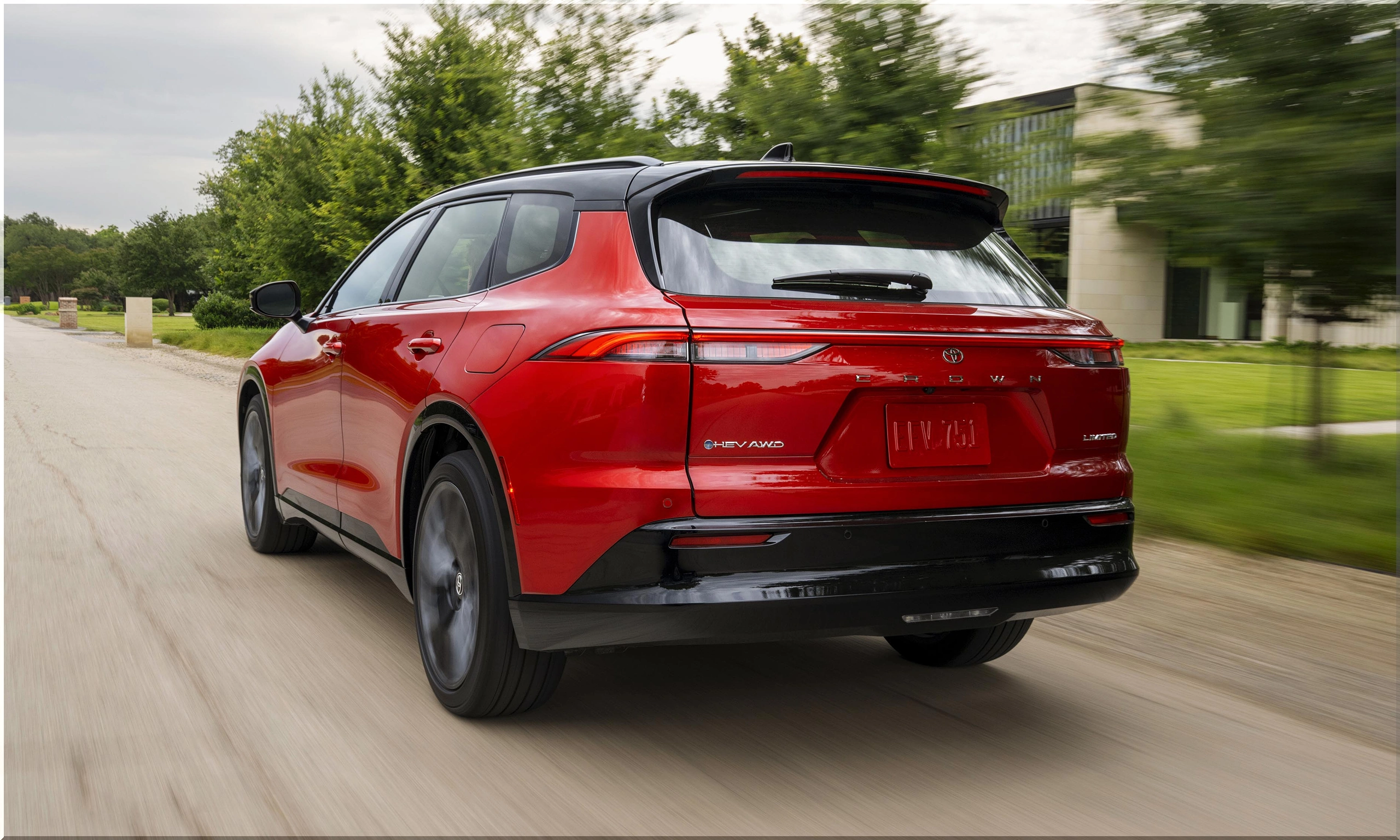
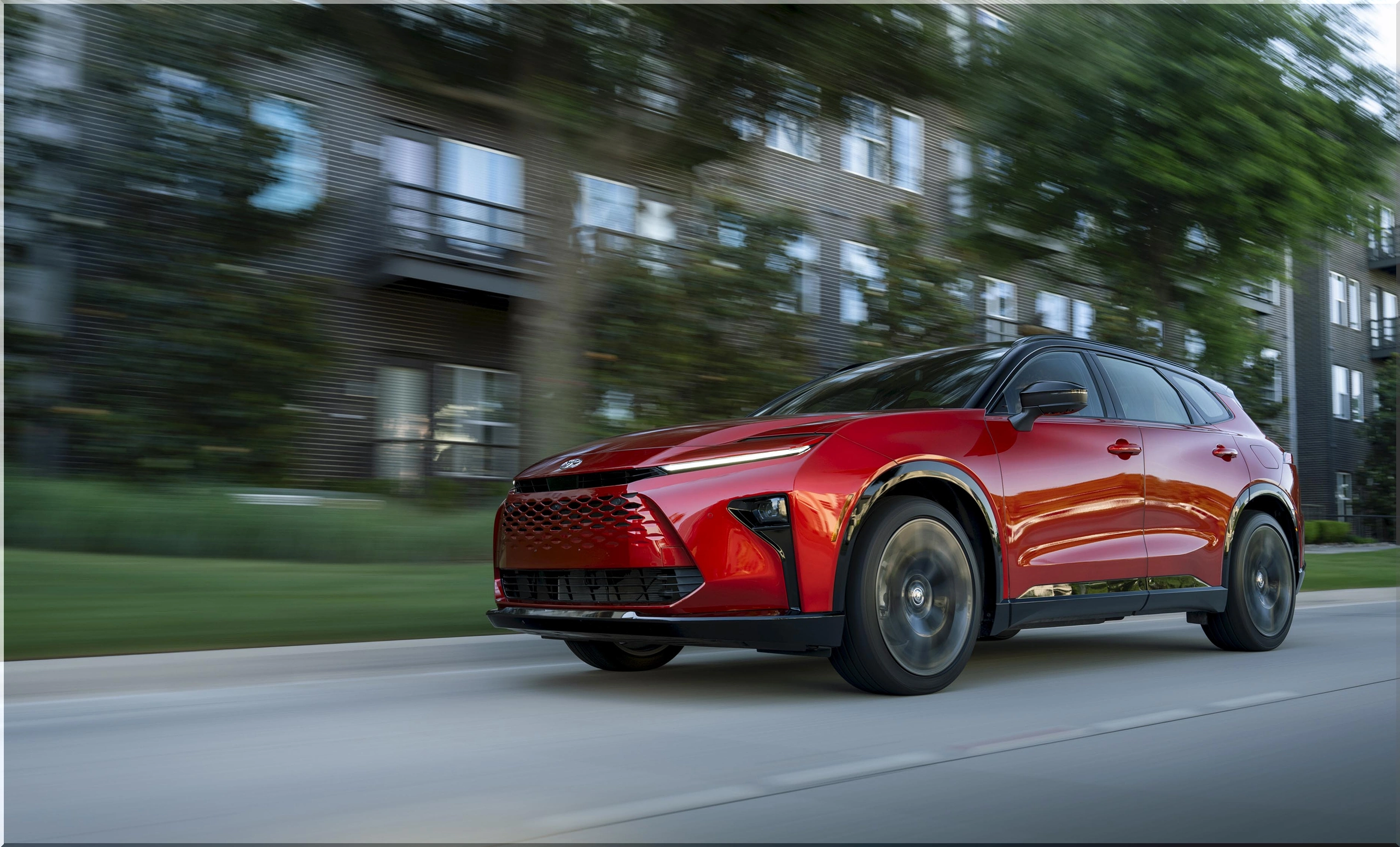
| Wheels | 19-inch alloys | 21-inch alloys |
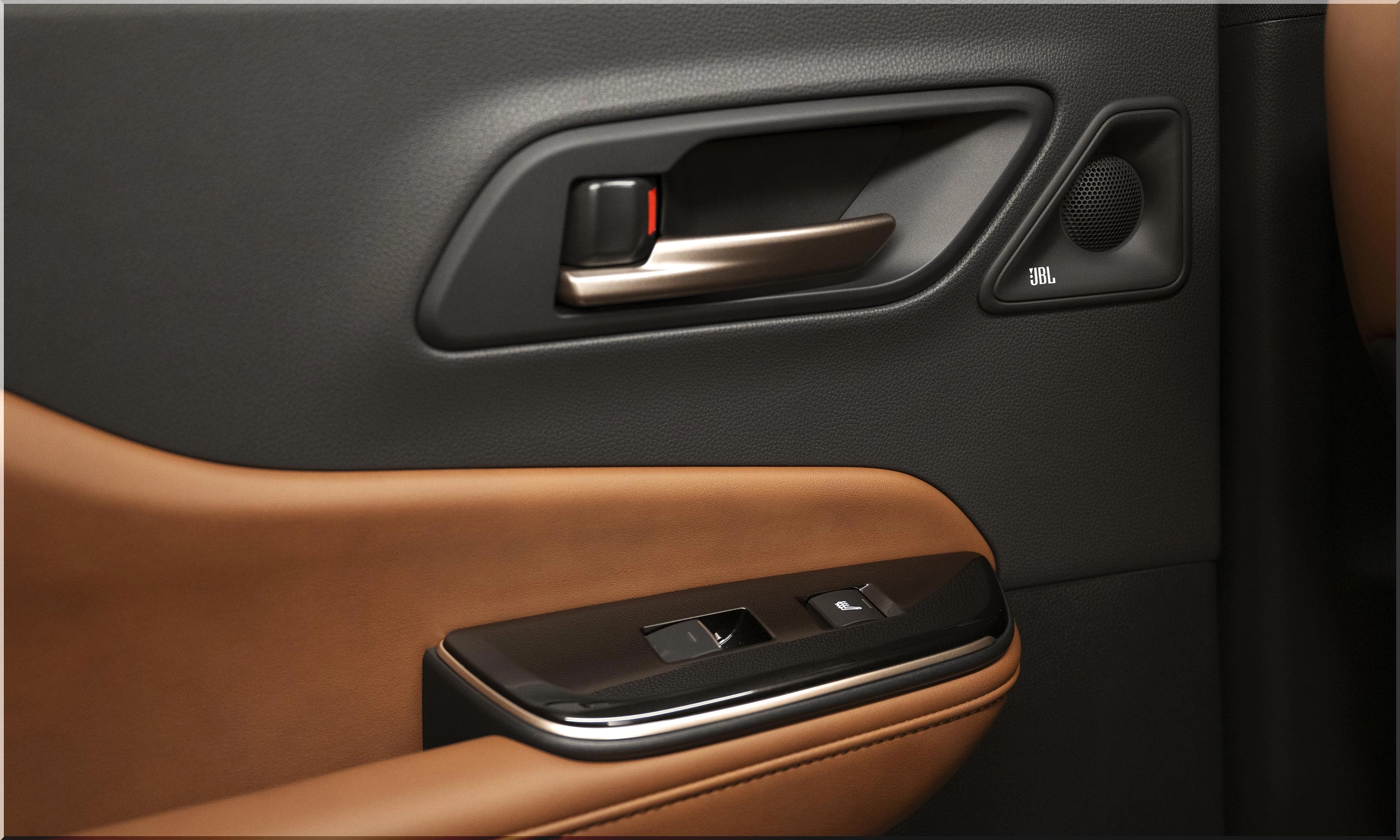
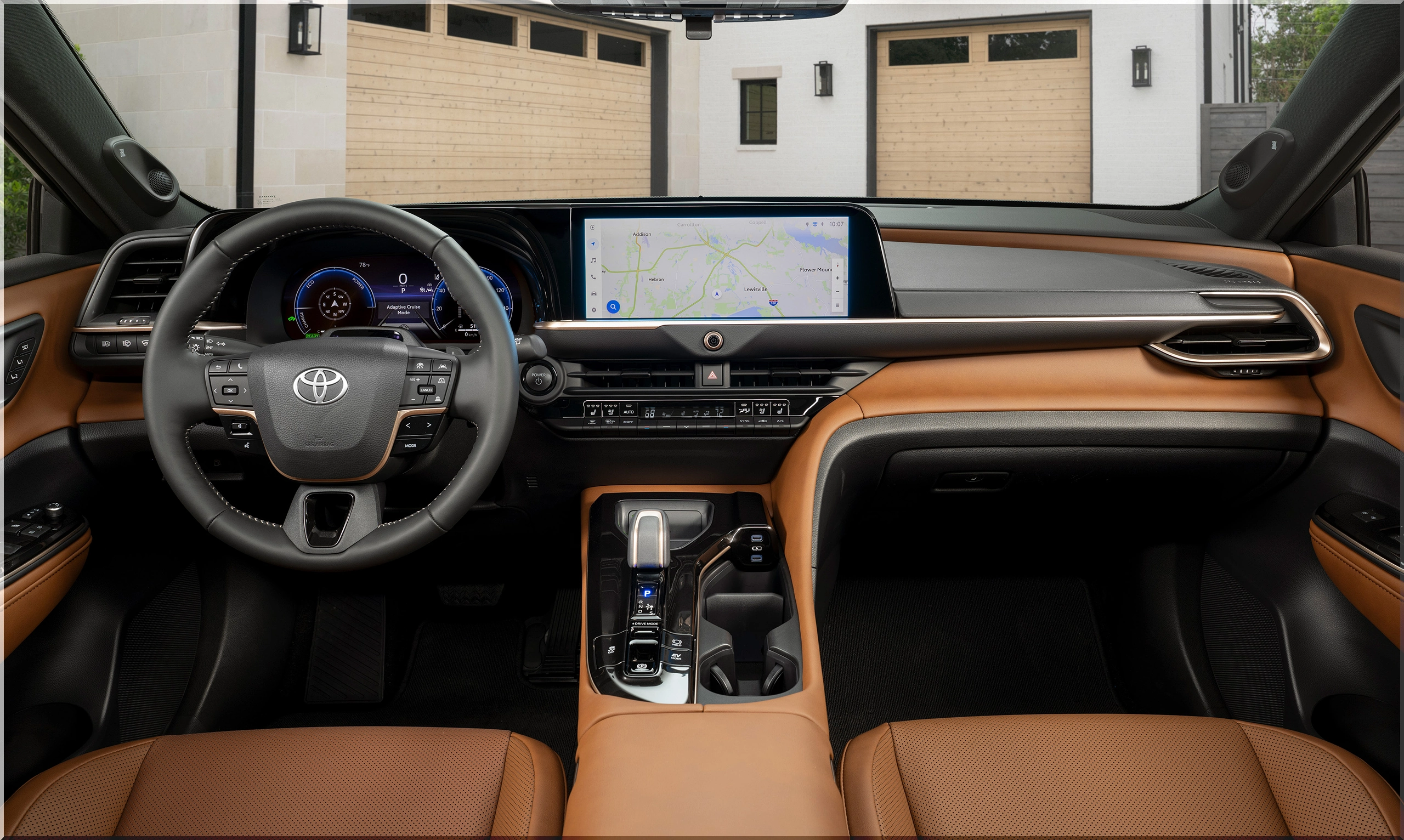
| Audio | Six speakers | 11-speaker JBL system |
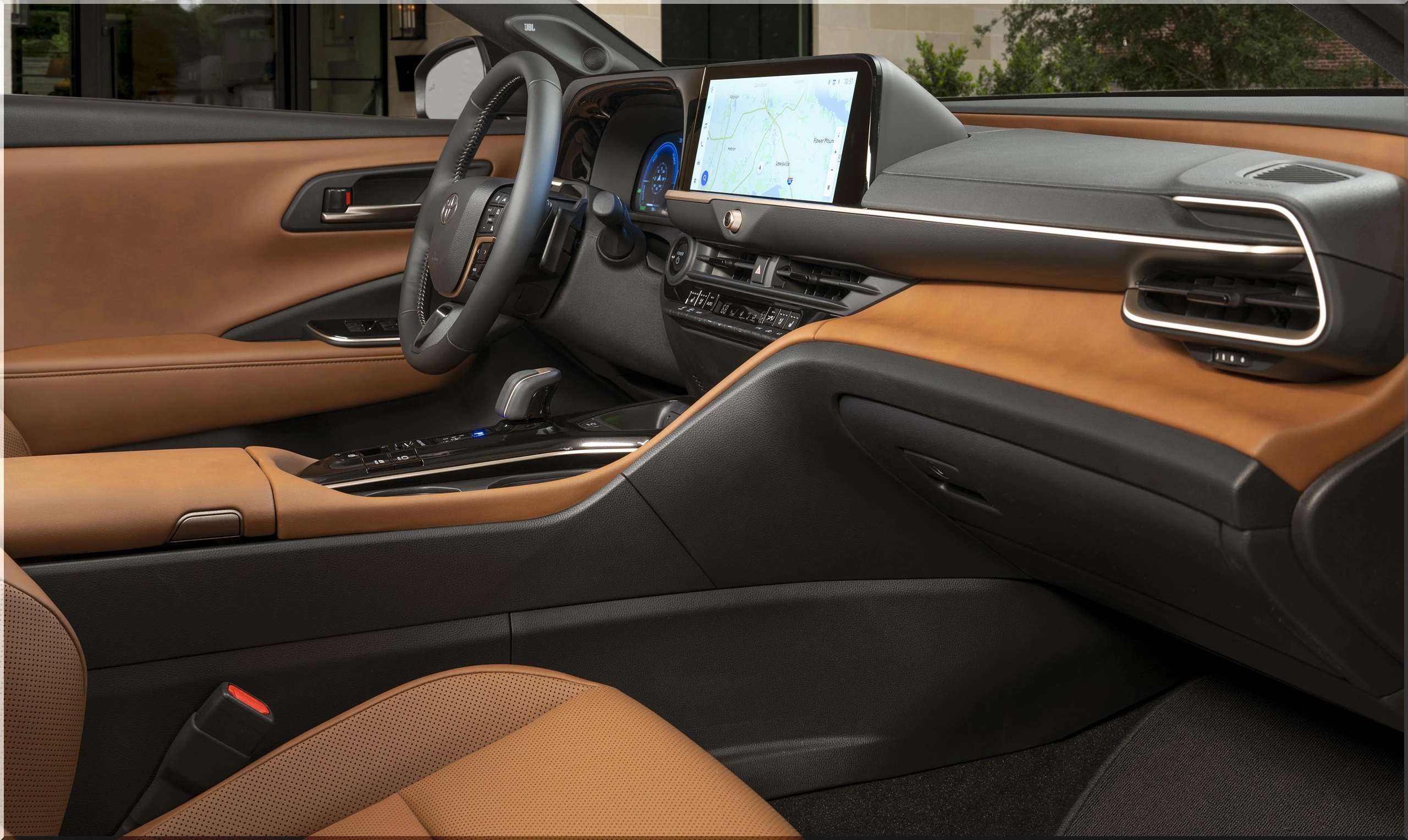
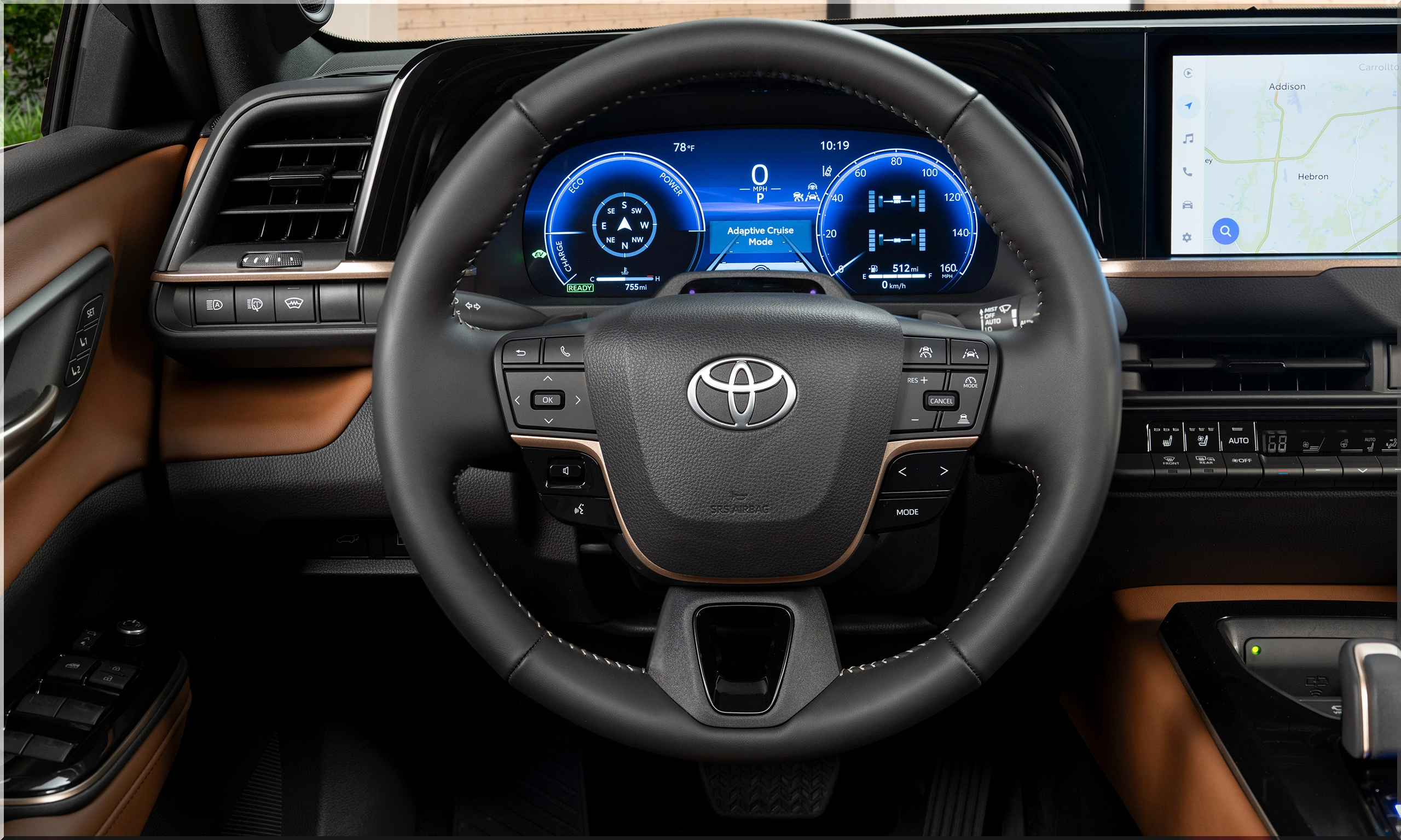
| Multimedia touchscreen | 12.3 inches | 12.3 inches |
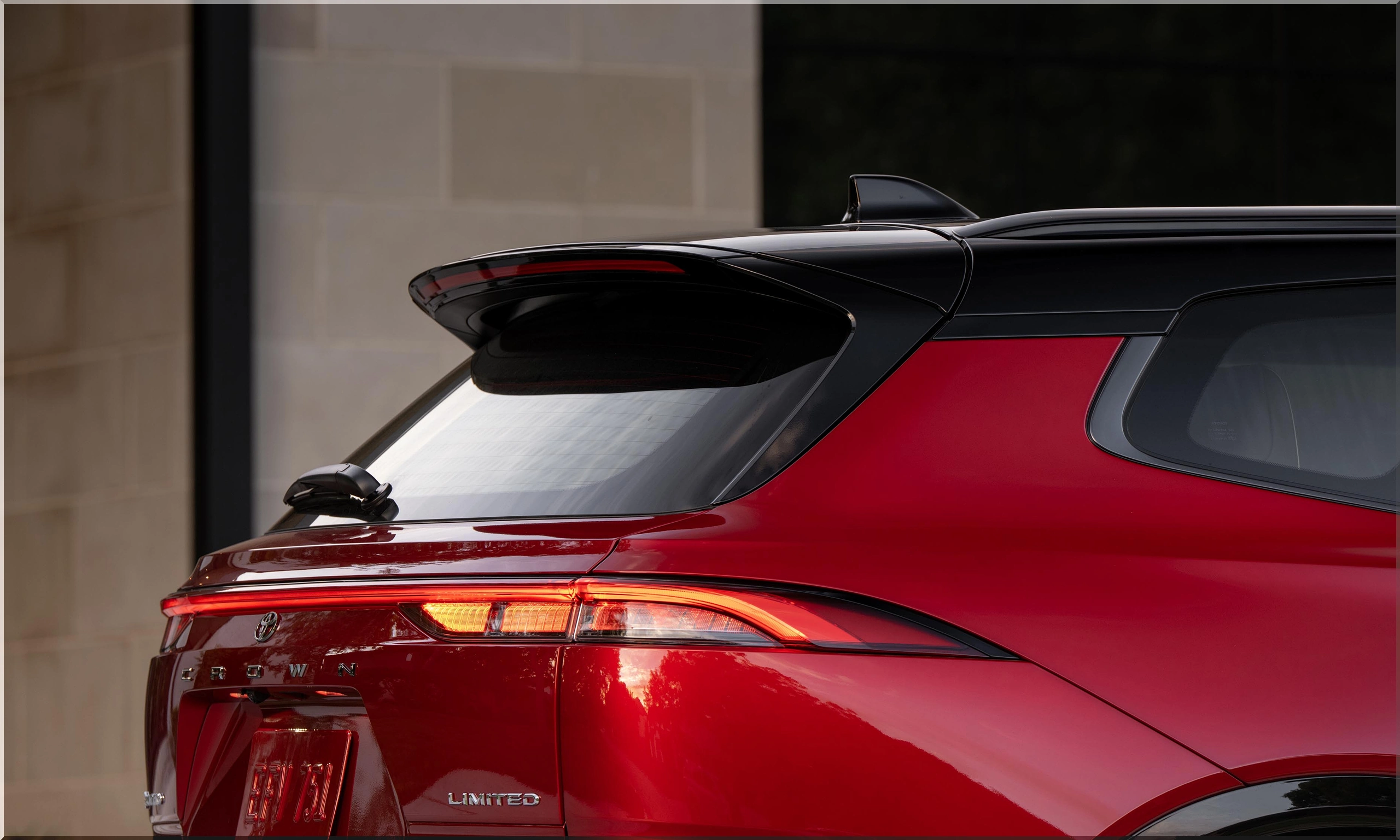
| Roof | Conventional roof | Fixed panoramic glass |
| Surround-view camera | Not listed | Standard |
| Front cross-traffic alert | Not listed | Standard |
| Lane Change Assist | Not listed | Standard |
| Front/rear parking assistance with automatic braking | Not listed | Standard |
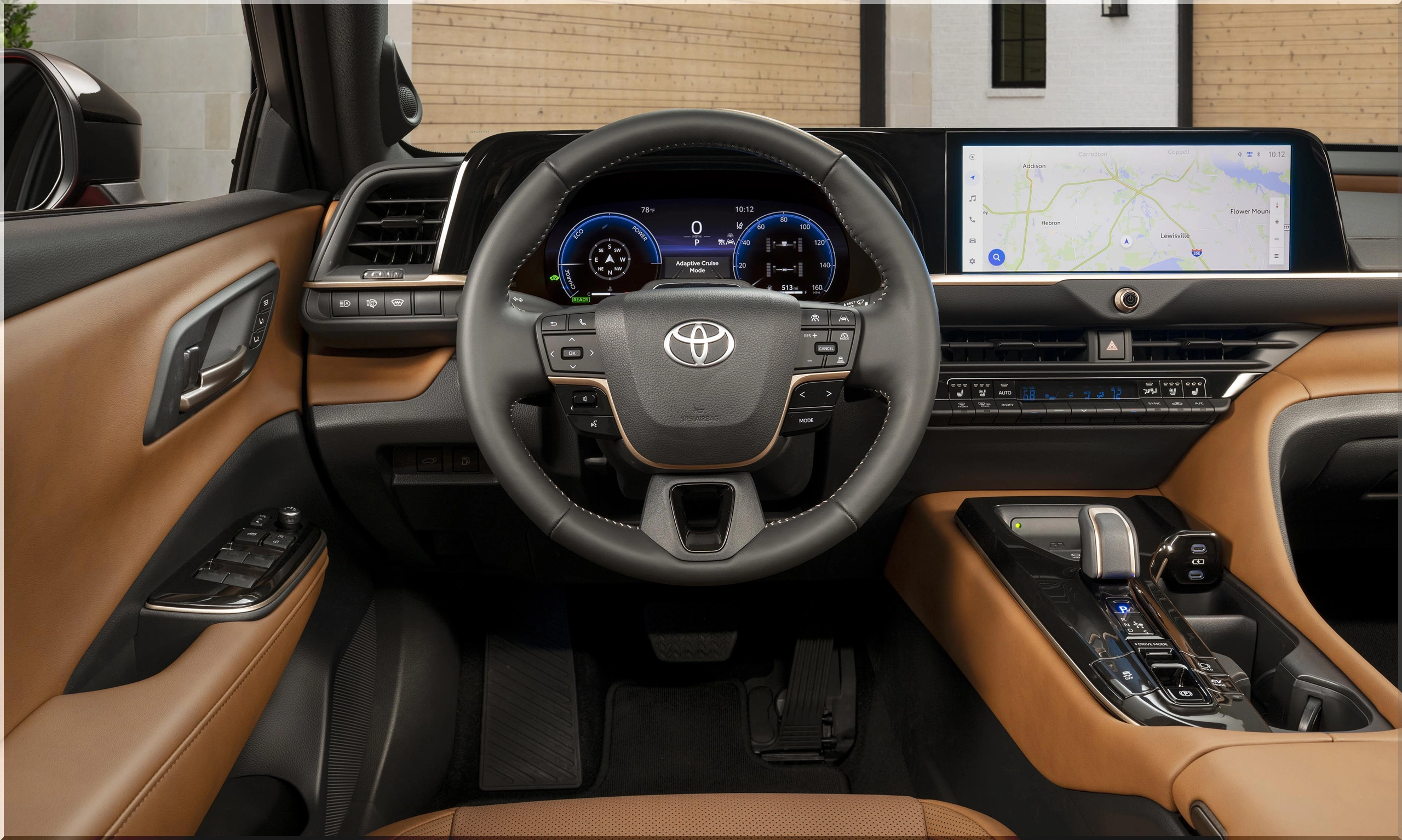
The Crown Signia XLE vs. Limited decision now involves more than glass and speakers. A surround-view camera can help you judge garage clearance, while parking assistance can intervene during certain low-speed maneuvers. Those features address everyday annoyances that horsepower figures never capture.
How the Hybrid System Works
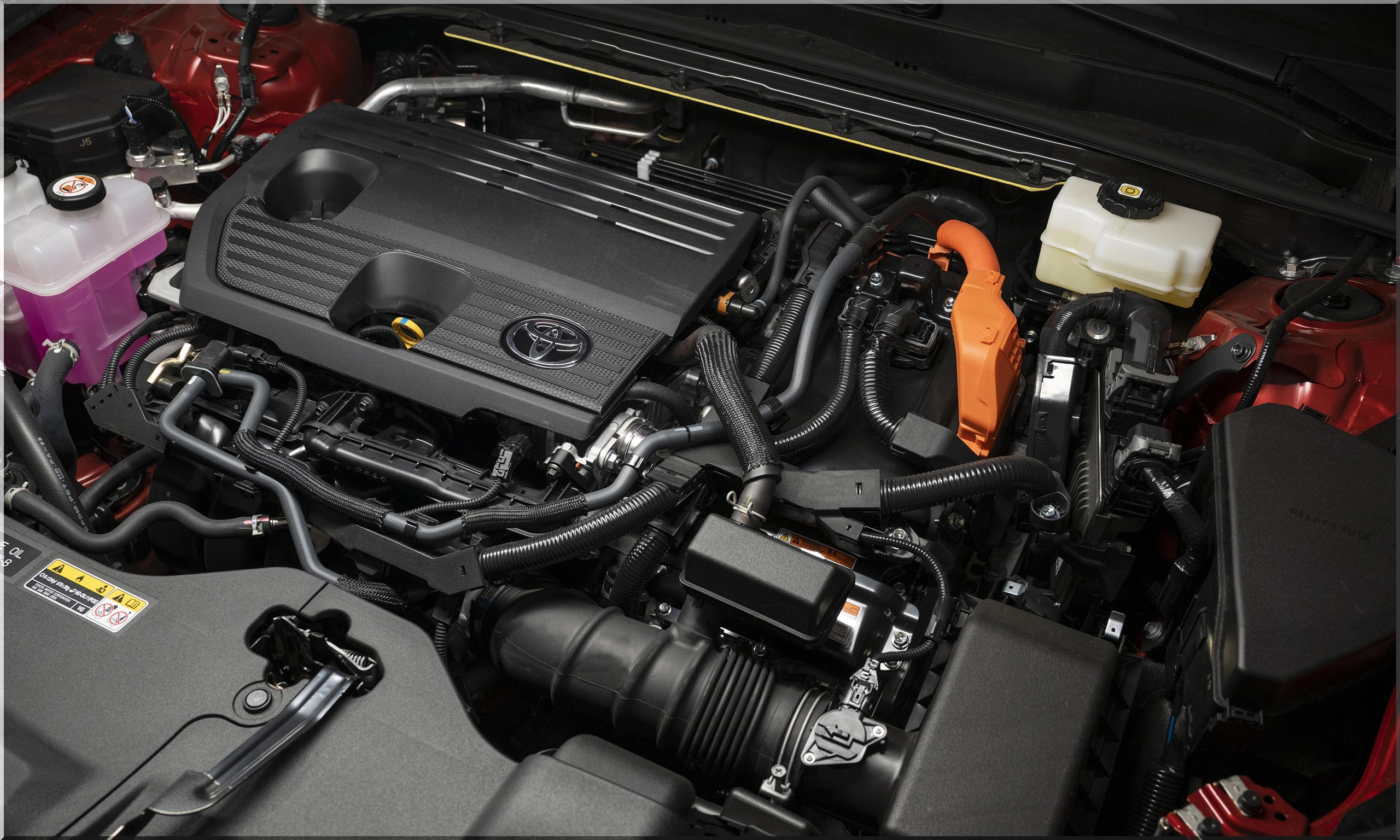
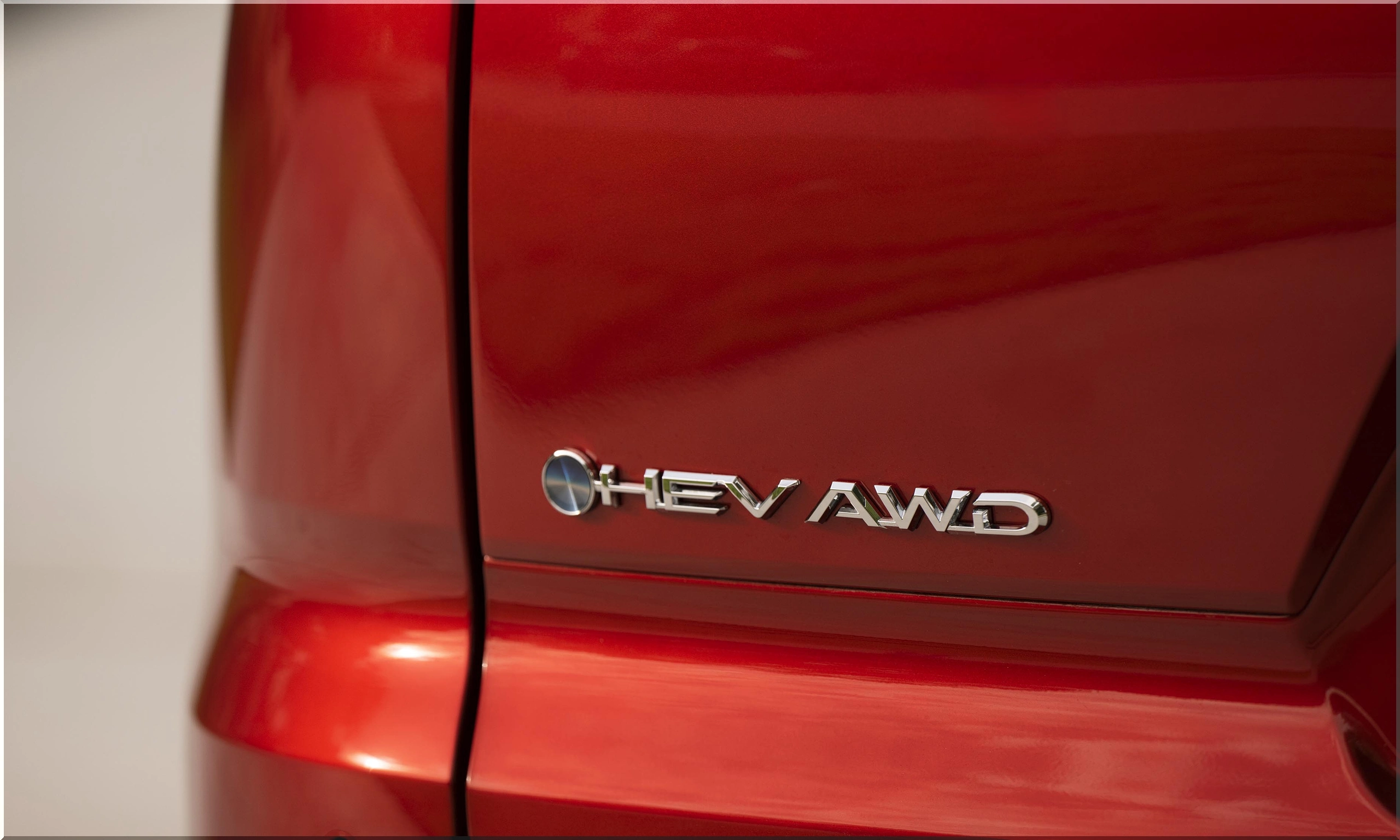
The Toyota hybrid AWD powertrain combines a 2.5-liter four-cylinder engine, a hybrid transaxle, and a bipolar nickel-metal-hydride battery. A separate rear electric motor supplies rear-wheel propulsion.
That layout removes the need for a mechanical driveshaft connecting the front powertrain to the rear axle. The electric rear drive can assist traction without forcing the gasoline engine to send power through a conventional transfer case. Think of AWD here as a tool for wet intersections and slippery driveways; tires still determine how effectively the vehicle brakes and turns.
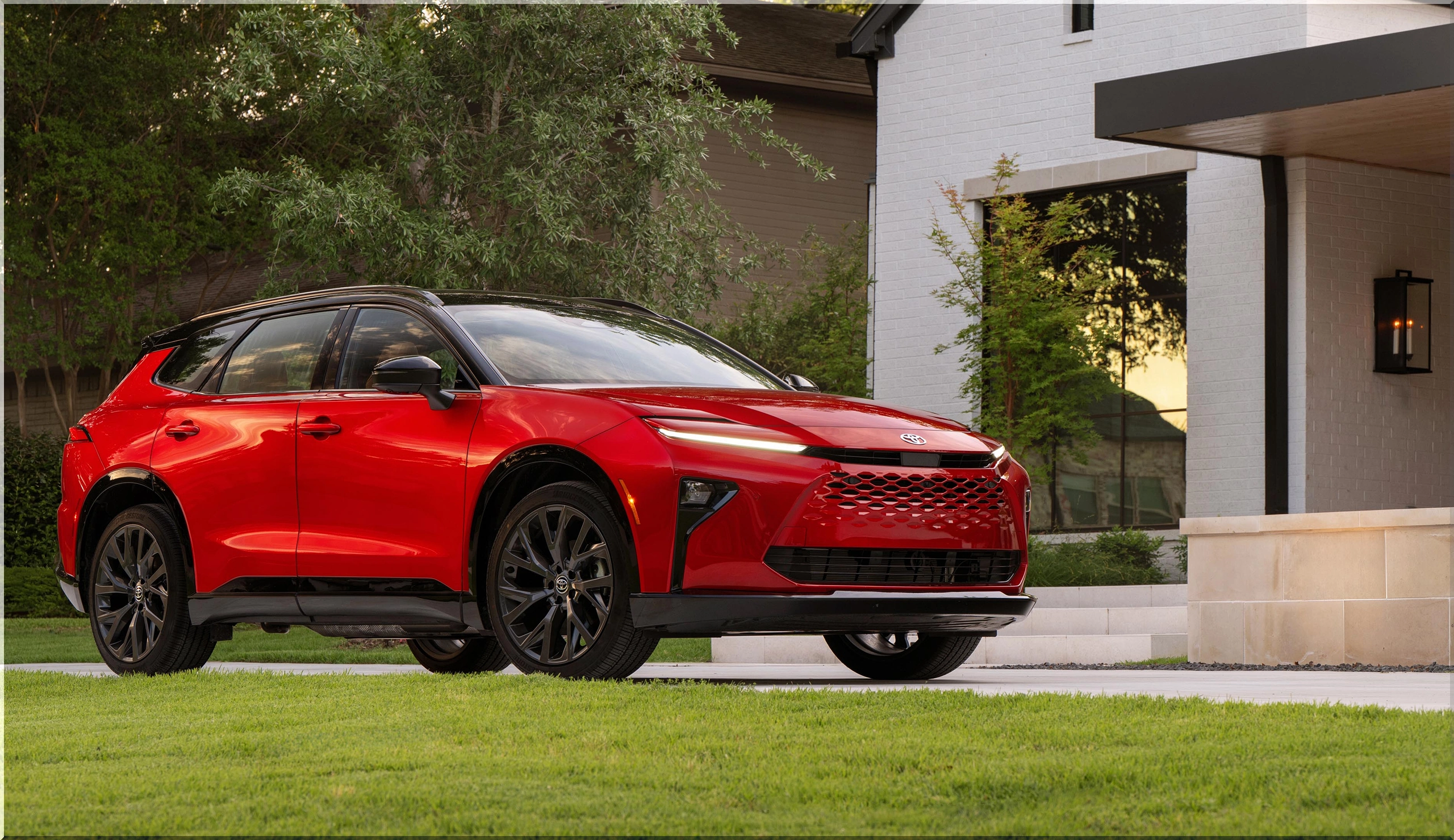
Toyota's power-split hybrid transaxle uses a planetary gearset and motor-generators to manage engine speed and propulsion. Its electronically controlled continuously variable transmission differs mechanically from the belt-and-pulley CVTs that many buyers associate with the term. Engine speed can rise without a matching jump in road speed because the system also manages electrical power generation.
A conventional hybrid recovers energy during deceleration and also uses its engine to generate electricity. You refuel with gasoline rather than plugging into a charger. That arrangement suits apartment residents and long-distance drivers who want lower fuel consumption without scheduling charging stops.
Do not confuse system horsepower with an arithmetic sum of motor and engine ratings. Each component reaches its peak under different conditions, and the battery, electronics, and gearing limit the combined output. The same caution applies to torque: adding separate component figures does not produce a useful wheel-torque specification.
Cargo Space: Check the Shape, Not Only the Volume
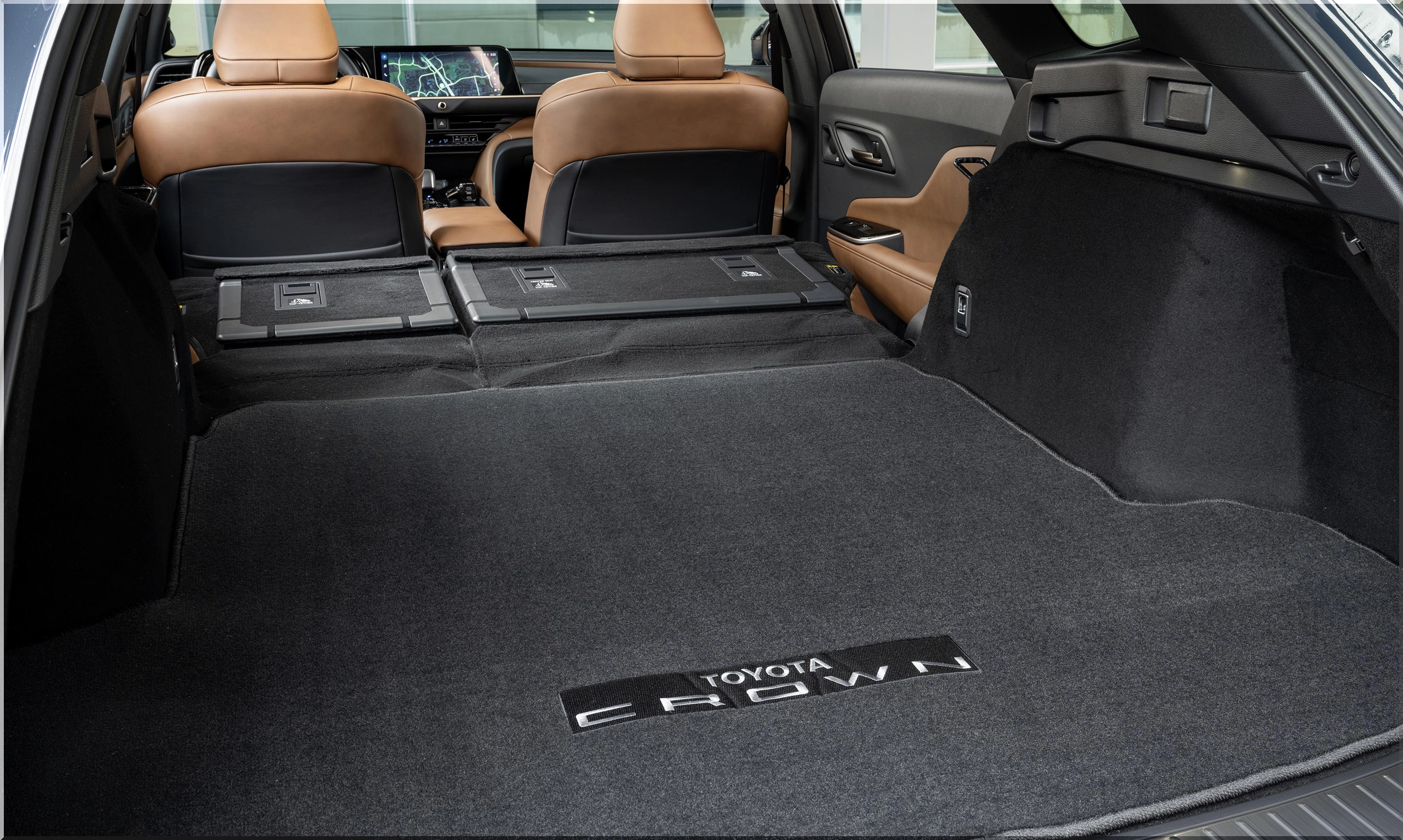
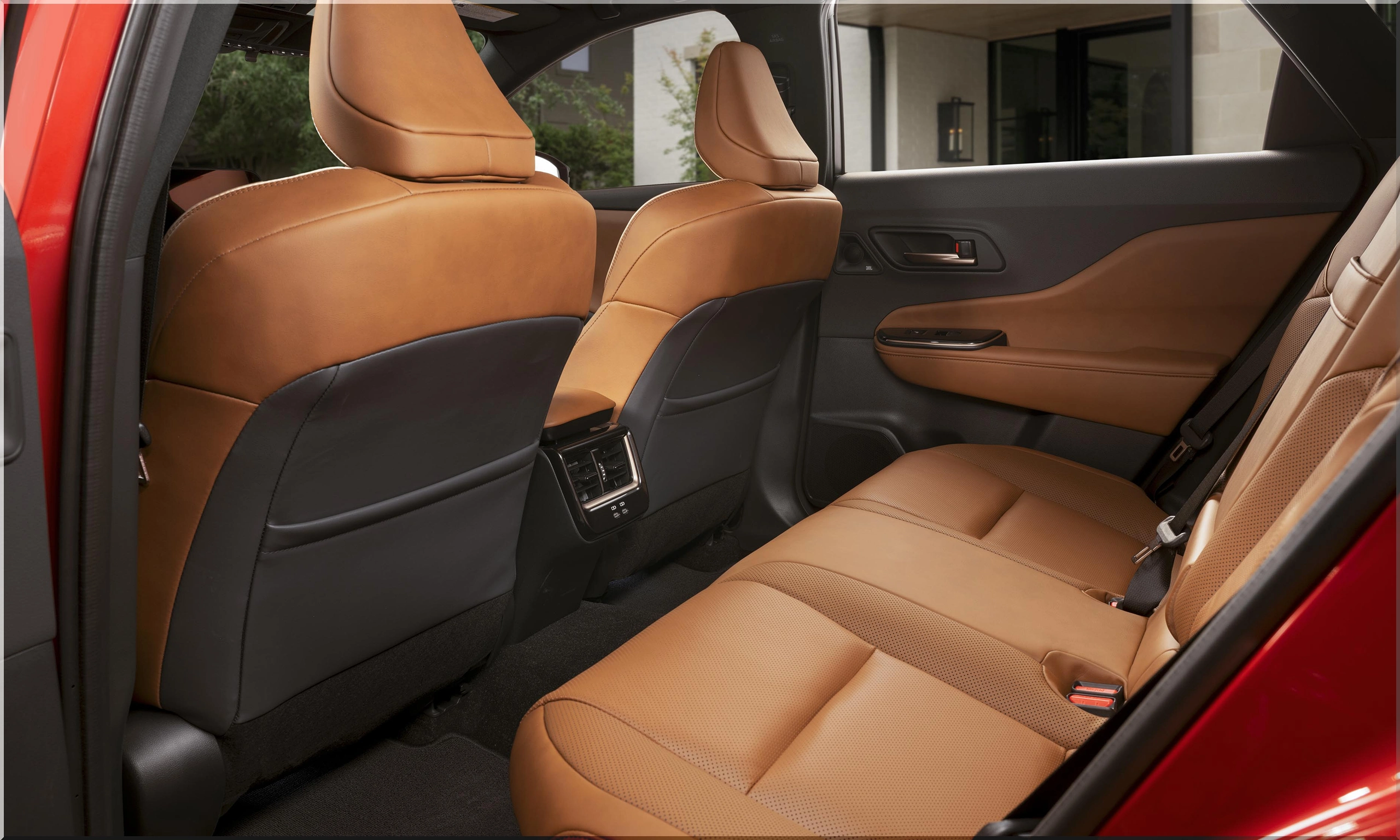
Toyota describes a folded cargo area approximately 6.5 feet long, or 78 inches/1,981 mm. Length helps with skis, flat-pack furniture, and other awkward loads, but it cannot answer whether a tall dog crate will clear the hatch opening.
For physical context, the following measurements come from Toyota's published 2026 Crown Signia information. Treat them as earlier-model references, rather than newly verified 2027 specifications; the 2027 launch announcement does not restate these measurements.
| Earlier-model reference | Toyota's published measurement | Rounded metric equivalent |
|---|---|---|
| Wheelbase | 112.2 inches | 2,850 mm |
| Overall width | 74.0 inches | 1,880 mm |
| Ground clearance | 6.7 inches | 170 mm |
| Seating hip point | 25.8 inches | 655 mm |
| Maximum trailer rating | 2,700 pounds | 1,225 kg |
The clearance figure describes a road-focused vehicle. A long wheelbase can also limit breakover clearance on a sharp crest, even when the tires maintain traction. Buyers who regularly cross deeply rutted access roads should examine underbody clearance before treating AWD as an off-road credential.
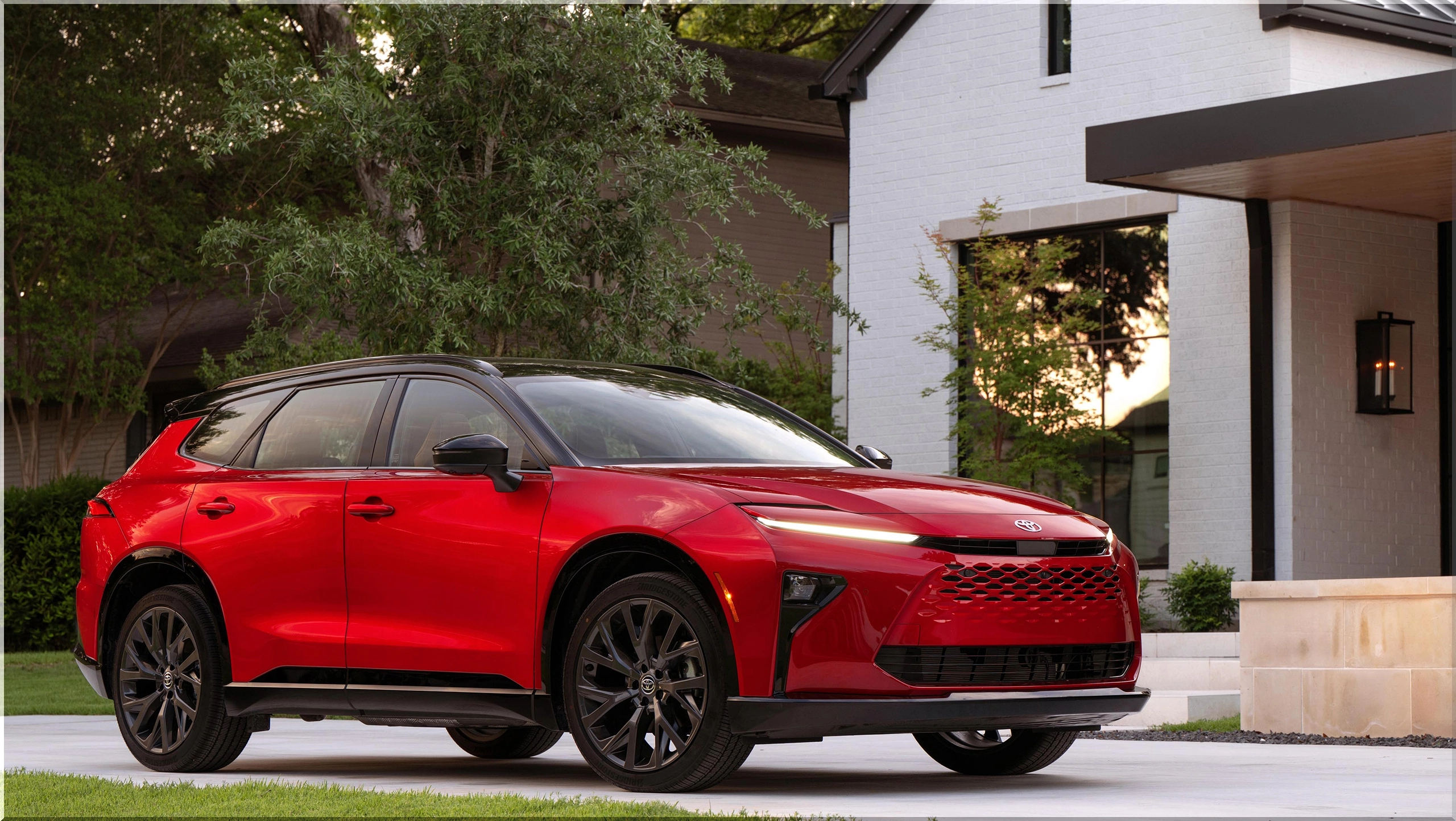
Pro-Tip: Bring your actual cargo to the dealership.
- Load the stroller with the rear seats upright.
- Install your rear-facing child seat, then adjust the front passenger seat.
- Measure hatch-opening height and width for a dog crate.
- Check the 2027 owner's manual, hitch requirements, and vehicle load label before planning a trailer purchase.
Crown Signia vs. Honda Passport and Lexus RX Hybrid
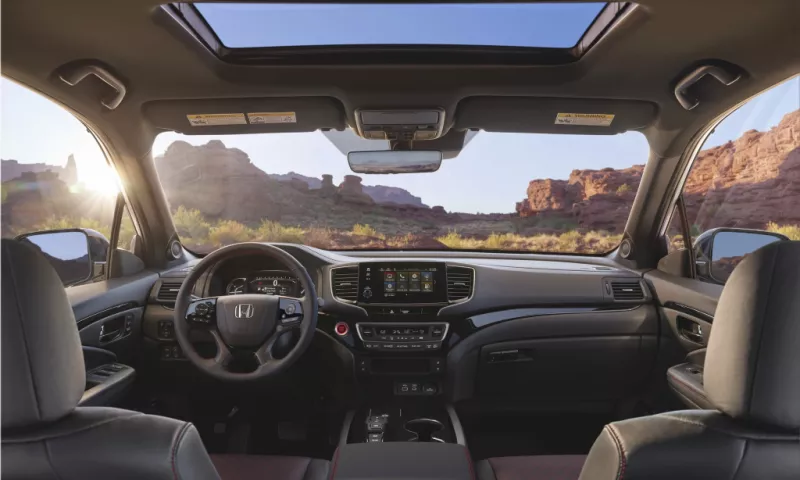
The midsize two-row SUV category covers very different priorities. The Honda Passport favors hauling and trail access; the Lexus RX 350h serves buyers who want a luxury-brand hybrid. Comparing fuel consumption exposes one of the Crown Signia's clearest strengths.
| U.S. model/configuration | Horsepower | Combined fuel economy | Annual gasoline use at 15,000 miles | Annual cost at $3.50/gallon |
|---|---|---|---|---|
| 2027 Crown Signia | 238 system hp | 38 mpg | 395 gallons | $1,382 |
| 2027 Honda Passport RTL AWD | 280 engine hp | 21 mpg | 714 gallons | $2,500 |
| 2026 Lexus RX 350h AWD | 246 system hp | 36 mpg | 417 gallons | $1,458 |
The table uses the stated model years and published combined ratings. Toyota's 2027 announcement identifies 38 mpg as an EPA estimate in its headline specifications, while its powertrain discussion also calls it a manufacturer estimate. The dollar figures represent calculations, not fuel-price forecasts or road-test results.
Looking at the data, the 2027 Toyota Crown Signia would use approximately 320 fewer gallons annually than the Passport RTL under these assumptions. That saves about $1,118 a year, or $5,592 across five years if mileage, fuel prices, and consumption stay constant.
By comparison, the calculated advantage over the RX 350h reaches only about $77 annually. Fuel savings alone offer little reason to choose between those two hybrids; purchase price, seat comfort, cabin noise, and dealer service deserve greater weight.
The Passport answers a different question. Honda rates the 2027 model for up to 5,000 pounds of towing with the required equipment. Drivers who need that capability should prioritize trailer requirements over a favorable fuel-cost spreadsheet.
Why This Matters to You
A hybrid's financial benefit depends on how you drive. Frequent deceleration creates opportunities to recover energy, while steady high-speed travel gives regenerative braking fewer chances to contribute. Cold starts, winter temperatures, roof-mounted cargo, and towing can also raise consumption beyond a combined-rating calculation.
For an American household covering 15,000 miles annually, fuel spending becomes meaningful over several years. Still, a lower monthly payment or a better trade-in offer can outweigh modest mpg differences. Compare written out-the-door quotes before assuming the more efficient vehicle always costs less to own.
In addition, test the XLE and Limited on the same rough-road loop. Larger wheels often leave less tire sidewall available to absorb impacts when overall tire diameter stays similar. Ask for replacement-tire quotes in the exact fitted sizes; appearance comes with recurring expenses.
Should You Buy the XLE or Limited?
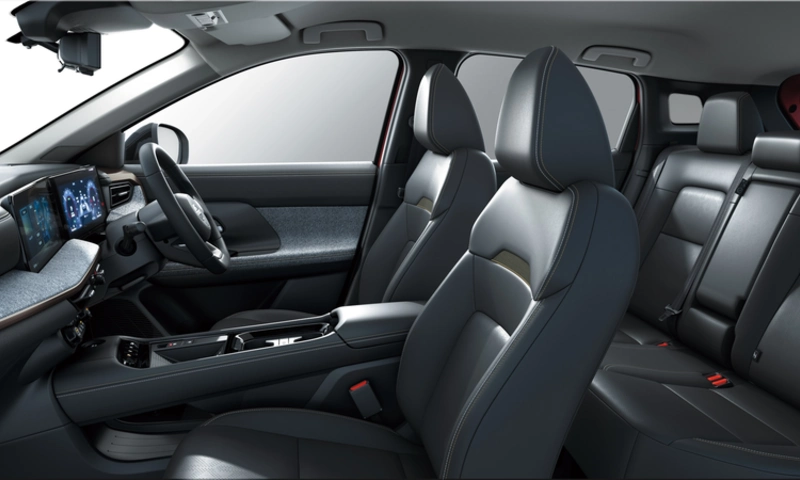
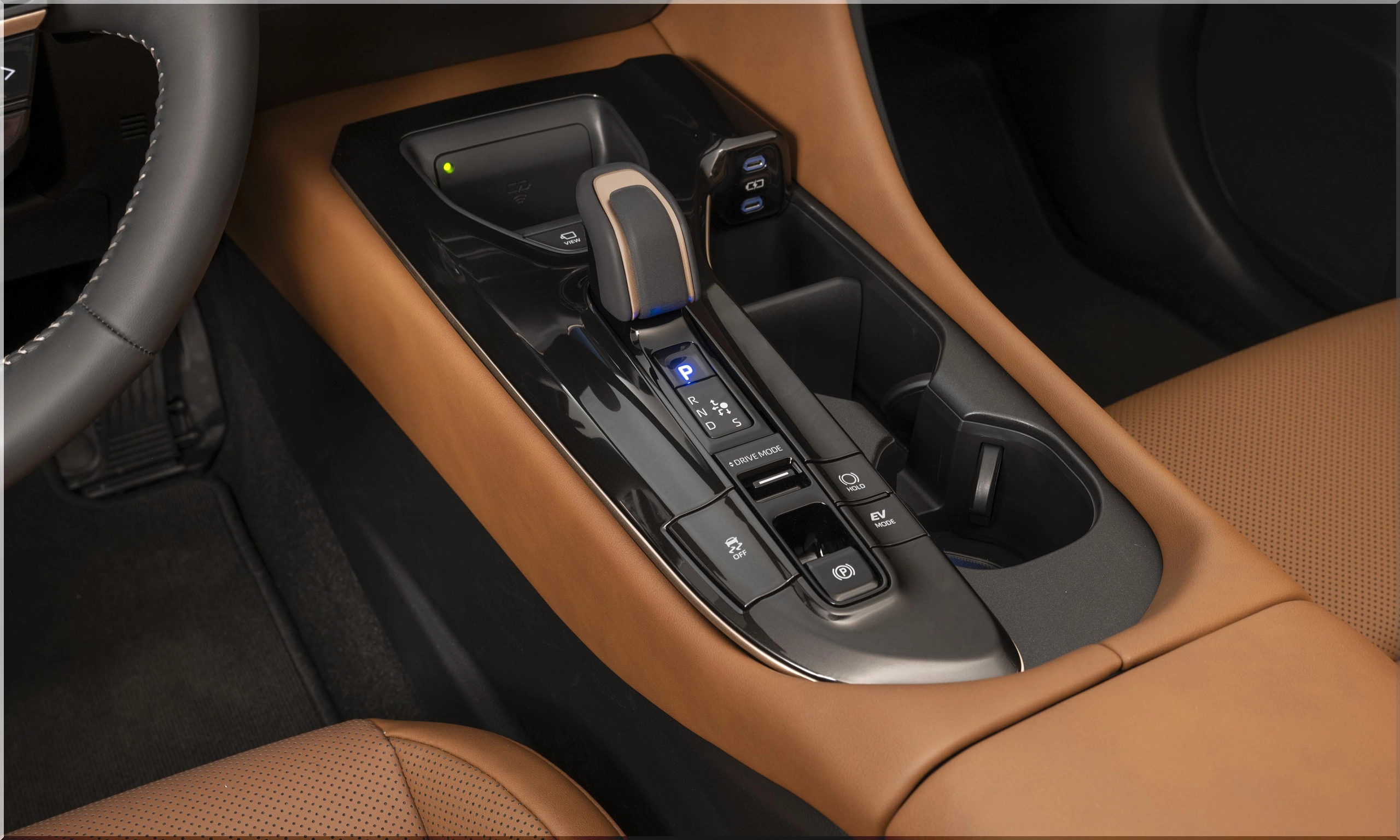
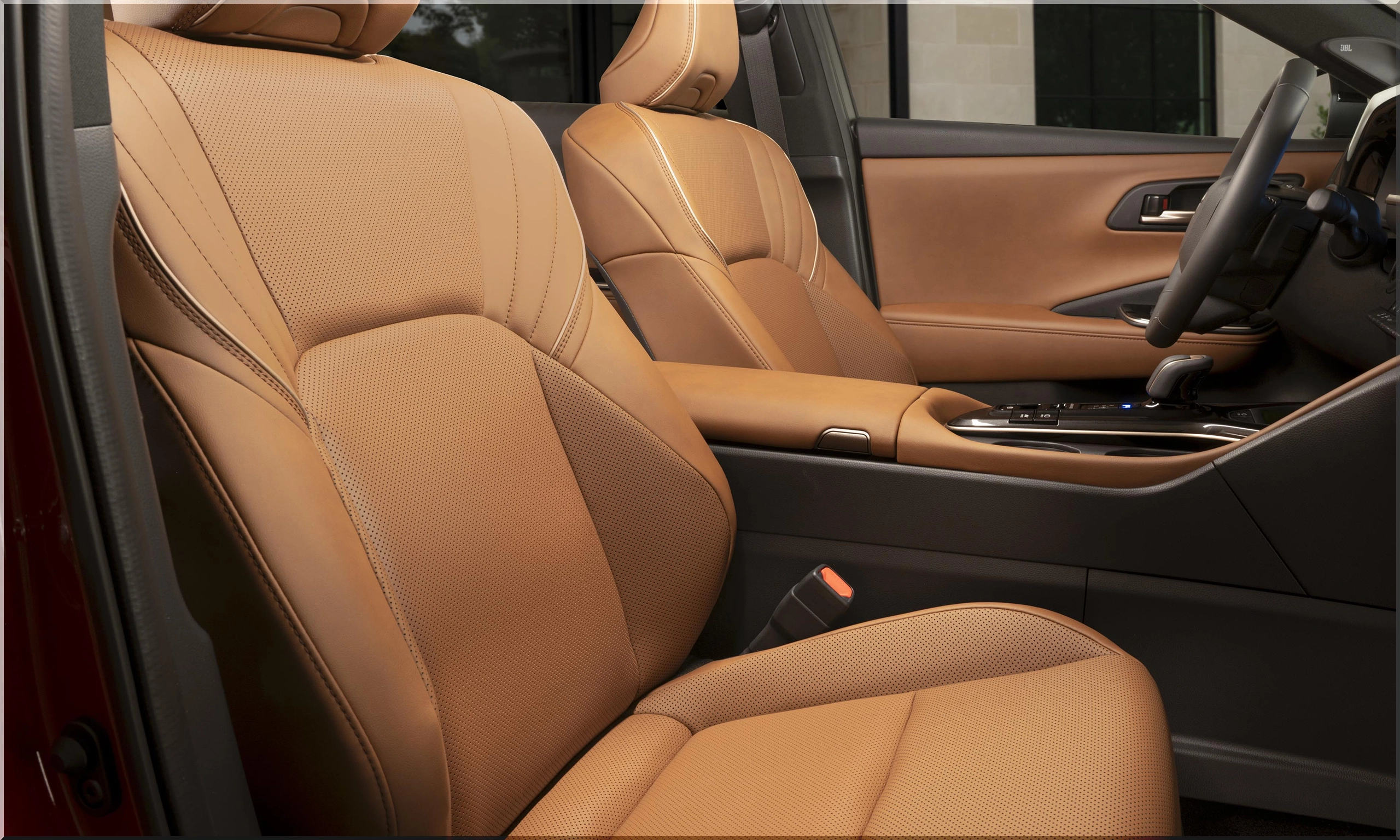
Start with the XLE. Heated and ventilated leather-trimmed front seats already cover a major comfort requirement. Spend the Limited premium only after you identify features that you will use often enough to justify it.
Use this purchase checklist:
- Test parking visibility. Judge whether the Limited's camera materially improves your confidence in your own garage or usual parking spaces.
- Check service subscriptions. Traffic Jam Assist requires an active Drive Connect trial or subscription and compatible network coverage.
- Price ownership. Include insurance, tires, financing, and maintenance alongside gasoline.
- Confirm warranty terms. Toyota lists hybrid-battery coverage of 10 years/150,000 miles and scheduled maintenance for one year/10,000 miles, whichever comes first.
The Crown Signia makes sense for buyers who want a comfortable two-row hybrid and have little use for truck-style capability. Choose the XLE for its lower purchase price; choose the Limited when its visibility and assistance equipment solve problems you face every day.
- Add new comment
- 32 views