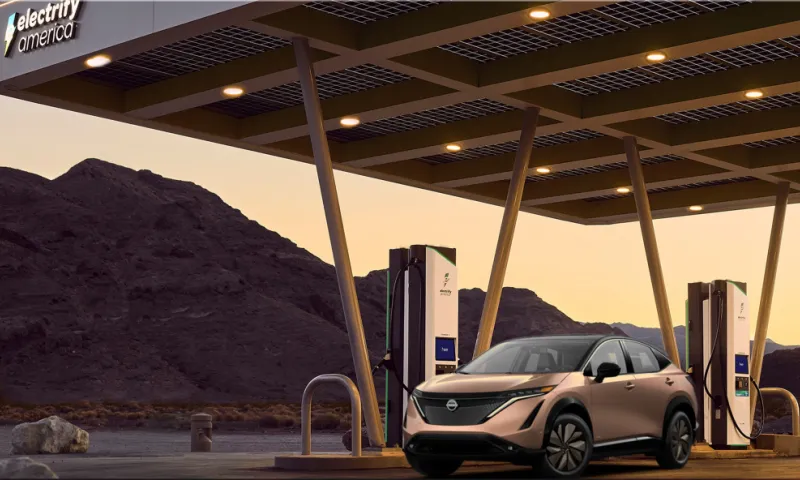
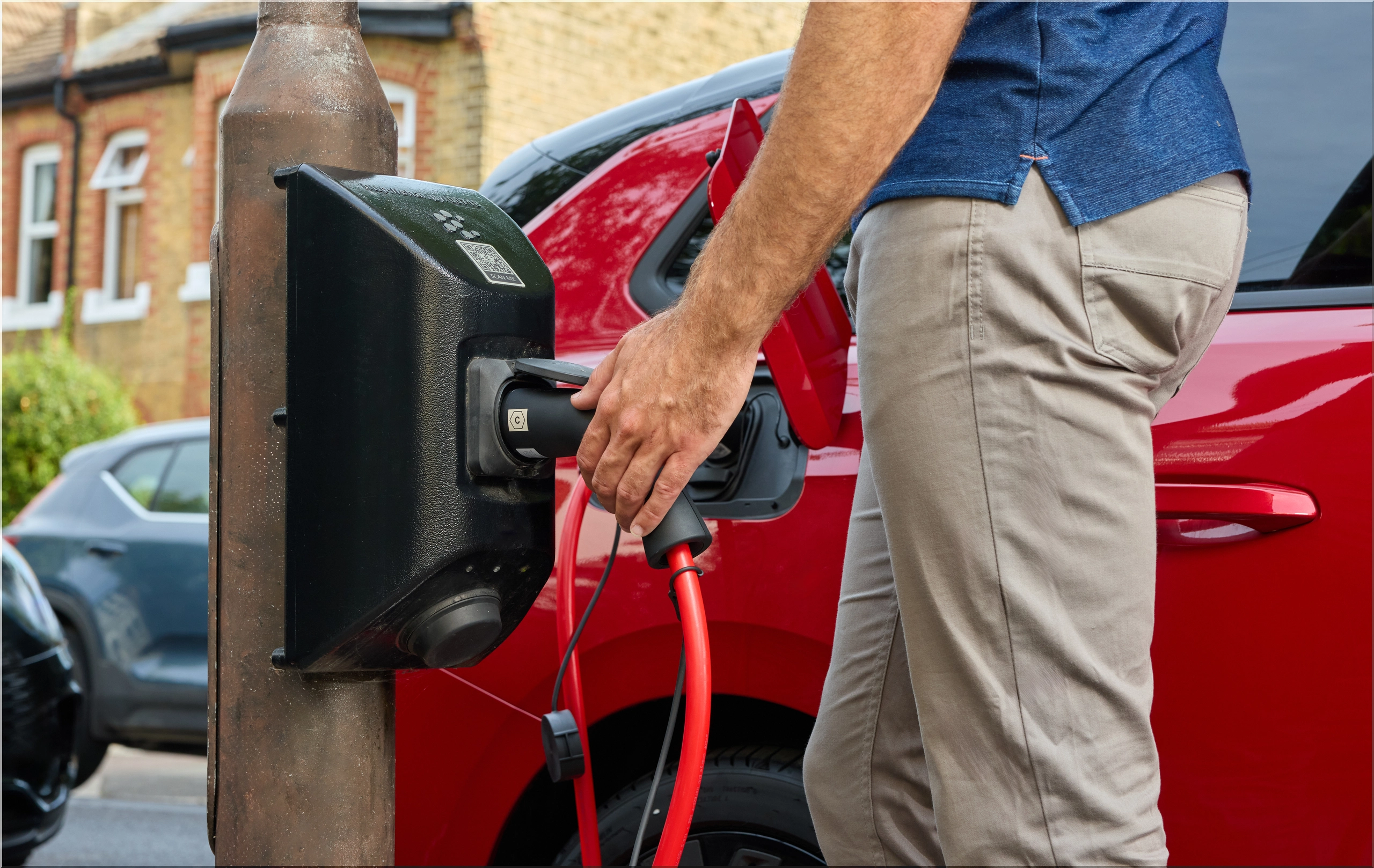
Over 90% of UK business fleet operators would rely on residential charging if they fully transitioned to electric vehicles. This highlights a critical gap in public charging infrastructure, which is particularly problematic for businesses managing large fleets. The lack of convenient on-street charging options forces many to depend on slower residential chargers, increasing downtime and limiting operational efficiency. The issue is more pronounced in urban areas, where access to private charging is restricted due to space limitations.
Vauxhall's report emphasizes the urgency of accelerating on-street charging infrastructure development. Their "Electric Streets of Britain" initiative aims to identify gaps in the existing network and facilitate faster deployment of chargers.
Key Challenges for UK Businesses
- Insufficient on-street charging: 23% of fleet operators cite inadequate on-street charging as the primary barrier to adopting electric vehicles. This issue is not limited to urban areas; rural businesses also report limited access to public chargers, making long-distance travel challenging.
- Dependence on residential charging: The reliance on home-based chargers, which are slower and less efficient for business use, leads to higher operational costs and extended downtime for vehicles. For businesses that need quick turnaround times, the current infrastructure is inadequate.
Business Benefits of Going Electric
- Positive public perception: 91% of operators believe that adopting electric vehicles enhances their brand image. As consumers increasingly support sustainable businesses, this shift can lead to improved customer loyalty and a stronger competitive advantage.
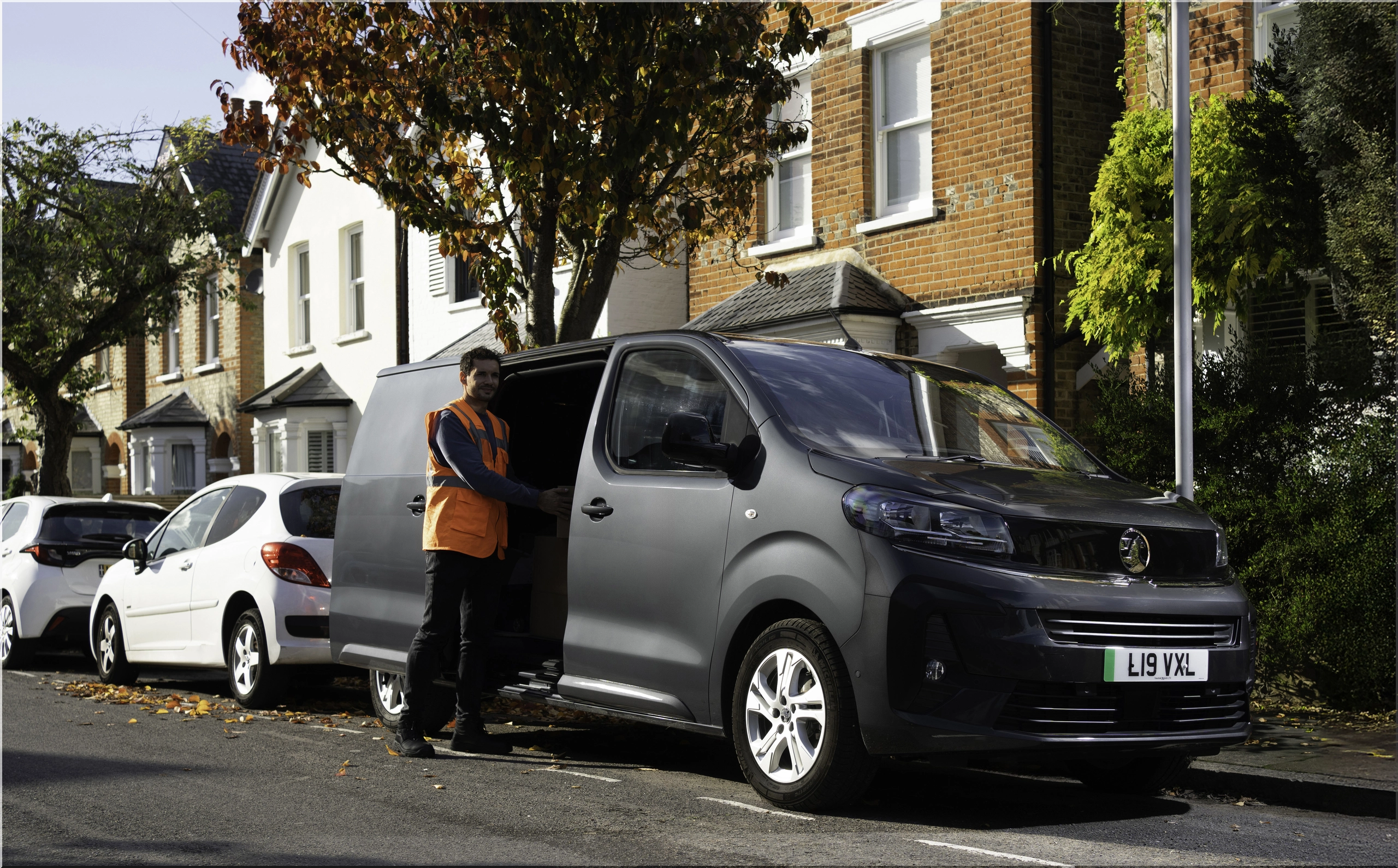
- Operational benefits: 83% of electric van operators report that transitioning to electric vehicles has reduced fuel costs and simplified maintenance schedules. Electric vans have fewer mechanical parts, which means lower servicing needs and less frequent breakdowns. Additionally, electric vehicles benefit from reduced congestion charges and exemptions in low-emission zones, further lowering operating costs.
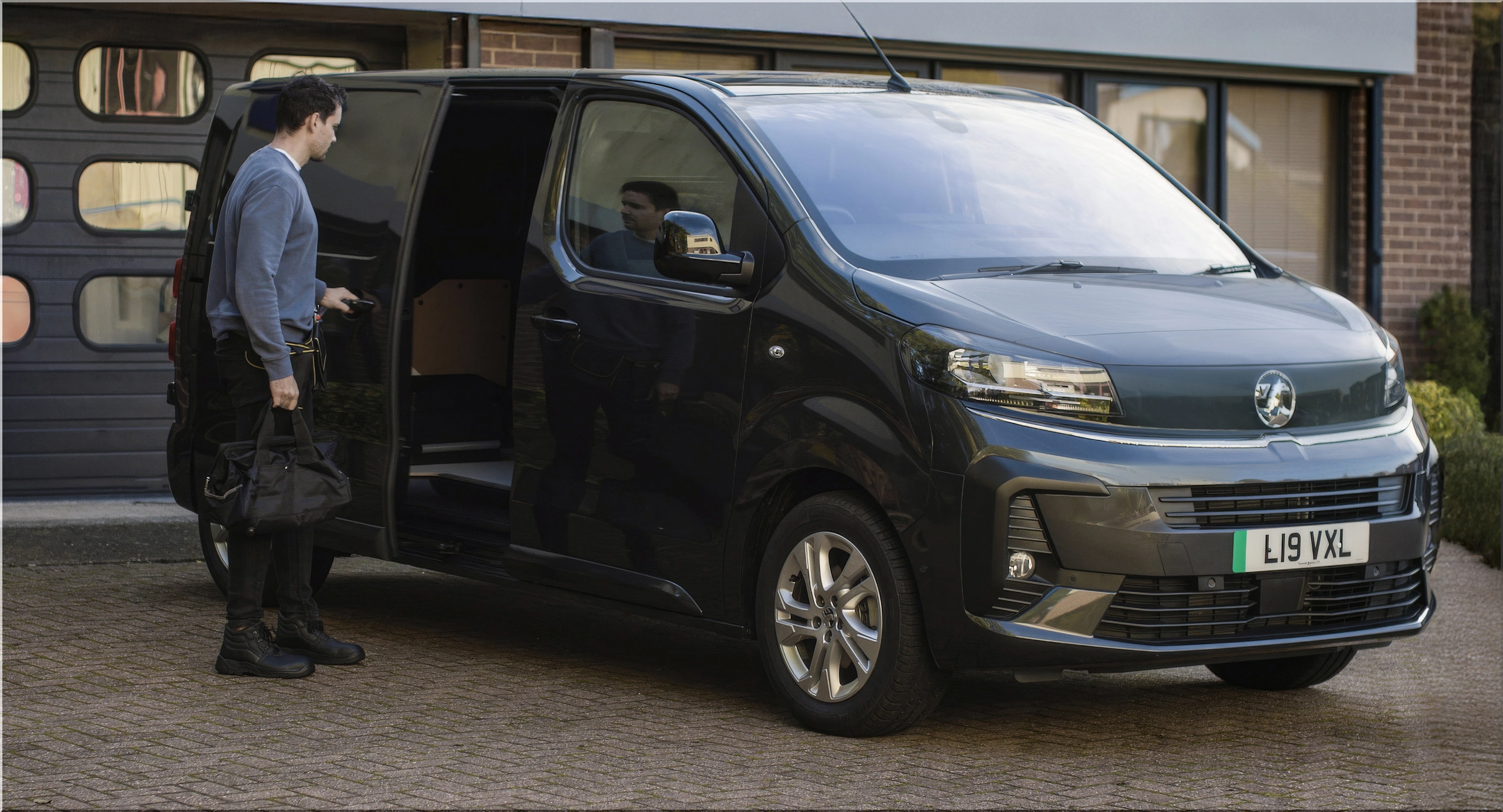
Vauxhall's partnerships with major UK businesses like Openreach and British Gas demonstrate the practical benefits of electric fleets. By providing electric vans to these companies, Vauxhall has enabled them to cut operational costs and improve service efficiency.
Recommendations to Improve Adoption
- Expand on-street charging points: Focus on installing fast chargers in high-traffic commercial zones and along major delivery routes. Fast chargers can significantly reduce downtime, making electric vehicles more practical for businesses with demanding schedules.
- Subsidies for installing chargers: Government incentives should target small and medium enterprises (SMEs), which often lack the capital to invest in private charging infrastructure. Grants, tax breaks, or low-interest loans could help these businesses transition to electric fleets faster.
- Partnerships with local councils: Collaborate to streamline planning permissions for new chargers. Establishing public-private partnerships can address both funding and regulatory challenges, ensuring faster deployment of infrastructure.
Vauxhall's initiative allows drivers to register their charging needs, creating a data-driven approach to infrastructure planning. This system can help prioritize charger installations based on actual demand, maximizing efficiency.

Conclusion
Addressing the barriers to on-street charging requires a comprehensive strategy that includes infrastructure investments, financial incentives, and regulatory support. The benefits of transitioning to electric fleets—such as reduced costs, improved public perception, and alignment with sustainability goals—are clear. By resolving the infrastructure challenges, the UK can accelerate the shift to electric vehicles, benefiting both businesses and the environment. @ Electric Streets of Britain.
- Add new comment
- 180 views