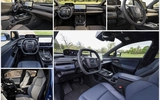
New Powertrain, Real Impact
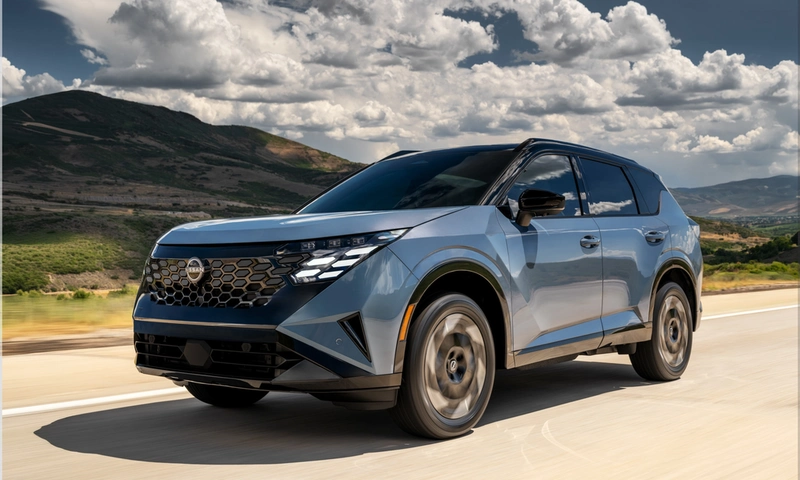
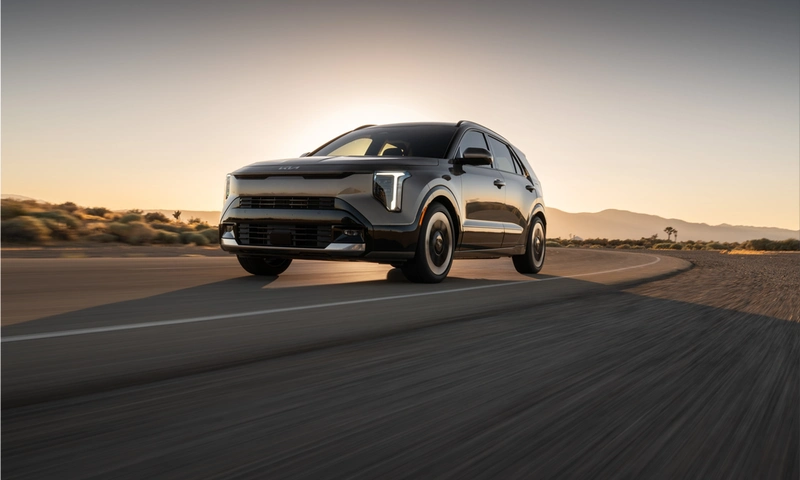
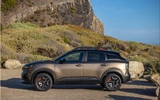
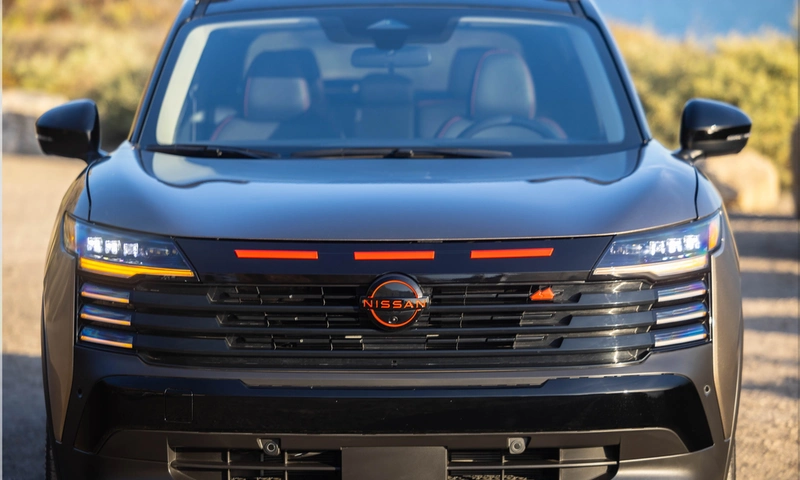
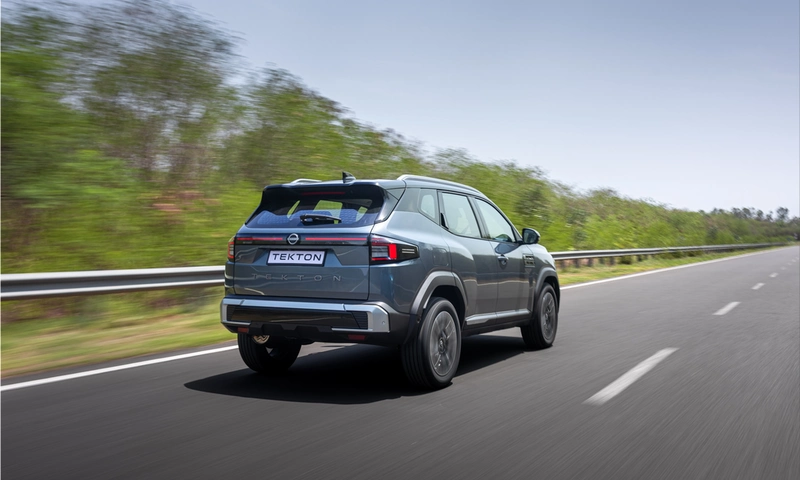
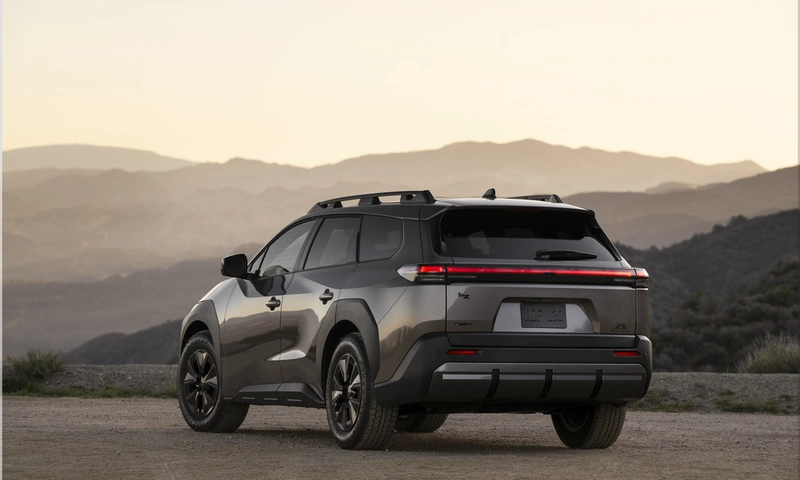
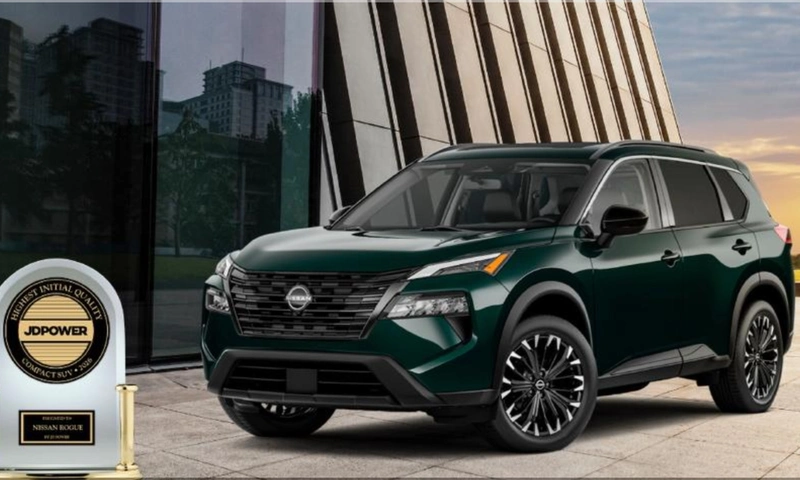
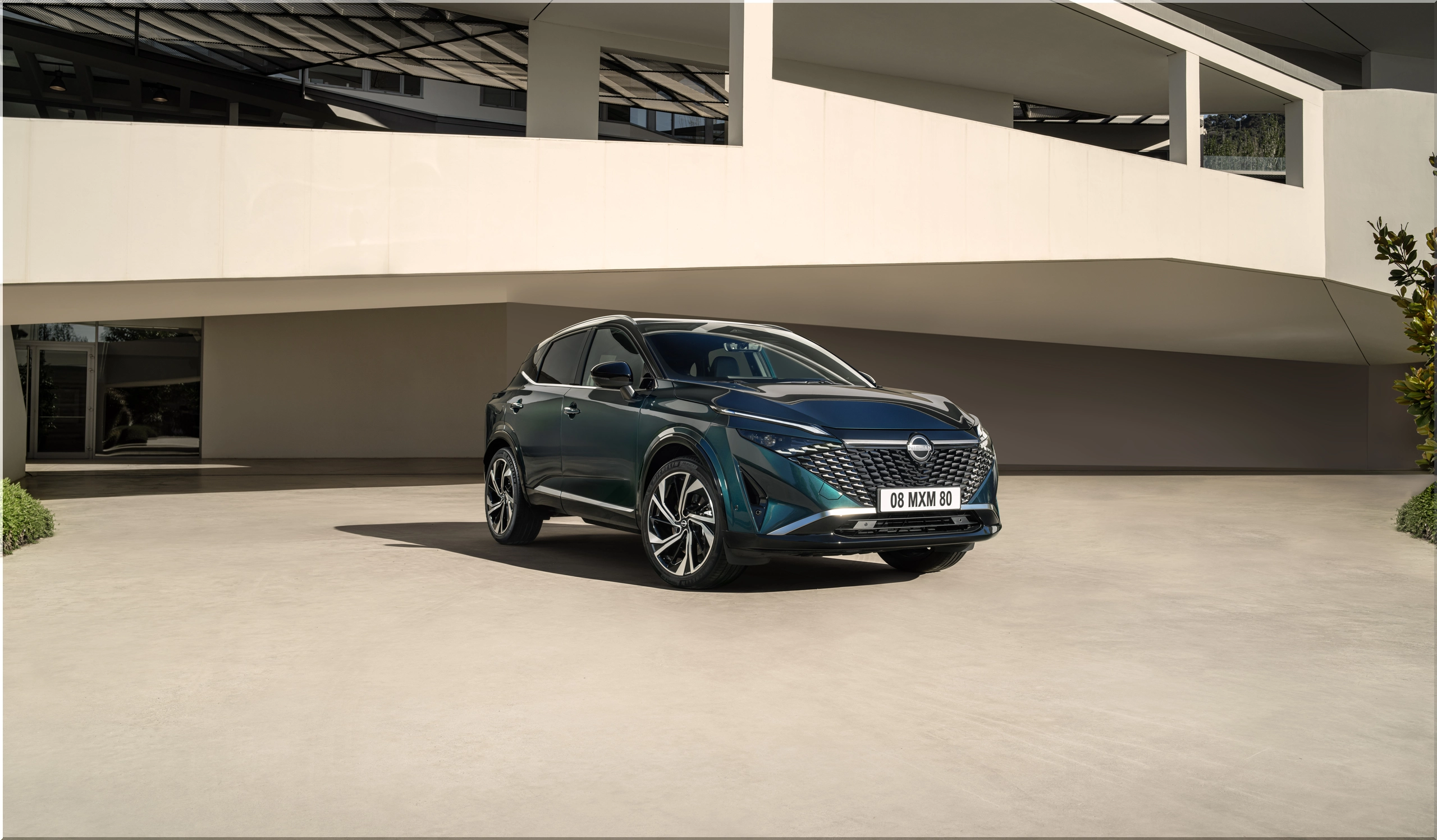
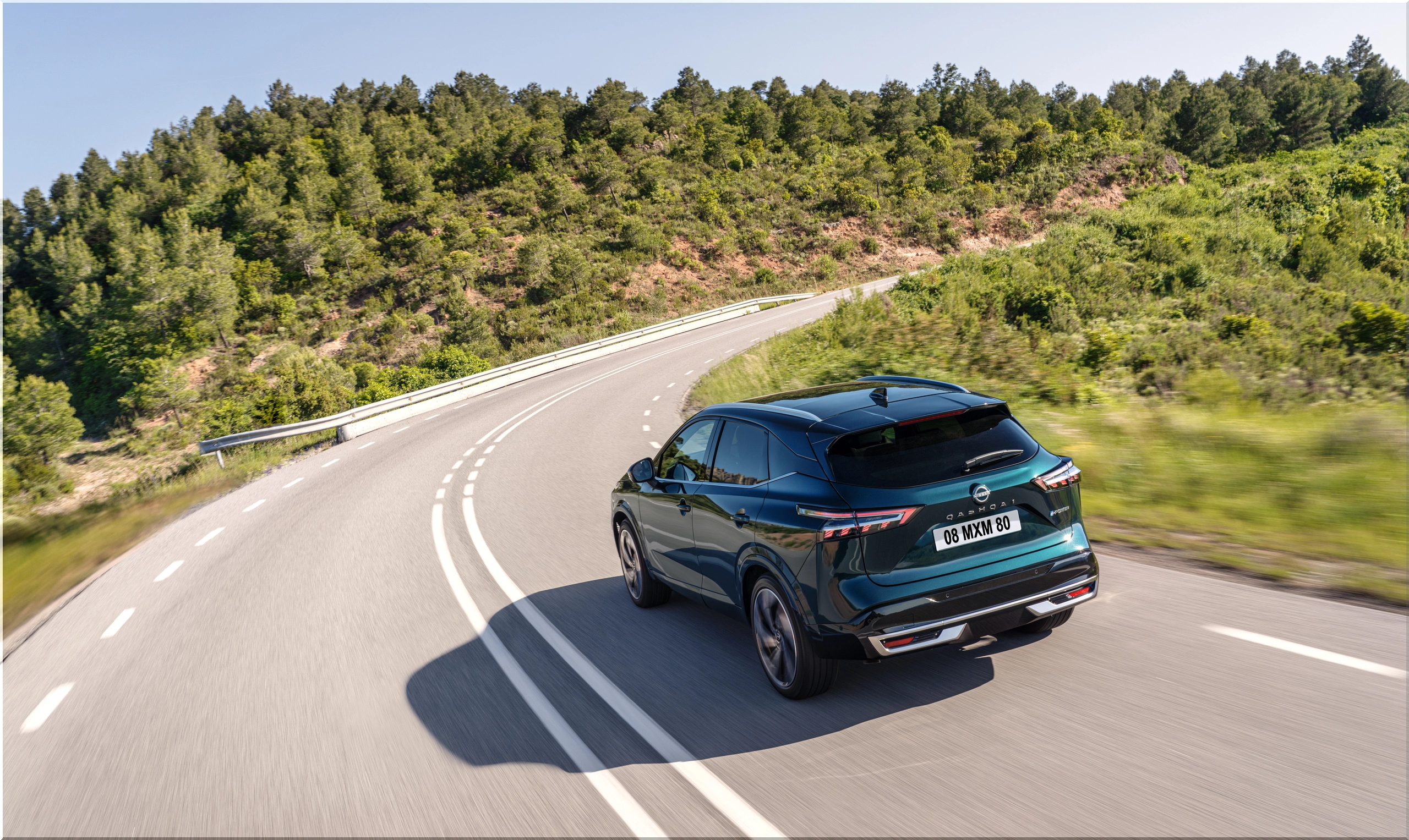
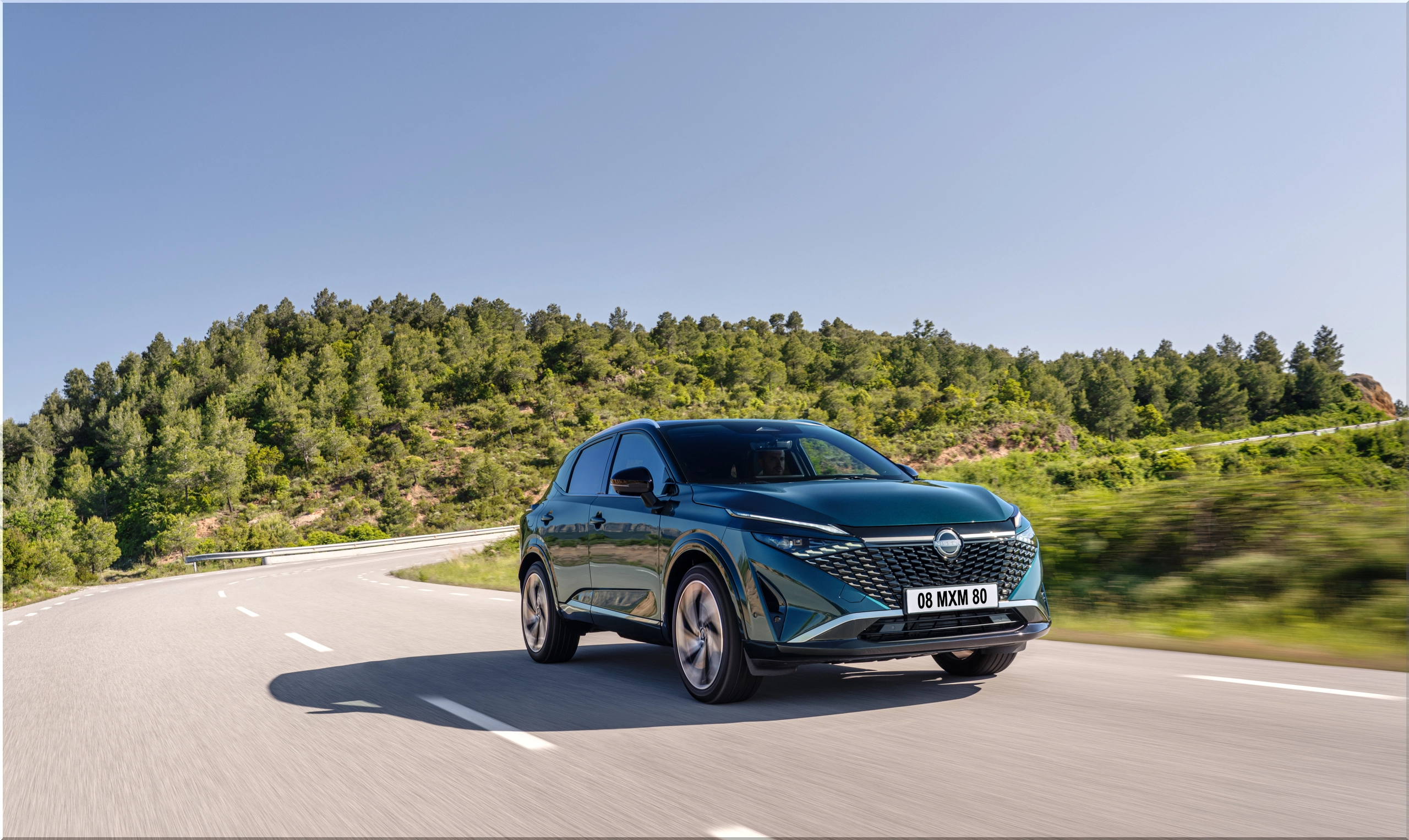
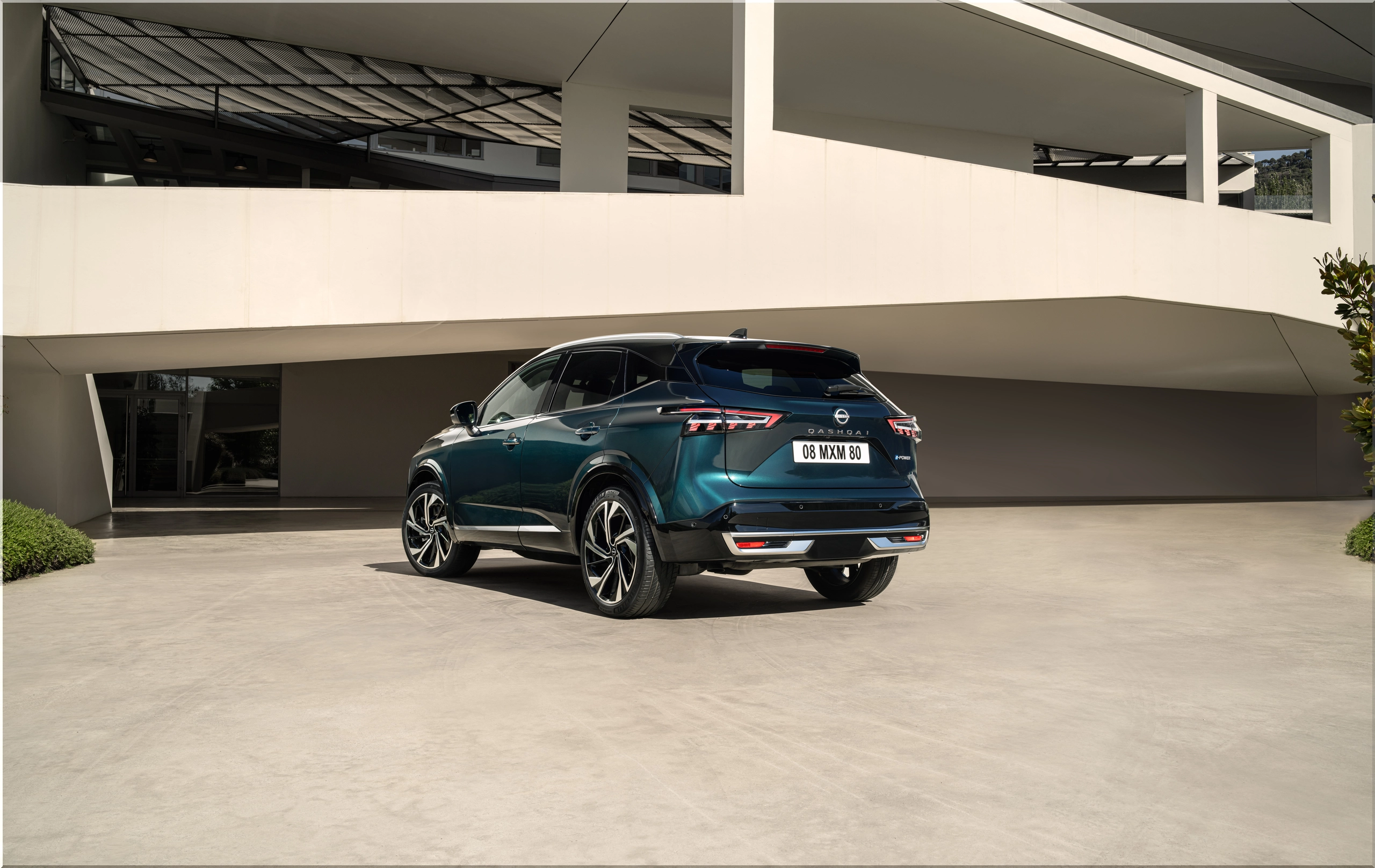
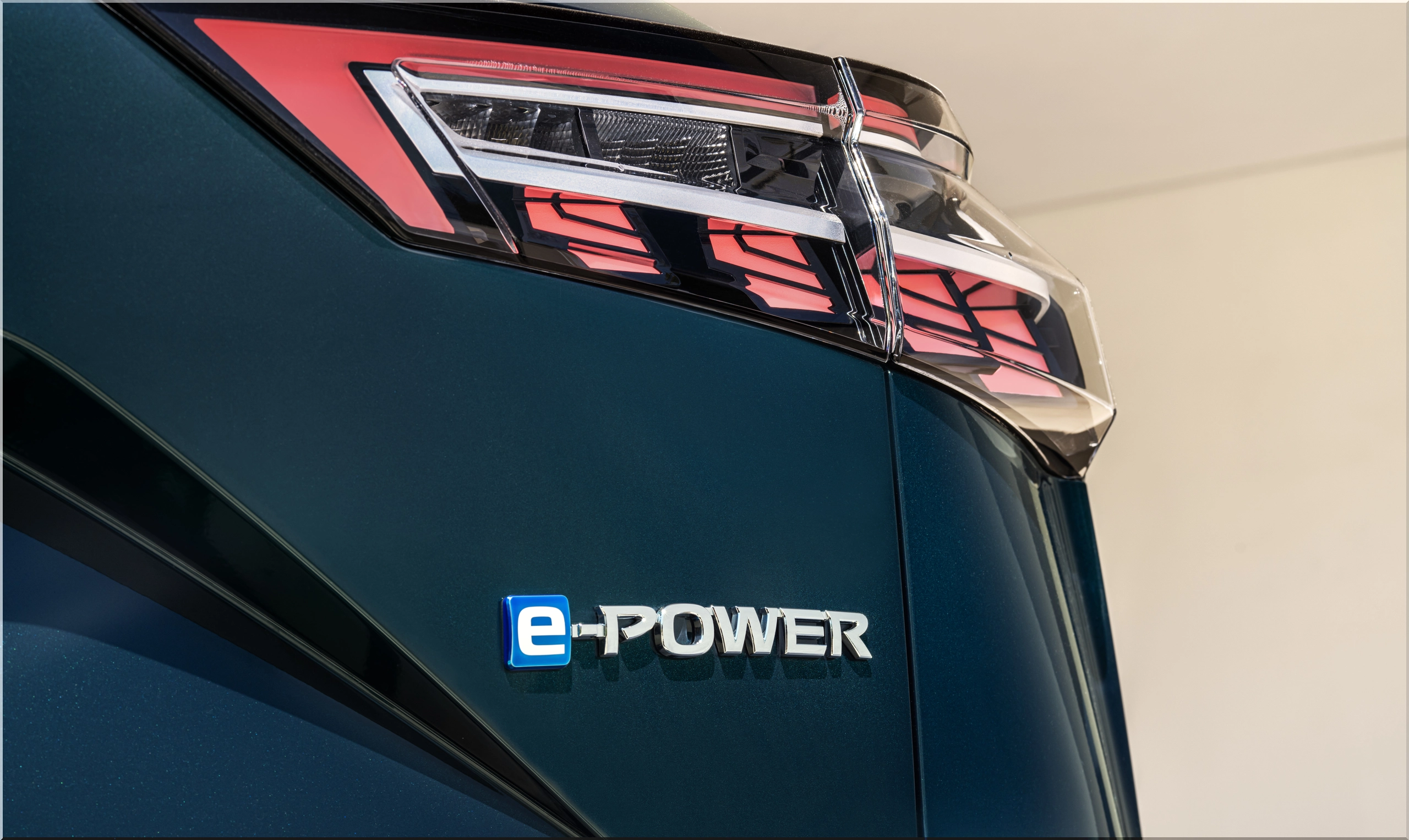
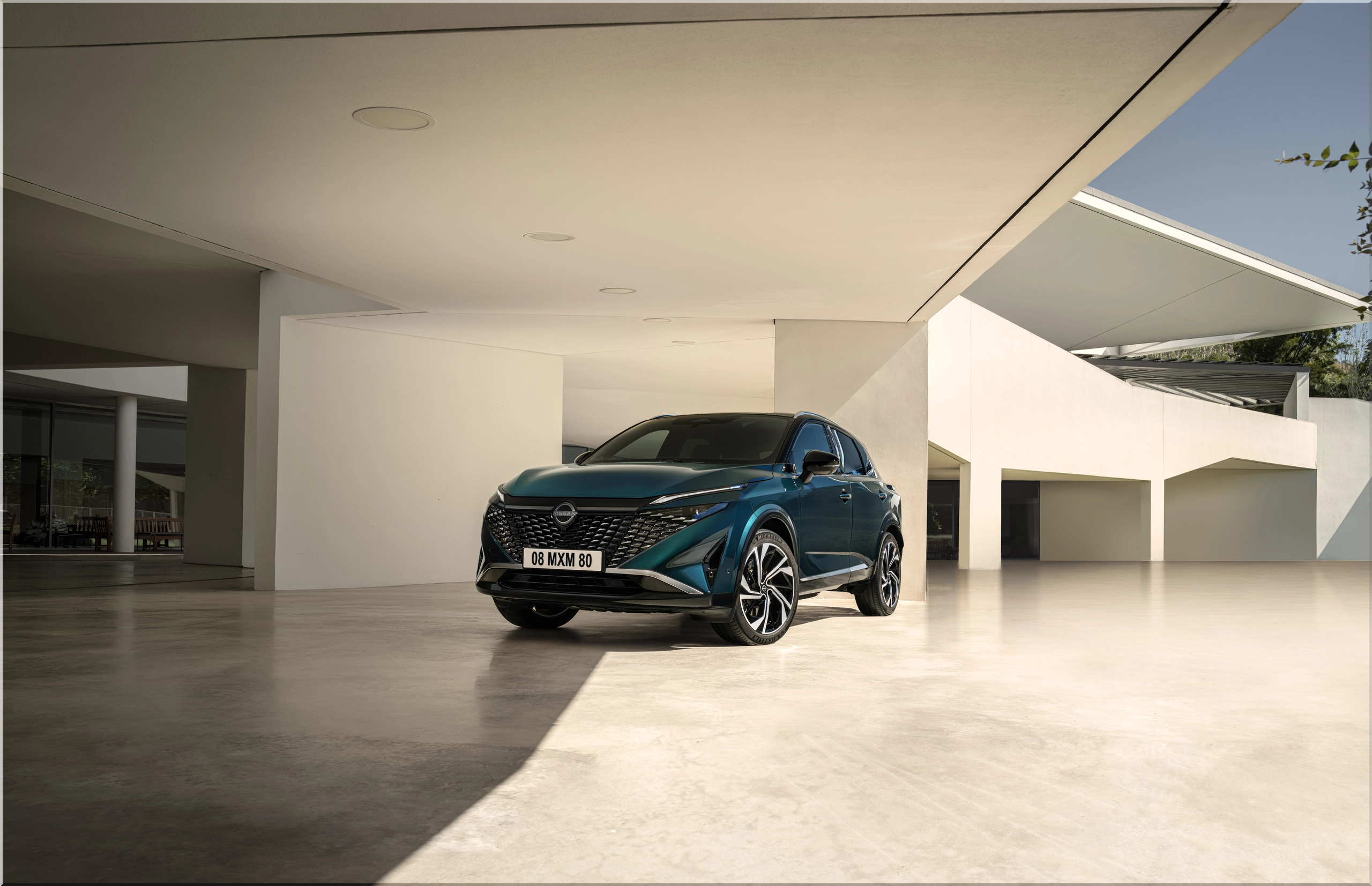
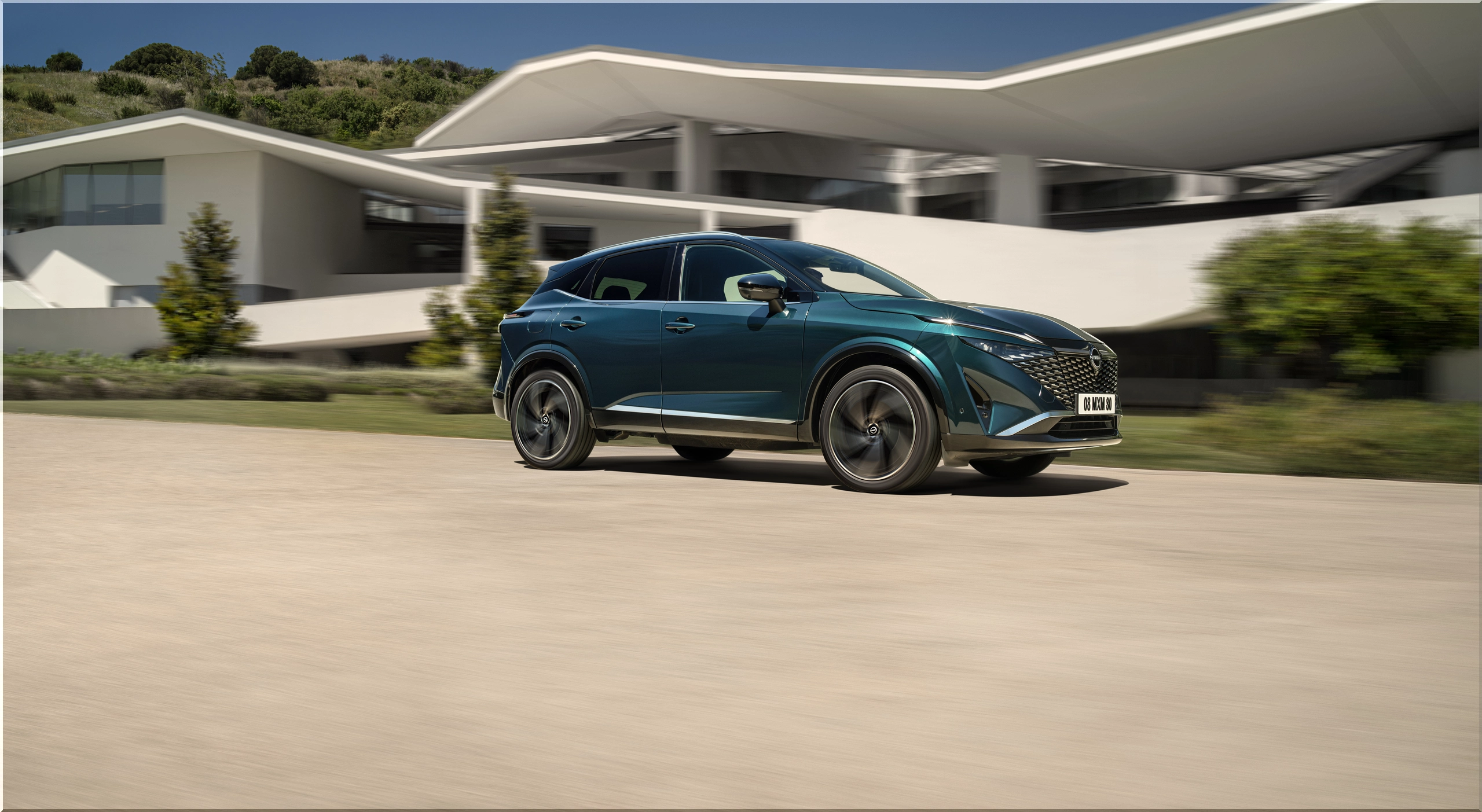
The 2025 Nissan Qashqai e-POWER arrives with one mission: provide electric-like driving without changing how people use their vehicles. Nissan’s latest hybrid technology eliminates plug-in charging while delivering a genuine electric motor experience. The result? 4.5L/100km fuel consumption, 102g/km CO₂ emissions, and a theoretical range of 1,200 kilometers—all without a plug or range anxiety.
How e-POWER Works
Unlike traditional hybrids, Nissan’s e-POWER doesn't mechanically connect the petrol engine to the wheels. Instead:
- The 1.5-liter turbocharged three-cylinder engine acts solely as a generator.
- Power is delivered to the wheels by a single electric motor.
- Regenerative braking converts kinetic energy into electricity, recharging the battery.
This separation simplifies the drivetrain, reduces moving parts, and sharpens throttle response. The driving experience mirrors an EV—smooth, quiet, and immediate.
Performance and Engineering Breakdown
Core Specs
| Feature | Value |
|---|---|
| Fuel Economy (WLTP) | 4.5 L/100km |
| CO₂ Emissions | 102 g/km |
| Theoretical Range | 1,200 km (746 miles) |
| Power Output | 151 kW (202 hp) |
| Battery Capacity | 2.1 kWh |
| Engine Displacement | 1.5L, 3-cylinder turbocharged |
| Thermal Efficiency | 42% |
| Torque Delivery | Instant via electric motor |
| Transmission | None (direct drive) |
Key Powertrain Changes
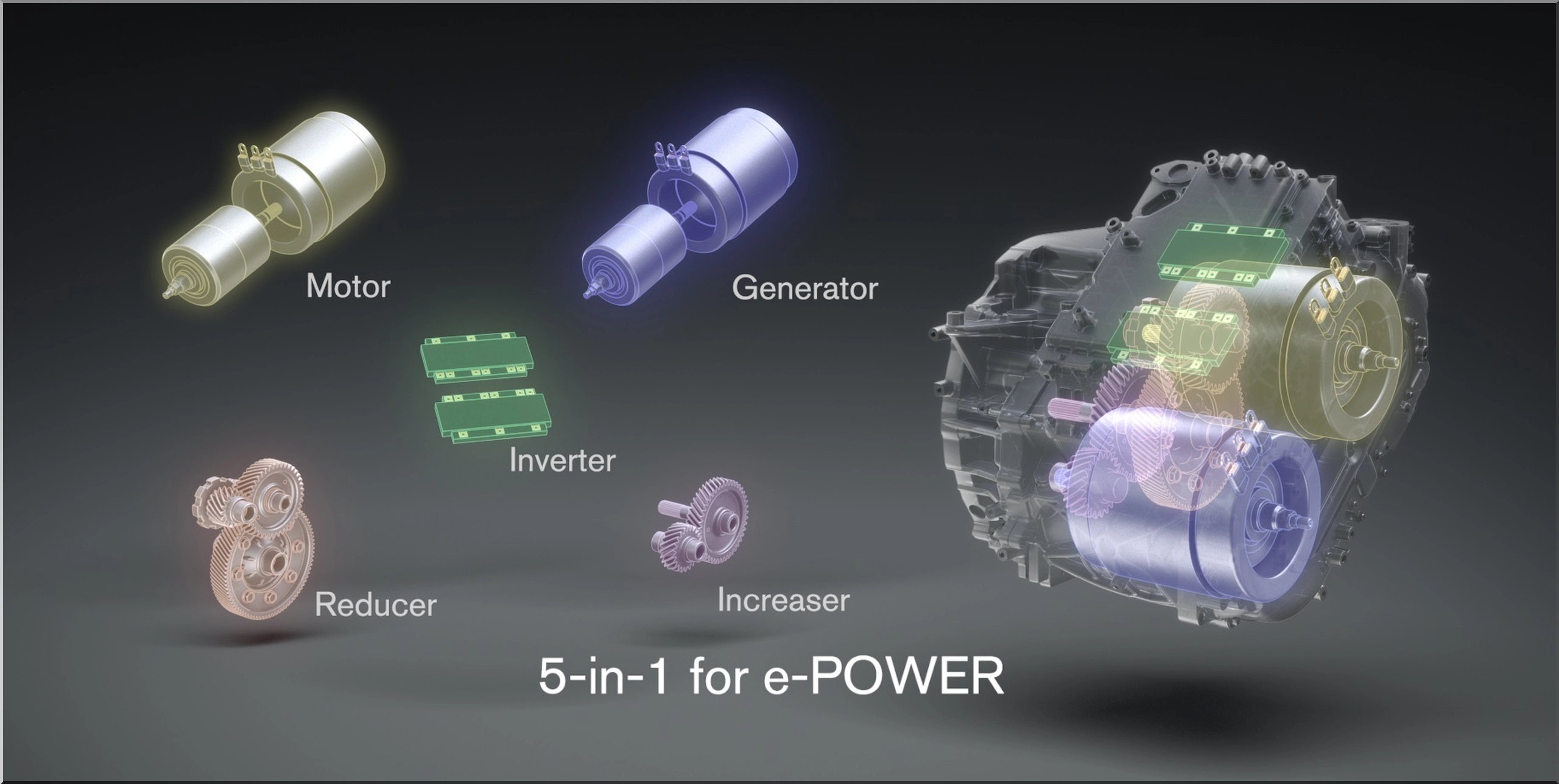
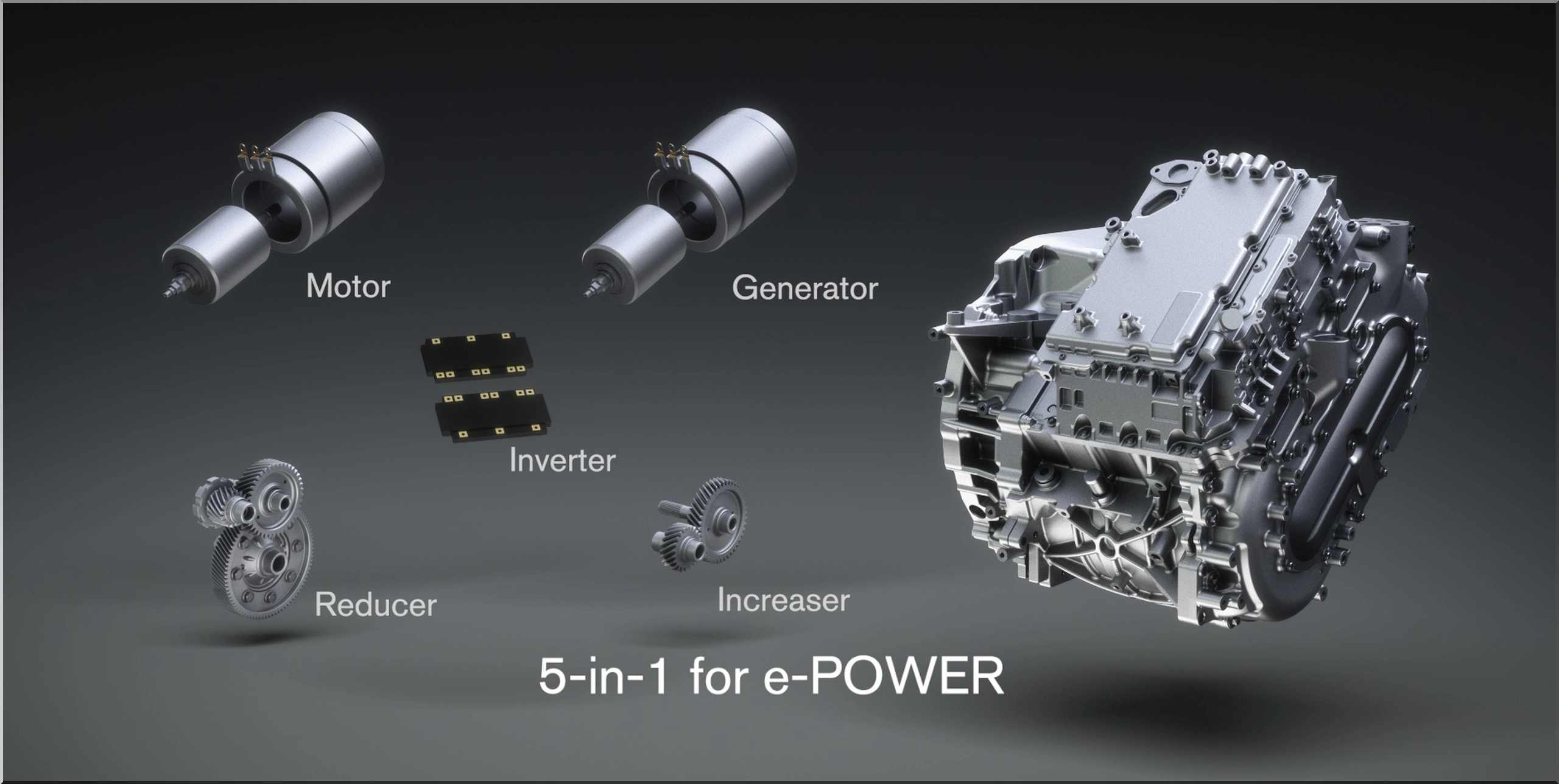
- 5-in-1 Modular Unit: Integrates the motor, generator, inverter, reducer, and increaser for weight and packaging gains.
- All-new Engine: Although it maintains the same displacement, this is a complete redesign with proprietary STARC combustion tech.
- Turbo Upgrade: A larger turbo supports lower engine speeds (by 200 rpm on highways), improving acoustic comfort and efficiency.
- Improved Lubrication: Switch to 0W16 oil reduces friction.
- Extended Service Intervals: From 15,000 km to 20,000 km (approx. 12,500 miles), reducing ownership costs.
Real-World Fuel Savings
The upgrades aren’t theoretical. Nissan says real-world fuel economy improves by 16%, with highway consumption reduced by 14% compared to the previous model.
Fuel Cost Comparison (USD)
| Vehicle | Fuel Cost per 100 km | Range per Full Tank (55L est.) |
|---|---|---|
| 2025 Nissan Qashqai e-POWER | ~$5.40 | ~1,200 km |
| Traditional Compact SUV | ~$8.70 | ~800 km |
| Plug-In Hybrid (average) | ~$6.00 | ~900 km |
Assumes average gas price of $1.20/L (approx. $4.50/gallon in the U.S.)
Refinement, Not Noise
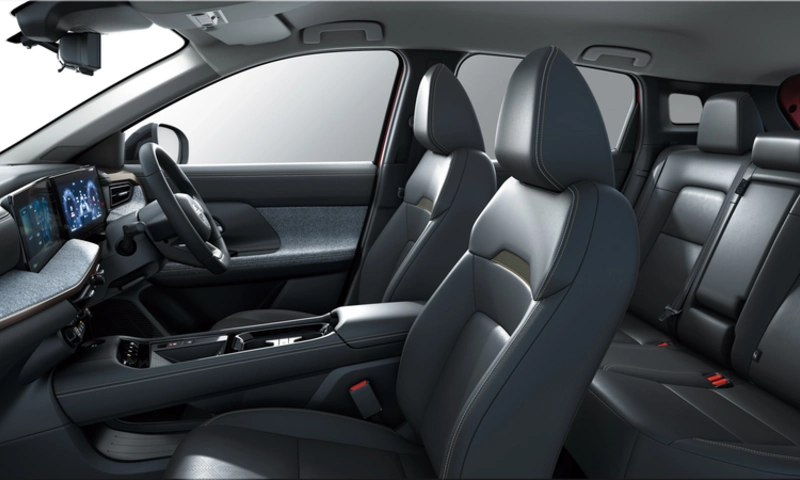
Cabin noise is down by 5.6 dB compared to the previous e-POWER setup. At low speeds, the electric-only drive delivers near-silent operation. On highways, sound insulation improvements and the quieter engine cut fatigue during long trips.
EV Driving Without a Plug
Nissan’s e-POWER system provides EV-like torque with no gearshifts and no plug-in charging. Here’s how it compares:
e-POWER vs. EV vs. Hybrid
| Feature | e-POWER | Plug-In Hybrid | EV |
|---|---|---|---|
| Plug-in Required | No | Yes | Yes |
| Range Anxiety | None | Moderate | High (for some drivers) |
| Engine Drives Wheels | No | Sometimes | No |
| Fueling Time | ~5 minutes (gas station) | 30–60 min (DC) | 30–60 min (DC) |
| Driving Feel | Fully electric | Mixed | Fully electric |
| Regenerative Braking | Yes | Yes | Yes |
Software and Connectivity Updates
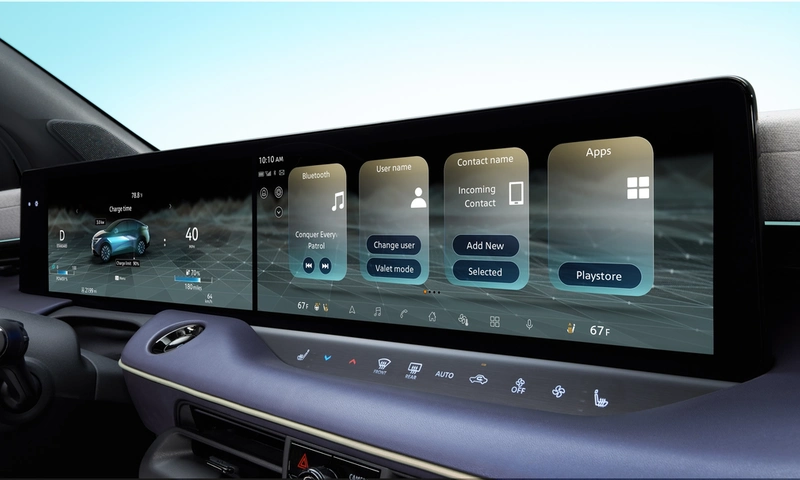
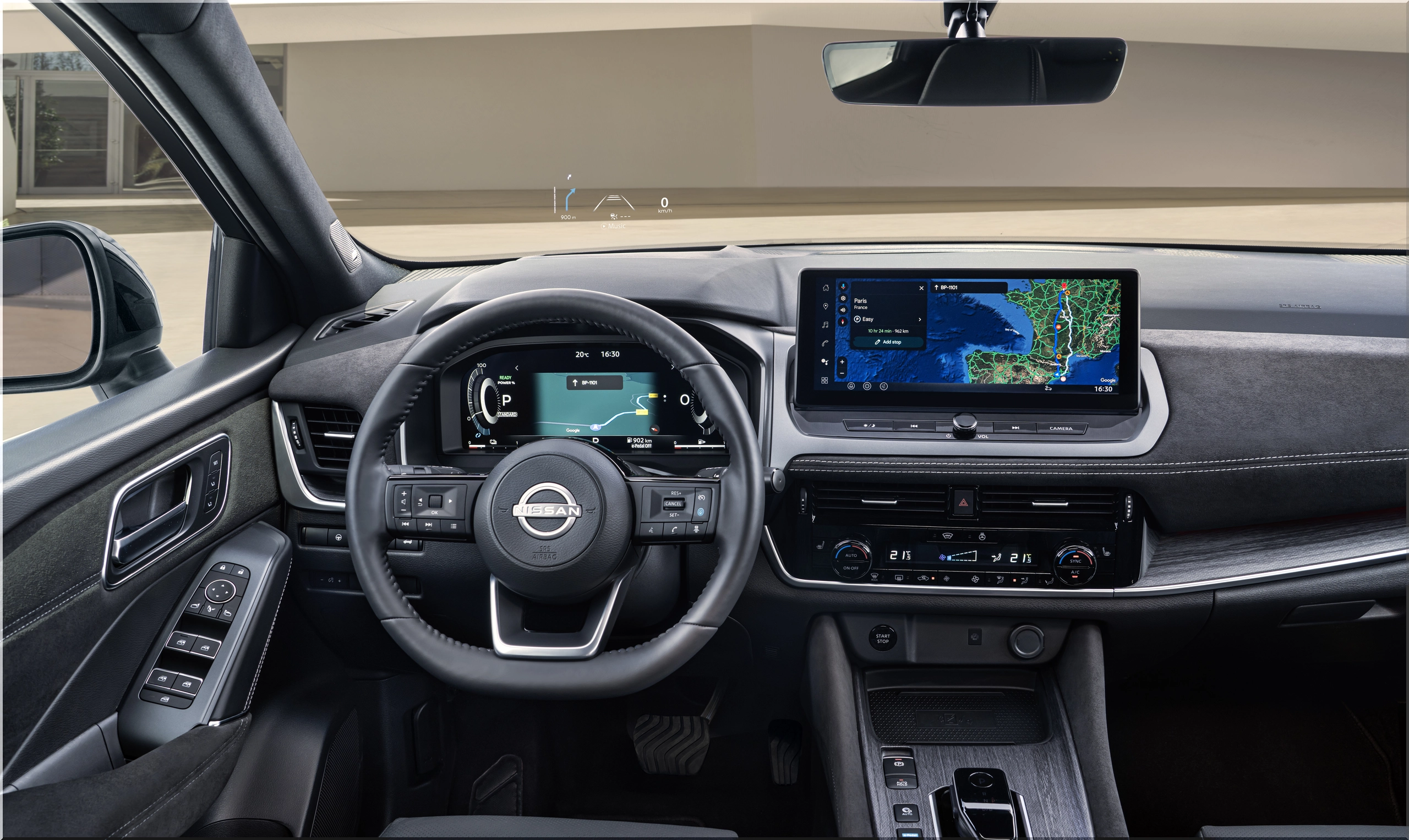
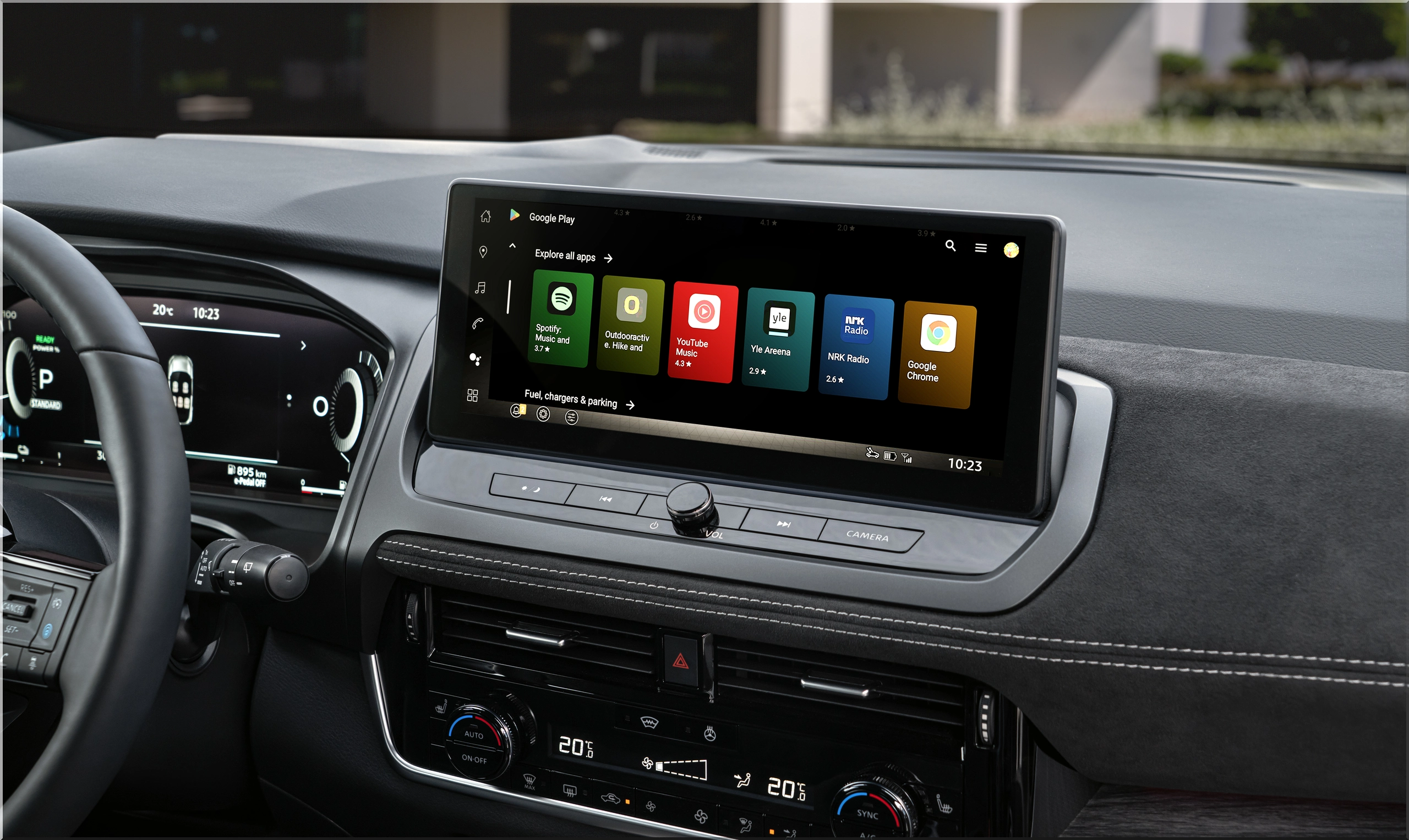
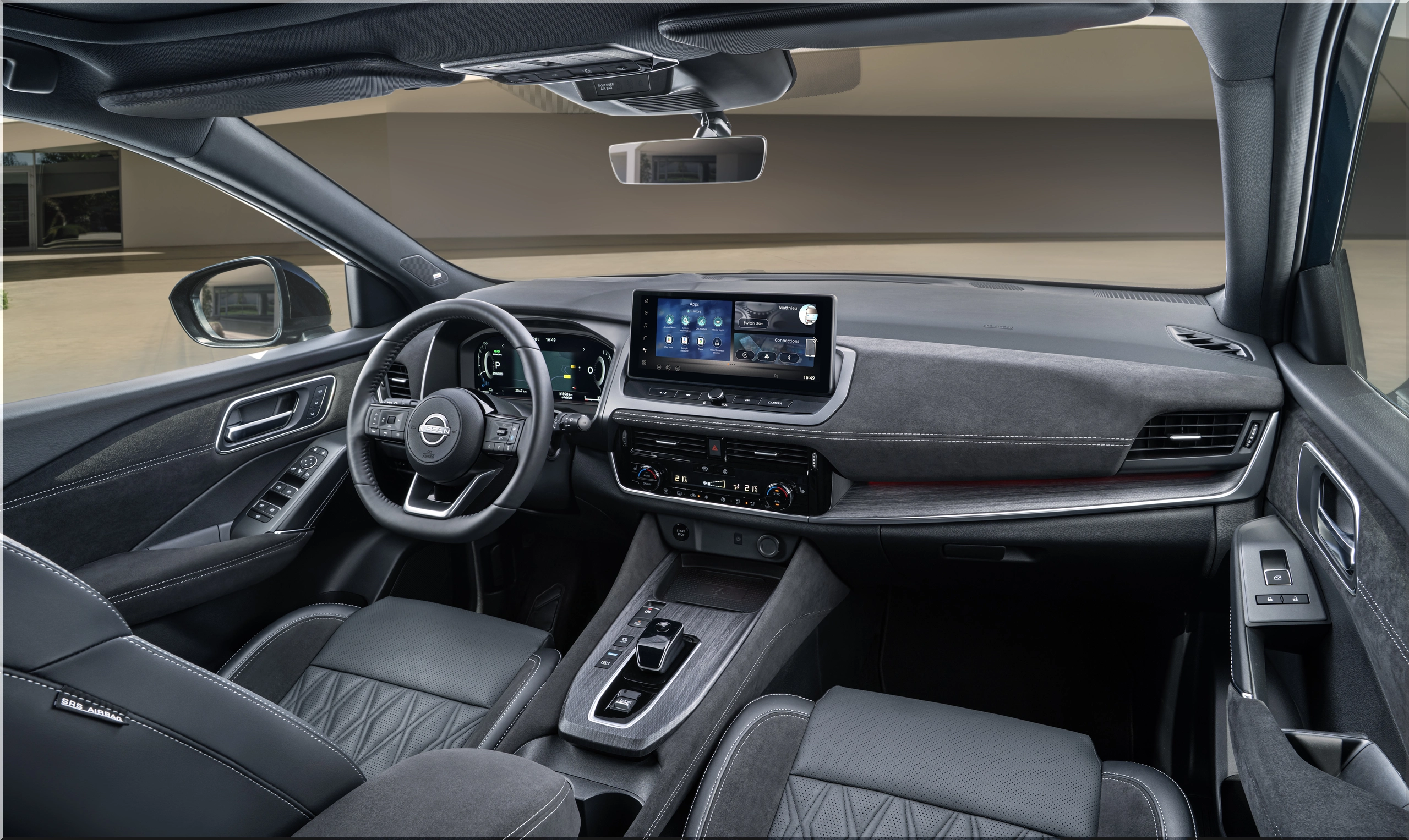
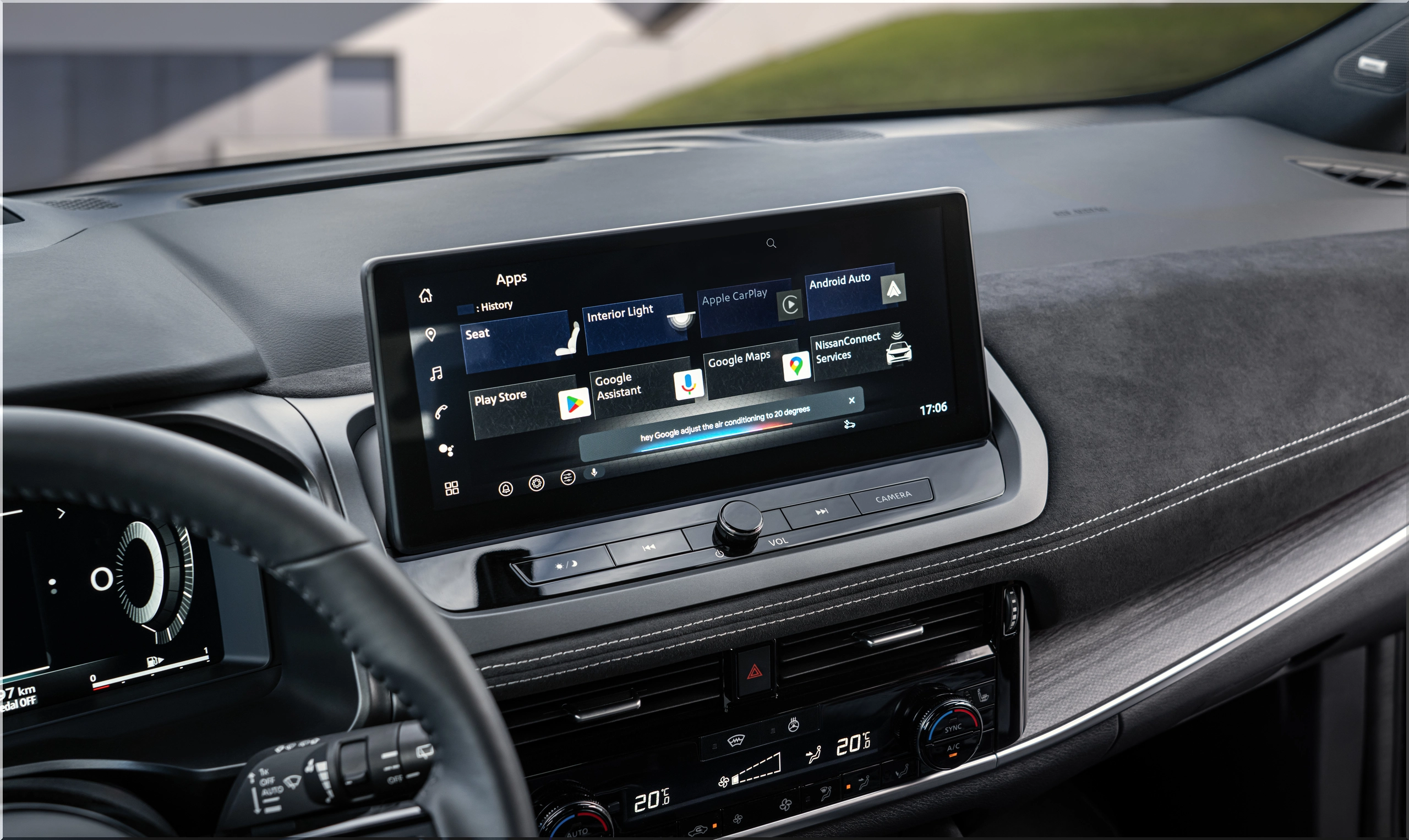
The 2025 Nissan Qashqai e-POWER integrates Google built-in technology. Drivers can access:
- Google Maps (navigation and charging/petrol stops)
- Google Assistant (voice commands)
- Google Play Store (apps on the move)
- Nissan Trip Stories (trip logging via NissanConnect)
Additional safety upgrades include:
- Improved ProPILOT driver assistance
- Enhanced multi-lane autonomous driving interface
- Better lane and traffic awareness
Target Market and Rollout
The Qashqai e-POWER targets buyers still hesitant about EVs. It offers electric performance without charging infrastructure concerns. This system gives ICE drivers a practical way to reduce emissions while maintaining convenience.
Maintenance and Ownership
e-POWER’s simplified drivetrain reduces complexity. Fewer moving parts means fewer failure points. With longer service intervals, owners will see lower total cost of ownership (TCO).
Cost Efficiency Summary
- No transmission = fewer wear items
- Longer service intervals = fewer visits
- Better fuel economy = lower operational cost
- No plug-in = no home charger install required
Strategic Context
e-POWER fits into Nissan’s Ambition 2030 vision. It supports the company’s goal of achieving carbon neutrality by 2050. By acting as a transition technology, it helps shift consumers toward electric without disrupting current habits.
Corporate Vision in Action
- Combines internal R&D with actual customer feedback.
- Meets EU emissions targets without limiting vehicle use.
- Keeps the Qashqai competitive in a saturated segment.
Final Take
Nissan’s 2025 Qashqai e-POWER is not an experiment. It’s a practical solution. It brings EV benefits to mainstream drivers while bypassing the most common hurdles to adoption—charging and range. Nissan’s hybrid strategy proves that electrification doesn’t require a wall outlet.
With best-in-class fuel economy, lower emissions, and a quieter, more responsive ride, this is a data-backed answer to what customers actually need—without forcing them to change how they drive.
- Add new comment
- 302 views