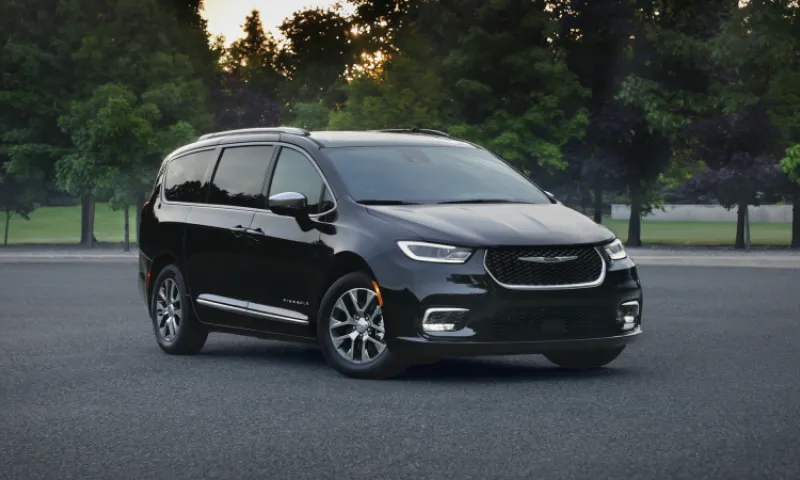
Chrysler did the sensible thing with the 2027 Chrysler Pacifica at the 2026 New York International Auto Show. It did not torch the minivan formula and start over. It cleaned up the design, tightened the trim strategy, added a few smart family-use upgrades, and leaned harder into the strengths that kept the Pacifica relevant in a market that keeps trying to pretend crossovers can replace sliding doors.
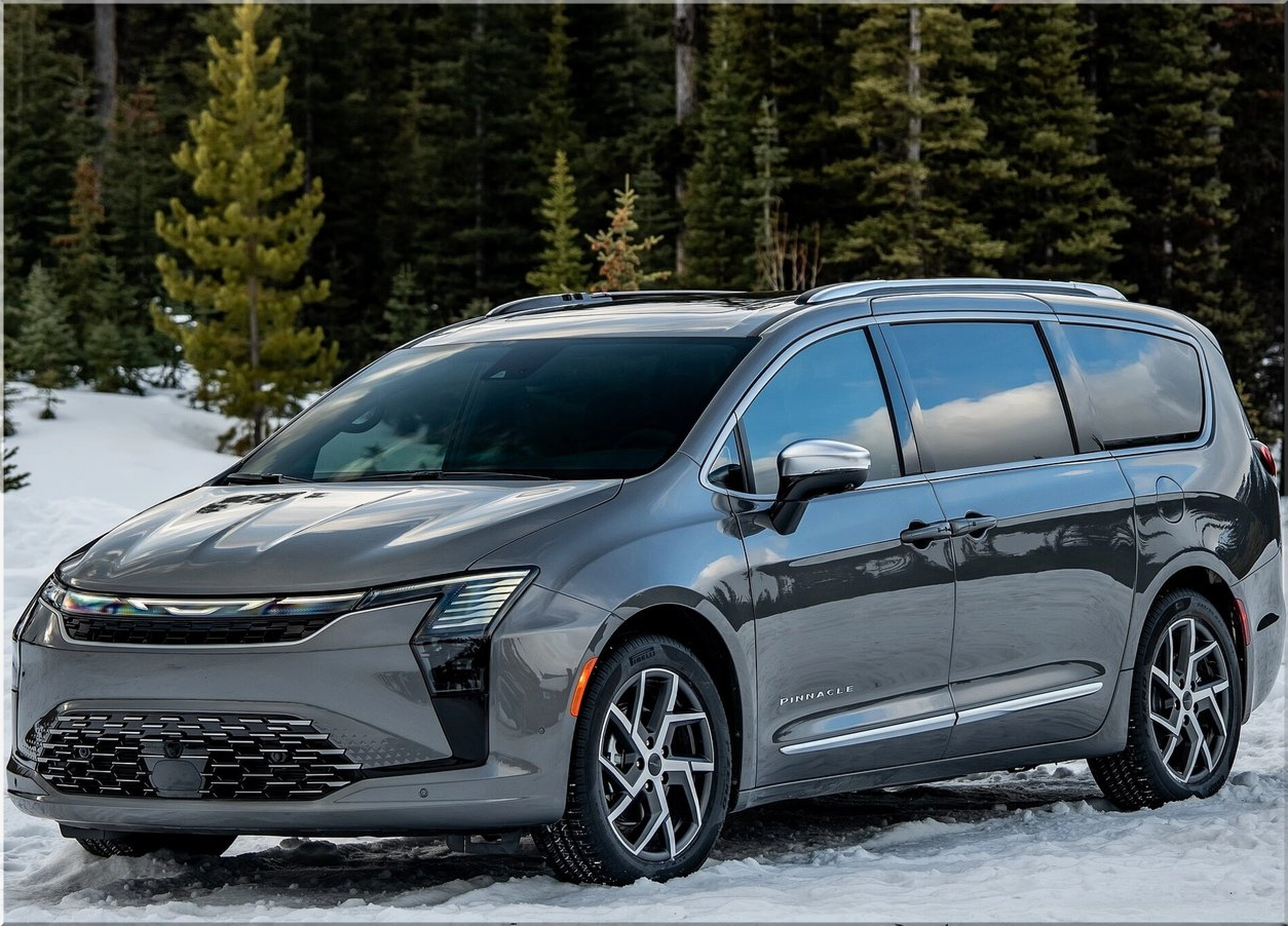
That matters because the Chrysler Pacifica still sits in one of the few vehicle classes where packaging wins arguments. Families do not care about macho posturing when they are buckling three kids, loading a stroller, hauling hockey bags, and trying not to ding the car next to them in a cramped school parking lot. The Pacifica still solves that problem better than most three-row SUVs, and the 2027 refresh keeps that pitch alive with a more upscale look.
The big headline from New York was visual. The hard truth sits under the sheetmetal: this remains a proven minivan formula rather than a clean-sheet rethink. From an expert perspective, that is both the Pacifica's strength and its challenge.
What changed on the refreshed 2027 Chrysler Pacifica
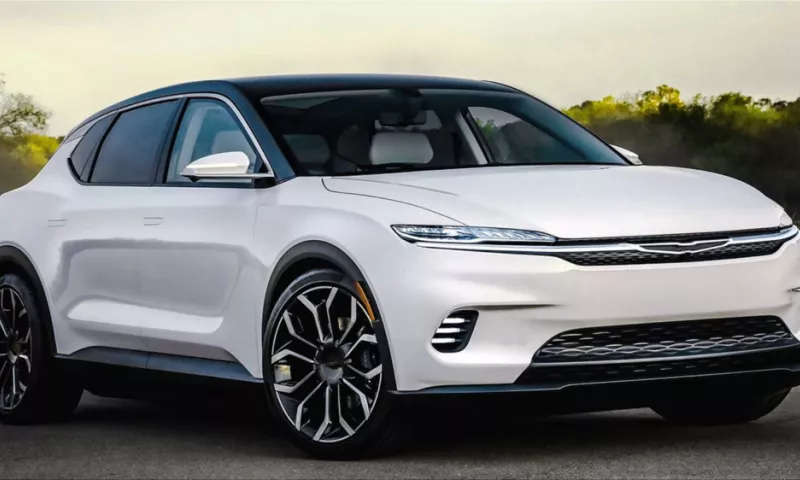
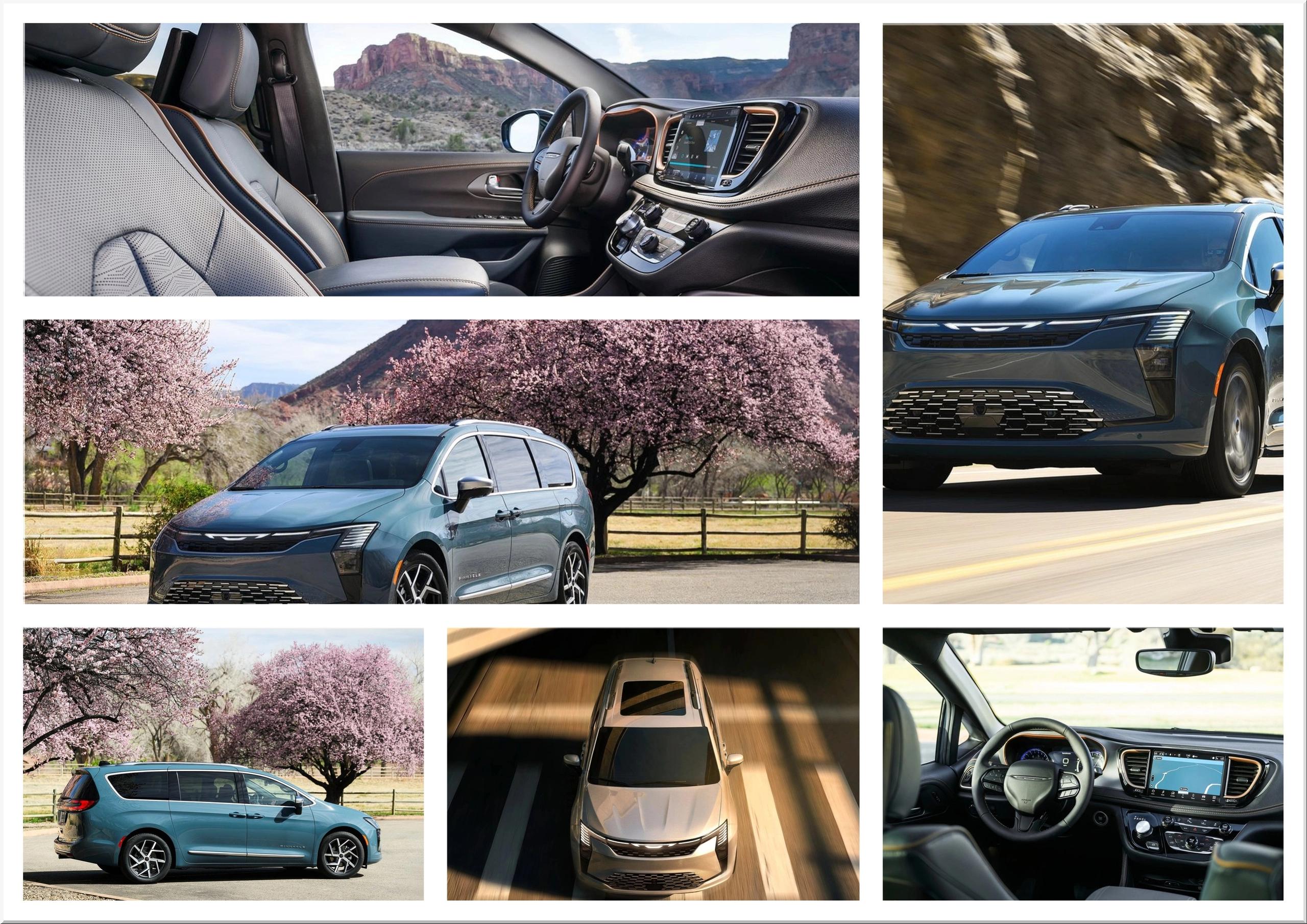
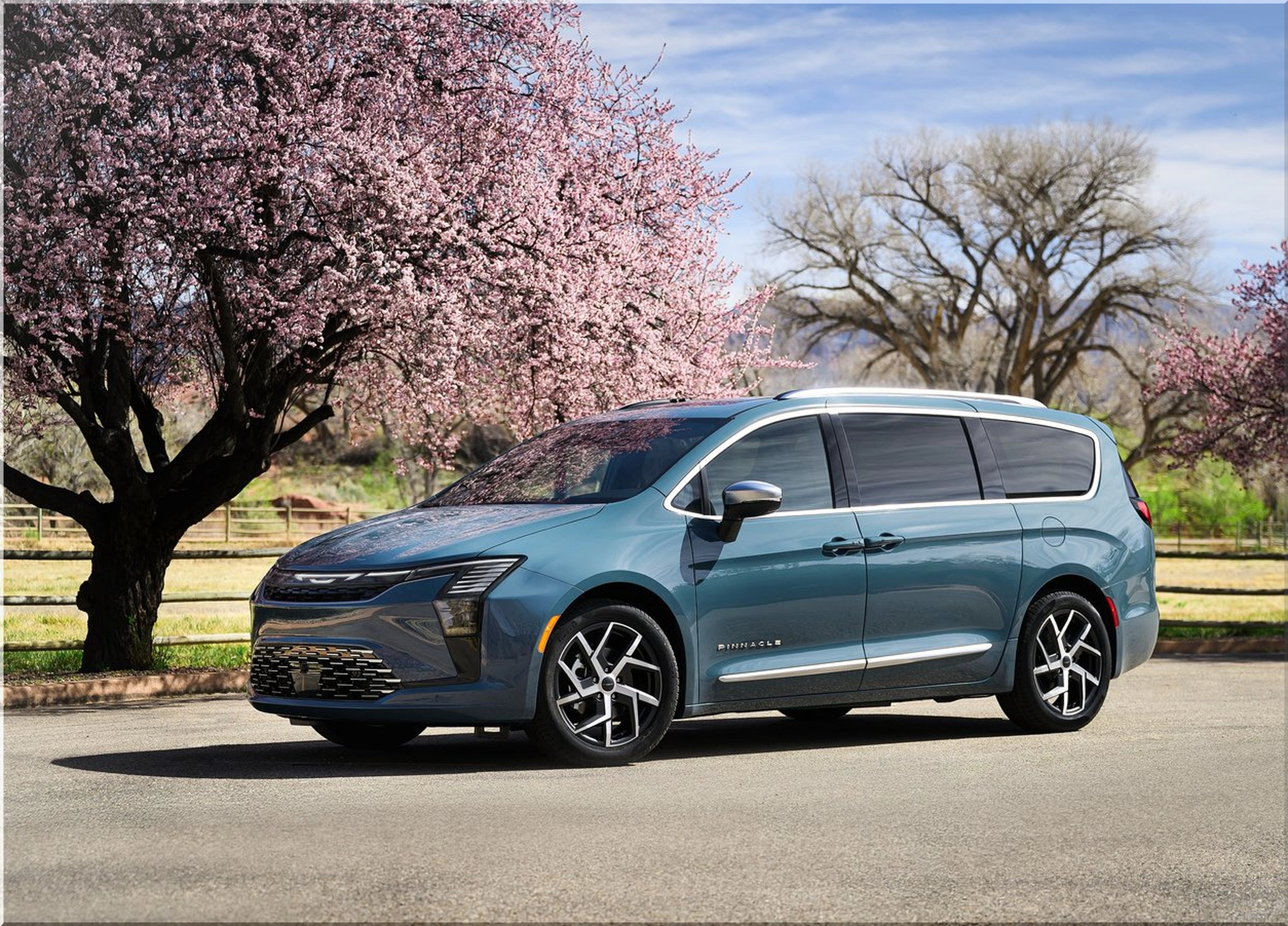
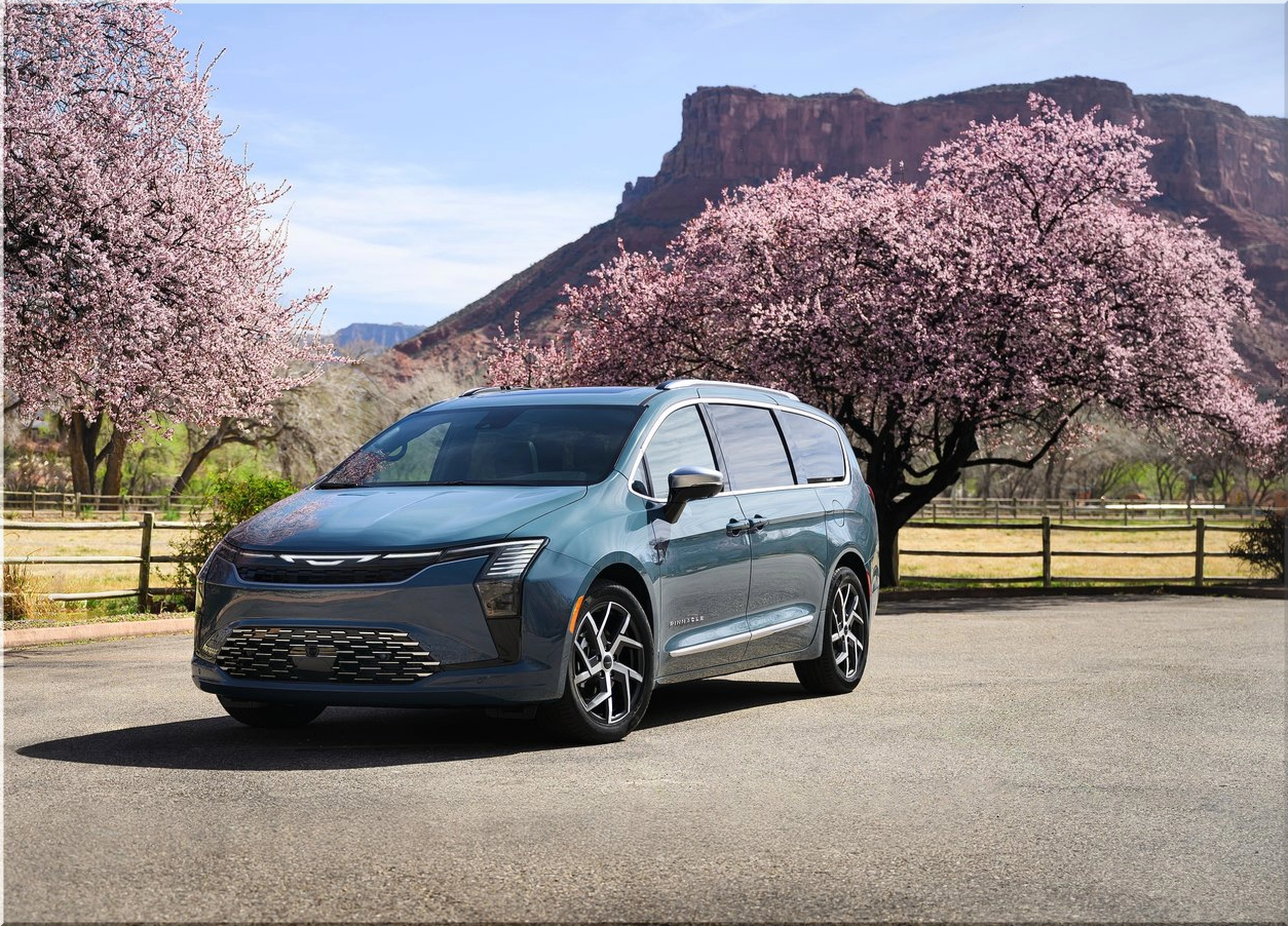
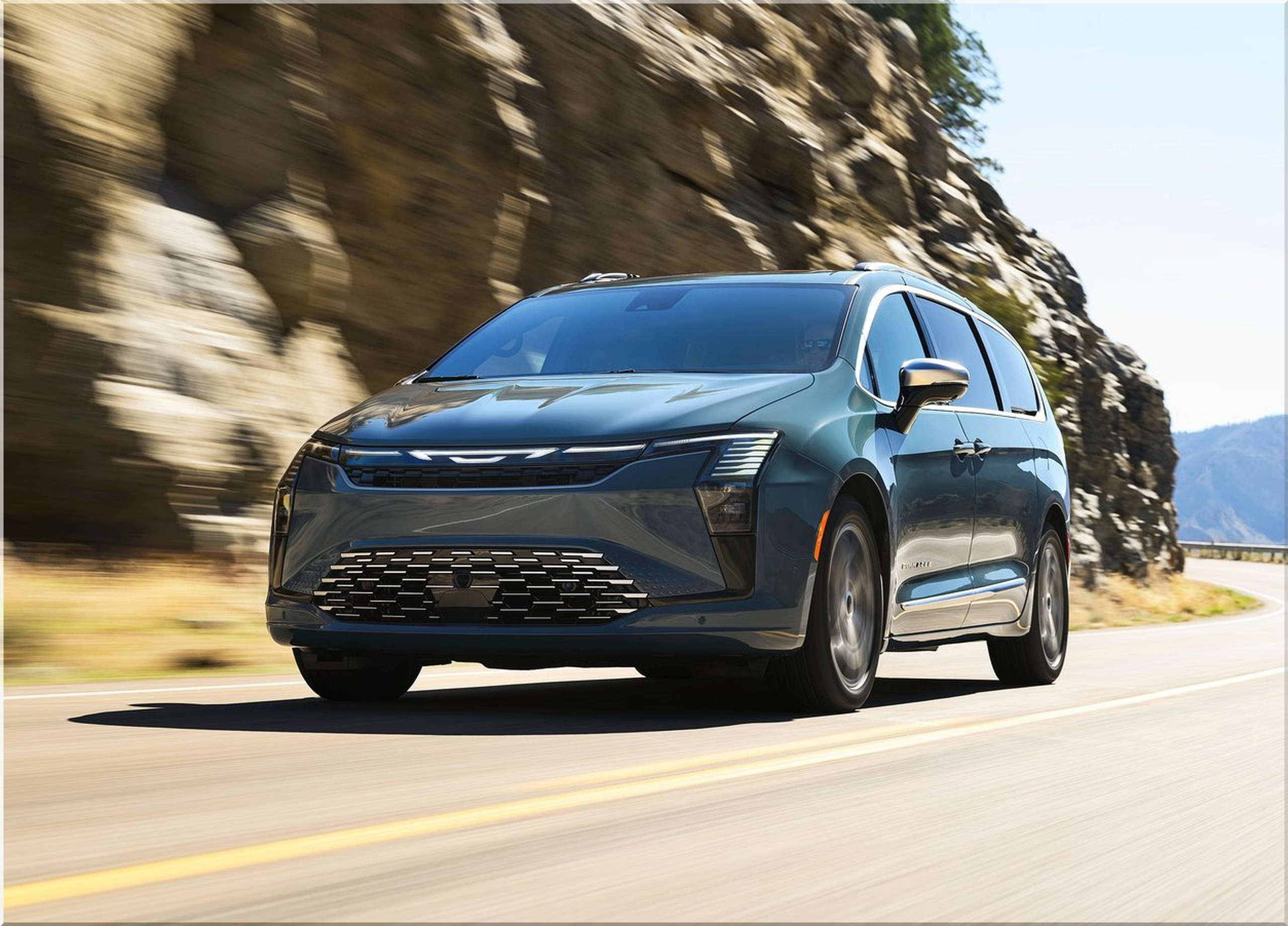
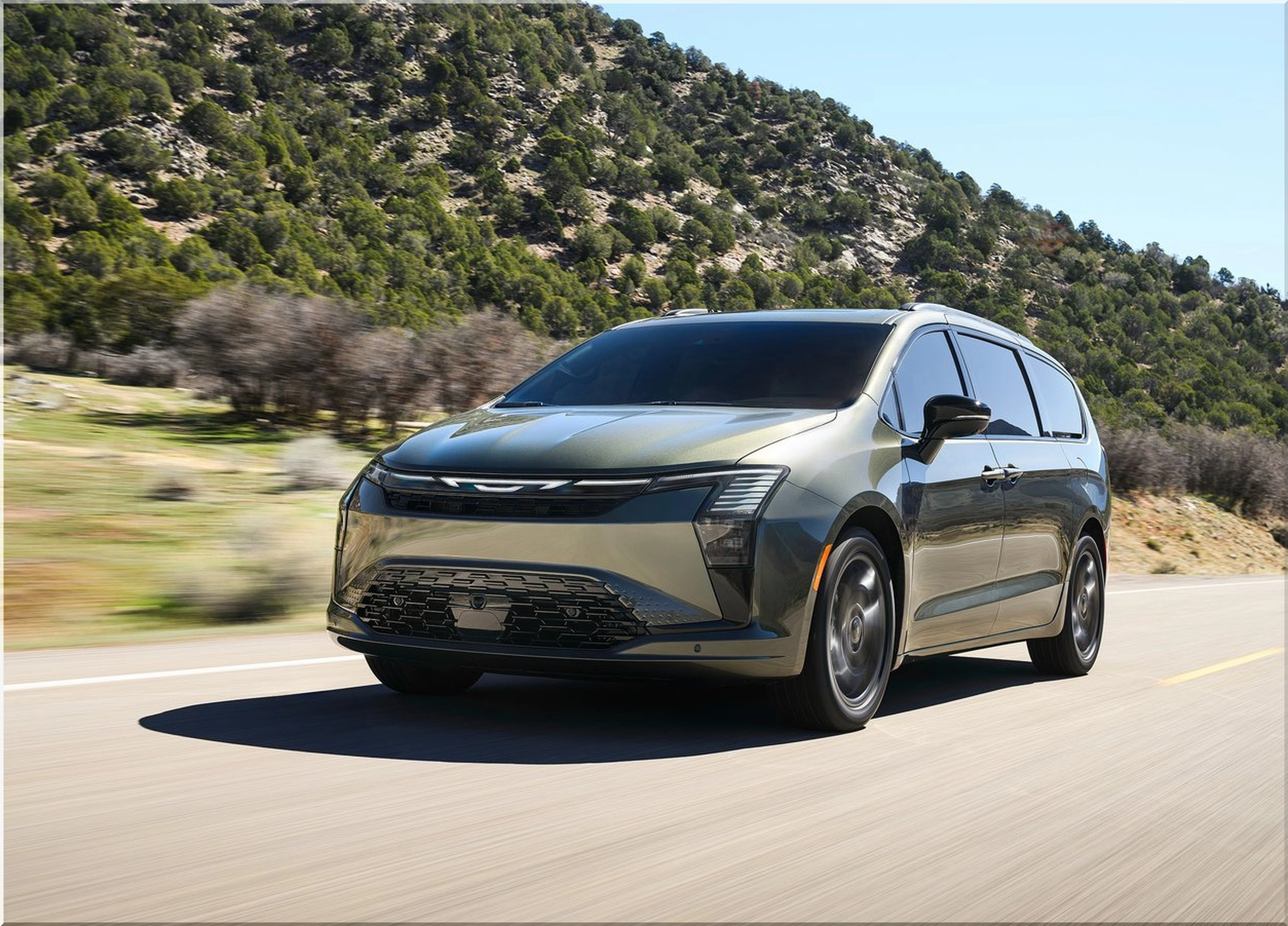
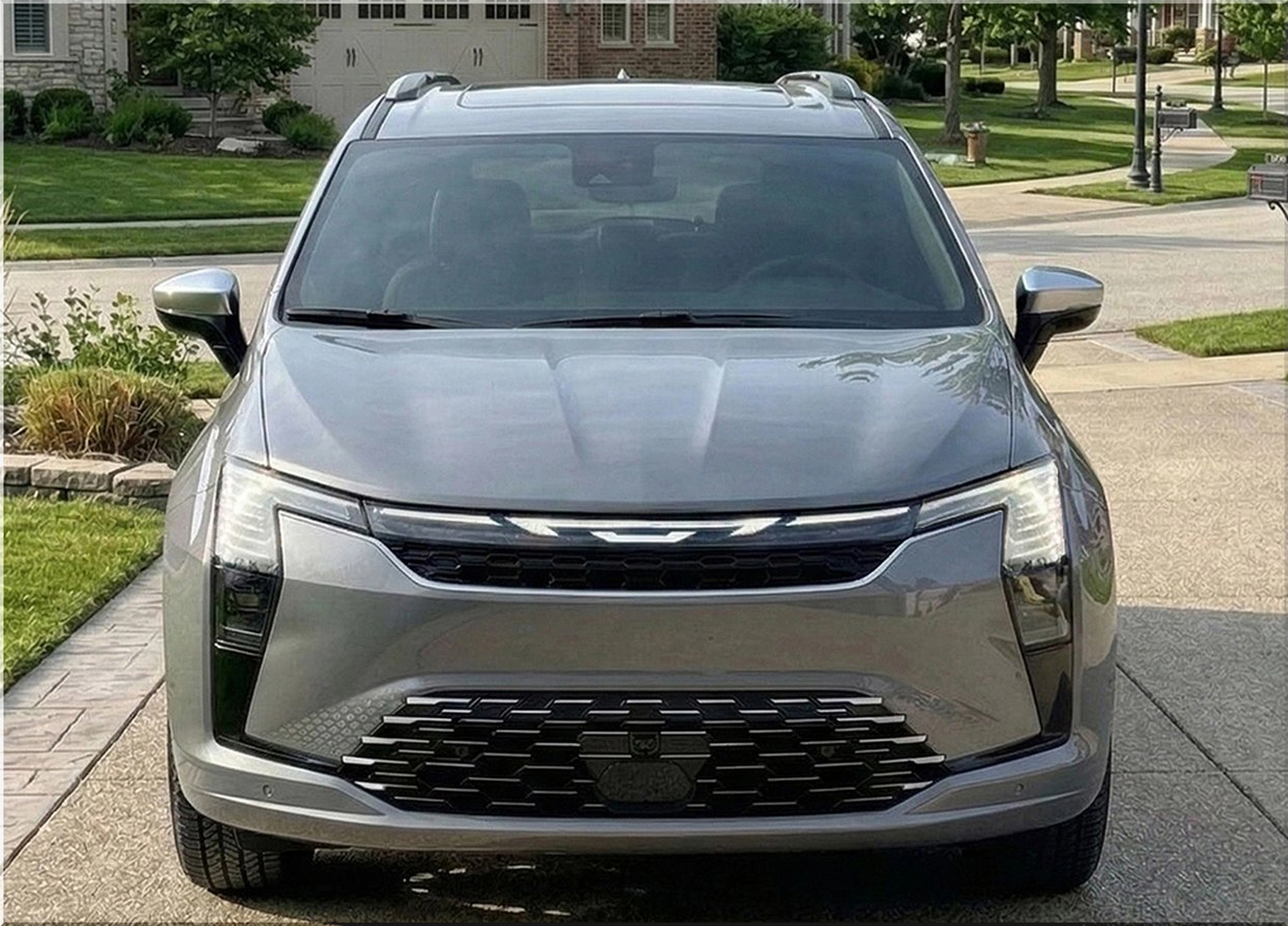
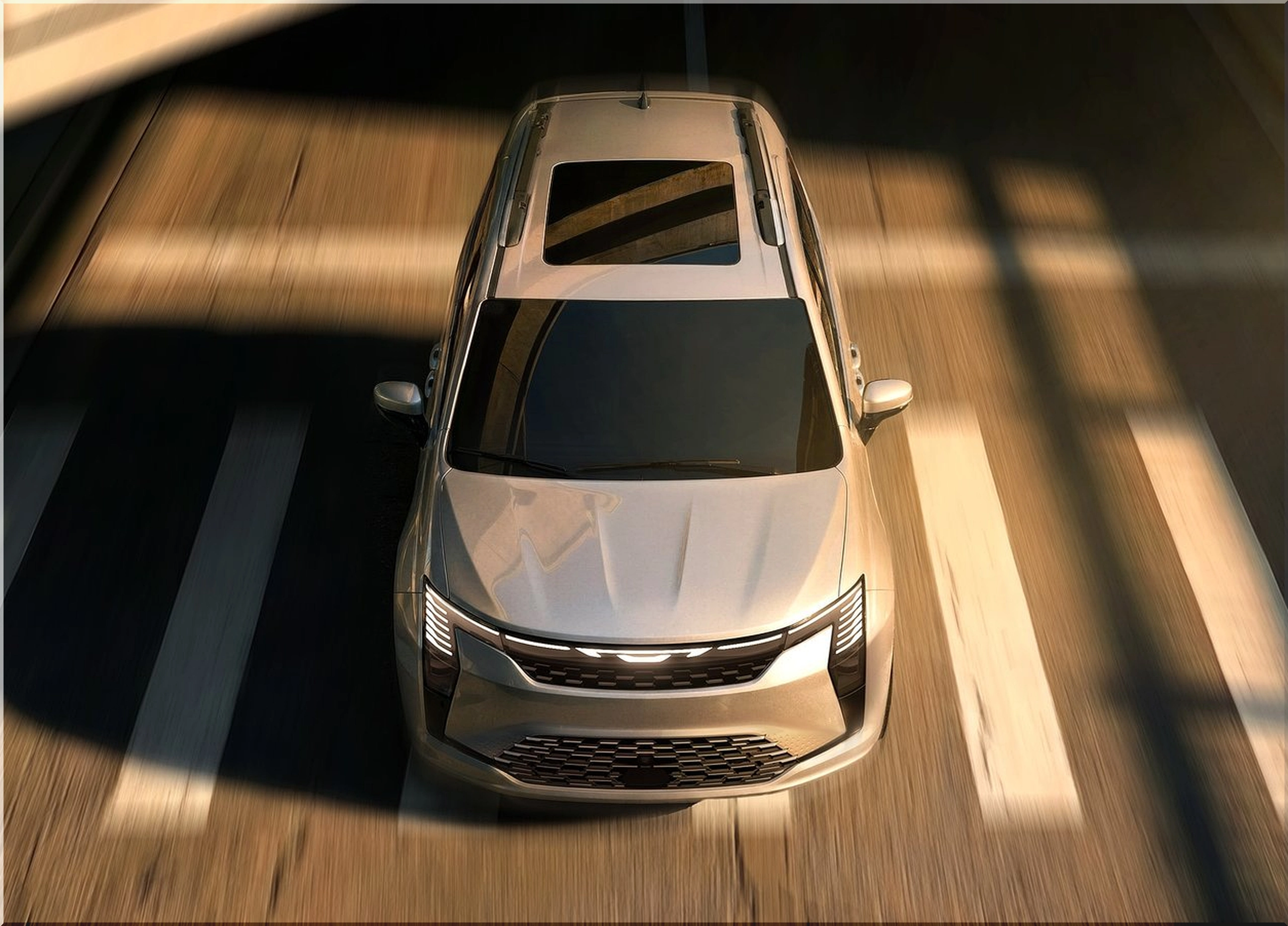
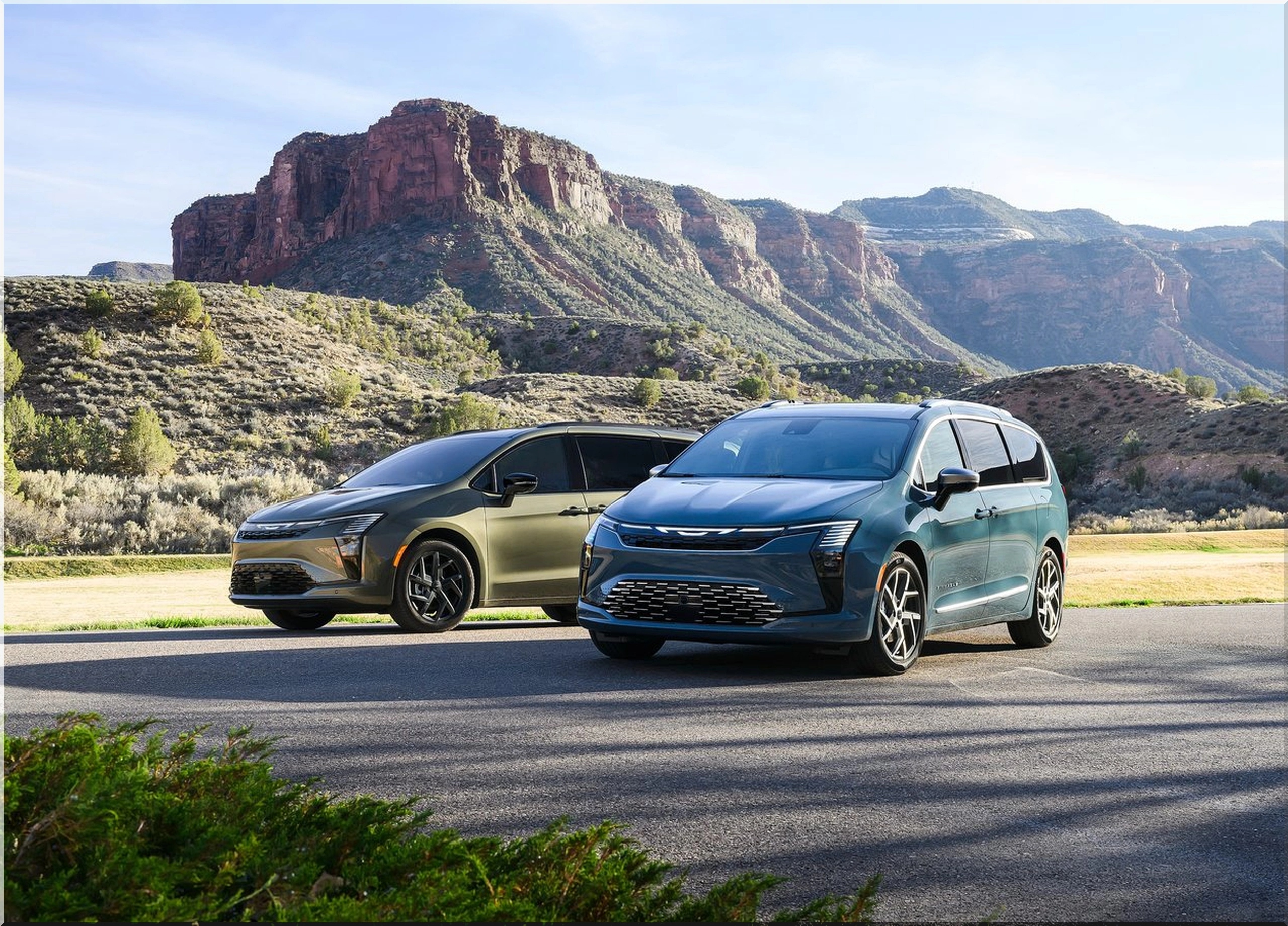
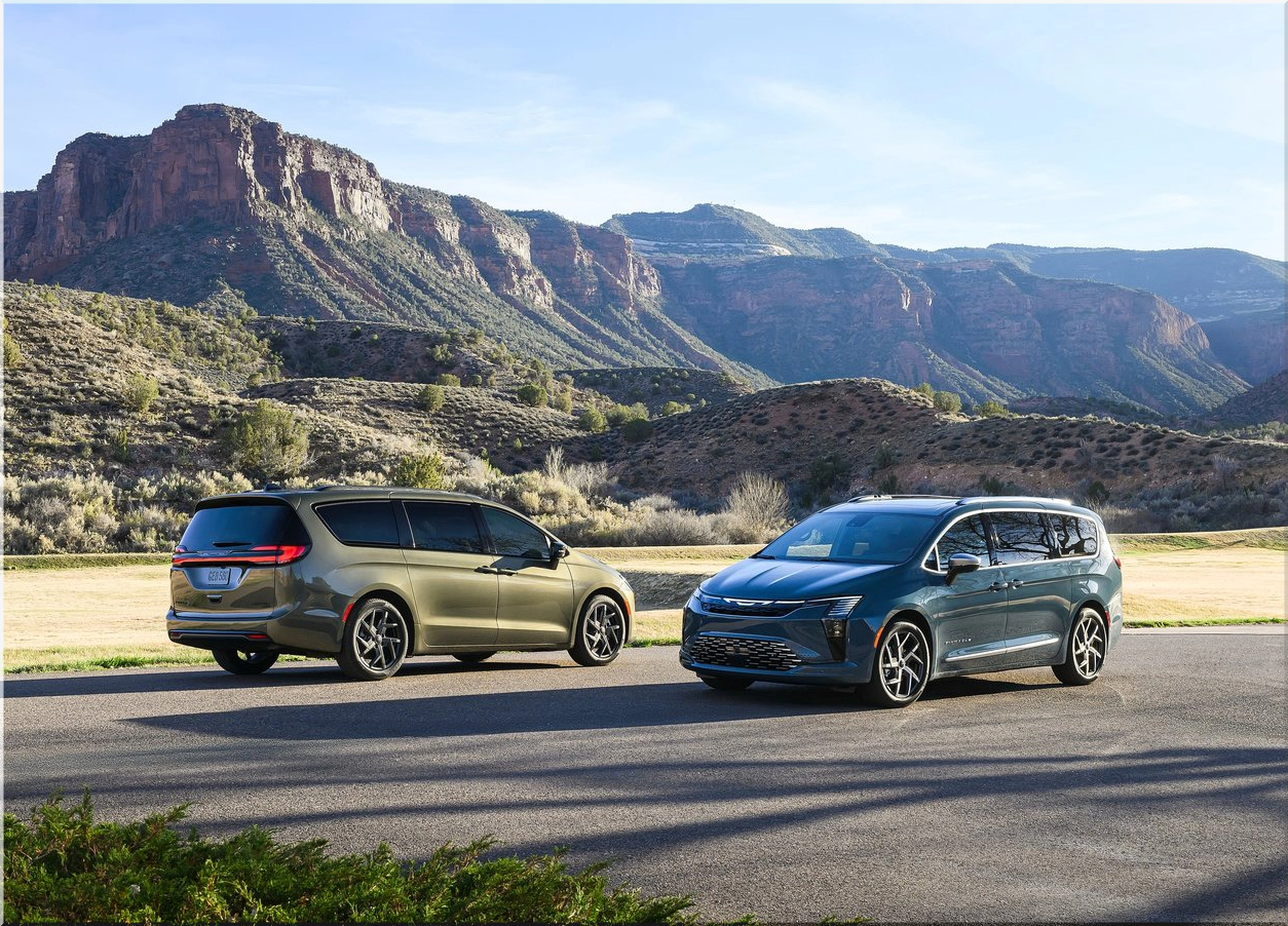
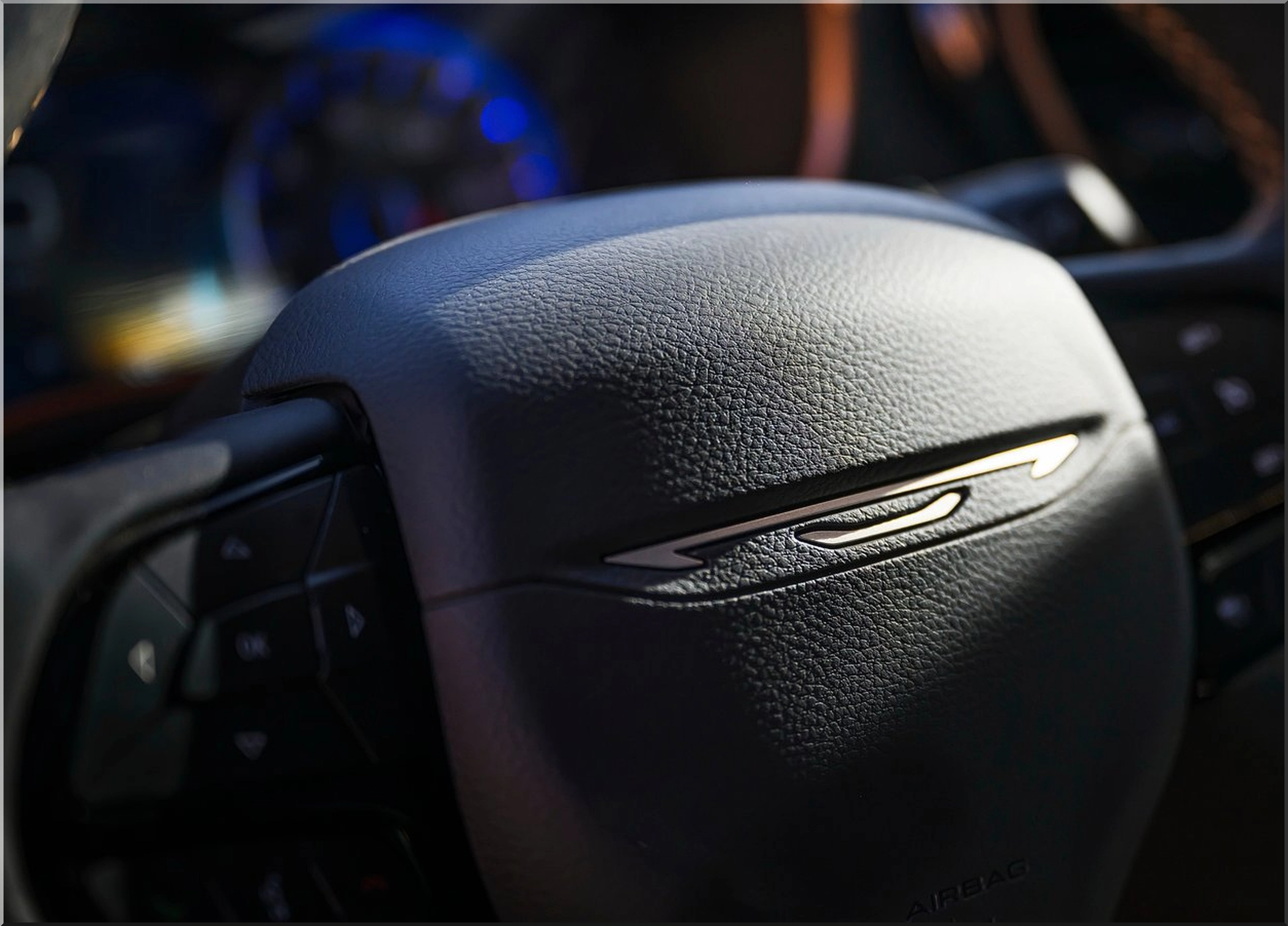
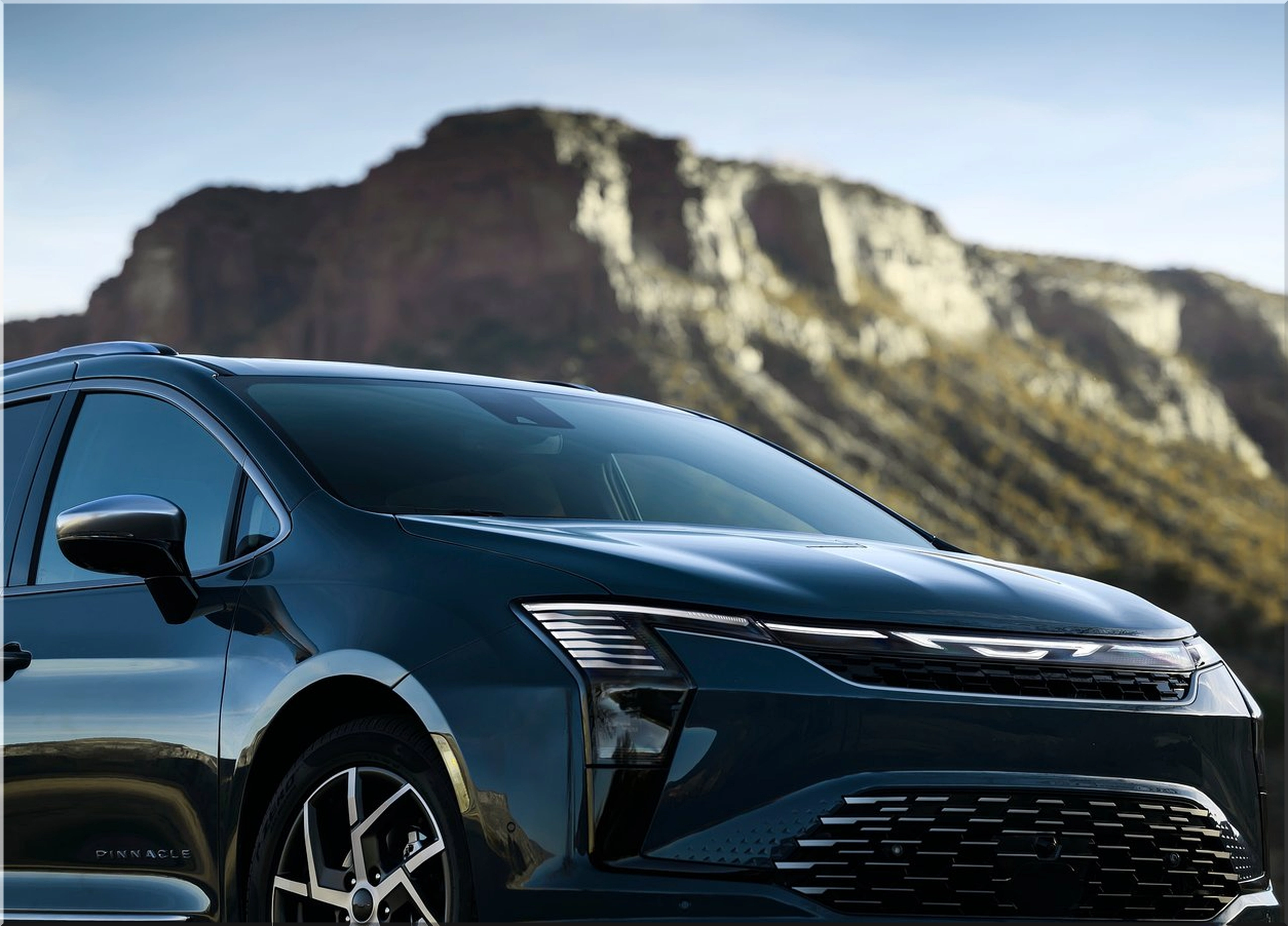
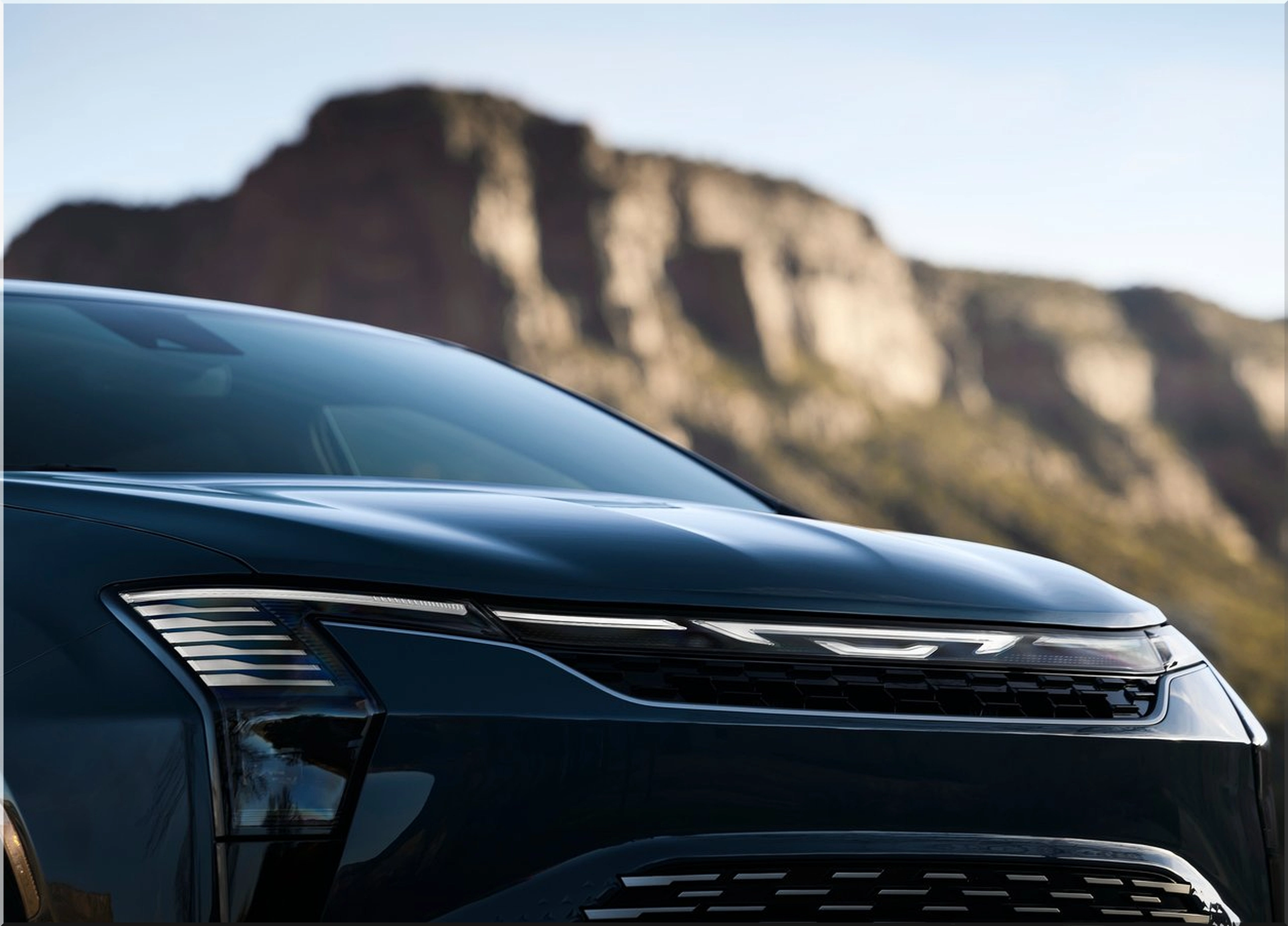
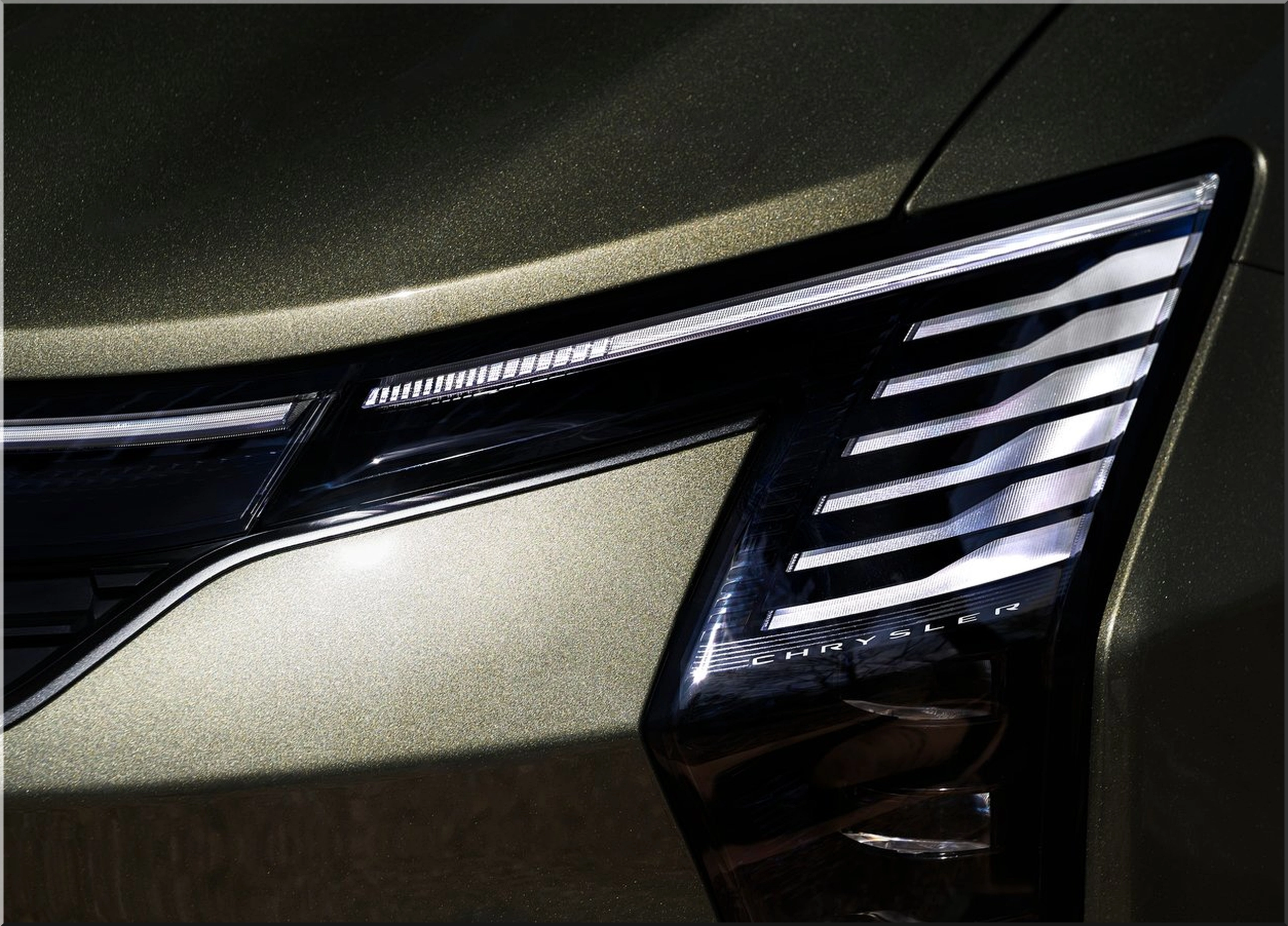
The refresh starts at the nose. Chrysler gave the 2027 Pacifica a much more technical front fascia on Select, Limited, and Pinnacle trims, with vertical LED headlamps, an illuminated grille signature, and a full-width visual theme centered around the new Chrysler wing badge. The look clearly borrows from Chrysler's recent concept language, which tells you the brand is using the Pacifica as a styling bridge to whatever comes next.
Specifically, Chrysler says the new projector lamps improve maximum reach by 17 percent. That is not fluff. On a family vehicle that lives in suburbia, bad weather, airport runs, and interstate slogs, better forward lighting does real work.
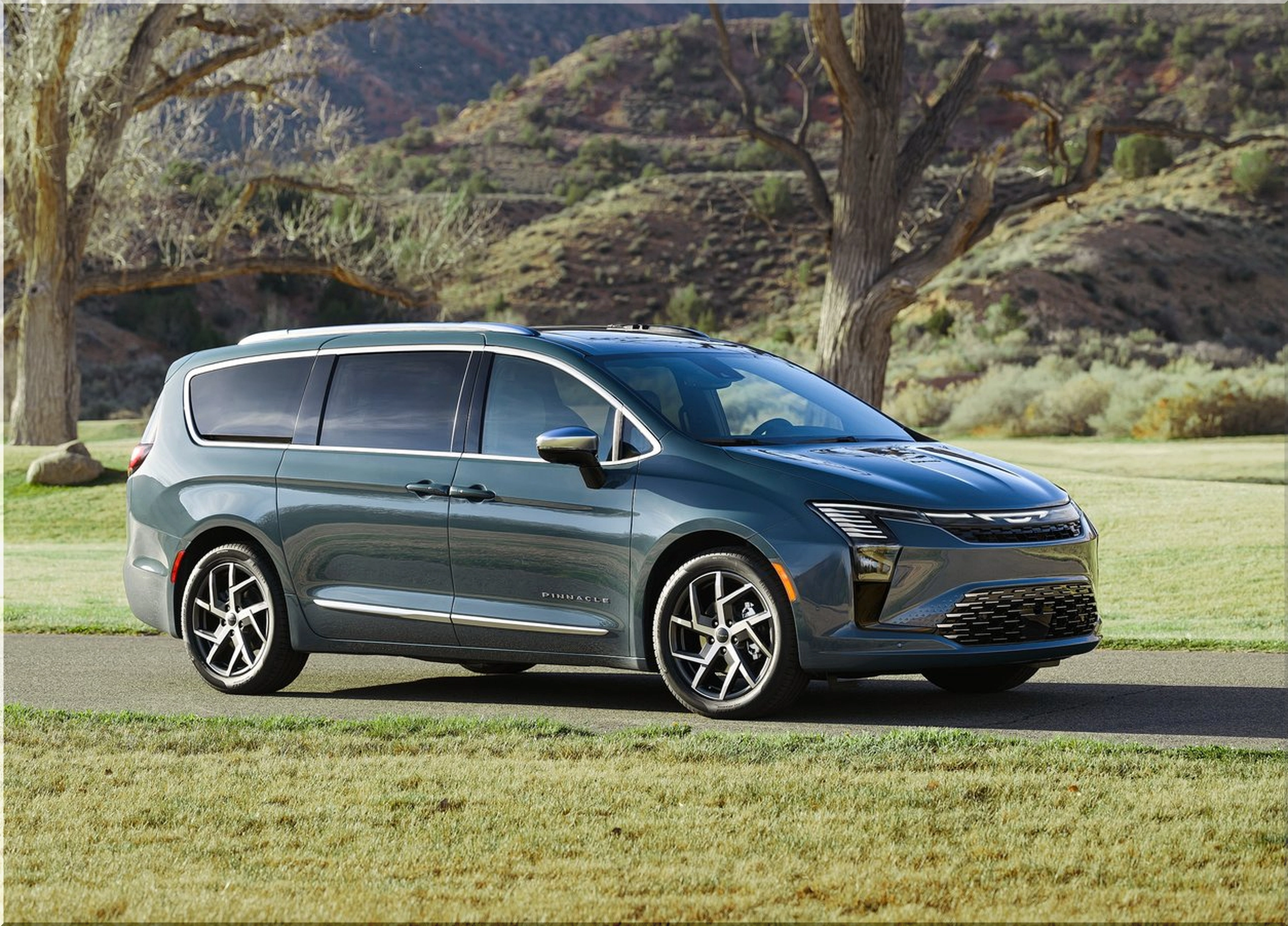
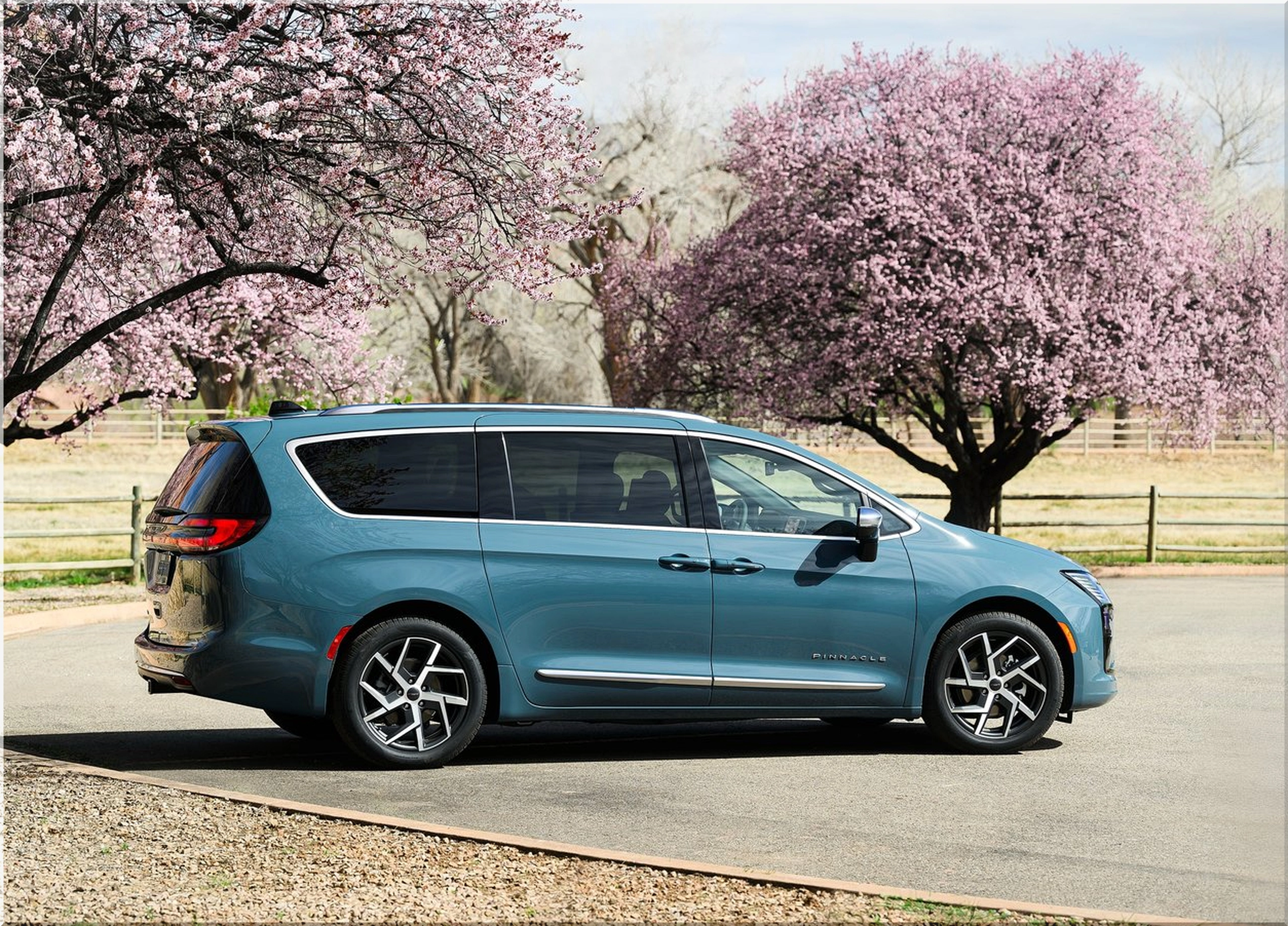
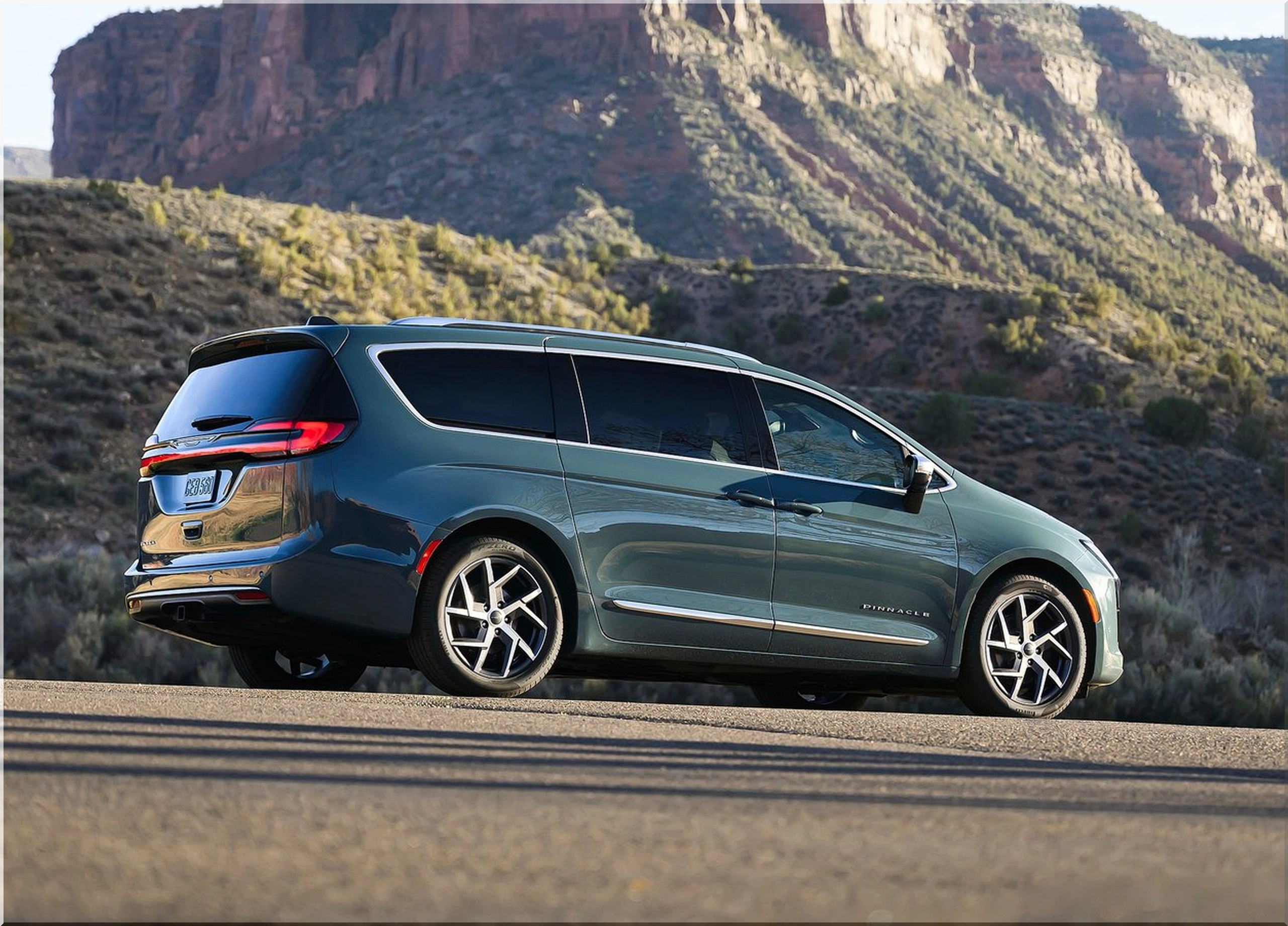
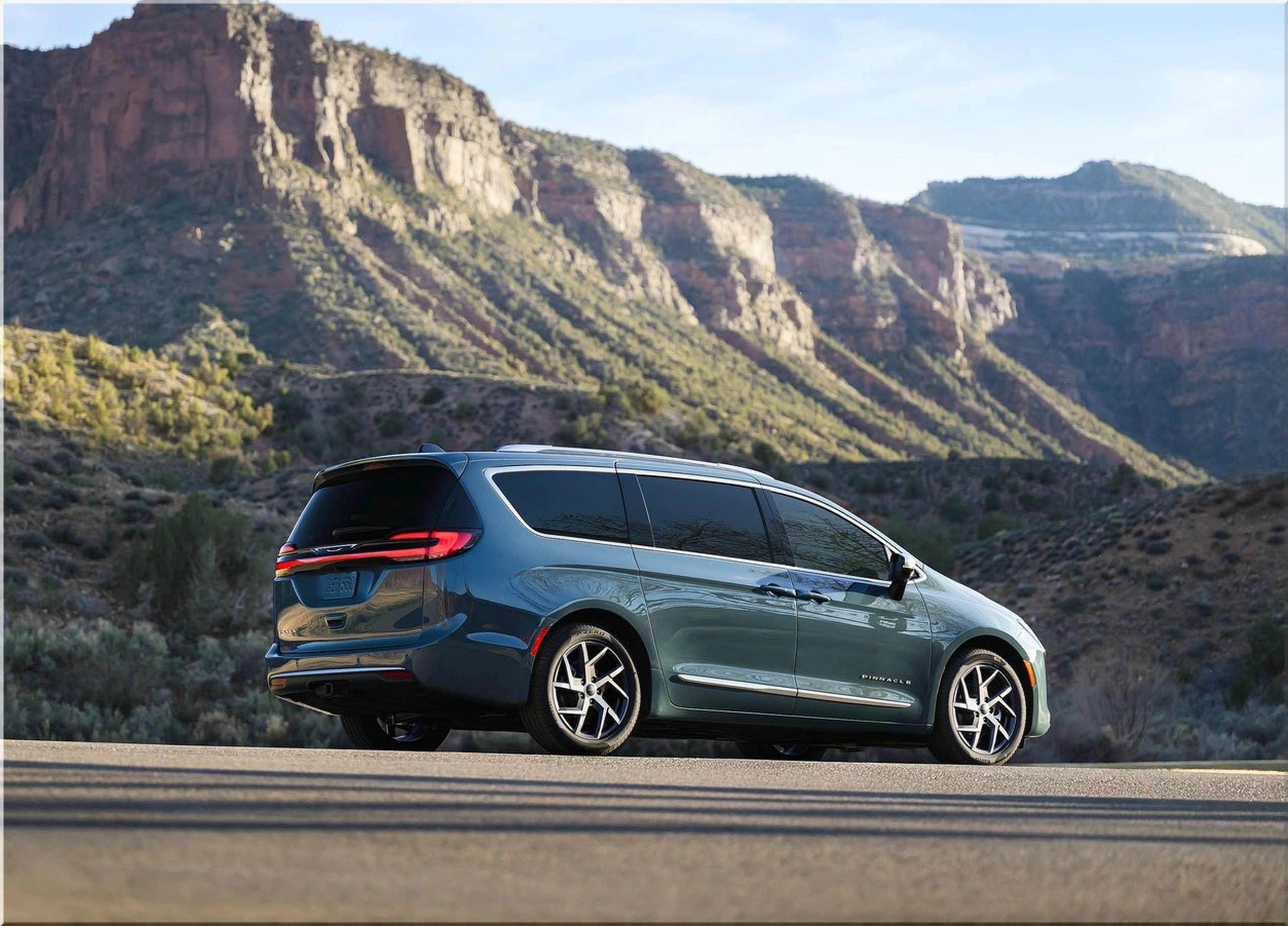
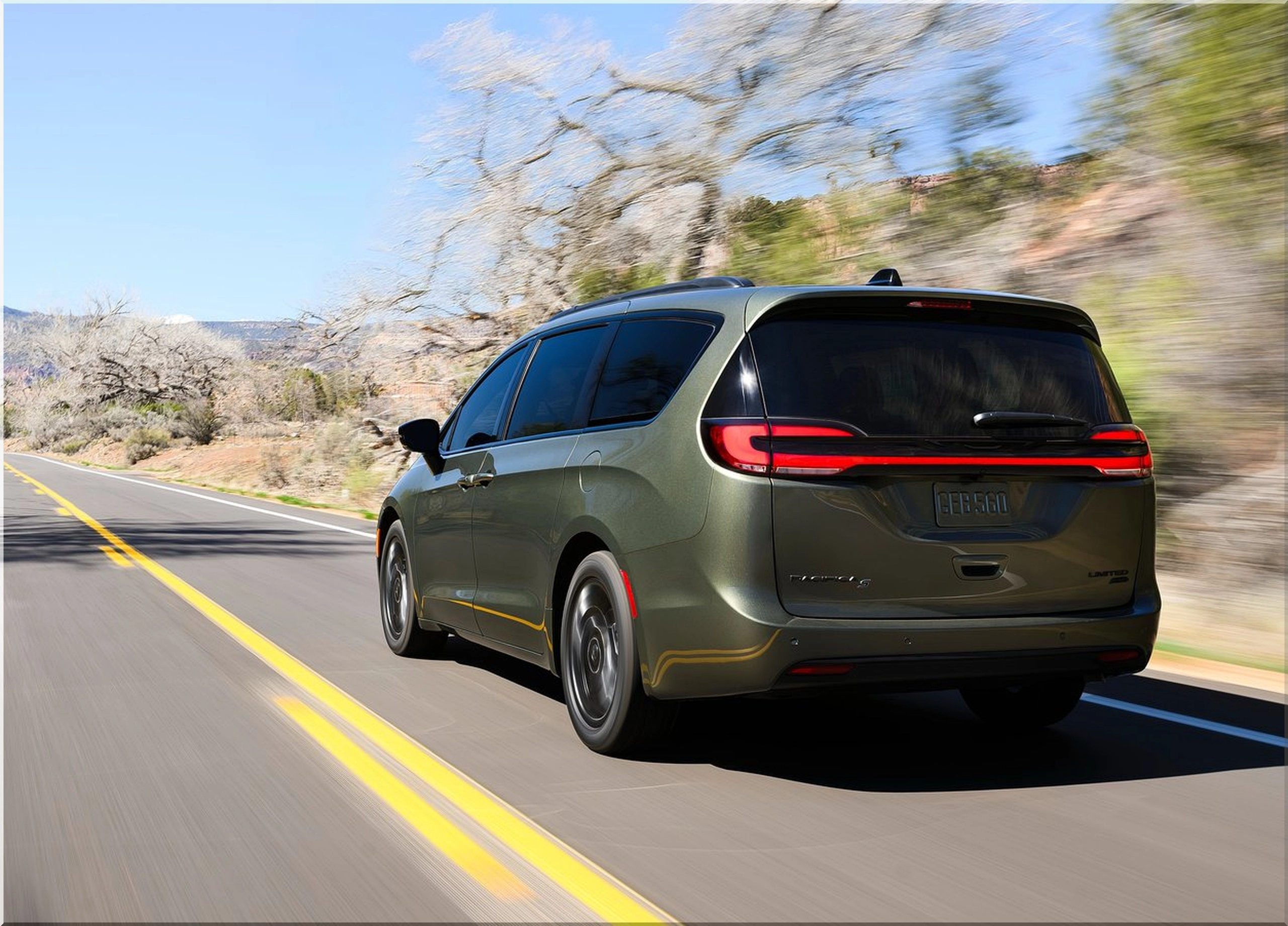
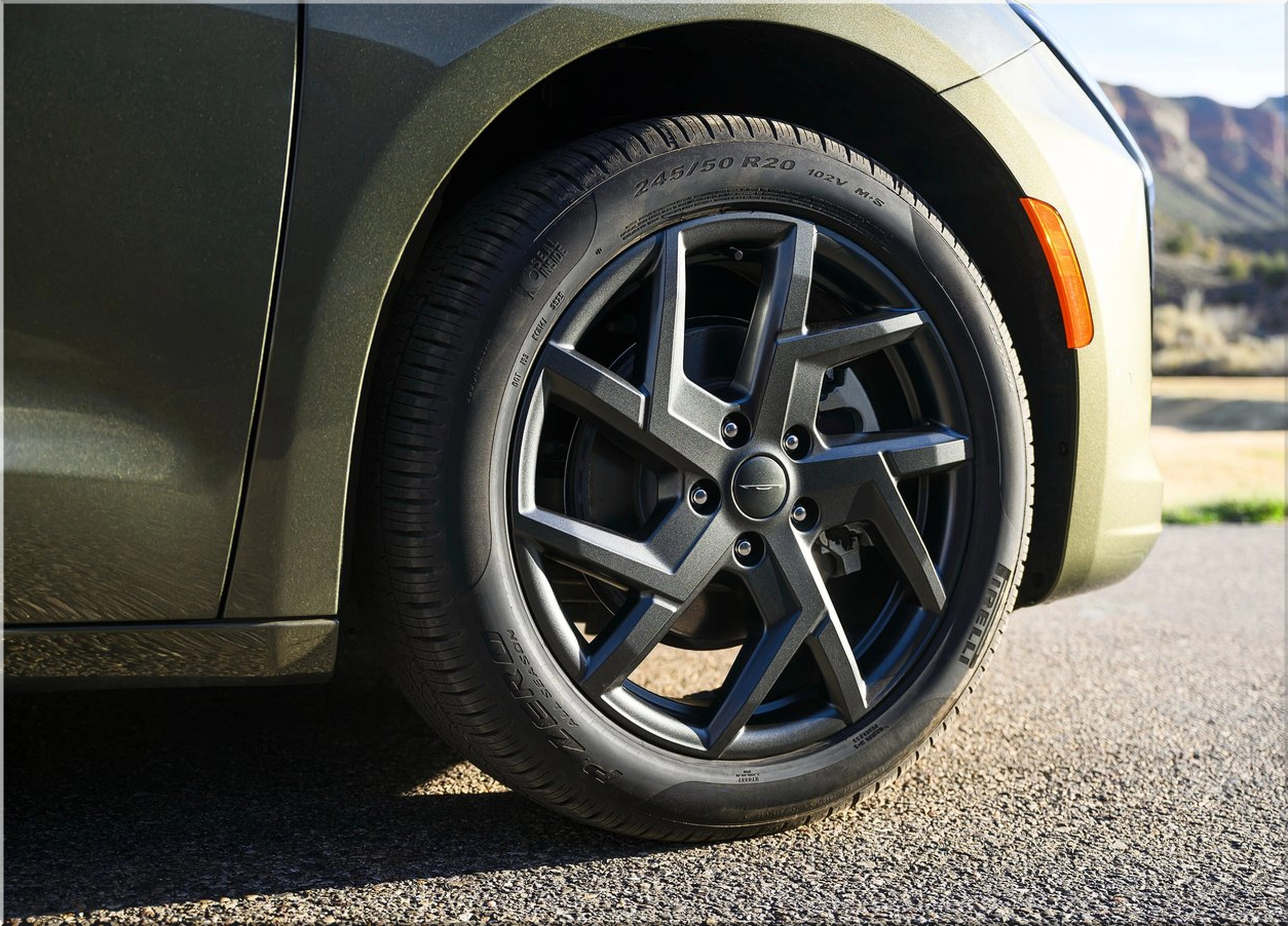
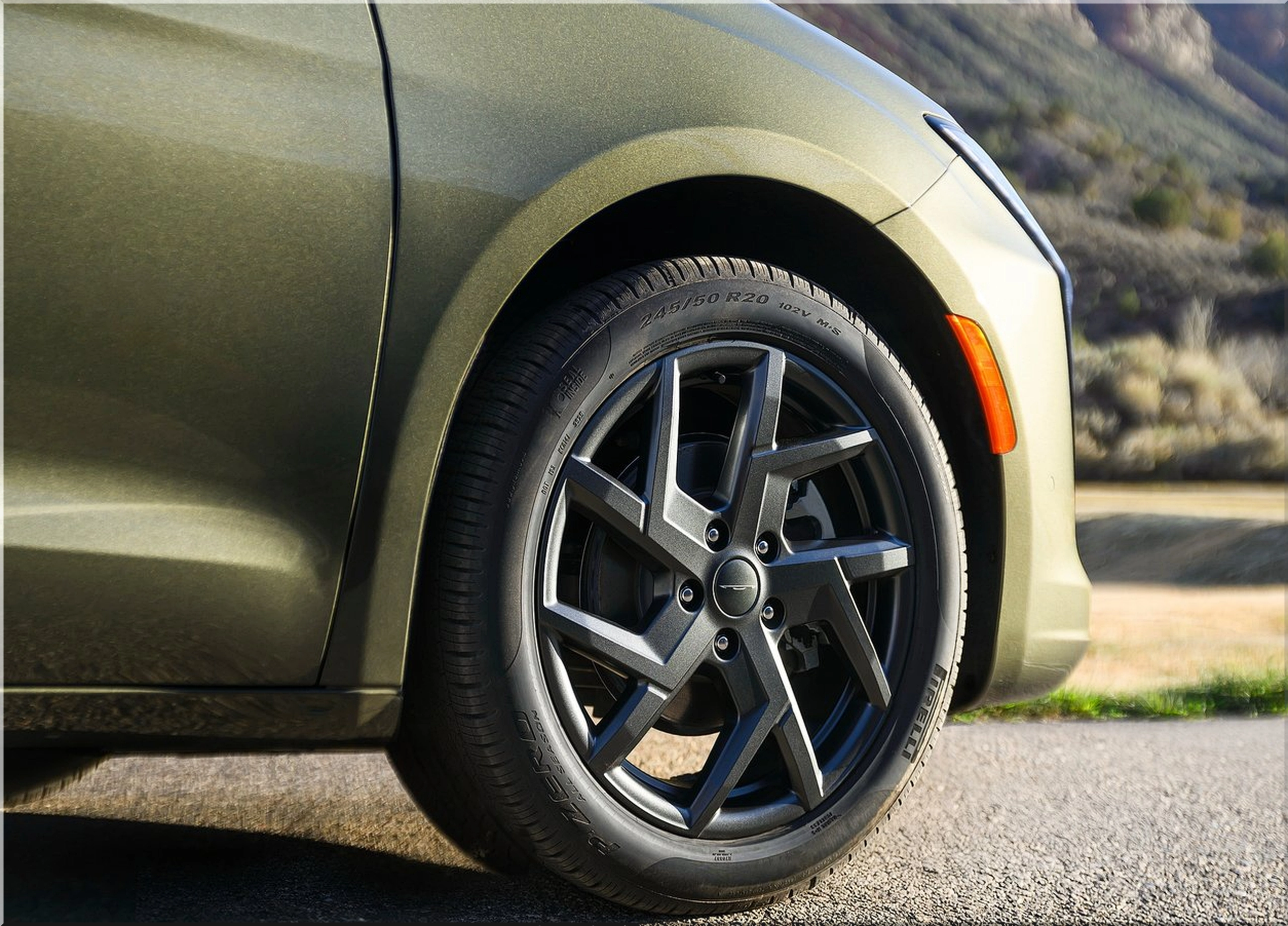
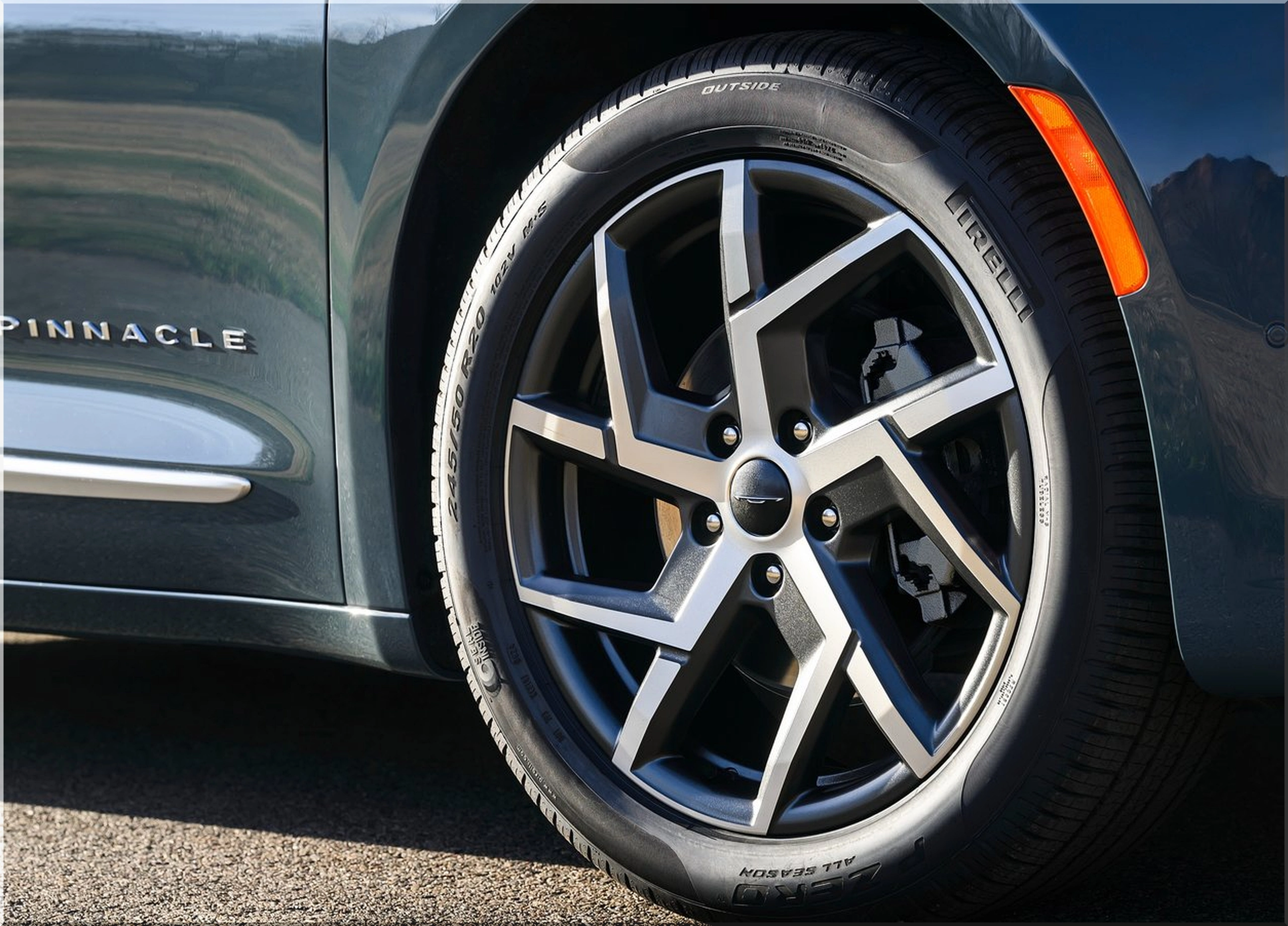
The rear gets a milder update, with a new lightbar applique and revised badging. New wheel choices and fresh paint colors round out the changes. The result looks cleaner, more expensive, and less rental-fleet than the outgoing van.
Exterior and design upgrades that actually matter
- New illuminated wing badge on refreshed trims
- Vertical LED headlamp design
- 'Piano key' lighting signature in the grille area
- 17 percent improvement in headlamp reach
- New rear lightbar applique
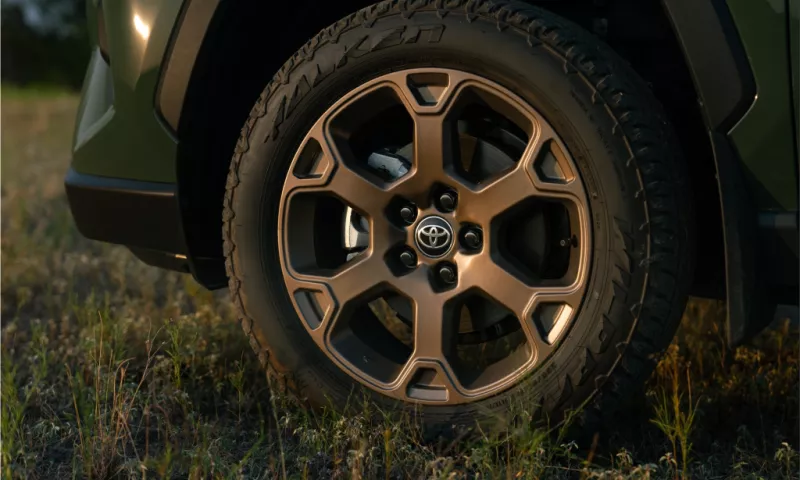
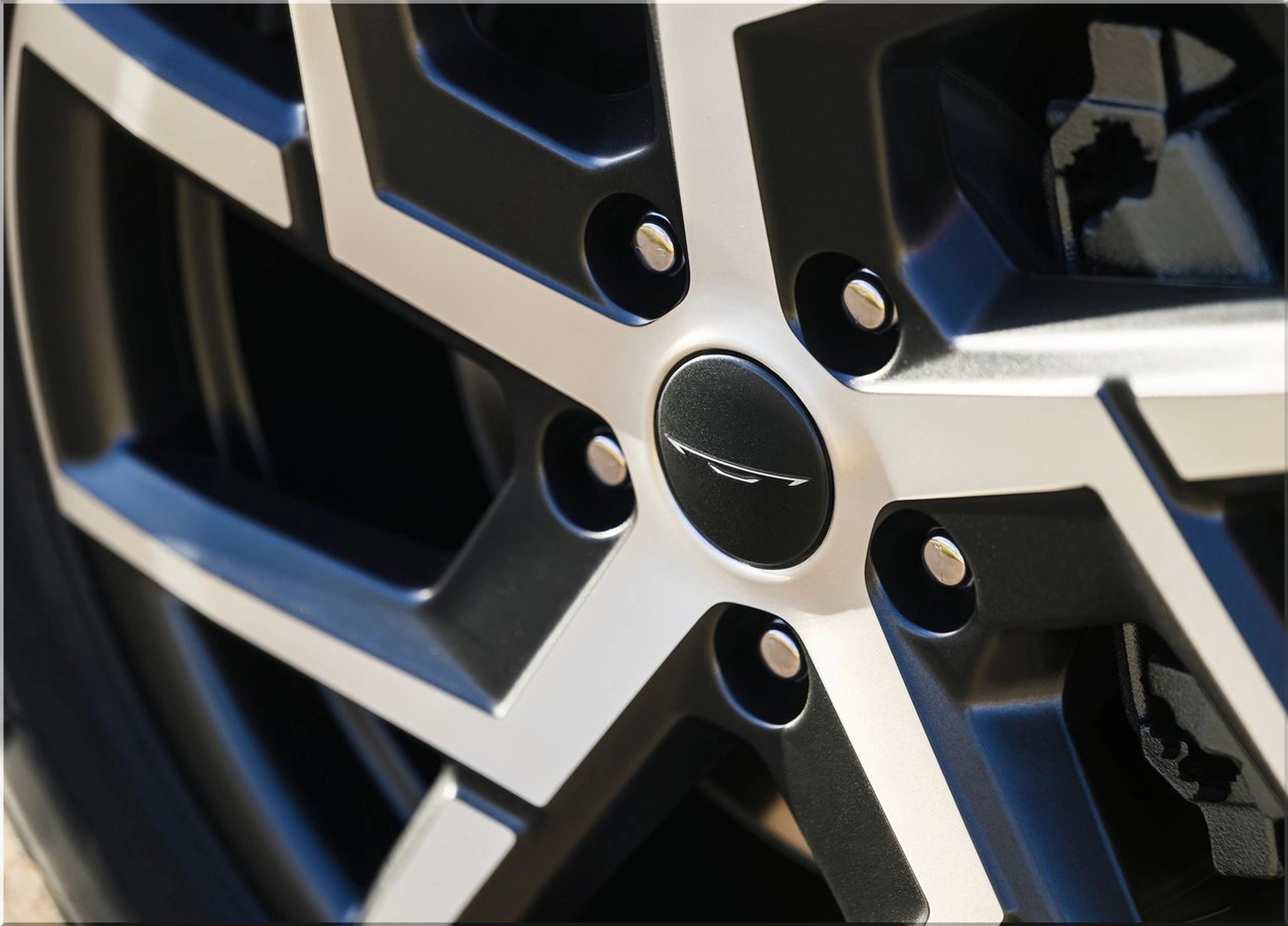
- New 18-inch and 20-inch wheel designs
- New Olive Green paint, with Ember, Glass Gray, and Steel Blue arriving later
- Available S Appearance Package for a darker, more aggressive look
Inside the 2027 Pacifica: same packaging genius, nicer trim work
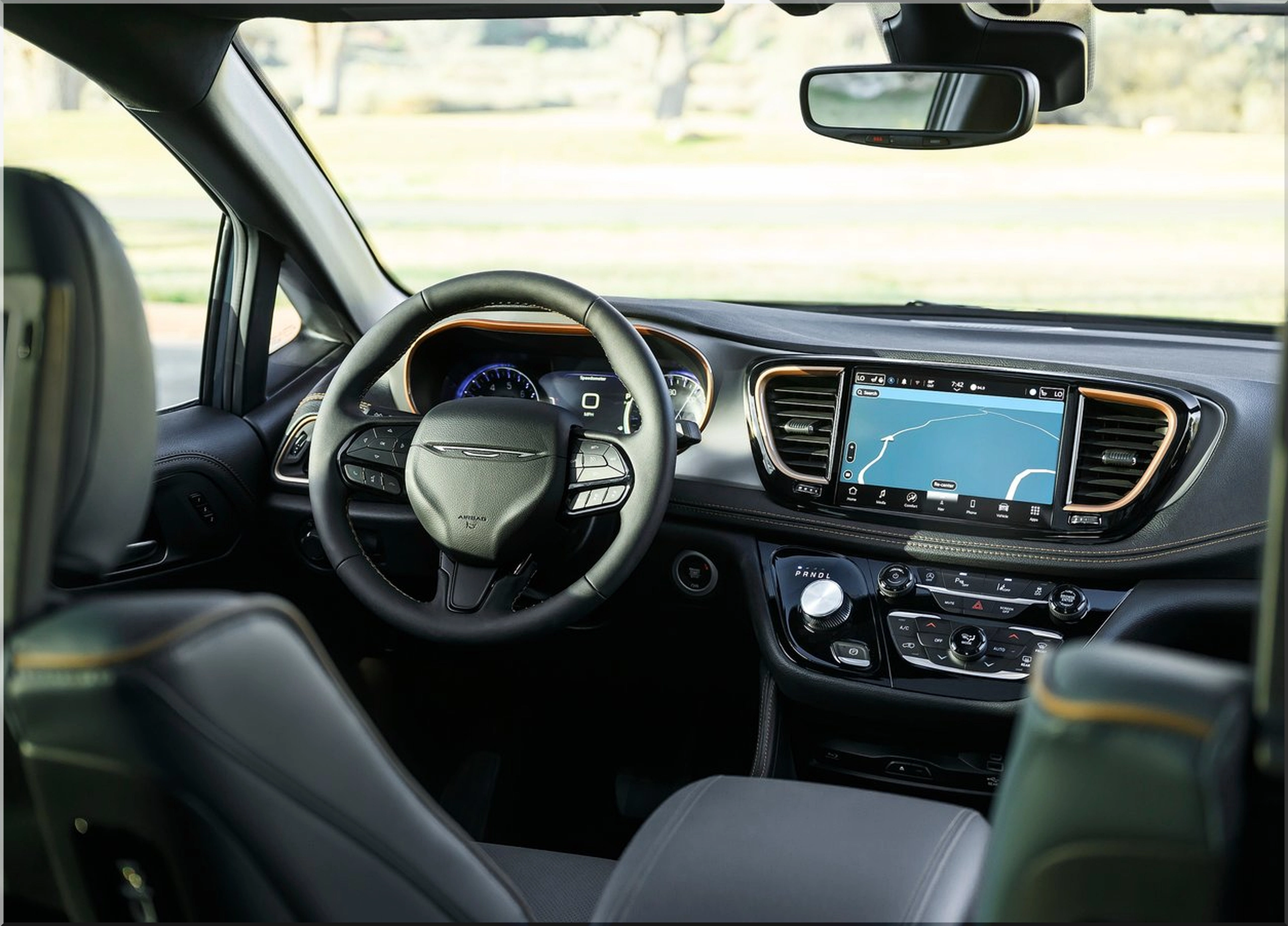
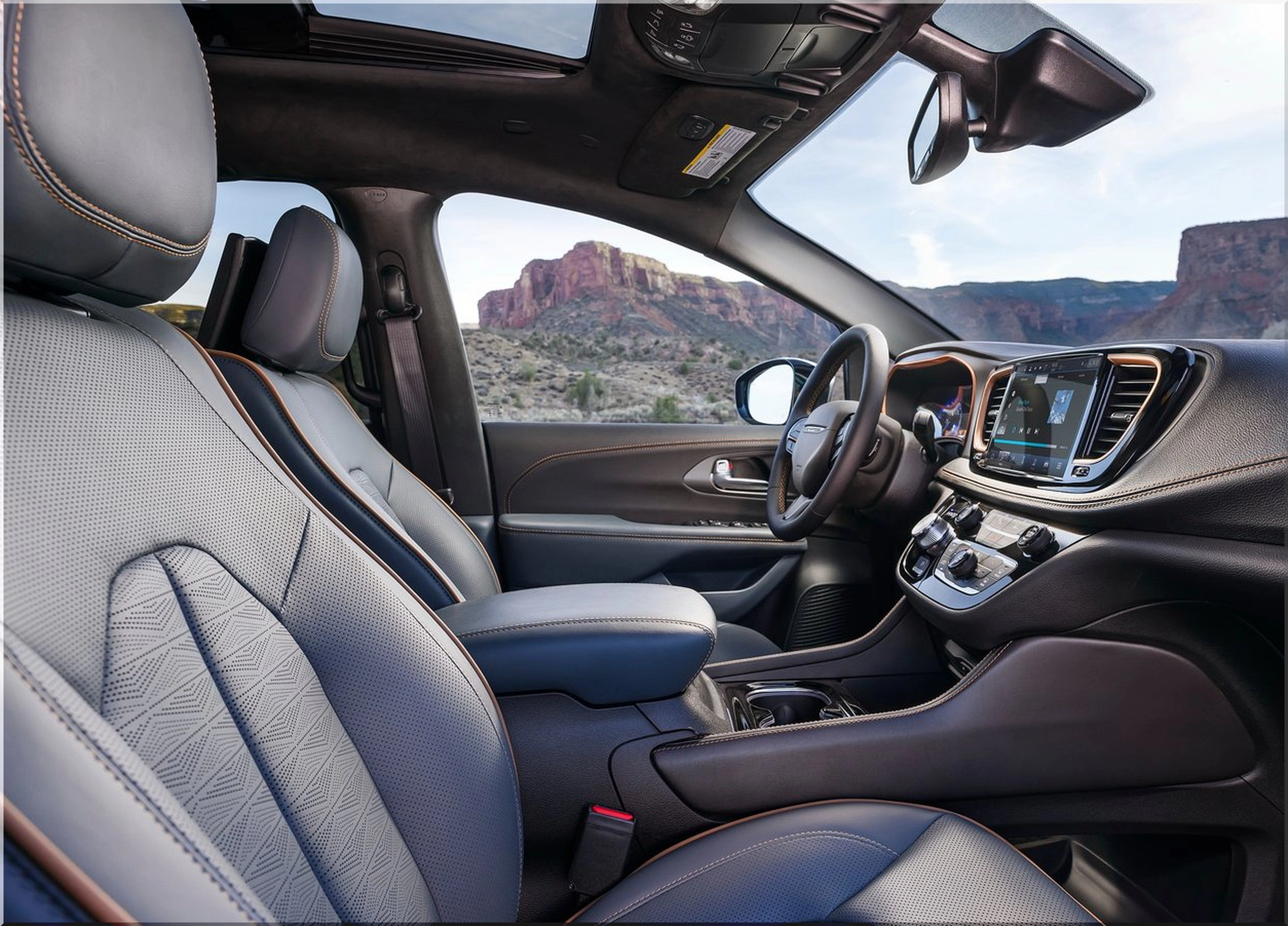
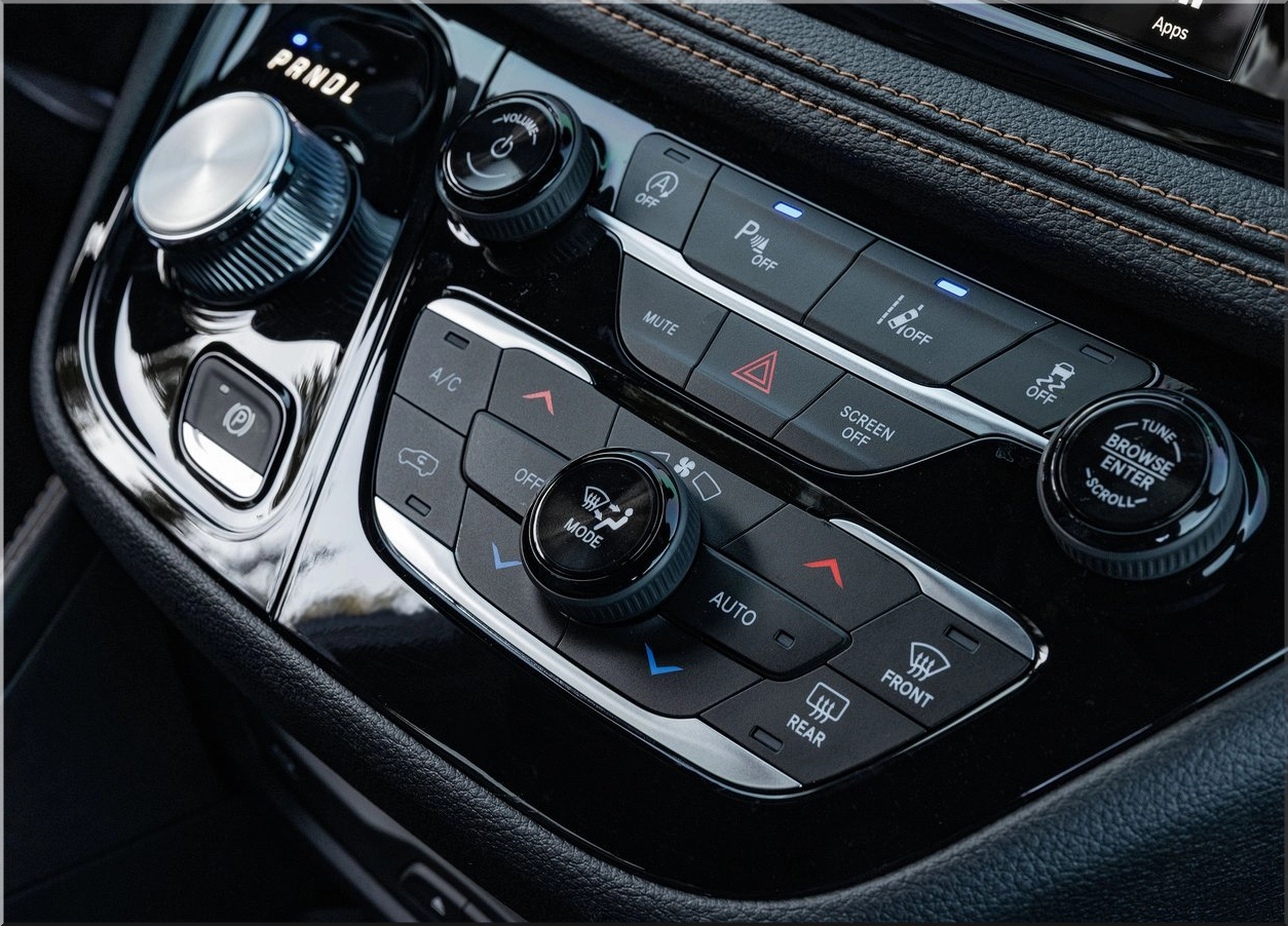
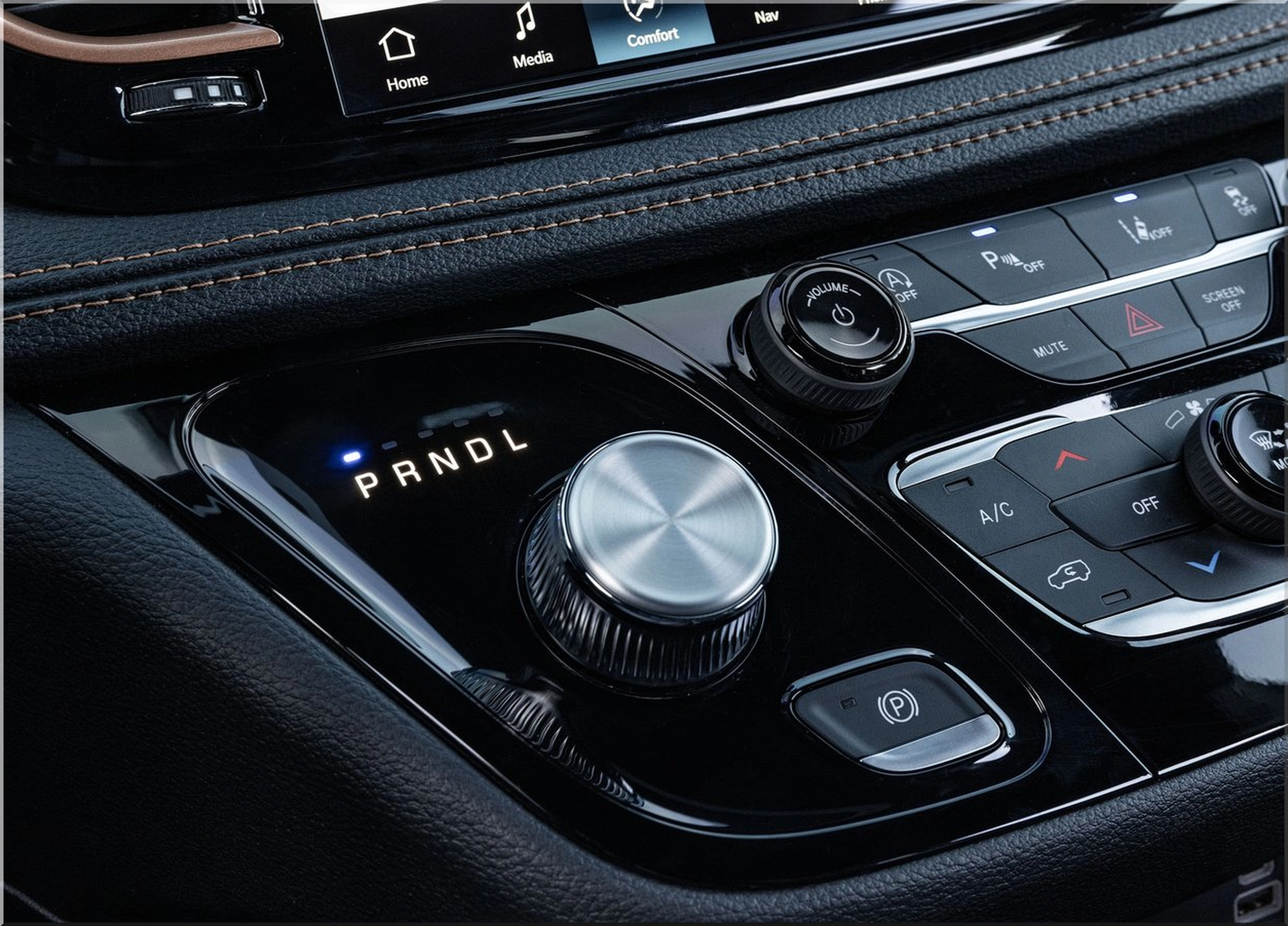
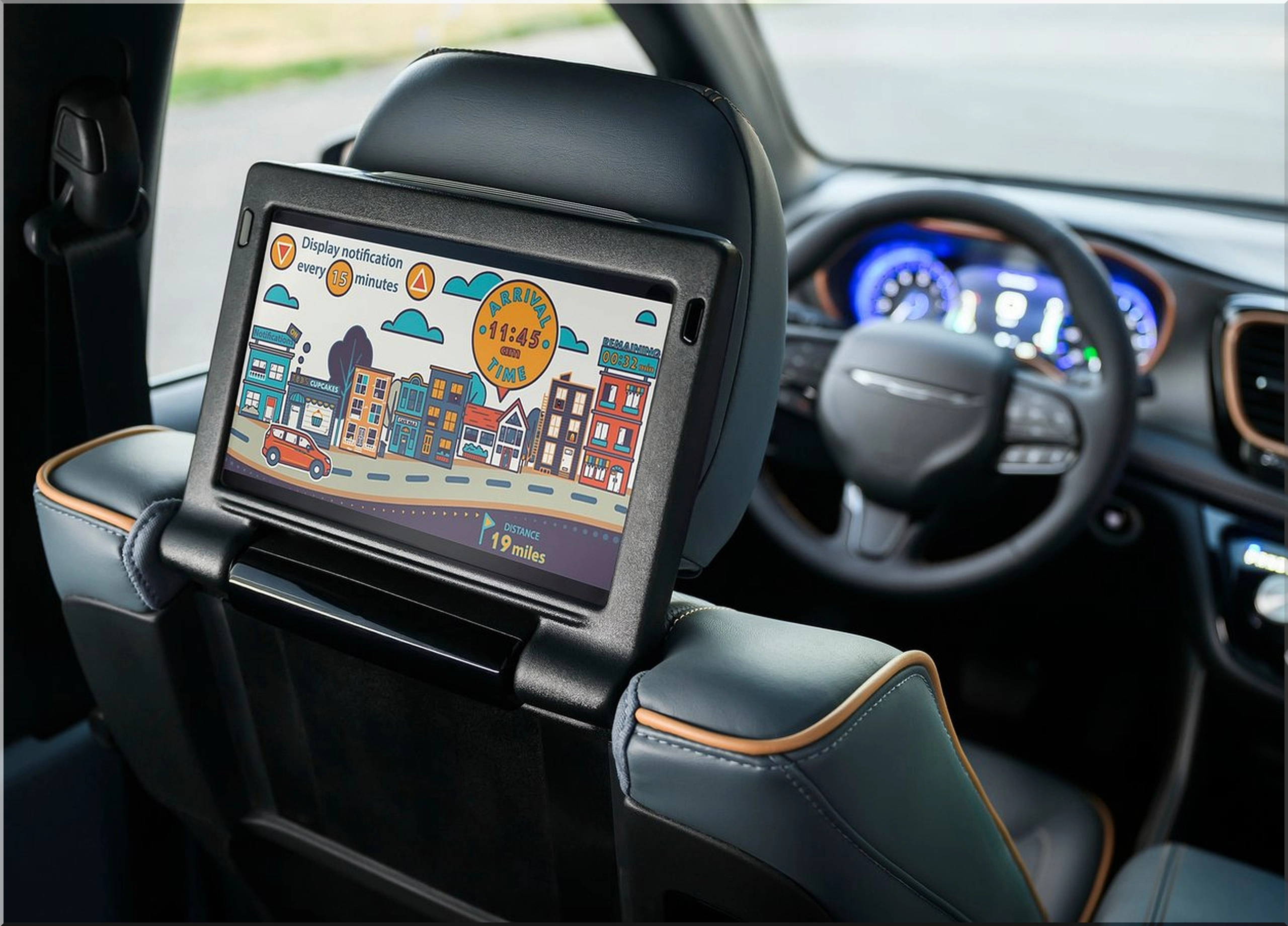
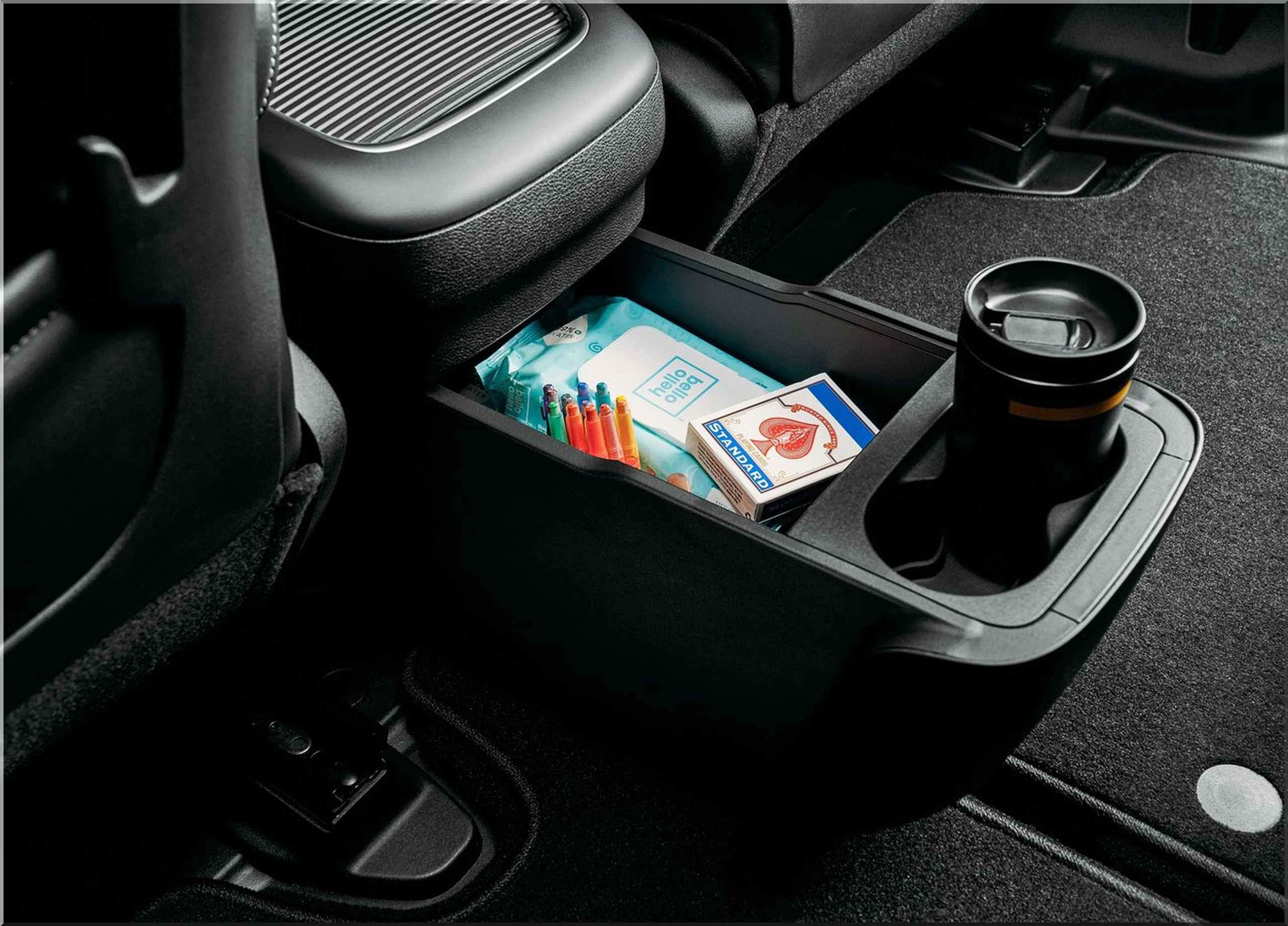
The cabin story is more subtle. Chrysler did not reinvent the dashboard architecture, but it improved the tone of the interior, and that was the right call. Minivan buyers rarely beg for drama. They want storage, visibility, clean controls, and surfaces that do not feel bargain-bin after six months.
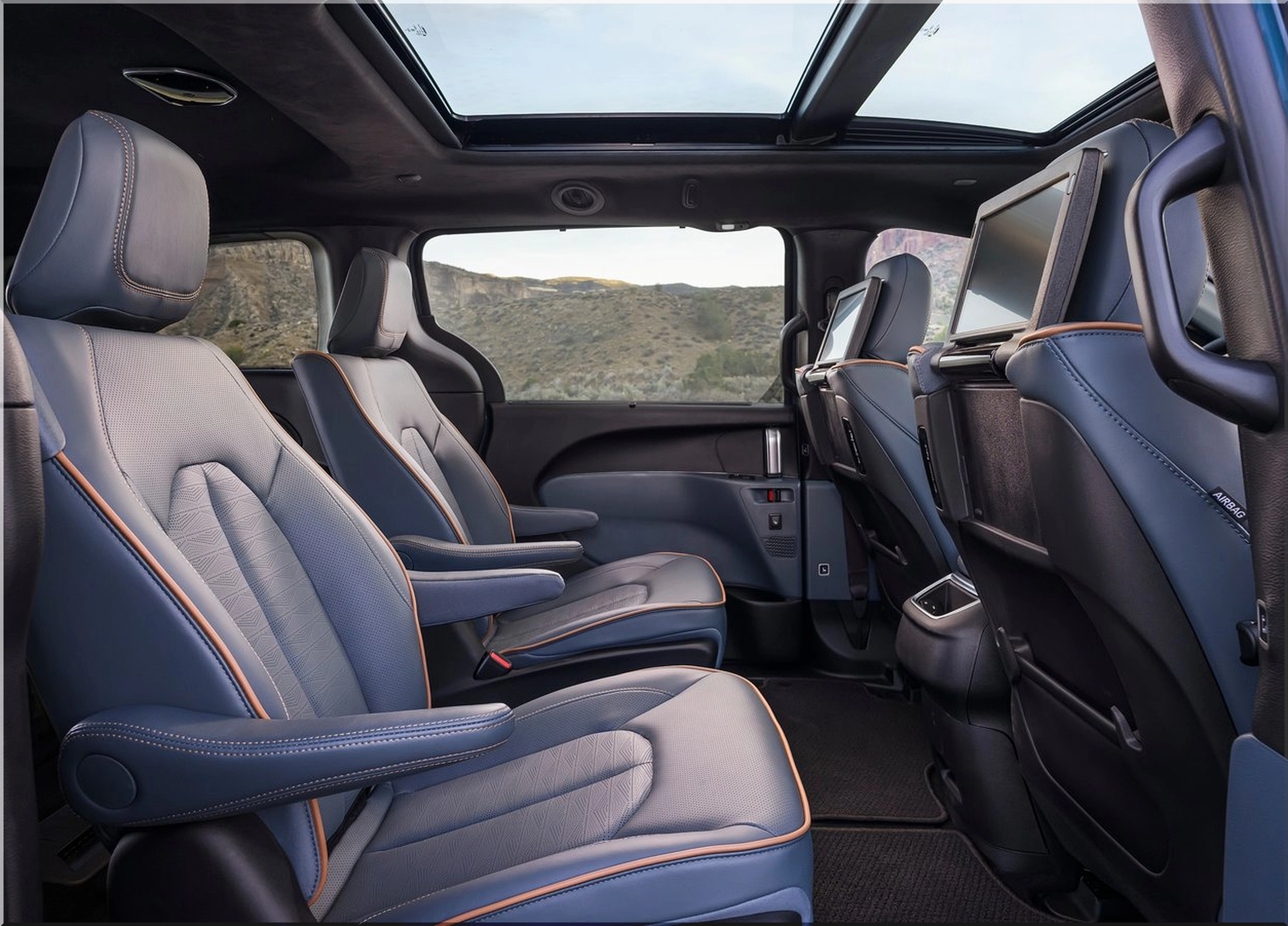
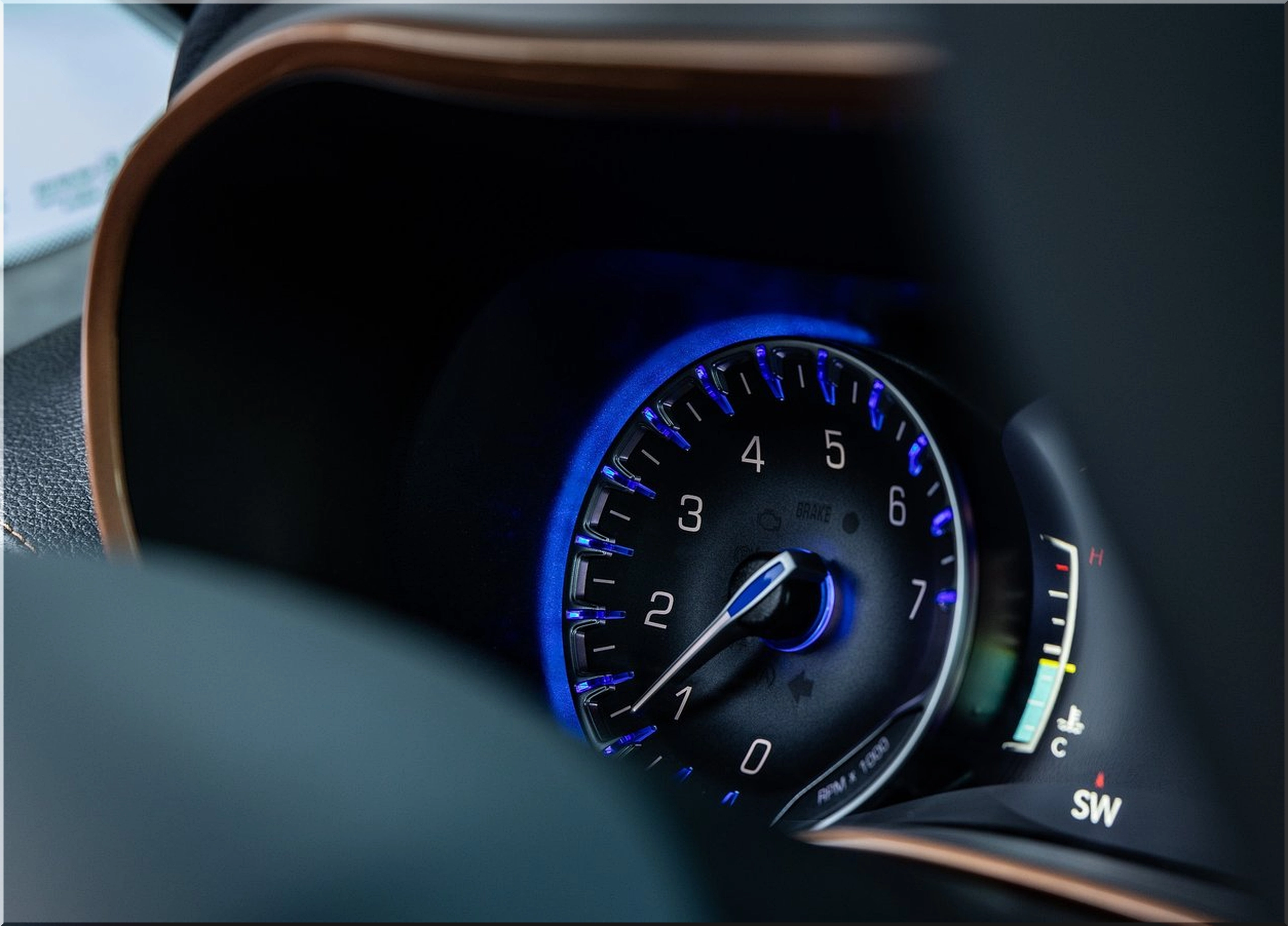
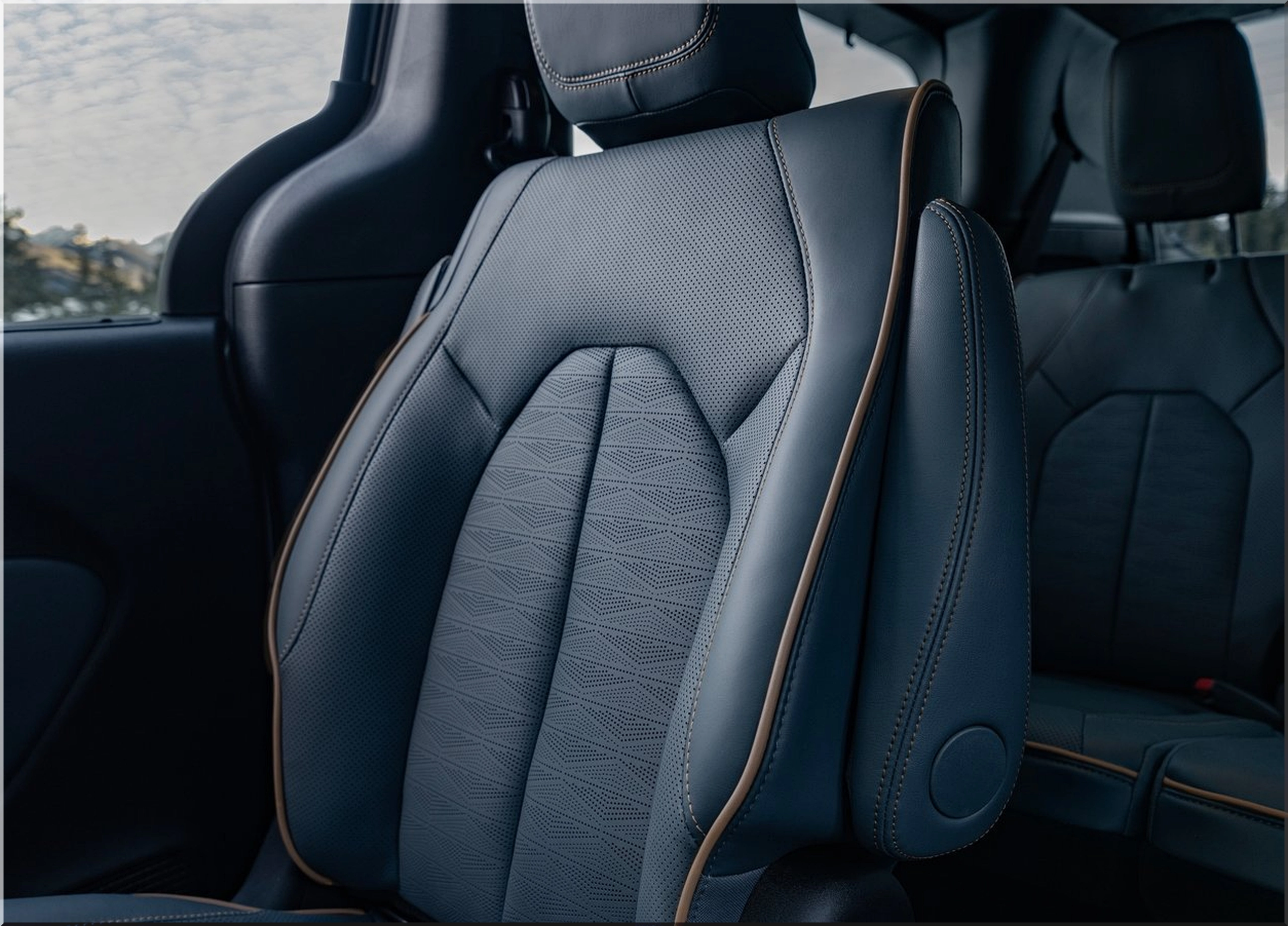
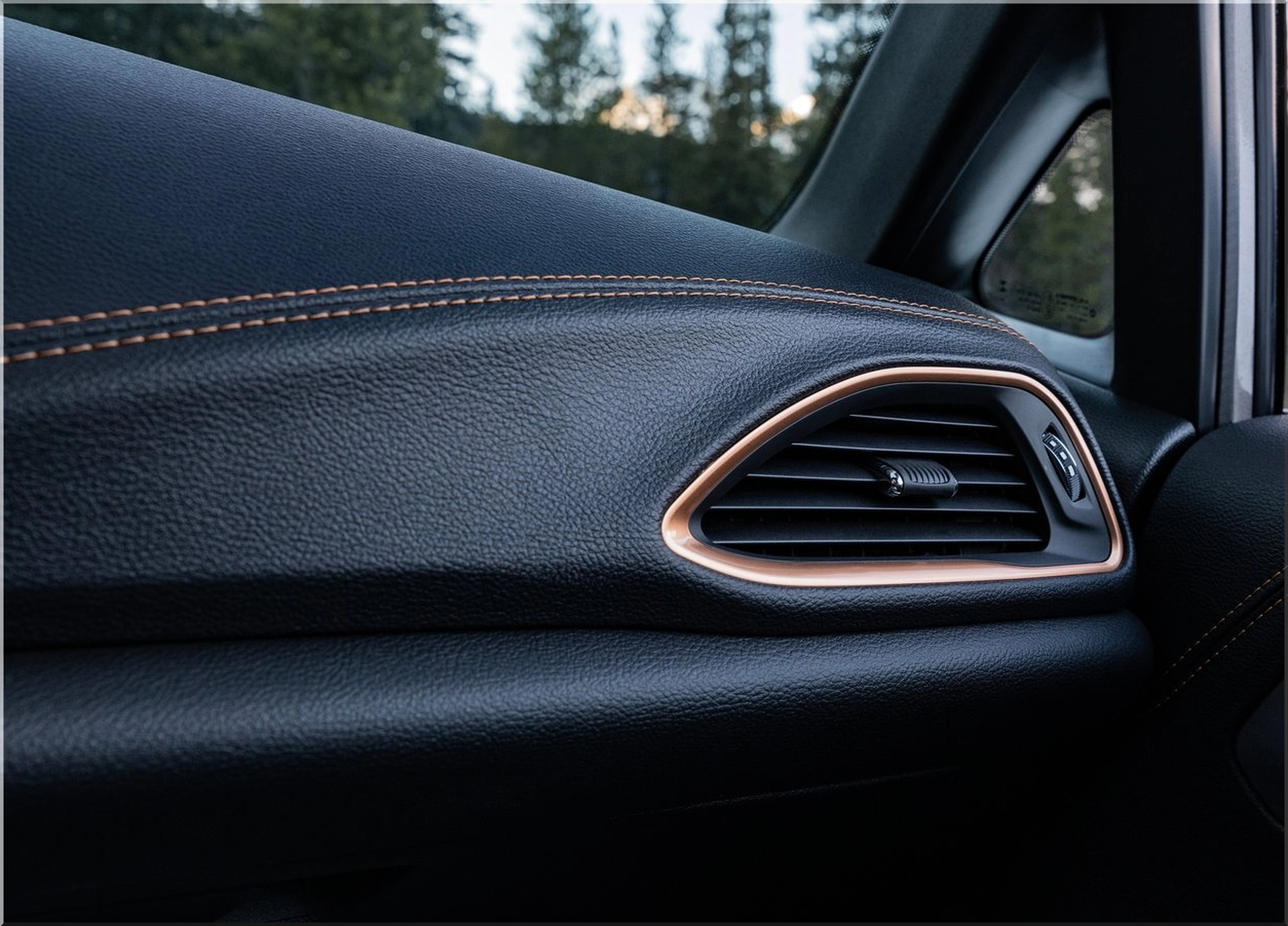
The top Pinnacle trim gets the most obvious changes, including a new Blue Agave Nappa leather interior, new parquet perforation, copper-toned trim details, and a more upscale feel overall. It is Chrysler reminding buyers that the Pacifica can still play near-premium when equipped properly.
By comparison, the more important upgrade for real families may be the new adjustable-height power liftgate. That sounds small until you remember how many suburban garages, parking decks, and carports turn full-height liftgates into accidental bodywork experiments.
Why the Pacifica still owns the packaging argument
This is where the 2027 Chrysler Pacifica still punches above its age.
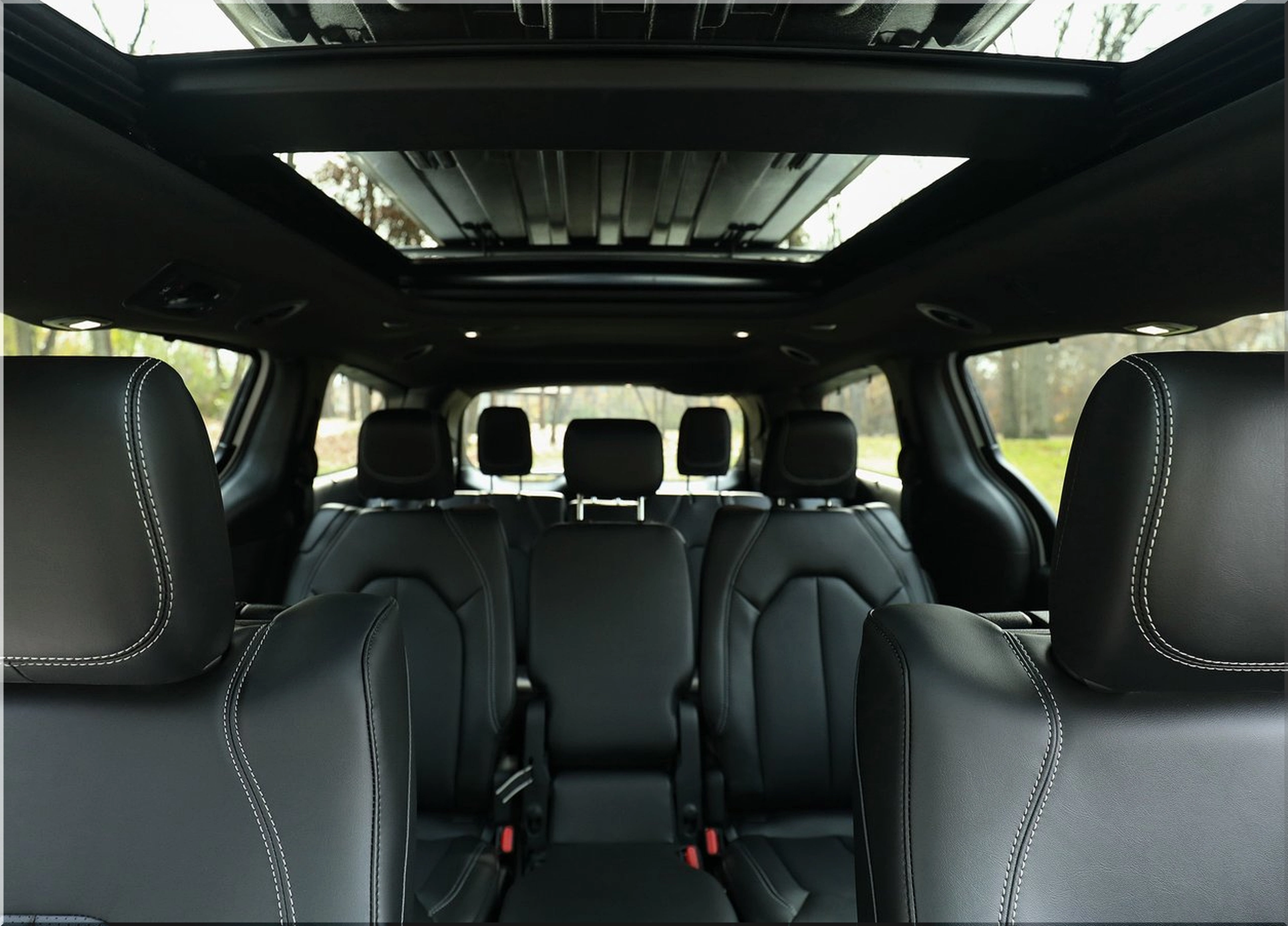
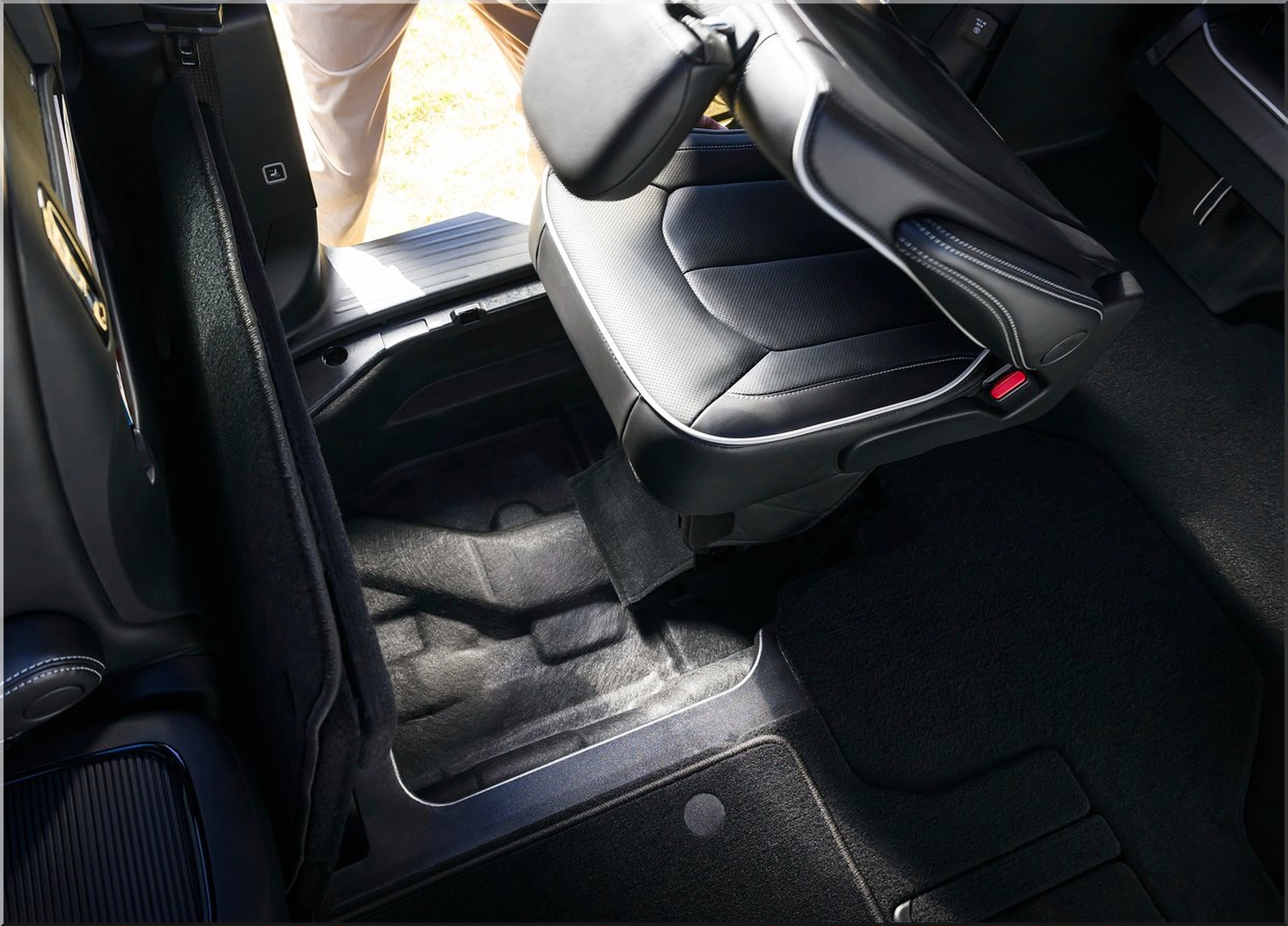
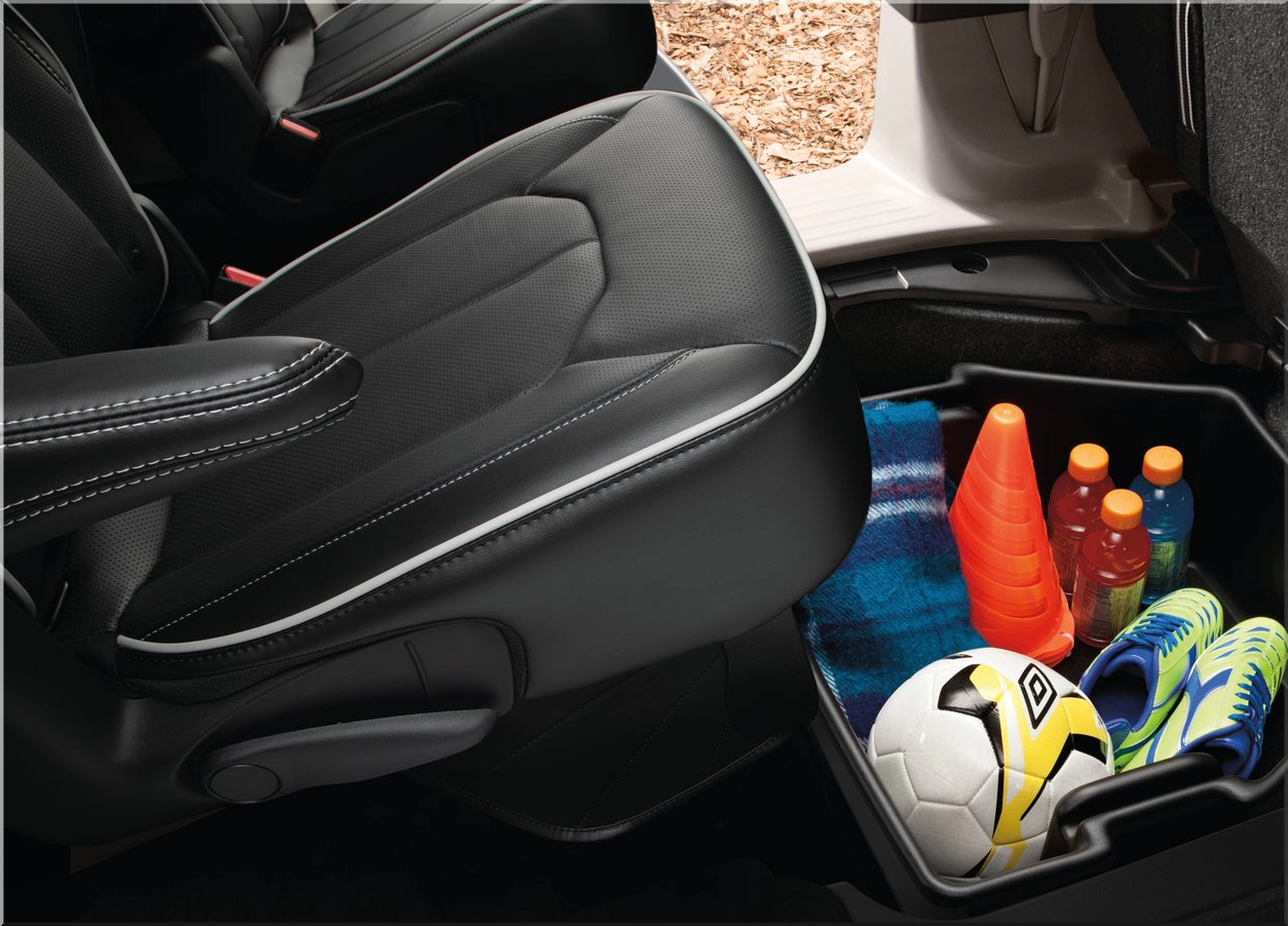
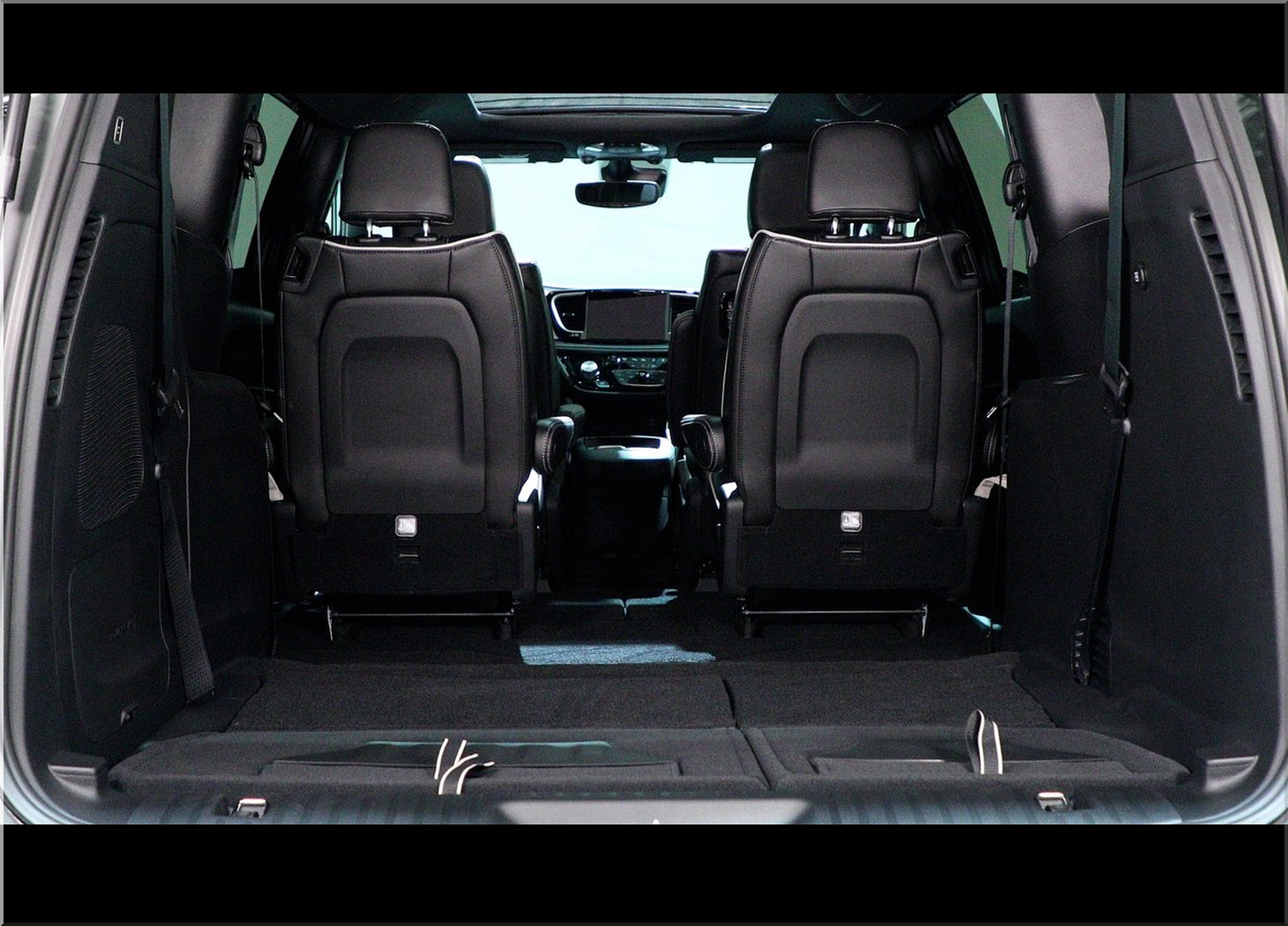
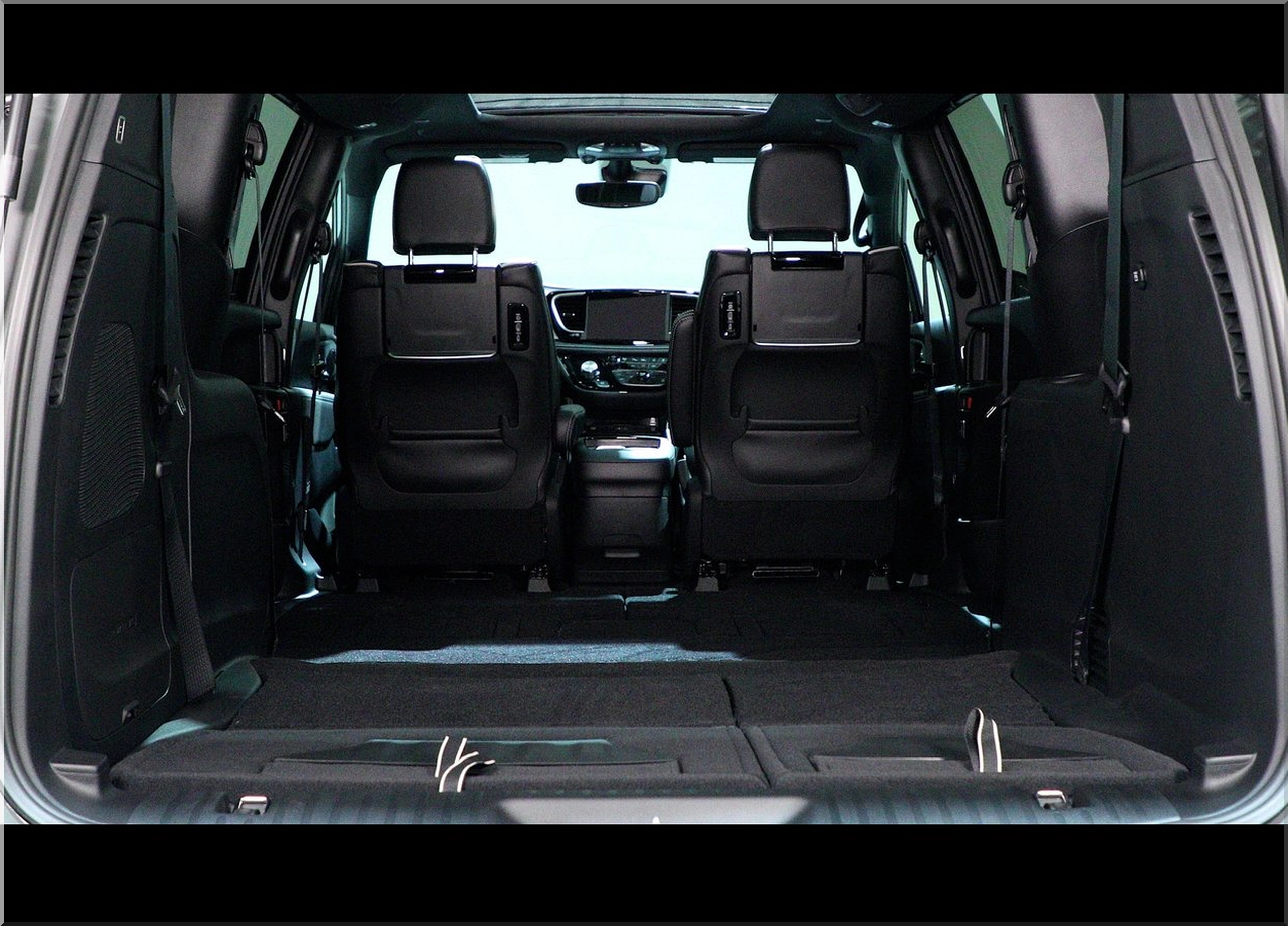
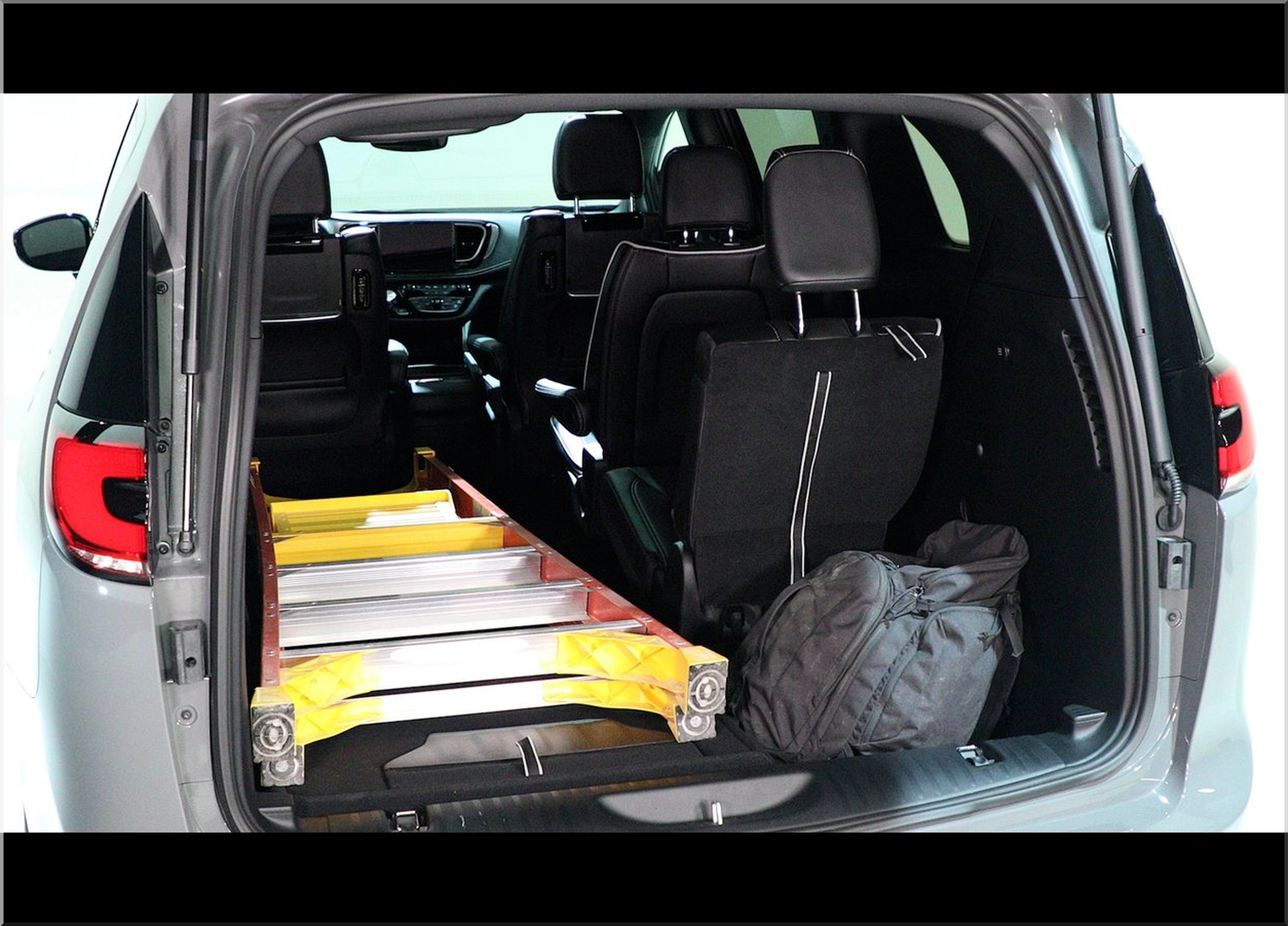
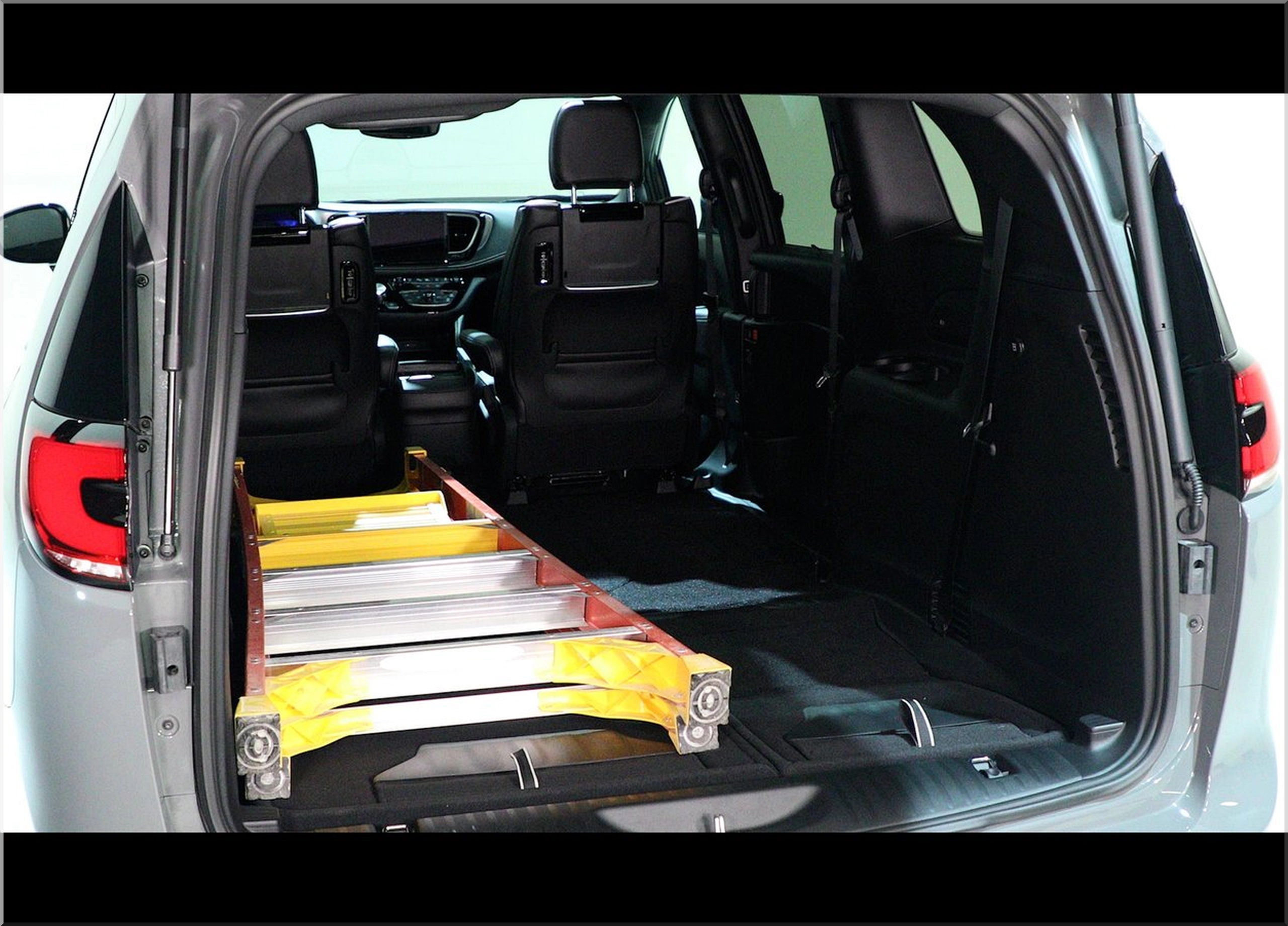
Stow 'n Go remains the Pacifica's killer feature. Chrysler says the van still offers second- and third-row seats that fold flat into the floor, and more than 140 cubic feet of cargo space with the seats down. In addition, the Pacifica remains the only minivan that pairs available all-wheel drive with second- and third-row Stow 'n Go on Select and Limited trims.
That combination still matters because competitors win different fights:
- The Toyota Sienna crushes it on fuel economy.
- The Kia Carnival Hybrid hits buyers who want sharper value and better efficiency.
- The Honda Odyssey keeps the old-school V6 minivan formula alive.
But if you want maximum seat-folding flexibility without removing hardware or playing garage-storage Tetris with second-row chairs, the Pacifica still makes the smartest case.
2027 Chrysler Pacifica trims and pricing
Chrysler simplified the entry point. The old Voyager name gives way to Pacifica LX, which keeps the familiar older exterior treatment while serving budget-minded buyers.
Here is the U.S. pricing structure Chrysler announced.
| 2027 Chrysler Pacifica Trim | FWD MSRP | AWD MSRP |
|---|---|---|
| Chrysler Pacifica LX | $41,495 | N/A |
| Chrysler Pacifica Select | $44,545 | $47,890 |
| Chrysler Pacifica Limited | $49,705 | $53,050 |
| Chrysler Pacifica Pinnacle | $54,910 | $58,255 |
These prices exclude destination, taxes, title, and fees.
That puts the Pacifica right where you would expect: not cheap, not outrageous, and clearly positioned to defend margin with better trim separation. Looking at the data, Chrysler wants the Select and Limited trims to carry the volume.
Powertrain, towing, and the part Chrysler did not rewrite
Under the hood, Chrysler stuck with the 3.6-liter Pentastar V6 and the nine-speed automatic. Output stays at 287 horsepower and 262 lb-ft of torque. Towing stays at 3,600 pounds, which remains a strong number in this class.
That is the good news.
The tougher news is market context. The minivan segment has shifted toward hybrid logic. Toyota built the Sienna into a fuel-economy weapon. Kia followed with the Carnival Hybrid. Chrysler showed up in New York with a cleaner face and a familiar V6. That means the Pacifica still feels strong for highway merging, passing, and towing, but it no longer owns the efficiency conversation.
Key mechanical facts
- Engine: 3.6-liter V6
- Output: 287 hp / 262 lb-ft
- Transmission: 9-speed automatic
- Drivetrain: FWD standard, AWD available on upper trims
- Max towing: 3,600 lbs
- Cargo volume: more than 140 cu. ft. with seats folded
Pacifica vs Sienna vs Odyssey vs Carnival Hybrid
This is the section Chrysler buyers should actually read before signing paperwork.
| Model | Powertrain | Horsepower | Combined MPG | Max Towing | Big Strength |
|---|---|---|---|---|---|
| 2027 Chrysler Pacifica | 3.6L V6, 9AT | 287 hp | 22 mpg FWD / 20 mpg AWD | 3,600 lbs | Stow 'n Go versatility, AWD + fold-flat seating |
| 2026 Honda Odyssey | 3.5L V6, 10AT | 280 hp | 22 mpg | 3,500 lbs | Strong V6 smoothness, family-friendly cabin |
| 2025 Toyota Sienna | Hybrid | 245 hp | up to 36 mpg | 3,500 lbs | Fuel economy king, hybrid-only simplicity |
| 2025 Kia Carnival Hybrid | Hybrid | 242 hp | 33 mpg | 2,500 lbs | Strong value, modern design, hybrid efficiency |
Where the Pacifica wins
- Best cargo flexibility in the class
- Strong towing number
- Available AWD with useful seating configuration
- More premium look than before
- Sliding-door practicality still embarrasses many three-row SUVs
Where the Pacifica loses
- Fuel economy lags the hybrid rivals
- Refresh did not change the basic platform equation
- Interior tech and efficiency gains feel incremental, not dramatic
- The market now expects more electrification from a flagship family hauler
The engineering logic behind Chrysler's decisions
There is a reason Chrysler did not rip up the Pacifica formula. Minivans live or die by packaging, durability, noise control, and real-world convenience. The Pacifica already had those fundamentals. Chrysler instead focused on visible upgrades, better lighting, small usability gains, and trim reshuffling that improves showroom logic.
Consequently, the refresh reads like a margin-protection move with brand-design benefits. Chrysler keeps a familiar mechanical package, reduces risk, adds perceived value, and uses the Pacifica's face to preview where the brand wants to go next.
That is a rational play. It is also conservative.
Pro-Tips
Pro-Tip: Pick the trim with your life in mind, not your ego
The Select trim looks like the sweet spot. It gets the refreshed design, available AWD, and strong feature content without the Pinnacle's steep price.
Pro-Tip: Do not ignore the fuel bill
If you drive heavy annual miles, the Toyota Sienna or Kia Carnival Hybrid will make a stronger long-term money case.
Pro-Tip: Pacifica still makes sense for snow-belt families
If you want AWD and true fold-flat seating without removing second-row chairs, the Pacifica still has a real edge.
Pro-Tip: The liftgate upgrade is more useful than it sounds
Low garage? Tight parking deck? Roof box? The new adjustable-height power liftgate solves a daily annoyance before it becomes a repair bill.
Why this matters to you
If you are shopping for a family vehicle in America, the 2027 Chrysler Pacifica remains one of the smartest answers to the question most buyers ask too late: what makes daily life easier?
The refresh sharpens the design, improves feature packaging, and keeps the minivan's strongest hardware advantages intact. But this debut also confirms something bigger. Chrysler chose refinement over reinvention. That keeps the Pacifica competitive. It does not make it the class leader in every metric.
What now?
If your priority is flexibility, towing, AWD, and seat-folding convenience, the refreshed 2027 Chrysler Pacifica deserves a serious test drive.
If your priority is fuel savings, you should cross-shop the Toyota Sienna and Kia Carnival Hybrid before making any decision.
If your priority is traditional V6 refinement with no hybrid transition, the Pacifica and Odyssey remain the cleanest apples-to-apples comparison.
The 2027 Pacifica did exactly what it needed to do in New York. It bought Chrysler time, gave the van a sharper identity, and reminded everyone that the minivan still solves family transportation better than most oversized crossovers with attitude problems.
- Add new comment
- 41 views